Last week, I visited Coimbra, a city renowned for having the oldest university in Portugal and its traditional Fado music. My main goals for the trip were to explore the historic university and experience a live Fado performance. I took a bus from Porto to Coimbra, arriving at the bus station around 4 PM. After checking into my hotel, I got ready for the Fado show, which started at 6 PM. The performance lasted an hour, and afterward, I headed out for dinner.





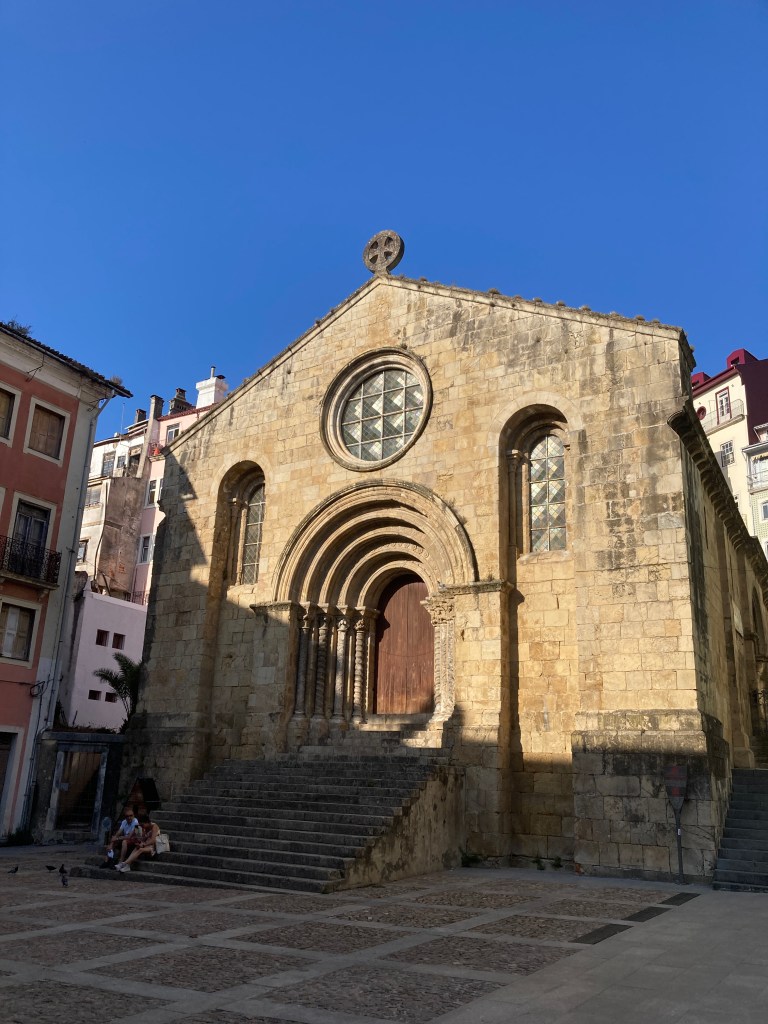
Church of Santiago
This Romanesque building, dating back to the late 12th century and consecrated in 1206, has undergone numerous transformations over the centuries that significantly altered its original appearance. In 1546, the Santa Casa da Misericórdia de Coimbra began constructing its facilities above the right nave, eventually expanding into other areas. During the 19th century, the widening of Rua de Coruche (now Rua Visconde da Luz) led to the removal of the church’s transept. Its current appearance is the result of early 20th-century efforts aimed at restoring its “original purity.”
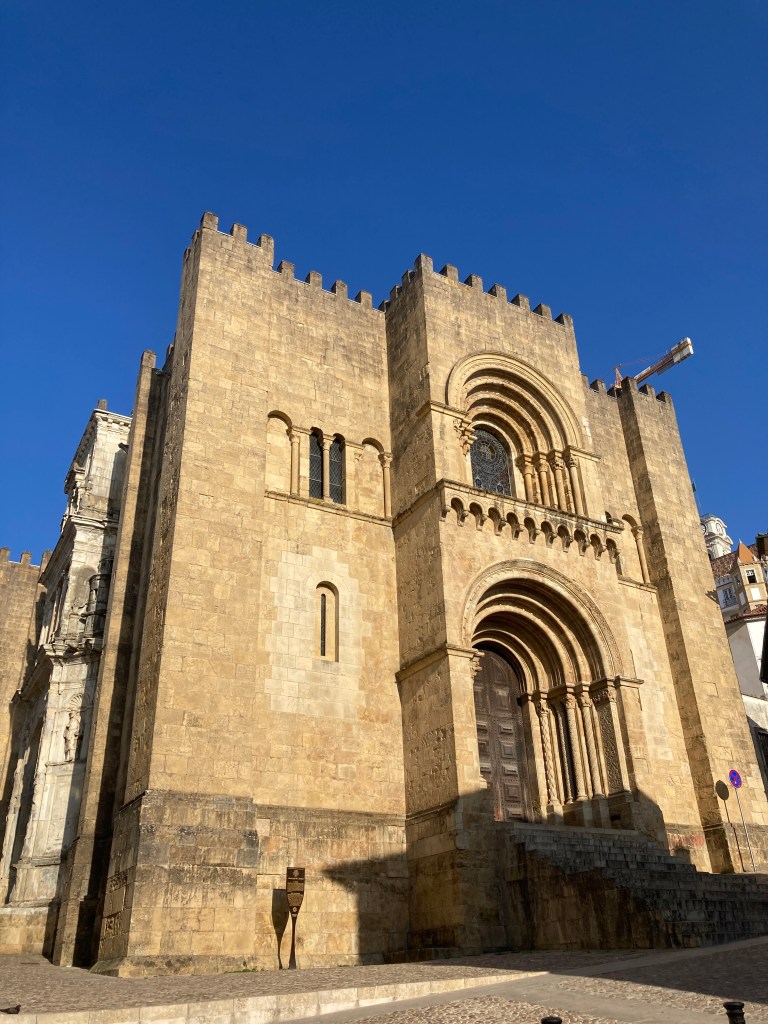
Old Cathedral of Coimbra
The Old Cathedral of Coimbra (Portuguese: Sé Velha de Coimbra) is a Romanesque Roman Catholic church in Portugal. Construction began shortly after the Battle of Ourique in 1139, when Prince Afonso Henriques declared himself King of Portugal and made Coimbra the capital. The cathedral is also the burial site of the first Count of Coimbra, the Mozarab Sisnando Davides.
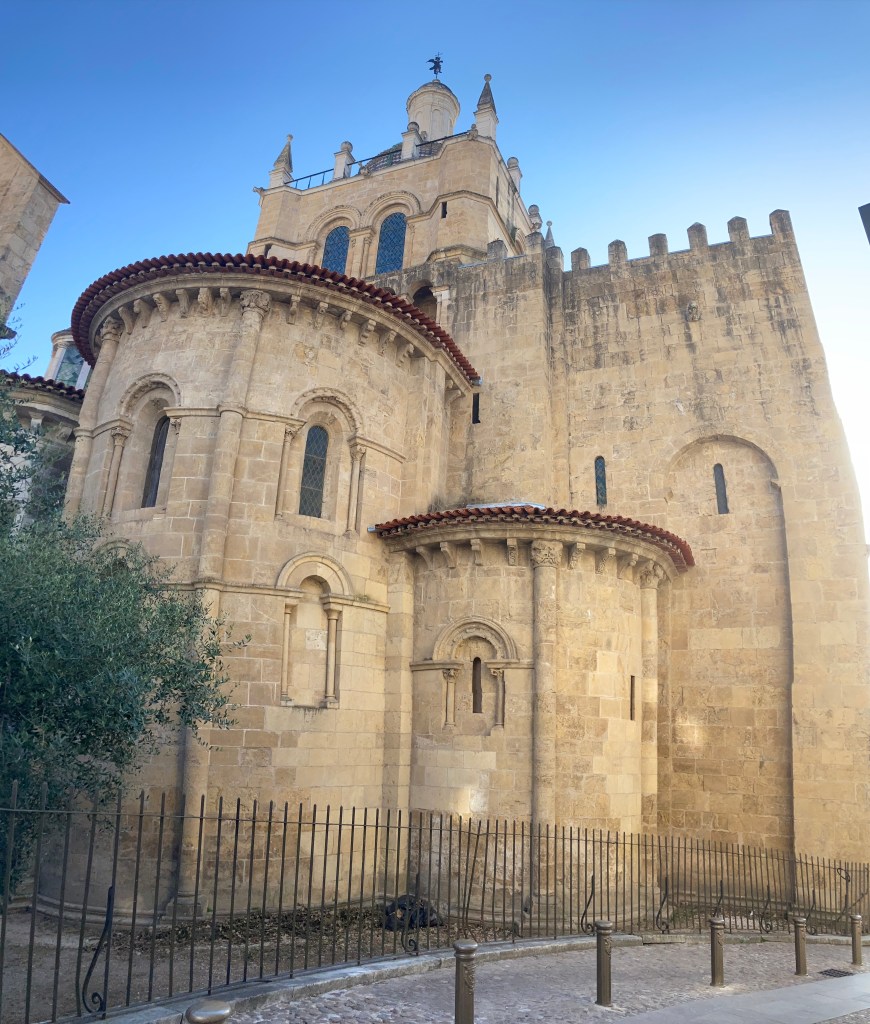
New Cathedral of Coimbra
The Coimbra New Cathedral (Portuguese: Sé Nova de Coimbra), also known as the Cathedral of the Holy Name of Jesus, serves as the co-cathedral of the city of Coimbra, along with the Old Cathedral (Sé Velha de Coimbra). It is situated near the historic University of Coimbra in the upper part of the city.

National Museum of Machado de Castro
The Machado de Castro National Museum is one of Portugal’s most significant museums, named after the famous Coimbra sculptor Machado de Castro (1731-1822). The museum opened to the public in 1913, with António Augusto Gonçalves serving as its first director from 1913 to 1928. In 1965, the museum was officially designated as a National Museum by the state in recognition of its exceptional quality.

Church of Saint John of Almedina
The Church of São João de Almedina is part of the Episcopal Palace of Coimbra, which also houses the National Museum of Machado de Castro. It is located in the former parish of Sé Nova, within the city and municipality of Coimbra, in the District of Coimbra, Portugal.

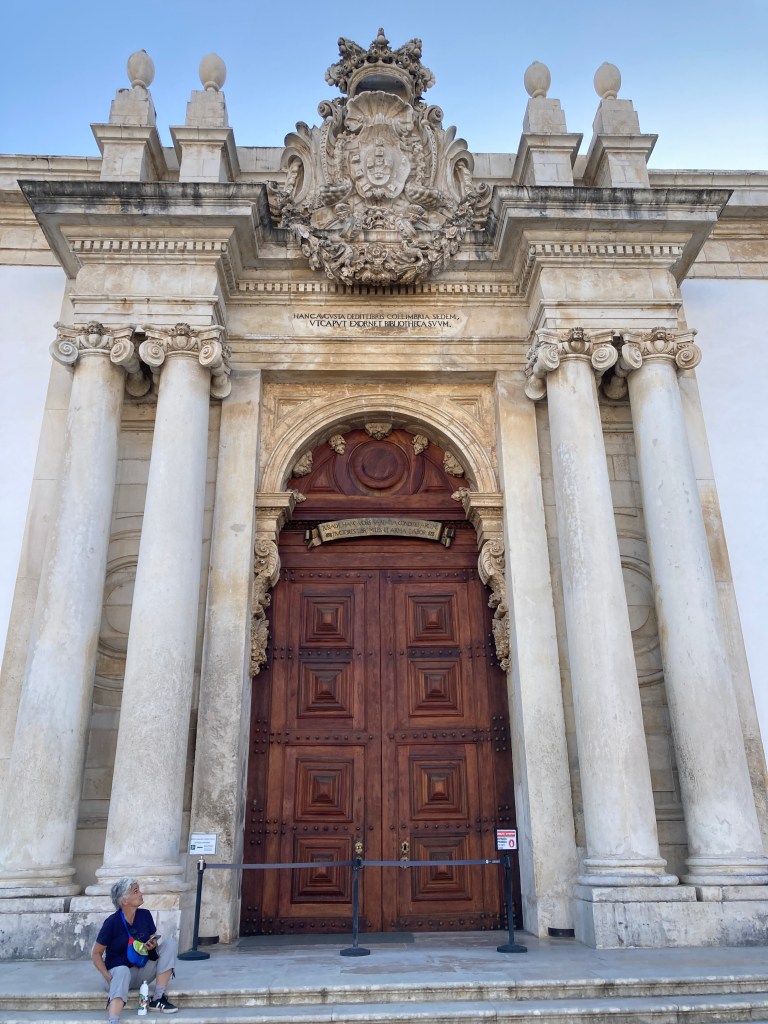
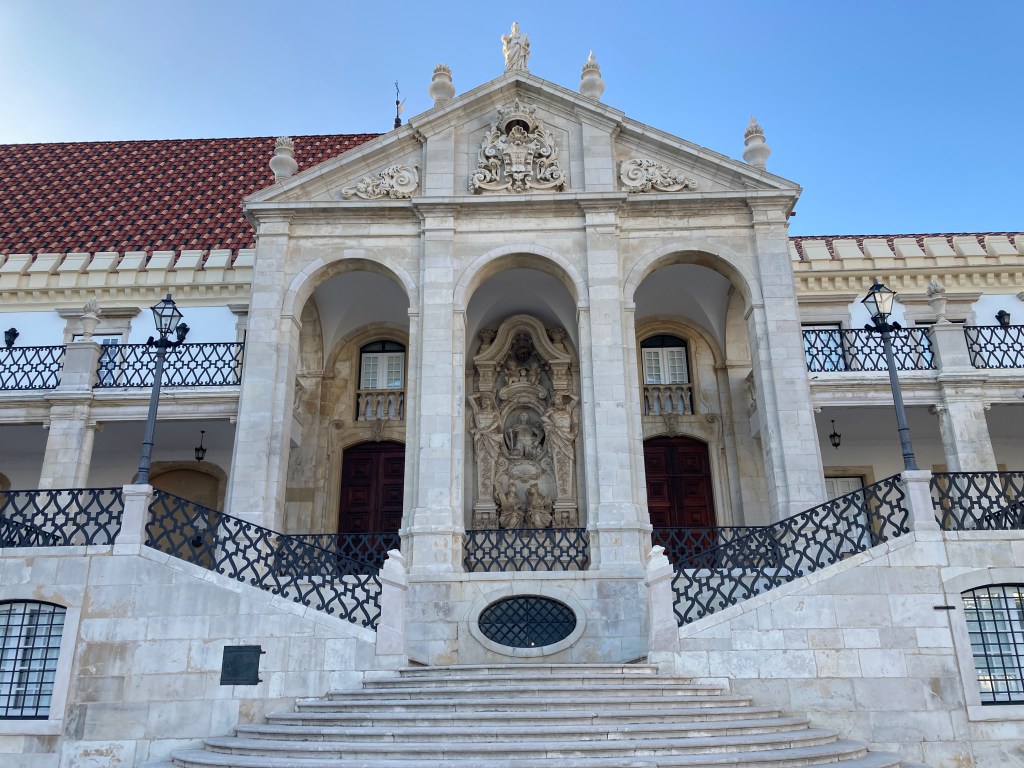
Coimbra University
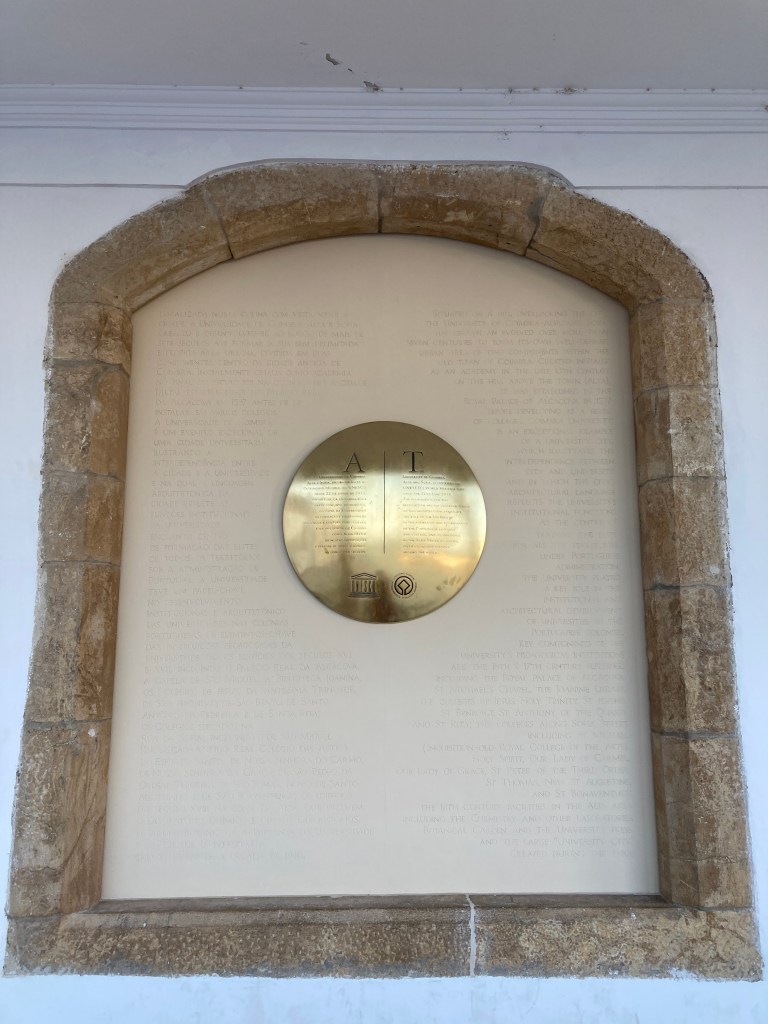
The University of Coimbra is one of the oldest universities in Europe and one of only five worldwide designated as a World Heritage Site. Founded in 1290, it has been housed in its current building since 1544. Originally a royal palace, the structure has been extensively remodeled and expanded over the centuries, particularly in the 1700s, leaving little of the original royal residence intact.


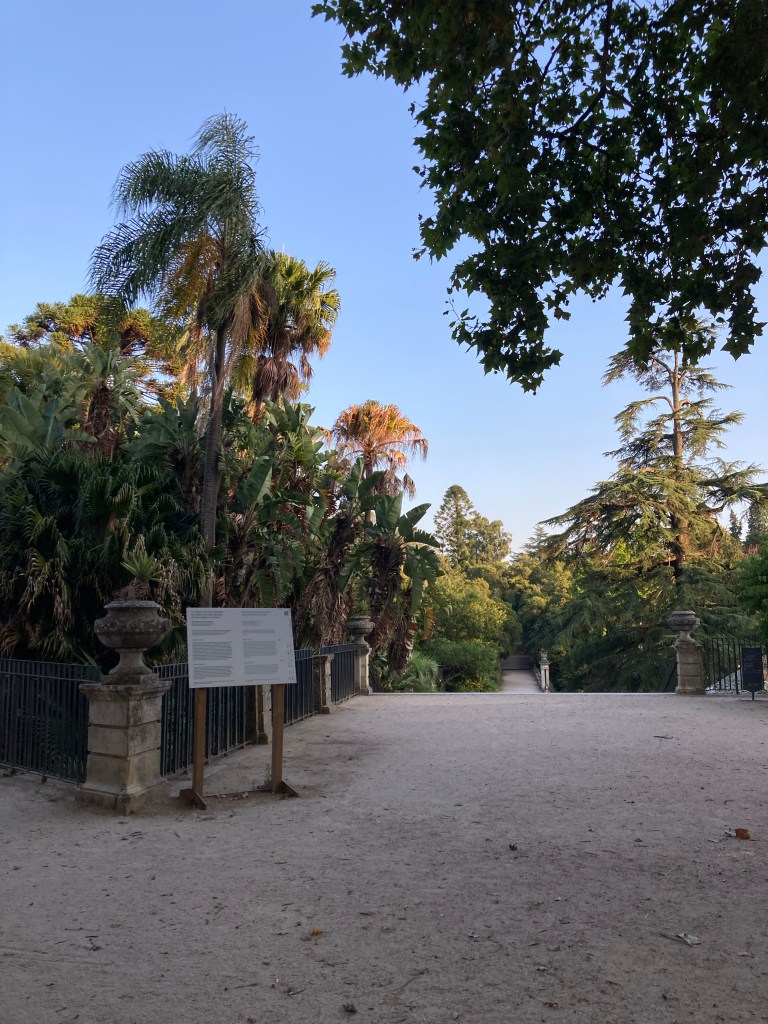
Botanical Garden of the University of Coimbra

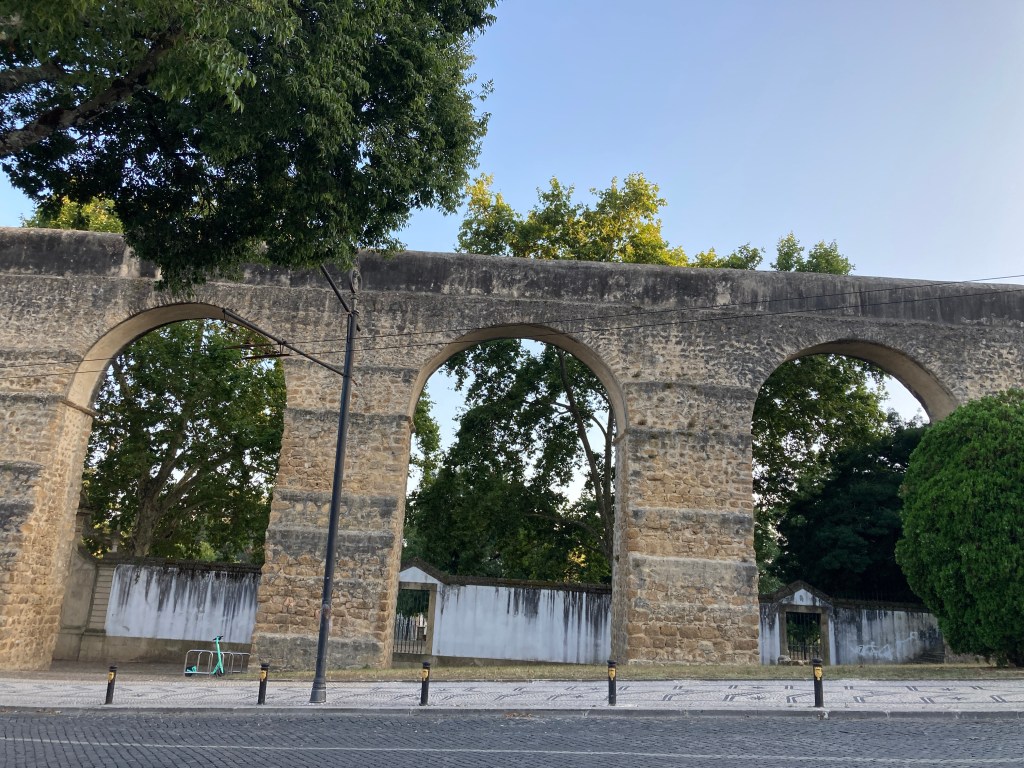
Hotel Oslo is a family-run establishment located just 50 meters from the station, offering views of the city and its historic university. The hotel features recently renovated rooms with free Wi-Fi.
Each air-conditioned room includes comfortable beds, a private bathroom with a hairdryer, a TV, and a safety deposit box.
The Santa Cruz Monastery is a 5-minute walk away, and the Mondego River is just a 2-minute stroll from the property. Free private parking is available on site.


Coimbra Station
Coimbra has two train stations: Coimbra A (Estação Nova) and Coimbra B (Estação Velha). The nearest station to Coimbra University and the historic old town is Coimbra A, which serves as the main station for regional trains.
Coimbra B is the primary station for high-speed trains traveling to and from outside the region. It is located about 1 km north of Coimbra and can be reached in 5 minutes by local (Urbano) train.
Trains from Gare do Oriente in Lisbon to Coimbra run approximately every hour and the journey takes about 2 hours. The first train from Lisbon’s Oriente station to Coimbra departs at 6:09 AM, with the last train leaving at 10:09 PM.

Monastery of Santa Clara-a-Velha
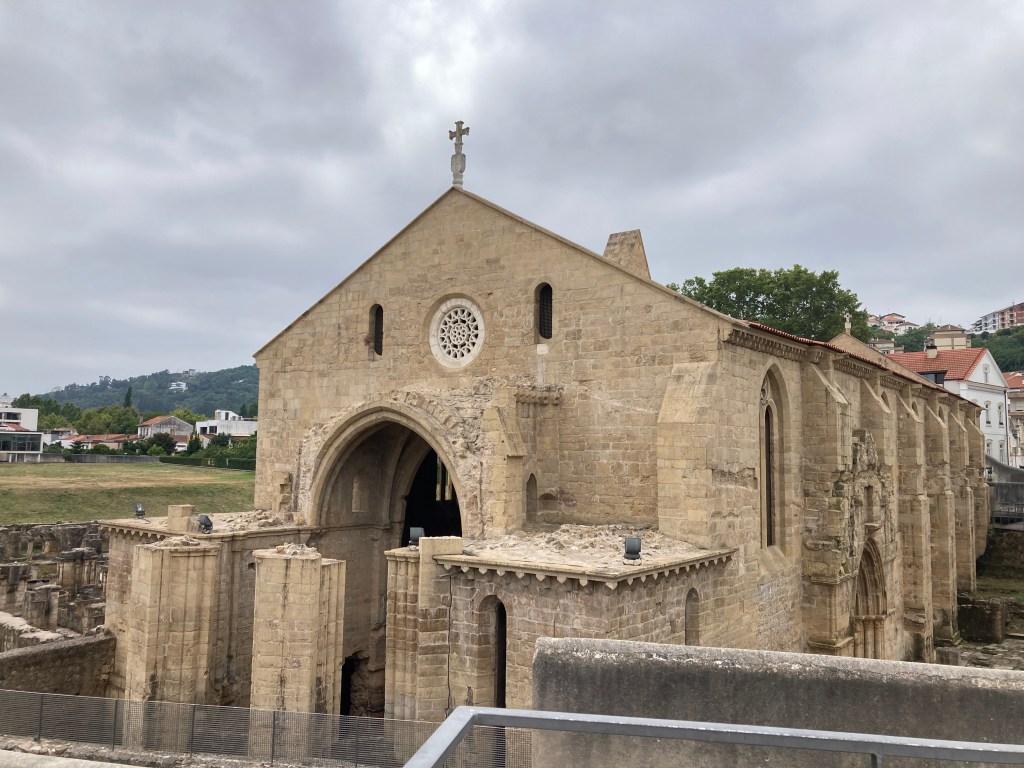
The ruins of the Monastery of Santa Clara-a-Velha (Old St. Clare) are located in Coimbra, Portugal. Built in the 14th century on the left bank of the Mondego River, the monastery had to be abandoned in the 17th century due to frequent flooding. The well-preserved Gothic ruins were excavated in the late 20th century, more than 300 years after the nuns left.
The eastern apse of the monastery’s church is particularly notable, with the main chapel having lost its stone roof. Recently, the ruined church has reopened to the public after 12 years of restoration work, featuring a new visitor center.
Planning a trip to Coimbra? I’ve put together a detailed itinerary for a quick 2-day, 1-night stay. If you find this guide helpful, please consider using my affiliate links to book your hotel and activities. It won’t cost you anything extra, and it helps support me in creating more content like this.
If you enjoyed this post, I’d really appreciate it if you could give it a like and share it with others. Thank you for your support!





 Real Traveler, Real Experiences, Real Results.
Leave a comment