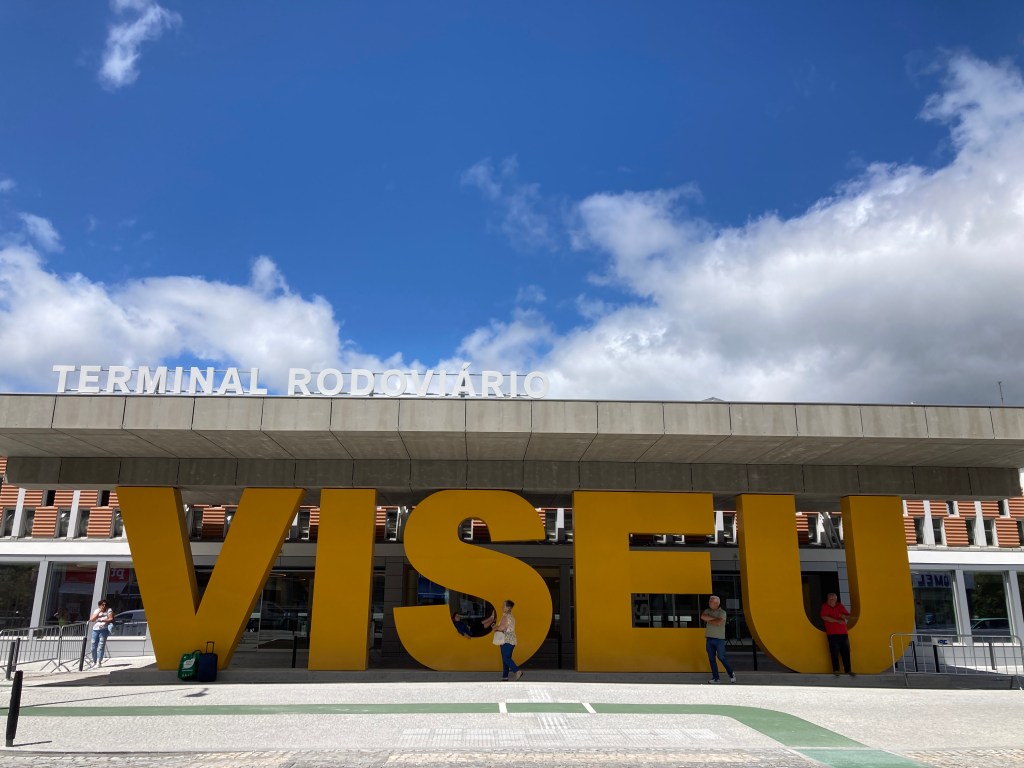
Today, I decided to take a day trip to Viseu, departing from Braga. The one-way bus fare is €3.95 if booked online in advance, which is the cheapest option. Prices vary depending on the bus operator, and the journey takes approximately 2 hours and 45 minutes.


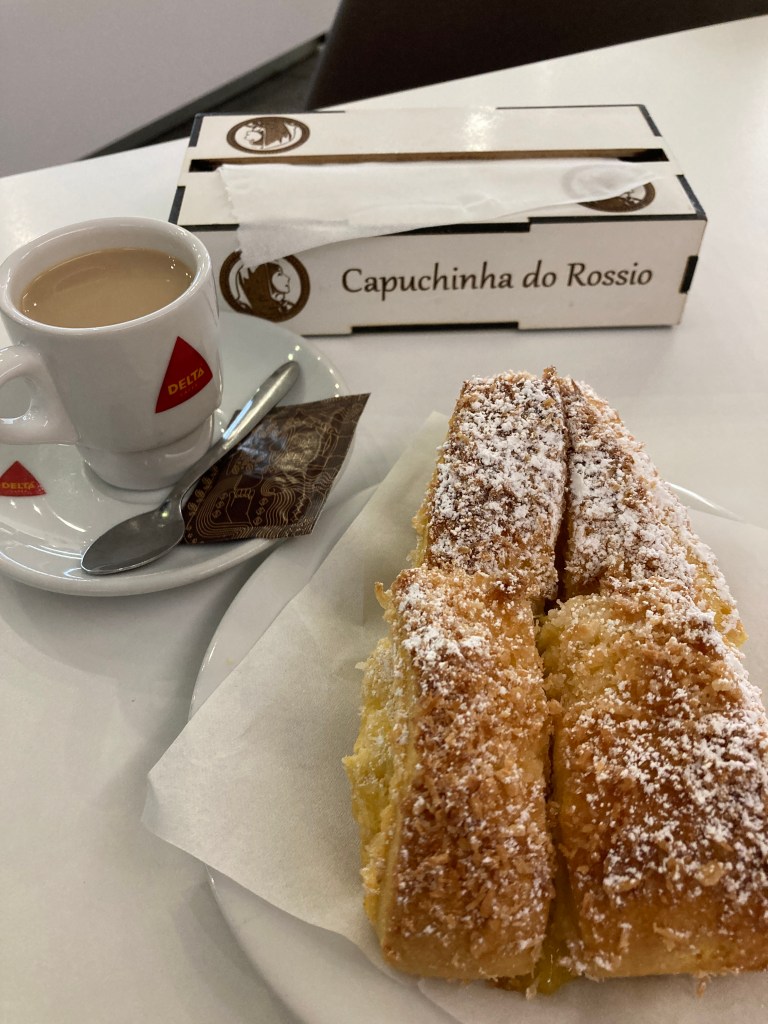
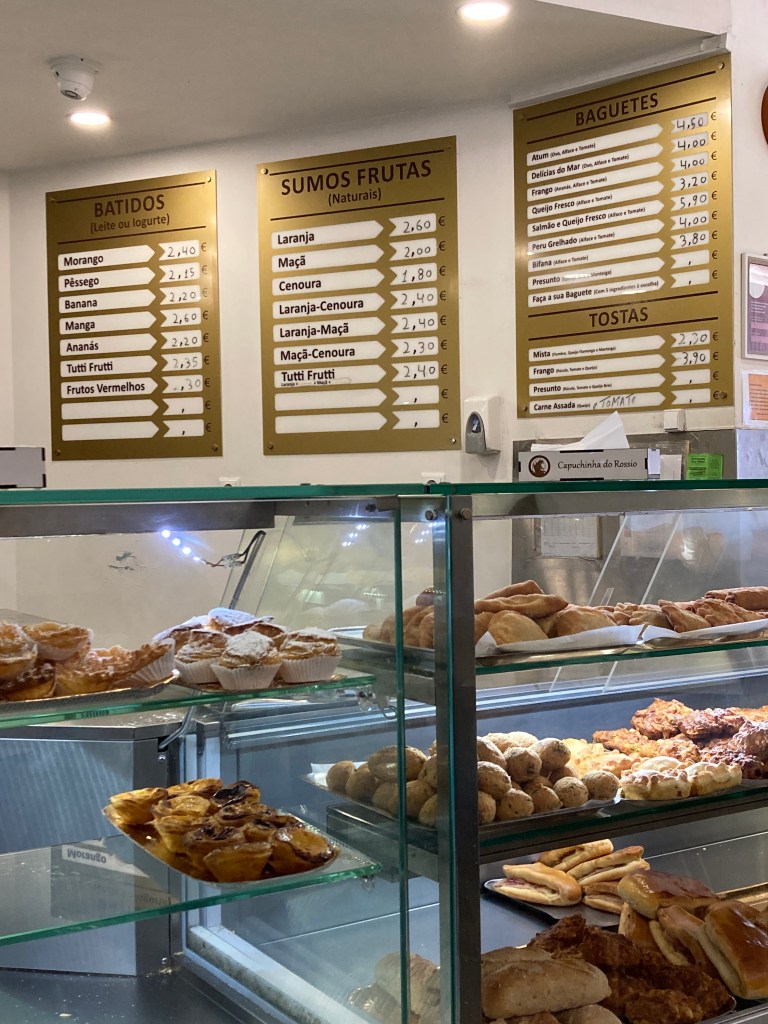
After arriving in Viseu, I tried the traditional cake called “Viriato.”
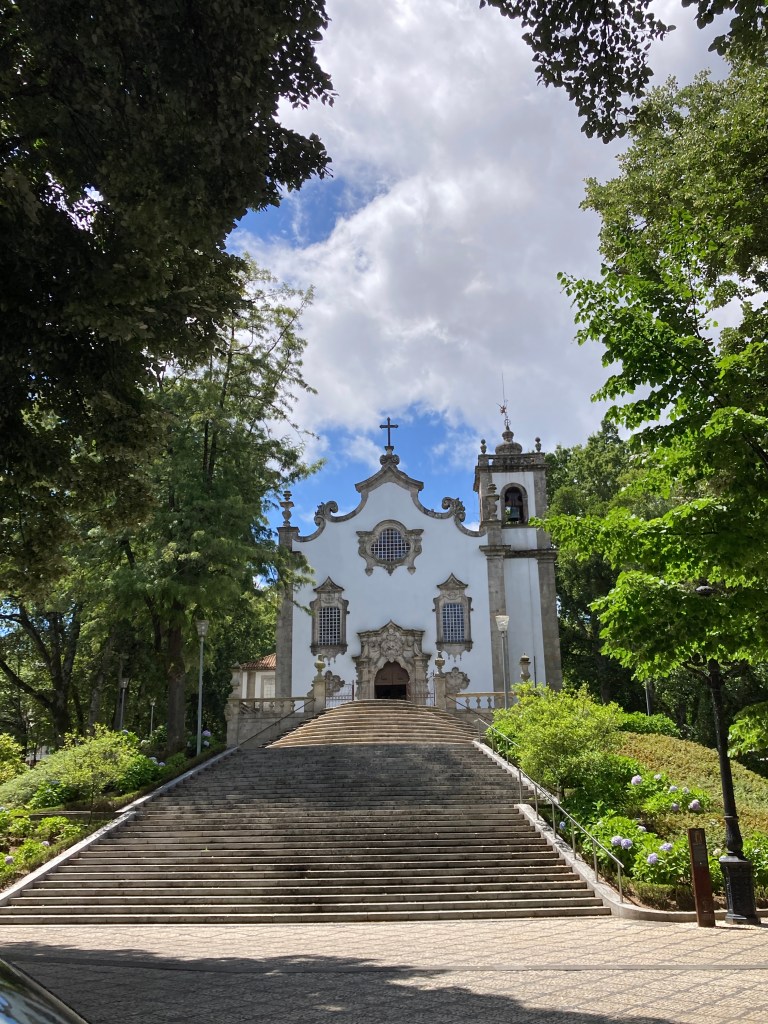
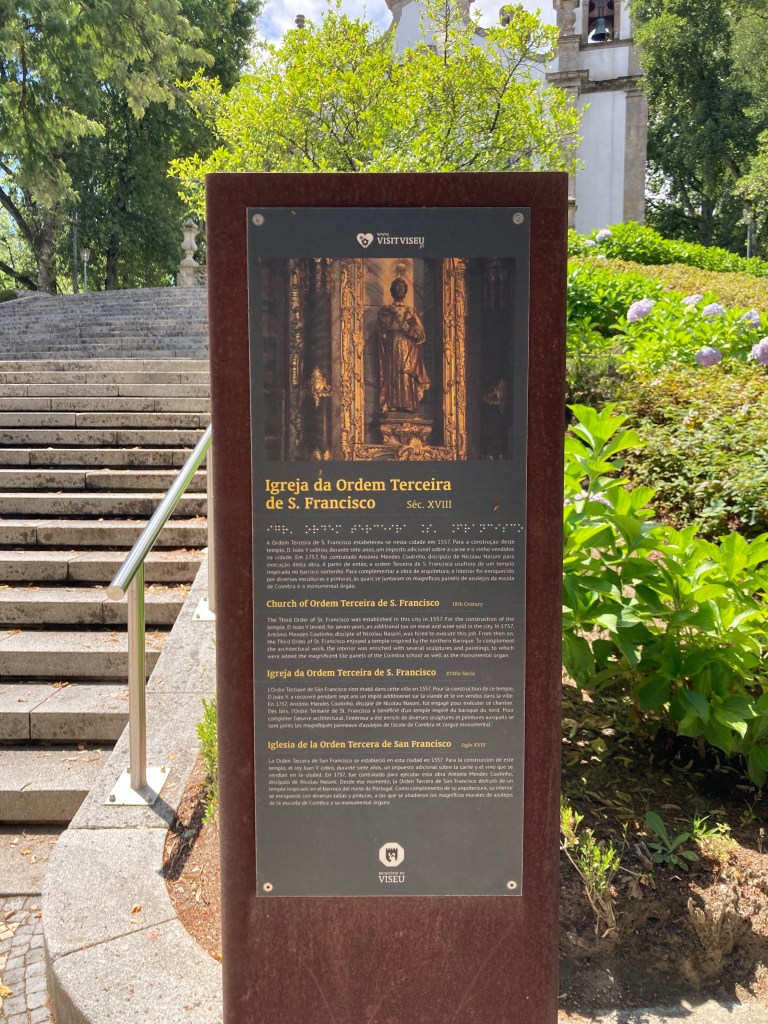
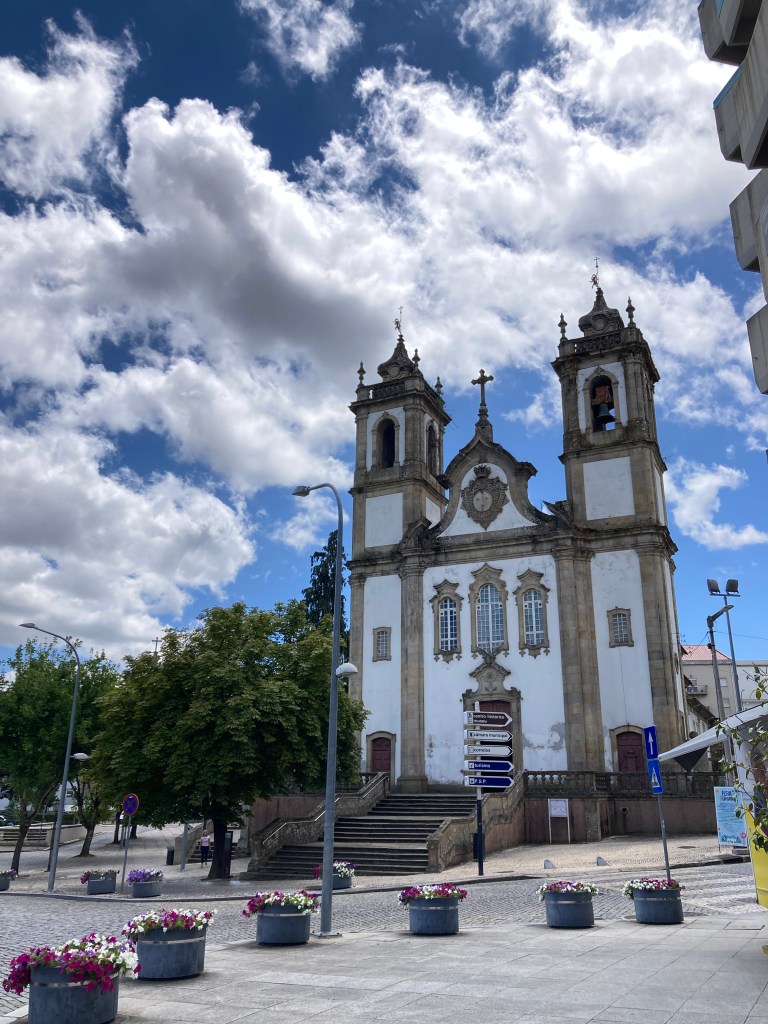
Igreja da Ordem Terceira de São Francisco
Ascend the elegant, lengthy staircase; the interior is well worth it! Constructed in the 18th century, this temple replaced a predecessor that collapsed in the same location. Thanks to the generosity of King João V, who sanctioned a special tax on meat and wine to fund its construction, the new temple was built. Inside, you can marvel at the tile panels illustrating the life of St. Francis, which adorn the entire central nave. Don’t miss the upper choir, where you can still see an impressive 18th-century pipe organ.
Entrance is free
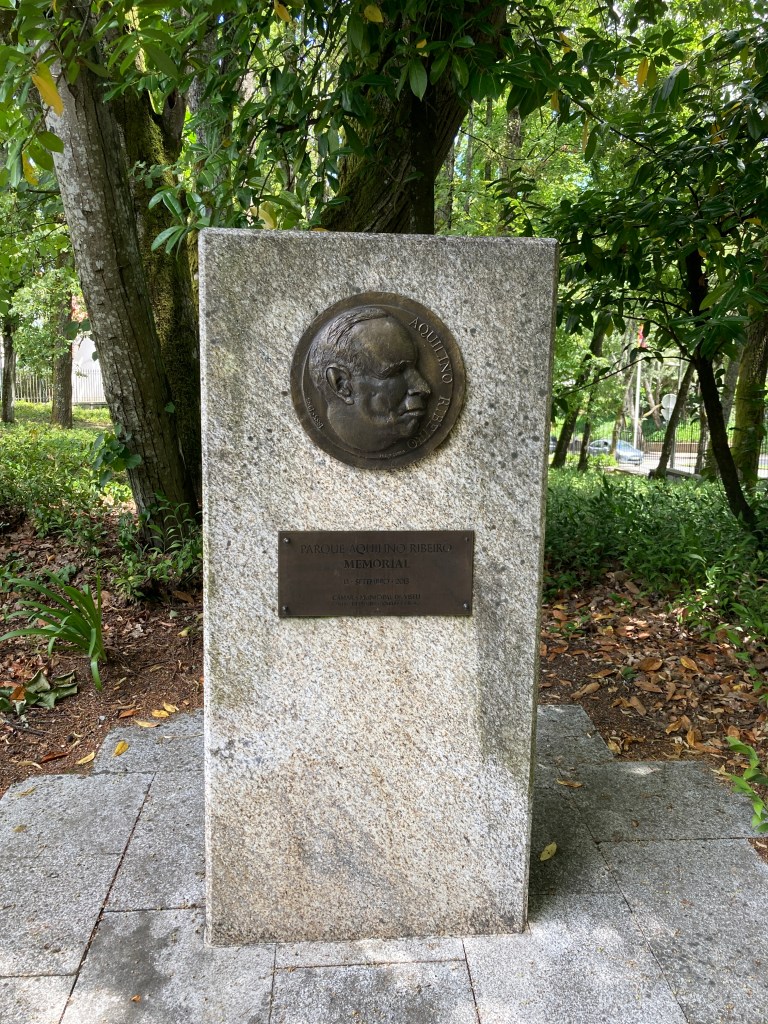
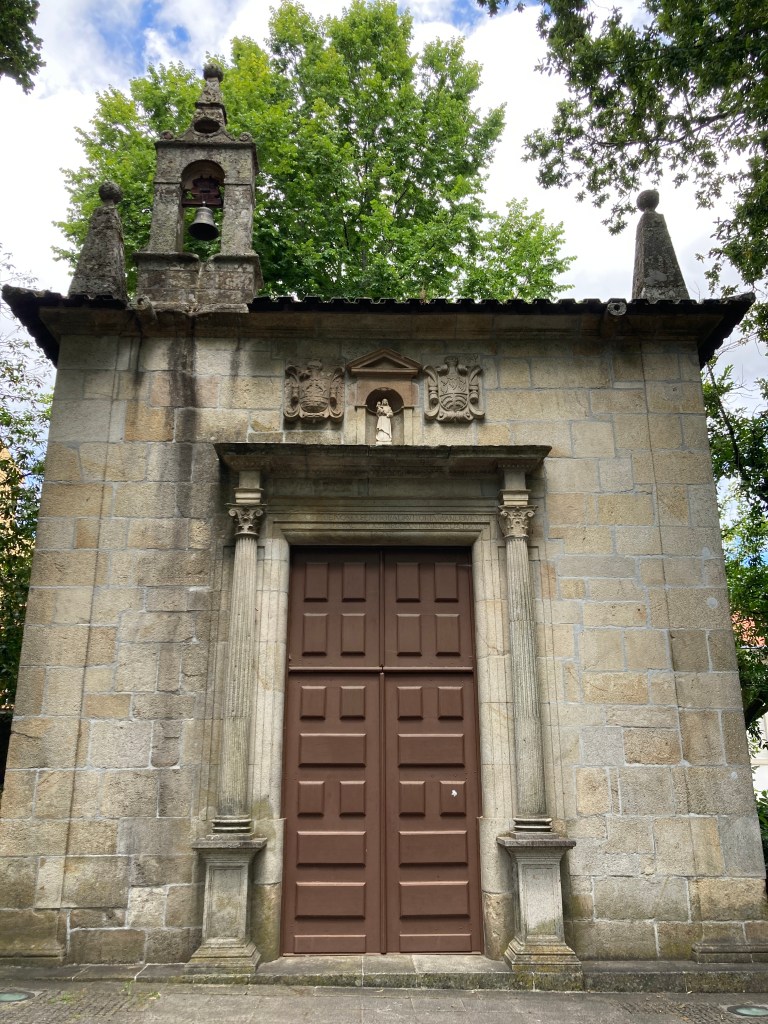
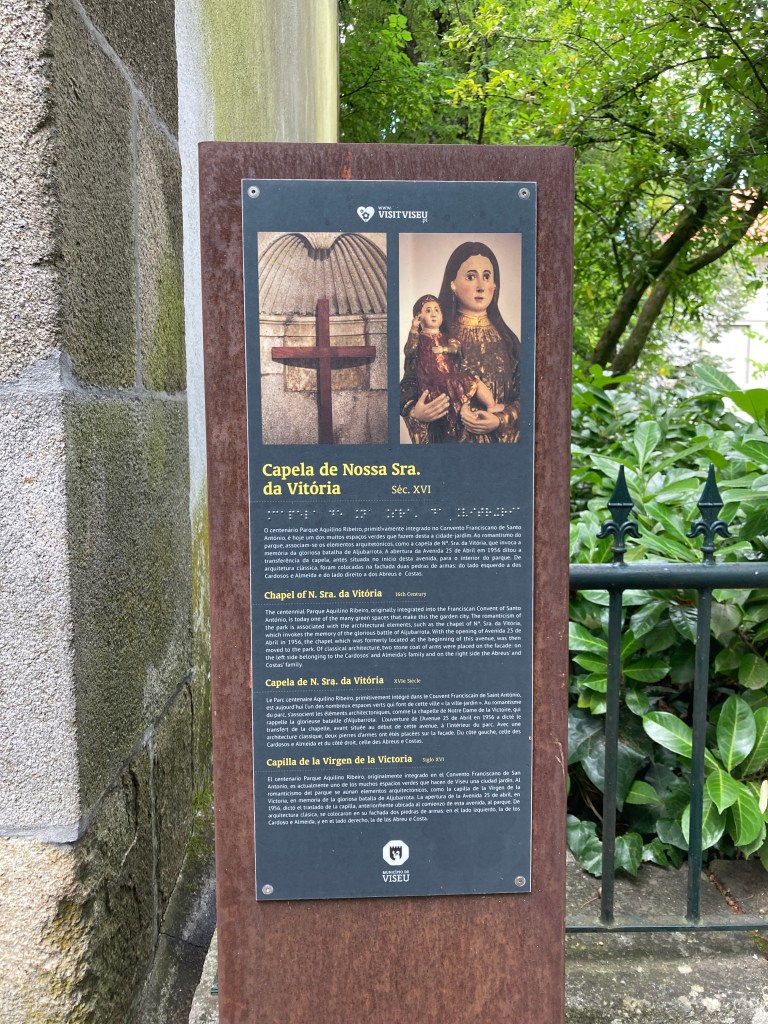
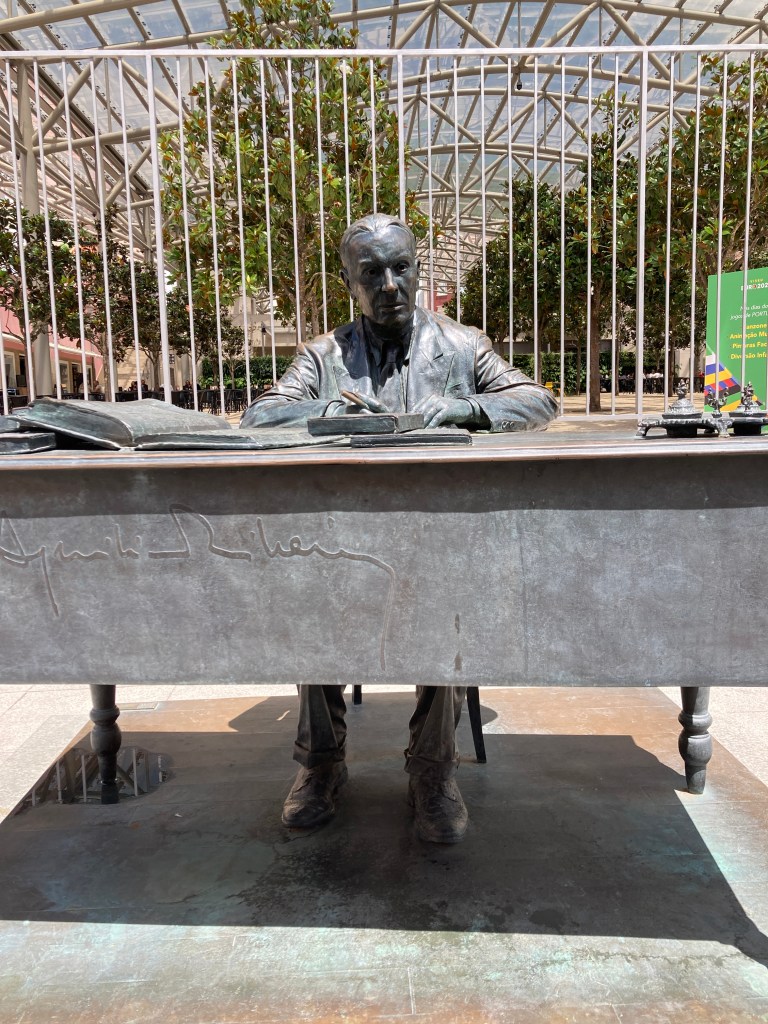
Parque Aquilino Ribeiro
Aquilino Ribeiro Park, also known as Viseu City Park, is a public park located in the city of Viseu, in the district of the same name, in Portugal.
As one of the green lungs of Viseu, Aquilino Ribeiro Park features large trees and various plant species that have thrived for centuries. This verdant landscape bears witness to its history as part of a medieval farm and the grounds of a convent.
The park encompasses a portion of the former enclosure of the Convent of Santo António dos Capuchos, which was once part of the medieval “Quinta de Mançorim.”
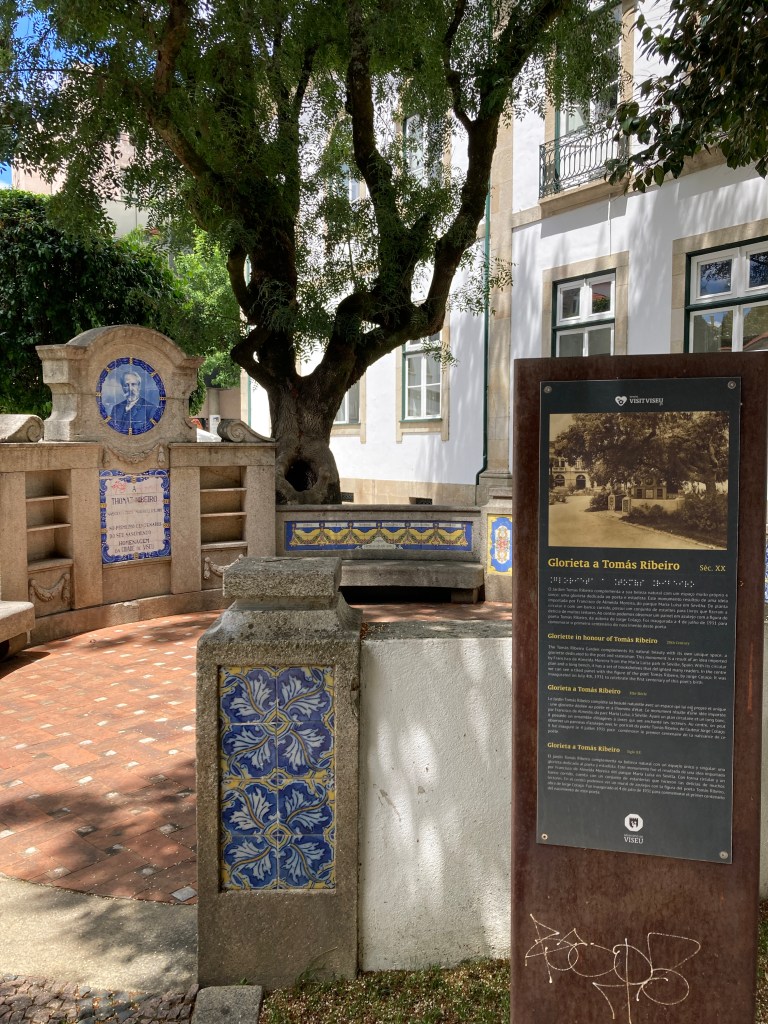
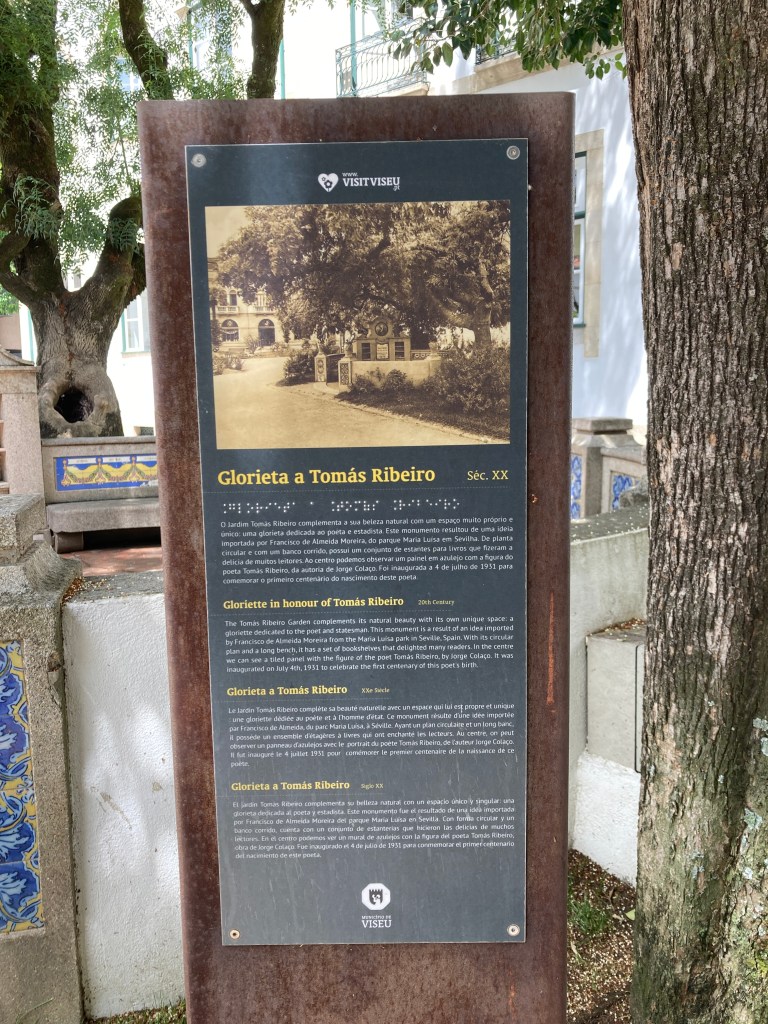
Jardim Tomás Ribeiro
The “Tomás Ribeiro Garden,” a small and charming garden, was opened on July 4, 1931. It is located in Praça da República (the Rossio of Viseu), on the west side of the Town Hall, which also sits in the square. An artificial lake, complete with fish and water lilies, adds a special charm to this popular meeting spot for locals and visitors alike. The garden is also a favorite haunt of pigeons.
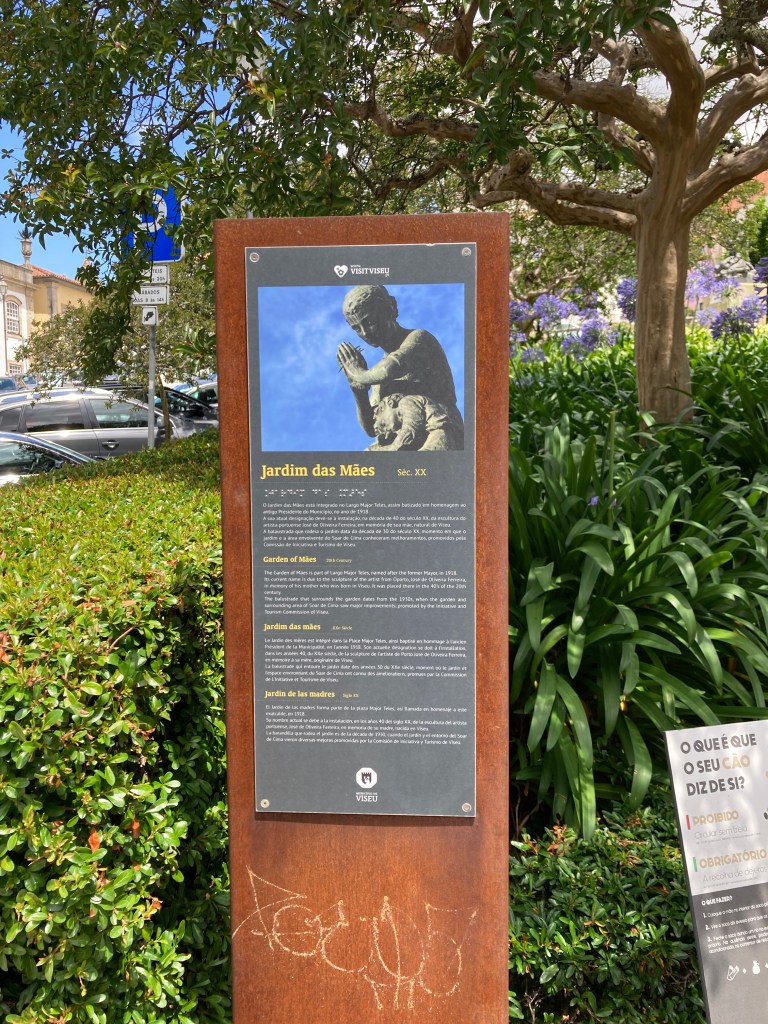
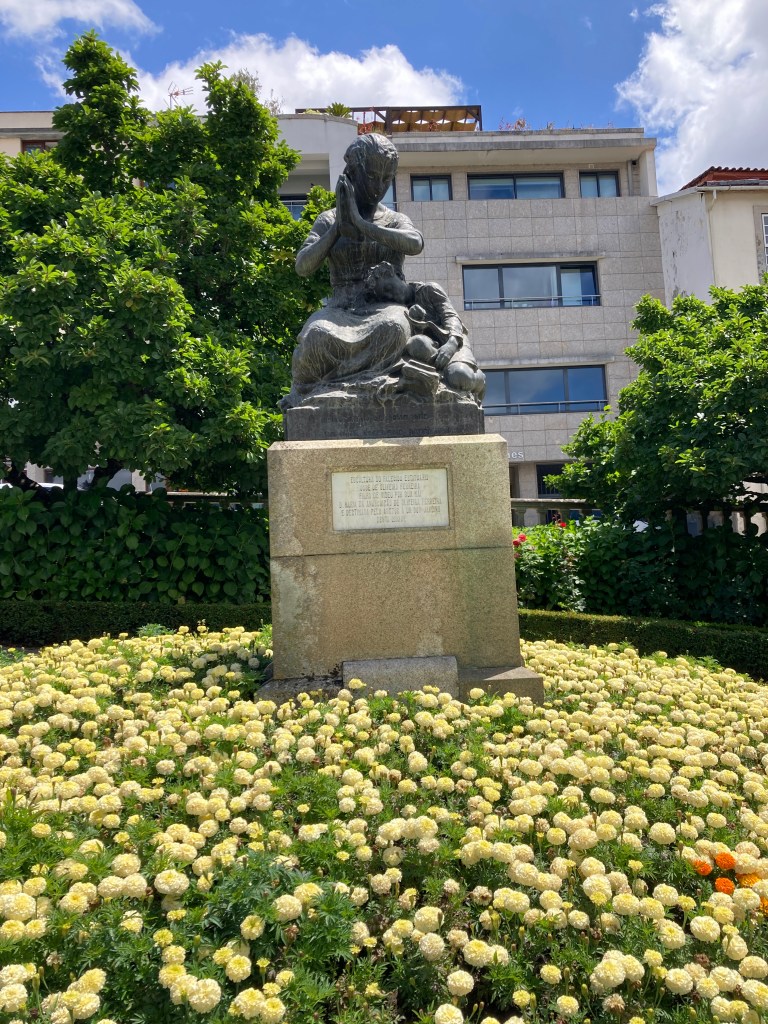
O Jardim das Mães em Portugal
The historic city of Viseu in Portugal is an excellent choice for those seeking a blend of charm, culture, and history from various perspectives.
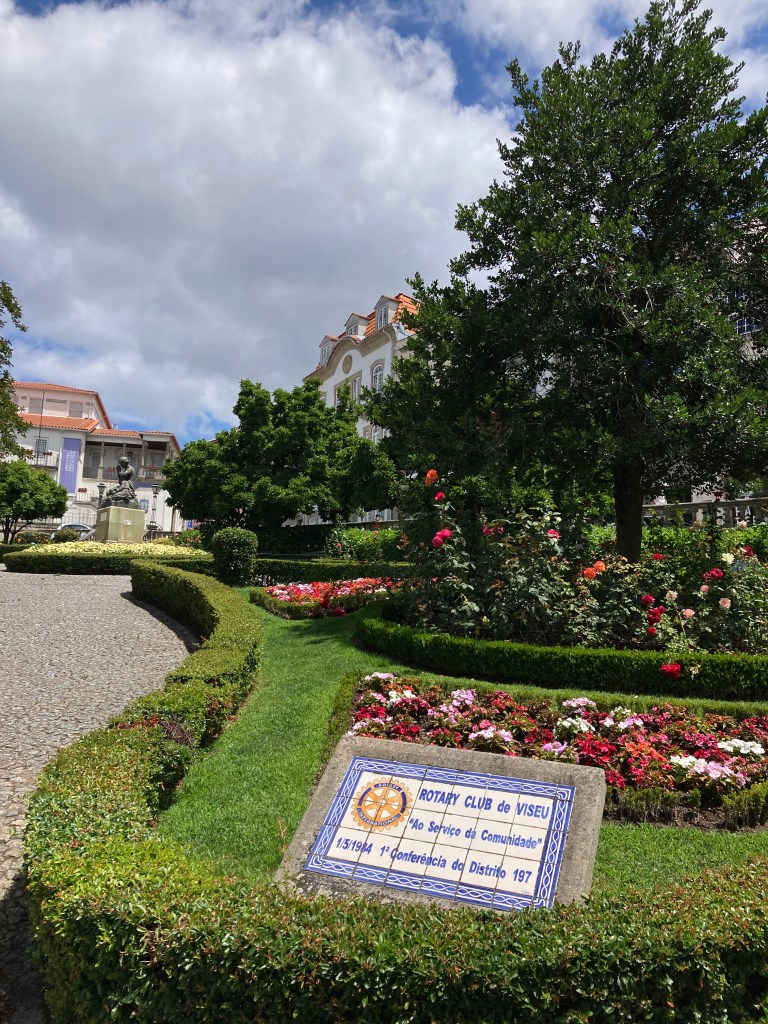
In addition to its beautiful medieval walls, architectural complexes, squares, villages, houses, and Gothic-Manueline portals and windows, this small city is home to the world’s most maternal garden: Jardim das Mães. This charming space, filled with flowers and trees, is framed by old houses that reflect the city’s history.
Located in the city center, the small garden features several benches and stone paths leading to its heart. Here, visitors can admire a statue that symbolizes the garden. This simple yet poignant sculpture depicts a boy sleeping on his mother’s lap, rendered in artistic bronze with unique and singular beauty. Created by artist Oliveira Ferreira to honor his mother in her hometown, the statue has since become a well-known and cherished landmark, drawing tourists who appreciate the universal love expressed by a mother’s affection for her child.
In addition to Jardim das Mães, Viseu’s historic center boasts several popular tourist attractions, including Praça D. Duarte with its statue of the King of Portugal, the preserved city gates Portas da Murha – Porta do Soar and Porta dos Cavaleiros – and the Sé de Viseu Church.
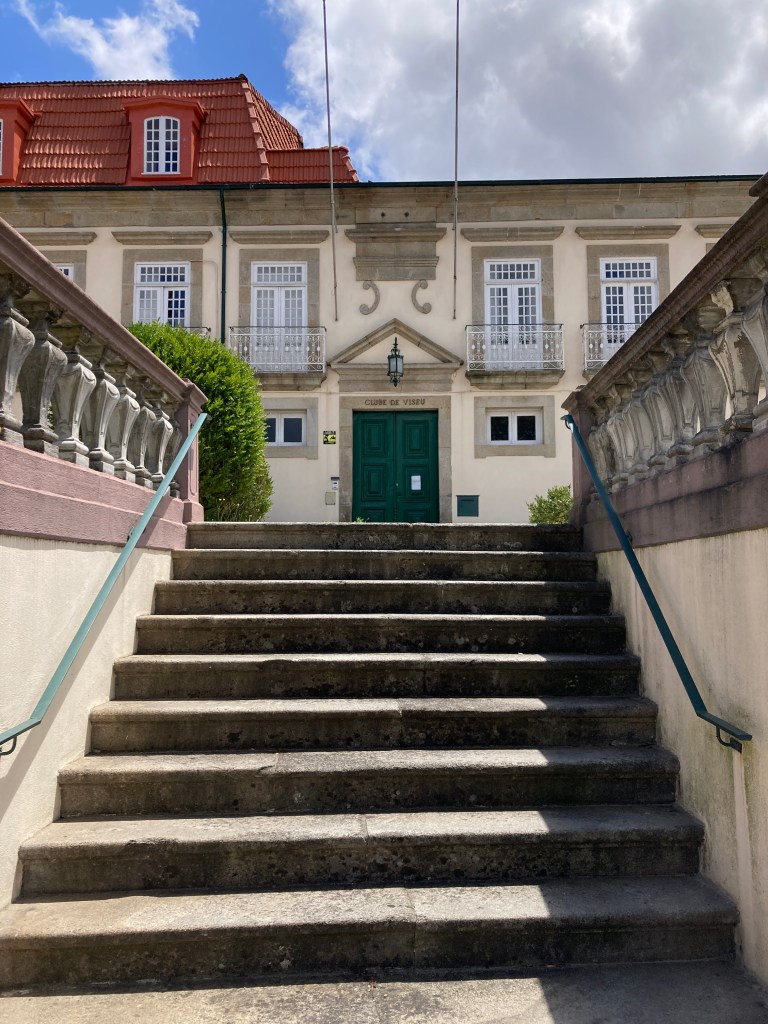
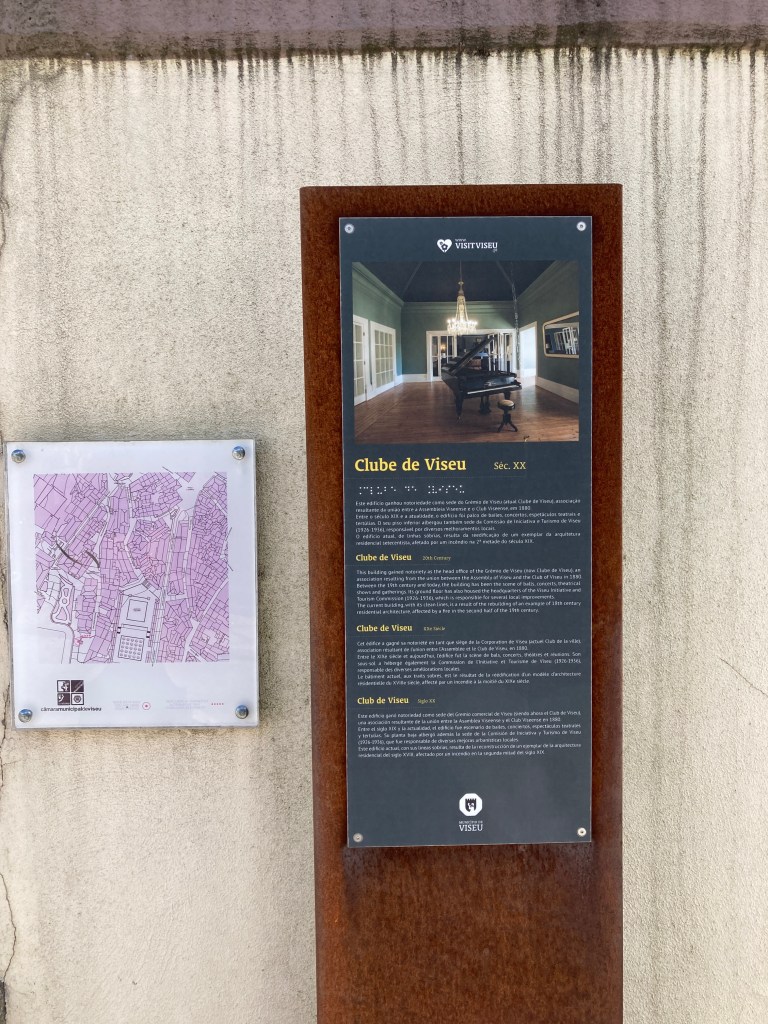
Clube de Viseu
This building gained notoriety as the headquarters of the Grémio de Viseu (now Clube de Viseu), an association formed by the union of the Assembly of Viseu and the Club of Viseu in 1880. From the 19th century to the present day, it has hosted balls, concerts, theatrical shows, and gatherings. The ground floor also housed the Viseu Initiative and Tourism Commission headquarters from 1926 to 1936, responsible for several local improvements. The current structure, with its clean lines, is the result of rebuilding an example of 18th-century residential architecture that was damaged by a fire in the late 19th century.
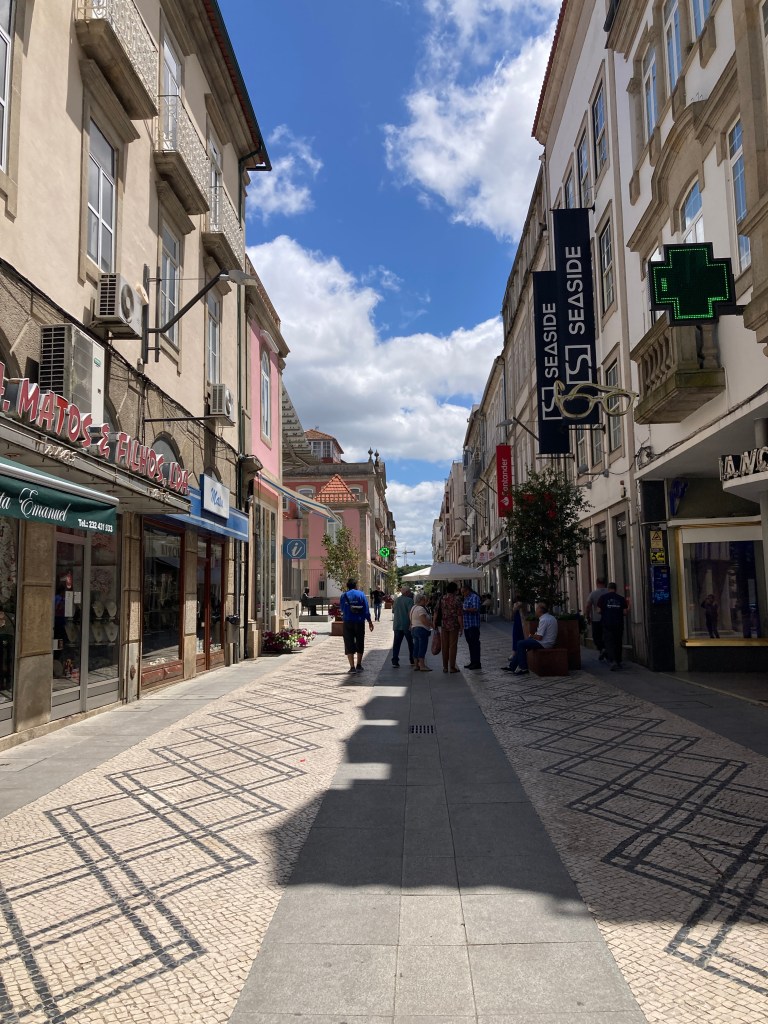
Rua Formosa em Viseu
This is an important commercial street in Viseu, lined with numerous coffee shops, boutiques, and other businesses.
Roman Wall of Rua Formosa
Through a window, one can view one of the most iconic remnants of Roman presence in Viseu.
Built around the year 360, this Roman wall was four meters thick and nine meters high. It is particularly striking at night, when the lights illuminate it, enhancing the visibility and appreciation of the structure.

Igreja do Carmo (Viseu)
The current church dates back to the late 18th century. The construction was protracted over many years, ultimately resulting in a structure of significant impact.↳
The Church of Our Lady of Monte do Carmo, located in Largo de Santa Cristina, originated from a dispute between the friars and members of the Third Order of Saint Francis. The dissatisfied Franciscan brothers parted ways with the Capuchin friars and, with support from the Discalced Carmelites, established the Third Order of Carmel. They formed the Order’s Board and, on April 29, 1734, began fundraising in the city and surrounding areas for their church. The chosen site was an olive grove near the now-demolished Chapel of Santo Amaro. By January 28, 1735, the foundations were complete, and the Dean of the Cathedral, Martinho Lucas de Melo, blessed the first stone. The church was inaugurated on June 30, 1738. The building has undergone various modifications, including a new annex added recently, and the sacristy and meeting room were added in the 19th century.↳
The interior features gold-leaf altarpieces extending from the nave to the main chapel, which has an octagonal plan and is covered with a semi-spherical brick dome. The decor predominantly showcases Joanine gilded carving from the late 17th to early 18th century, including the main chapel, the altarpieces, pulpits, and windows.↳
The ceilings of the chancel and the crossing arch were decorated by the Italian artist Pascoal José Parente, presenting a perspective view with the Virgin and Child being crowned by angels at the center. The chancel and the main body of the church are adorned with a frieze of Rococo tiles. The ceiling of the upper choir was painted in 1862 by Viseu native António José Pereira.
Estátua Dr Francisco Sá Carneiro
This contemporary bronze statue features a realistic expression and is set on a cubic granite base. Beside it stands a vertical granite block, which bears an excerpt from a speech by Sá Carneiro. The statue portrays the honoree in a suit and tie, standing with a briefcase in his right hand and his left hand clenched into a fist. The artist has meticulously captured details and features that reflect a lifelike resemblance.
The monument, inaugurated in 1984, was established by a group of friends of Sá Carneiro. Francisco Sá Carneiro (1934-1980) was a lawyer and politician, a founder of the Partido Popular Democrático / Partido Social Democrata, and served as Prime Minister for about eleven months in 1980 before his death in a plane crash.

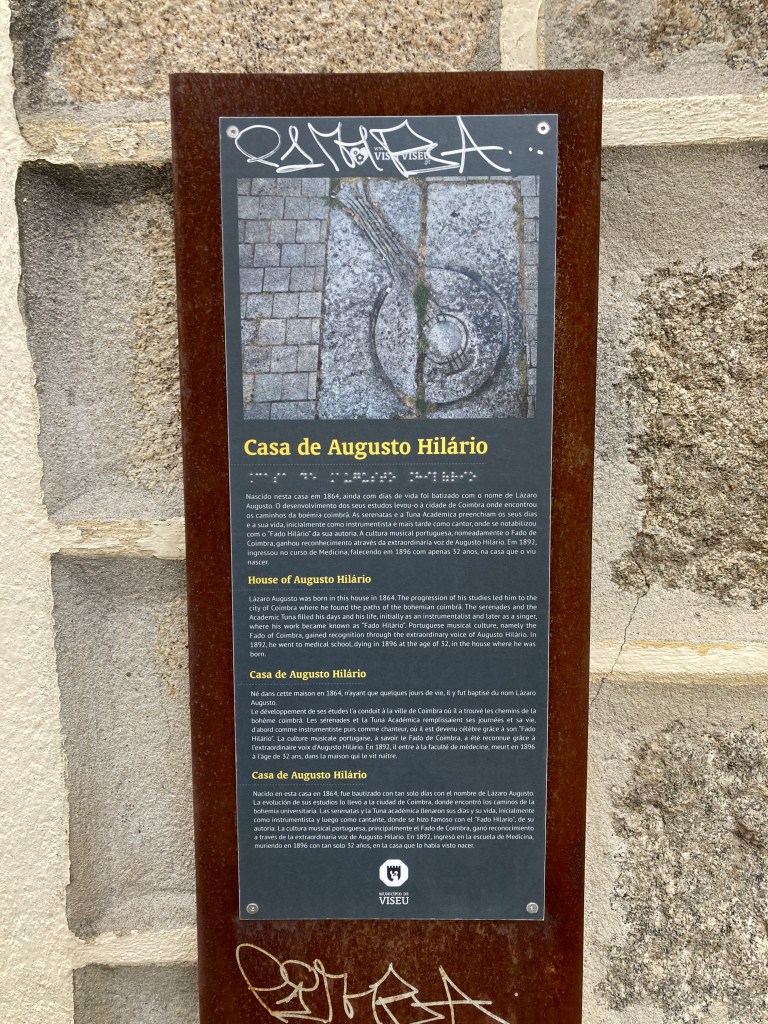
R. Augusto Hilario
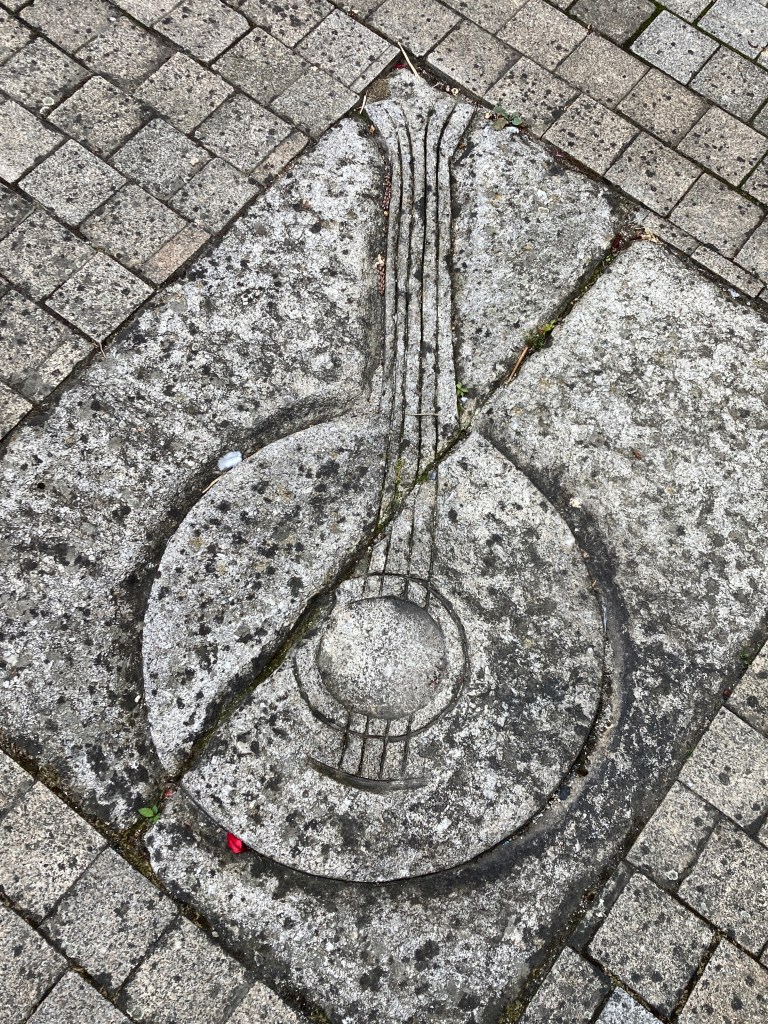
Lizaro Augusto was born in this house in 1864. His academic journey led him to Coimbra, where he immersed himself in the city’s bohemian life. The serenades and academic tunas became central to his days and life. Initially an instrumentalist, he later gained fame as a singer, with his work becoming known as “Fado Hilário.” Augusto Hilário’s extraordinary voice brought significant recognition to Portuguese musical culture, particularly the Fado of Coimbra. In 1892, he enrolled in medical school, but he died in 1896 at the age of 32, in the house where he was born.

KING D. DUARTE
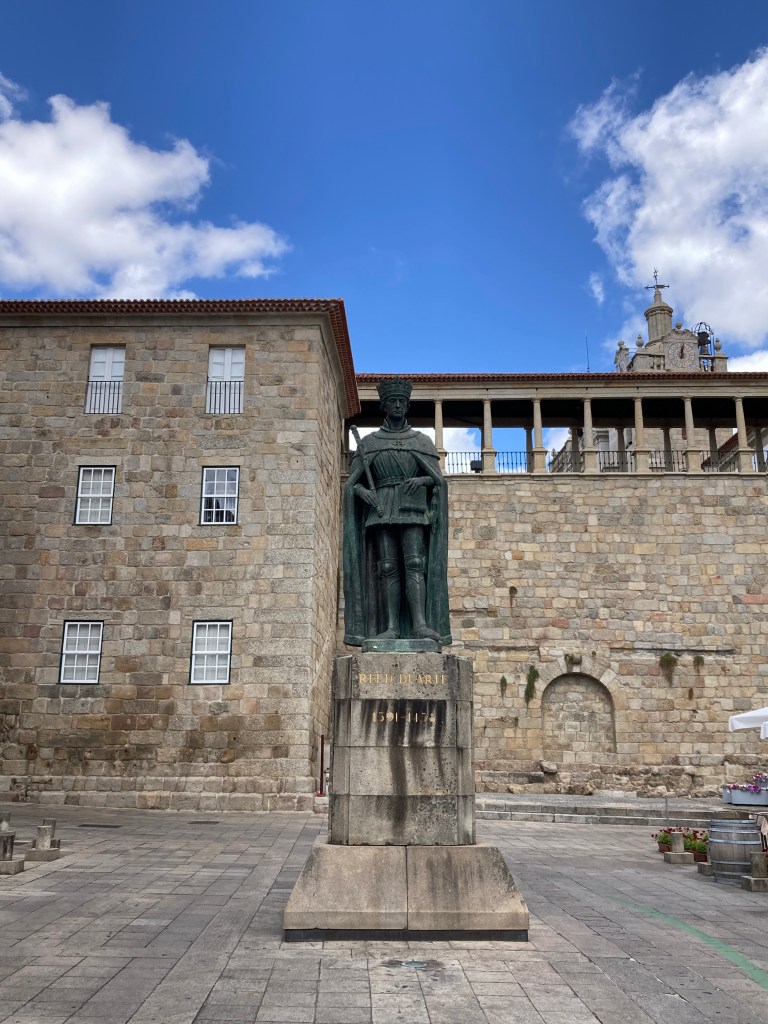
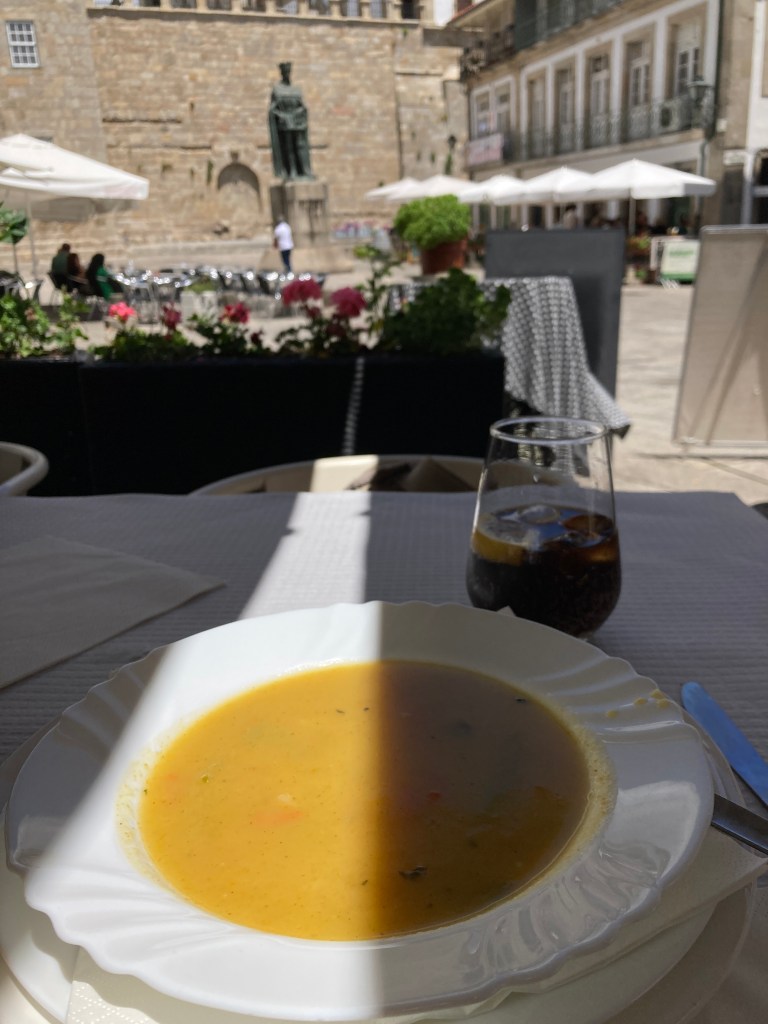
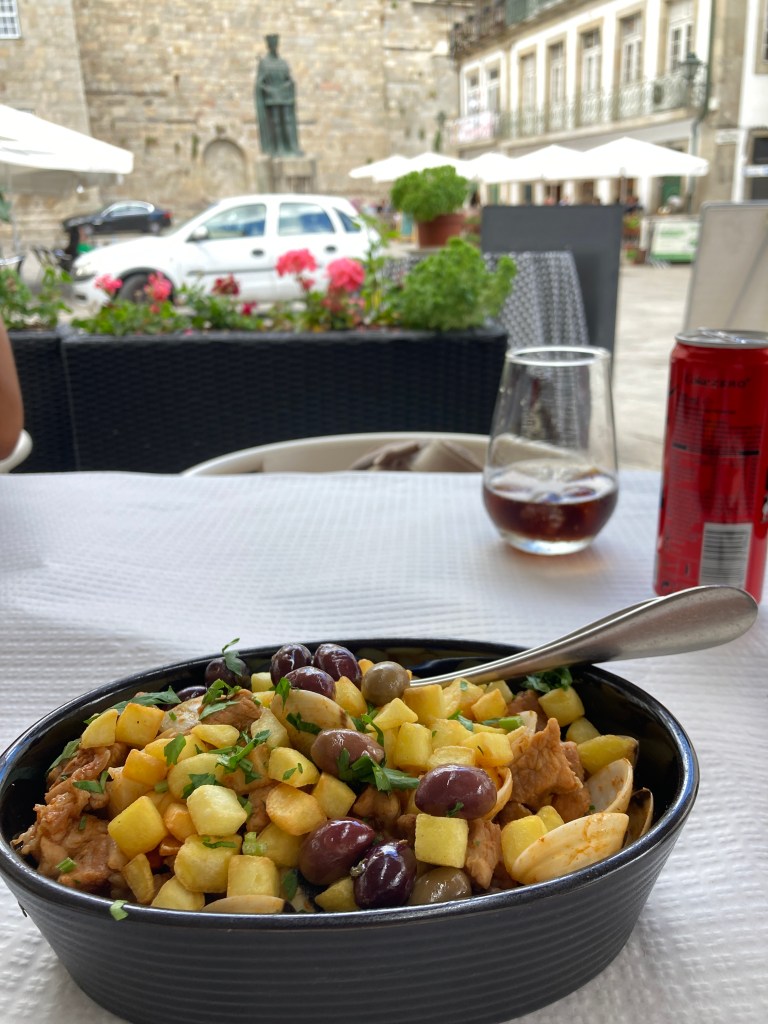
The Monument to King Duarte features a bronze statue of the king standing, crowned, and dressed as a knight. It is mounted on a faceted parallelepiped pedestal, which rests on a trapezoidal granite base. The artist has imbued the king’s face with significant expressiveness, giving him a soft, contemplative appearance that contrasts with the rigid, hieratic style favored by the Estado Novo. Although the statue adheres to a classicizing approach with a sober modeling, it exhibits a naturalistic visual style, setting it apart from the formal style initiated by sculptor Francisco Franco with his 1928 statue of Gonçalves Zarco in Funchal.
King D. Duarte (1391-1438), born in Viseu, was honored with a monument inaugurated in the city in 1955. In 1991, marking the 600th anniversary of his birth, the monument was relocated to the square named after the monarch, where it remains today.
Sé Catedral de Viseu
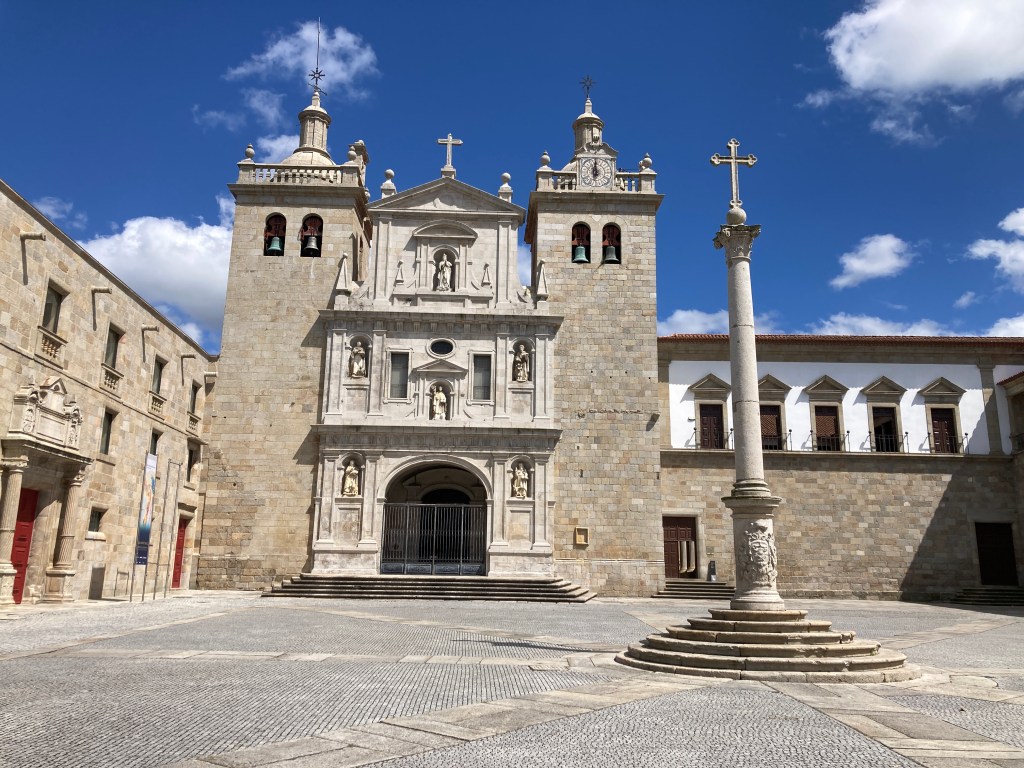
With its impressive towers that lend it the appearance of a fortified church on a promontory, this cathedral is a prominent landmark of the city, even from afar. It is also one of its oldest buildings, constructed on the site of a primitive temple from the Suevo-Visigothic era, whose remains were recently uncovered by archaeological excavations. The cathedral began to take shape in the twelfth century under Portugal’s first king, D. Afonso Henriques, and underwent significant renovations in the thirteenth century during the reign of D. Dinis. The extensive construction spanned many years, incorporating elements from various periods.
The current façade, built in the mid-17th century in the Mannerist style, replaced an earlier Renaissance façade that collapsed in 1635, which had also destroyed a Manueline portal. The façade features six niches with stone sculptures, including Saint Mary of the Assumption at the top, the patron saint of the Cathedral, and Saint Teotonio, a revered figure who was Prior of the Cathedral between 1112 and 1119 and is the patron saint of Viseu. The side niches depict the four evangelists with their respective symbols: St. Mark, St. Luke, St. John, and St. Matthew.
The interior of the cathedral is particularly striking. The vault features cross-shaped ribs carved into the stone, resembling a thick rope with a knot in the middle, reflecting the Manueline style’s nautical elements and lending an air of refined elegance. The vault closures are adorned with finials in Ançã stone, displaying the chevrons of kings and bishops’ coats of arms.
The chancel, which was modified in the 17th century, was originally decorated with a beautiful altarpiece by Vasco Fernandes (Grão Vasco) depicting scenes from the life of Christ. This altarpiece is now housed in the Grão Vasco Museum. The current baroque altarpiece, by Francisco Machado, reflects the style popular during the reign of King João V. The elegant stalls, crafted from rosewood brought from Brazil and intricately carved and gilded, date from the 18th century.
Adjacent to the chancel, a corridor lined with 18th-century tiles leads to the sacristy, built in 1574. The sacristy is adorned with painted wooden ceilings featuring the shield of Bishop D. Jorge de Ataíde, the project’s patron. Its walls are completely covered with polychrome 18th-century tiles.
To conclude your visit, explore the cloister, accessible from the church, which was constructed by Bishop D. Miguel da Silva, a key figure in introducing the Renaissance to Portugal and a patron of the painter Grão Vasco. The Cathedral’s Treasure-Museum, located nearby, houses two 13th-century reliquary chests from the Limoges school and a monstrance belonging to D. Miguel da Silva.
If you enjoyed this article, please give it a thumbs up and share it. Thank you!





 Real Traveler, Real Experiences, Real Results.
Leave a comment