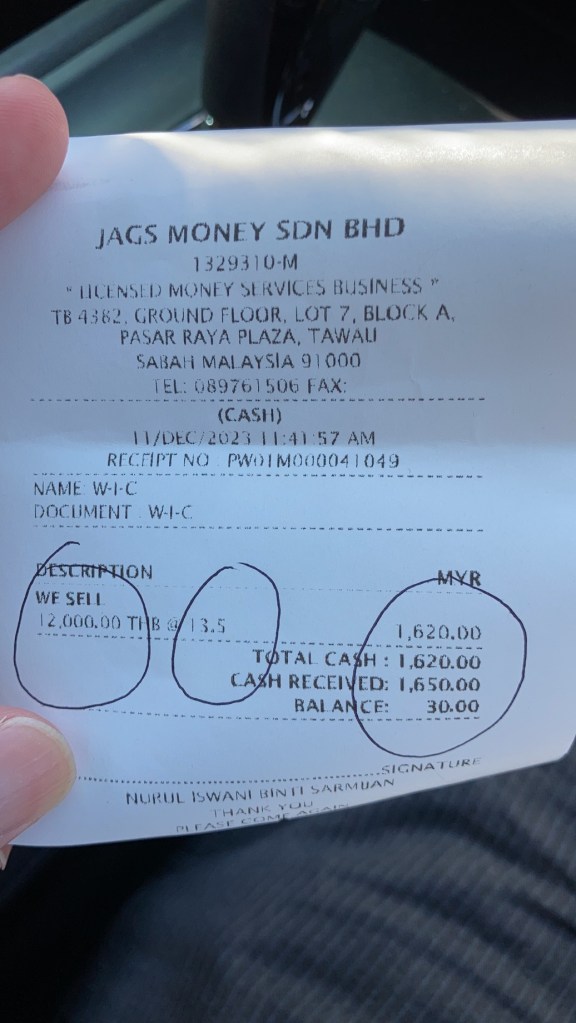
The impromptu journey has begun, and this time, the destination is Chiang Mai and Bangkok in Thailand. Before setting off, it’s essential to exchange some Thai Baht, as many places in Thailand still don’t accept credit cards. In convenience stores like 7-11, a minimum purchase of 200 Thai Baht is required to use a credit card.

Day 1
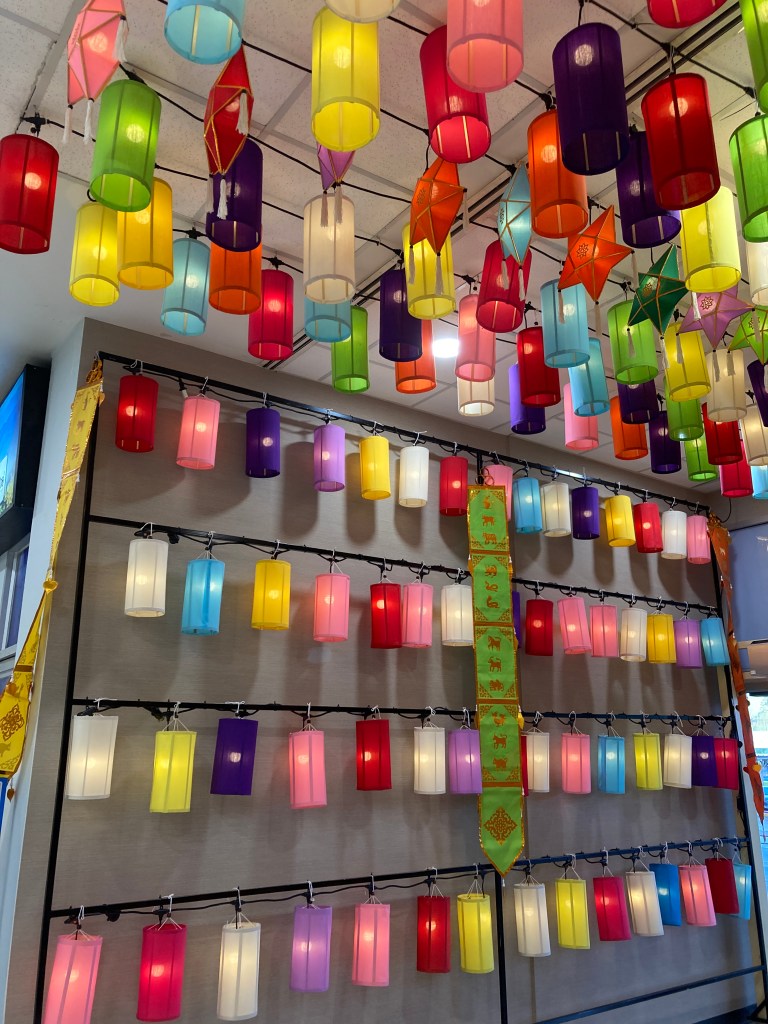
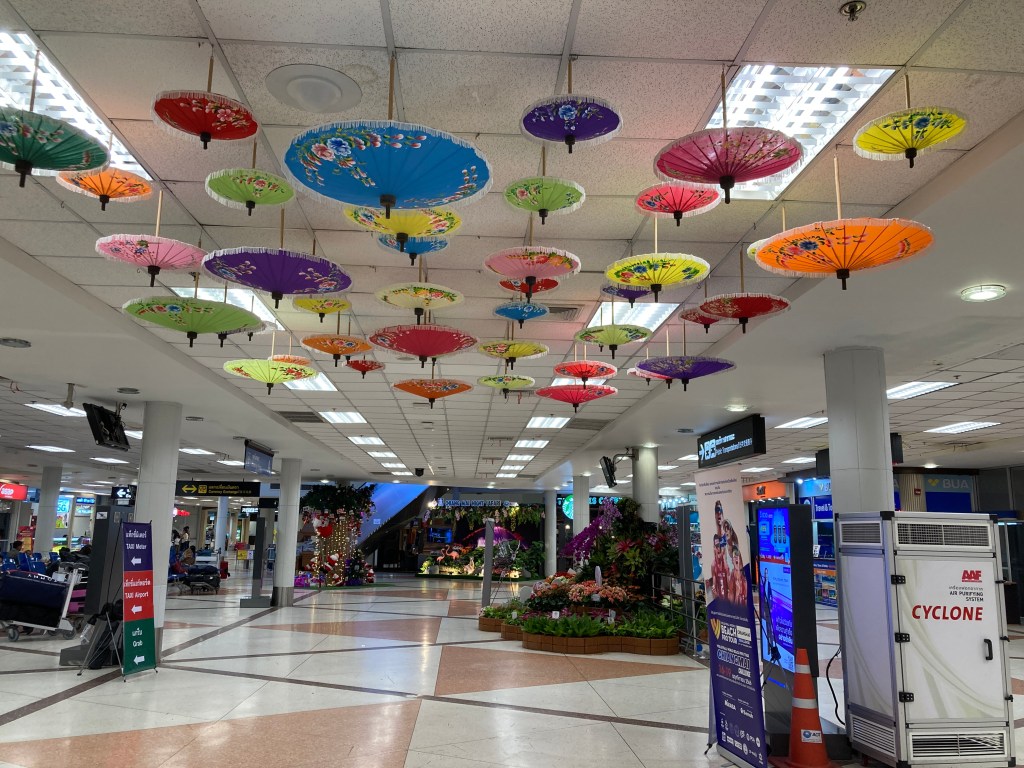
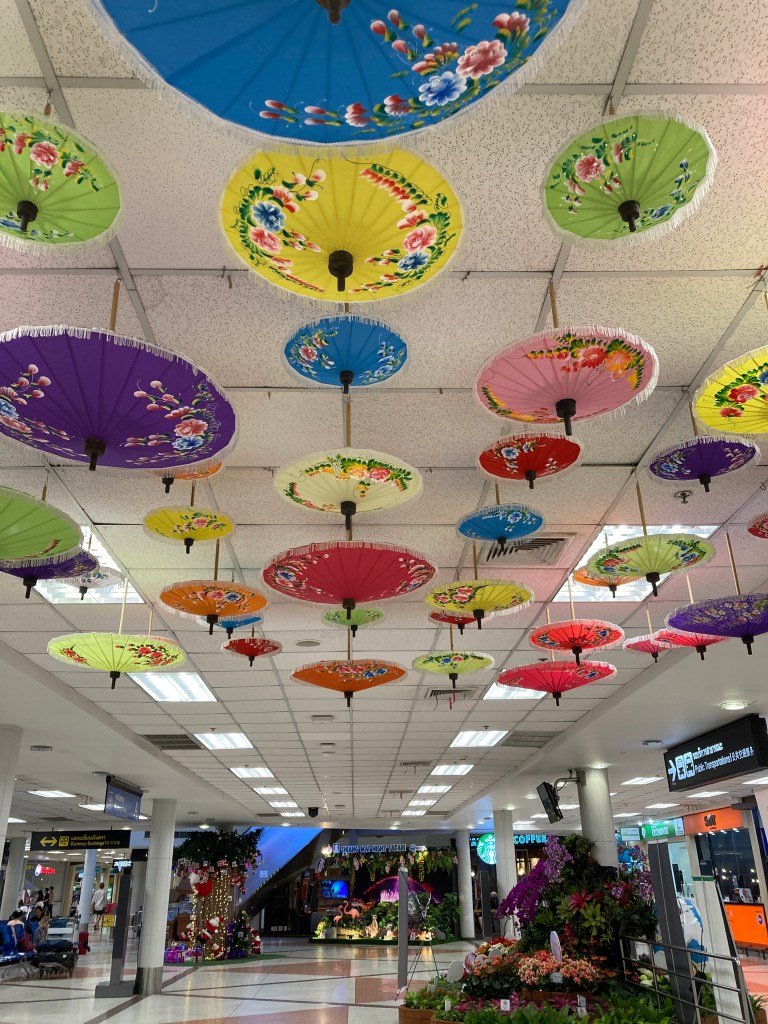
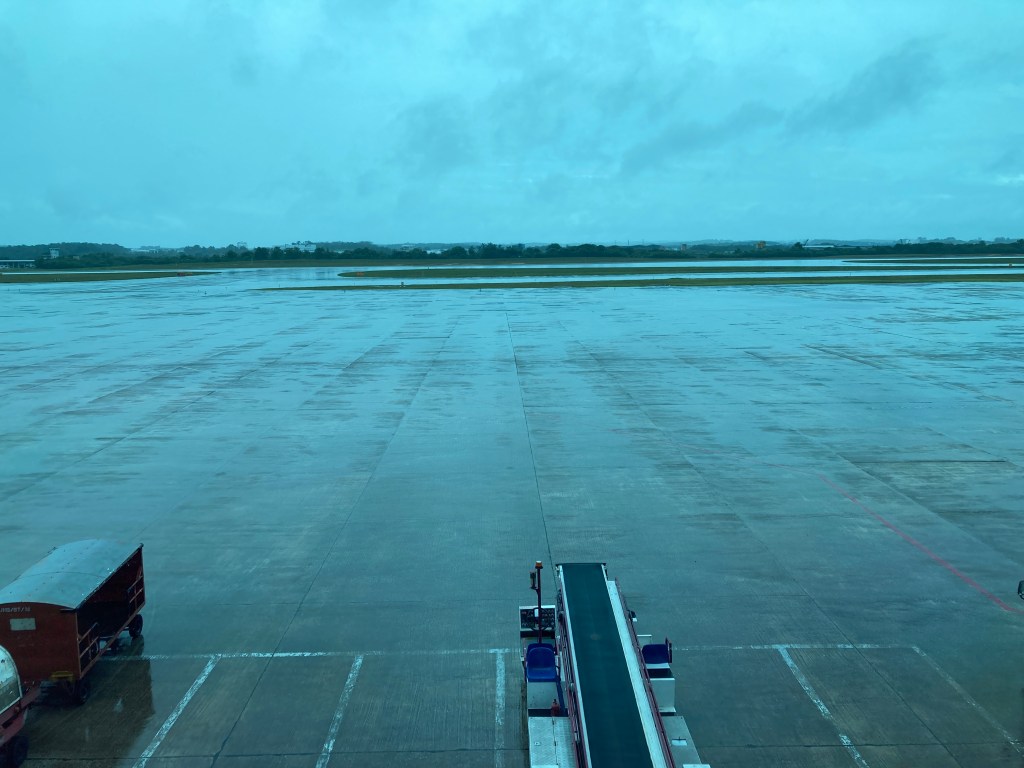
Chiang Mai Airport
Chiang Mai International Airport, located in northern Thailand, is a significant airport connecting the region with the rest of the world. It’s situated in Suthep, Mueang Chiang Mai district. This airport is the fourth busiest in Thailand and is managed by the Airports of Thailand company.
Today’s accommodation is Rainbow Hostel. The advantages include the option to rent scooters and the availability of a pool table. However, a downside is that there are mosquitoes in the room, possibly attracted by the black bedsheets and curtains. The locker is placed outside the room, which is not very convenient. Also, the room space is quite small.
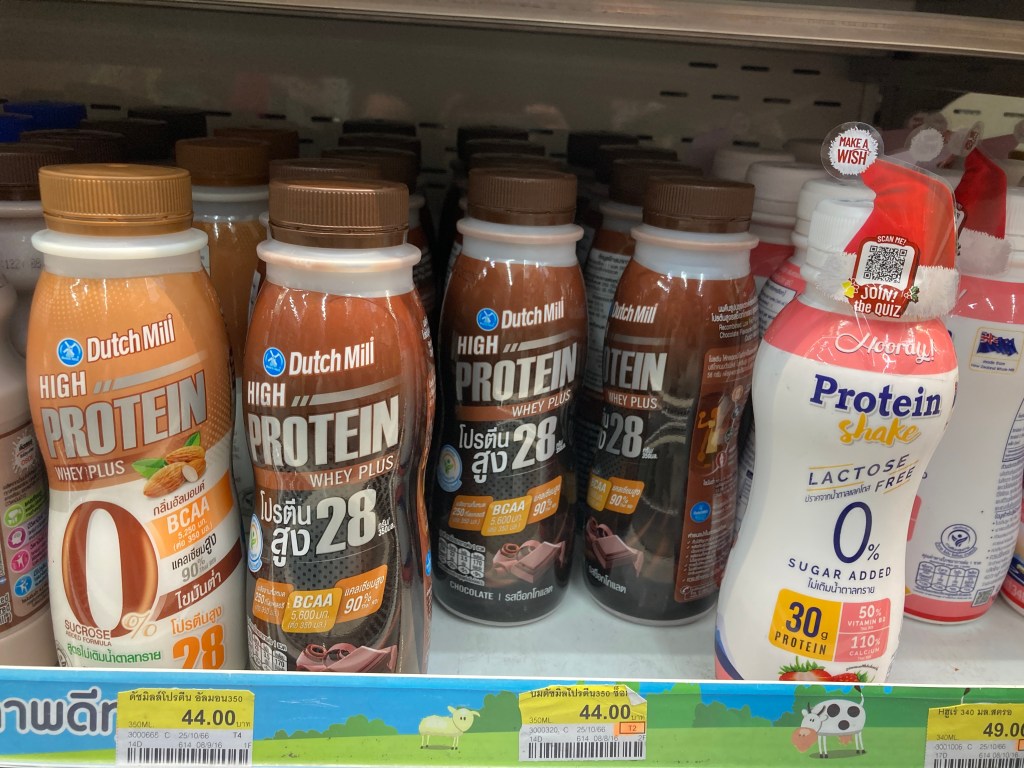
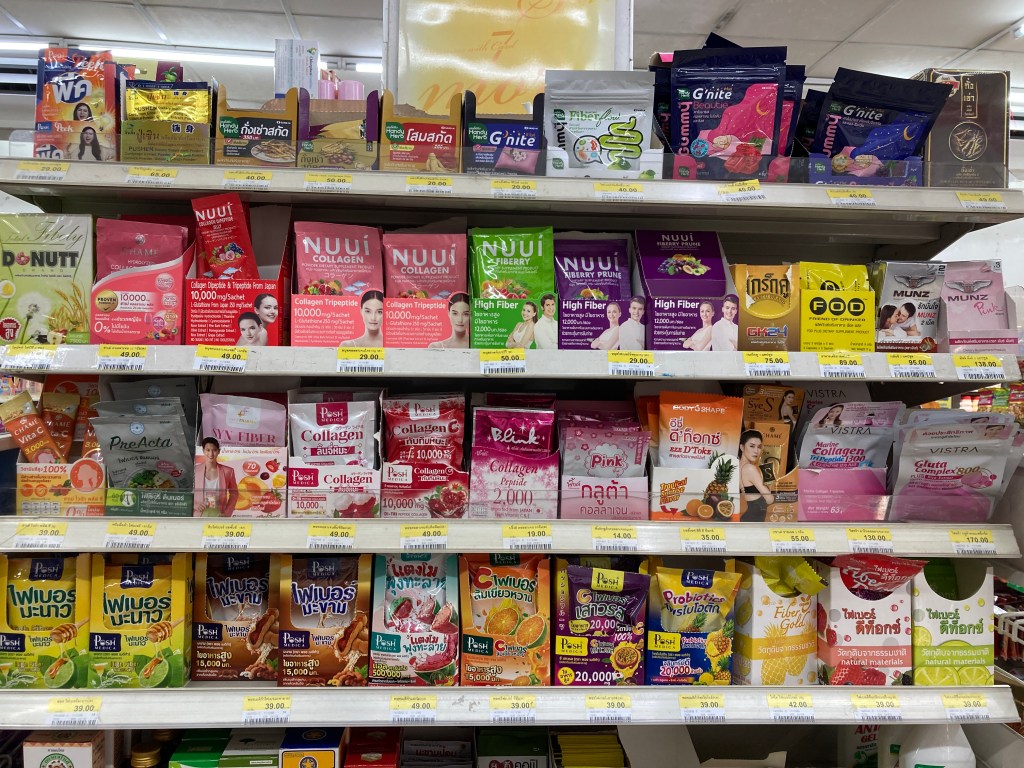
Thailand 7-11
“In Thailand, what I like the most is wandering around 7-11 convenience stores. There are a lot of things for sale, and my favorites are skincare products due to the wide variety available. Additionally, I enjoy high-protein beverages.
Chang Puak Market
The Chang Puak Market is a food market that appears every evening just outside the north gate (Chang Phuak) of the old city.
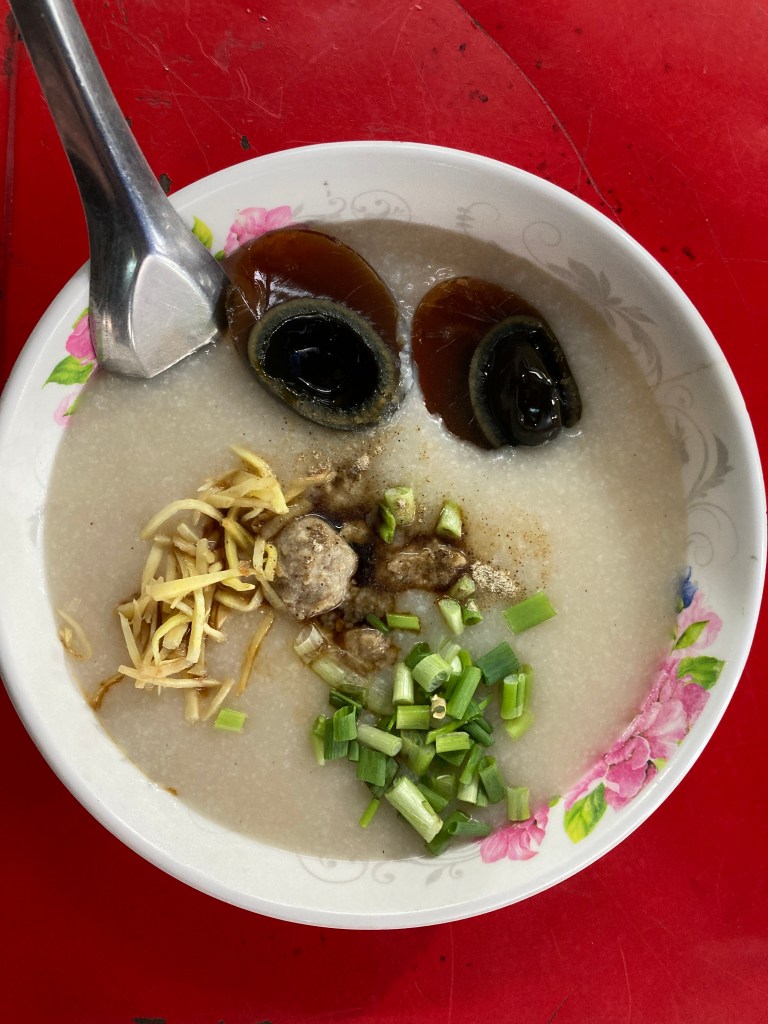
With lots of sellers offering various authentic northern Thai dishes, the Chang Puak Market is an excellent spot to get an affordable and delicious meal while you’re in Chiang Mai.
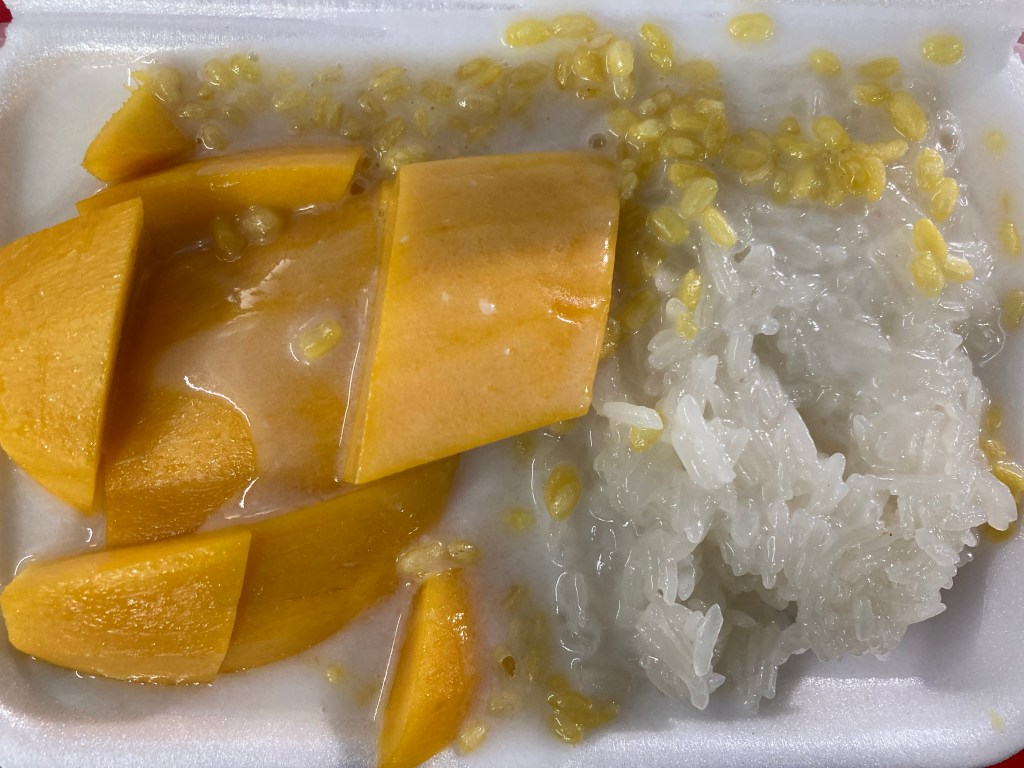
You can discover a variety of dishes at this place, such as noodles, soup, seafood omelettes, skewered meats, fresh fruit juices, crepes, and Thai desserts. The prices are really cheap, with most dishes around 40 THB, and just a bit more if you choose seafood. For instance, you can get chicken satay skewers or a stick of pork balls for as little as 10 THB each! You can either eat the food there or take it away. For an authentic experience, grab a small plastic chair, and order your food to be served right there.
Day 2
How to get a cheap SIM Card in Thailand
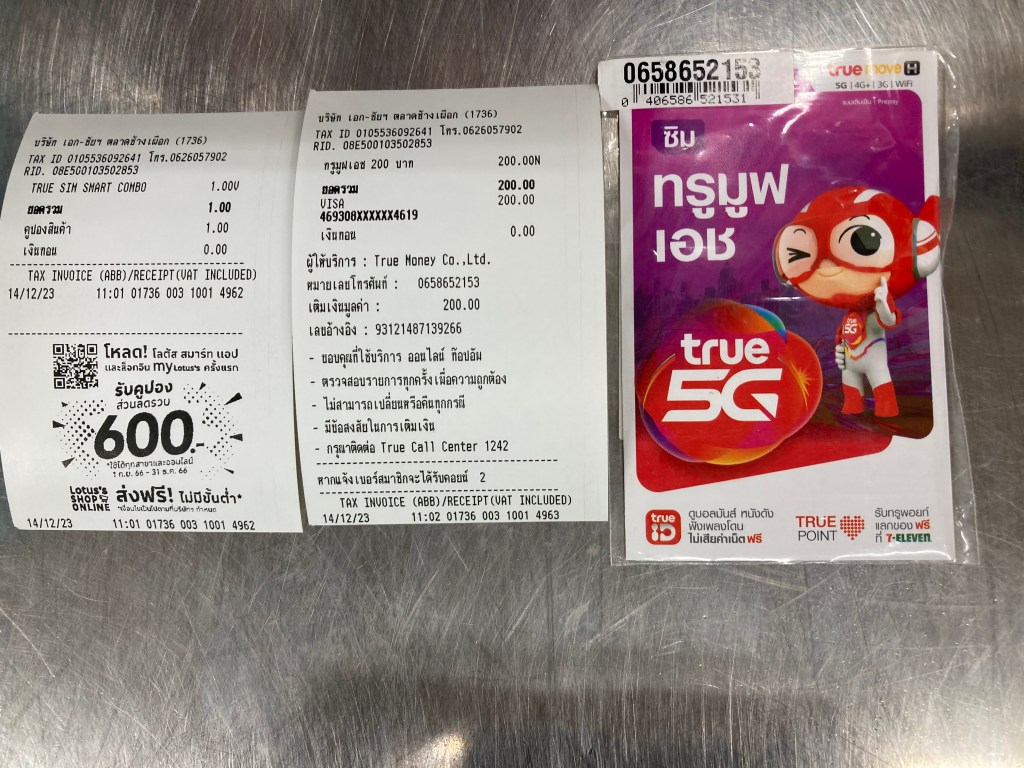
When you first arrive in Thailand, you’ll need to buy a SIM card for mobile data. However, it’s not recommended to purchase one at the airport because they are usually more expensive there. Once you reach the city, you can buy a SIM card at a 7-11 convenience store or a Lotus convenience store, which is much cheaper. For just 300 Thai Baht, you can get a SIM card with unlimited internet for 30 days.
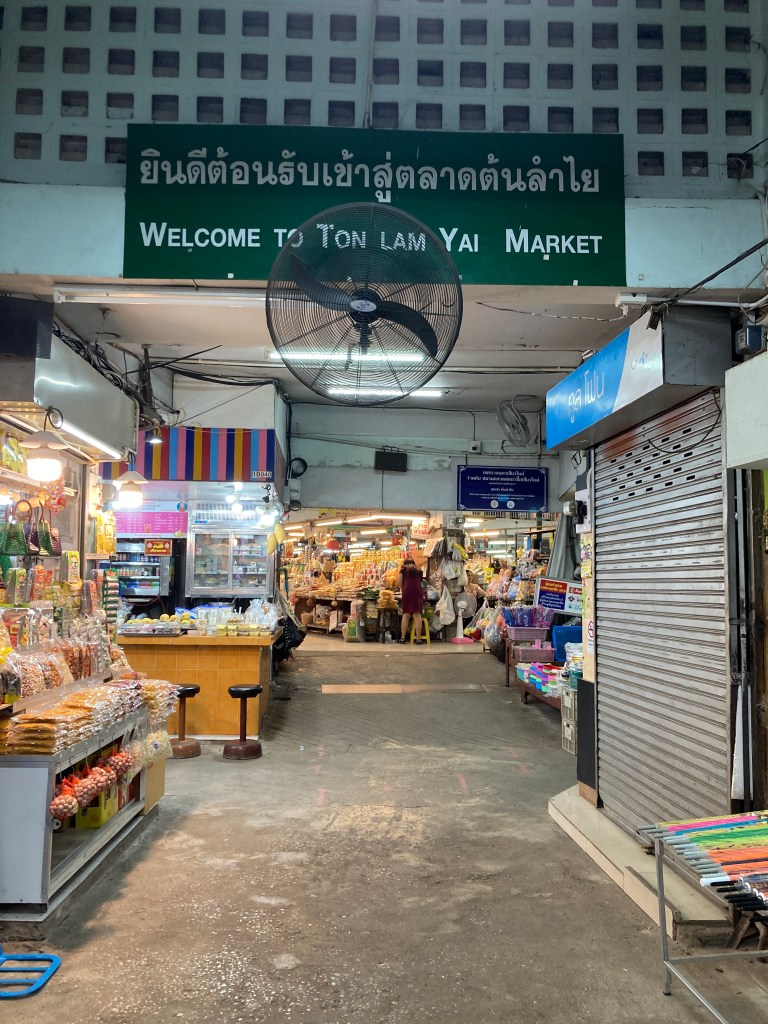
Ton Lam Yai Market
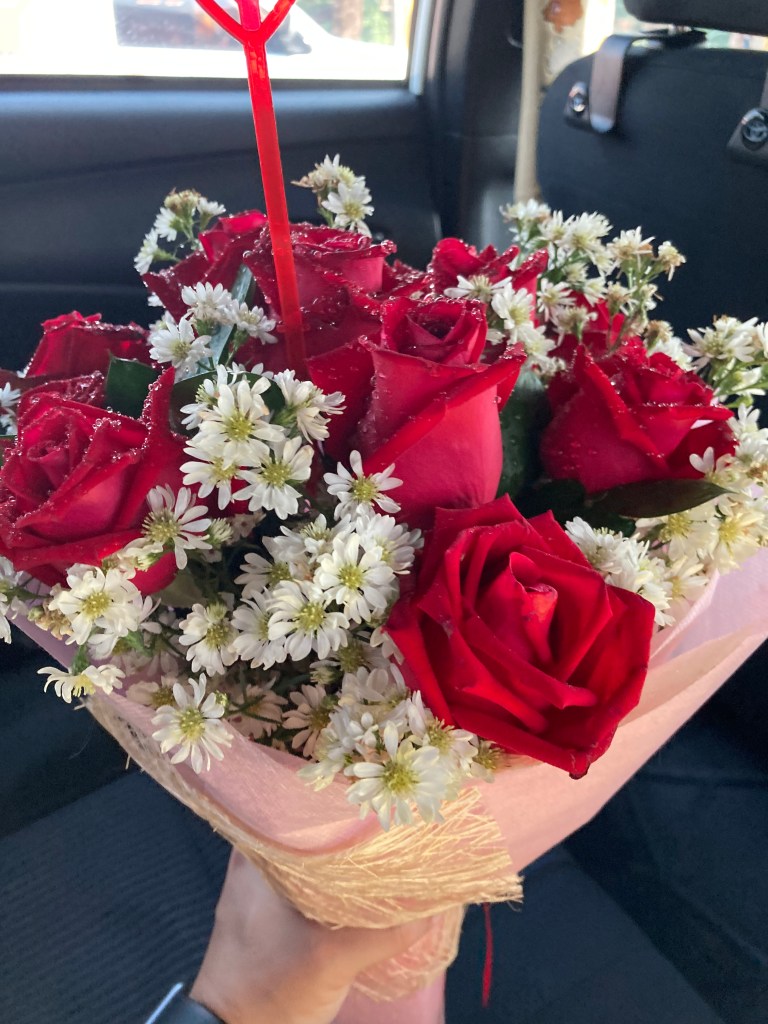
Ton Lam Yai Market is Chiang Mai’s renowned flower market, offering a sensory delight with its vibrant colors, diverse textures, and enchanting aromas of beautiful flowers.
Situated adjacent to the equally famous Warorot Market, Ton Lam Yai Market operates 24 hours a day. However, the optimal time to experience the lively market atmosphere is during the early morning, allowing visitors to witness the bustling activity of the vendors.
The morning hours are also perfect for observing suppliers arriving and stocking the stalls with fresh bouquets of almost every type of ornamental flower found in Thailand. These encompass vibrant freshly-cut orchids, striking red roses, lotus flowers, and much more.
Salah Khalai Coffee
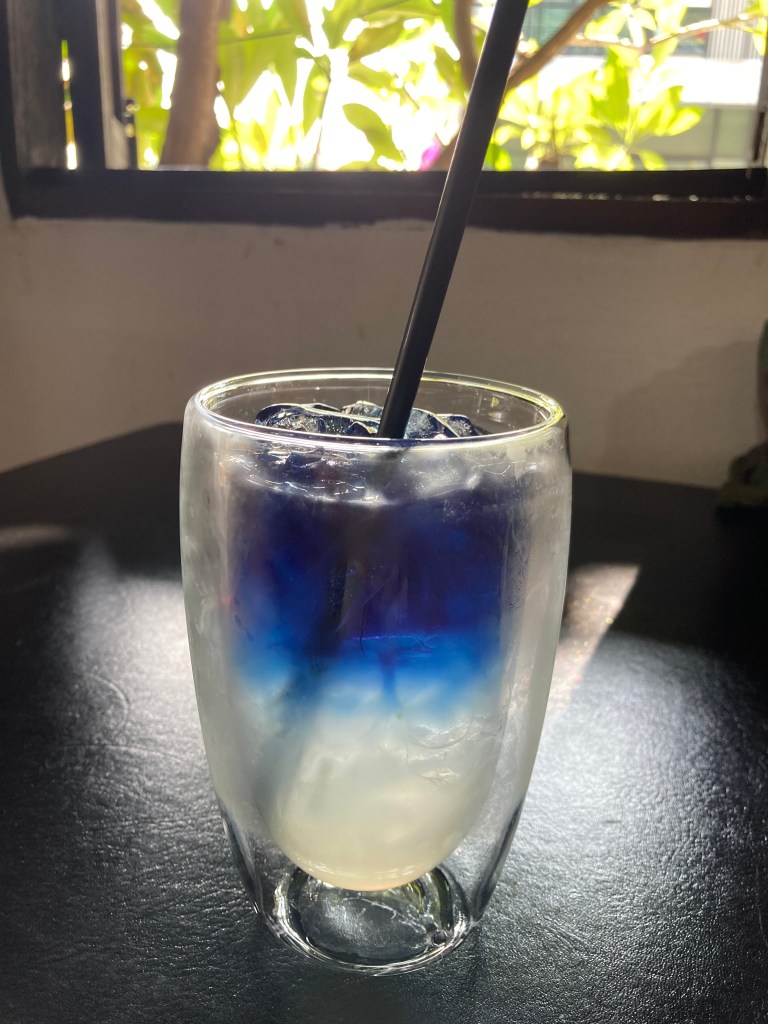
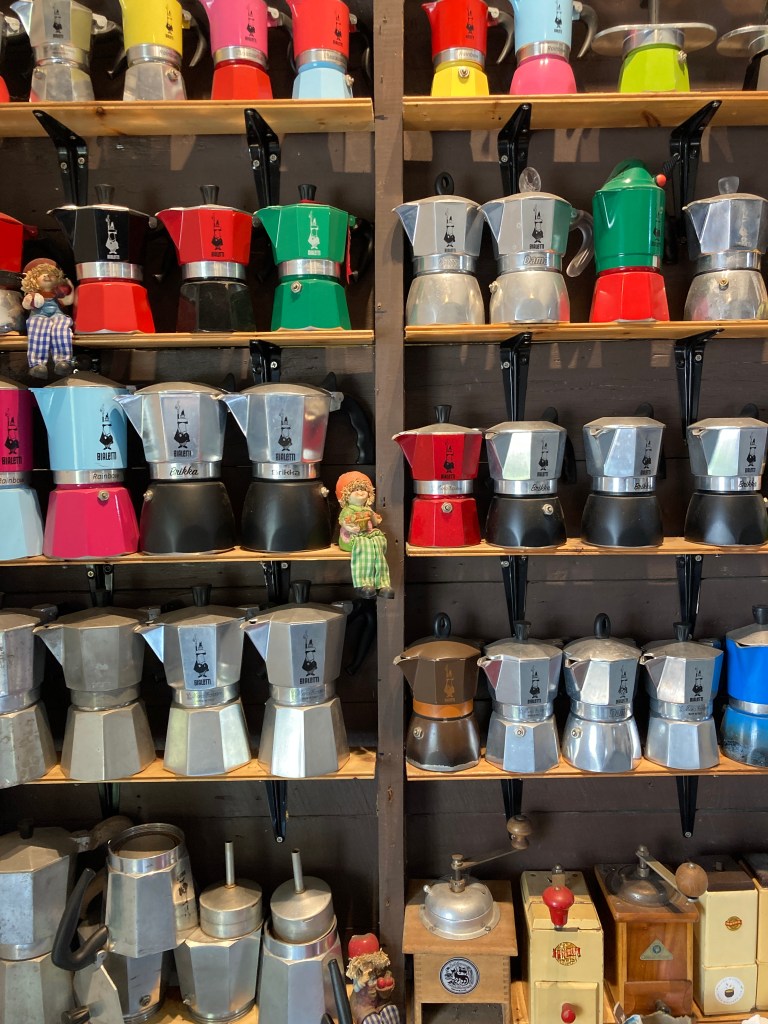
In Chiang Mai, there are many distinctive coffee shops, and today I chose Salah Khalai Cafe. The owner brews coffee with great care, and the cafe’s decor is adorned with props related to coffee, such as coffee pots and coffee grinders. When you come here, be sure to try the Butterfly Pea Flower Tea. This flower is blue, and when steeped in hot water, it turns the water blue. With the addition of syrup, you can create a beautiful and delicious beverage.


Central Chiang Mai
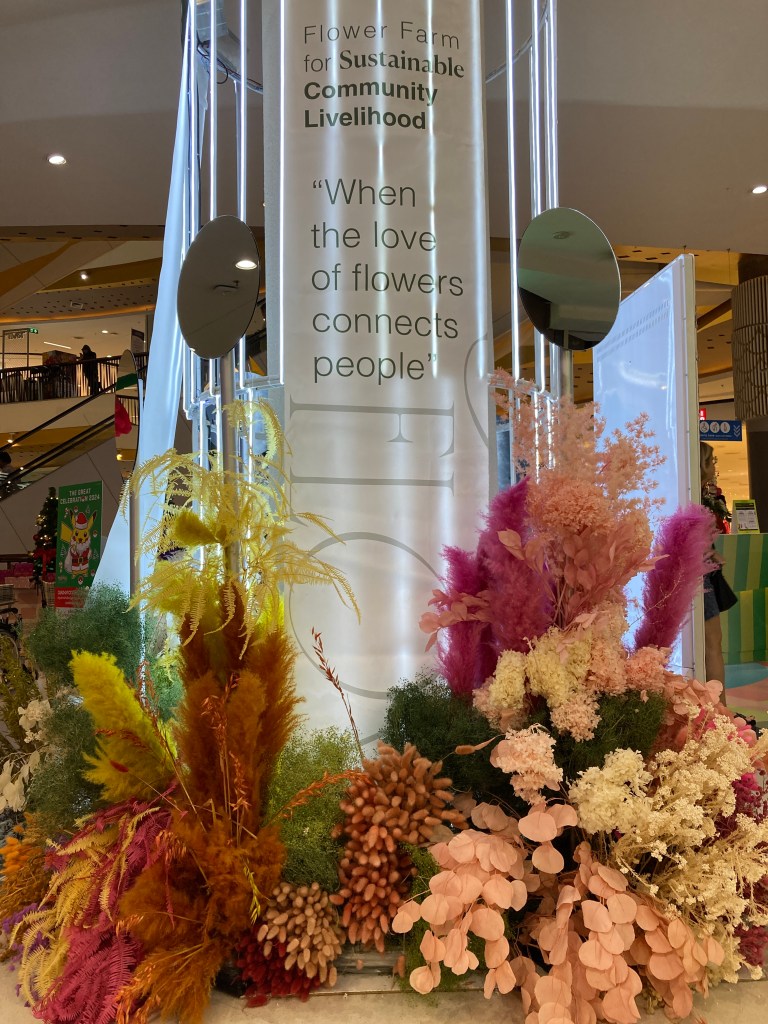
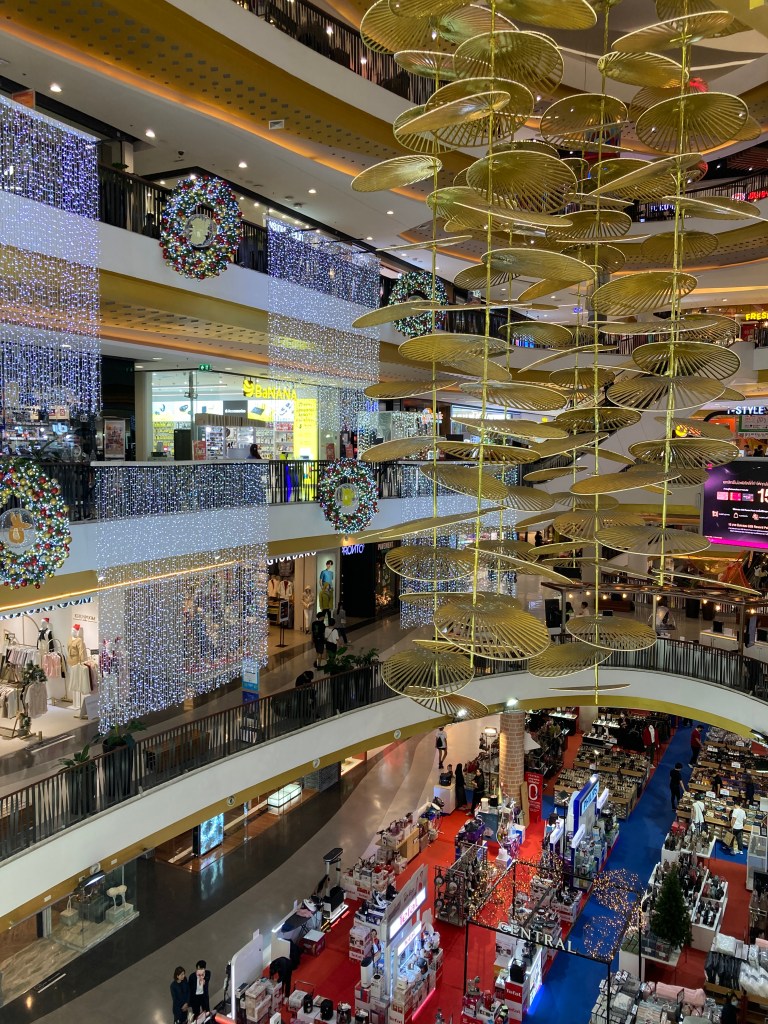
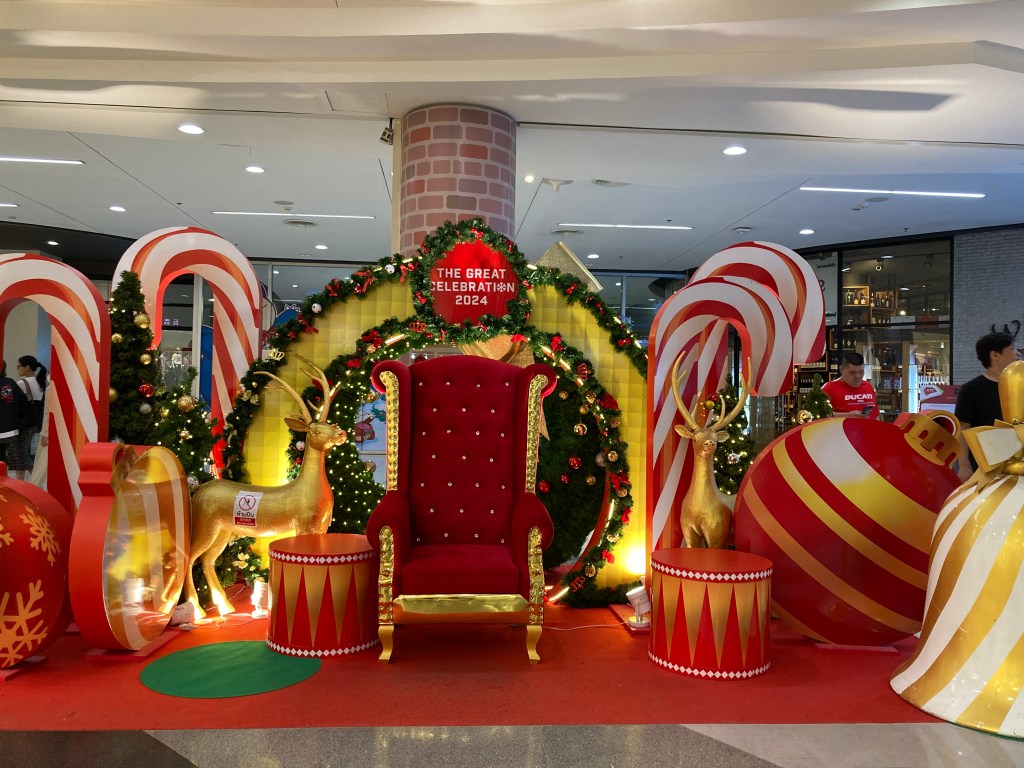
If you want to go shopping in Thailand, you must visit Central. It is a shopping center found in many cities, and today I visited Central Chiang Mai. The Christmas decorations here are beautiful every year, and this time the theme is Pikachu, so you can see Pikachu decorations in any Central store.

Wat Lok Moli
In Chiang Mai, there are 177 temples, and you can see temples everywhere. I recommend visiting the temple called Wat Lok Moli in the evening because it is beautifully illuminated at night. The temple looks stunning with the lights shining on it.
Wat Lok Moli, sometimes spelled Wat Lok Molee, is a Buddhist temple located in Chiang Mai, northern Thailand. Positioned on the north side of the moat that surrounds the old part of the city, it is approximately 400 meters west of the Chang Phuak city gate.
The exact construction date of the temple is unknown, but it is mentioned in a charter dating back to 1367 CE. During the reign of King Kuena (1355-1385), the sixth monarch of the Mangrai dynasty, he invited ten Buddhist monks from Burma to propagate Theravada Buddhism, and they resided in this temple.
In 1527, King Ket, also known as Mueangketklao or Phra Kaew Muang, commissioned the construction of the chedi. Additionally, in 1545, he oversaw the building of the viharn (assembly hall). The temple became the final resting place for the ashes of several members of the Mengrai dynasty, with the Mengrai royal family taking on the responsibility of maintaining the temple until the end of their dynasty. Queen Wisutthithewi’s ashes are interred in a chedi at the temple.
The large chedi’s brickwork is predominantly left exposed, a departure from the often recently stuccoed chedis seen in other Chiang Mai temples. Notable features include finely sculptured Nāgas and a wooden temple façade. Unlike most Buddhist temples that face east toward the rising sun, Wat Lok Moli is aligned along a north–south axis.
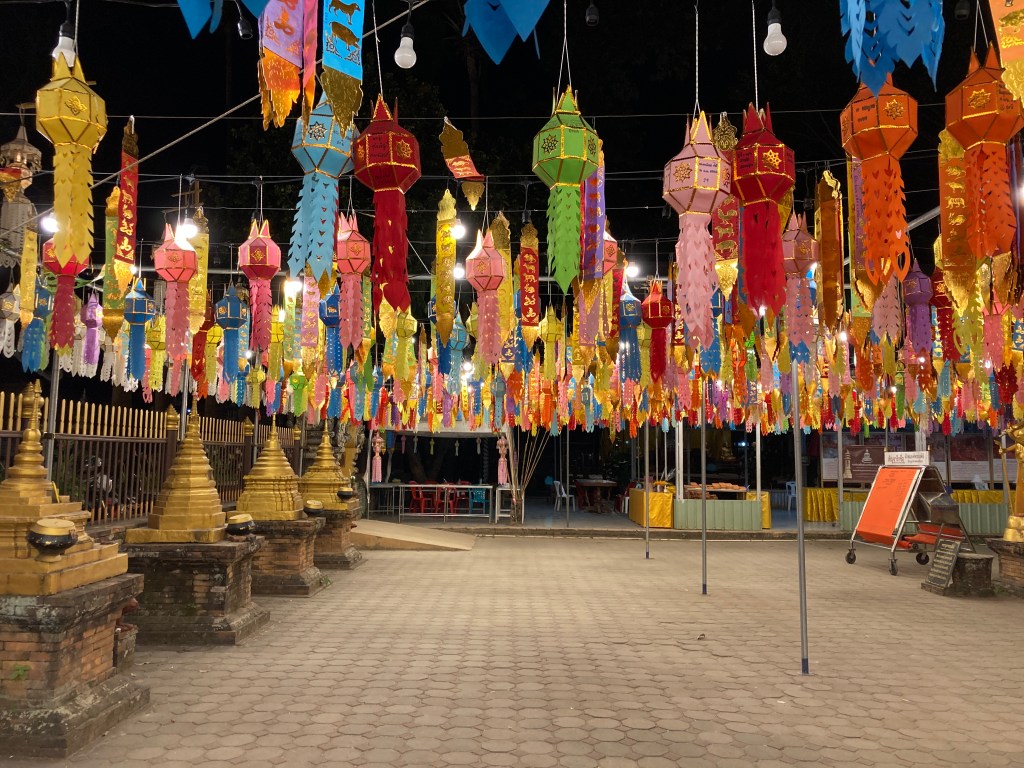
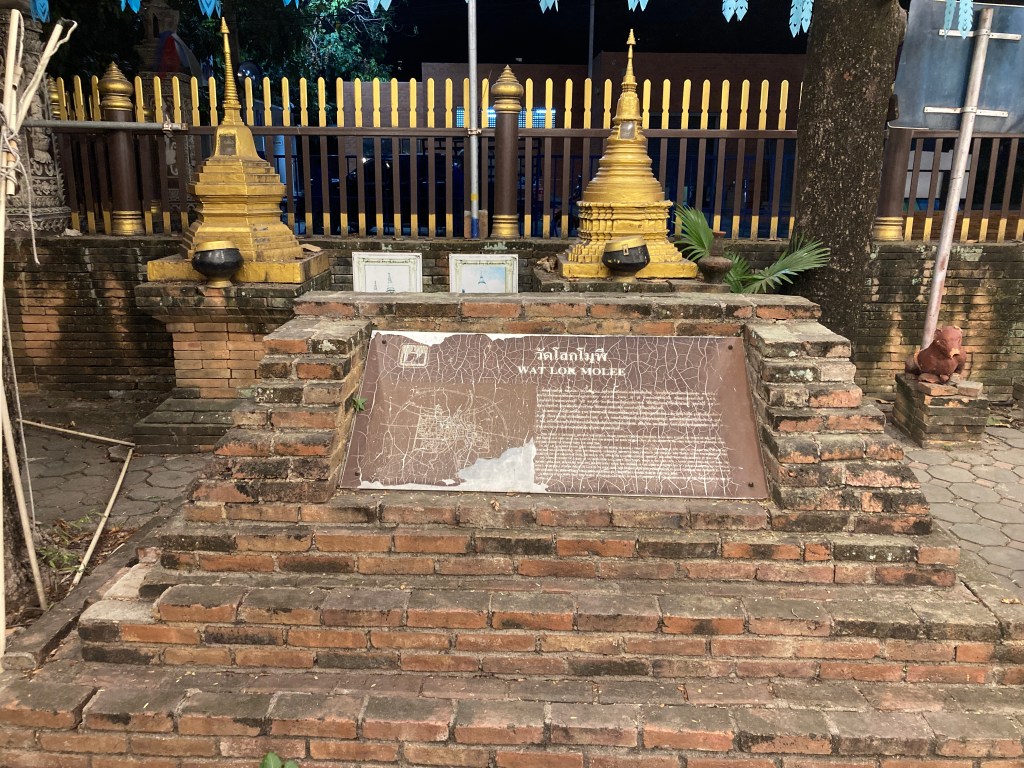

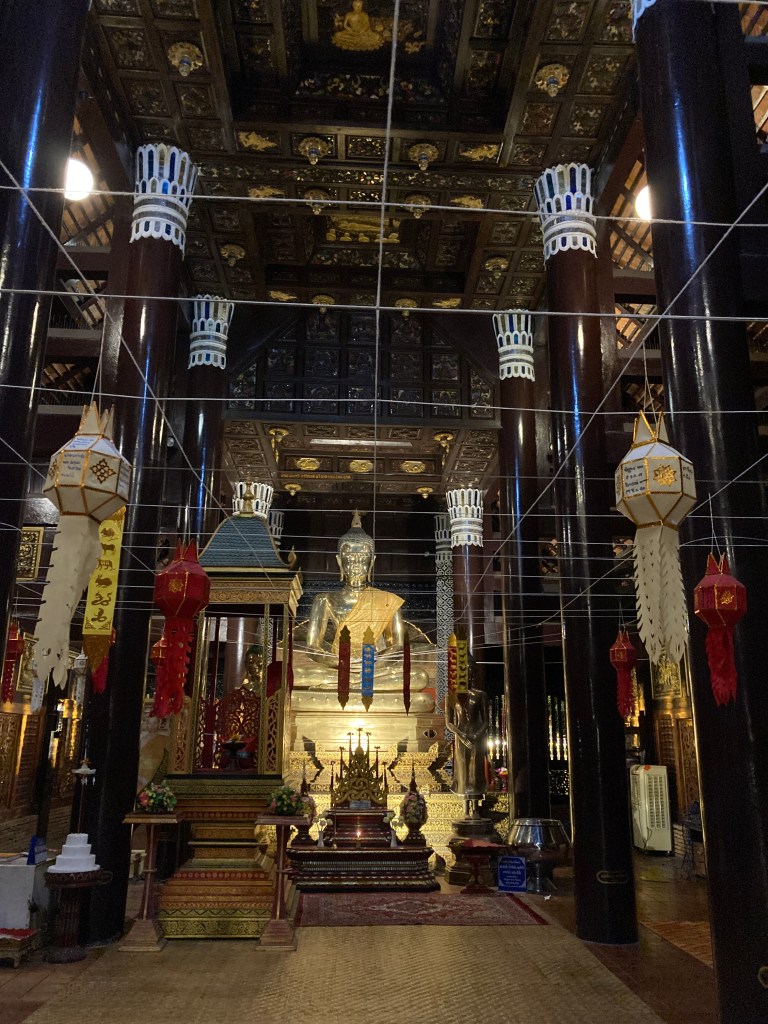
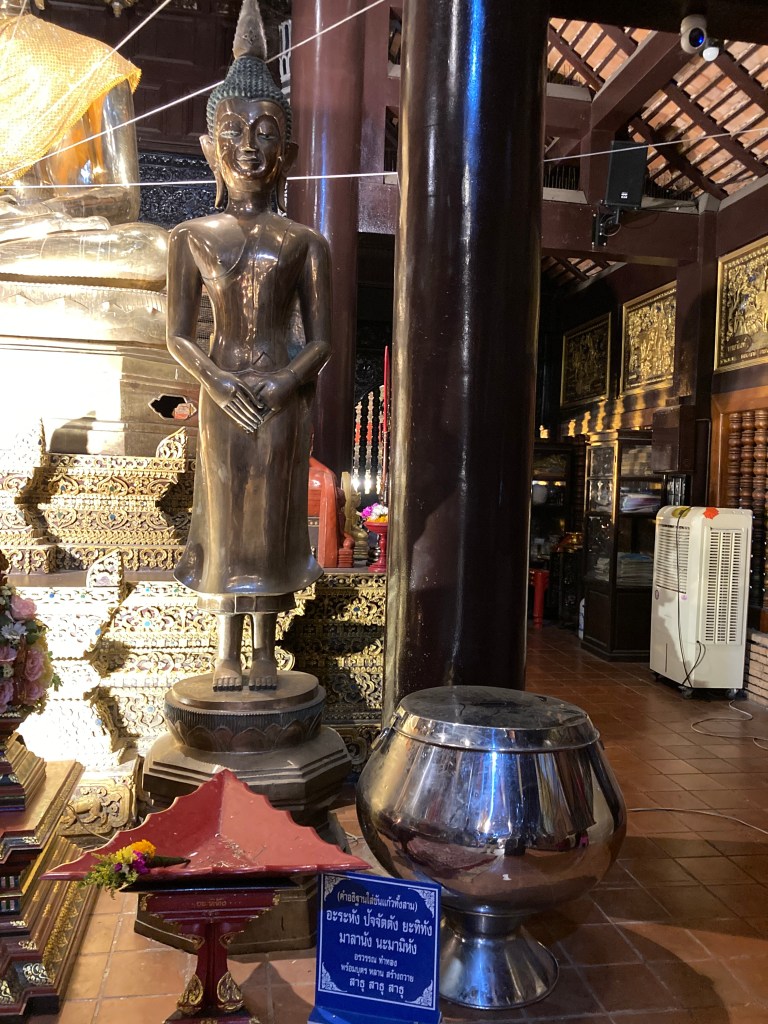
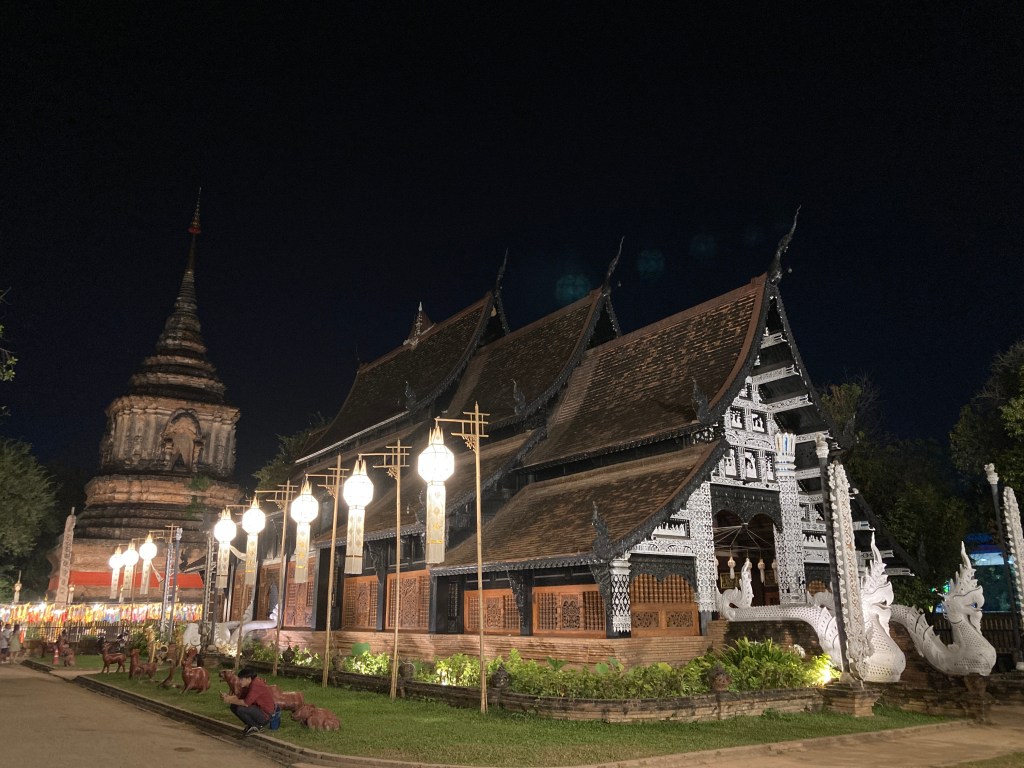
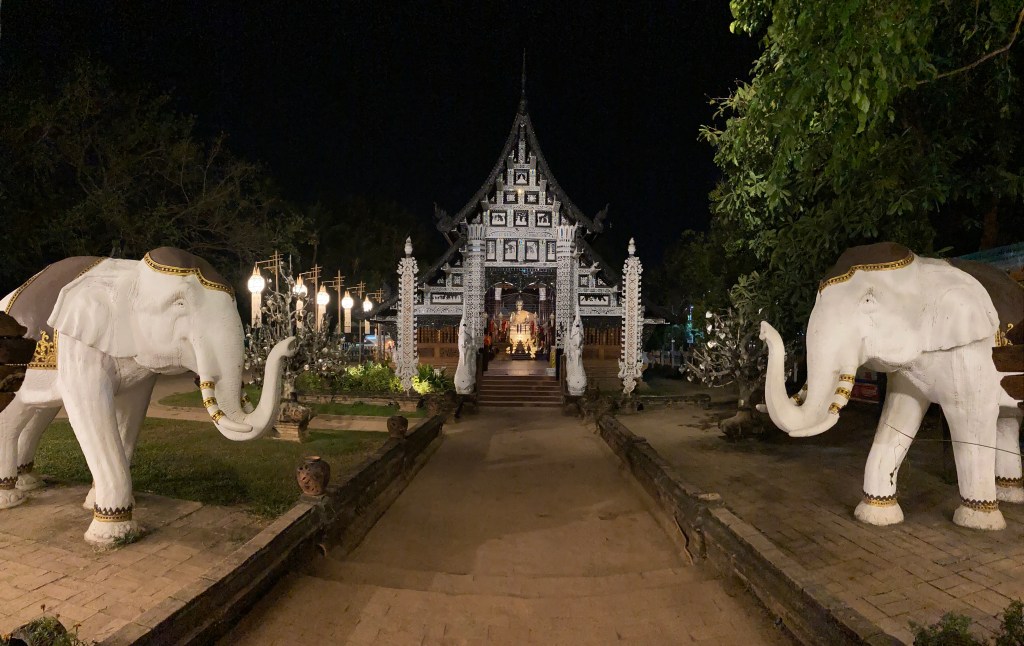
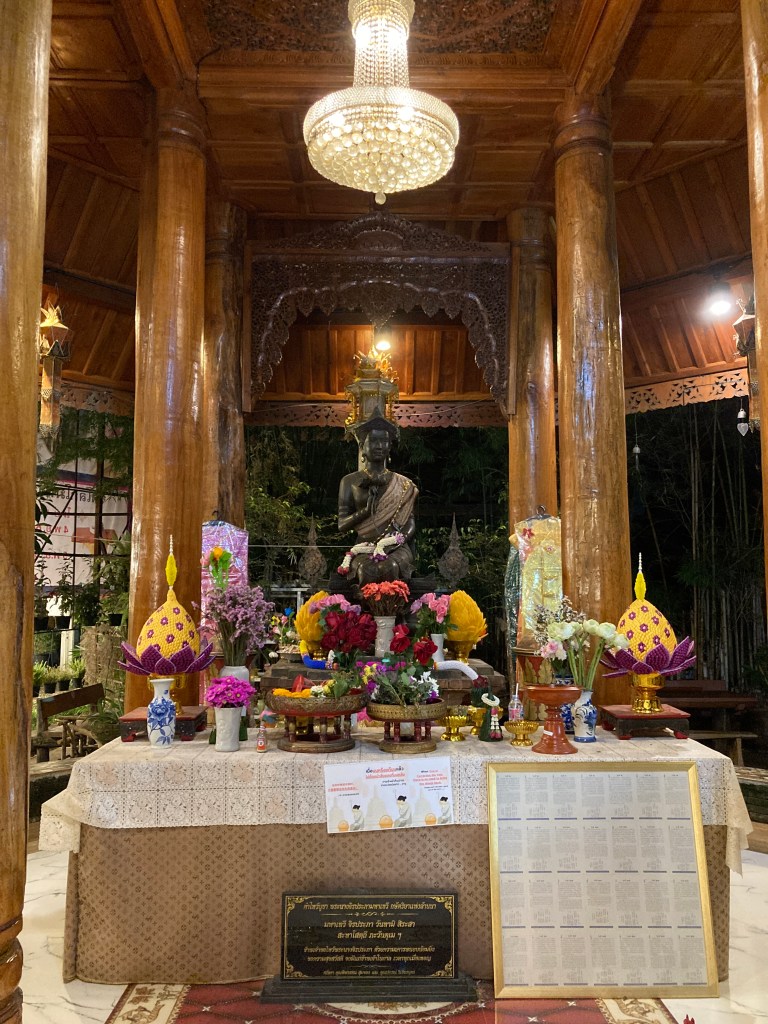
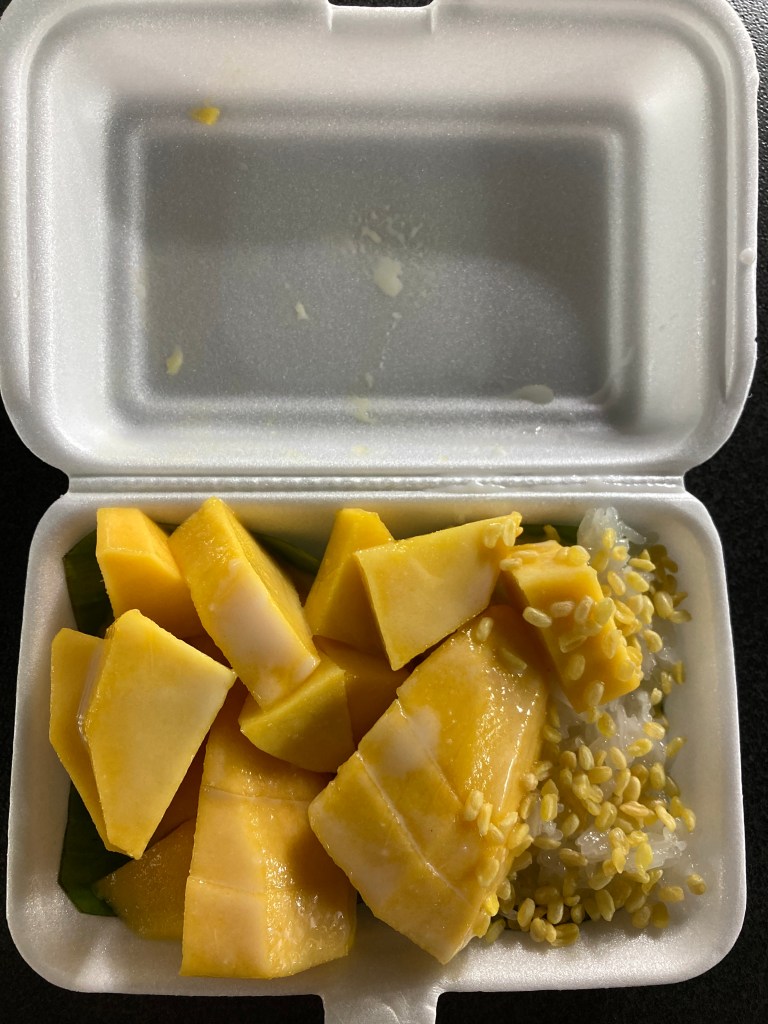
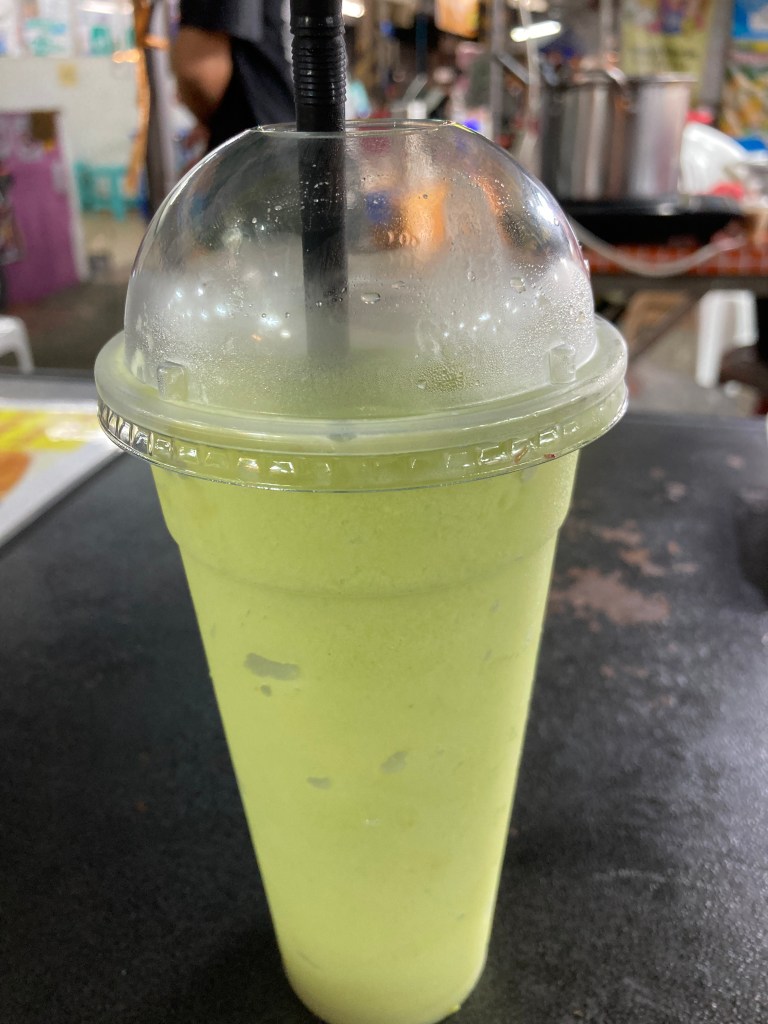
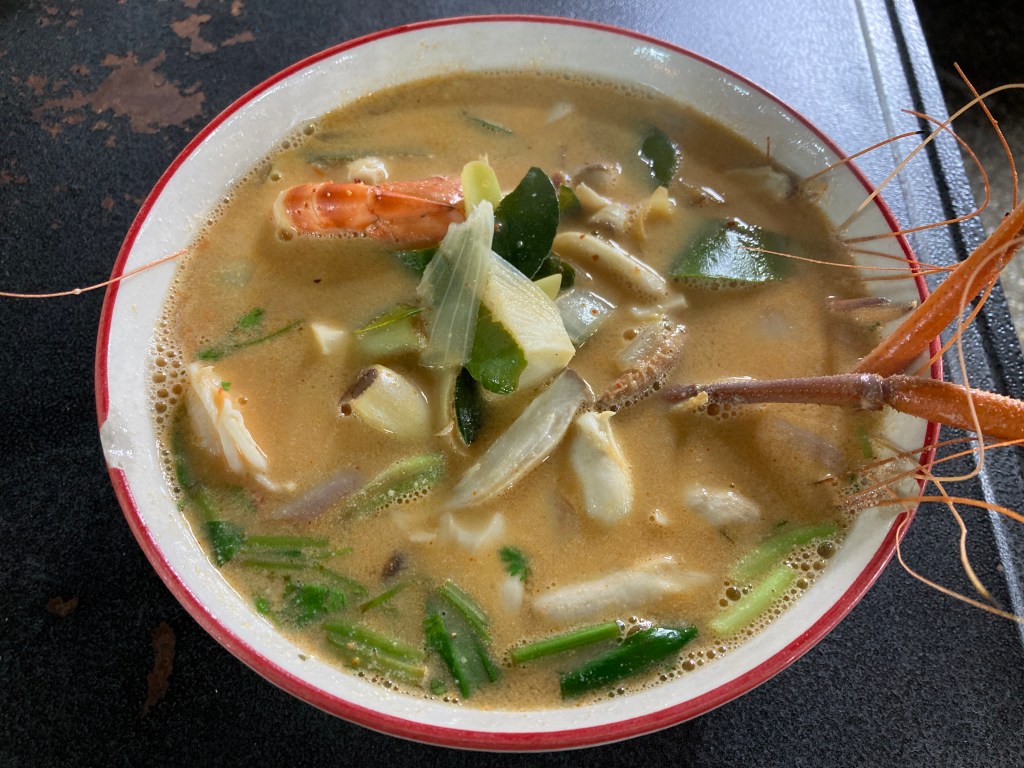
Wat Lok Moli is right next to Chang Puak Market, so I walked over for dinner. A must-try Thai delicacy is mango sticky rice, along with a spicy and sour shrimp soup, all complemented by a refreshing fruit juice.
Day 3
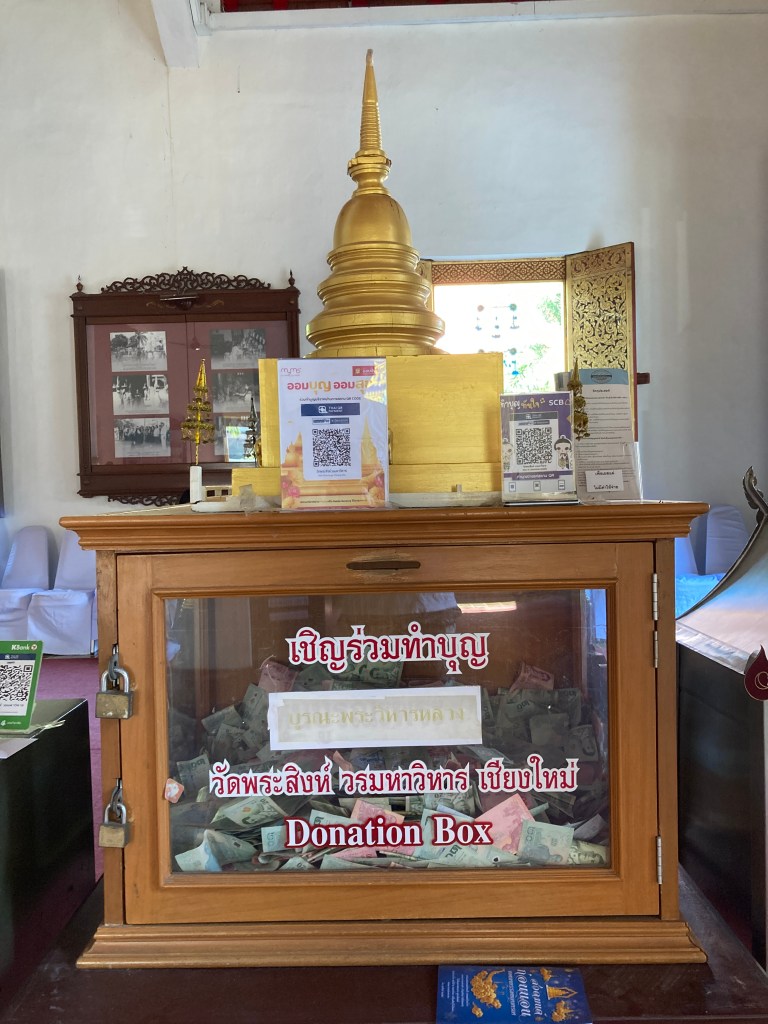
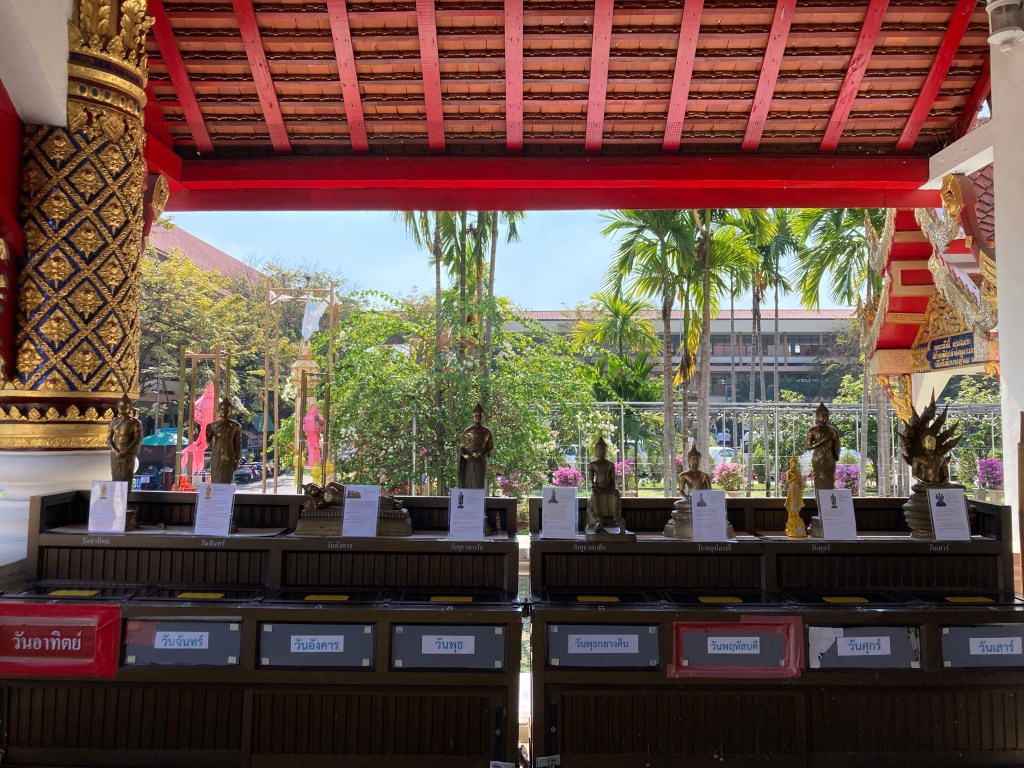
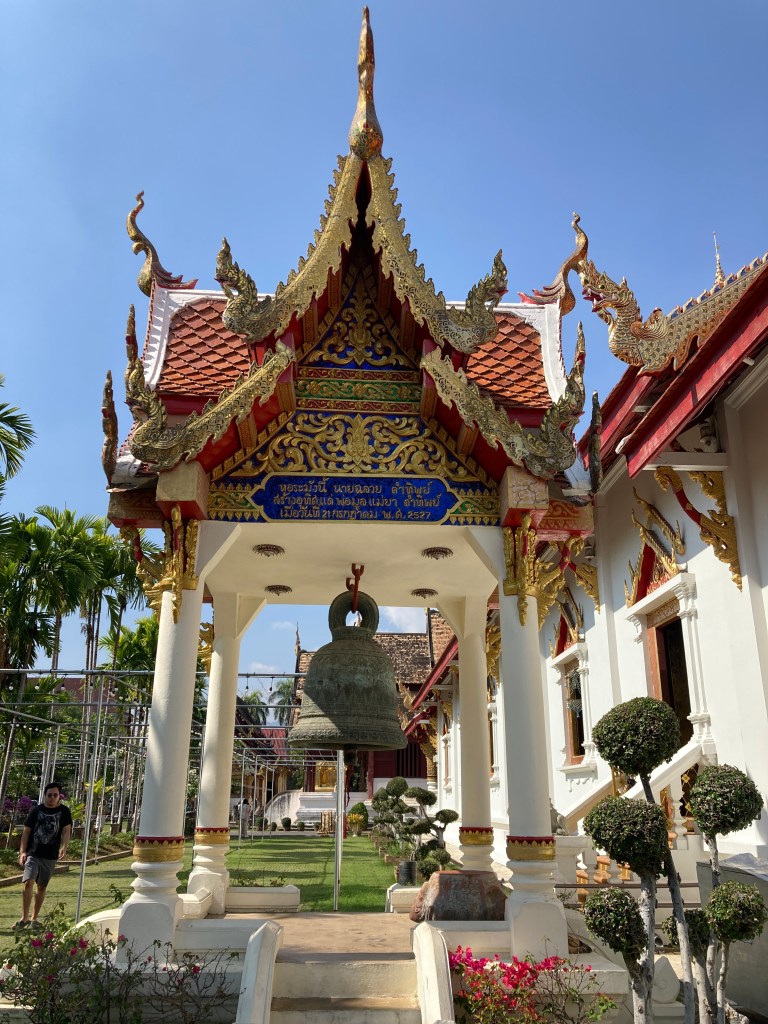
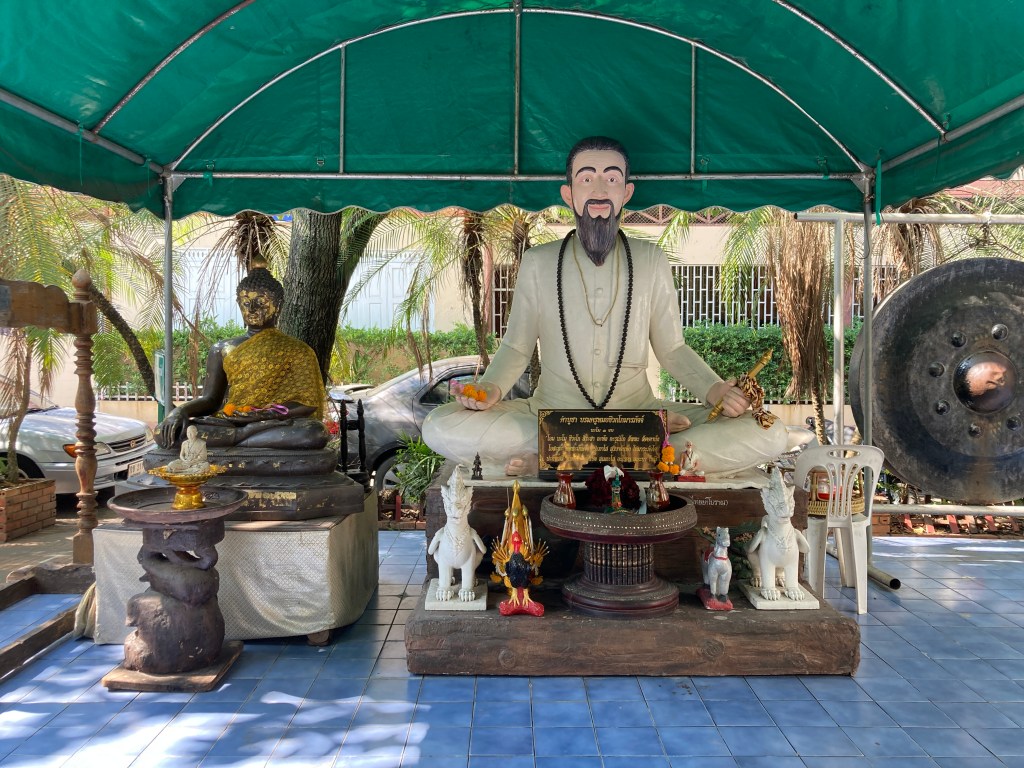
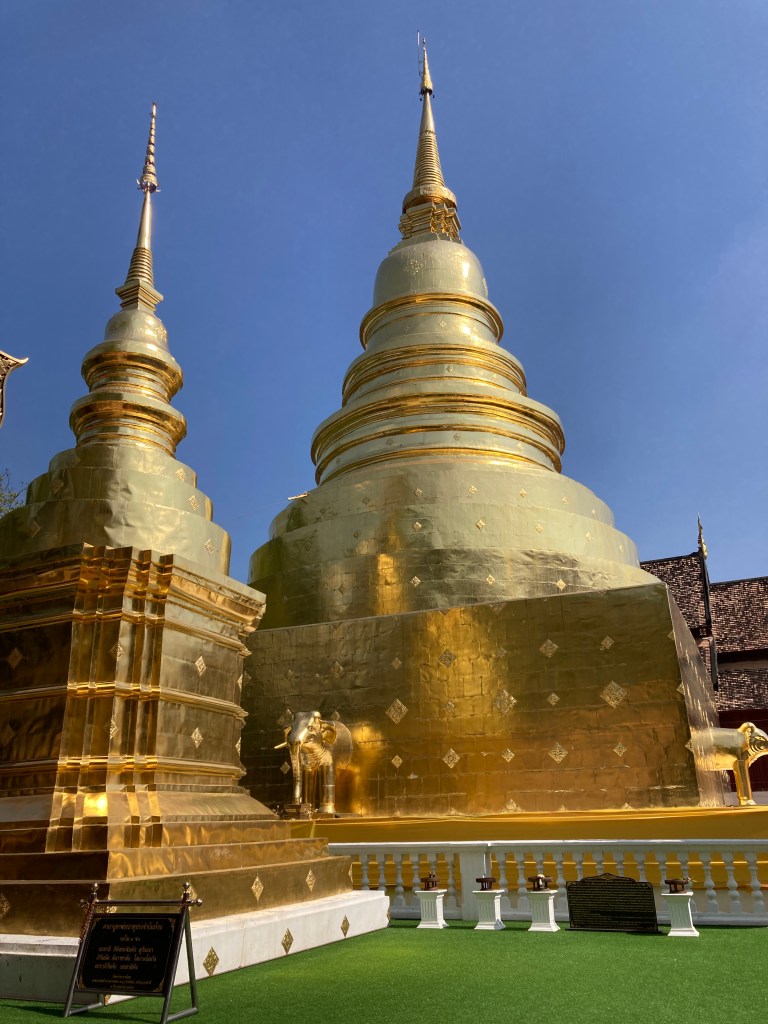
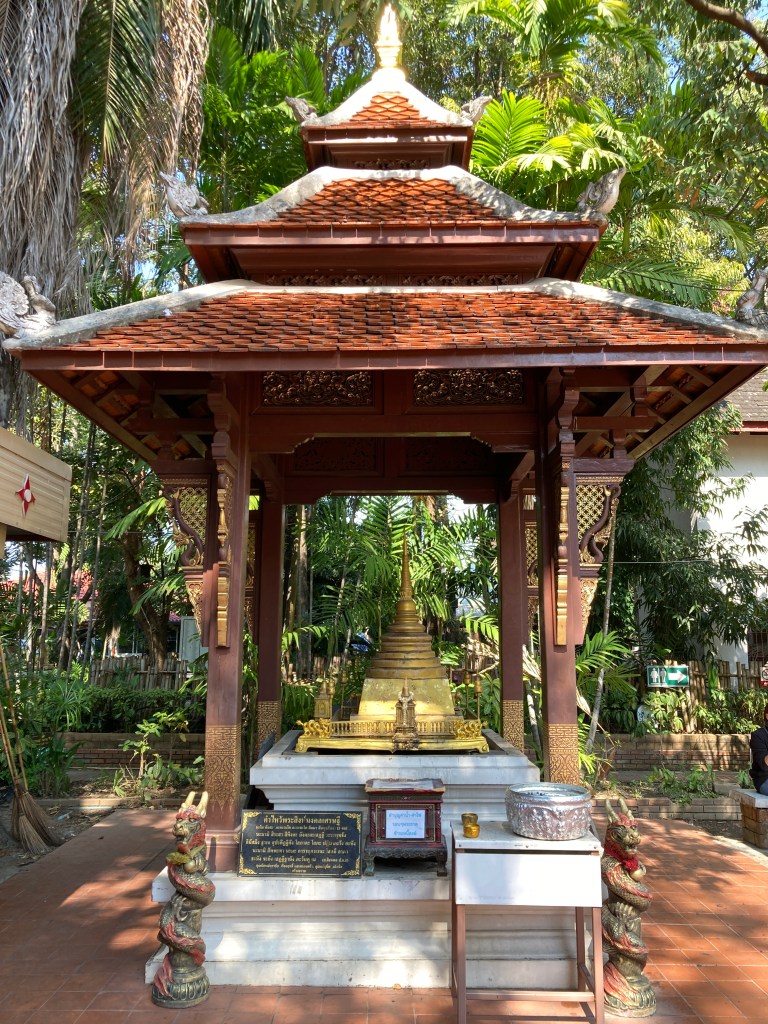
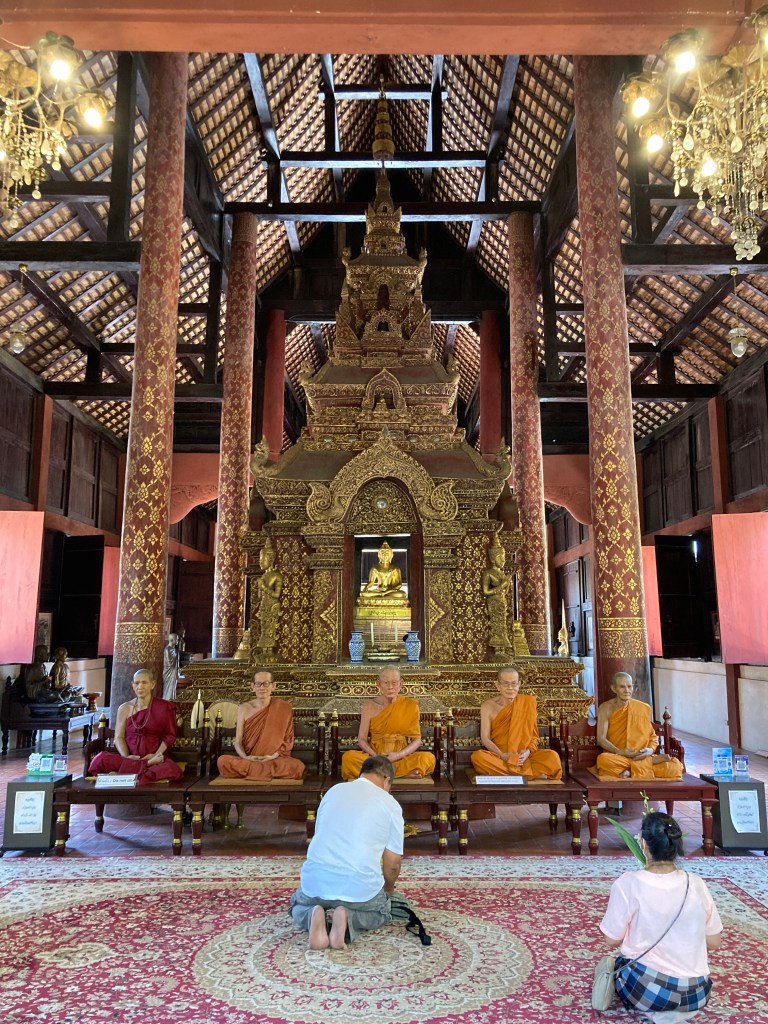
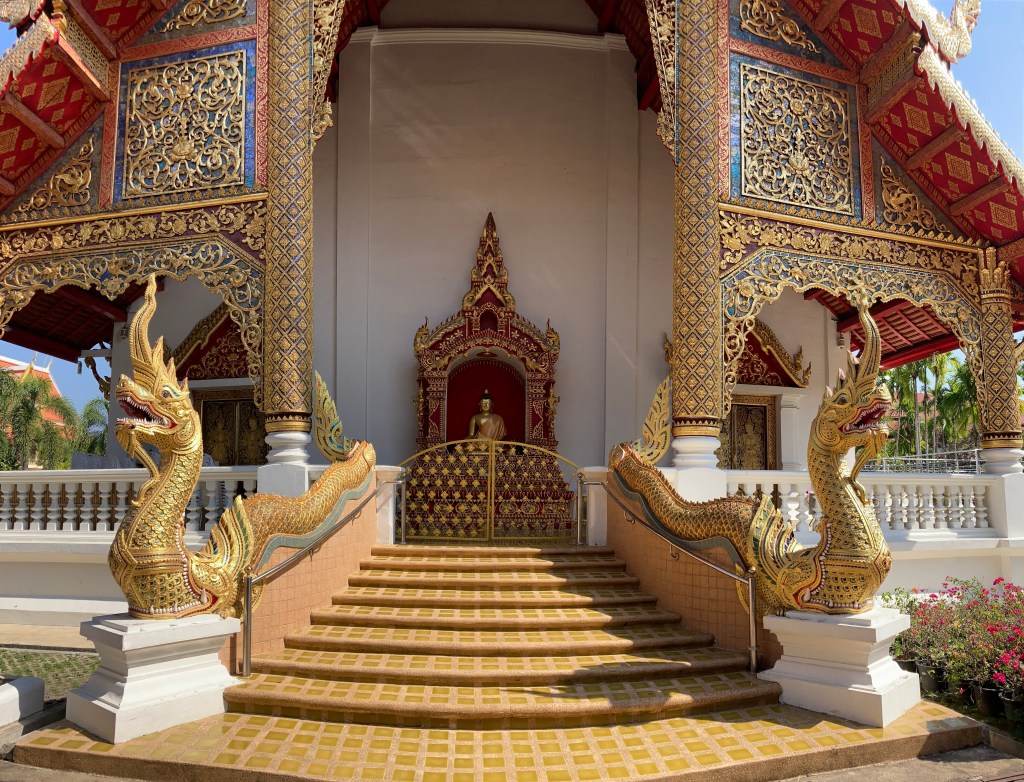
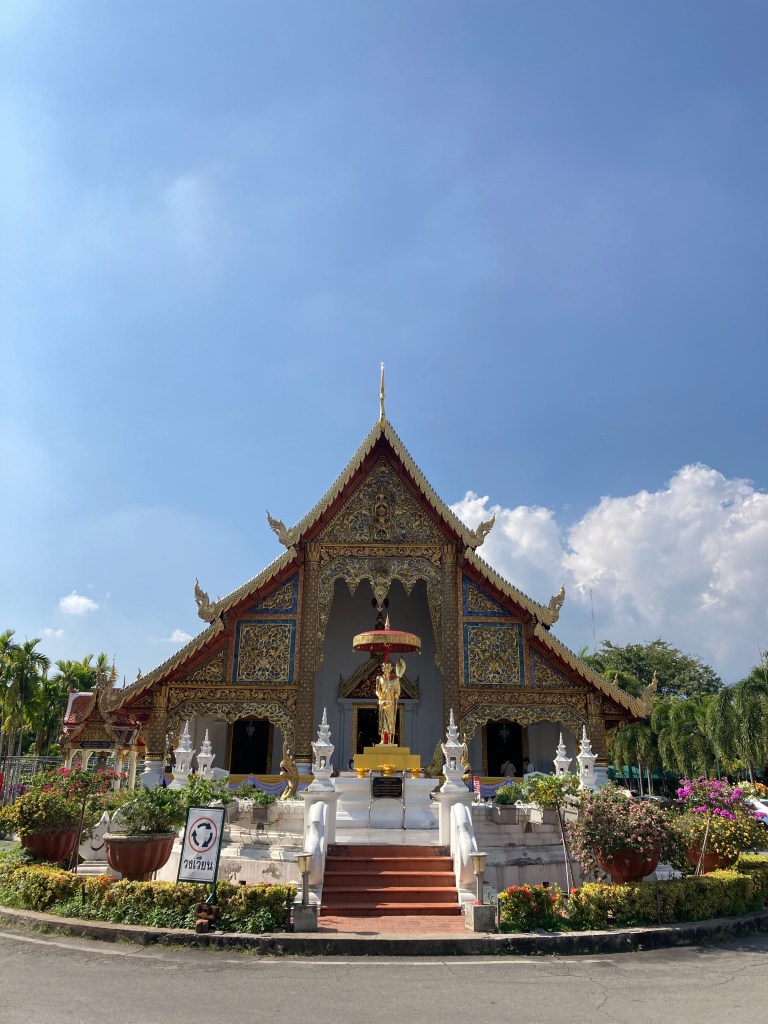
Wat Phra Singh
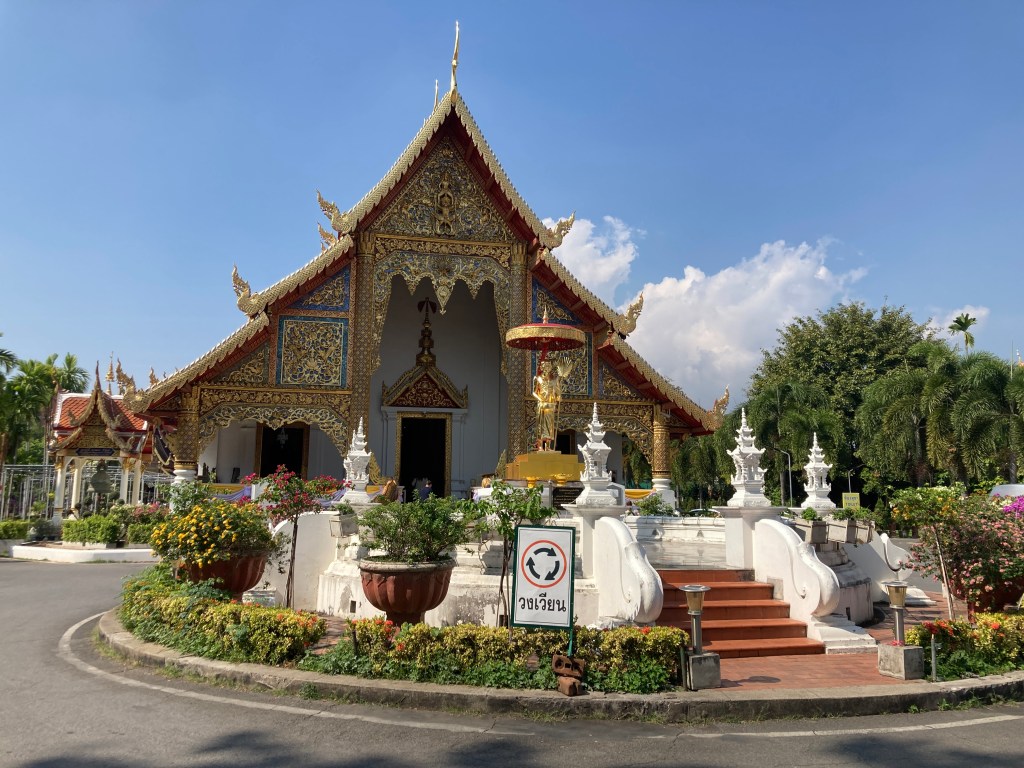
After having breakfast, I headed to the first temple, Wat Phra Singh.
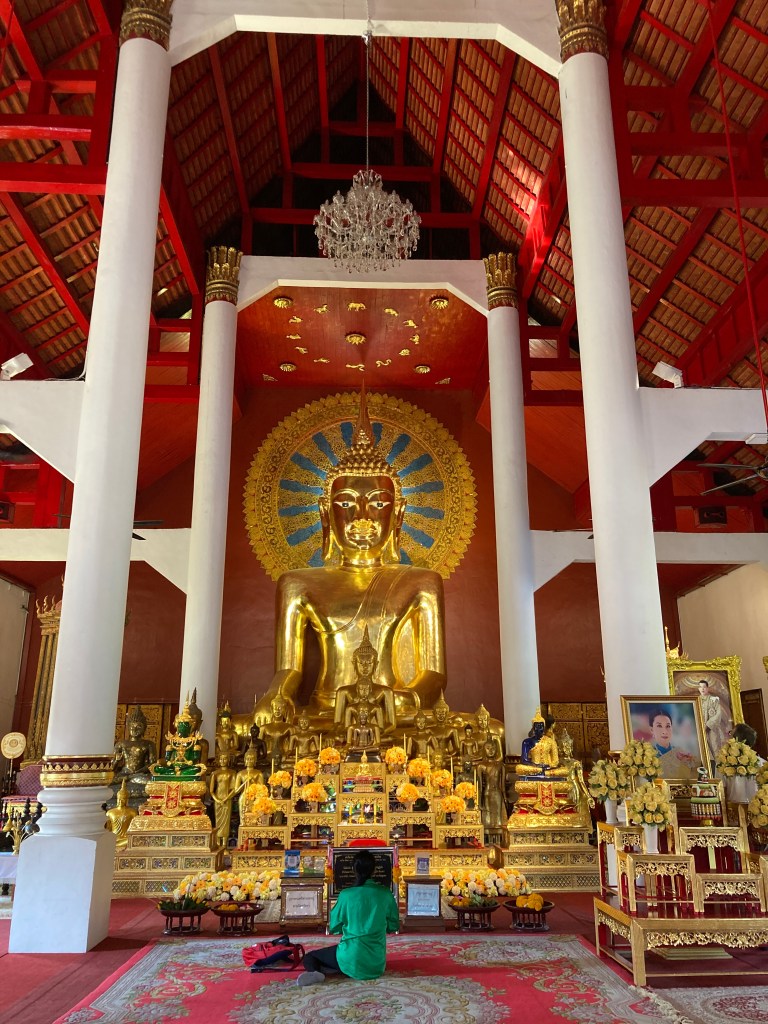
The temple has an important Buddha statue called Phra Buddha Sihing, which is the reason for the temple’s name. The statue’s origins are unknown, but legend says it was inspired by the lion statue of Shakya, once housed in the Mahabodhi Temple in Bodh Gaya, India. The Phra Buddha Sihing statue is believed to have been brought to Chiang Mai via Ceylon (present-day Sri Lanka), Ligor (present-day Nakhon Si Thammarat), and Ayutthaya.
Two other Buddha statues in Thailand are said to be the Phra Buddha Sihing, located in Wat Phra Mahathat in Nakhon Si Thammarat and the Bangkok National Museum. There’s a claim that the statue’s head was stolen in 1922, and there’s a possibility that the current statue, or at least the head, is a reproduction.
Every year, during the Songkran festival, the statue is taken from Wihan Lai Kham and paraded through Chiang Mai’s streets in a religious procession. Spectators honor the statue by sprinkling water over it during the procession.





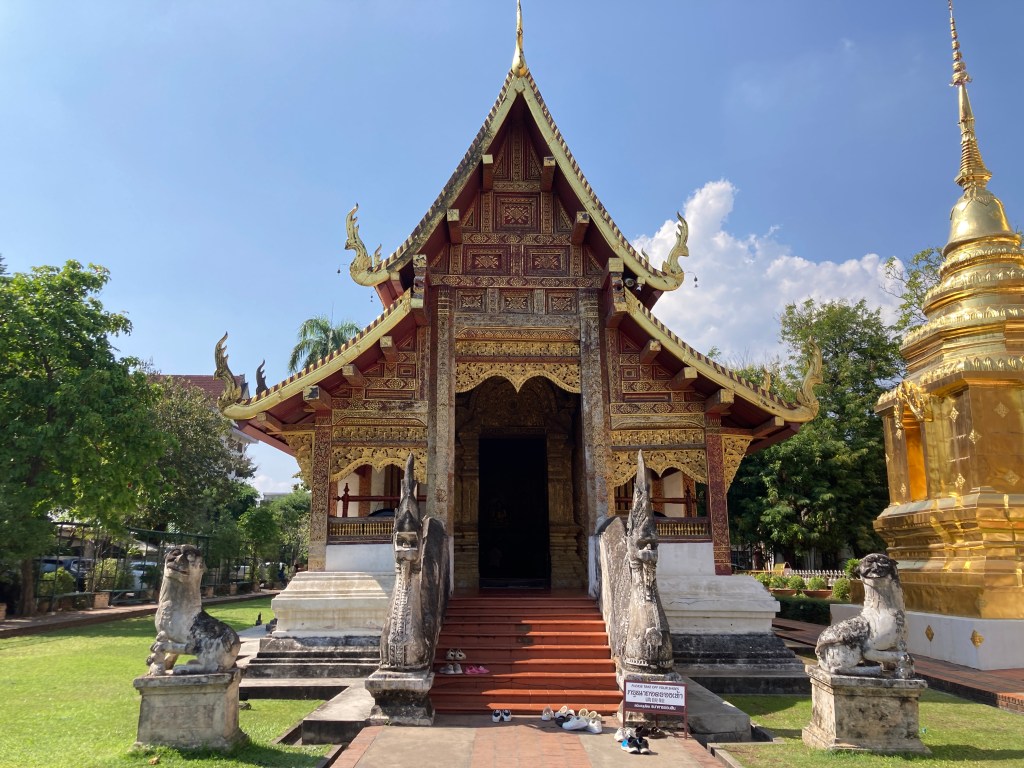
Wat Phan Tao
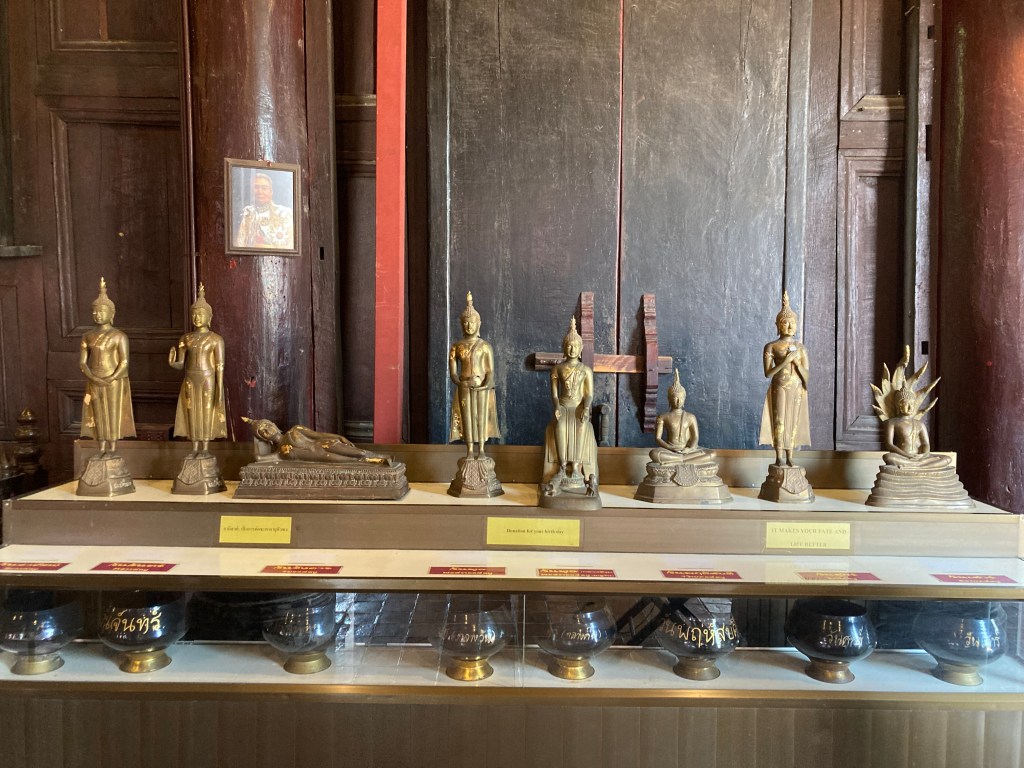
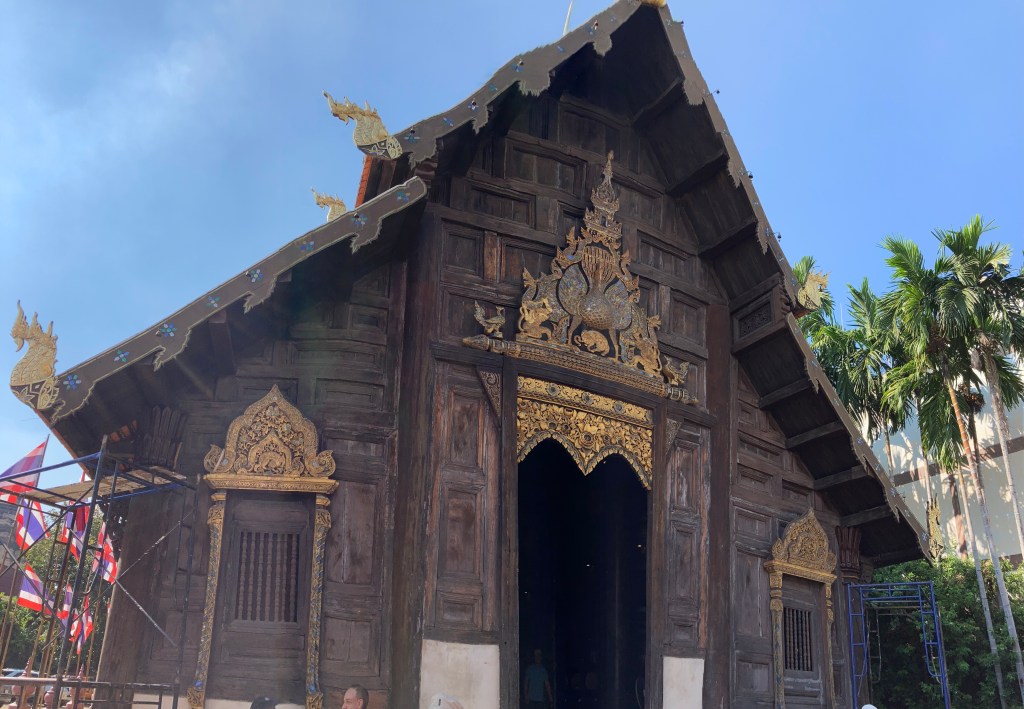
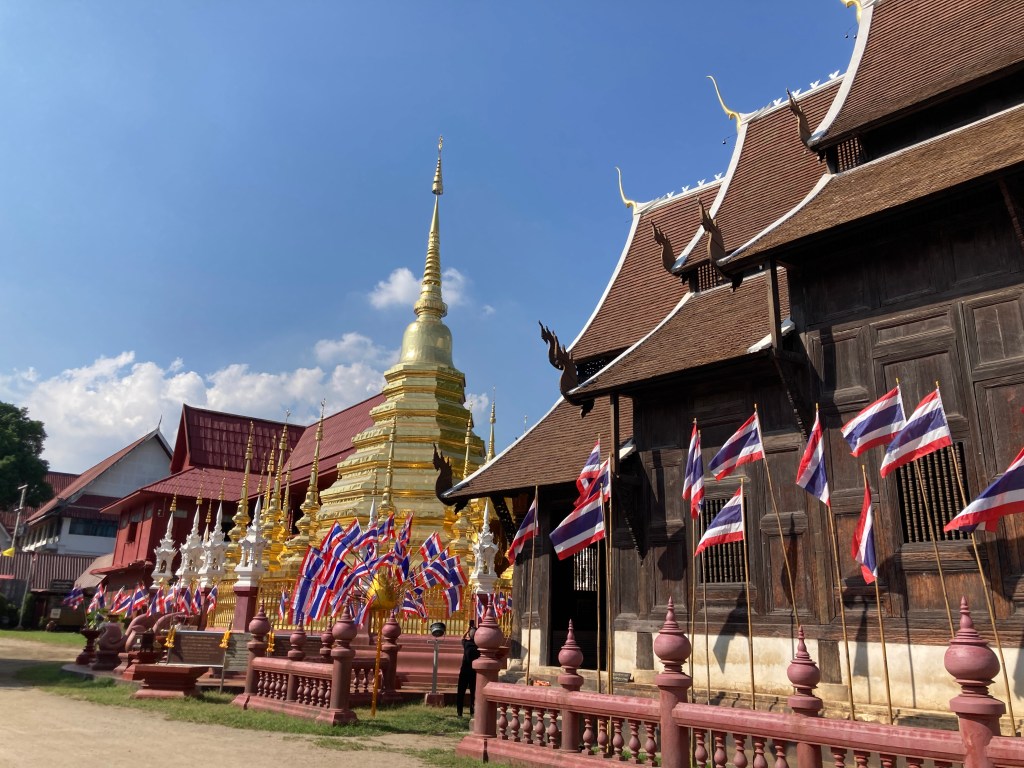
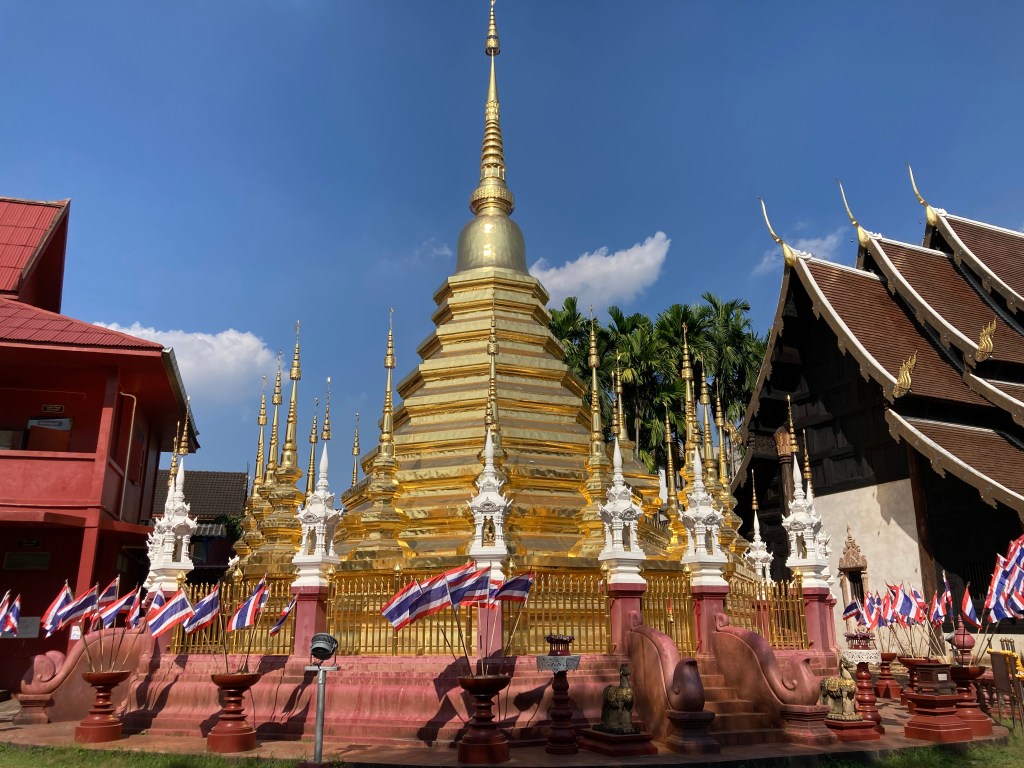
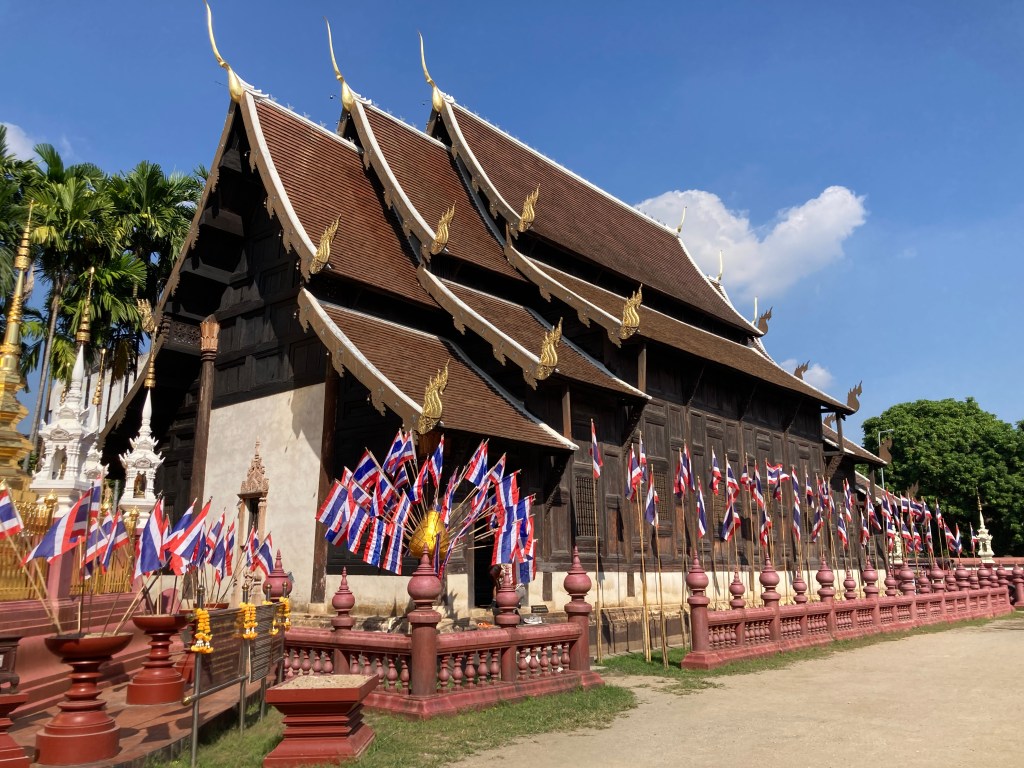
Situated on Phra Pok Klao Road, adjacent to Wat Chedi Luang, is the Temple that once served as a throne hall for King Mahotara Prateth, symbolized by the peacock.
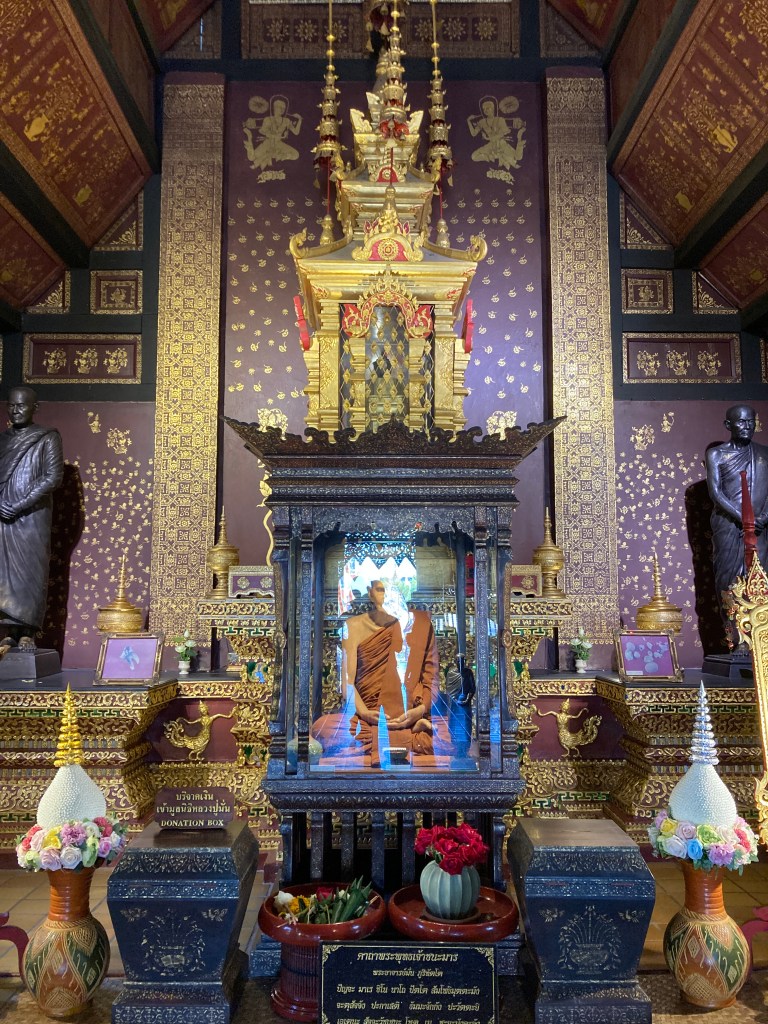
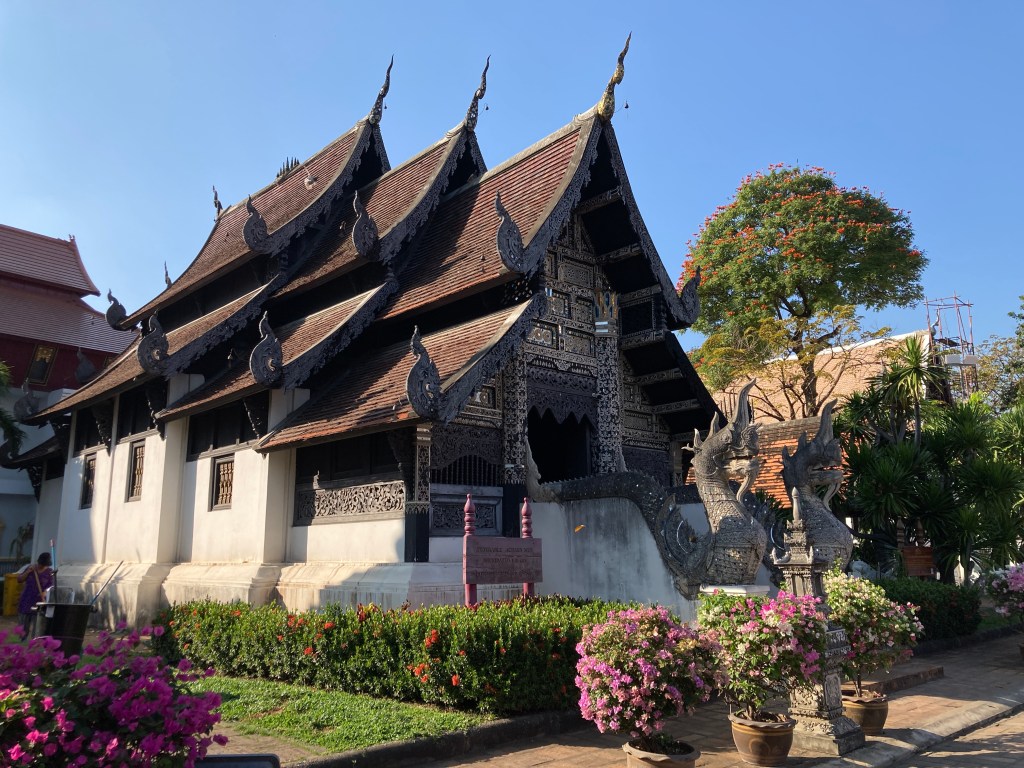
Wat Phan Tao, an ancient temple in Chiang Mai town, is renowned for its splendid Lanna-style ordination hall (Wihan), entirely crafted from teakwood. This structure formerly functioned as a throne hall during the reign of King Mahotara Prateth and now houses the sacred Phan Tao Buddha image. Operating hours are from 8:00 am to 5:00 pm.
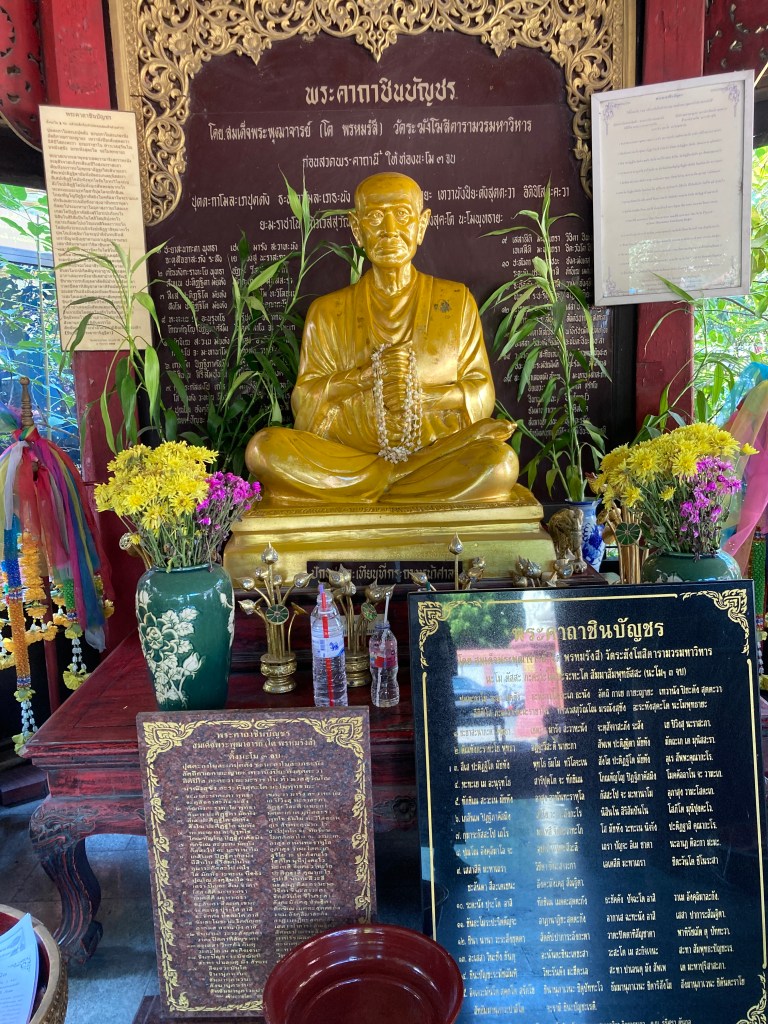

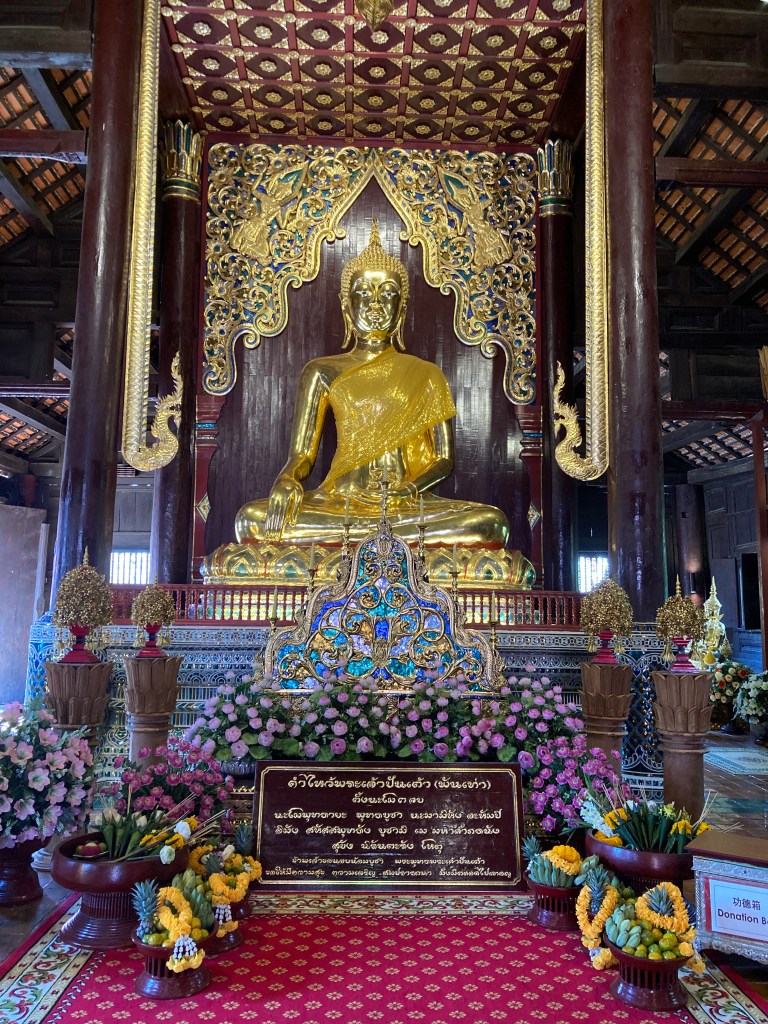
Wat Chedi Luang
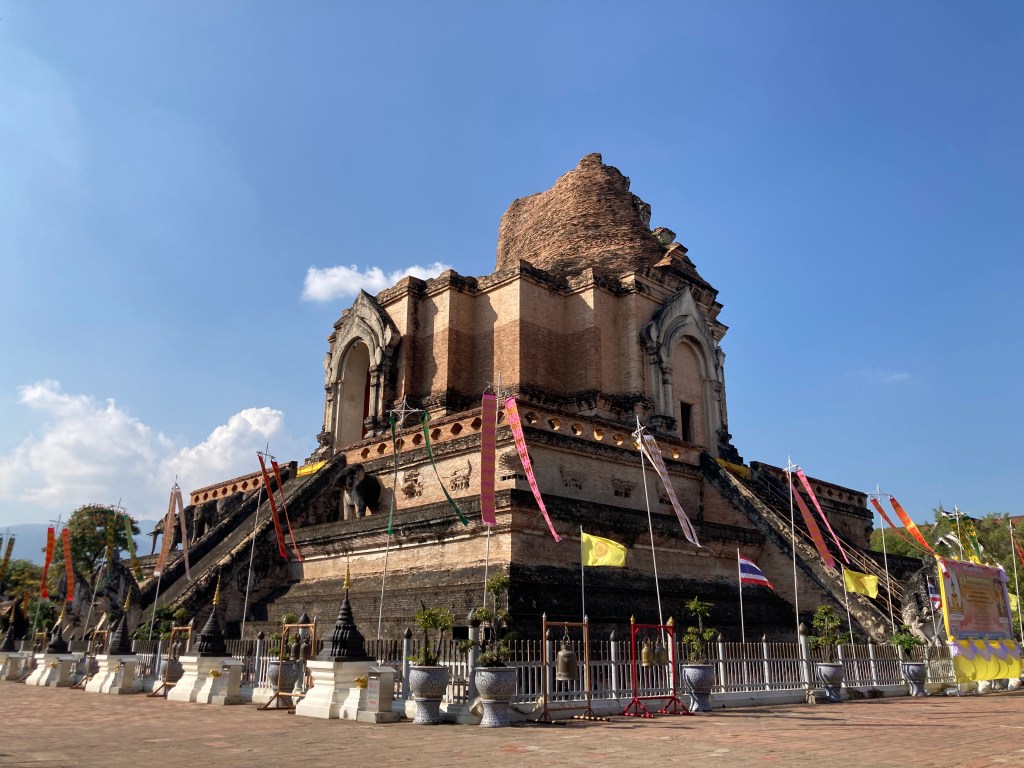
Wat Chedi Luang, meaning “temple of the big stupa” or “temple of the royal stupa” in Thai, is a Buddhist temple located in the historical center of Chiang Mai, Thailand. The present temple grounds were initially composed of three temples—Wat Chedi Luang, Wat Ho Tham, and Wat Sukmin.
Construction of the temple began in the 14th century when King Saen Muang Ma intended to inter his father’s ashes at the site. After a decade of construction, the project was left incomplete. Following the king’s death, his widow resumed the construction, and due to stability issues, it was not until the mid-15th century, during the reign of King Tilokaraj, that the temple was finally completed. At that time, it stood at 82 meters in height with a base diameter of 54 meters, making it the largest building in all of Lanna.
In 1468, the Emerald Buddha was enshrined in the eastern niche. However, in 1545, an earthquake caused the upper 30 meters of the structure to collapse, leading to the relocation of the Emerald Buddha to Luang Prabang in 1551.
In the early 1990s, the chedi underwent reconstruction, funded by UNESCO and the Japanese government. The outcome is somewhat controversial, with some arguing that the new elements reflect Central Thai style rather than Lanna style. In 1995, for the chedi’s 600th anniversary, a replica of the Emerald Buddha made from black jade was placed in the reconstructed eastern niche. Officially named Phra Phut Chaloem Sirirat, it is commonly known as Phra Yok.


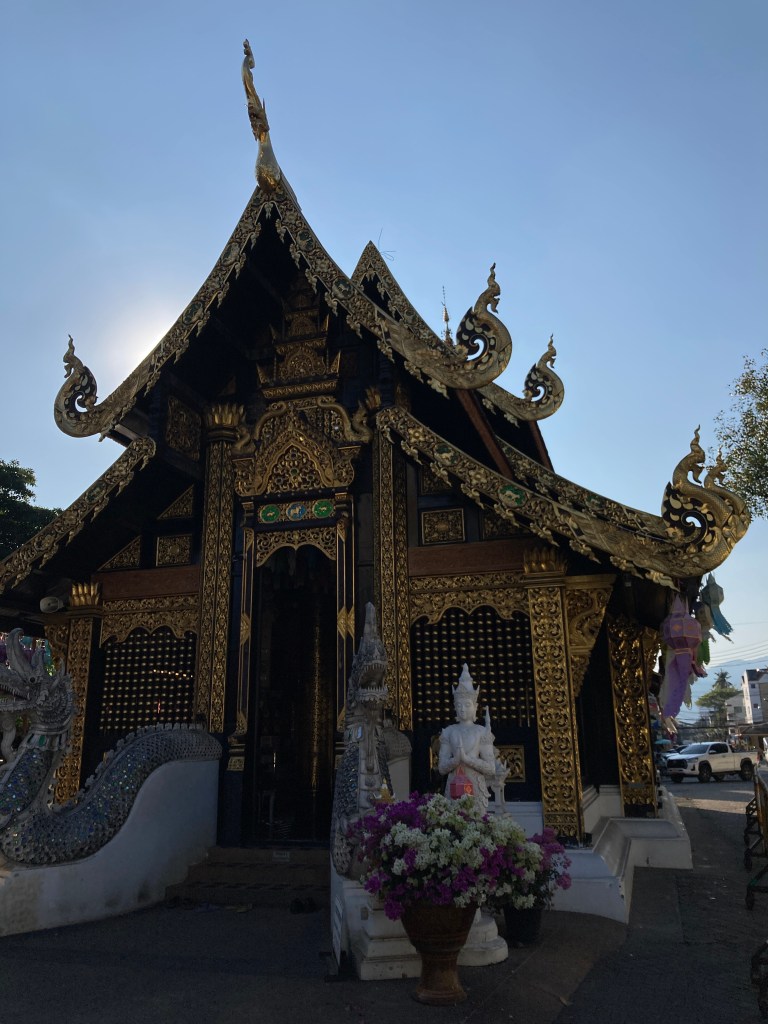
Wat Inthakhin Sadue Muang
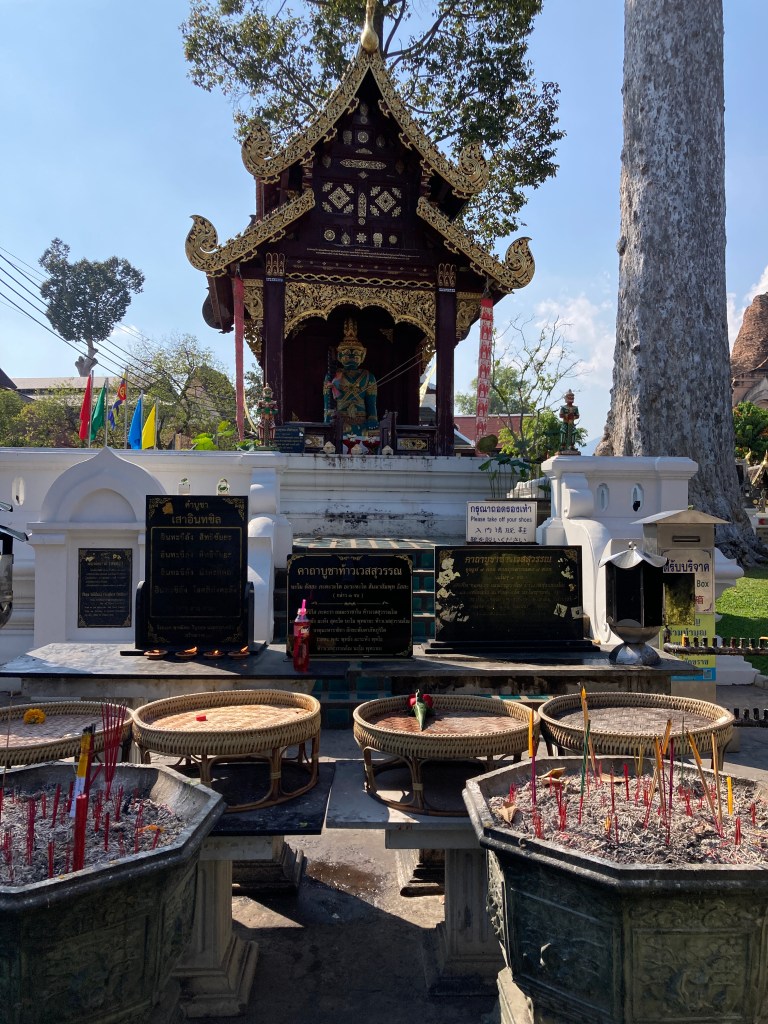
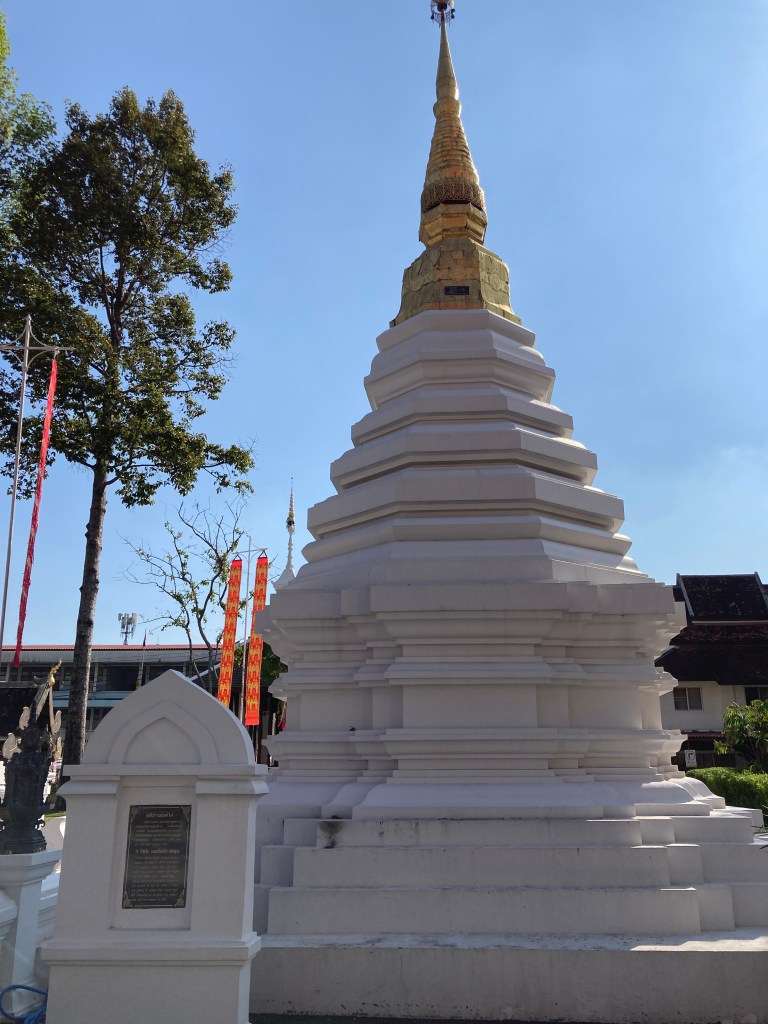
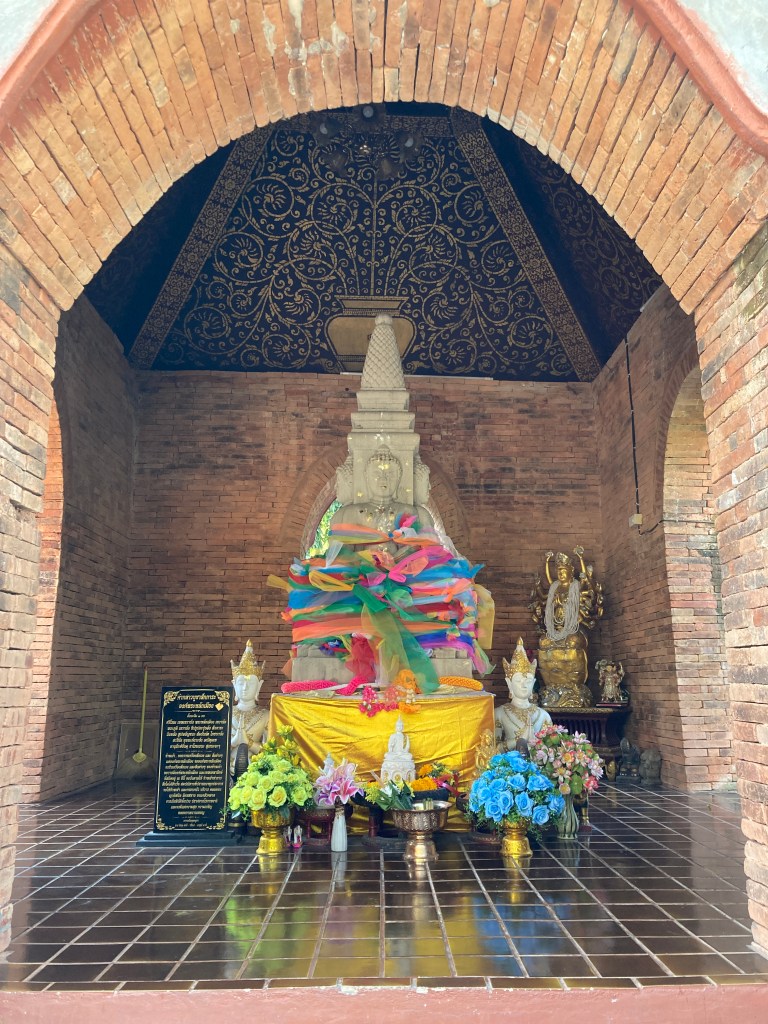
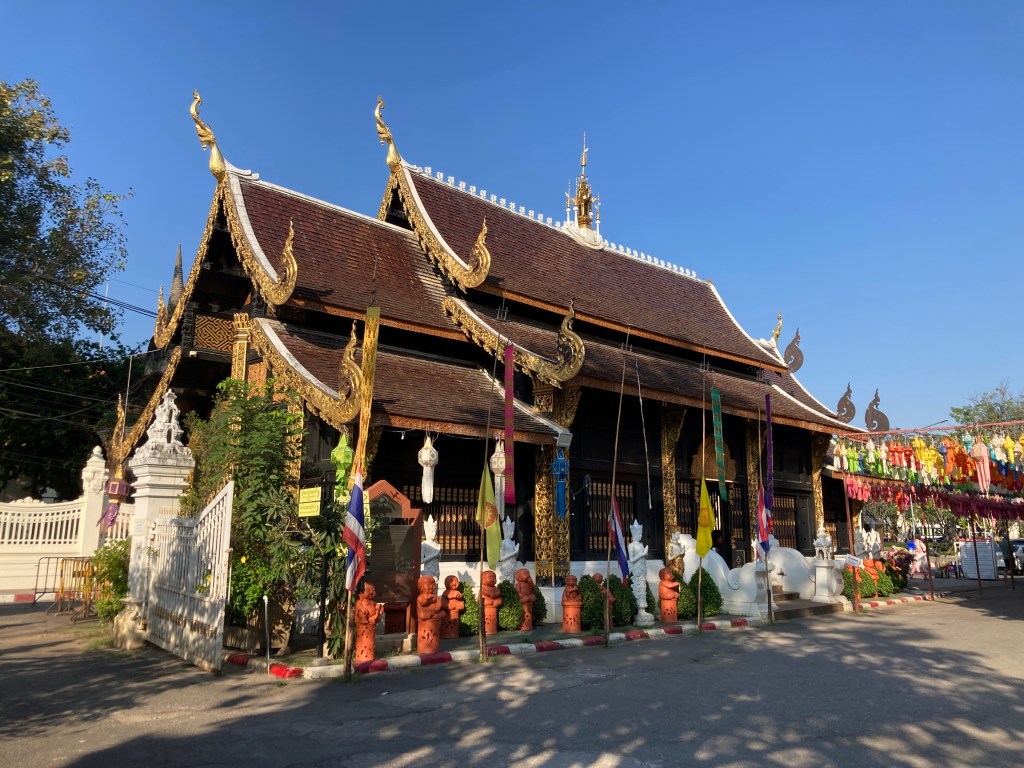
Wat Inthakin is a less frequented temple located in the heart of Chiang Mai’s old walled town. This small yet active temple consists of a highly decorated viharn, two chedis, and the living quarters for the monks.
Alternatively known as Wat Sadue Muang, meaning “temple of the city navel,” it refers to the location in the center of the town where the temple was established over 700 years ago.
The temple derives its name from the Pali term for the Chiang Mai city pillar, known as Sao Inthakin, which directly translates to “pillar of Indra.” According to local legend, the Hindu deity Indra, the Lord of Heaven, presented the pillar to the inhabitants of the area as a safeguard against evil.
The precise founding date of the temple remains uncertain. In 1296, King Mengrai of the Lanna Kingdom positioned the pillar on the temple grounds at the center of the newly established city, Chiang Mai. The presence of the city pillar bestowed great spiritual significance upon Wat Inthakin.
In 1800, during the reign of Lanna King Chao Kawila, the pillar was relocated to the nearby Wat Chedi Luang, where the annual Inthakin festival continues to be celebrated. The temple was abandoned during the Burmese occupation, which concluded in 1774.
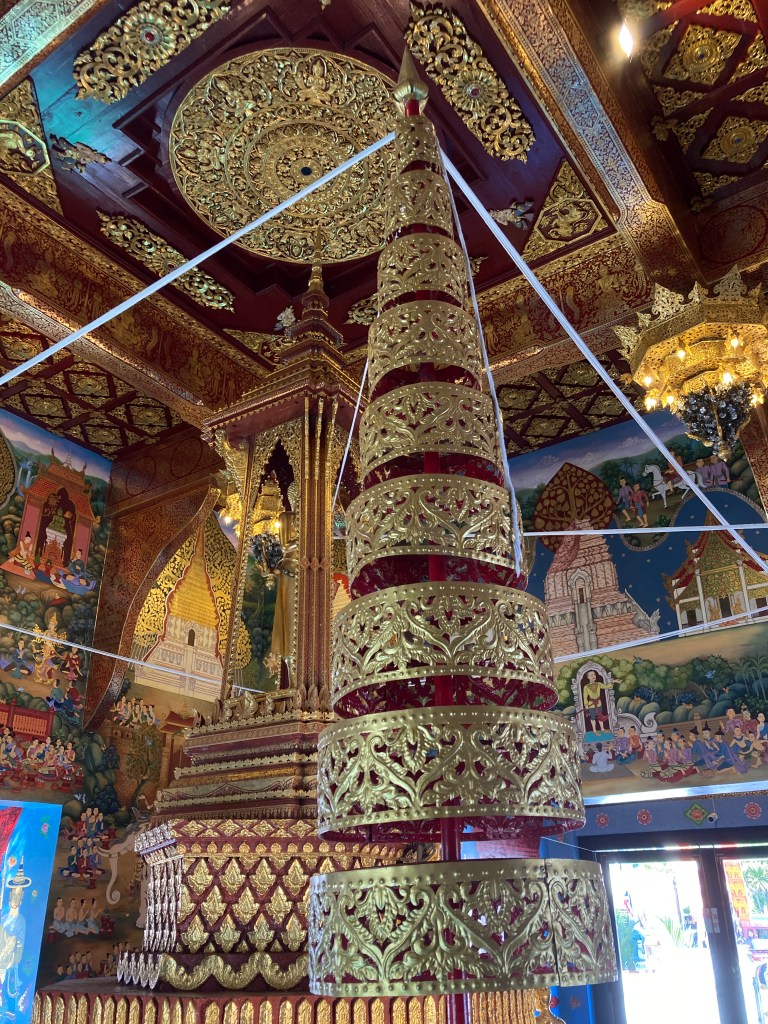
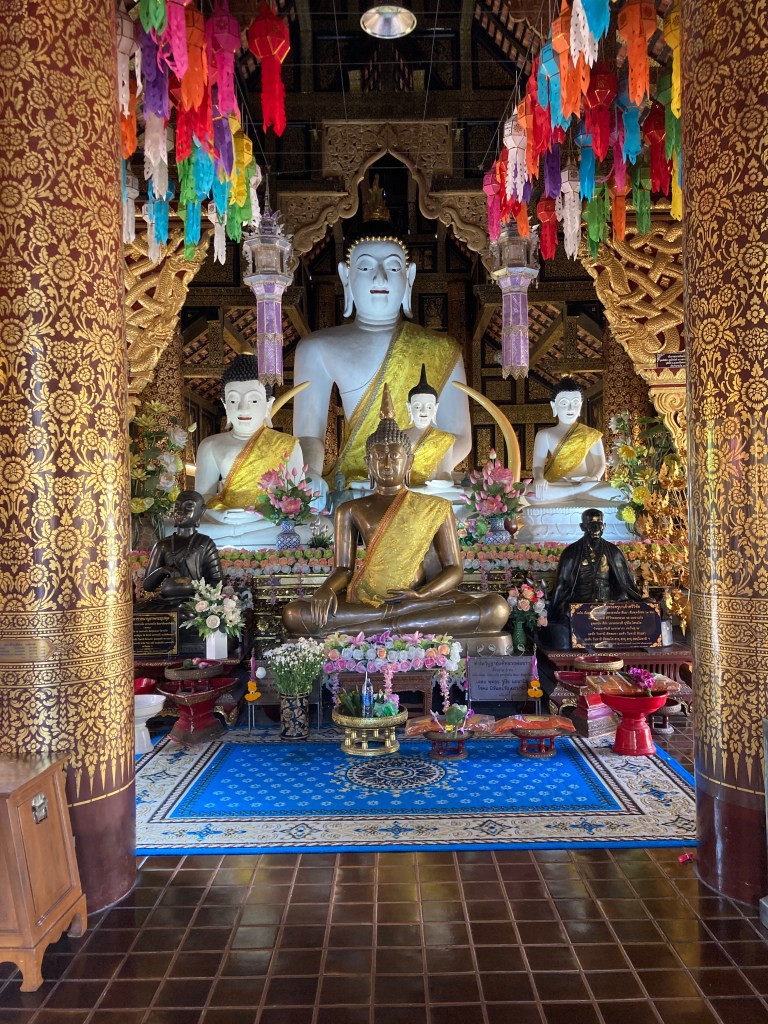
The viharn, or assembly hall, of Wat Inthakin was recently constructed to house the temple’s Buddha images. Prior to the viharn’s construction, the images were kept in a simple shed.
The viharn is an elaborately designed dark wooden building resting on a stone base. Following the Lanna style, the structure features a multi-tiered roof with carved barge boards embellished with stylized finials shaped like Naga serpents. Golden chofah decorate the ends of the rooftop, and the front gable is intricately adorned in gold colors.
Naga stairways lead to the entrance of the viharn. Inside, large pillars with ornate decorations support the wooden roof. The viharn houses the main Buddha image, Luang Pho Khao, crafted in 1794 by the order of Kawila before he ascended to the throne as King of Lanna.
Three Kings Monument
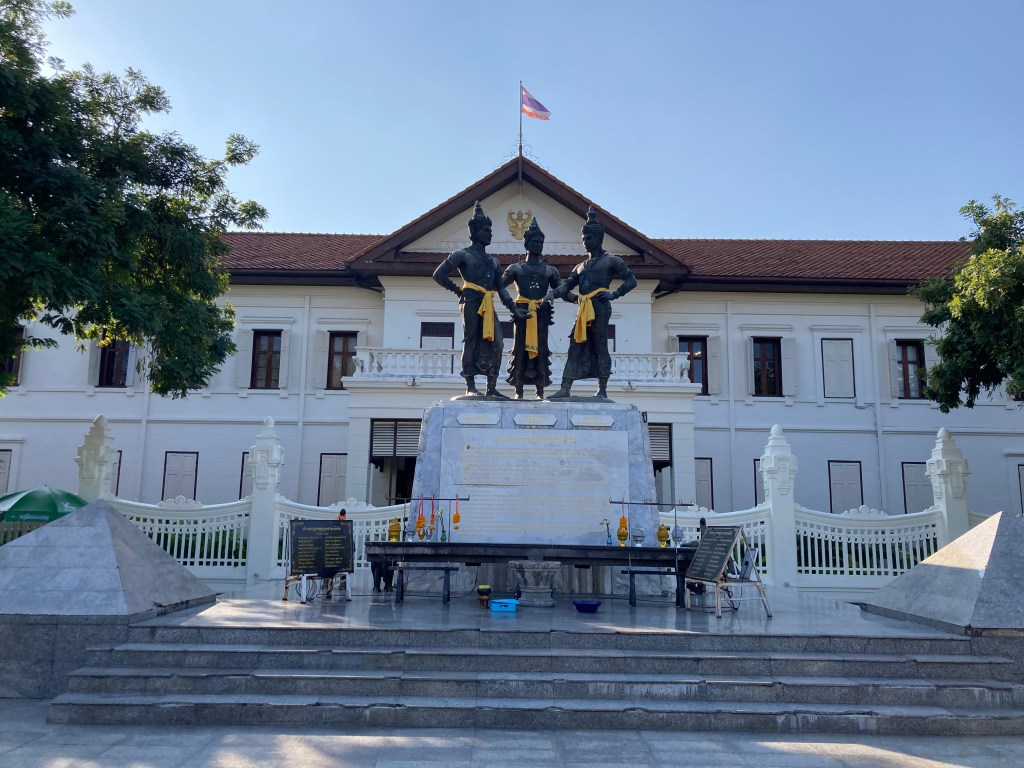
The Three Kings Monument stands prominently in front of the old town hall along Phra Pok Klao Road, serving as a revered site for worship among Chiang Mai locals and tourists alike. When facing the monument, the central figure represents Phaya Mangrai, the right one is Phaya Ruang, and the left one is Phaya Ngam Muang. These three kings are acknowledged as the founders of the Lanna kingdom, contributing to the prosperity of Nopburi, Si Nakhon Ping, and Chiang Mai for over 700 years. This monument holds significant historical value and is considered a symbol of Chiang Mai’s comprehensive cultural heritage.
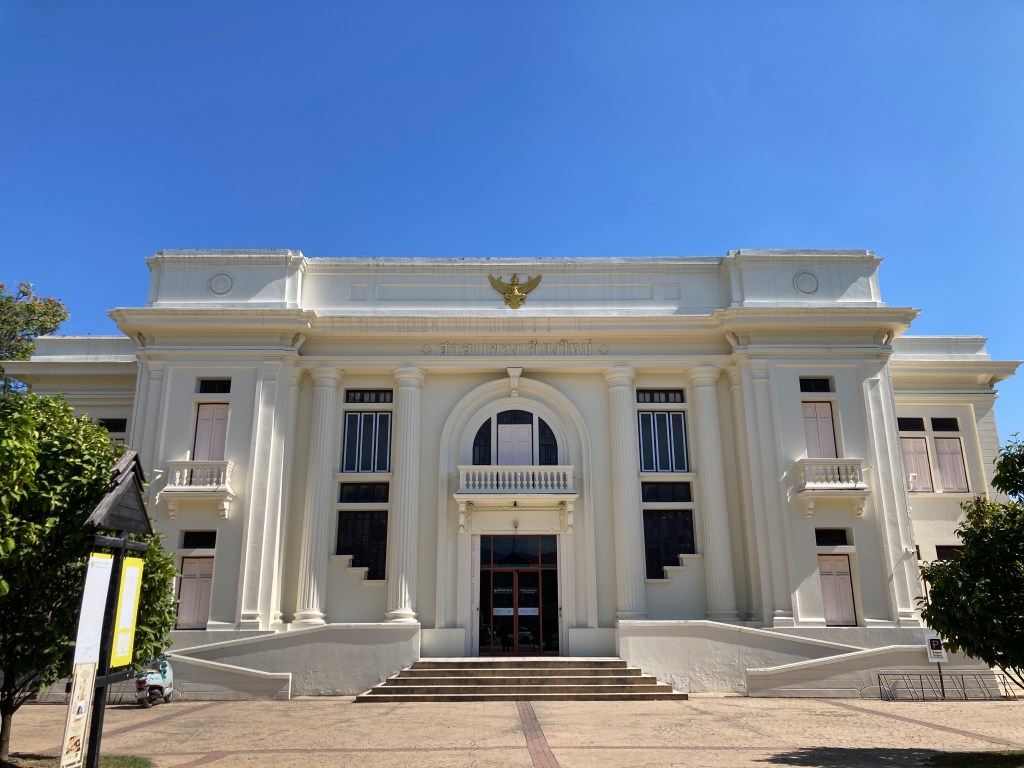
Behind the monument, you’ll find the Chiang Mai City Arts and Cultural Center, currently housing exhibits on the history and captivating stories of Chiang Mai. It’s advisable to visit and gather information before exploring the city, serving as an informative introduction to the charms of Chiang Mai—an ideal starting point for your exploration.
The Three Kings Monument, commonly known as Three Kings Monument, is situated in the heart of Chiang Mai, adjacent to the Chiang Mai City Arts and Cultural Center (Old City Hall, Chiang Mai) and Wat Inthakhin Nauemuang. This monument was constructed to honor the three kings credited with founding present-day Chiang Mai: Phaya Mengrai (Mengrai), the inaugural king of the Mangrai dynasty, who united provinces and cities into the Lanna Thai kingdom; Phaya Ngam Muang; and Phaya Ruang (Phor Khun Ramkhamhaeng the Great). The three kings made a solemn oath by drinking water mixed with blood from their fingers to symbolize their close friendship.
King Mangrai initially built the city of Chiang Rai and later discovered Chaiyaphum, an auspicious location along the Ping River with Doi Suthep Mountain. He invited his two friends to consult and collectively decided to build a city, giving rise to “Nopburi, Srinakorn Ping, Chiang Mai.” In 1983, the people of Chiang Mai collaborated to construct the Three Kings Monument in gratitude for His Majesty’s enduring benevolence. Crafted in brass and black copper, it stands at half-size with a height of 2.70 meters, designed and cast by Ajarn Kaimook Chuto. The location of the Three Kings Monument is considered the center of Chiang Mai city. In front of the monument lies a spacious courtyard known as “Khuang Three Kings” or “Khuang Three Kings Monument.”
The Three Kings Monument was erected in honor of three influential leaders, namely Phaya Mangrai, the Great King of the Lanna Kingdom, along with his friends, King Ramkhamhaeng the Great of Sukhothai and Phaya Ngam Muang. As they sought a location for the new capital, Nopburi, Si Nakhon Ping, of the Lanna Kingdom, the three kings gathered at the Ing River. They made a solemn vow not to wage war against each other, sealing the pact by drinking water mixed with blood from their fingertips. This bronze and black brass monument, half the size of the revered kings, is cherished by both Chiang Mai residents and tourists.
A brief history of the three kings reveals that Phaya Ruang (Phor Khun Ramkhamhaeng the Great), the King of the Sukhothai Kingdom, demonstrated significant prowess from a young age. He achieved victory in battles, instilling fear and earning respect from various cities. Around 1822, he ruled the kingdom and created the Thai alphabet in 1826, still in use today, contributing to peace and prosperity.
Phaya Ngam Muang, born in 1781, succeeded his father as ruler of Phayao in 1801. Having studied art and science alongside Phaya Mengrai, he maintained a close friendship and governed the country with wisdom. Known for diplomacy, he fostered peaceful relations with neighboring kingdoms, ensuring the happiness and tranquility of the city.
The three kings formalized their allegiance by drinking water mixed with blood at the banks of the Ing River in Phayao City. When King Mangrai established the city of Chiang Rai and subsequently built Fang and Wiang Kum Kam, Phaya Ruang and Phaya Ngam Muang were invited to discuss and participate in the sacred ceremony to consecrate the city pillar. This event occurred on the auspicious day of the 16th lunar month in 1839, marking the completion of the new city, Nopburi, Si Nakhon Ping, Mueang Chiang Mai. Today, Chiang Mai stands as the contemporary land of Lanna Thai.
Wat Chiang Man
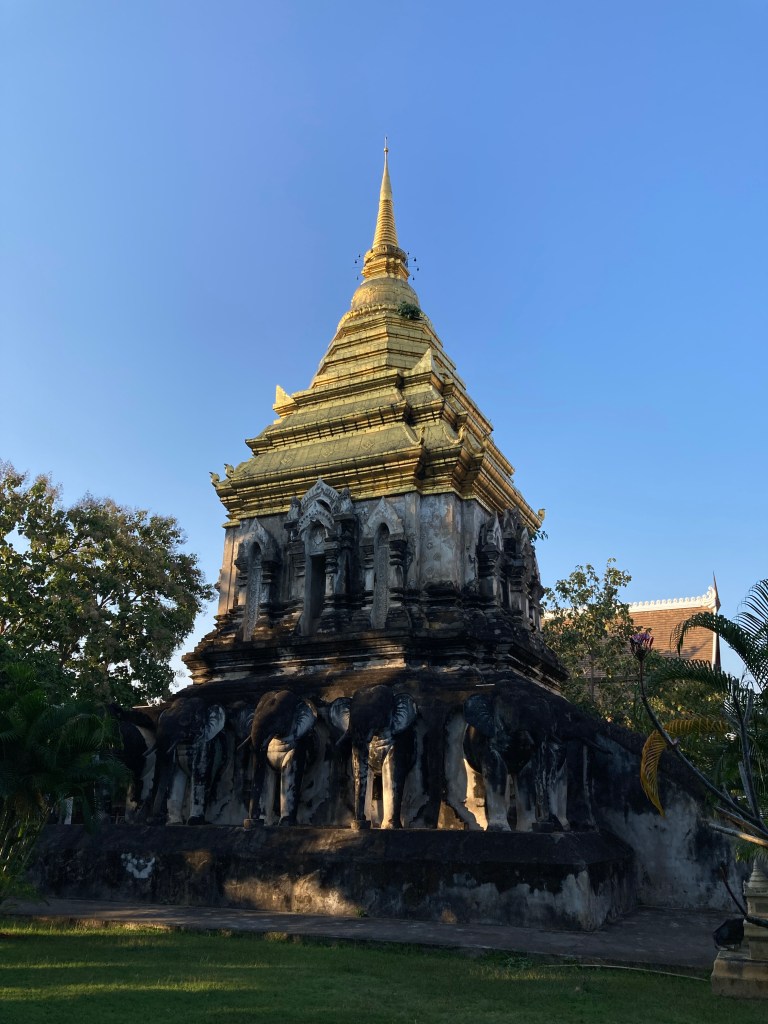
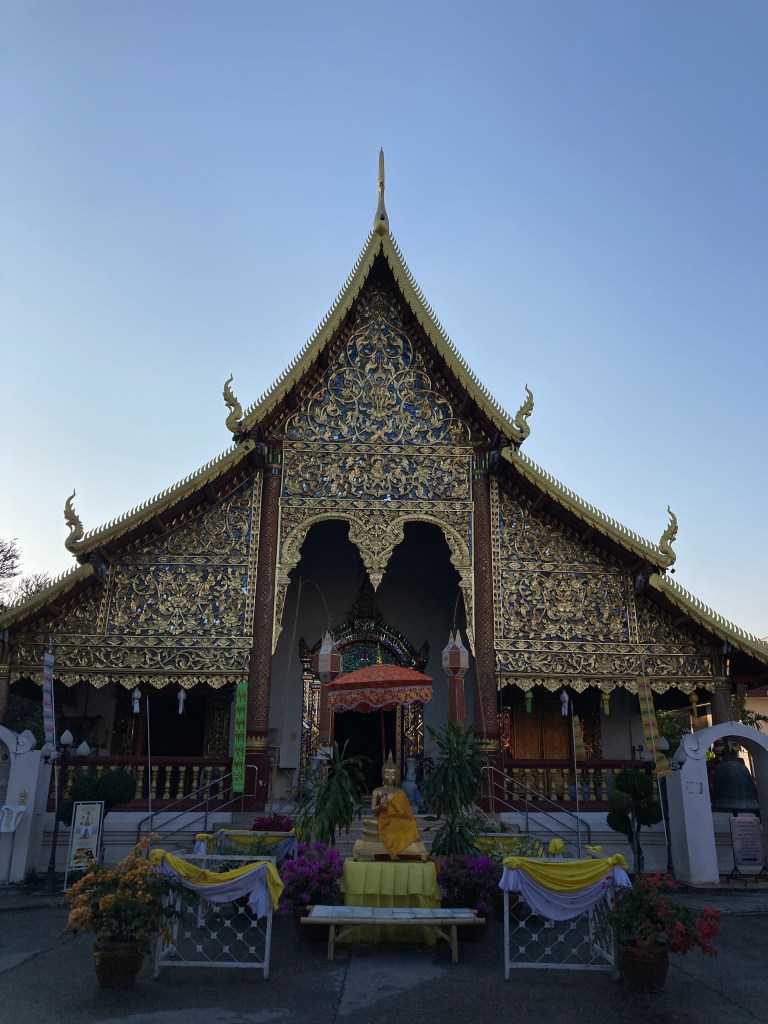
Wat Chiang Man, established by Mangrai in 1297 CE, serves as the inaugural temple in Chiang Mai. Situated on the grounds of Wiang Nopburi, a fortified town previously occupied by the Lawa people, it was originally utilized by King Mangrai as a camp during the construction of his new capital city, Chiang Mai.


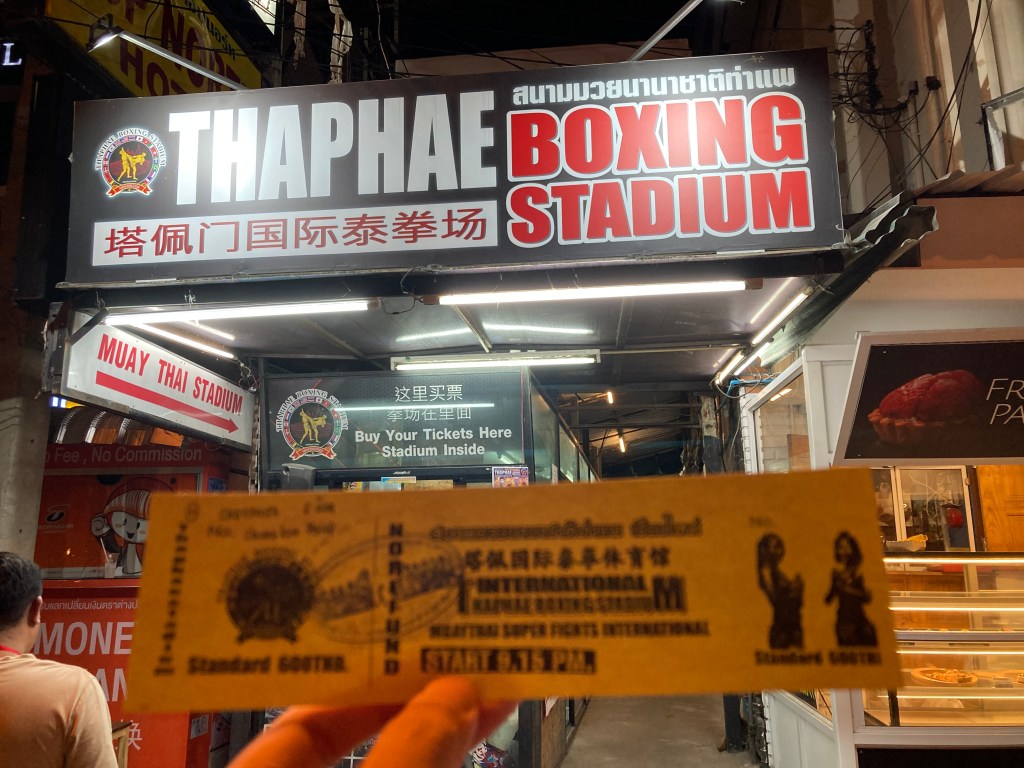
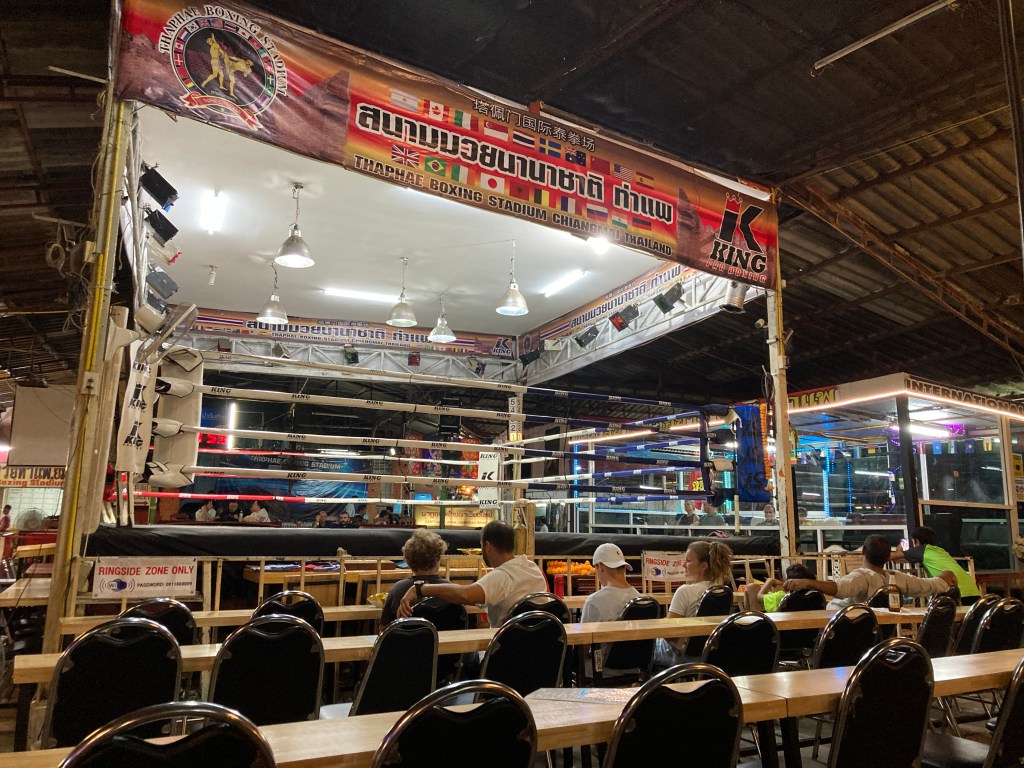
Thapae Boxing Stadium
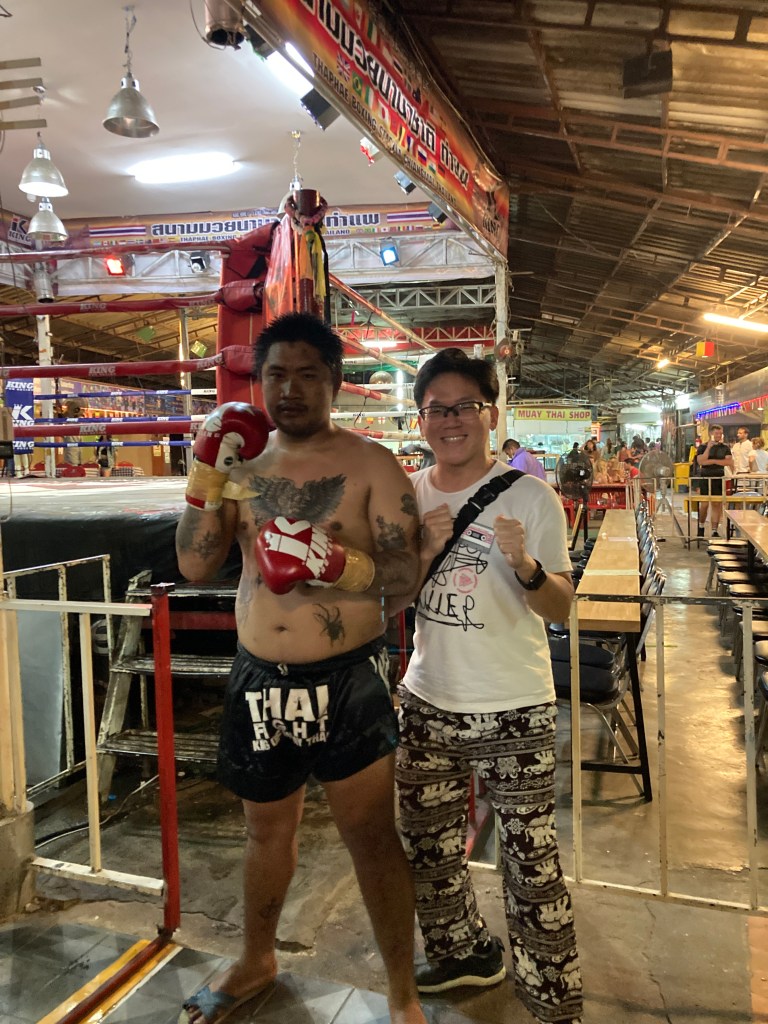
Muay Thai boxing stands out as the most popular sport in Thailand, and Thapae Boxing Stadium is the go-to venue for witnessing this intense combat. This fierce martial art is showcased in stadiums throughout Chiang Mai, with matches taking place across the city every night.
Thapae Boxing Stadium is widely recognized and favored by visitors, hosting matches on most nights. The fighters predominantly originate from various competing gyms in Chiang Mai and are regarded as “career” fighters, engaging in bouts for financial gain, recognition, and championship titles.
Day 4
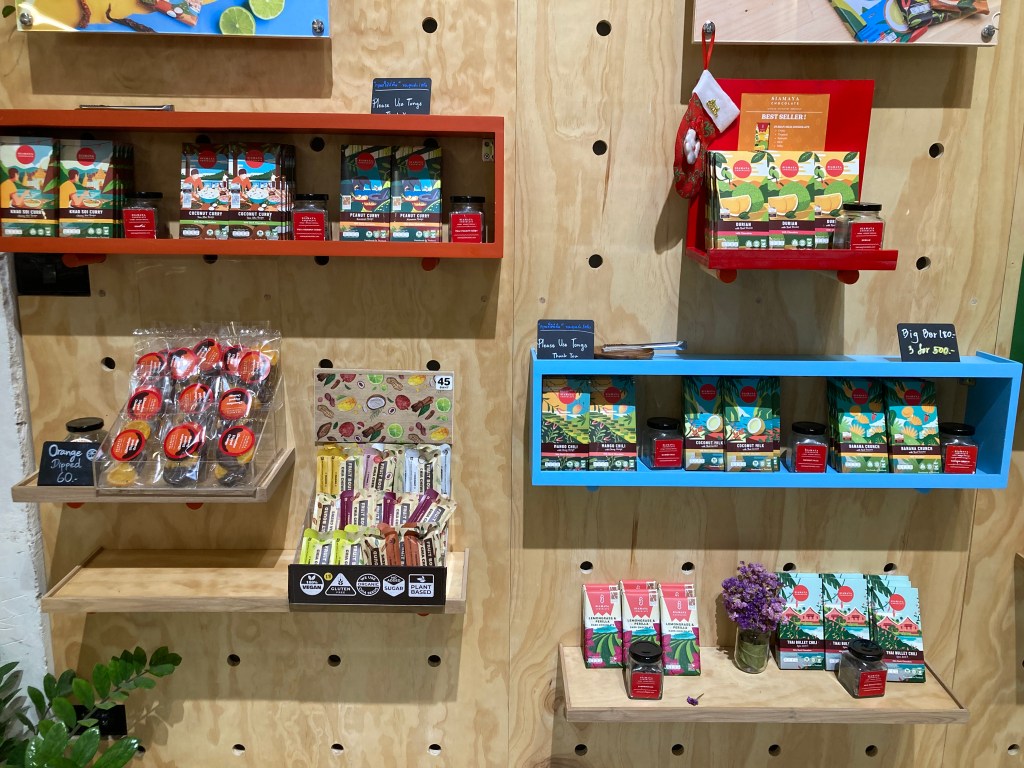
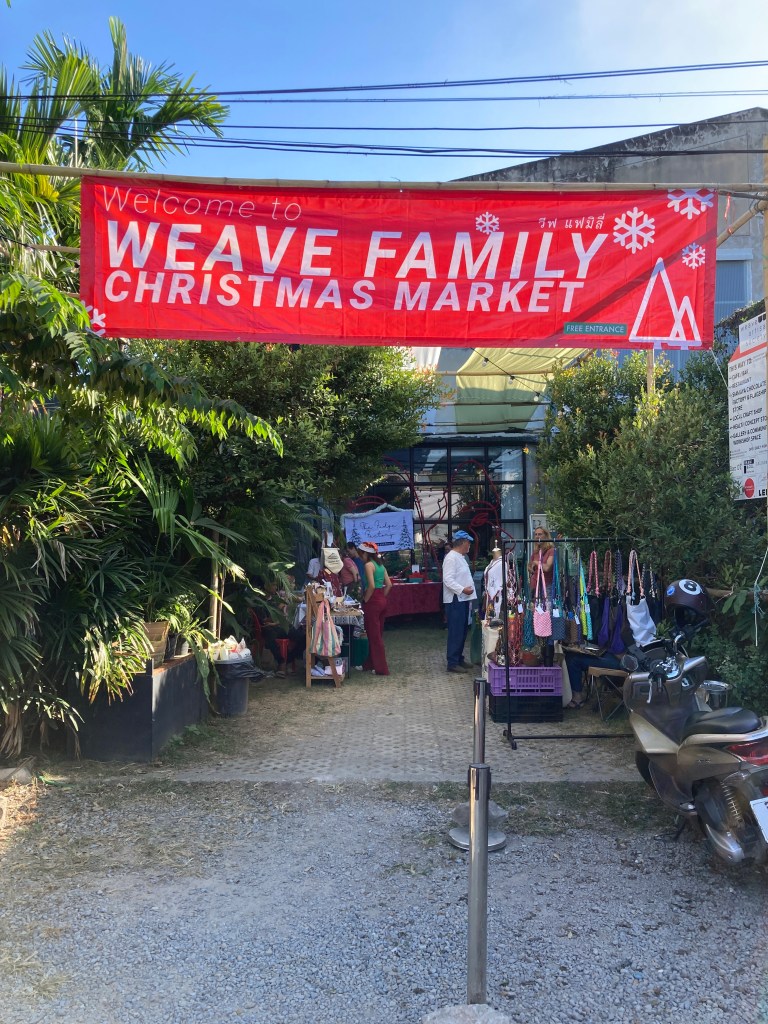
Weave Family Christmas Market
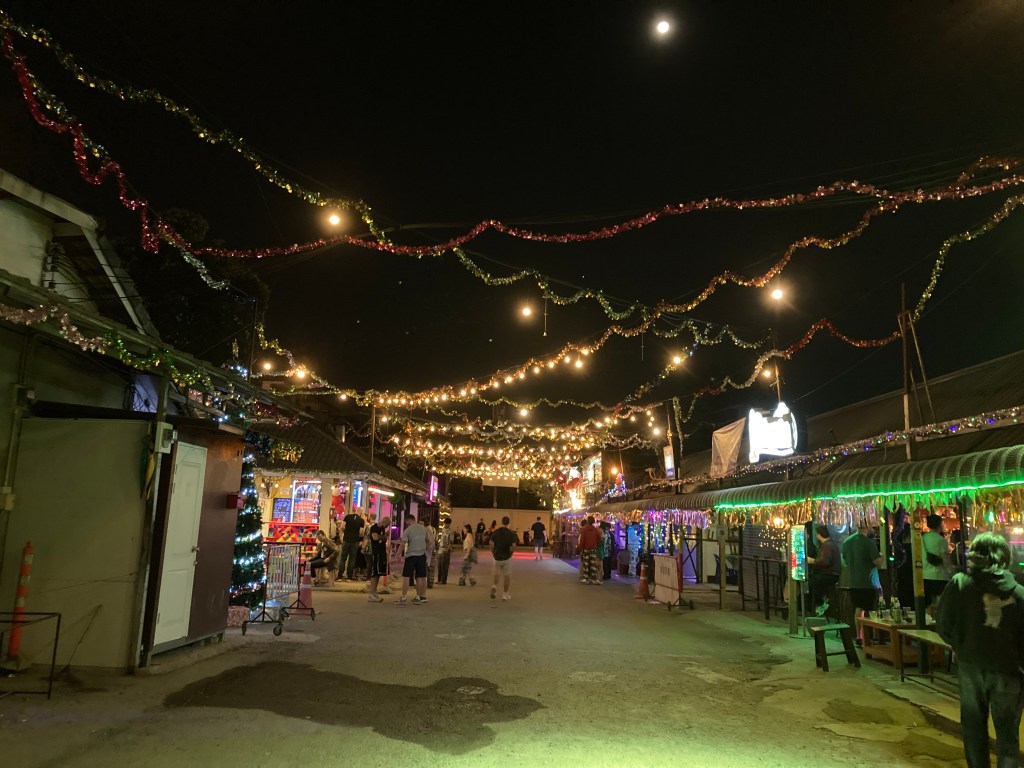
This is an event at a Christmas market. I have attended similar events in Europe before, and I didn’t expect to find a Christmas market here in Thailand. Some Europeans and Americans also have stalls here.

China Town Chiang Mai
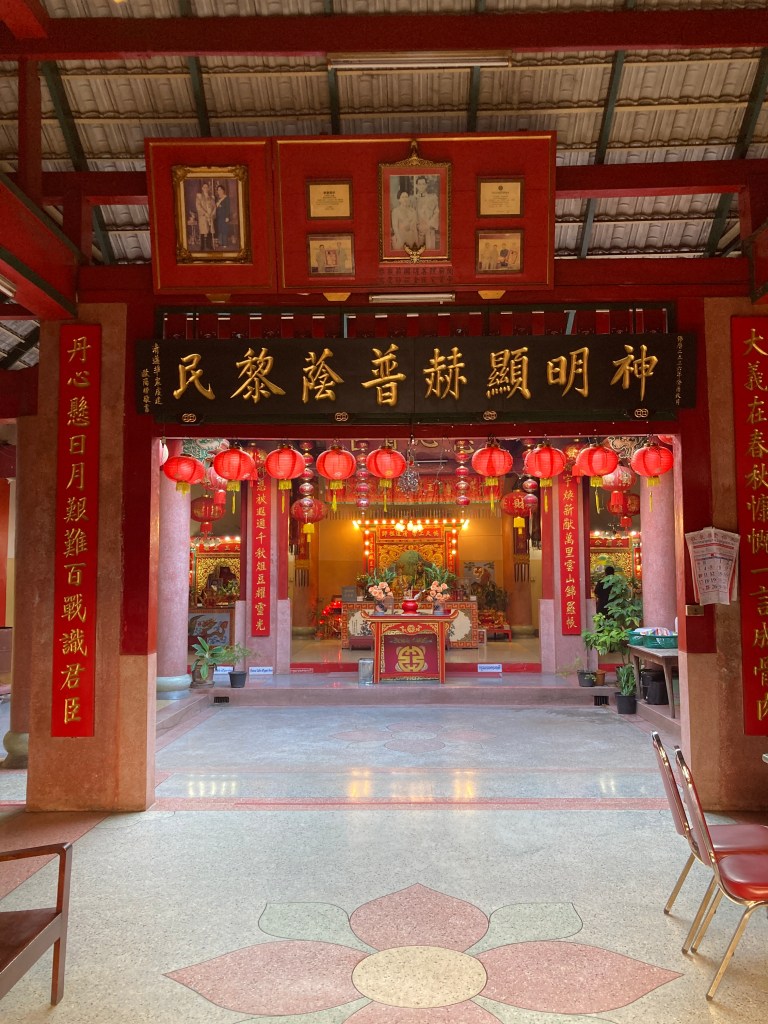
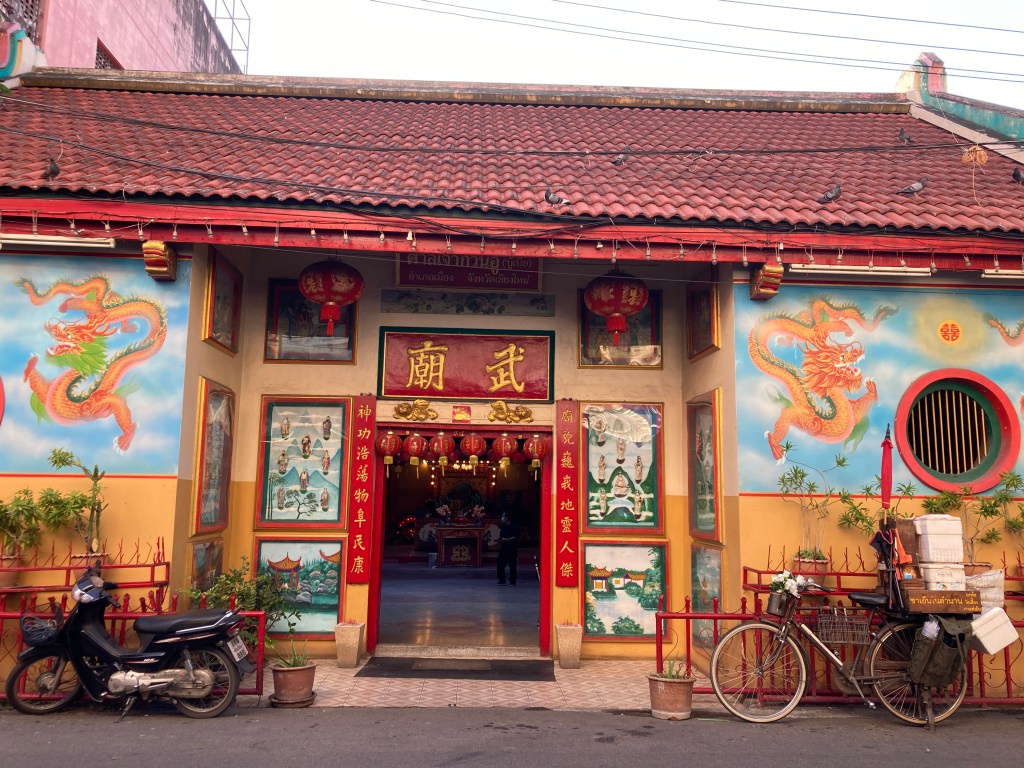
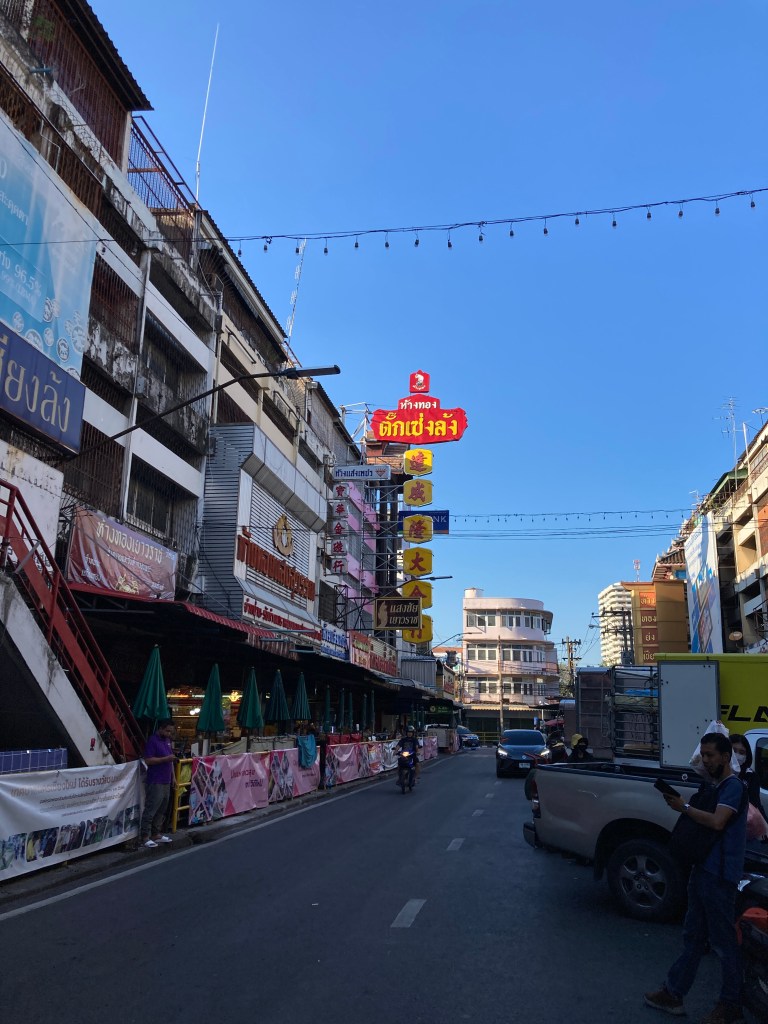
Cities like New York, London, Melbourne, Toronto, and Bangkok are renowned for hosting thriving Chinatowns catering to substantial Chinese populations. Chiang Mai, though perhaps less known in comparison, is a fitting addition to this list, given its sizable local Chinese community and the influx of Chinese travelers to the city each year.
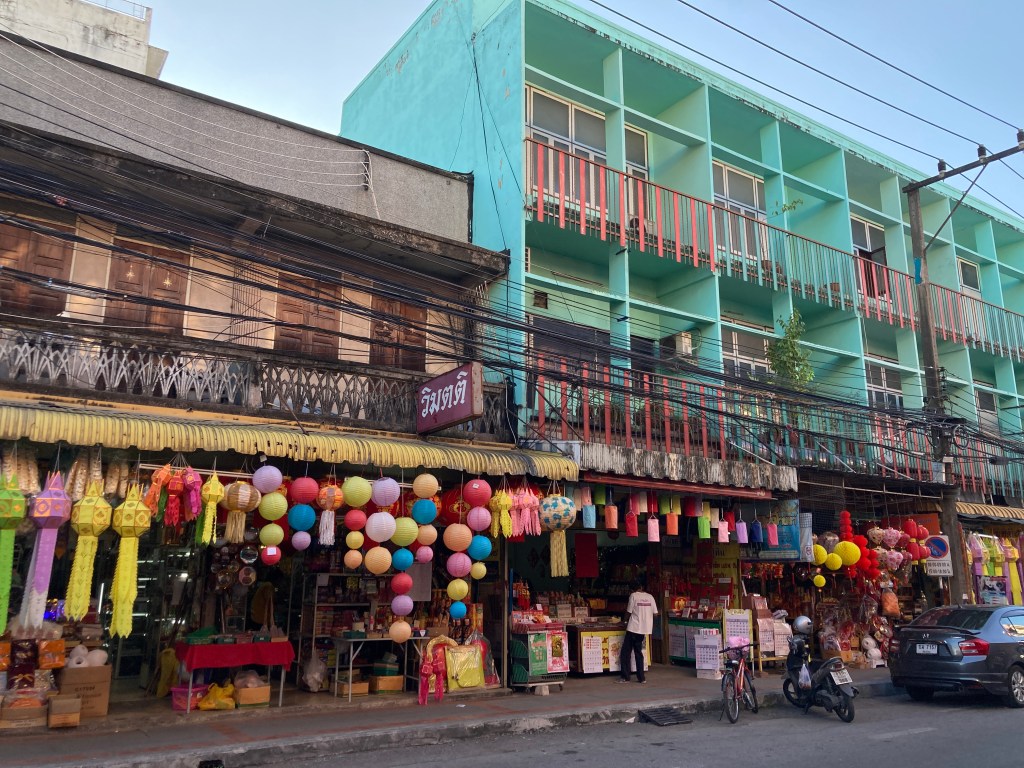
Situated along the Ping River just outside the old city walls, Chiang Mai’s Chinatown is a mere 1km stroll from the Tha Phae Gate. As the city’s oldest trading hub, it accommodates many Chinese families residing in Chiang Mai. Although it constitutes a relatively modest portion of the expansive city, it adds to the area’s diverse offerings. Its origins trace back to the 19th century, following the Treaty of Peking, which granted Chinese nationals the freedom to travel beyond China’s borders for the first time.
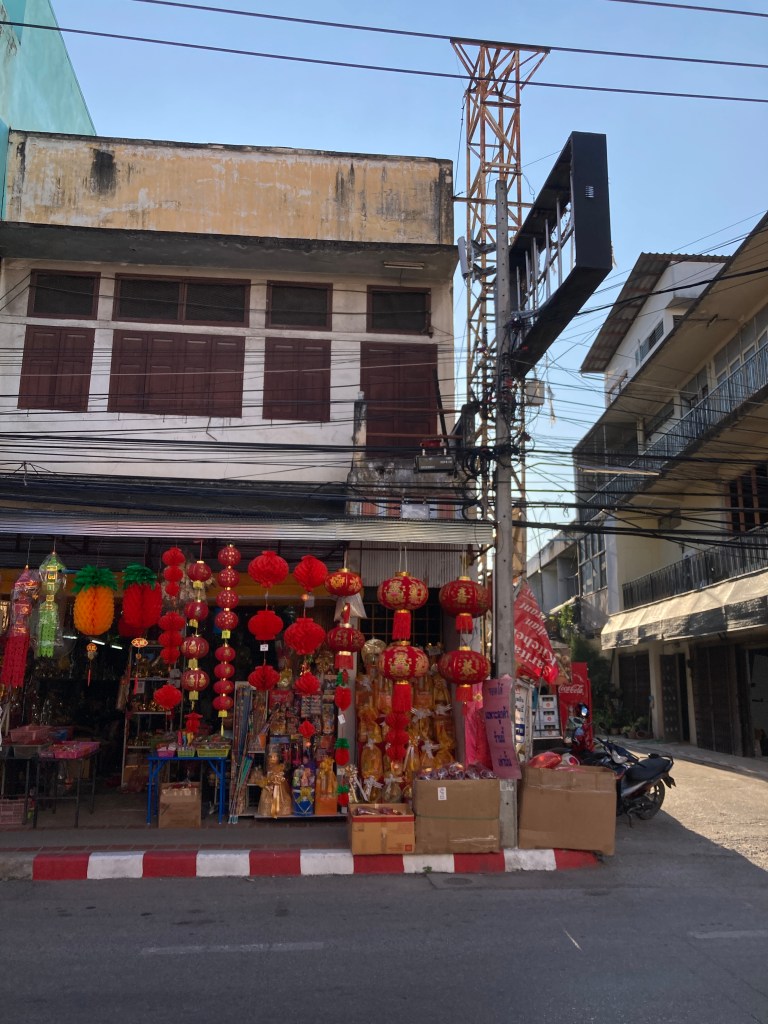
The primary entrance to Chinatown is on Chang Moi Road, marked by a prominent red arch spanning the busy street and adorned with traditional red Chinese lanterns. Exploring this lively area provides a delightful sensory experience, immersing you in the heart of the city’s Chinese community, offering plenty to discover and enjoy.
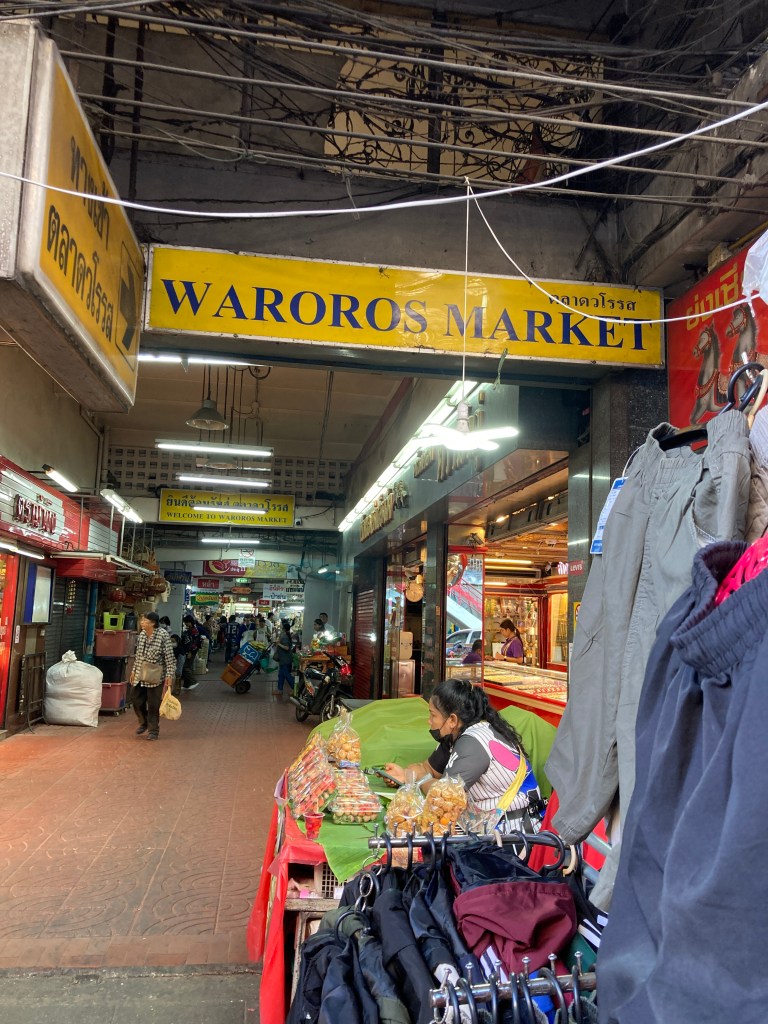
The renowned Warorot Market, also known as Kad Luang, stands as the oldest public market in Chiang Mai. Serving as a landmark in the city and a key attraction in Chinatown, this predominantly indoor market boasts stalls offering a diverse range of fresh produce and handmade goods. While exuding a distinct Chinese ambiance, it also draws in numerous Thai crafters and vendors.
Food takes center stage at the market, with the majority of the ground floor showcasing fresh meats, fruits, vegetables, and an assortment of ready-made snacks and meals. It serves as an excellent introduction to both Chinese and northern Thai cuisine, providing an immersive experience in the vibrant atmosphere of a traditional Chinese-Thai market.
Numerous stalls cater to tourists by offering Thai souvenirs and authentic handmade goods, attracting visitors from around the globe. Simultaneously, the market remains popular among local Thai residents who engage in haggling over household goods, textiles, clothing, and various practical items. Warorot Market is an integral part of Chinatown in Chiang Mai, offering an experience that is not to be missed.



Wat Ket Karam
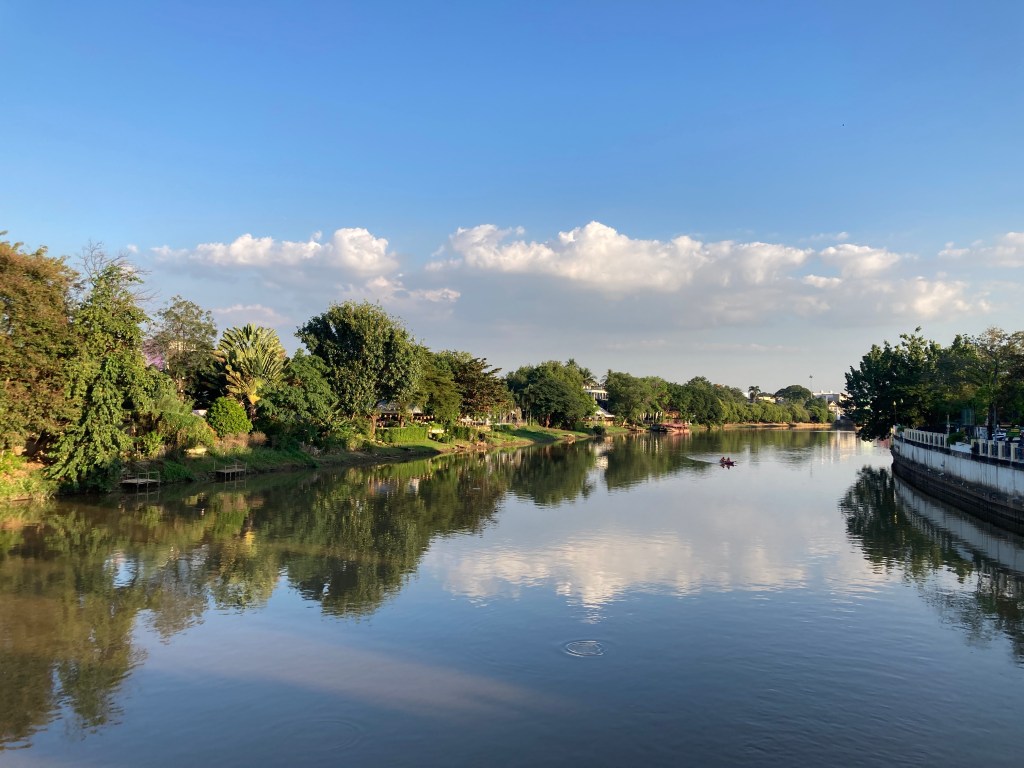
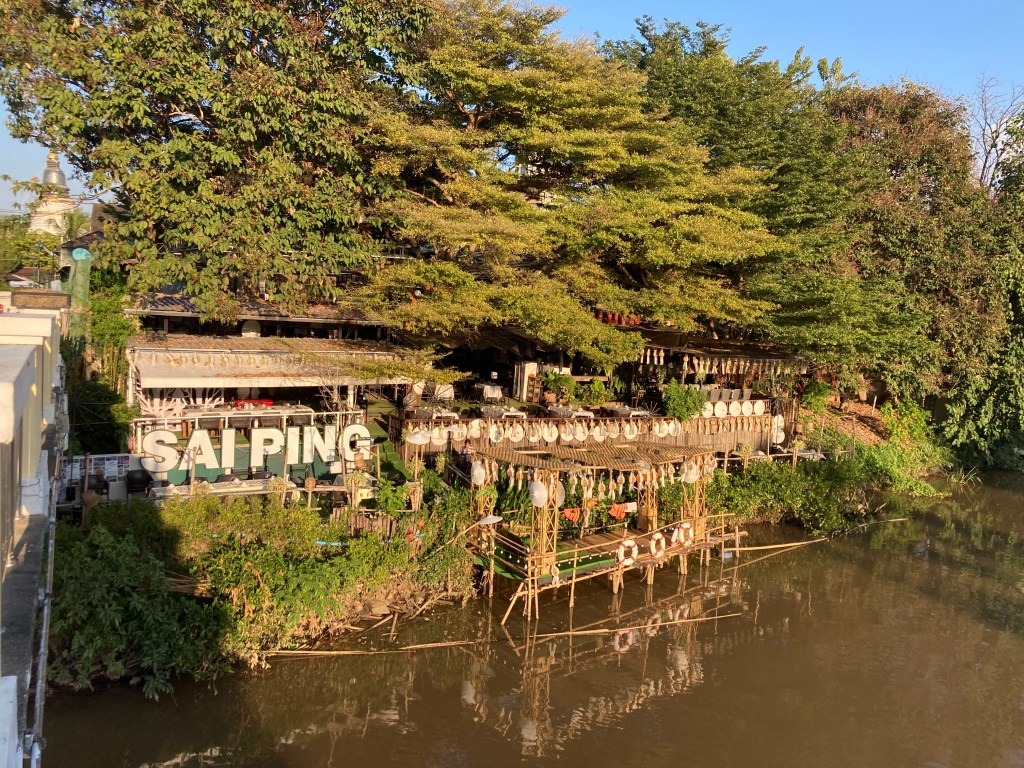
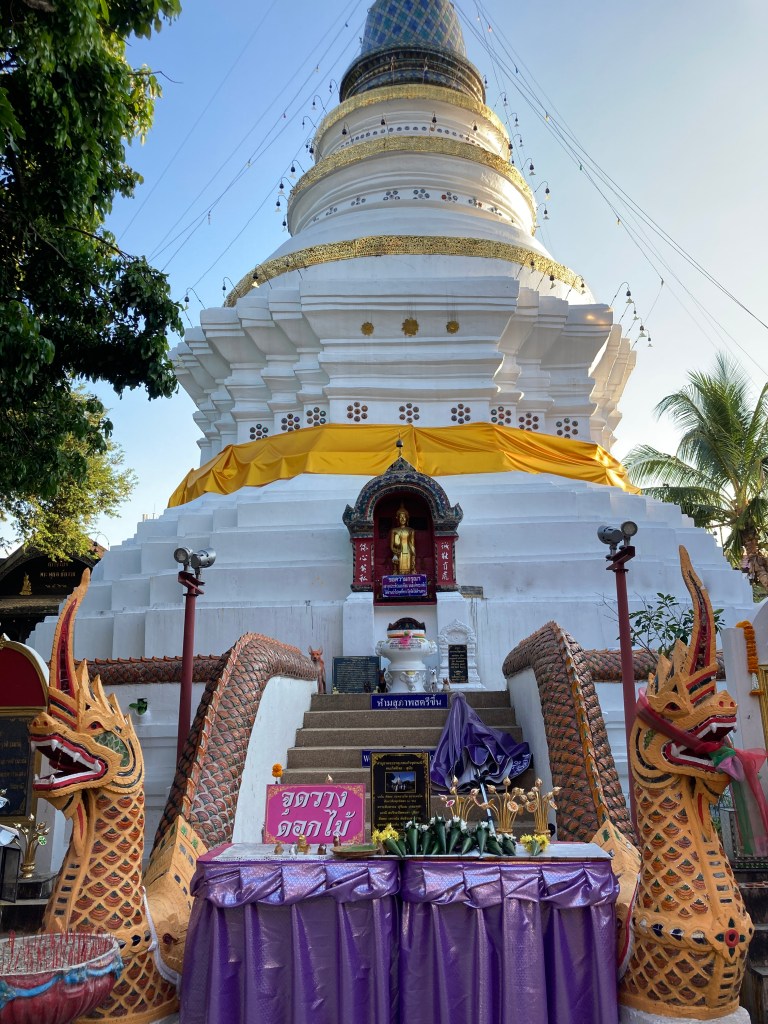
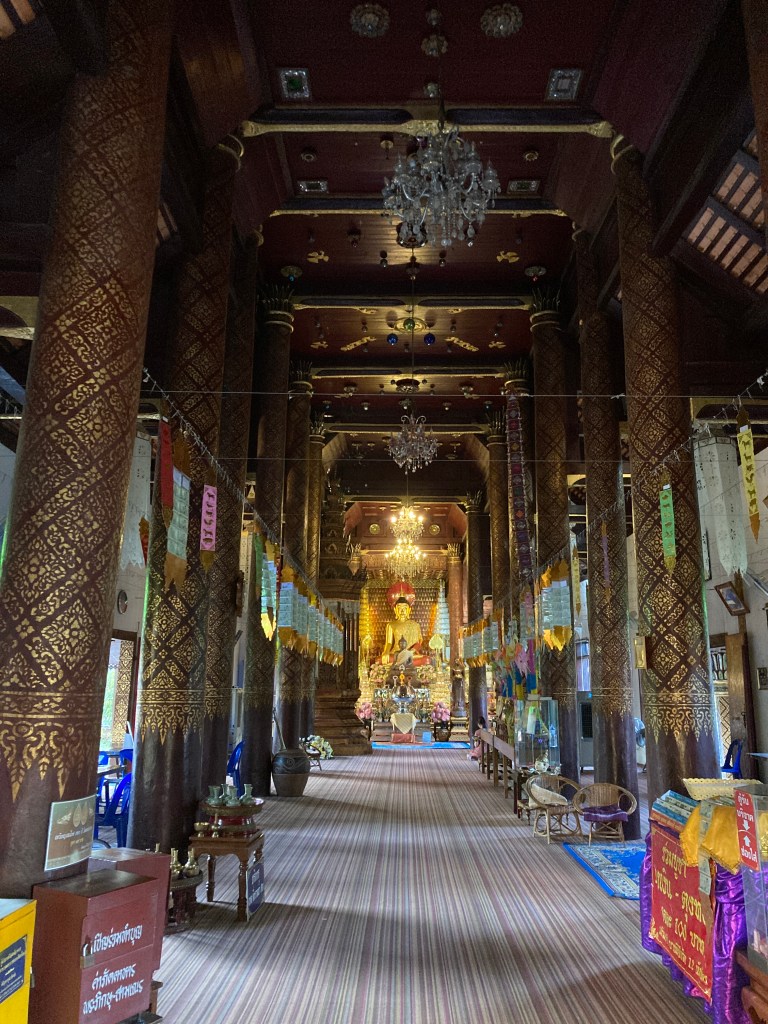
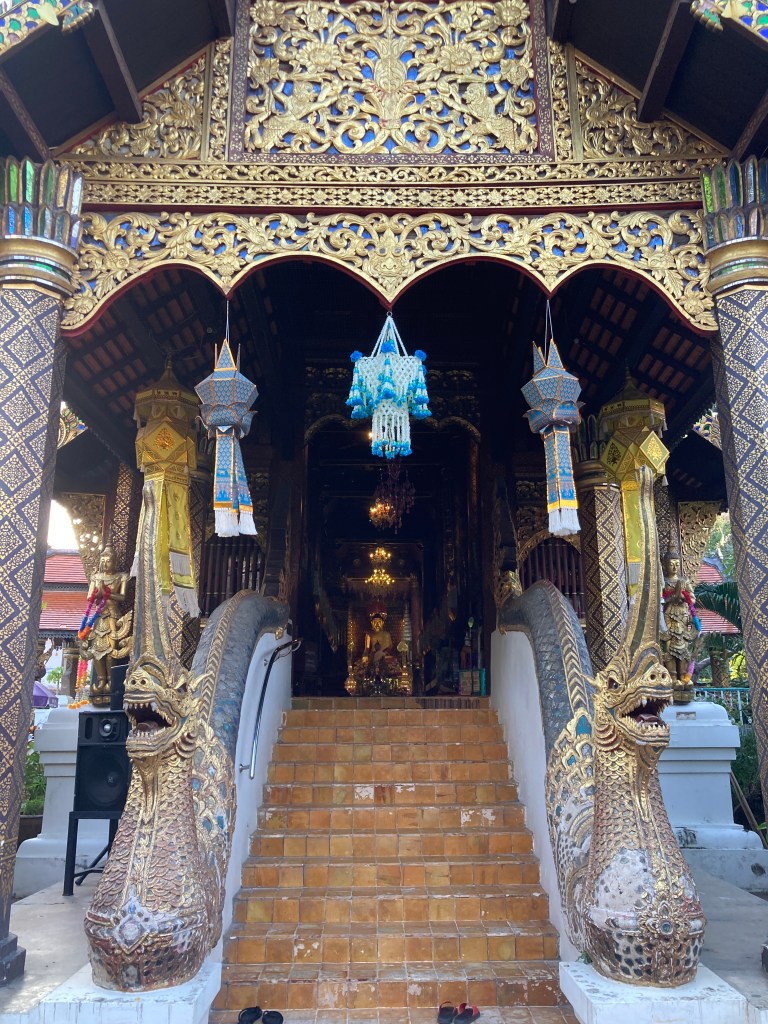
Constructed in 1428 during the Phra Jao Sam Fang Kaen era, Wat Ket Karam is surrounded by the Ket Kaew Chura Manee Pagoda, revered by the community, and an ancient market belonging to the Chinese community. Situated along the Ping River, this temple houses a museum exhibiting rare antiques and old photos that narrate the history of Chiang Mai city and are not easily found elsewhere.

Anusarn Market
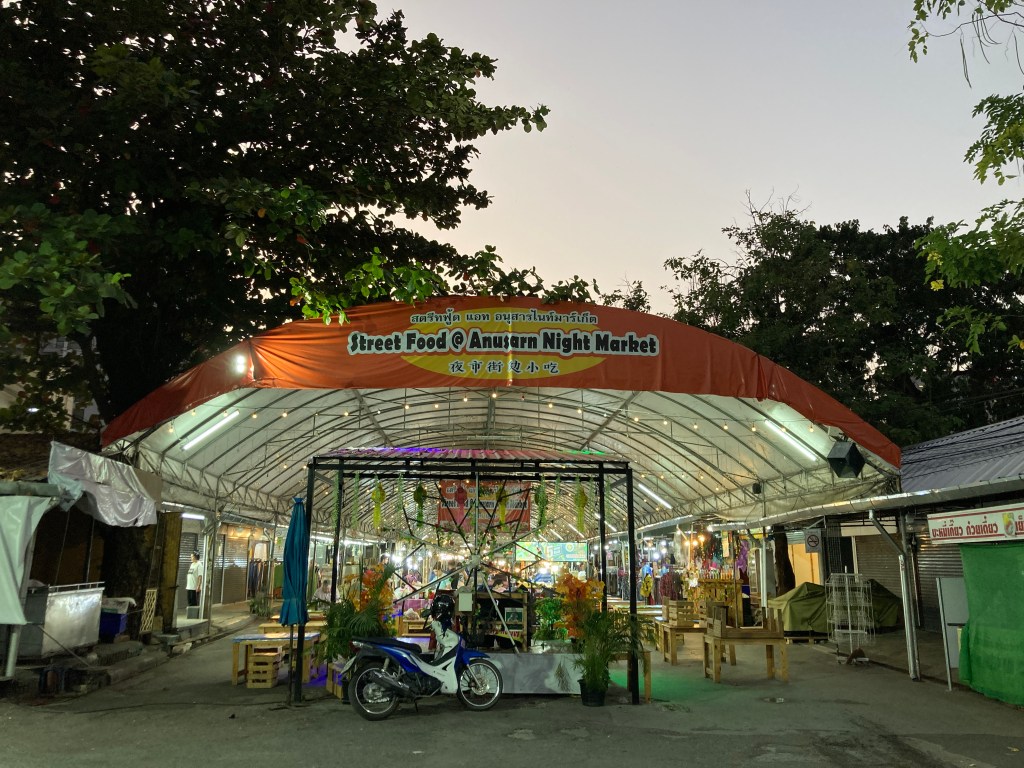
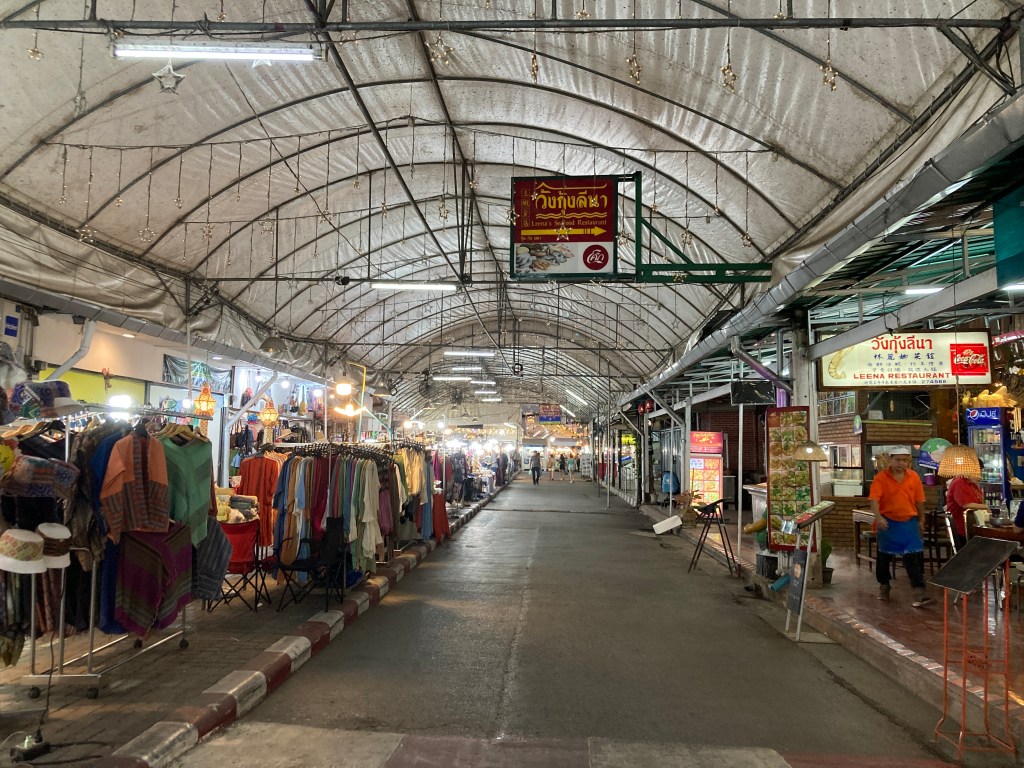
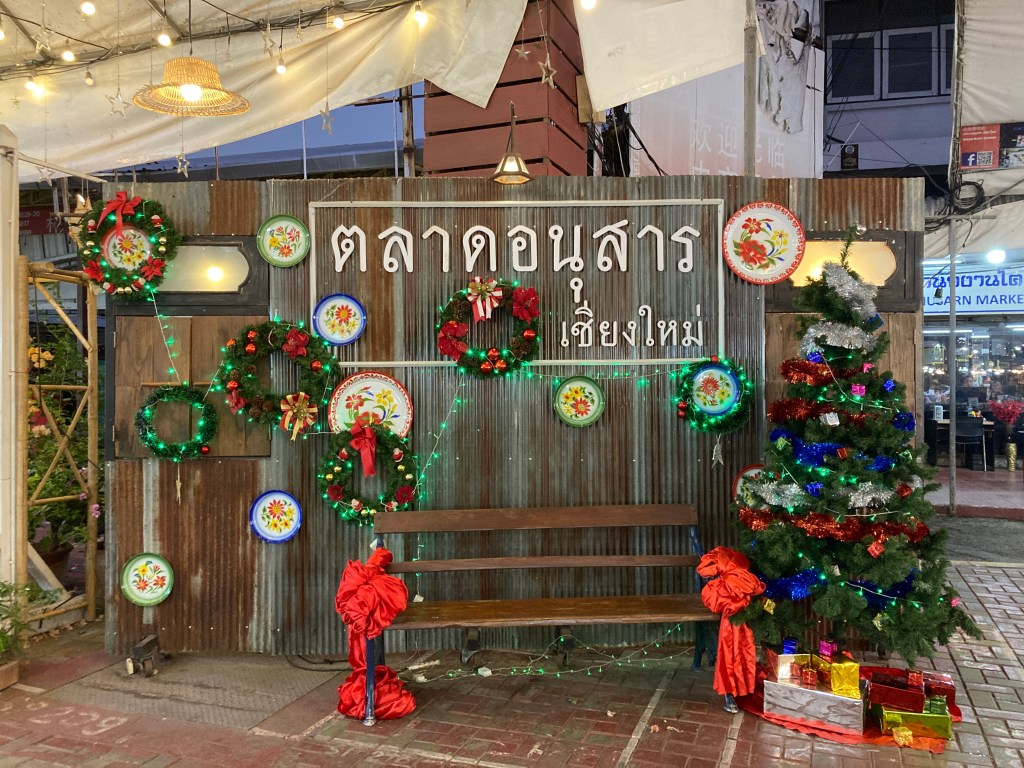
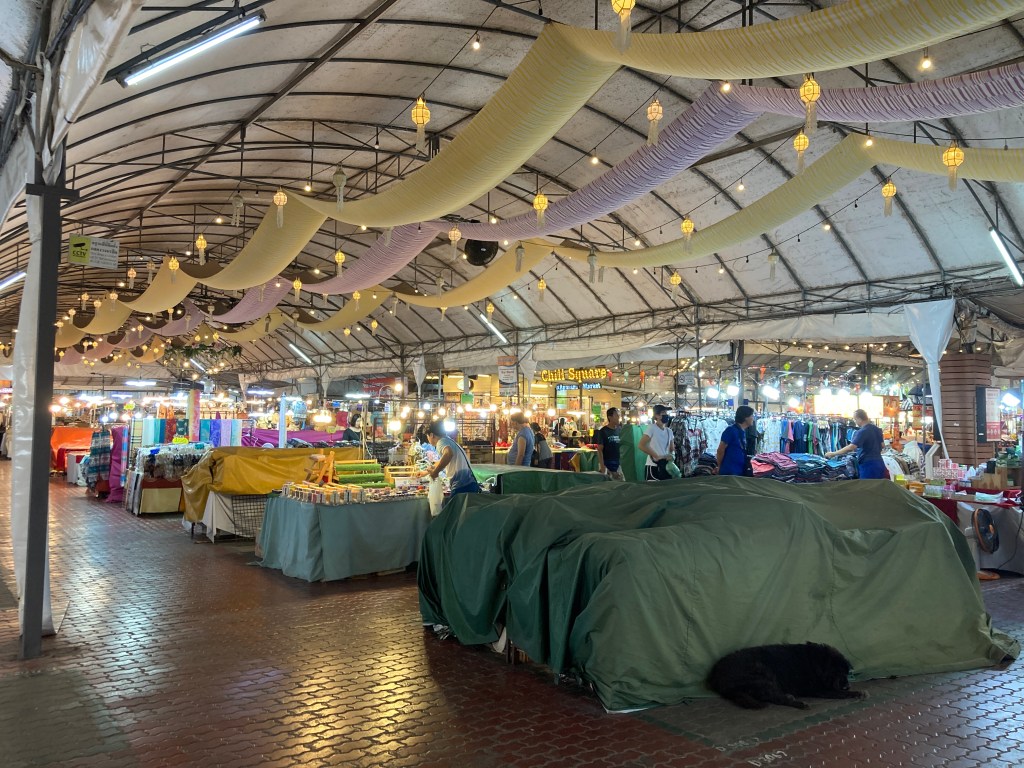
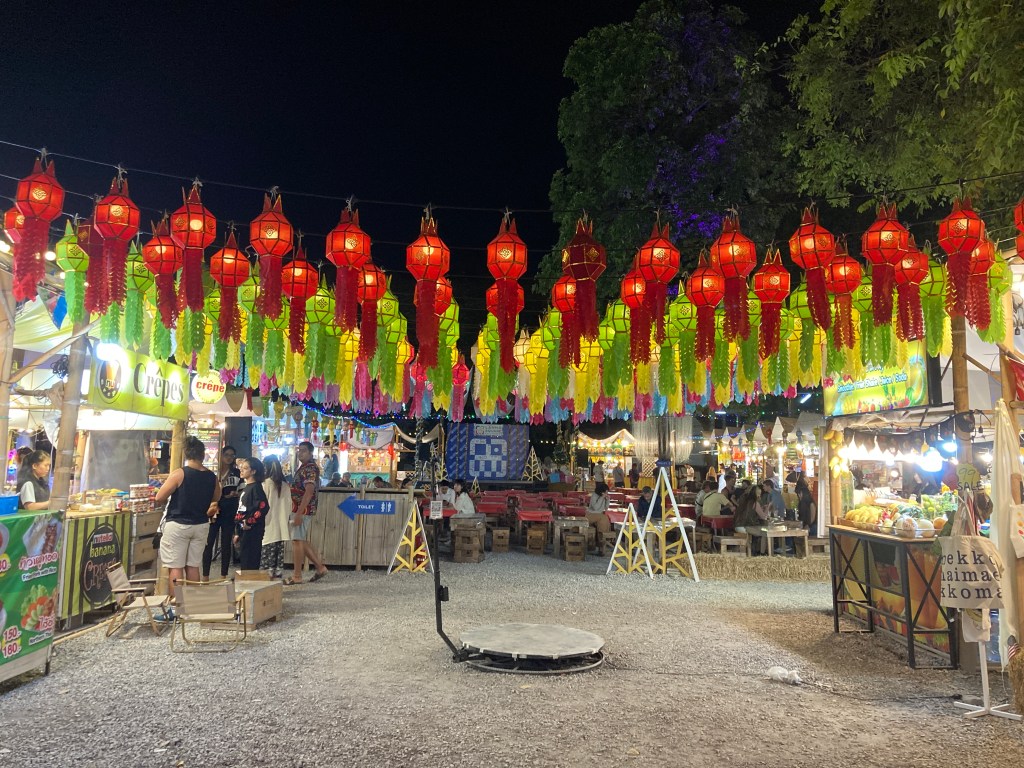
Anusarn Night Market is the largest night bazaar in Chiang Mai, operating daily from 6:30 pm to 12 midnight.
This is the must-visit night market when you’re in Chiang Mai. The area is brimming with a diverse range of food and shopping options.
You’re likely to come across beautiful embroidery on pouches, wallets, bags, pillowcases, and even notebooks.
Numerous bars and restaurants adorn the sides of Anusarn Market. Some even offer live music, making it an ideal spot to relax and take a break from shopping.


Day 5
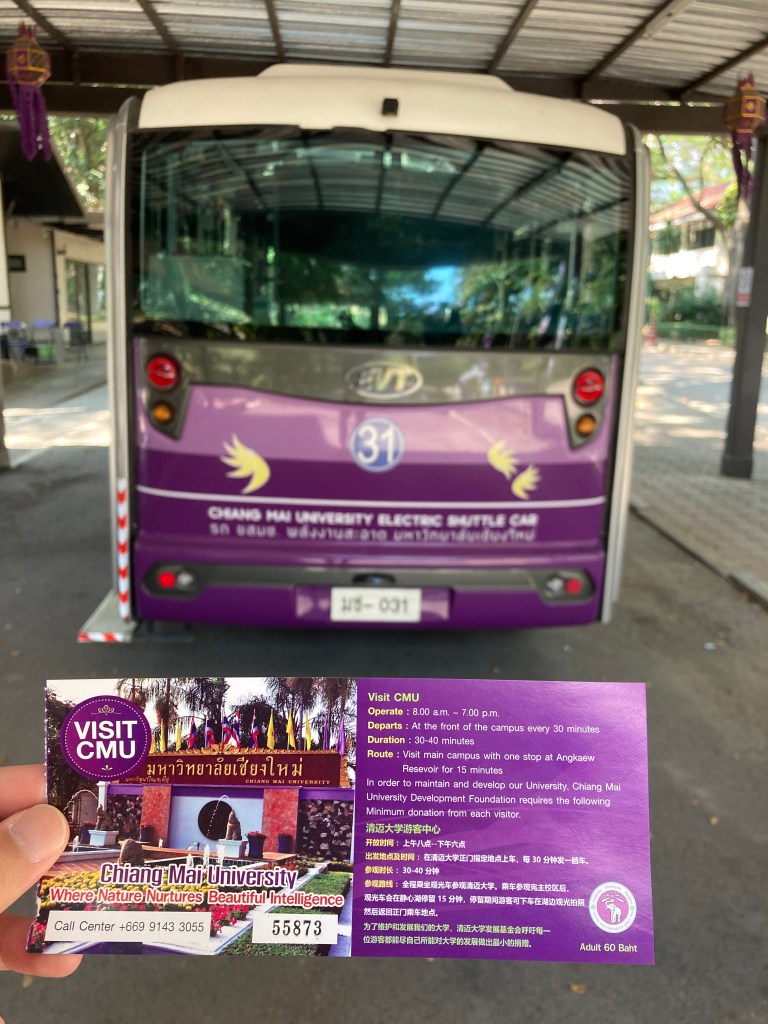
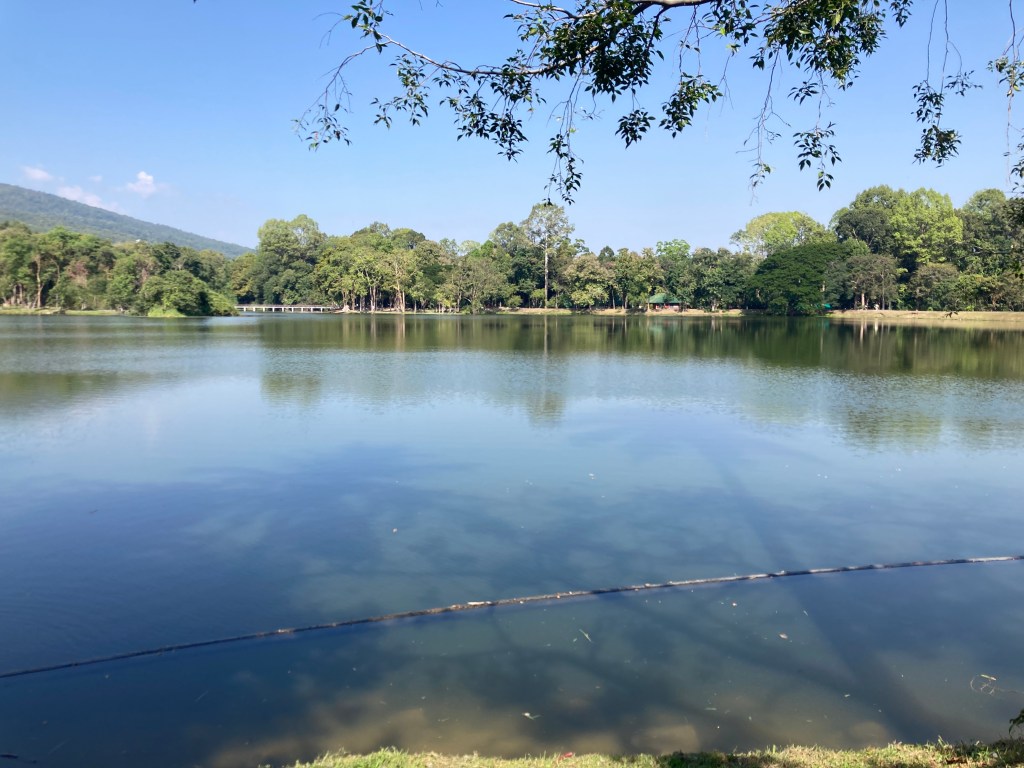
Chiang Mai University (CMU)
Chiang Mai University (CMU) is a national public research university located in northern Thailand, established in 1964. With a focus on engineering, science, agriculture, and medicine, the university provides undergraduate, graduate, professional, and continuing education through resident instruction. Situated between central Chiang Mai and Doi Suthep in Chiang Mai province, CMU is the first institution of higher education in northern Thailand and the inaugural provincial university in the country.


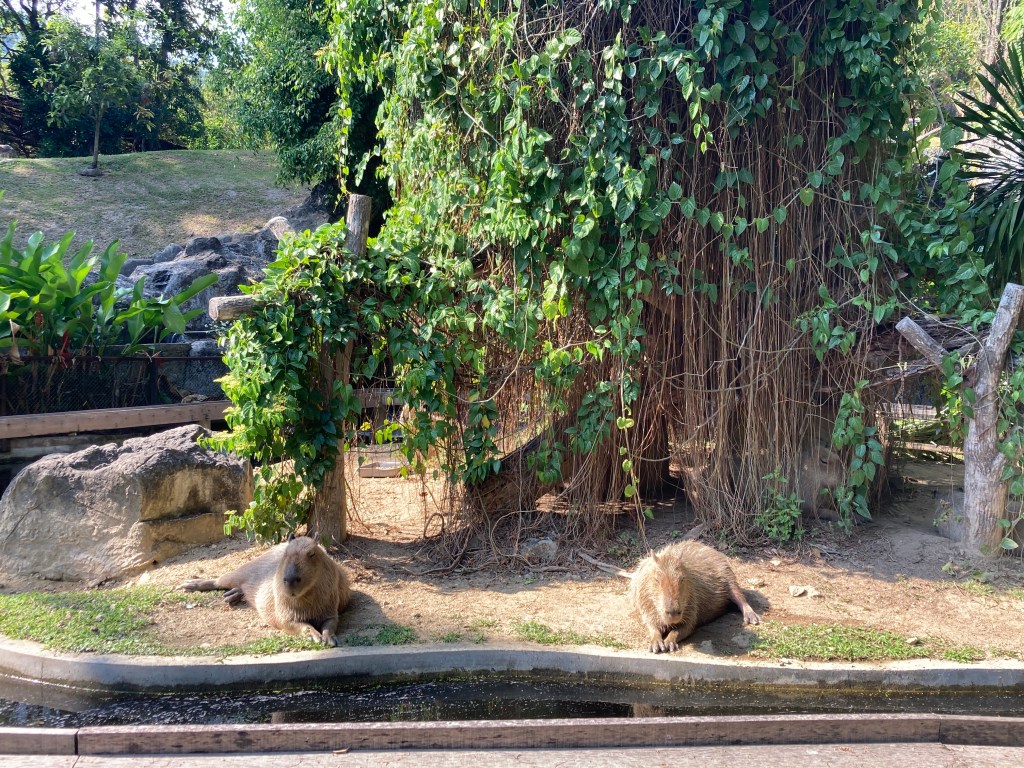
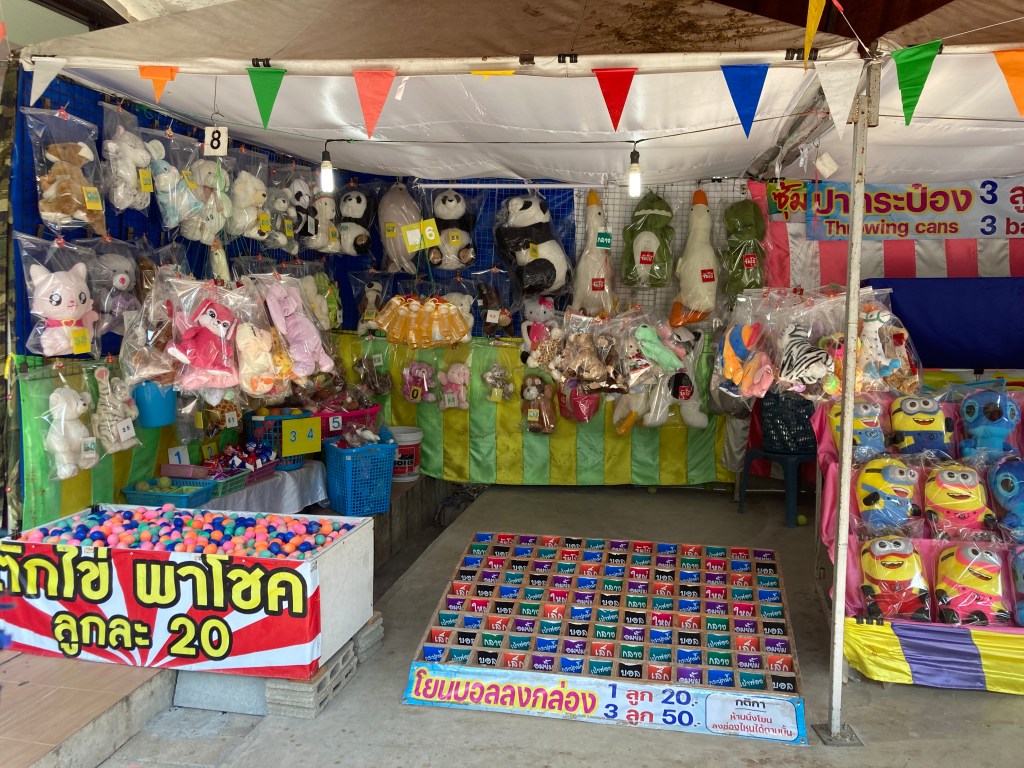
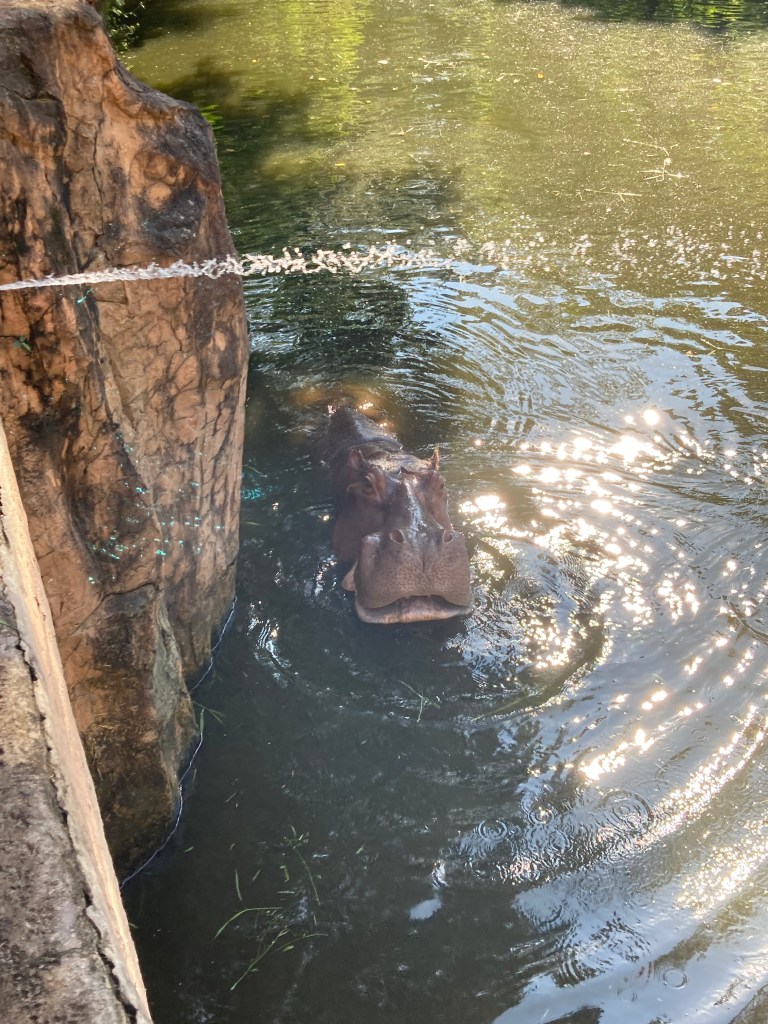
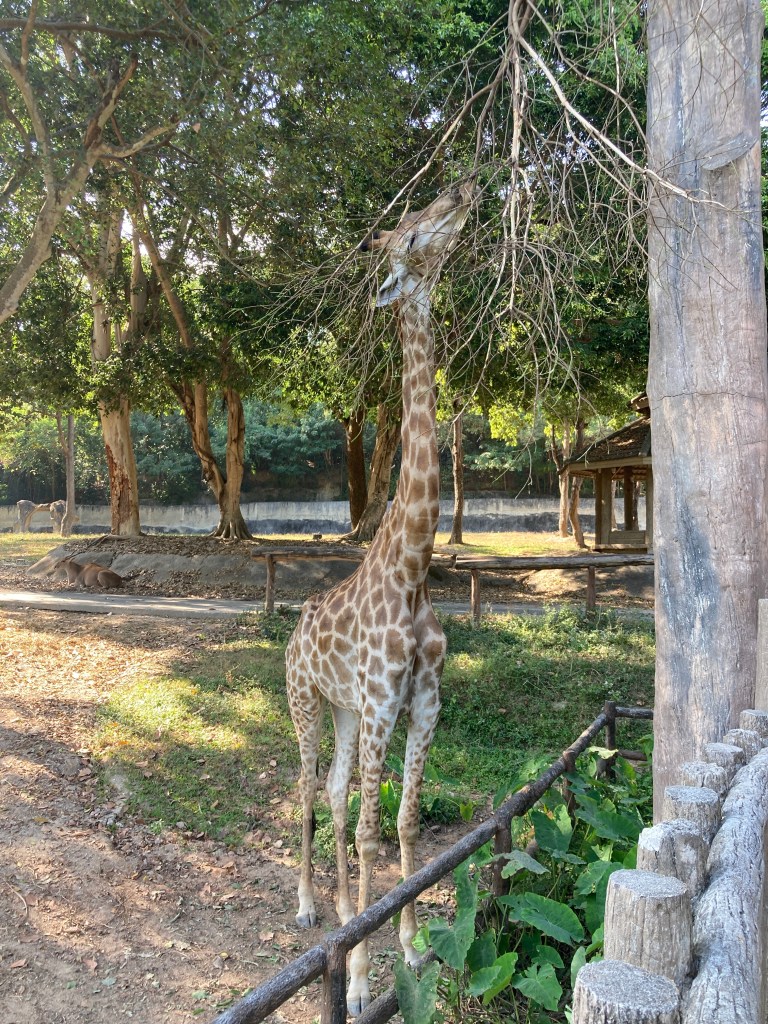
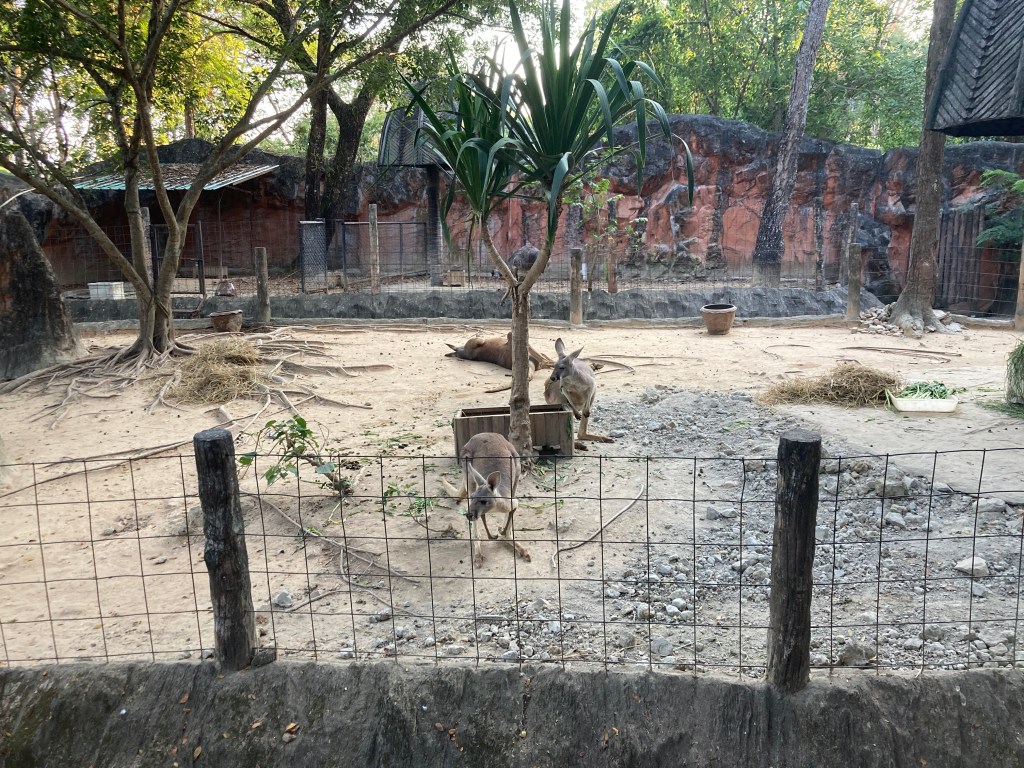
Chiang Mai Zoo
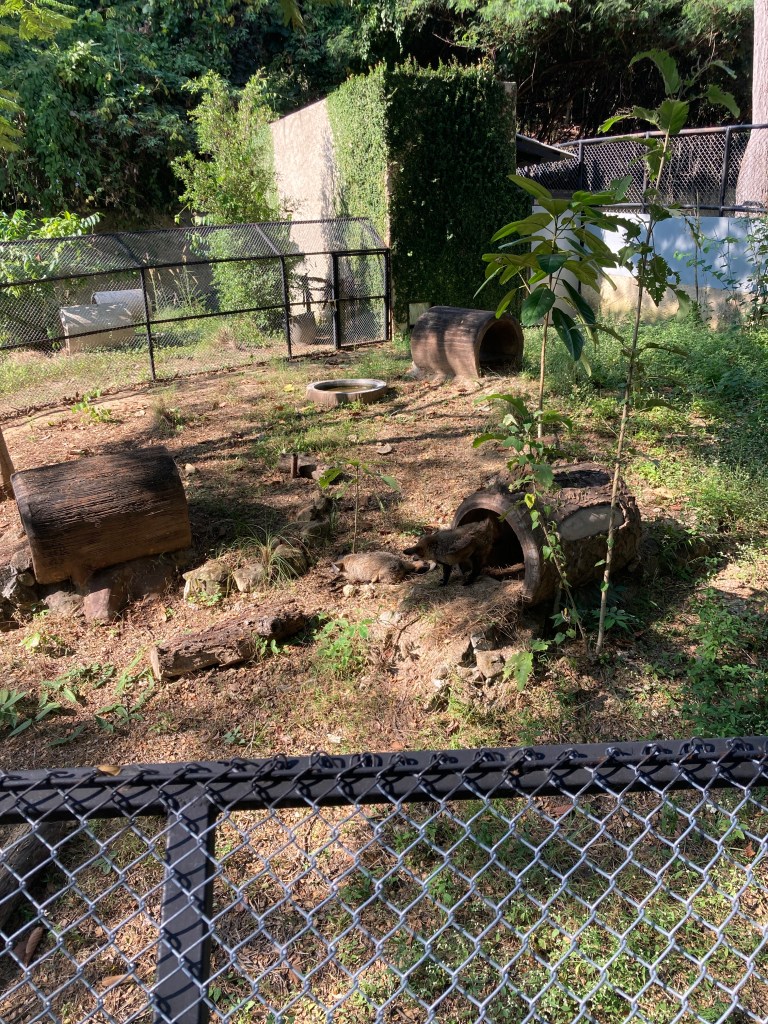
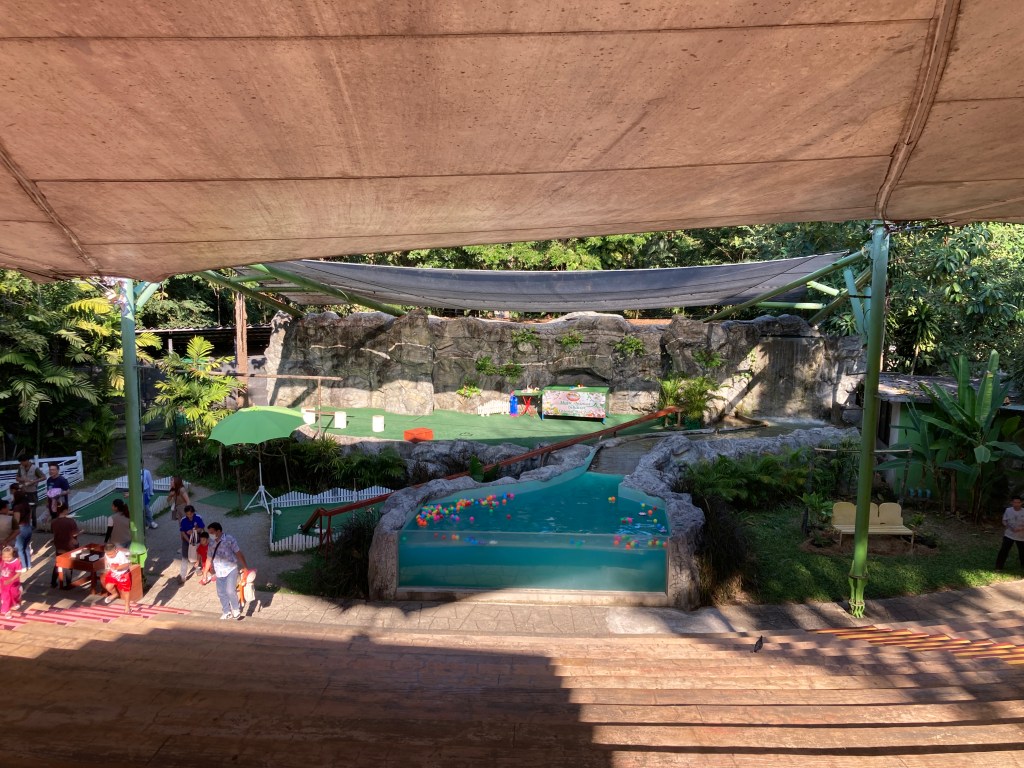
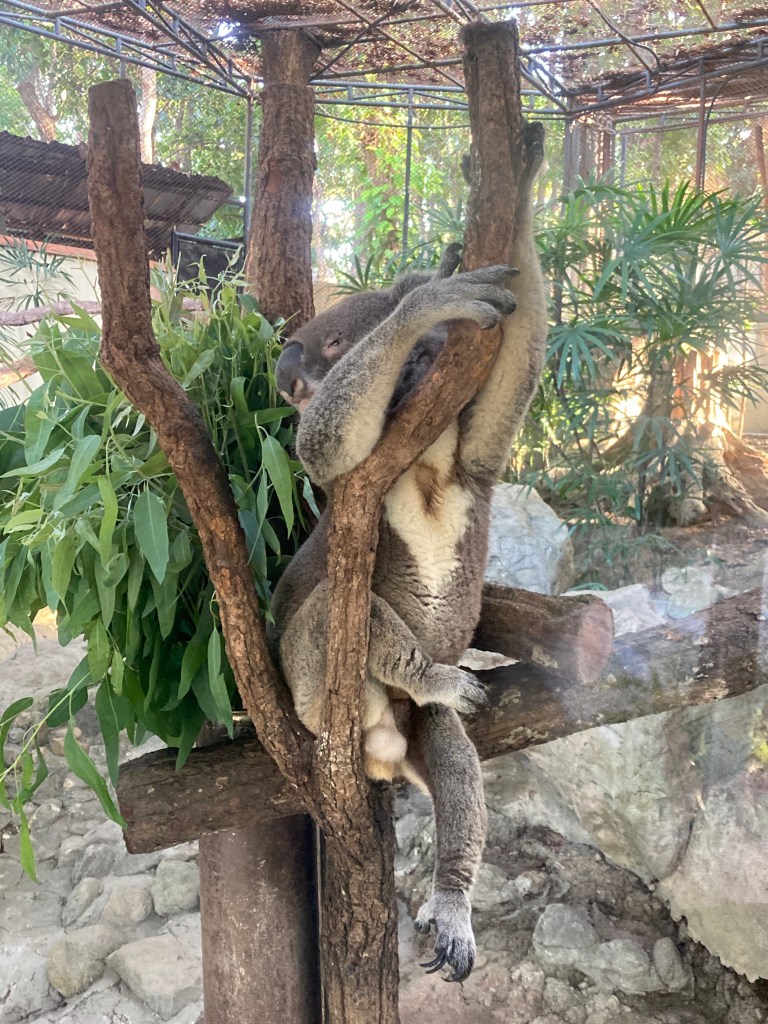
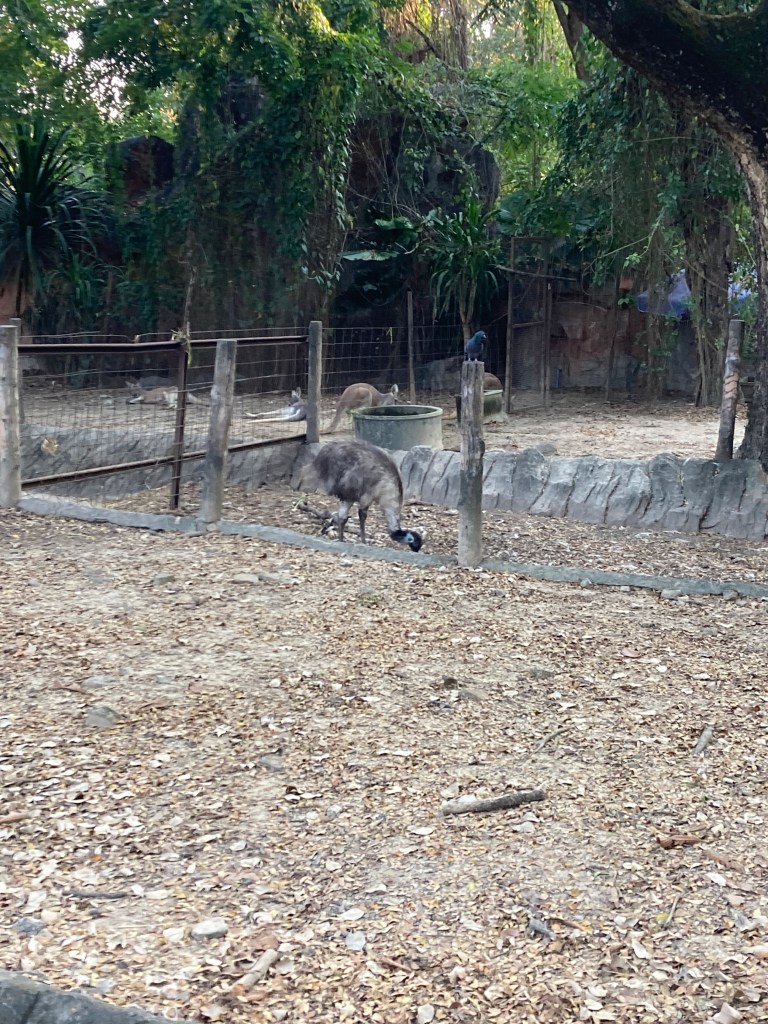
Chiang Mai Zoo in Thailand is a home to a diverse array of majestic and captivating wildlife, featuring rare species like the koala, along with fascinating animals such as the meerkat, zebra, and penguin. The zoo, located in Chiang Mai, Thailand, stands out as an intriguing destination with numerous attractions and activities




Wat Phra That Doi Suthep
When you exit the zoo, you will find several songthaews parked outside. You can take these songthaews to Wat Phra That Doi.
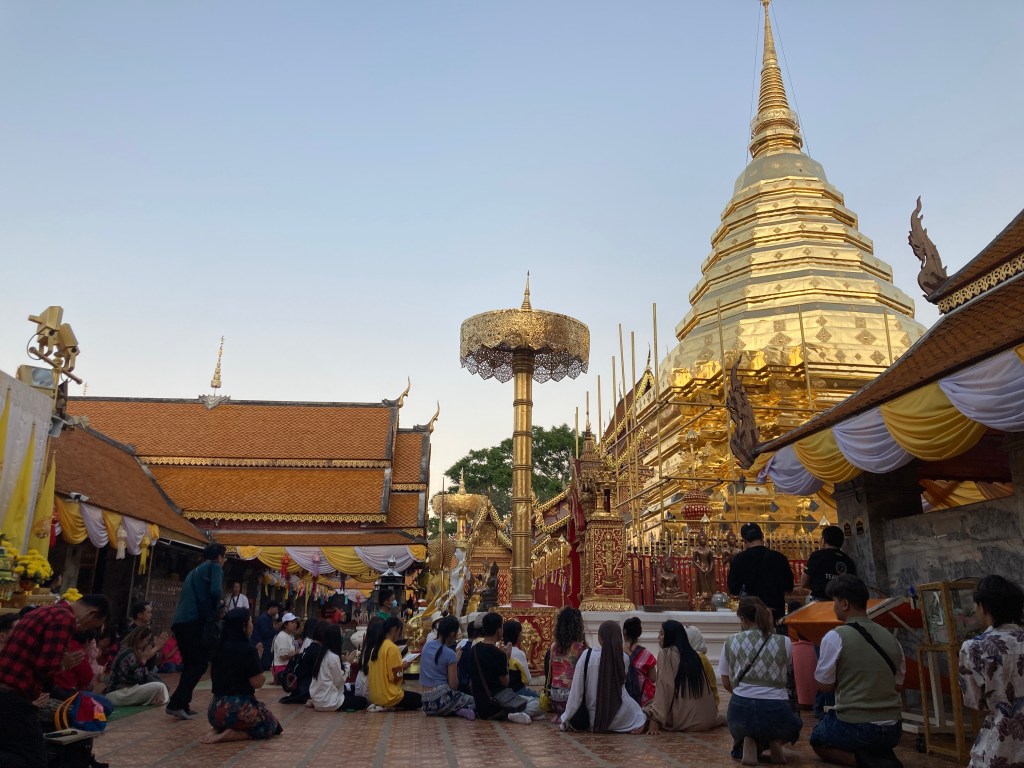
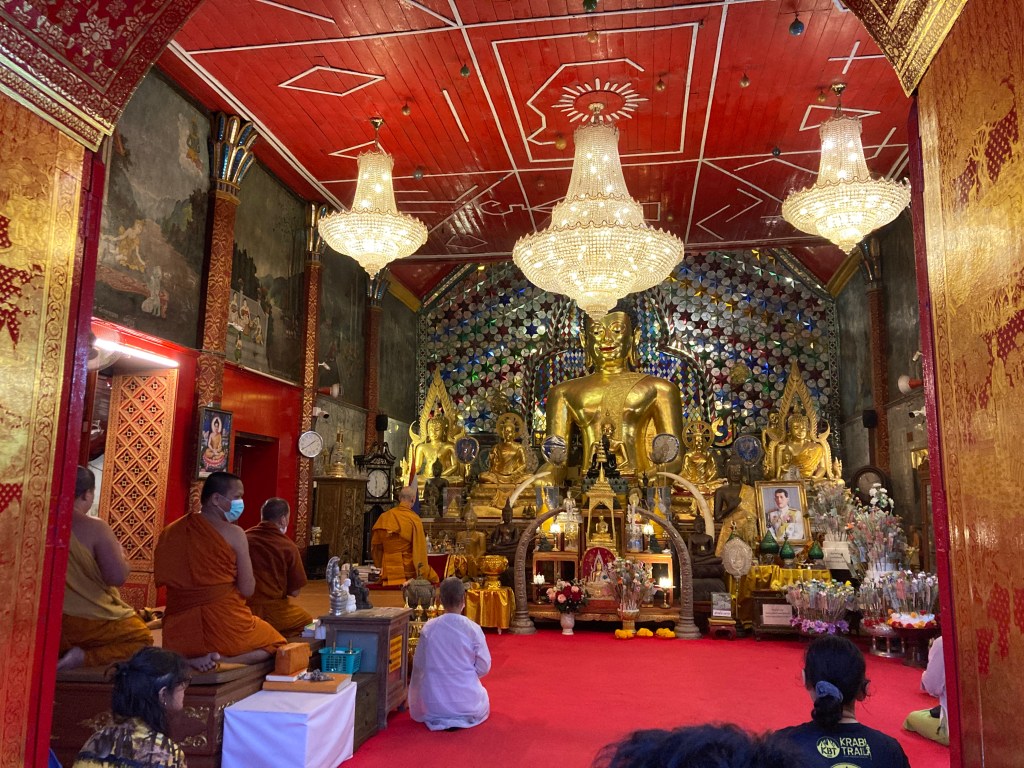
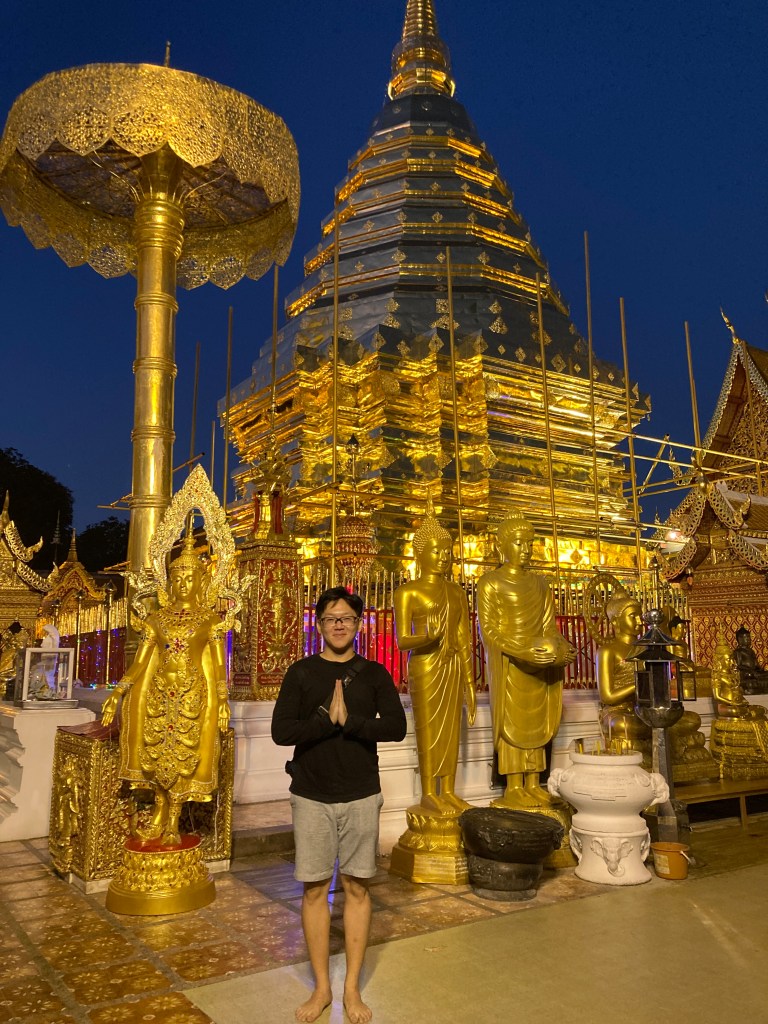
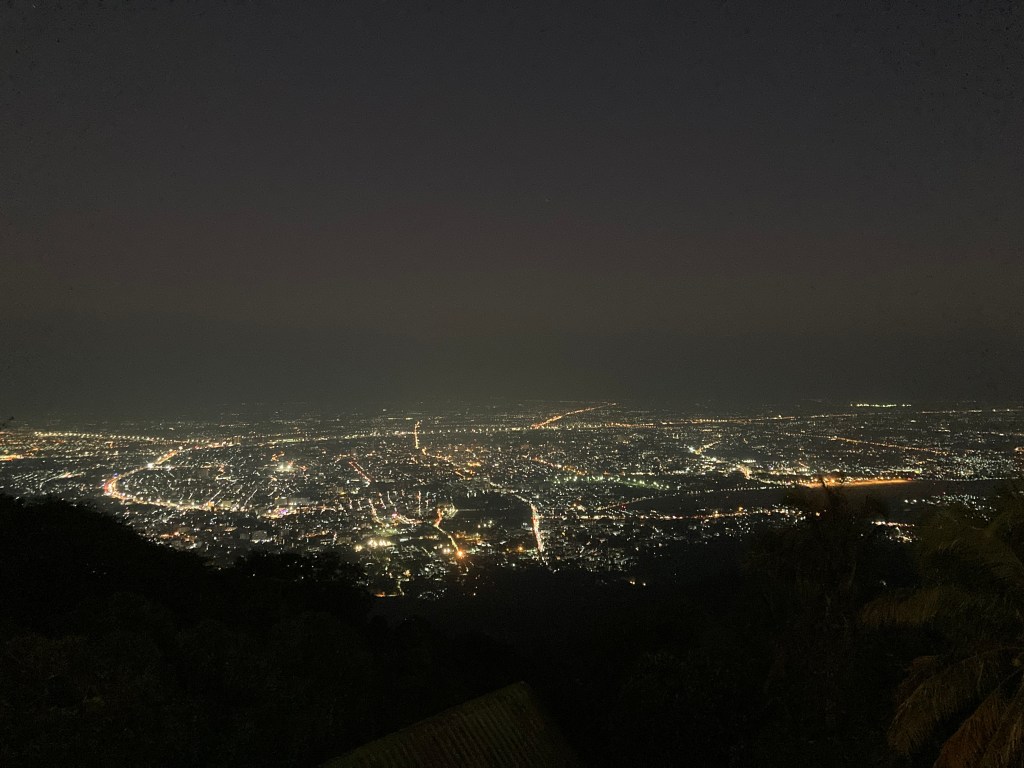
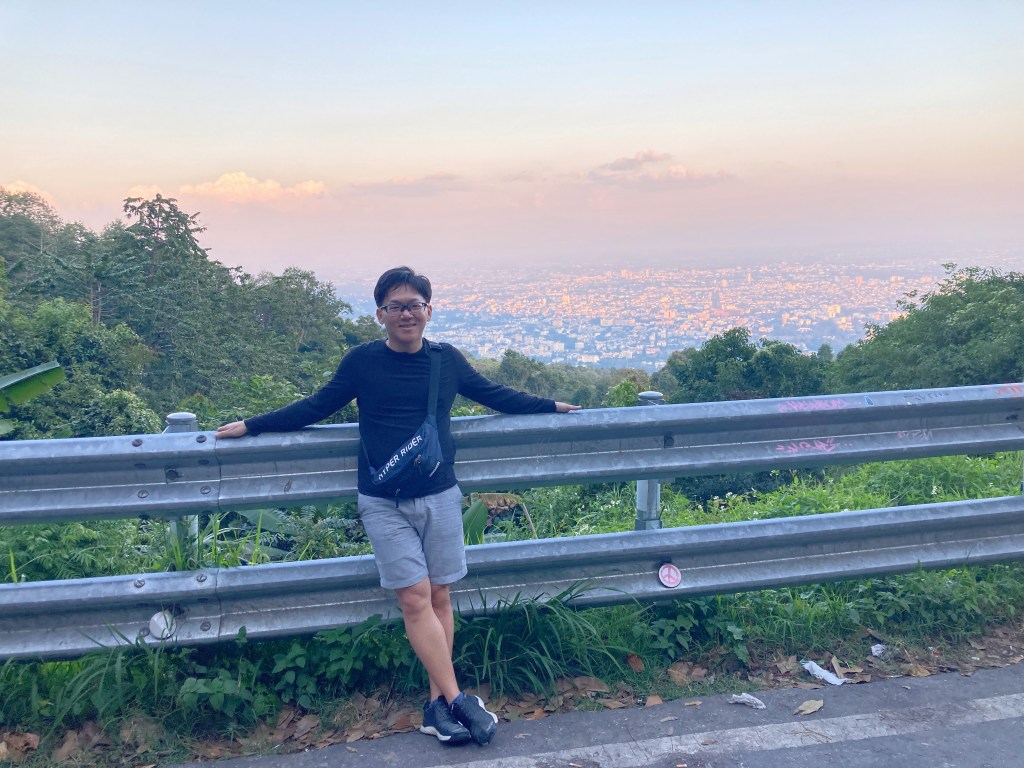
Wat Phra That Doi Suthep is a Theravada Buddhist temple located in Chiang Mai Province, Thailand. While commonly referred to as “Doi Suthep,” which is the name of the mountain it stands on, the temple holds significant religious importance for many Thai people. Situated 15 kilometers (9.3 miles) from the city of Chiang Mai, it sits at an elevation of 1,073 meters. Visitors to the temple can enjoy breathtaking views of downtown Chiang Mai from this sacred site.
Day 6
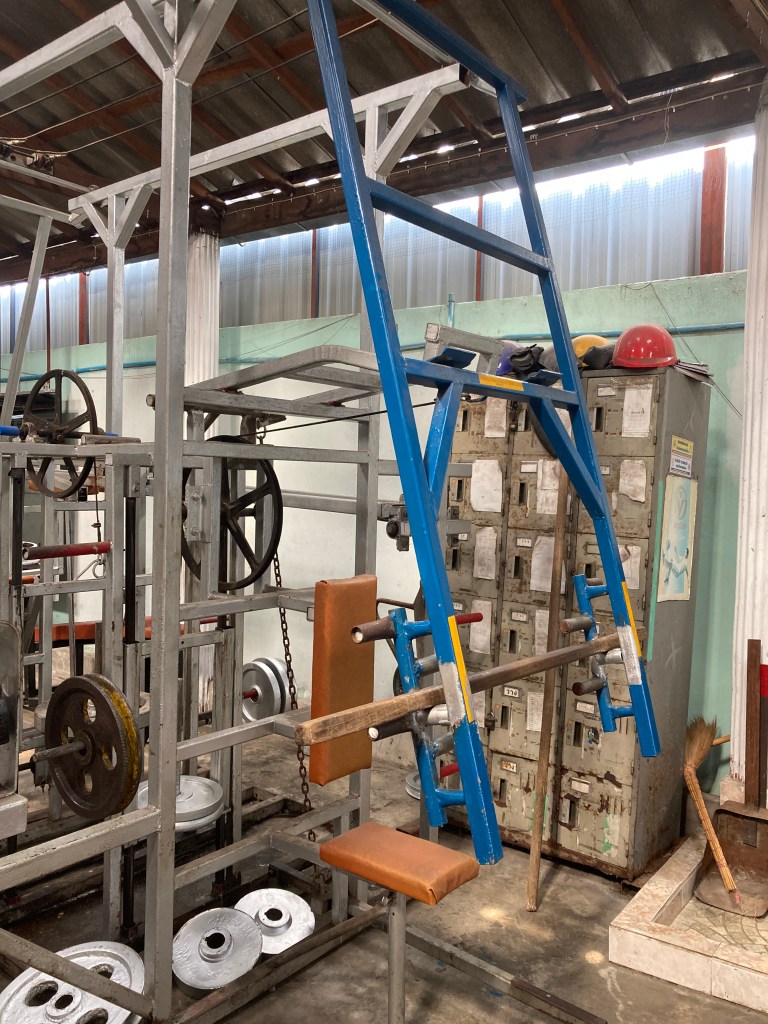
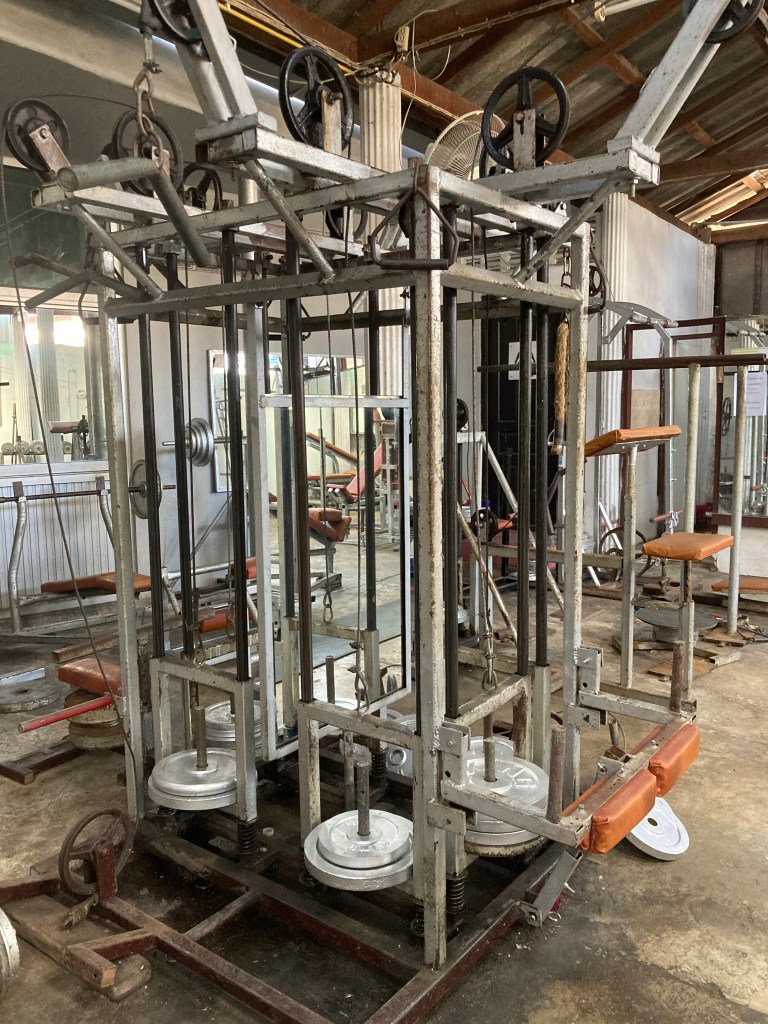
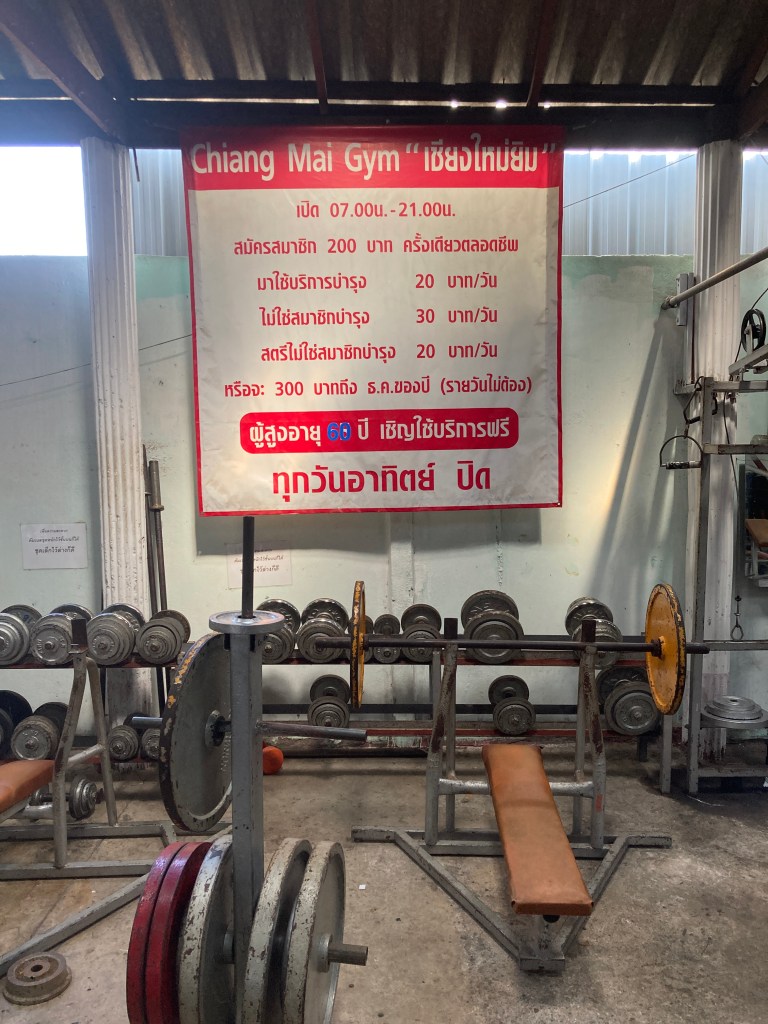
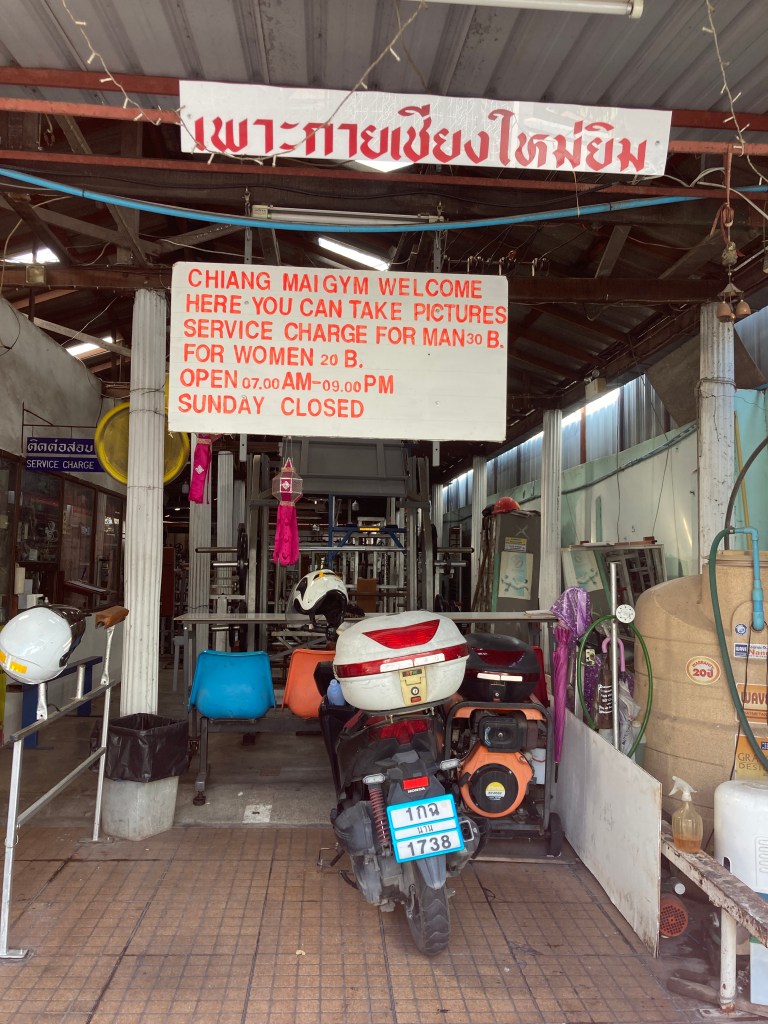
เพาะกายเชียงใหม่ยิม chiangMai Gym
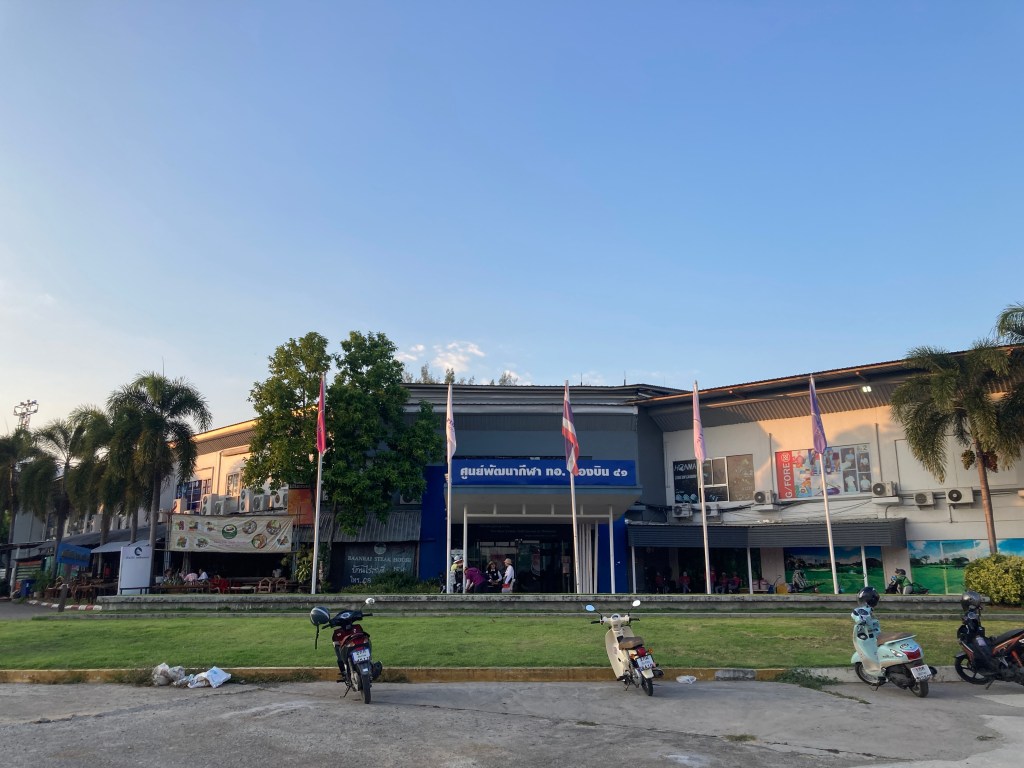
This is a very unique gym because all the fitness equipment is personally handmade by the owner. The fees are also affordable, with just 30 Thai Baht allowing you to use the facilities for the entire day.


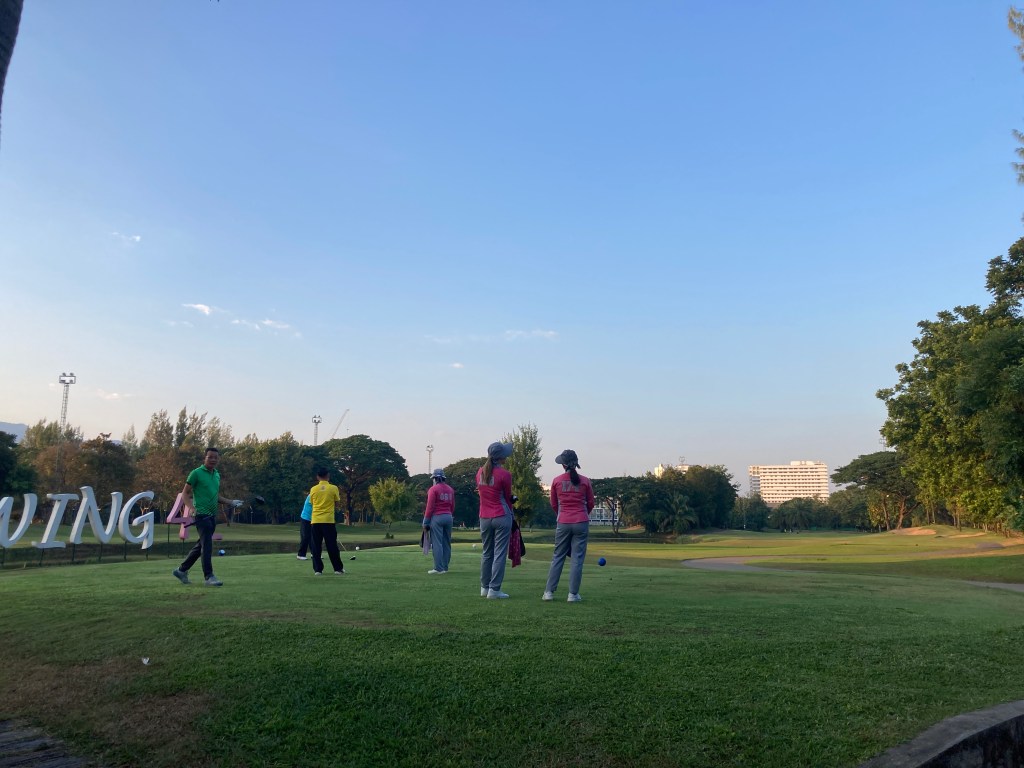
Star Dome Golf Club
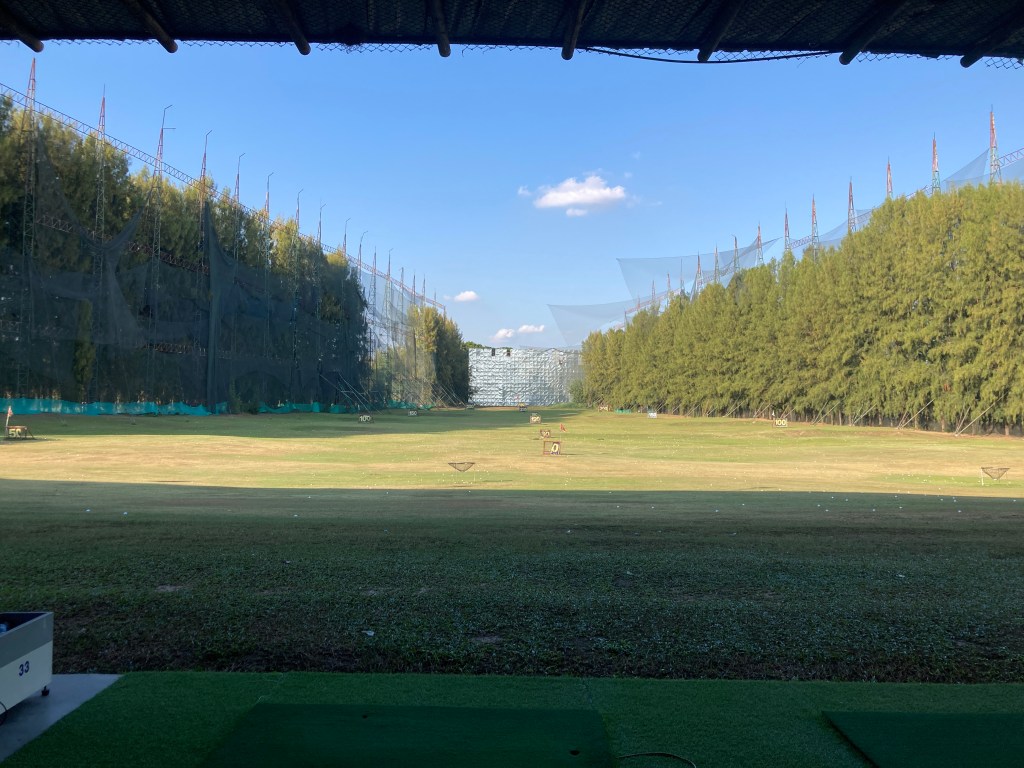
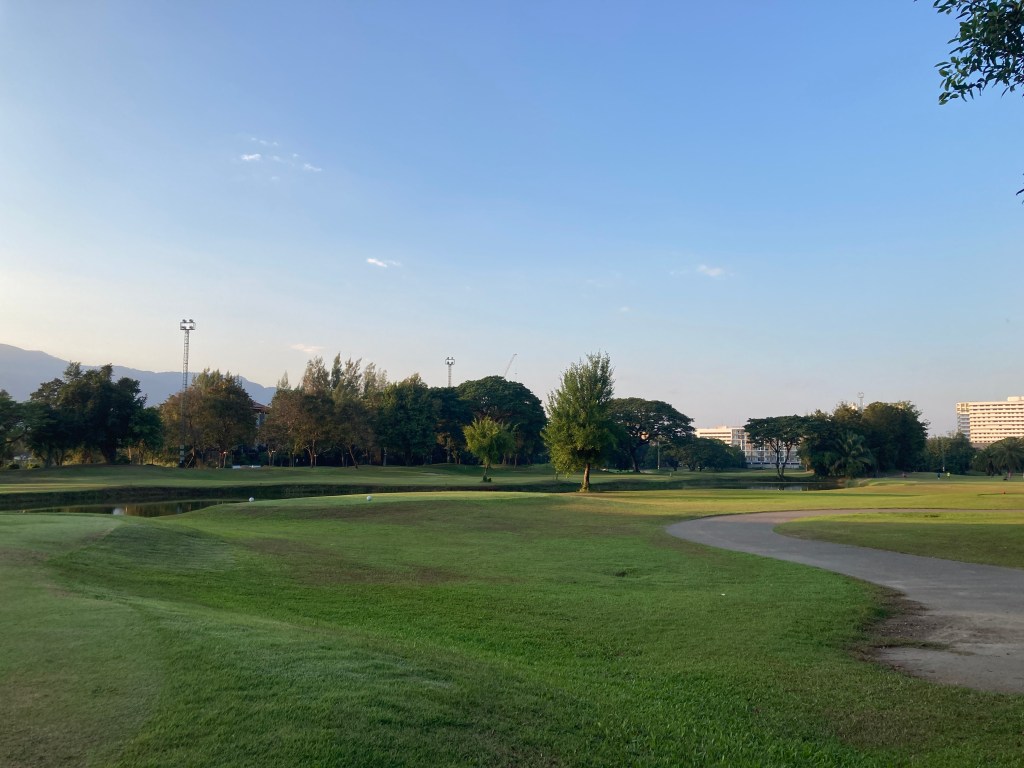
Star Dome Golf Club provides a standard 9-hole golf course with a par of 36 and a length of 3,350 yards, complemented by a driving range in the same vicinity. We offer daily services for both “Day Golf” and “Night Golf,” operating from 06:00 to midnight.
Star Dome Golf Club stands out as the exclusive golf club that seamlessly combines standard golf course amenities with the scenic beauty of Doi Suthep. It is the ideal golf course for you and your family, following the concept: The Exclusive Golf Society in Town.
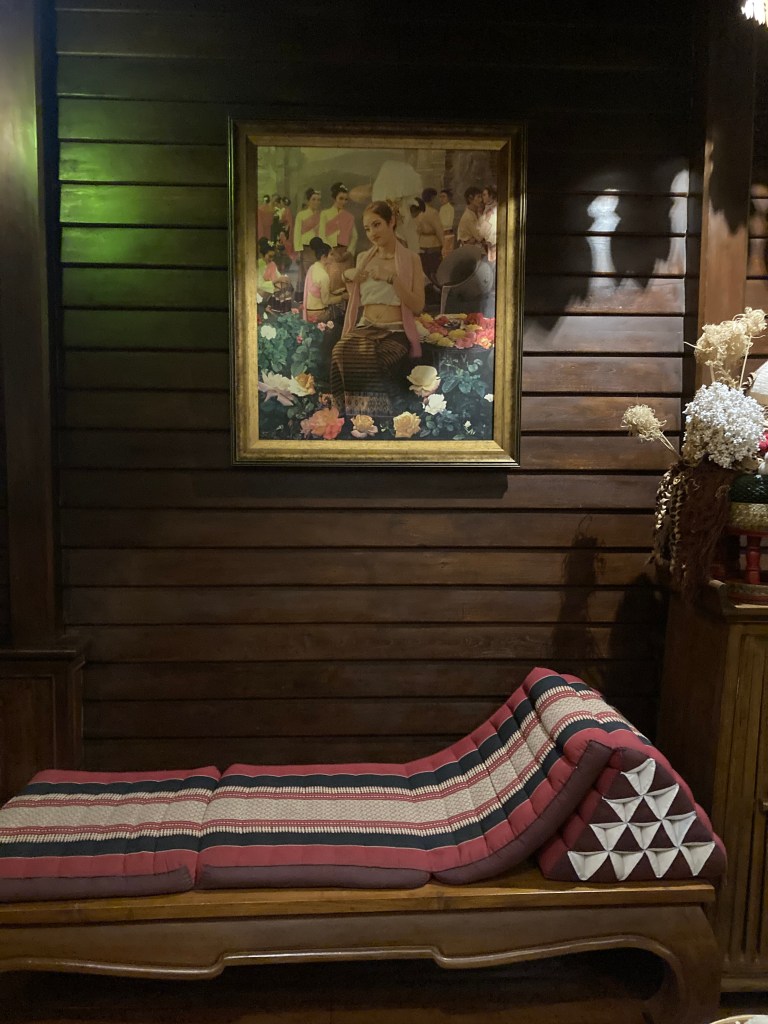
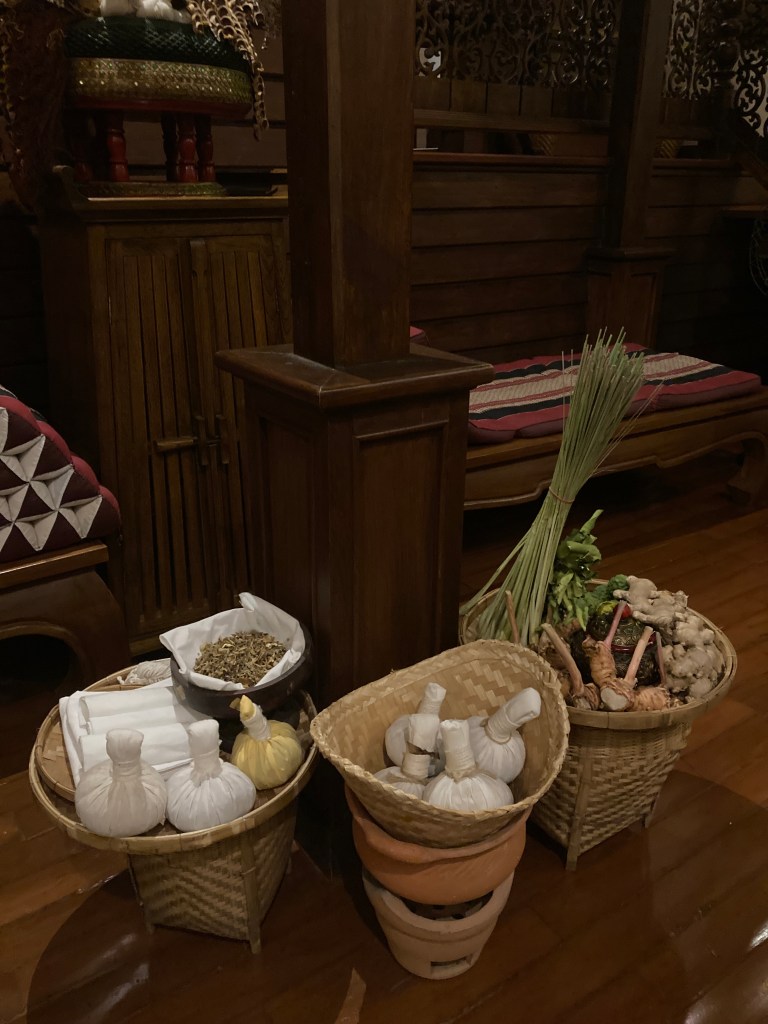
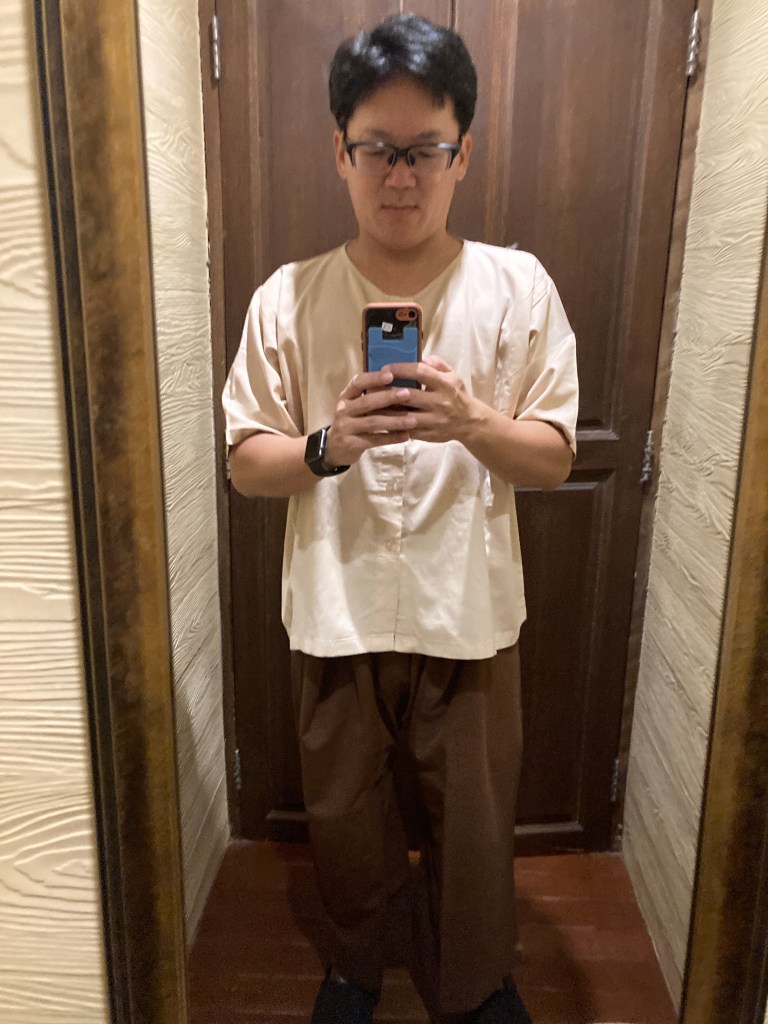
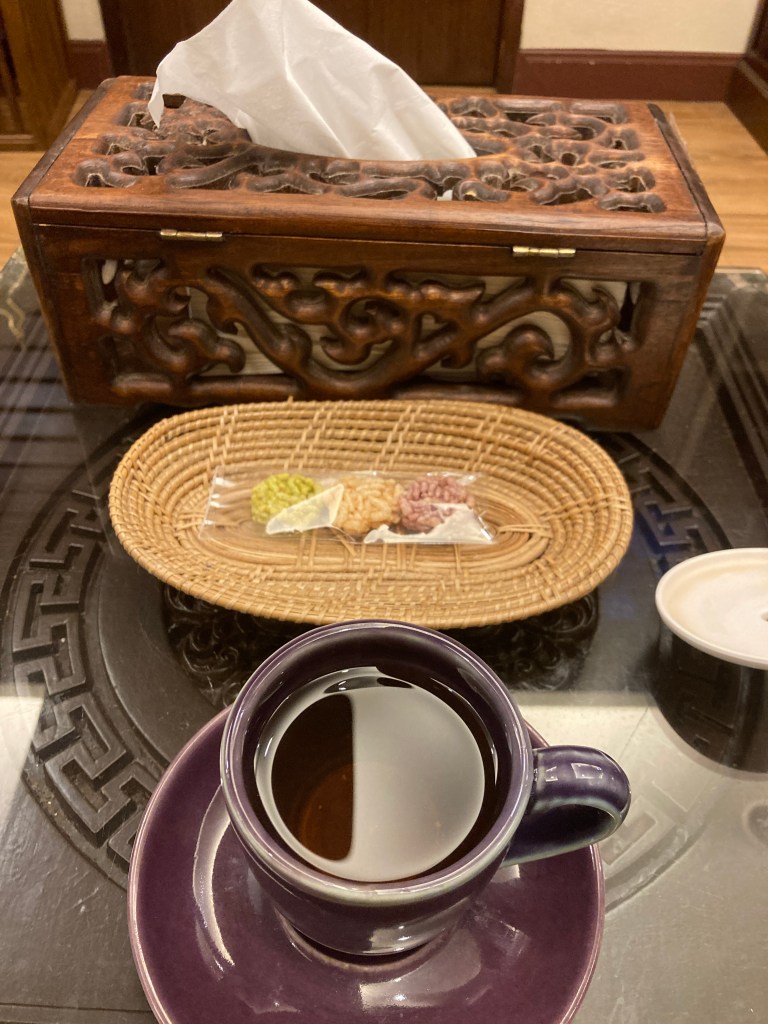
Lila Thai Massage
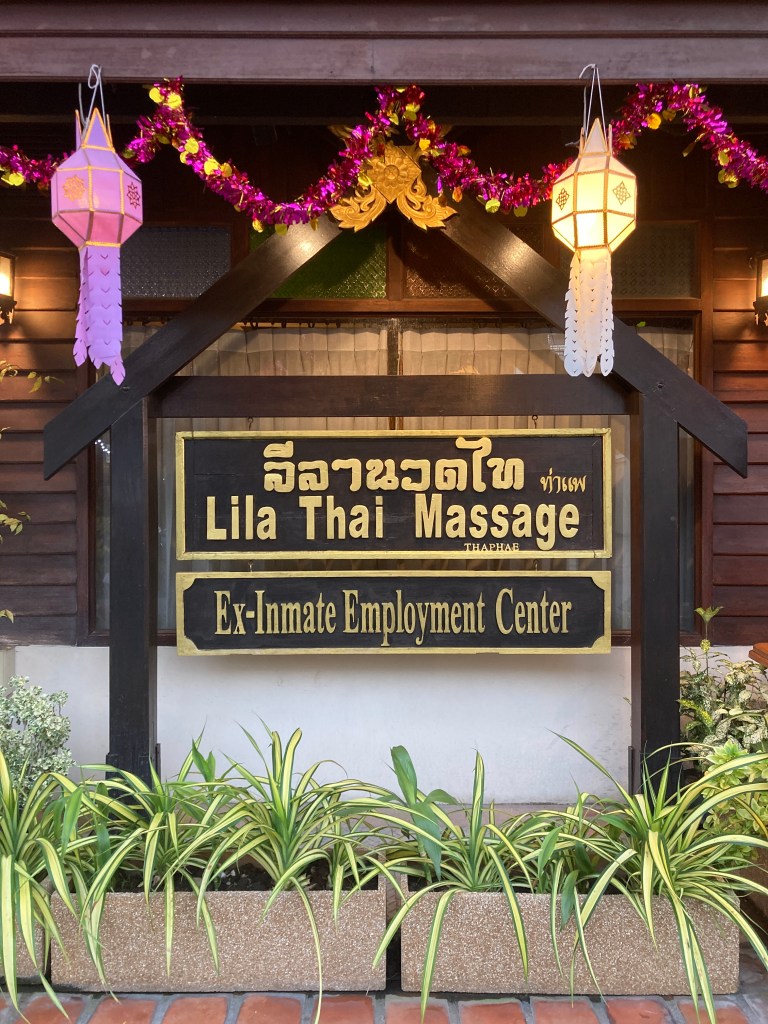
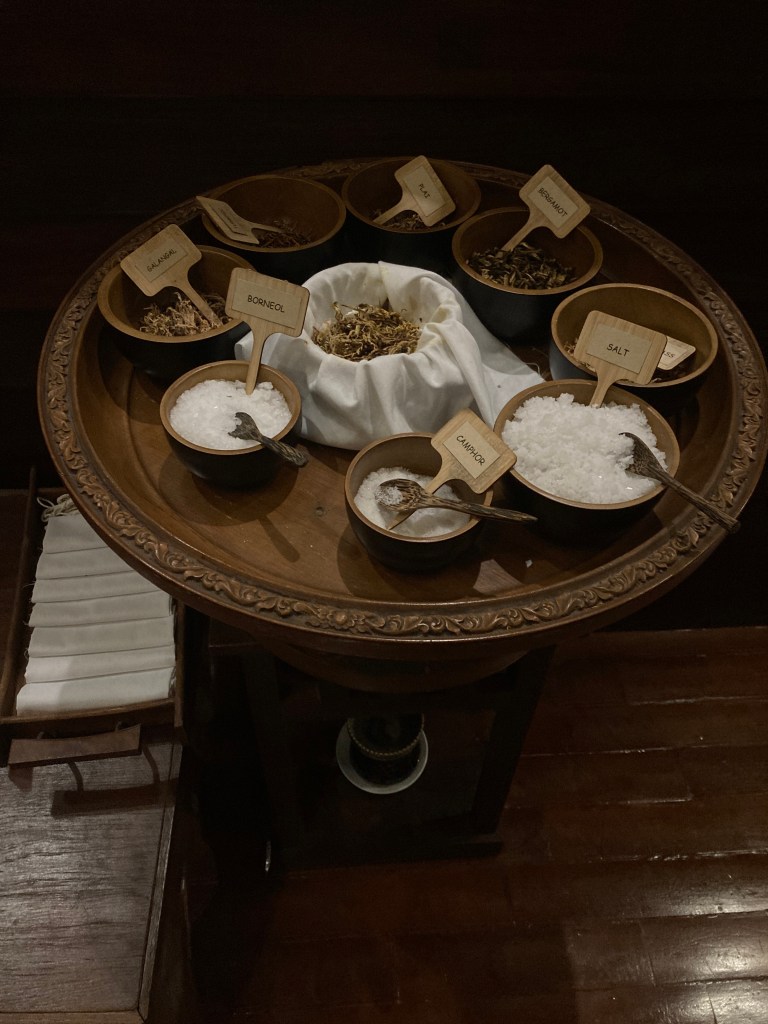
Lila Thai Massage was founded by Naowarat Thanasrisutharat, former Director of Chiang Mai Women’s Prison (2001 – 2008), with the aim of assisting newly released inmates in reintegrating into society. With over 40 years of dedicated service, she has focused on comprehending and addressing the challenges faced by released inmates as they transition into a new community, fostering understanding between the public and this demographic. Before their release, the selected inmates undergo a comprehensive training program, empowering them to earn a living and make positive contributions to society.

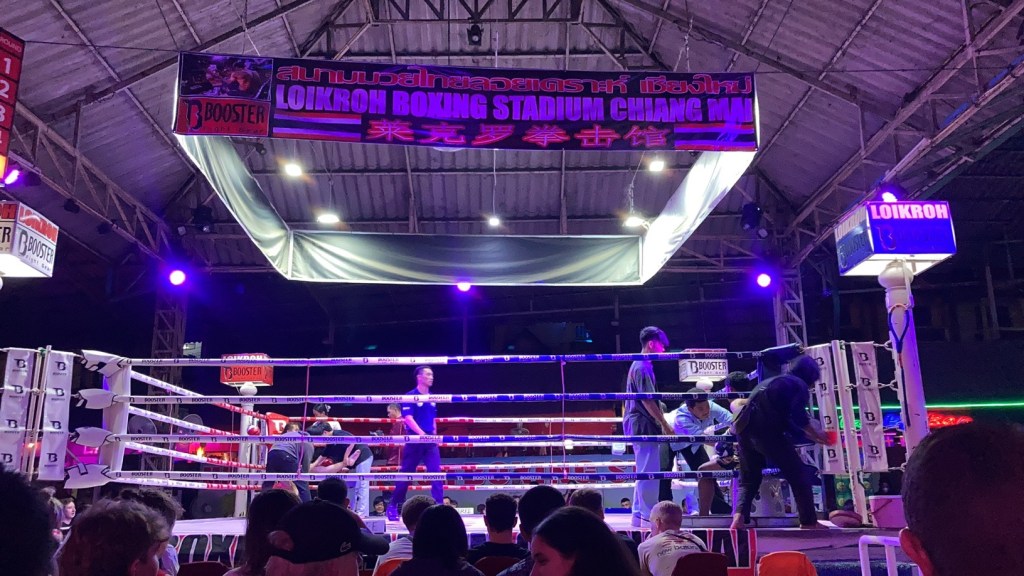
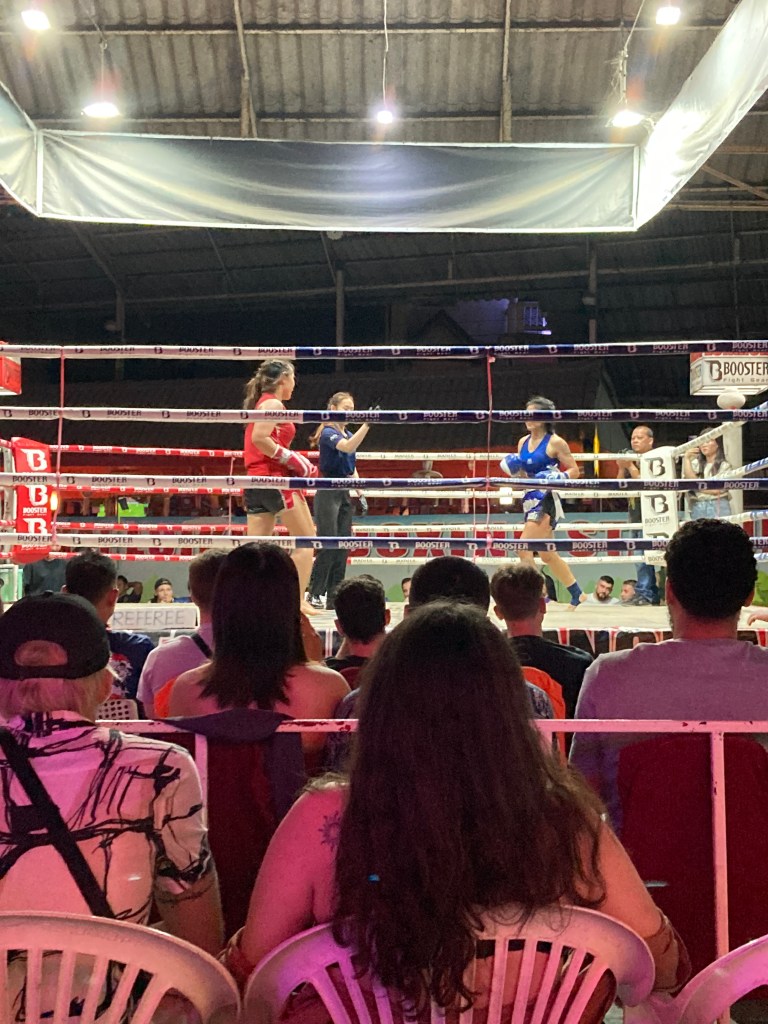
Loi Kroh Boxing Stadium
Loi Kroh Boxing Stadium in Chiang Mai stands as a prominent venue for authentic Muay Thai fights, drawing both locals and tourists to its regular events. Situated in the heart of the city’s nightlife hub on Loi Kroh Road, the stadium provides easy access for an evening of traditional Thai boxing.
The atmosphere within is electrifying, fueled by the energy of enthusiastic crowds and the cultural significance of pre-fight rituals. The facilities are basic, ensuring an authentic ambiance with a direct focus on the martial art itself.
For visitors, the stadium offers a captivating insight into the vibrant culture of Muay Thai, providing opportunities to engage with fighters and creating an unforgettable experience of Thailand’s cherished sport.

MAYA Lifestyle Shopping Center
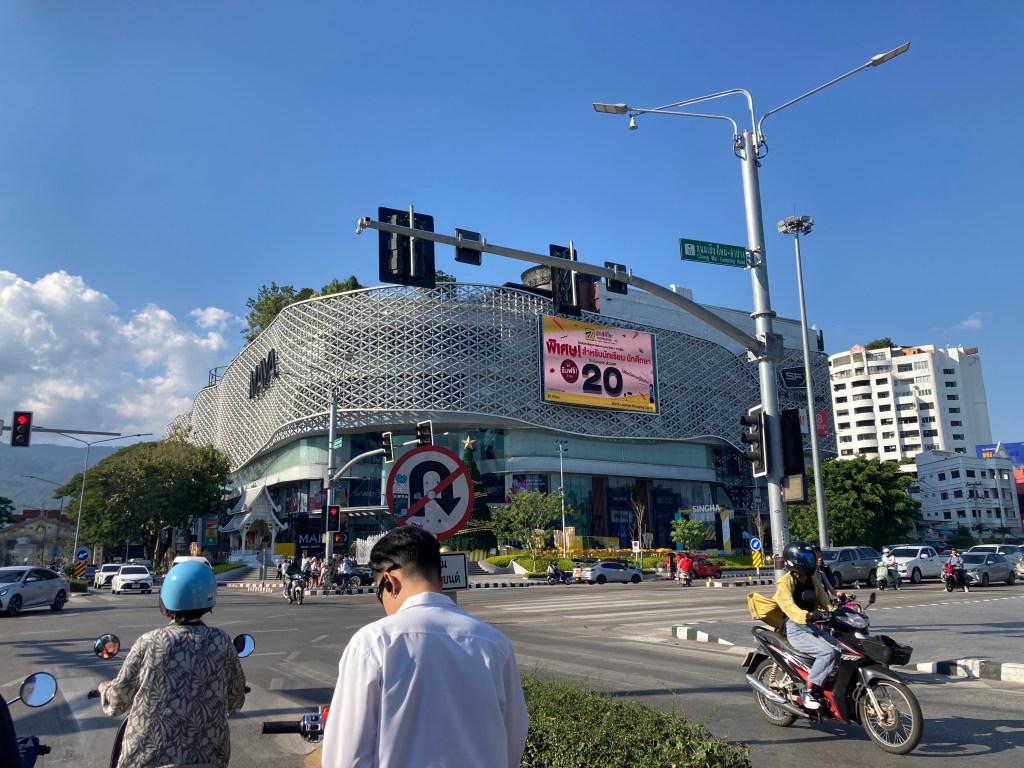
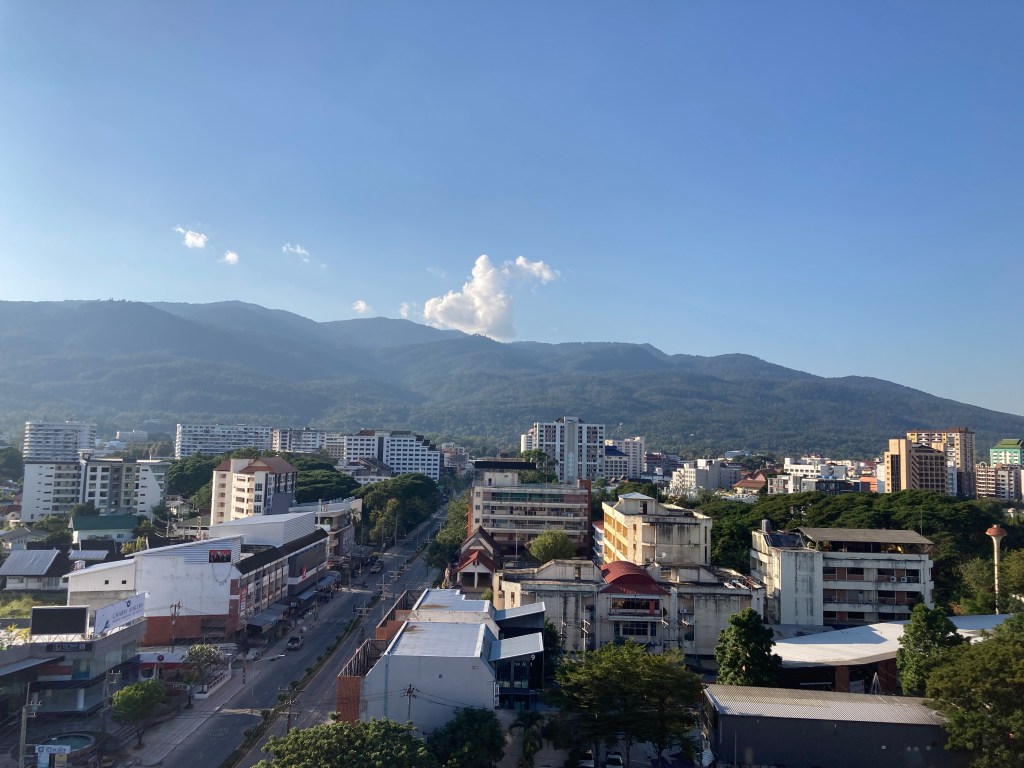
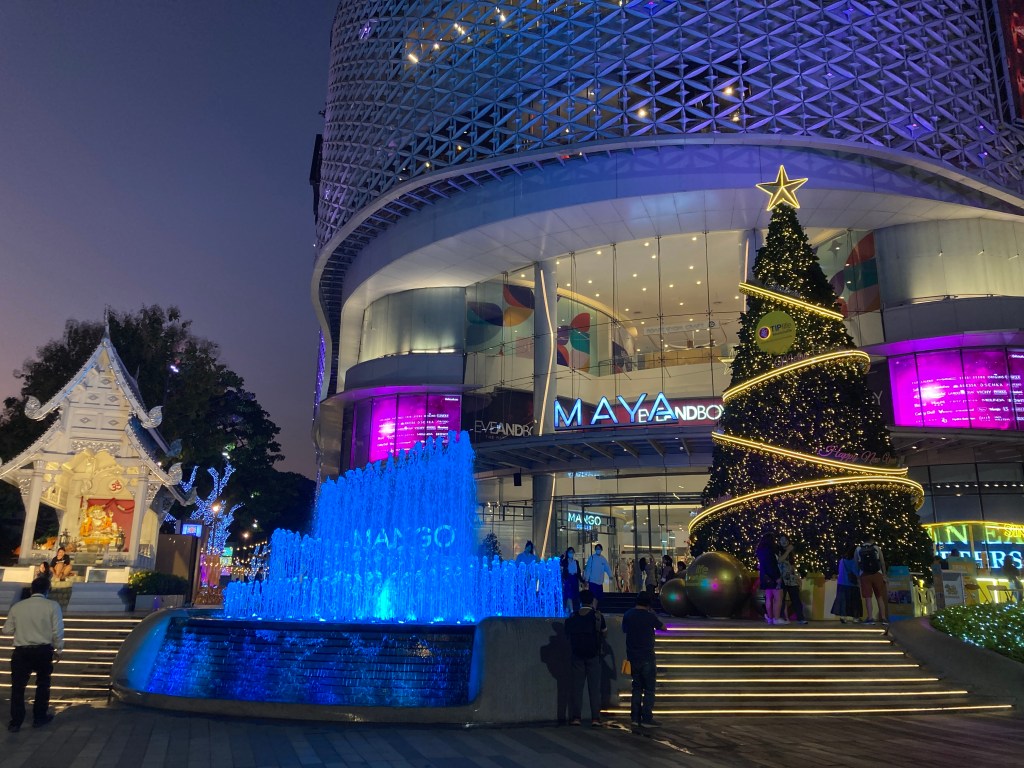
MAYA Lifestyle Shopping Center is situated in the primary business district of Chiang Mai, boasting outstanding architecture and inviting visitors into a world of renowned fashion brands and world-class beauty products. Experience complete entertainment at one of the world’s top ten cinemas, “SFX cinema.” Enjoy a 360° viewpoint of Chiang Mai, surrounded by the scenic beauty of Doi Suthep. Enhance your moments with a relaxed ambiance, and savor delectable dishes and drinks from numerous renowned restaurants in a pleasant atmosphere.

One Nimman
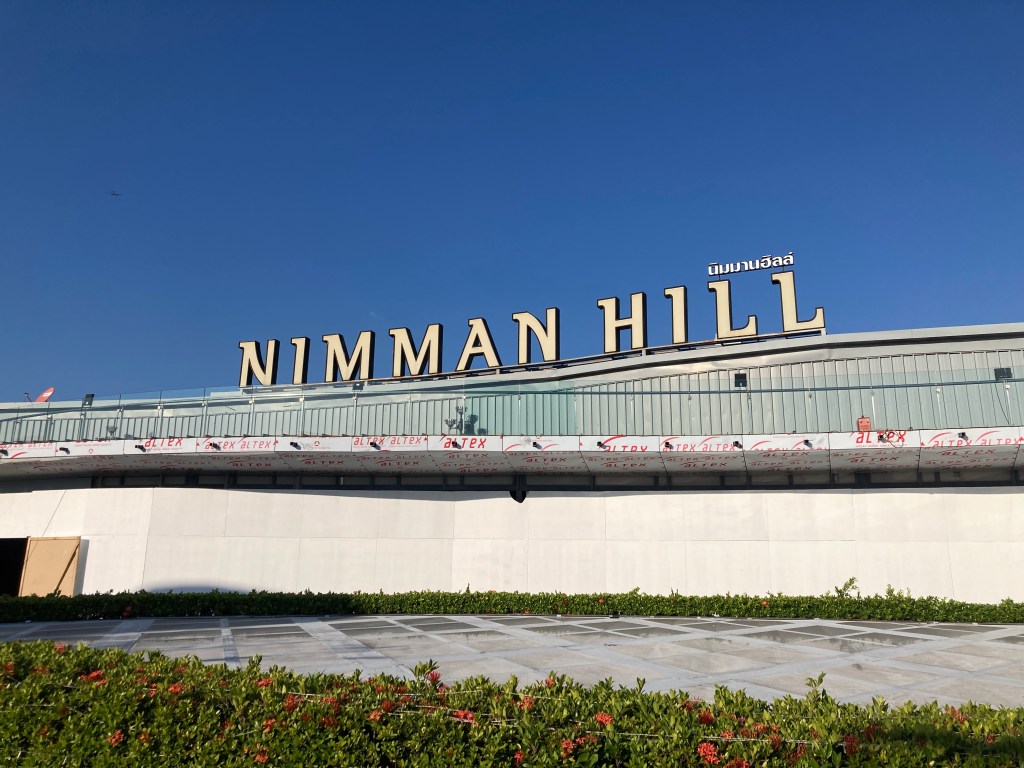
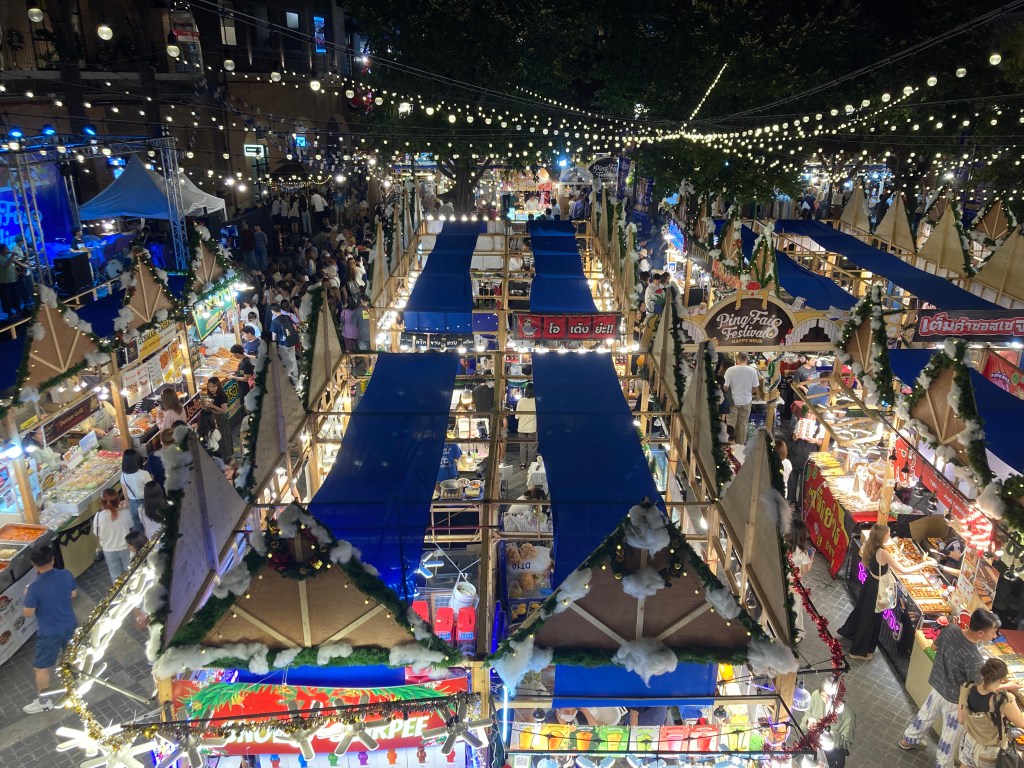
In the vibrant and trendy Nimmanhaemin neighborhood, you’ll discover One Nimman, a lifestyle mall concept featuring numerous shops, art galleries, cafes, restaurants, and bars. The architecturally stunning building encompasses an easily walkable area that embodies the artistic and creative spirit of Chiang Mai. The array of restaurants caters to various tastes, offering options from local traditional Thai cuisine to contemporary upscale dining. There’s an abundance of coffee and tea shops, as well as snackable food choices and desserts to indulge in. If you’re seeking wellness or beauty treatments, you won’t be disappointed in the quality of selections available. For a truly unique shopping experience, One Nimman is the place to go.
Day 7
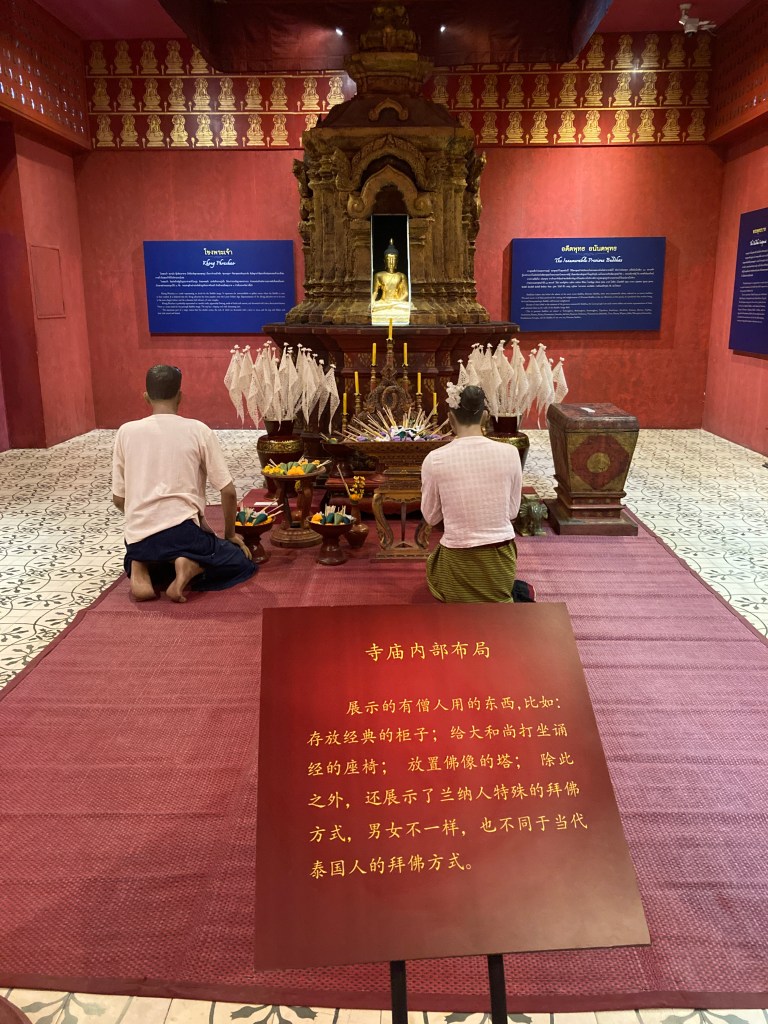
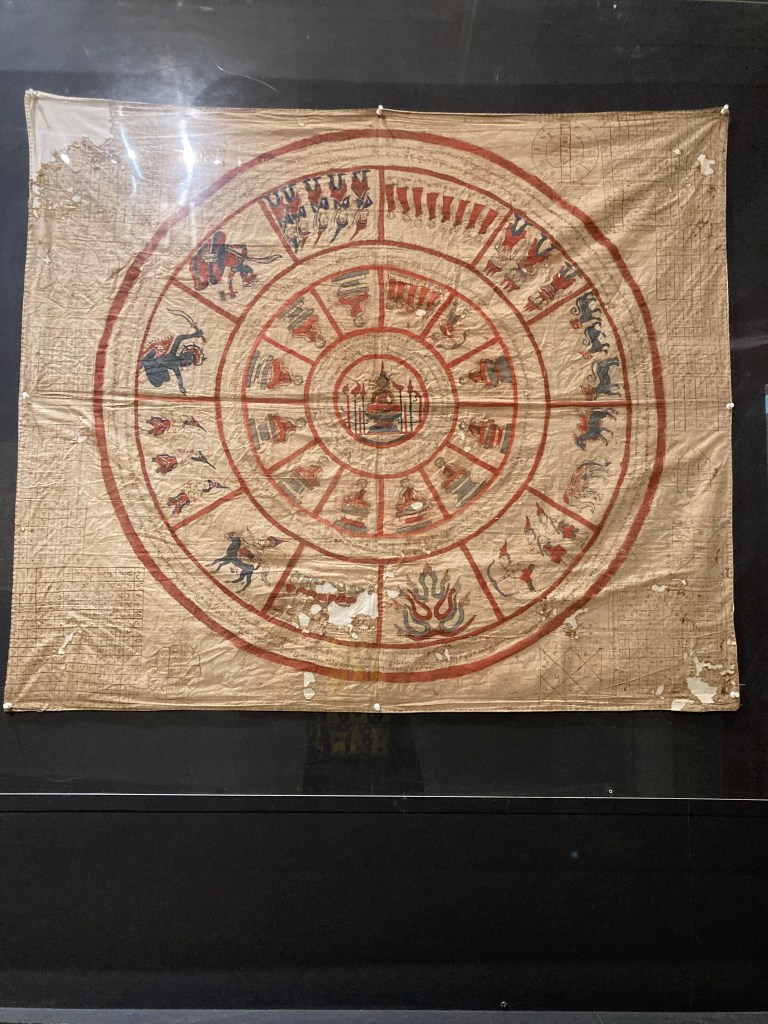
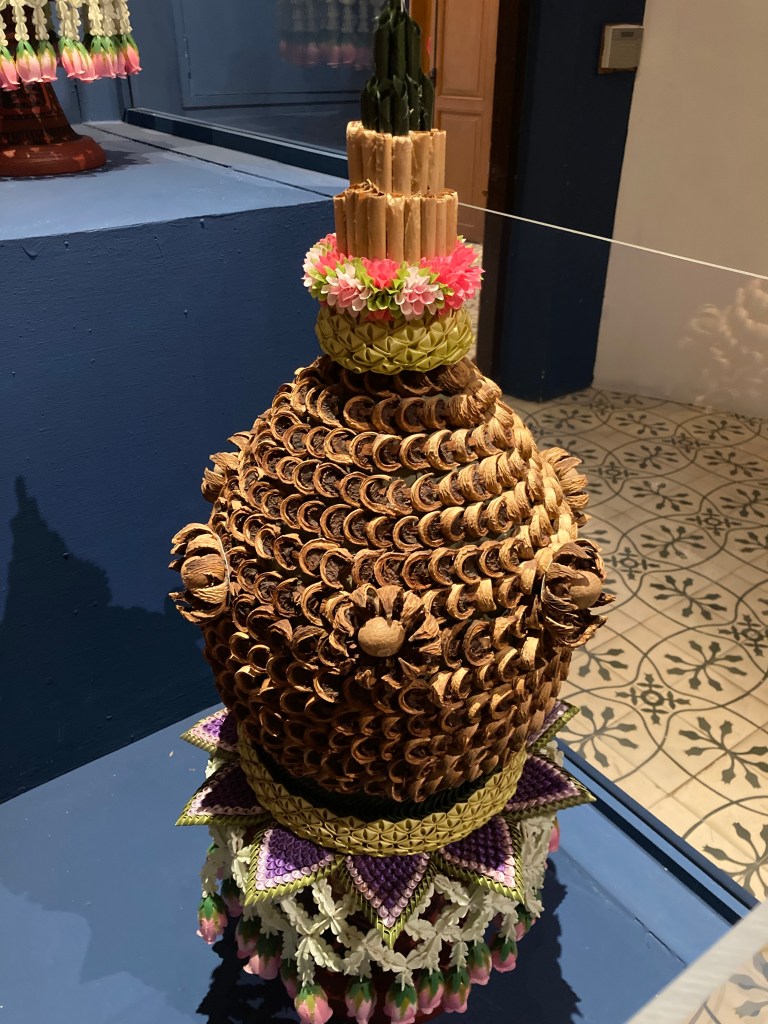
Lanna Folklife Museum
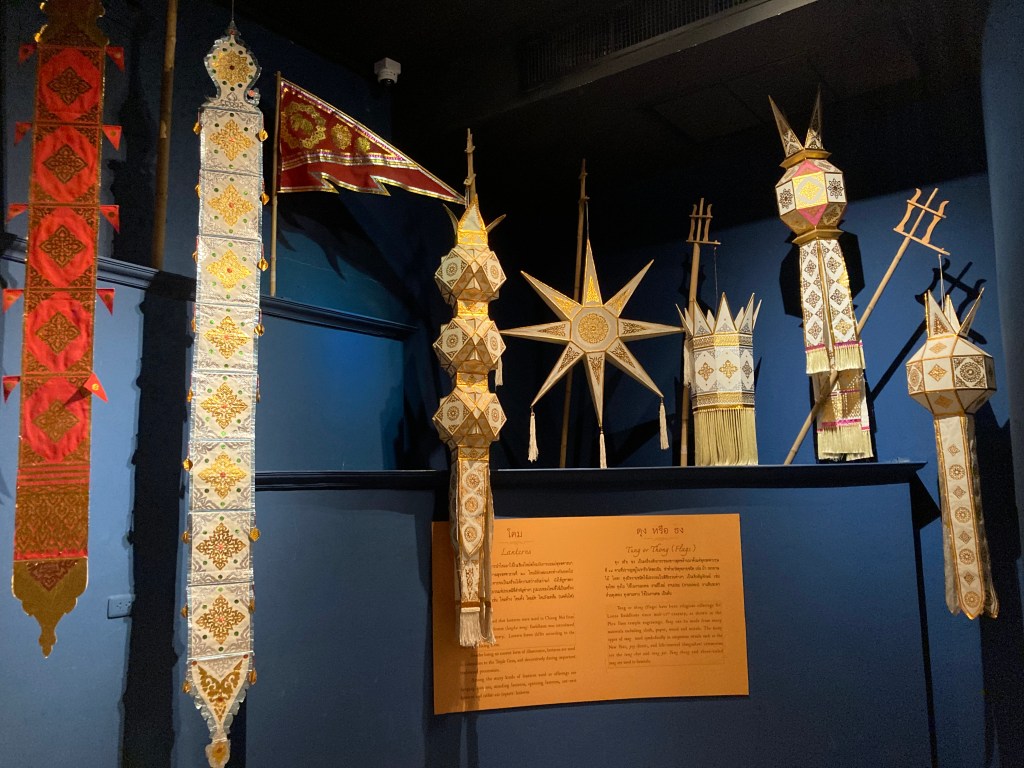
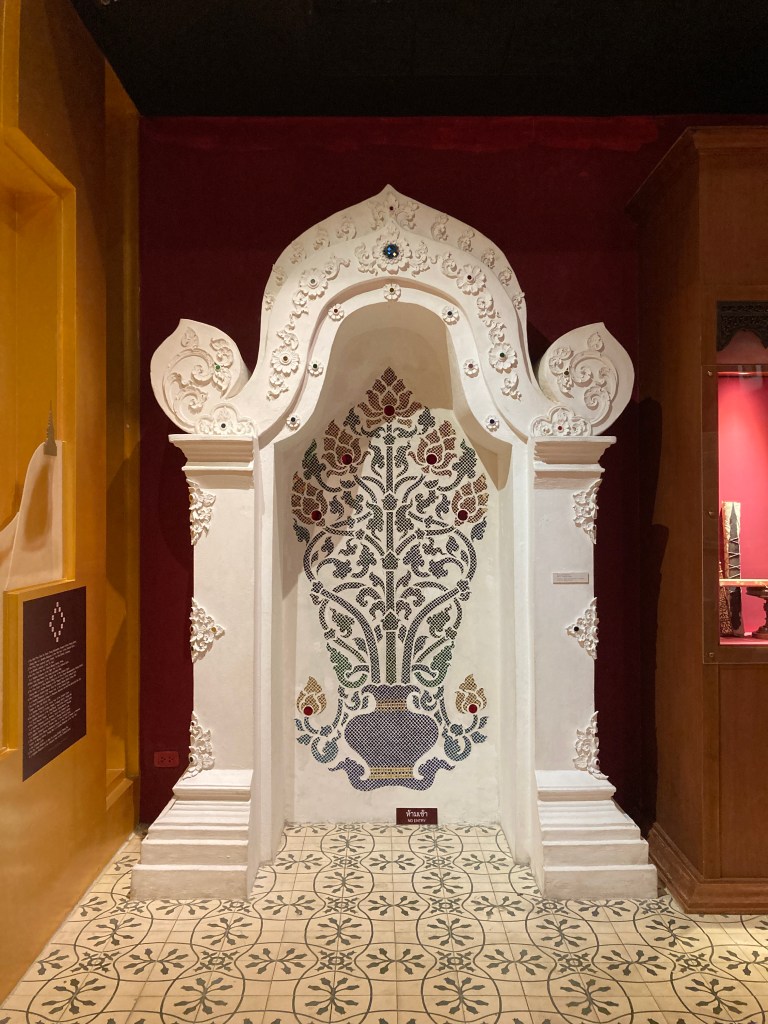
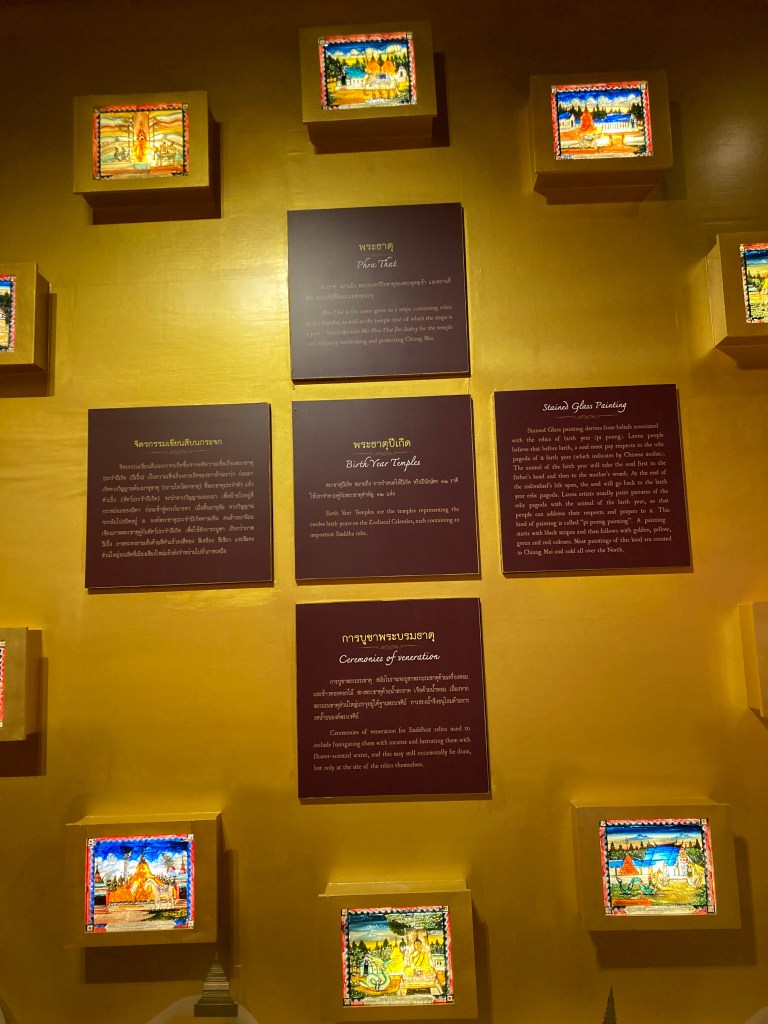
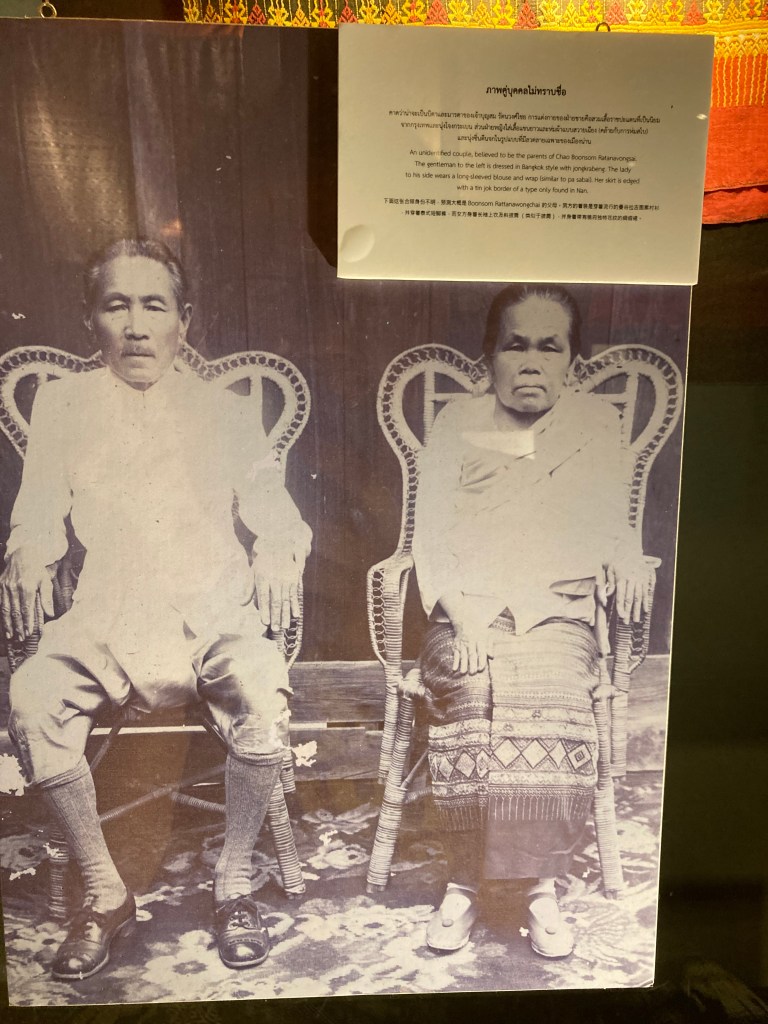
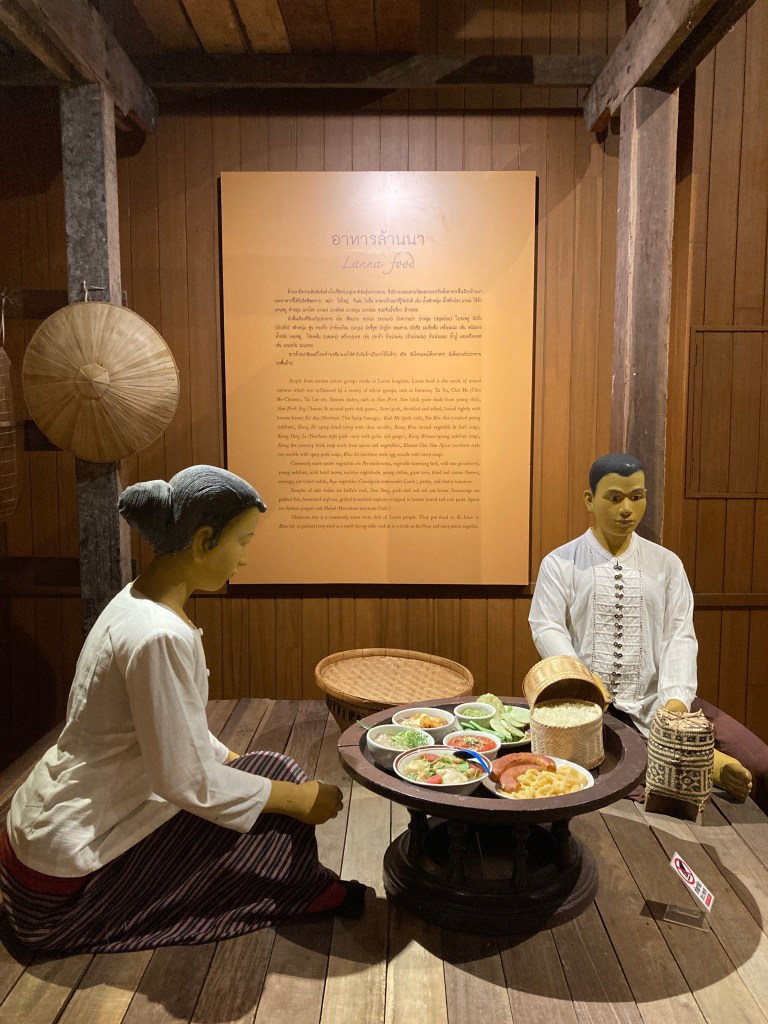
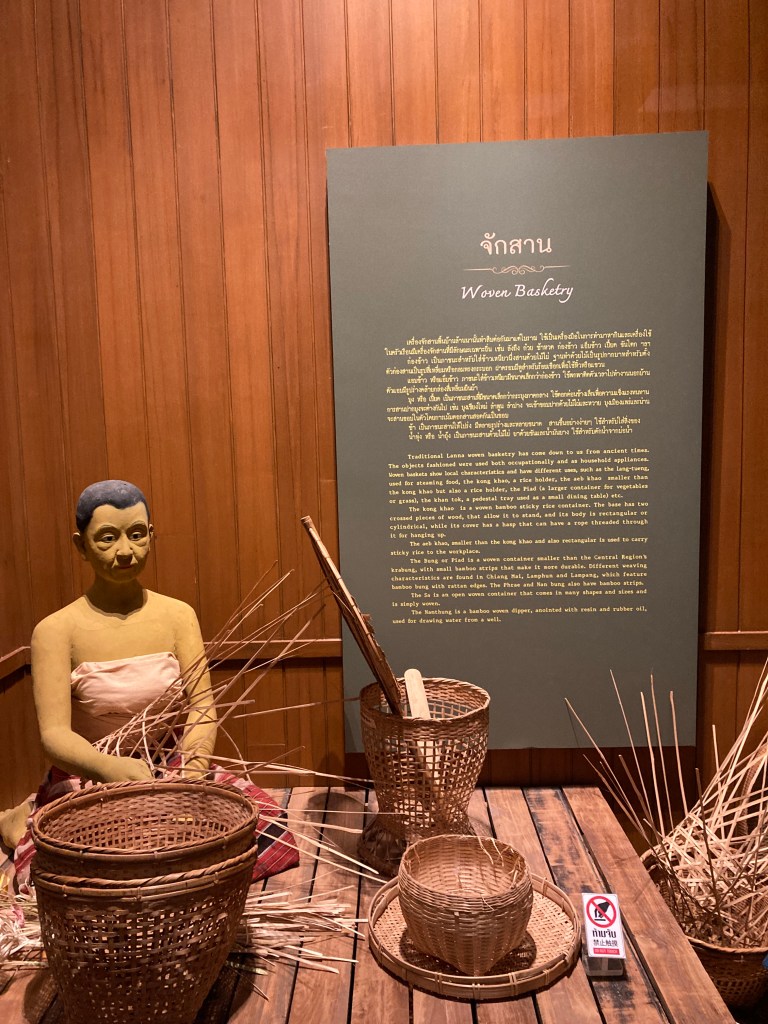
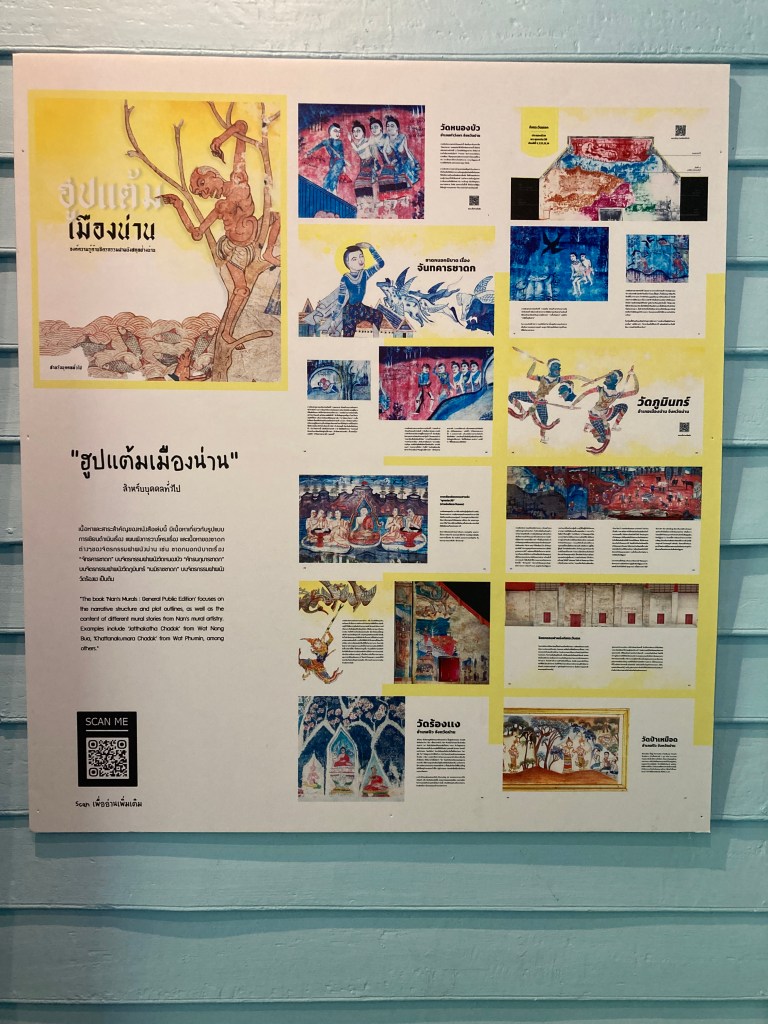
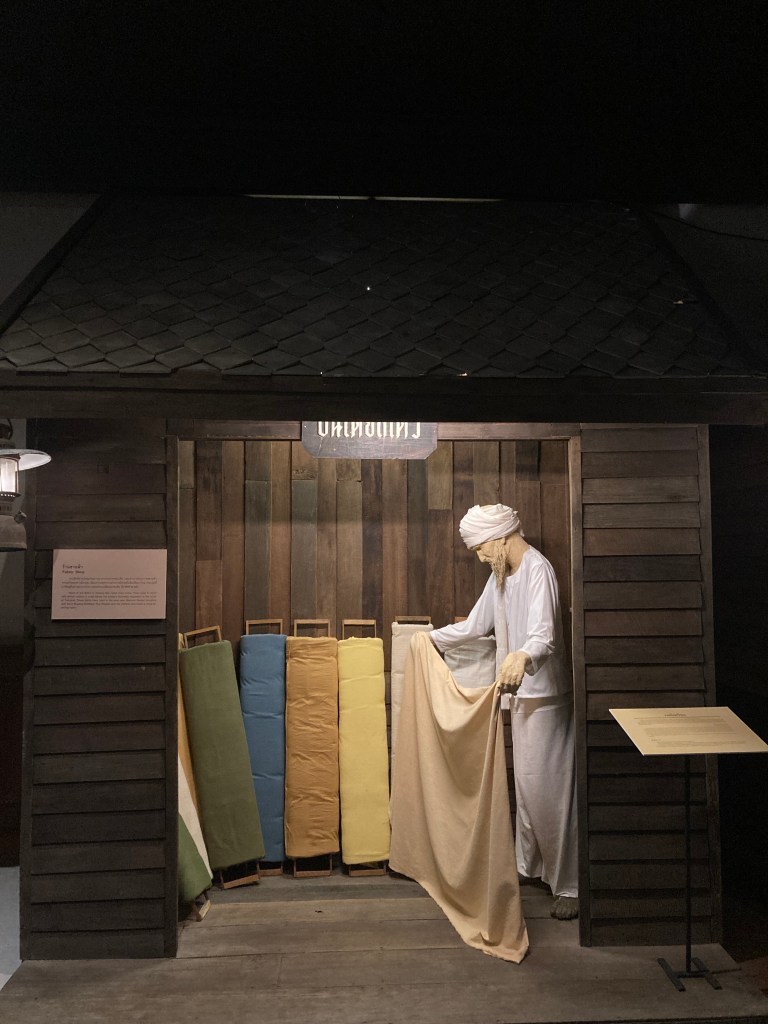
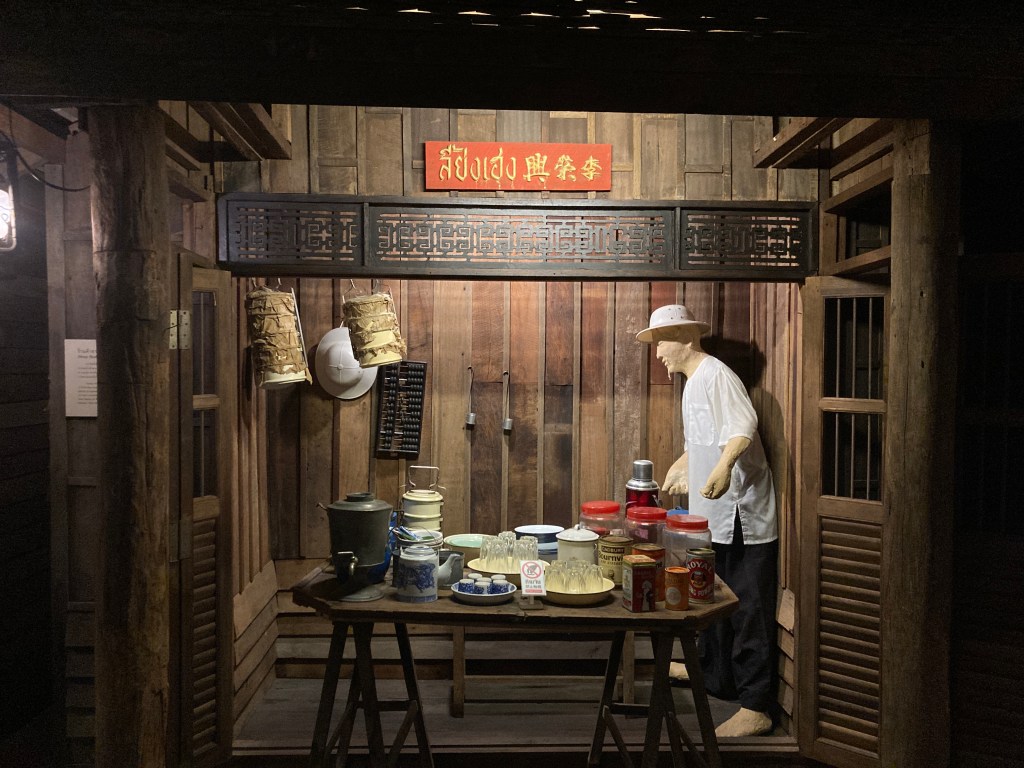
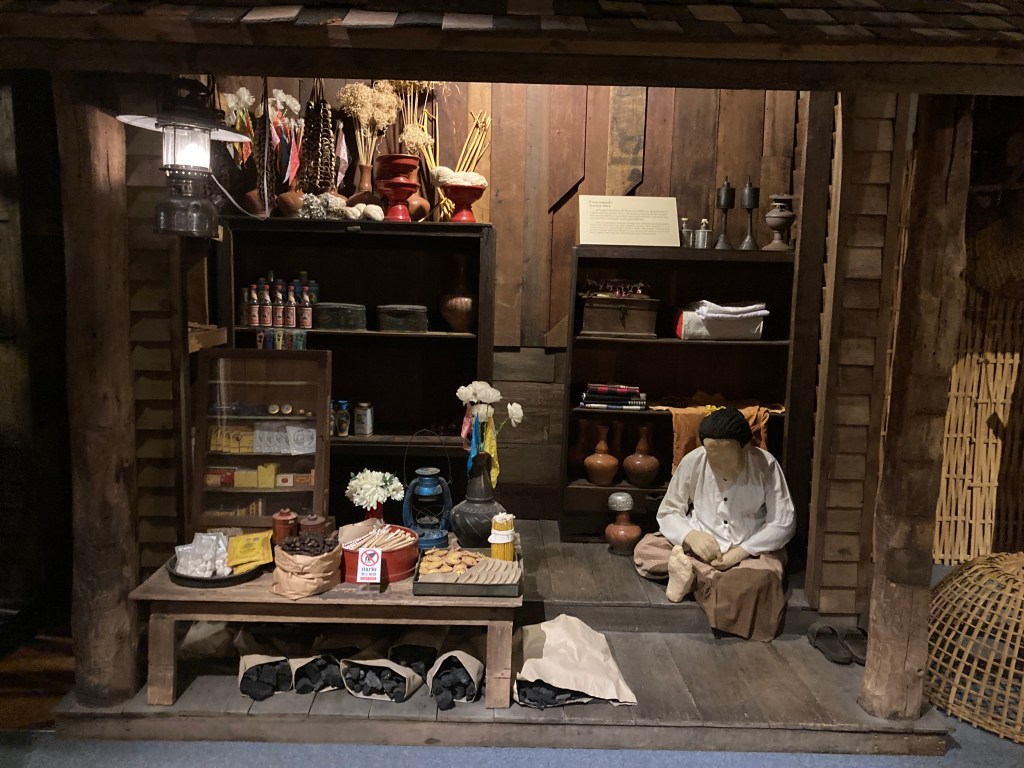
The Lanna Folklife Centre showcases the lifestyle of the Lanna people and the artistic elements present in Buddhist art. The exhibition includes tools used in rituals, Lanna architecture, traditions, mural paintings, and craftsmanship spanning various categories. The primary goal is to preserve the tradition and make it accessible to the general public.
Lanna culture, traditions, and ways of life have been upheld for centuries. The culture and traditions are remarkable, intricate, and mirror the beliefs intertwined with the Buddhist faith of our ancestors. Lanna craftsmanship serves as a testament to the prosperity of this region from the past to the present.




Chiang Mai House of Photography
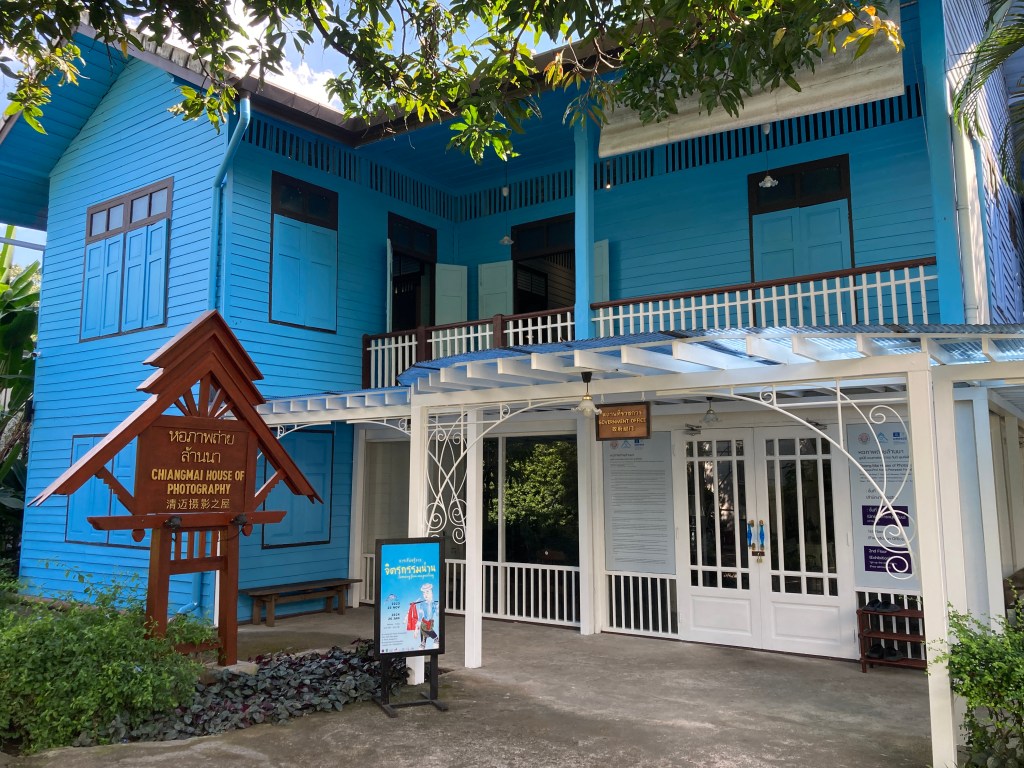
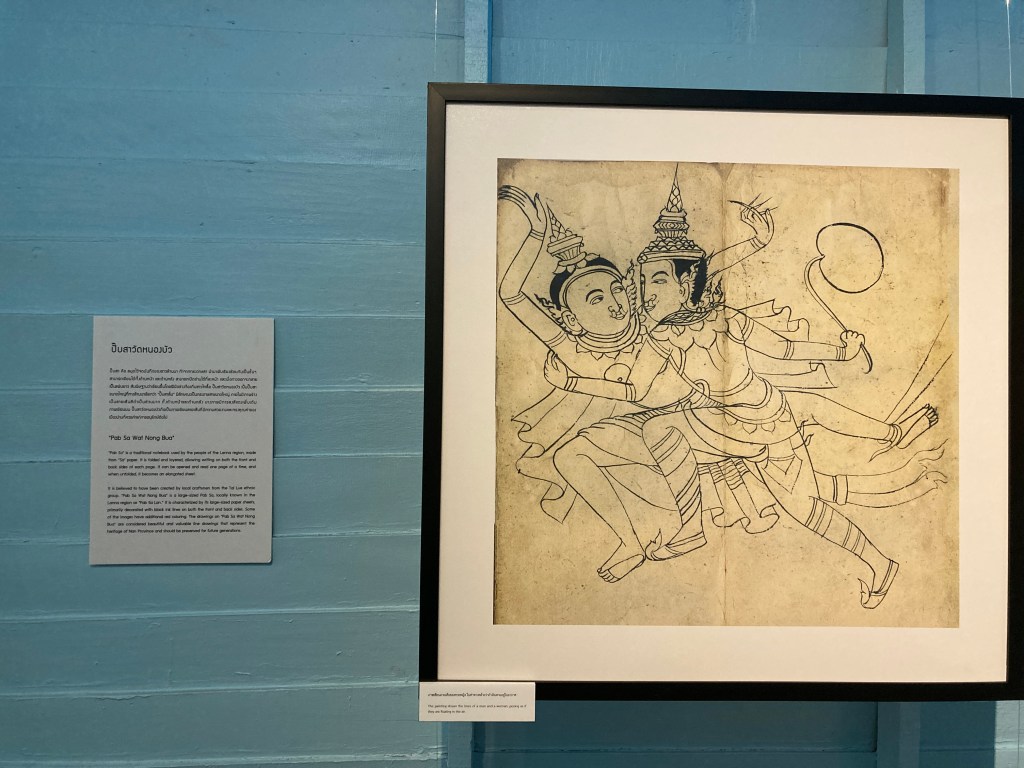
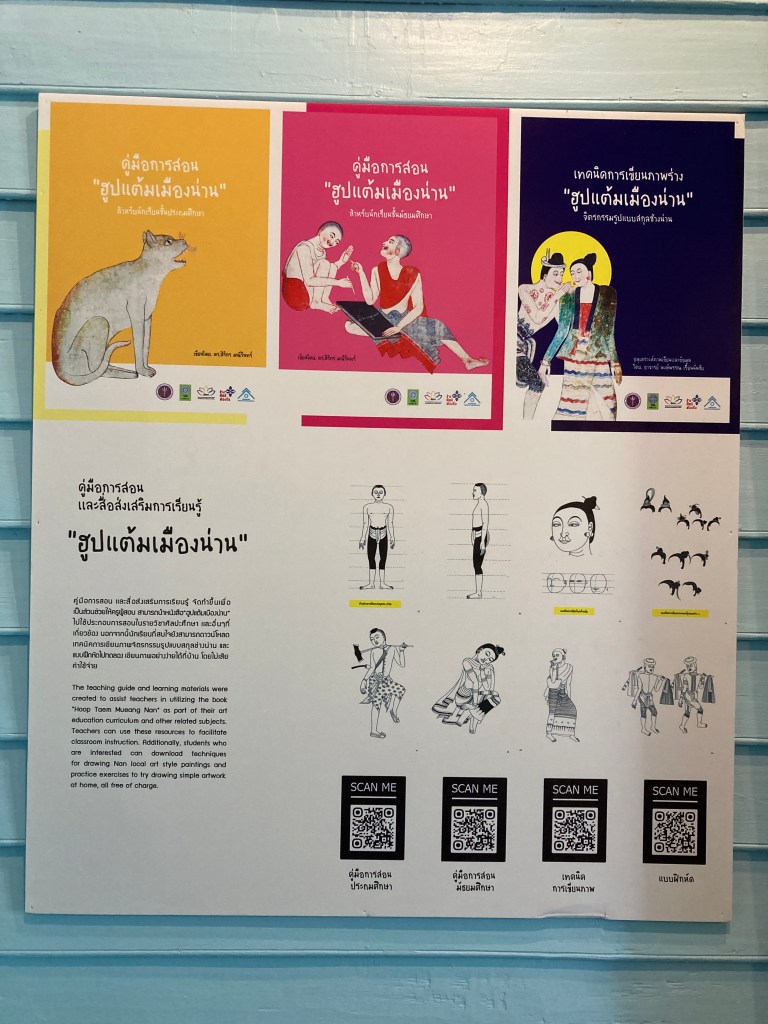
The Chiang Mai House of Photography was founded with the aim of gathering and conserving photographs to document and enhance the understanding of northern Thai culture. By curating this collection, the local community becomes more cognizant of their living heritage and its roots in the history of the ancient Lanna kingdom. The institution provides an extensive resource that is open and accessible to the public.
Photography proved to be one of the most successful Western techniques imported into Thailand in the 19th century. The collection is sourced from various outlets, with a significant contribution from local photographers. These individuals documented people, places, and events through portraiture, landscape, and event photography for the purposes of documentation, memorialization, and journalism. Additionally, the collection highlights the artistic and cultural heritage of Lanna, utilizing photography as an archival and educational resource. All photographs have been digitized and cataloged, making the collection accessible both on-site and online.


Baan Nintra Cafe and Restaurant
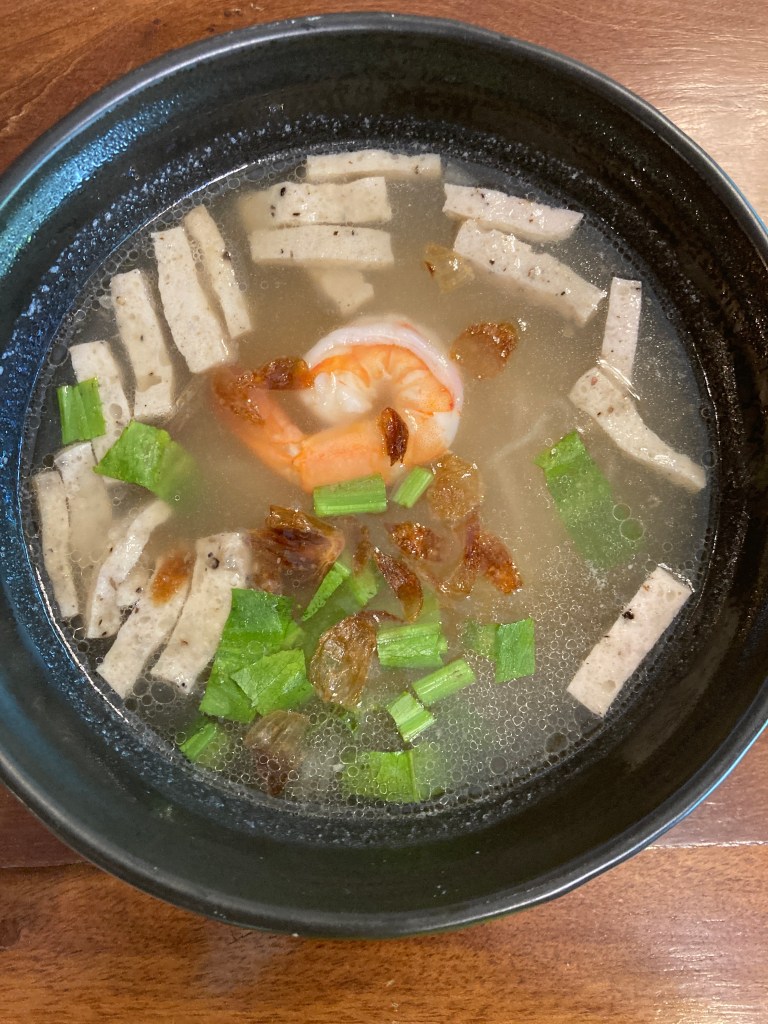
Just a 5-minute walk from the museum, this restaurant offers a delightful ambiance and delicious food. It is located right next to the Three Kings Monument.


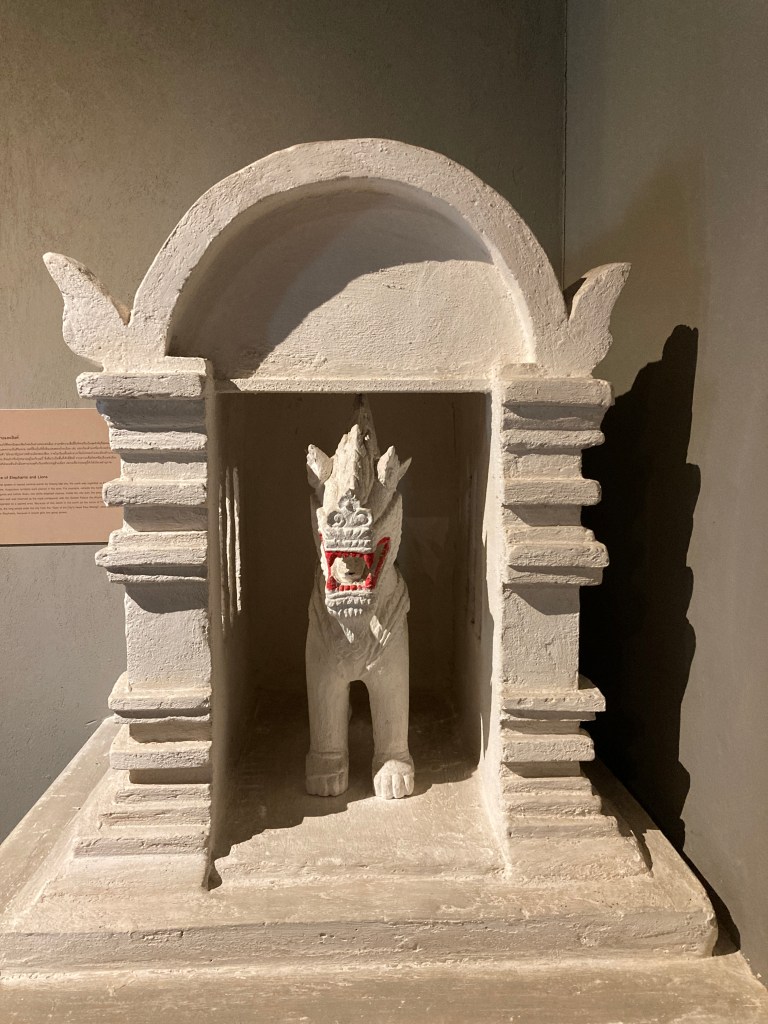
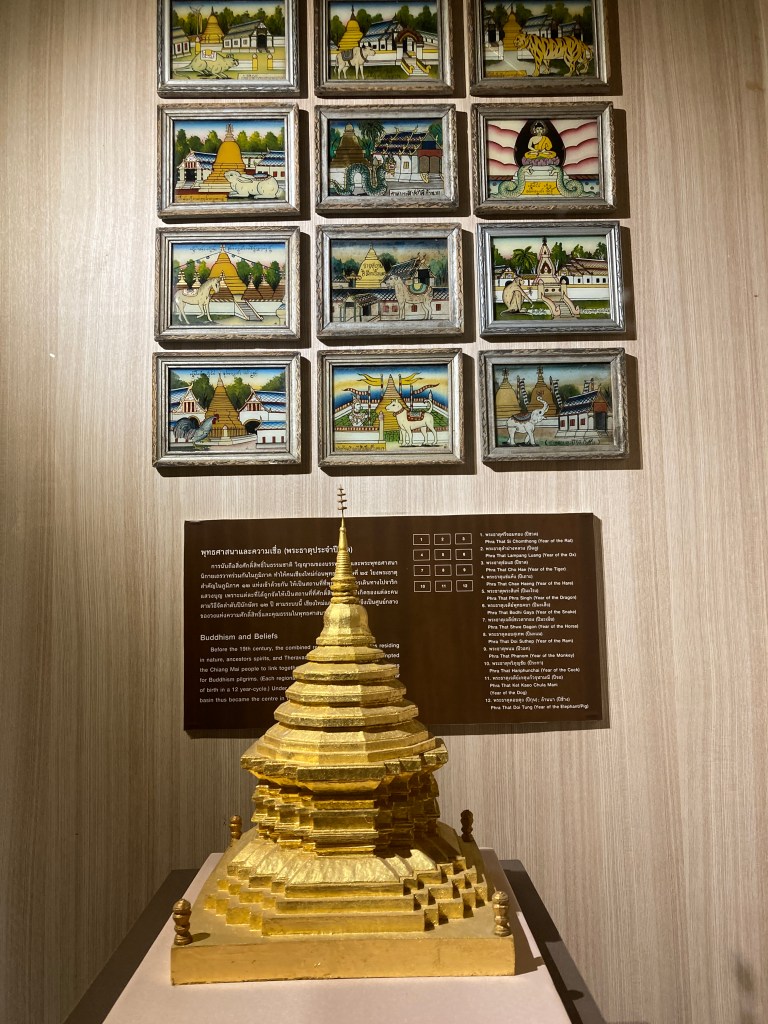
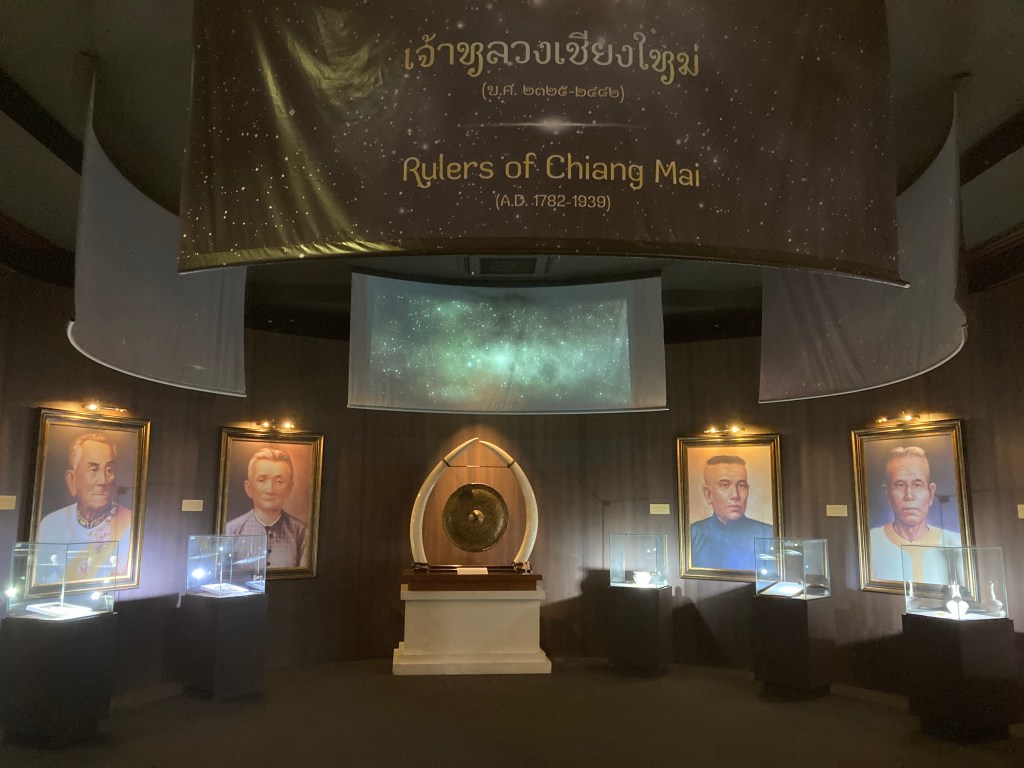
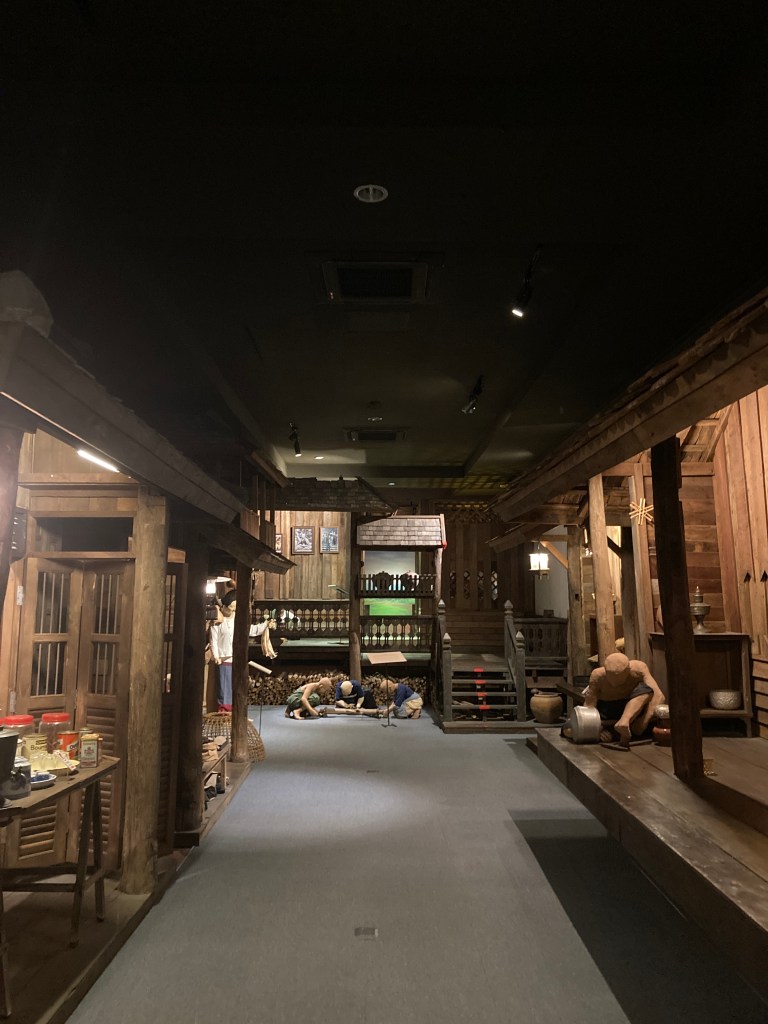
Chiang Mai Cultural Centre
Over its 17-year history, the Chiang Mai Cultural Centre has played a crucial role in raising awareness and enhancing the understanding of the value of Chiang Mai among both residents and visitors.
The establishment of the Chiang Mai Cultural Centre aimed to instill an understanding of the city’s historical significance among the local populace. It also sought to foster a sense of pride in local identity, encouraging the preservation of regional customs and culture. Furthermore, the center contributes to sustainable tourism by conserving the heritage of the old city center, providing visitors with an opportunity to acquaint themselves with and comprehend Chiang Mai.
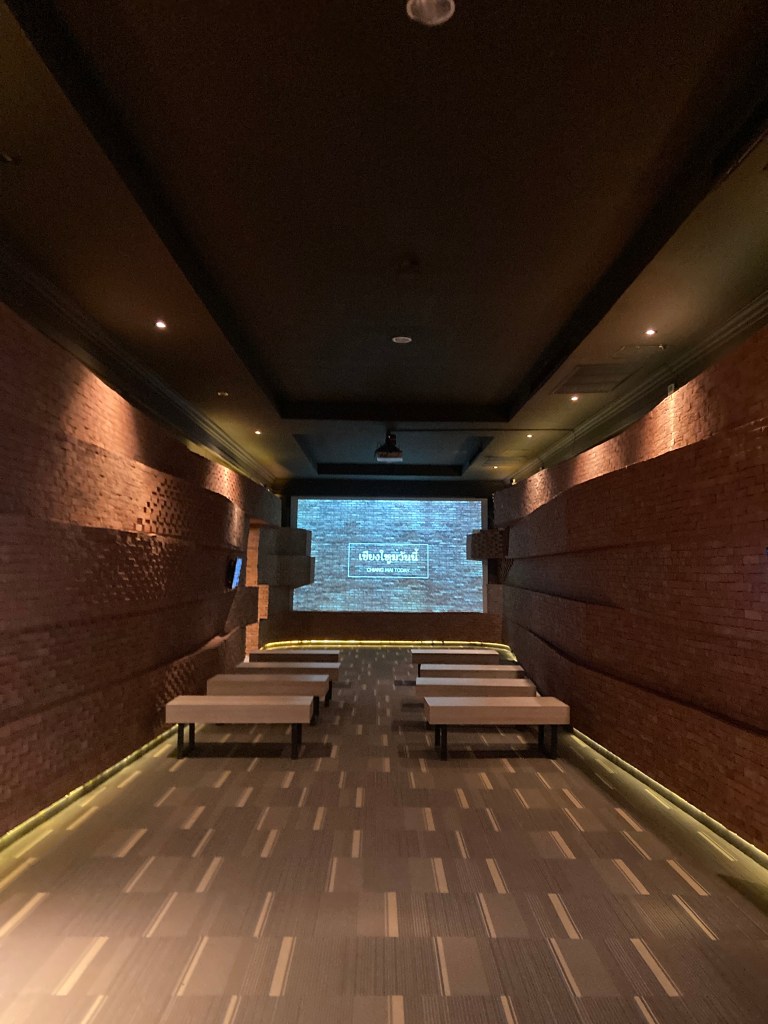
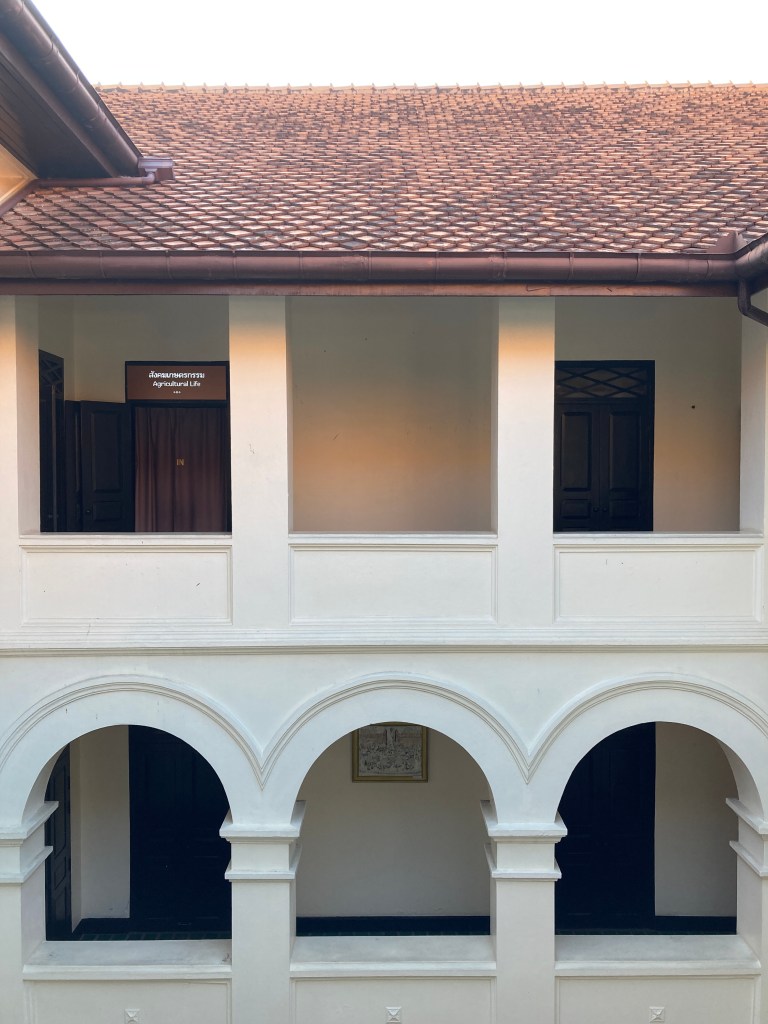
The permanent exhibitions are thematically divided into periods and topics, showcased in 15 rooms. These exhibitions depict the region and the city’s evolution from pre-history to its emergence and decline as an independent capital, covering the city’s history up to the present day.
Through various media, such as models, pictures with text explanations, digital video presentations, and graphic displays, the administration system, way of life, local wisdom, and culture that have shaped the city’s proud identity are presented. These engaging methods aim to impress visitors and aid in their understanding of the city’s origins.



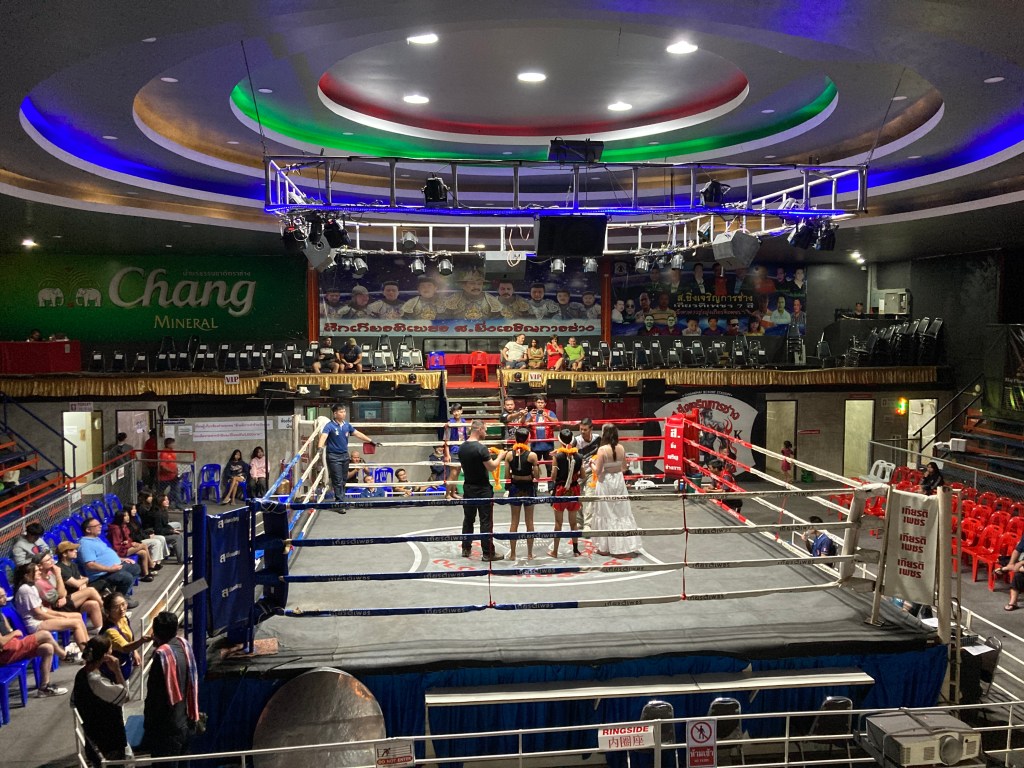
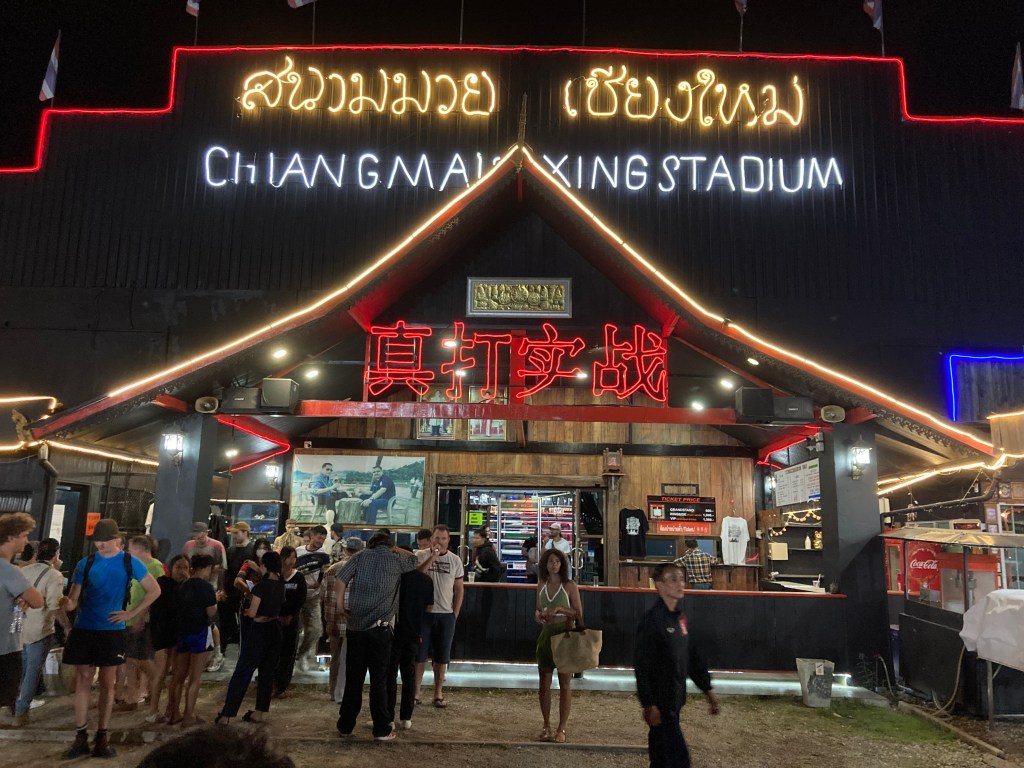
Chiang Mai Boxing Stadium
The Chiang Mai Boxing Stadium stands out as a popular venue for immersing oneself in Muay Thai, making it a must-visit for those exploring Northern Thailand. Regular matches showcase the talents of both local and international fighters, offering a diverse display of skill levels.
Renowned for its vibrant atmosphere, the venue draws in enthusiastic crowds, enhancing the overall experience of fight nights. Various seating options ensure optimal views for every spectator.
Essentially, the stadium provides visitors with the opportunity to witness the traditional Thai sport up close, creating an exhilarating and memorable cultural experience.
It’s worth noting that this is the only fully air-conditioned Muay Thai boxing stadium in Chiang Mai.
Day 8
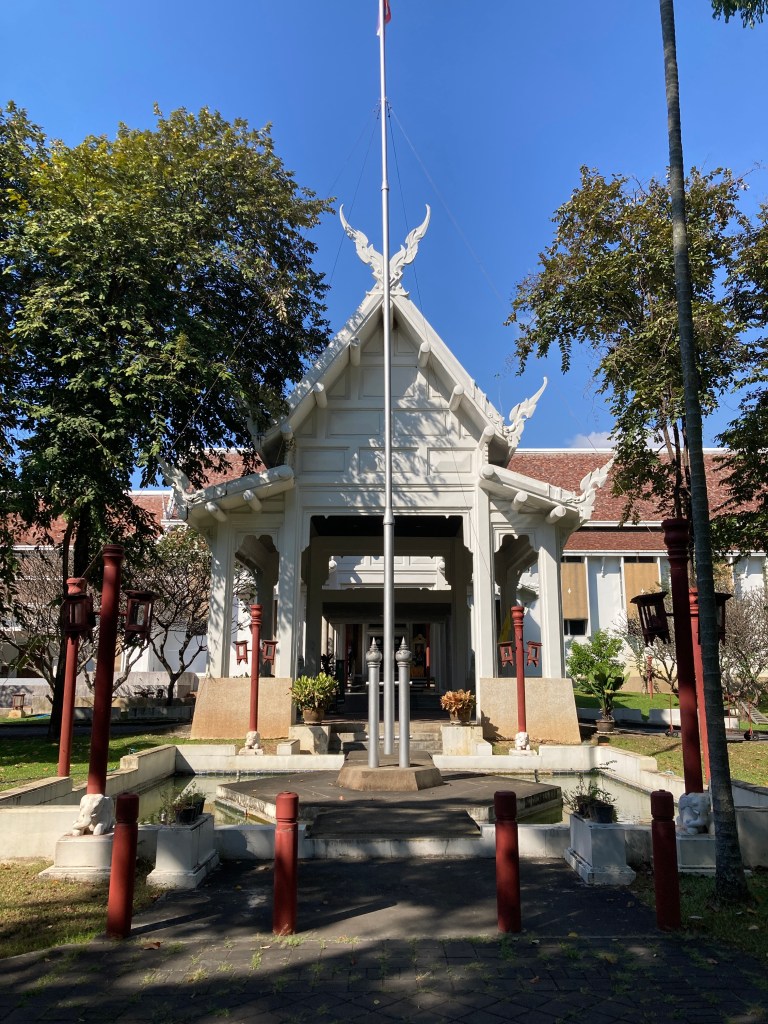
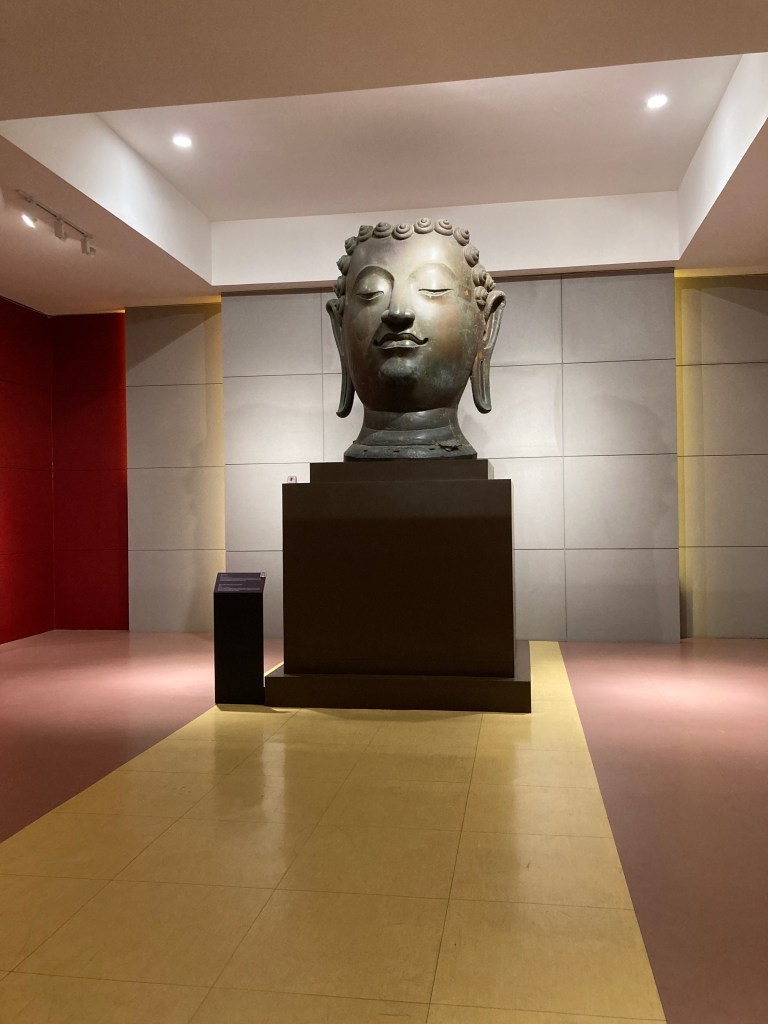
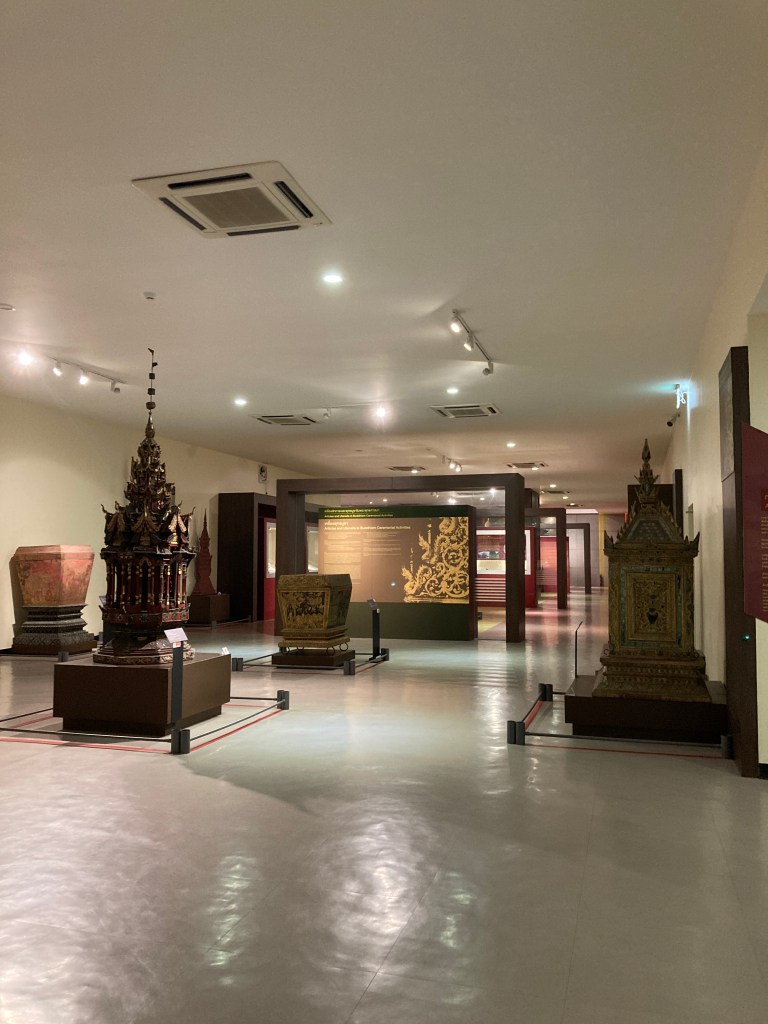
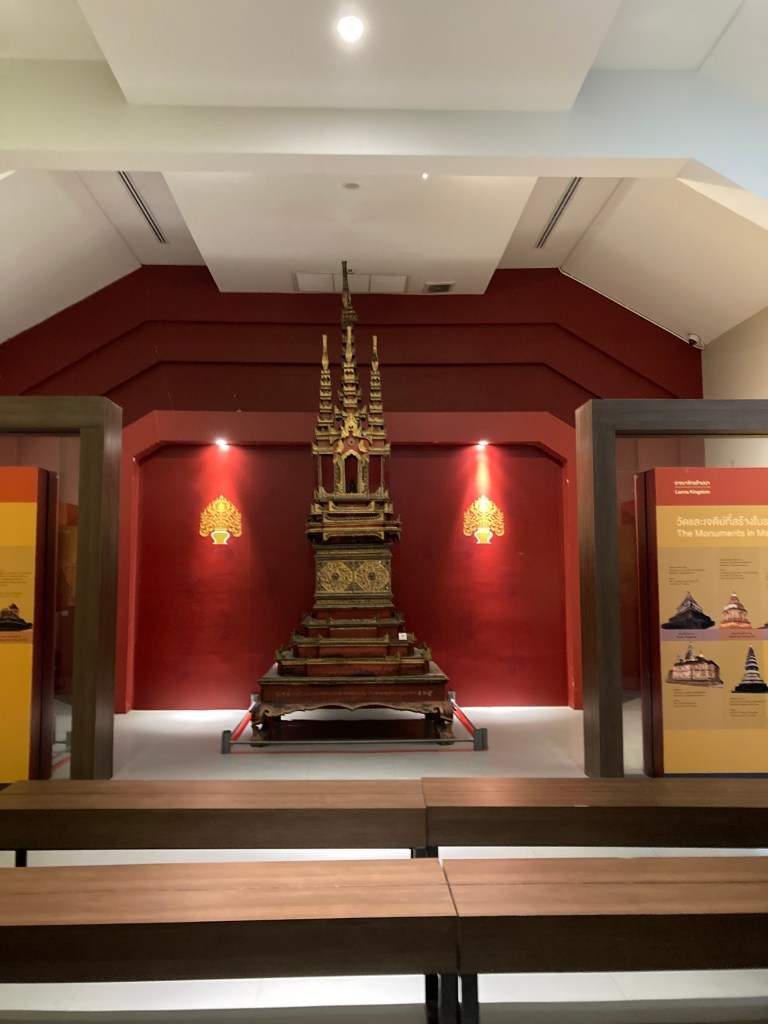
Chiang Mai National Museum
The museum serves as a research center dedicated to preserving and sharing the cultures and traditions of Chiang Mai and the Northern Provinces collectively known as Lanna. Notably, the museum provides educational opportunities for visitors and is divided into three floors, each showcasing items related to Northern Thai cultures and arts. Examples include Lanna Buddha statues, Buddha statues from the Chiang Saen Era, wooden carvings, Northern wares, everyday items from Lanna and tribal peoples, and historical photographs of the Kingdom of Chiang Mai. The museum currently hosts six exhibitions:
- This exhibition educates visitors about the natural, geographical, and cultural background of the Lanna Kingdom, covering the history of migration and settlement of prehistoric tribal peoples, the Lua, and Hari Phunchai, the first kingdom in Northern Thailand.
- The exhibition presents the history of the Lanna Kingdom.
- This exhibition explores the historical ties between the Kingdom of Chiang Mai and Siam.
- The exhibition delves into the commercial and economic history of the region.
- It shares the everyday life stories of tribal peoples and the social developments of their ethnic communities.
- This exhibition traces the evolution and development of Lanna and Siamese fine arts.
Notable artifacts include sculptures of Buddha disciples from the Hari Phunchai Era, a Lanna-styled bronze Buddha statue depicting the subduing of devils (19th-20th Buddhist century), a golden and silver-thread woven shirt worn by Prince Kaewnawarat (ninth Governor of Chiang Mai), a metal Lanna-styled artistic miniature throne (21st-23rd Buddhist century), and more.
Location: Superhighway (Chiang Mai-Lampang) and adjacent to Wat Jedyod Temple.

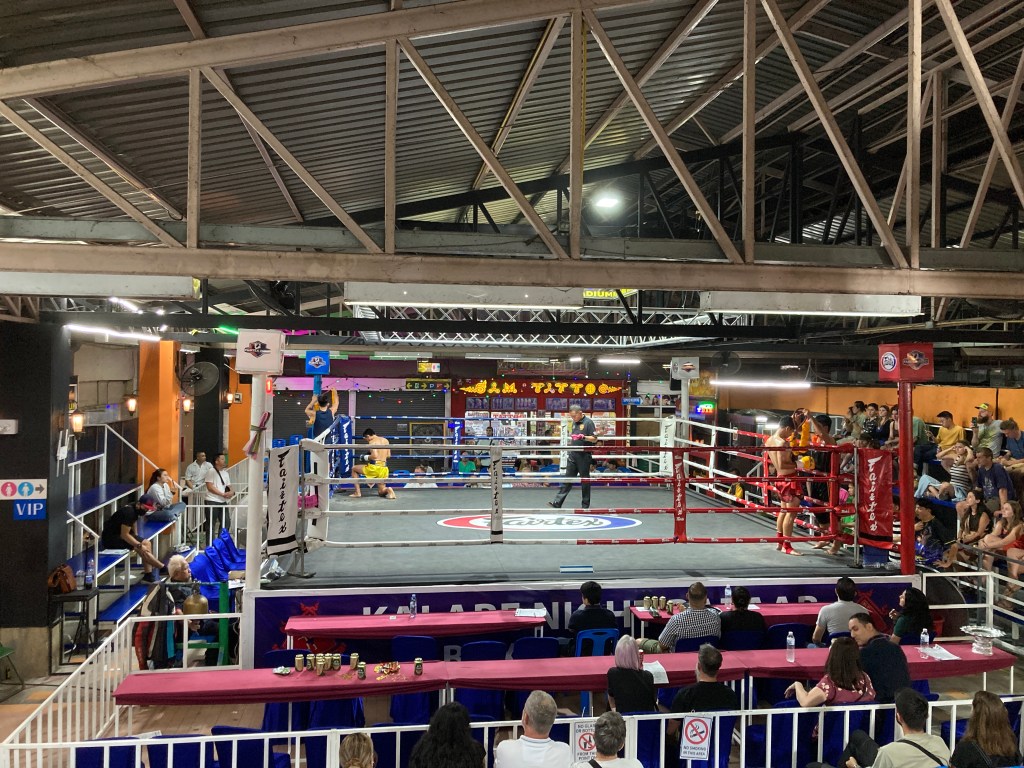
Kalare Boxing Stadium
Explore the exhilarating realm of Muay Thai at Kalare Boxing Stadium in Chiang Mai. Experience intense fights, delve into the history of this ancient martial art, and discover why Kalare is a premier destination for enthusiasts of combat sports.
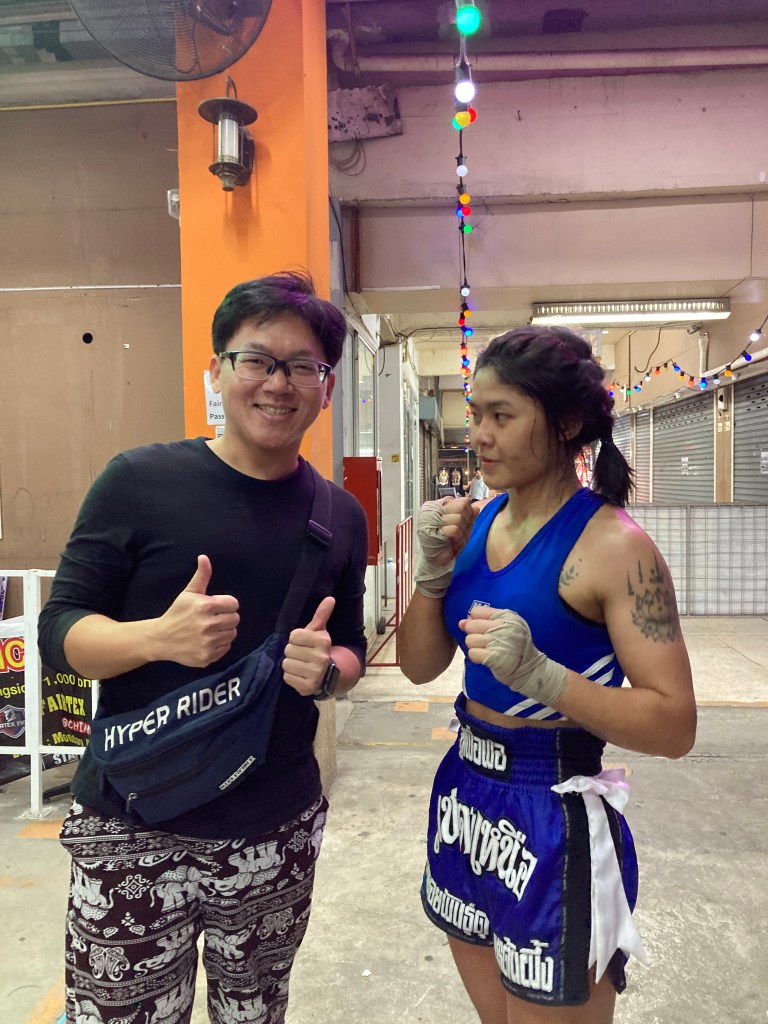
Day 9
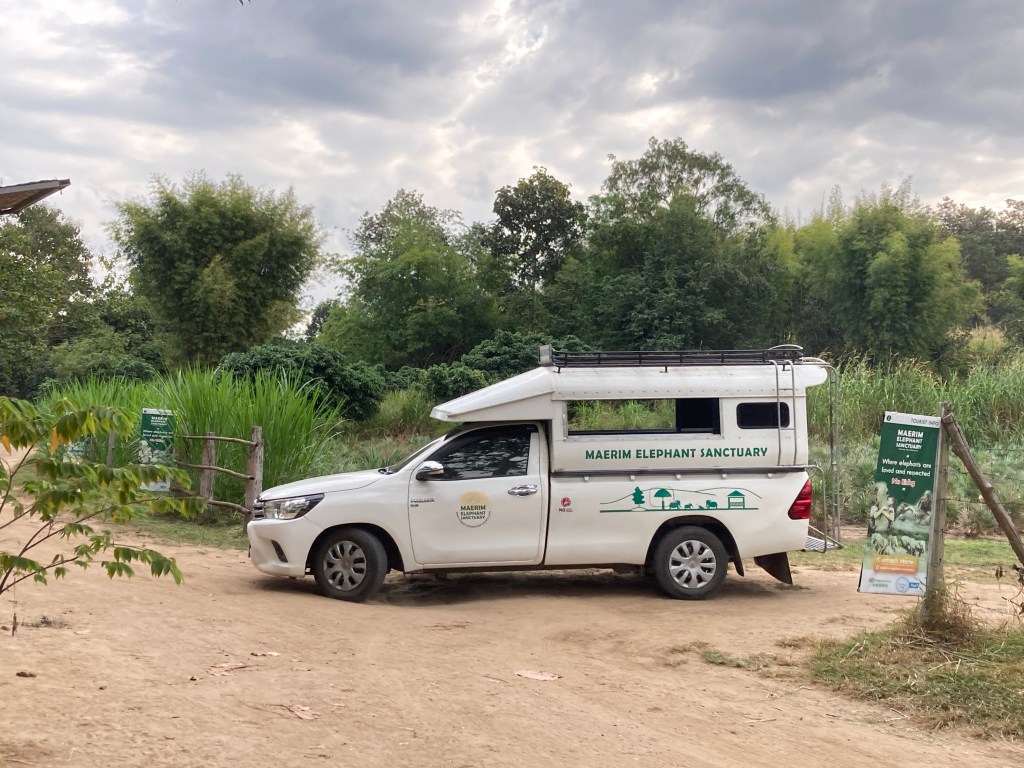
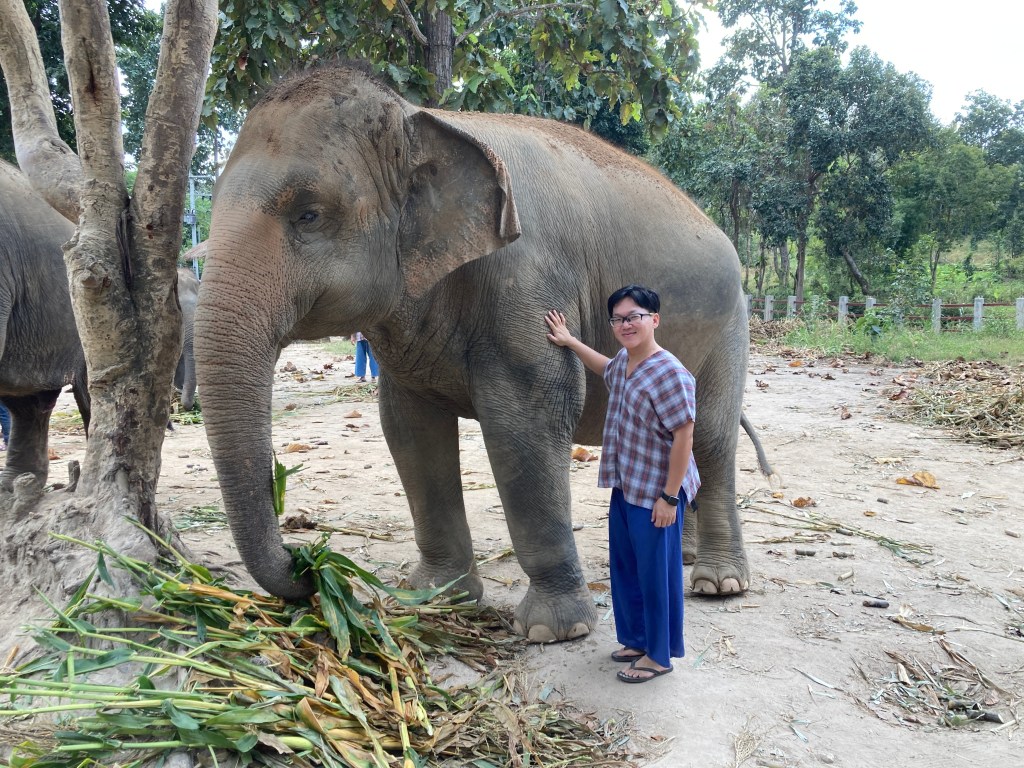
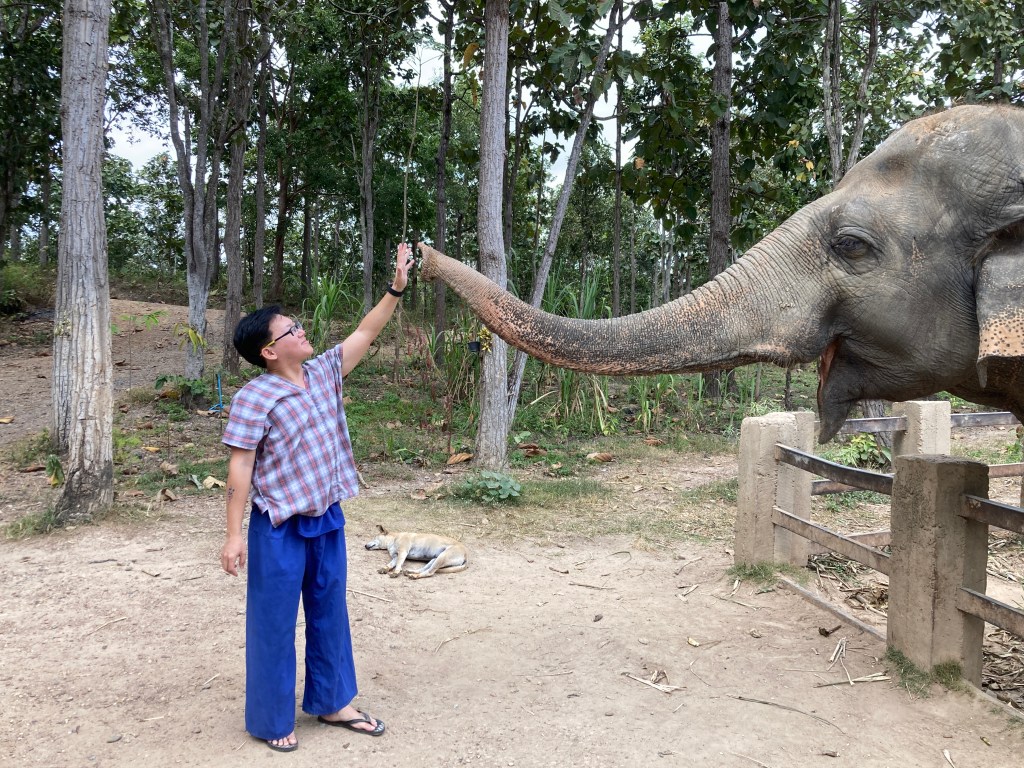
Maerim Elephant Sanctuary
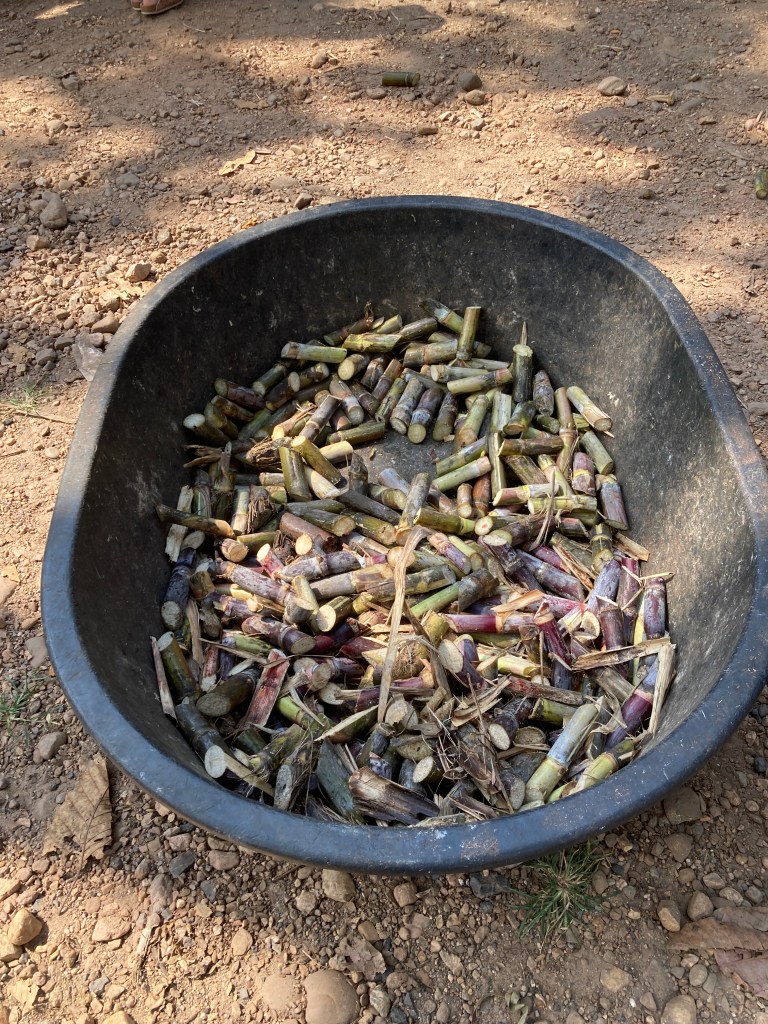
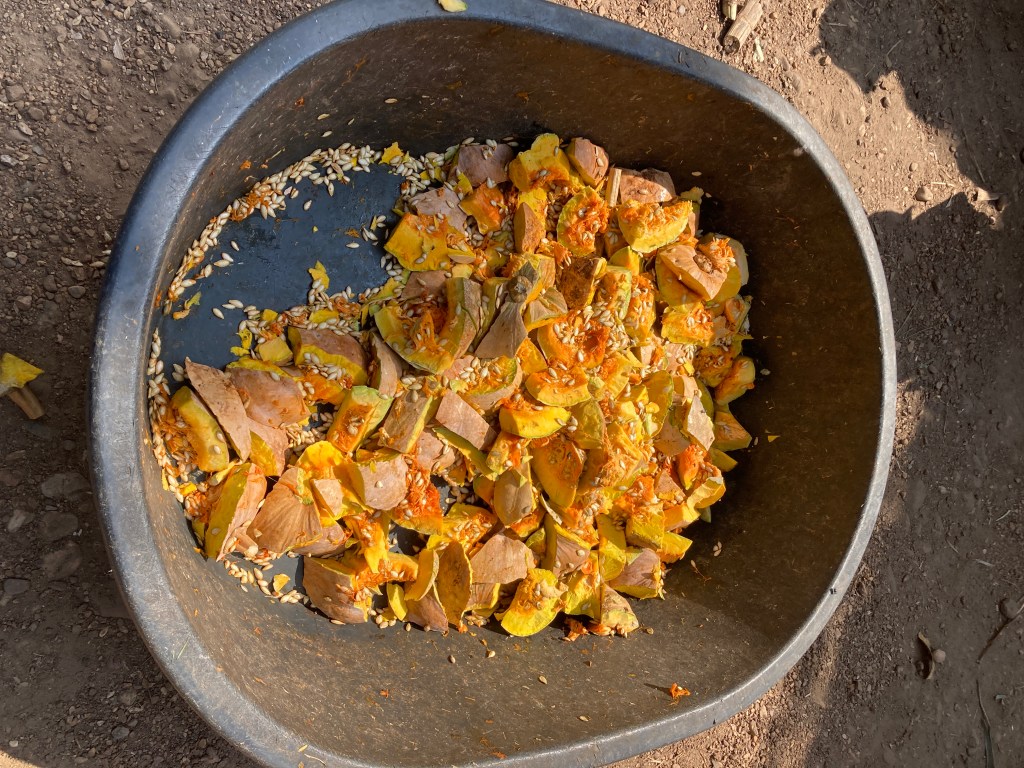
Offering a delightful experience without riding, harming, or exploiting these magnificent creatures, the Maerim Elephant Sanctuary was established out of love and compassion for the largest and most majestic beings to roam the planet.



Day 10
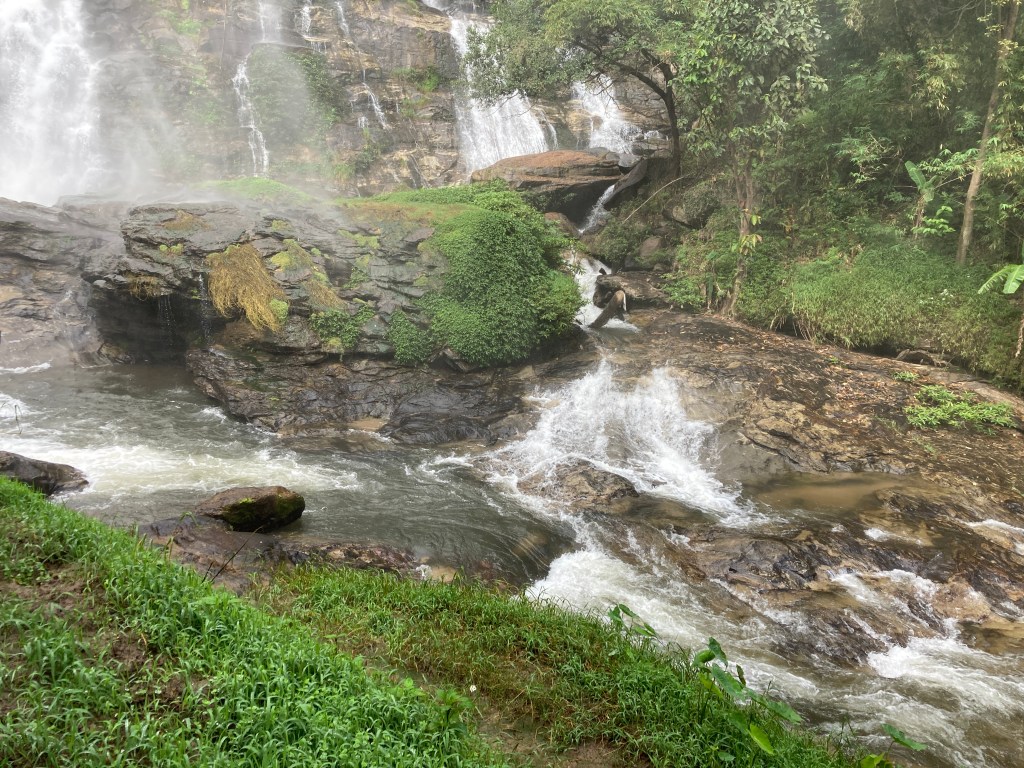
Wachirathan Falls
Wachirathan, also known as Diamond Creek, cascades down a granite escarpment en route to the summit of Doi Inthanon, Thailand’s highest mountain. Despite being segmented, the falls collectively boast a height of 80 meters. This waterfall is one among several in the vicinity.

Doi Inthanon Royal Pagodas
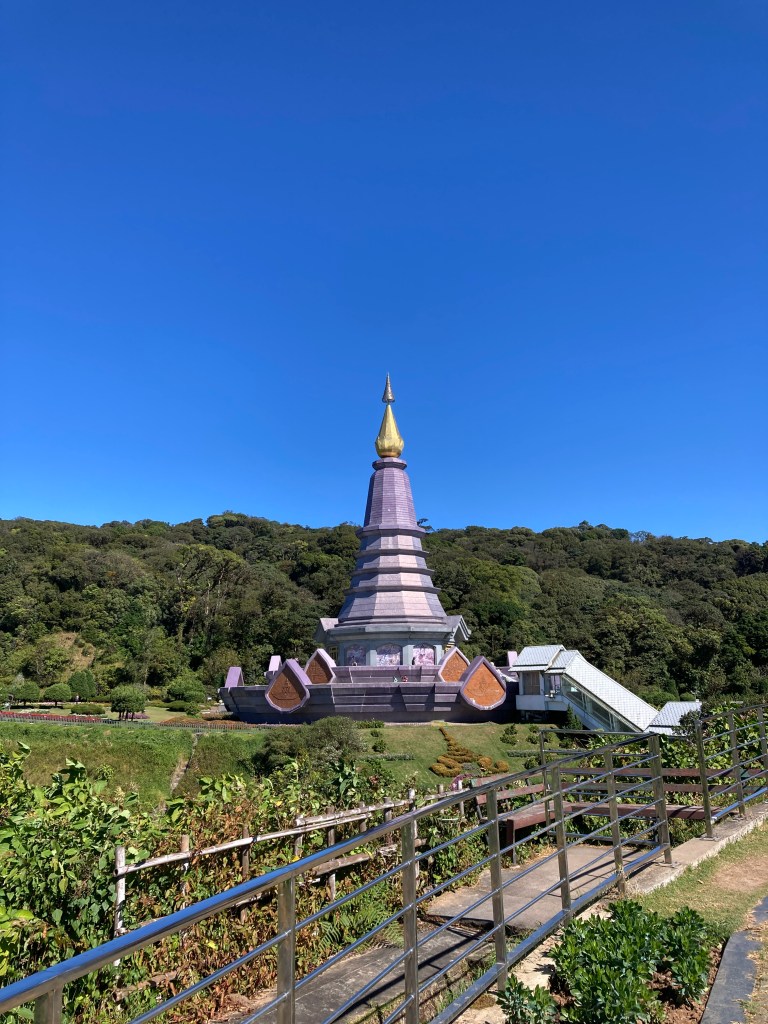
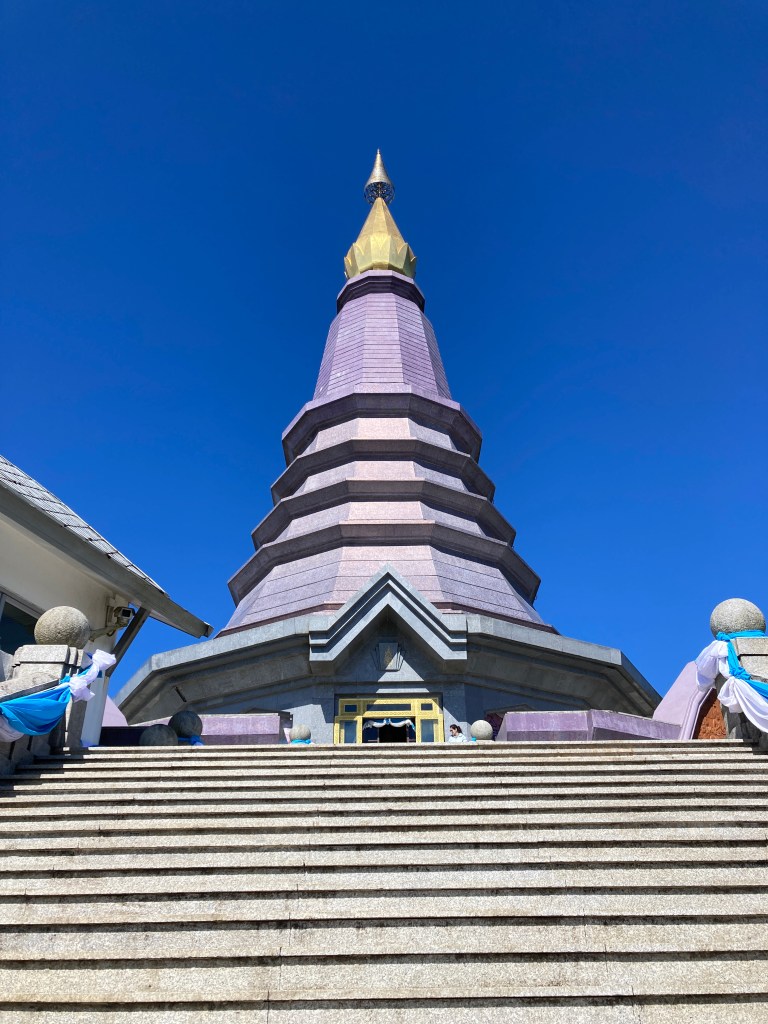
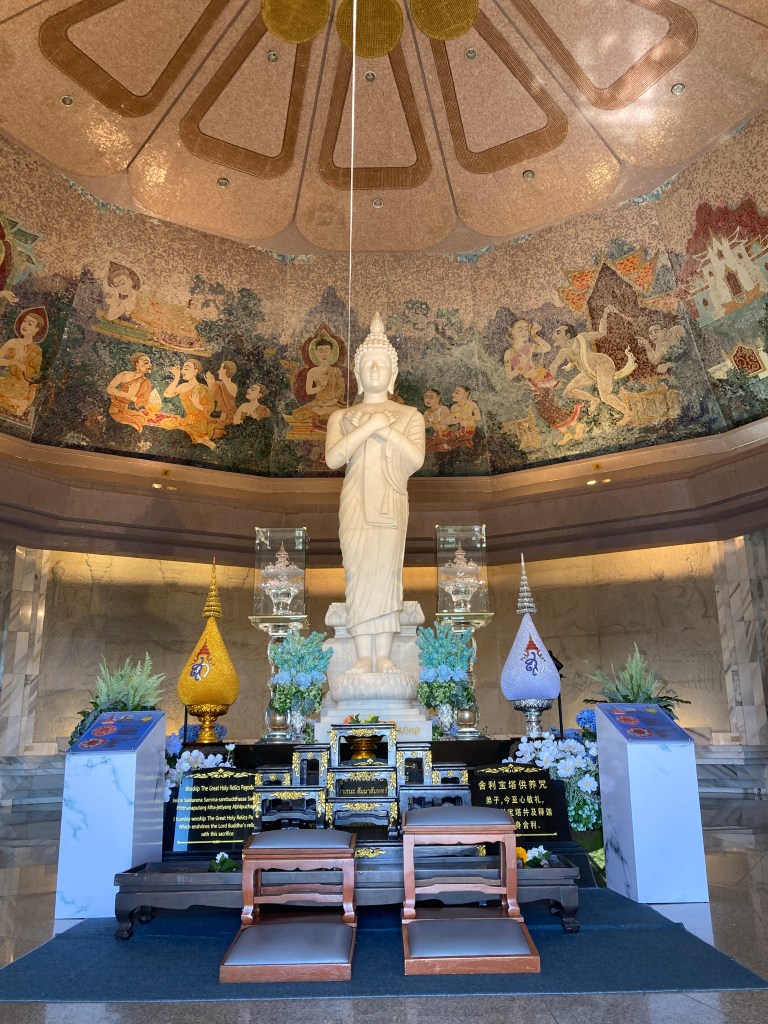
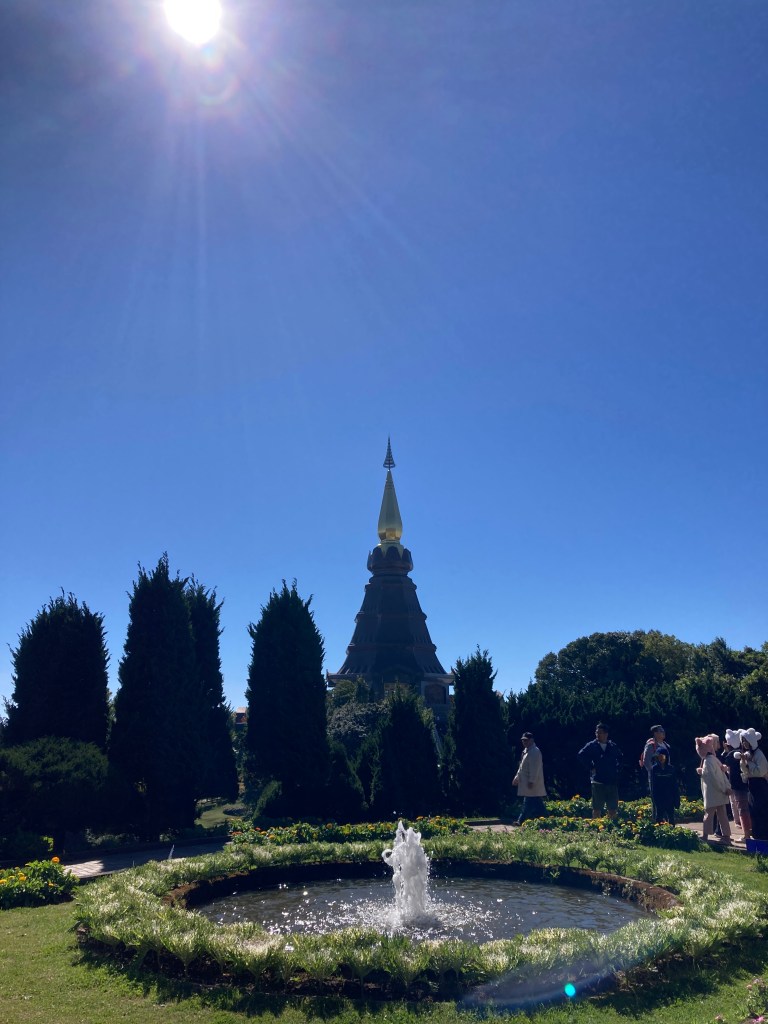
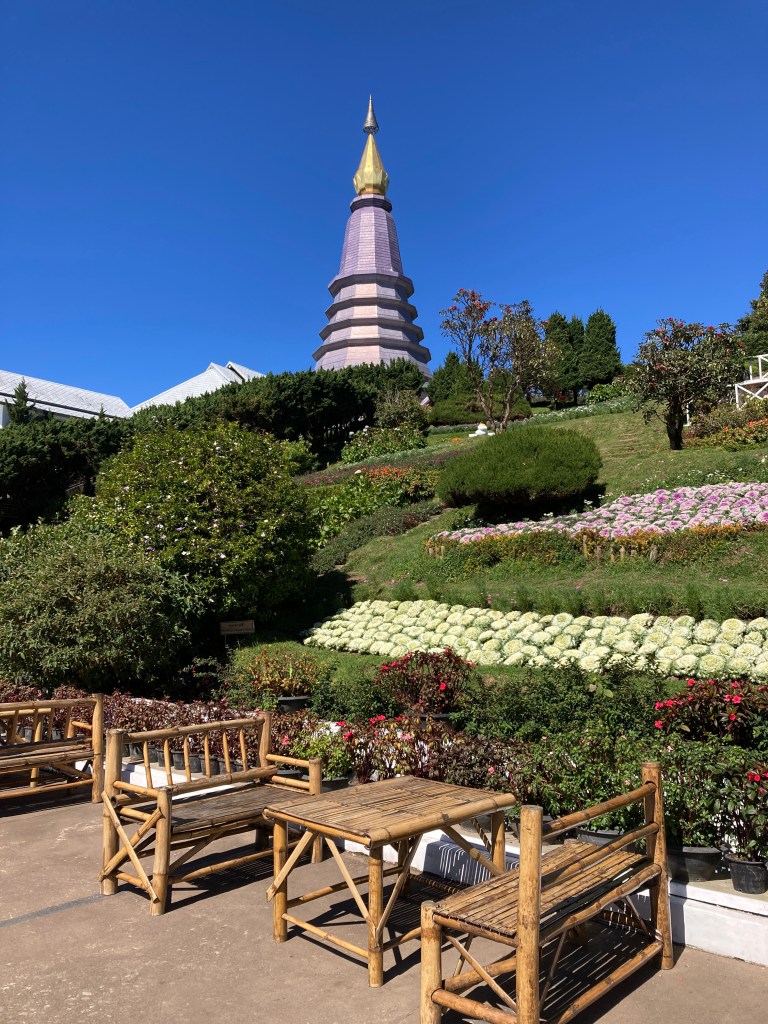
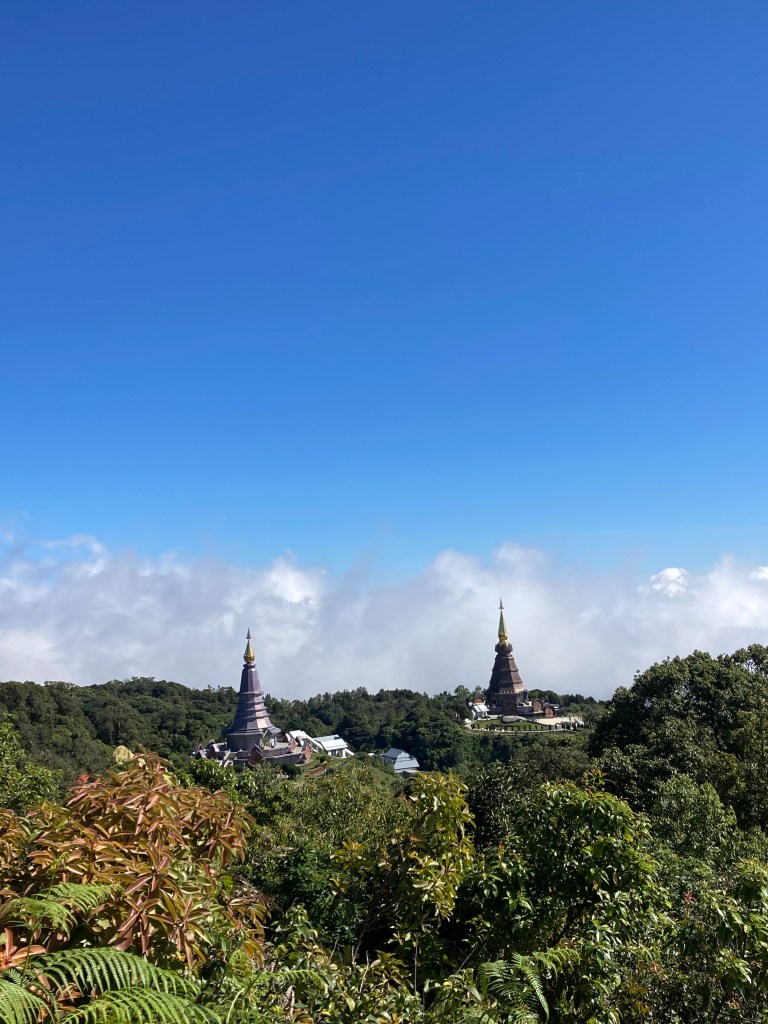
These twin pagodas, officially named Pra Mahatat Noppamethanedon and Pra Mahatat Nopphonphusiri, honor the late King Bhumibol Adulyadej and Queen Sirikit. They are surrounded by stunning gardens, creating a breathtaking setting.

Doi Inthanon National Park
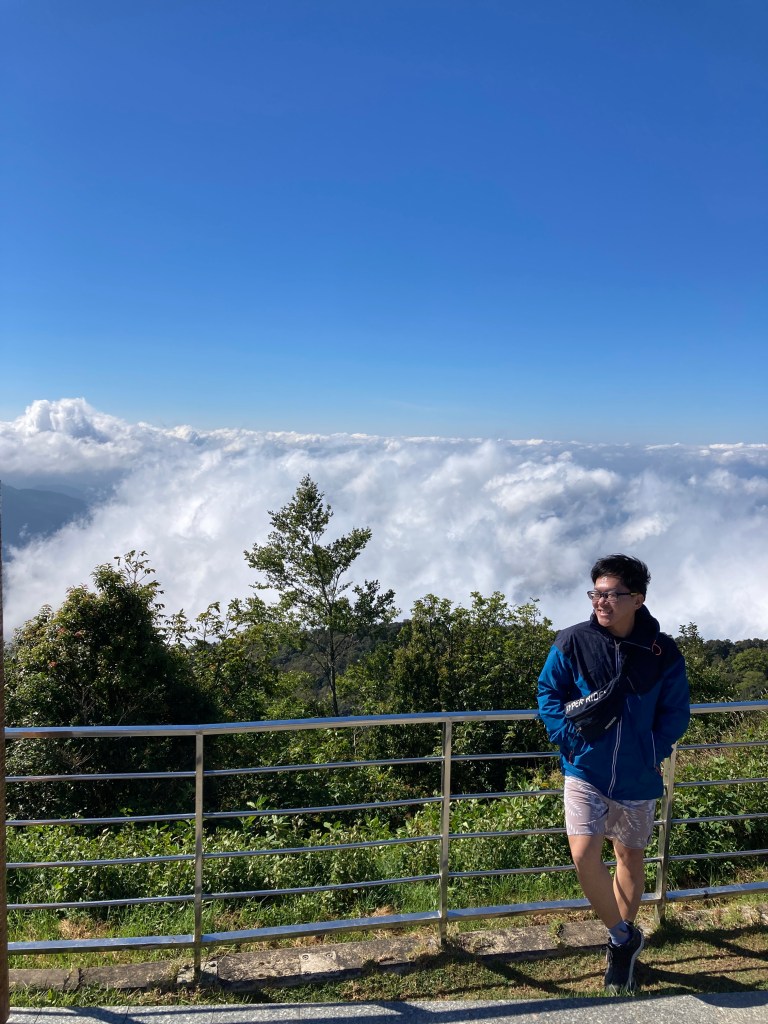
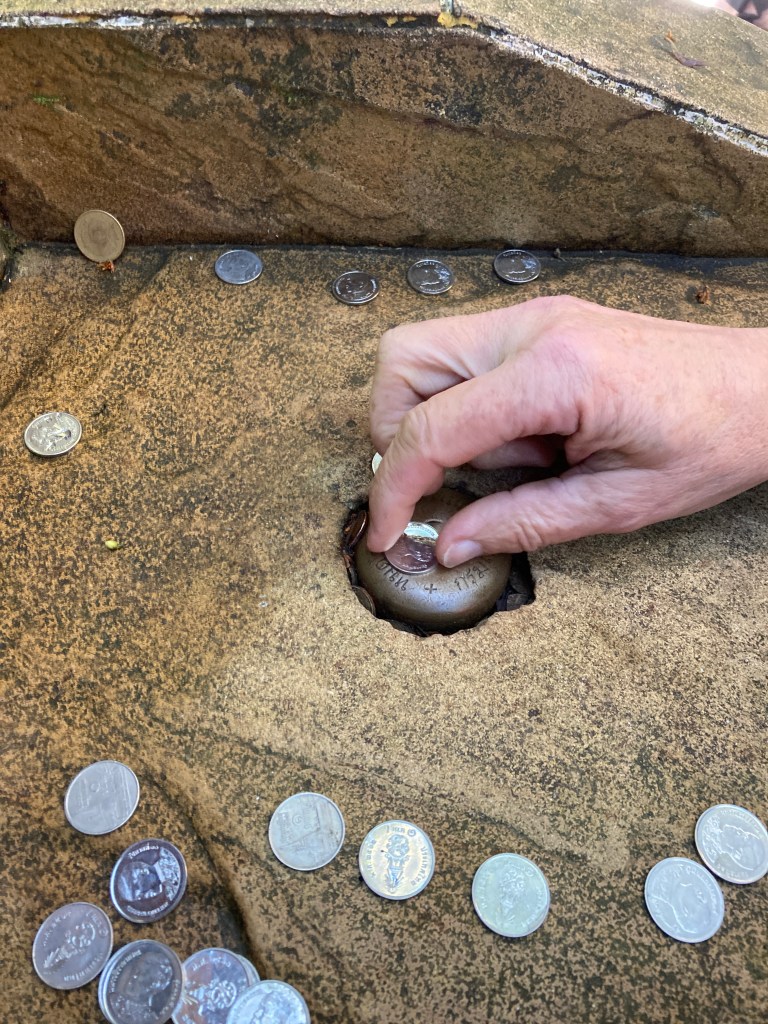
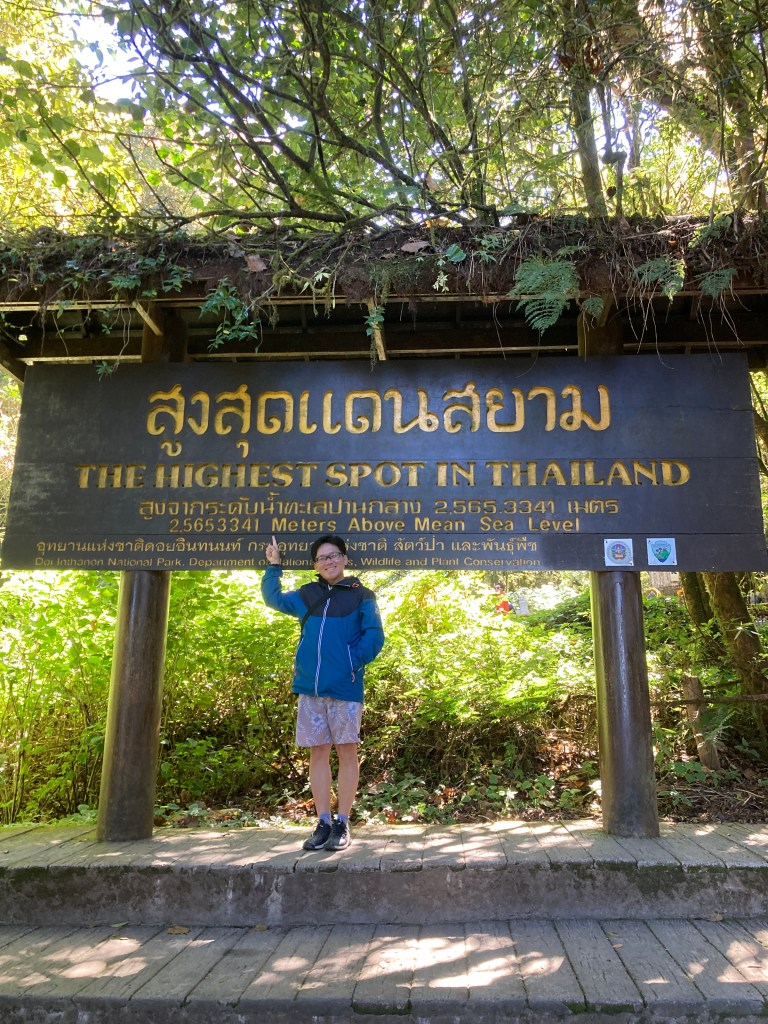
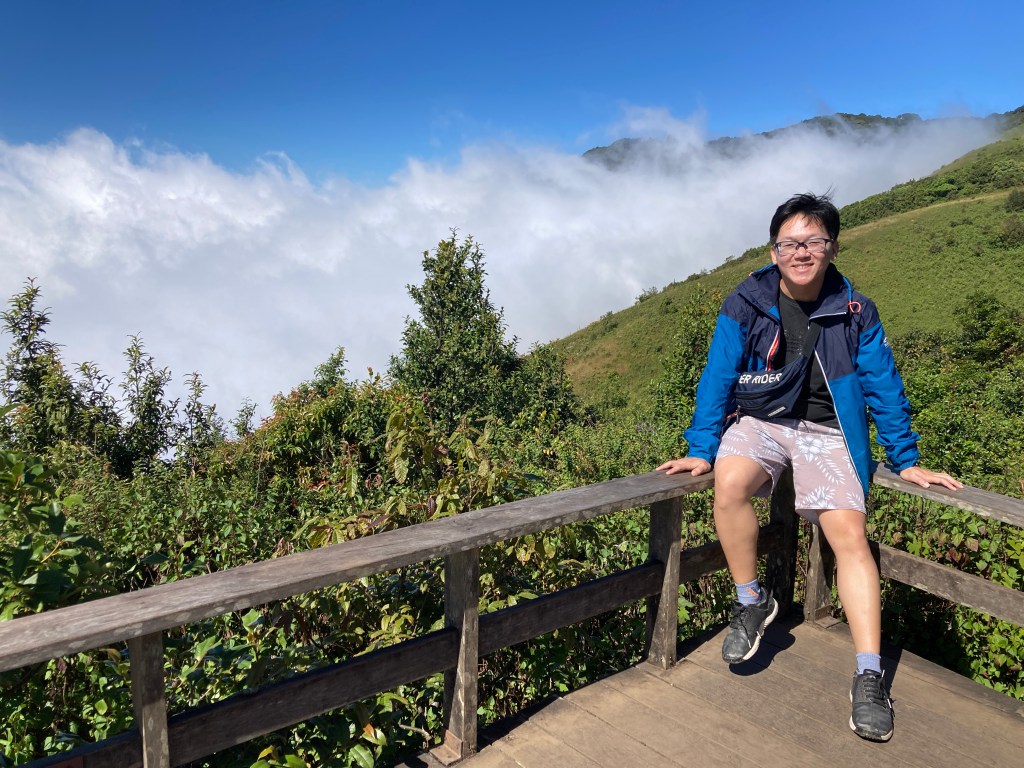
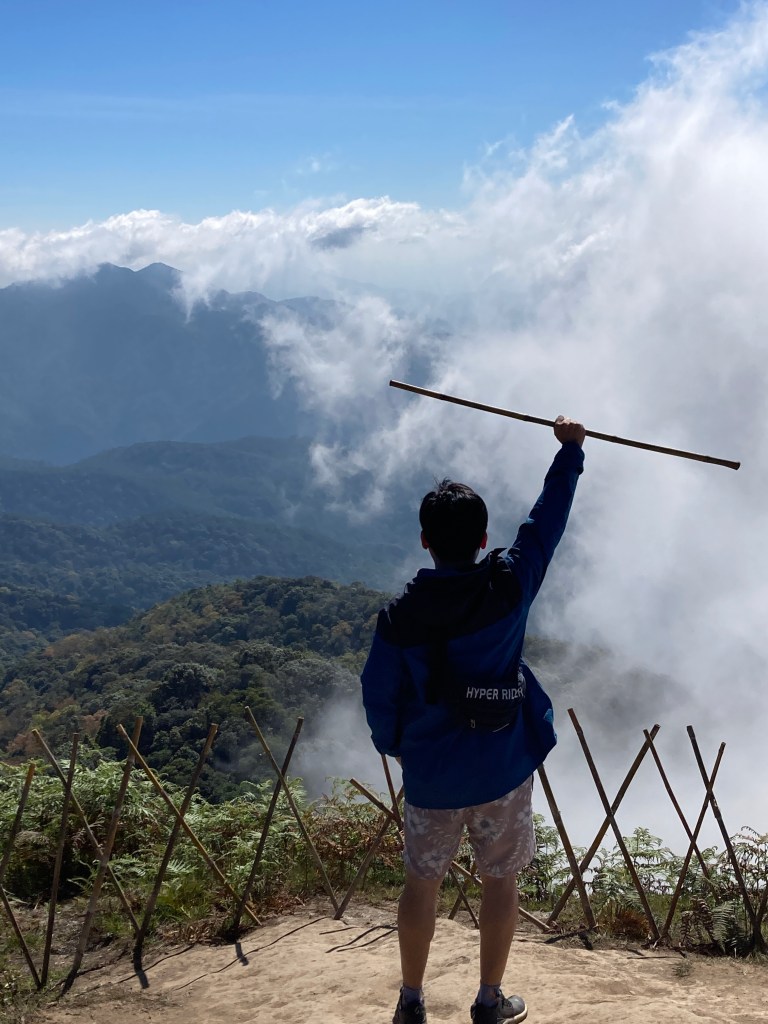
Located in Chiang Mai Province, Doi Inthanon National Park spans 1,005 square kilometers and encompasses Thailand’s highest mountain, Doi Inthanon, which rises to 2,565 meters above sea level. This national park boasts a diverse range of lush landscapes, including rainforest, mixed forest, and pine forest. The weather remains cool throughout the year, with nearly constant fog during the cool season, creating the stunning Mae Kha Ning, or frost flower, phenomenon in the early morning.↳
Things to Do in Doi Inthanon:
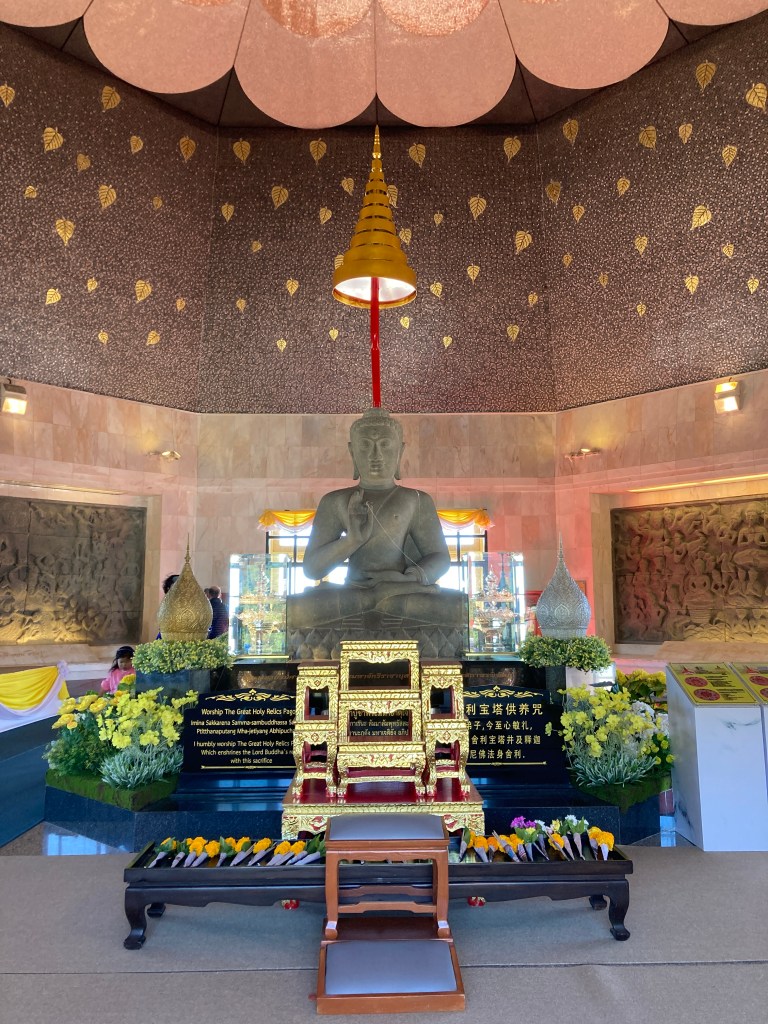
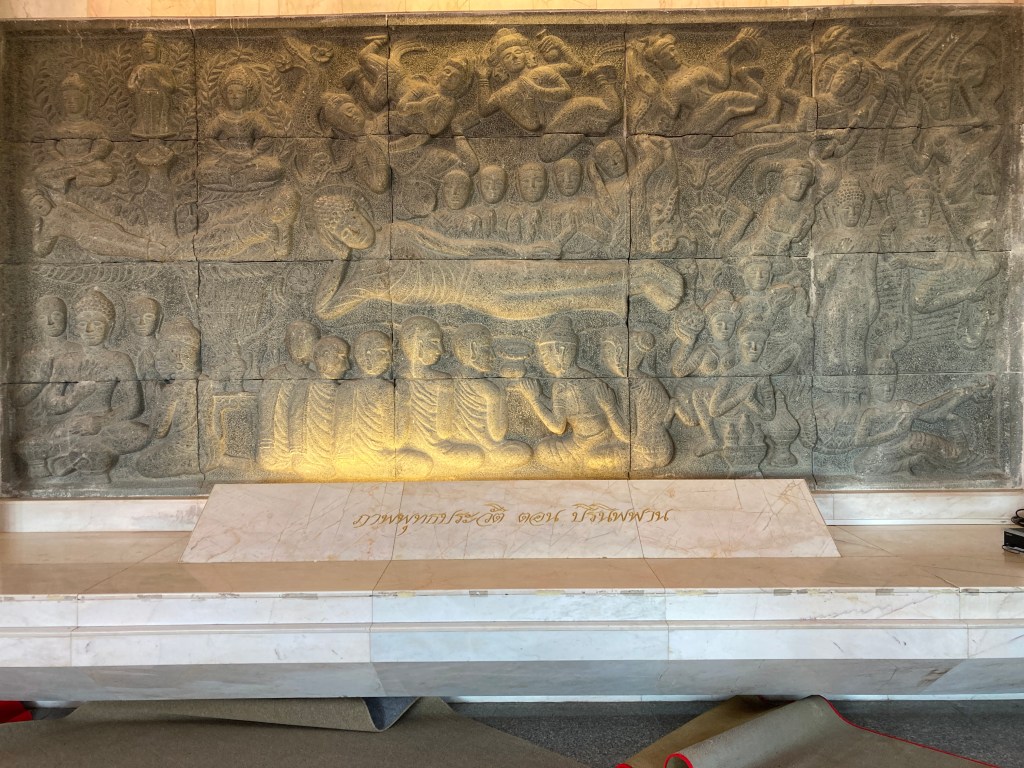
- Pay homage to the Great Holy Relics Pagodas: Phramahathat Napamathanidol and Phramahathat Napaphol Bhumisiri.
- Savor the mystical morning winter mist: Enjoy the enchanting fog that blankets the park.
- Explore waterfalls and nature trails: Visit Mae Klang, Wachirathan, Siriphum, Mae Ya Waterfalls, and trek the Kew Mae Pan and Ang Ka nature trails.
- See Mae Klang Luang Rice Terraces: Experience the picturesque rice terraces.
- Bird watching: Participate in bird-watching activities.
- Sky observing: Visit the Thai National Observatory, one of the most advanced optical astronomy facilities in ASEAN.
- Explore the Royal Agricultural Station Inthanon: Discover agricultural innovations and practices.
- Local market: Shop for local goods, souvenirs, and processed fruit at the small local market.
Doi Inthanon National Park is a remarkable destination with a rich variety of activities and natural beauty to explore.

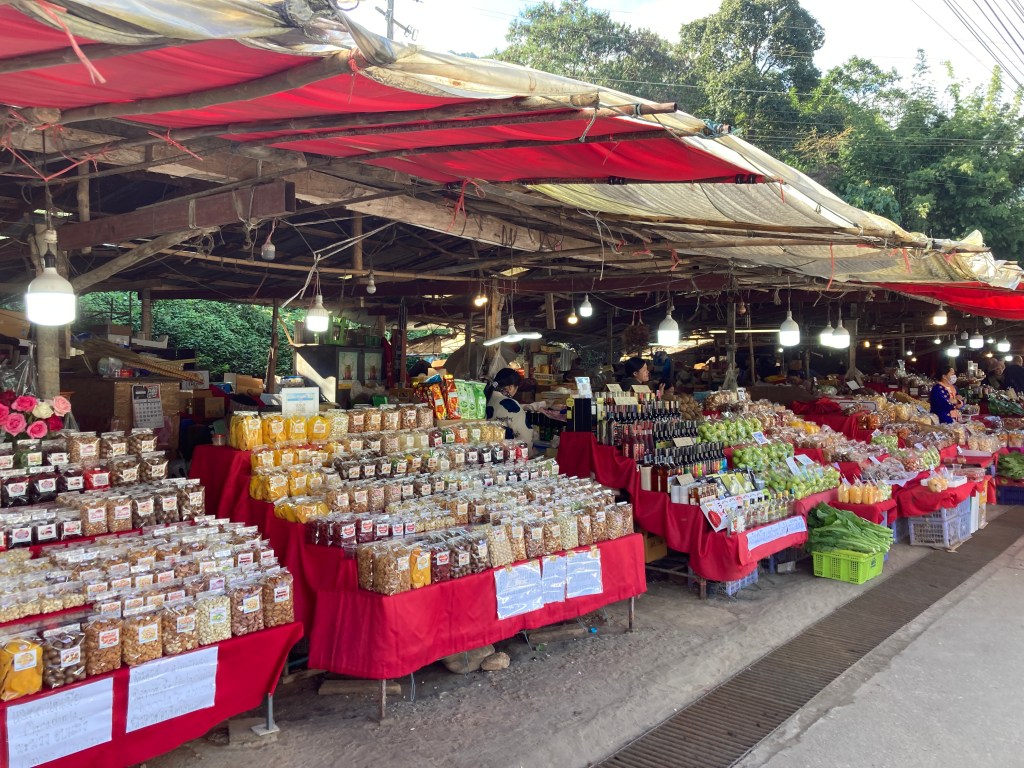
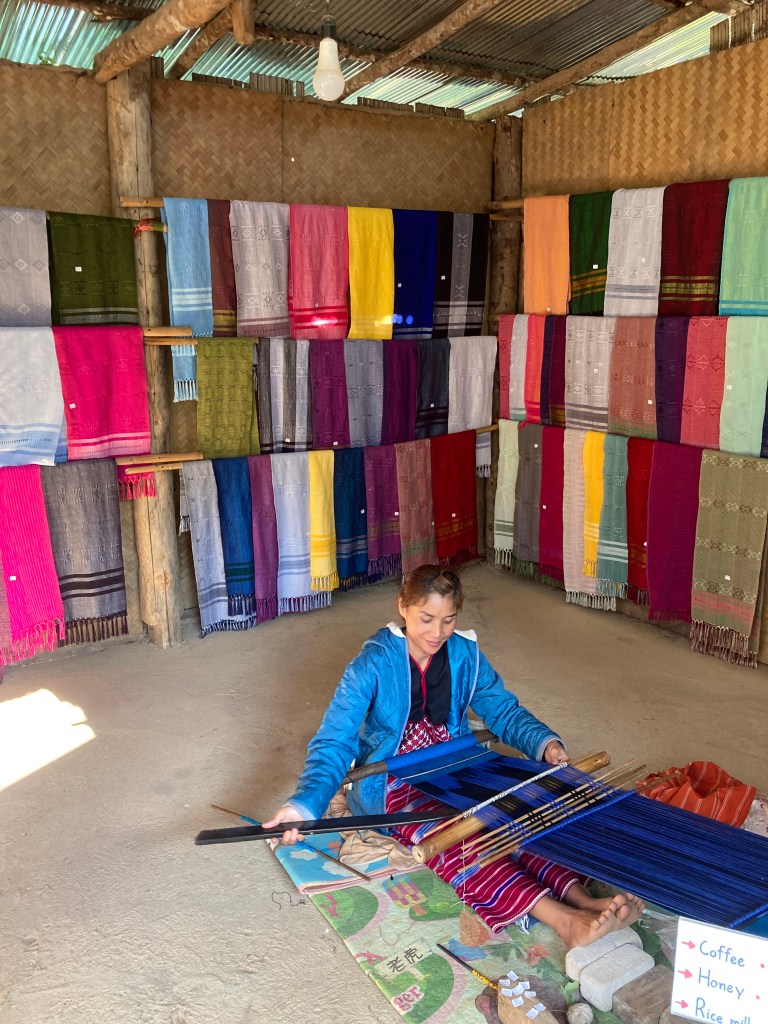
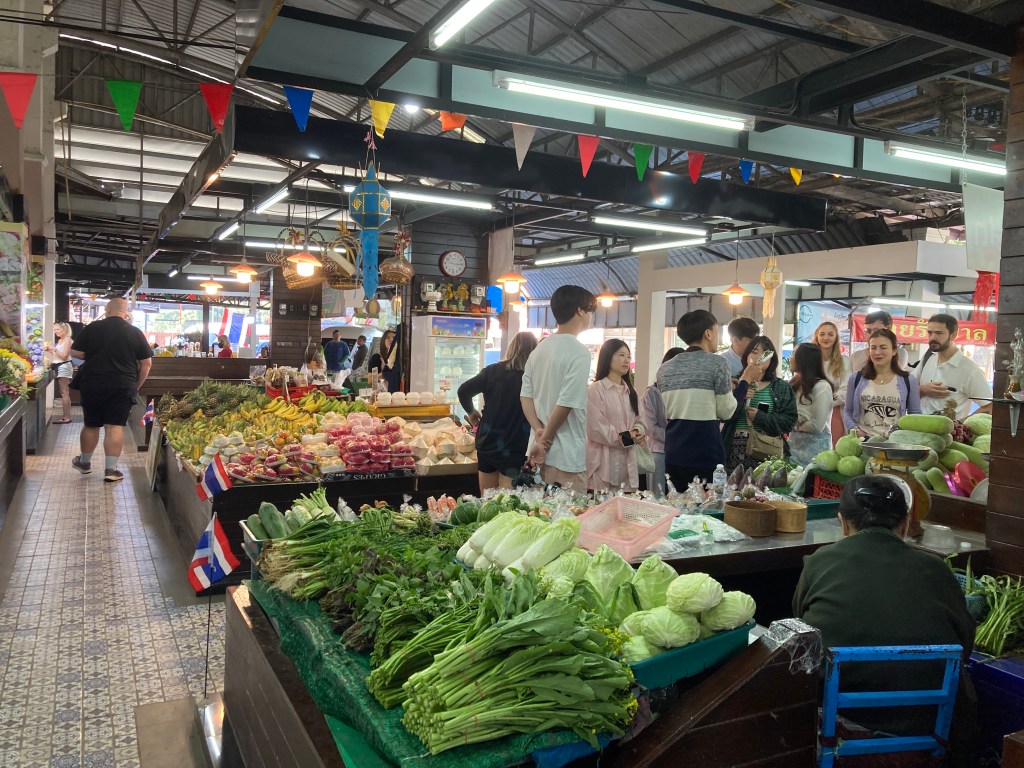
Afterwards, we were taken to a nearby vegetable market and a shop that specializes in selling coffee.

Zoe in Yellow
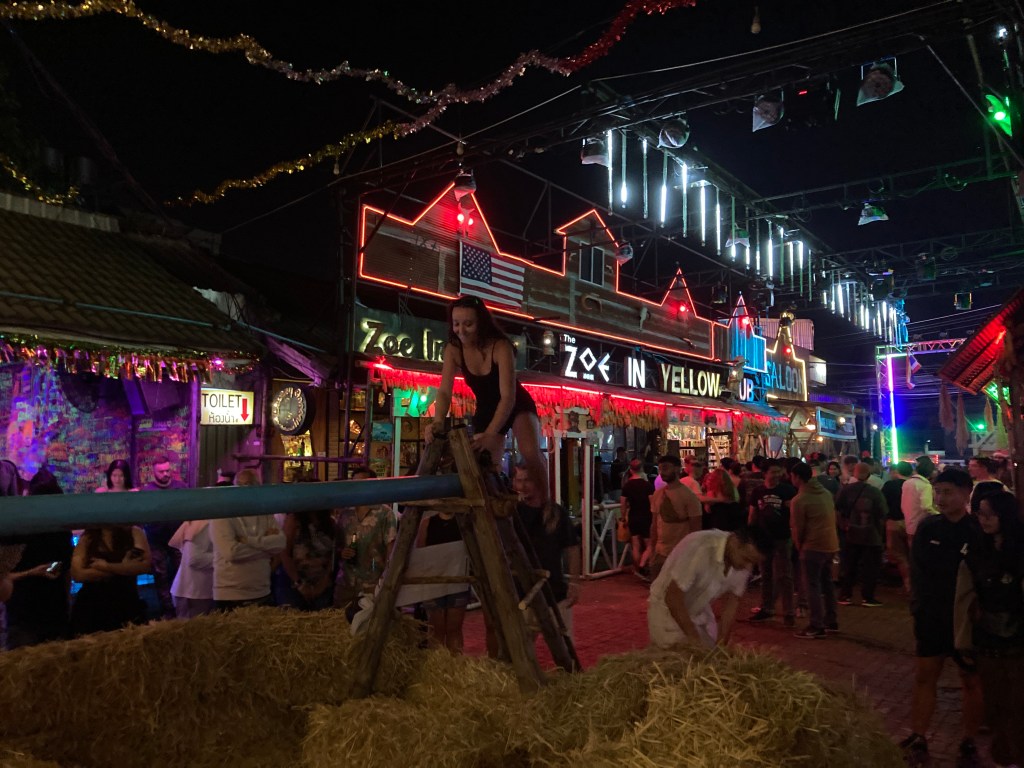
Zoe in Yellow, also known as “Yellow Bar,” is arguably Chiang Mai’s best swing spot, at least in the old town. Featuring an open garden and an indoor swing section, it offers a unique atmosphere where patrons can swing in a style that’s quite different from the typical Thai preference of sitting and drinking. Originally owned and managed by a Greek individual, Zoe in Yellow was once a classy and trendy venue to enjoy funky music, food, and drinks. The name “Zoe” means ‘life’ in Greek. However, following a management change, the venue has lost some of its original charm and has become a lower-class swing spot, frequented by numerous girls, including prostitutes, looking to pick up customers.
Day 11
Smile Organic Farm Cooking School Chiang Mai
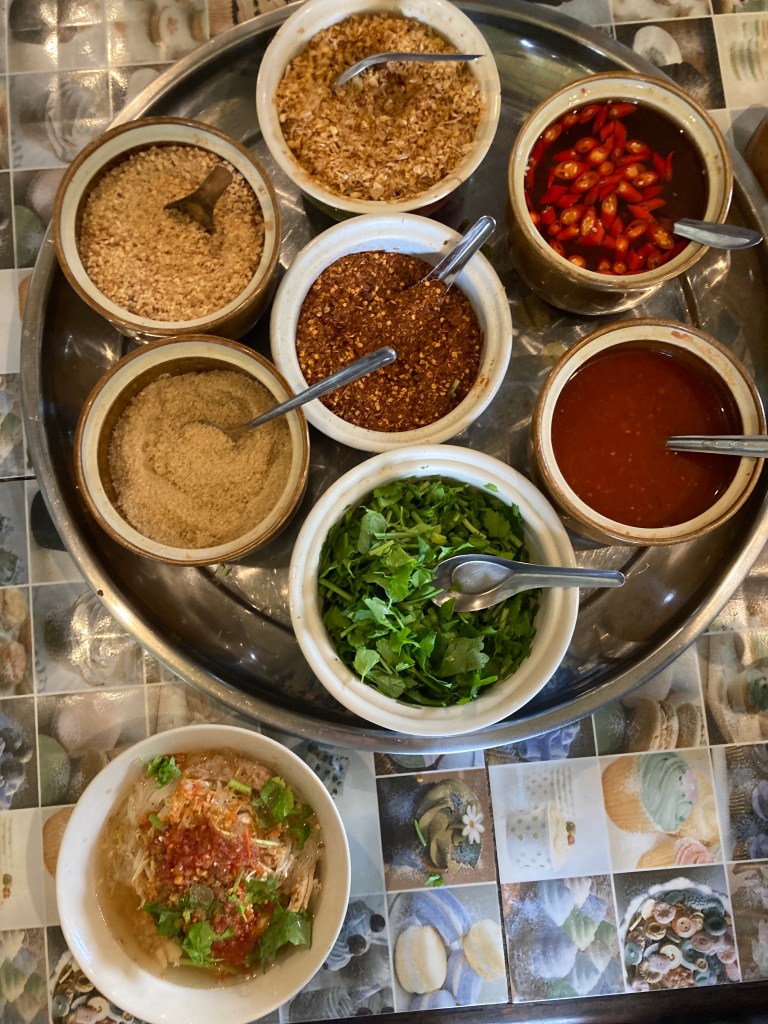
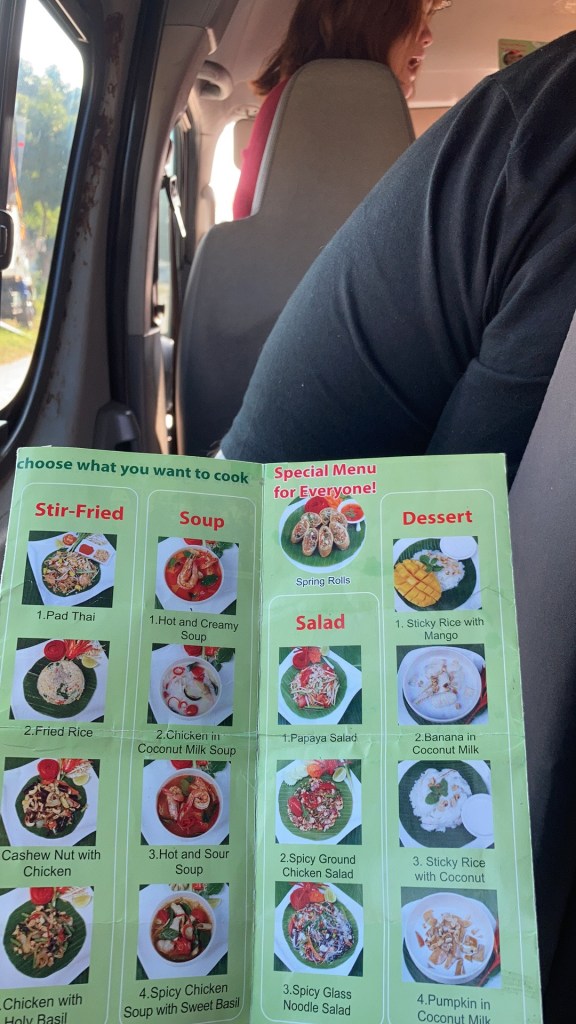
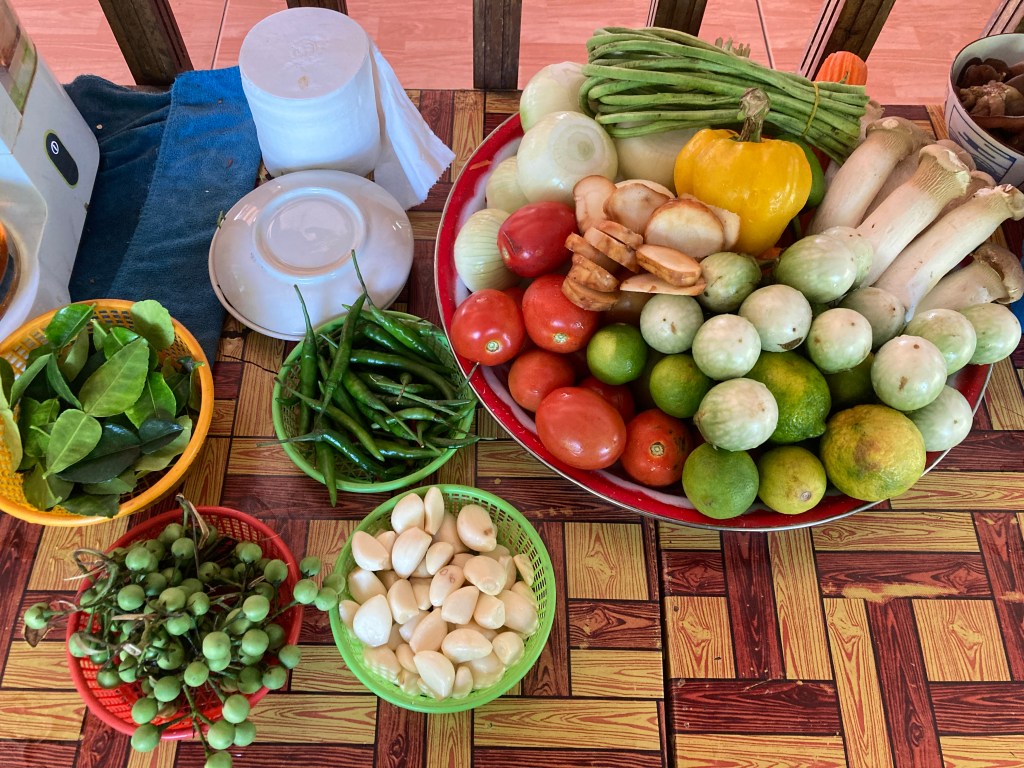
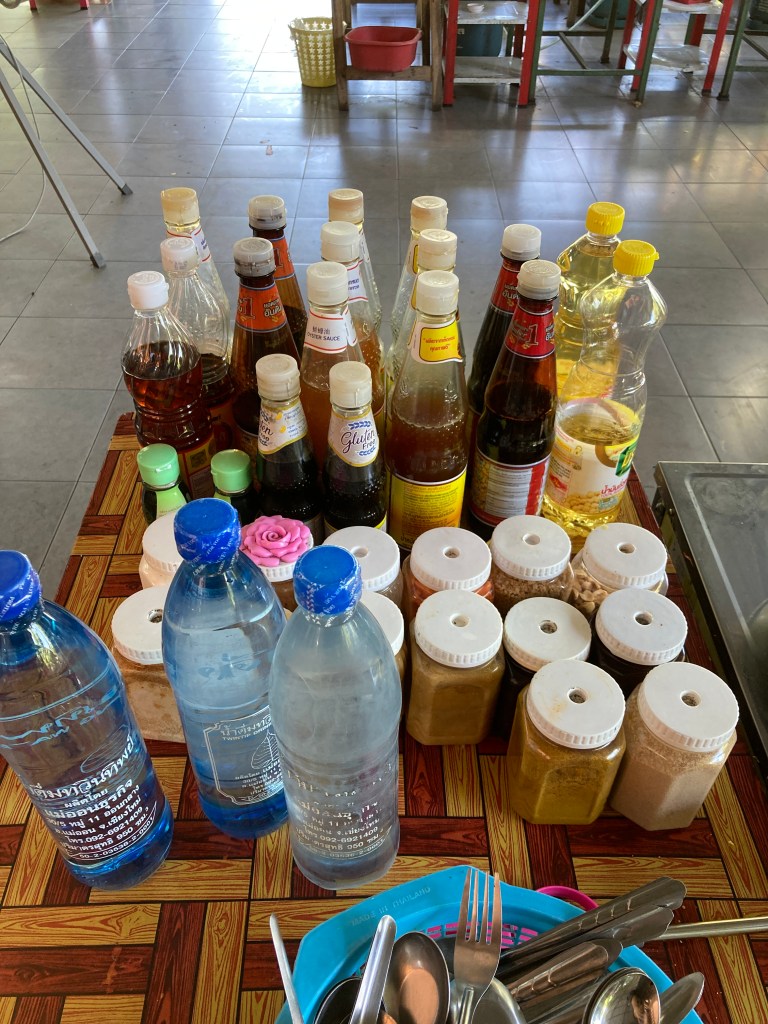
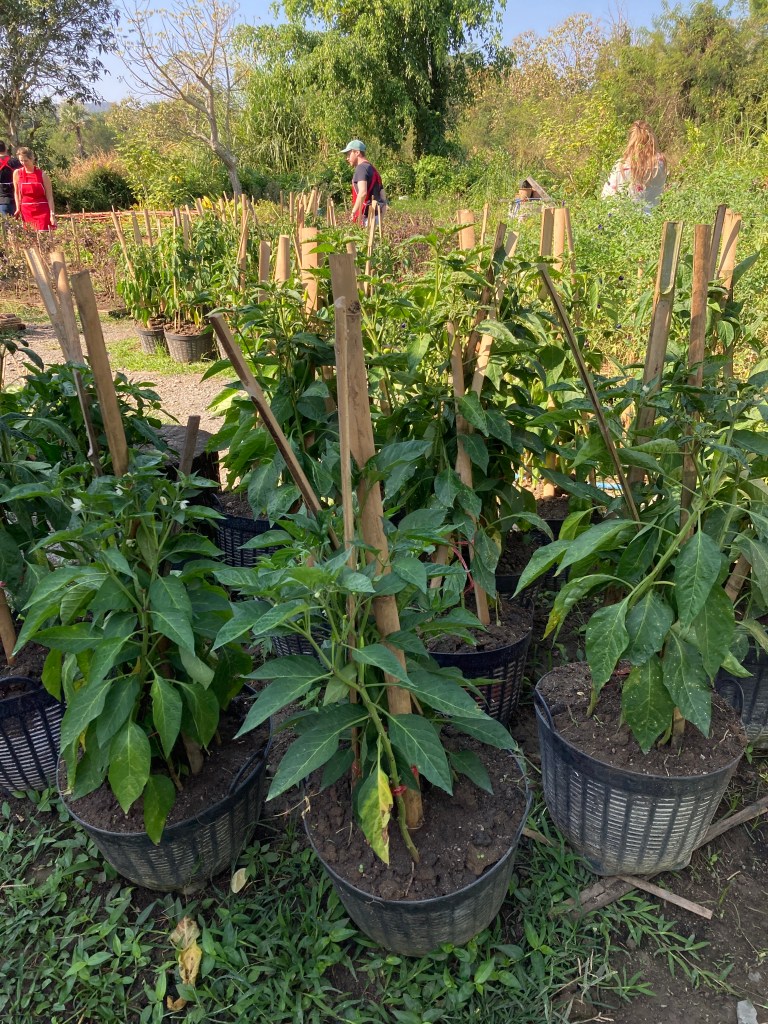
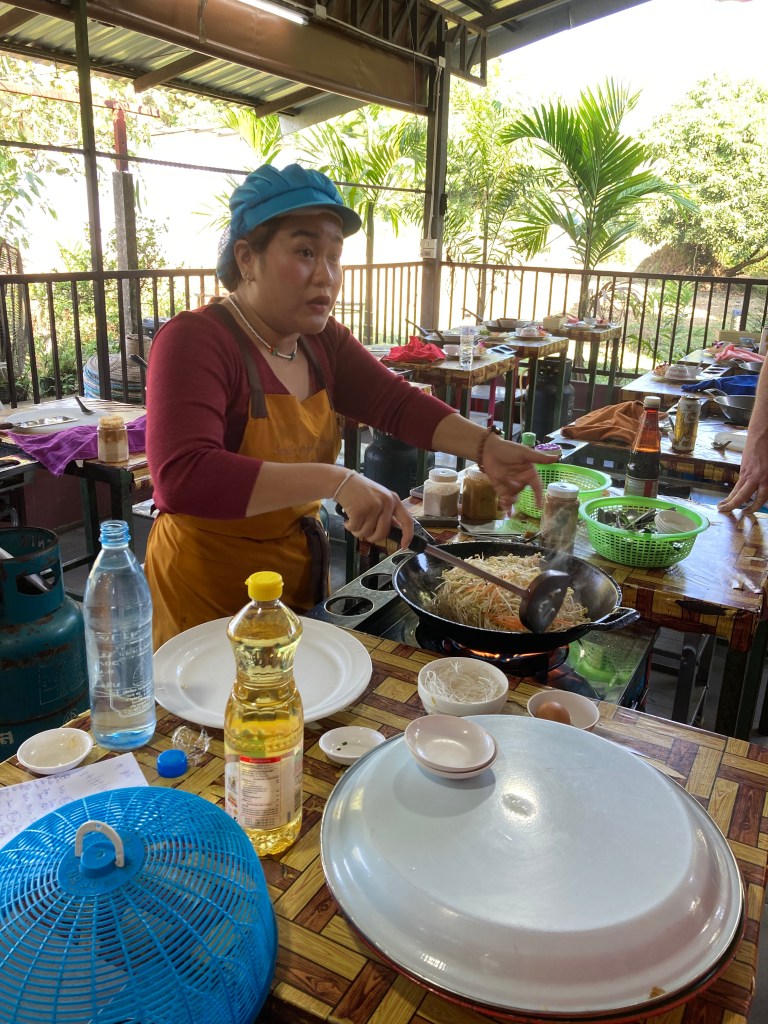
We joined a one-day Thai cooking class, which included transportation in the morning. First, we visited a market where the instructor explained the ingredients we would be using. Then, we headed to the cooking school, which also has an organic vegetable garden. The instructor introduced us to local ingredients and demonstrated the cooking process. Each participant could choose to make four dishes, and any leftovers could be taken home.


MAYA Lifestyle Shopping Center
Since tomorrow is Christmas, I’m going to the shopping mall tonight to see if I can buy some new clothes.
The Maya Lifestyle Shopping Centre is a modern landmark in the heart of Chiang Mai, a city celebrated for its rich cultural heritage and vibrant street life. This shopping centre is more than just a retail hub; it epitomizes the city’s dynamic blend of tradition and modernity. Catering to a wide range of preferences, Maya Lifestyle Shopping Centre has established itself as an integral part of daily life in Chiang Mai, beloved by both locals and tourists.↳
Strategically located near the bustling Nimmanhaemin Road, the centre has become a prime destination for a comprehensive shopping experience, offering everything from high-end brands to local crafts. Its popularity stems not only from its extensive retail offerings but also from its role as a cultural and social gathering spot, capturing the lively spirit of Chiang Mai. For visitors, the Maya Lifestyle Shopping Centre offers a glimpse into the contemporary urban lifestyle of Northern Thailand, while still being close to the historical and natural wonders that make Chiang Mai famous.


Malin Plaza
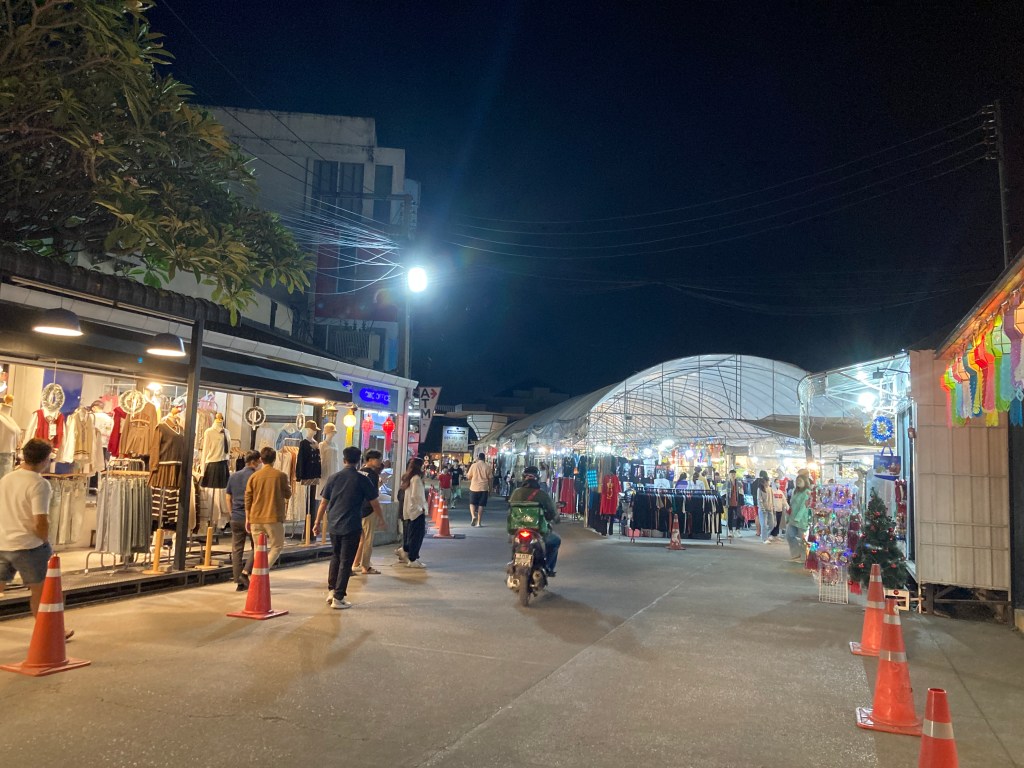
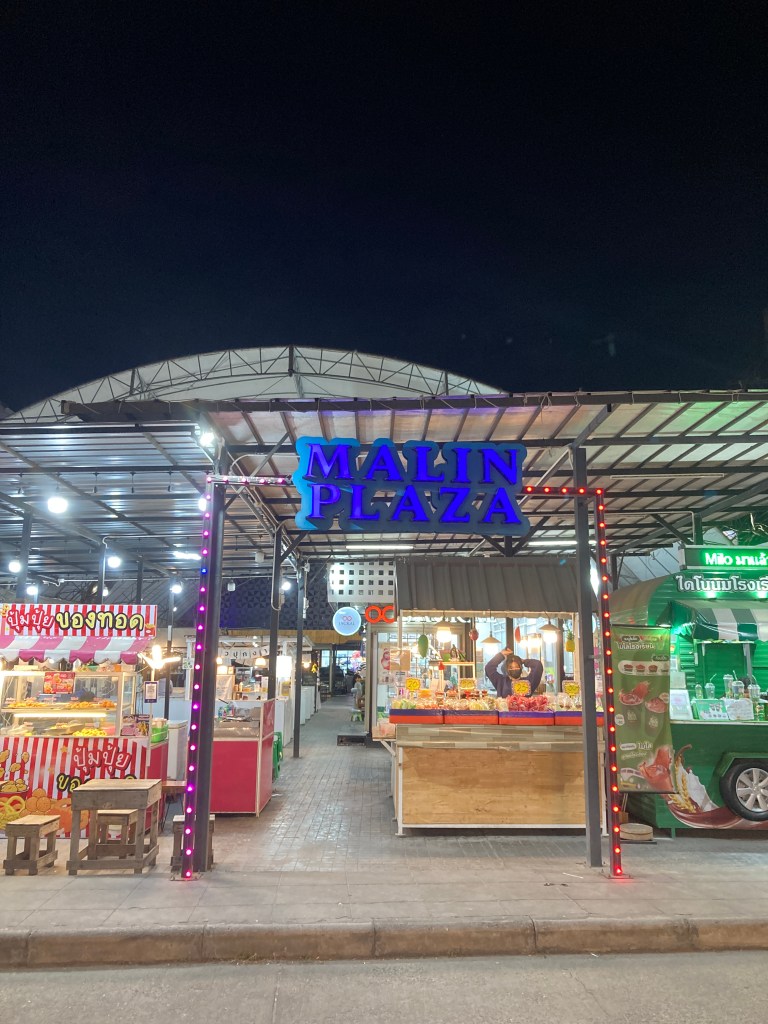
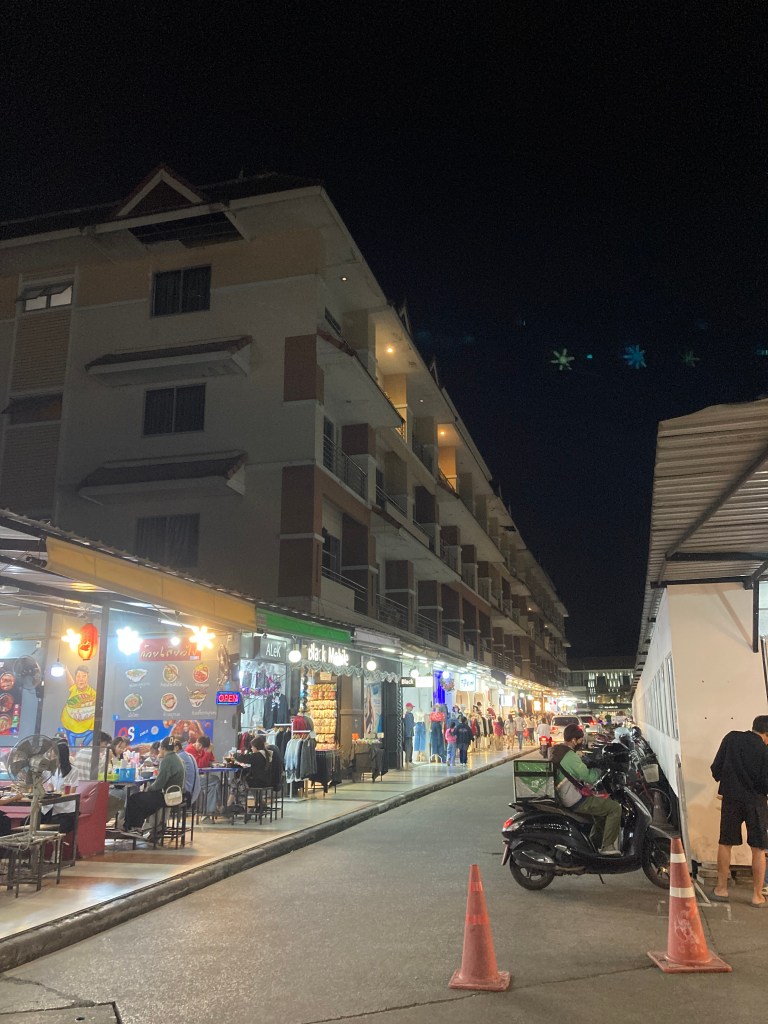
The Malin Plaza market is one of the best markets in Chiang Mai.↳
Despite the city’s numerous famous markets, such as the Walking Street markets, Malin Plaza stands out as a must-visit, especially for those on a budget looking for affordable goods.
Located opposite Chiang Mai University, this market opens daily from 6pm onwards. Known as a student hub, Malin Plaza offers affordable goods, attracting hungry students and locals who quickly fill up the seats once the stalls open. Spending time here provides an authentic local experience, mingling with residents in their element.
Like many Thai markets, food is a highlight. Numerous vendors, including Thai, Korean, and Japanese, offer delicious homemade dishes at budget-friendly prices. Sweet treats are plentiful, with vendors tempting visitors with ice cream, floss candy, and more.
Yet, Malin Plaza offers more than just food. Explore the maze of stalls for inexpensive clothing, where haggling is encouraged. The market also caters to larger Western sizes, ensuring everyone finds something suitable. Additionally, you can indulge in affordable manicures, pedicures, massages, and even tattoos, making it a one-stop destination for budget-friendly shopping and pampering.
Central Chiangmai Airport
Central Chiangmai Airport is the premier shopping and entertainment destination in northern Thailand, welcoming around six million visitors annually, including Thai and international tourists. It features Robinson Department Store, seven cinemas, a versatile convention hall, and a “Northern Village” showcasing local handicrafts and famous items from the northern region, ensuring a comfortable shopping experience for all.

Day 12
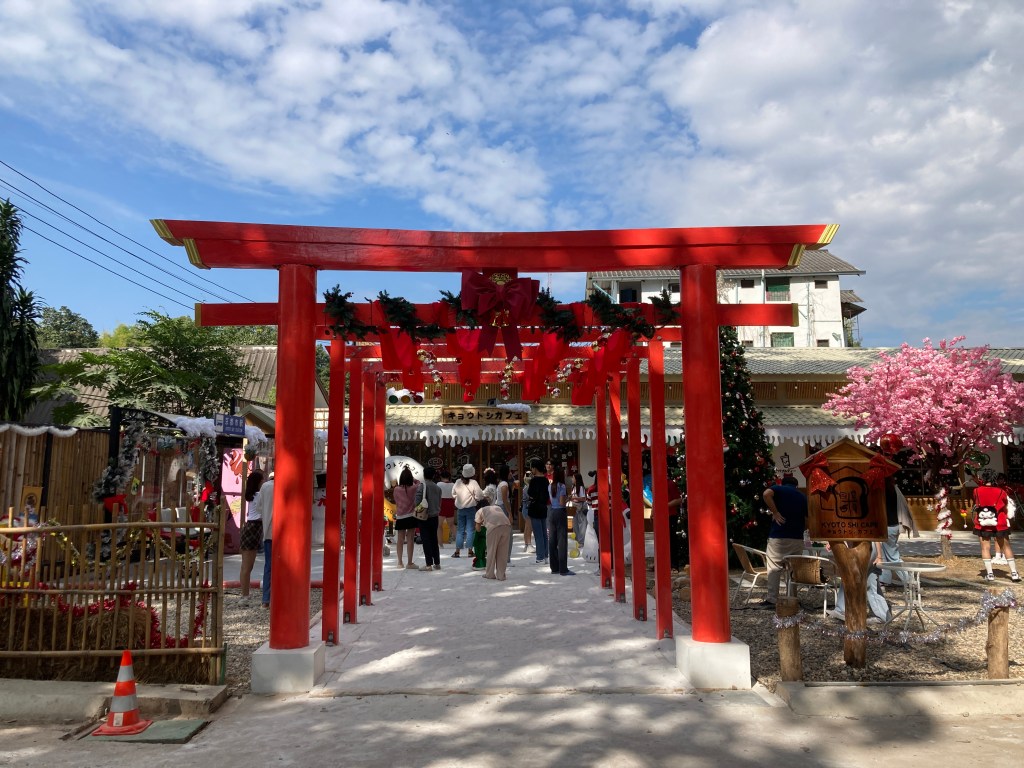
Kyoto Shi Cafe
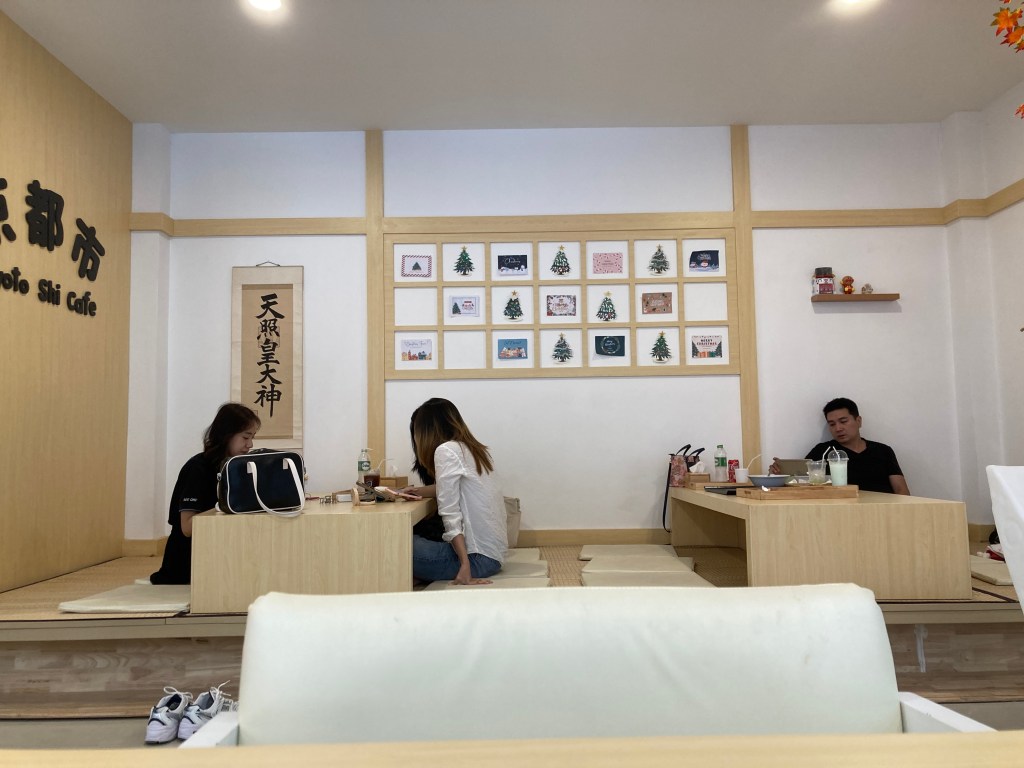
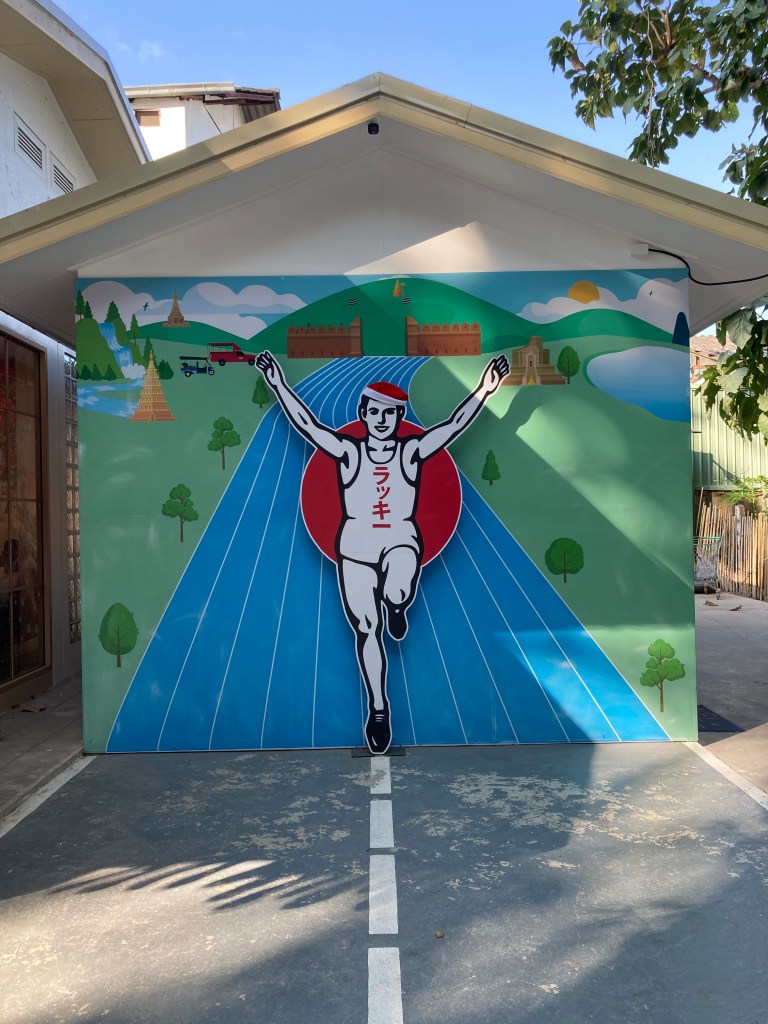
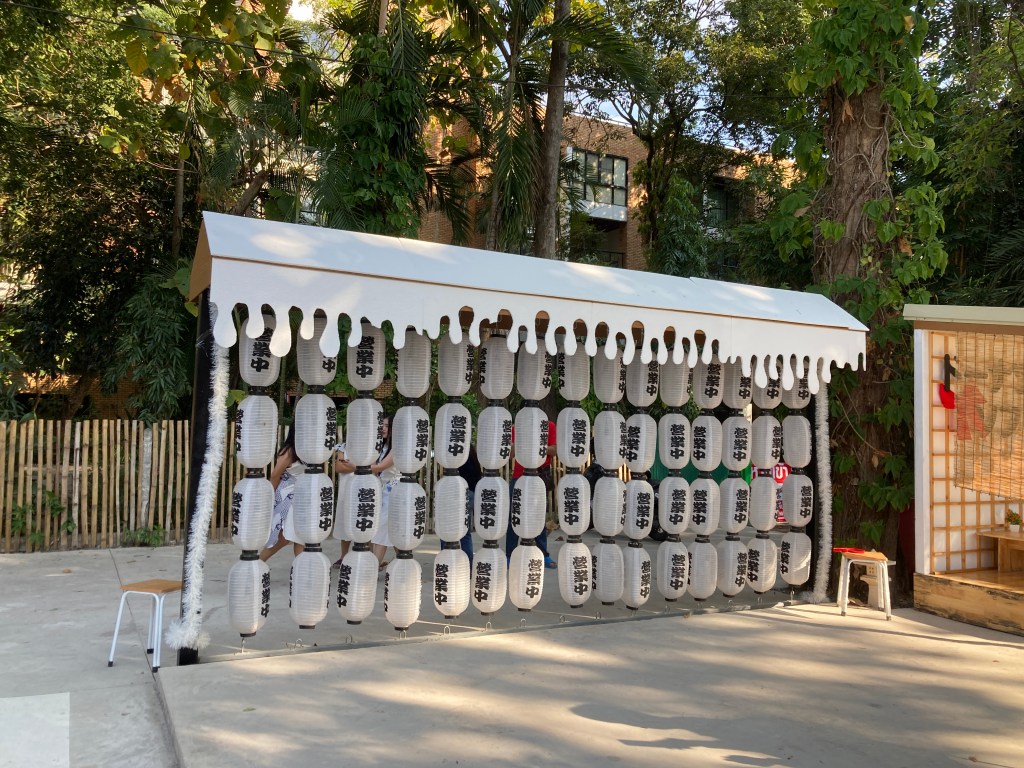
At Kyoto Shi Cafe, it feels like stepping into Japan itself. This café is themed around Japan, with every detail and photo spot designed to replicate a Japanese ambiance. It’s a beautifully crafted environment that captures the essence of Japan.


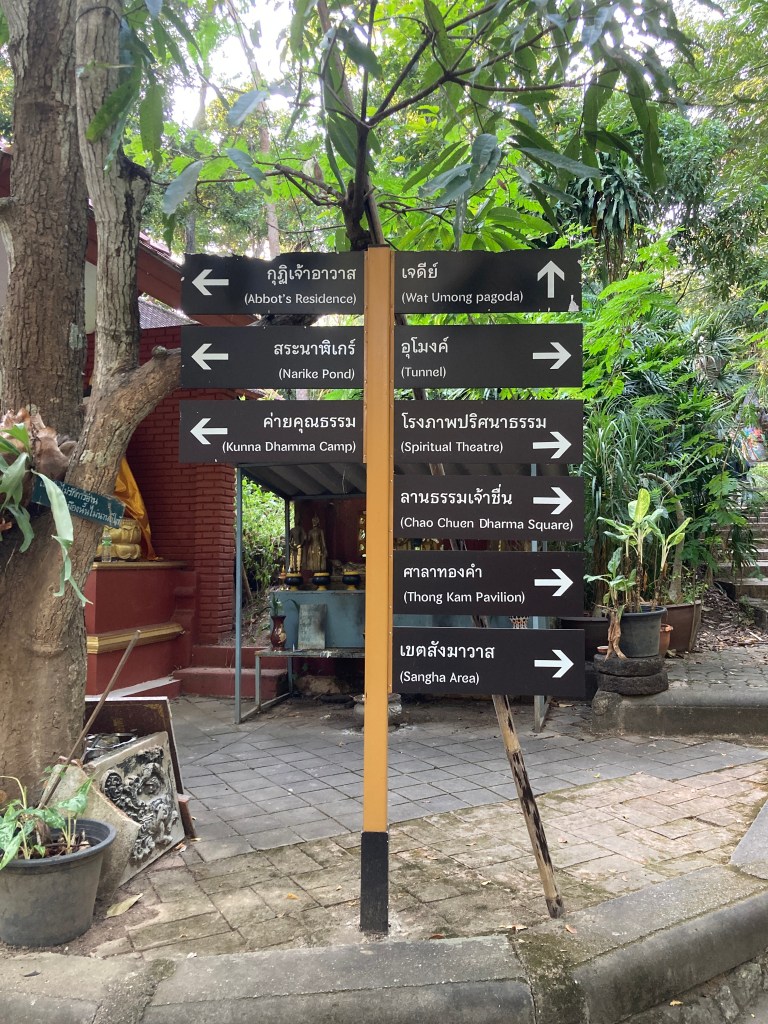
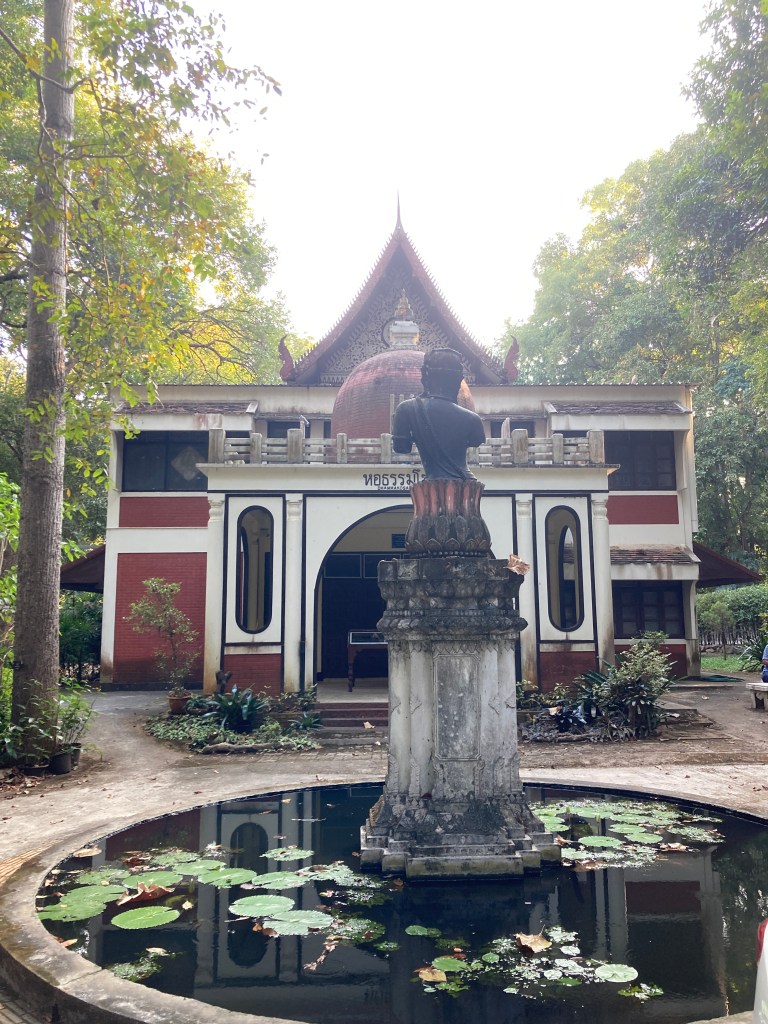
Wat Umong
The temple, constructed in 1297 during the Lan Na dynasty by King Mangrai, holds a significant attraction: a contemporary replica of the original standing Ashoka pillar at Sarnath, India. The Lion Capital of Ashoka, found in an incomplete state at the Sarnath Museum, was later adopted as India’s National Emblem upon independence. It features four lions standing on an abacus, crowned by a large wheel known as a Dharmachakra.
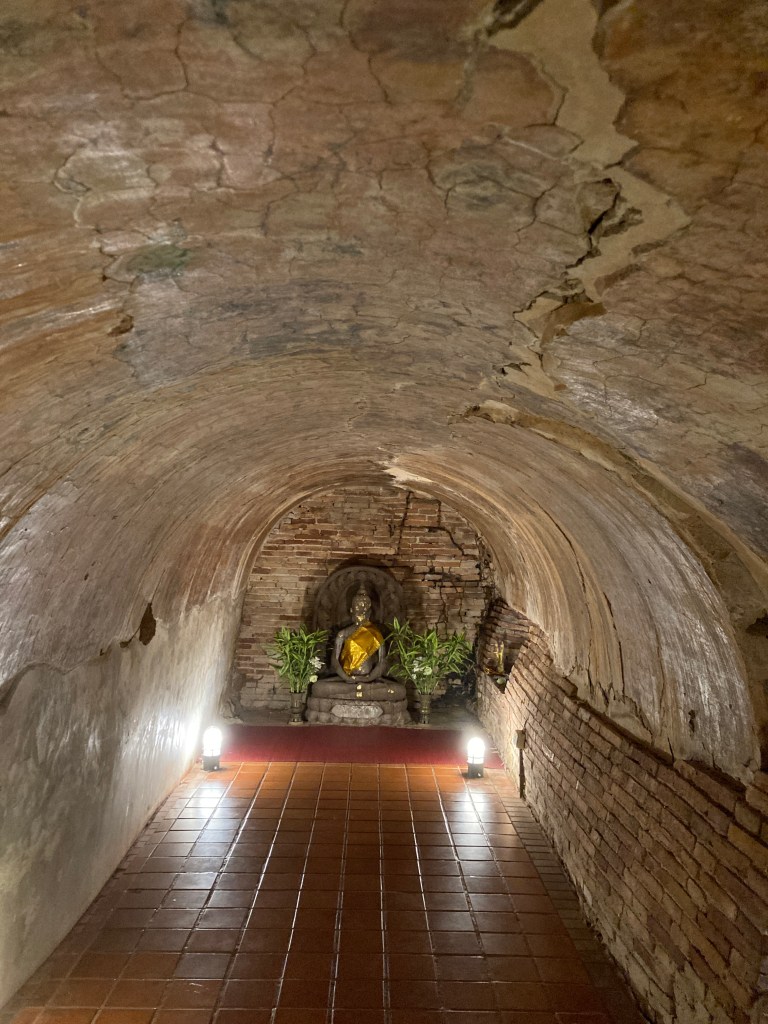
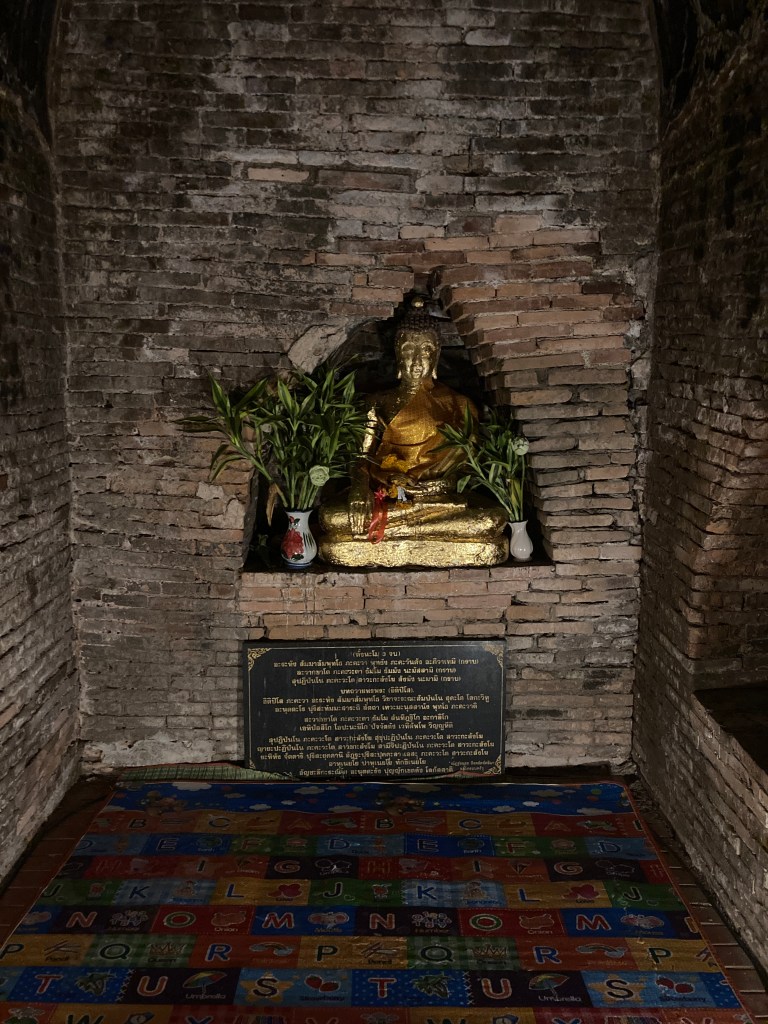
The entire Wat Umong complex spans 37.5 rai (15 acres) of wooded grounds. Visitors can enjoy feeding fish, turtles, and ducks in a large pond. “Talking trees” adorned with words of wisdom in Thai and English are scattered throughout. The wat is renowned for its ancient tunnels and a large chedi. Below the chedi, tunnels adorned with Buddhist images are accessible for exploration. Legend has it that these tunnels were constructed by the King to contain a famous monk who was mentally deranged and prone to wandering off into the wilderness for days. Signs with proverbs in English and Thai hang from trees along footpaths leading to a small lake where visitors can feed fish, pigeons, and turtles.
Other attractions include a Buddha field featuring broken sculptures, a fasting Bodhisattva statue, and a Spiritual Theatre showcasing paintings similar to those at Suan Mokkh. Reproductions of ancient Buddhist sculptures from India and a library-museum housing a diverse collection of books on Buddhism and other philosophies, along with historic objects and Buddhist art, complete the offerings at this unique site.


Day 13
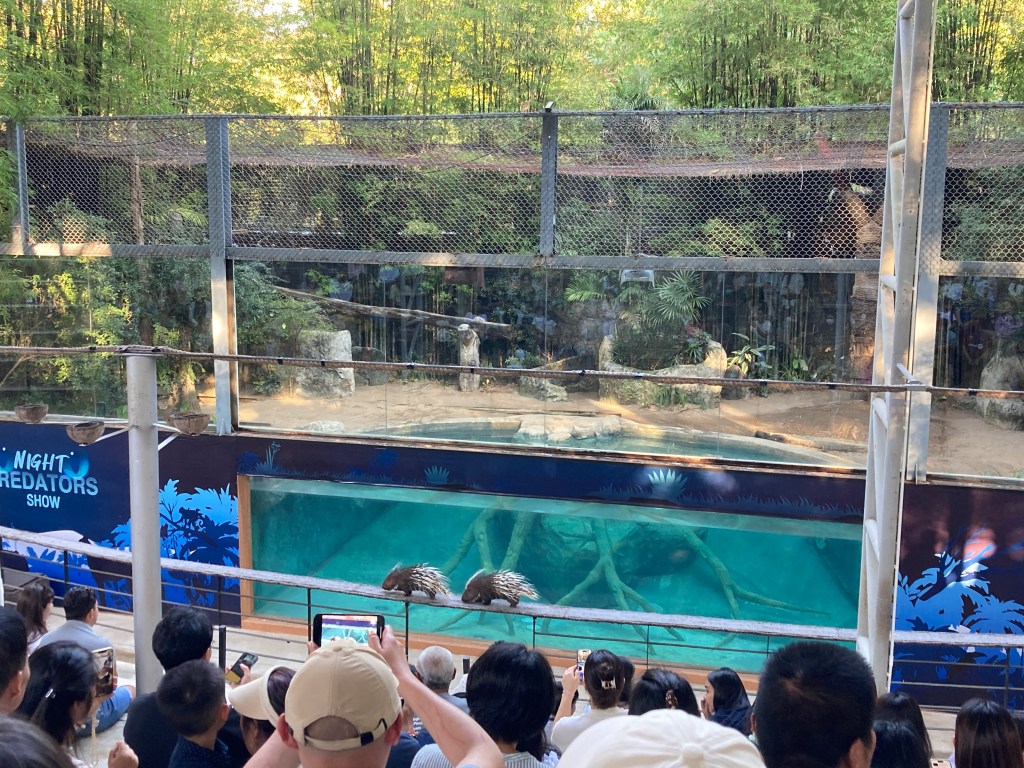
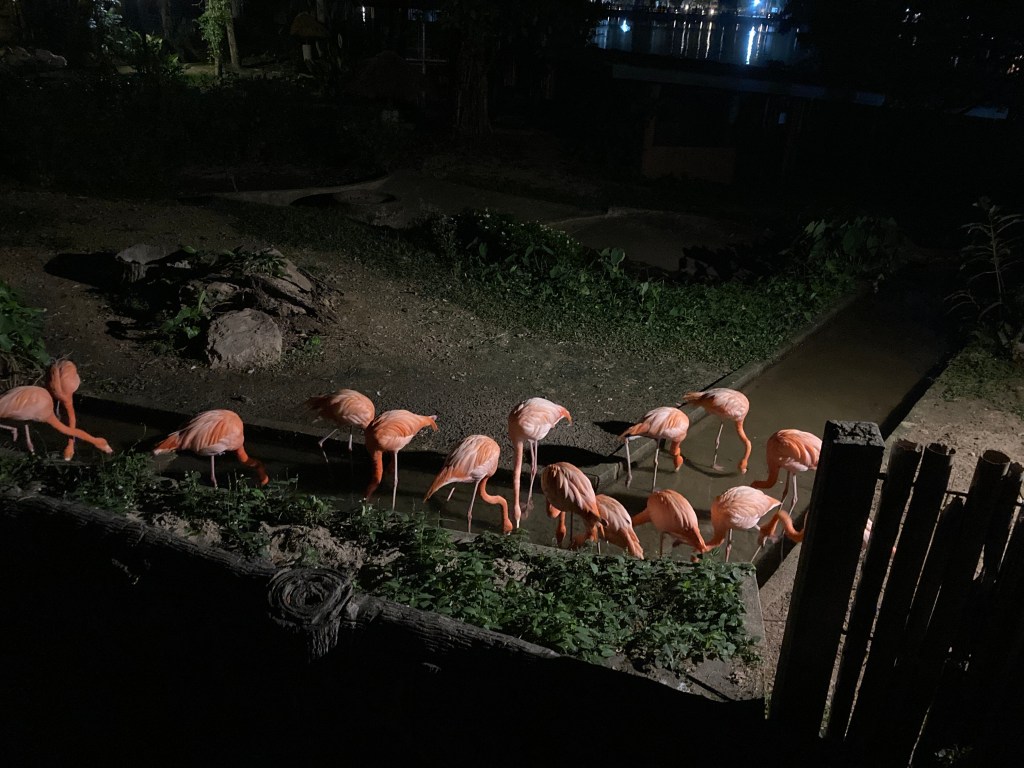
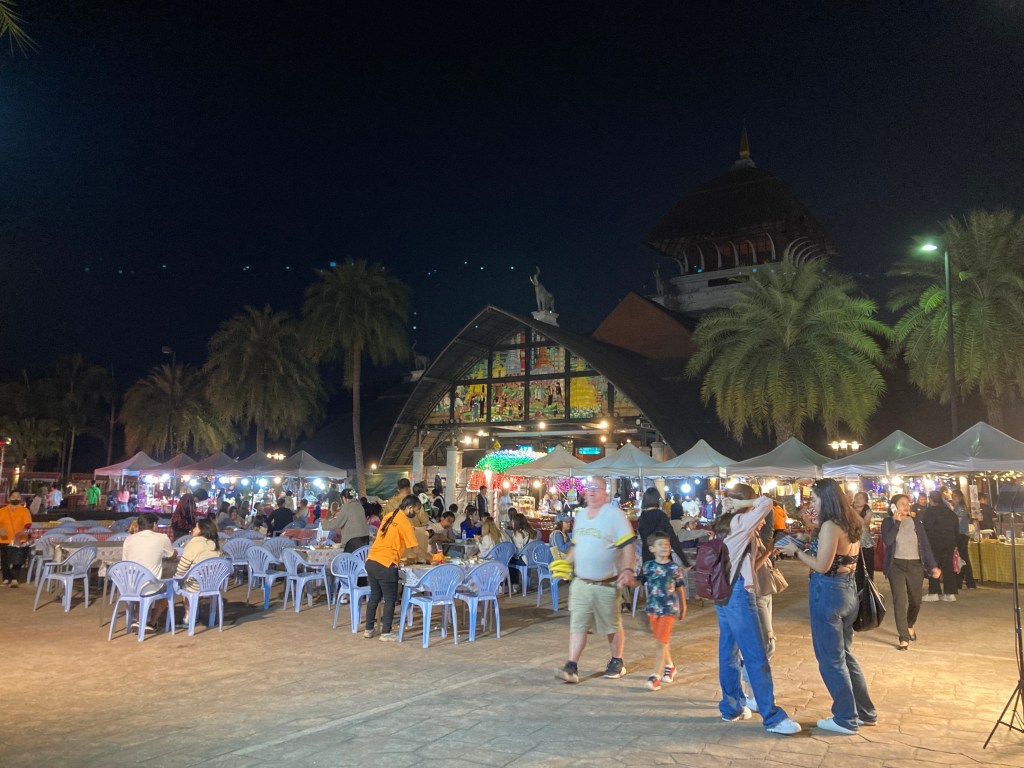
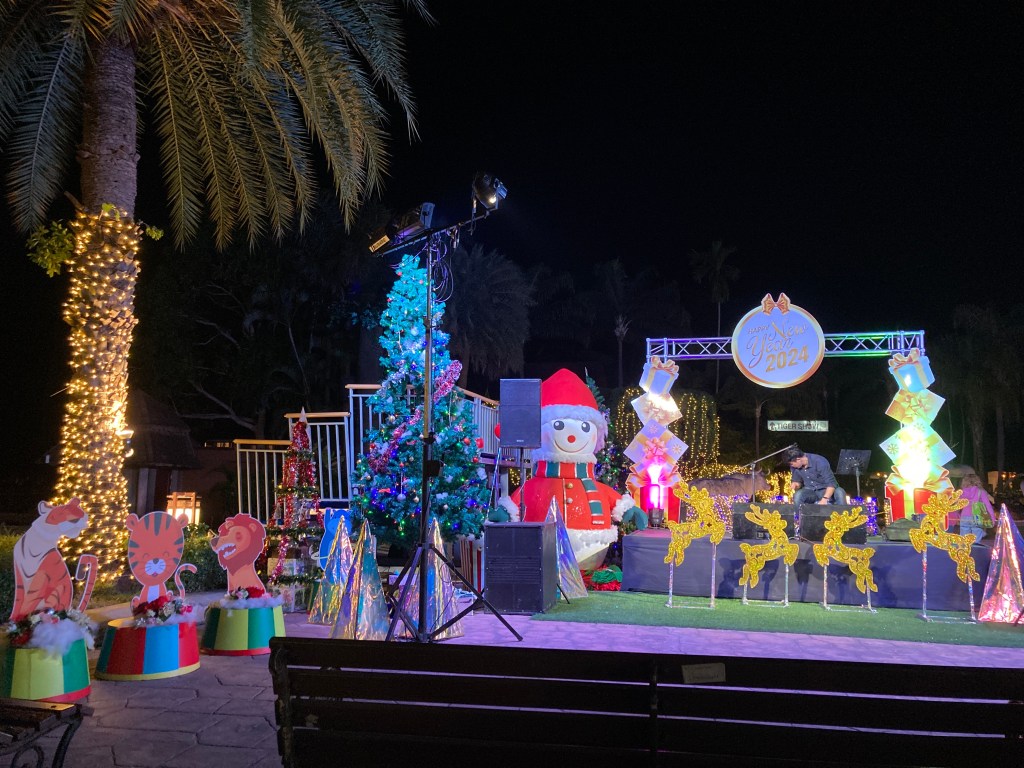
Chiang Mai Night Safari (Thai: เชียงใหม่ไนท์ซาฟารี) is situated in Mae Hia sub-district, as well as Nong Khwai and Hang Dong districts in Chiang Mai, Thailand. It is located west of the Royal Flora Ratchaphruek 2006. Managed by the Zoological Park Organization, this government-owned zoo opened on November 18, 2005, with its official opening on February 6, 2006. Initially operated by the Designated Areas for Sustainable Tourism Administration and the Pinganakorn Development Agency (Public Organization), Chiang Mai Night Safari is renowned as Thailand’s first nocturnal zoo and the largest in the world, spanning 819 Rai (approximately 327 acres). Recently, it has expanded its operating hours to accommodate visitors during both day and night.
One of its unique features is the presence of relatively non-dangerous animals that roam freely, allowing visitors to observe them up close. From the entry gate to the main building and throughout the north and south tour zones, wild deer and muntjac can be seen wandering around the safari grounds.


Day 14
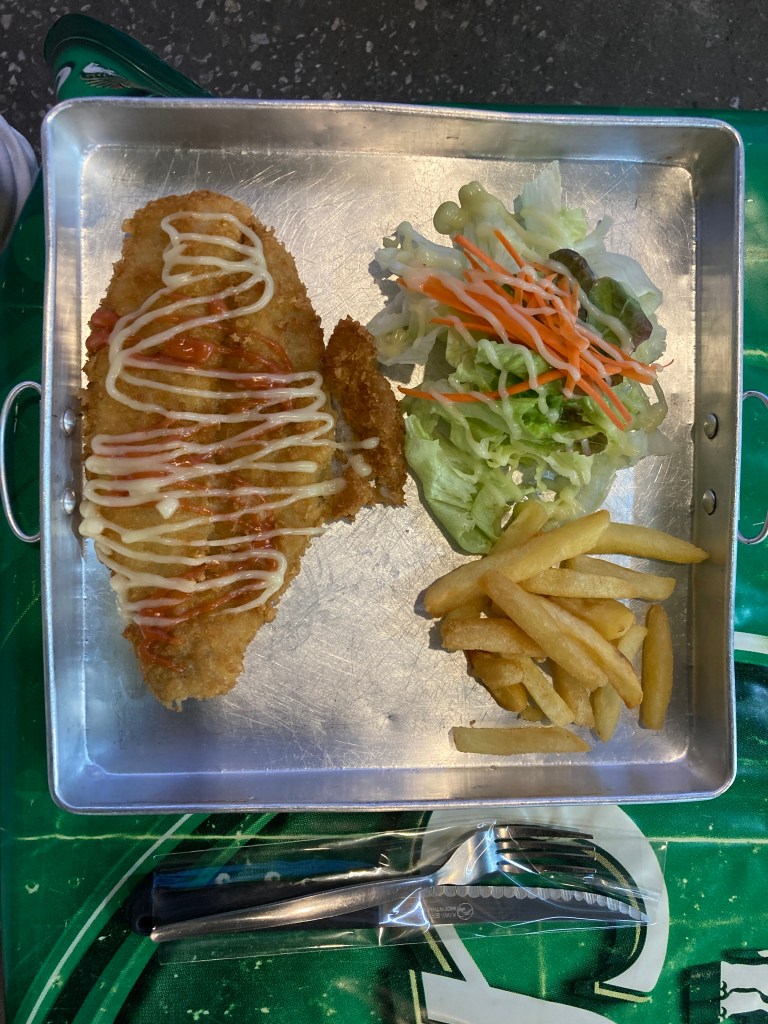
Today I’m feeling tired, so I didn’t do anything. Just wandered around and ate near my accommodation.
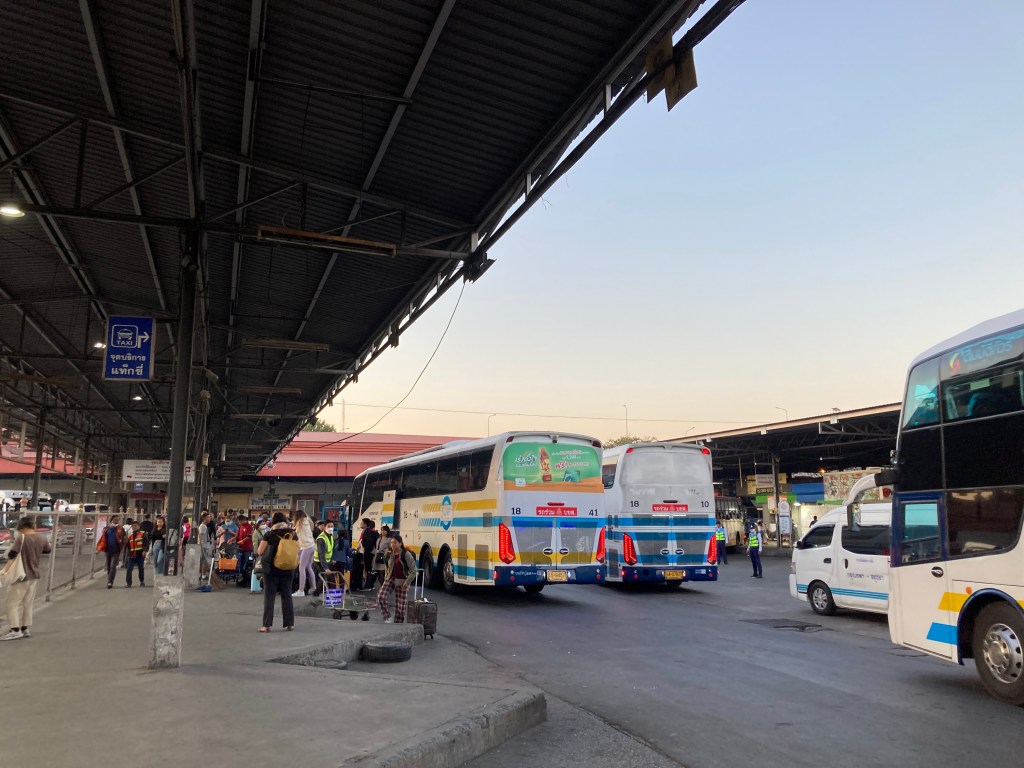
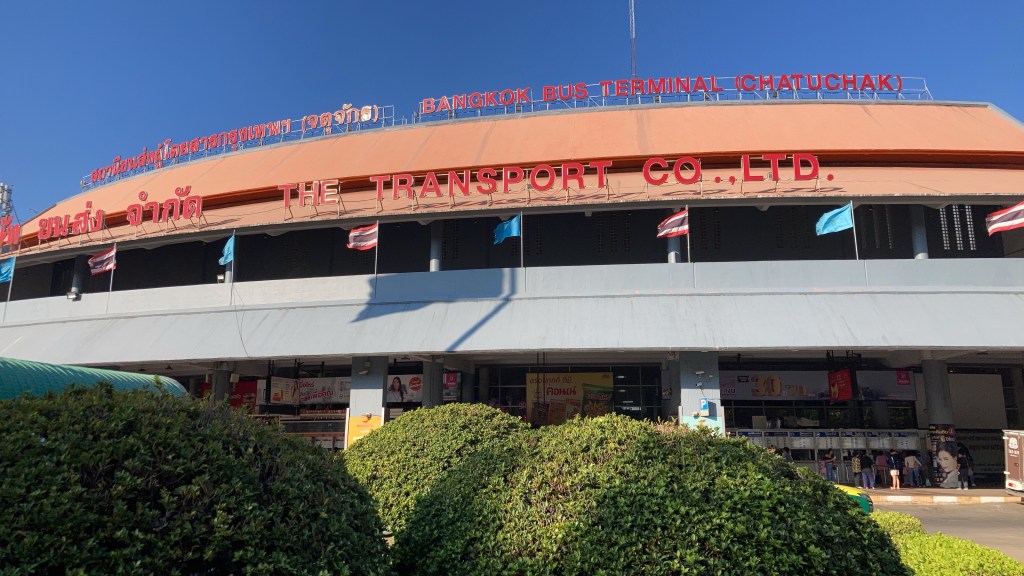
I am taking an overnight bus to Bangkok tonight.

Day 15
Emporium Shopping Mall
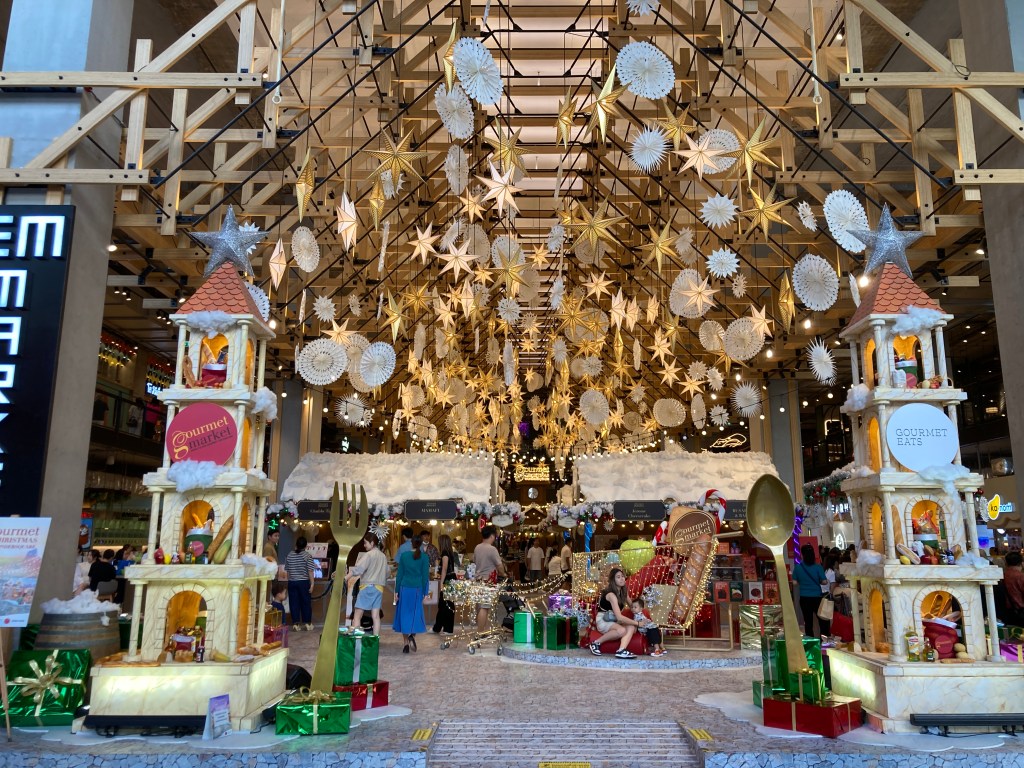
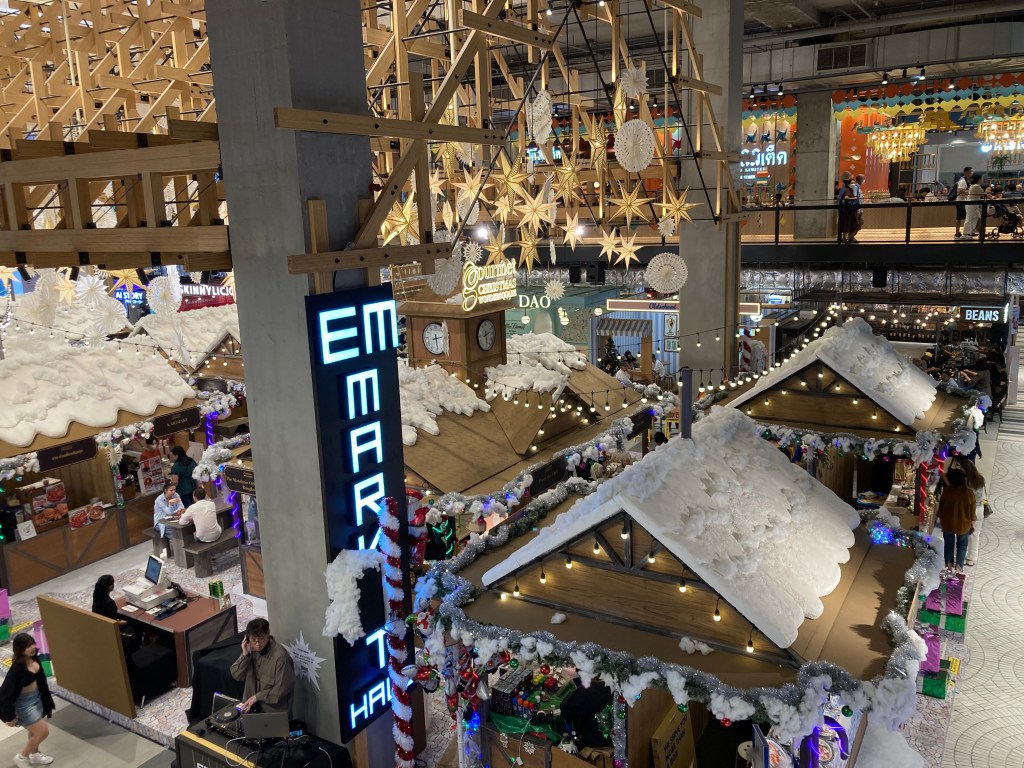
Emporium is a luxurious shopping mall located in the Khlong Toei District of Bangkok, Thailand. It opened on July 27, 1997, and is owned and operated by The Mall Group, which also manages EmQuartier and Siam Paragon malls in Bangkok.
Situated on Sukhumvit Road at Sukhumvit Soi 24 adjacent to Benchasiri Park, Emporium is directly connected to Phrom Phong Station on the Sukhumvit Line of the BTS Skytrain via a footbridge.
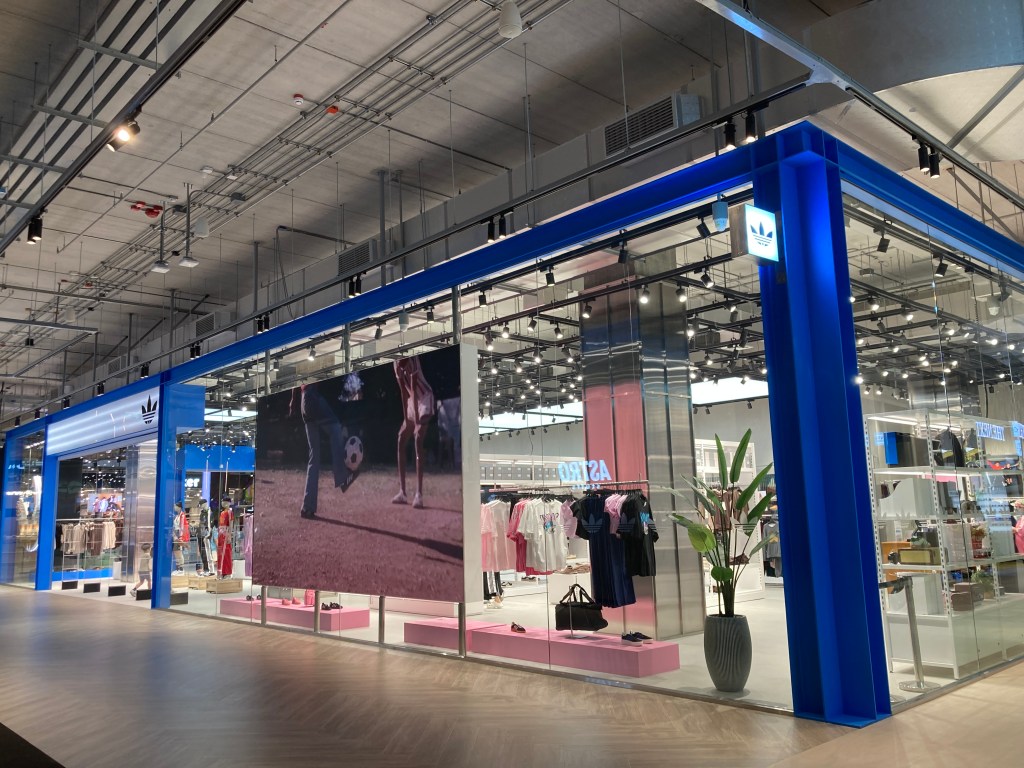
As a key component of the “EM District,” Emporium features a comprehensive array of facilities including a shopping mall, department store, luxury cinema “Emprivé Cineclub by SF Corporation,” upscale supermarket, food court, office building, exhibition hall, children’s play centers, and a hotel. It serves as a popular destination for entertainment, dining, and shopping among both locals and tourists.
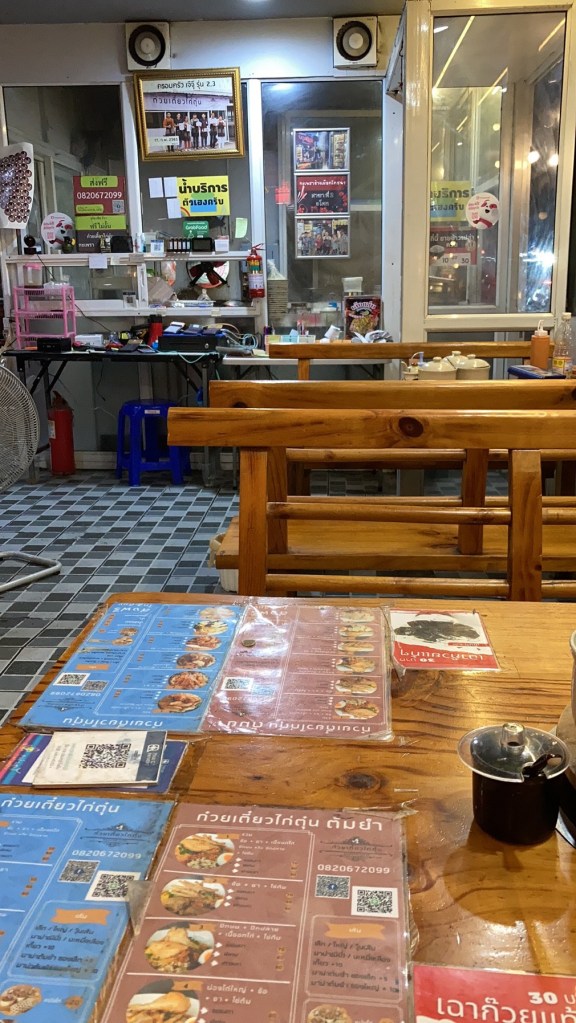
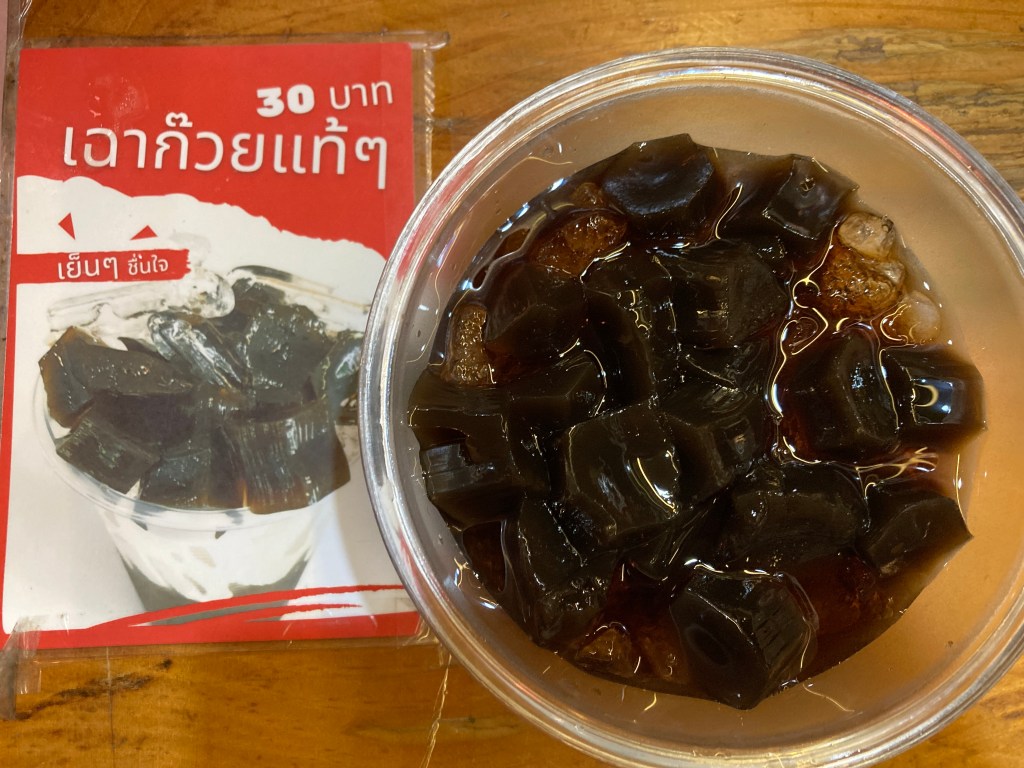
In the evening, I had Thai cuisine near my accommodation.
Day 16
Central Ladprao
Central Ladprao (Thai: เซ็นทรัล ลาดพร้าว), formerly known as CentralPlaza Ladprao, is a shopping complex owned by Central Pattana. It opened on December 25, 1982, marking Central Pattana’s first integrated shopping complex. Situated at the junction of Phahonyothin Road and Lat Phrao Road in the Chatuchak district of Bangkok, Central Ladprao is a prominent landmark in the area.
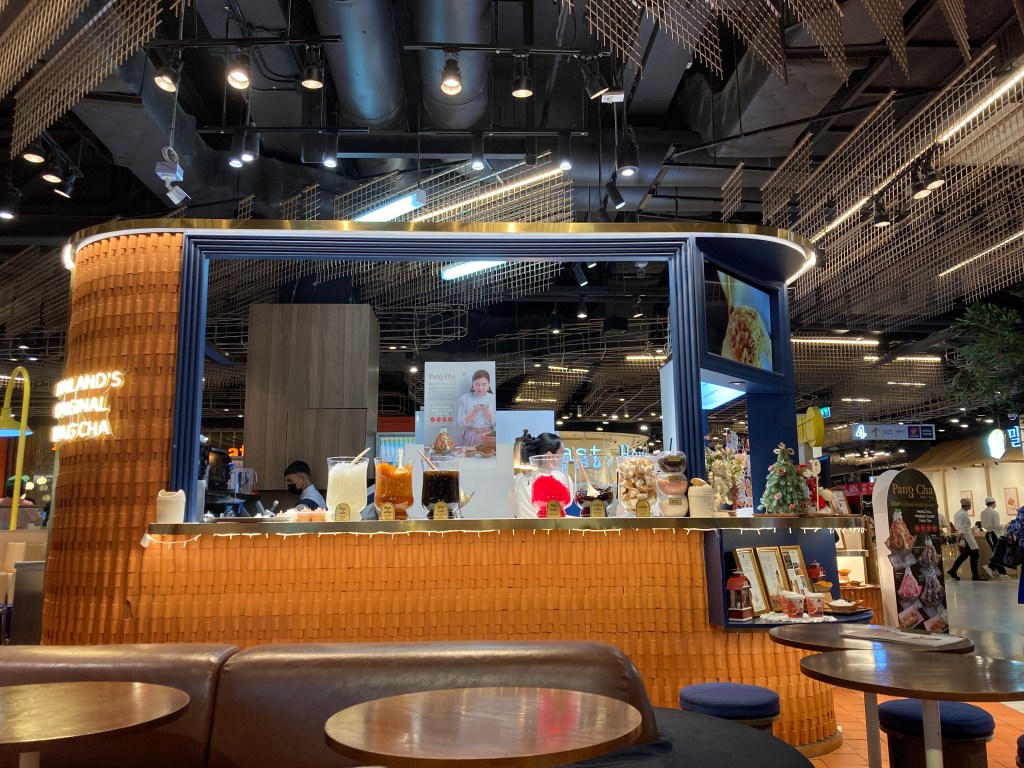
Pang Cha – Michelin Dessert
No meal is truly complete without dessert, especially when it comes to Thai favorites like shaved ice. Both young and old Thais cherish this ubiquitous treat, which comes in countless flavors and can be topped with a variety of toppings to please any sweet tooth.
One popular way to enjoy shaved ice in Thailand is with flavored ice and bread, known as pang yen or “cold bread.” One exceptional example of this is Pang Cha (“Tea Bread”), a delicacy recommended by MICHELIN.


Day 17
Siam Amazing Park
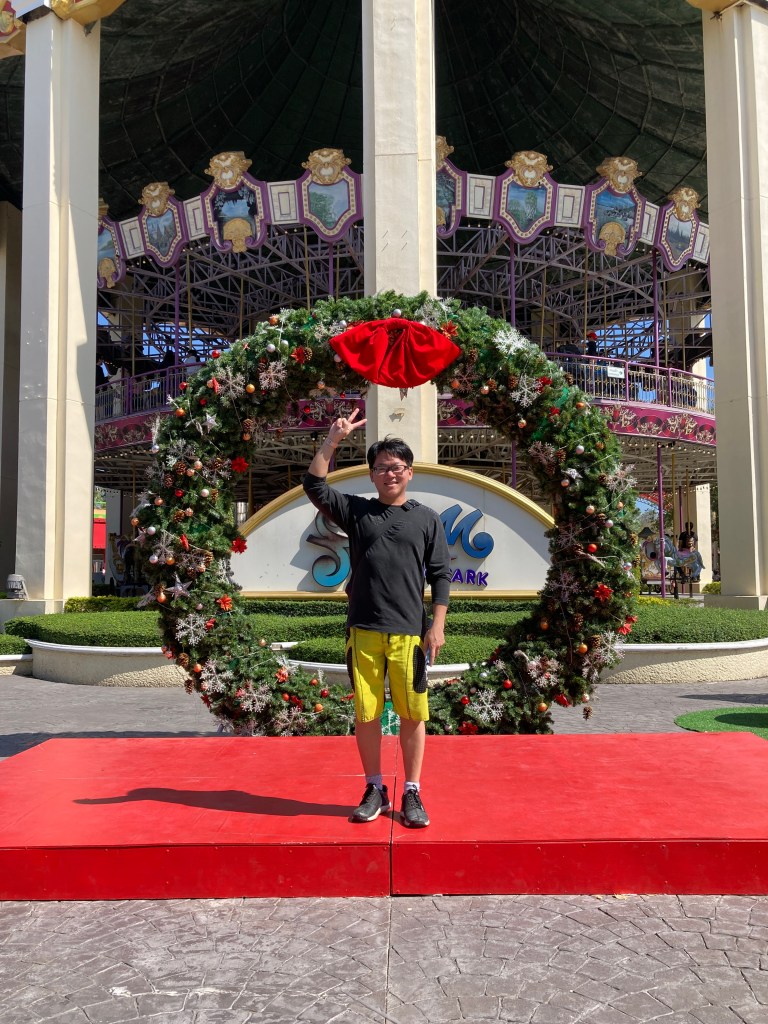
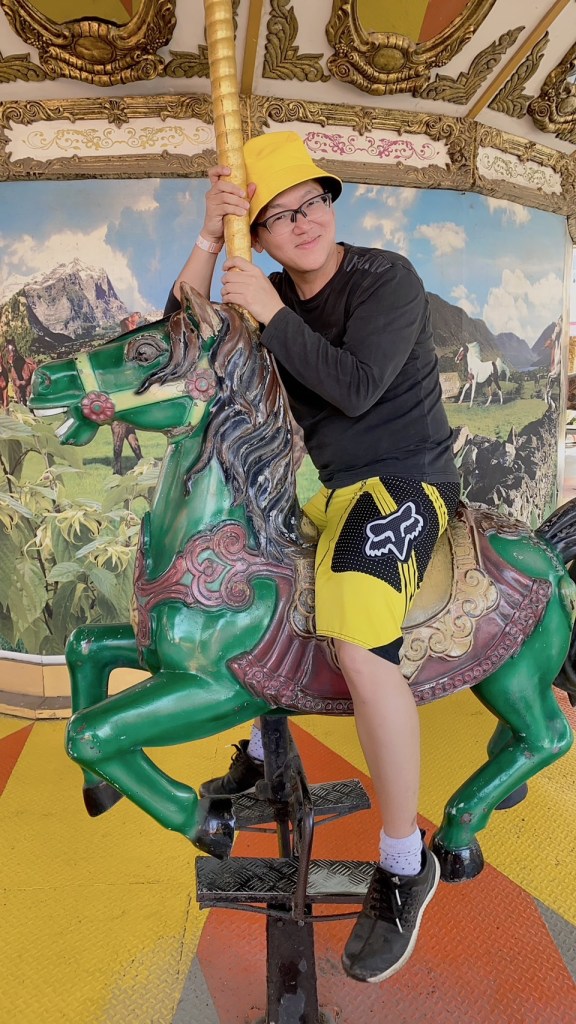
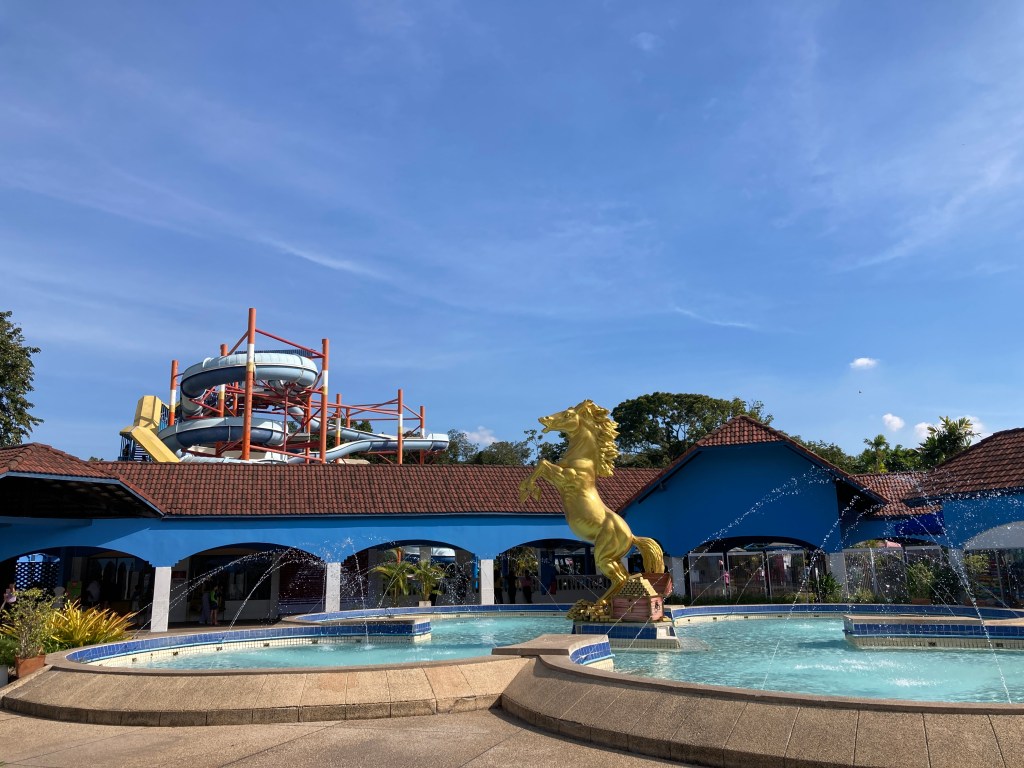
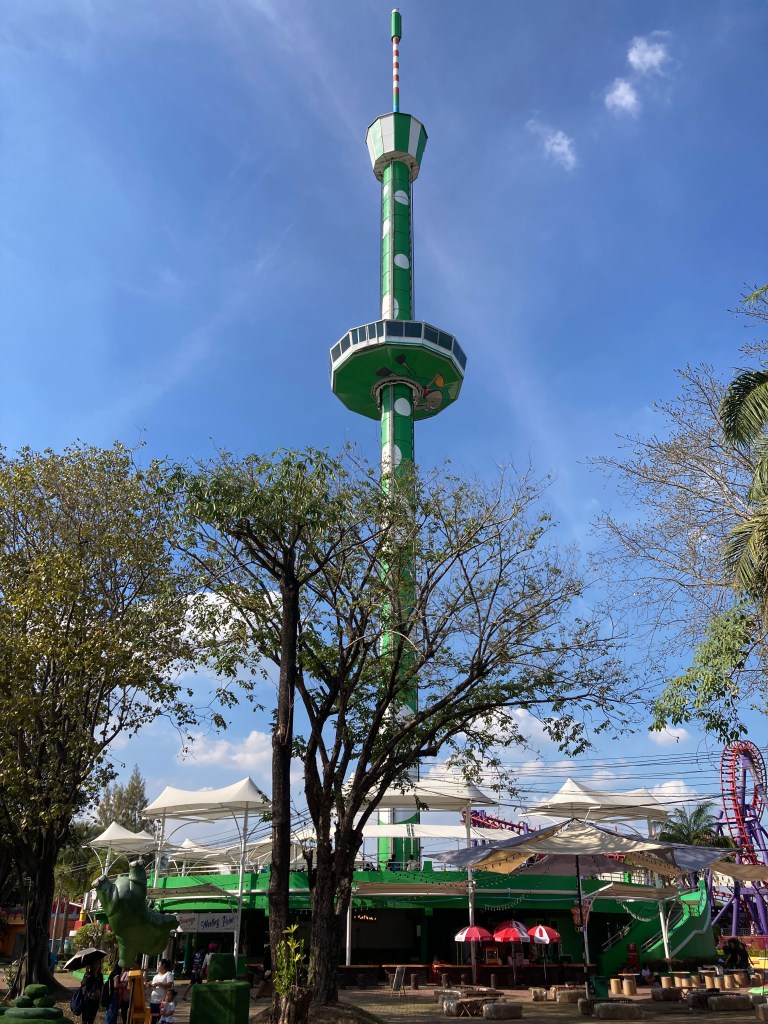
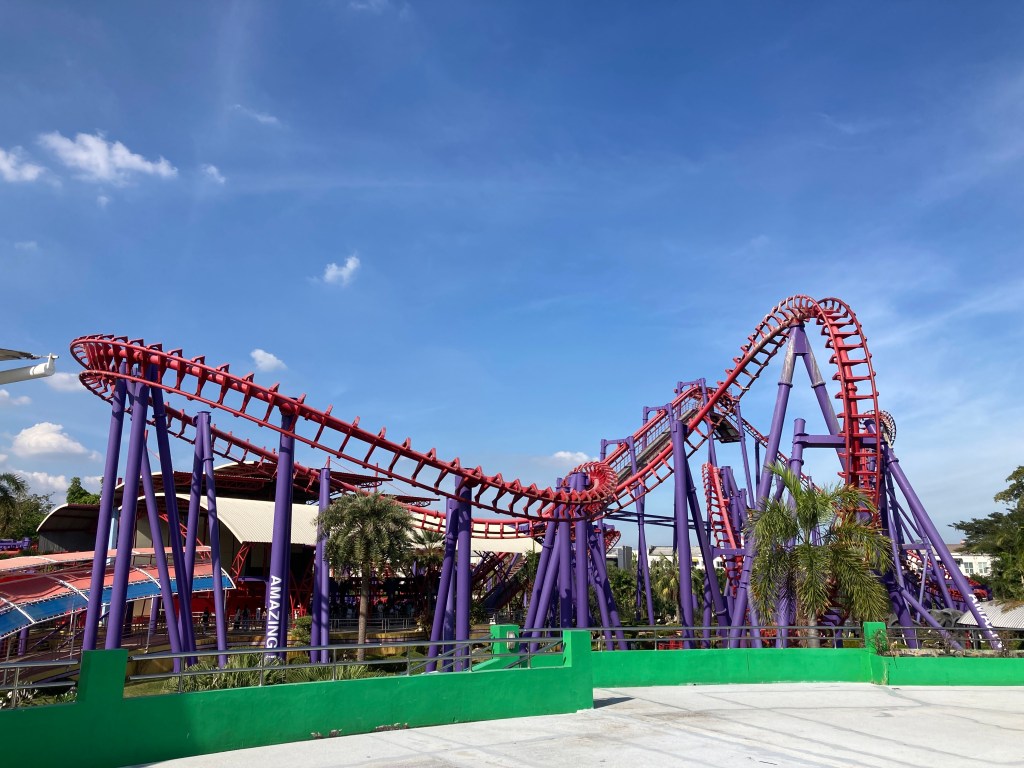
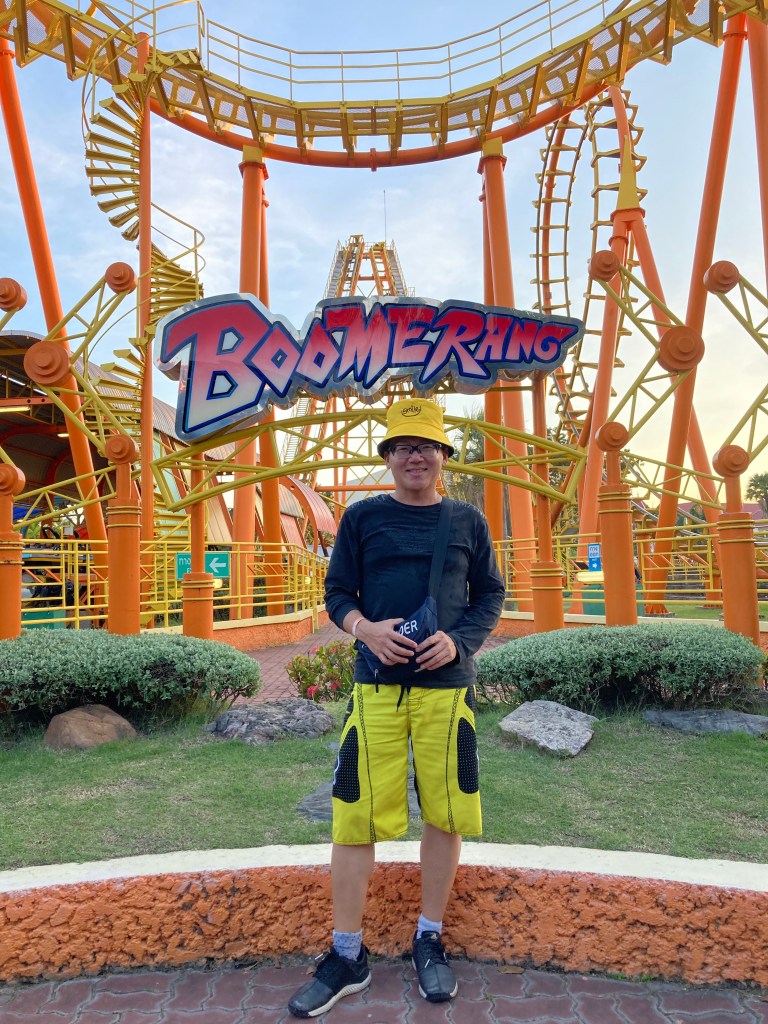
Siam Amazing Park (Thai: สยามอะเมซิ่งพาร์ค), commonly known as Siam Park City or Suansiam (สวนสยาม, RTGS: Suan Sayam, pronounced [sǔa̯n sā.jǎːm]), is an amusement and water park situated in the Khan Na Yao district of Bangkok, Thailand. Established in November 1980, it holds the distinction of being the oldest amusement and water park complex in Southeast Asia. Located close to Bangkok’s Suvarnabhumi Airport, it features attractions such as Southeast Asia’s first suspended looping coaster with five inversions, a large wave pool, and seven-story slides.


Day 18
Khaosan Road
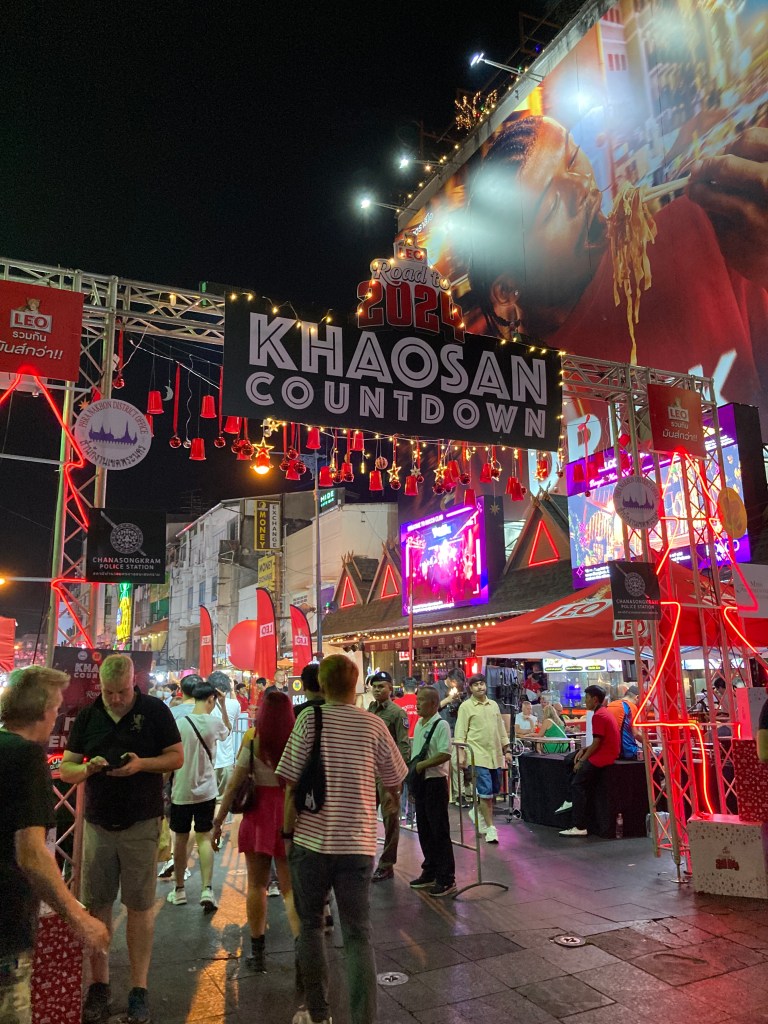
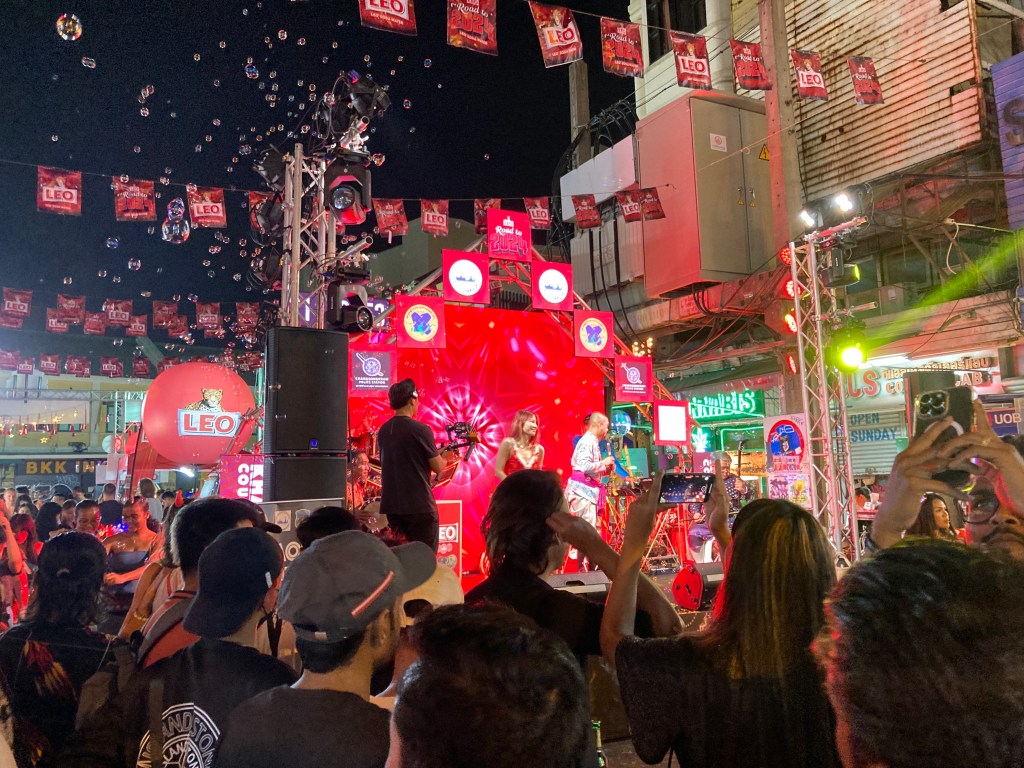
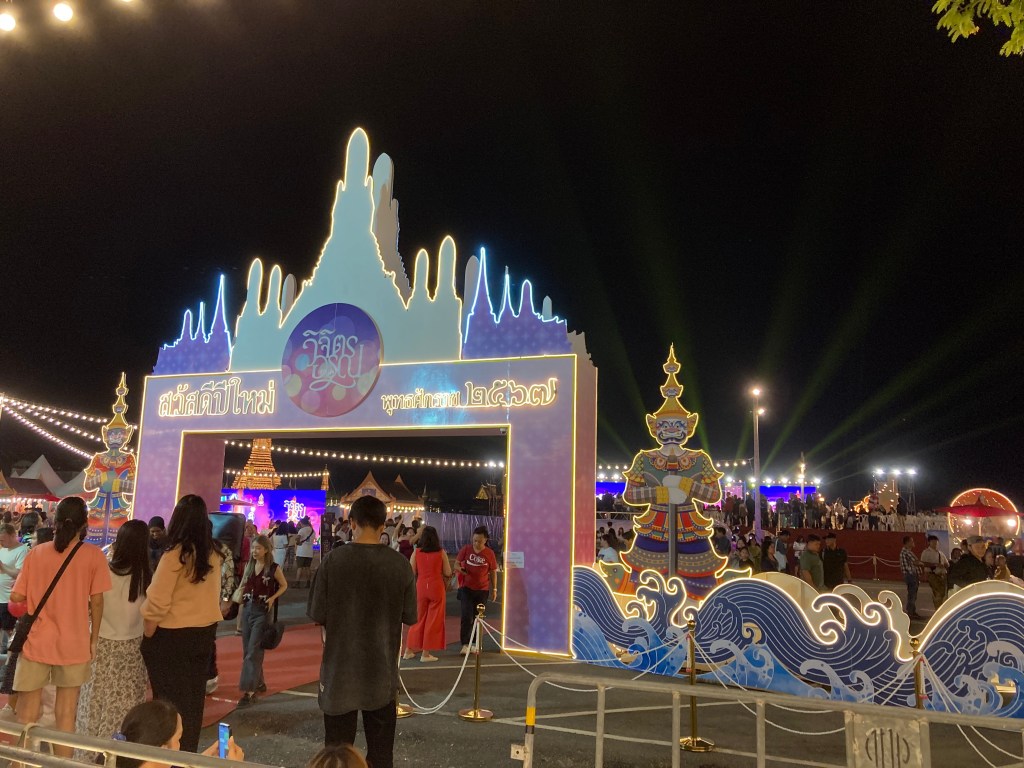
Tonight is New Year’s Eve 2023, and I went to Khao San Road to prepare for the fireworks display at midnight.
The name “Khaosan” derives from ‘milled rice’, reflecting its historical role as a major rice market in Bangkok.[1] Over the past four decades, however, Khaosan Road has transformed into a renowned “backpacker ghetto”.[2][3] It offers budget accommodations ranging from basic hostels to affordable three-star hotels. In an essay exploring the backpacker culture of Khaosan Road, Susan Orlean described it as “the place to disappear.”[4] According to the Khao San Business Association, the road welcomes 40,000–50,000 tourists daily during peak season and 20,000 per day during the off-season.
Day 19
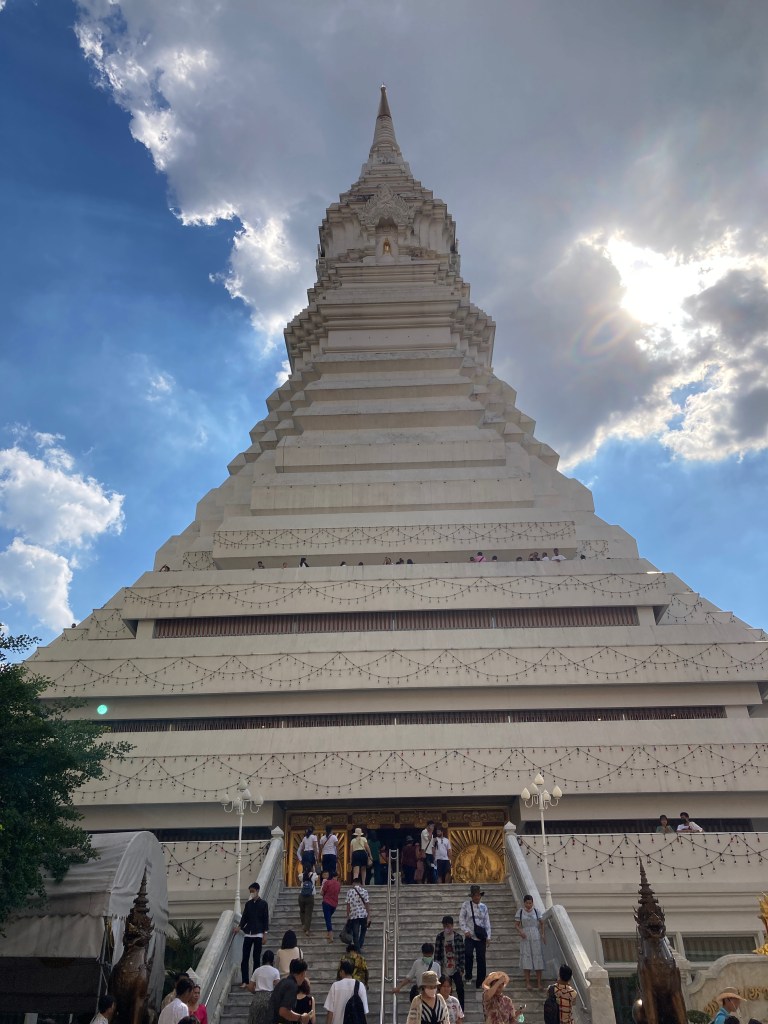
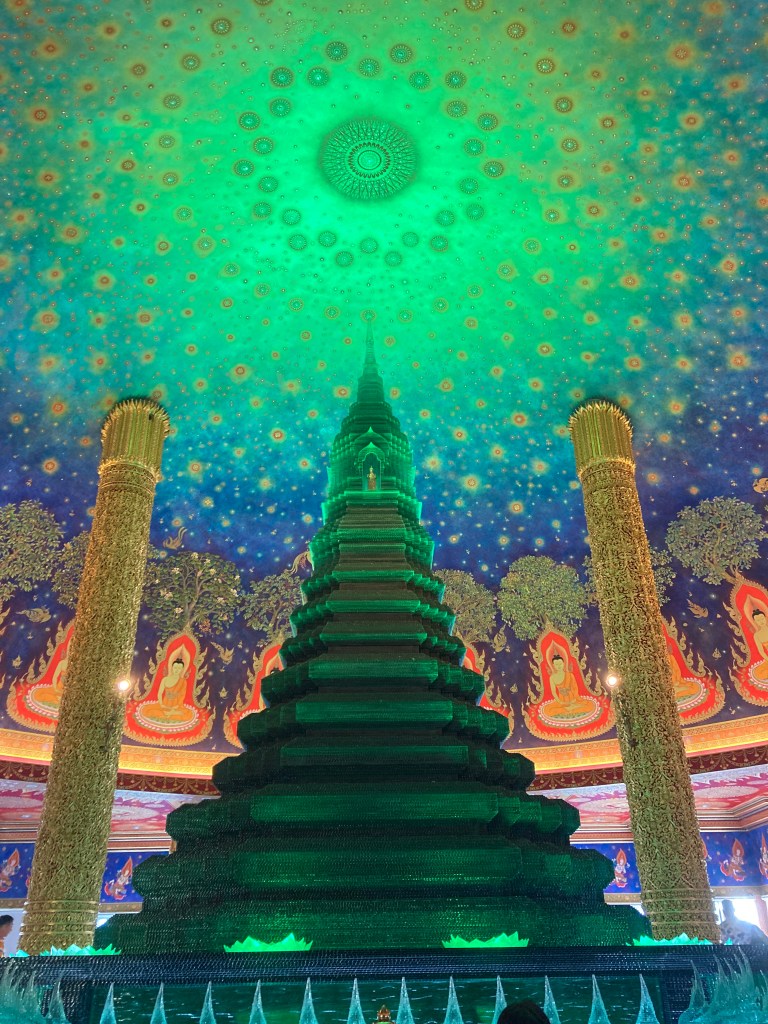
Wat Paknam Bhasicharoen
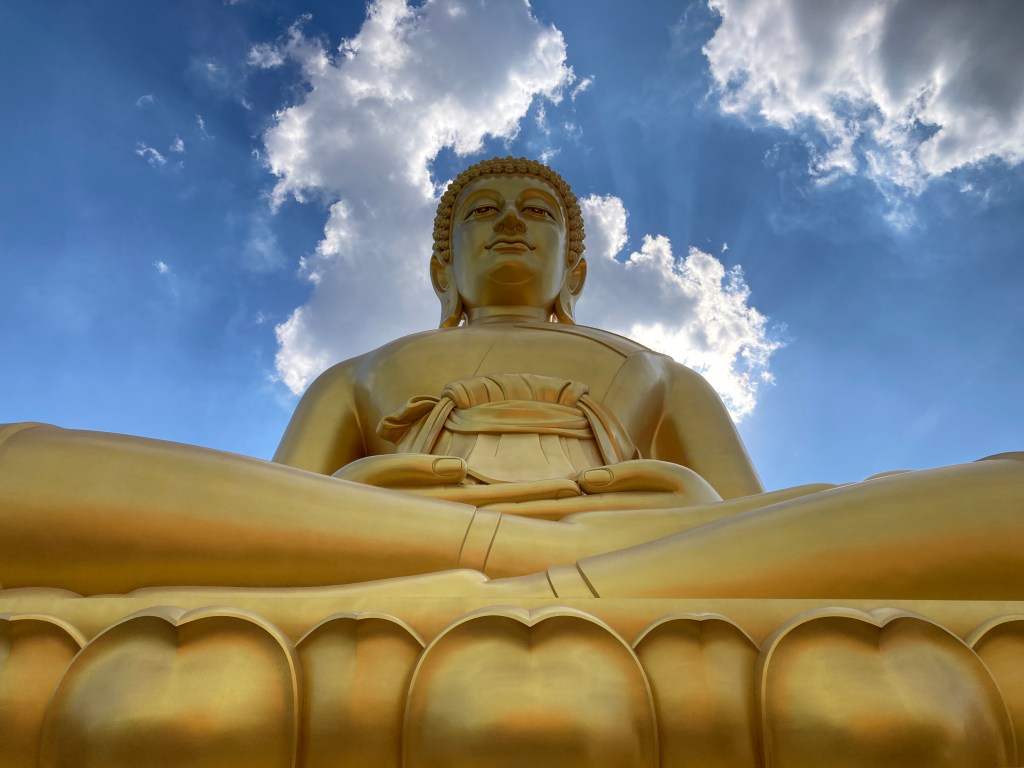
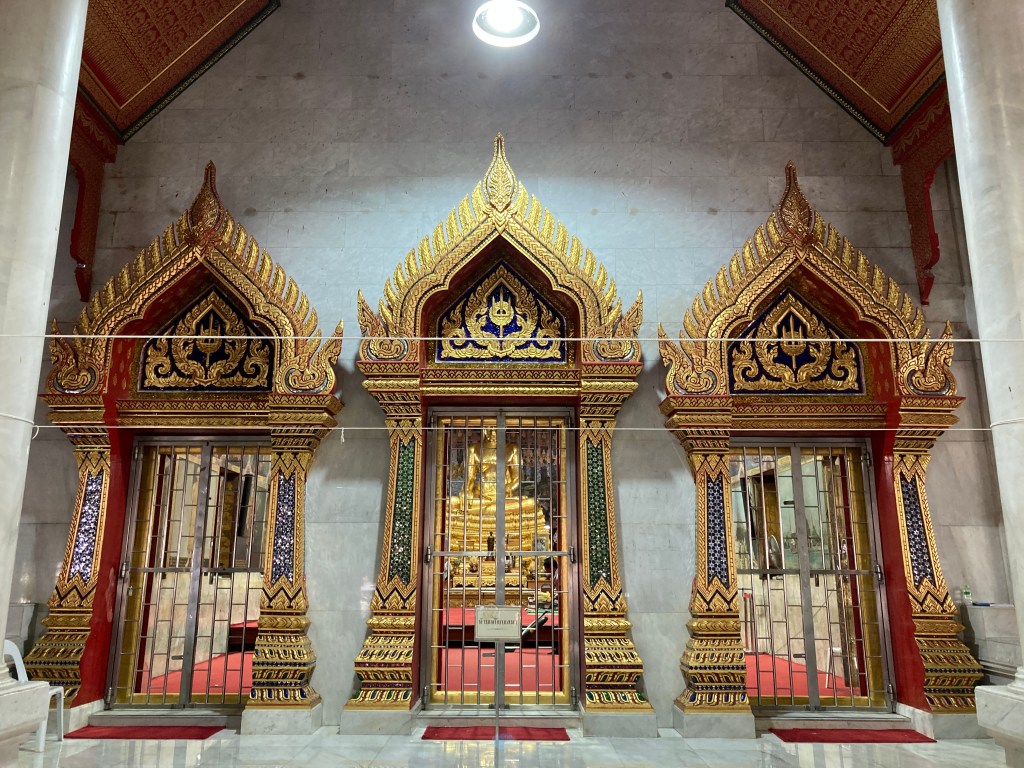
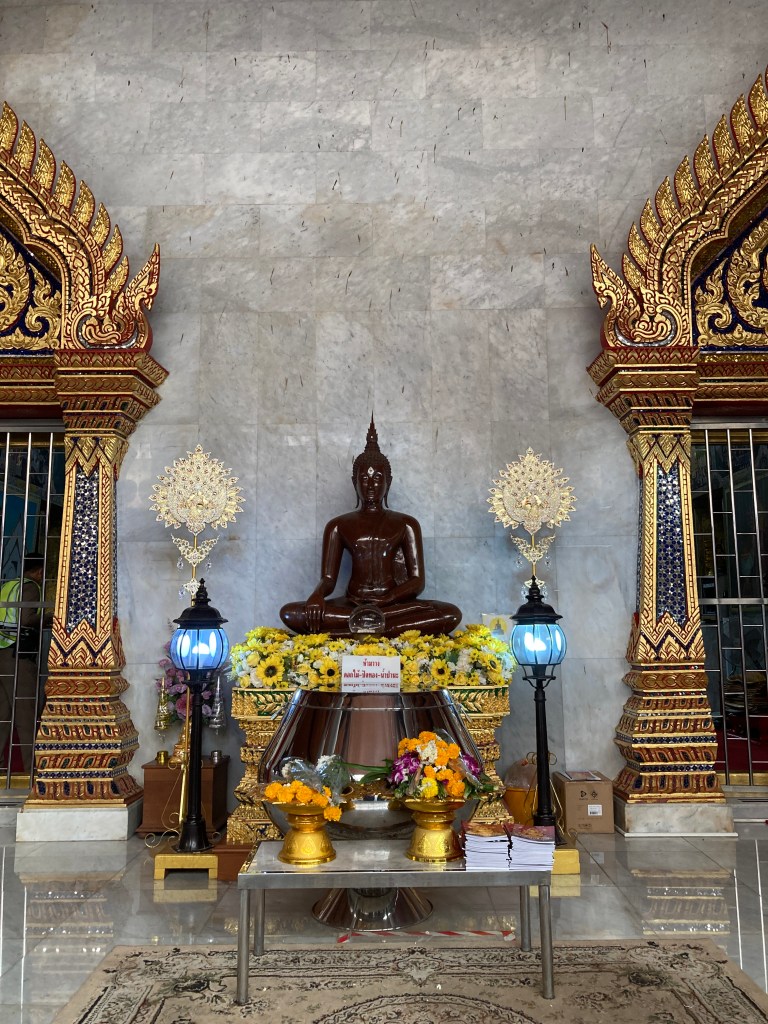
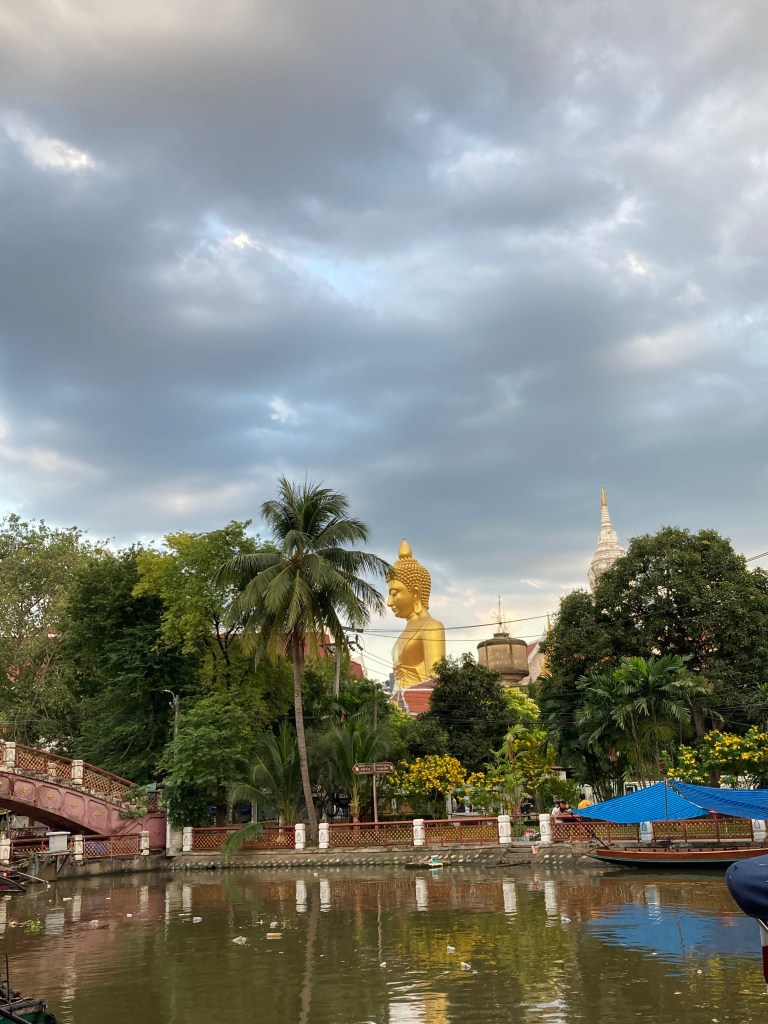
Wat Paknam Bhasicharoen (Thai: วัดปากน้ำภาษีเจริญ, RTGS: Wat Paknam Phasi Charoen) is a royal temple situated in Phasi Charoen district, Bangkok, along the Chao Phraya River. It belongs to the Maha Nikaya fraternity and serves as the birthplace of the Dhammakaya tradition. Known for its size and popularity, the temple enjoys strong support from affluent community members.
Established in 1610 during the Ayutthaya period, Wat Paknam received royal patronage until the late nineteenth century. By the early twentieth century, it had fallen into neglect and disrepair. The temple experienced a significant revival under the guidance of the meditation master Luang Pu Sodh Candasaro, who served as abbot in the first half of the twentieth century. Following Luang Pu’s passing, Somdet Chuang Varapuñño [th] assumed leadership until his death in 2021.
Somdet Chuang gained international attention starting in 2015 due to controversies surrounding his appointment as Supreme Patriarch, which was ultimately withdrawn amid political interpretations. This sparked debates and protests in Thailand. During this period, accusations of tax fraud were leveled against Somdet Chuang and his assistant. While insufficient evidence led to Somdet Chuang being cleared of charges, his assistant was later acquitted due to lack of substantiation, just two days after Somdet Chuang’s nomination was withdrawn.
Day 20
Today I did nothing, just rested at the accommodation. Had a body massage and ate some food.
Day 21
China Town Bangkok
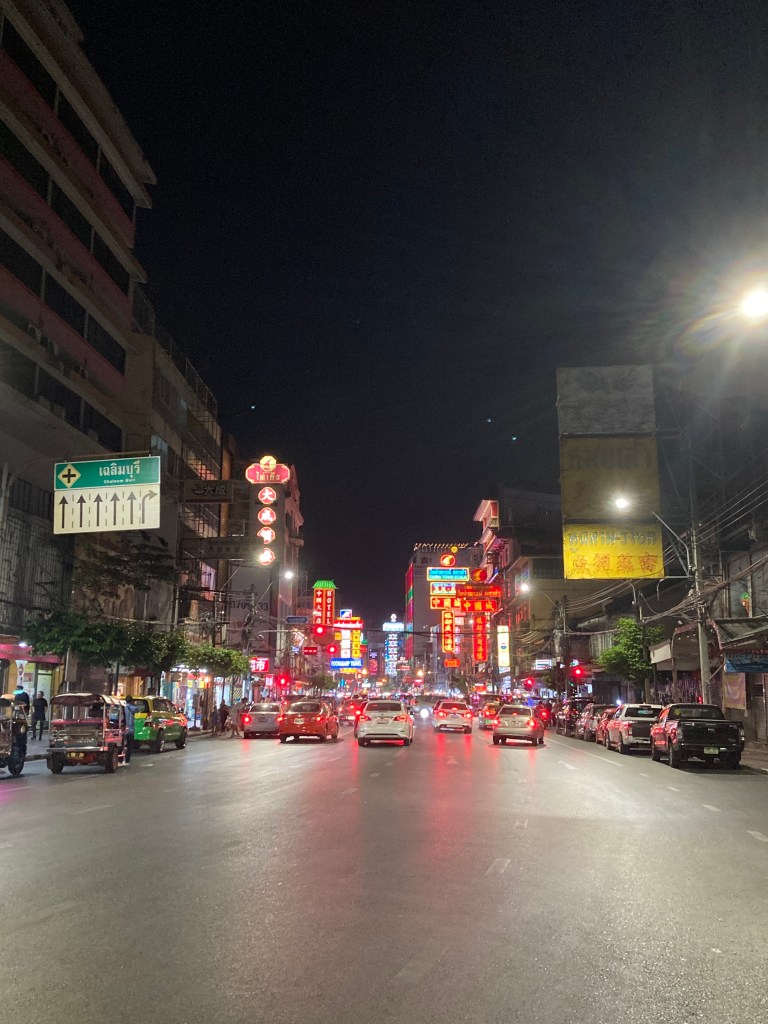
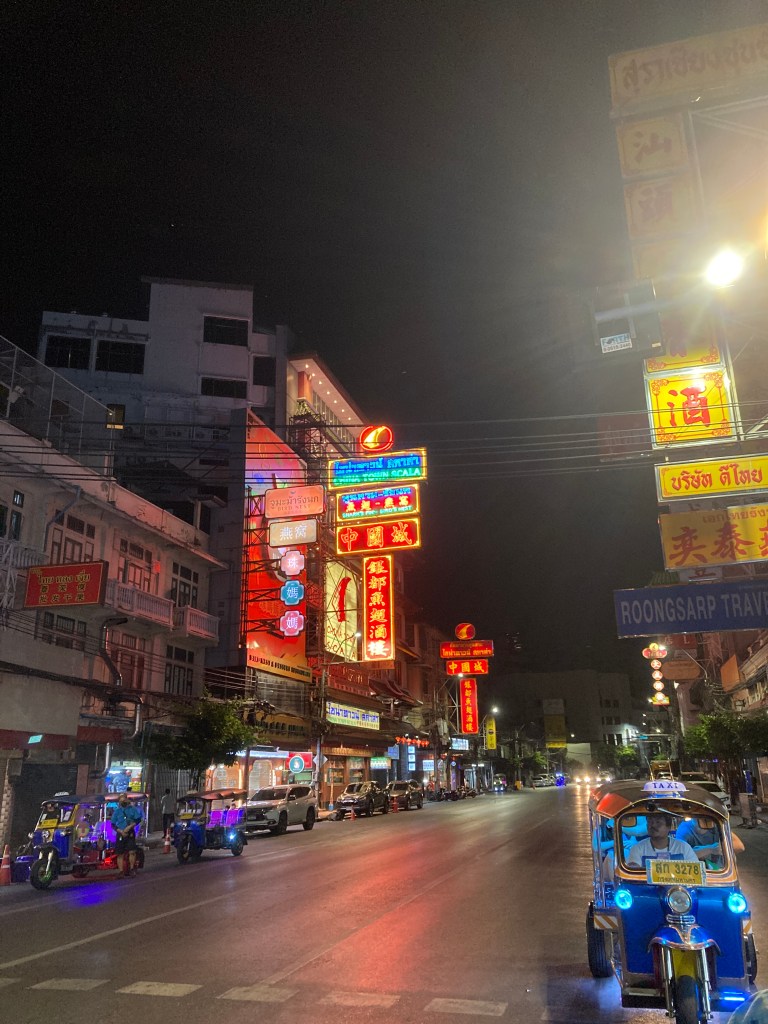
Bangkok’s Chinatown is among the world’s largest and was established in 1782 when the city became the capital of the Rattanakosin Kingdom. Initially settled by Teochew Chinese immigrants, Chinatown quickly became the dominant ethnic enclave in Bangkok. Originally centered around Sampheng, the heart of Chinatown now extends along Yaowarat Road, which acts as its main thoroughfare and gives its name to the entire area, often called Yaowarat (Thai: เยาวราช).
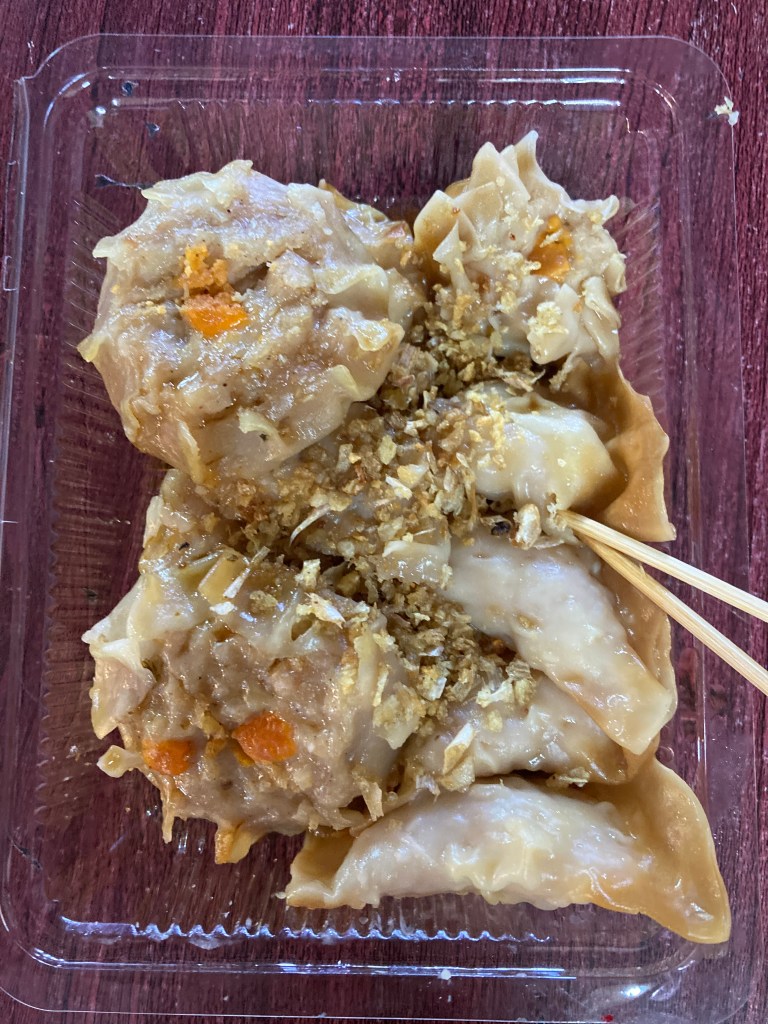
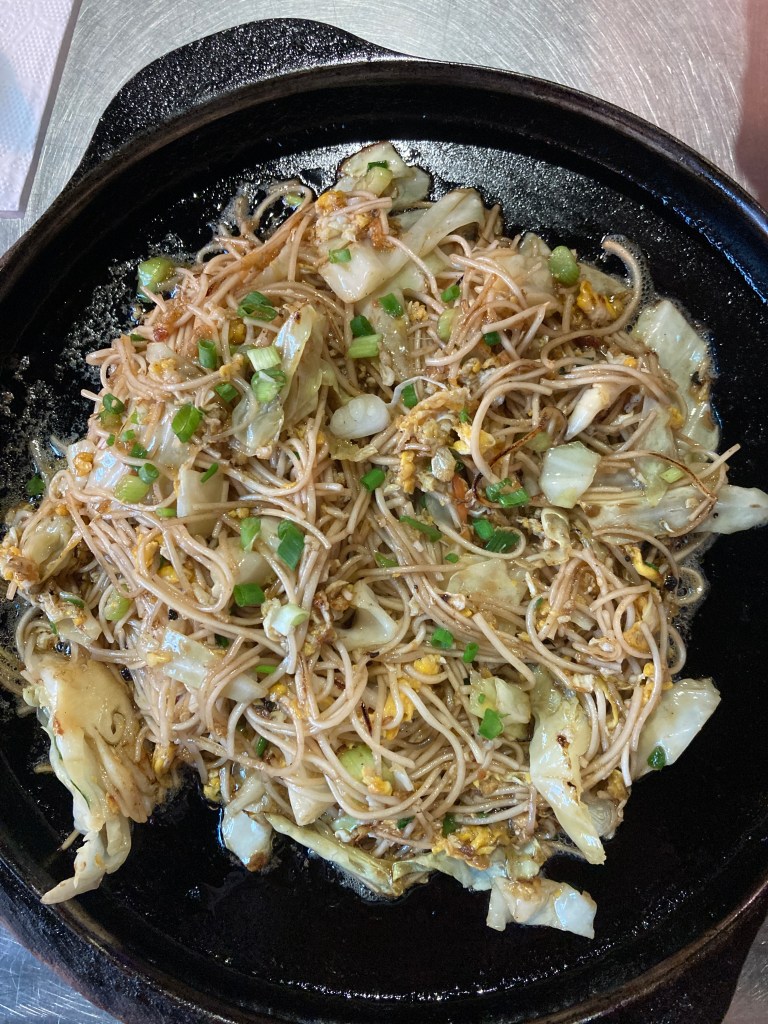
Chinatown, encompassing Samphanthawong District, includes neighborhoods like Song Wat and Talat Noi along the Chao Phraya River, as well as Charoen Chai, Khlong Thom, and Nakhon Khasem along Charoen Krung Road. Initially an undeveloped area outside city walls, Chinatown evolved into Bangkok’s commercial hub from the late 19th to early 20th centuries. While its commercial prominence has waned due to urban expansion, it remains a vibrant center of Chinese culture, featuring countless shops offering traditional goods and renowned as a culinary hotspot.

Day 22
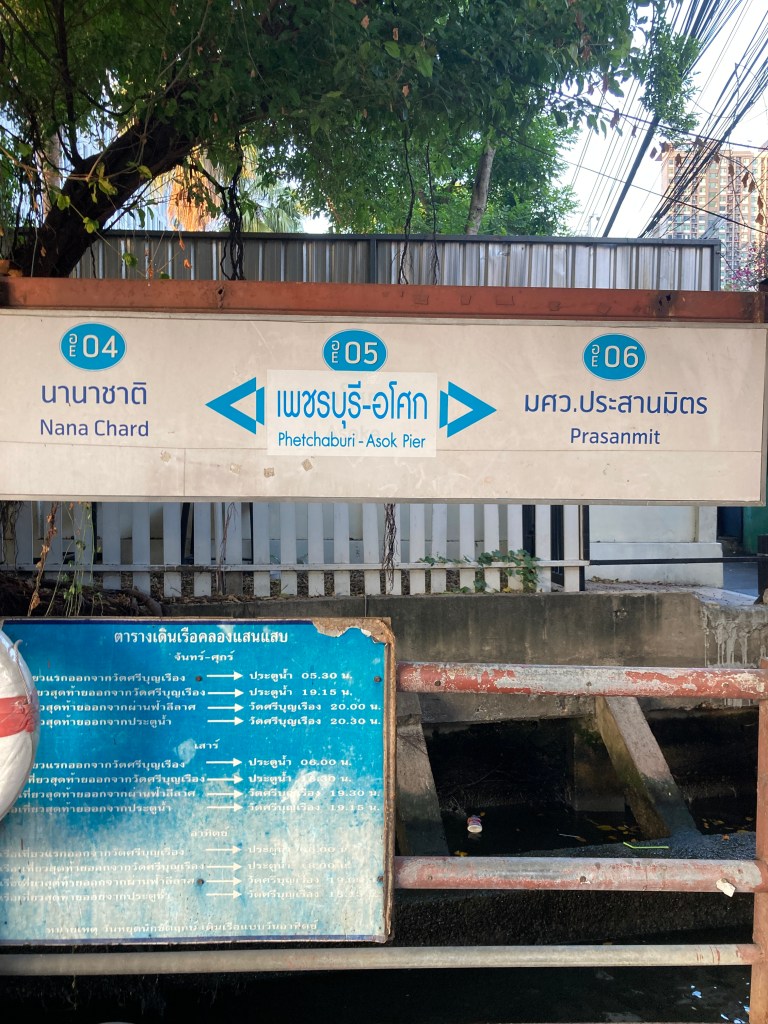
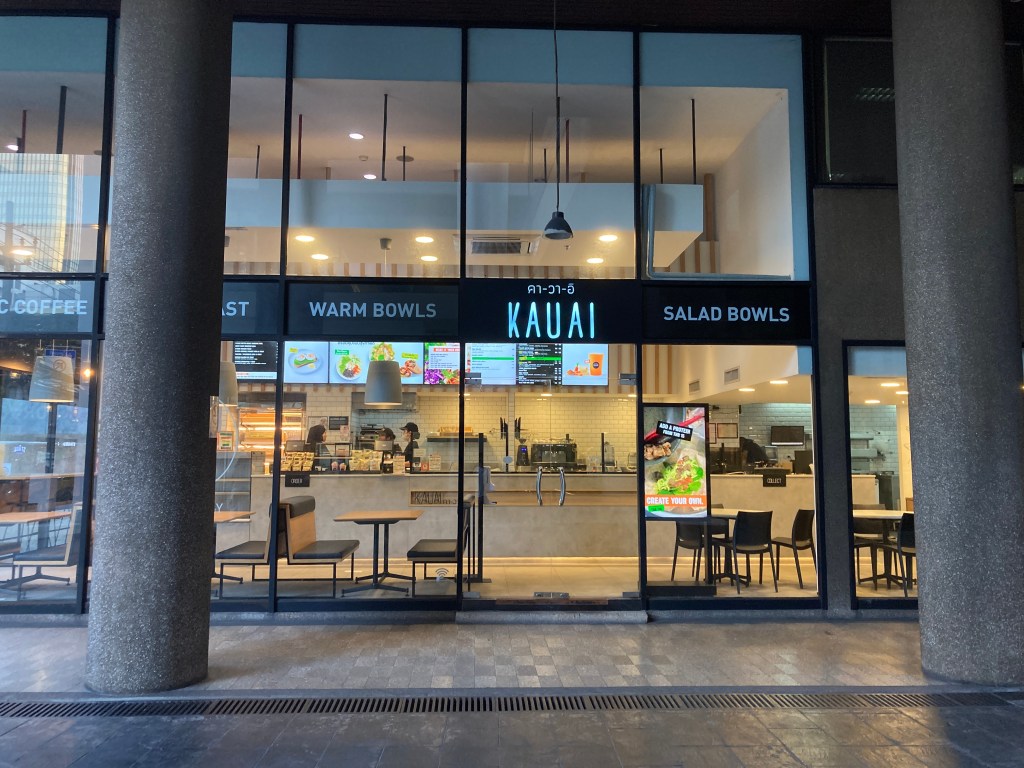
Today was nothing special either, just took a boat in Bangkok and ate some food.


Day 23
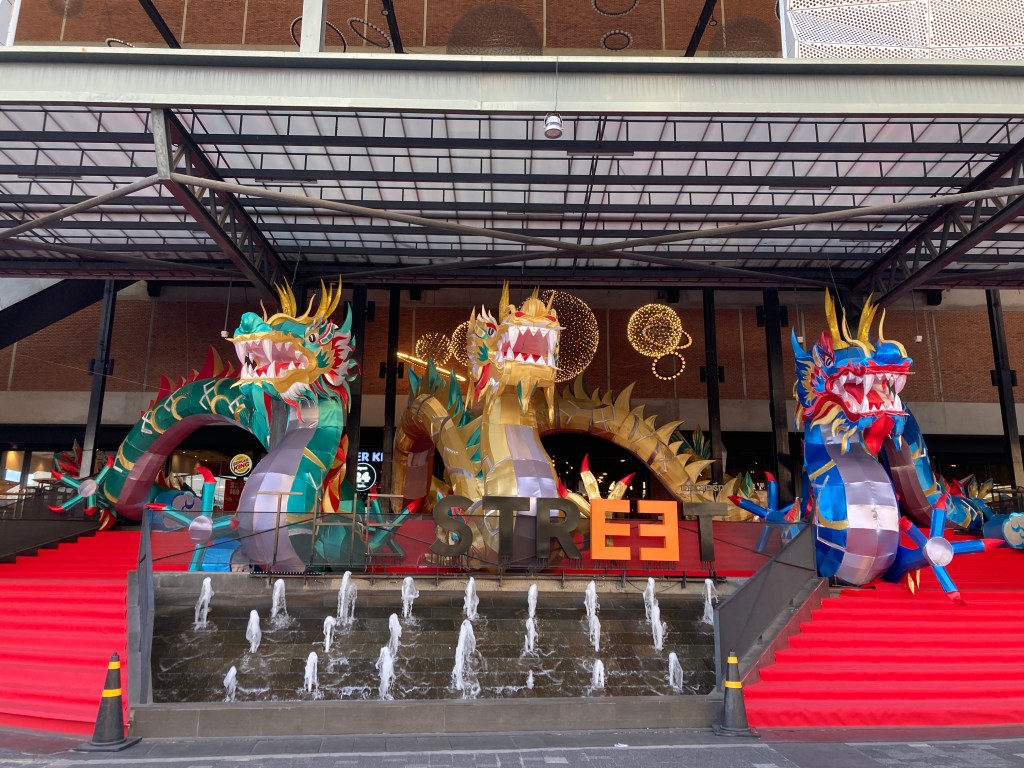
THE STREET RATCHADA
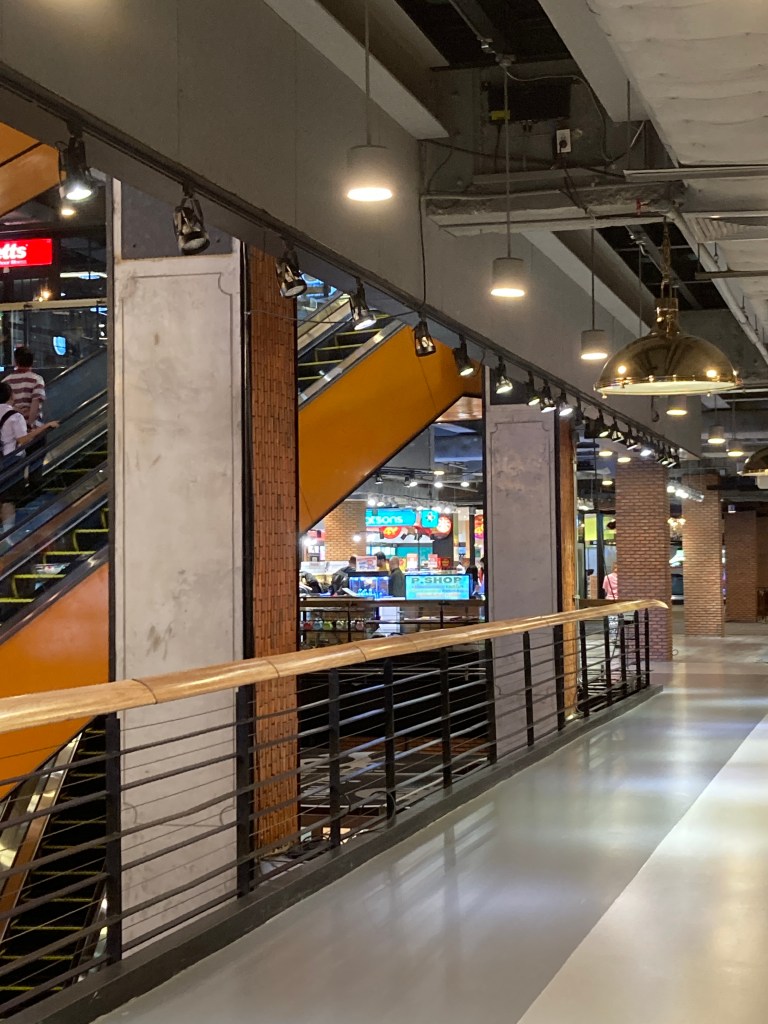
With a population exceeding 10 million, Bangkok continues to evolve into a sprawling urban landscape. Architectkidd’s strategy for The Street Ratchada project aims to infuse public and urban elements into a burgeoning neighborhood outside the city center. Featuring cafes, restaurants, and various retail and commercial spaces, The Street Ratchada introduces new outdoor and semi-indoor urban environments designed to interact with the local community and surroundings.

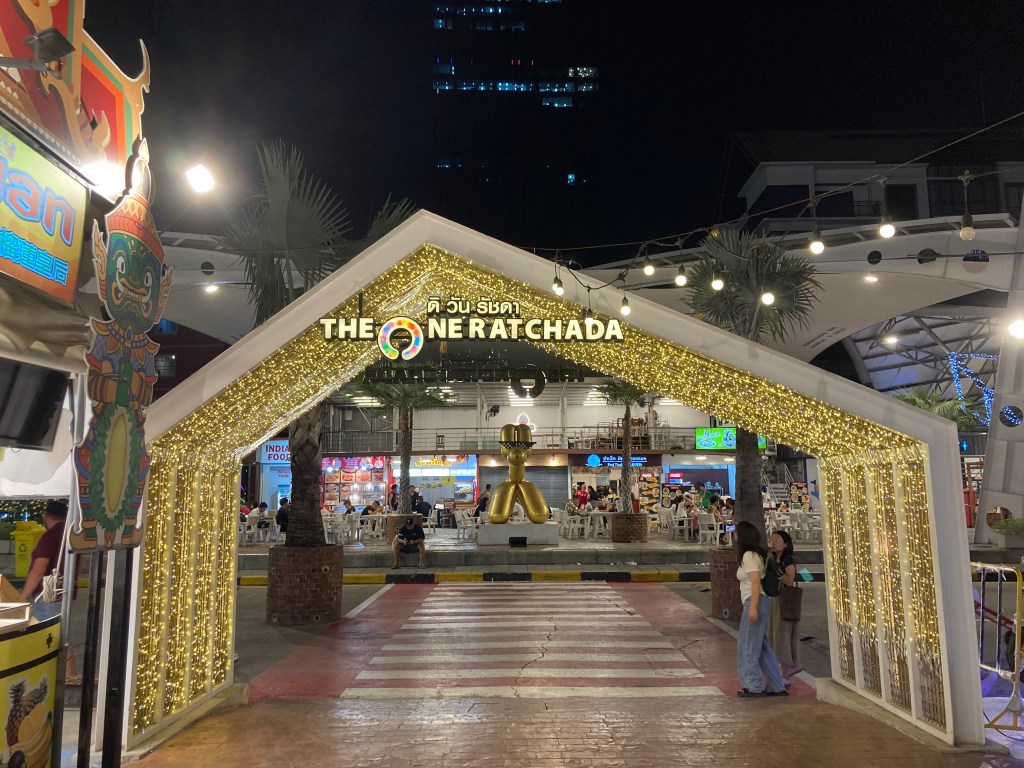
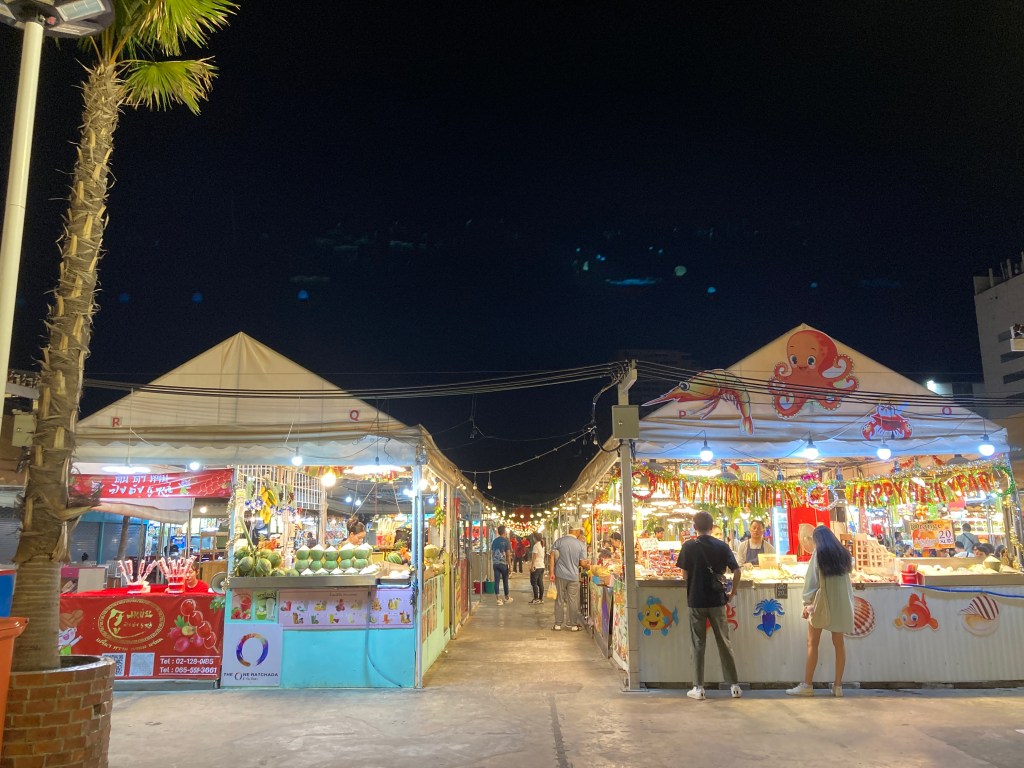
The One Ratchada Night Market
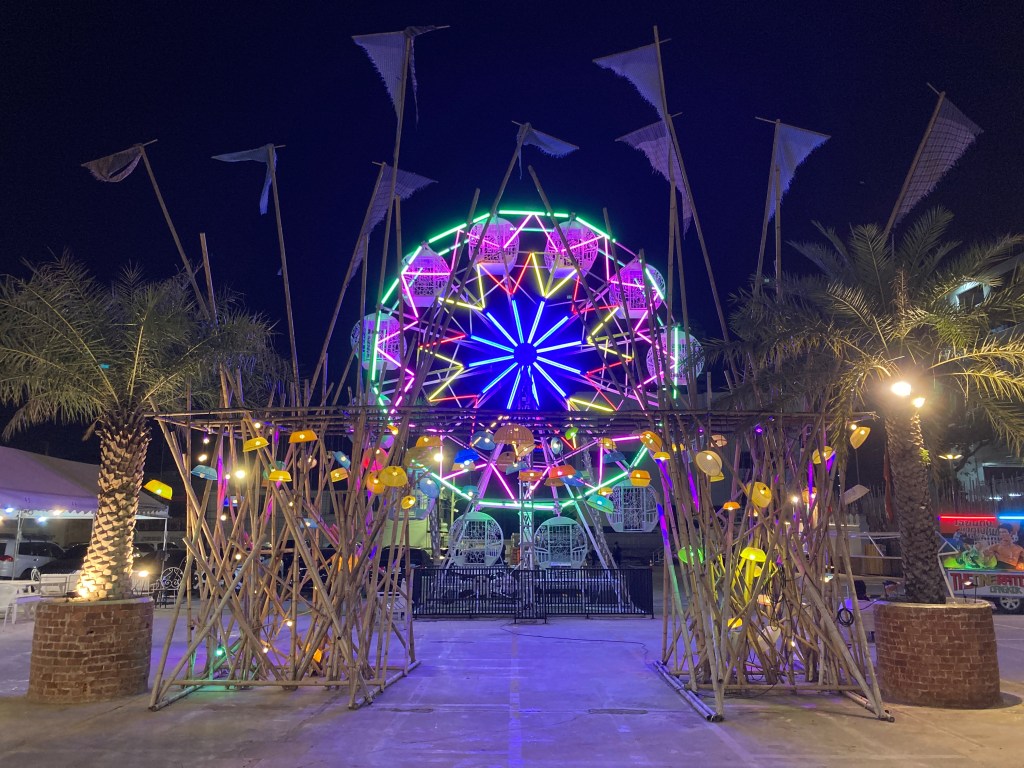
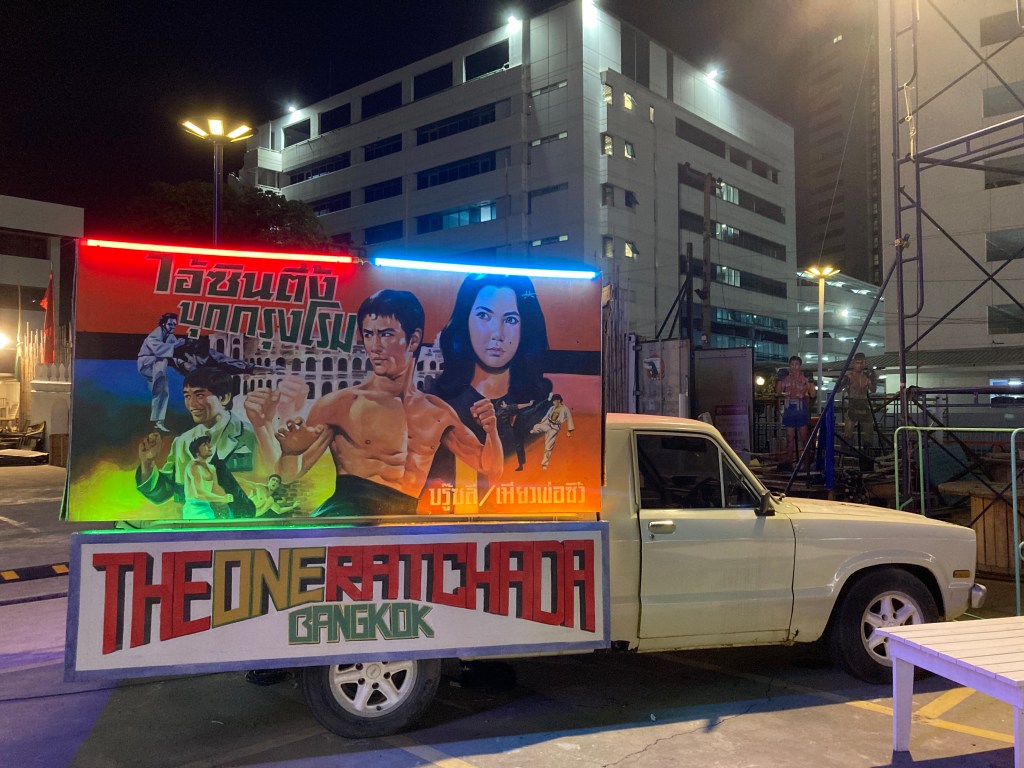
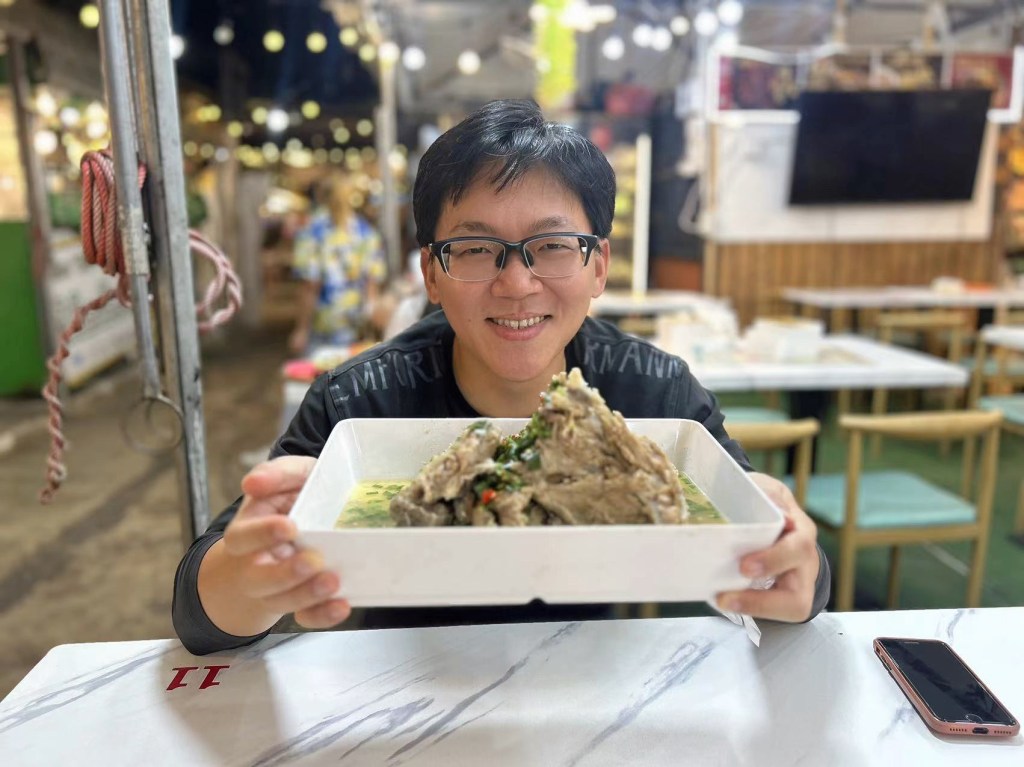
Bangkok provides travelers with a diverse array of night markets, including The One Ratchada Night Market, which debuted in 2022. This new night market occupies the former site of the Ratchada Train Night Market, centrally situated next to an MRT metro station for convenient access in the city center.




Day 24
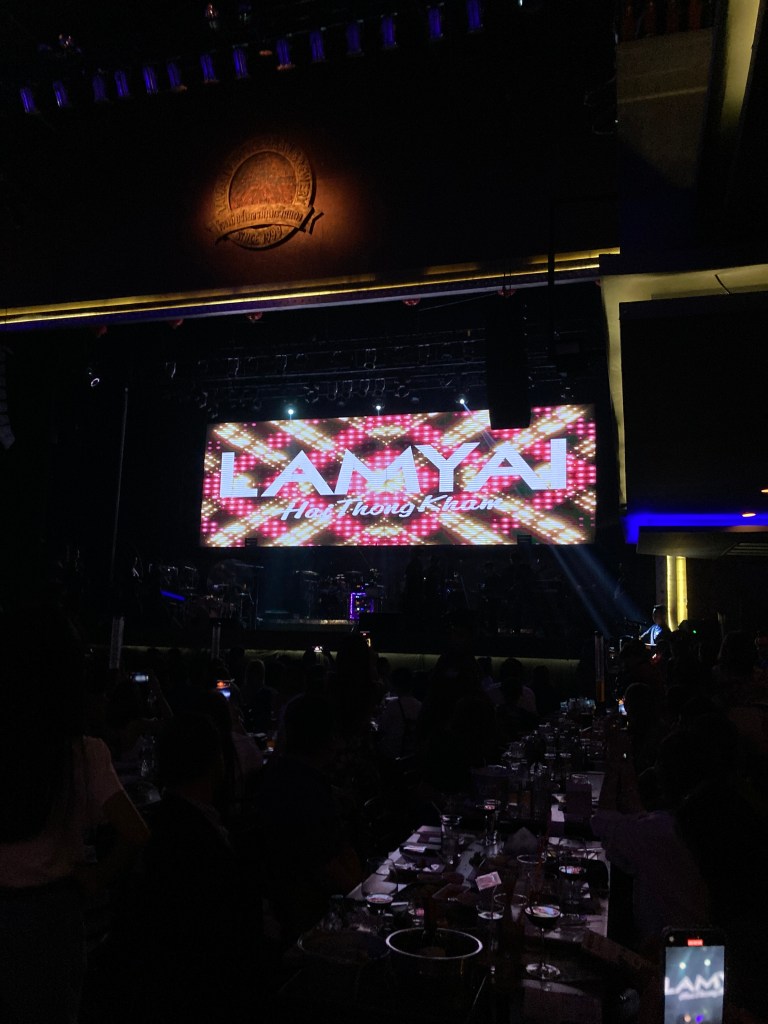
Finally, today has arrived because my trip to Bangkok revolves around attending a concert by a Thai female singer whom I really admire, Lamyai.
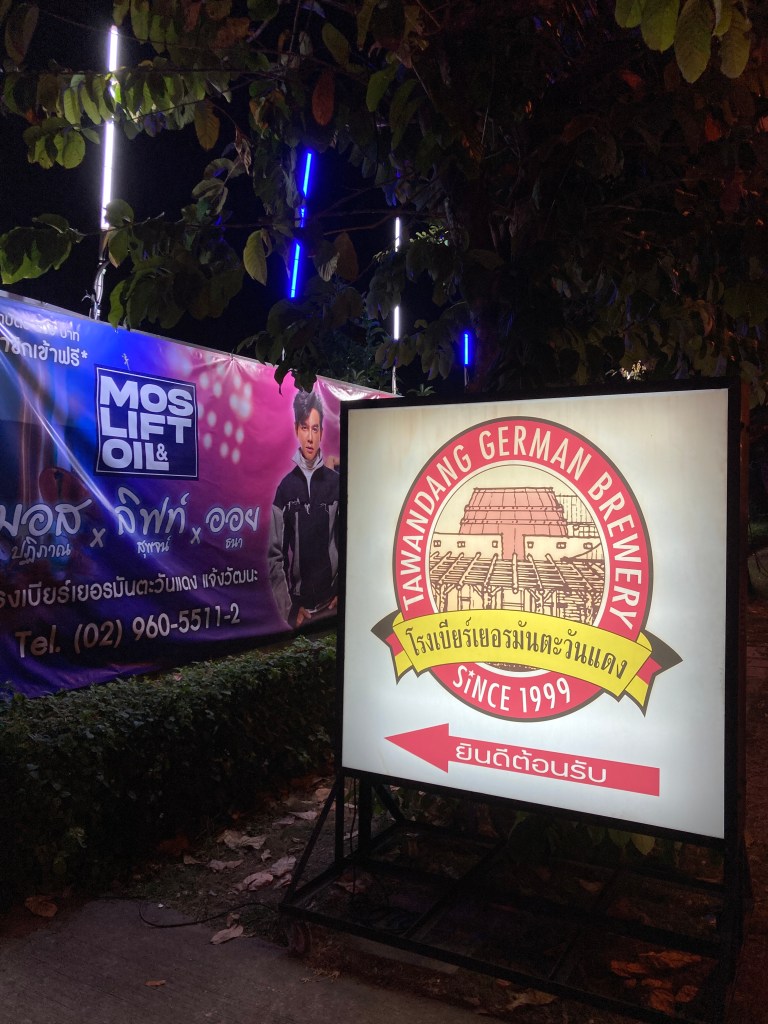
Tawandang German Brewery
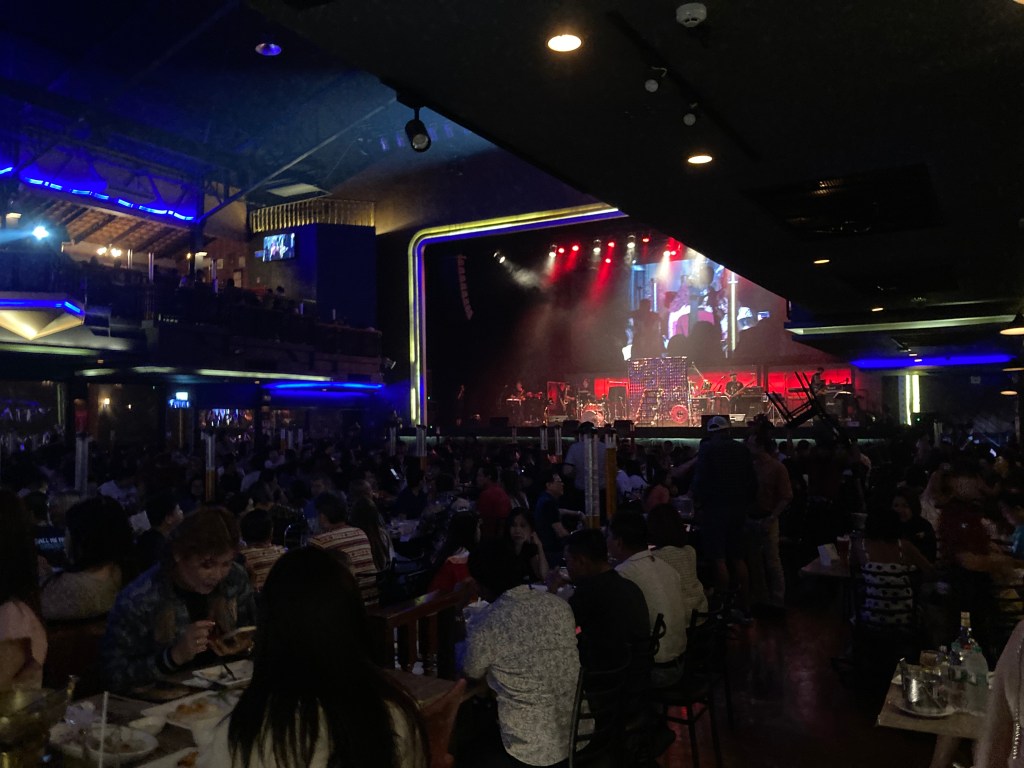
The restaurant is consistently busy every night, often requiring a wait for a table despite its spaciousness. The lively and entertaining shows are a major attraction, along with the house-brewed beer. Fortunately, the establishment also excels in providing excellent service and delicious food, ensuring that large groups of local patrons leave satisfied and contented.
Day 25
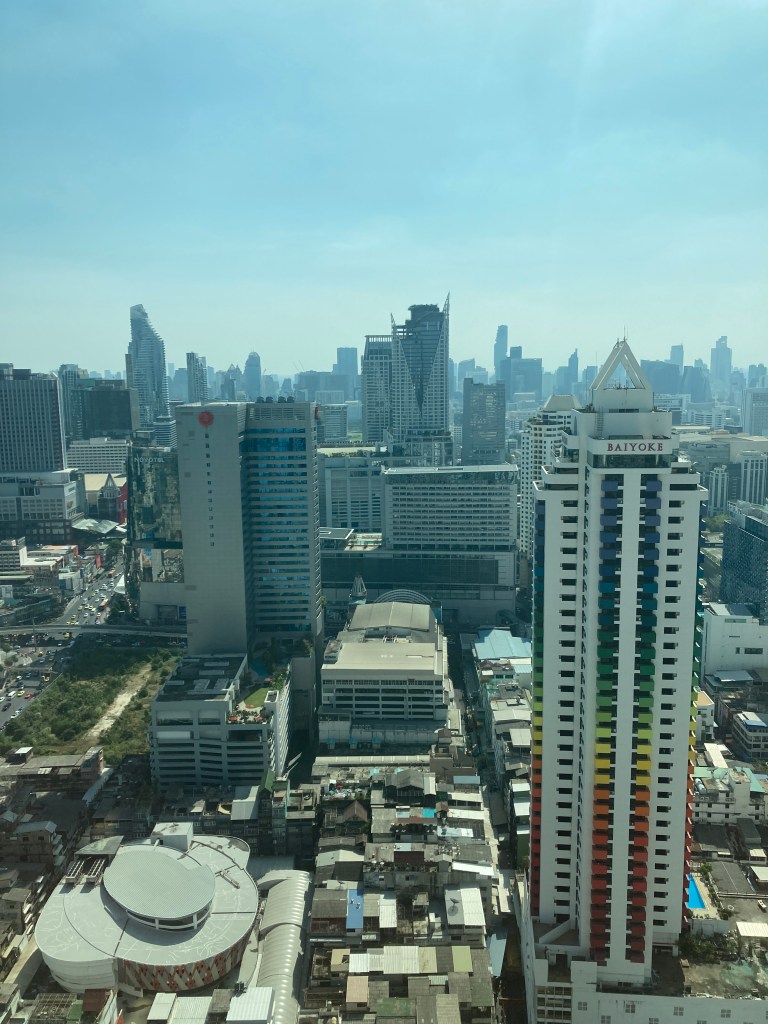
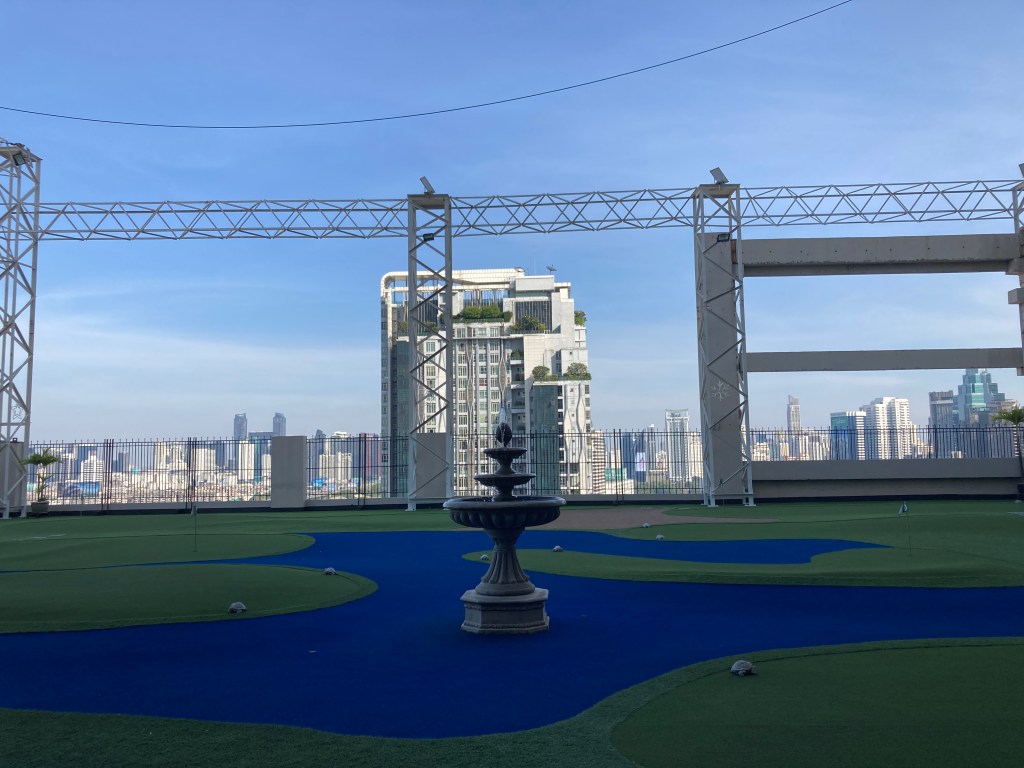
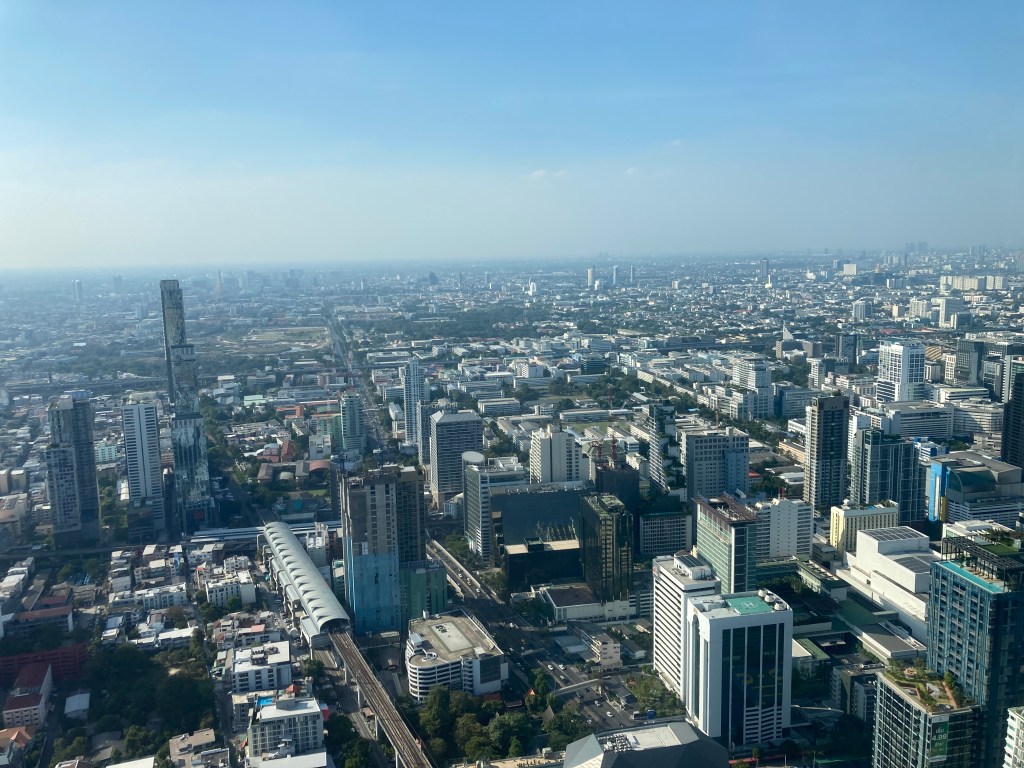
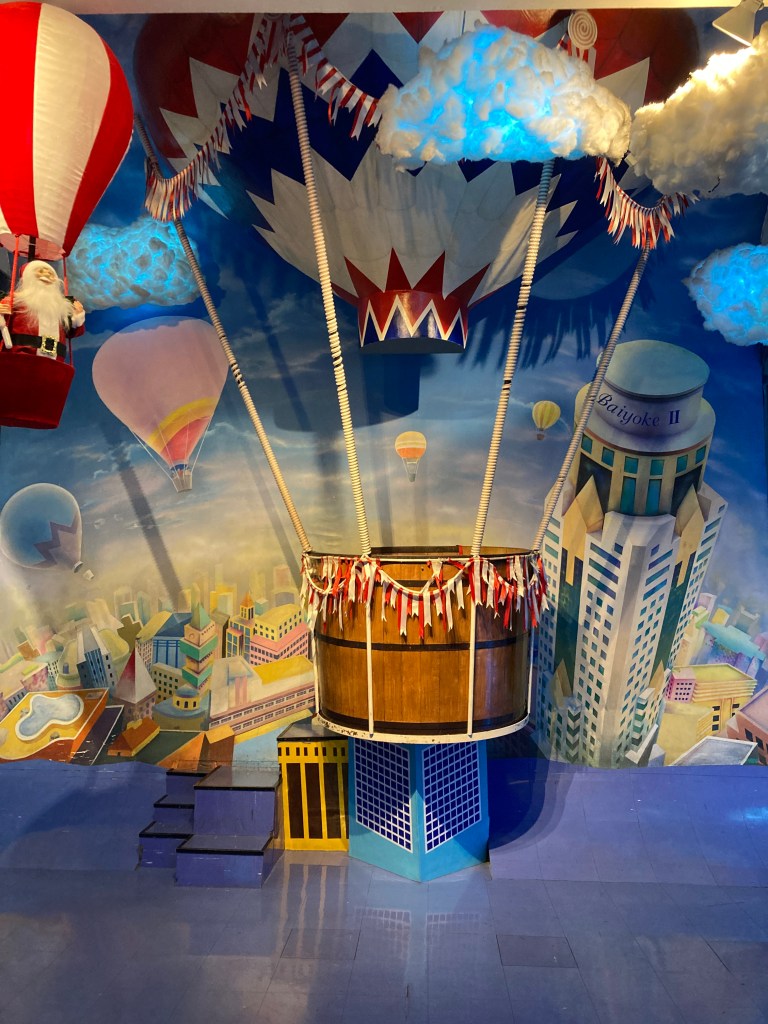
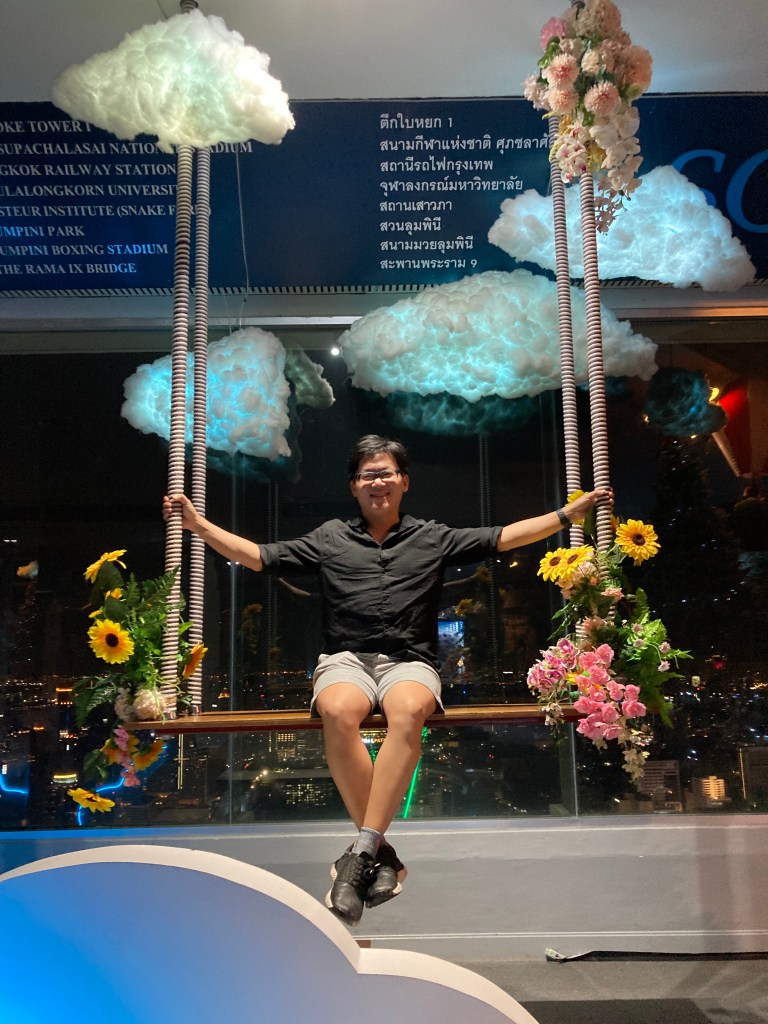
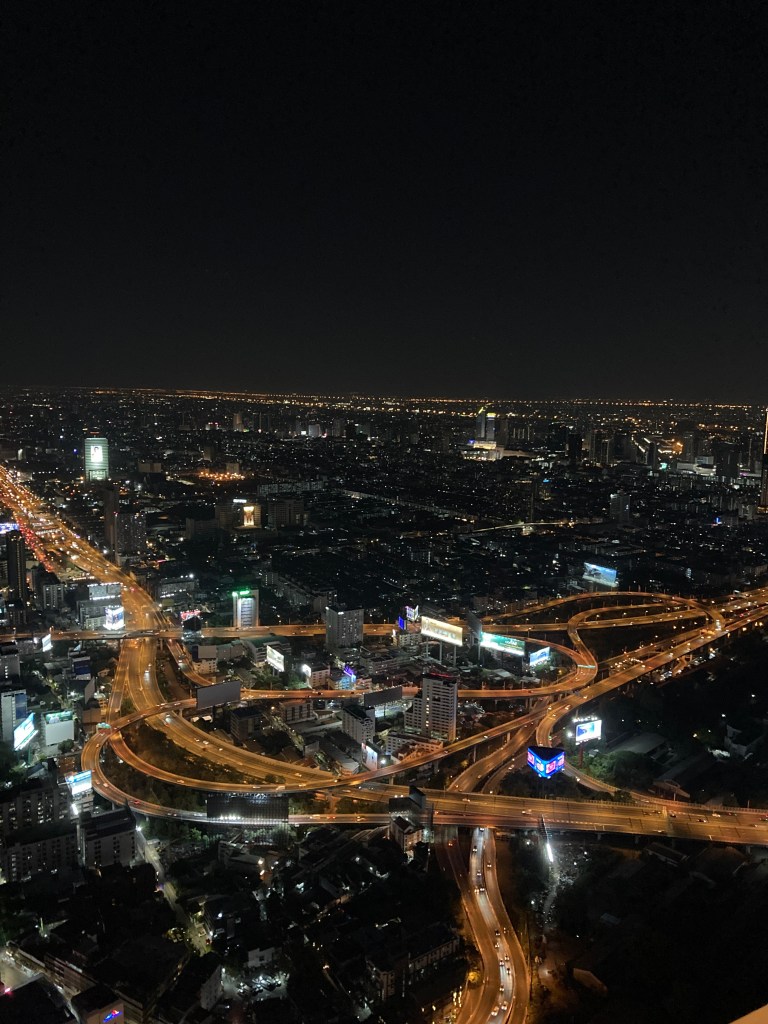
The Baiyoke Sky Hotel, Thailand’s tallest hotel soaring 88 storeys high, offers breathtaking panoramic views of Bangkok. It boasts a revolving roof deck, observation deck, and a selection of 7 dining venues. Guests enjoy complimentary WiFi throughout the hotel.
Located in downtown Pathumwan, Baiyoke Sky Hotel is just a 5-minute walk from Ratchaprarop Airport Rail Link Train station, providing convenient access to Suvarnabhumi Airport in a 25-minute train ride.
The hotel features luxurious rooms with city skyline views and marble bathrooms. Each room includes a flat-screen TV with international channels, minibar, and tea/coffee making facilities. The en suite bathrooms offer slippers, complimentary toiletries, a bathtub, and a shower.
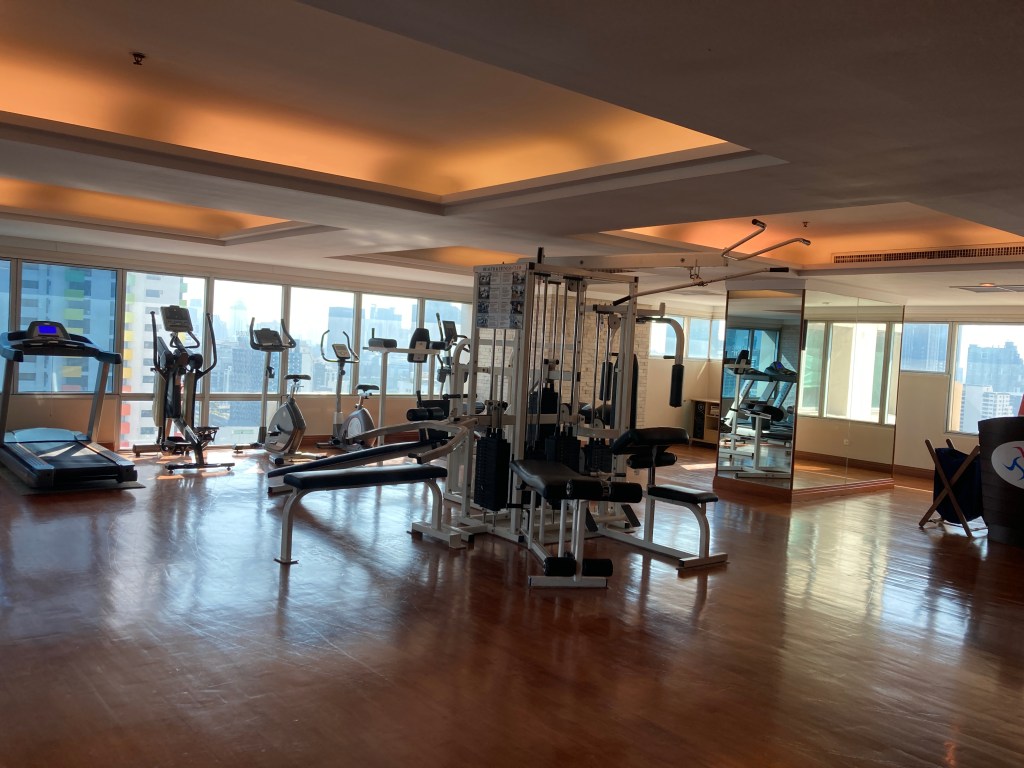
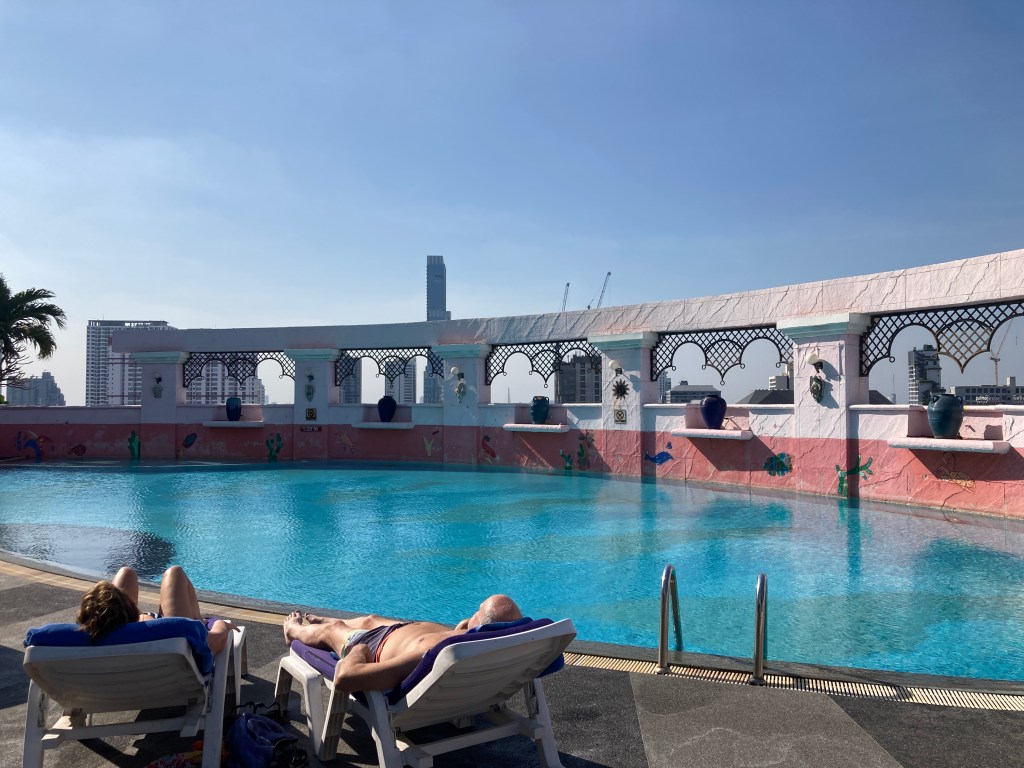
A Health and Fitness Club offers spa treatments and houses a fitness center, alongside a beauty salon. Recreation options include an open-air golf range and an outdoor pool. Additional amenities like a grocery store and tour desk are available on-site.
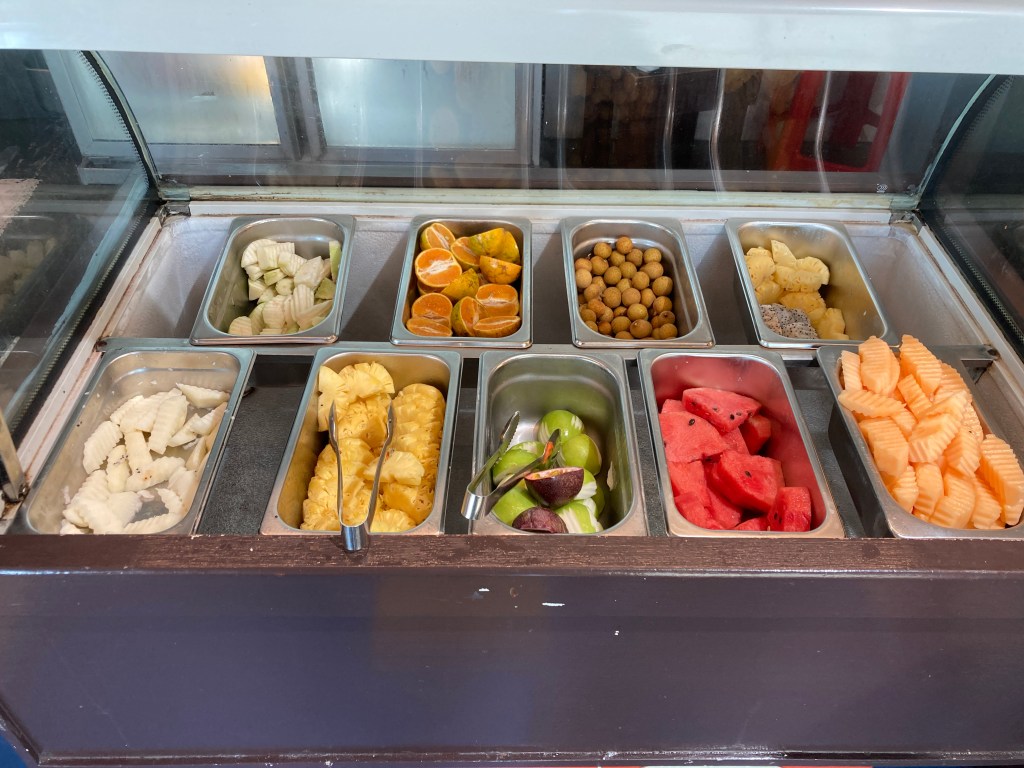
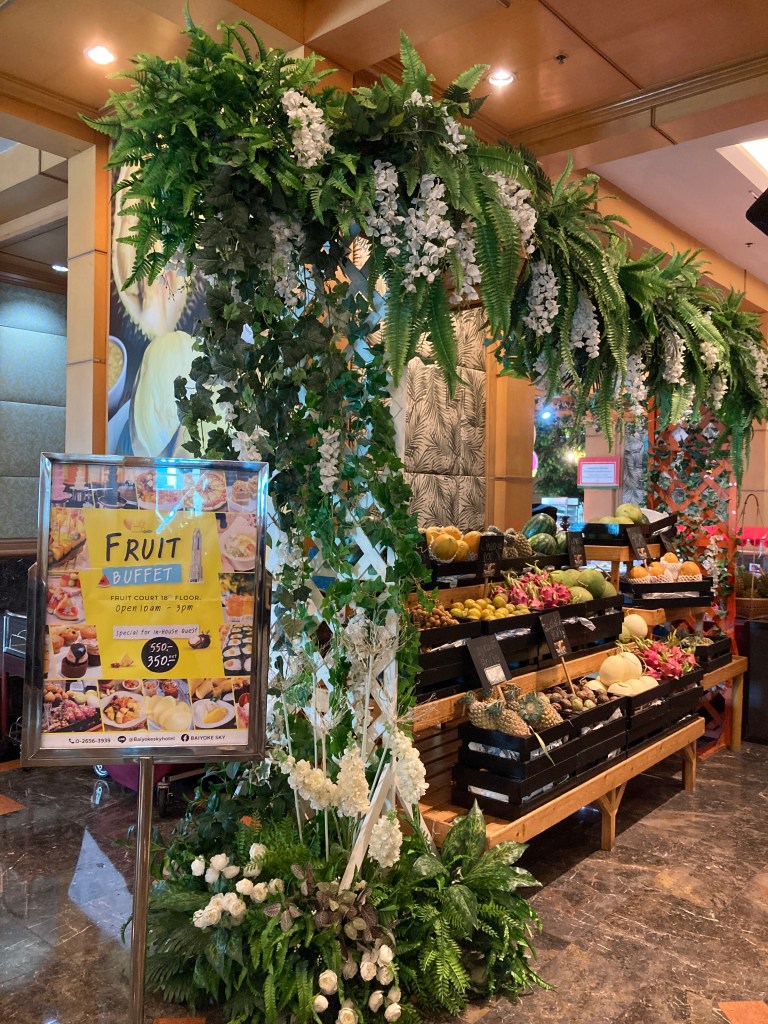
The 24-hour Sky Coffee Shop serves Thai and International cuisine, while Bangkok Sky Restaurant offers daily buffets featuring a wide array of seafood and international dishes. Guests can enjoy live entertainment and drinks at the Roof Top Bar and Music. Besides the 7 dining outlets, visitors can explore the Fruit Buffet corner for a selection of fresh tropical fruits such as durian and mangosteen.


Day 26
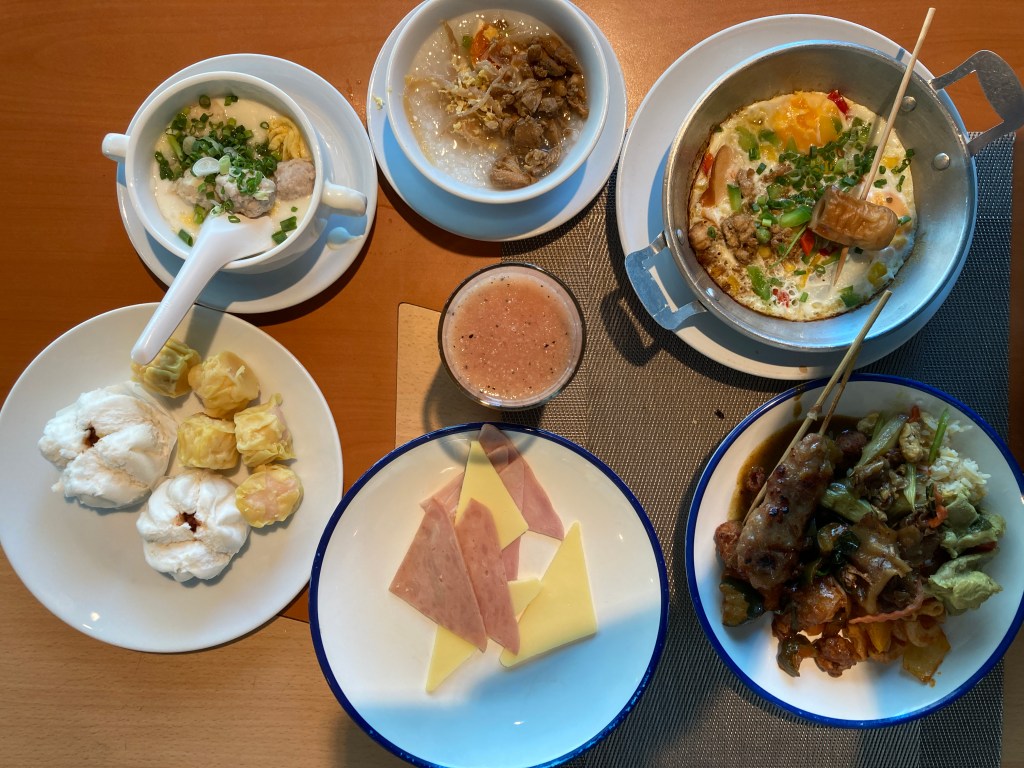
Having breakfast at the hotel in the morning.


Day 27
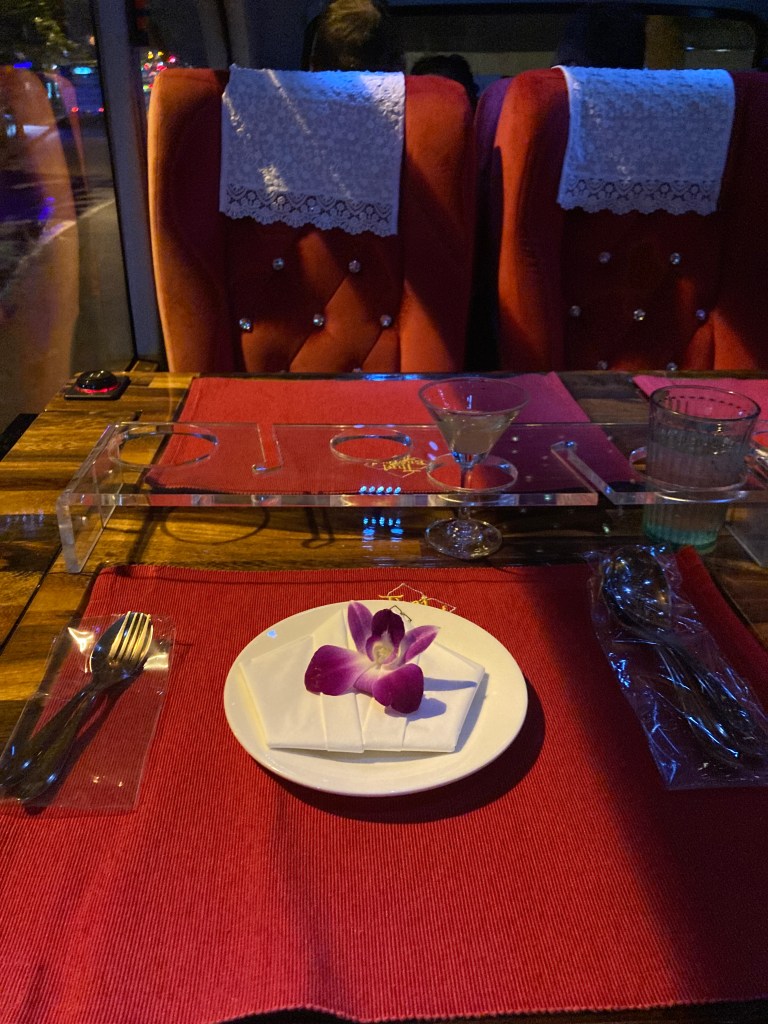
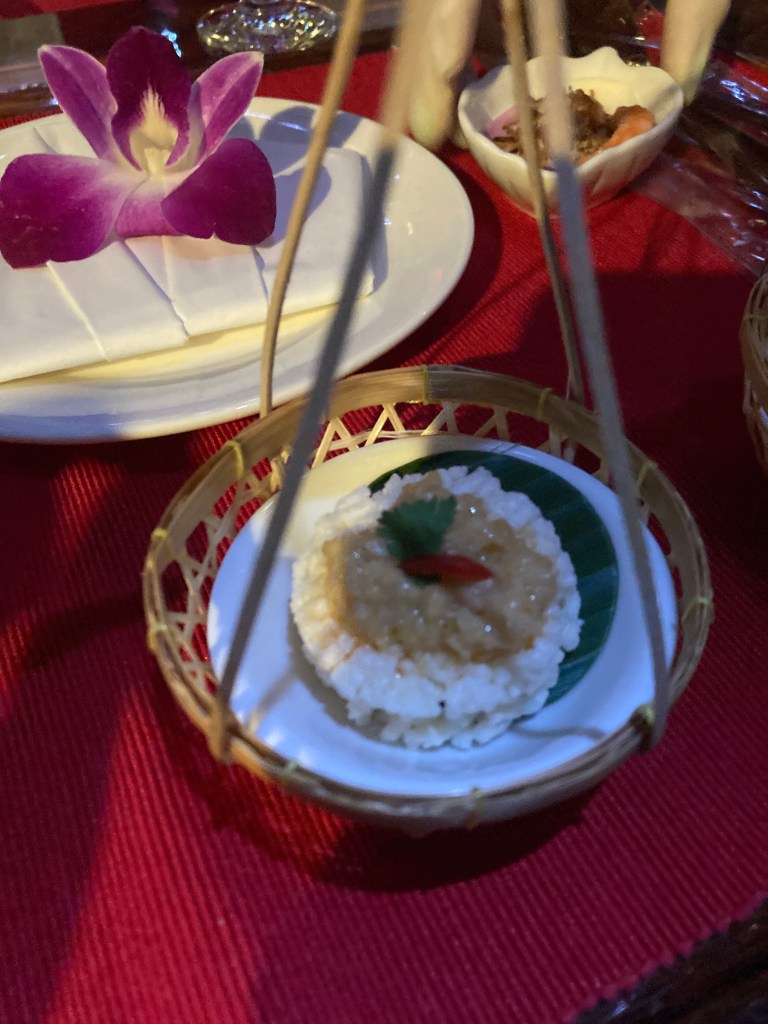
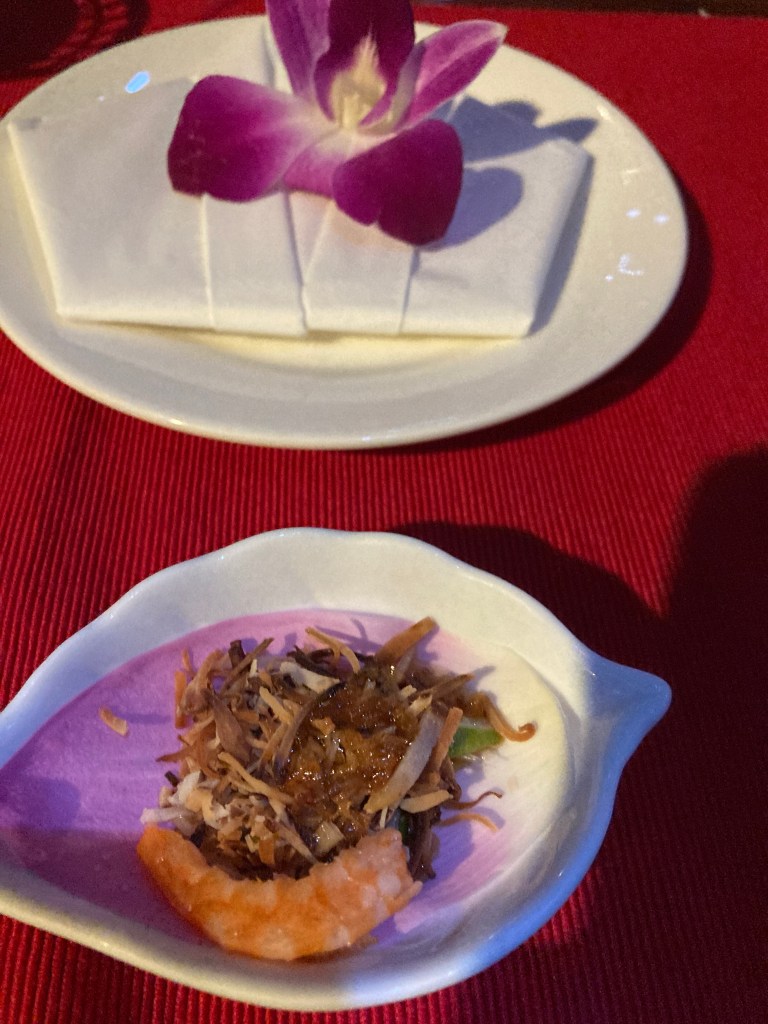
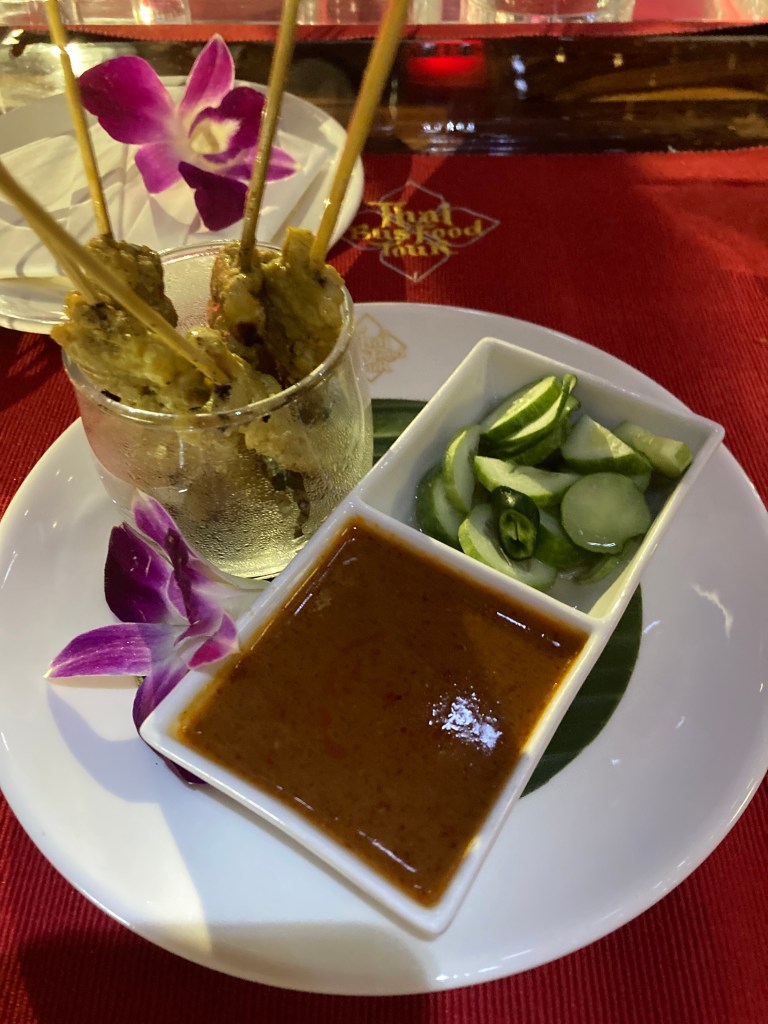
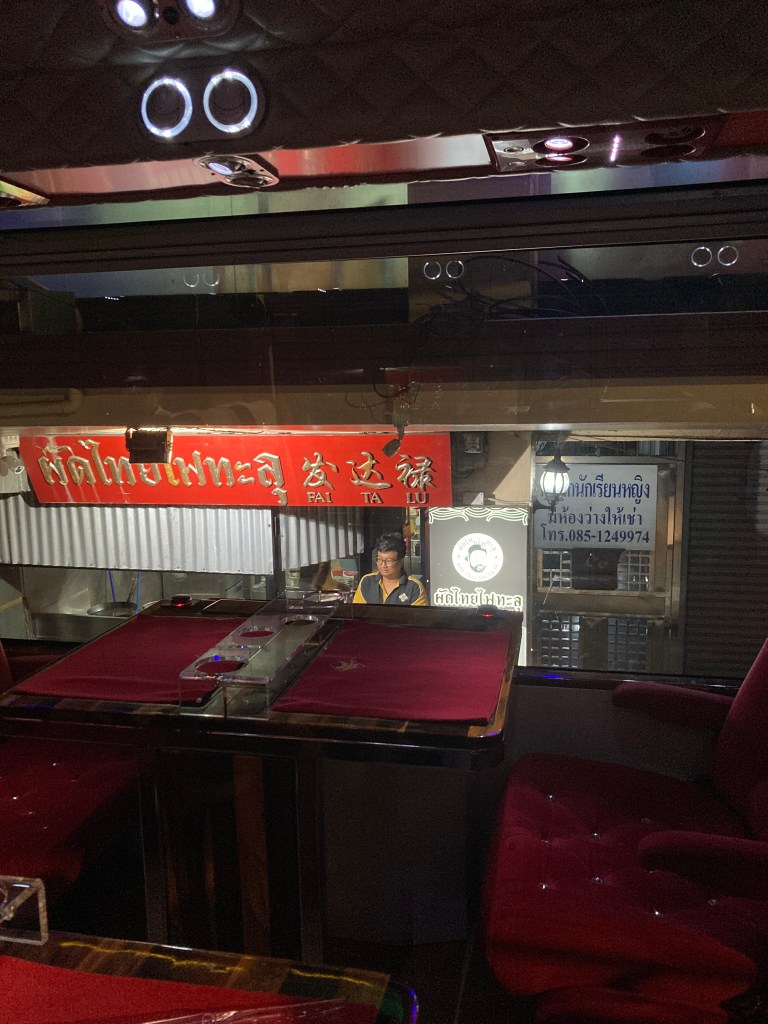
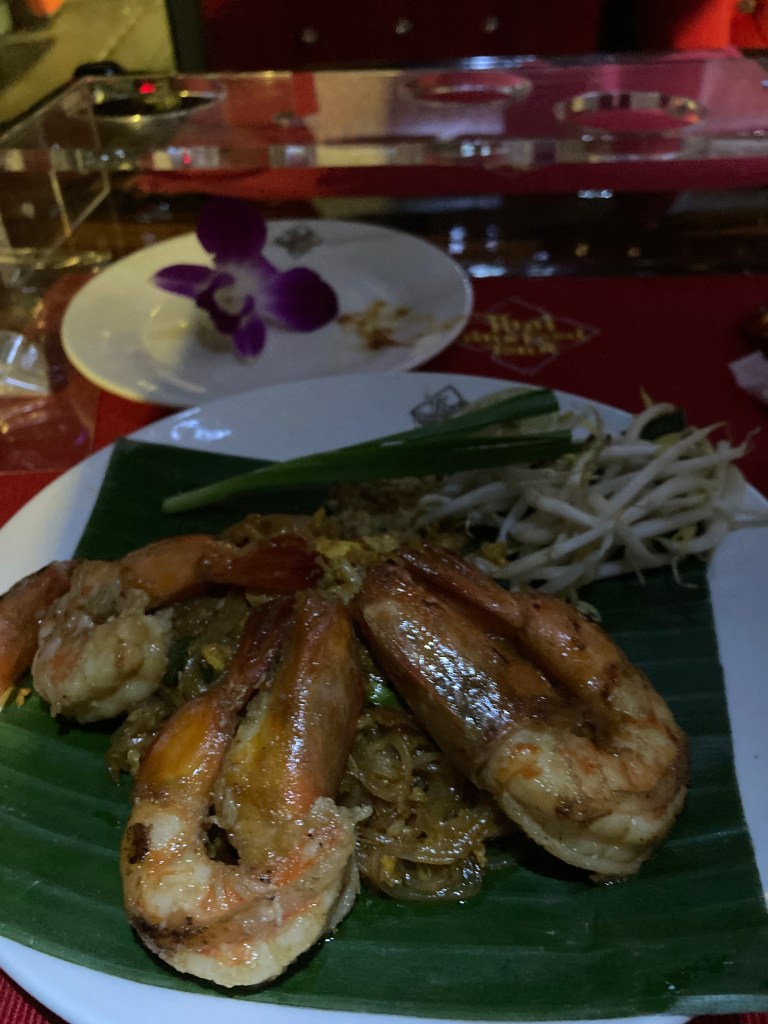
Thai Bus Michelin Star Food Tour
This Michelin bus food tour feels really expensive, but I’ll give it a try for the experience. Each serving of food is quite small.

Day 28
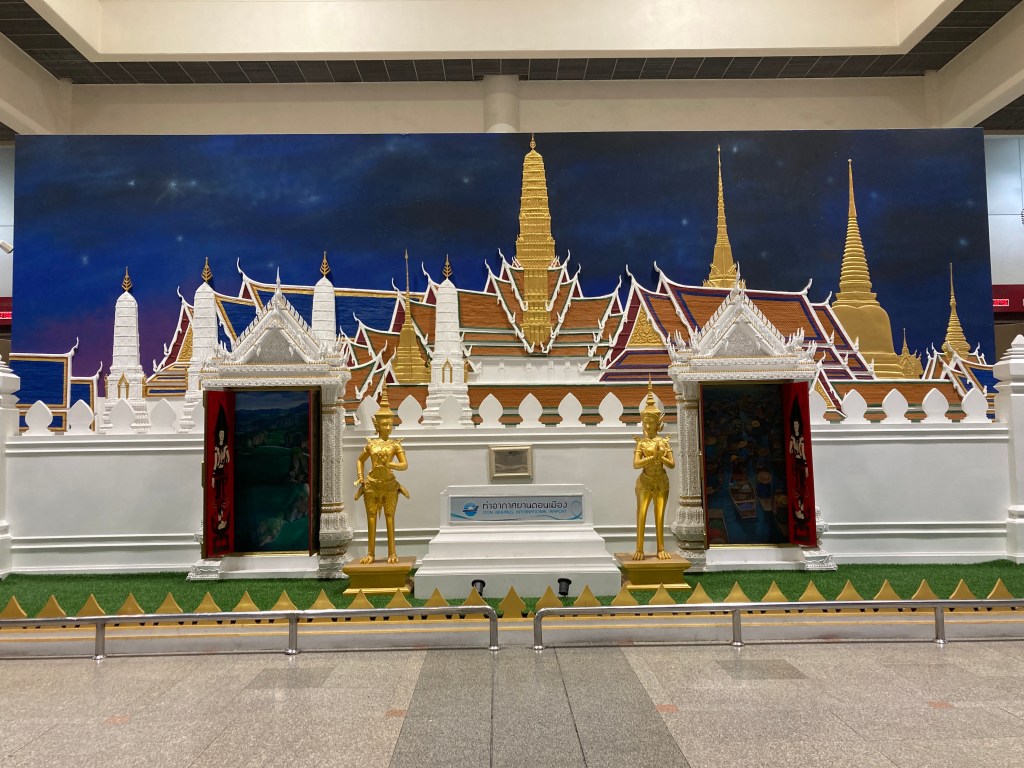
I’ve been traveling in Thailand for a whole month, and today I’m getting ready to go back home. If you enjoyed this article, please like and share it. Thank you.
 Real Traveler, Real Experiences, Real Results.
Leave a comment