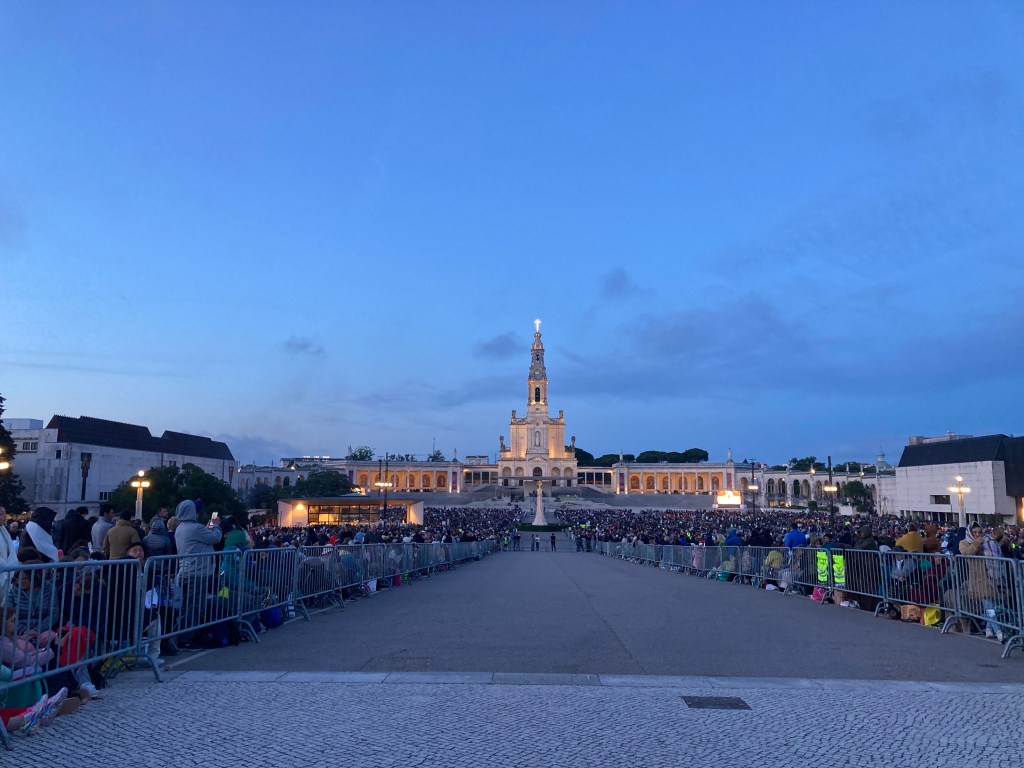
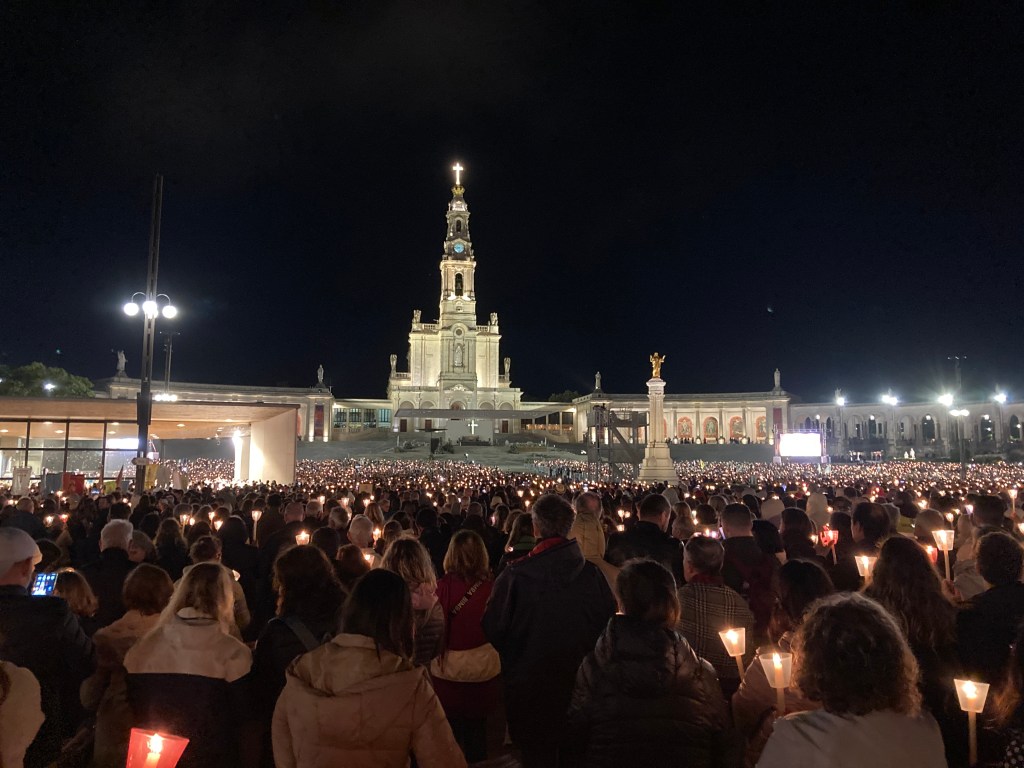
On May 13th, it’s a big day for Fatima. People from all over the country and around the world come to participate. This year, there are 200,000 people attending the event.
This trip, we depart from Braga and along the way, we’ll pass through many places. I hope you’ll enjoy this article.
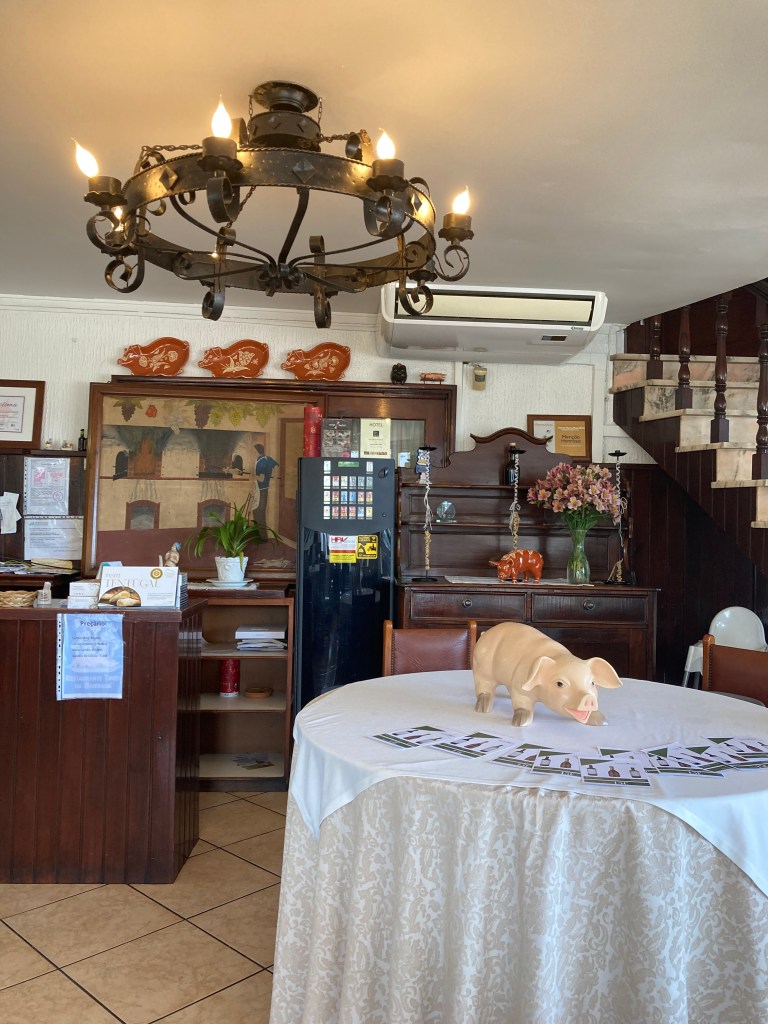
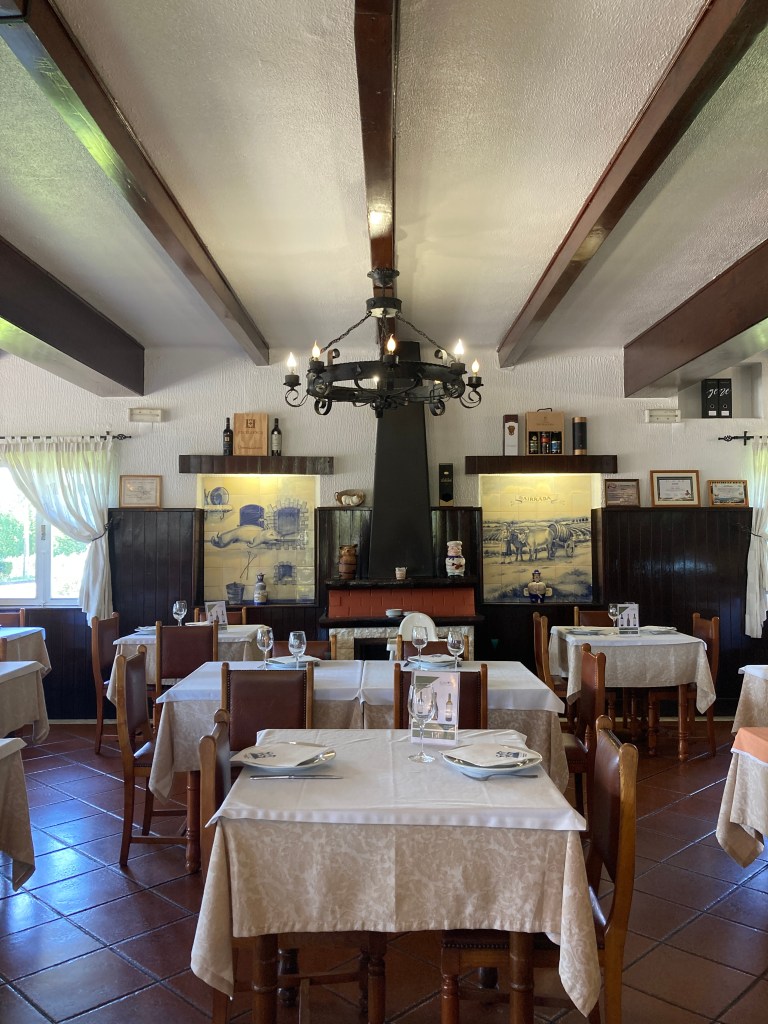
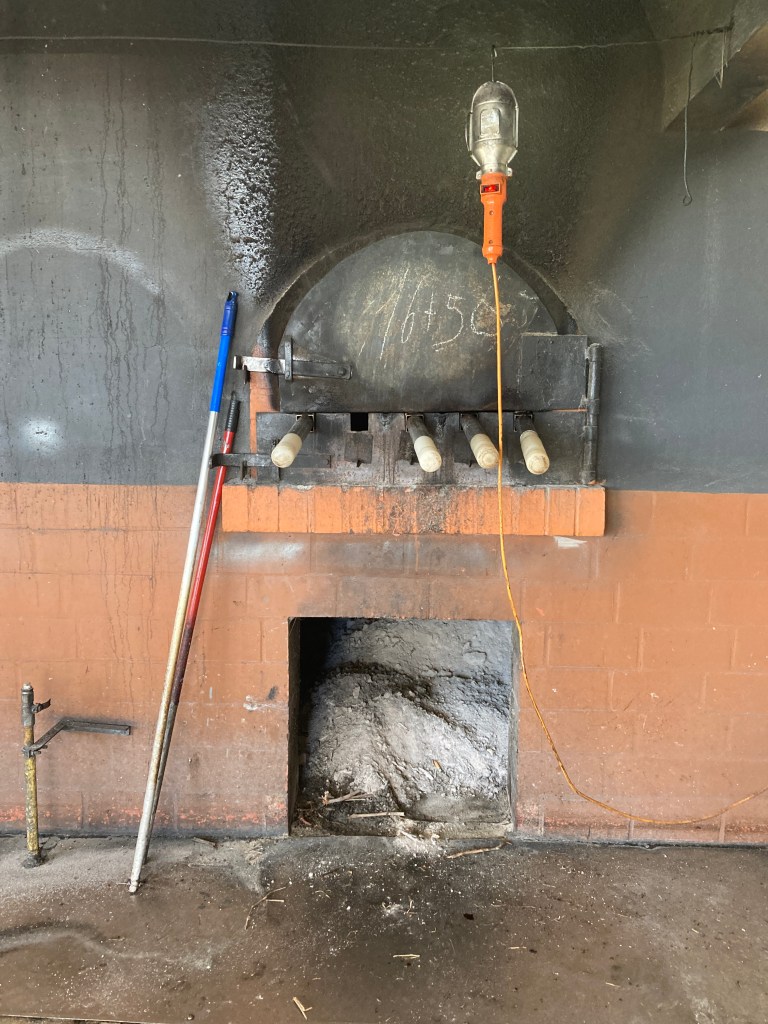
RESTAURANTE TÍPICO DA BAIRRADA
Near Fatima, there’s a street lined with vendors selling roast pig. If you have the chance, be sure to stop by and try it.
Santuário de Fátima
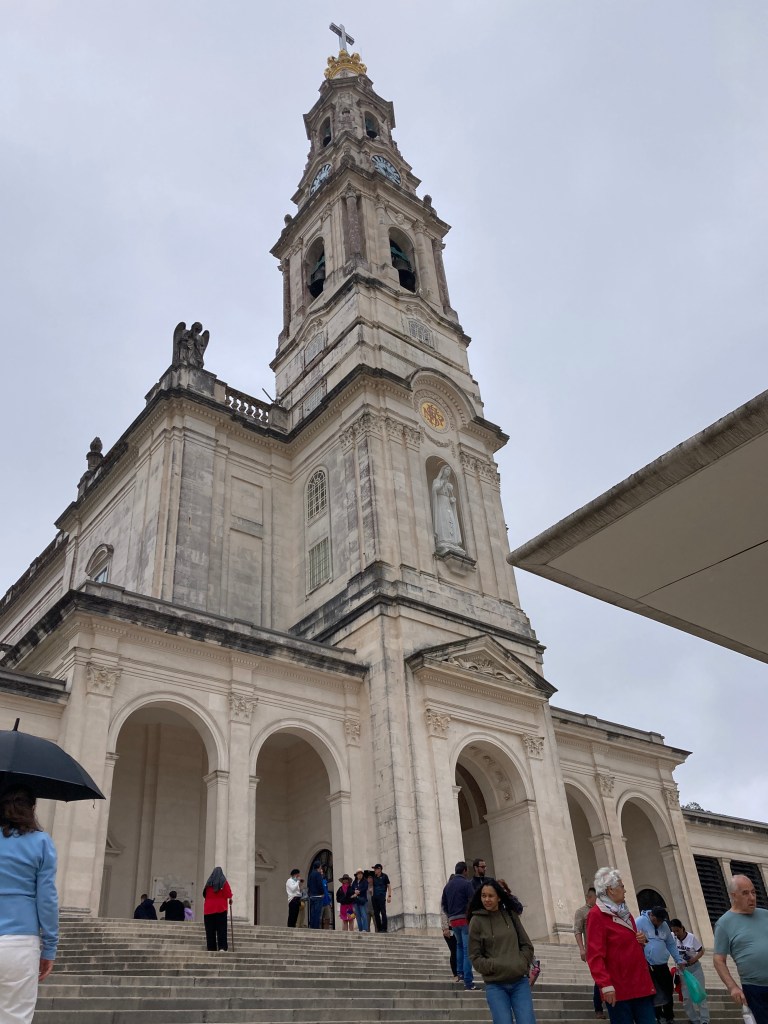
The Sanctuary of Fátima, formally designated by the Catholic Church as the Sanctuary of Our Lady of the Rosary of Fátima, is a Marian sanctuary devoted to Our Lady of Fátima. It is situated in the location of Cova da Iria, within the city of Fátima, in the municipality of Ourém, Portugal.
The Sanctuary of Fátima holds significant importance as a Christian pilgrimage site and a center of Catholic devotion, commemorating the events that led to its establishment, particularly the apparitions of Our Lady to the three shepherd children – Lúcia dos Santos, Francisco, and Jacinta Marto – in 1917. Its religious significance is widely acknowledged both nationally and internationally, and it is officially recognized as a National Shrine by the Holy Apostolic See. Moreover, it stands as one of the foremost Marian shrines in the Catholic Church globally and serves as the primary destination for religious tourism, attracting approximately six million visitors annually. Over the years, it has received recognition from the Catholic Church, including visits from Popes Paul VI (1967), John Paul II (1982, 1991, and 2000), Benedict XVI (2010), and Francis (2017), who bestowed it with three papal gold roses.
Construction of the sanctuary commenced in 1919 with the erection of the Chapel of Apparitions. Subsequent expansions included the addition of two basilicas, significantly enhancing the pilgrim capacity within covered areas. However, despite various urban plans aimed at organizing its development, the sanctuary’s growth has been characterized more by ad hoc interventions than cohesive long-term planning. Nevertheless, the profound impact of the Sanctuary of Fátima has catalyzed substantial growth in a previously underdeveloped region.
Architecturally diverse, blending revivalist structures with contemporary designs, the Sanctuary of Fátima comprises the Chapel of Apparitions, the Prayer Enclosure (outdoor), the Basilica of Our Lady of the Rosary and its Colonnade, the expansive Basilica of the Holy Trinity, retreat houses, the Way of the Cross in Valinhos, and the Paul VI Pastoral Center. It also encompasses cultural spaces and administrative facilities, catering to pilgrims’ needs and supporting various activities. Additionally, the sanctuary features contributions from artists spanning generations, both nationally and internationally, resulting in a rich and varied collection of artworks.
Monte do Mosteiro CountryHouse
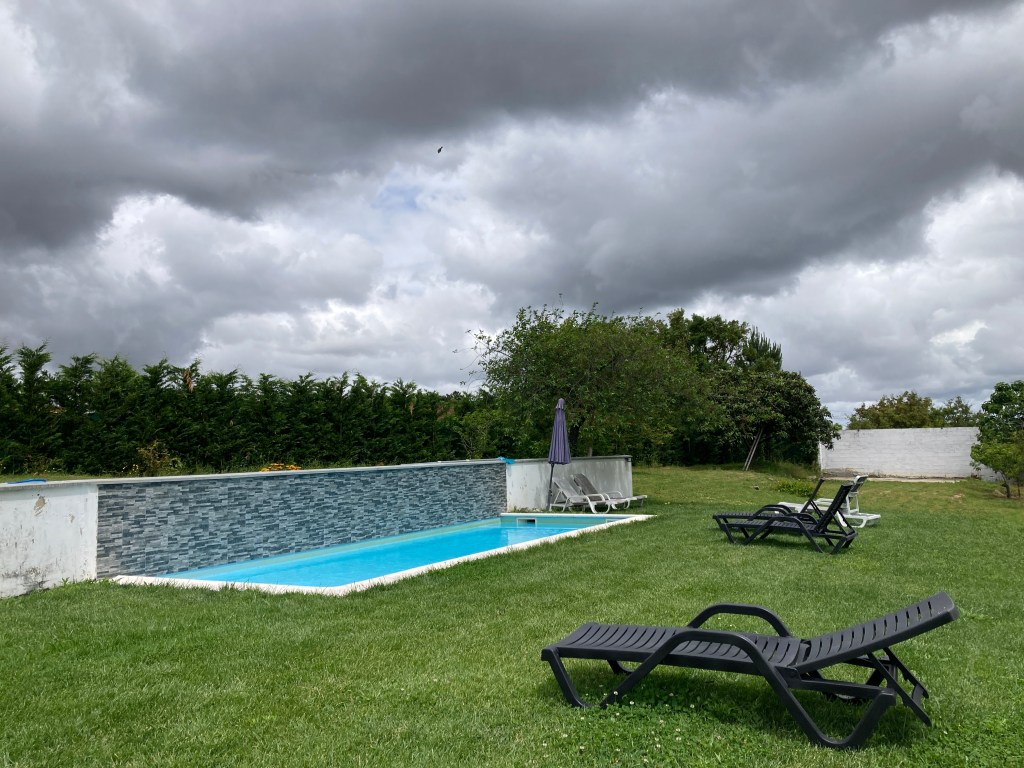
Monte do Mosteiro CountryHouse, located in Batalha, offers a patio with garden views, a garden, and a shared lounge. Situated close to the Exposalao Exhibition Centre and 2.5 km from Batalha Monastery, this accommodation is also conveniently set 15 km from Leiria Castle. Guests have access to a shared kitchen and can enjoy amenities such as a sun terrace, free WiFi, free private parking, and an electric vehicle charging station.
Each unit at the homestay includes a private bathroom with a walk-in shower, a flat-screen TV, and air conditioning. Some rooms also feature a seating area. Bed linen and towels are provided for guests’ convenience.
Alcobaça Castle is located 23 km from the homestay, while São Miguel Arcanjo Fort is 32 km away. The nearest airport is Humberto Delgado Airport, approximately 128 km from Monte do Mosteiro CountryHouse.

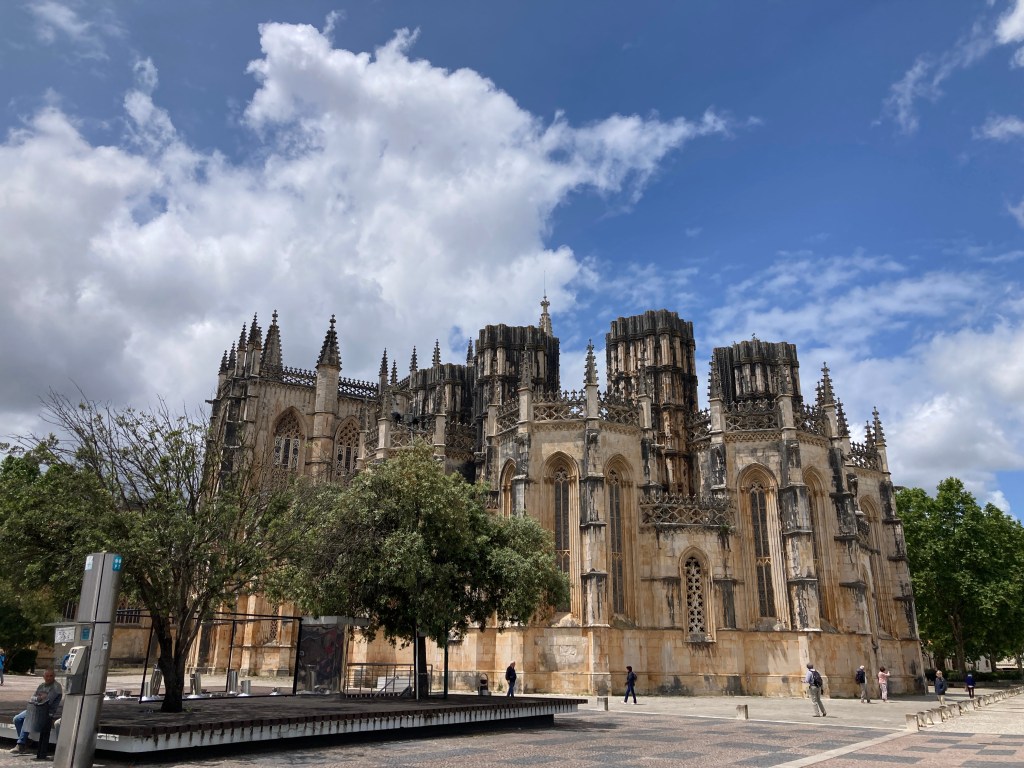
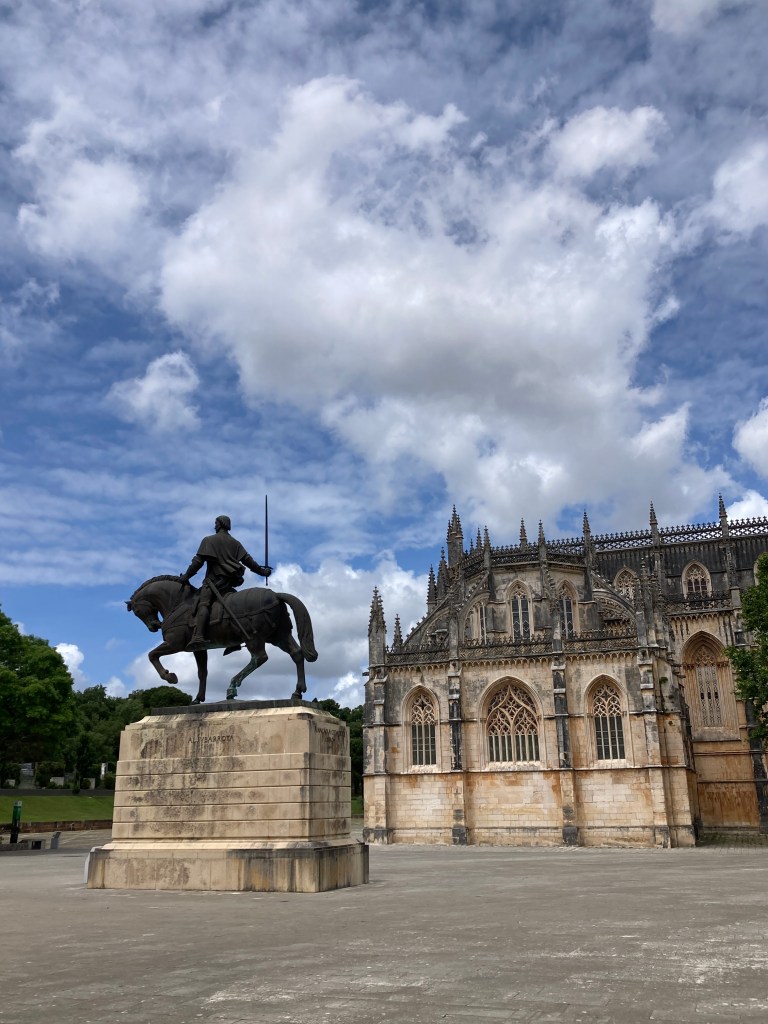
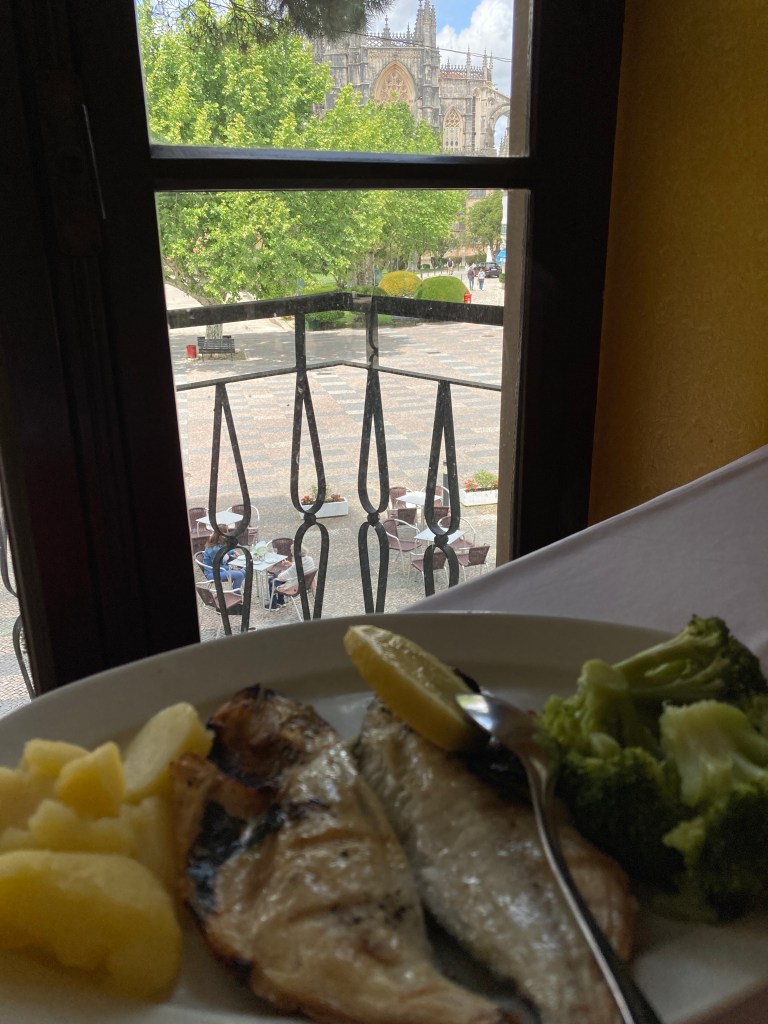
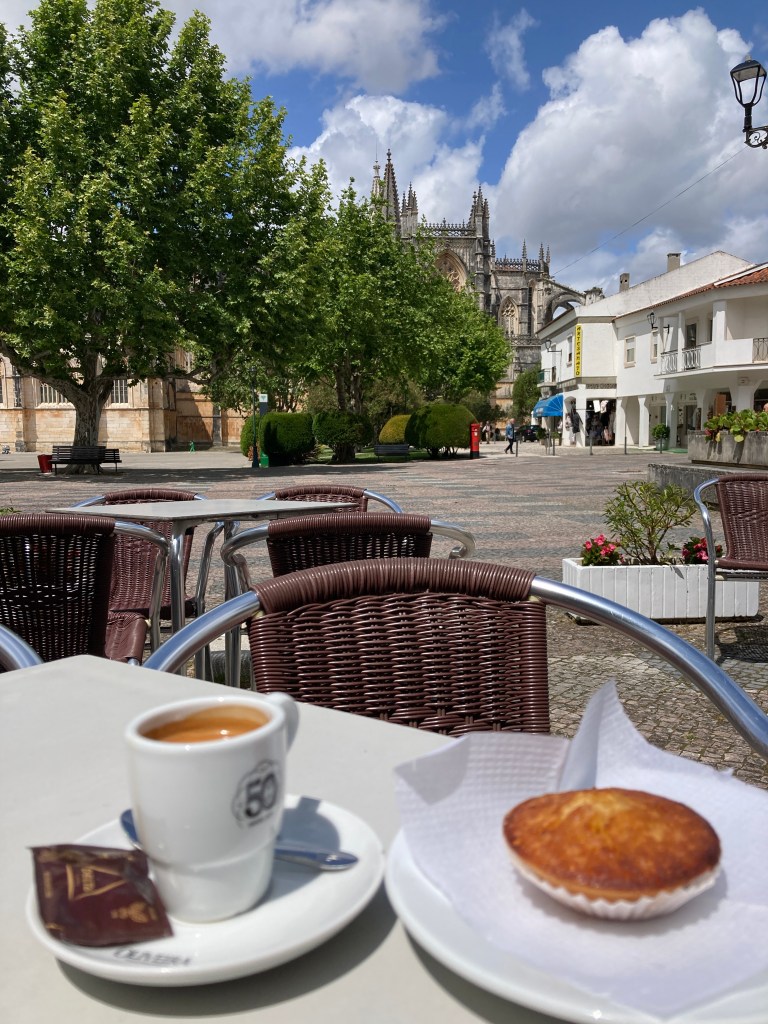
BATALHA MONASTERY
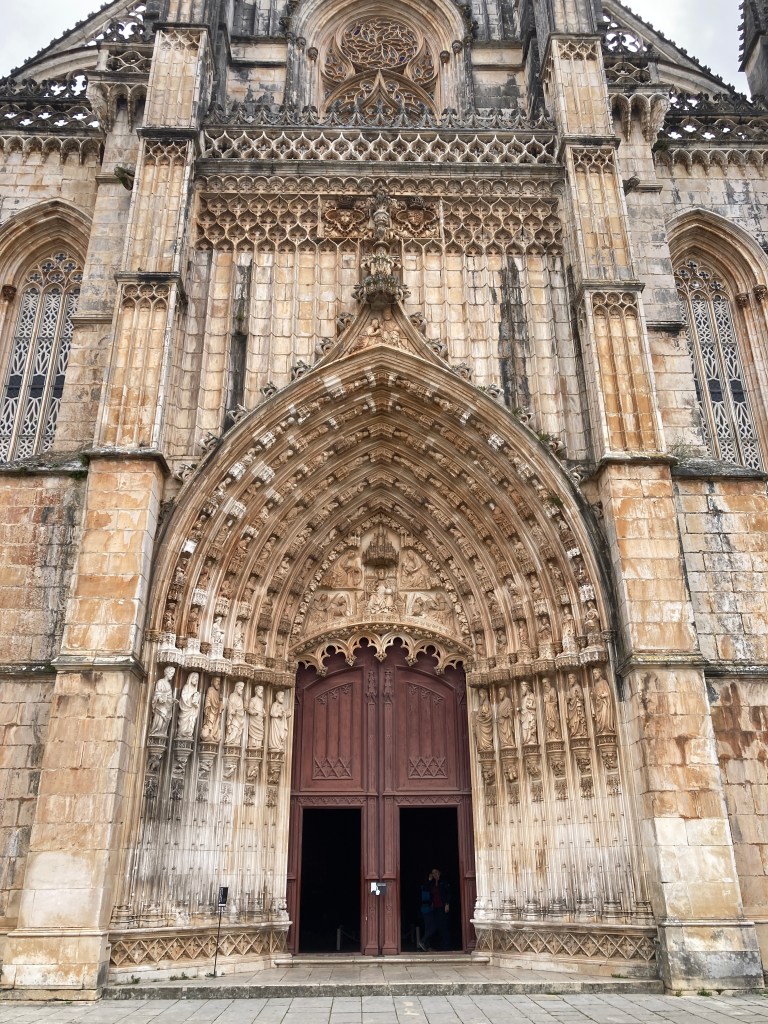
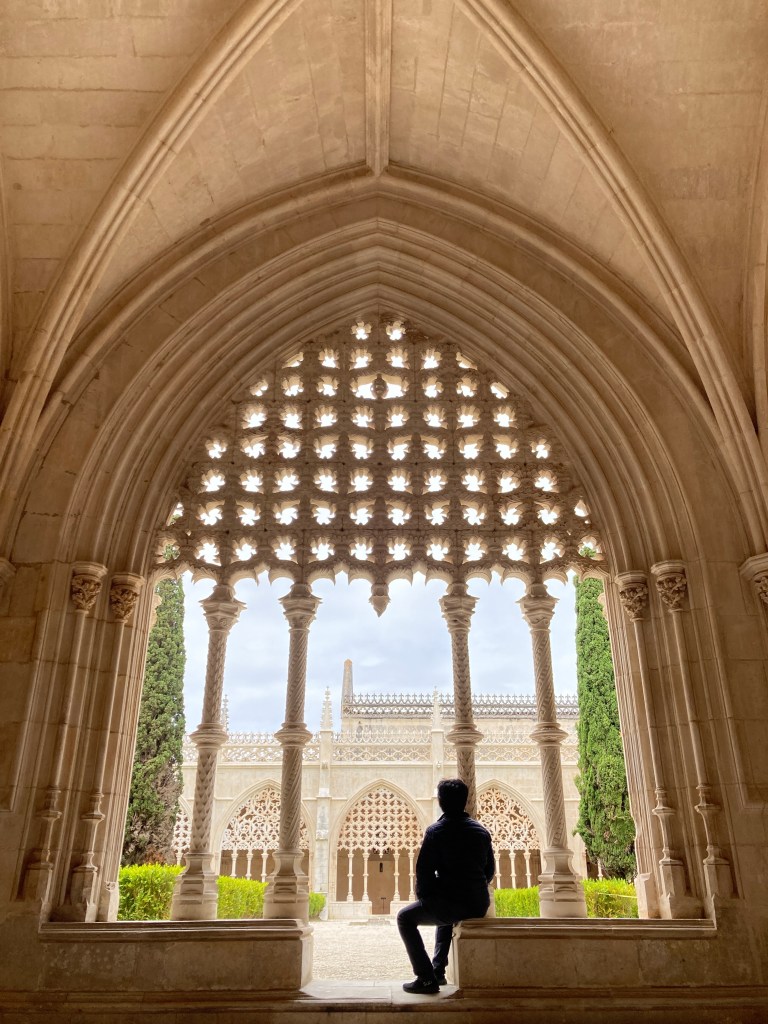
The victory of the armies of D. João I over the Castilian troops played a pivotal role in maintaining the independence of the Portuguese kingdom. According to the mysticism of the time, the king made a vow to Our Lady, which led to the invocation of the temple, as the battle occurred on the eve of the Day of the Assumption of the Virgin. Construction began in 1388.
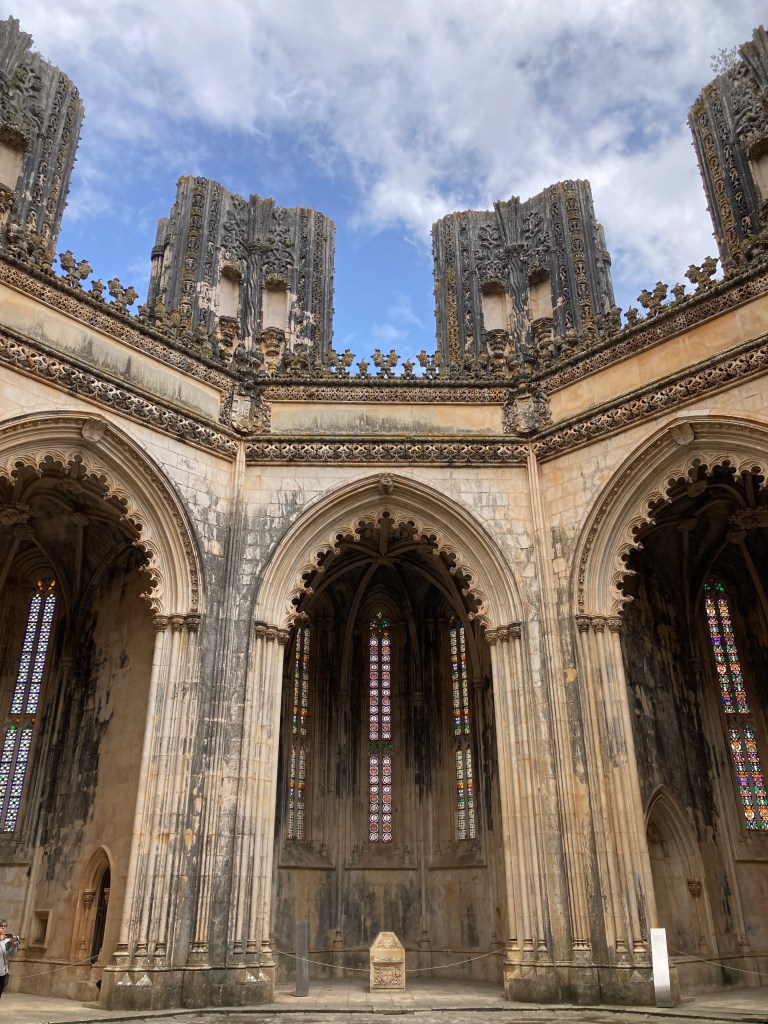
The Batalha Monastery, with its soft, warm-toned stone, stands as a unique monument of the flamboyant Gothic style and a significant landmark in the history of the kingdom of Portugal. It serves as a true “place of memory,” gleaming in gold, symbolizing the kingdom’s independence through the collaborative efforts of two key figures: D. João I, king of Portugal, and D. Nuno Álvares Pereira, constable of the kingdom.
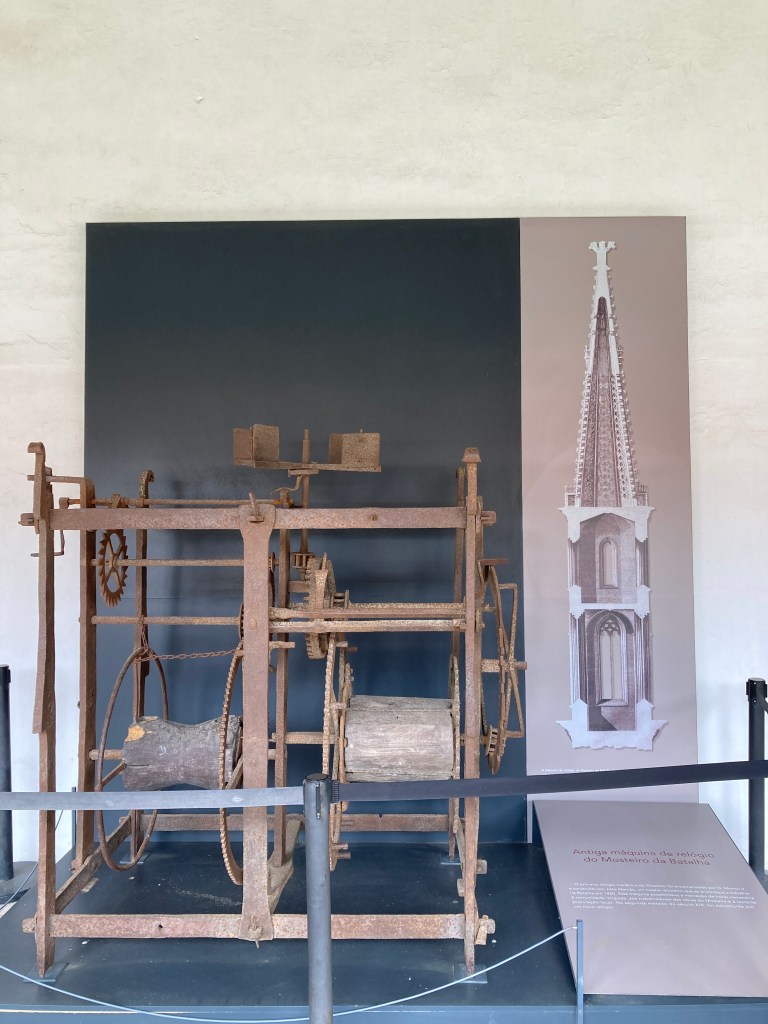
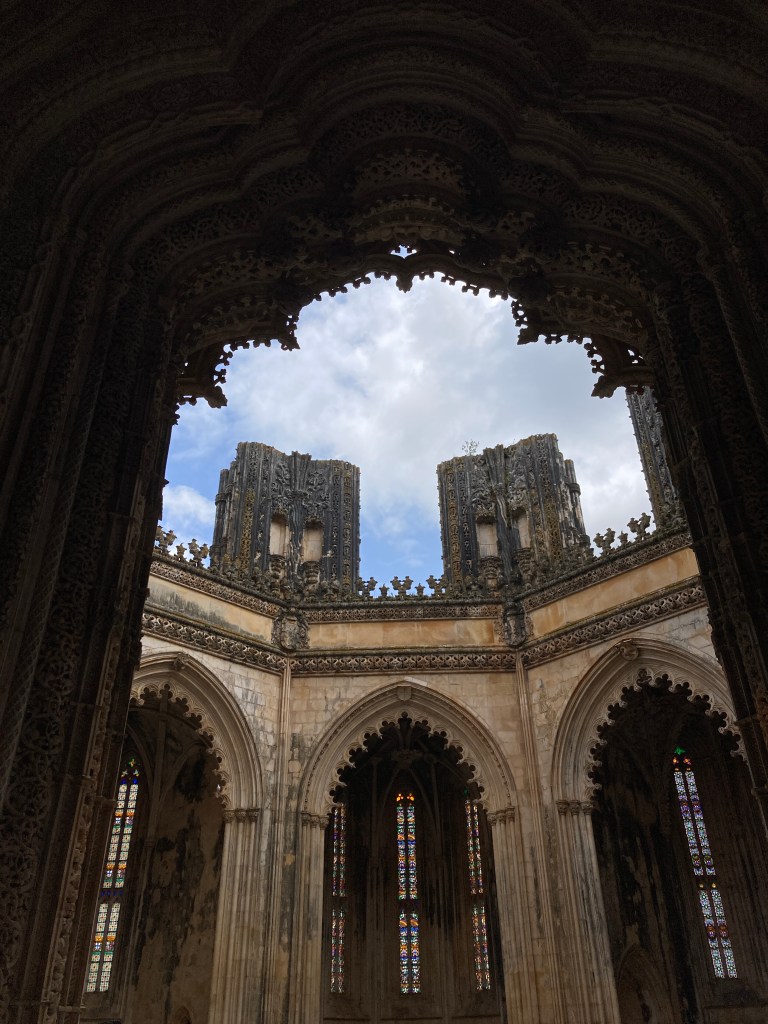
Its crystalline and mineral-like form, typical of late Gothic architecture, is the result of skillful management of one of Portugal’s largest architectural workshops, spanning several generations. From its founding master, Afonso Domingues (1388-1402), through the illustrious Huguet (1402-1438), to the elaborate “Manueline style” of Mateus Fernandes (early 16th century), the monastery exemplifies architectural excellence. The Founder’s Chapel and the renowned “Imperfect Chapels” were intended as the pantheon for the kings and princes of the Avis Dynasty. Beyond its architectural significance, the monastery’s symbolism, influenced by Dominican friars’ scholasticism, represents the Celestial City.


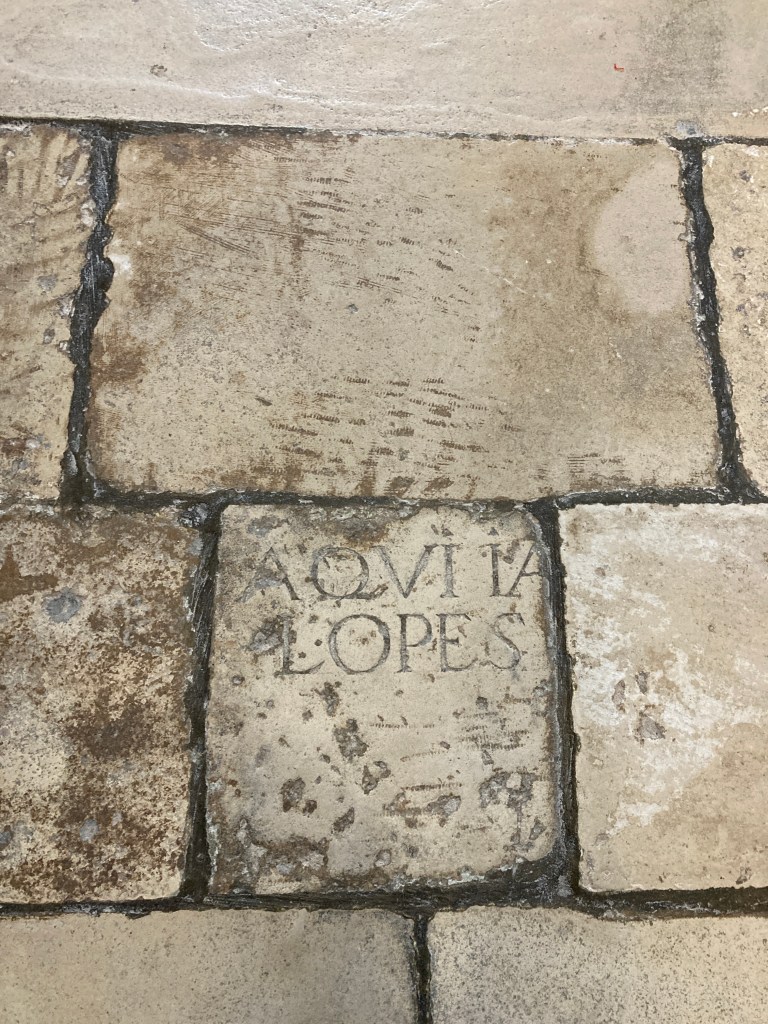
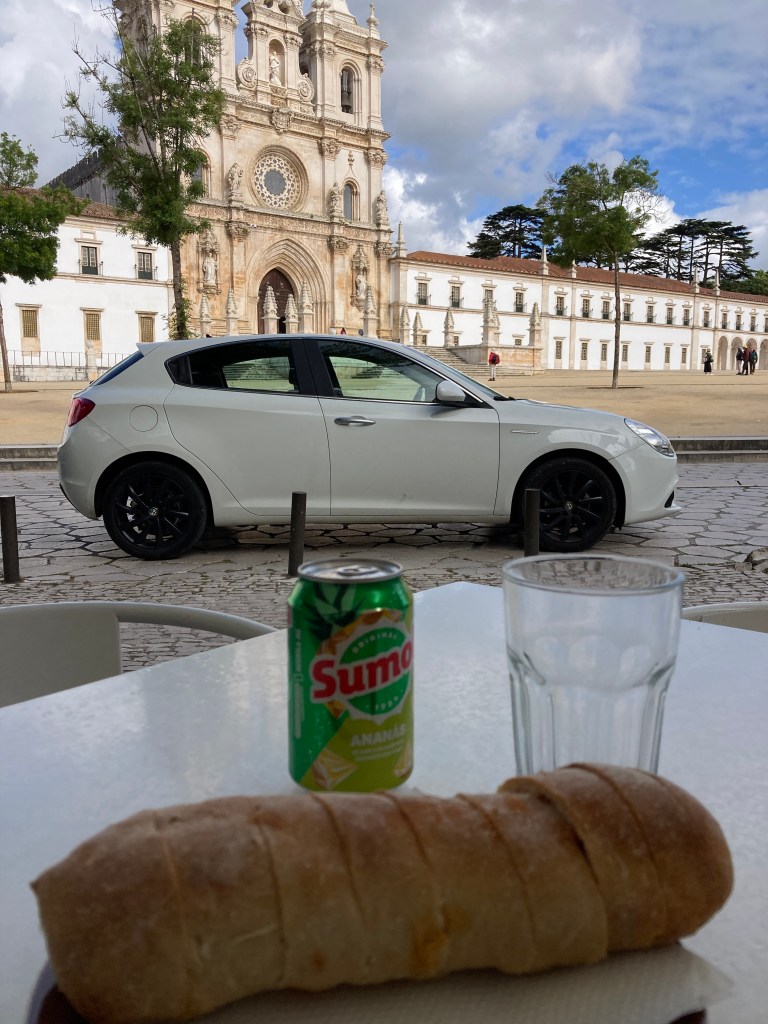
Alcobaça Monastery
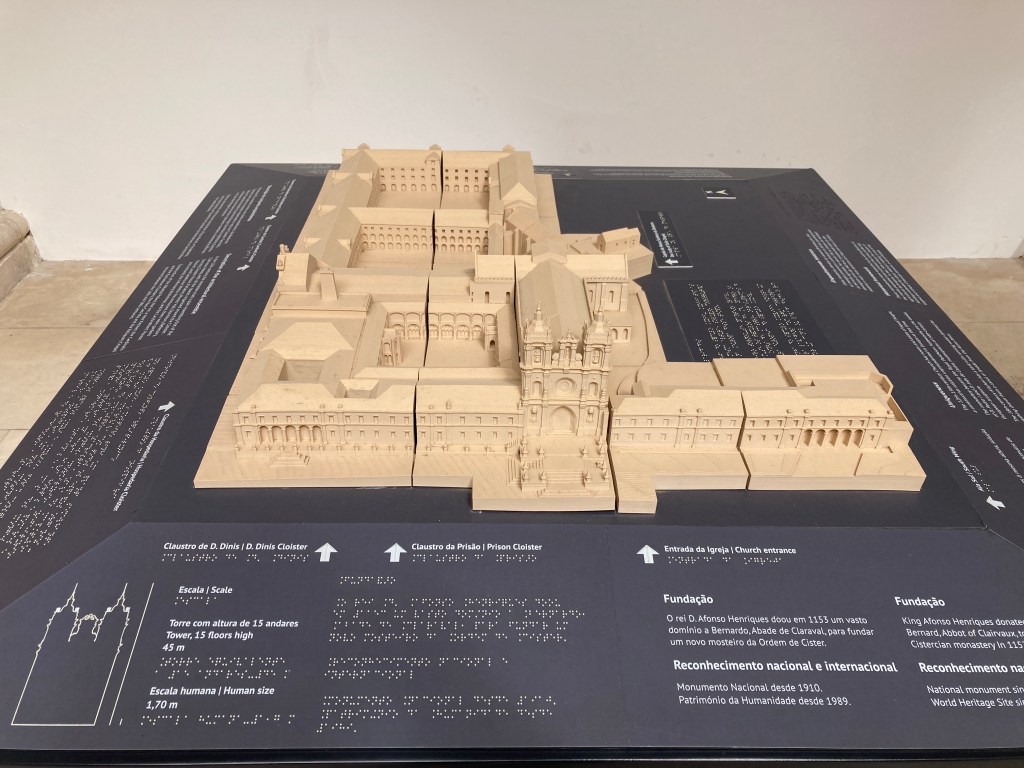
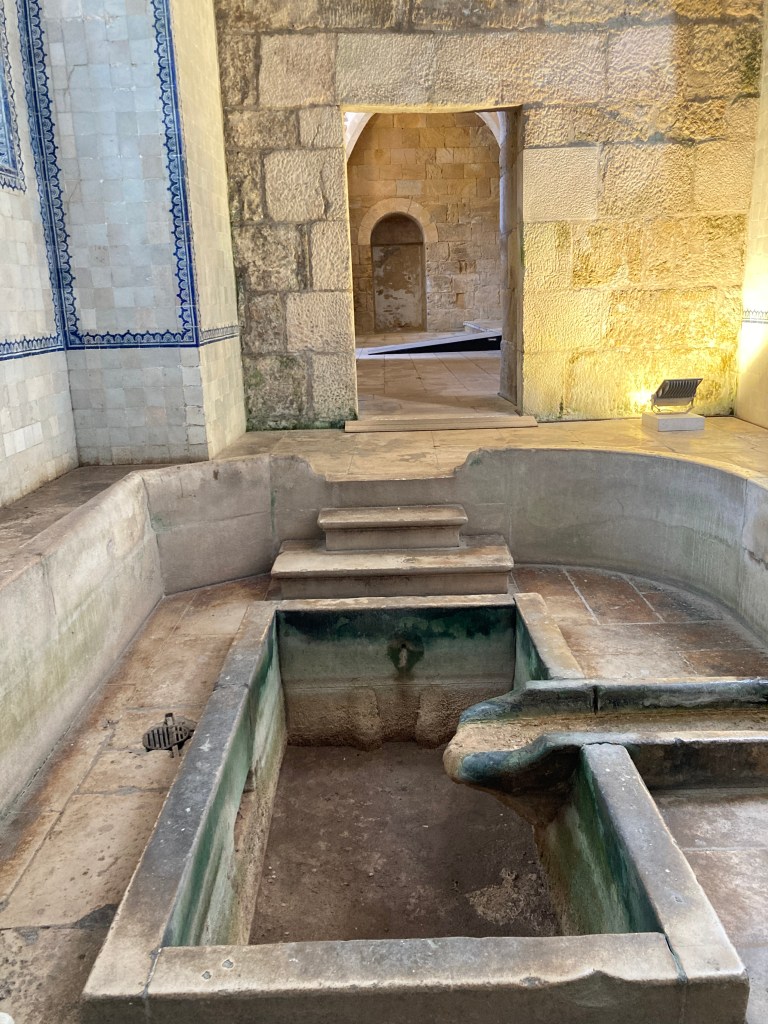
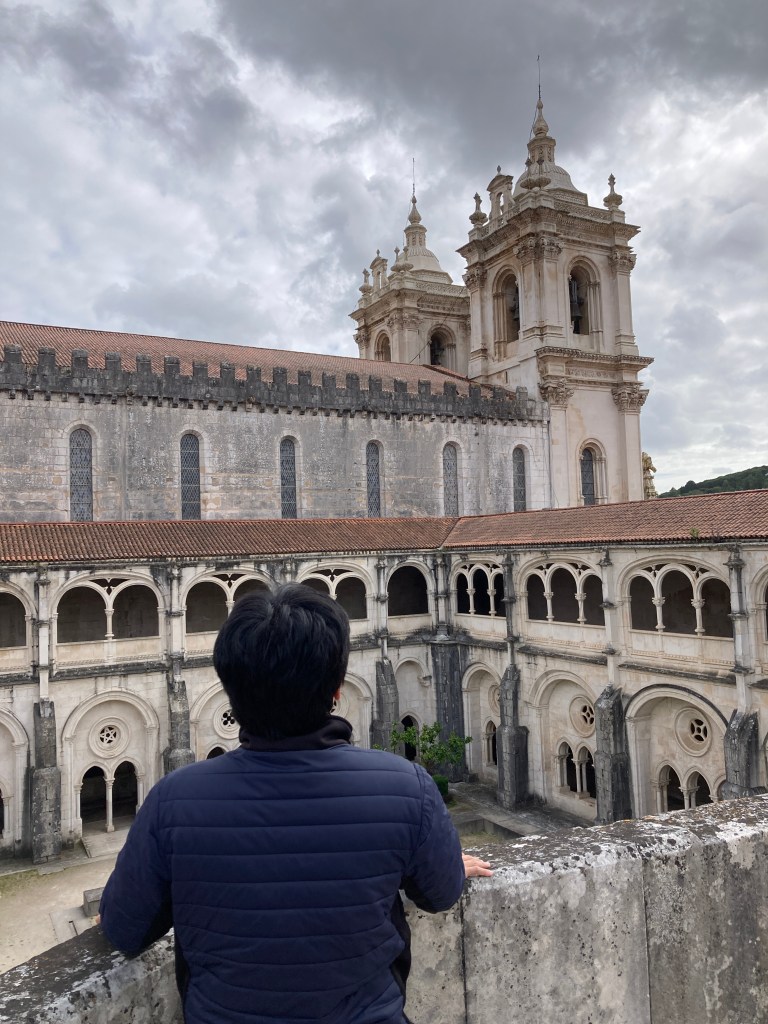
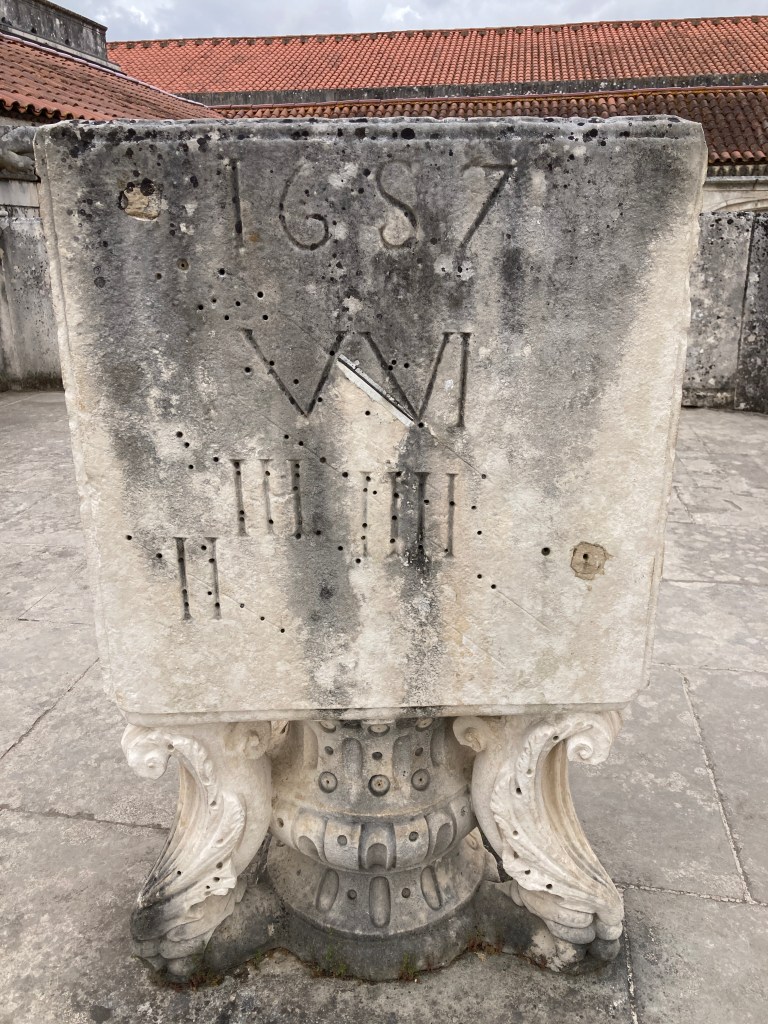
The Alcobaça Monastery, also known as the Alcobasa Monastery (Portuguese: Mosteiro de Alcobaça, Mosteiro de Santa Maria de Alcobaça), is a Catholic monastic complex situated in the town of Alcobaça in central Portugal. Located 120 km (75 mi) north of Lisbon and 110 km (68 mi) south of Coimbra, it was established in 1153 by the first Portuguese king, Afonso Henriques. Over its seven-century history, the monastery developed a close association with the Portuguese monarchy, making it the richest and most influential in Portugal by 1300. At its peak, it housed nearly 1,000 monks and engaged in various business activities, including farming, fishing, and trade. However, the monastery was closed in 1834 as part of the dissolution of the monasteries in Portugal.
The church and monastery represent the first Gothic buildings in Portugal and, along with the older Augustinian Monastery of Santa Cruz in Coimbra, they are among the most important medieval monasteries in the country. Recognized for their artistic, cultural, and historical significance, they were included in UNESCO’s World Heritage Site list in 1989.
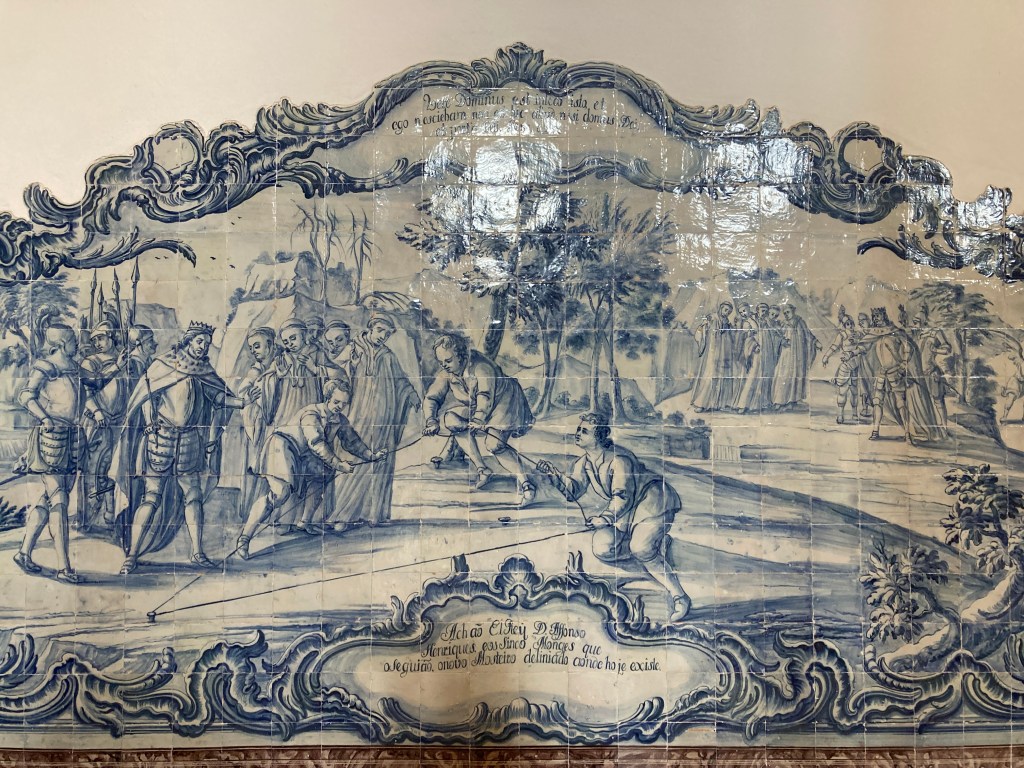
The Alcobaça Monastery stands as one of the earliest structures associated with the Cistercian Order in Portugal. Founded in 1153 by the first Portuguese king, Afonso I or Afonso Henriques, as a gift to Bernard of Clairvaux, it marked a significant milestone in asserting royal authority and promoting colonization in newly conquered lands from the Moors during the Reconquista.
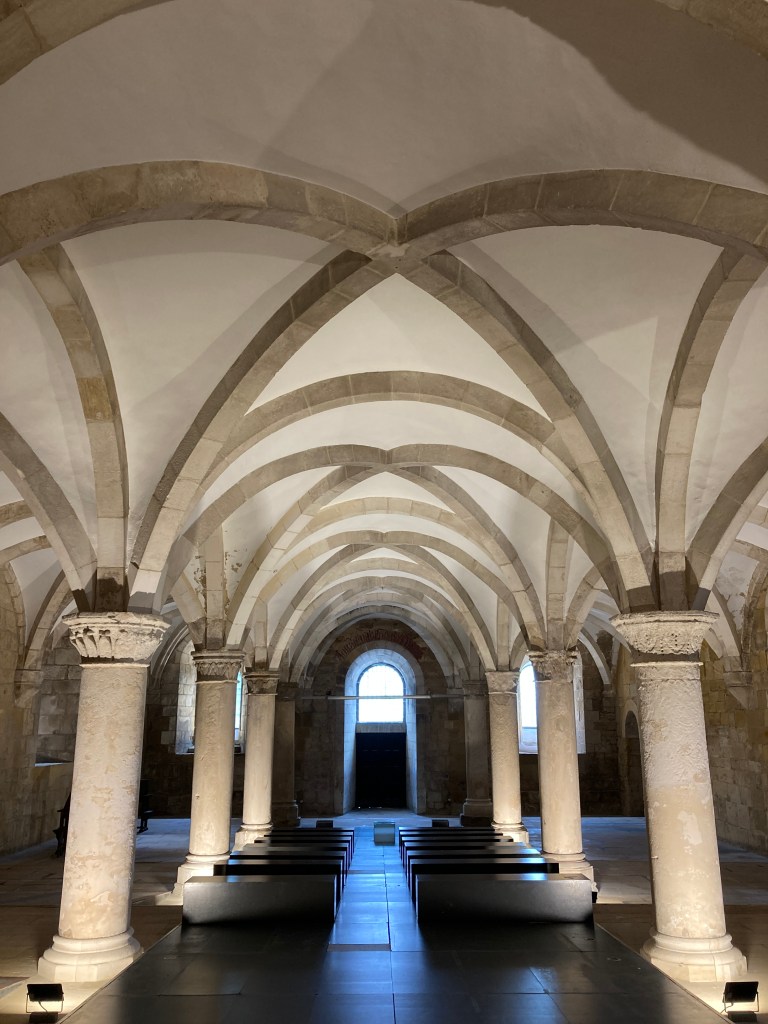
Construction commenced in 1178, following the settlement of the first Cistercian monks in the Alcobaça region. Initially residing in wooden houses, the monks moved to the newly built monastery in 1223. The church itself was completed in 1252, representing the earliest examples of true Gothic architecture in Portugal and standing as the largest church in the country at the time.
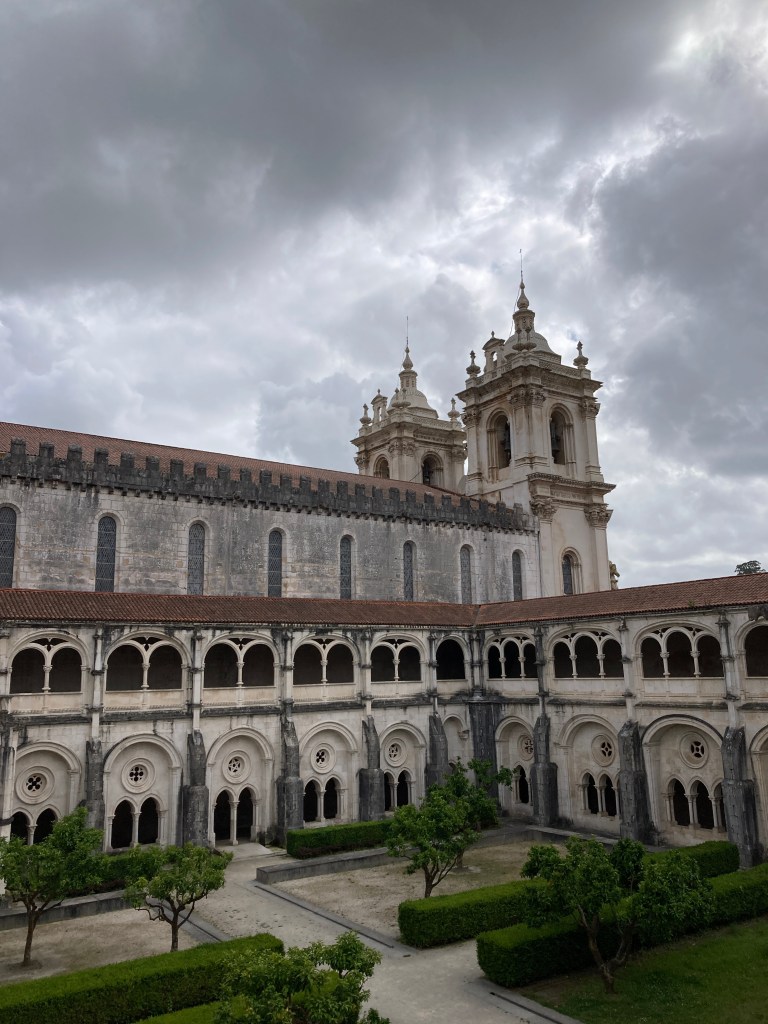
In the late 13th century, under the reign of King Denis I, the Gothic cloister, known as the Cloister of Silence, was constructed, adding the final touch to the medieval ensemble. The monks devoted themselves to religious meditation and manuscript illumination, producing authoritative histories on Portugal. Despite being pillaged and looted over the centuries, remnants of the monastery’s library, including numerous medieval manuscripts, are now housed in the Biblioteca Nacional de Portugal in Lisbon.
Throughout the Middle Ages, the monastery flourished as a powerful and influential institution within the kingdom of Portugal. It owned extensive agricultural lands, operated a public school, and served as the final resting place for numerous monarchs and nobles, including kings Afonso II, Afonso III, Pedro I, and his mistress, Inês de Castro.
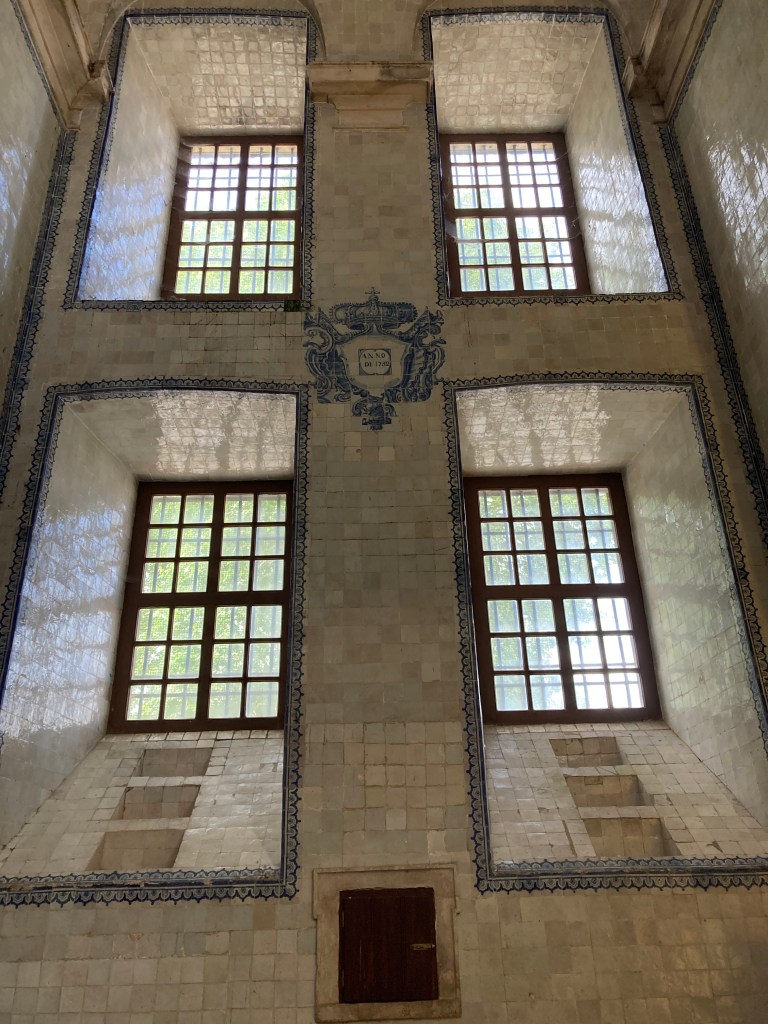
During the Manueline period, additions were made to the monastery, reflecting the characteristic Portuguese late Gothic style. Subsequent expansions in the 18th century preserved the medieval structure while adding Baroque elements such as sculptures, tiles, and altarpieces.
Despite surviving the 1755 Lisbon earthquake, the monastery suffered significant damage during the Peninsular War in the early 19th century, when French troops invaded and looted its treasures. Following the dissolution of the monasteries in Portugal in 1834, the last monks departed.
The Alcobaça Monastery was declared a National Monument in 1907 and received special protection status in 1957.




Salir do Porto beach
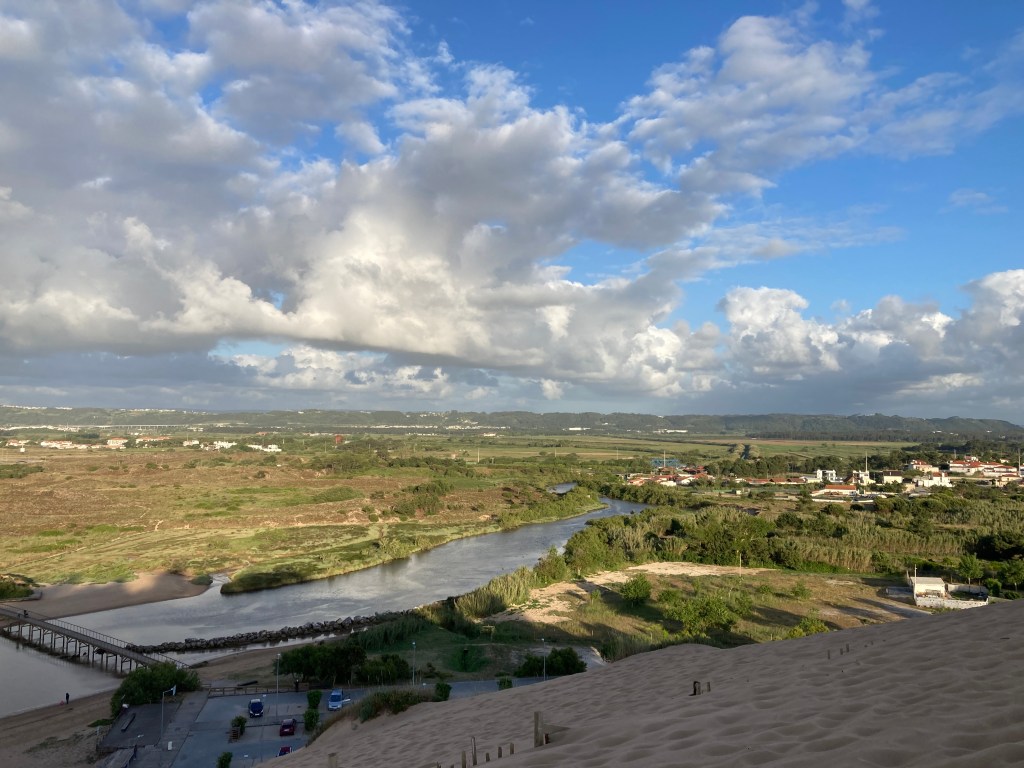
Summer may not have arrived yet, but the sunny spring days might tempt you to escape from Lisbon. If you’re a fan of river beaches and natural wonders, then you’ll be delighted to explore the largest dune in Portugal.
Located in Salir do Porto, within the municipality of Caldas da Rainha, this river beach is nestled along the banks of the Tornada River, which flows into the bay of São Martinho do Porto (in the municipality of Alcobaça). Salir Beach is renowned for its towering dune, standing approximately 50 meters high.
Presently, the Salir dune holds the title of being the largest in Portugal. However, it’s been recounted that it was once considered the largest on the entire European continent. Quite remarkable, isn’t it?
This majestic dune of Salir is indeed a natural gem that warrants admiration. Moreover, the surrounding area beckons you to explore further with its inviting ambiance.
If you have a preference for salty seawater, a visit to Salir do Porto to witness the largest dune in Portugal up close is a must. Following that, indulge in the sea of São Martinho do Porto, located right next door to where the dune extends.
Praia da Nazaré
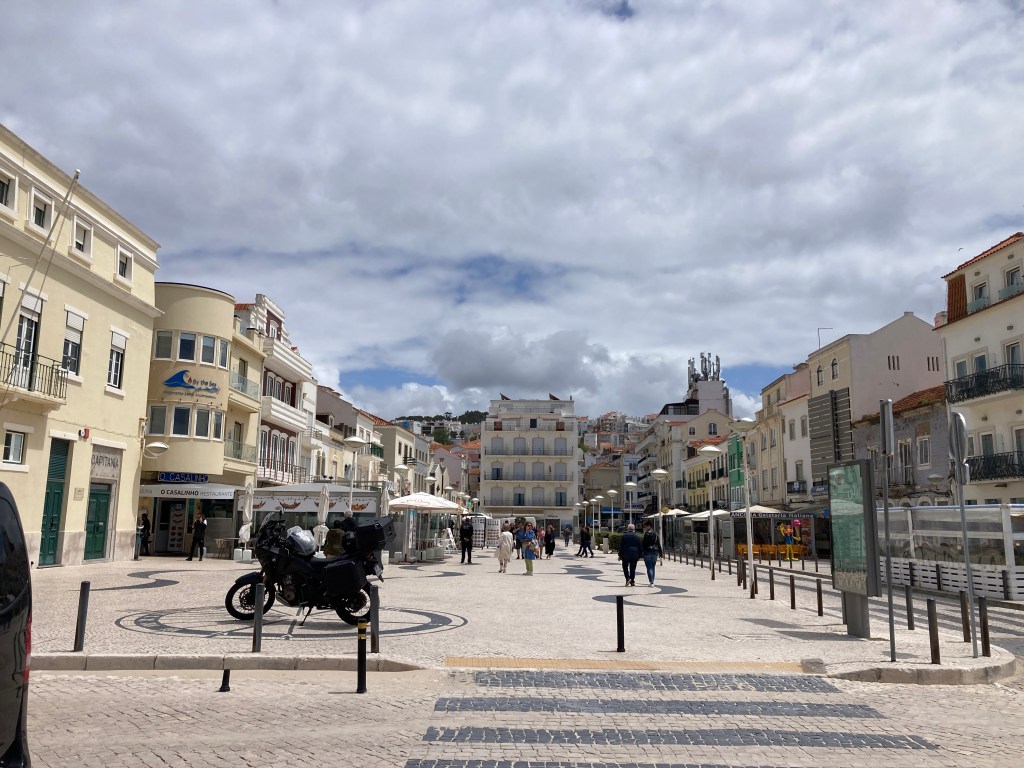
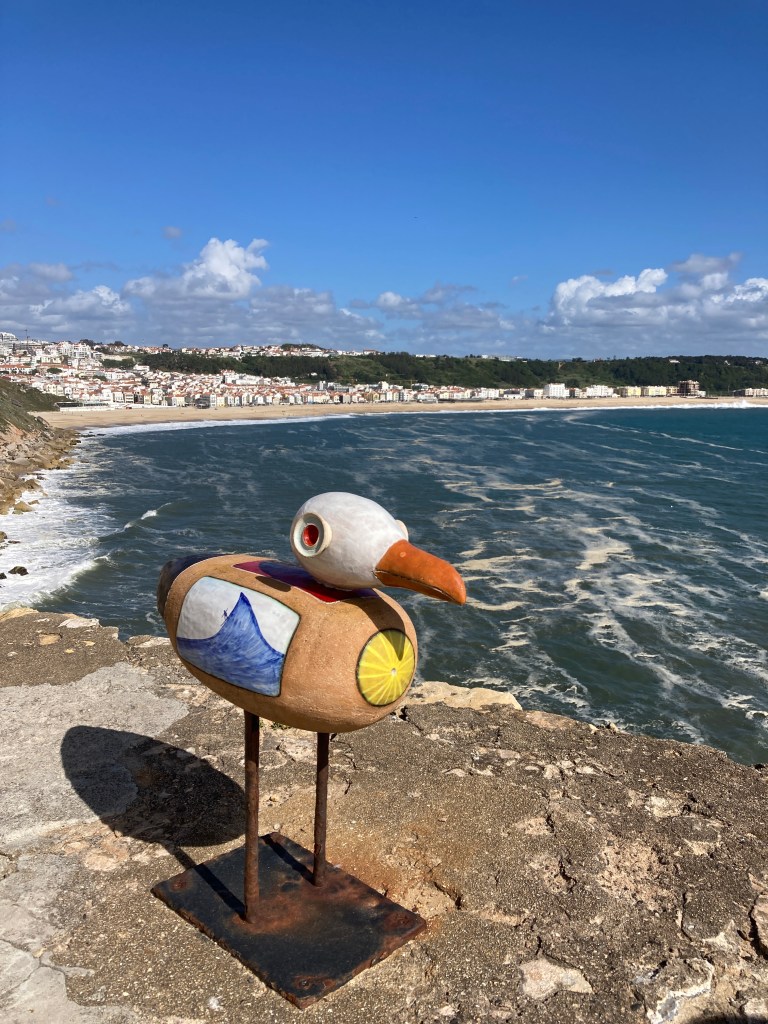
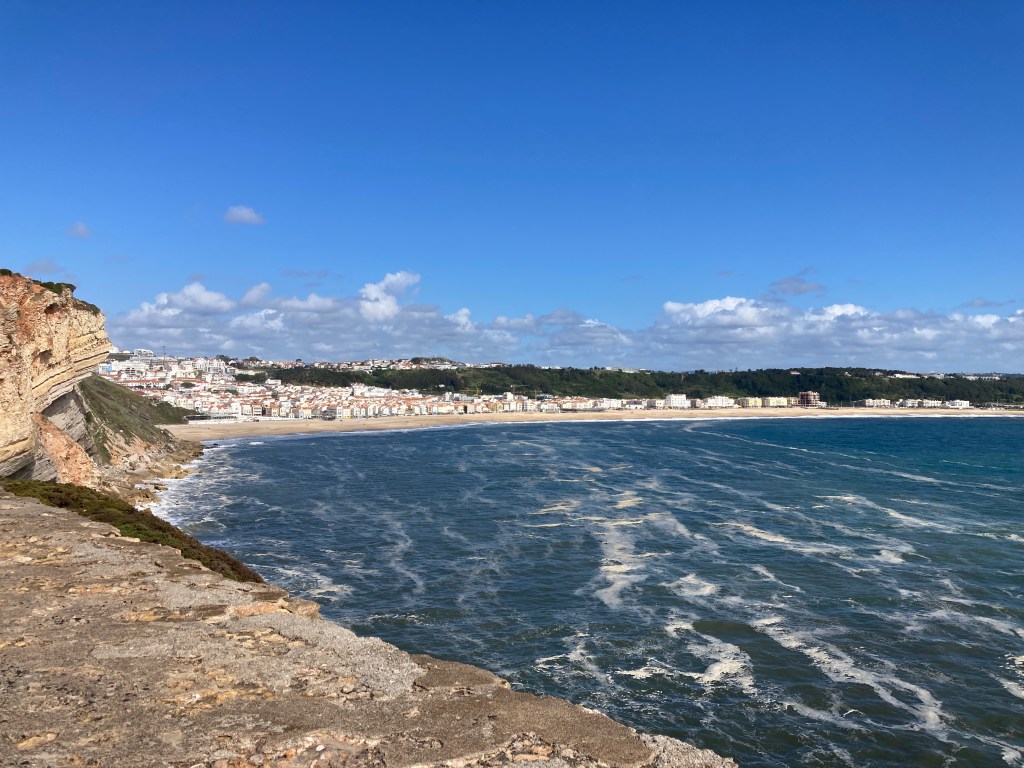
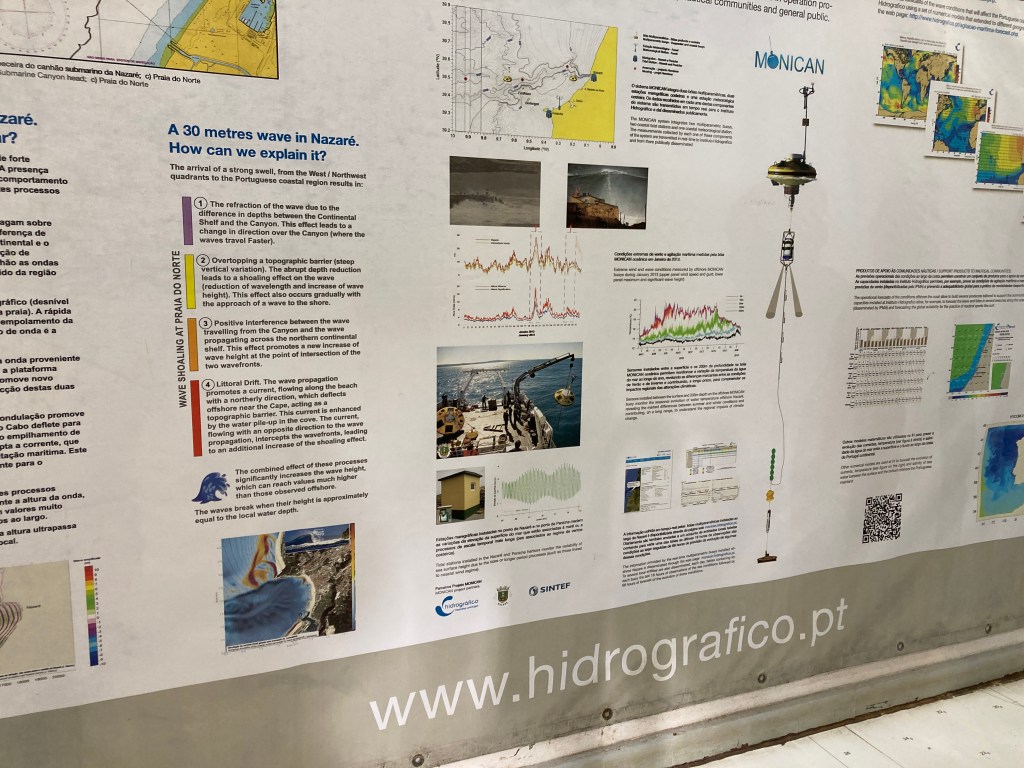
Undoubtedly the busiest beach on the west coast, Nazaré remains one of the most traditional fishing villages where glimpses of the past endure. Here, you can still encounter women adorned in the iconic seven-skirt costume, tending to the fish drying in the sun, neatly arranged on stakes.
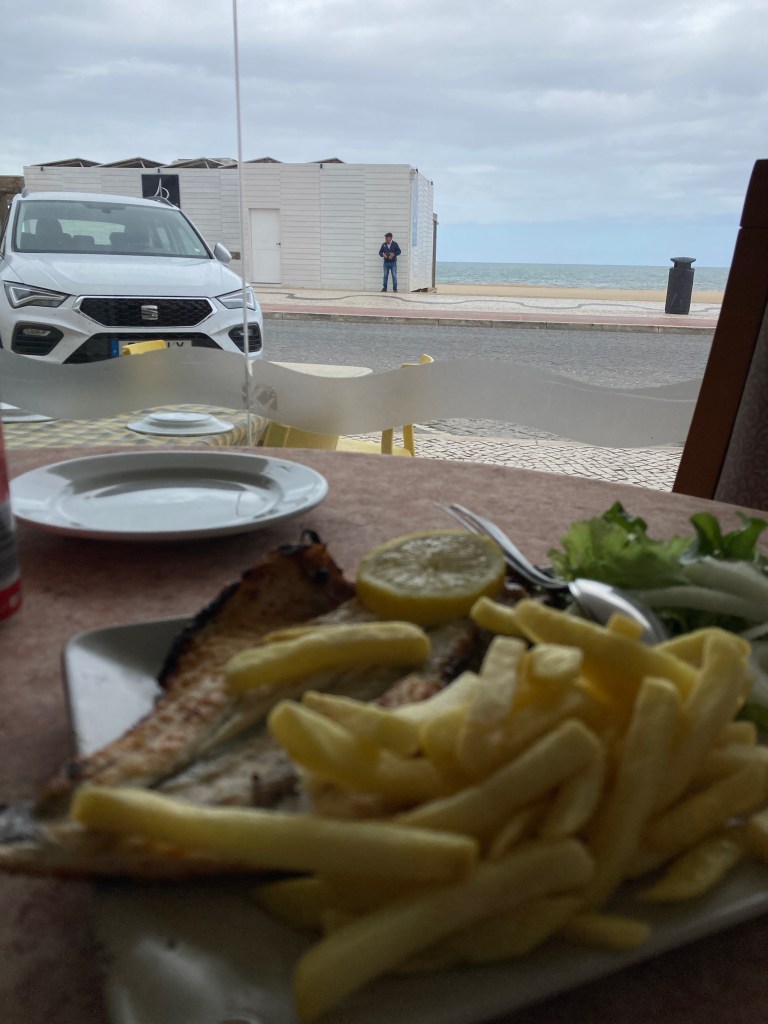
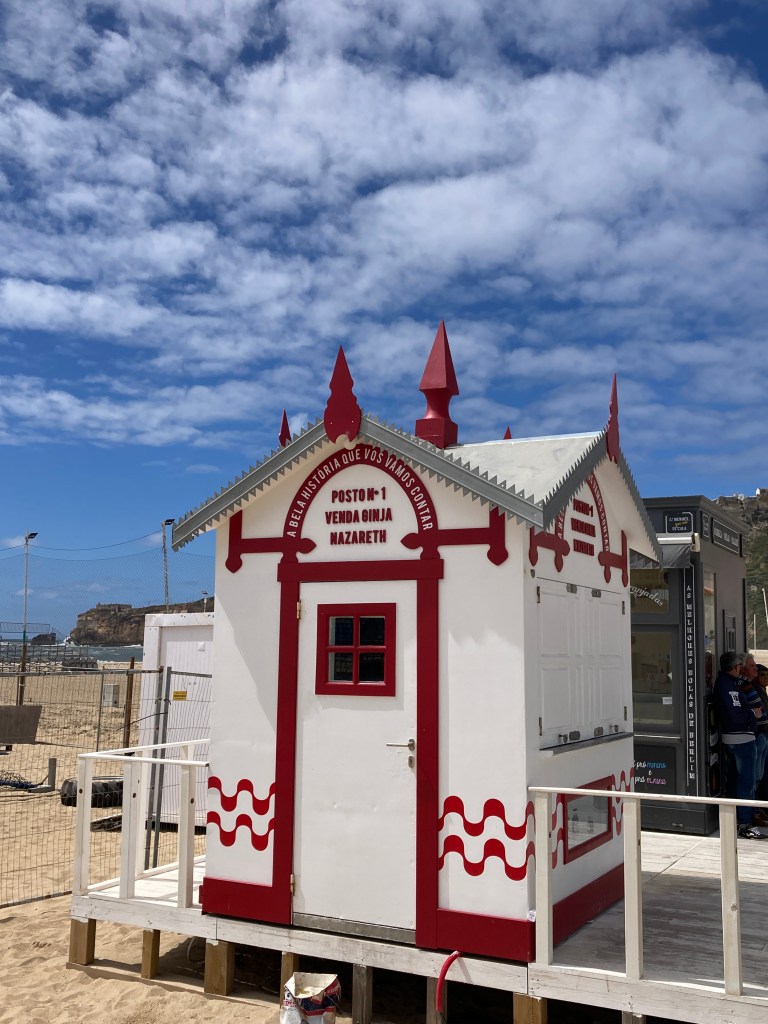
The beach seamlessly melds into the urban landscape, flanked by waterfront houses and adorned with traditional canvas tents boasting vibrant stripes of color. Caressed by the typically rough sea with powerful waves, Nazaré is a haven for surfing and bodyboarding enthusiasts.
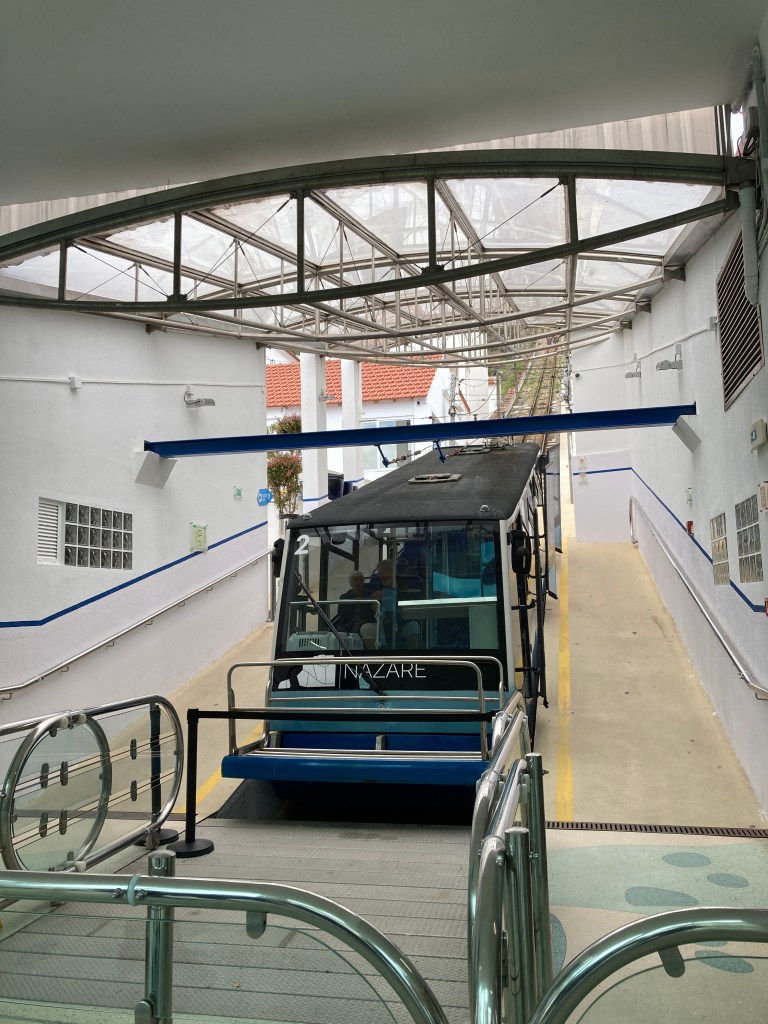
To fully admire the beach’s beauty and panoramic expanse, a journey up to Sítio is highly recommended. Accessible via a century-old elevator, this ascent connects the heart of the village to its highest vantage point, offering breathtaking views of the surroundings.





Nazaré Lighthouse
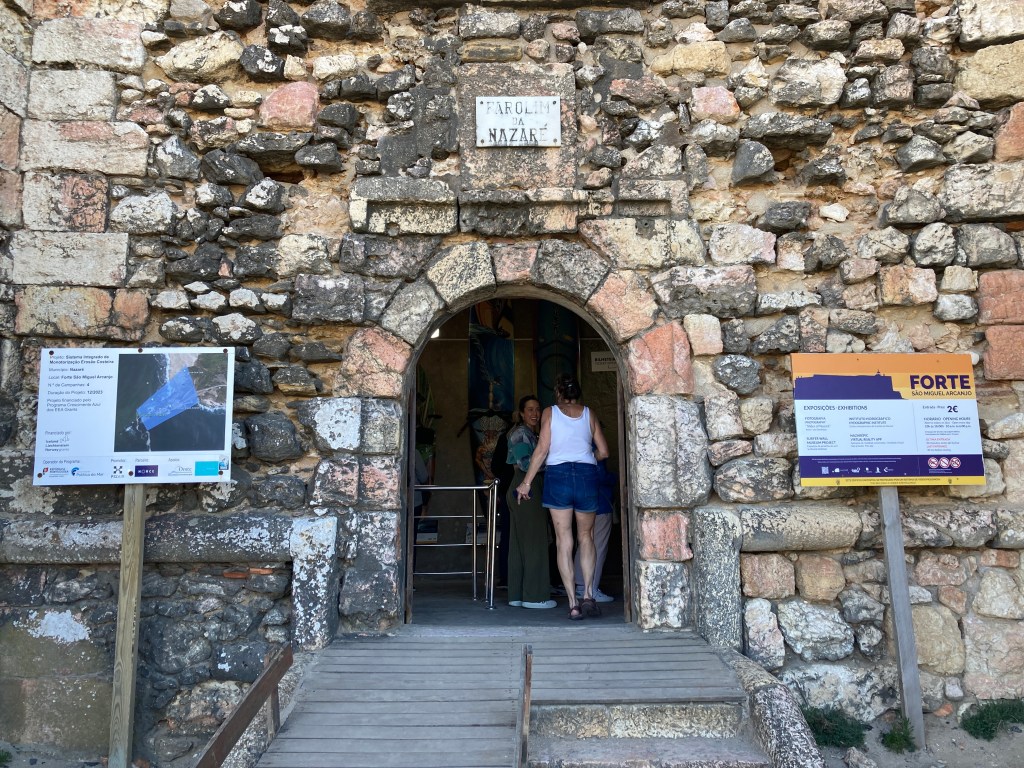
The Nazaré Lighthouse is situated within the Fort of São Miguel Arcanjo in Nazaré, within the West region of Portugal.
Characterized by its round shape and vibrant red hue, the lighthouse features an iron lantern with a service balcony affixed to the fort’s wall.
Operating on a cycle of two seconds of light followed by one second of darkness, the beacon serves as a crucial navigational aid along the coast.
Designated as a Property of Public Interest since 1978, the lighthouse stands as an enduring symbol of maritime safety and heritage in the region.



If you enjoyed this article, please consider liking and sharing it. Thank you.

 Real Traveler, Real Experiences, Real Results.
Leave a comment