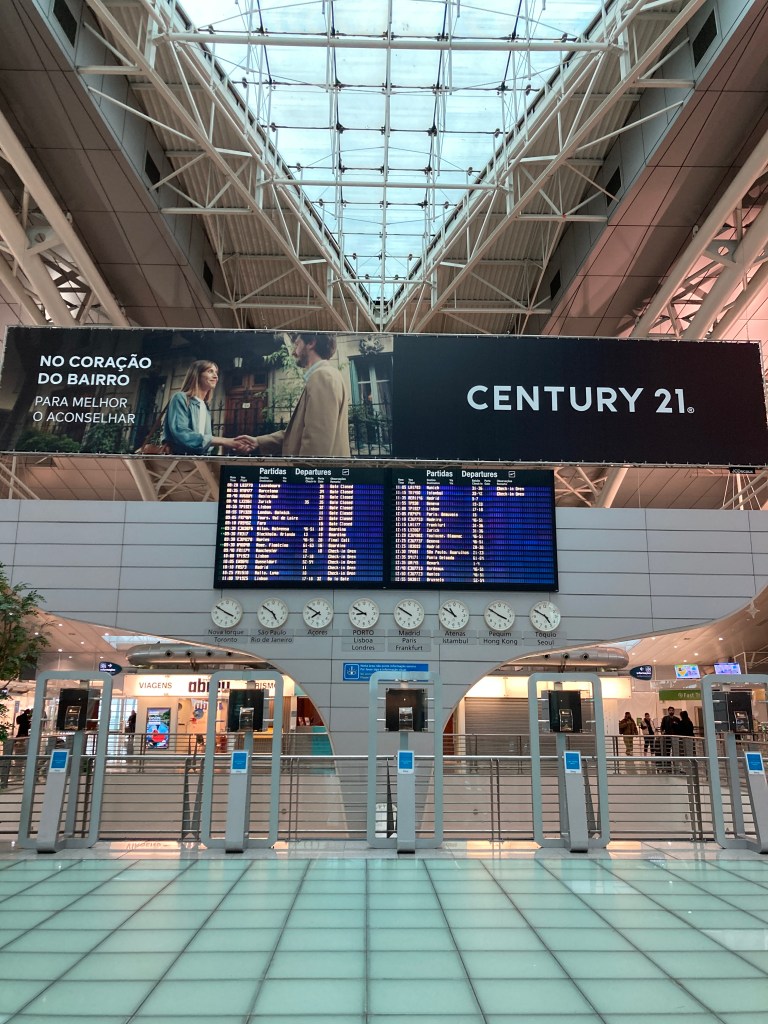
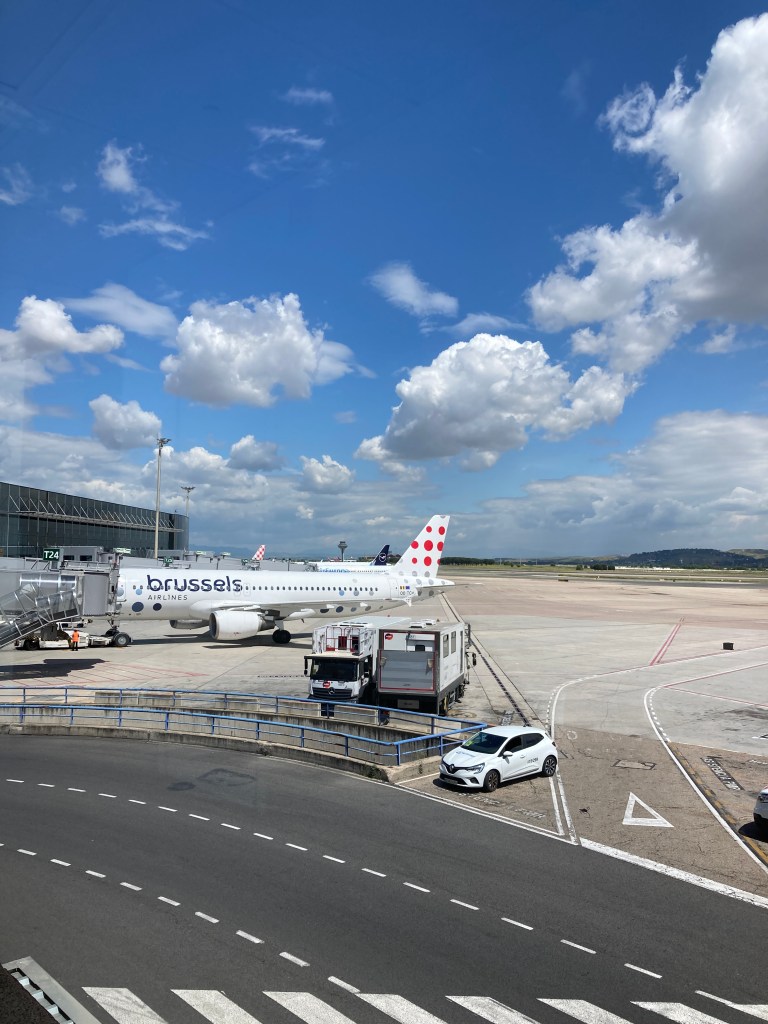
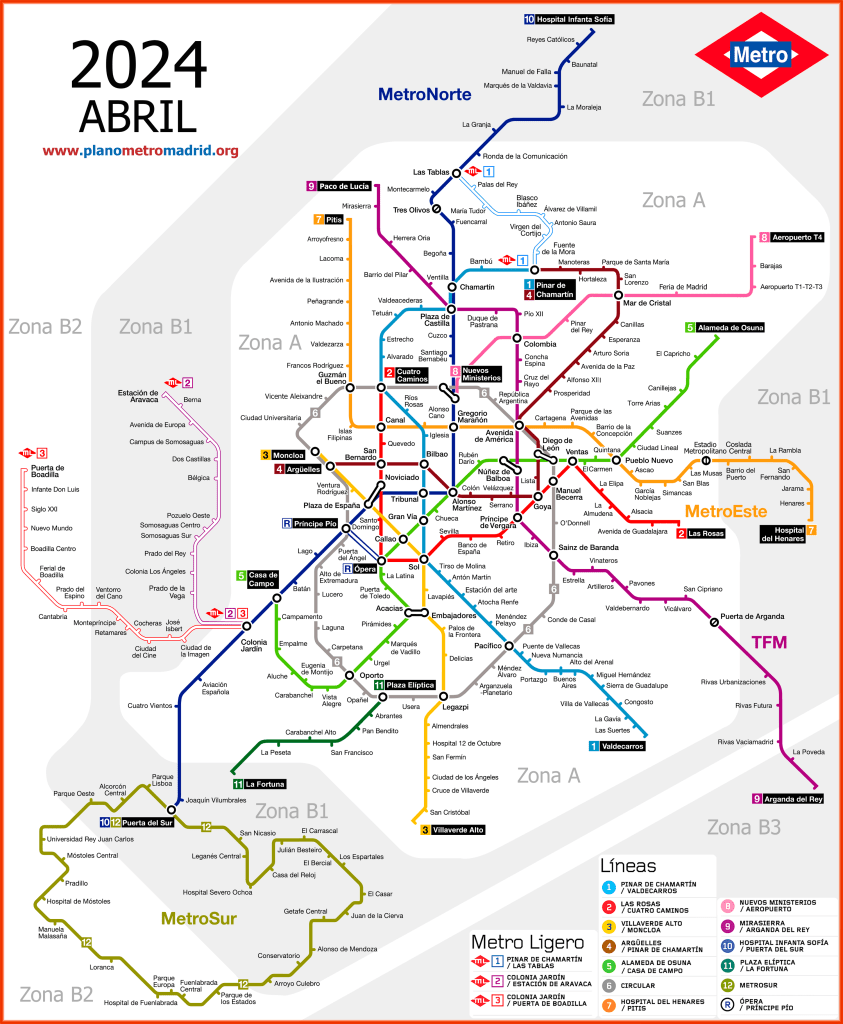
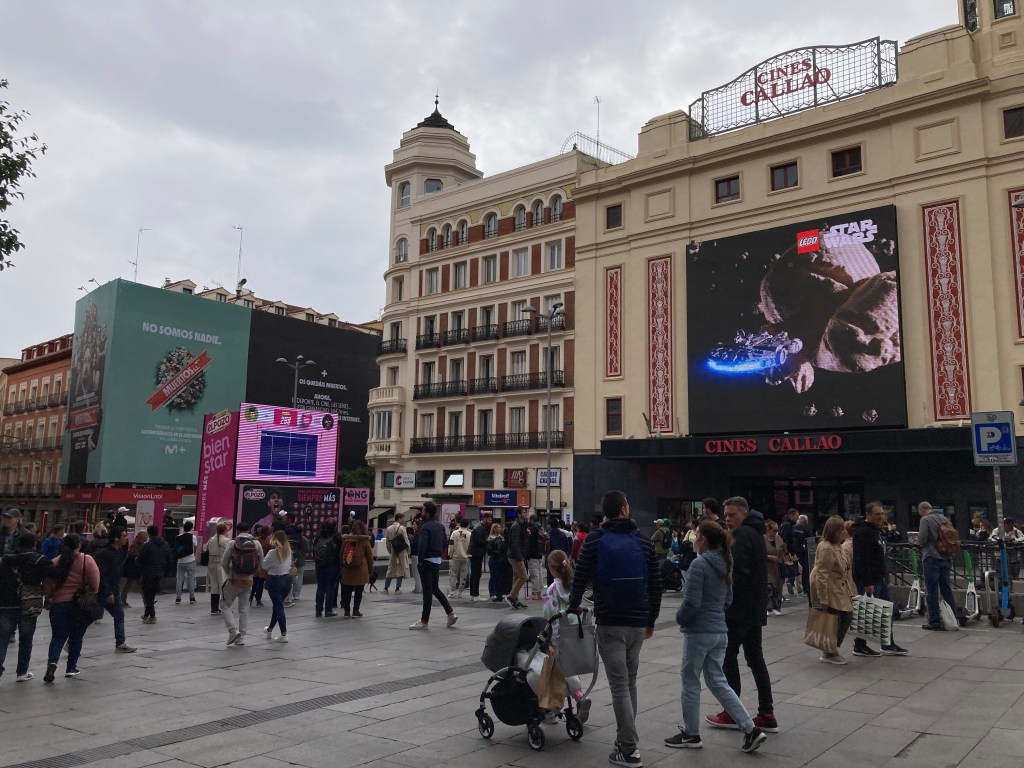
This time, I flew from Porto to Madrid. Upon arrival at the airport, I downloaded the subway map and took the subway to the city center, Callao station. The fare was 7.5 euros.
The first night, I booked HC Callao Hostel. Besides its excellent location and affordability, this hostel doesn’t offer many amenities. The toilets and shower rooms are extremely small. Also, due to its downtown location, the rooms can be quite noisy.
After checking in, I went outside to wander around.



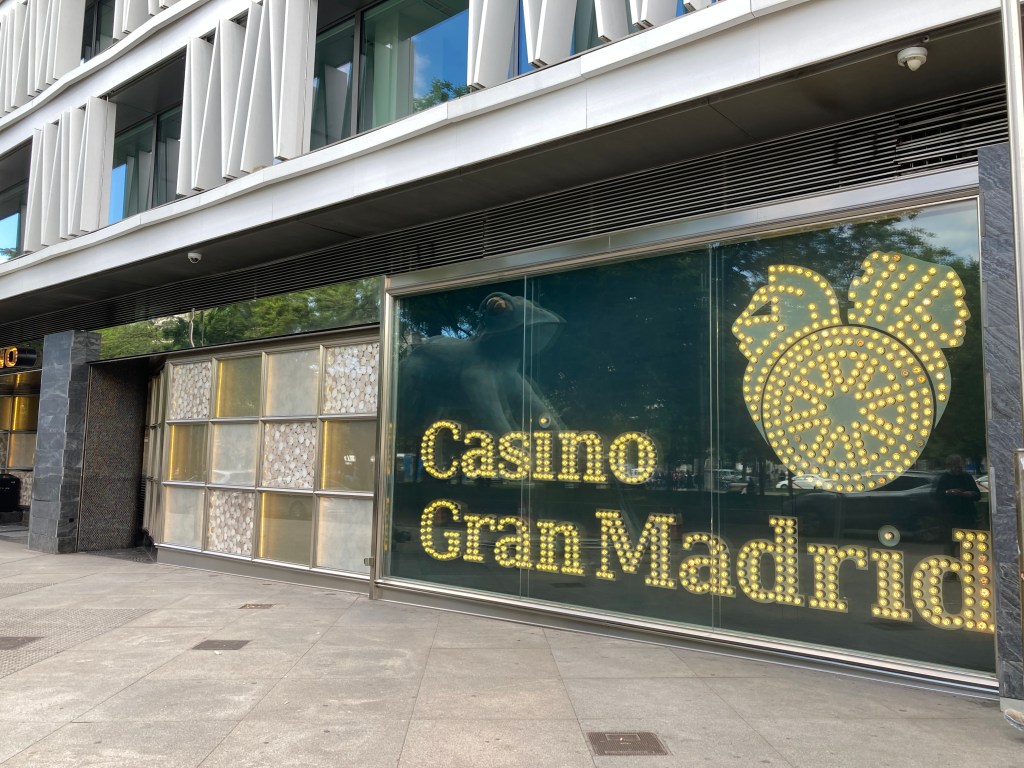
Casino Grand Madrid
The casino here is about 4 kilometers from Callao metro station, and it’s reachable within an hour’s walk. Blackjack here costs 5 euros, and there are other table games as well as slot machines. Today, I spent 10 euros playing the slot machines.


Puerta del Sol
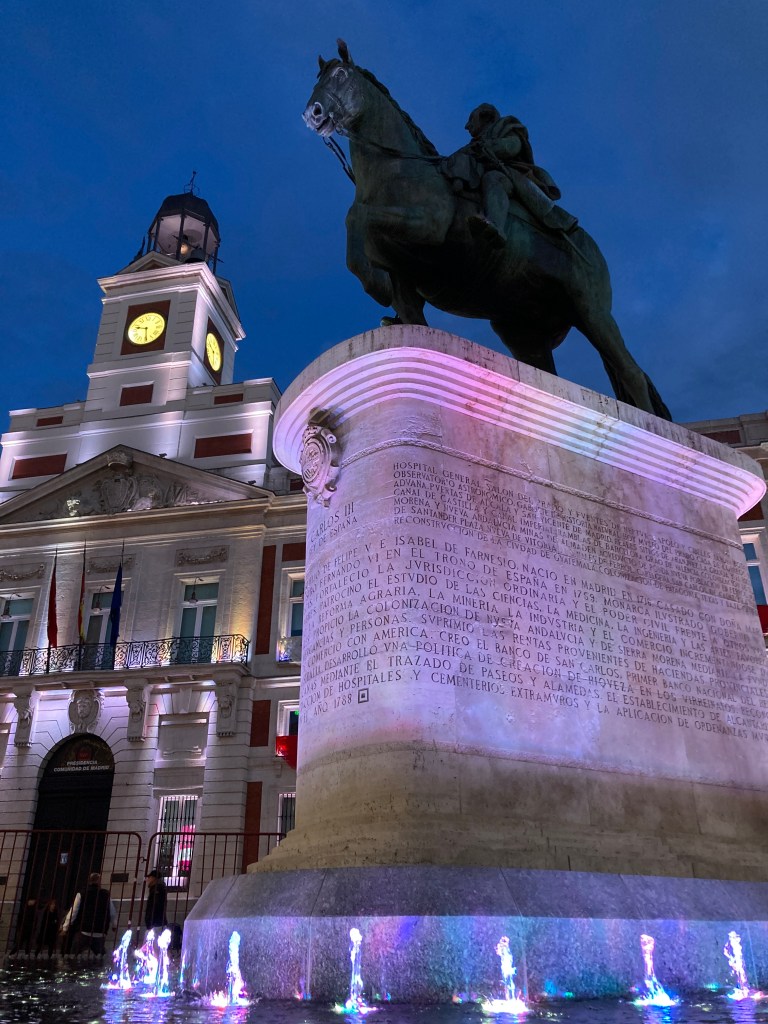
Situated right in the heart of Madrid, this bustling square is one of the city’s most iconic landmarks. Its semi-circular layout serves as a hub for several of Madrid’s historic and busiest streets, including Calle Mayor, Calle del Arenal, Calle de Alcalá, and Calle de Preciados, making it a focal point for both locals and tourists alike. Moreover, it serves as the starting point for major radial roads across Spain.
Originally marking one of the city’s gates, Puerta del Sol is a must-visit attraction. Atop the Casa de Correos building, which currently houses the Madrid regional government headquarters, sits the renowned clock. Every New Year’s Eve, all eyes turn to this clock as tradition dictates people across the country to eat 12 lucky grapes with each stroke of midnight.
Adjacent to the main entrance of Casa de Correos, a stone slab on the pavement signifies Spain’s Kilometre 0, the starting point for Spain’s major radial roads. Across the square, at the beginning of Calle de Alcalá, Madrid’s longest street, stands the famous Oso y Madroño. This statue, depicting a bear and a strawberry tree, serves as the official symbol of the city and a popular meeting spot for locals.
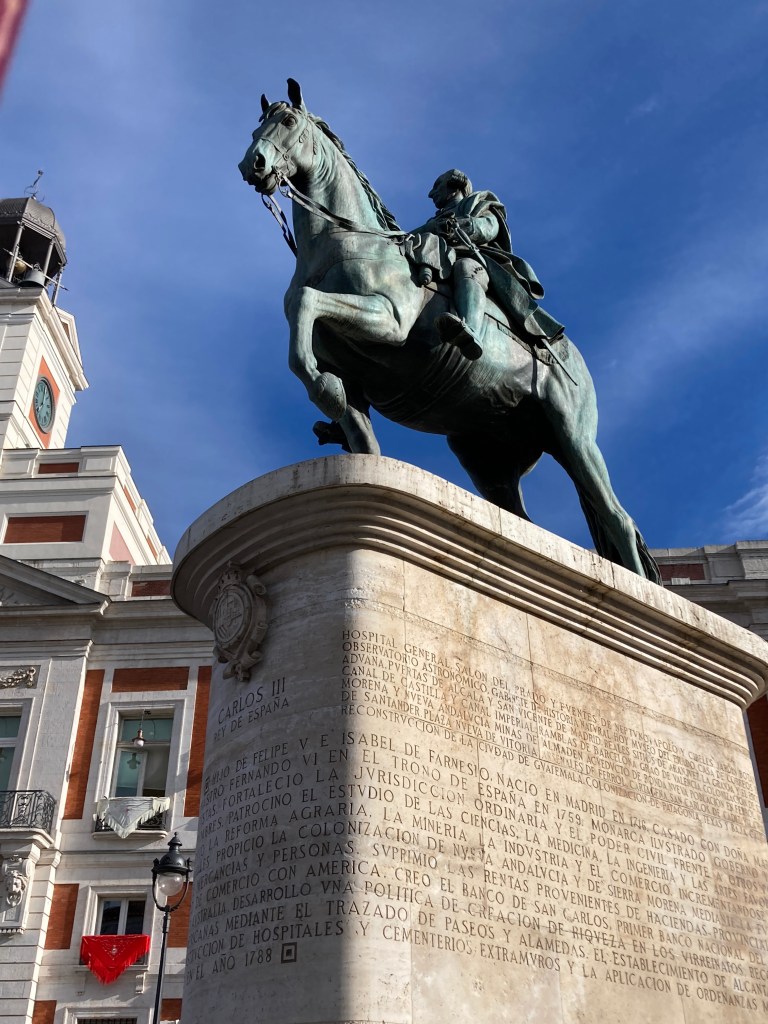
On the opposite side of the square, near Calle del Arenal leading to the Teatro Real opera house, stands a replica of the La Mariblanca statue. The original, dating back to the 17th century, is housed in Casa de la Villa. In the center of the square’s fountain, the largest statue portrays King Charles III of Spain on horseback, commemorating his progressive reforms and significant contributions to the city during his reign, earning him the title of Madrid’s best mayor.
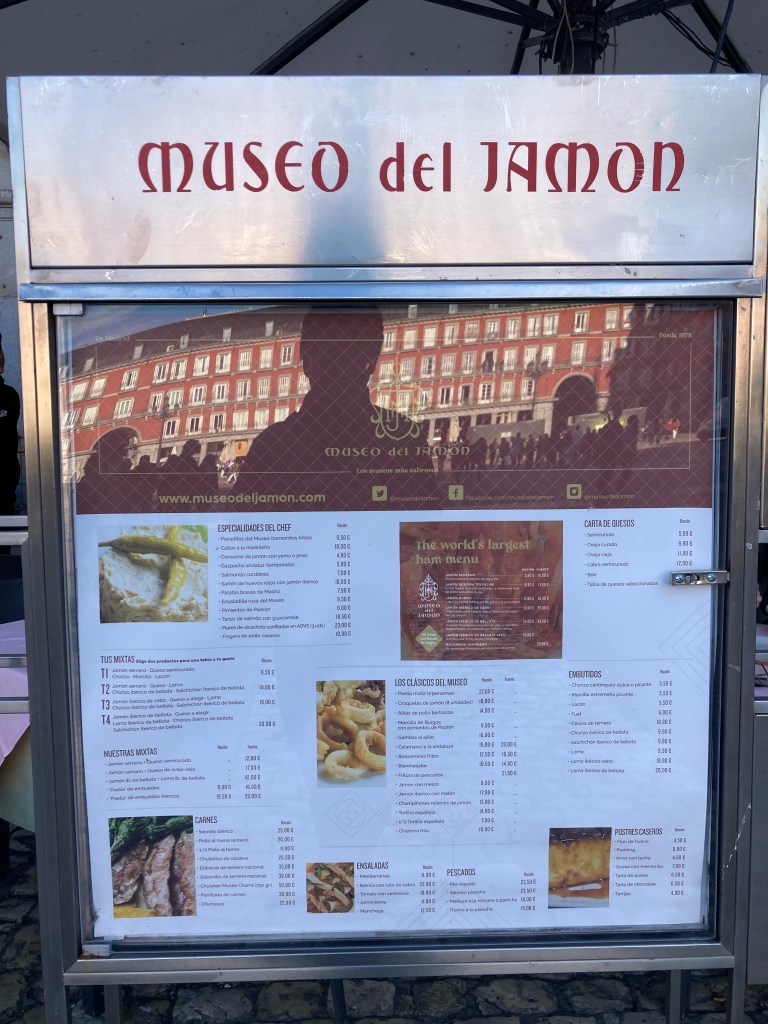
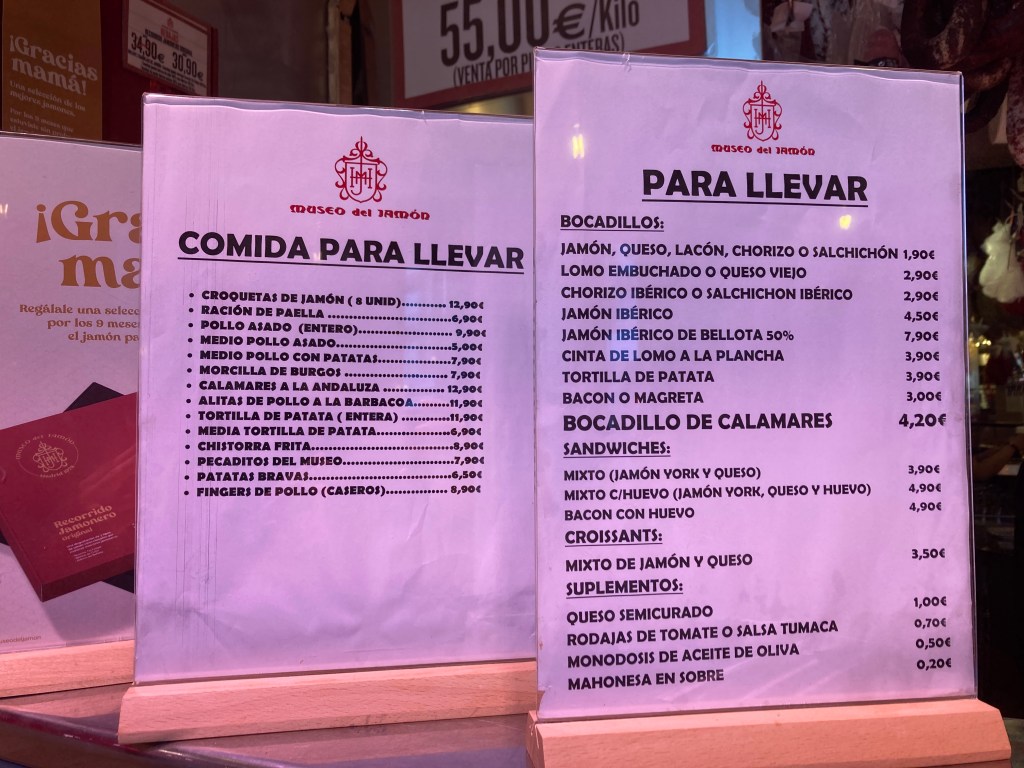
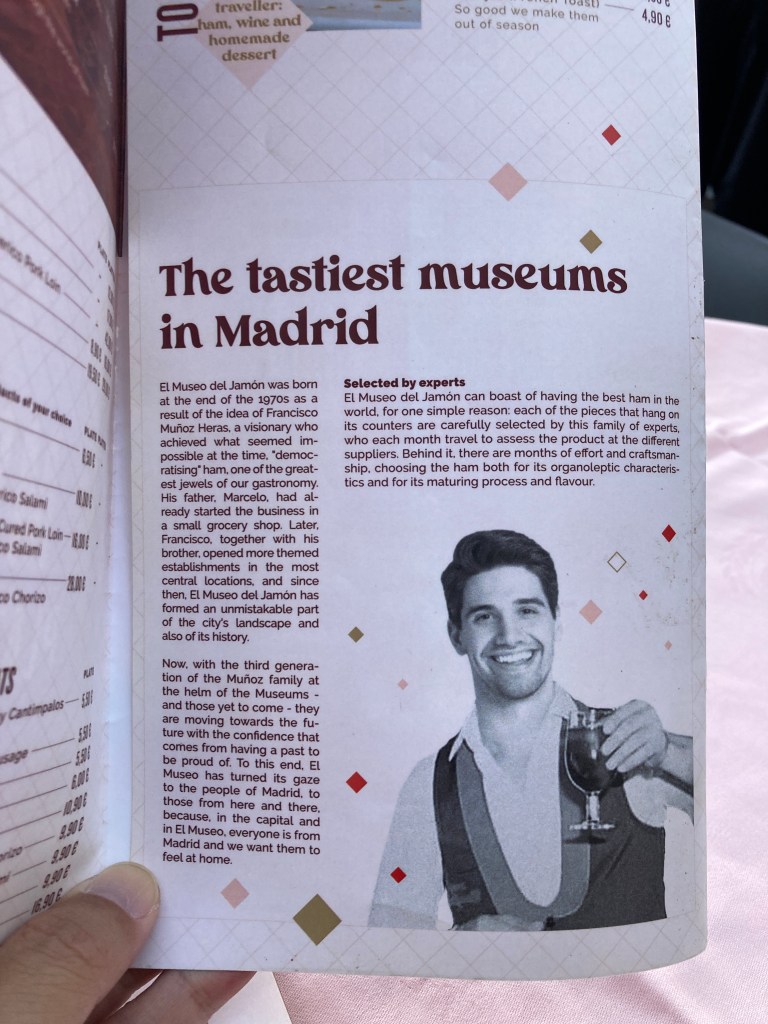
Museo del Jamon
I asked a local friend what the most authentic food in the area was, and they recommended this ham shop. Not only is it a ham shop, but also a ham museum, making it a renowned traditional ham establishment in the area.


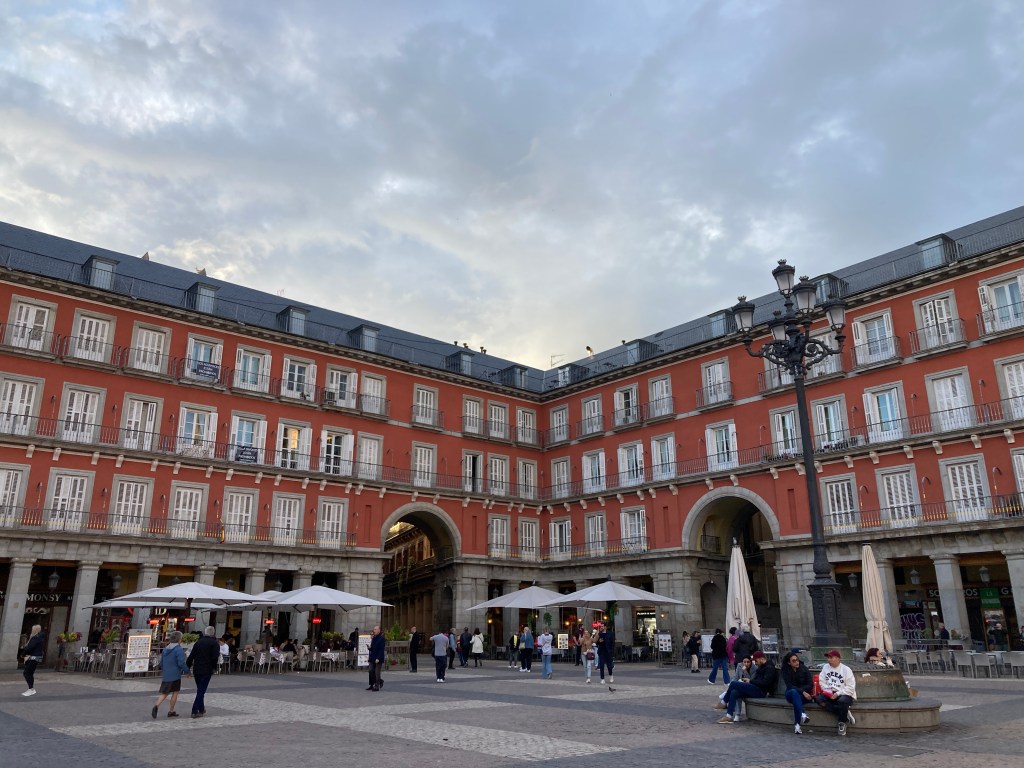
Plaza Mayor, Madrid
Situated at the core of Madrid, the Plaza Mayor, also known as the Town Square, stands as a significant public area in the capital of Spain. Originating as the focal point of Old Madrid, it was initially constructed between 1580 and 1619 under the reign of Philip III. Just a short distance away lies another renowned plaza, the Puerta del Sol.
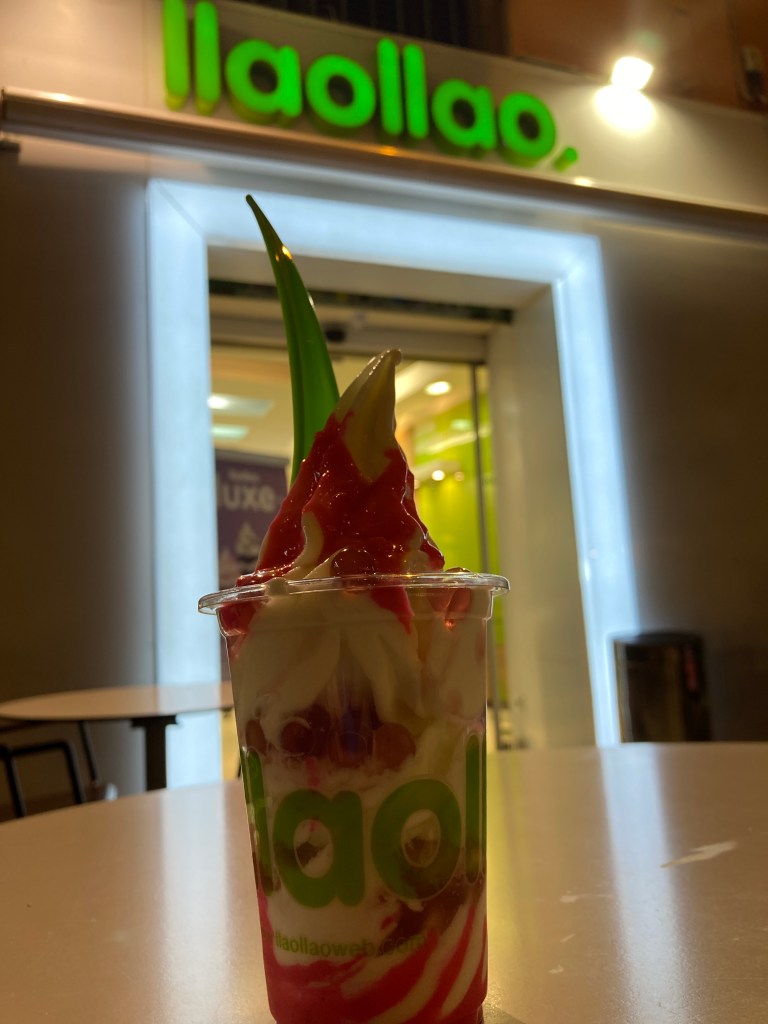
After dinner, I walked back to the hostel and went to sleep. Along the way, I also tried the famous local ice cream, llao llao.
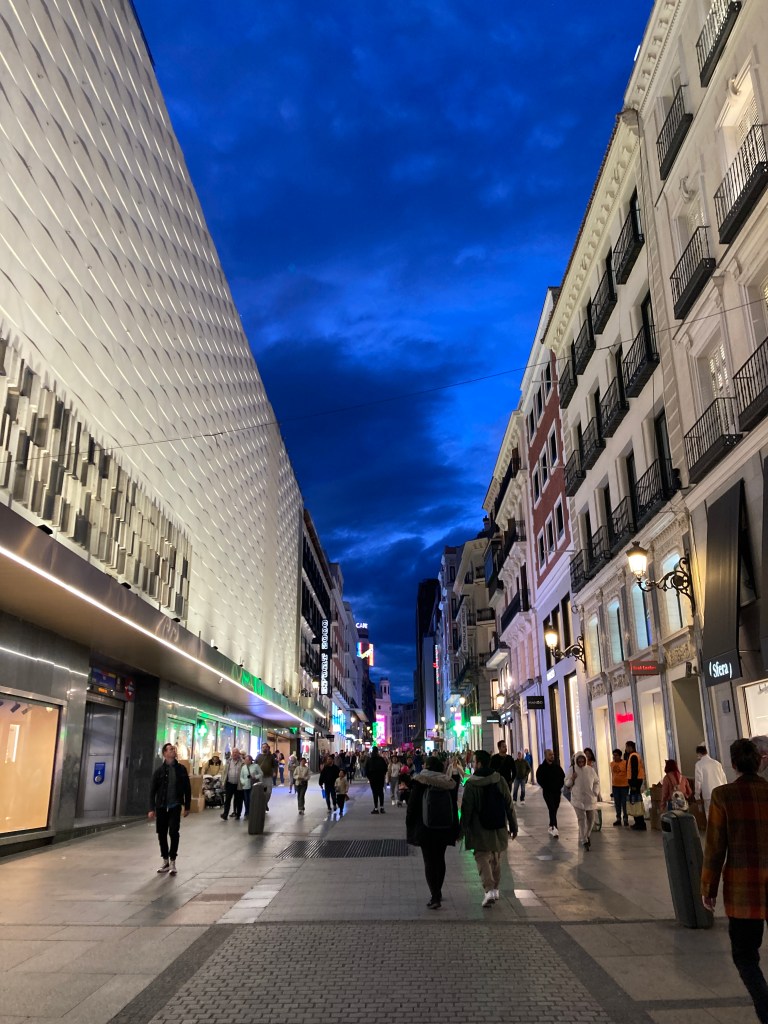

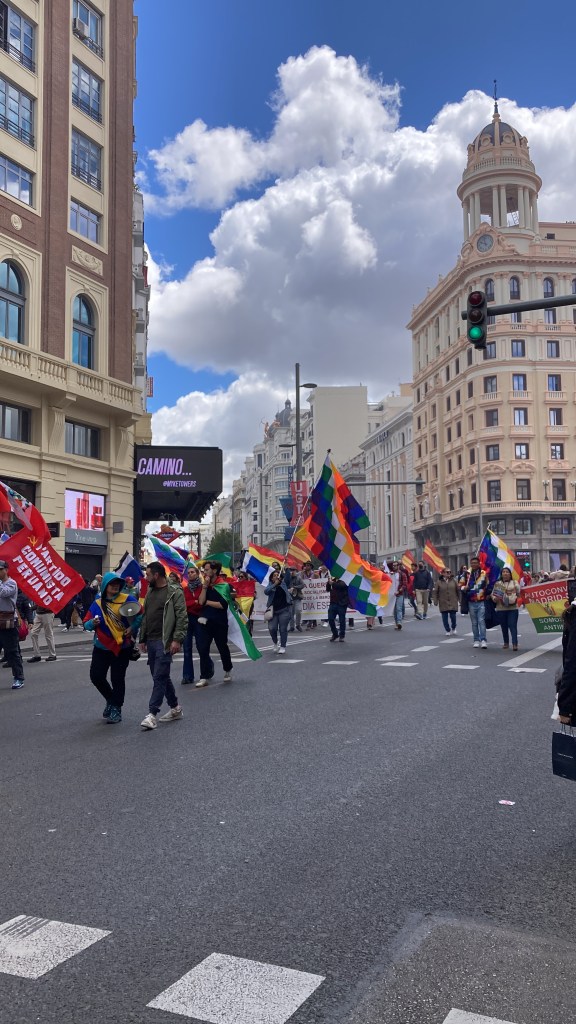
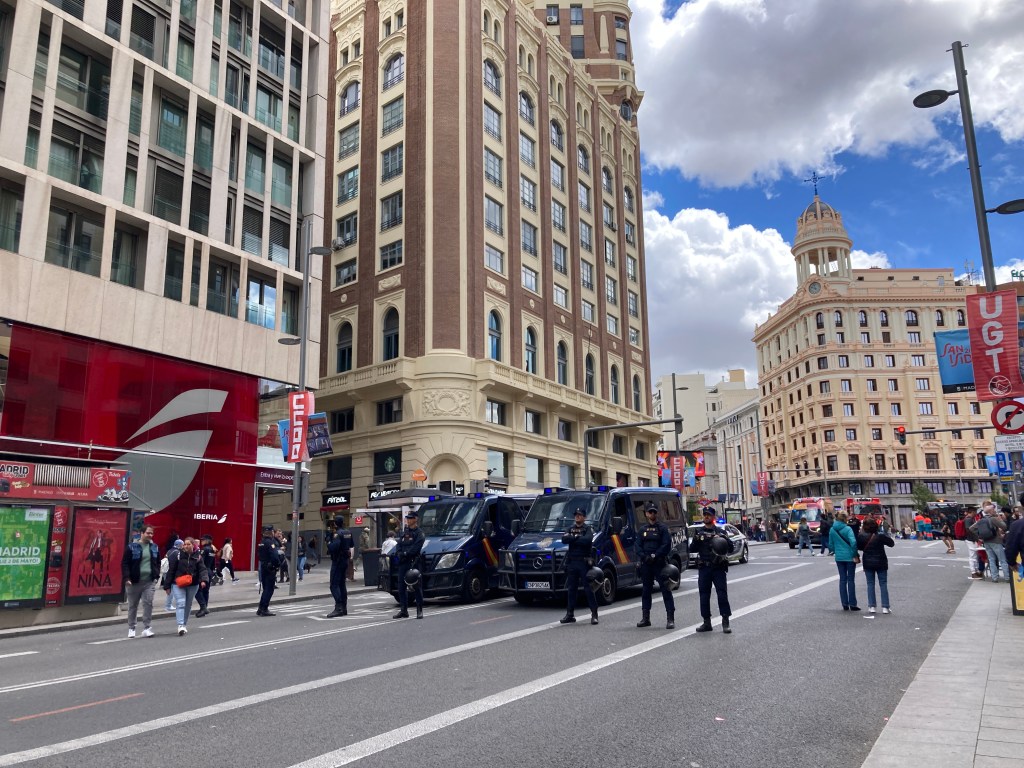
On the morning of May 1st, as soon as I stepped out, I encountered a large crowd of people marching, but I had no idea what they were protesting about.

Plaza de España
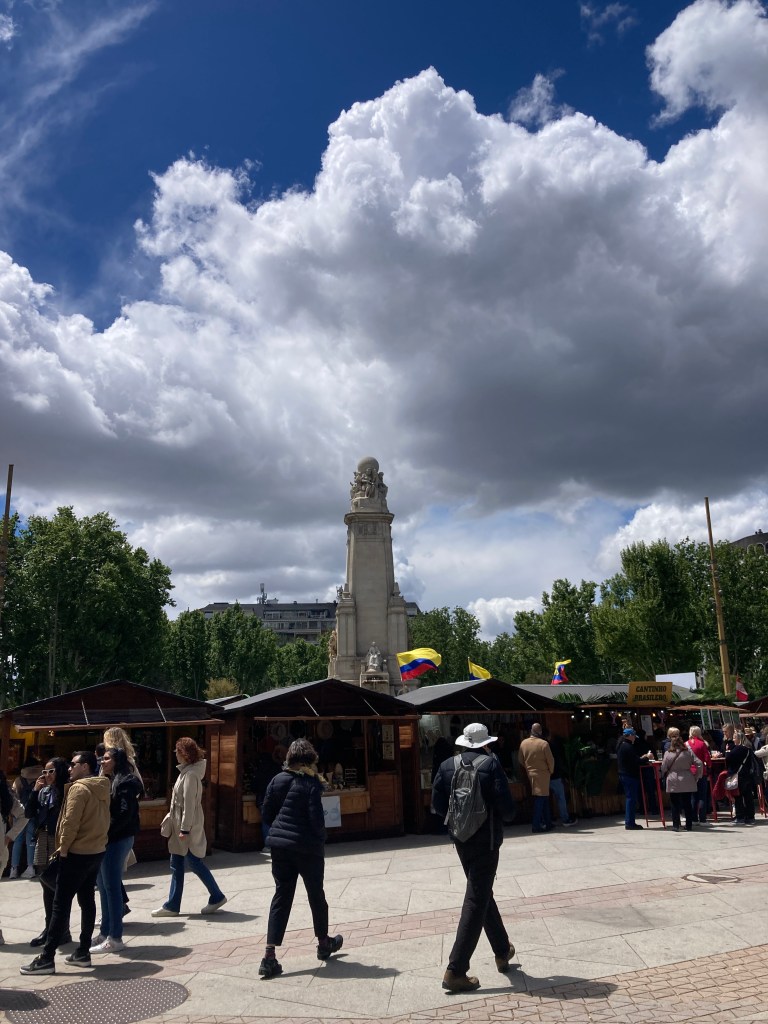
After two and a half years of construction, this central square in Madrid has been revitalized to become a new tourist attraction in the city, featuring more greenery, sustainability, and accessibility, with pedestrians taking center stage. Situated at the end of Gran Vía, its pedestrianization facilitates connections between various public spaces in the area: Plaza de Oriente, Sabatini Gardens, Campo del Moro, and Madrid Río, which were previously disconnected.
Covering an area of over 70,000 square meters, the new square accommodates all modes of mobility. Surface circulation is reserved for pedestrians and cyclists, while vehicular traffic flows through a tunnel connecting Bailén and Ferraz streets, an extension of the tunnel built in 1990 in front of the Royal Palace. Over 1,100 new trees have been planted, and approximately 3 kilometers of cycle paths have been introduced on sidewalks, along with around 400 meters of cyclist paths in car-free spaces, alongside the creation of extensive play areas for children.
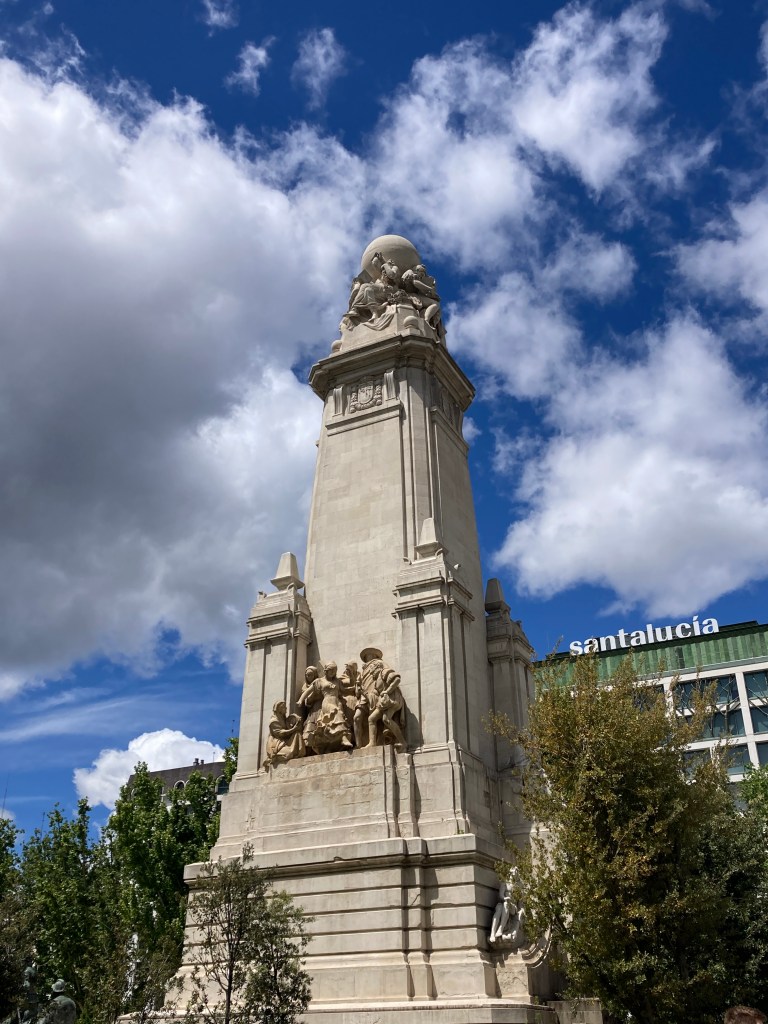
In addition to the iconic Monument to Cervantes fountain, the square features two other fountains: the recently created Fuente del Cielo, made of macaúba marble and inspired by Madrid’s skies, and the Fuente de la Concha, previously located in front of the España Building and set to be relocated next to the Parish of Santa Teresa and S. José. The square’s surroundings are adorned by significant skyscrapers such as the Torre de Madrid and the España Building, now home to the luxurious Riu Plaza España hotel, forming one of the city’s most captivating architectural ensembles.
Throughout the renovation, significant archaeological remains were discovered and integrated into the square, allowing public visitation. Visitors can explore two floors of the Godoy Palace, the buttresses of the former Royal Stables next to the current Sabatini Gardens, and the remains of the old San Gil barracks’ patrol path. An archaeological itinerary, complemented by an interpretation center for the monumental cornice, has been established to elucidate the city’s evolution.
The square’s transformation and its surroundings were honored with a prestigious award at the XVI Spanish Biennale of Architecture and Urbanism on September 21, 2023. This recognition adds to a series of accolades received nationally and internationally, including the Ciudad 2021 Madrid Next award, the Best Work 2022 award from the Demarcation of Madrid of the Colegio de Ingenieros de Caminos, Canales y Puertos, the Albert Serratosa City and Territory 2023 award from the Colegio de Ingenieros de Caminos, Canales y Puertos de España, selection at the Biennale Internacional de Paisaje Rosa Barba 2023, and the International Architecture Awards 2023 presented by the Chicago Athaeneum.
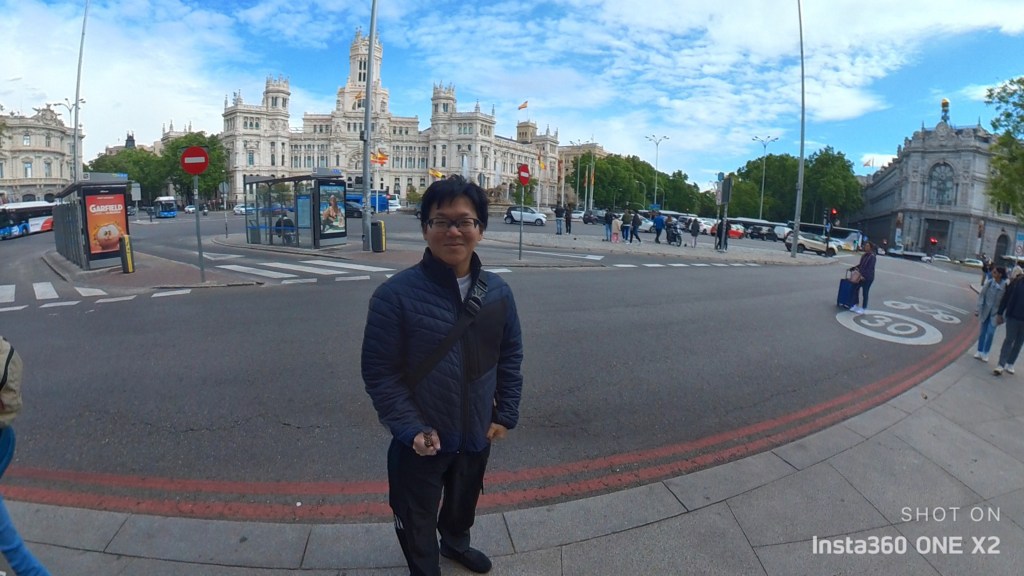
Plaza de Cibeles (Madrid)
Cibeles Square (Plaza de Cibeles) is situated in the city of Madrid, Spain, at the junction of Calle de Alcalá (running from east to west), Paseo de Recoletos (to the north), and Paseo del Prado (to the south). This iconic location serves as a boundary between the Centro, Retiro, and Salamanca neighborhoods.
At the heart of the square stands the renowned Cibeles Fountain, sculpted in 1782 based on a design by Ventura Rodríguez. Surrounding the fountain are four emblematic buildings, constructed between the late 18th and early 20th centuries.
The oldest building, dating back to 1777, is the Palacio de Buenavista or Cuartel General del Ejército, situated in the northwest corner. Across from it lies the Palacio de Linares or Casa de América, located in the northeast corner. Additionally, the Palacio de Comunicaciones, serving as Madrid City Hall since 2007, spans the southeast corner, while the Bank of Spain occupies the southwest corner.
Alcalá Gate
The Alcalá Gate stands as one of the five ancient royal gates granting entry into the city of Madrid, Spain. Situated at the center of the Plaza de la Independencia roundabout, it intersects the streets of Alcalá and Alfonso.
Originally providing passage for travelers arriving from the direction of Alcalá de Henares (Aragon or France), the gate now serves as a monumental landmark adjacent to the Cibeles Fountain and Retiro Park. Commissioned by Charles III to replace a previous gate dating back to the 16th century, the design and construction were entrusted to the Italian architect Francesco Sabatini. While competing projects by Spanish architects Ventura Rodríguez and José de Hermosilla were considered, Sabatini’s design was personally selected by the King.
Built in neoclassical style reminiscent of Roman Triumphal Arches, the gate faces eastward and was completed in 1778. Over time, it underwent various urban transformations, transitioning from the outer border of Madrid to a prominent tourist attraction nestled within the city itself. Its significance grew in the late 18th century and by the end of the 19th century, it had become one of Madrid’s most iconic symbols, frequently depicted in city illustrations.
Designated a historical-artistic monument in 1976, extending its classification to Independence Square, the Alcalá Gate has been a focal point for political and artistic events, bearing witness to numerous historical occurrences in its vicinity.

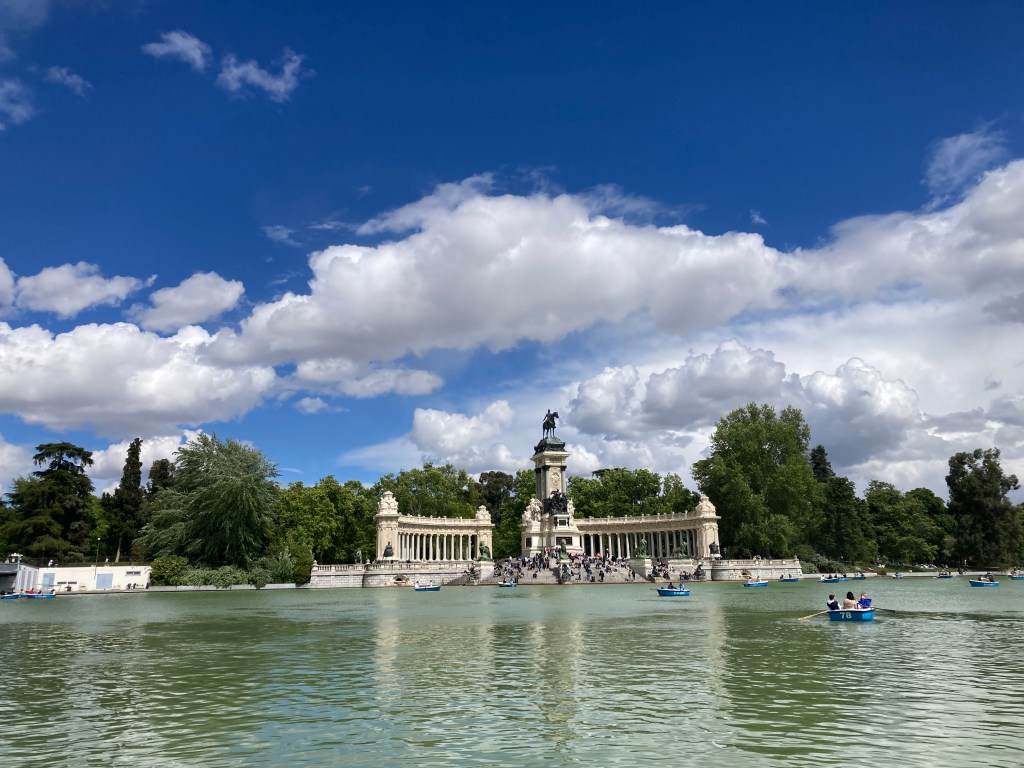
Monument to Alfonso XII
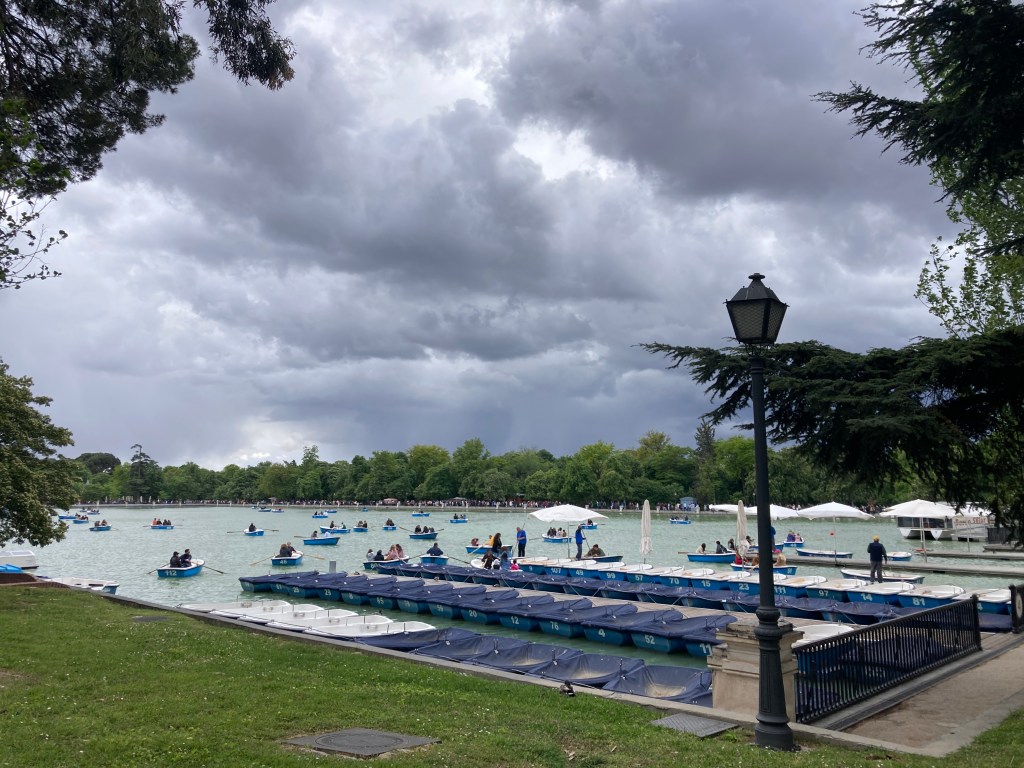
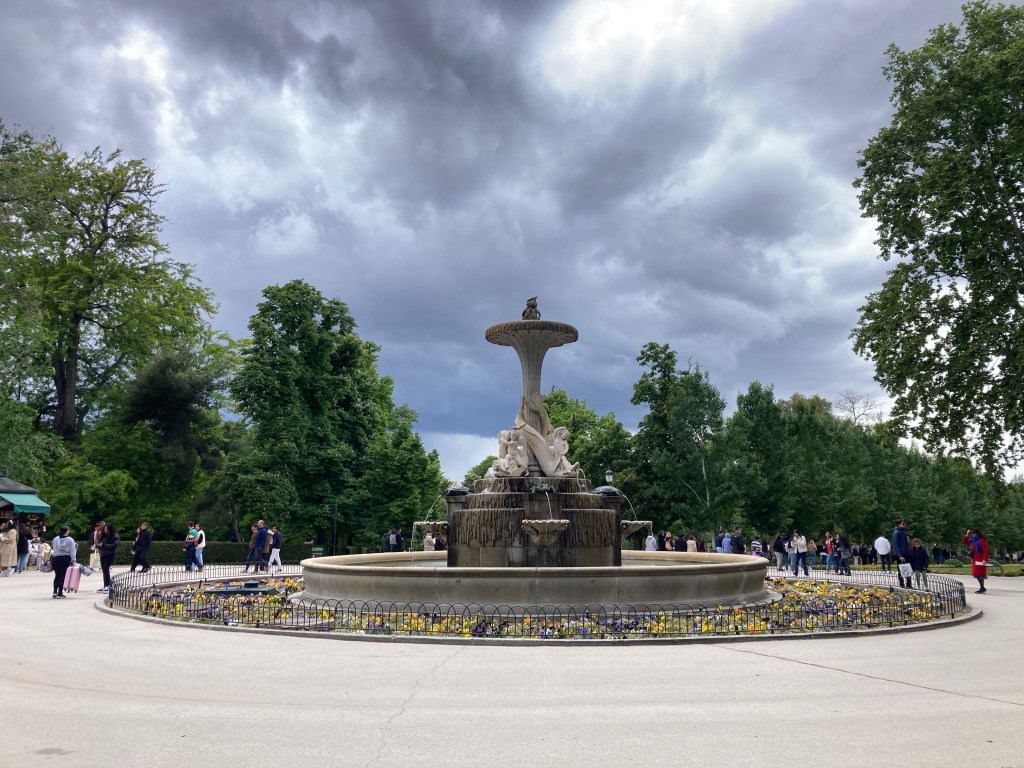
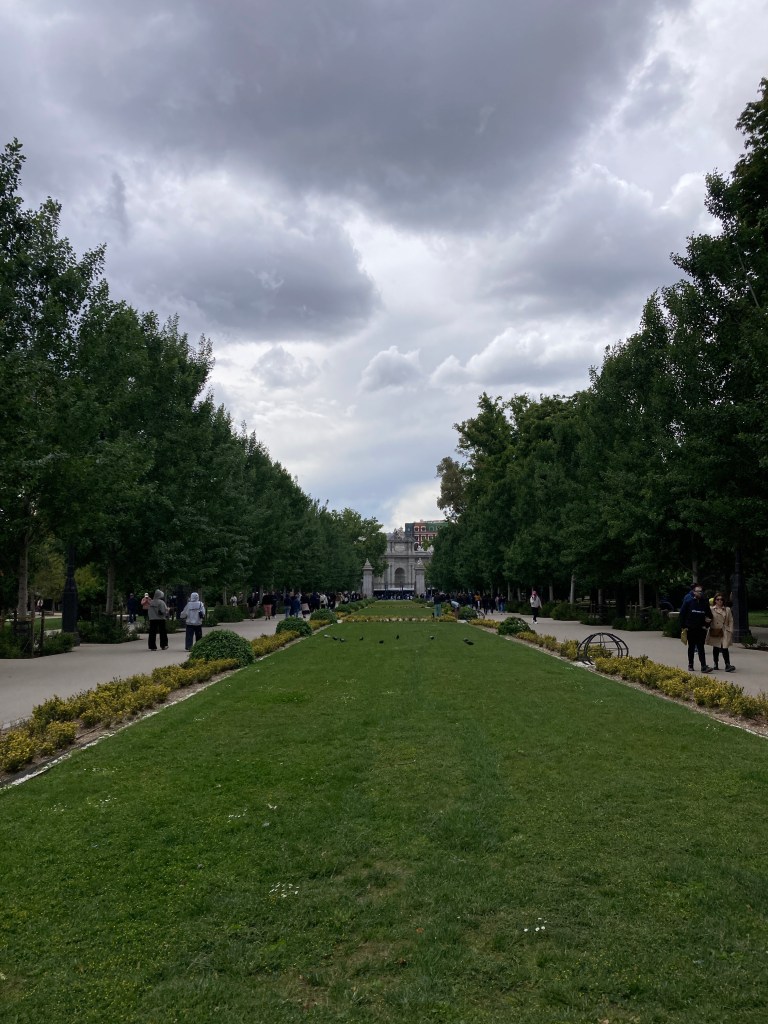
The Monument to Alfonso XII (Spanish: Monumento a Alfonso XII) stands within Buen Retiro Park (El Retiro) in Madrid, Spain, positioned on the eastern edge of an artificial lake near the park’s center.
In 1902, a national competition was held, initiated by Queen Mother Maria Christina of Austria, to design a monument honoring King Alfonso XII. Architect José Grases Riera emerged as the winner with his proposal featuring a grand colonnade surrounding a pond in El Retiro, adorned with sculptures encircling an equestrian statue of the king, crafted from bronze and marble.
Despite Grases Riera’s passing in 1919, architect Teodoro Anasagasti assumed control of the project, preserving the original design. Over twenty sculptors contributed to the endeavor. Financed through public donations, the monument was unveiled on June 6, 1922. This landmark was the first among many commemorative statues added to parks throughout Spain over the past century, featuring works by artists such as Mariano Benlliure, Josep Clarà, and Mateo Inurria.

Buen Retiro House
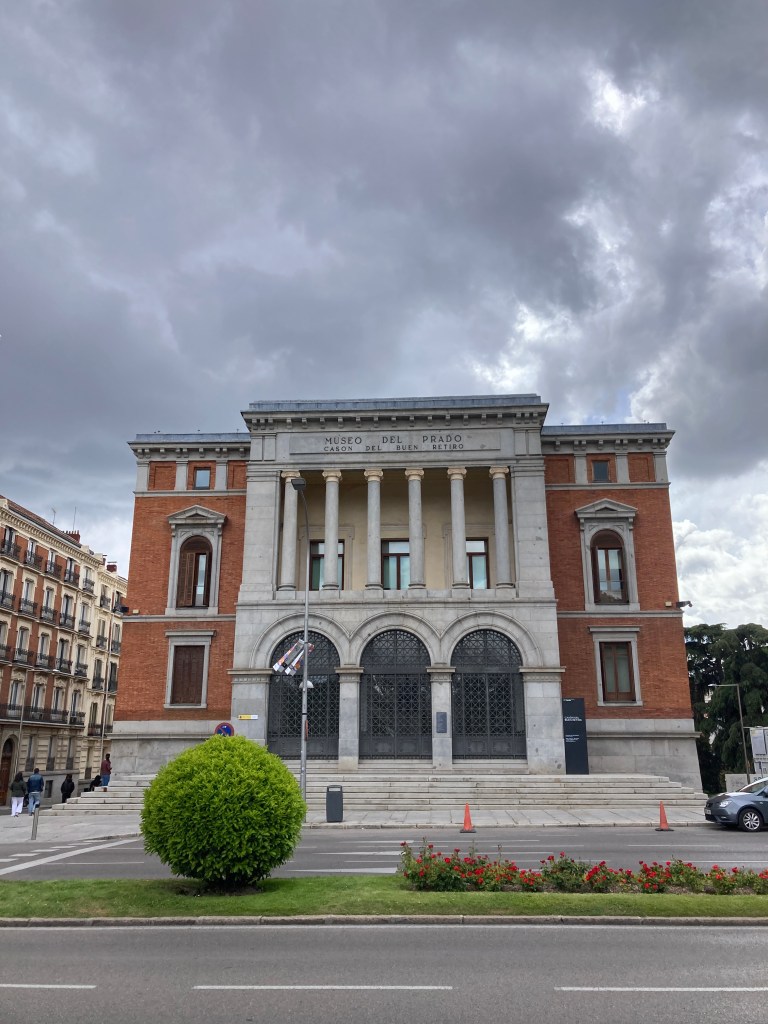
The Casón del Buen Retiro, named after the Buen Retiro palace from which it originated, is one of the only two structures that survived the palace’s destruction in Madrid, Spain. Constructed by Alonso Carbonel in 1637, it was initially intended as a ballroom for the Court of Philip IV.
Since 1971, the Casón has been part of the Prado Museum. For many years, it housed the museum’s collection of 19th-century paintings, comprising around 3,000 artworks, including Pablo Picasso’s renowned piece, Guernica. However, Guernica was relocated to the Reina Sofía Museum in 1992. Following extensive renovations, the Casón reopened in 2009 as the Museum’s Study Center. The 19th-century collections have since been moved to the main Prado headquarters, facilitated by the expansion project led by Rafael Moneo.

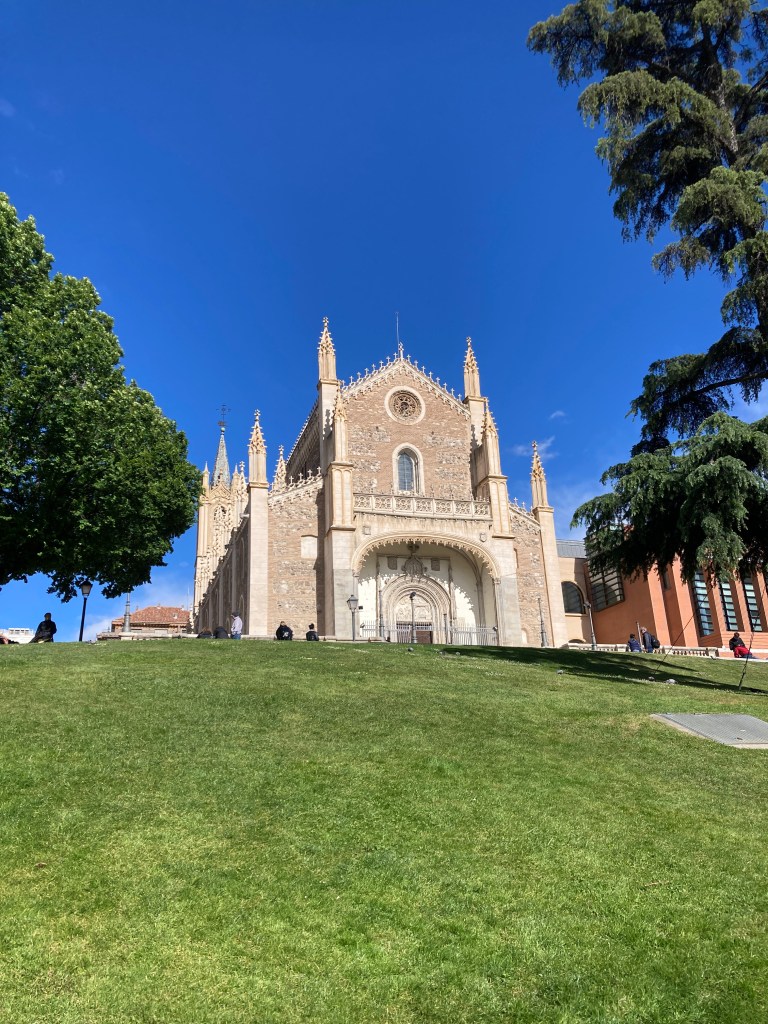
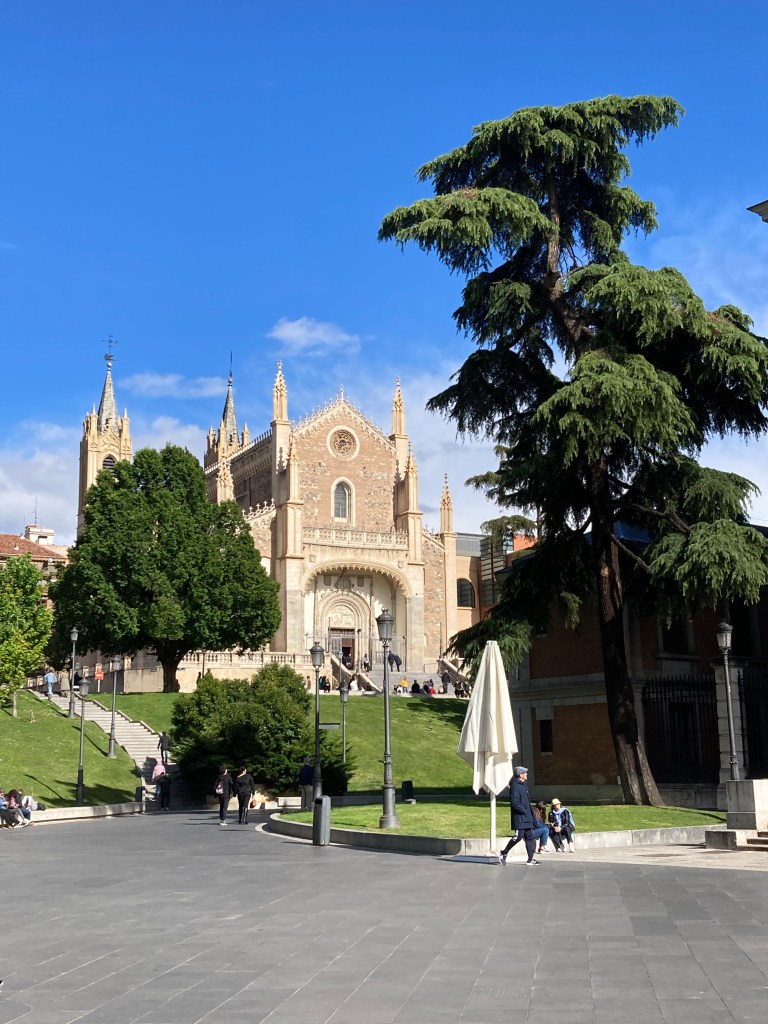
Church of Saint Jerome the Royal
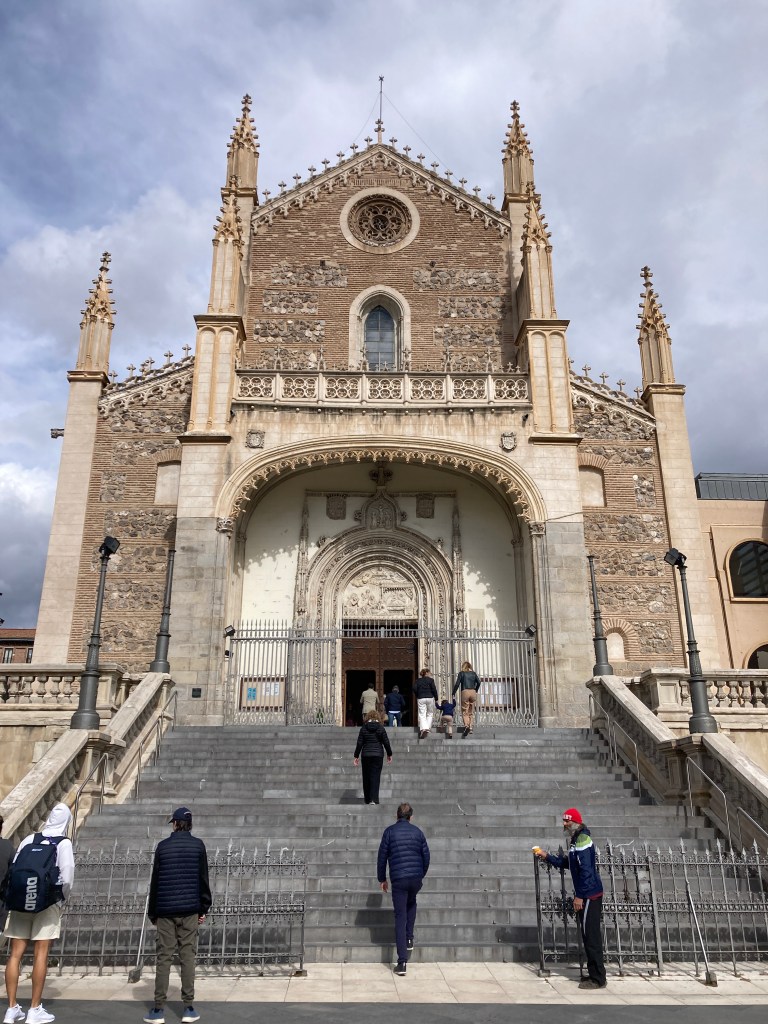
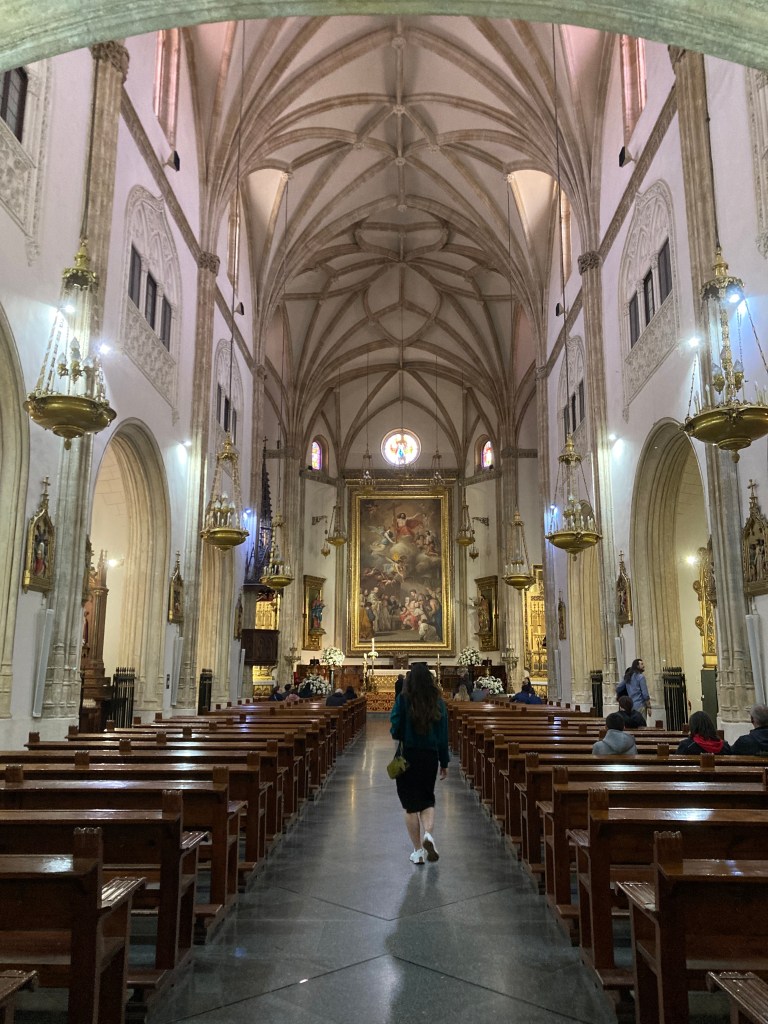
San Jerónimo el Real, known as Saint Jerome the Royal in English, is a Roman Catholic church located in central Madrid, Spain, dating back to the early 16th century.
The church has undergone various renovations and restorations over the centuries, standing as the sole remaining structure of the Hieronymite monastery that once stood beside the royal palace of Buen Retiro. A portion of this monastery now houses the renowned Prado Museum. Its proximity to the royal palace underscores its historical connection to royalty, as it has been used for centuries as the church for the investiture of the Prince of Asturias. Notably, a Mass celebrating the investiture of King Juan Carlos I was also held here.
This association with royalty was further solidified due to Madrid’s Cathedral of the Almudena being completed only in 1993. Prior to this, the Church of San Isidro served as a de facto cathedral. However, as St. Isidore, the patron saint of Madrid, was also the patron saint of manual laborers rather than royalty, the role of royal chapel fell to San Jerónimo el Real.
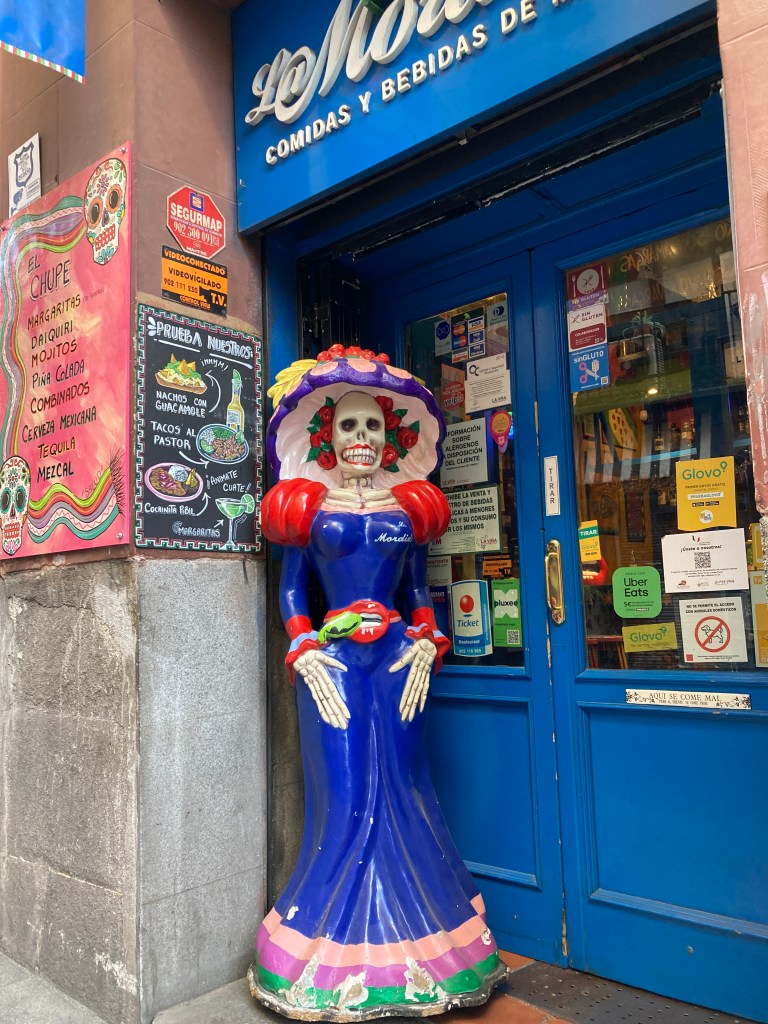
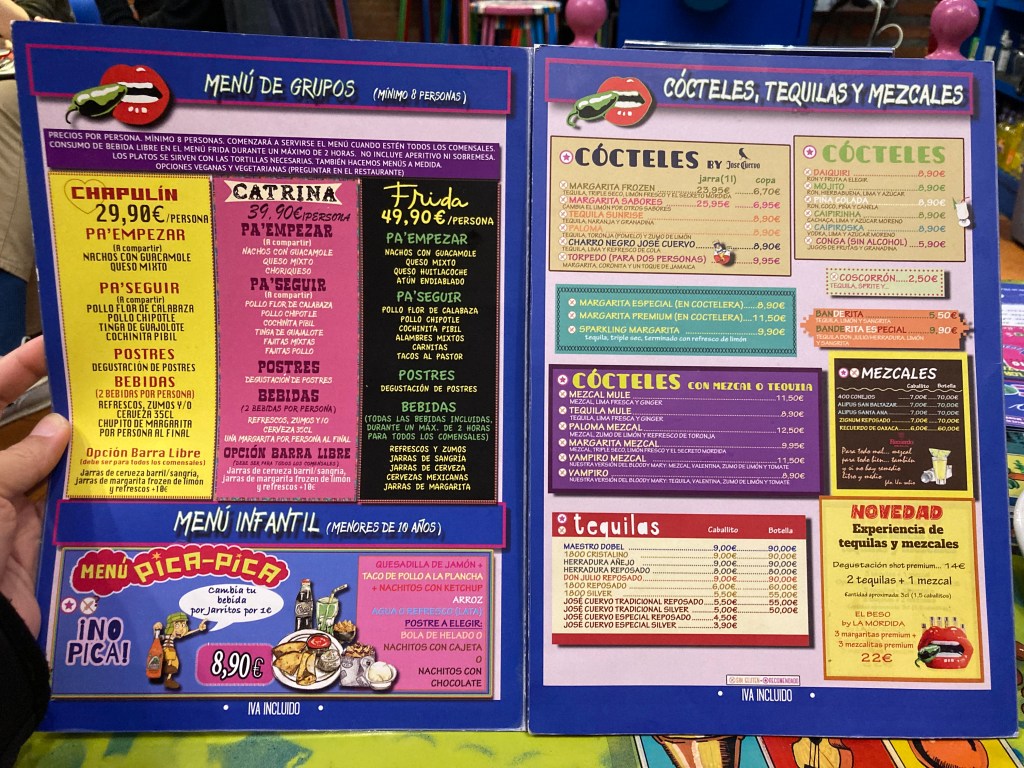
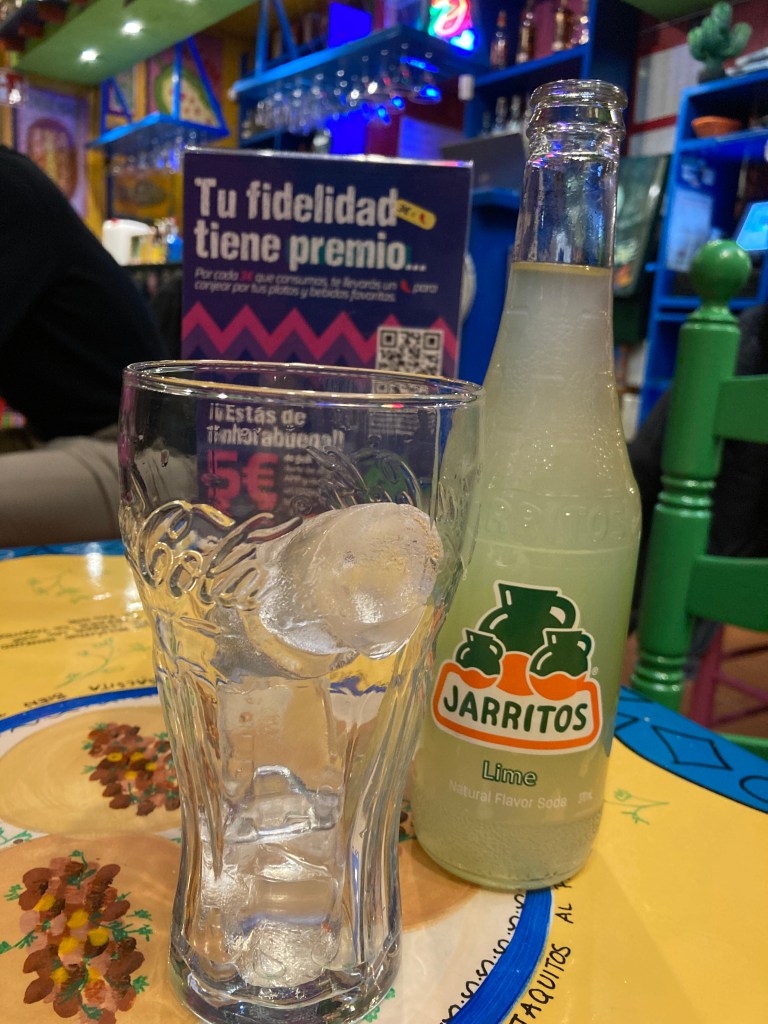
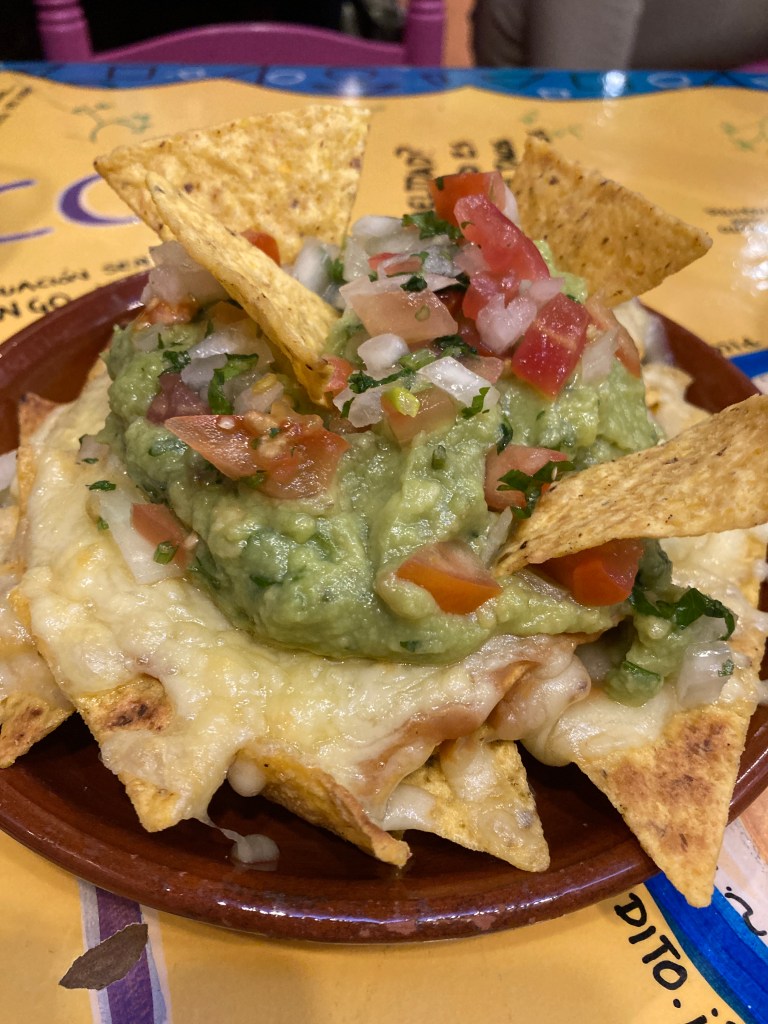
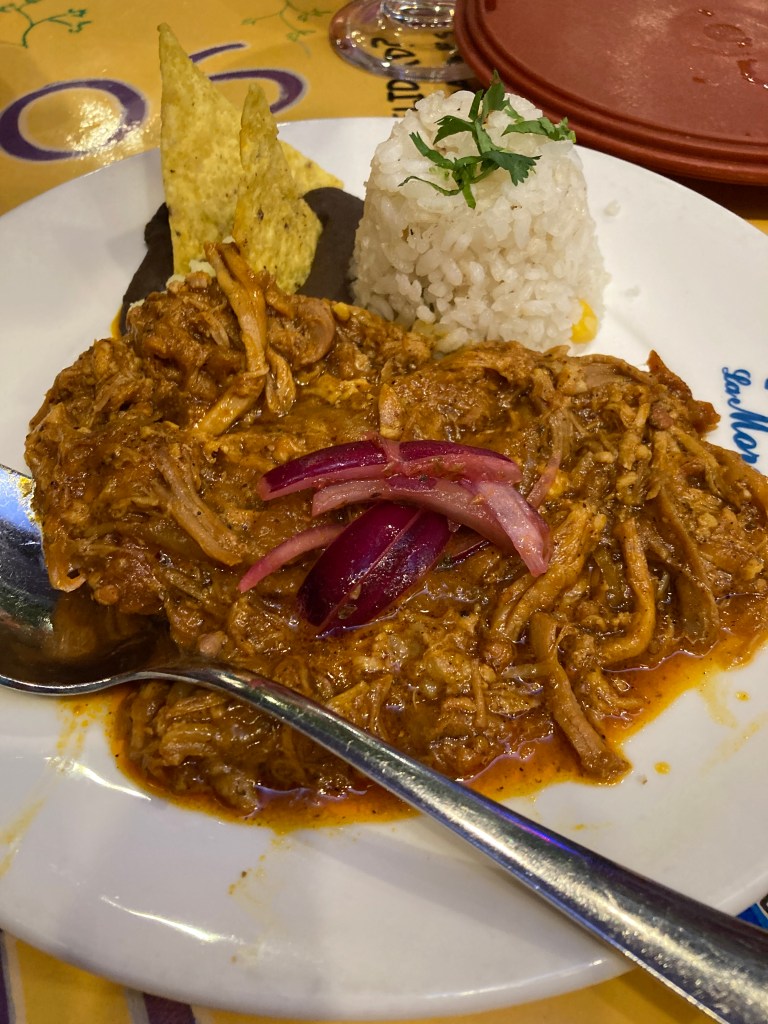
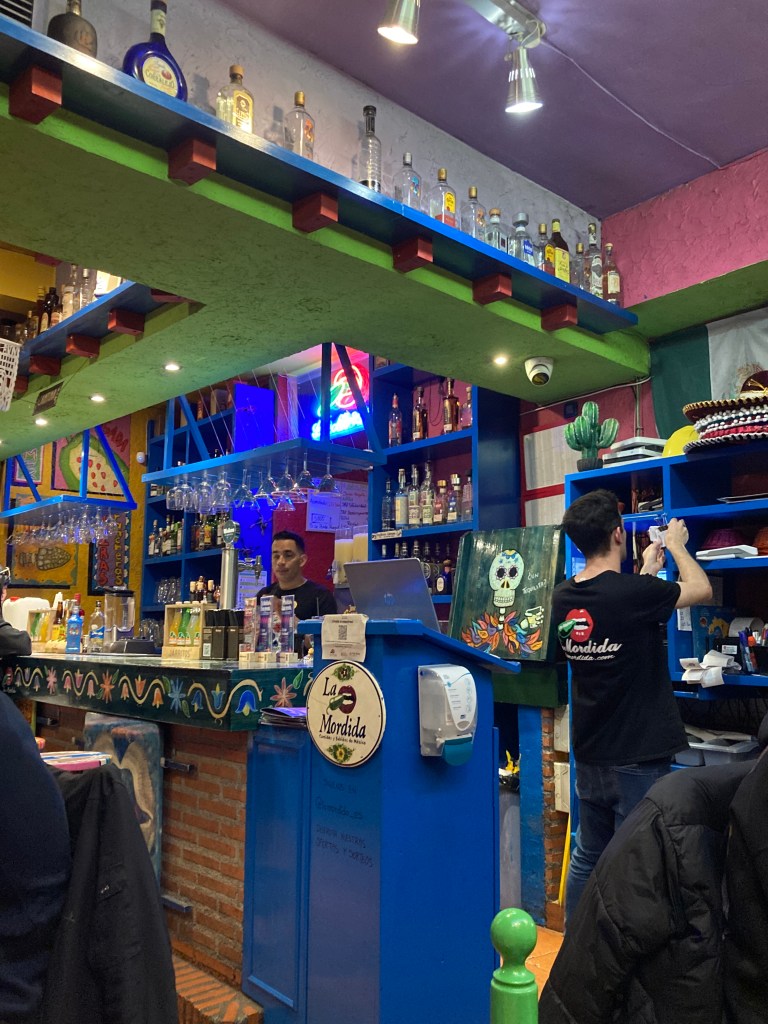
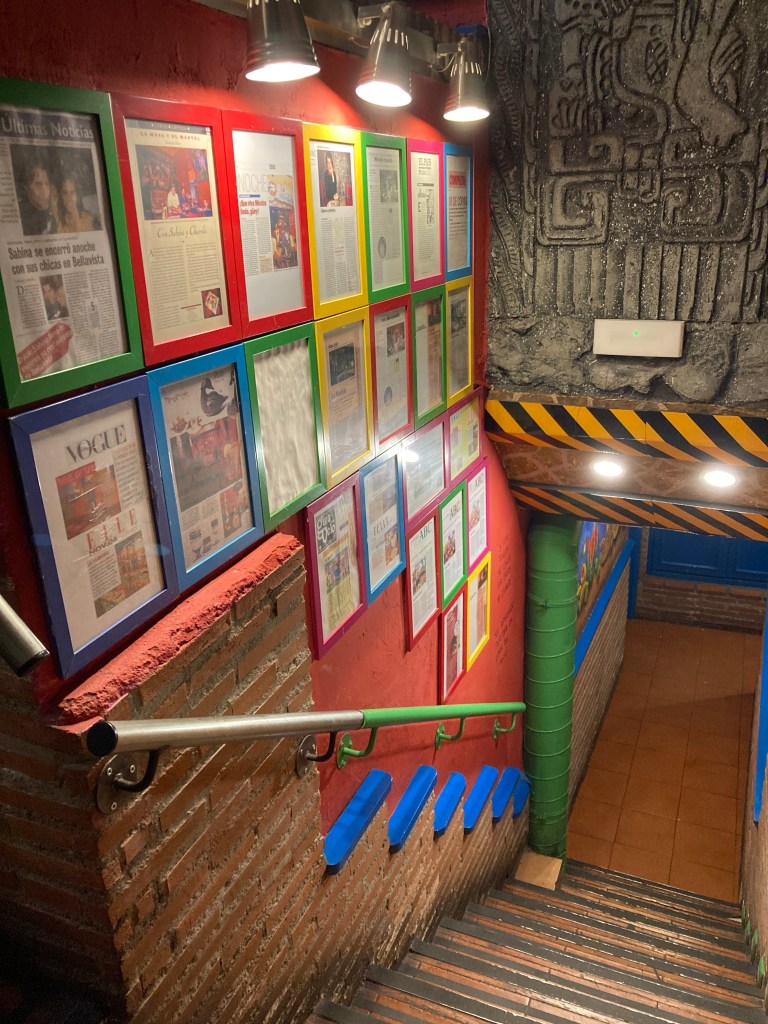
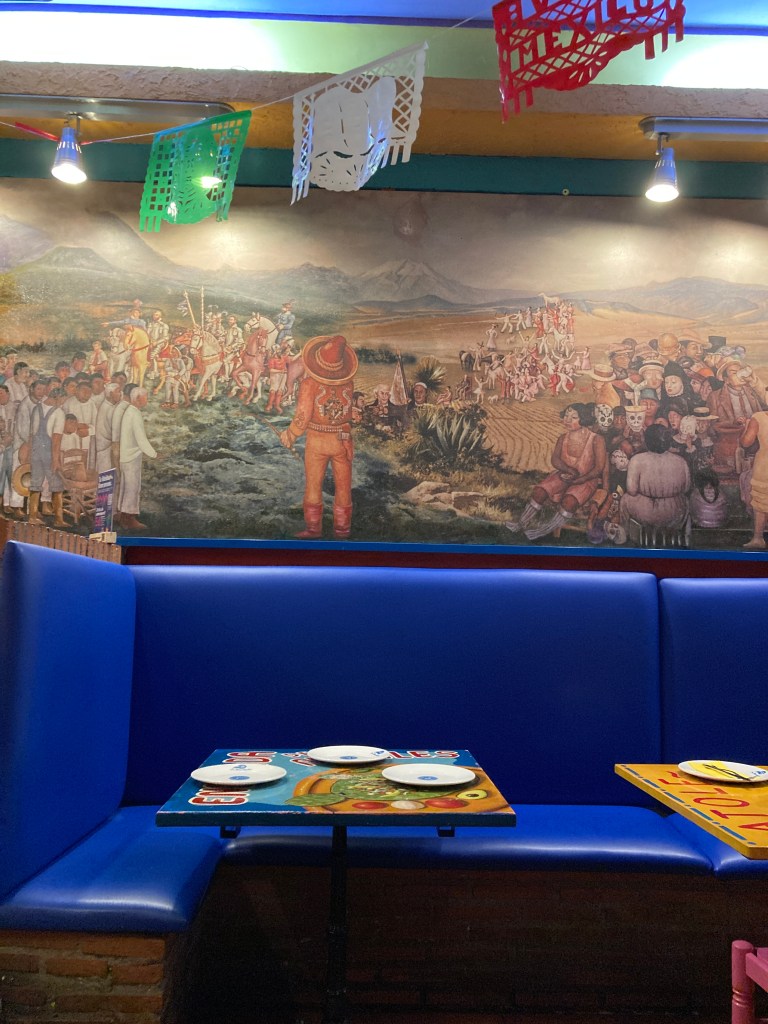
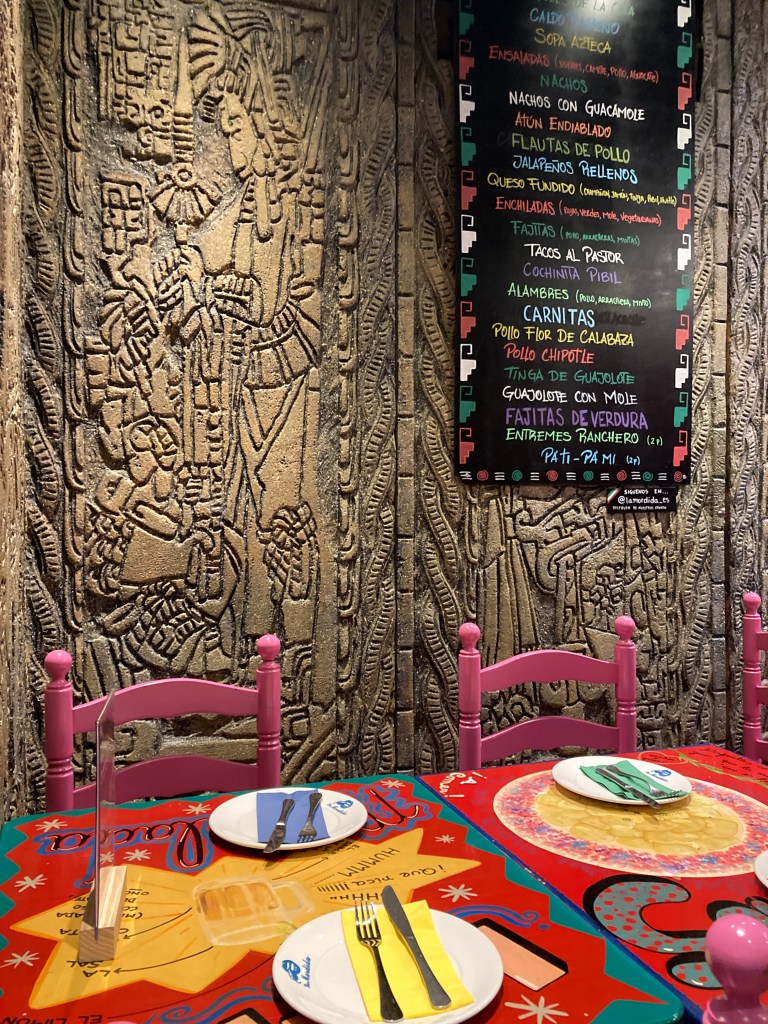
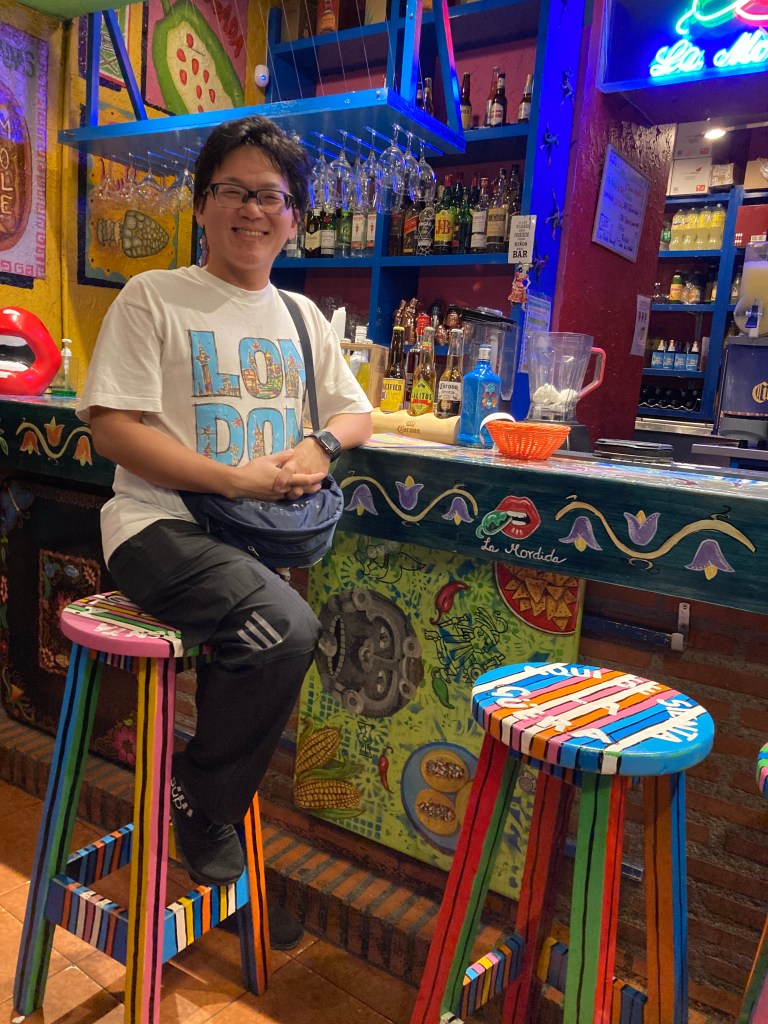
La Mordida, Food and Drinks of Mexico
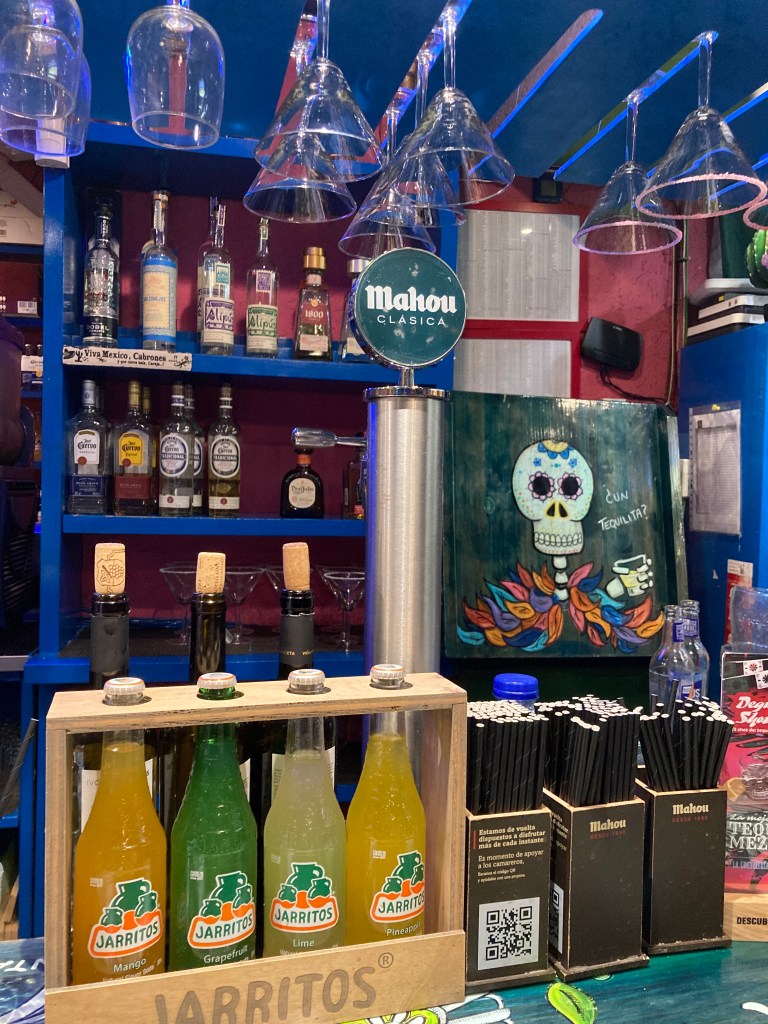
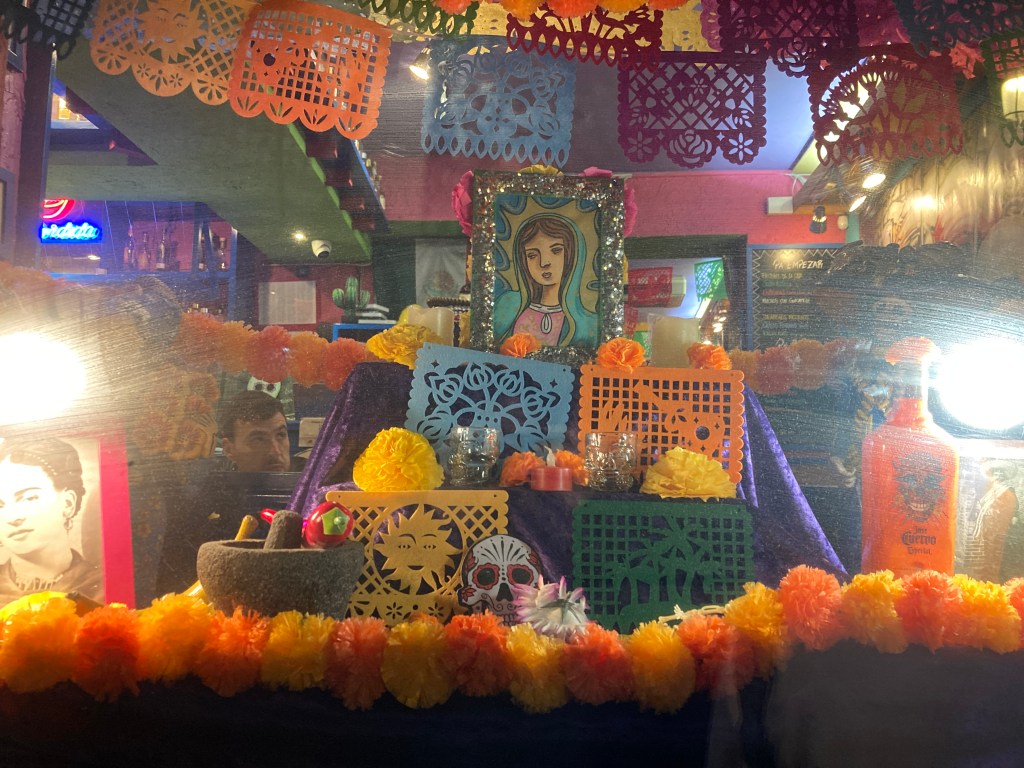
Faro de Moncloa
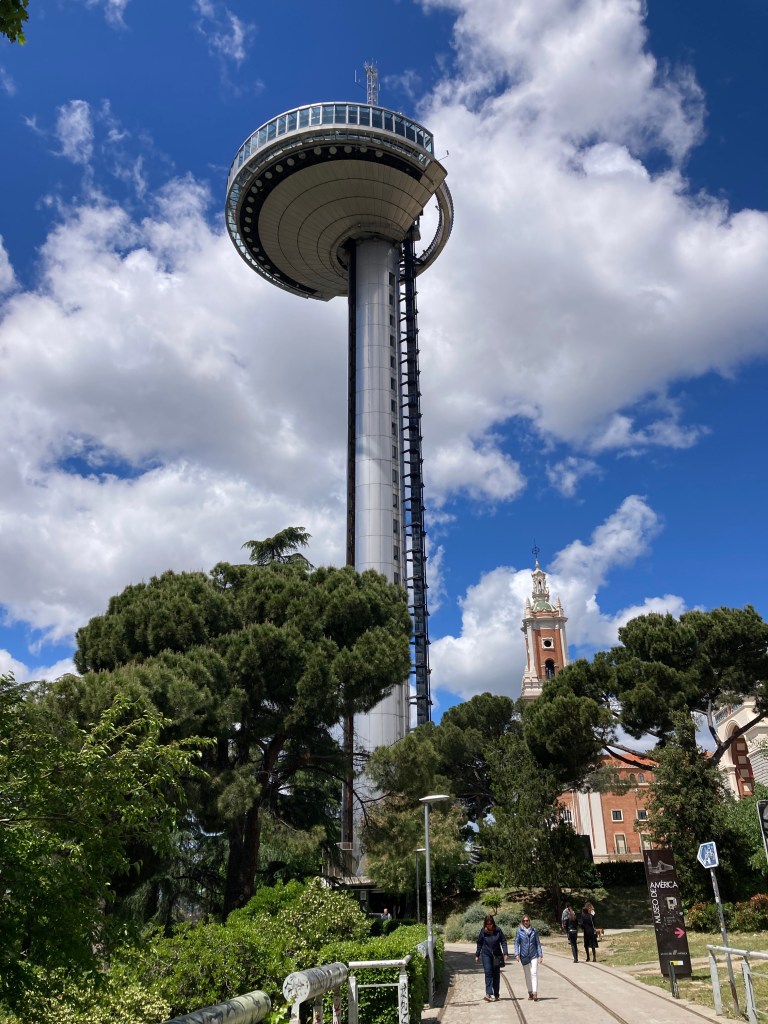
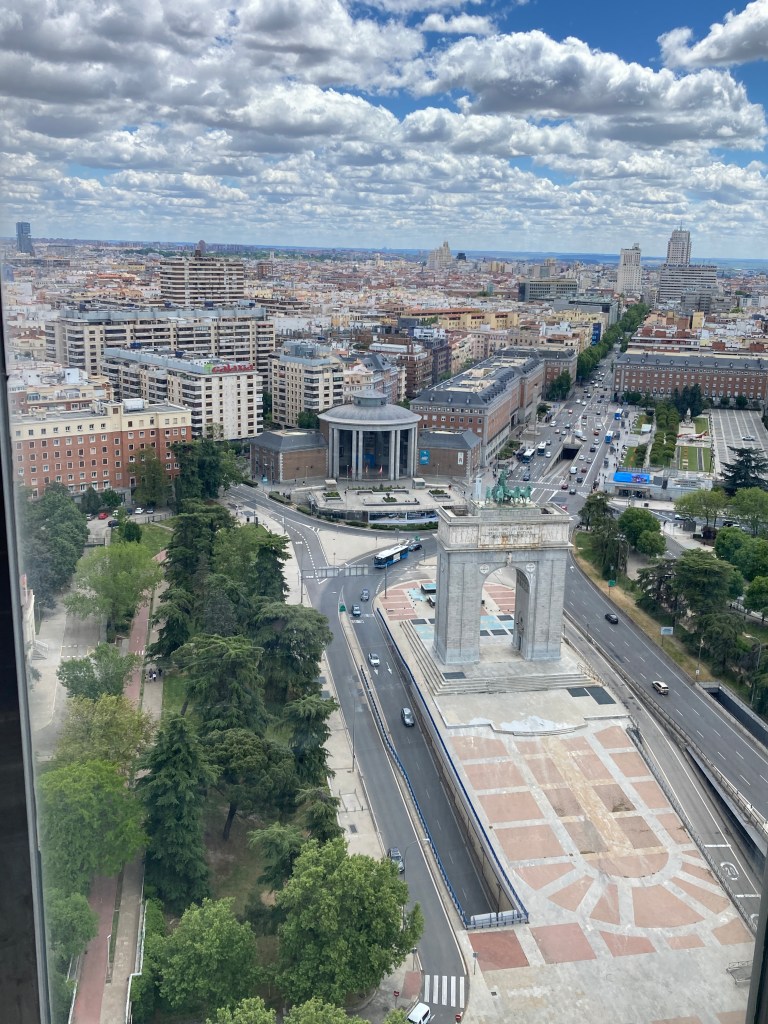
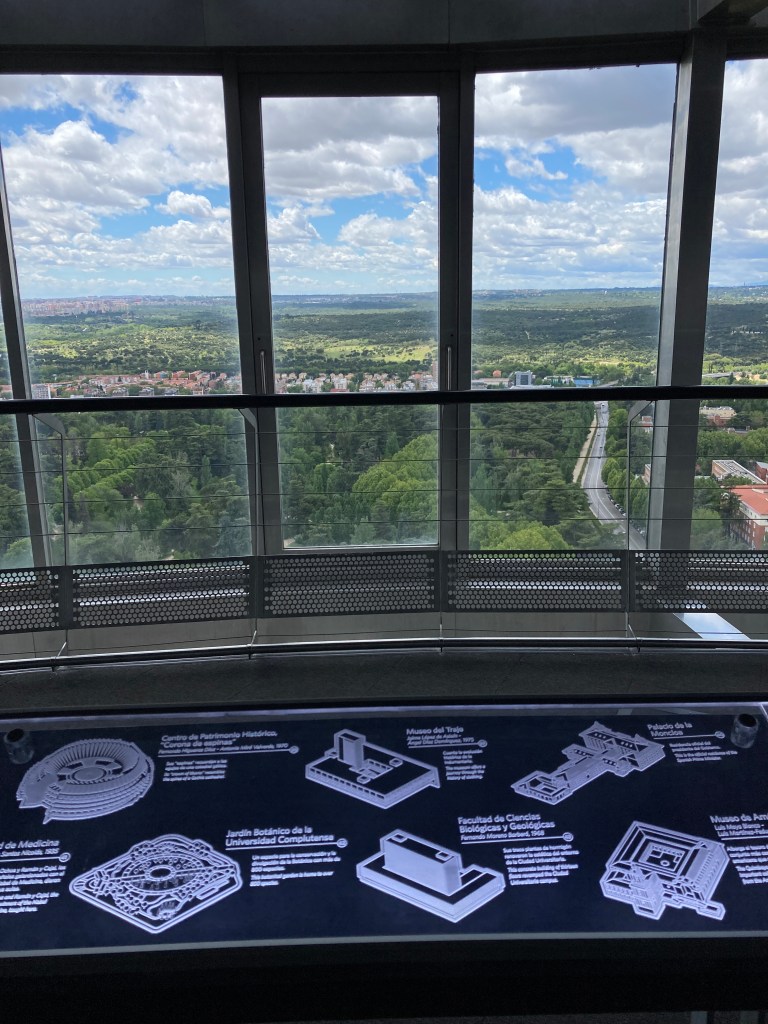
As the saying goes, “From Madrid to heaven,” because once you’ve experienced Madrid, the only thing that could surpass it is paradise itself. Enjoy the city from a lofty perspective by visiting the Faro de Moncloa and taking in its magnificent views.
Step into the panoramic lift, which ascends 92 meters to the observation deck towering over the heart of Madrid’s Ciudad Universitaria. Designed by architect Salvador Pérez Arroyo in 1992, the same year Madrid was designated as the European Capital of Culture, this former transmission tower stands at an impressive height of 110 meters.
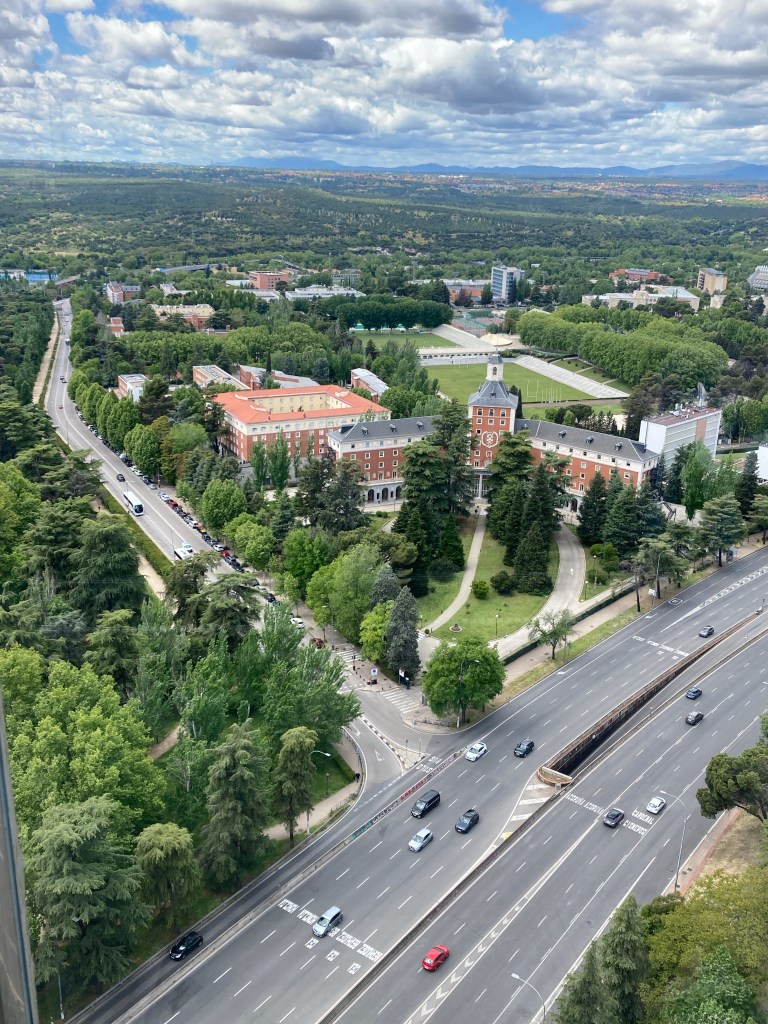
Visiting the Faro de Moncloa observation deck is a remarkable experience. Gaze through the expansive glass windows and behold a panorama of iconic landmarks: the Royal Palace, La Almudena Cathedral, the Telefónica building on Gran Vía, the Cuatro Torres Business Area, and in the distance, the peaks of the Sierra de Guadarrama mountain range. On clear days, the visibility extends up to a hundred kilometers.

Temple of Debod
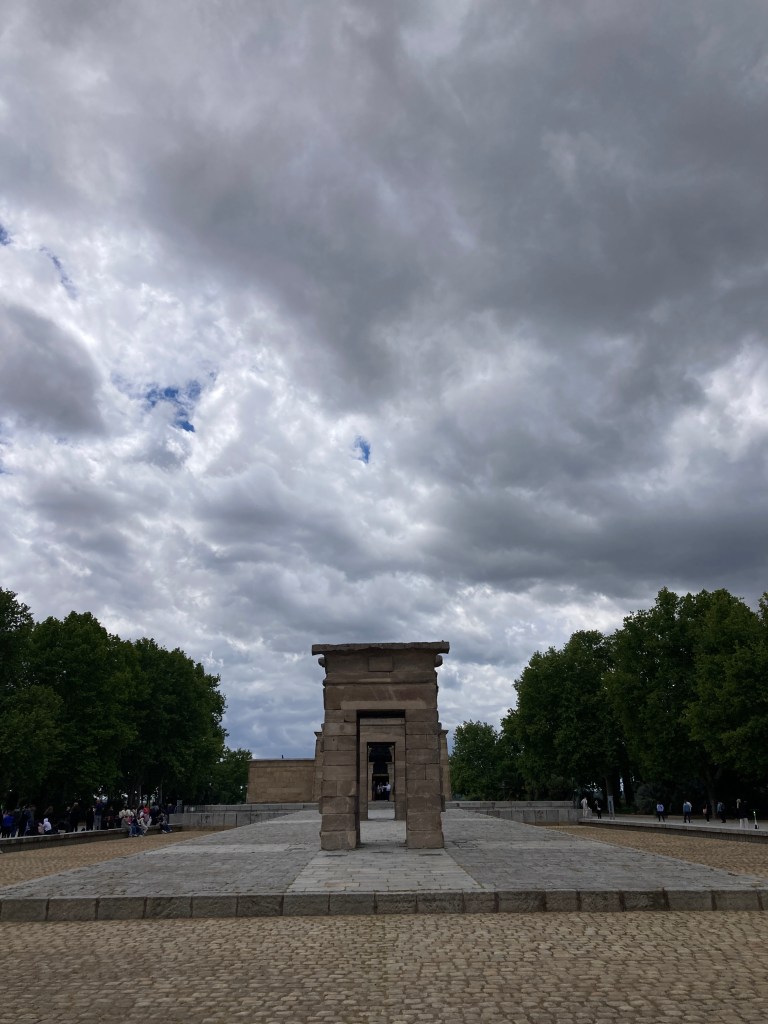
This is an Egyptian temple from the 2nd century BC, relocated to Madrid’s Cuartel de la Montaña Park after being donated to Spain by the Egyptian government to avoid flooding caused by the Aswan Dam. Initially built under the Meroë King Adijalamani’s orders, dedicated to Amun and Isis, subsequent Ptolemaic kings expanded it. Roman emperors Augustus, Tiberius, and possibly Hadrian contributed to its completion. Abandoned in the 6th century AD, it was gifted to Madrid in the 20th century, reconstructed and opened to the public in 1972. The temple stands on the former site of Cuartel de la Montaña, where significant historical events, including the May 1808 uprising and the July 1936 military uprising leading to the Spanish Civil War, occurred.

Royal Palace of Madrid
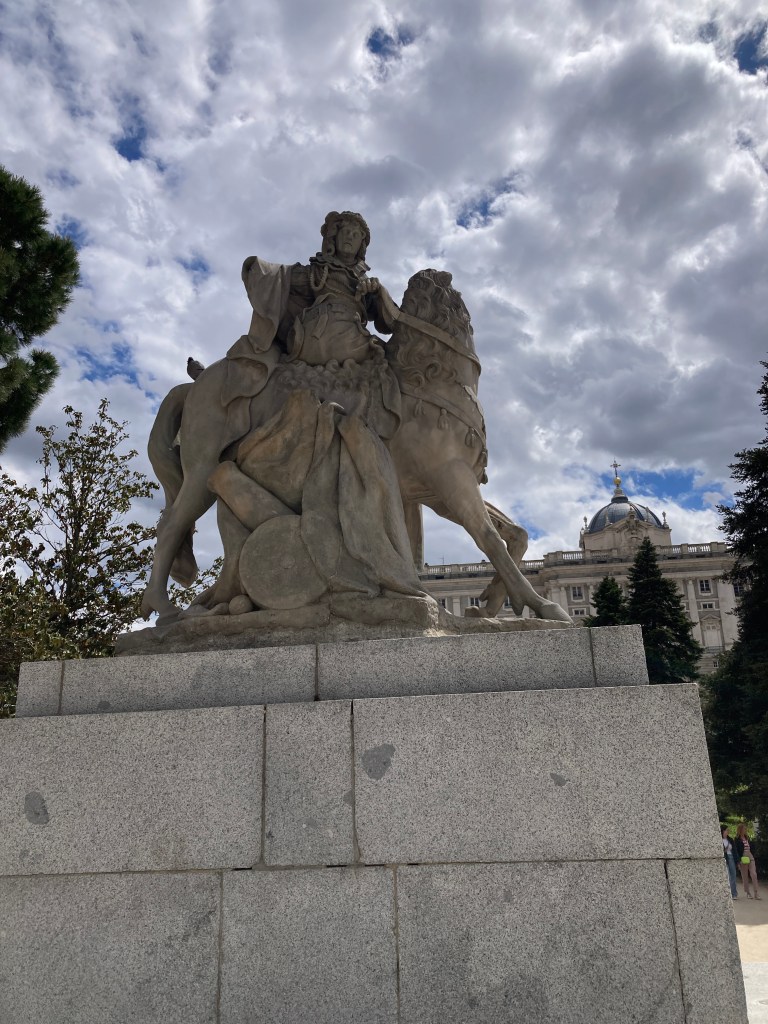
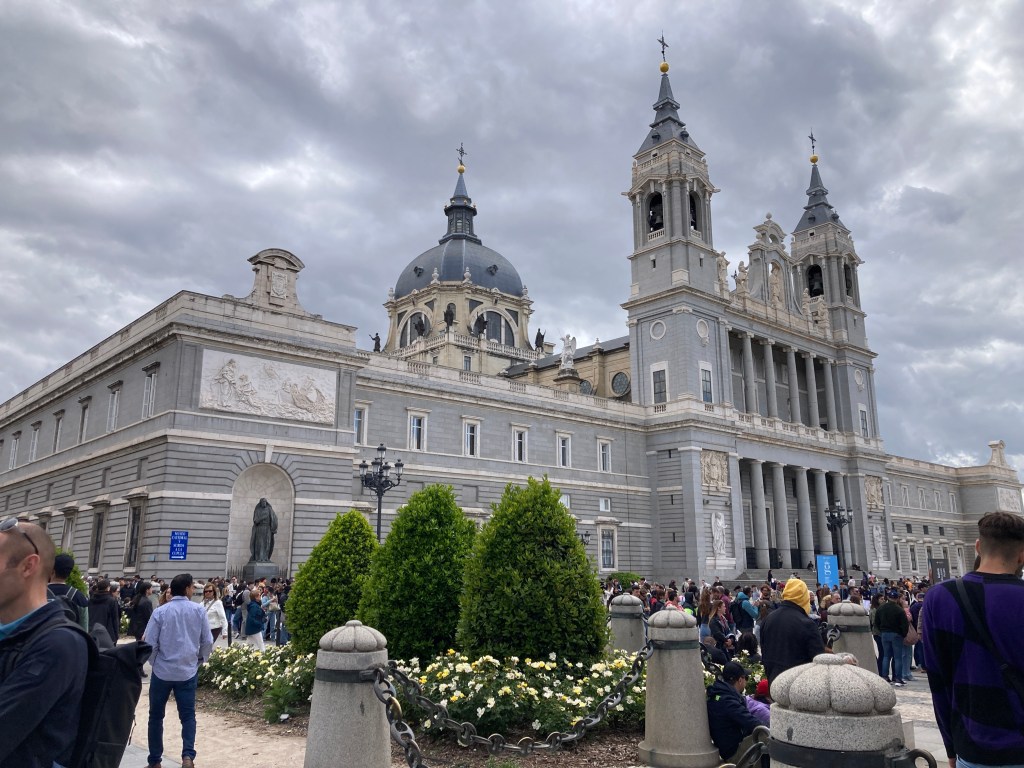
The Royal Palace of Madrid, the official residence of the Spanish royal family in Madrid, serves primarily for state ceremonies today. Spanning 135,000 square meters with 3,418 rooms, it stands as Europe’s largest functioning royal palace. Administered by the Patrimonio Nacional under the Spanish state, it sits on Calle de Bailén, east of the Manzanares River. Although Felipe VI and the royal family reside in the Palace of Zarzuela in El Pardo, the palace in Madrid holds historical significance, built on the site of a former Muslim-era fortress from the 9th century. The original Alcázar of Madrid, serving as a royal residence until its destruction in 1734, was replaced by the current palace, constructed between 1738 and 1755 with a design influenced by Filippo Juvarra and Giovanni Battista Sacchetti. Renowned for its artistic wealth, the palace features works by Caravaggio, Francisco de Goya, and Velázquez, among others, showcasing a rich tapestry of Spain’s cultural heritage.


San Miguel Market
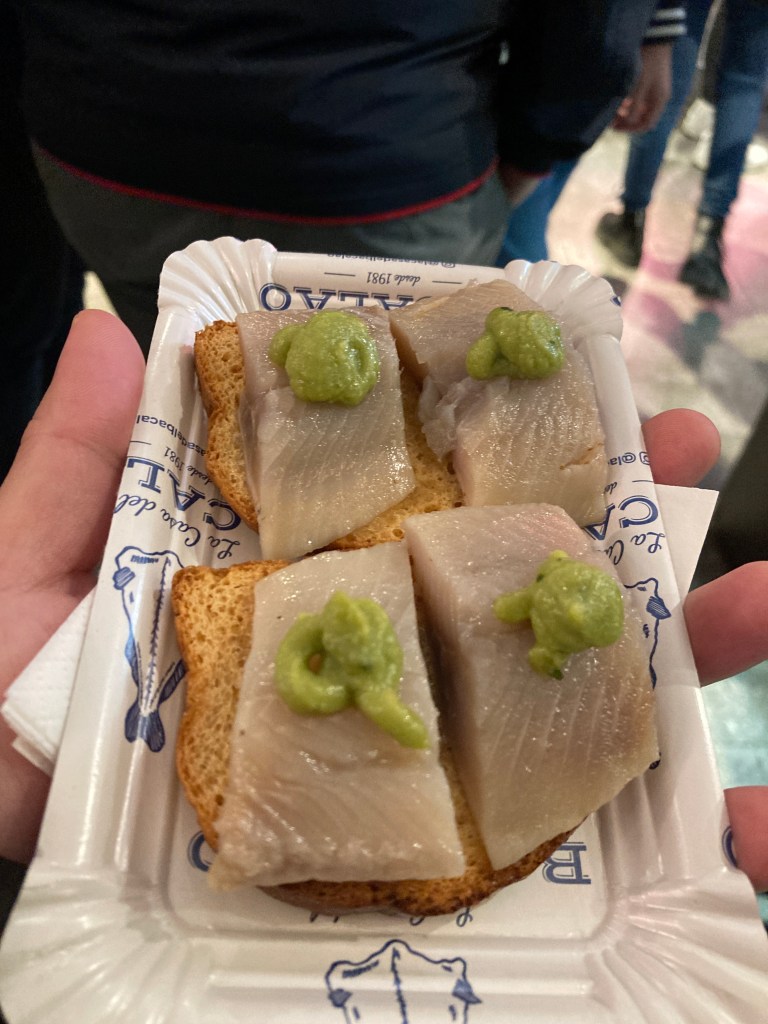
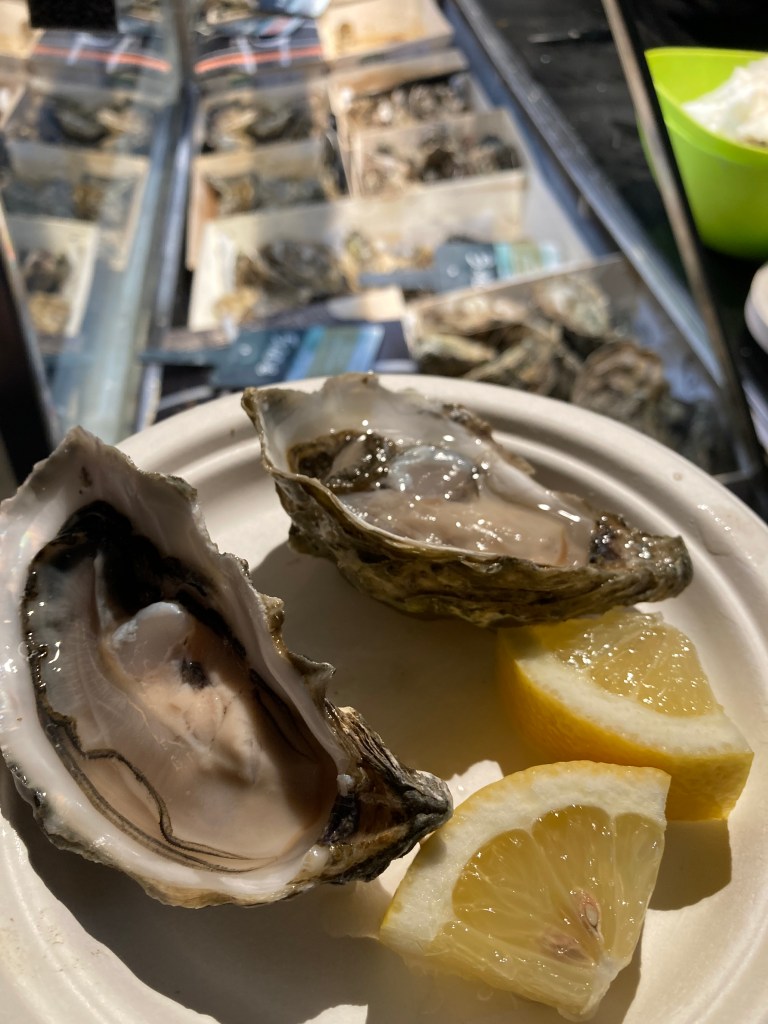
Originally established as a food market in May 1916, the Mercado de San Miguel transformed into Madrid’s premier gastronomic market in May 2009, showcasing exemplary iron architecture. Throughout 2018, it saw a consolidation of gastronomic offerings, featuring esteemed chefs from both national and international spheres. Located in Madrid de los Austrias, it draws over 10 million visitors annually, offering a diverse array of top-quality products from across Spain. With more than 30 stalls, visitors can indulge in everything from fresh seafood to gourmet cheeses, meats, fruits, and pastries. Notable offerings include artisanal ice creams from Joan Roca’s Rocambolesc, traditional rice dishes from Rodrigo de la Calle’s Paella, and Grupo Arzabal’s traditional tapas at Madrí by Arzabal. Following its reopening in July 2021, the market introduced four new additions, including Madreamiga artisan bakery, Prrimital meat offerings, Picolisto’s tortillas, and Quesería Quesoba’s artisan cheeses. With a variety of fixed and mobile stalls, Mercado de San Miguel offers an extensive culinary experience, featuring renowned establishments such as El Señor Martín, Baolé, Crab Crab Crab, and Cervezas Damm, among others.

Primark, Madrid
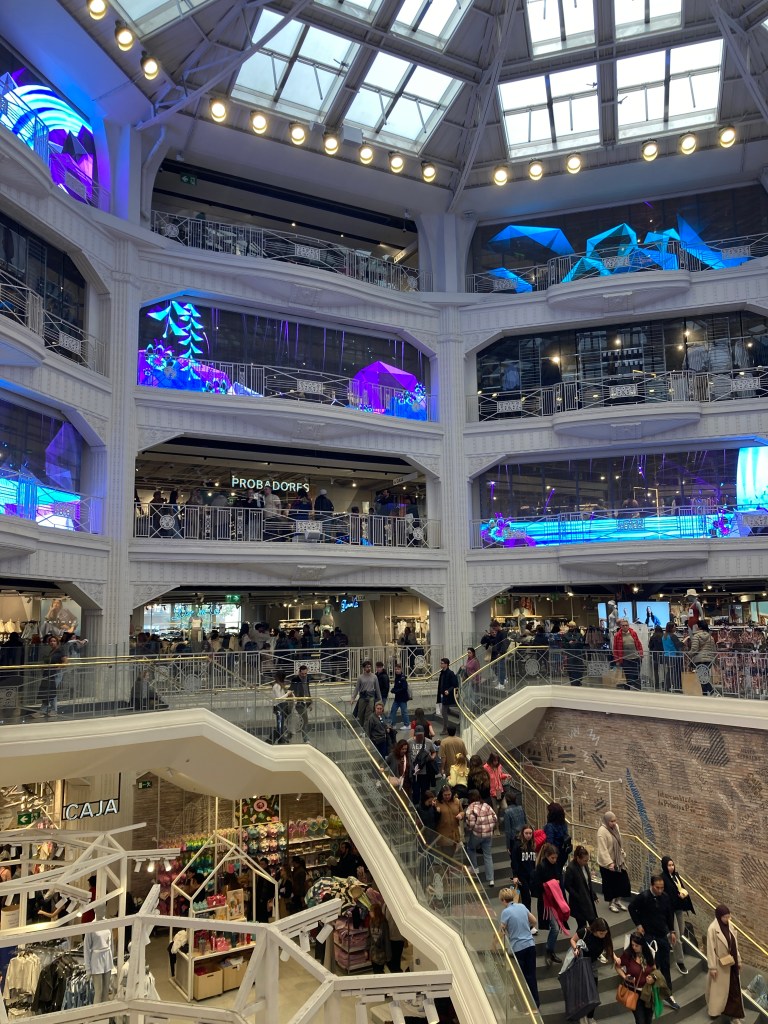
The renowned Irish budget fashion brand occupies a vast five-floor building on Gran Vía, spanning 12,000 square meters and serving as the chain’s largest store in Spain since its 2015 opening. Originally housing Madrid’s first department store, the Madrid-Paris Department Store, dating back to 1924, it now offers a wide range of womenswear, menswear, children’s wear, home, and beauty collections. Primark stands as a key player in the European textile sector, boasting approximately 300 stores across Europe and the United States. Additionally, as of May 23, 2024, Primark will debut another mega store in Madrid’s Barrio de Salamanca neighborhood, located at No. 8 Calle Conde de Peñalver, within a Cultural Heritage Site building. Spanning over 3600 square meters across five floors, the new store will showcase the latest fashion trends, everyday essentials, beauty products, leisure, and household items, equipped with both self-serve checkouts and traditional cashiers.
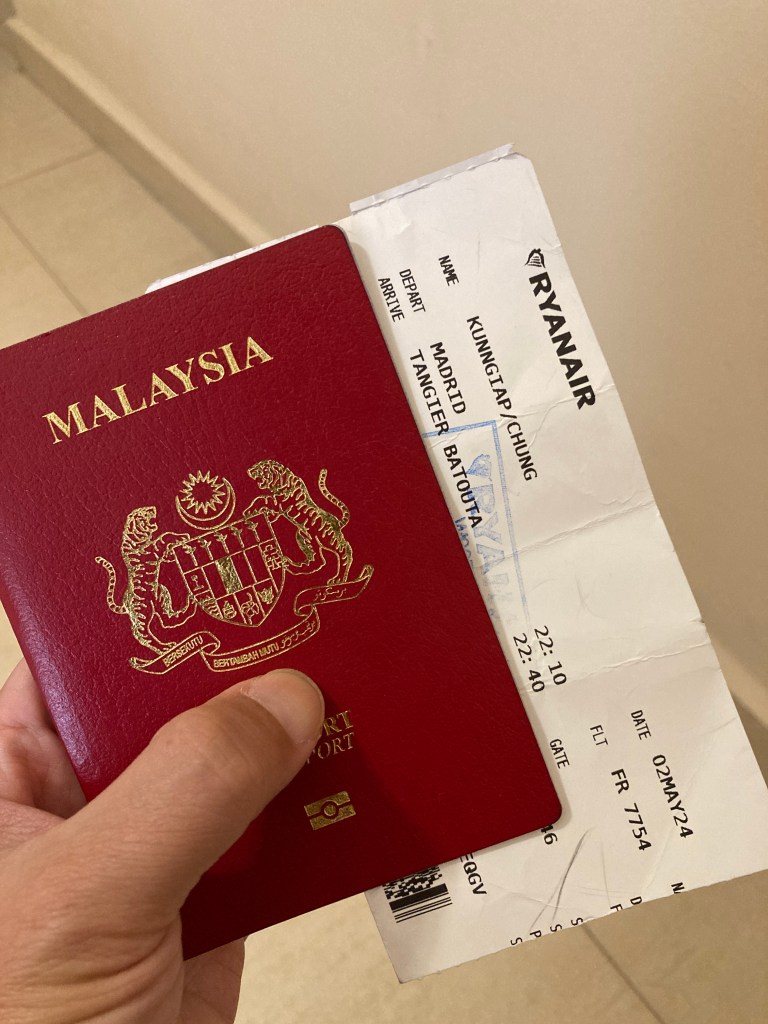
Ending a 3-day itinerary in Madrid, flying to Tangier, Morocco in the evening. If you like this article, please give it a thumbs up and share it. Thank you!
 Real Traveler, Real Experiences, Real Results.
Leave a comment