The itinerary for this trip is from Chennai to Cochin, with only 17 days available.
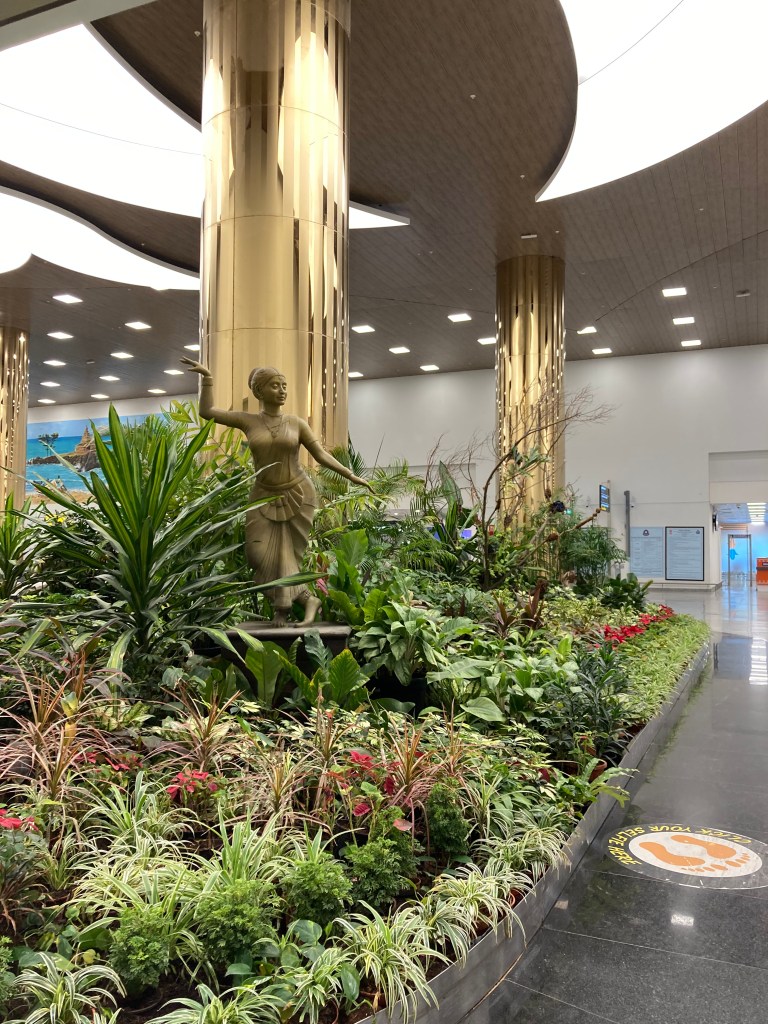
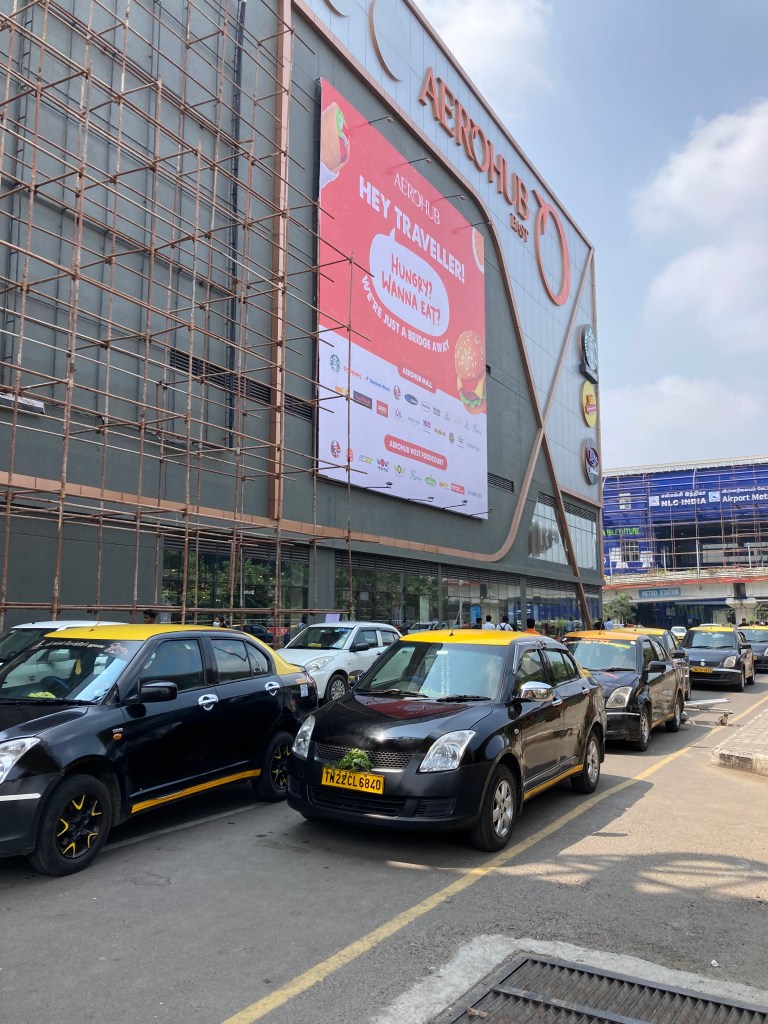
Before arriving in India, my impression of it was one of dirtiness and danger. So, as soon as I arrived at the airport and saw many Indian drivers, I felt afraid, unsure if they were good or bad people. I went directly to the shopping center across from the airport to calm my nerves.
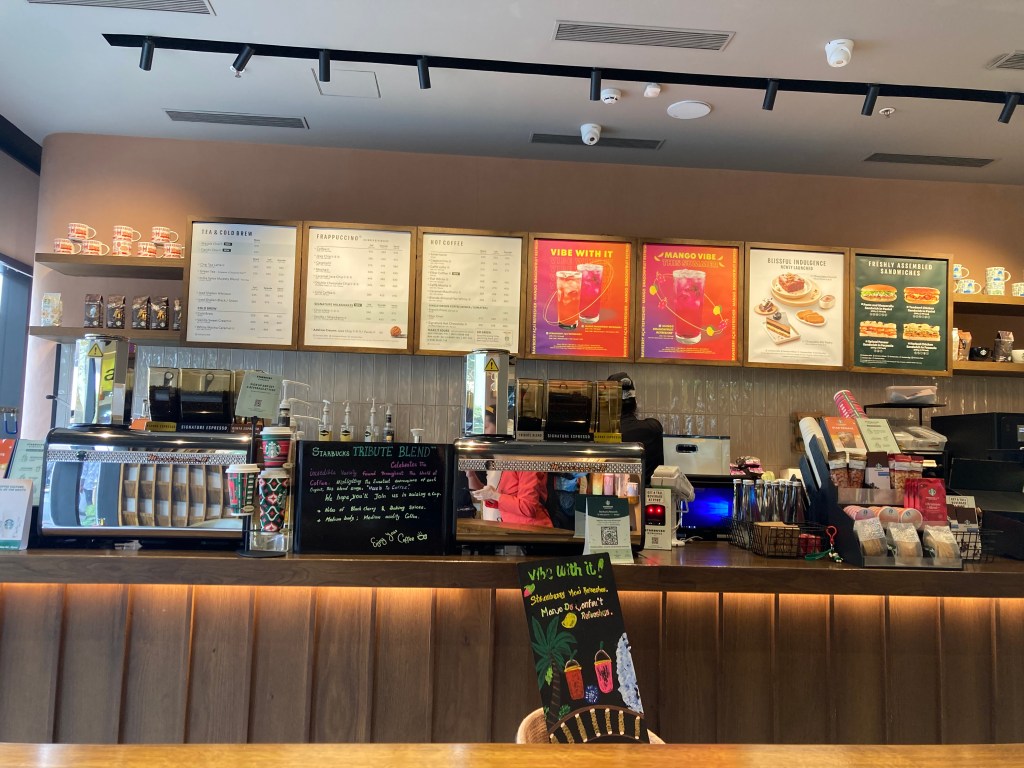
I had some food at the airport, which was also my first time trying Indian cuisine in India.

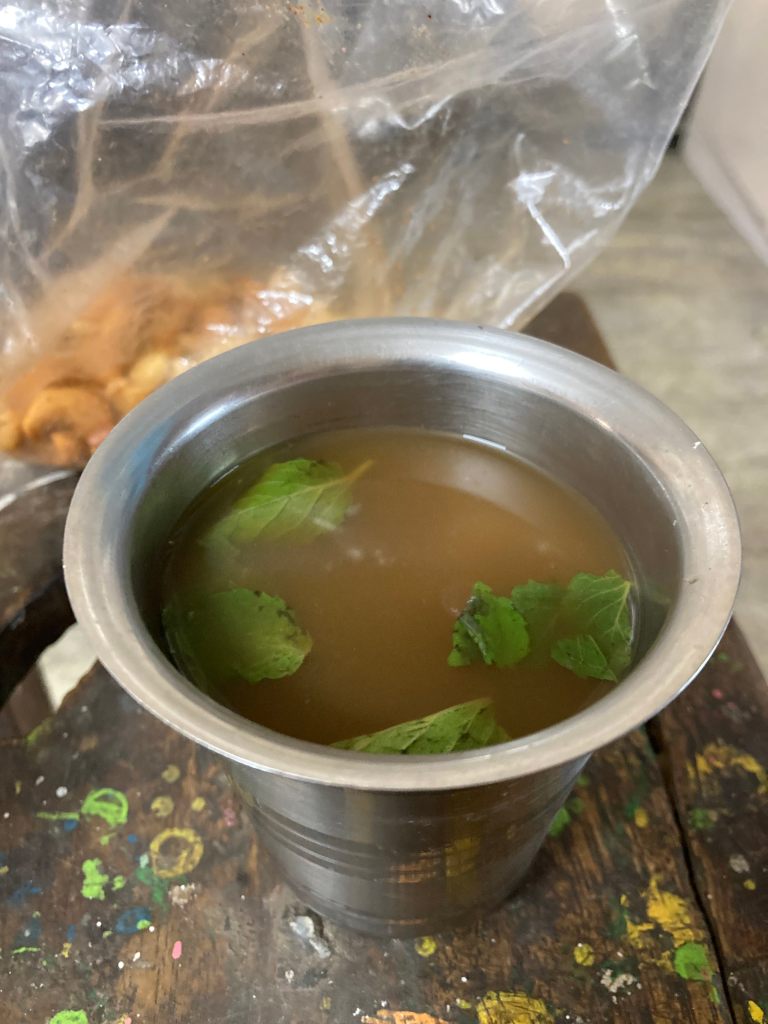
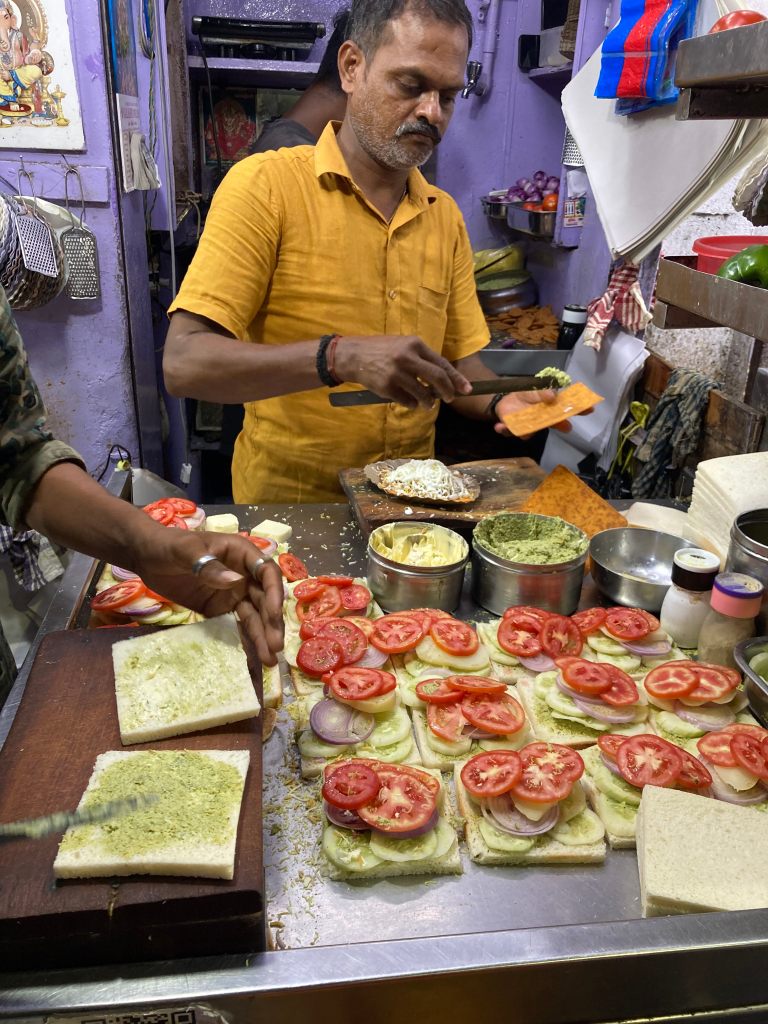
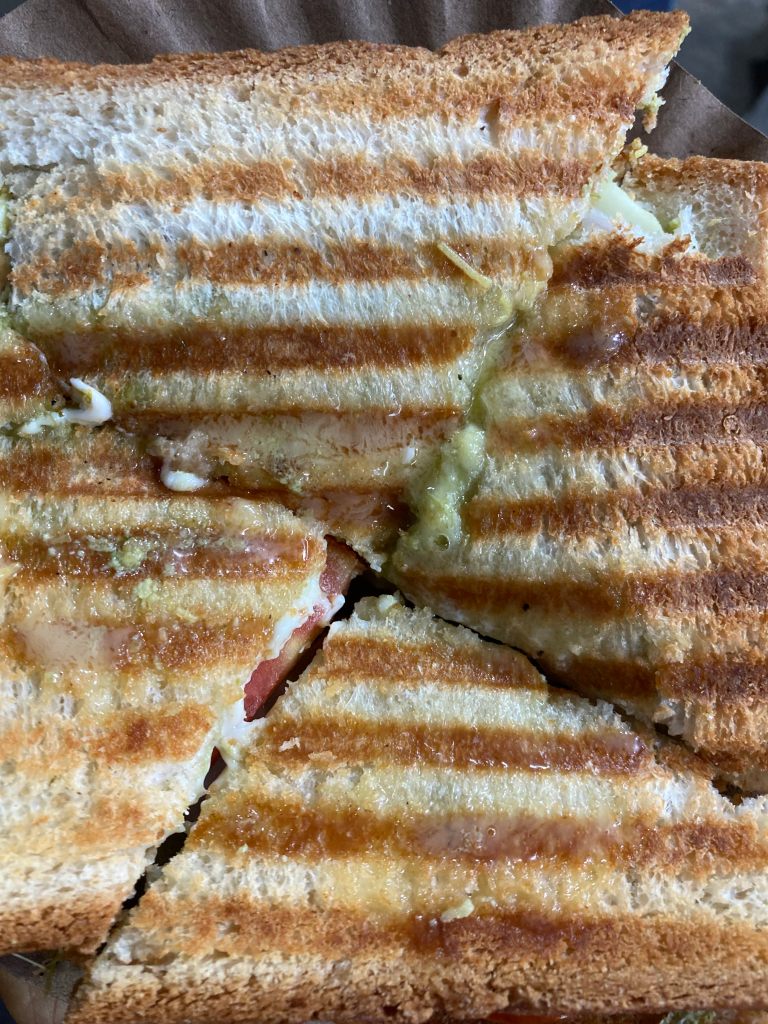
I stayed at a friend’s house in Chennai, and in the evening, my friend took us to a very famous local street food stall (New Farrance Road Street Food). The food in India was really quite good.
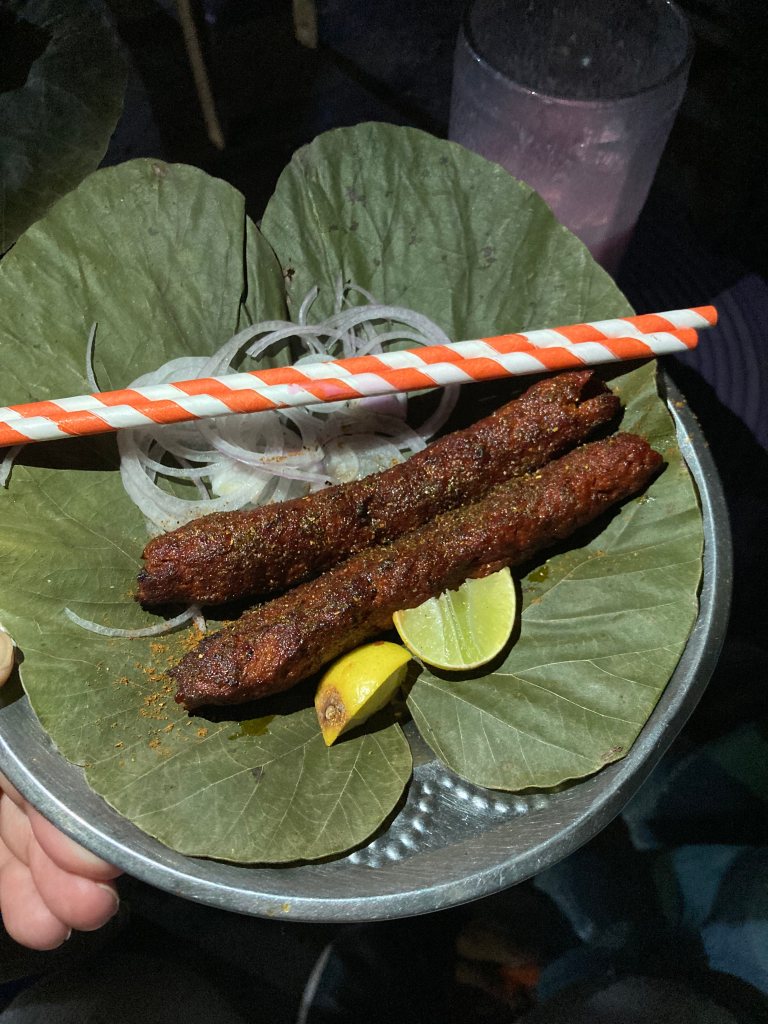

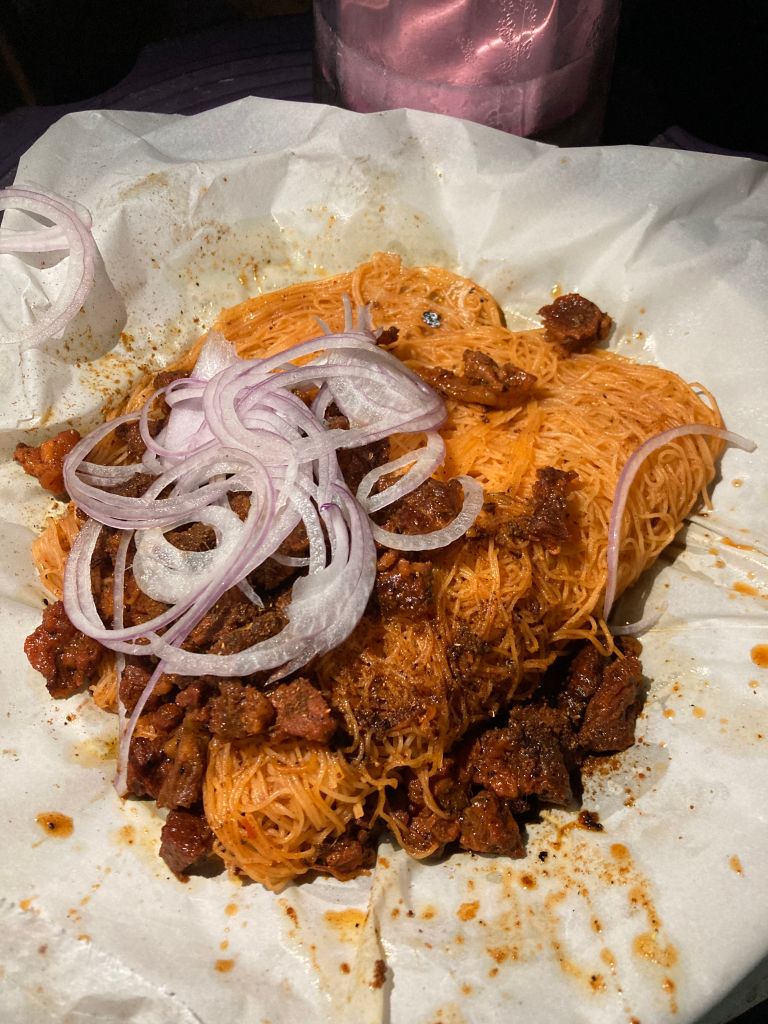
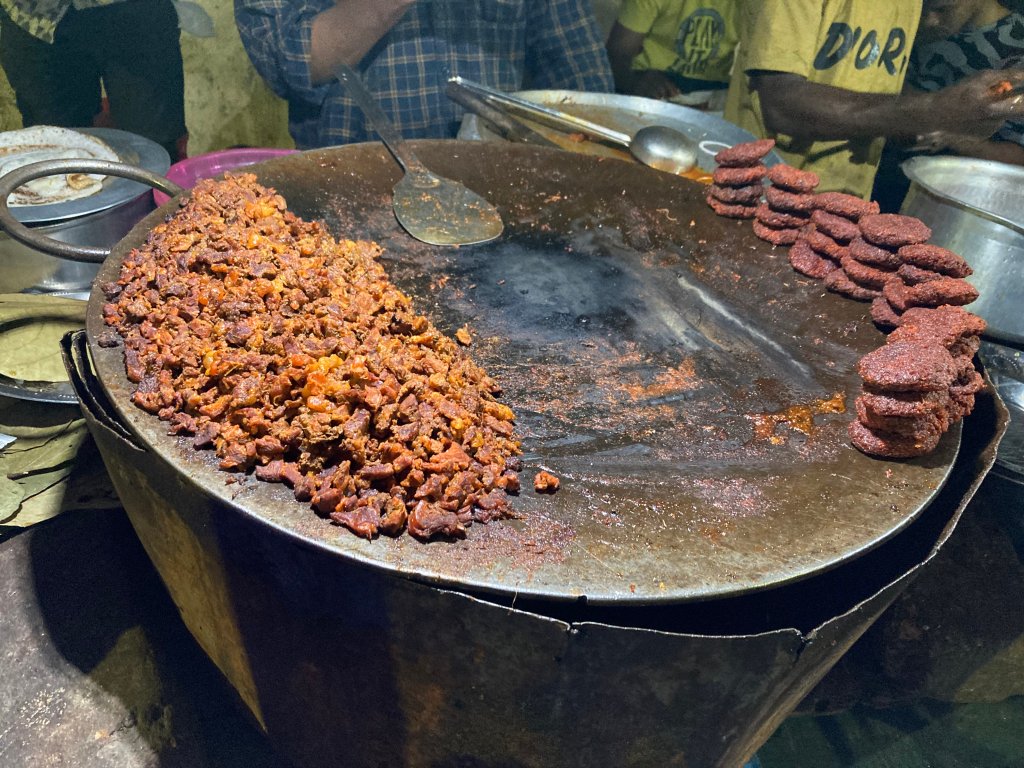

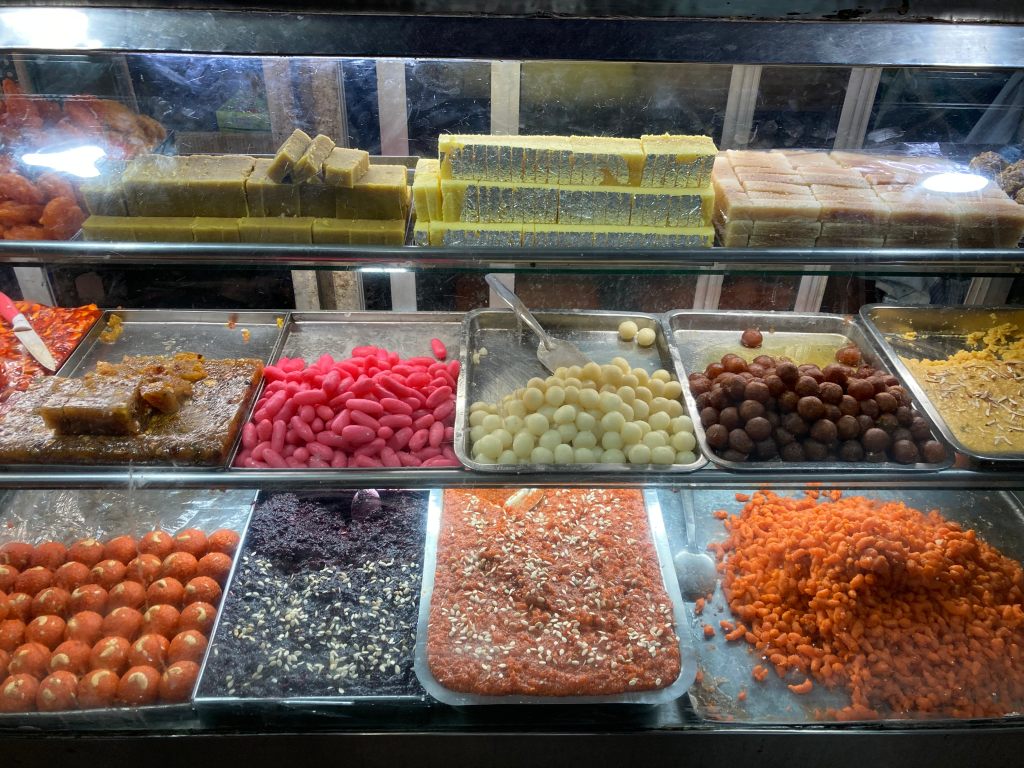
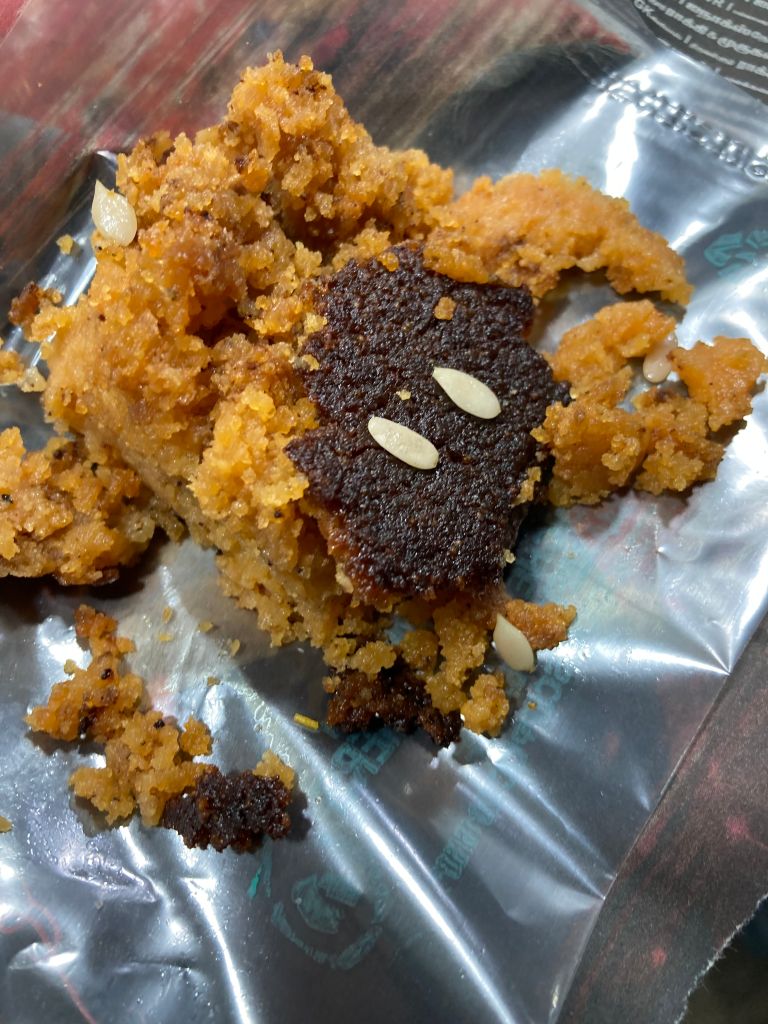
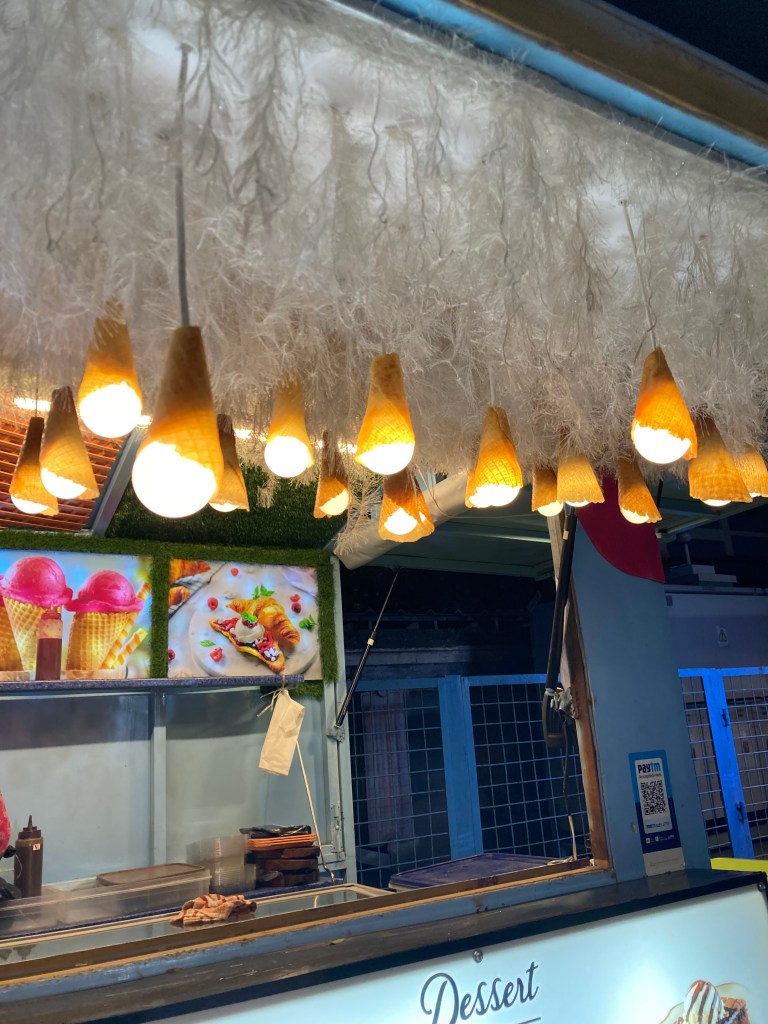
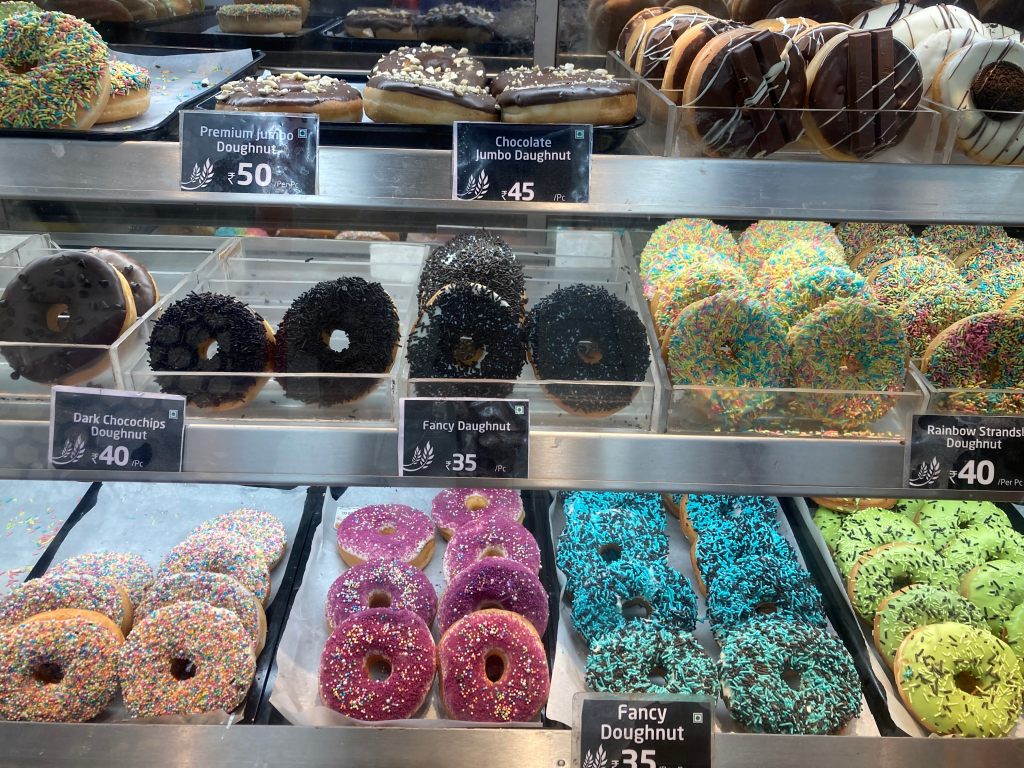
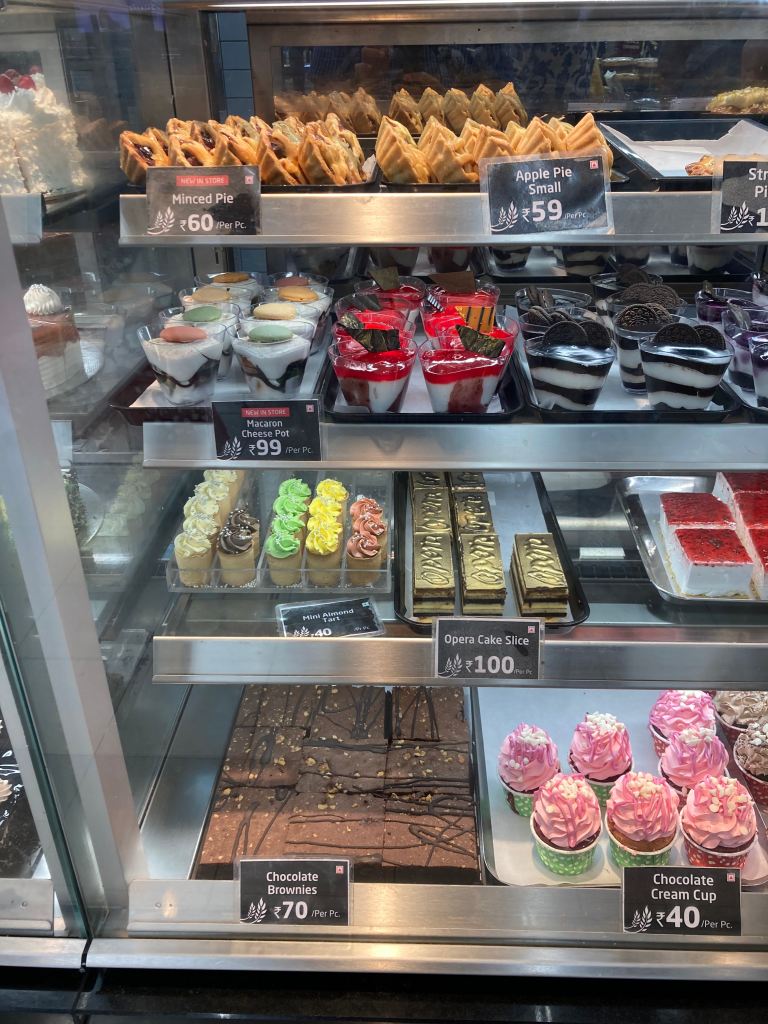
Not only is the food delicious here, but the desserts are also exceptionally tasty.
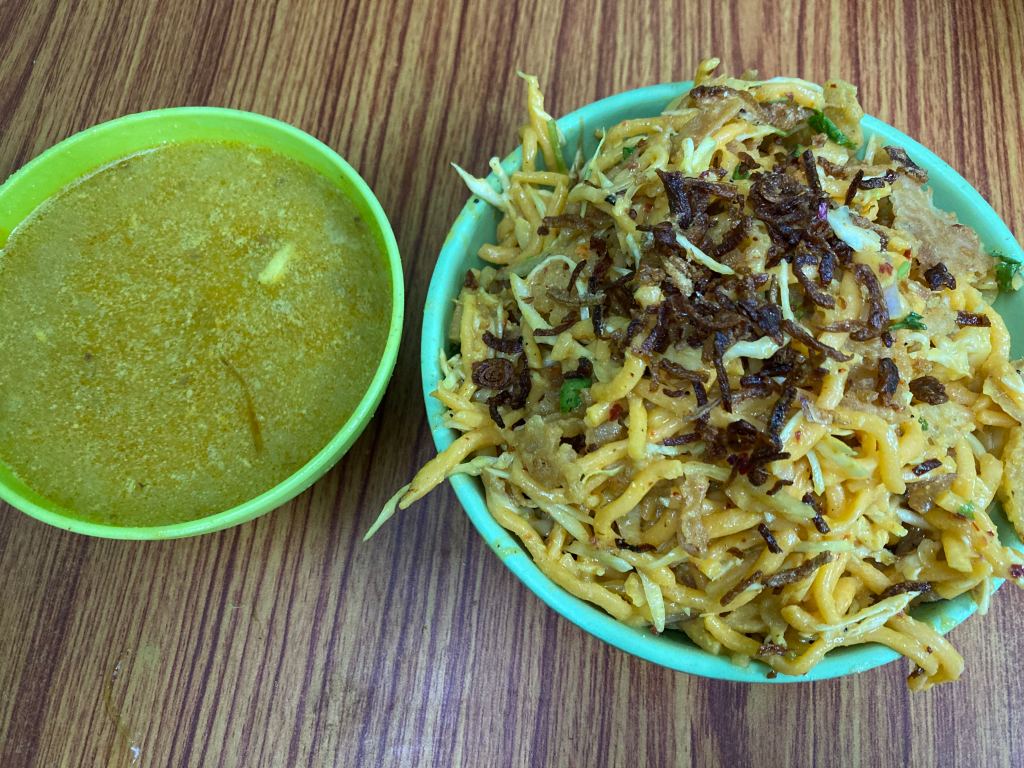
My friend also took us to try Burmese cuisine prepared by Burmese people in India.

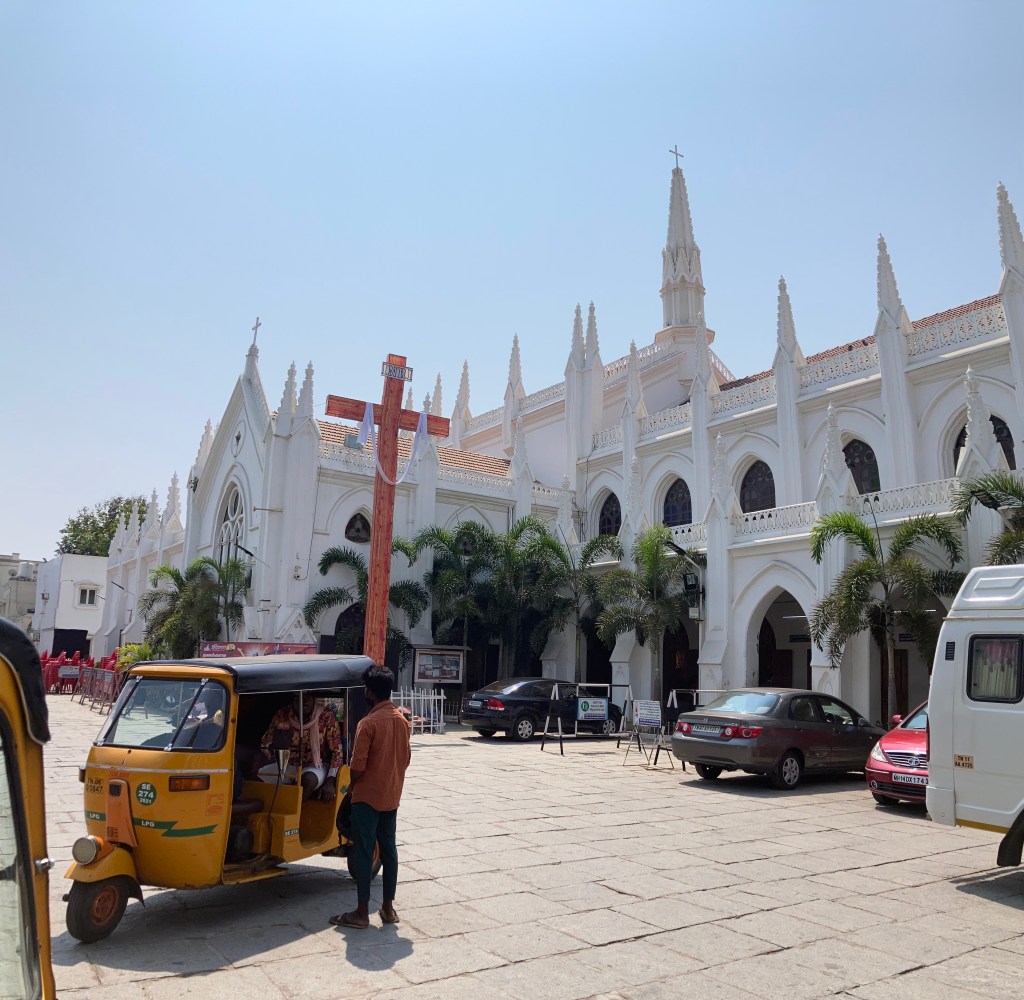
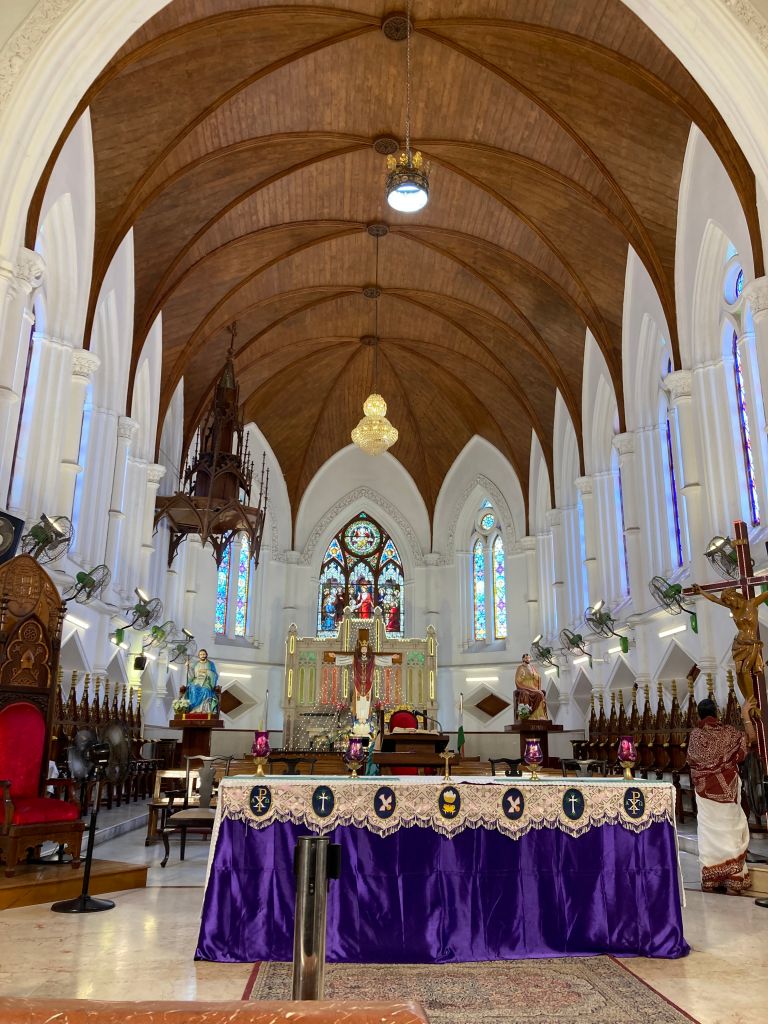
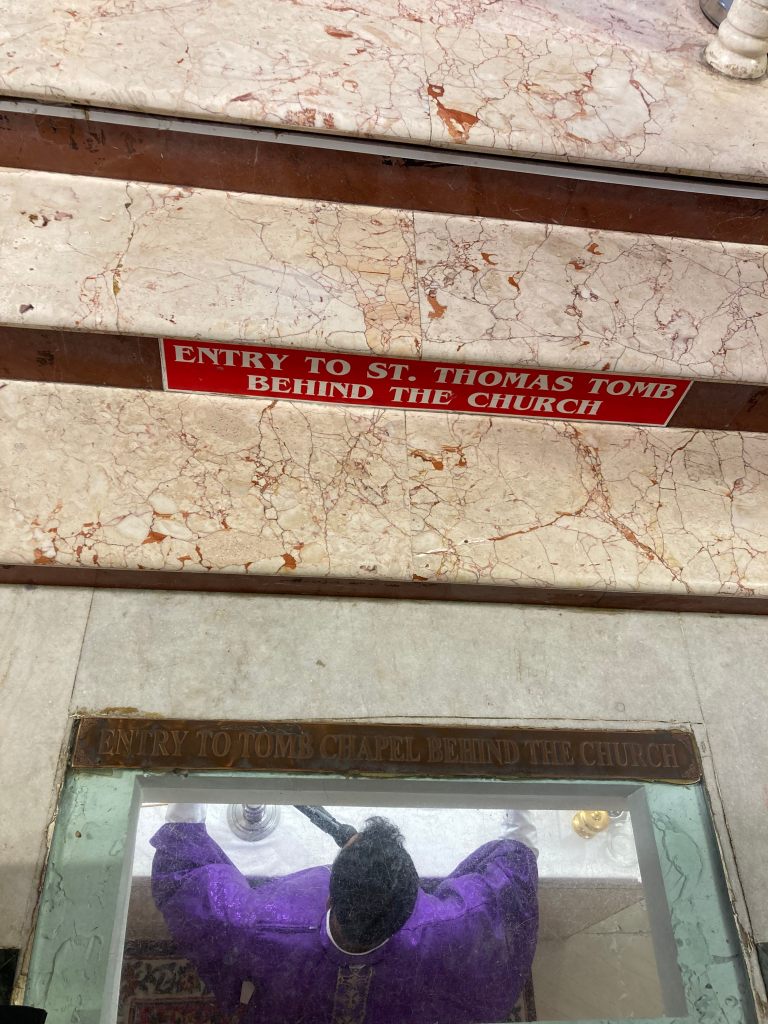
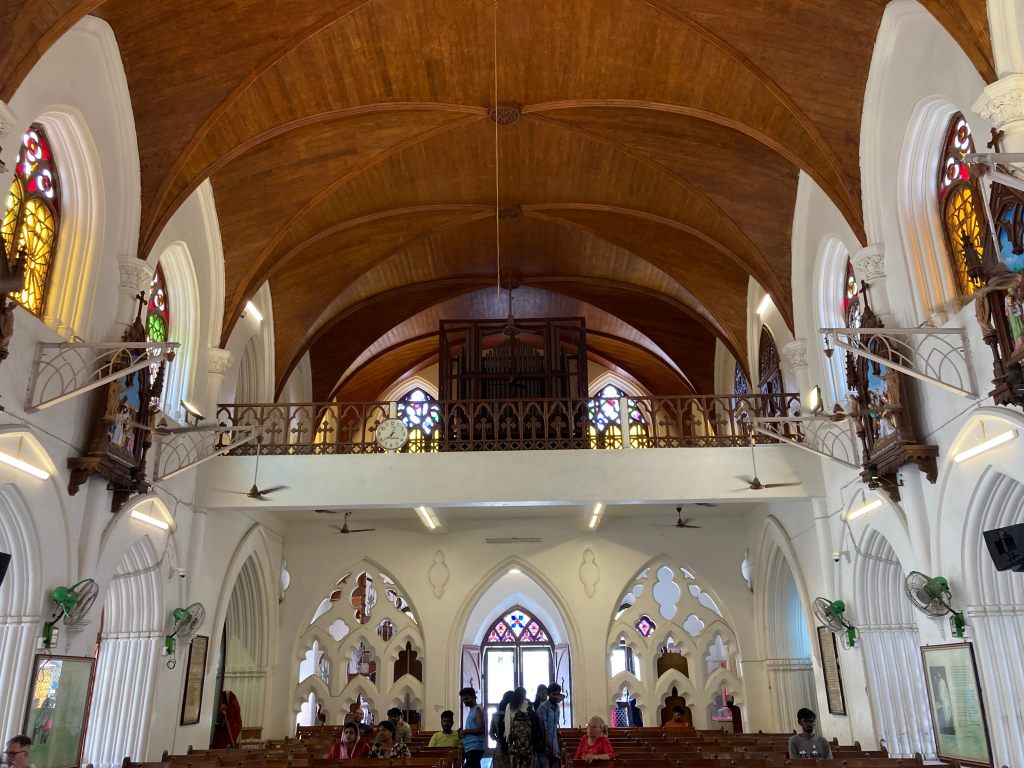
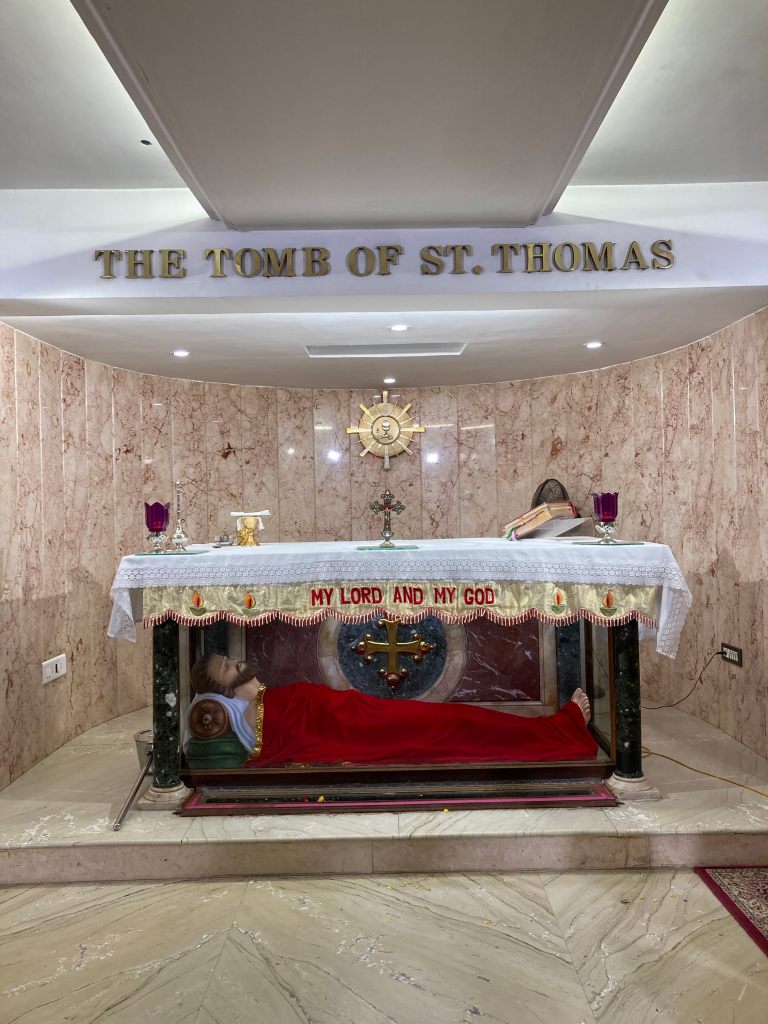
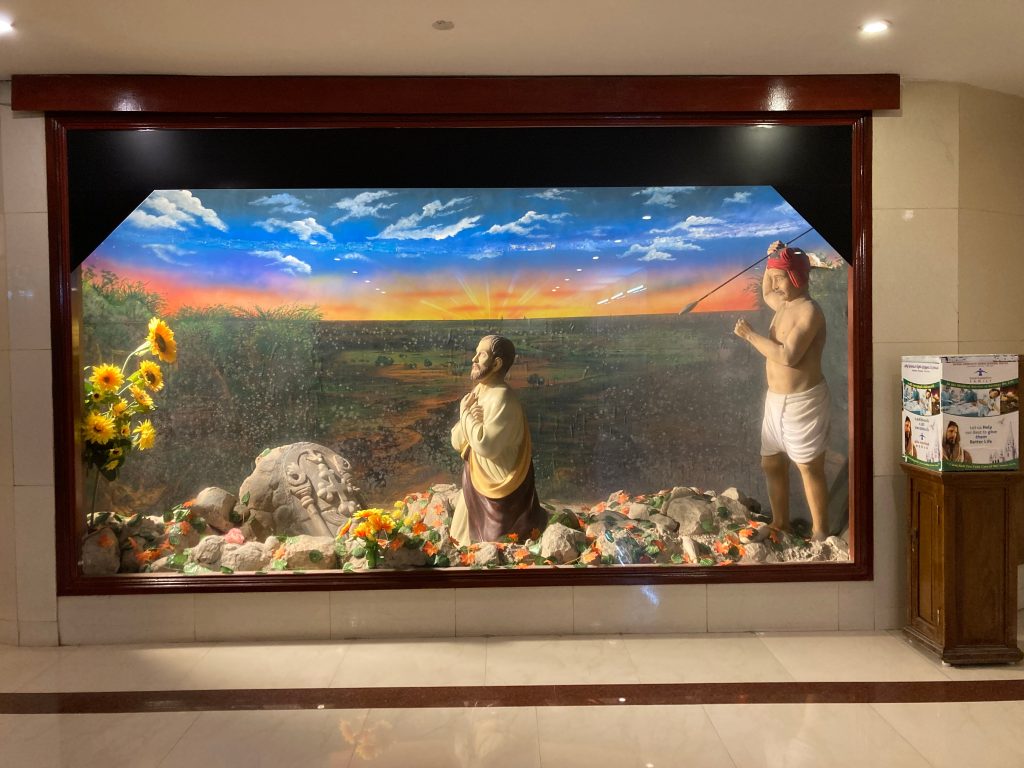
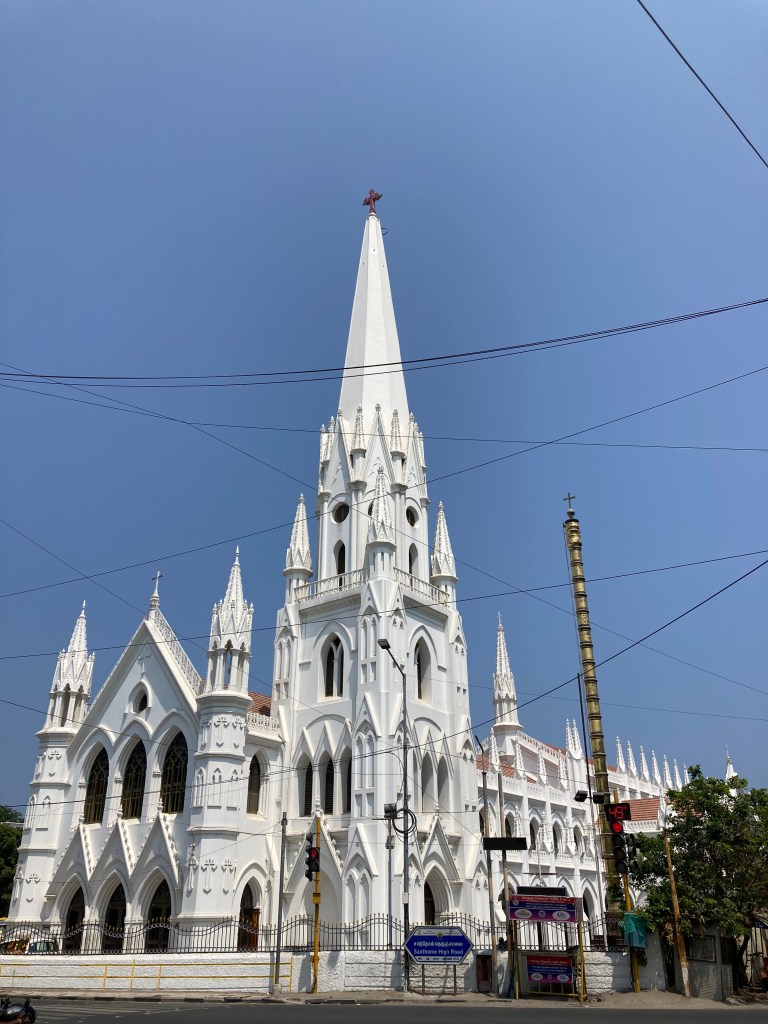
The next morning, we visited a place that I found very meaningful: a church. This wasn’t just any church; it was the church built over the tomb of the apostle Thomas, one of Jesus’ disciples.
Santhome Cathedral Basilica
Only three churches in the whole world are built over the tomb of an apostle of Jesus Christ, one of them is National Shrine of St.Thomas Basilica: Tomb of St Thomas which is in chennai, St Peter’s Basilica which is in Rome, and Santiago de Compostela: Tomb of St.James which is in Spain.

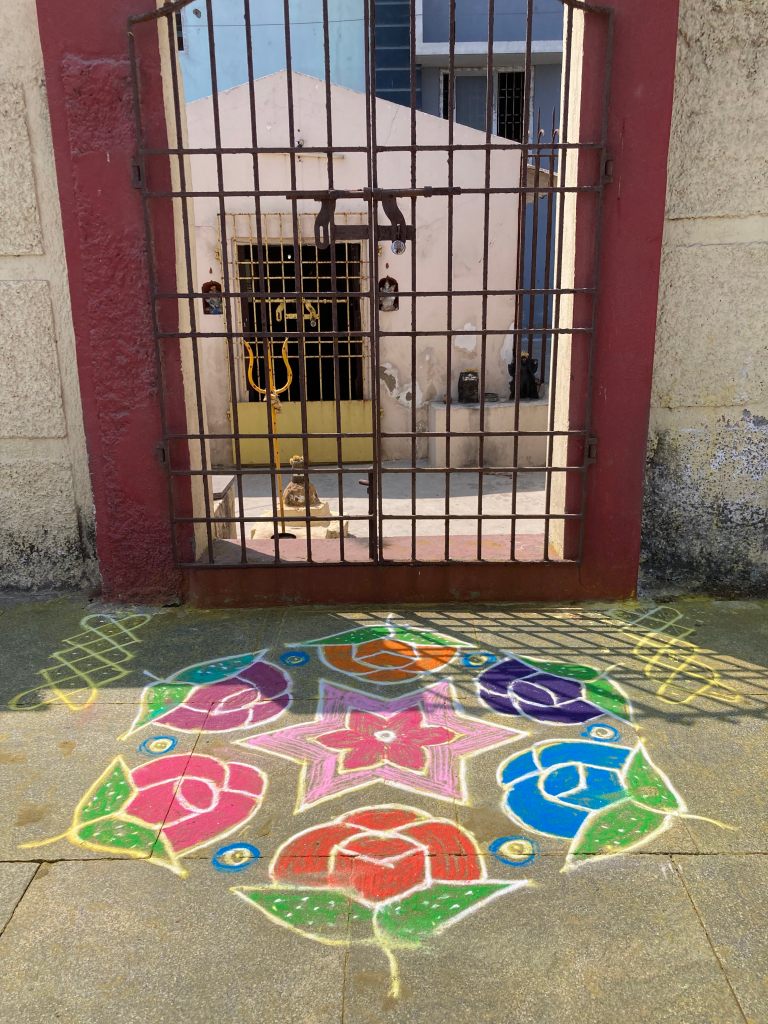
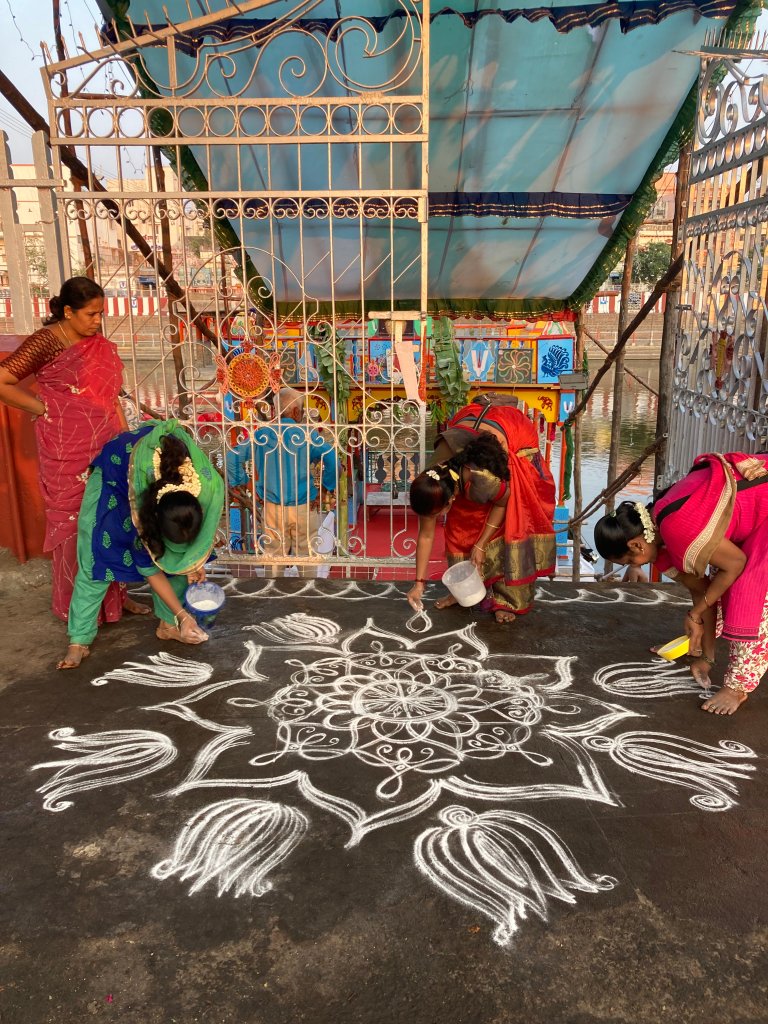
Kolam can be seen everywhere.
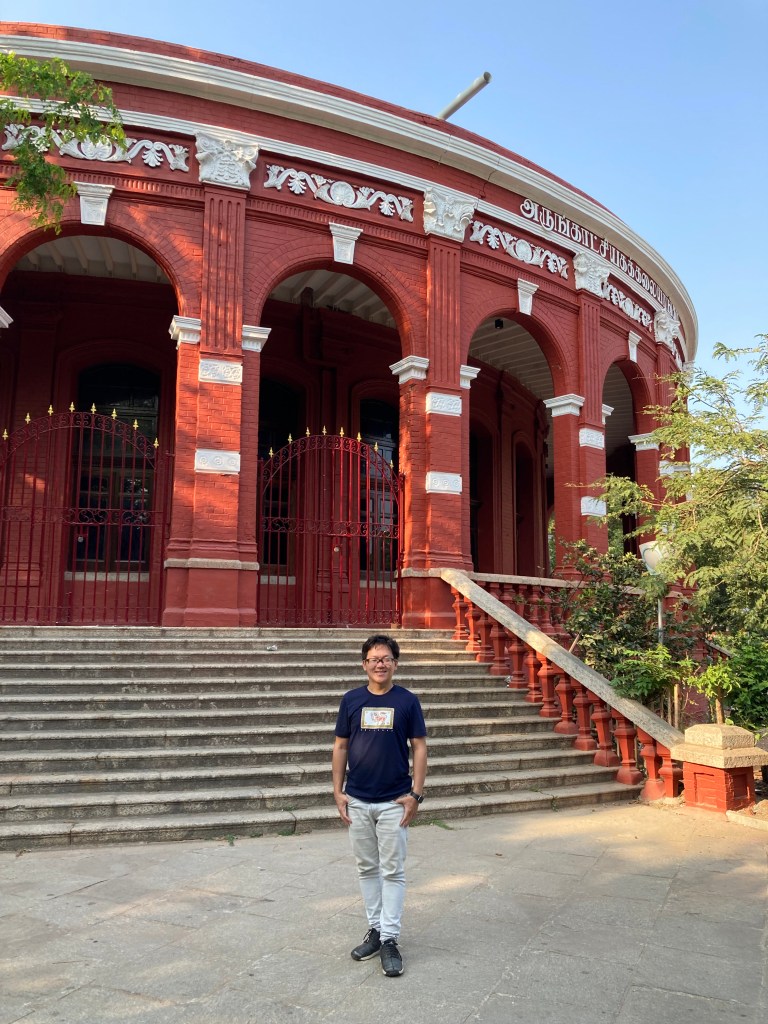
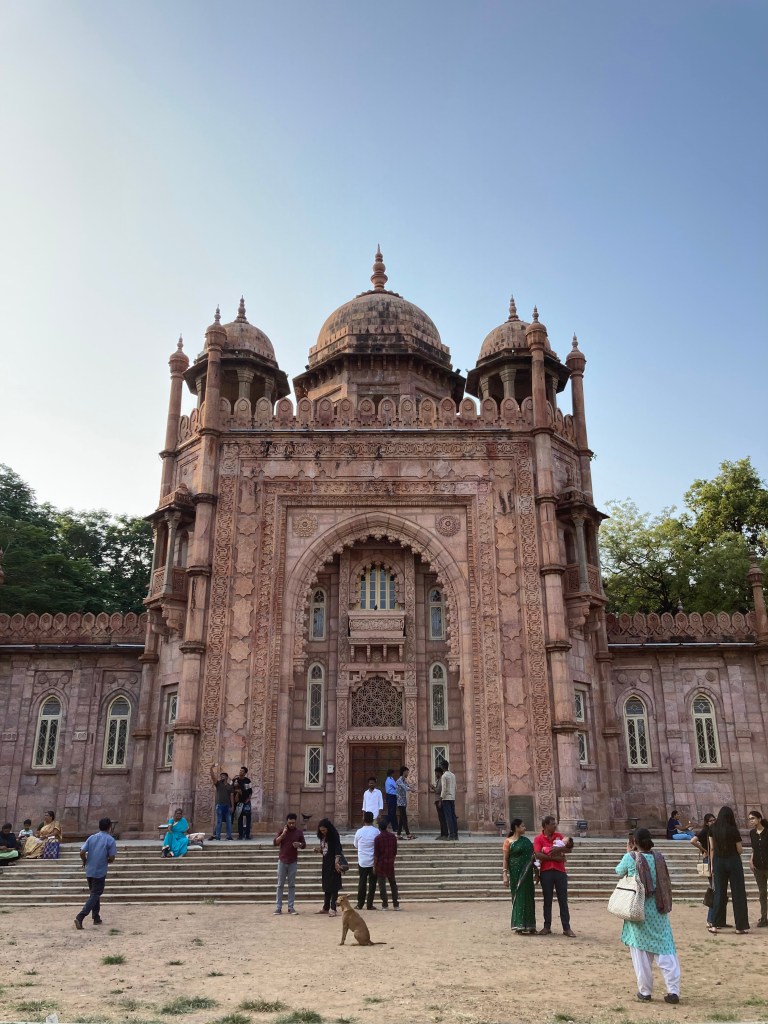
Government Museum Chennai
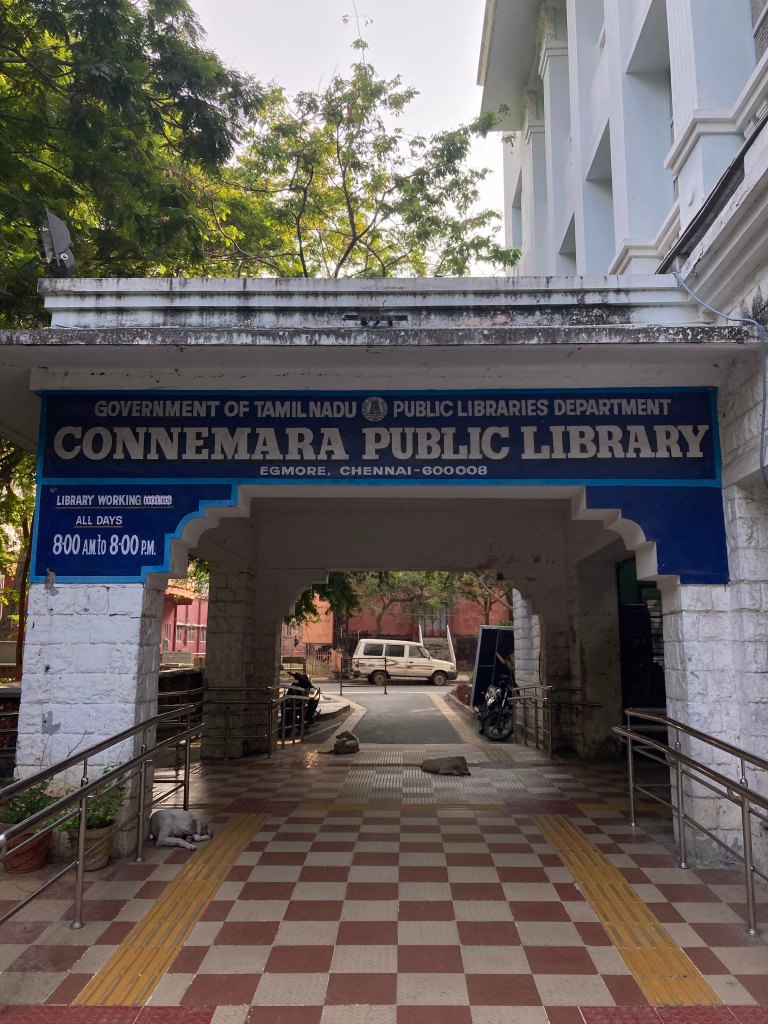
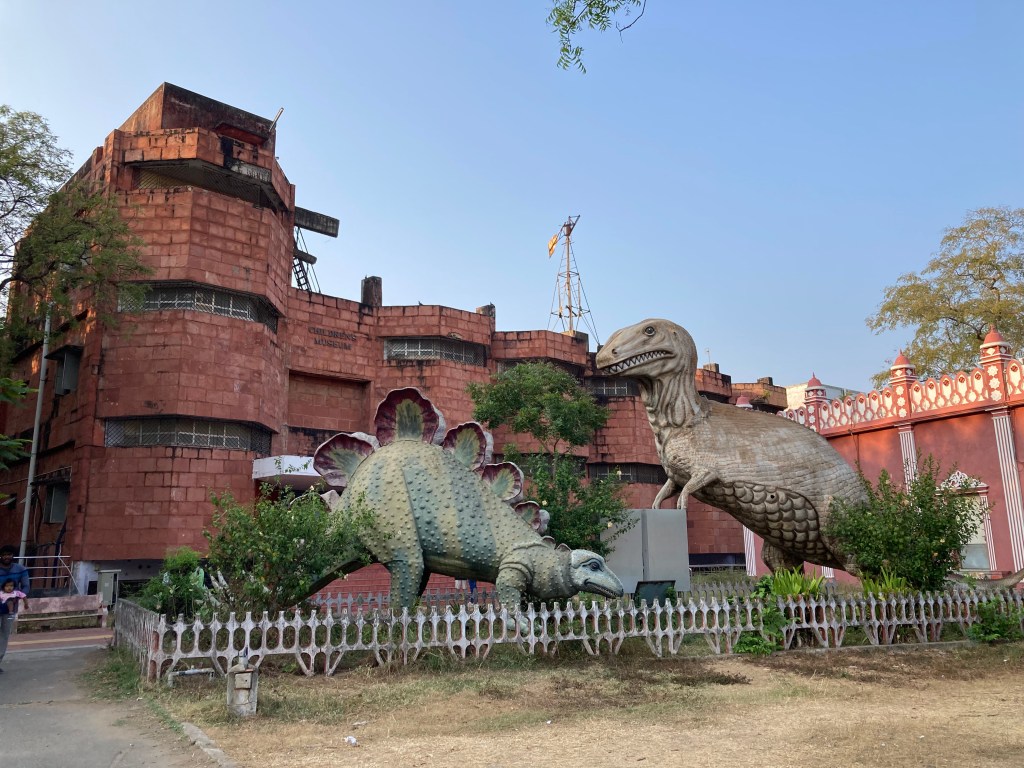
The scope of the National Museum also includes the National Library, Children’s Museum, National Art Gallery, and so on.

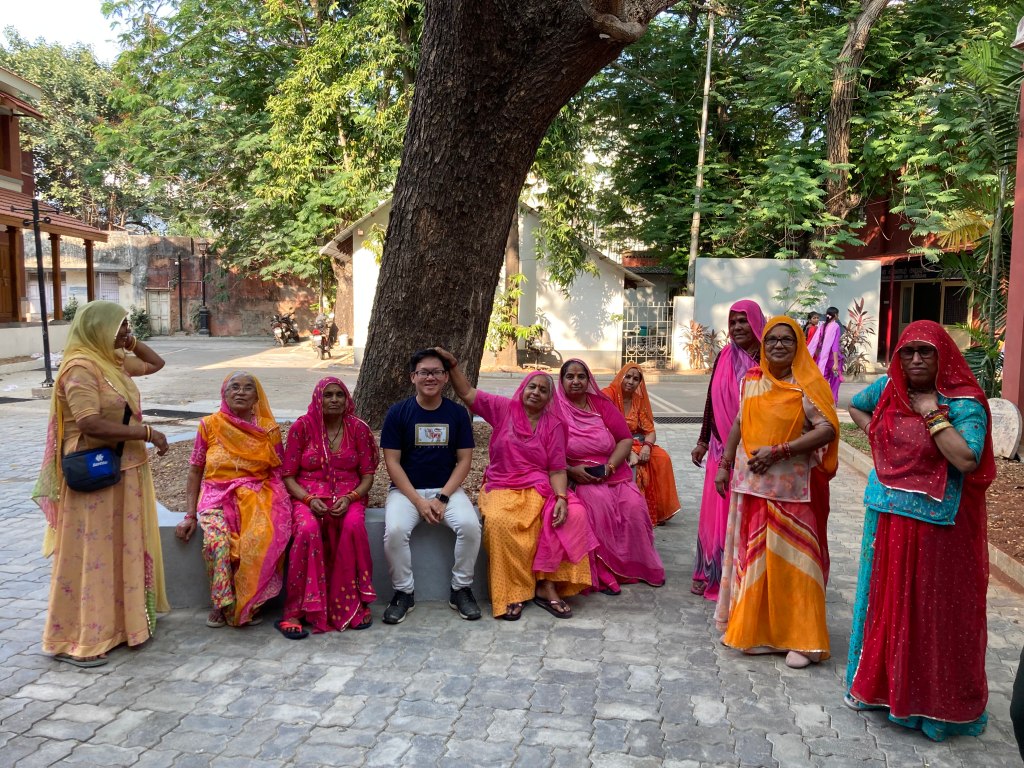
If an elder places their hand on your head, it signifies that they are giving you their blessing.
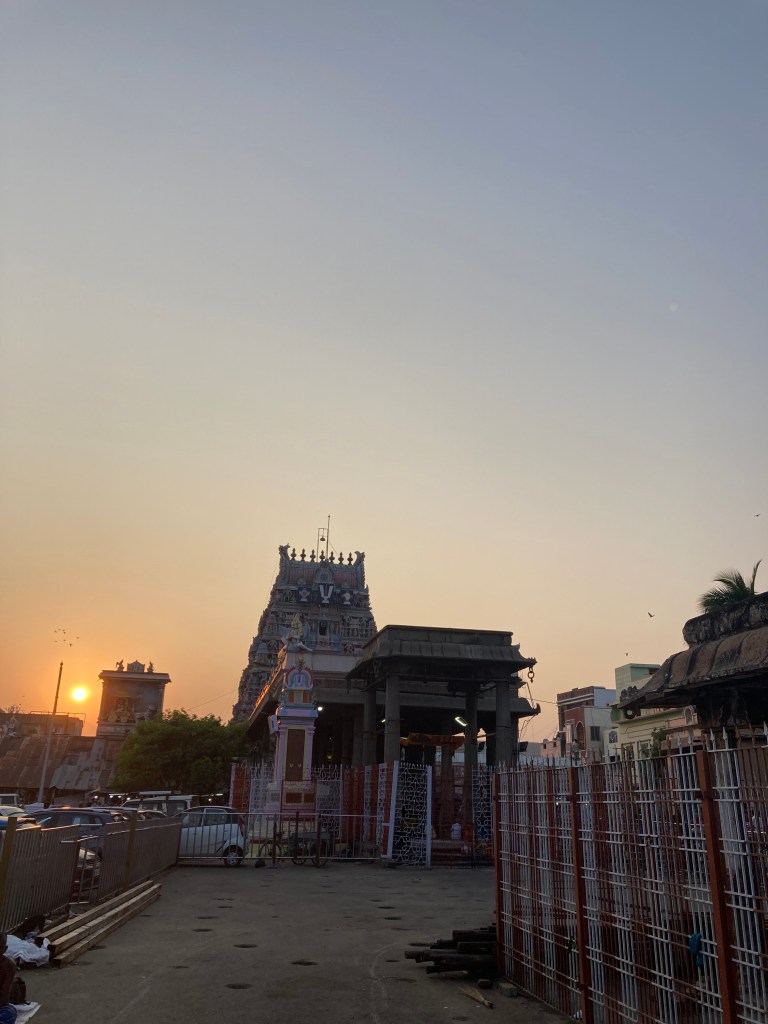
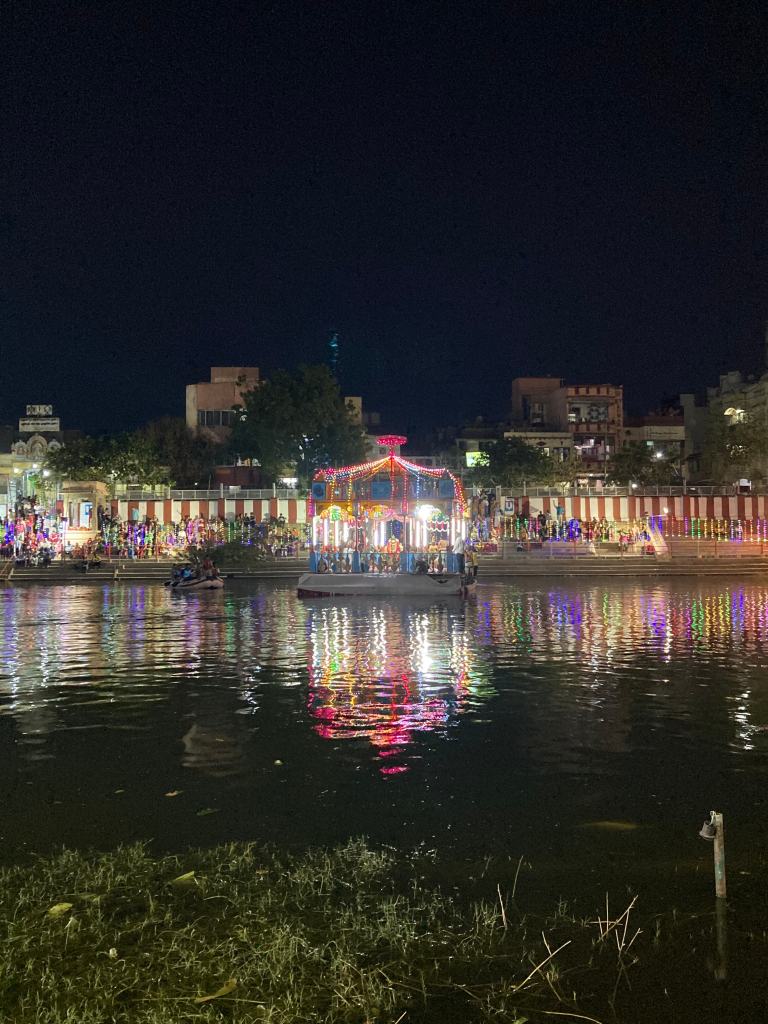
Sri Thiruvetteeswarar Temple
The Thiruvettisvarar Temple, situated in Thiruvettisvaranpettai in Triplicane, Chennai, Tamil Nadu, India, is a Hindu temple devoted to the worship of the deity Shiva.


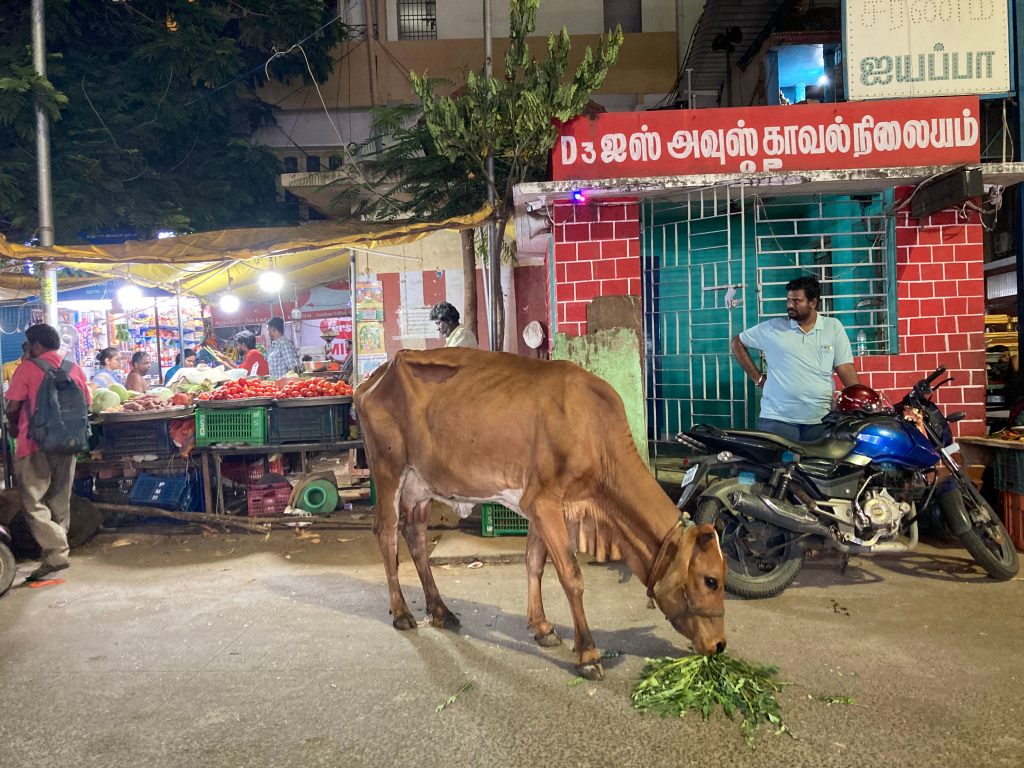
You can also see many cows on the roadside.
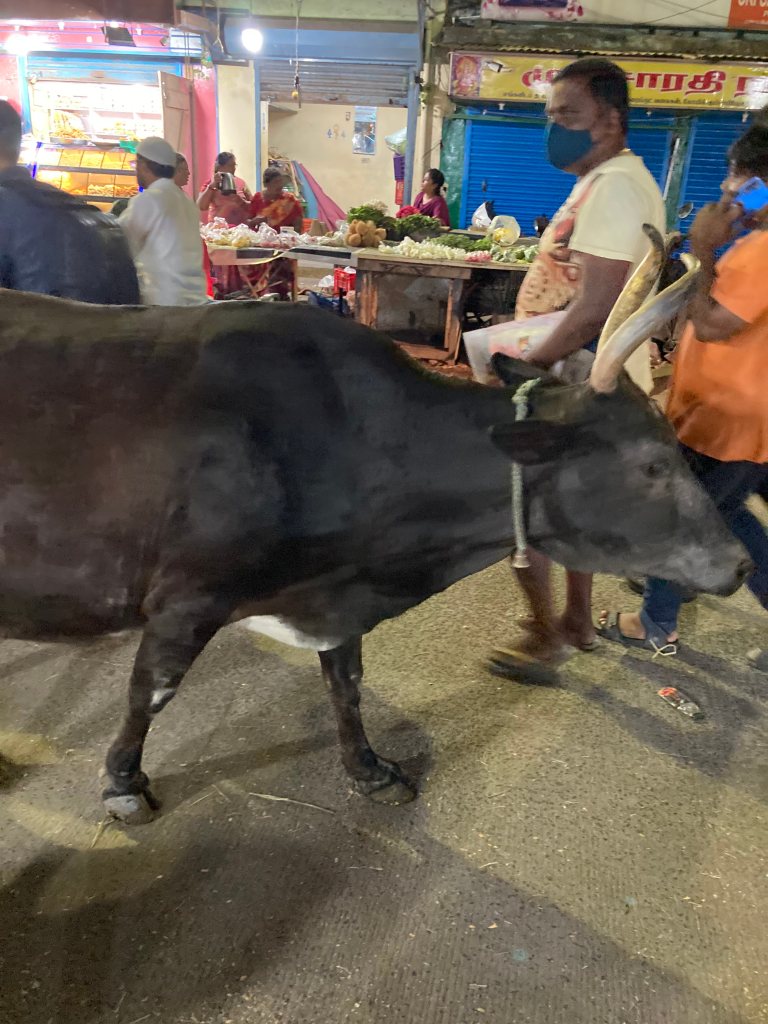
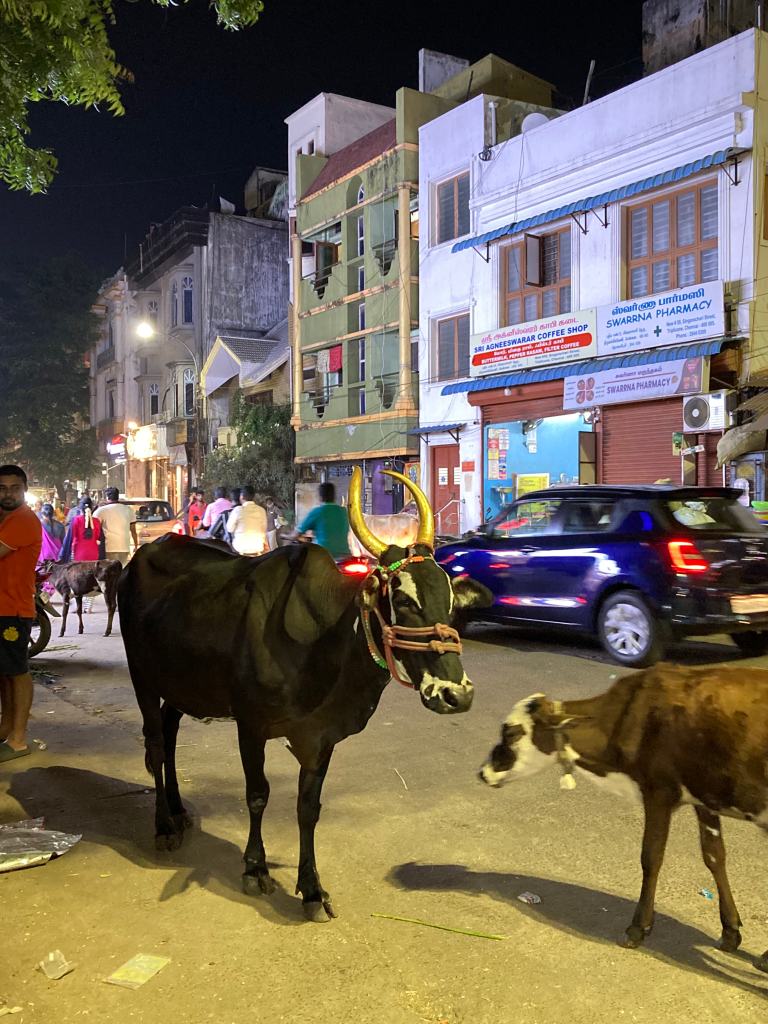
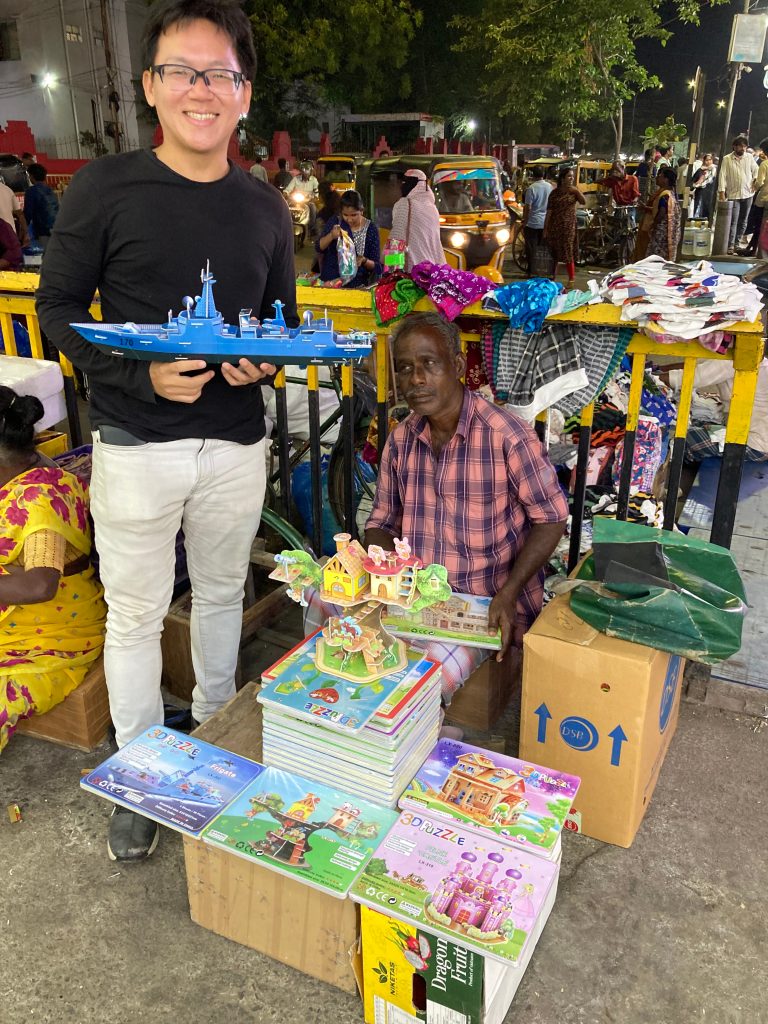
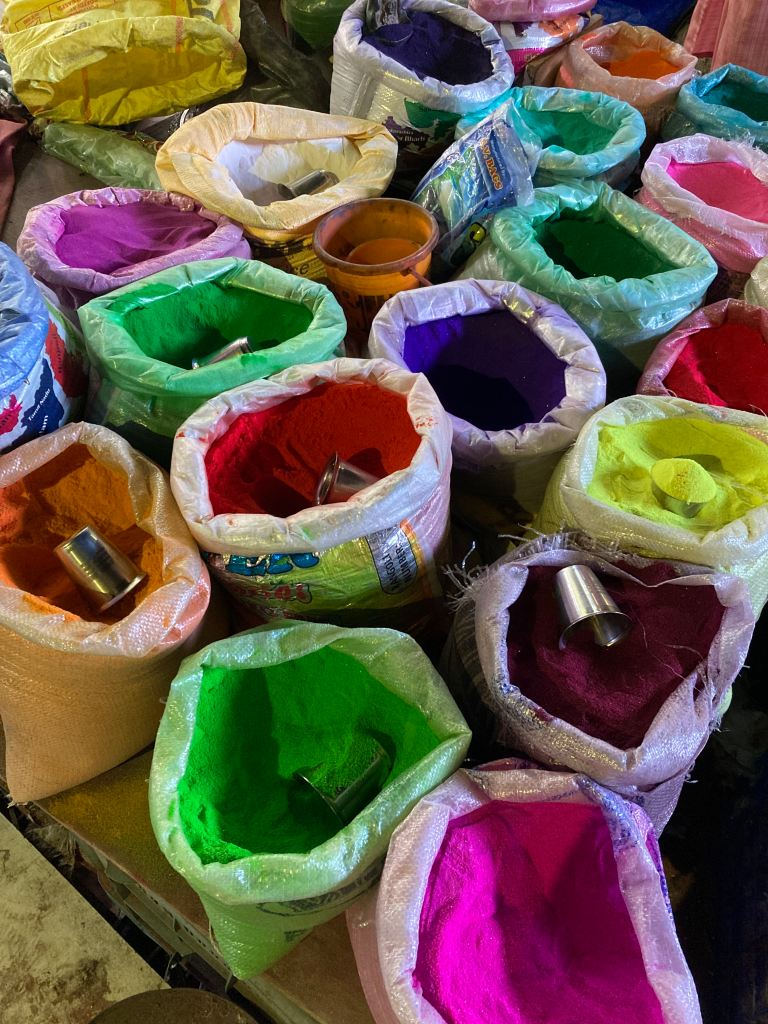
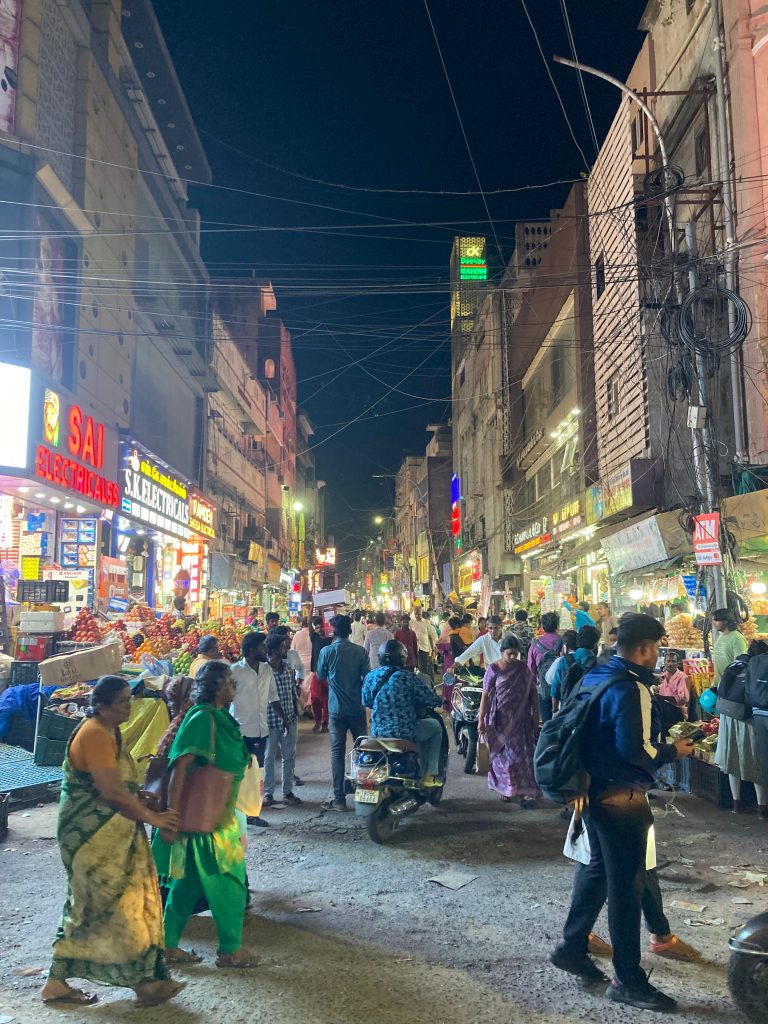
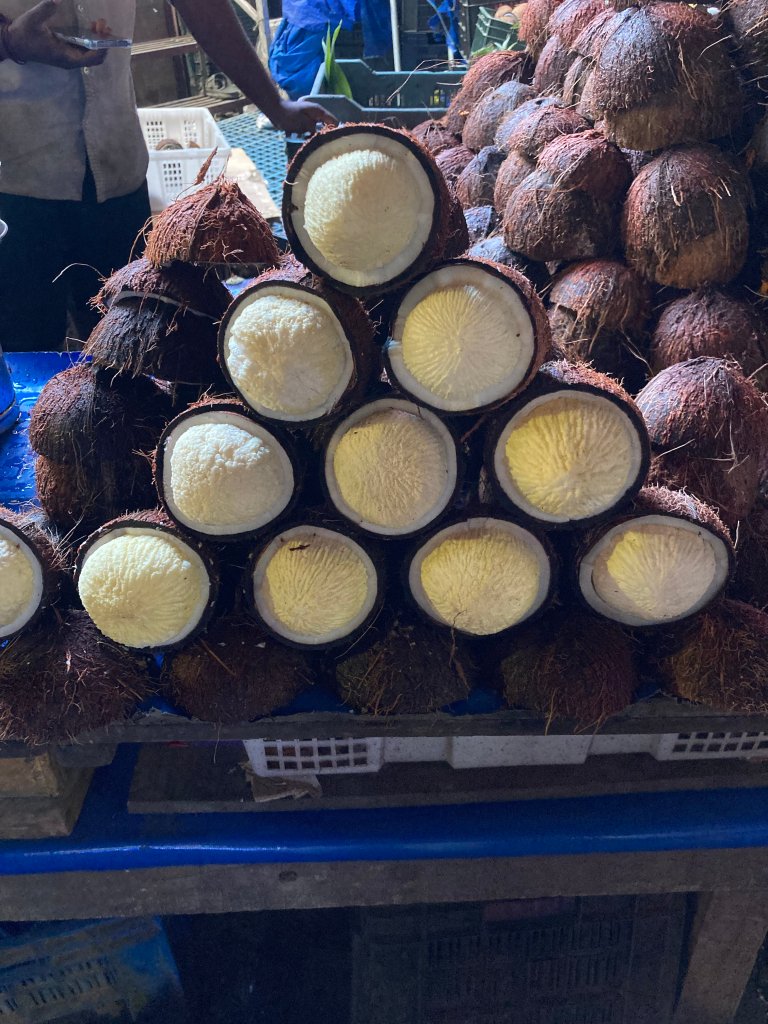
Parrys Market
This is a large wholesale market with a variety of goods.


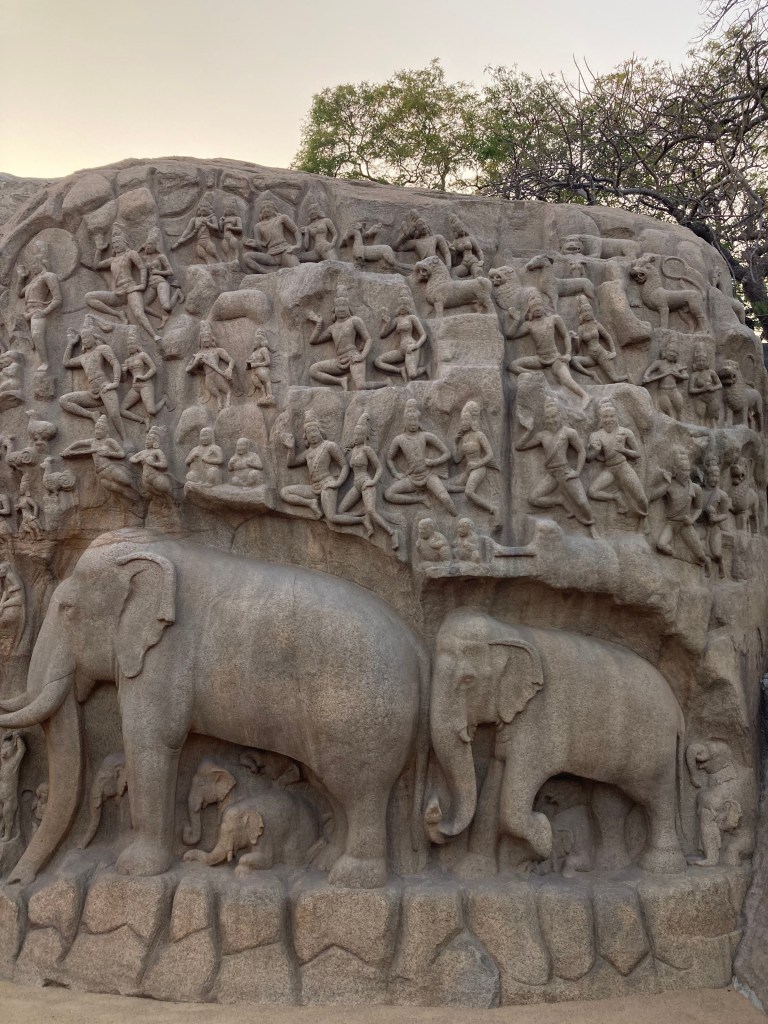
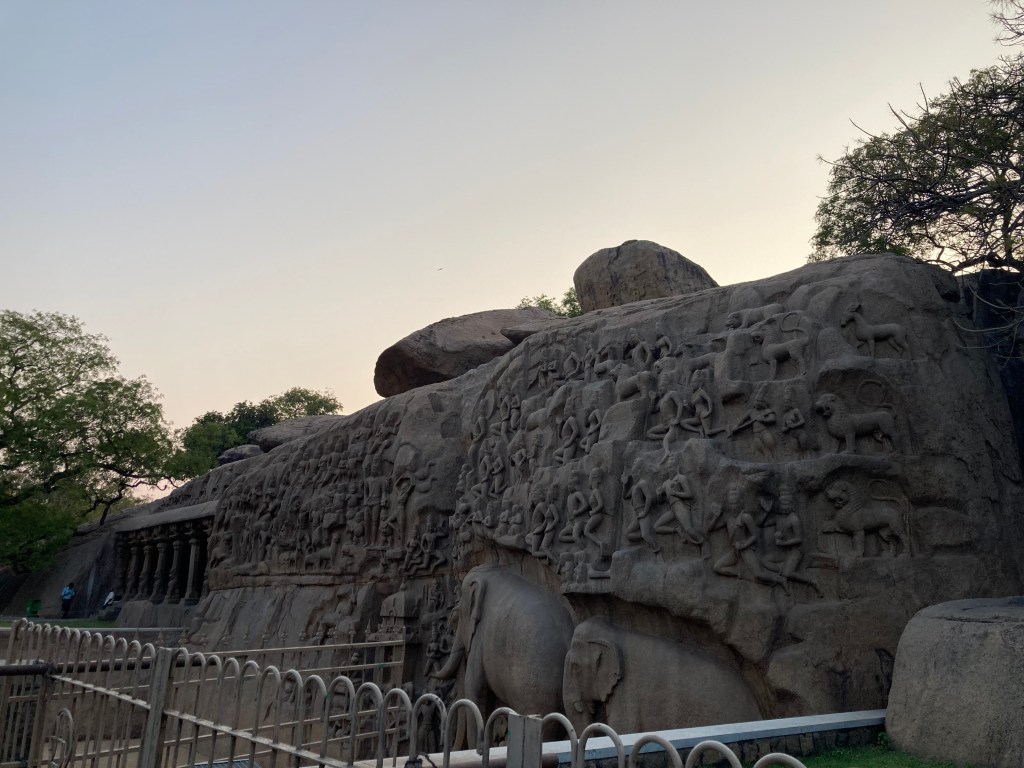
Next, we will proceed to Mahabalipuram.
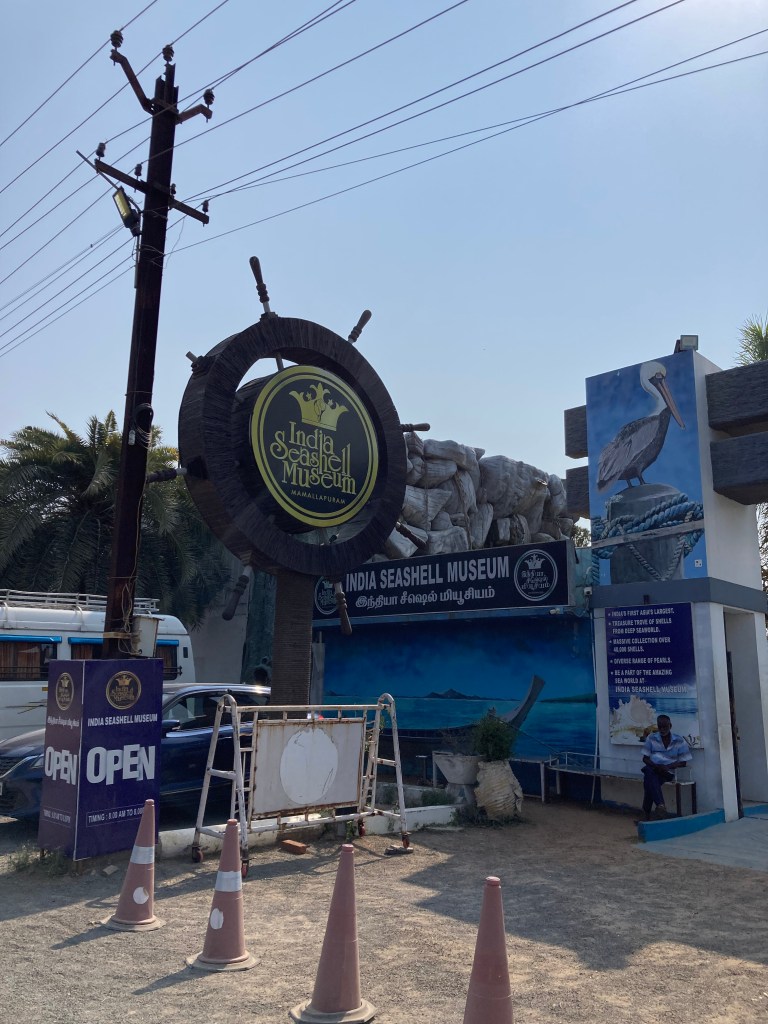
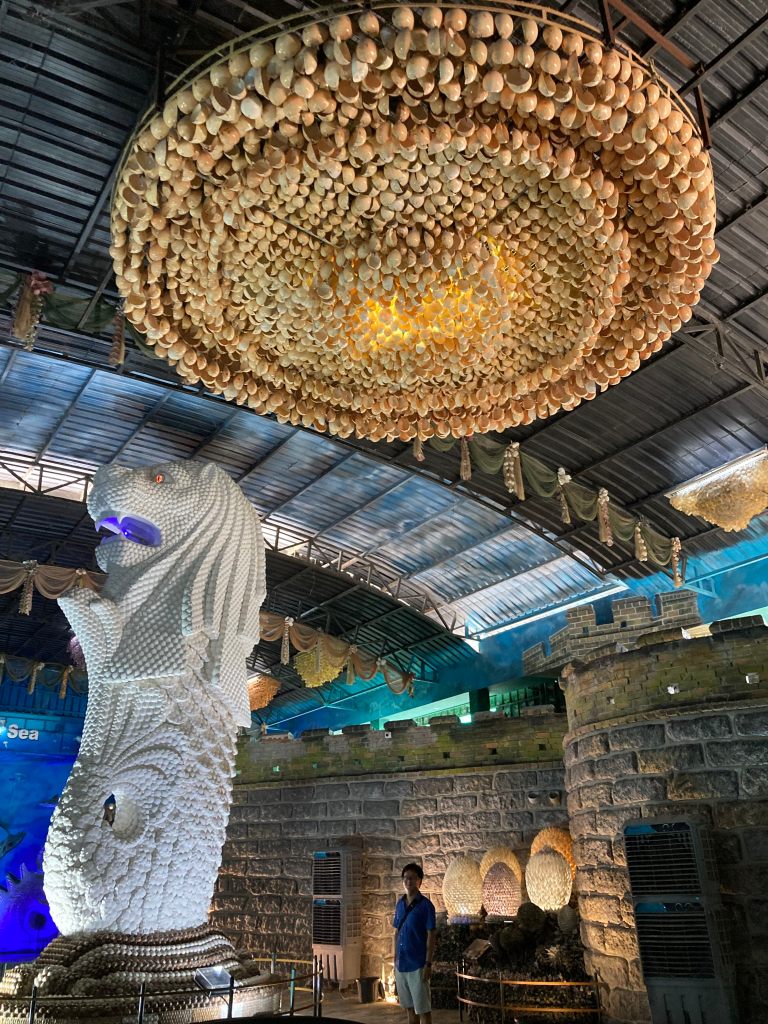
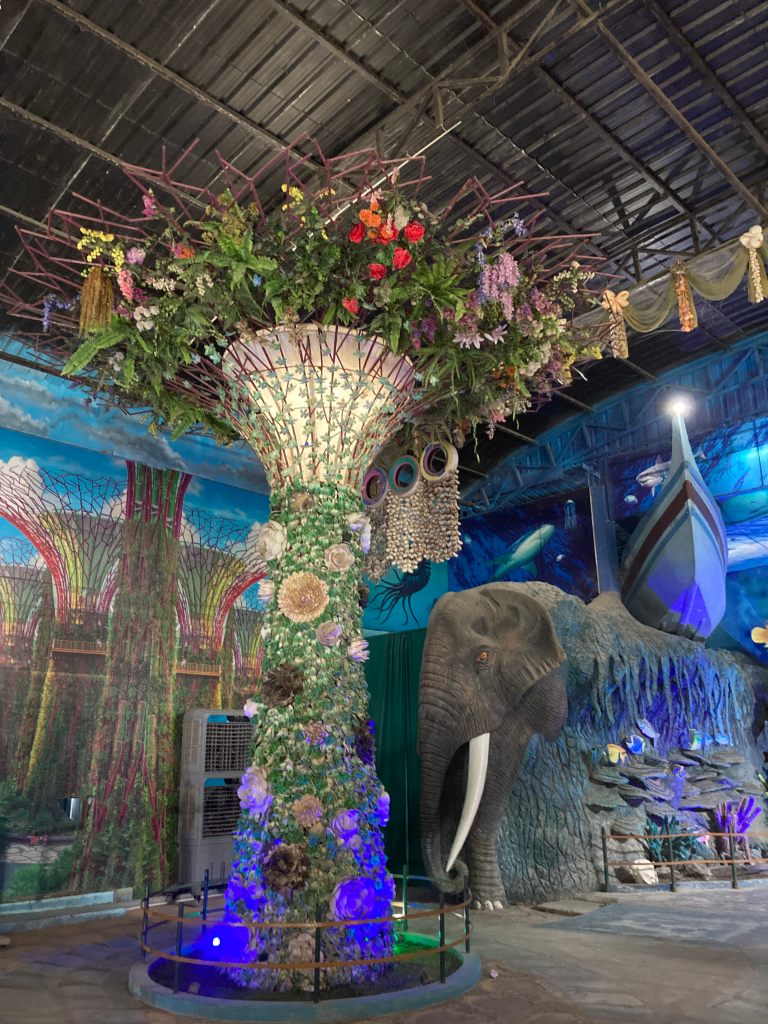
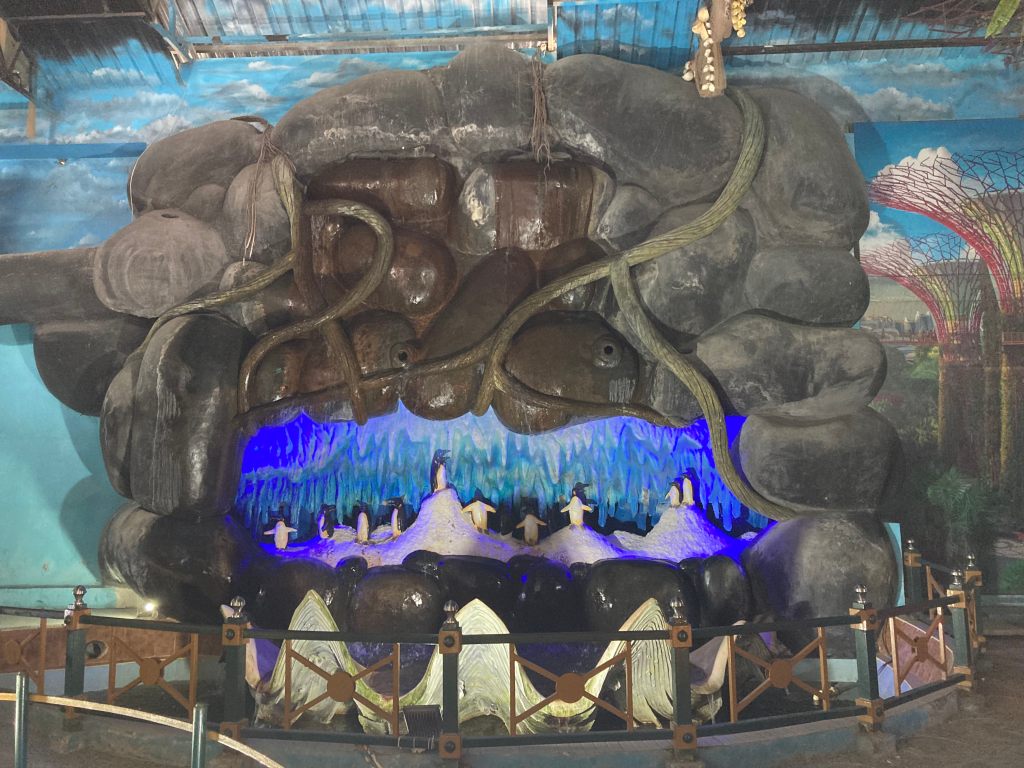
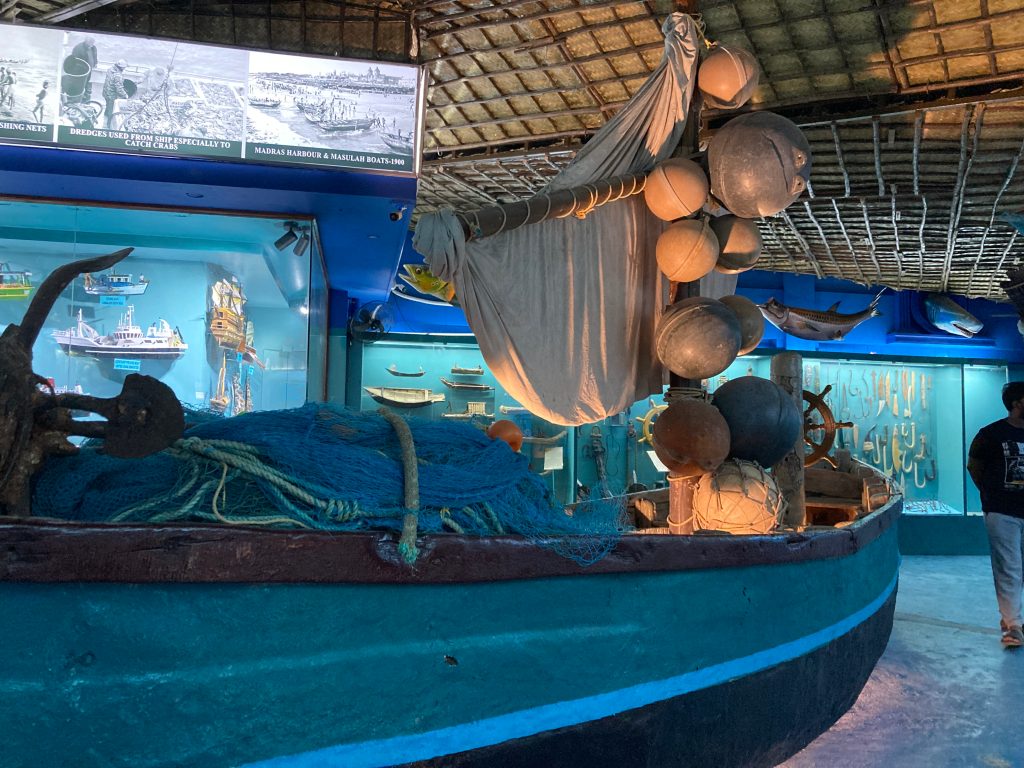
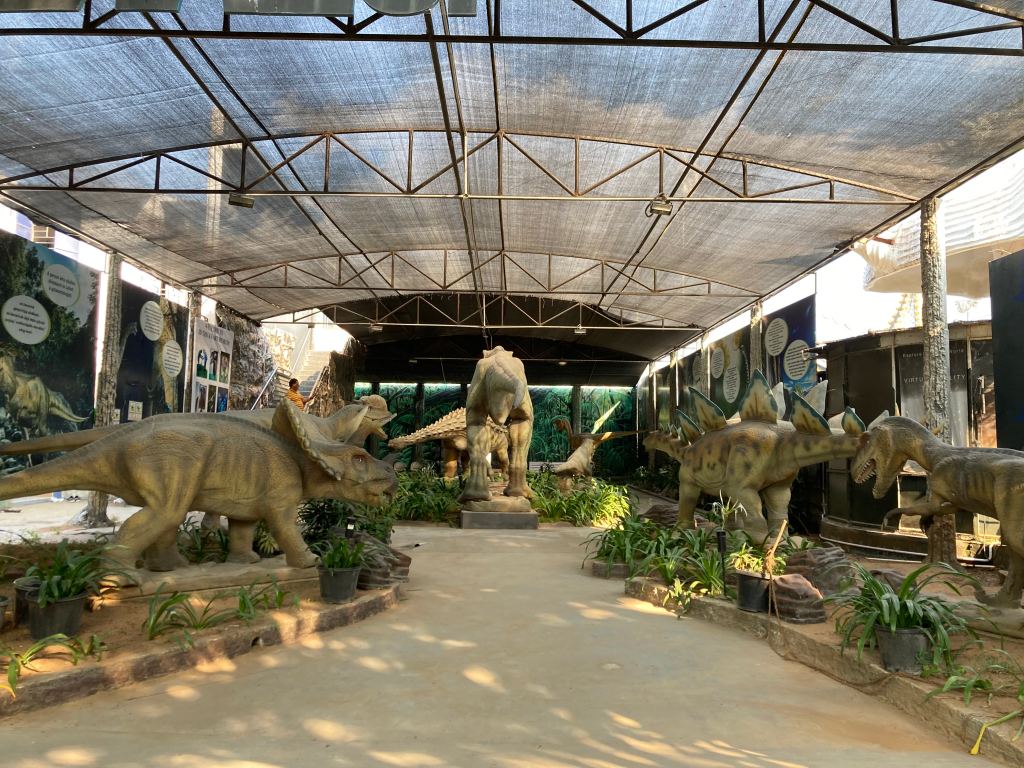
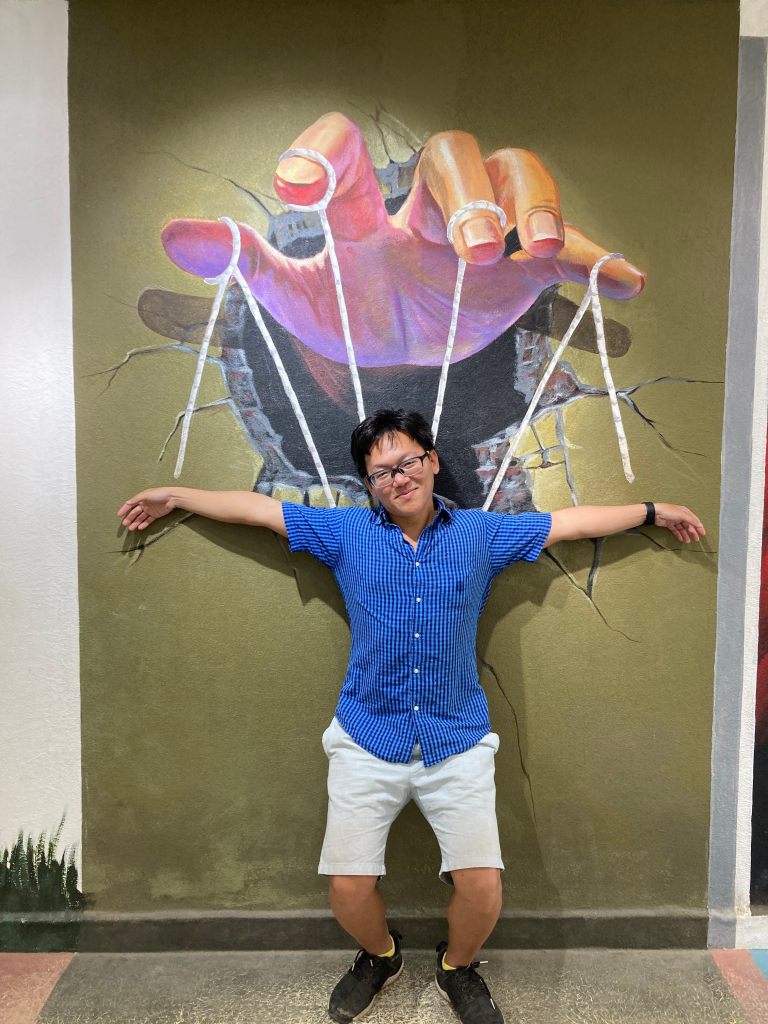
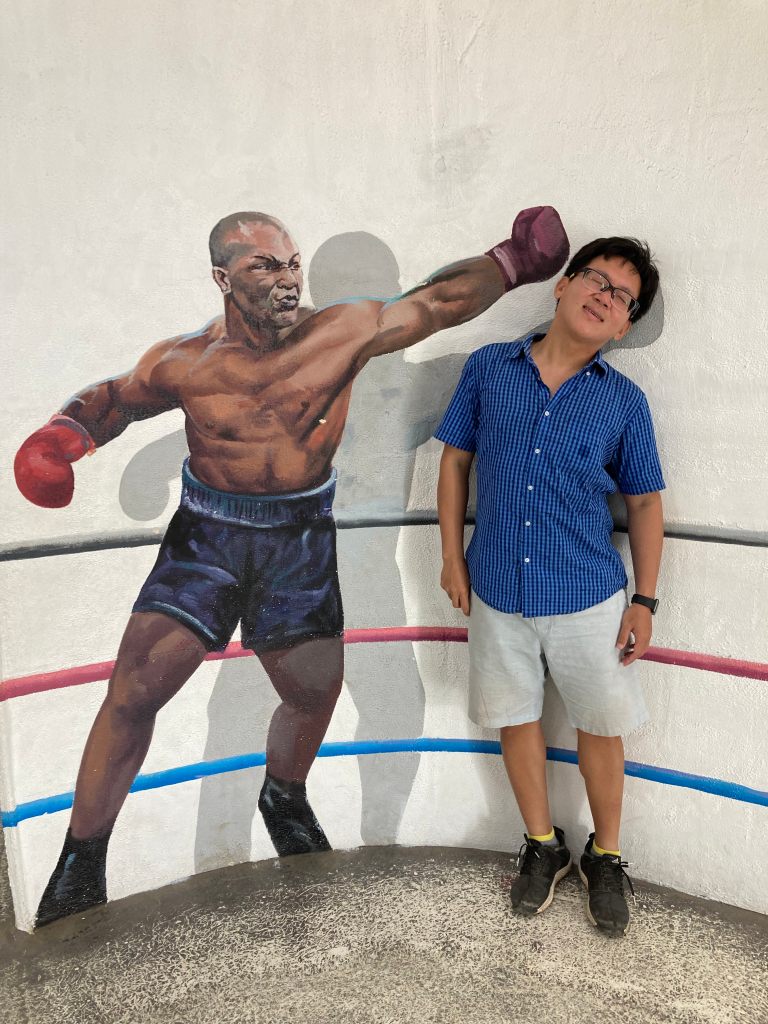
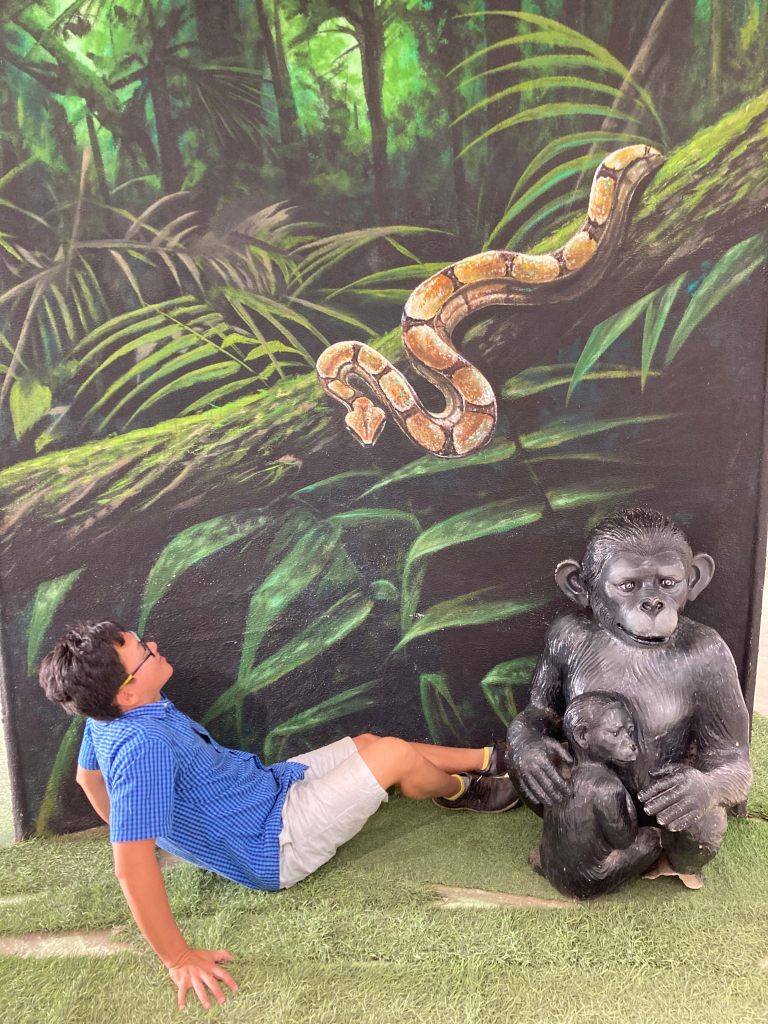
India Seashell Museum
Embark on a journey to the Mamallapuram Seashell Museum, a distinctive and educational establishment that showcases the beauty and diversity of marine life. It offers an enriching exploration of the cultural heritage of this historic city. The museum houses an extensive collection of seashells from around the globe, presented in an artistic and enlightening manner. Its goal is to stimulate visitors’ curiosity about the historical uses of shells and their cultural importance in different civilizations.

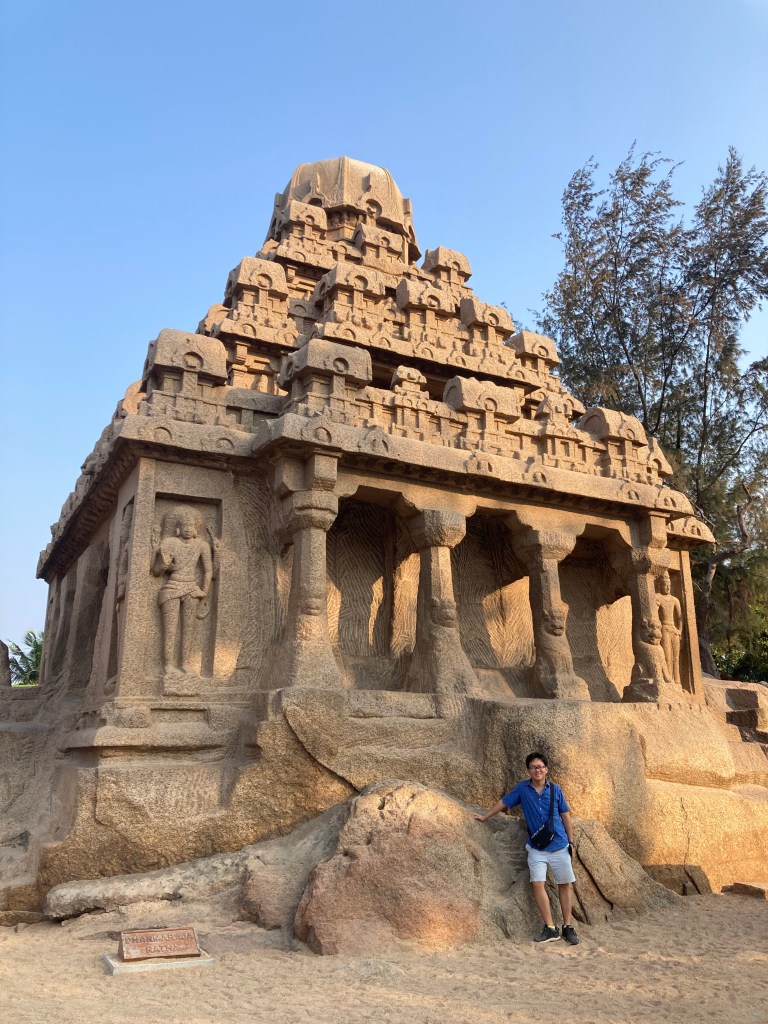
Pancha Rathas
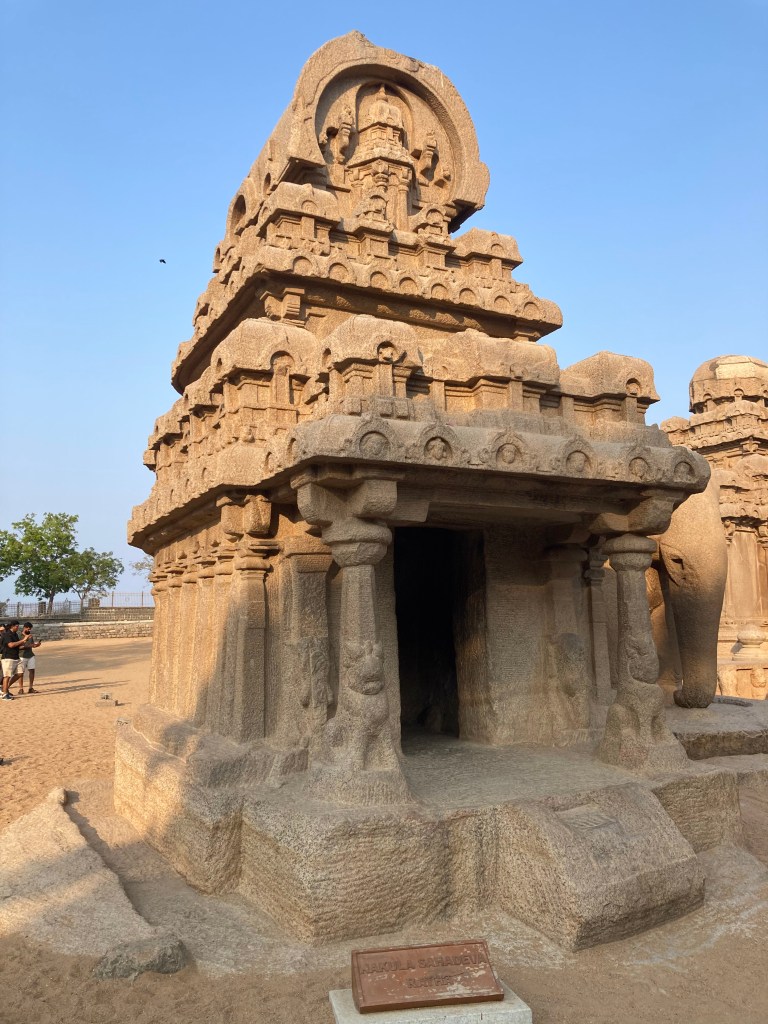
The Pancha Rathas, also known as the Five Rathas or Pandava Rathas or Ainthinai Kovil, is a monument complex located in Mahabalipuram, on the Coromandel Coast of the Bay of Bengal, in the Chengalpattu district of the state of Tamil Nadu, India. This complex exemplifies monolithic Indian rock-cut architecture. Initially, it was believed to have been carved during the reign of King Narasimhavarman I (630–668 CE). However, historians like Nagaswamy attribute all the monuments in Mahabalipuram to Narasimhavarman II (c. 690–725 CE) with the discovery of new inscriptions. Under the auspices of the Archaeological Survey of India (ASI), the complex is part of the UNESCO World Heritage Site inscribed in 1984 as the Group of Monuments at Mahabalipuram.
Each of the five monuments in the Pancha Rathas complex resembles a chariot (ratha), and each is carved from a single, long stone or monolith of granite that slopes in a north–south direction with a slight incline. Despite sometimes being mistakenly referred to as temples, the structures were never consecrated because they were never completed following the death of Narasimhavarman I. They are named after the Pancha Pandavas and their common wife Draupadi, of epic Mahabharata fame. In order of their size, they include the Dharmaraja Ratha, Bhima Ratha, Arjuna Ratha, Nakula Sahadeva.

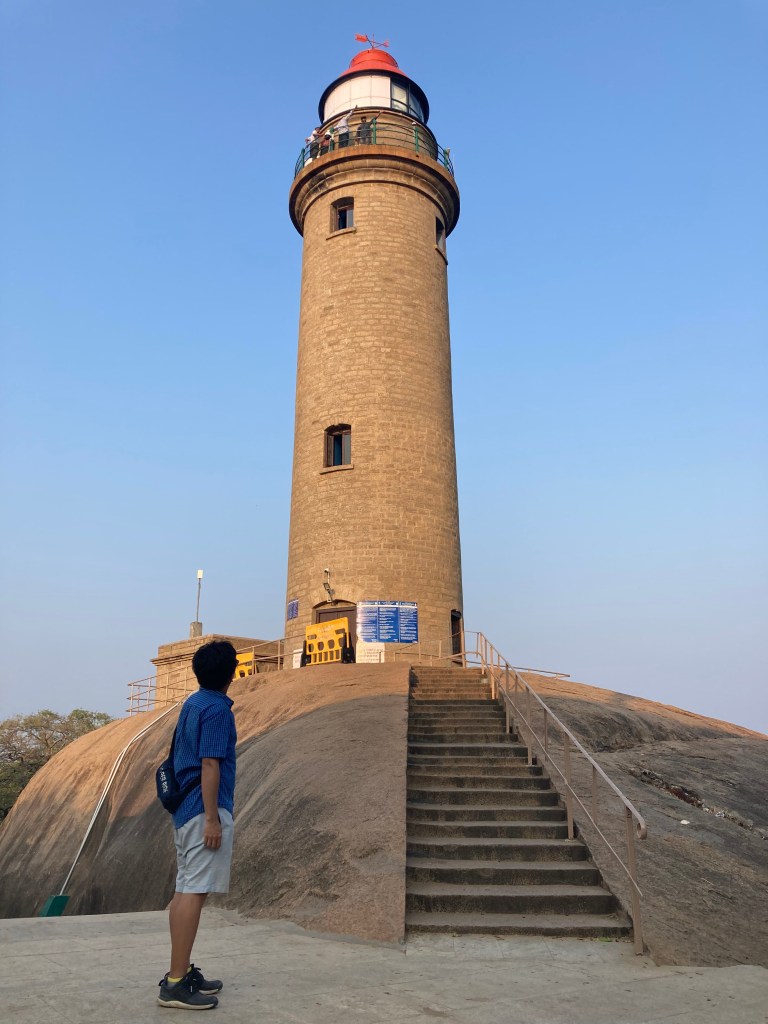
Mahabalipuram Lighthouse
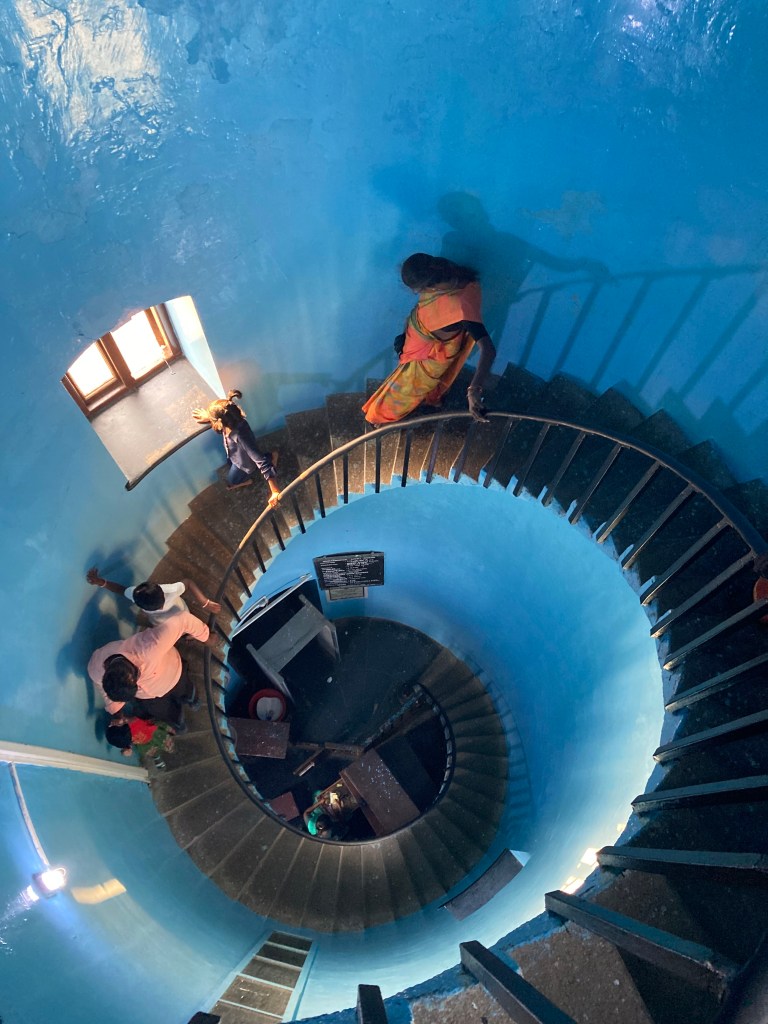
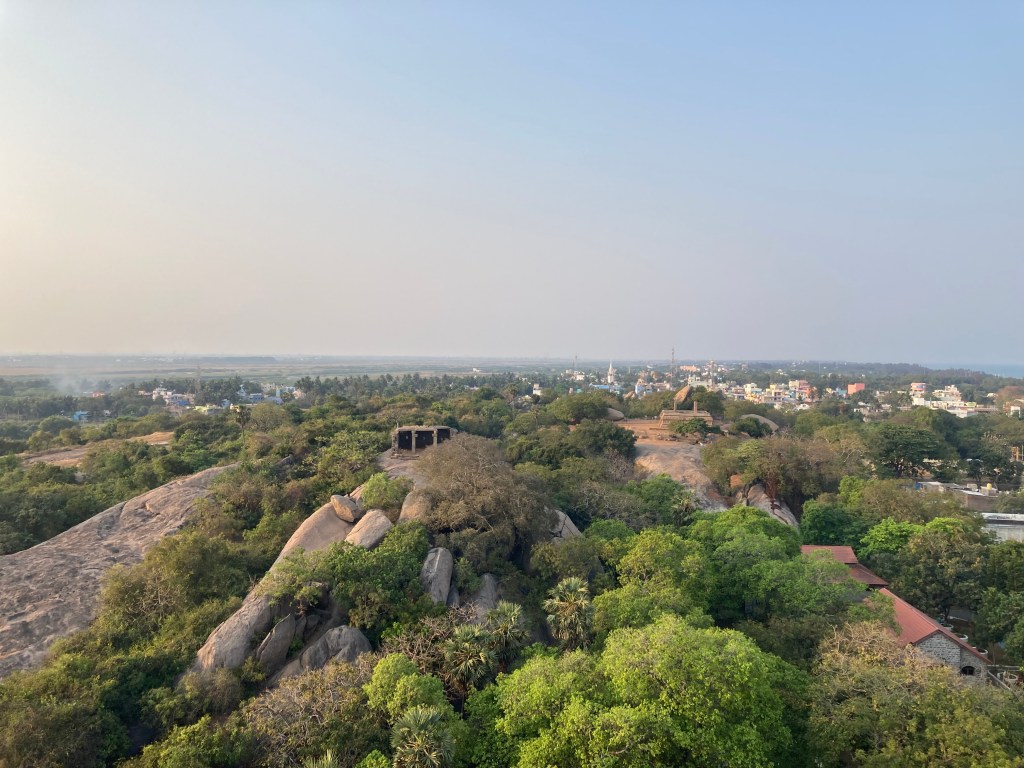
The Mahabalipuram Lighthouse in Tamil Nadu, India, has been welcoming tourists since 2011. It temporarily closed in 2001 due to concerns over potential threats from the Liberation Tigers of Tamil Eelam. Originally, a light was installed atop the Olakkannesvara Temple in 1887. The current lighthouse, featuring a circular masonry tower constructed from natural stone, was fully operational by 1904. Adjacent to this modern structure stands India’s oldest lighthouse, dating back to around 640 CE, built during the reign of Pallava king Mahendravarman I. This ancient lighthouse is a protected monument managed by the Archaeological Survey of India.

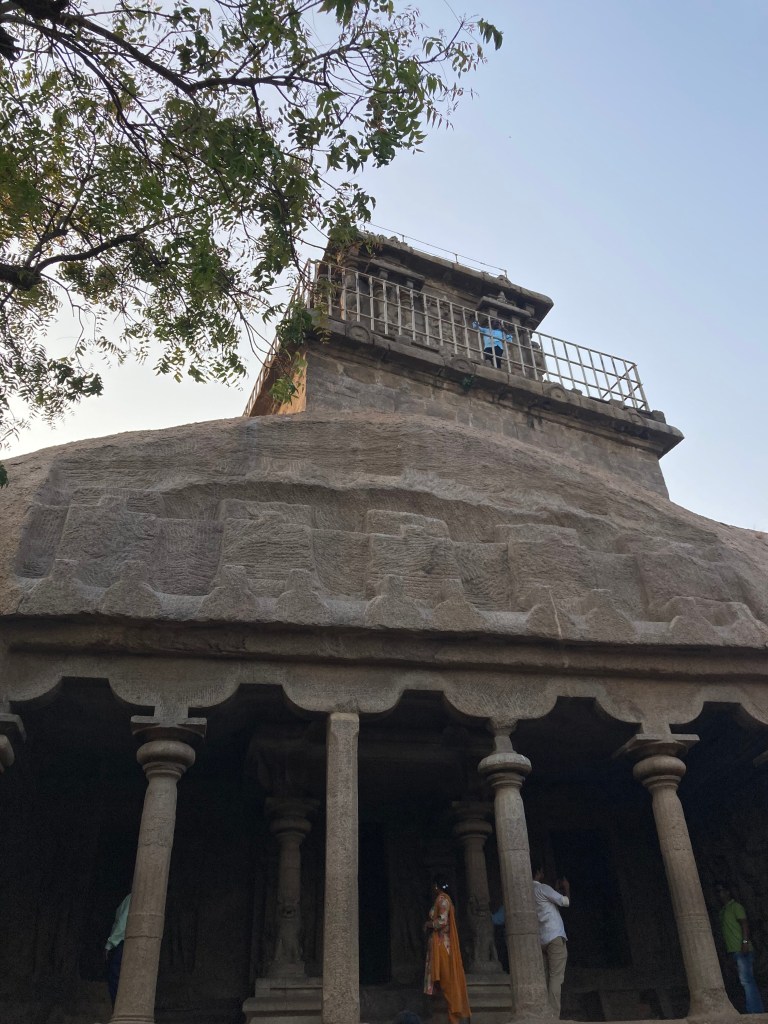


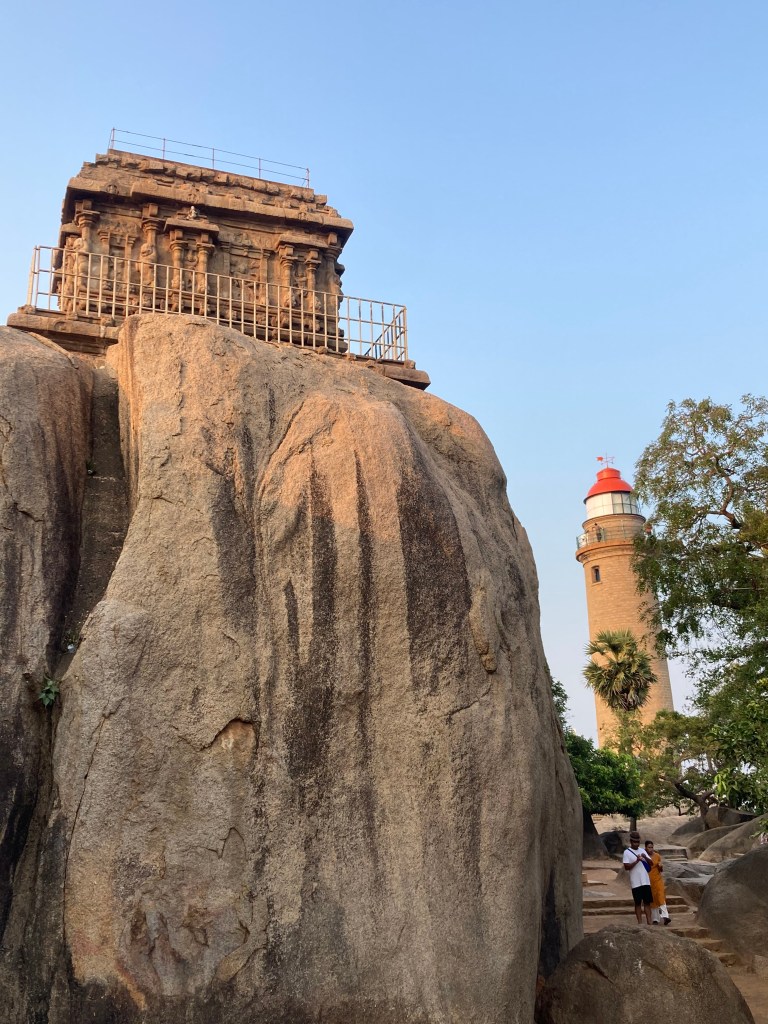
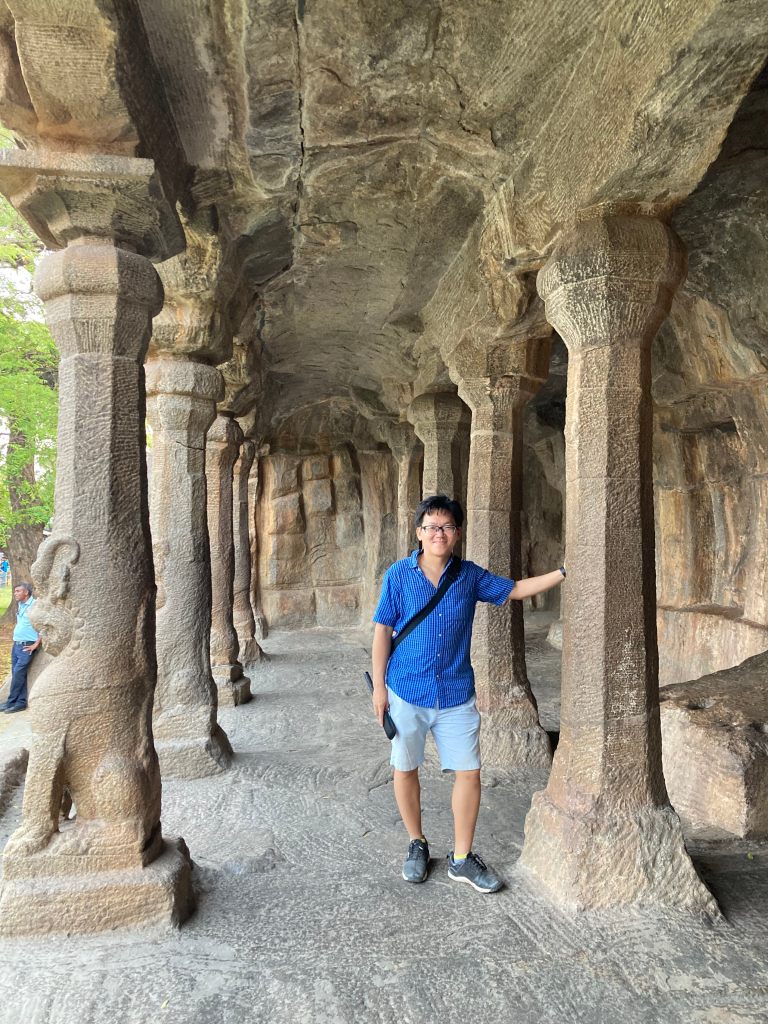
Unfinished rock-cut cave temple north of Krishna Mandapa
This cave-temple would have beenthe largest of all cave-temples of the Pallavas. On stylistic grounds, it may be placed later among the Mamalla style cave-temples in the period of Paramesvaravarman I (672-700 CE). This cave-temple has a unique plan in having a rock-cut shrine ar the back of the facade hall with an unfinished passage for circumambulation. The facade itself is relieved with a series of hara elements. The pillars are unique in having vyala over the phalaka and below the kapota , as in the Chalukyan examples. Locally, this cave-temple is known as Pancha Pandava mandapa.

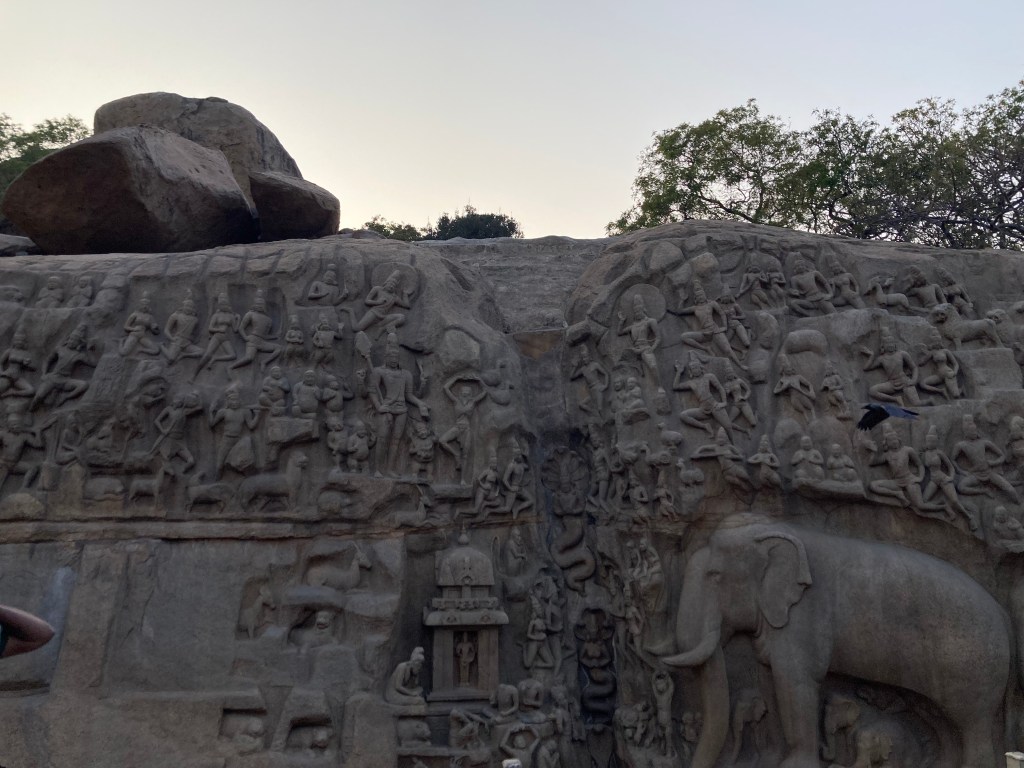
Khrishna’s Butter Ball
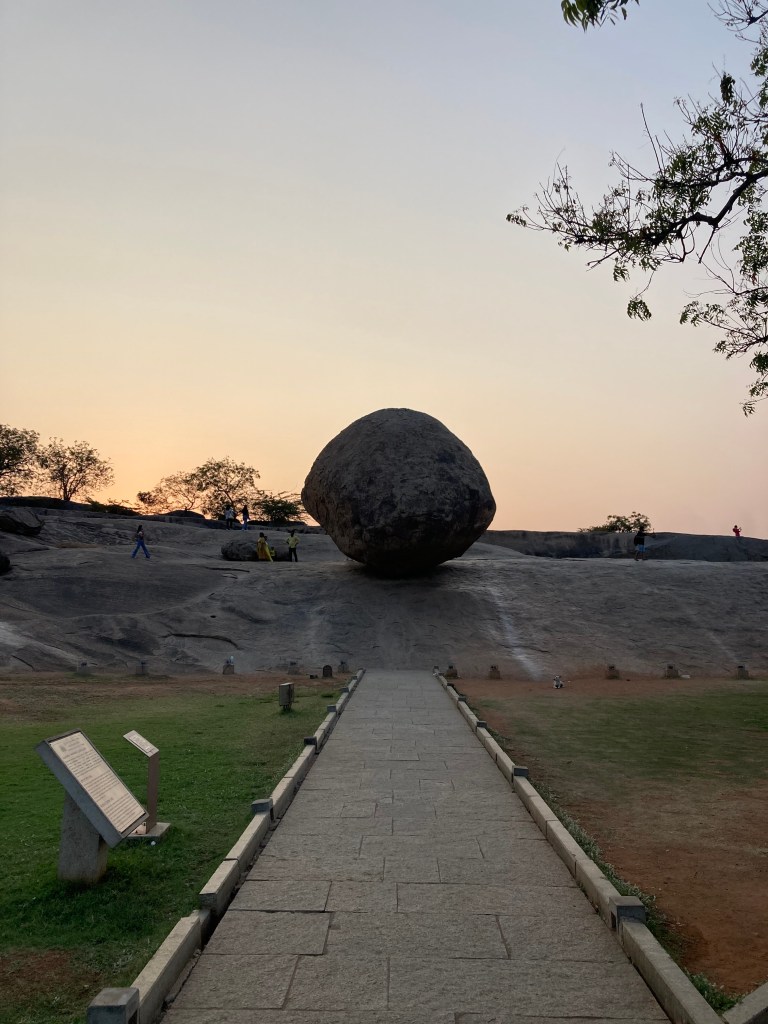
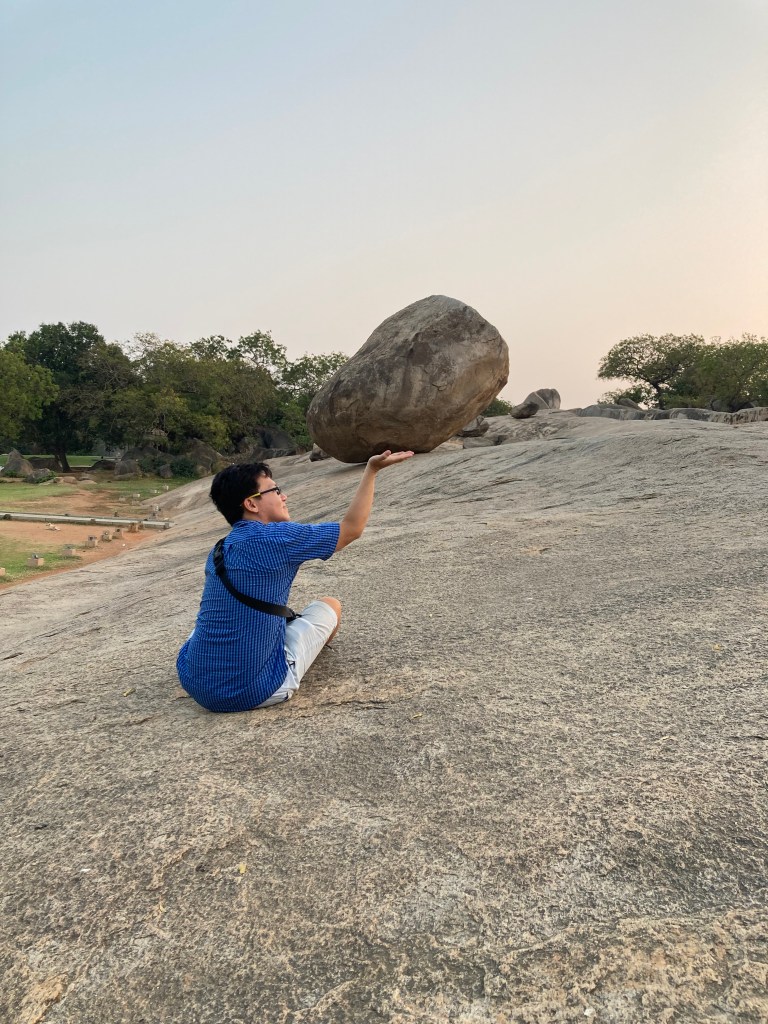
Krishna’s Butterball, also known as Vaan Irai Kal or Krishna’s Gigantic Butterball, is a massive granite boulder delicately balanced on a short incline in the historic coastal town of Mamallapuram, located in the Tamil Nadu state of India.
As a significant component of the Group of Monuments at Mamallapuram, recognized as a UNESCO World Heritage Site, it forms part of the rich cultural heritage left by the Pallava dynasty during the seventh and eighth centuries CE. Drawing numerous tourists locally, it stands as a captivating attraction.
Designated as a protected national monument by the Archaeological Survey of India, Krishna’s Butterball symbolizes both the architectural prowess of ancient civilizations and the marvels of nature’s geological formations.
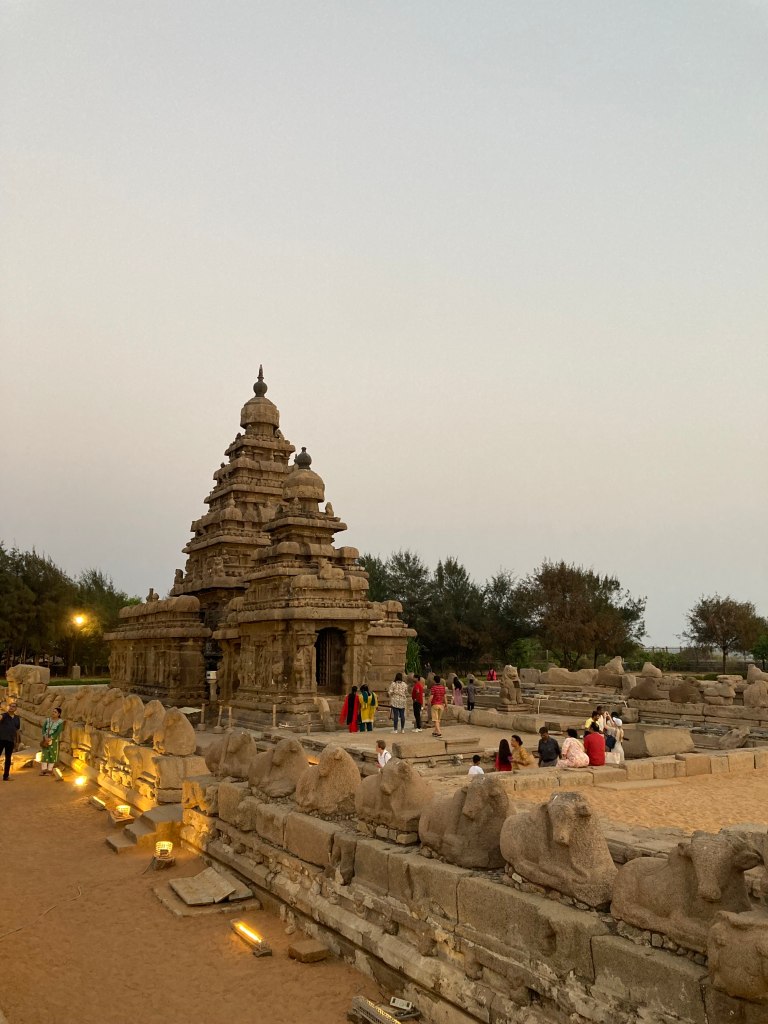
Mahabalipuram Shore Temple
The Shore Temple, dating back to around 725 AD, comprises a complex of temples and shrines overlooking the Bay of Bengal shore. Situated in Mahabalipuram, approximately 60 kilometers (37 miles) south of Chennai in Tamil Nadu, India, it stands as a testament to ancient craftsmanship. Constructed using granite blocks, this structural temple was erected during the rule of Narasimhavarman II of the Pallava dynasty when the area served as a bustling port.
Recognized as part of the Group of Monuments at Mahabalipuram, the Shore Temple attained UNESCO World Heritage status in 1984. Notably, it represents one of the earliest examples of structural stone temples in Southern India, distinguishing it from the prevalent rock-cut temples of the region.

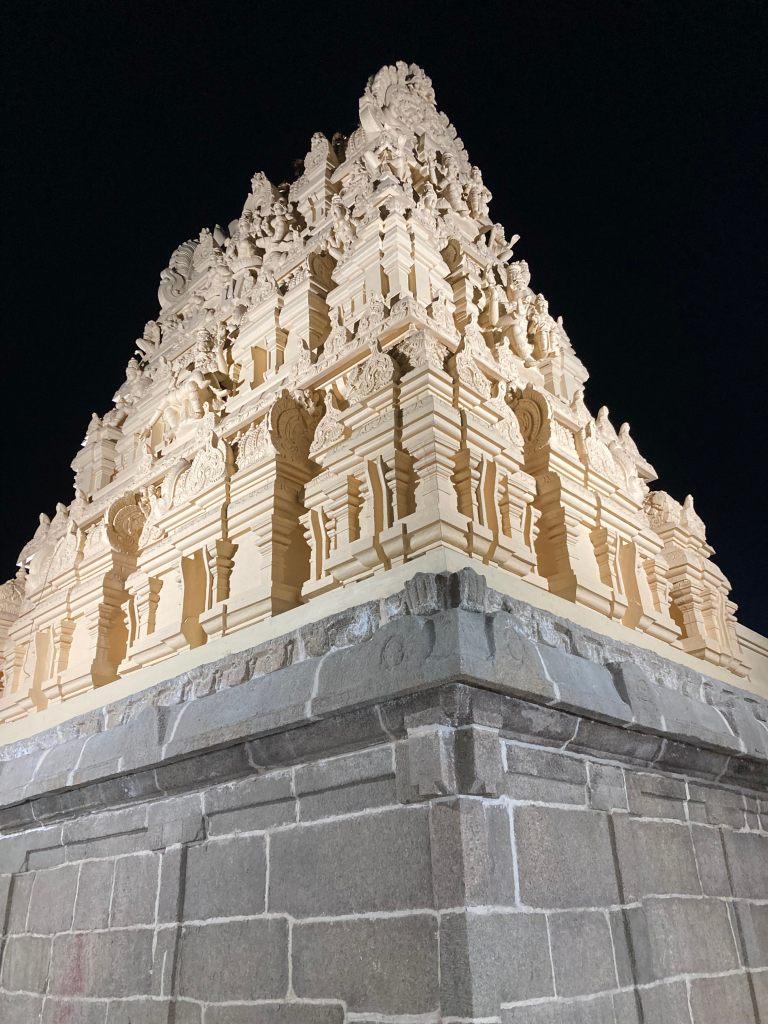
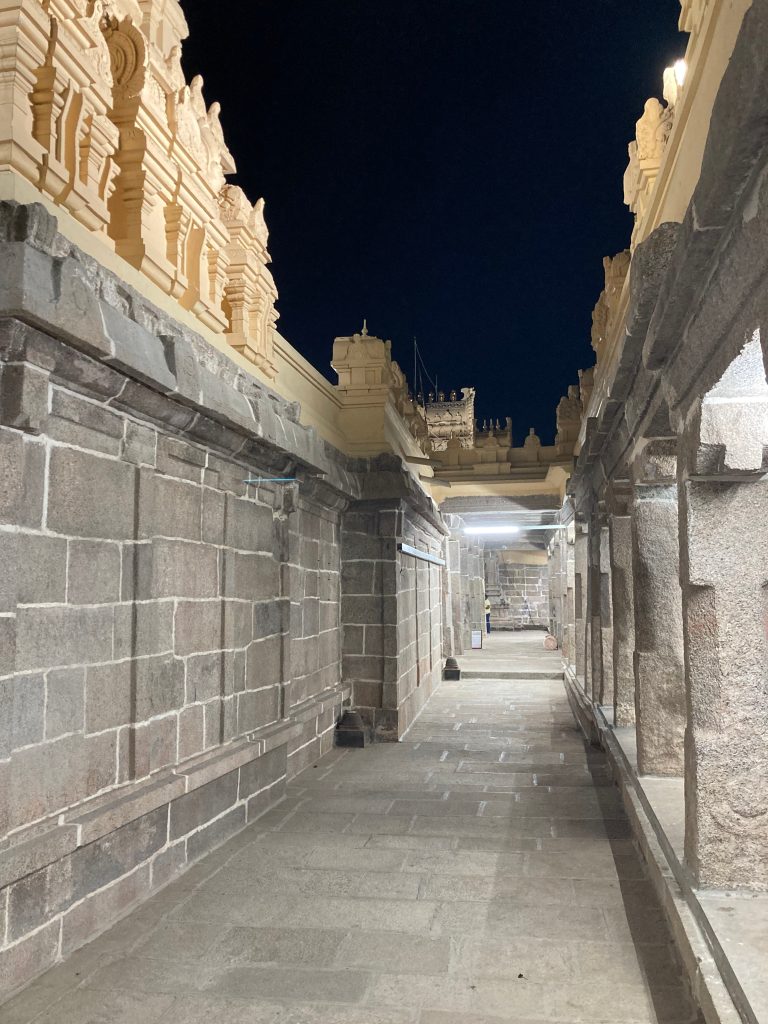
Arulmigu Sri Sthala Sayana Perumal Temple
The Sthalasayana Perumal Temple, located in Mahabalipuram, is built in the Dravidian style of architecture. This temple holds great significance as it is praised in the Naalayira Divya Prabandham, which is an early medieval Tamil canon composed by the Alvar saints between the 6th and 9th centuries CE.
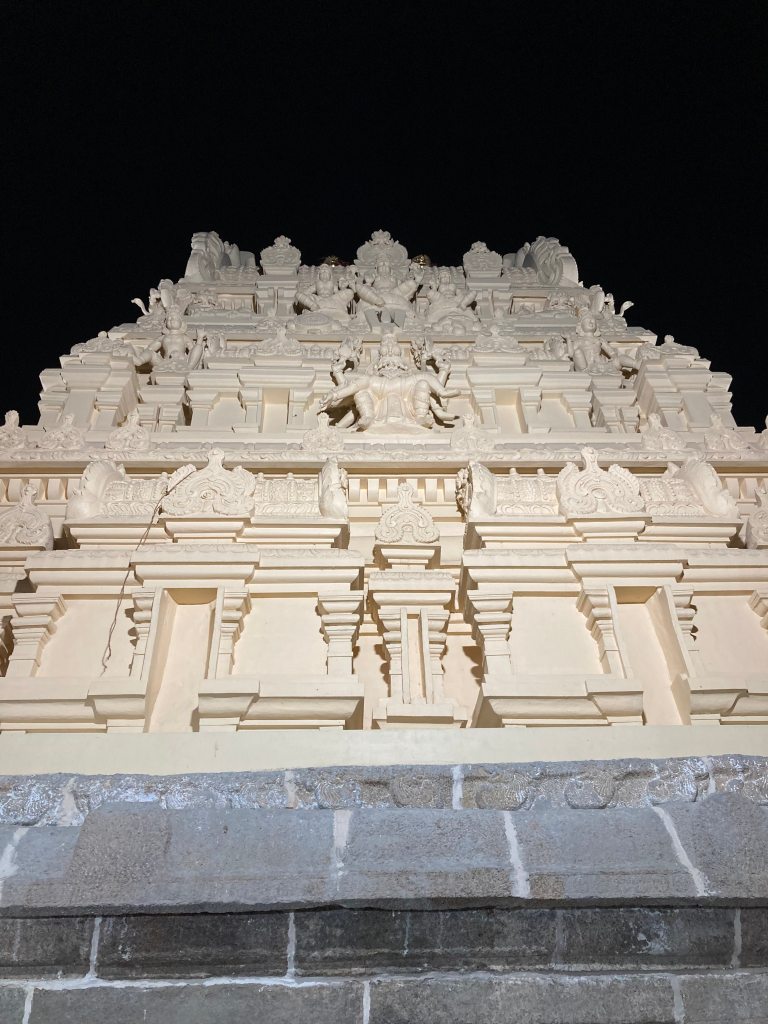
Mahabalipuram – Puducherry
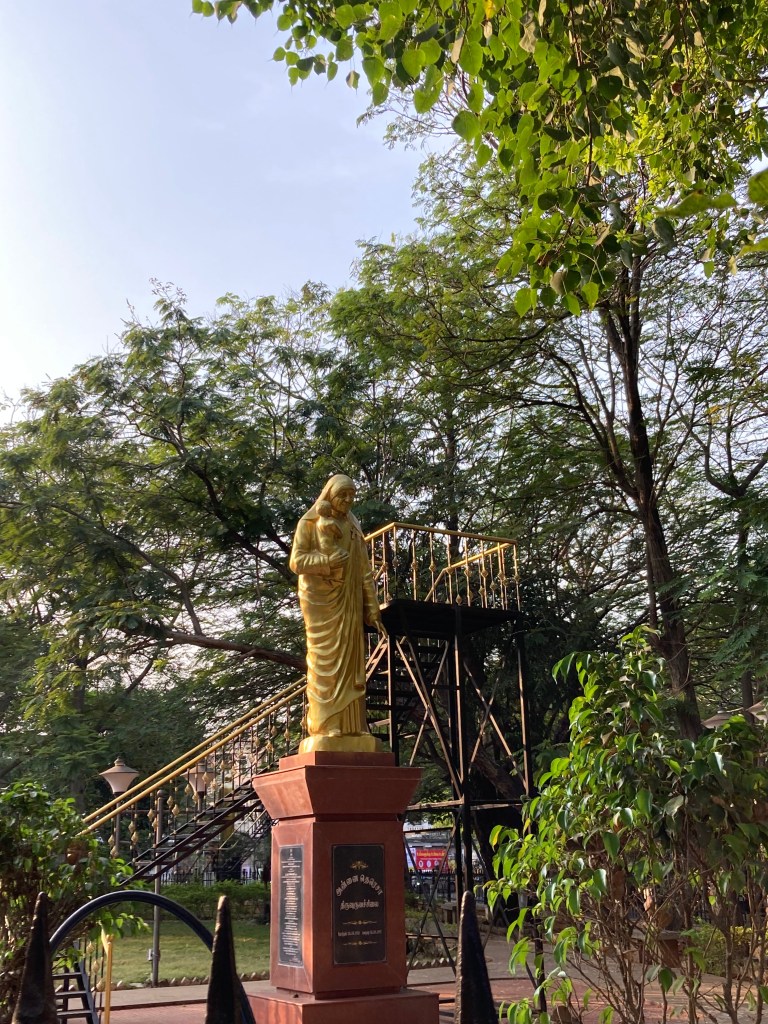
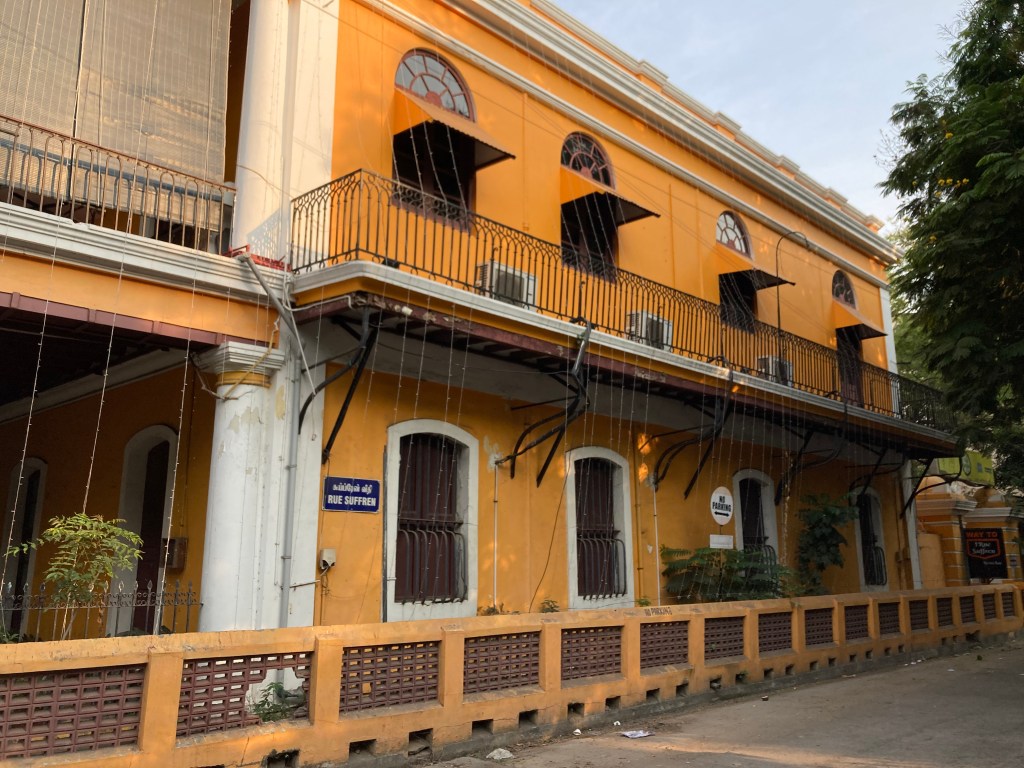
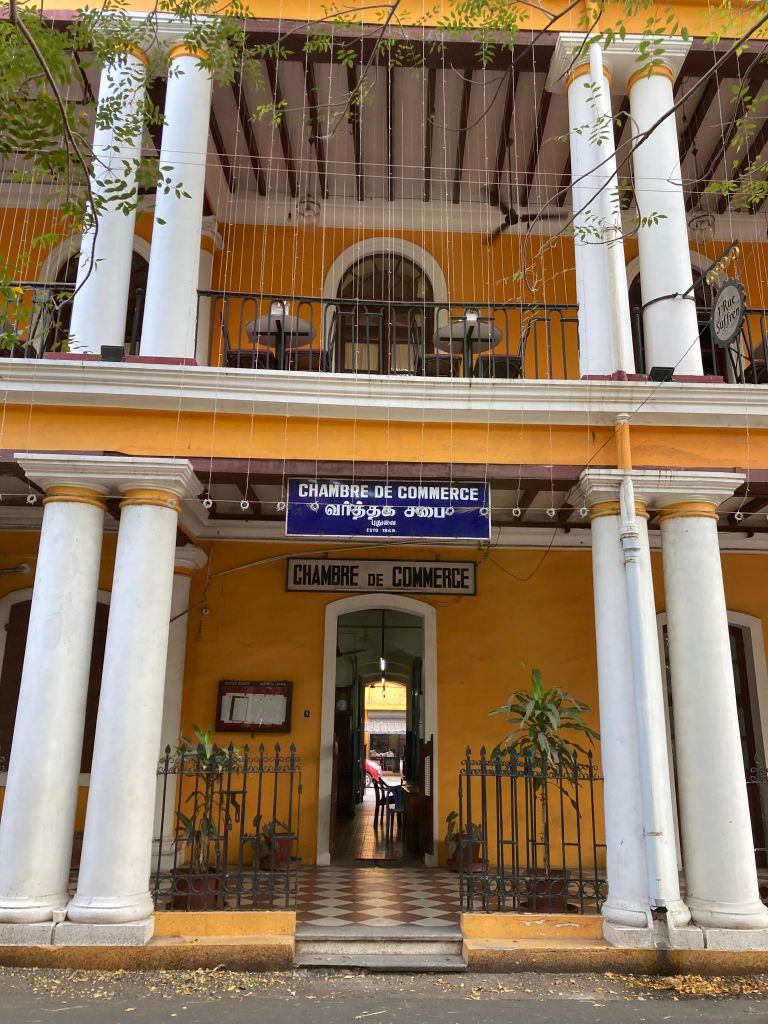
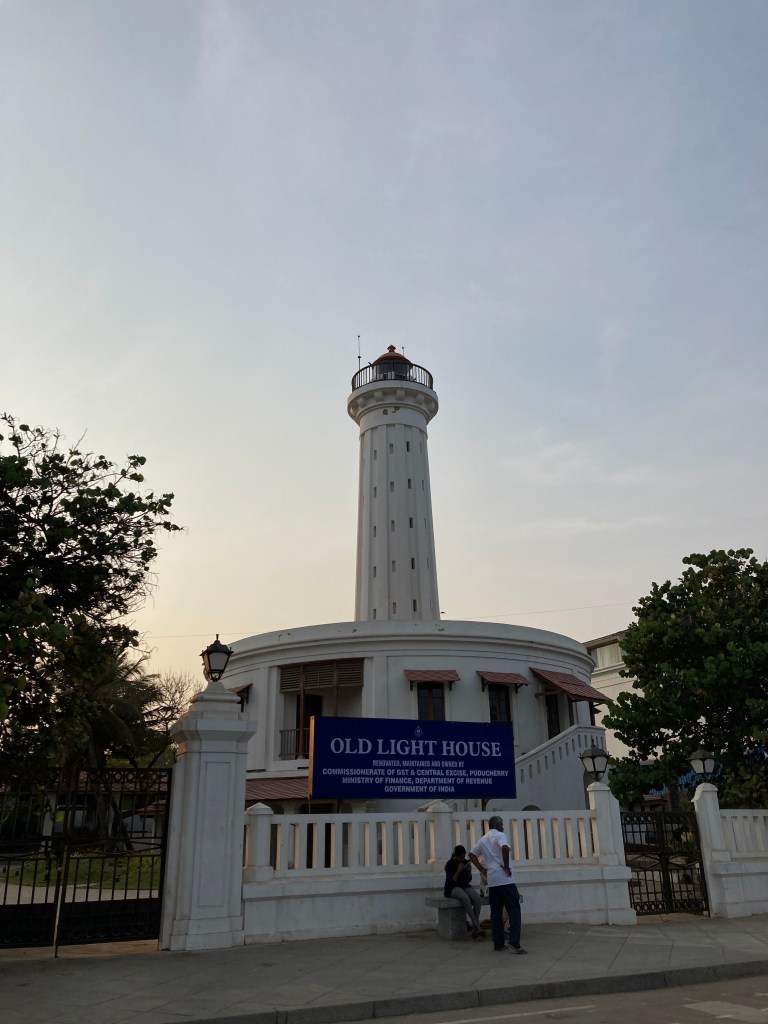
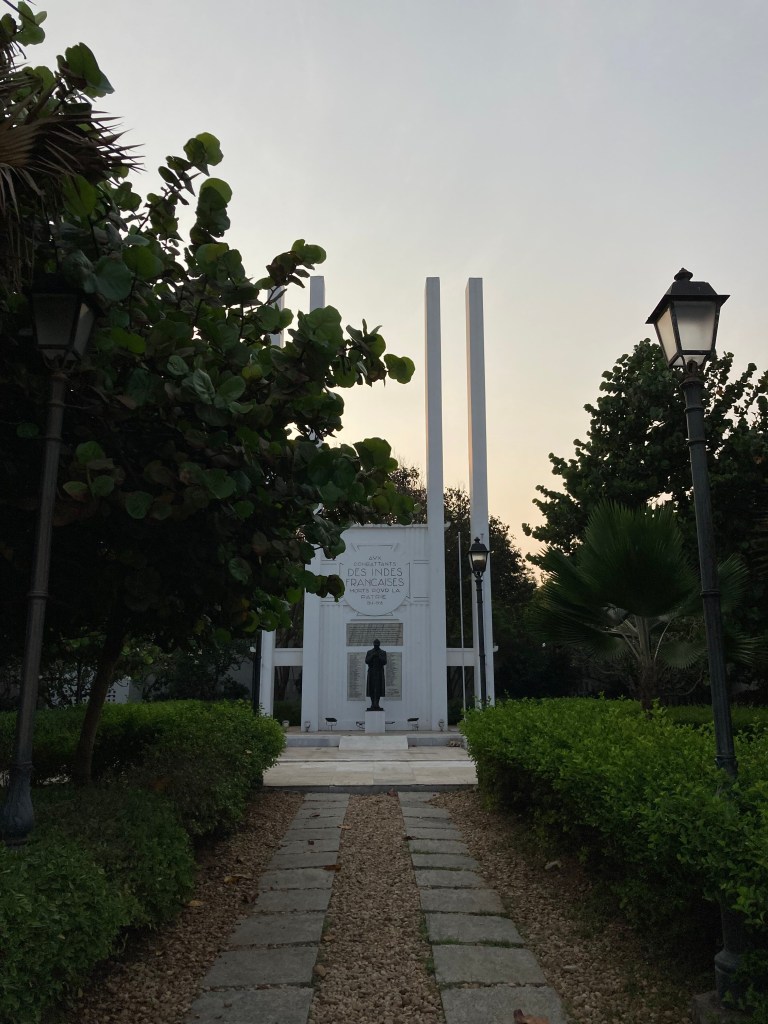
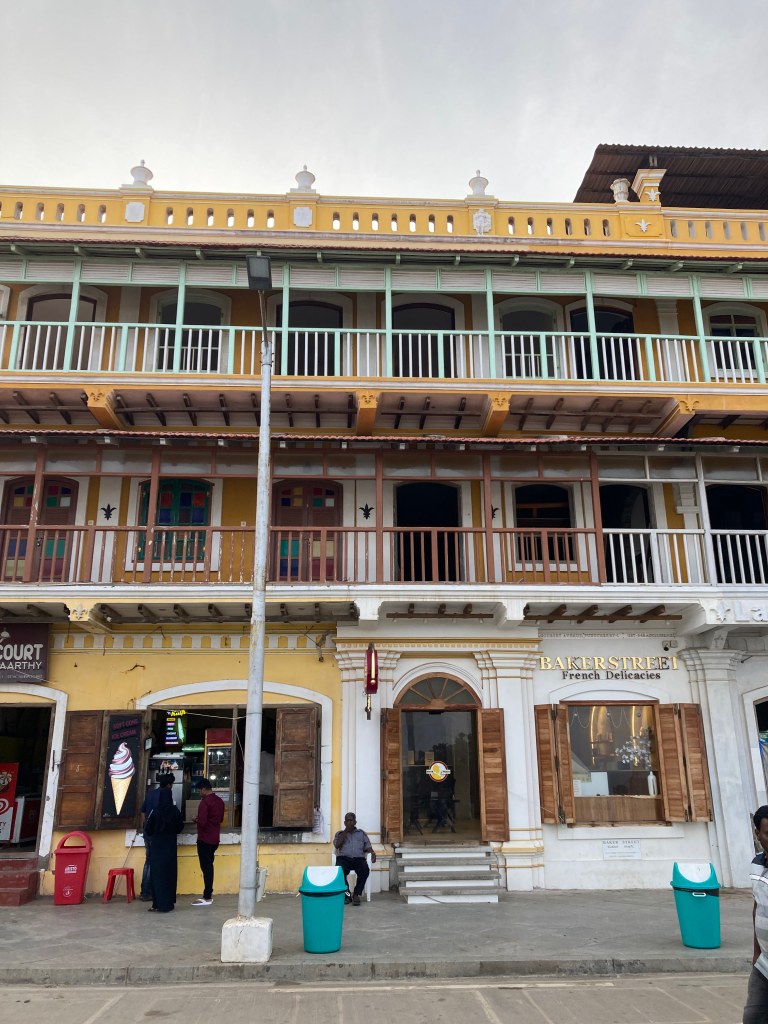
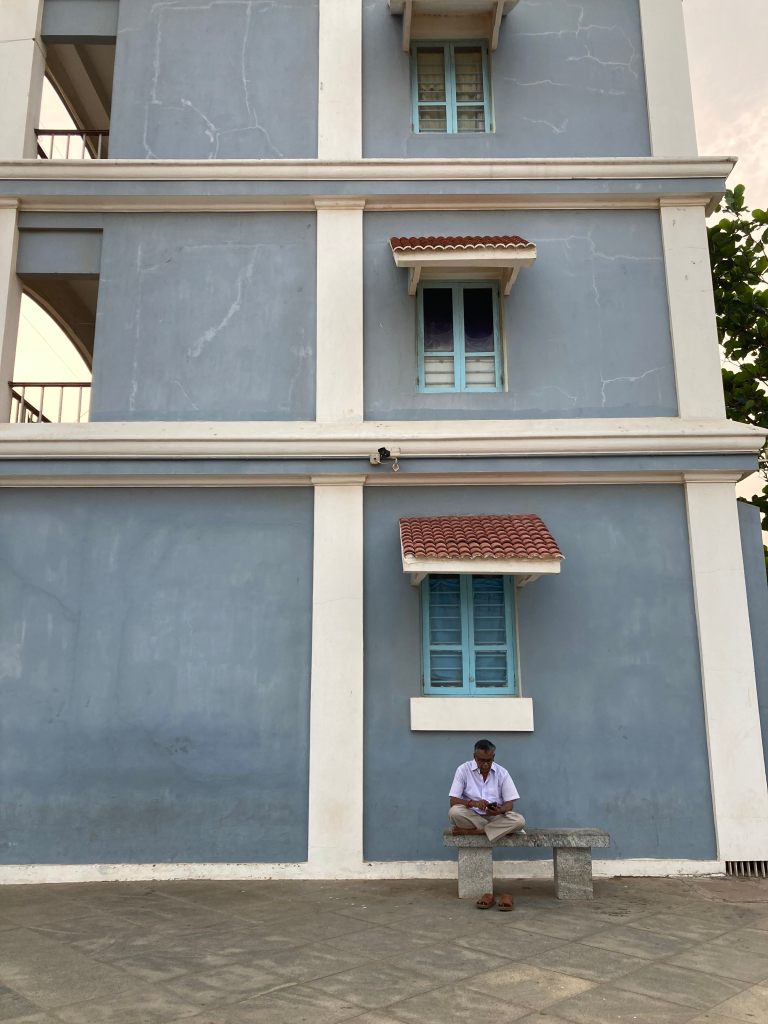
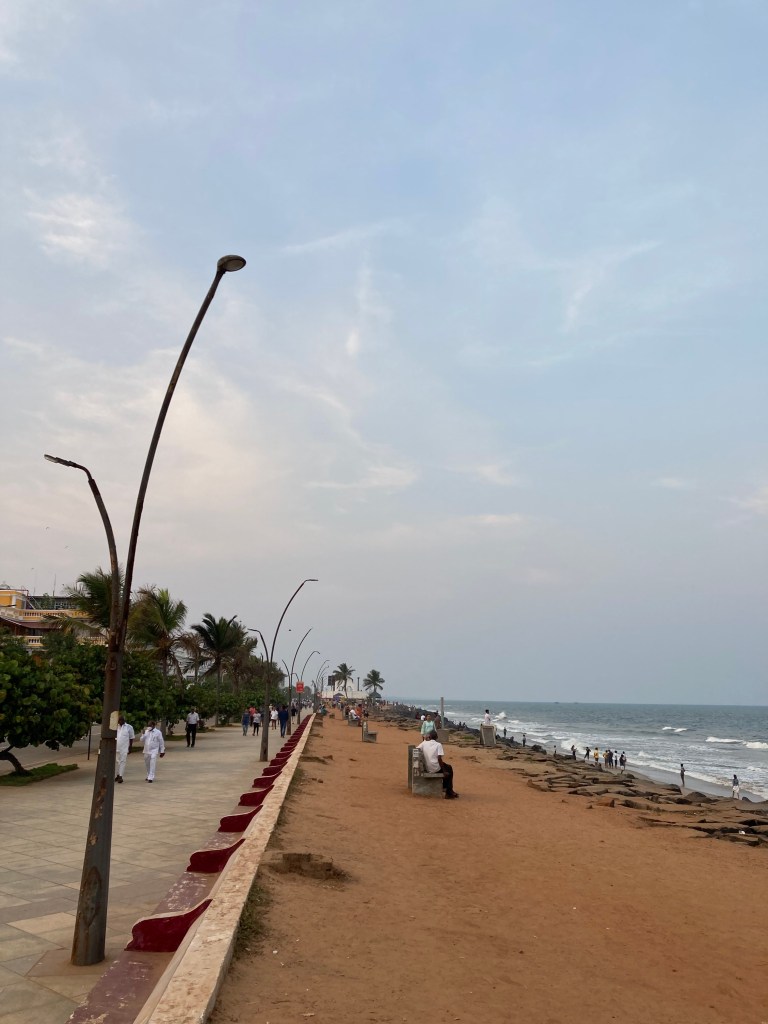
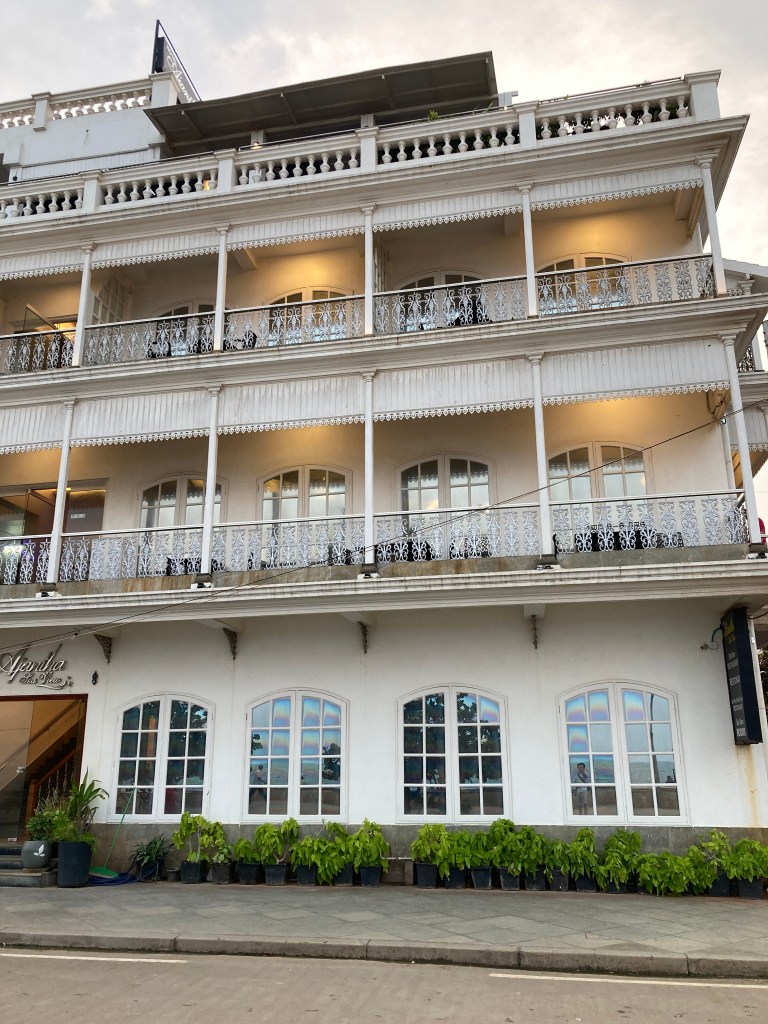
White Town, Puducherry
The charming White Town is renowned for its French colonial-era villas that adorn its leafy streets. From quaint cafes to sophisticated courtyard restaurants, a variety of eateries offer French, Indian, and Franco-Tamil cuisine. Along the cobbled lanes, you’ll find small craft shops adding to the area’s allure. The beachfront promenade is a favored spot for evening walks. Religious landmarks include the Sri Aurobindo Ashram meditation center and the intricately decorated Arulmigu Manakula Vinayagar Temple.




Puducherry – Auroville
Auroville
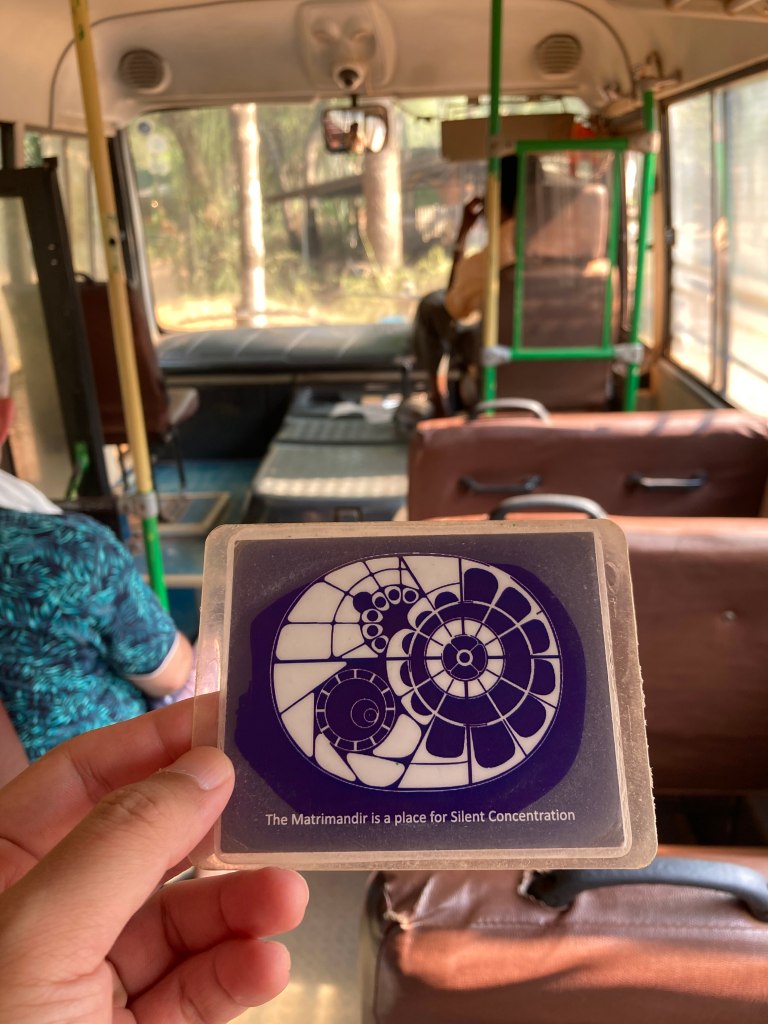
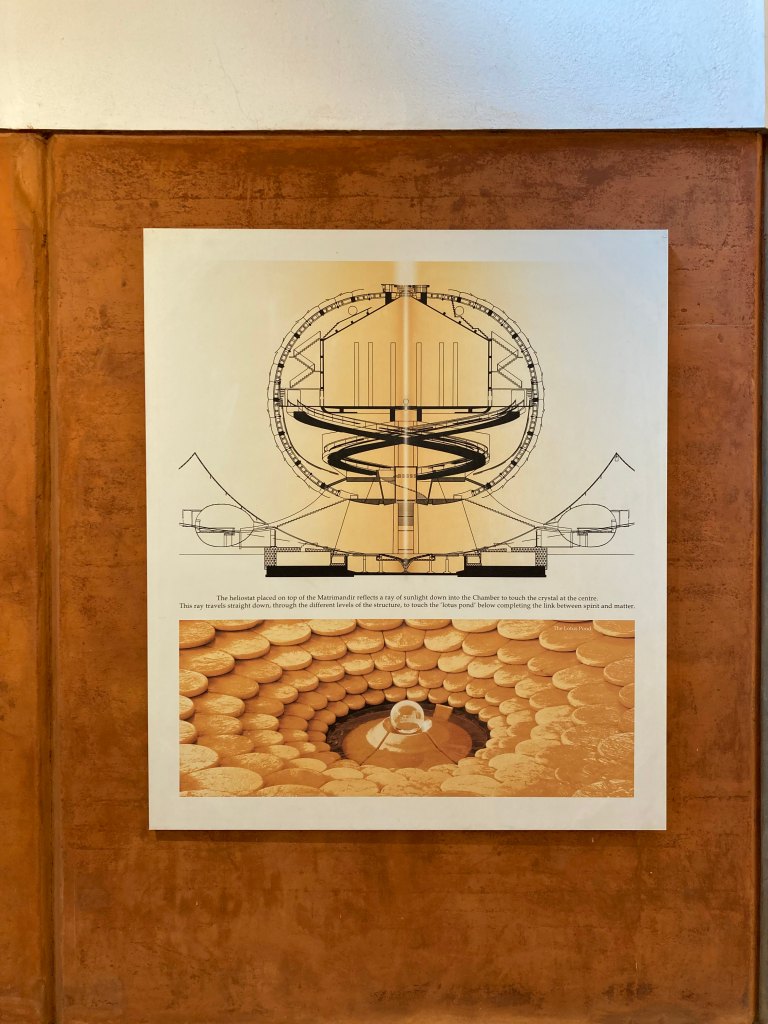
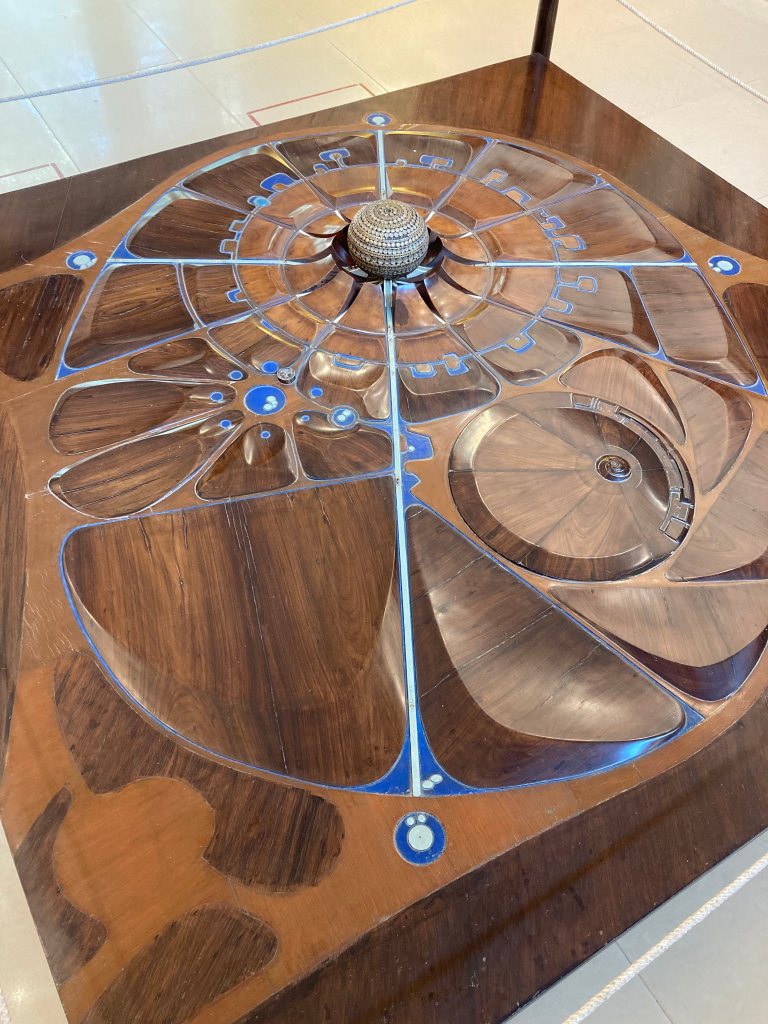
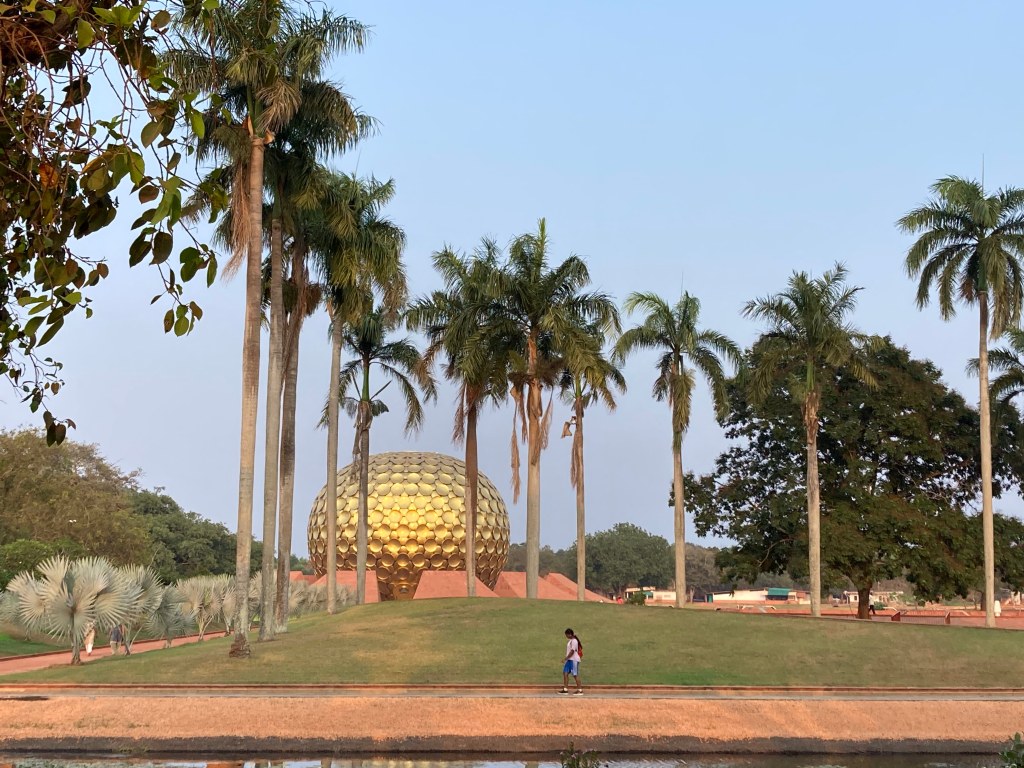
Auroville, known as “The City of Dawn,” is designed to accommodate 50,000 residents from diverse backgrounds worldwide. At its heart lies the Matrimandir, often described as the “soul of the city,” serving as a space for individual silent contemplation. The Matrimandir is situated within an oval-shaped Peace Area encircled by a tranquil lake. Extending outward from the lake are four distinct Zones: Industrial (to the north), Cultural (to the northeast), Residential (to the south/southwest), and International (to the west), each emphasizing a vital aspect of the town’s life. Surrounding the township is a lush Green Belt comprising forested areas, farms, and sanctuaries, contributing to Auroville’s harmonious blend of nature and community living.
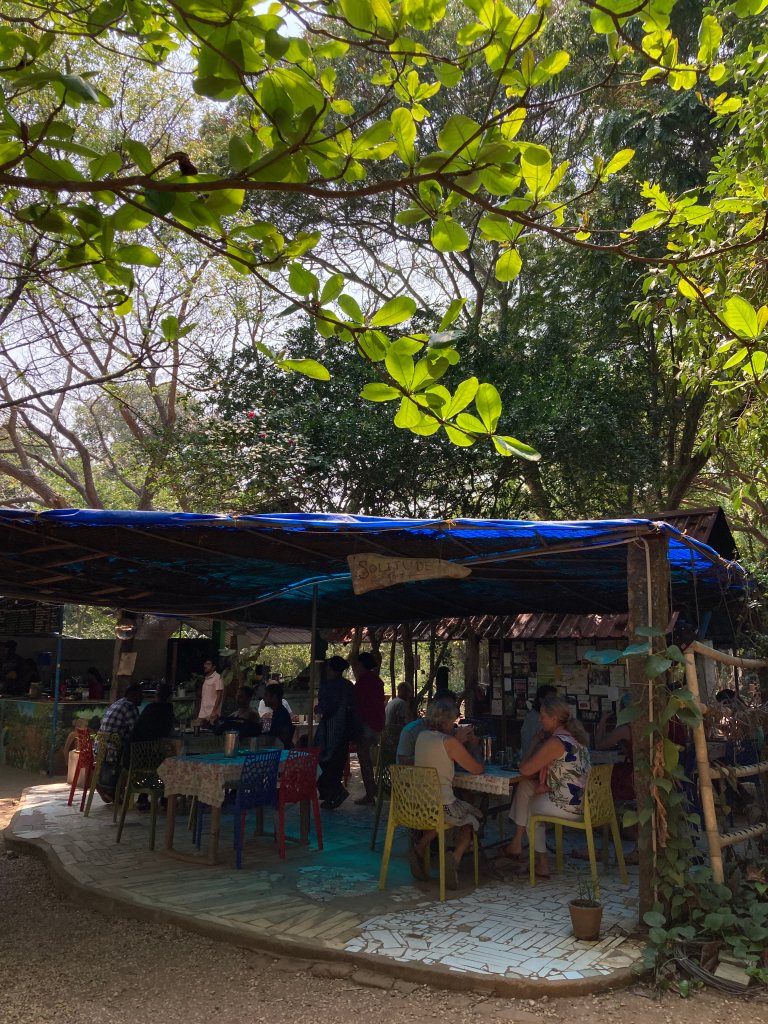
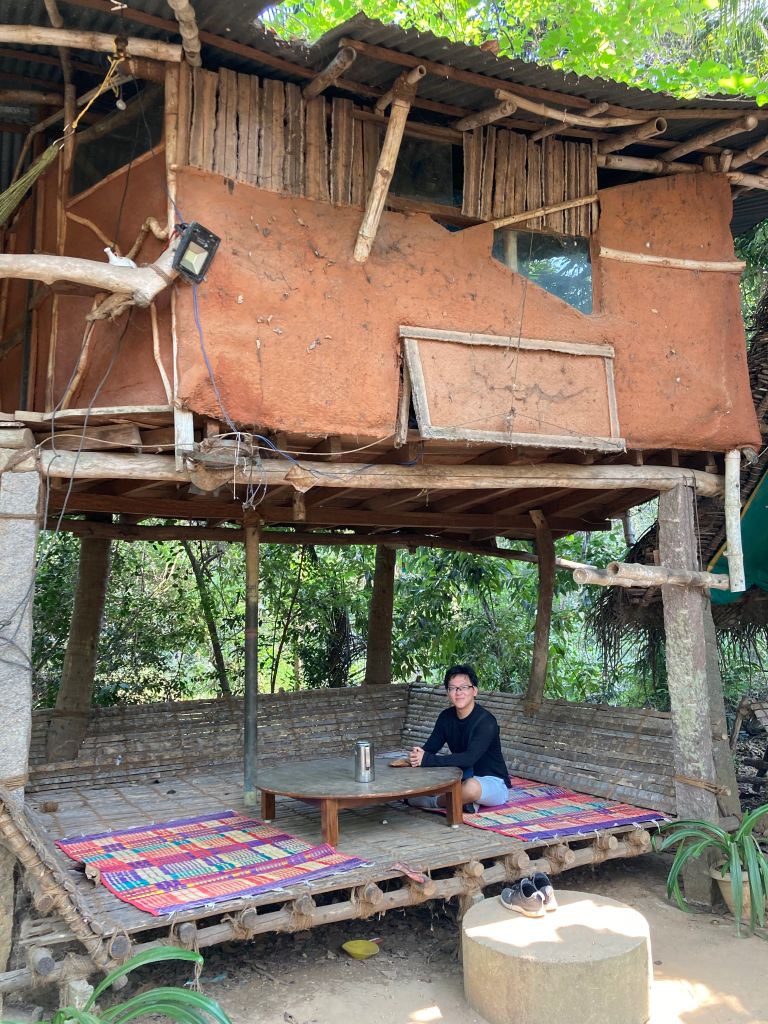
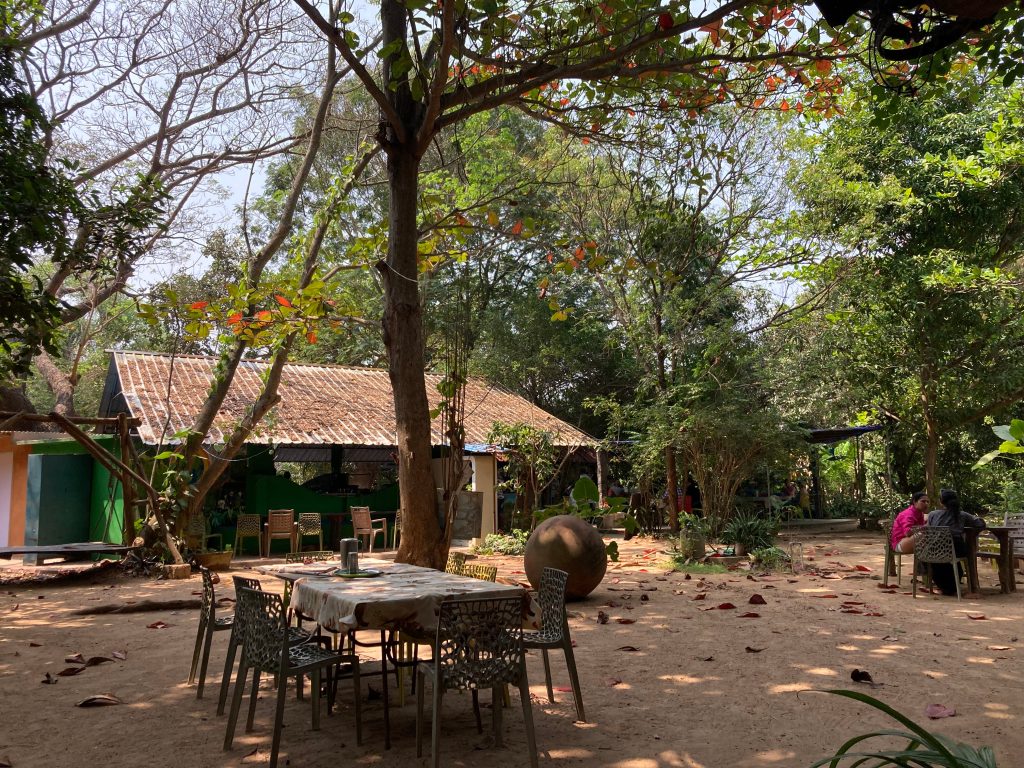
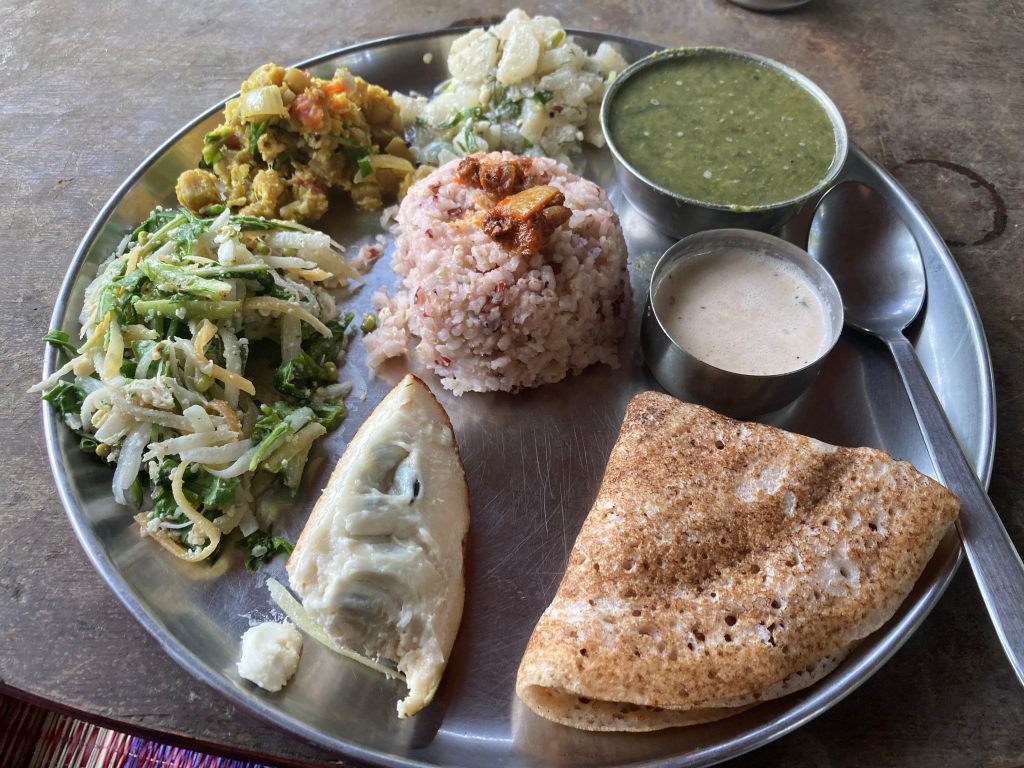
Solitube Farm Cafe
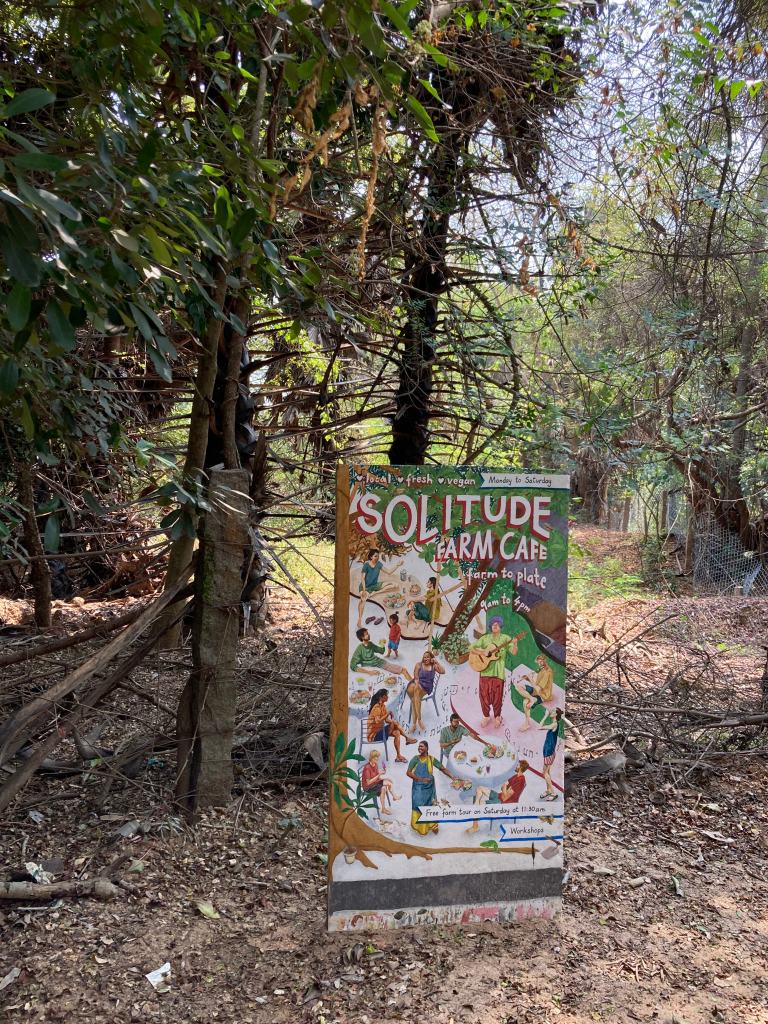
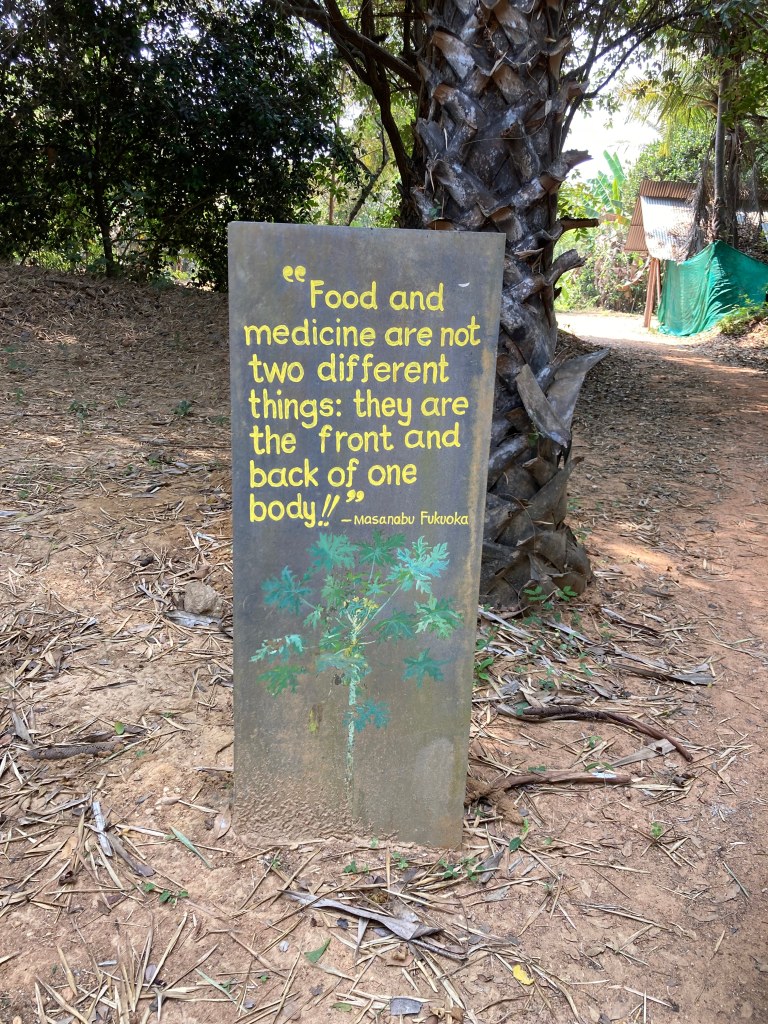
Krishna’s dream of meeting his guru was fulfilled in 2002 when Fukuoka revisited India after a long absence. Like the rest of Auroville, the once barren land where the farm now thrives required nurturing and attention. Fukuoka advocated for the constant return of all bio-resources, such as leaves, weeds, and branches, to the soil to enhance its fertility. Embracing this philosophy as the foundation of their work, the farm abstained from using pesticides or fertilizers. Over time, it transitioned to 100% non-tillage, gradually phasing out machines and tractors.
Today, the farm boasts an extensive variety of fruits including papaya, banana, sapotas, guavas, breadfruit, mangoes, and ramphal. It also cultivates various vegetables such as okra, sword beans, corn, plantain, radish, and brinjal. Additionally, edible weeds like balloon vine, climbing pea brinjal, and turkey berry thrive alongside flowers like butterfly pea, hibiscus, and portulaca. The farm also grows grains such as foxtail millets, varagu, barnyard millets, finger millet, and red rice, among others.
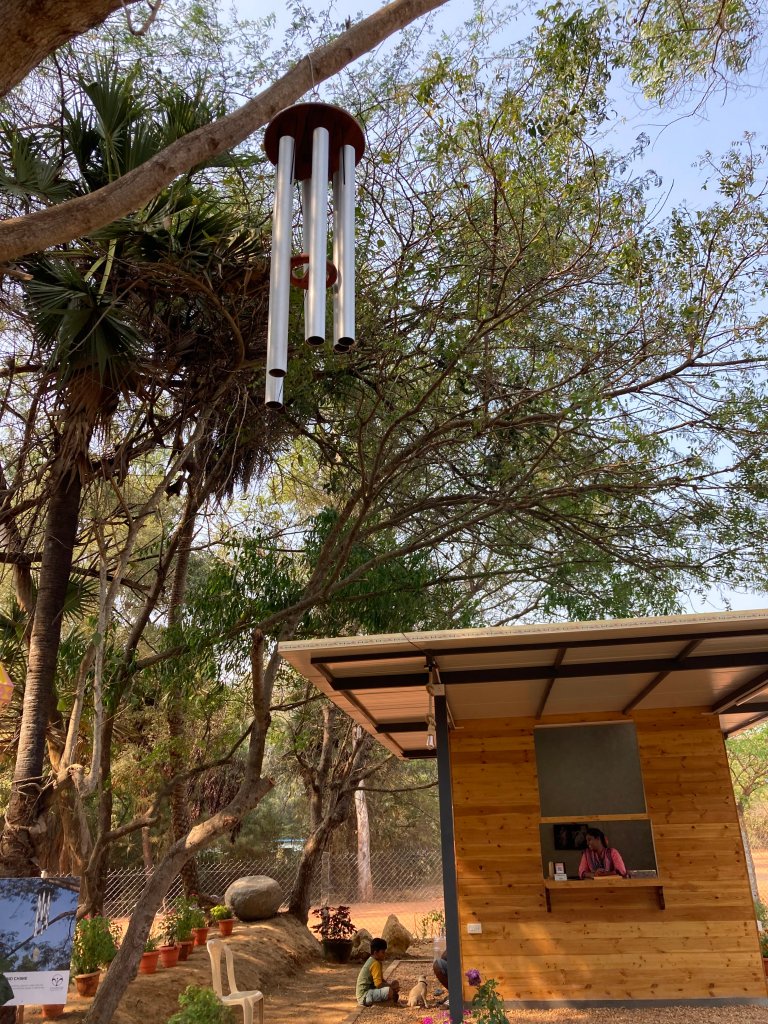
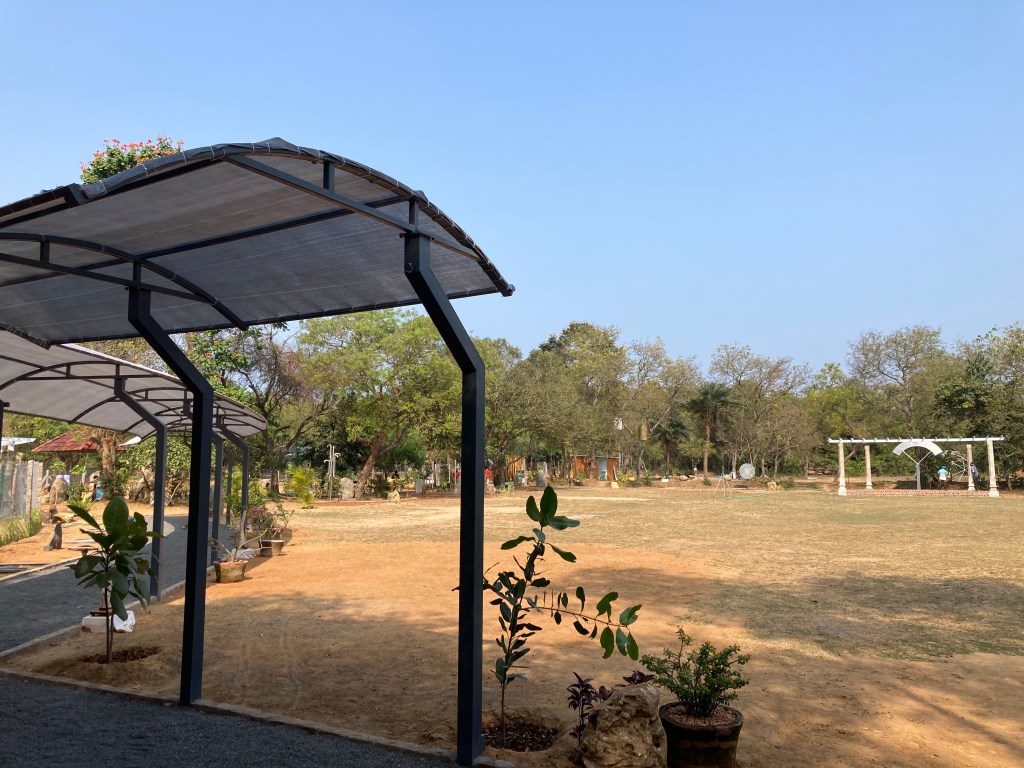
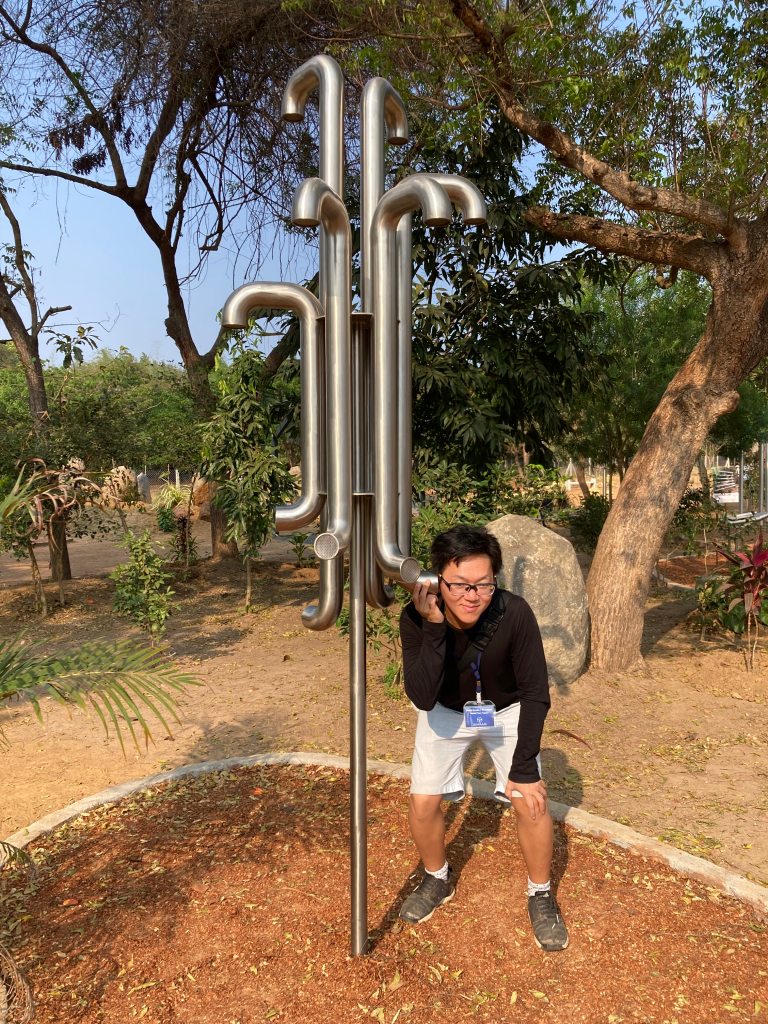
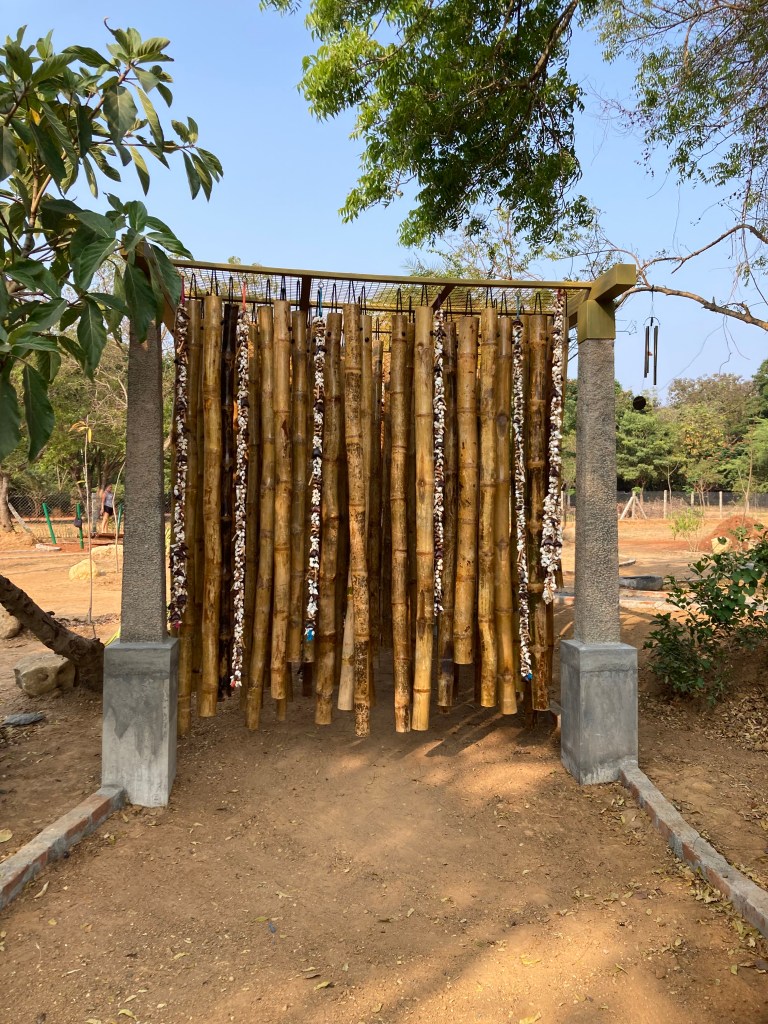
SVARAM Experience – Sound Garden
We combine the rich traditions of Indian music and craftsmanship with international academic expertise in musicology, sound studies, and research. Our approach also integrates contemporary design and innovation with the forward-thinking spiritual-material vision of Auroville, the City of Dawn, and its ongoing experiment in fostering human unity amidst diversity.
Auroville – Madurai
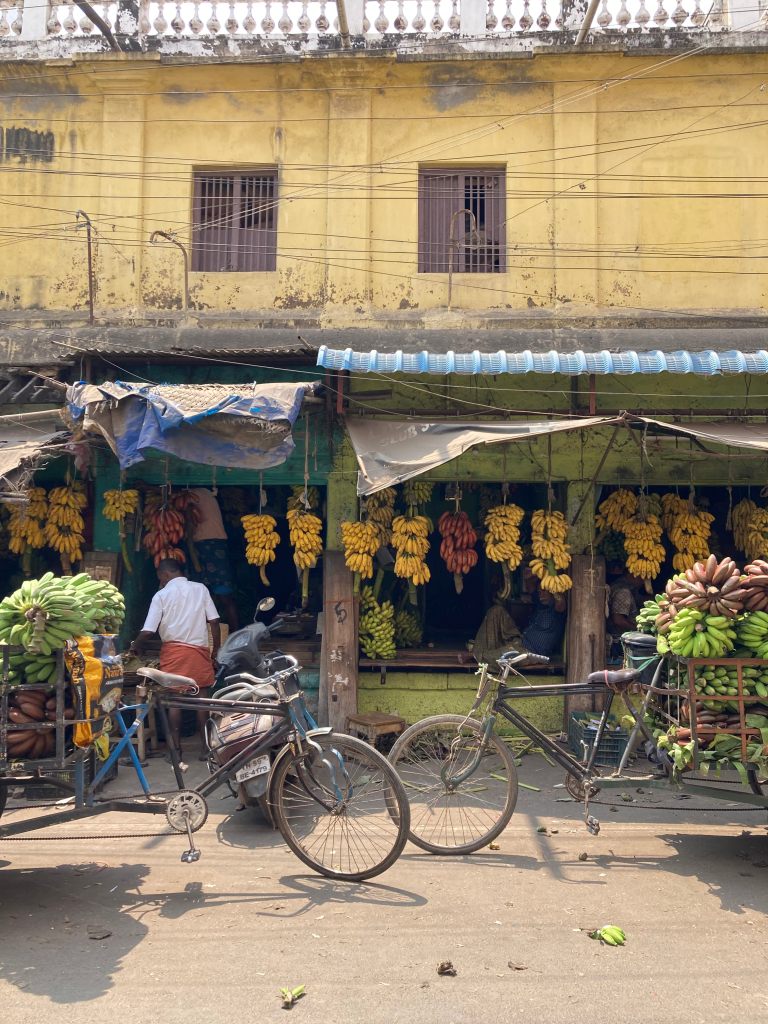
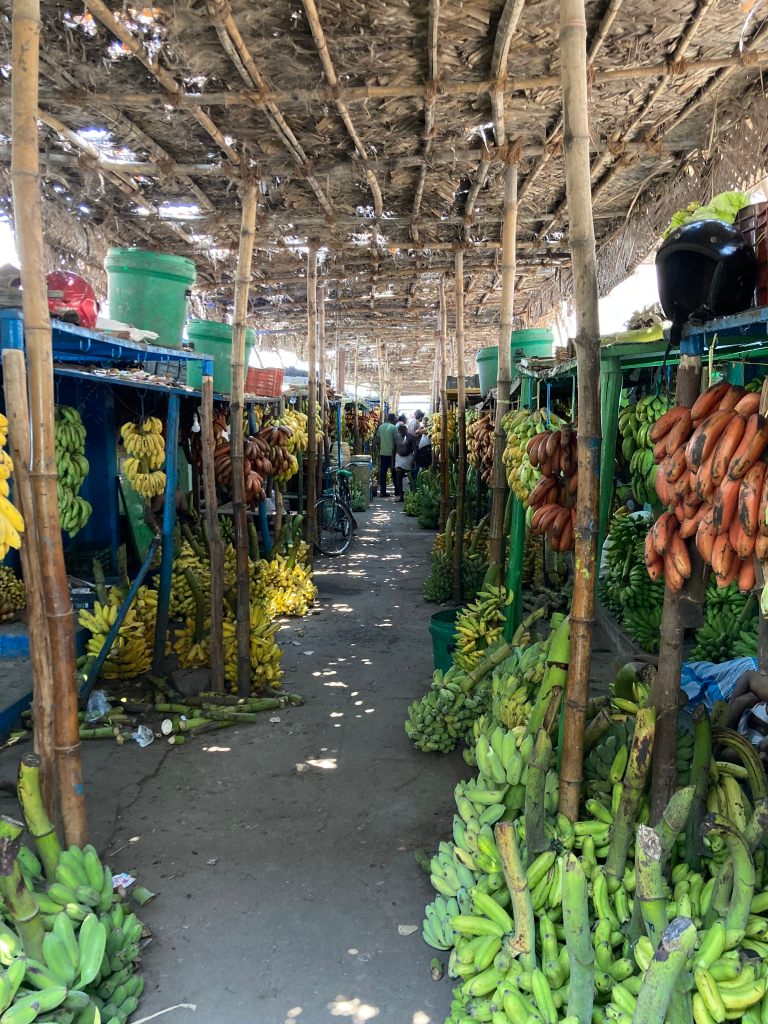
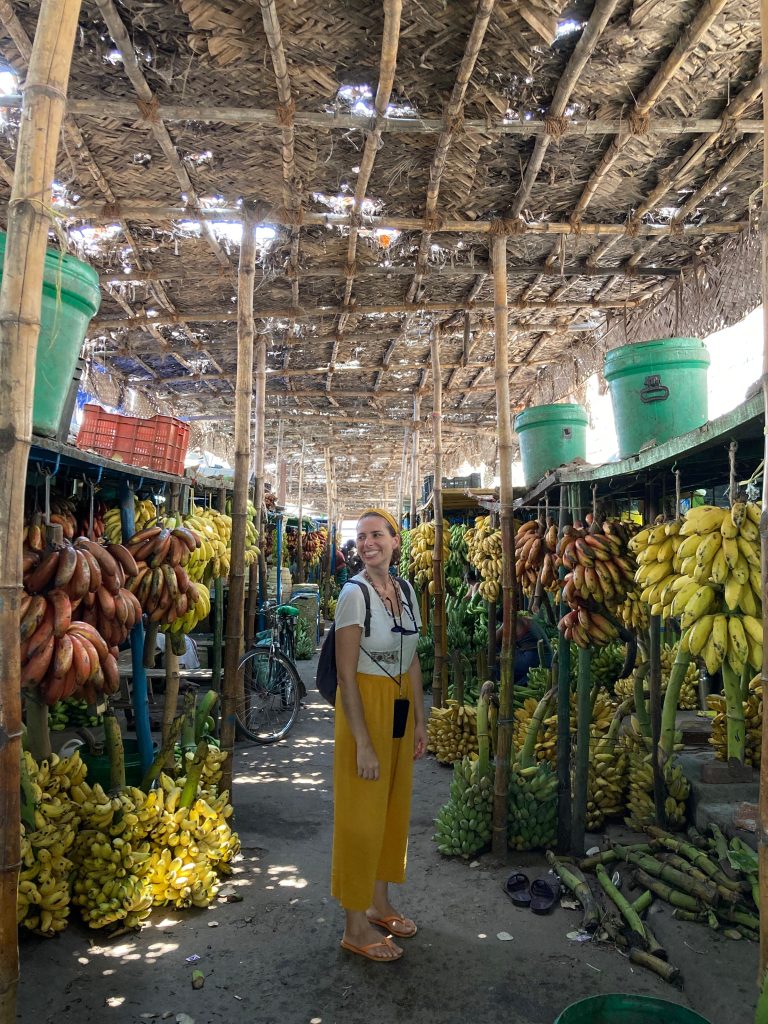
Wholesale Banana Market, Madurai
A quintessential local experience, the trading at the banana market begins early in the morning, offering a glimpse into the bustling activity. With an impressive array of 16 banana varieties available, the market presents a remarkable sight. For the optimal visual and gustatory experience, it’s recommended to visit when the market opens at 6 AM. While there, be sure to sample the various banana types and savor the opportunity to try something different!

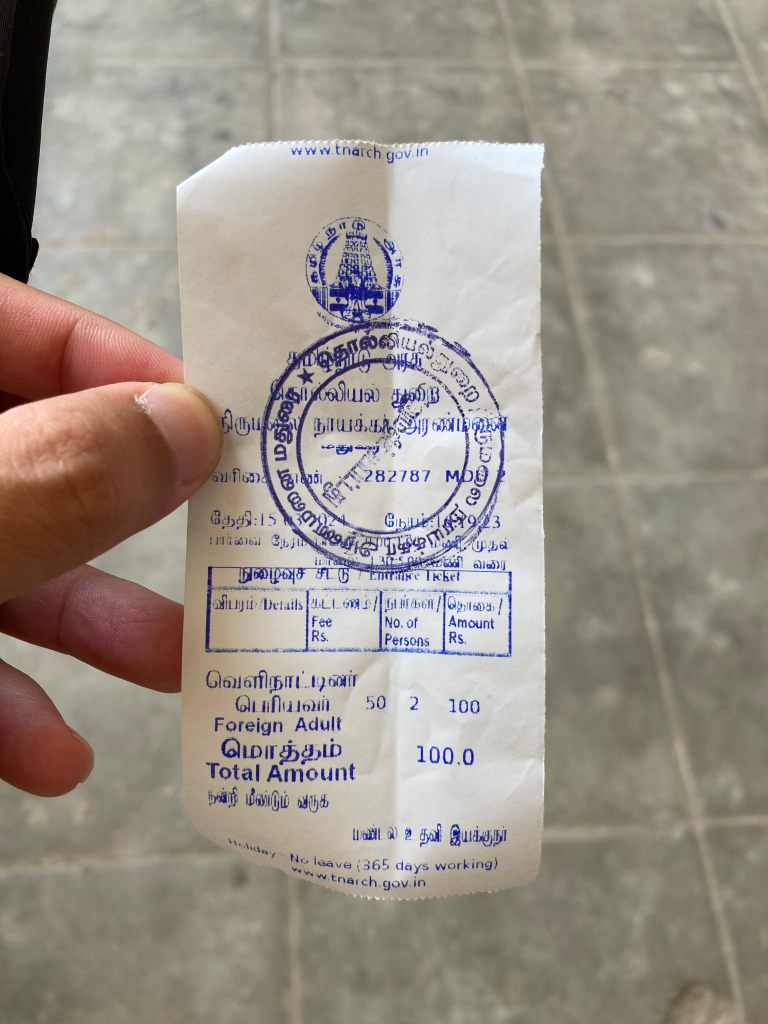
Thirumalai Nayakkar Palace
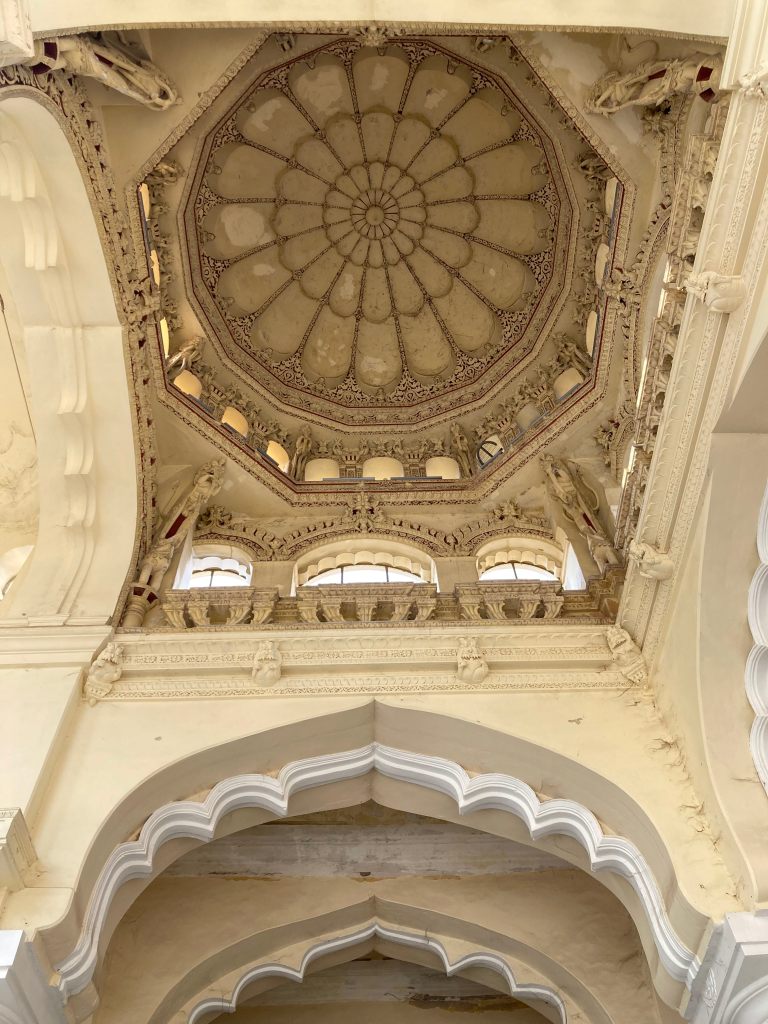
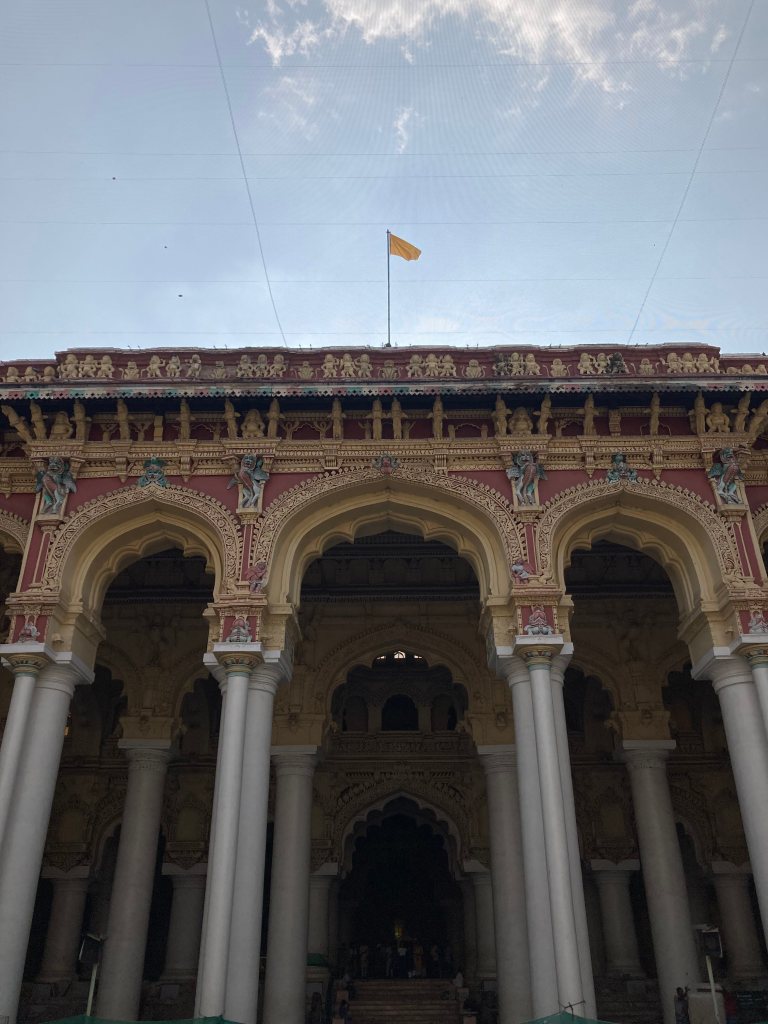
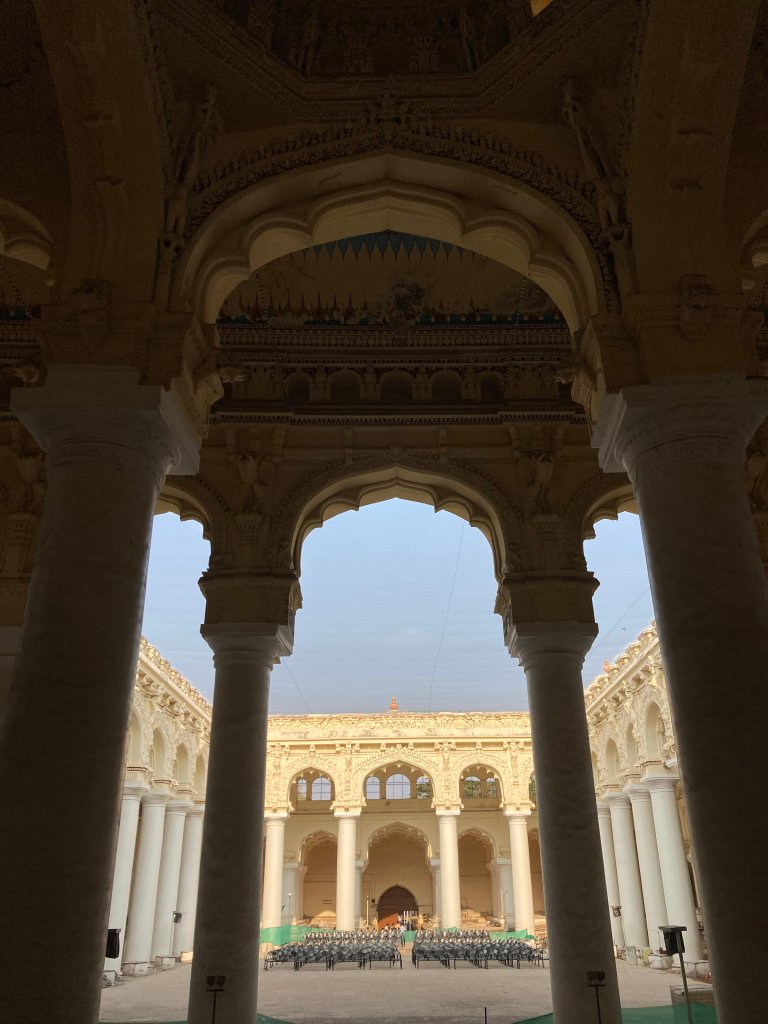
Thirumalai Nayak Palace, blending Dravidian and Islamic architectural styles, offers a captivating experience for visitors exploring Madurai. Constructed in 1635 by King Thirumalai Nayak with a vision of creating a royal masterpiece, the palace was designed as the king’s residence by an Italian architect. History enthusiasts and architectural aficionados will find this palace a must-visit, marveling at its intricate craftsmanship from bygone eras.
Enhancing the visit, the palace hosts sound and light shows every evening, adding an extra layer of excitement to your trip. Now safeguarded by the Tamil Nadu Archaeological Department, the palace attained national monument status shortly after India’s independence.
VISHAAL DE MAL
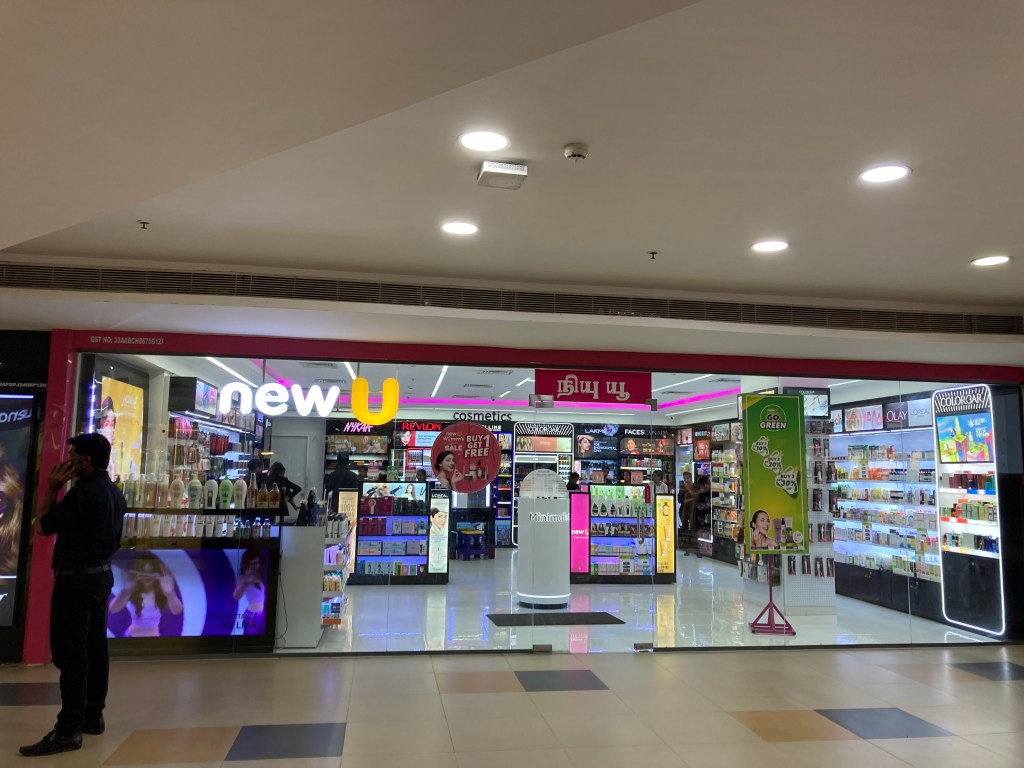
Vishaal De Mal, opened in March 2012, is a highly sought-after destination for family shopping and leisure. Situated strategically in the heart of Madurai, this 300,000 square feet mall offers a wide array of shopping, dining, and entertainment options. Its prime location near famous tourist attractions like the Sri Meenakshi Temple, Thirumalai Nayaikar Mahal, Thapakulum Mariyamman Temple, and Gandhi Museum makes it a popular spot for tourists.
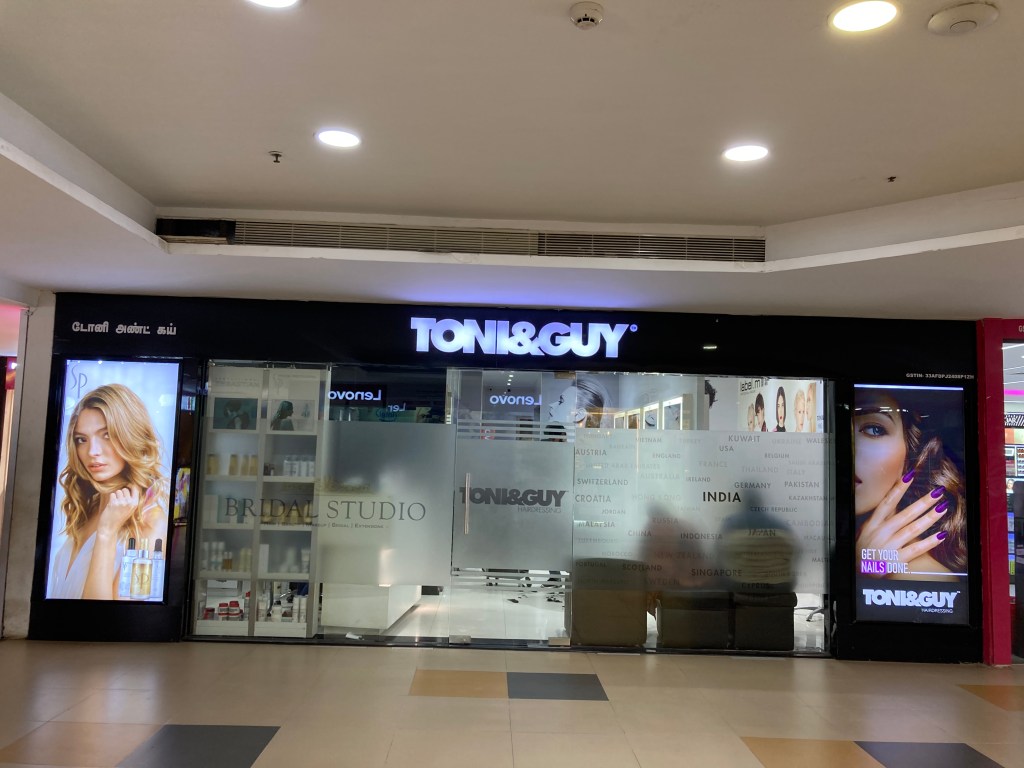
The mall boasts prominent flagship stores including Lifestyle Max, Reliance Trends, Reliance Digital, Reliance Footprint, Payless, Chennai Mobiles, and Malabar Gold. Additionally, it features a diverse selection of international and Indian brands such as UCB, Woodlands, Toni & Guy, Samsung, and Archie’s, offering a blend of fashion, lifestyle, electronics, sports, and home products.
For family leisure, Vishaal De Mal offers attractions like SMAAASH and a 7D Theatre, providing indoor entertainment for children. It also houses a 5-screen multiplex cinema by INOX, ensuring a comfortable visual experience for moviegoers.
The fourth floor hosts a food court with various multi-cuisine kitchens, featuring food counters from Marry Brown, Pizza Express, Noodle King, Scoop Shop, Sri Dindigul Velu Biriyani, Café Ecstasy, and more.
With an average footfall of over 25,000 on weekends and 10,000 on weekdays, Vishaal De Mal is undoubtedly a favorite among the people. Since its inception in March 2012, it has delighted and entertained over 15 million satisfied guests.

Madurai – Alappuzha
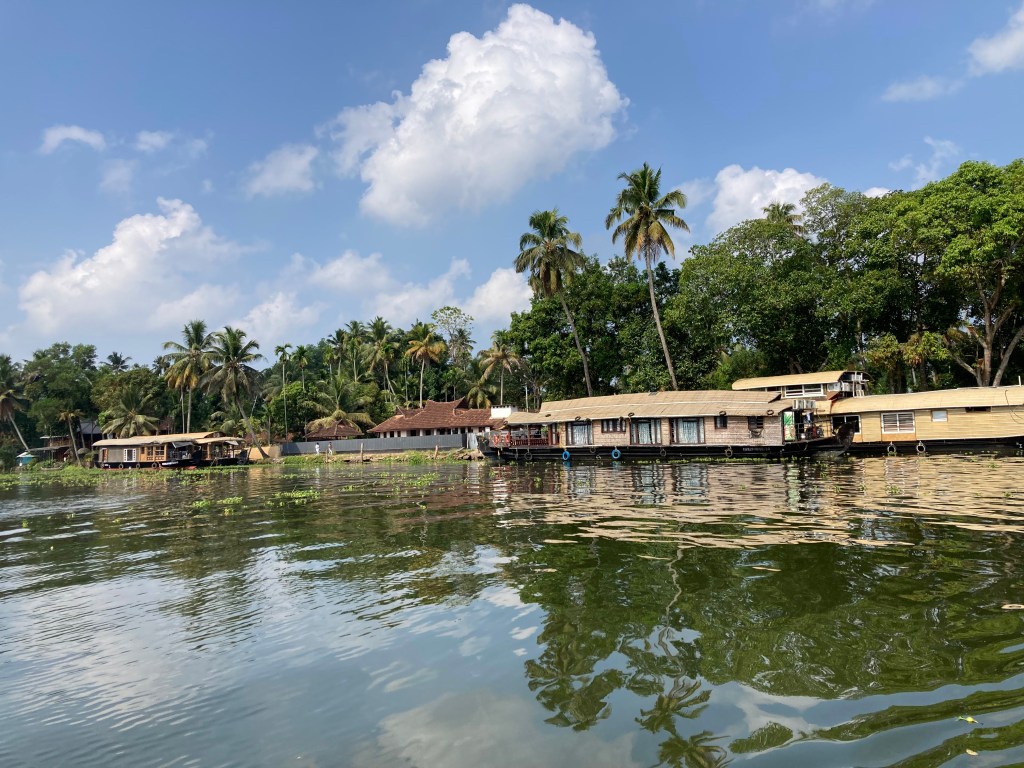
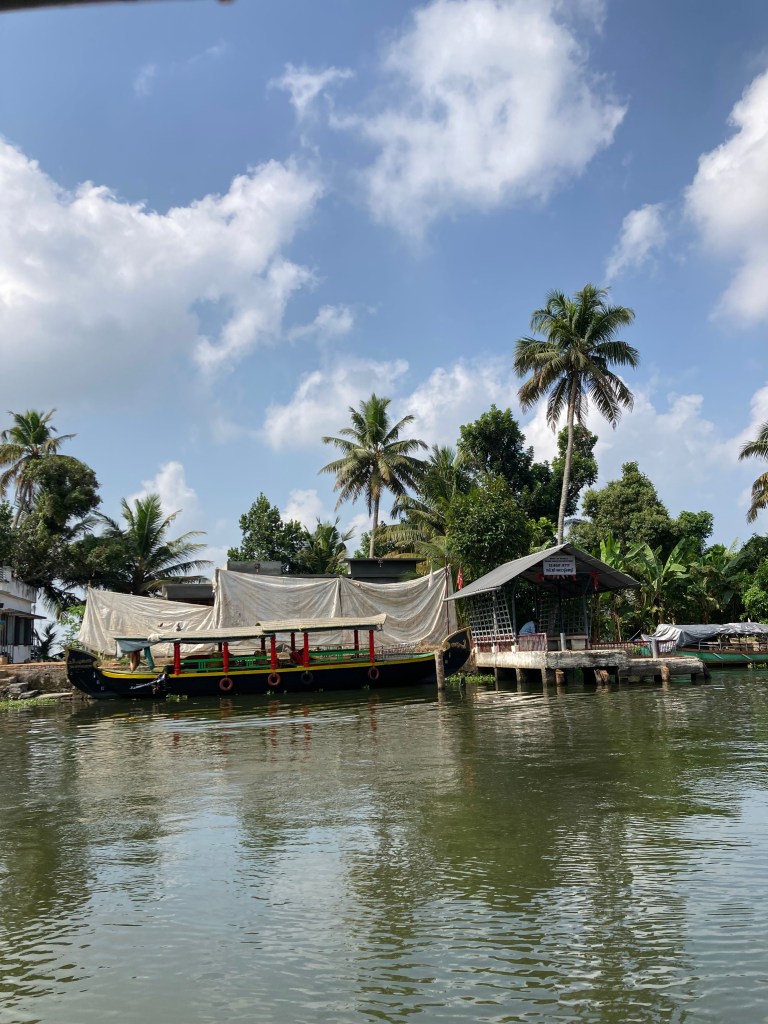
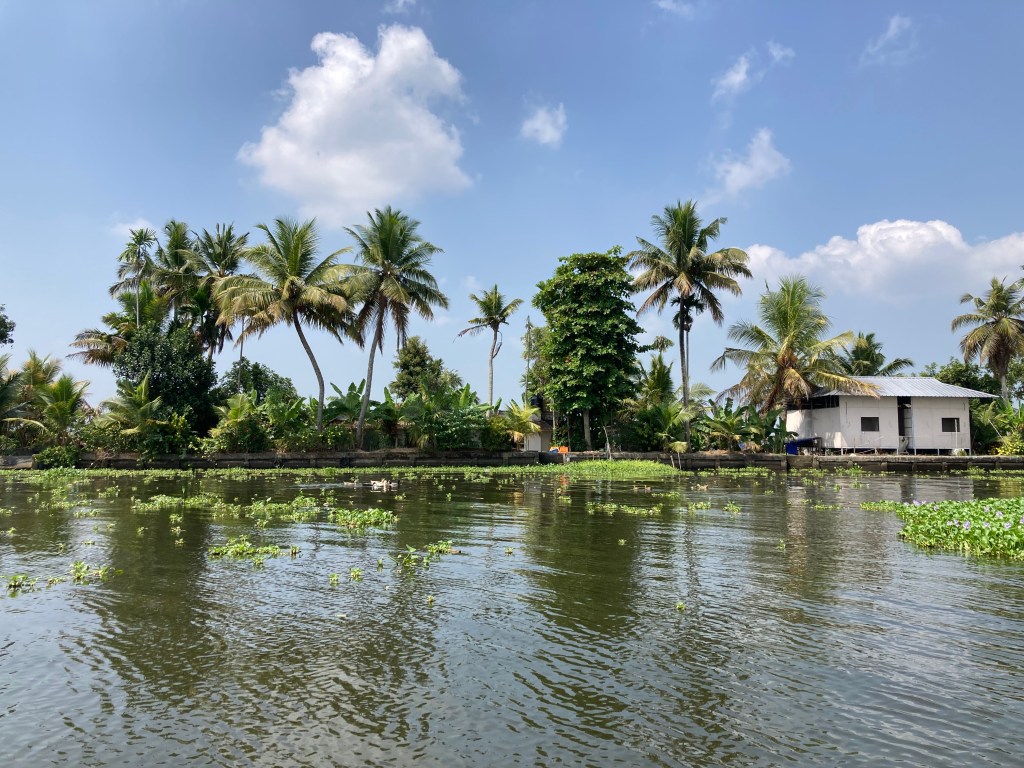
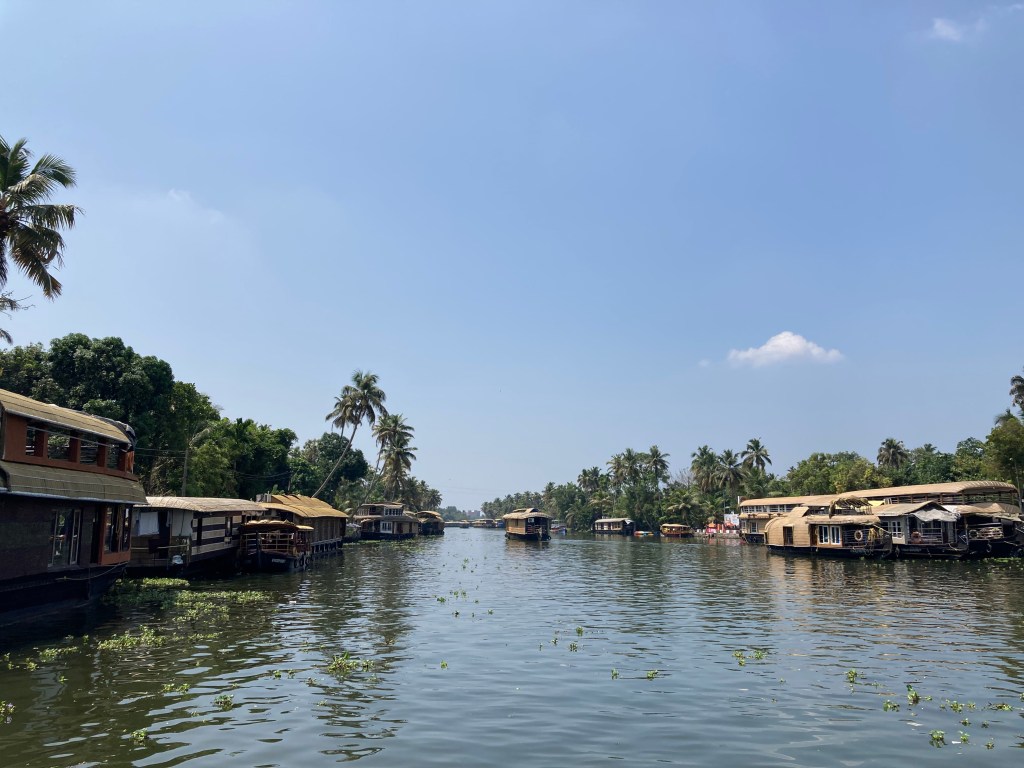
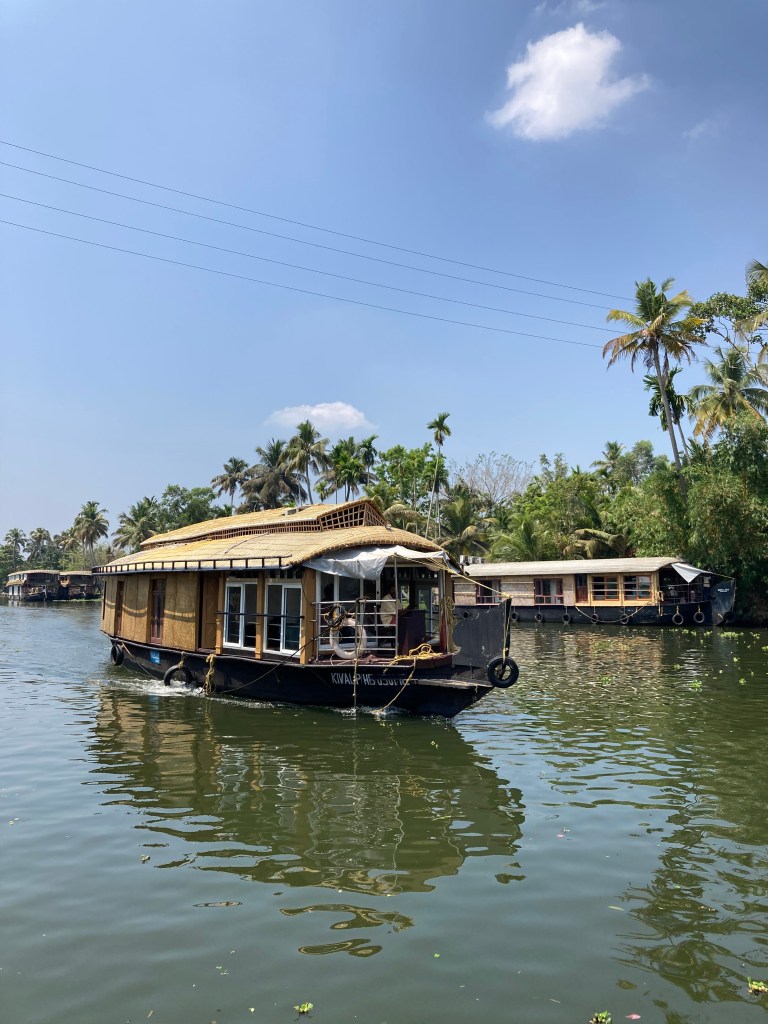
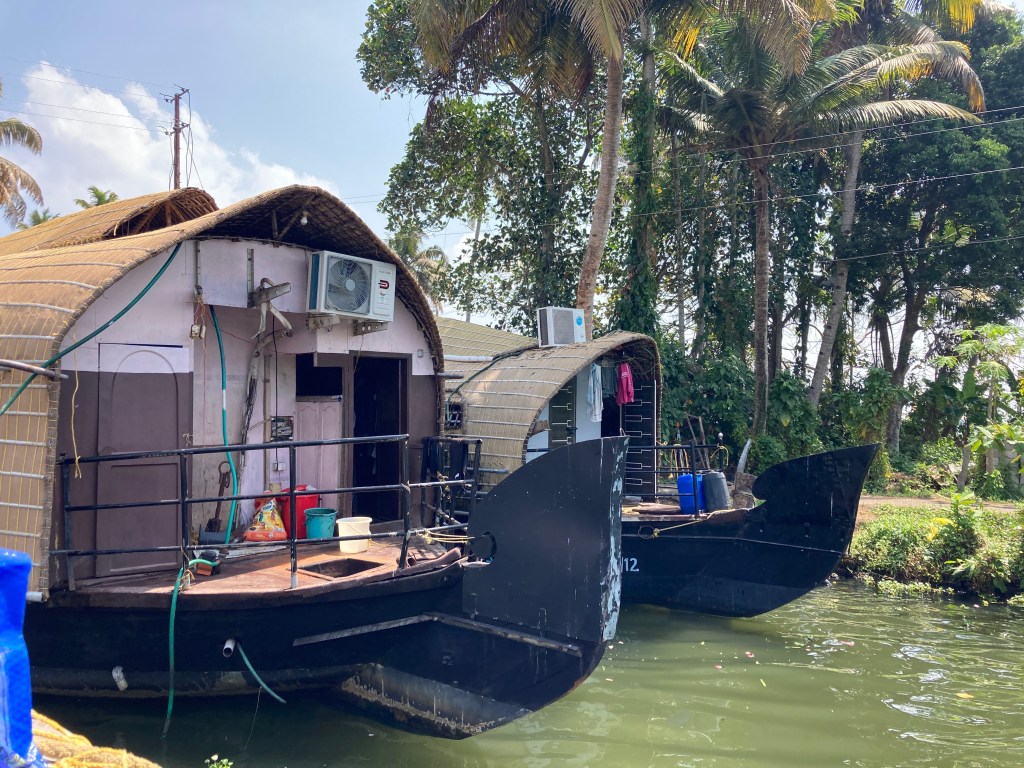
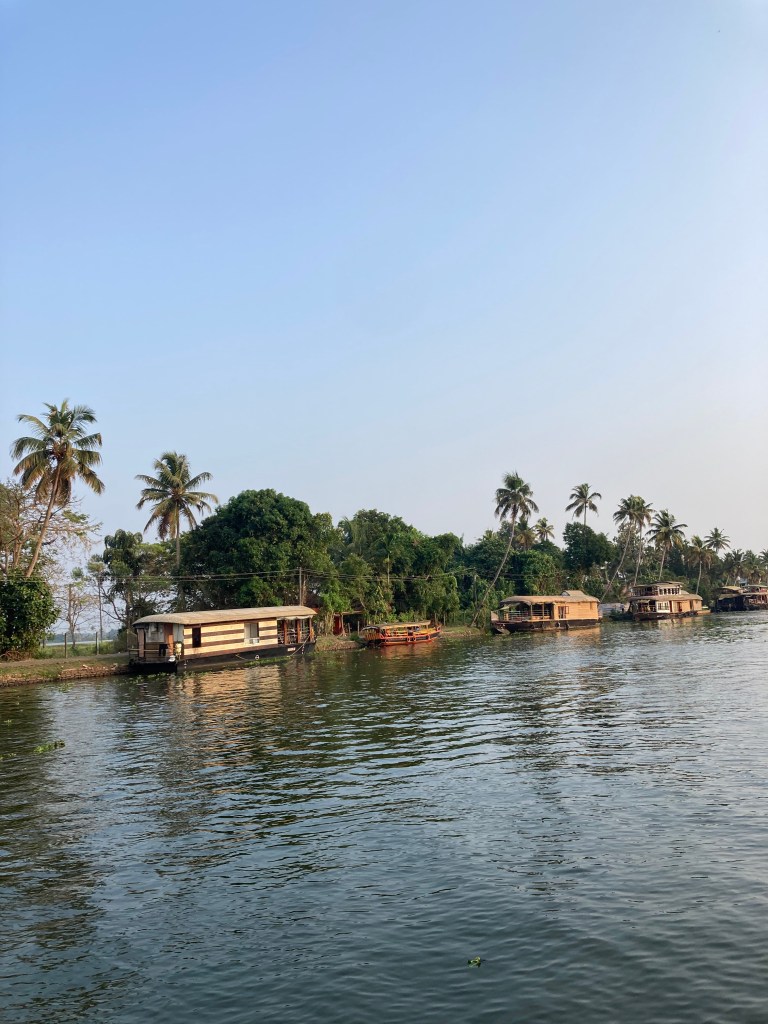
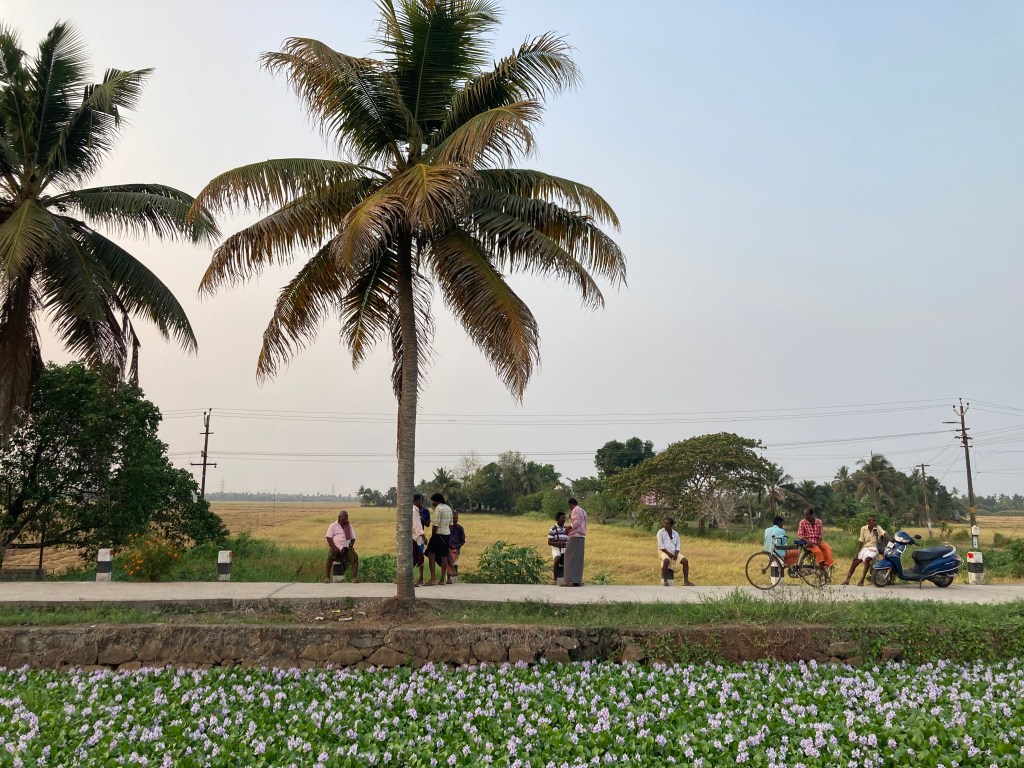
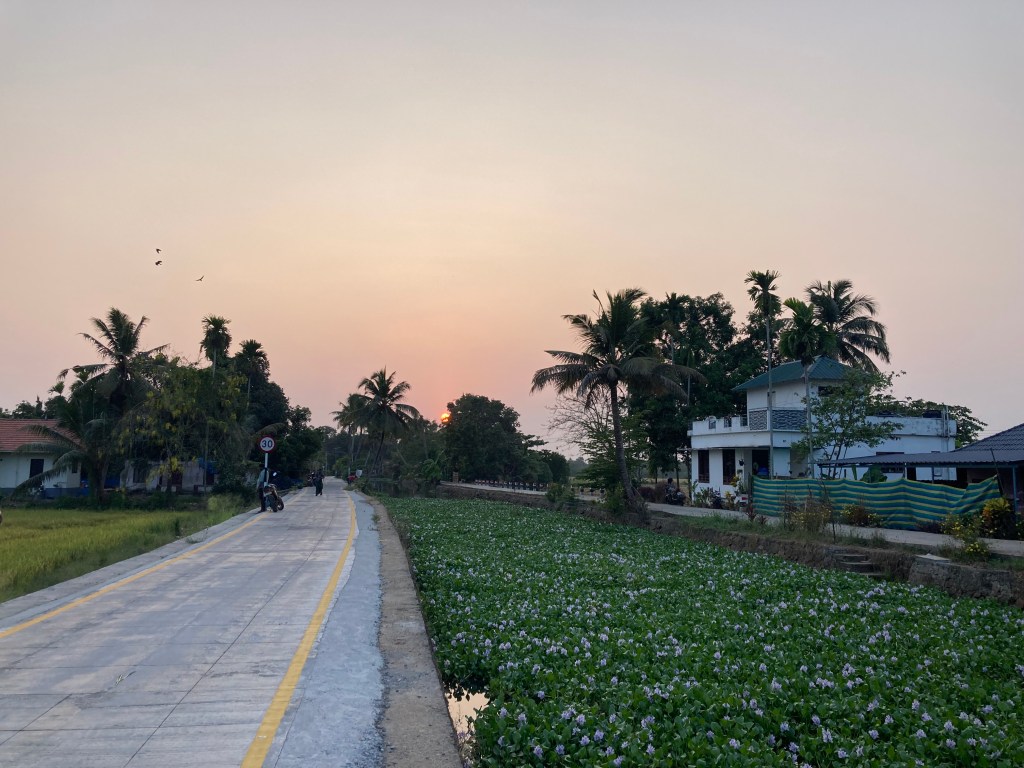
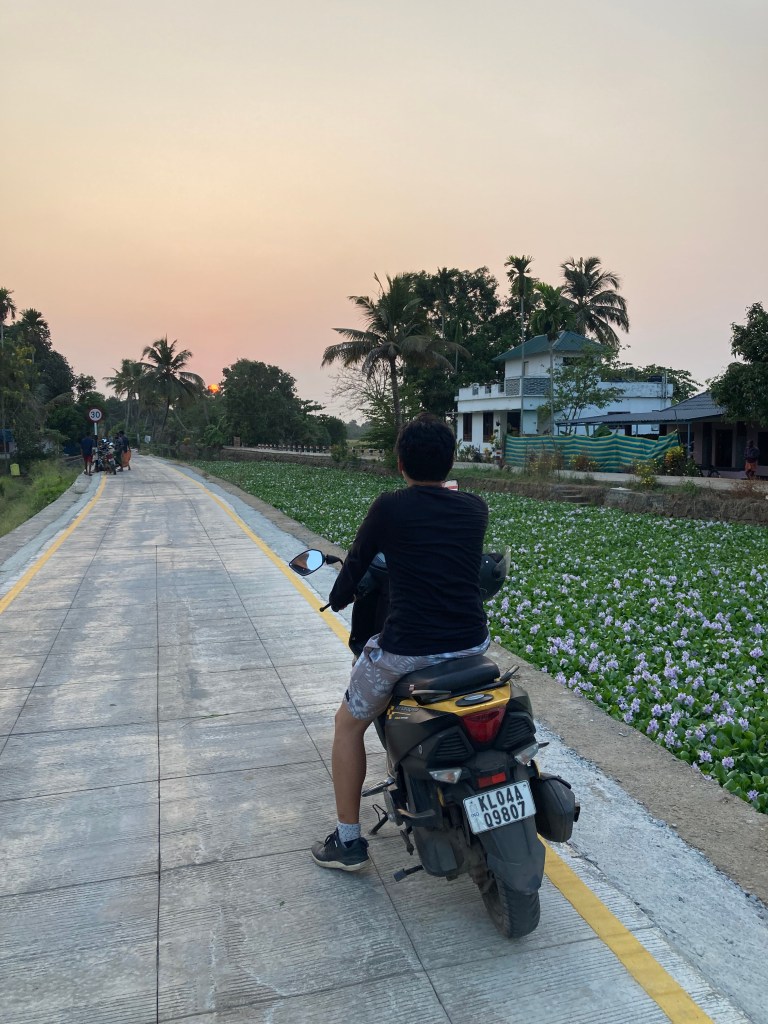
Today we checked into the Chilanka Lake View Resort. Our room faces the backwaters and includes breakfast. There are nearly 5,000 boats here, with thousands crossing these waters every day. These include both private company boats and government public boats. I highly recommend taking the government public boats as they are cheaper and can take you to many places, including villages. The other commercial boats are less interesting, cover fewer places, and are much more expensive. I suggest taking the public boats here and then boarding an overnight boat to experience sleeping on a boat.


Bayroute Bistro
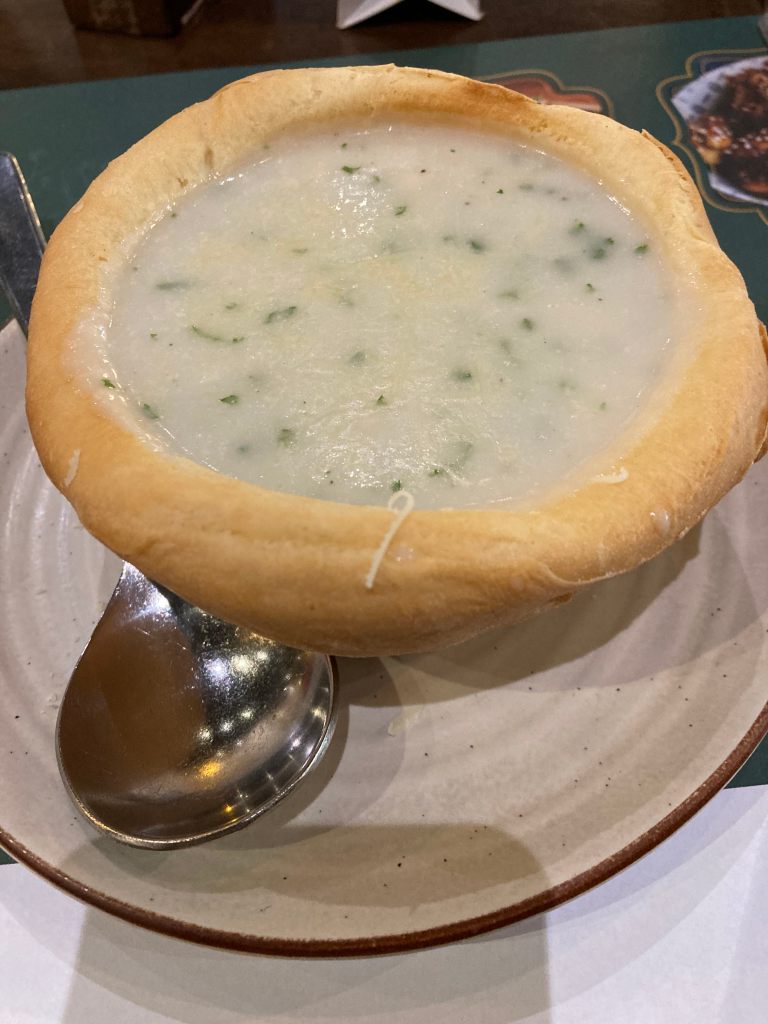
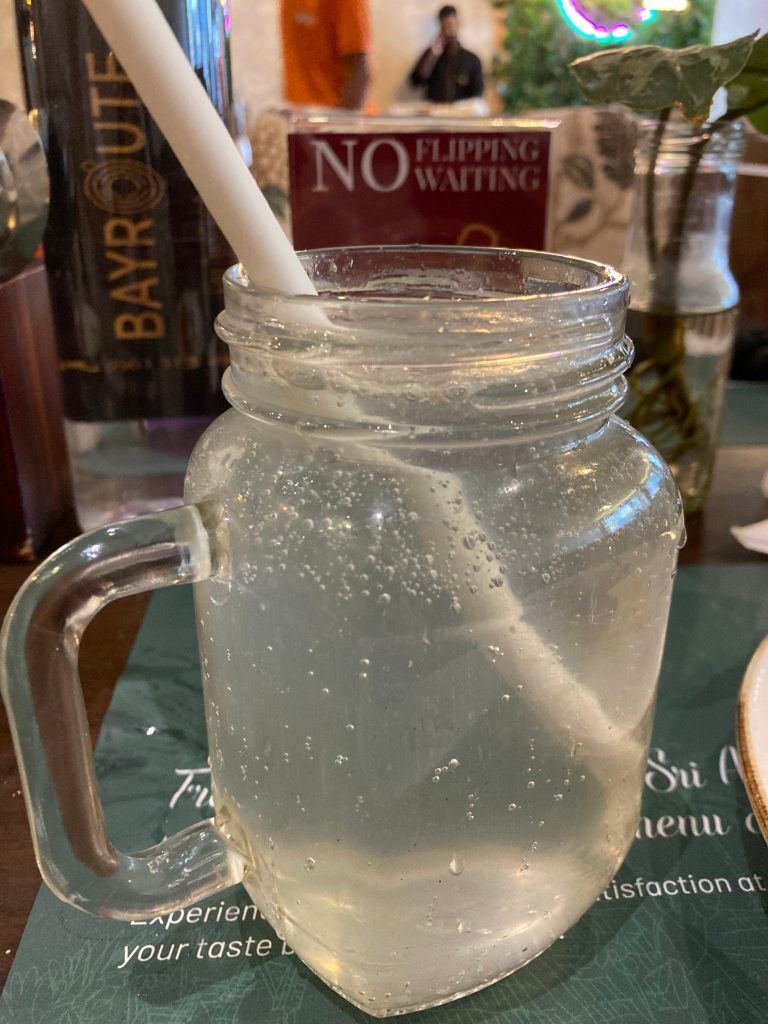
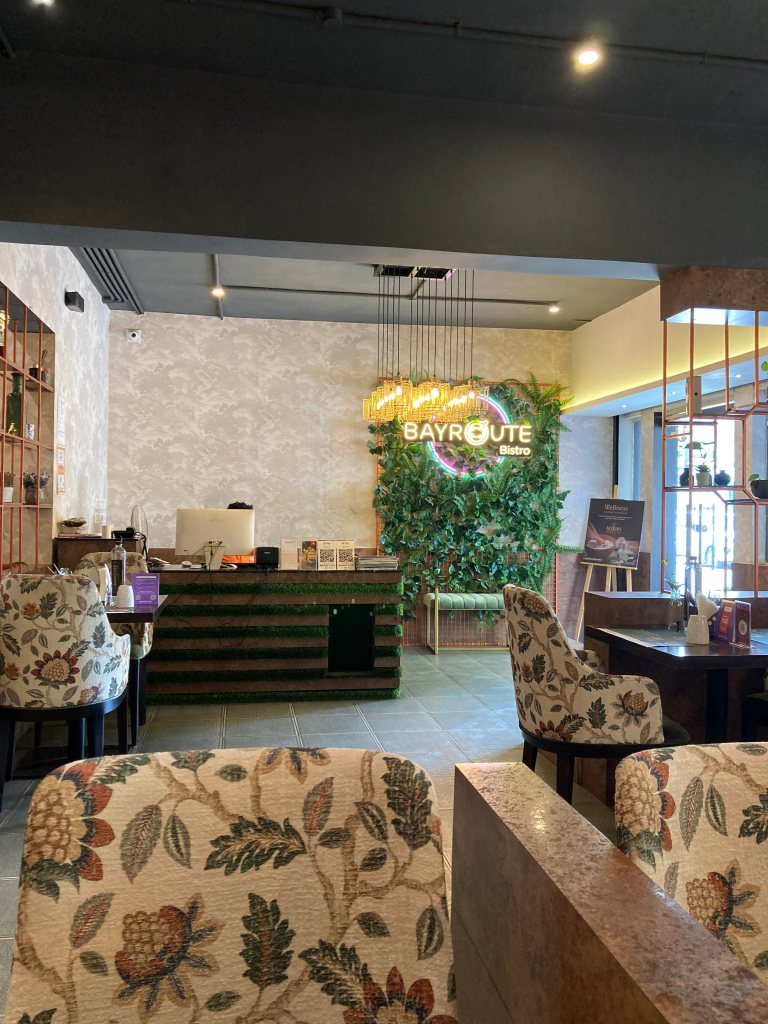
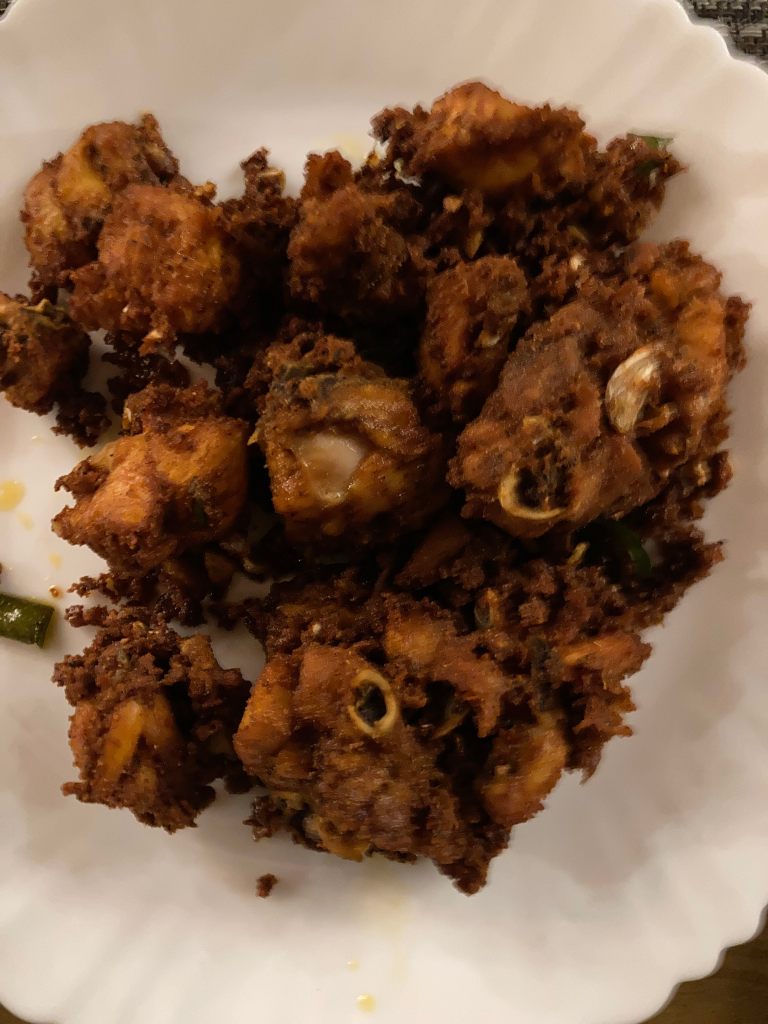
Due to the excessively hot weather here, I asked the locals where to find an air-conditioned restaurant nearby, and they recommended BayRoute Bistro. So, I came here. The food here is really delicious.
BayRoute Bistro, situated in the city center, is enveloped by stunning and tranquil backwaters, with numerous tourist attractions just a stone’s throw away.

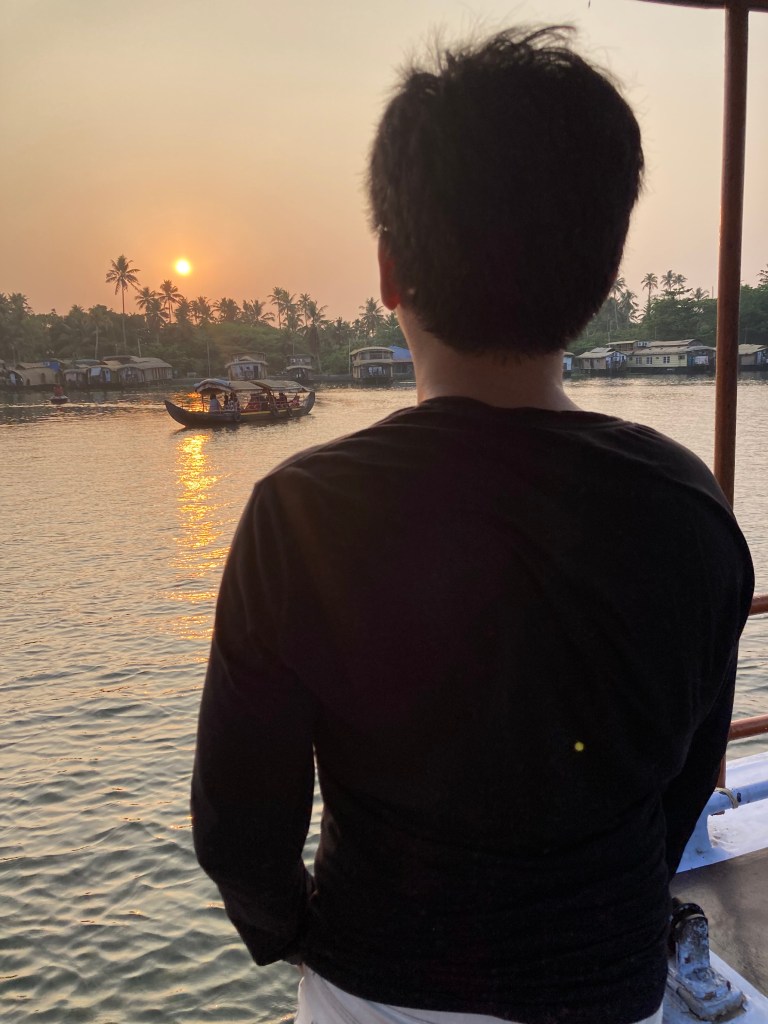
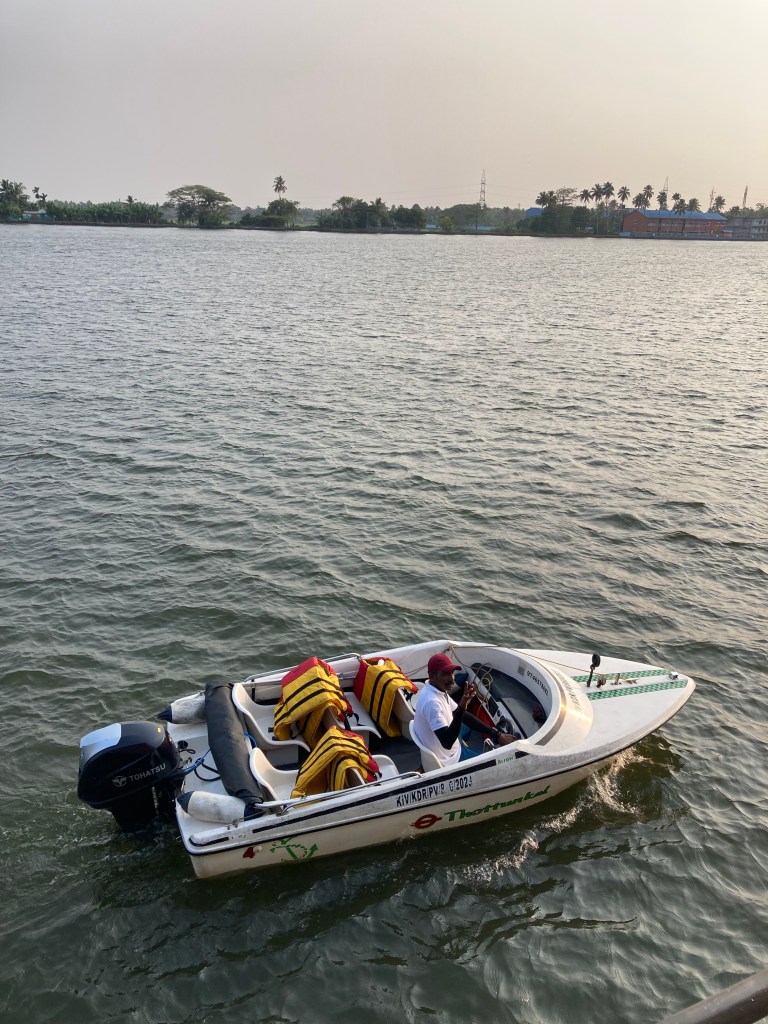
Private boat in Alleppey
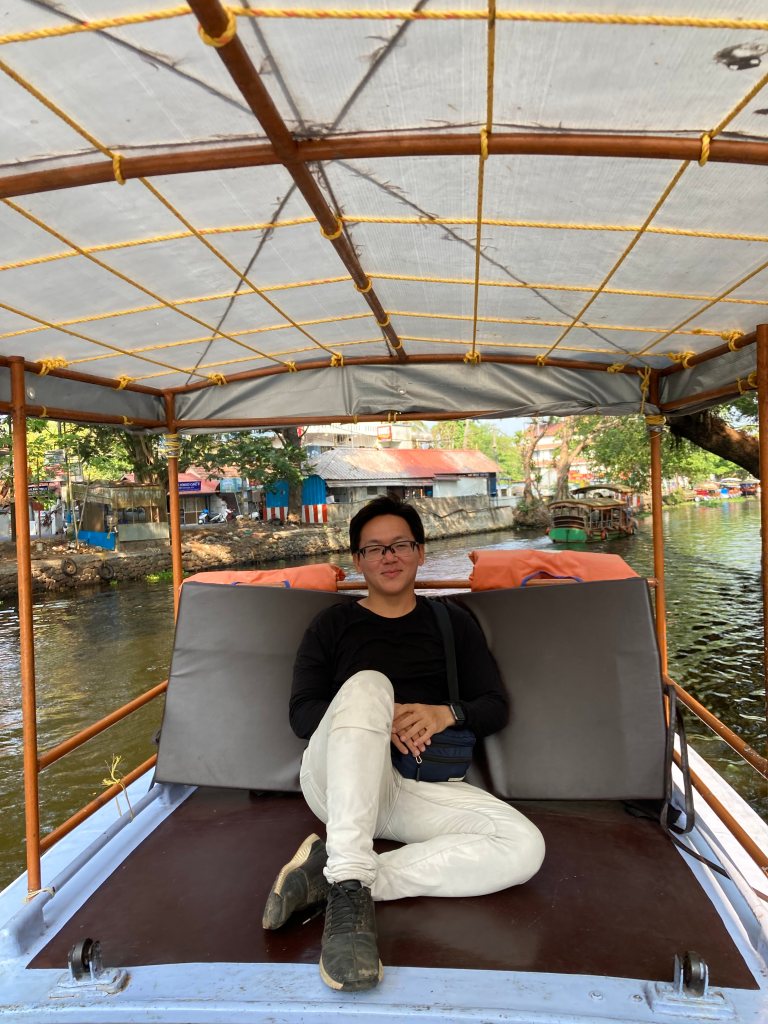
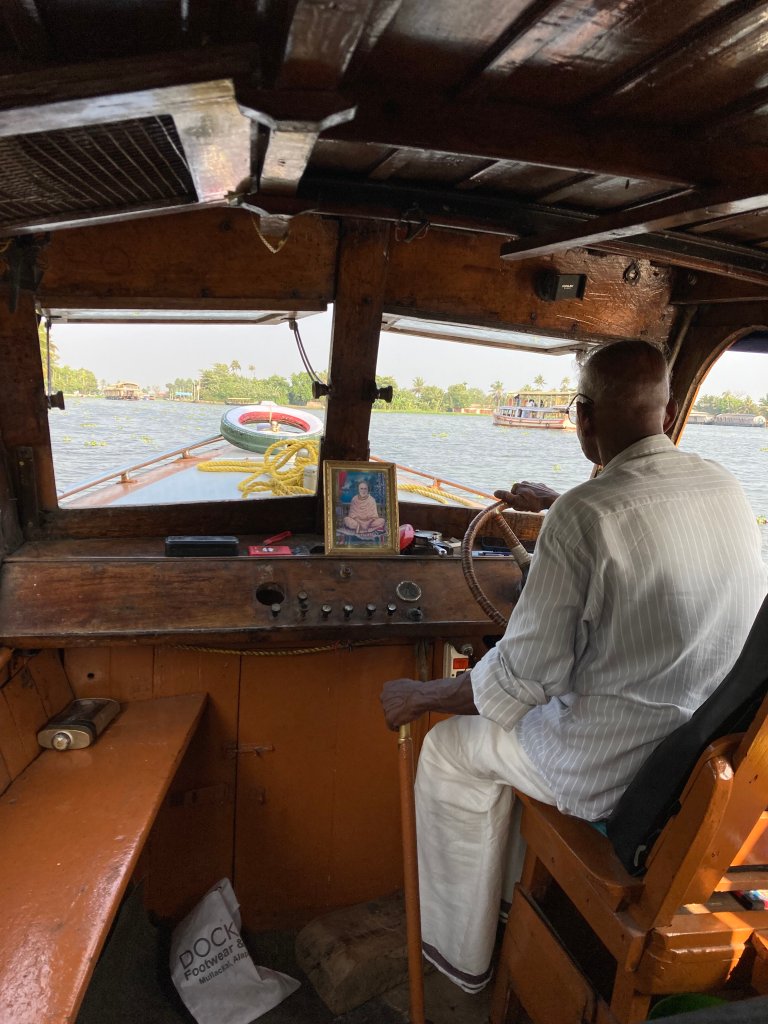
On the way, I kept being asked if I wanted to ride a private boat. On the first day, not knowing much about the surroundings, I agreed to ride one. However, the next day, when I took a public boat, I realized that riding the public boat was actually more enjoyable.
Alappuzha Beach
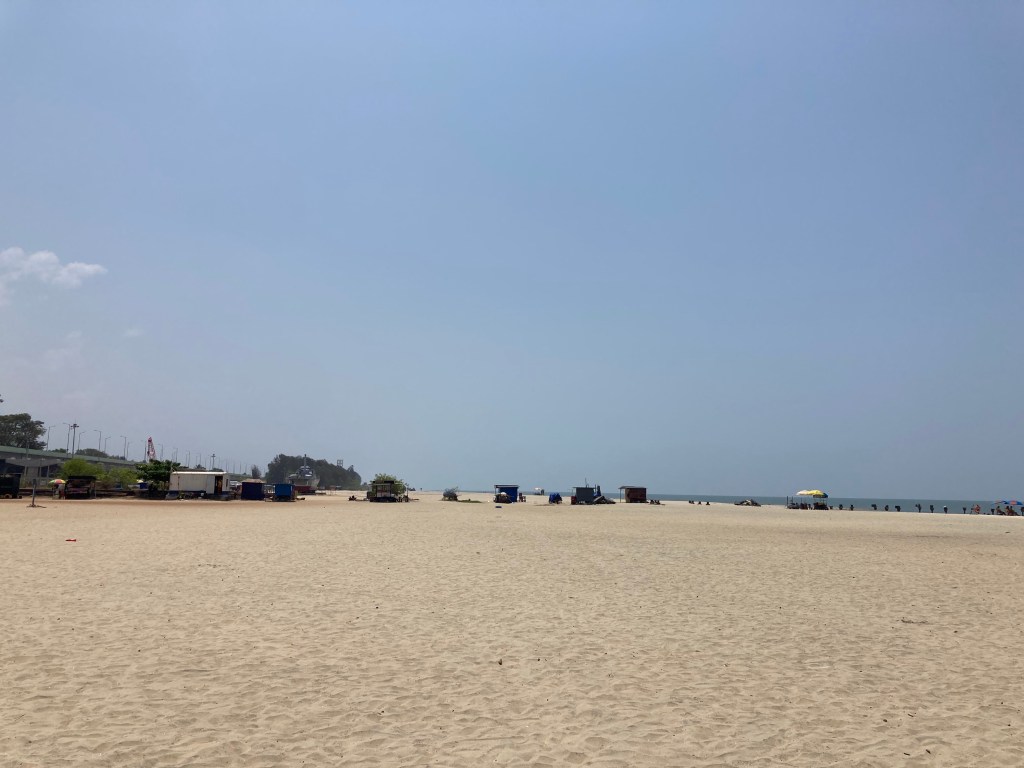
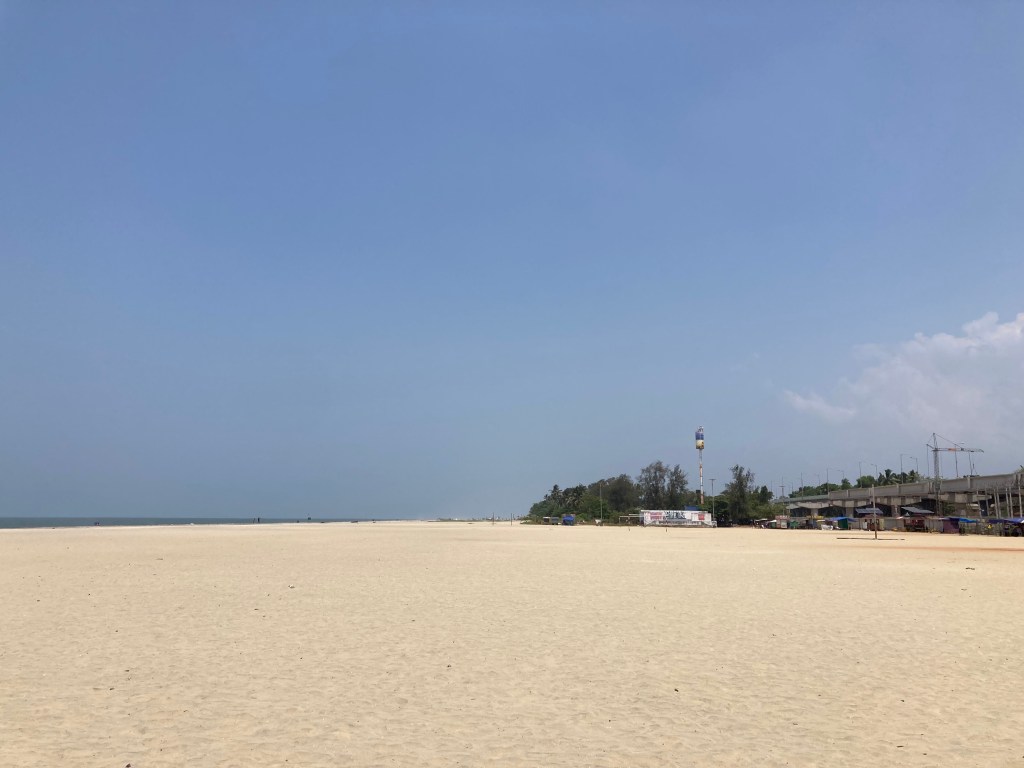
Alappuzha Beach, situated in the town of Alappuzha, is a renowned tourist attraction in Kerala, India. The beach features an ancient pier that extends over 150 years into the sea. Throughout the year, Alappuzha Beach hosts various events such as the Alappuzha Beach Festival, Sand Art Festival, and many others.
St. Thosmas Church Thumpoly
Thumpoly St. Thomas Church Marian Pilgrimage Shrine, located in Thumpoly, Kerala, India, is a renowned Christian Marian pilgrimage site in Kerala. While the church is dedicated to Saint Thomas, it is the celebration of the feast of the Holy Immaculate Conception (Amalolbhava Mata) that has brought fame to Thumpoly. This church holds the distinction of being the first in India to enshrine the statue of the Holy Virgin Mary between 1580 and 1600. Even today, Thumpoly Church continues to observe traditional rituals that have been passed down through generations.
In 1585 AD, the Confraternity-Visionary Community was established within Thumpoly Church, also known as “Thumpoly Pally”. The church falls under the jurisdiction of the Diocese of Alleppey (Roman Catholic Diocese of Alleppey). Thumpoly Church, considered the second most significant church in the diocese, is anticipated to be granted the status of the second Minor Basilica in the area.
The Christian tradition of Thumpoly traces back to the 6th century AD when a few Christians migrated and established a small thatched church called “Thomapally”. Thumpoly is situated 6 kilometers from Alappuzha city, 80 kilometers from Kochi International Airport, 60 kilometers from Kochi -Cochin City, 20 kilometers from Cherthala, 25 kilometers from Kuttanadu, 34 kilometers from Changanassery, and 52 kilometers from Kayamkulam.
This ancient heritage church, built by the Portuguese in the 1600s with stone and wood, holds significant importance as a Christian pilgrimage shrine in Kerala and the Alappuzha district. It stands as the second most important pilgrimage site and church center in the Diocese of Alleppey and is under the protection of the Department of Archaeology.
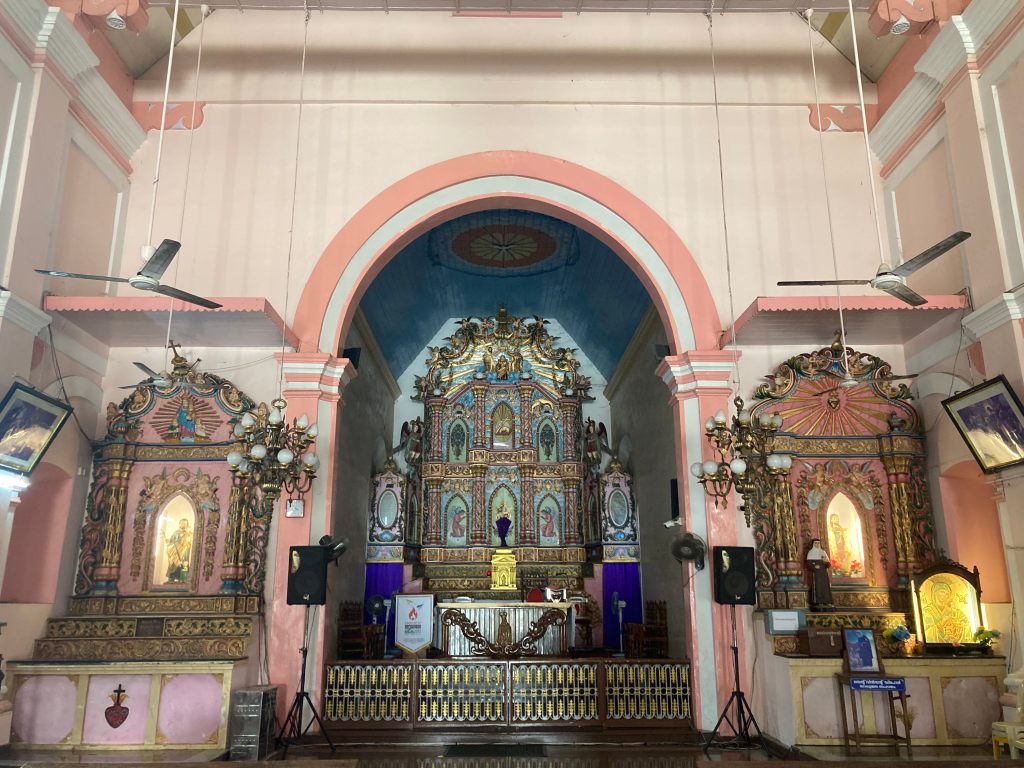
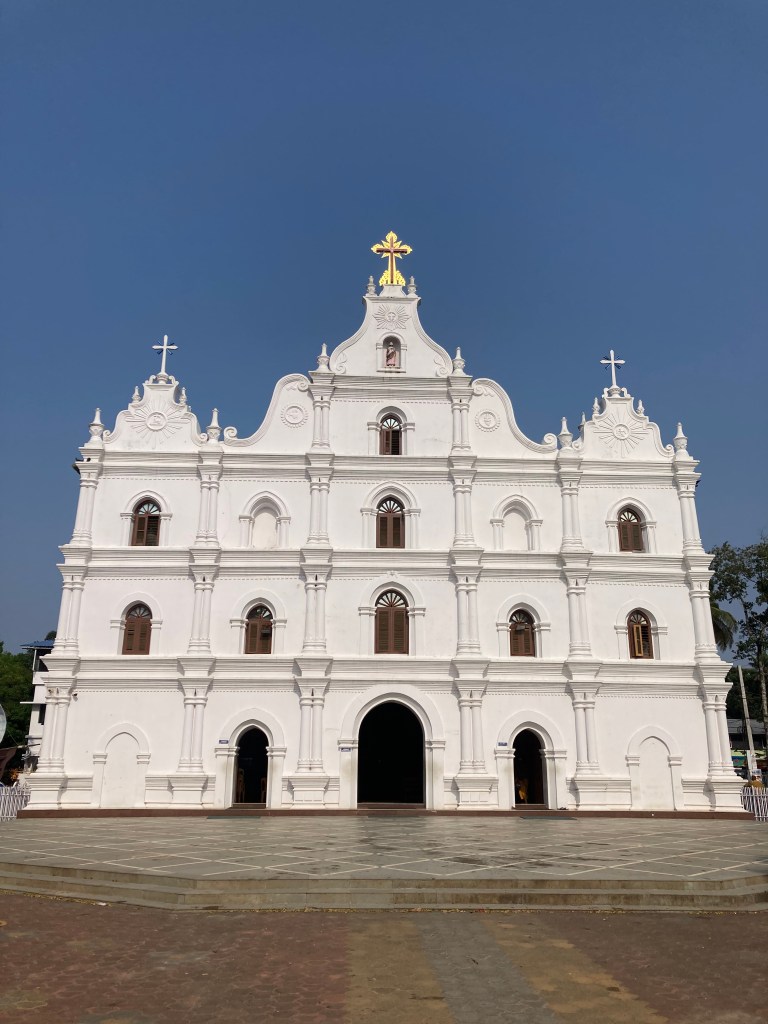
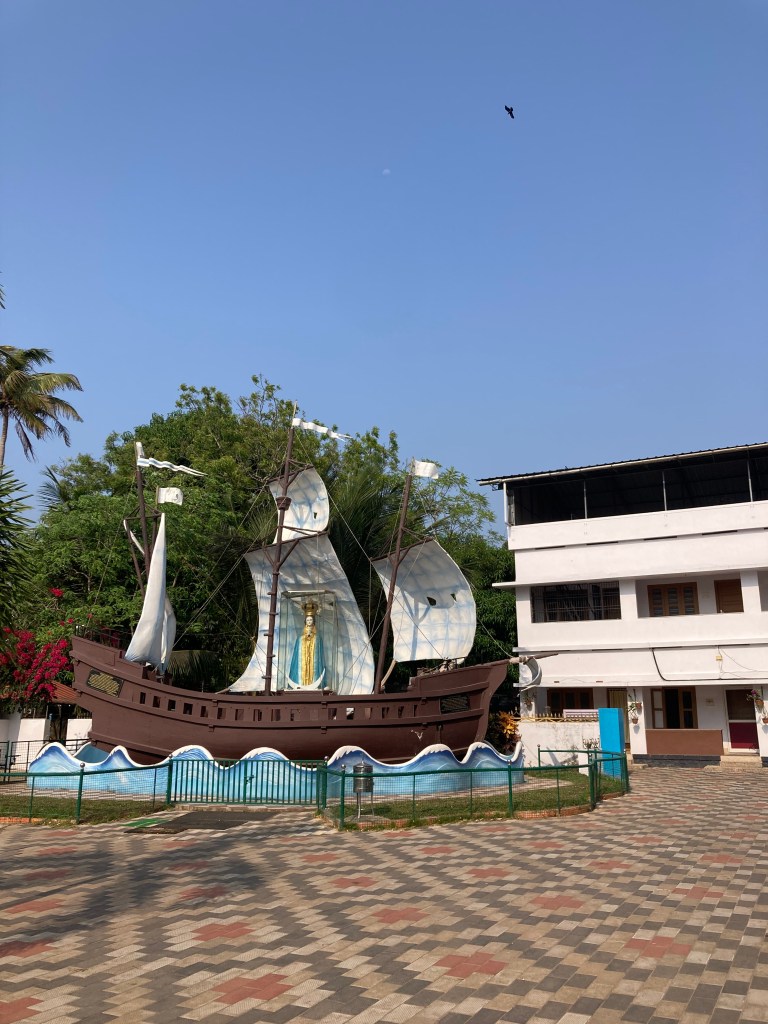
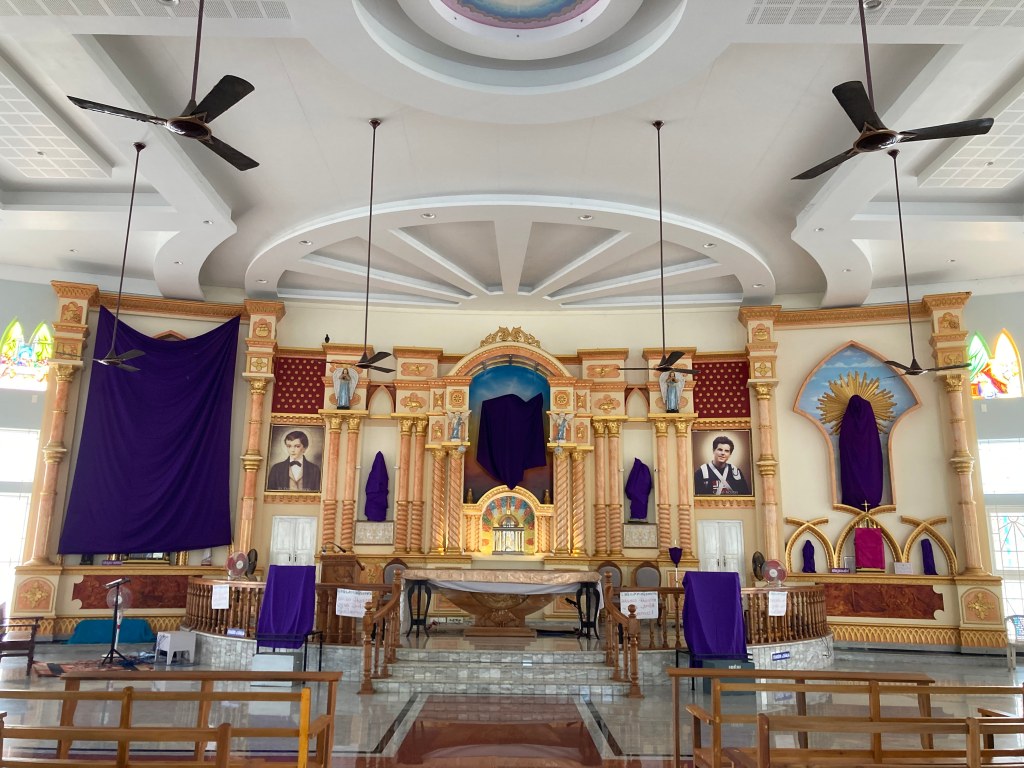
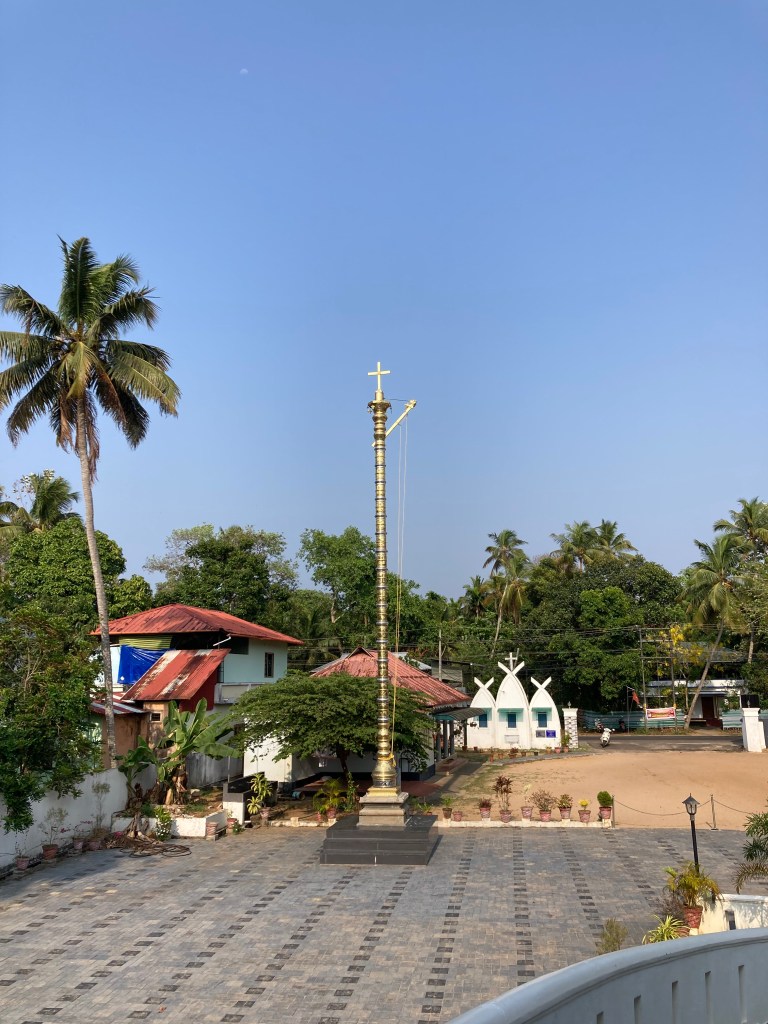
ST. Maria Goretti Church
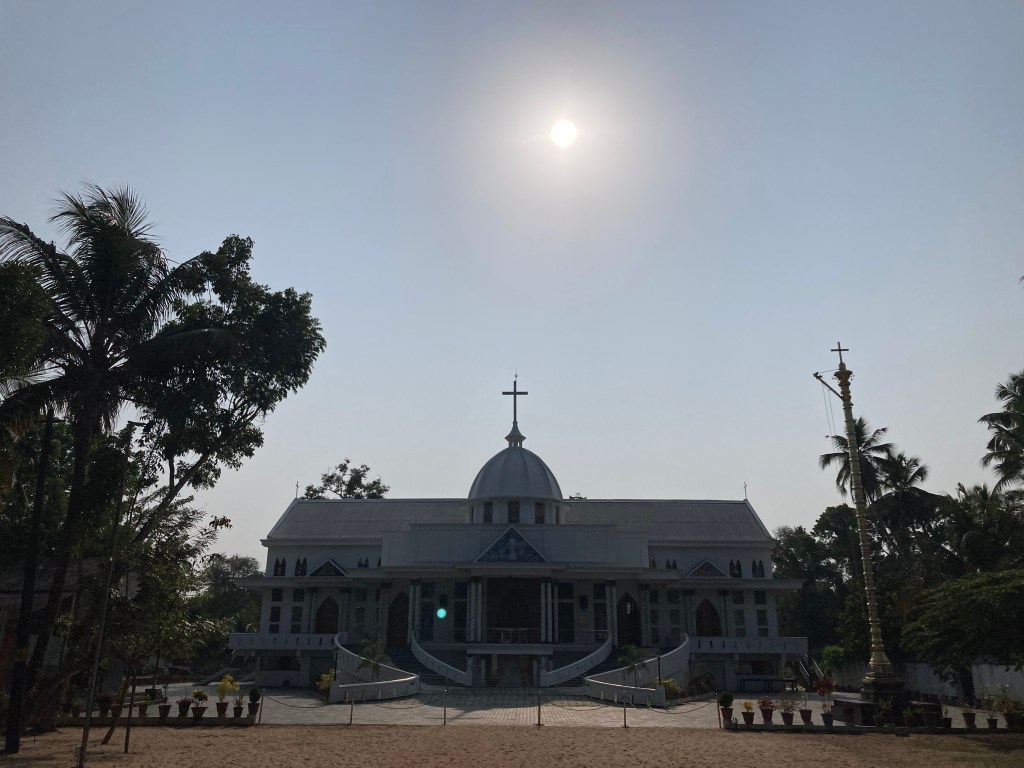
Marari beach
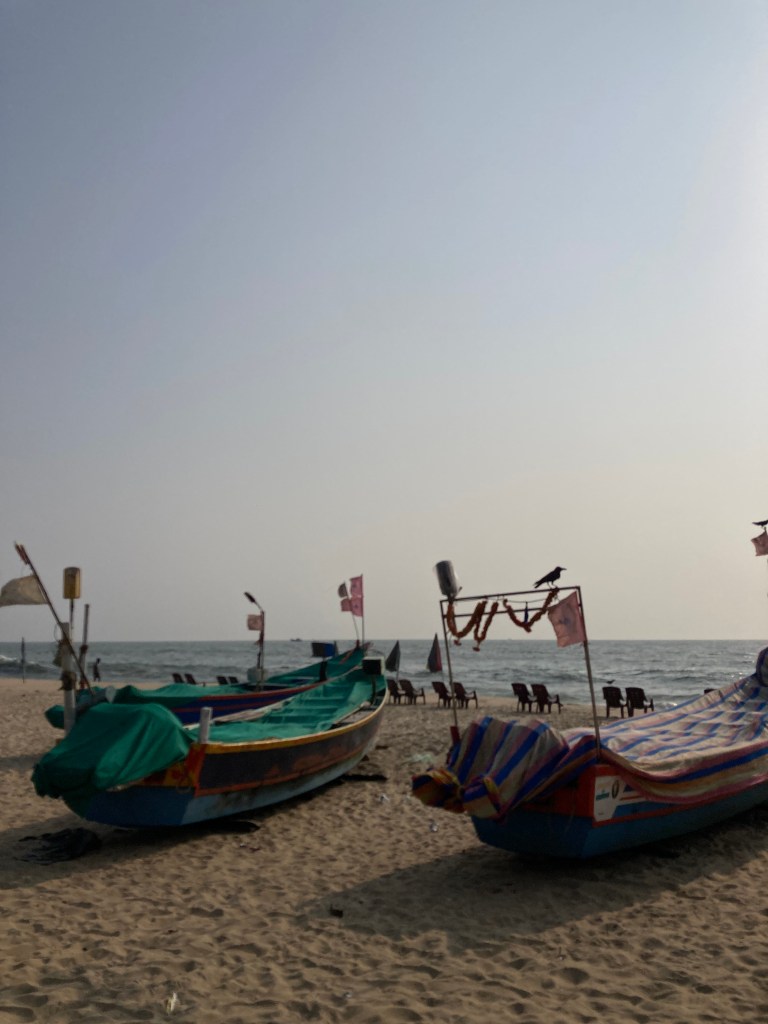
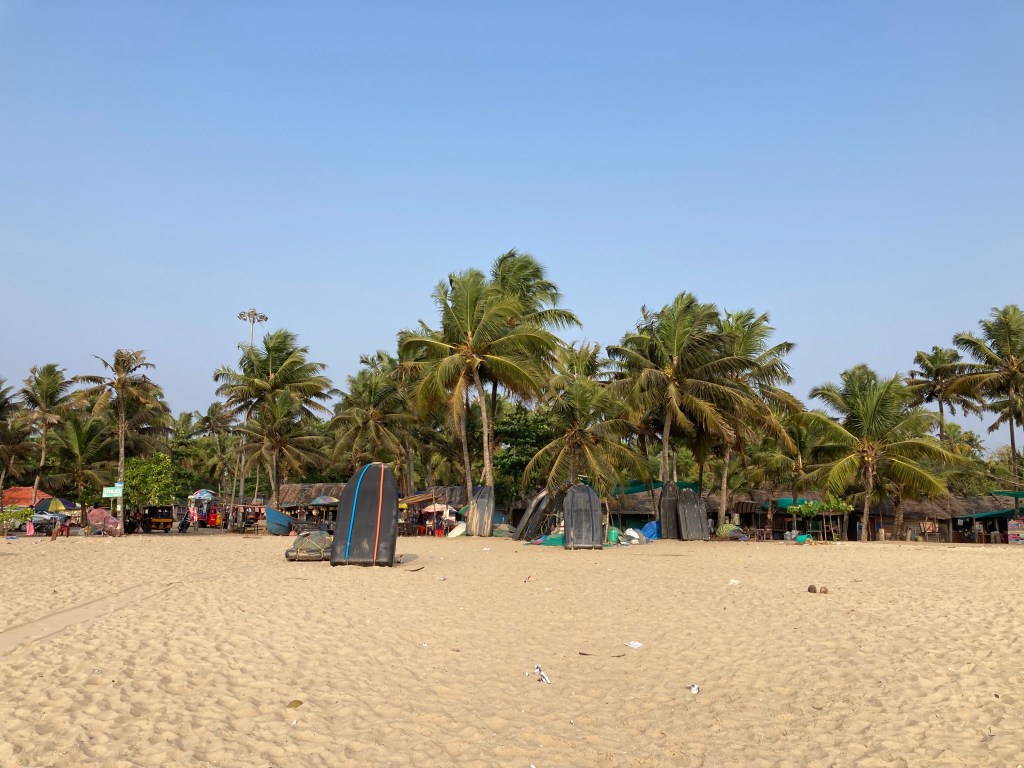
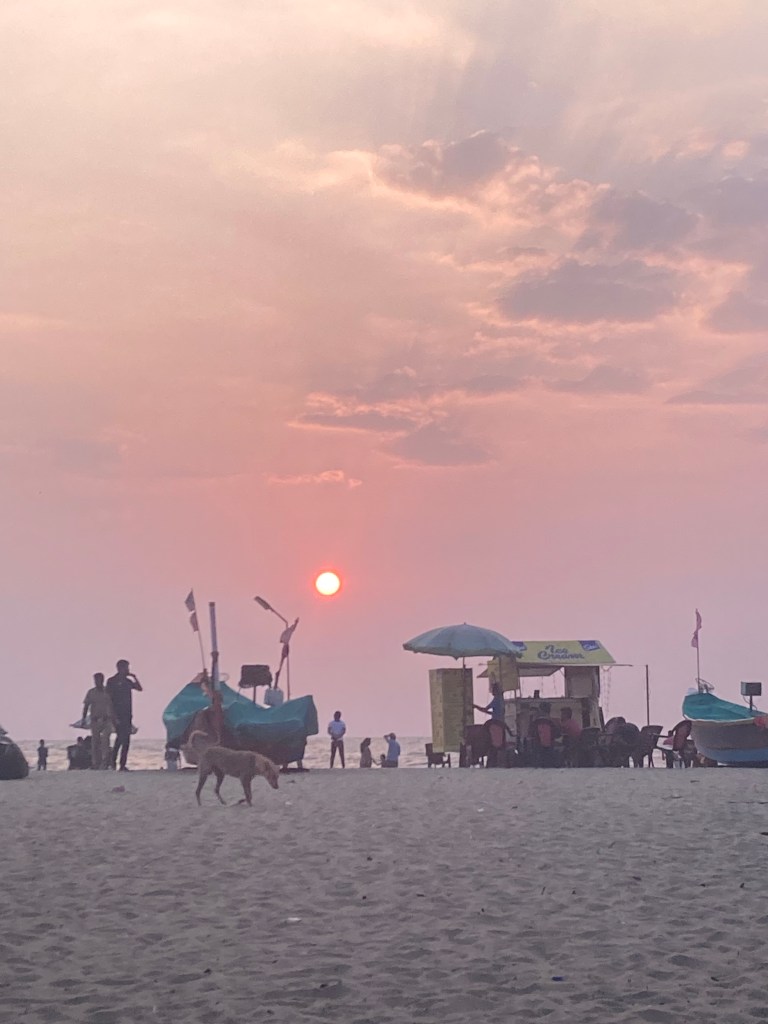
Marari Beach, a secluded and lesser-known destination in Alappuzha, is situated approximately 11 km from the town center. One of the highlights of this area is the fisherfolk of Mararikulam and their peaceful way of life. Taking an evening stroll along the beach is among the top activities to enjoy here.




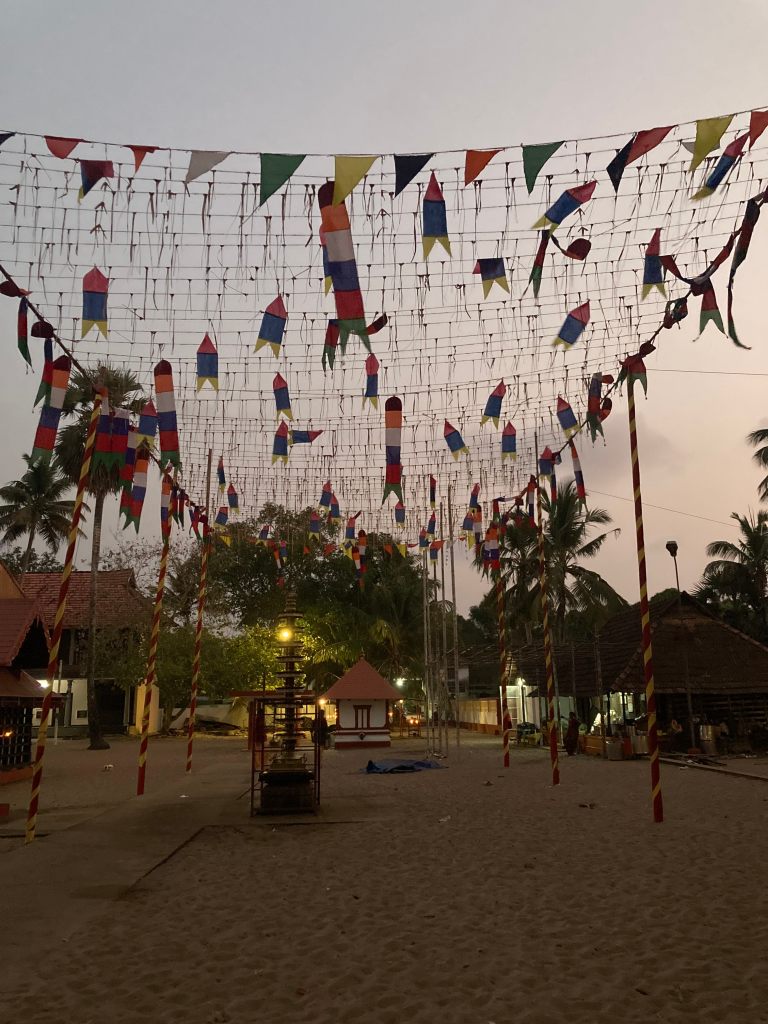
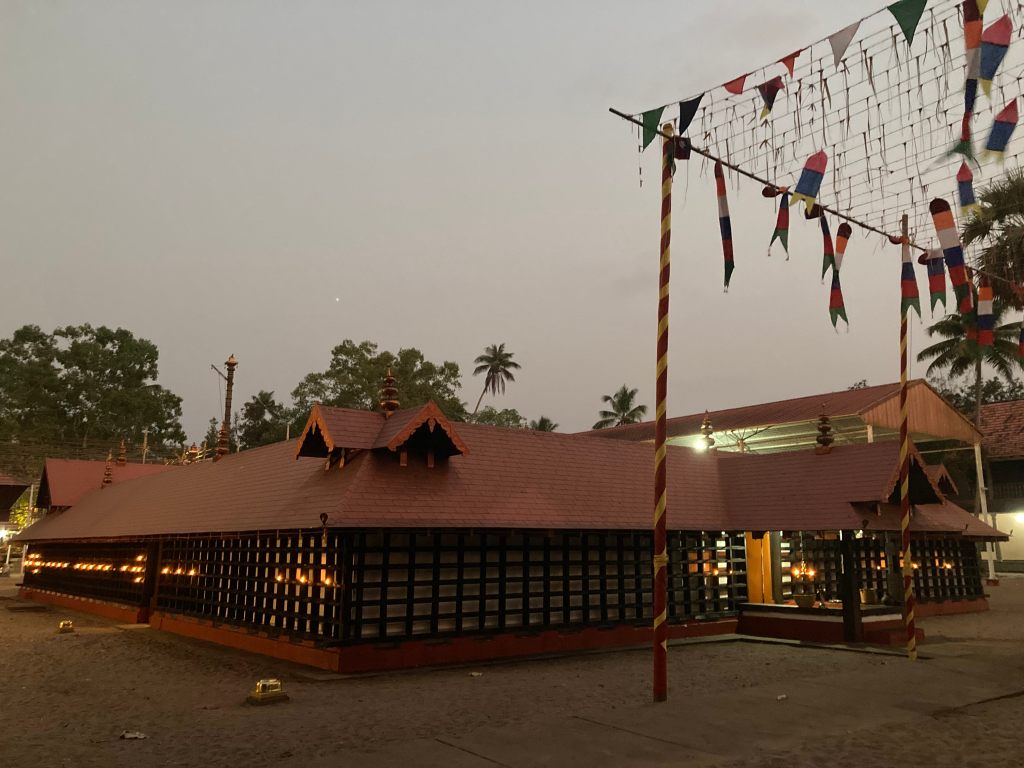
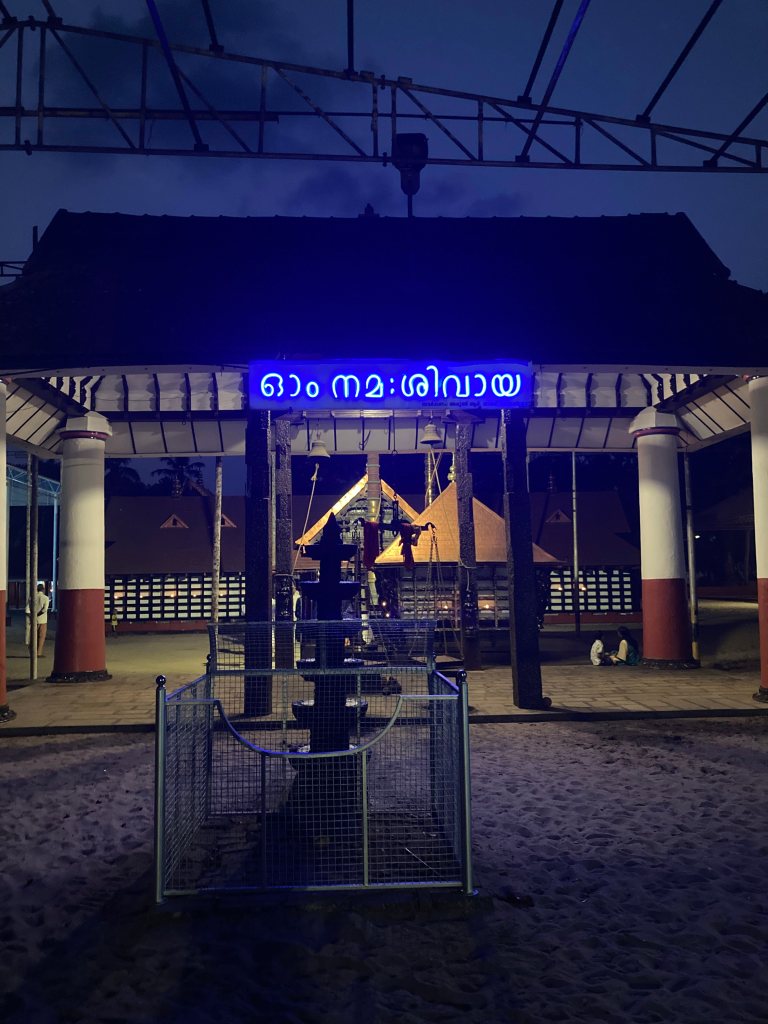
Mararikulam Sree Mahadeva Temple
Mararikulam Shiva Temple is said to an age old temple. This is believed to be the only temple in Kerala where Lord Shiva and his consort Goddess Parvati is seen sitting face to face. There are two deities of Shiva worshipped in this temple, namely Vadakkanappan and Thekkanappan. The temple is also popular as a place where the wishes get fulfilled. It is said that 700 years ago Villimanglam Swami built this beautiful temple.

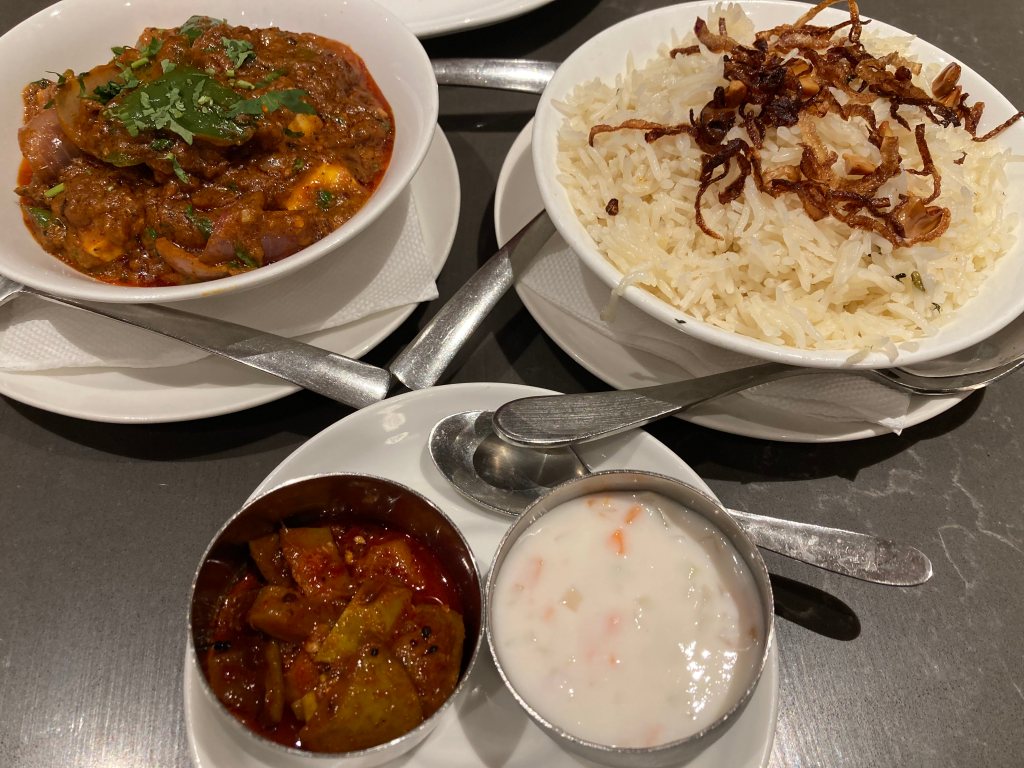
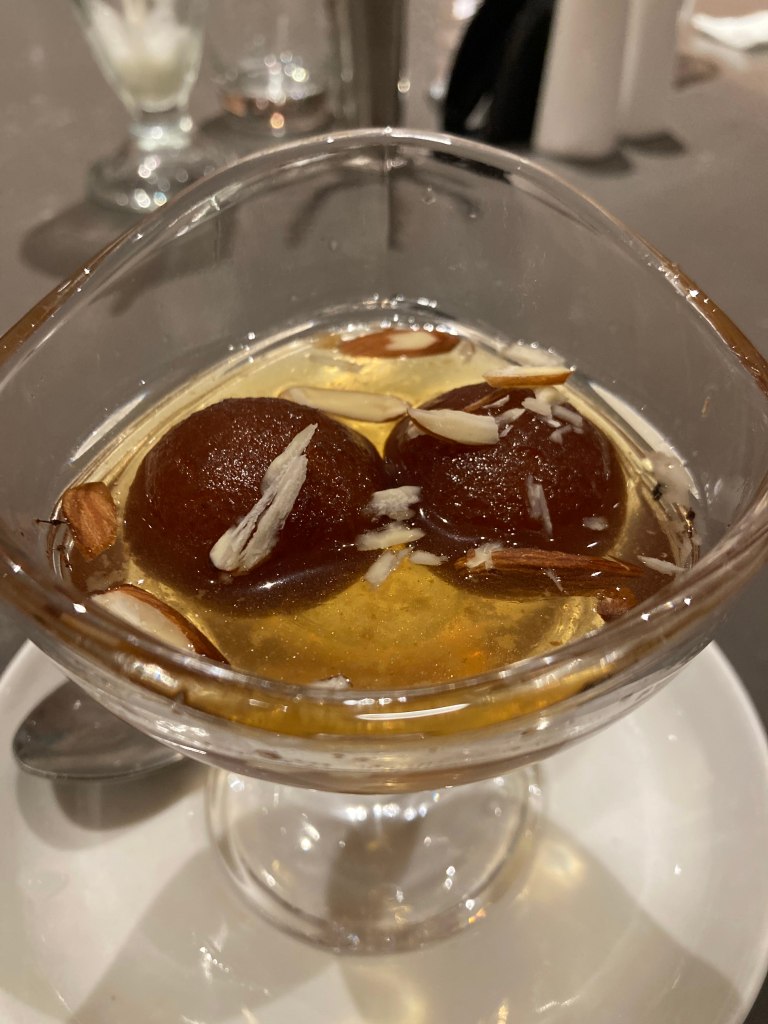
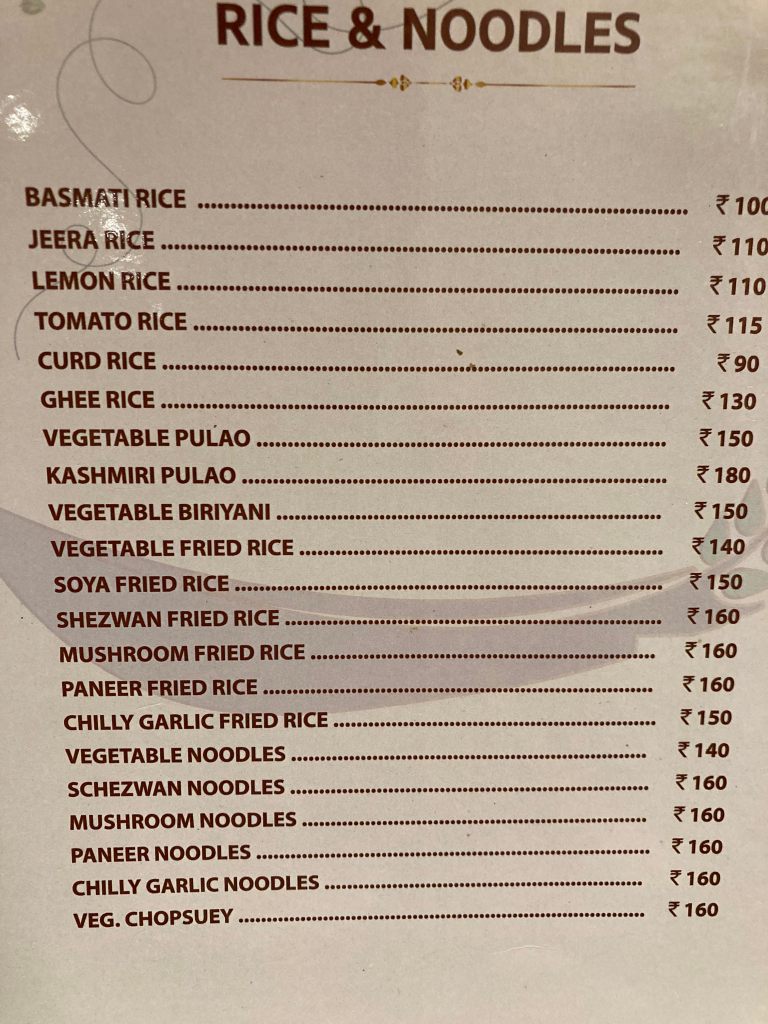
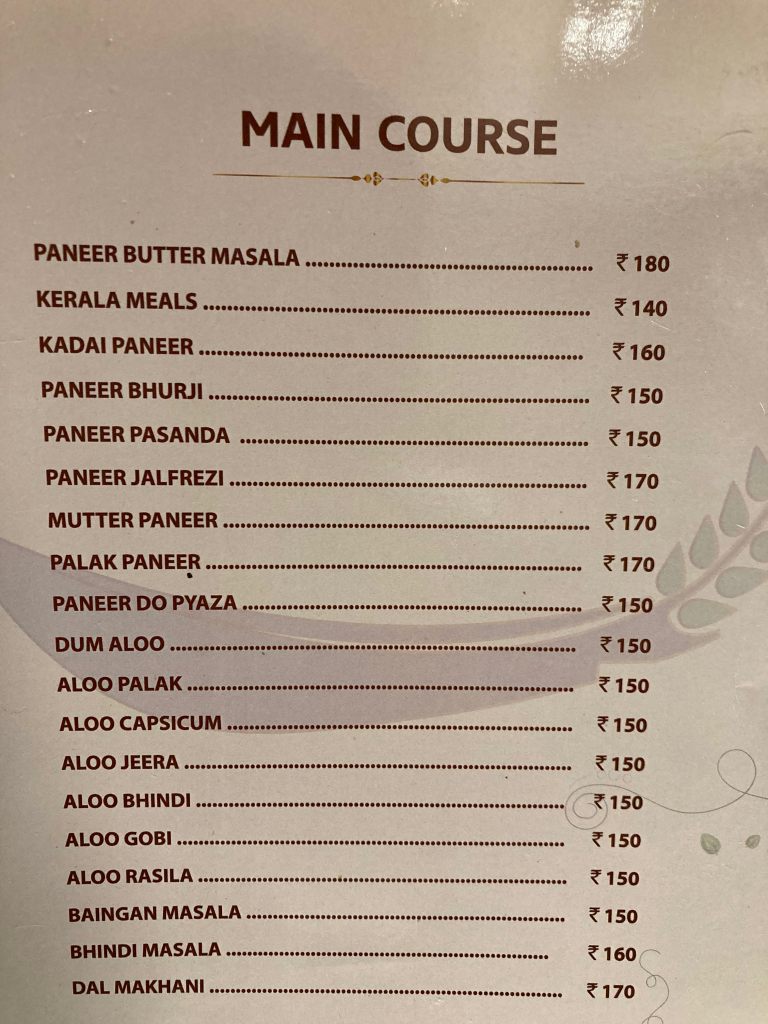
Rice Boat Pure Vegetarian Restaurant
Welcome to the vegetarian restaurant at Grand Alleppey, where dining is elevated to an art form and each meal is a masterpiece. Our restaurant is a paradise for food enthusiasts, offering a variety of delectable and wholesome vegetarian dishes prepared with the freshest ingredients and authentic spices. Whether you crave a light snack or a lavish multi-course meal, our menu caters to every palate and occasion.
Upon entering, you’ll be embraced by the warm and inviting ambiance, accompanied by the tantalizing aroma of spices. The restaurant’s sophisticated decor, complemented by comfortable seating and enchanting lighting, sets the stage for a memorable dining experience. Our menu is meticulously curated by our team of skilled chefs, who utilize only the finest ingredients and traditional culinary methods to craft dishes that are both flavorful and nourishing. Whether you desire a comforting bowl of soup, a vibrant salad, or a hearty main course, our menu offers something to satisfy every craving.

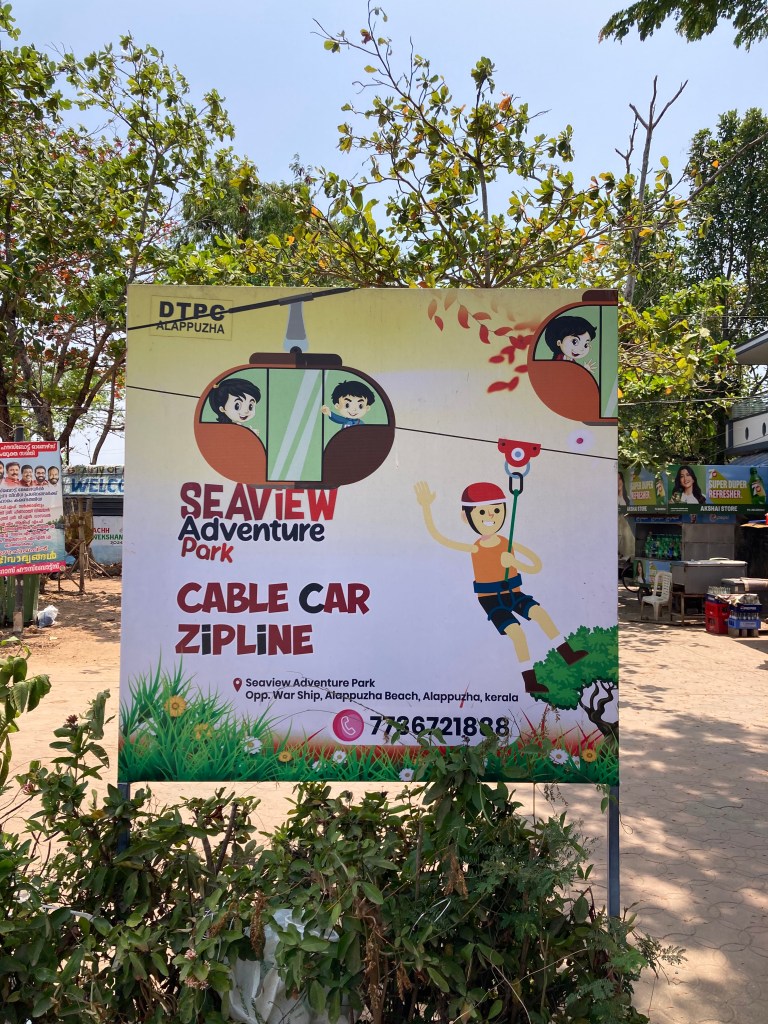
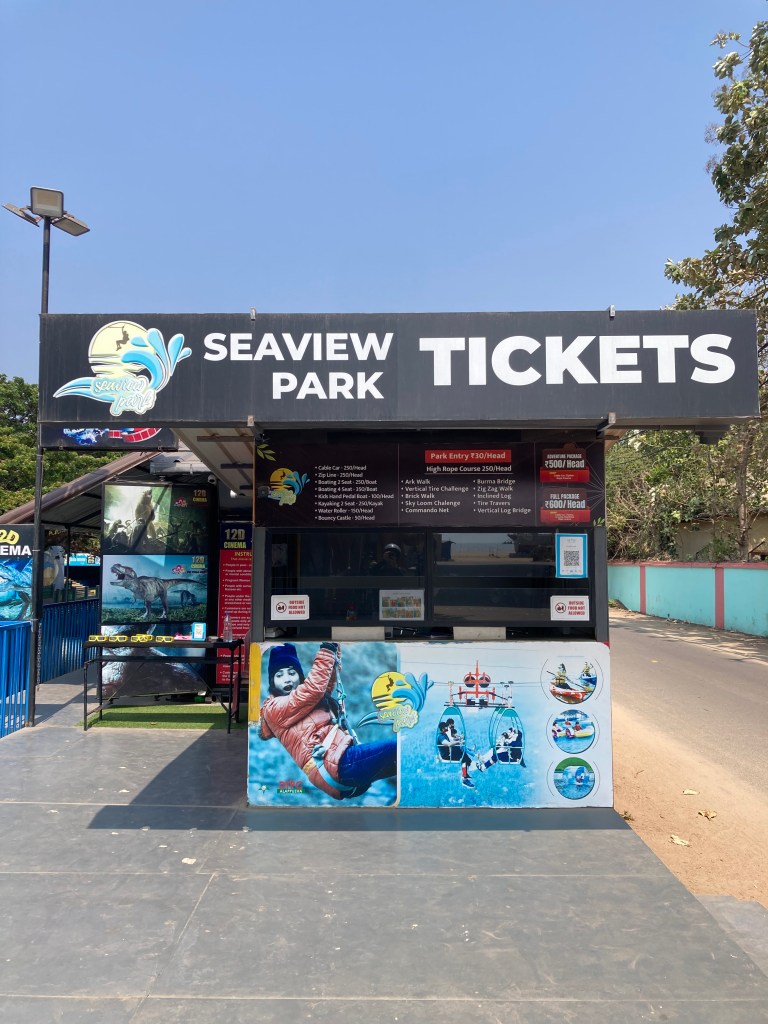
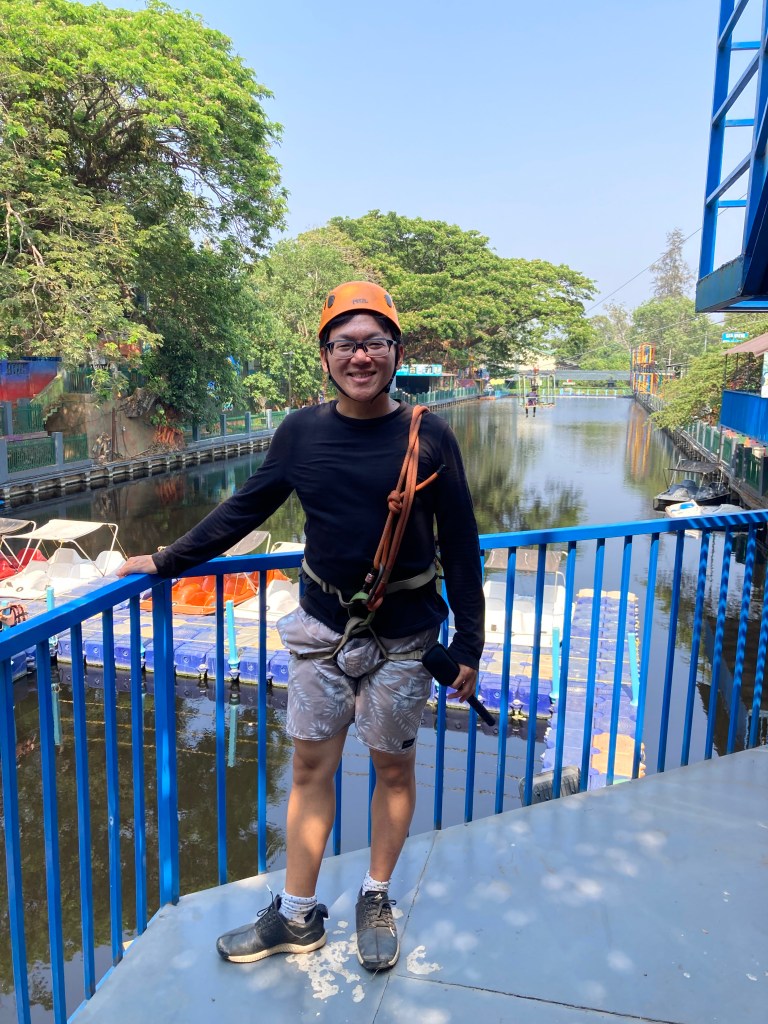
Sea View Park, Alappuzha
Sea View Park is a picturesque park located in the Alappuzha district of Kerala, India. True to its name, the park provides breathtaking views of the Arabian Sea, making it a sought-after destination for both locals and tourists alike.
Nestled along Alappuzha Beach, the park offers an ideal setting for a leisurely stroll or unwinding by the sea. With meticulously maintained grounds, including landscaped gardens, paved pathways, and seating areas, visitors can soak in the panoramic views and savor the invigorating sea breeze.
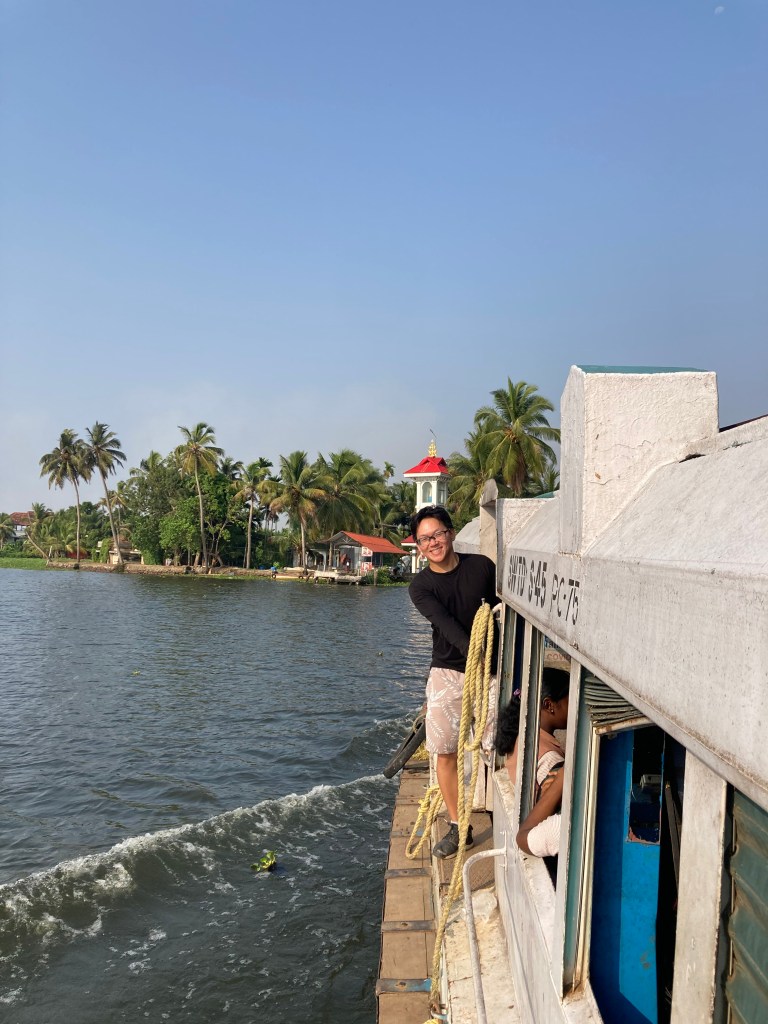
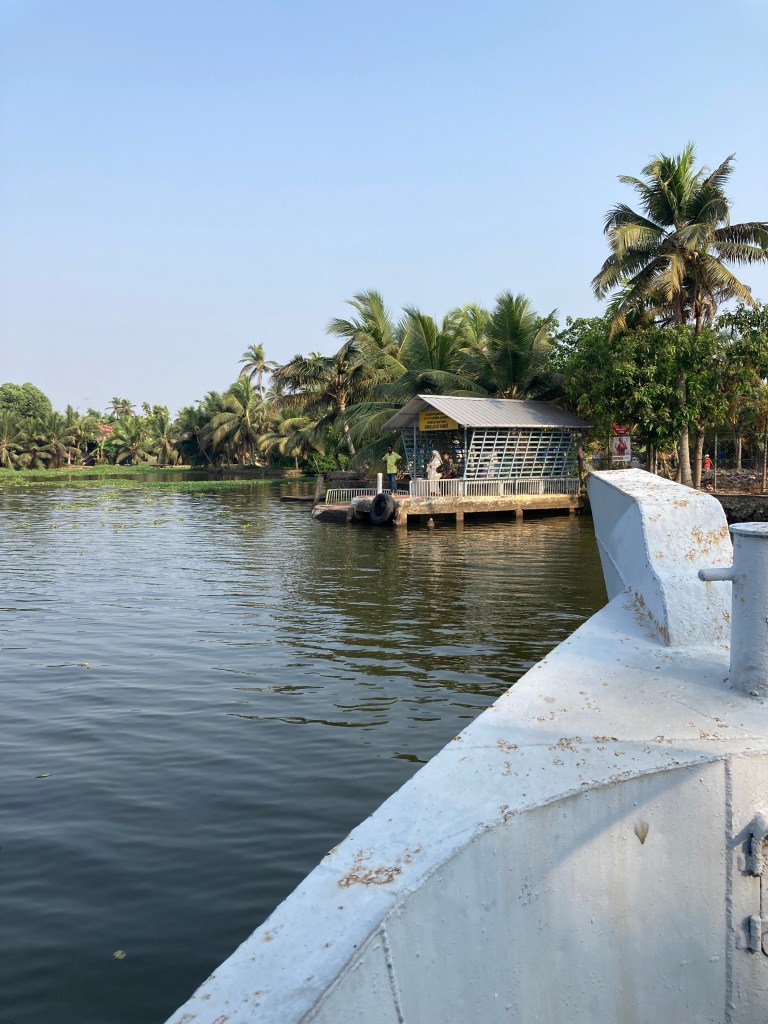
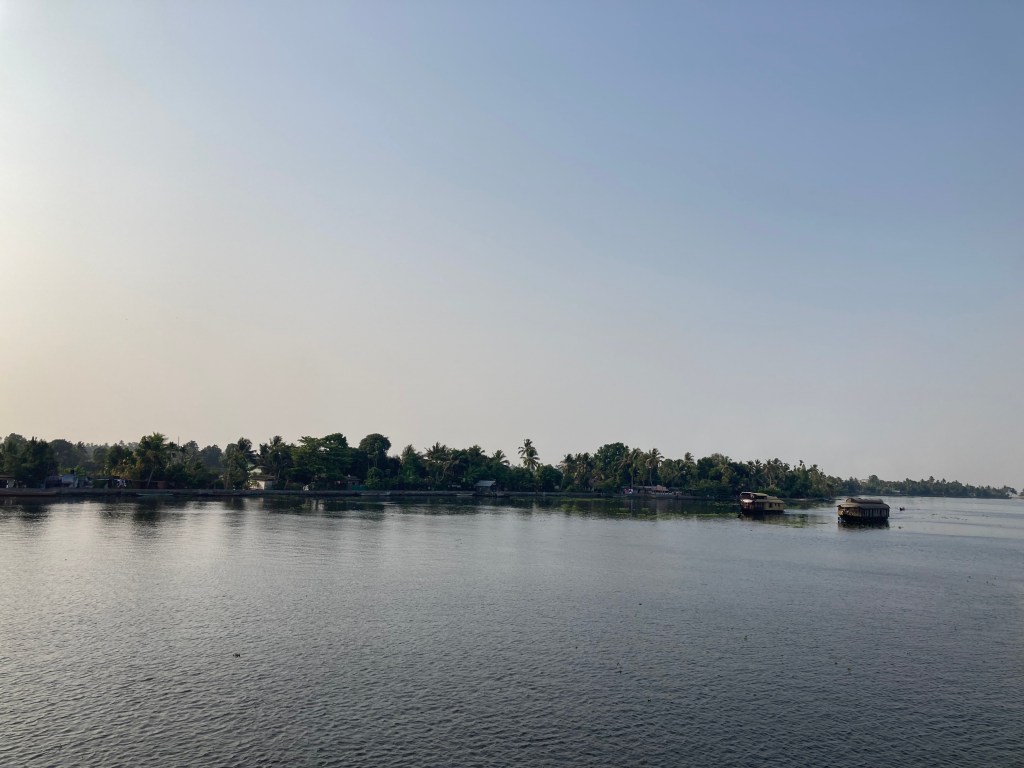
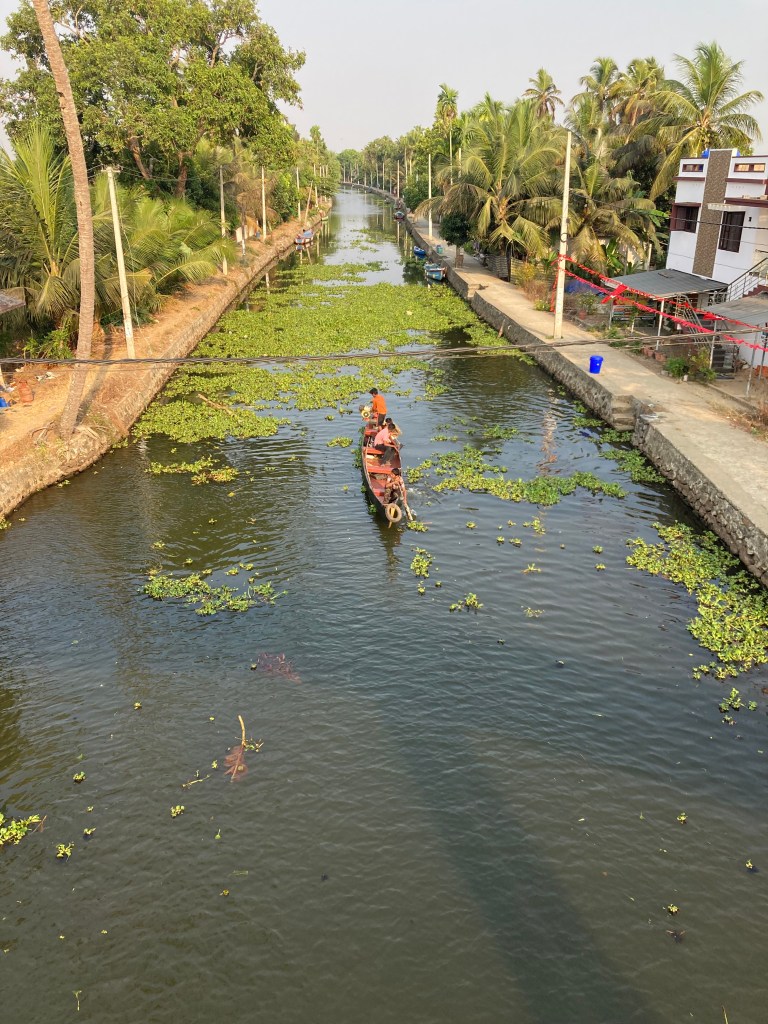
Public boat in Alleypey
The public boat fares here are very cheap, and they can take you to many places. It’s also very interesting because many locals ride them together.
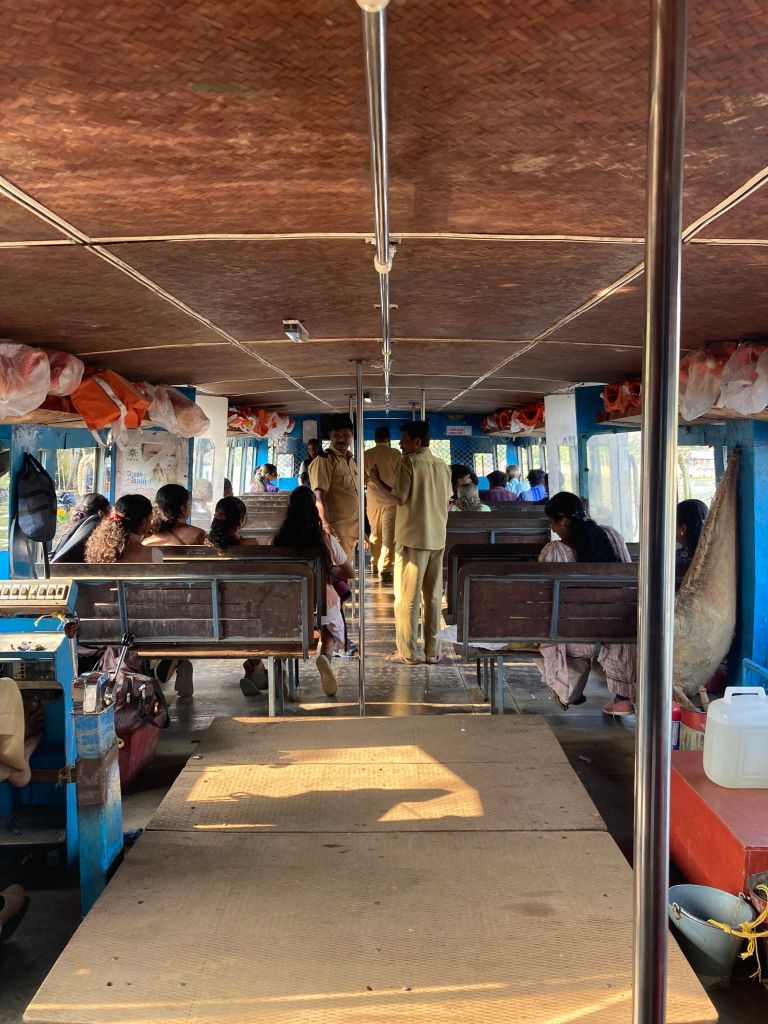
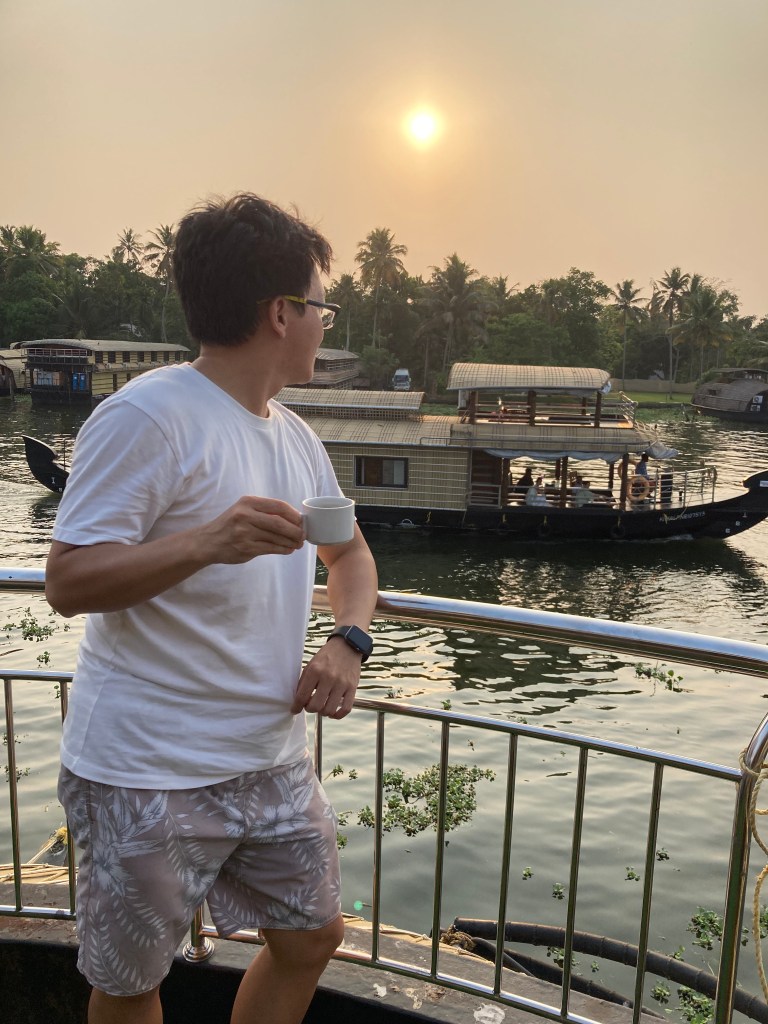
Overnight Boat In Alleypey
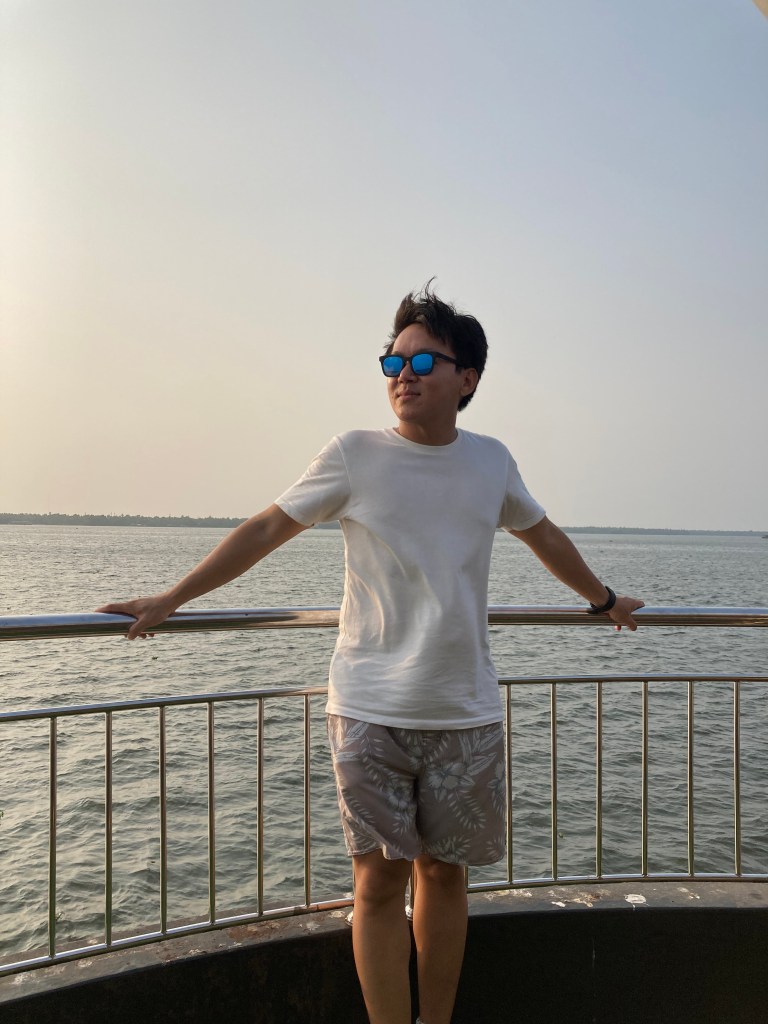
Today I took an overnight boat, and the cost for one night is 50 euros, including three meals and tea. The air conditioning is turned on from 6 PM until 8 AM the next morning. I didn’t find it particularly special because the boat doesn’t move at night, only during a few hours in the daytime. The main attraction is experiencing sleeping on a boat in the backwaters.


Alleypey – Cochin
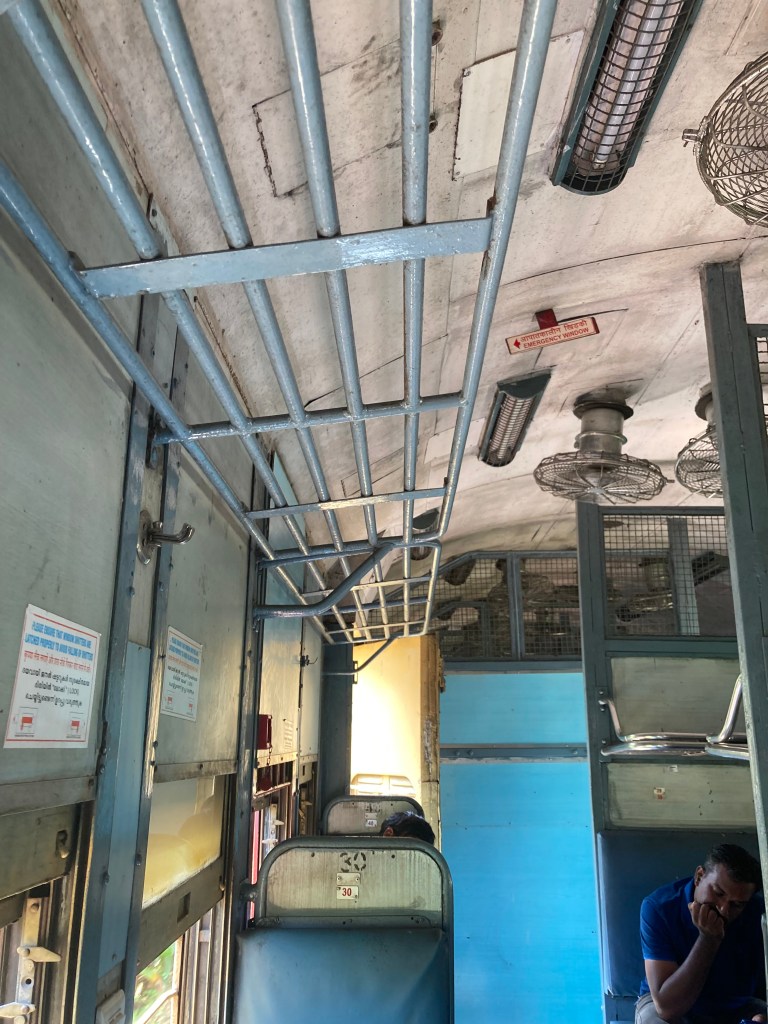
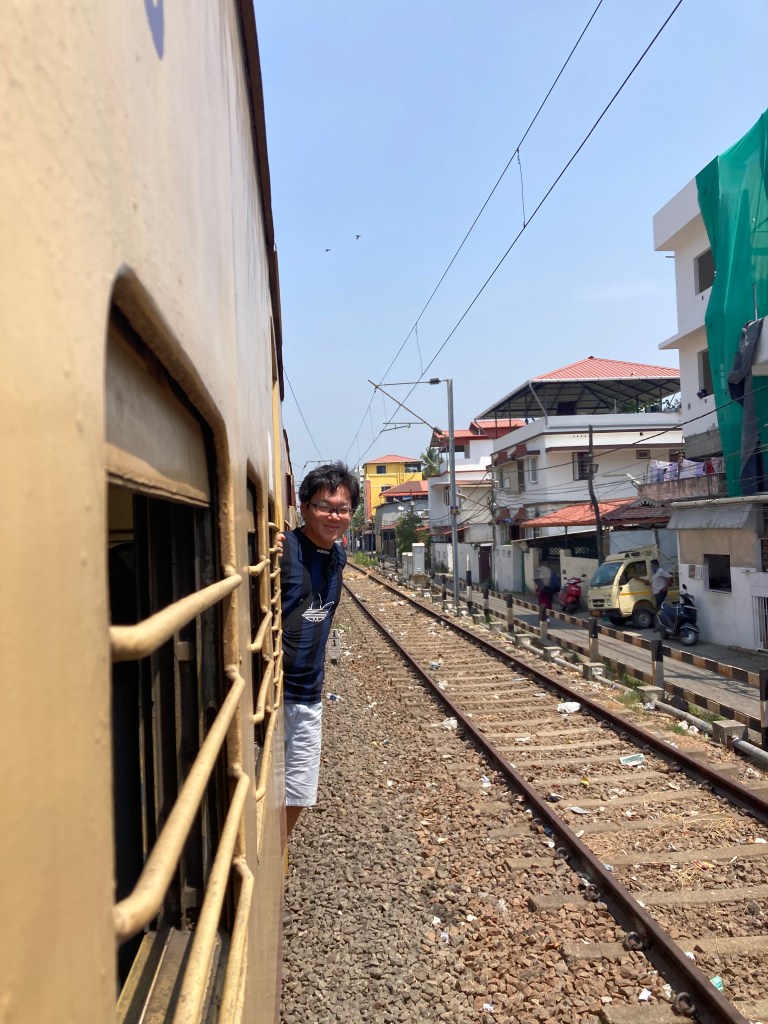
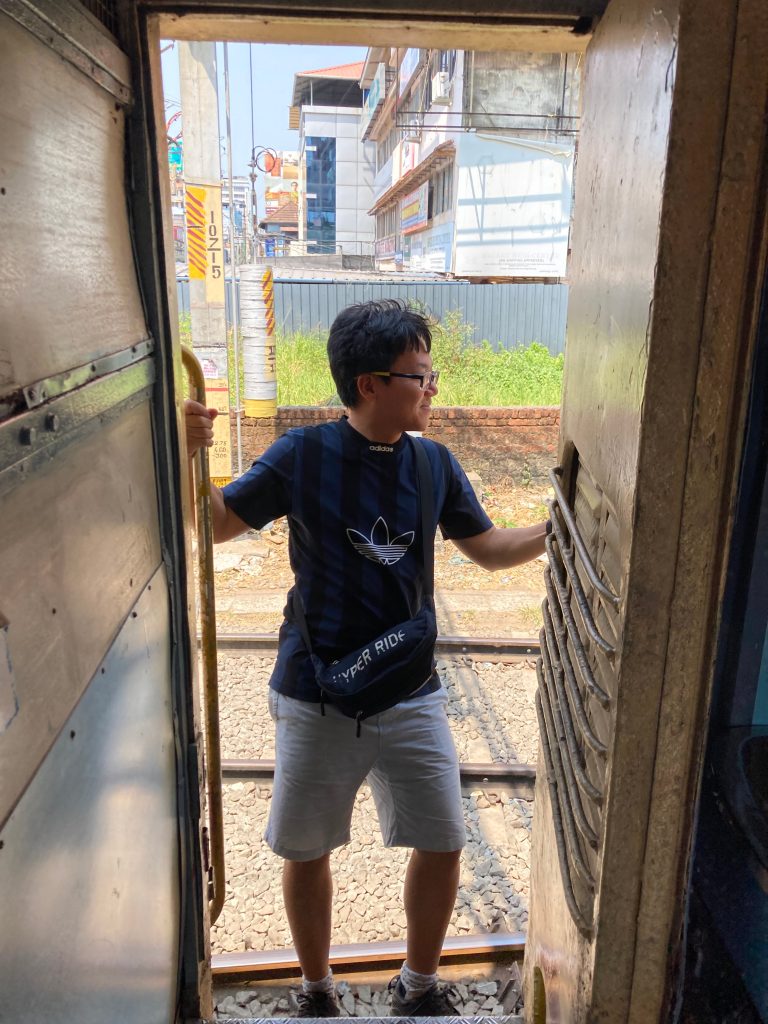
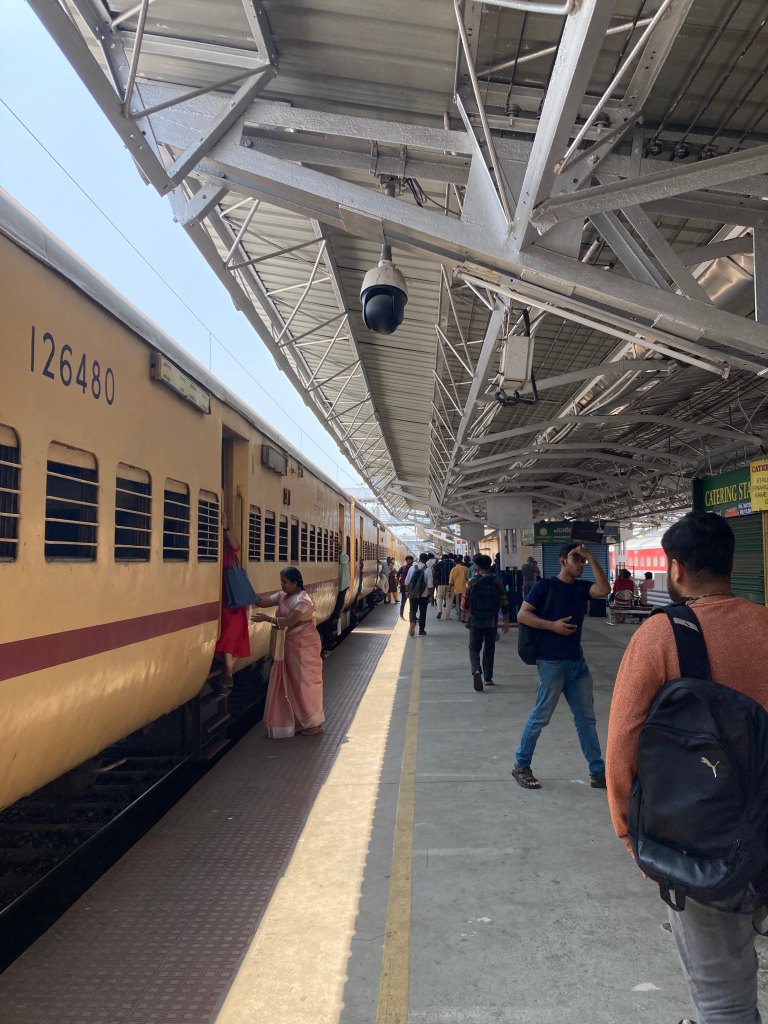
Today I took a train from Alappuzha to Cochin. I’ve always wanted to experience traveling by train in India. The train is very cheap, and nobody checks tickets, so you can ride without buying a ticket.

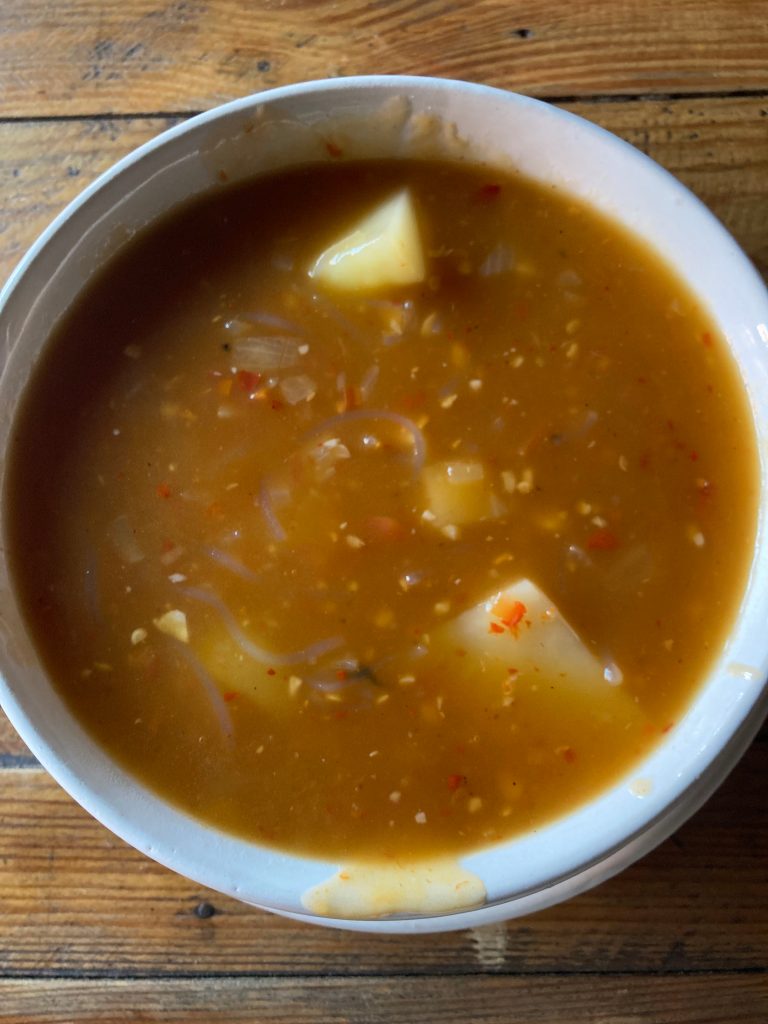
In Cochin, there are many Tibetan restaurants, and it was my first time trying Tibetan cuisine. It was really delicious.

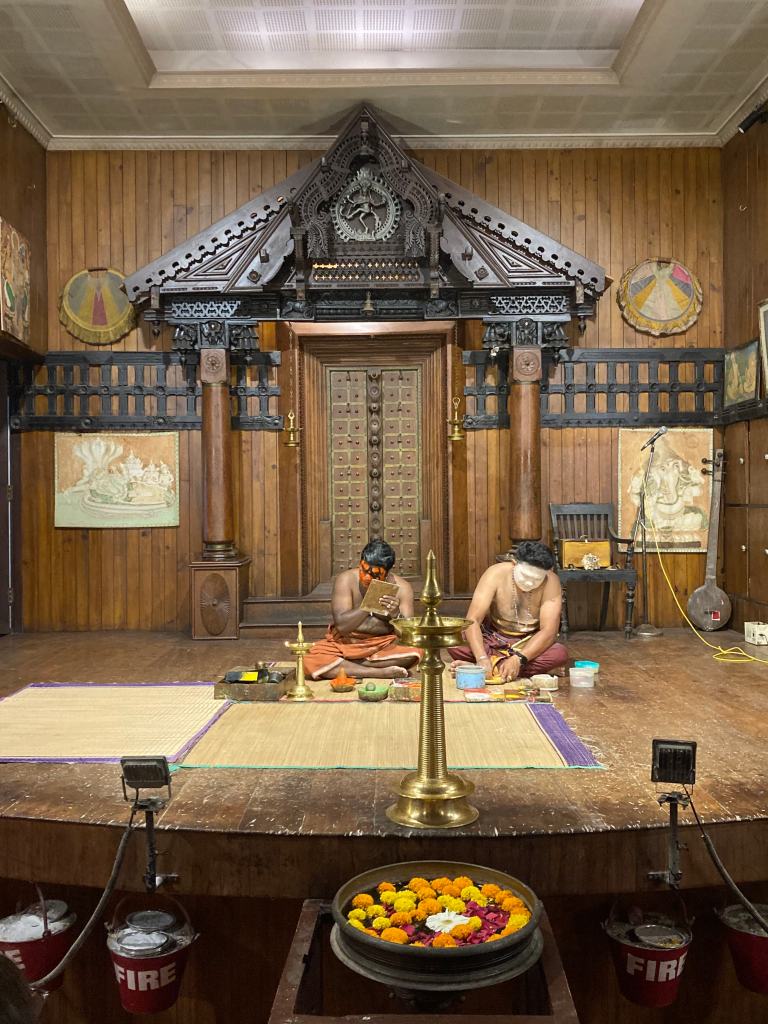
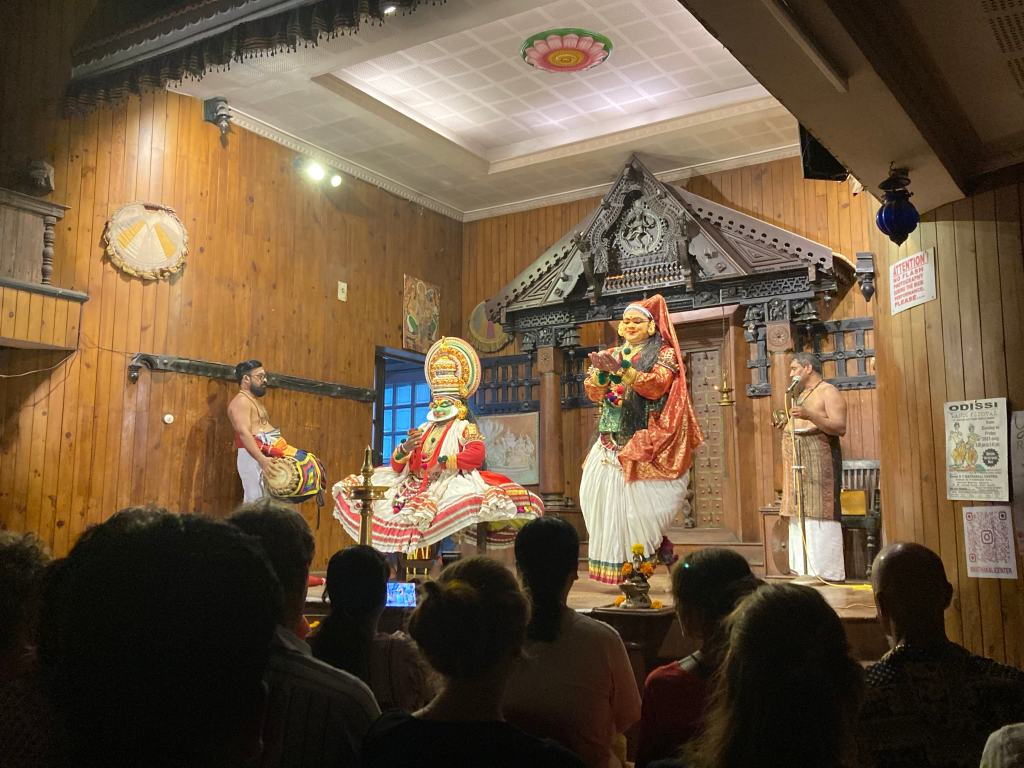
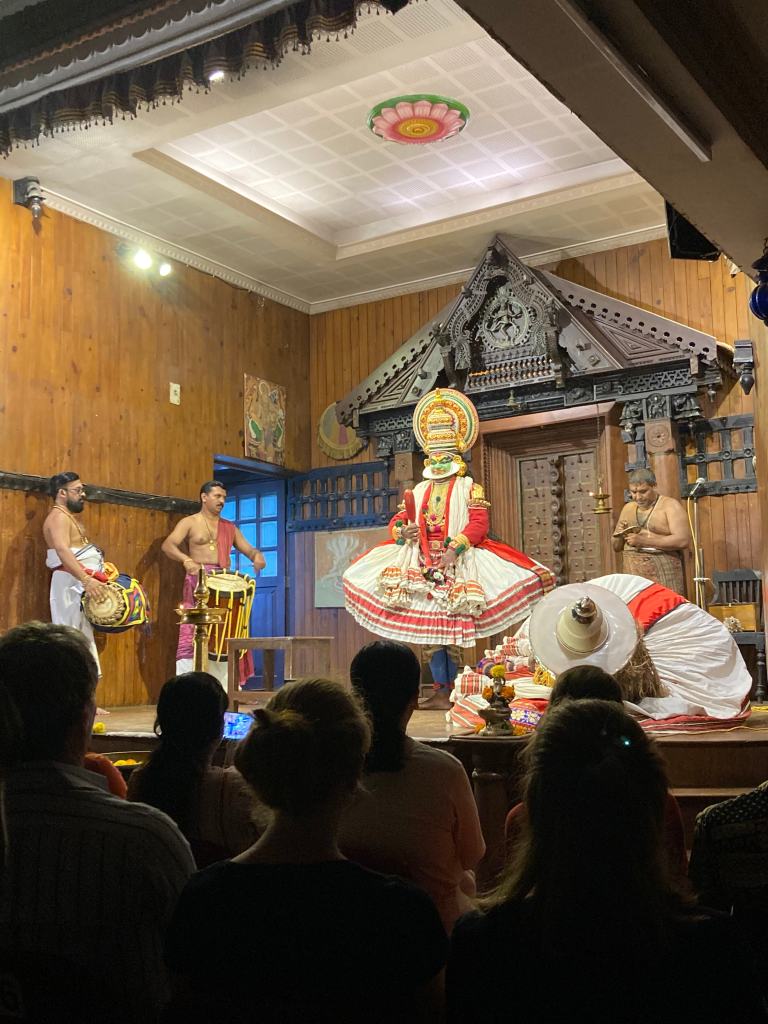
Kathakali
In Cochin, the most famous attractions are watching the Chinese fishermen and experiencing Kathakali performances.
But the Kathakali performance is really very boring. Personally, I didn’t find it enjoyable at all.

Lulu Hypermarket Cochin
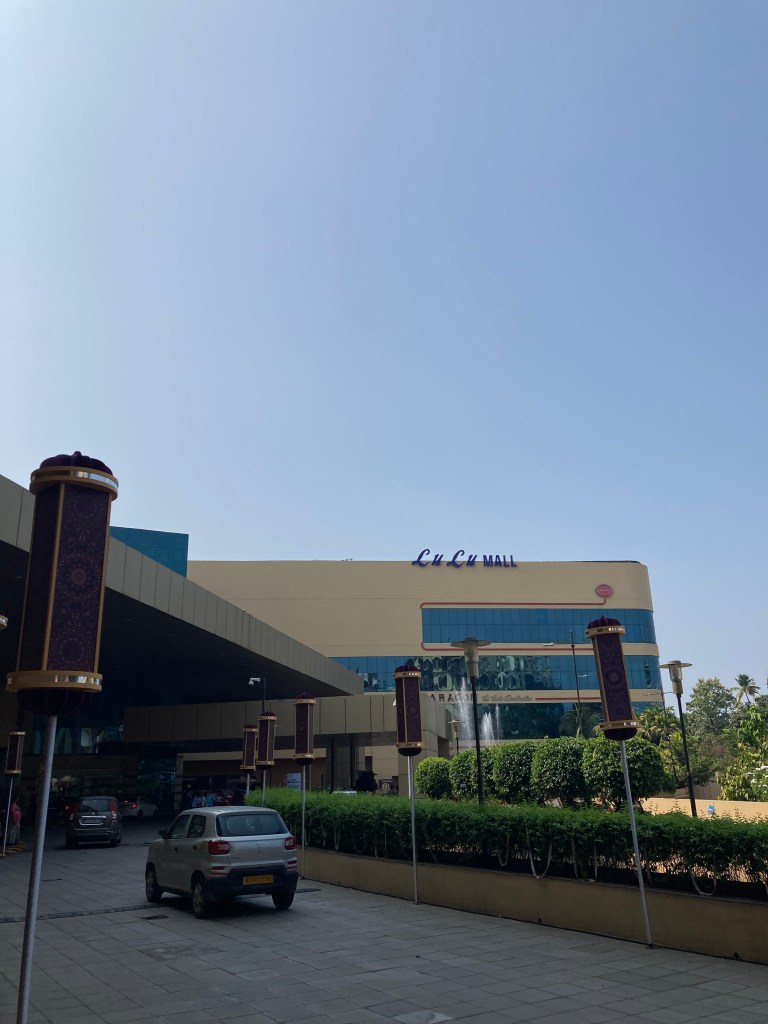
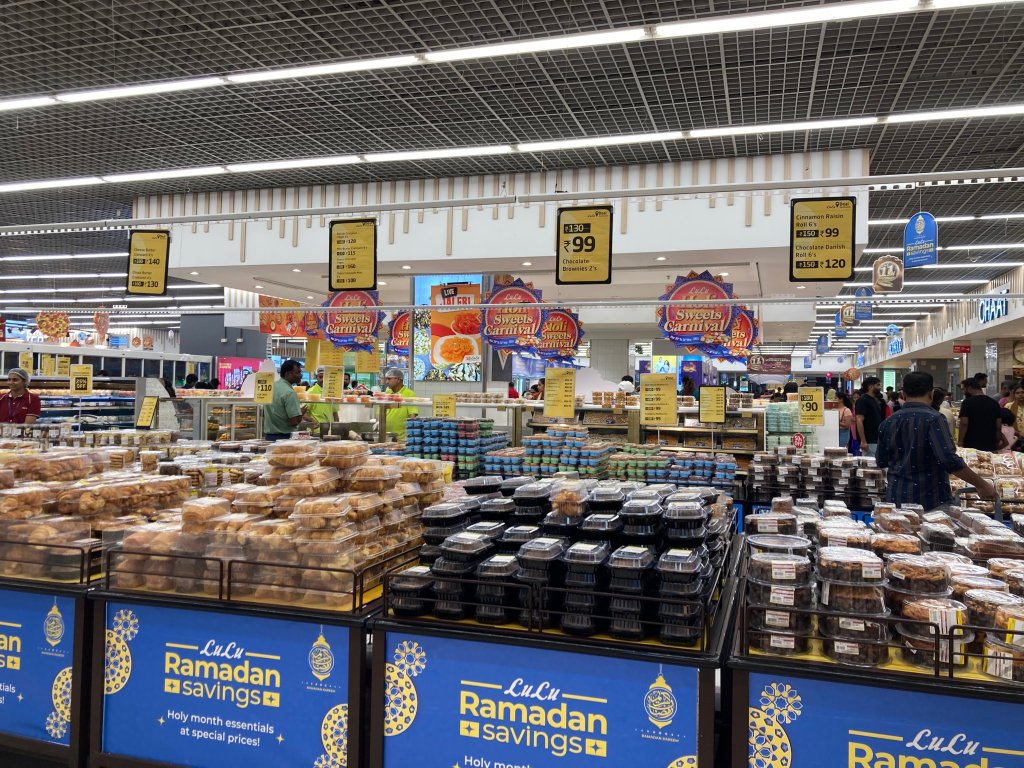
LuLu Mall, Kochi, is a sprawling shopping complex situated in Edappally, Kochi, Kerala. Spanning across 17 acres (6.9 ha) with a total built-up area of 2.5 million square feet, it stands as the largest mall in Kerala. The mall itself occupies 1.7 million square feet and houses approximately 280 outlets, including food courts, restaurants, family entertainment zones, a multiplex, ice skating rink, gaming arena, beauty parlors, a toy train joy ride, and a bowling alley. Inaugurated in March 2013 by the then Chief Minister of Kerala, Shri Oommen Chandy, it has become one of the most visited places in the state, boasting an average daily footfall of over 80,000 visitors.
Designed by the UK-based architectural firm Atkins, the project also includes a 5-star hotel, constructed by the Indian conglomerate Shapoorji Pallonji. The hotel, operated by Marriott Hotels & Resorts, is nestled within the mall’s campus. Over the course of ten years since its opening, LuLu Mall Kochi has welcomed a staggering 250 million visitors and witnessed the entry of 3 million vehicles by 2023. The estimated cost for this ambitious project exceeded ₹1,600 crore (US$273.05 million). Owned and managed by the Abu Dhabi-based LuLu Group International, the mall’s shops and restaurants are franchised through the group’s retail operations company, Tablez. Adjacent to the mall and hotel campus stands the head office building of the Lulu group in India.


Chinese Fisherman
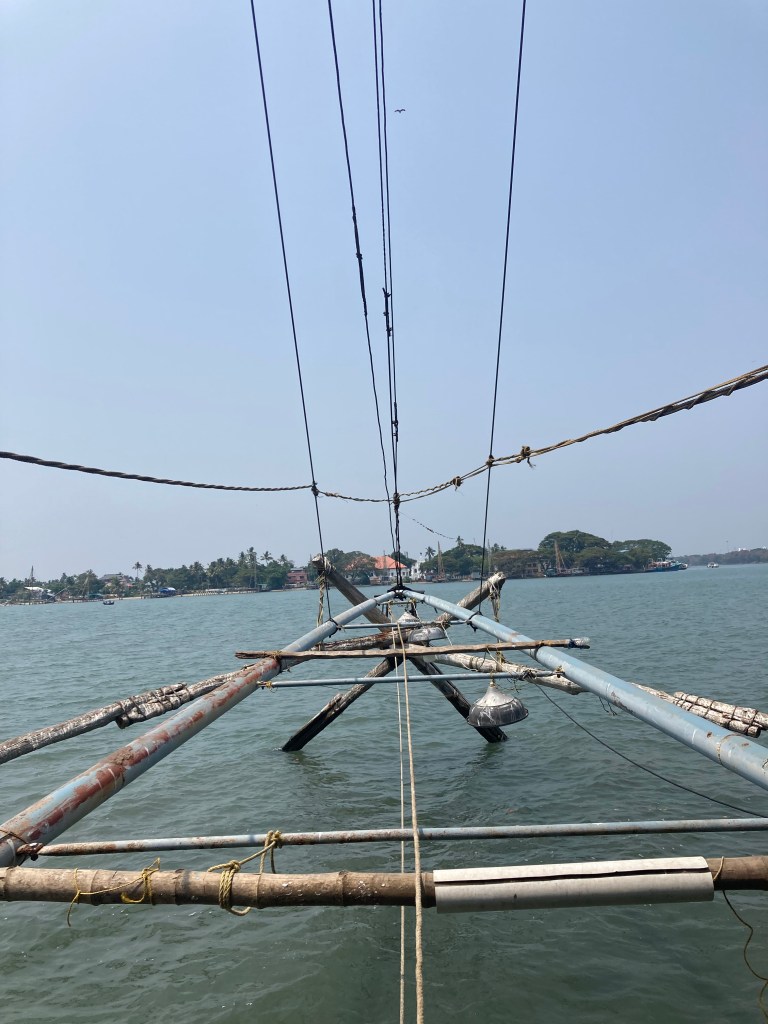
The iconic Chinese fishing nets, resembling oversized hammocks as they drape towards the waters, have become synonymous with Fort Kochi on the tourist map. Originally a fishing tool, they now serve as a major attraction for tourists.
History Chinese fishing nets, known as Cheenavala in Malayalam, are believed to have been introduced to Kochi by the Chinese explorer Zheng He, from the court of Kubla Khan. They became a fixture on the Kochi shores between 1350 and 1450 AD.
Best view The sight of the Chinese nets, suspended mid-air and lining the beaches, especially against the backdrop of the sunset, is breathtakingly beautiful. It’s undeniably one of the most photographed scenes in Kochi.
For the best view of the nets, visit Vasco da Gama Square, a narrow walkway along Fort Kochi beach.
Structure and operation of Chinese fishing nets Constructed from teak wood and bamboo poles, the Chinese nets operate on a principle of balance. Each structure, approximately 10 meters high, is anchored on the beach with a cantilever and an attached net spanning about 20 meters. Counterweights, typically stones around 30 cm in diameter, tied to ropes of varying lengths, aid in the operation of the nets. Often, lights are suspended above the net from the teak posts to attract fish.
Each fishing net requires more than four fishermen to operate, and it’s designed so that the weight of a person walking on the main plank is sufficient to pull the equipment down into the sea. Fishing usually occurs in the morning and early evening. The net is lowered into the water briefly and then delicately raised by pulling on the ropes. The slow rhythm and balance of the net are mesmerizing for first-time viewers.
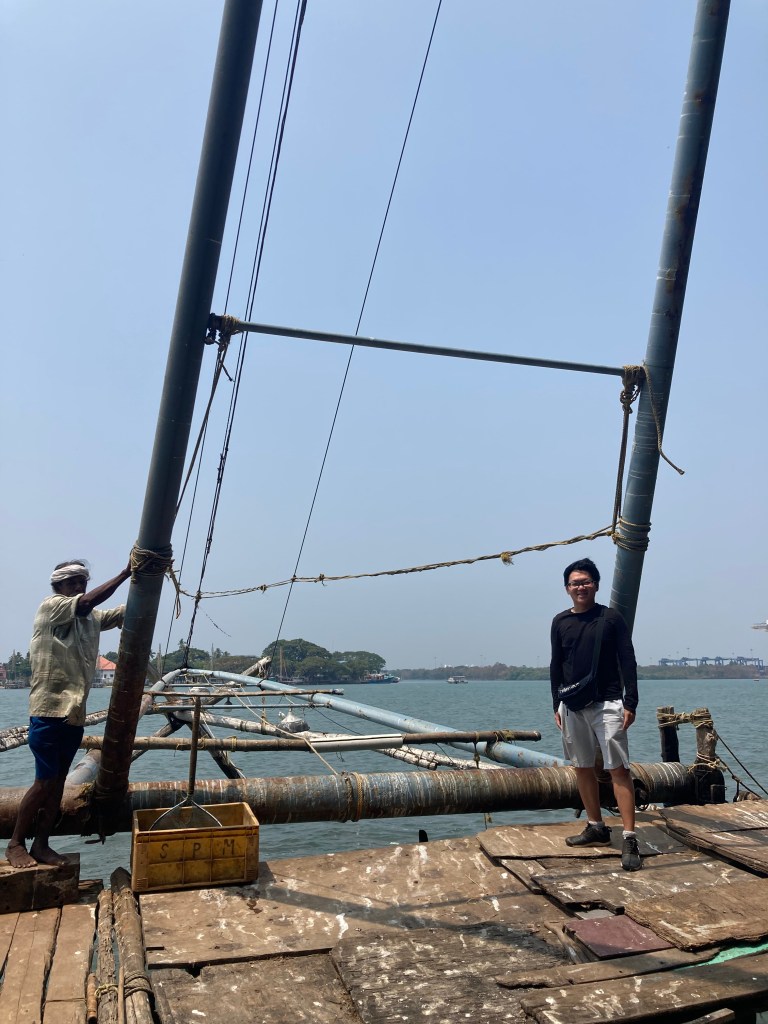
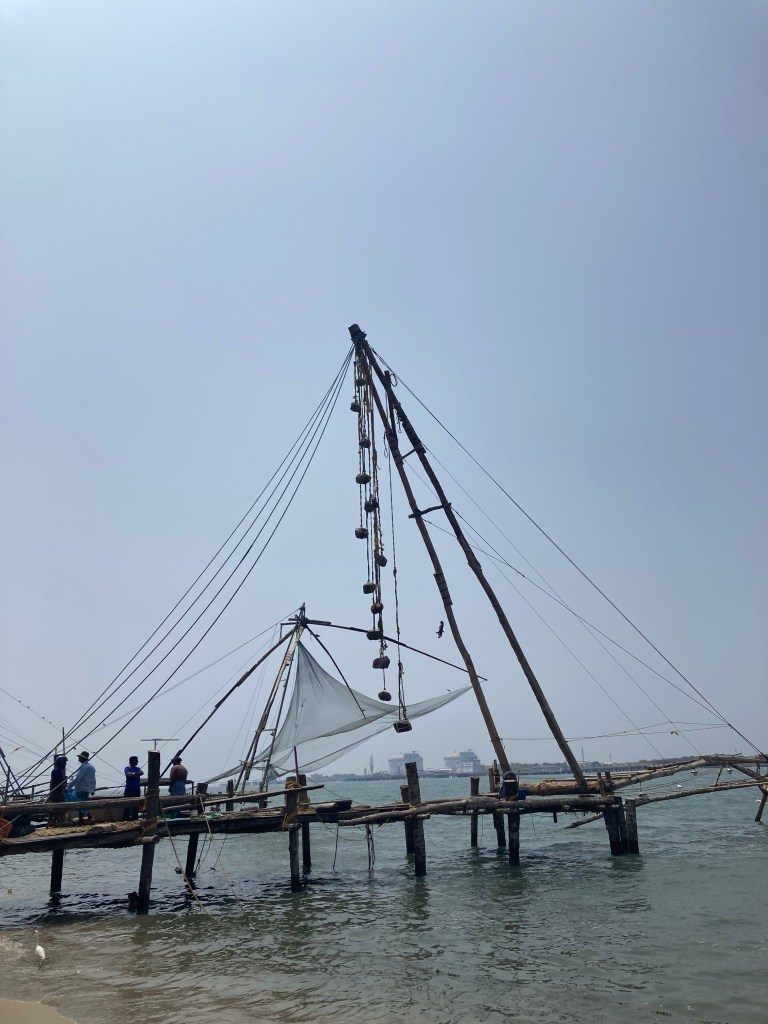
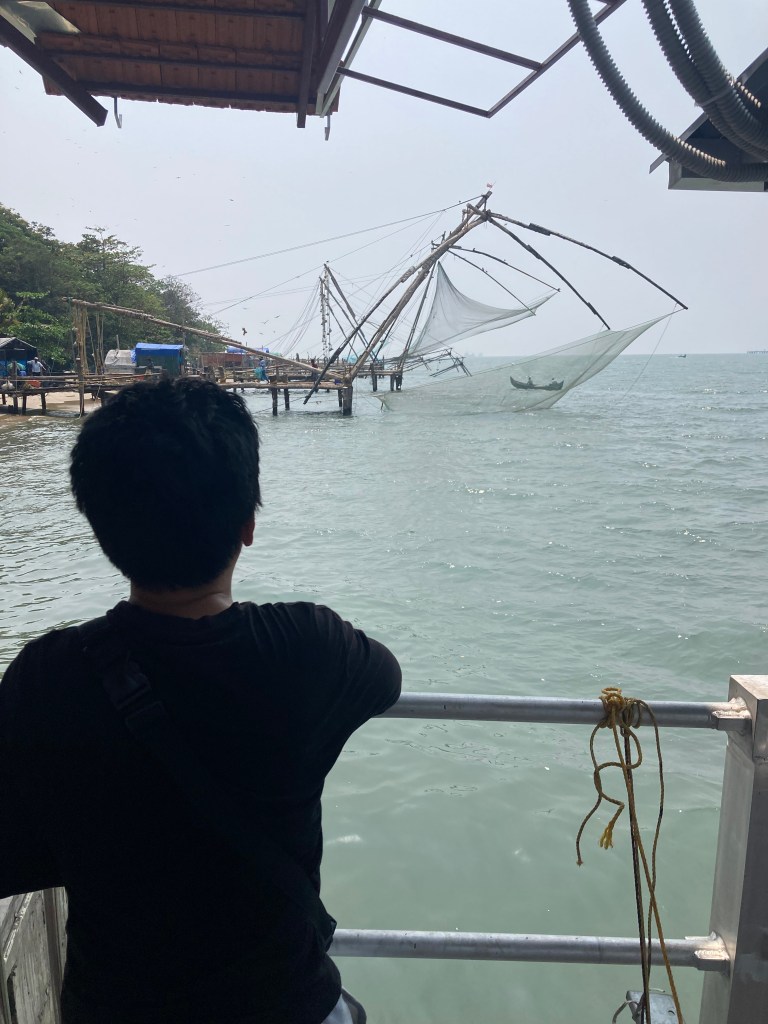
To save time, we rented a tuk-tuk for two hours instead of walking.
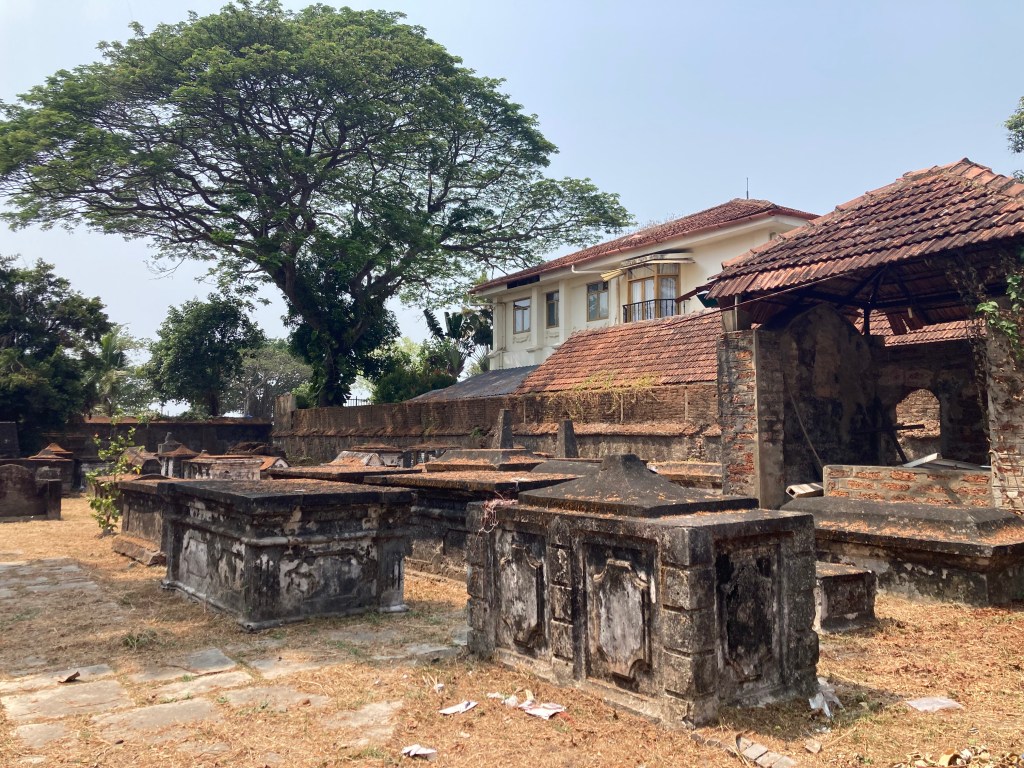
Dutch Cemetery
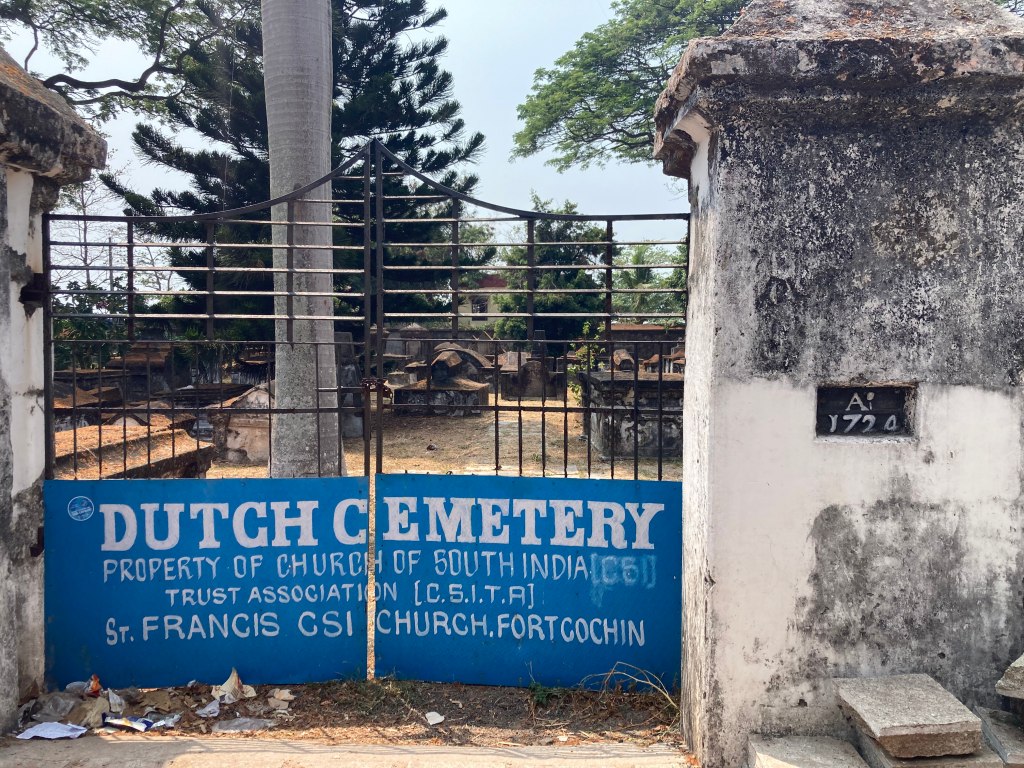
The Dutch Cemetery is among the most visited sites in Fort Kochi and is famous for its imperial inhabitants, voyagers who left their homelands centuries ago to propagate and expand their own empire. Consecrated in 1724, the Cemetery is today managed by the Church of South India. From here emanate stories that shaped the cultural mix of an entire coast.
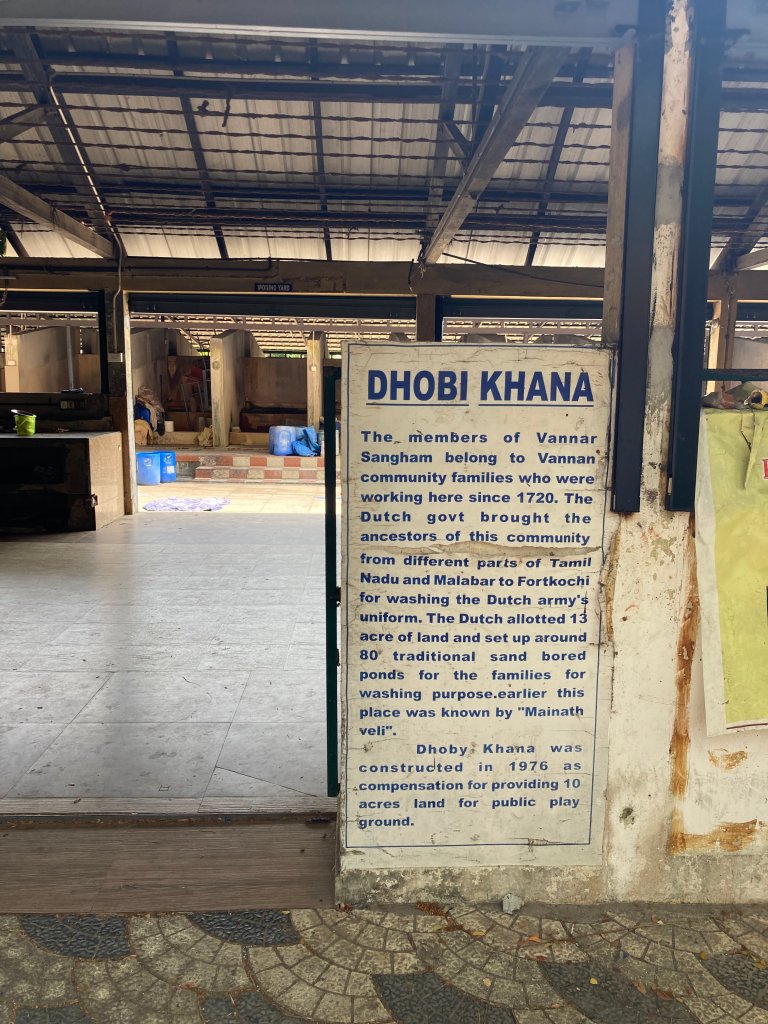
Dhobi Khana
Dhobi Khana at Veli in Fort Kochi is where the Tamil-speaking Vannan community traditionally carries out laundry work. This practice has its roots in the colonial period, where Vannans were brought from Coimbatore and Tirunelveli by the King of Kochi to wash the army uniforms of the Portuguese or the Dutch. In 1975, with the support of the Greater Cochin Development Authority (GCDA), Vannans established a ‘Dhobi Khana’ at Veli near Fort Kochi, specifically designated for washing and drying clothes. This setup was organized in the form of a sangham or society. Before this, they conducted their work near the ponds at Veli. It is said that there were 70 ponds in 13 acres of land owned by the Vannans.
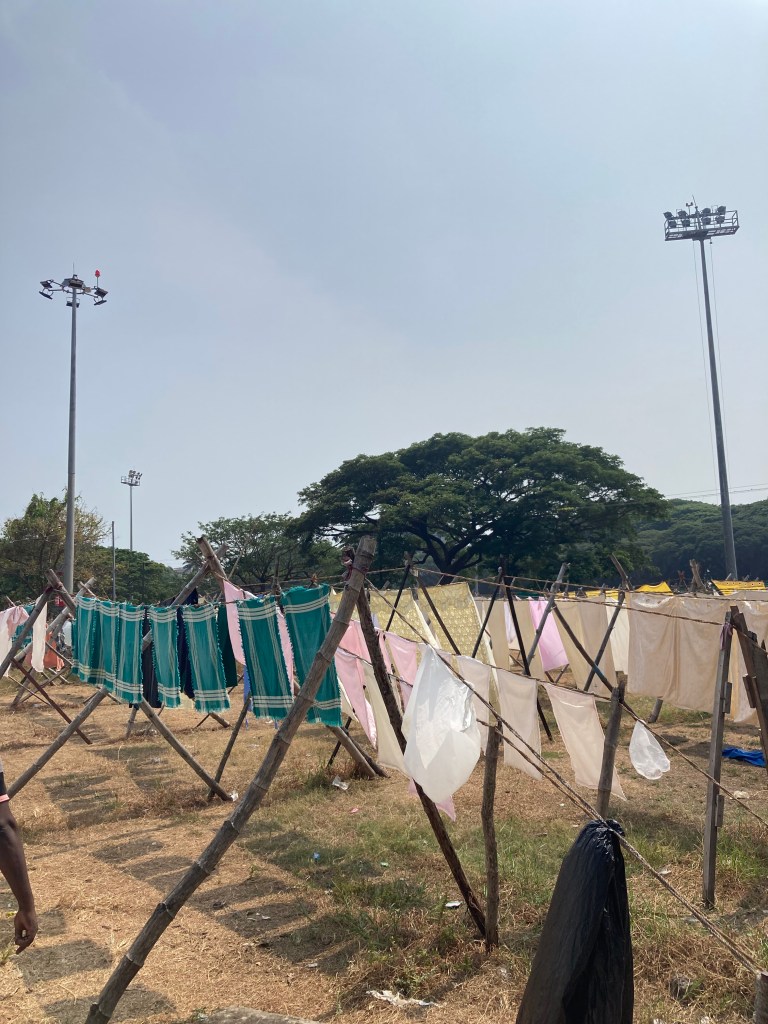
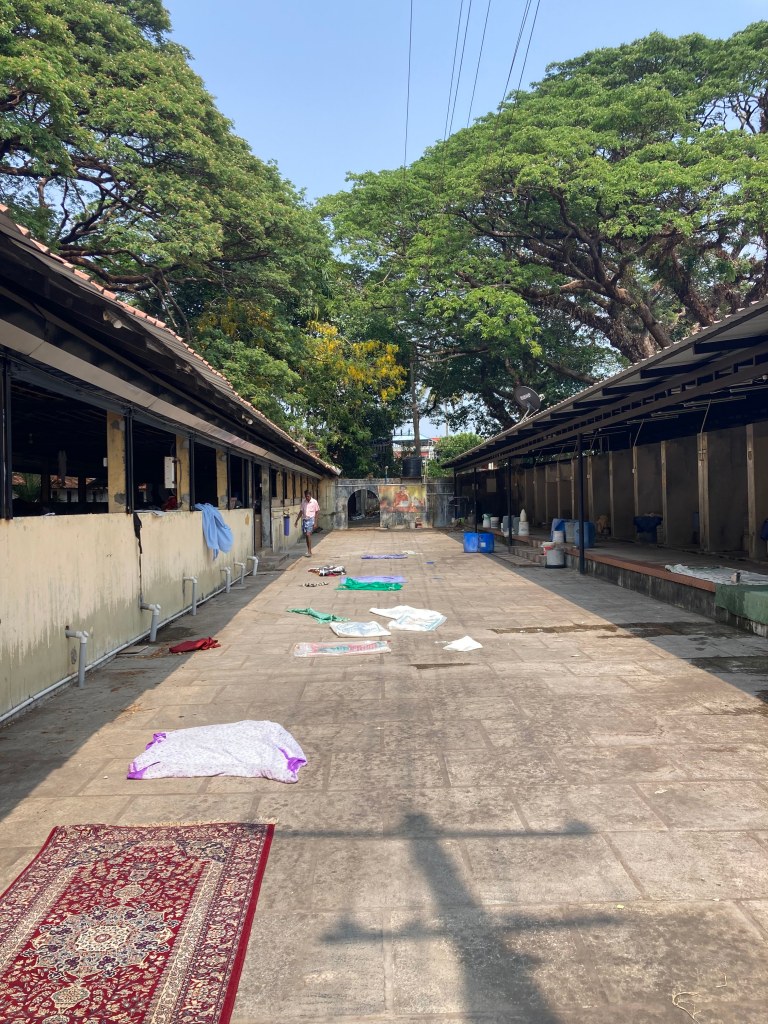
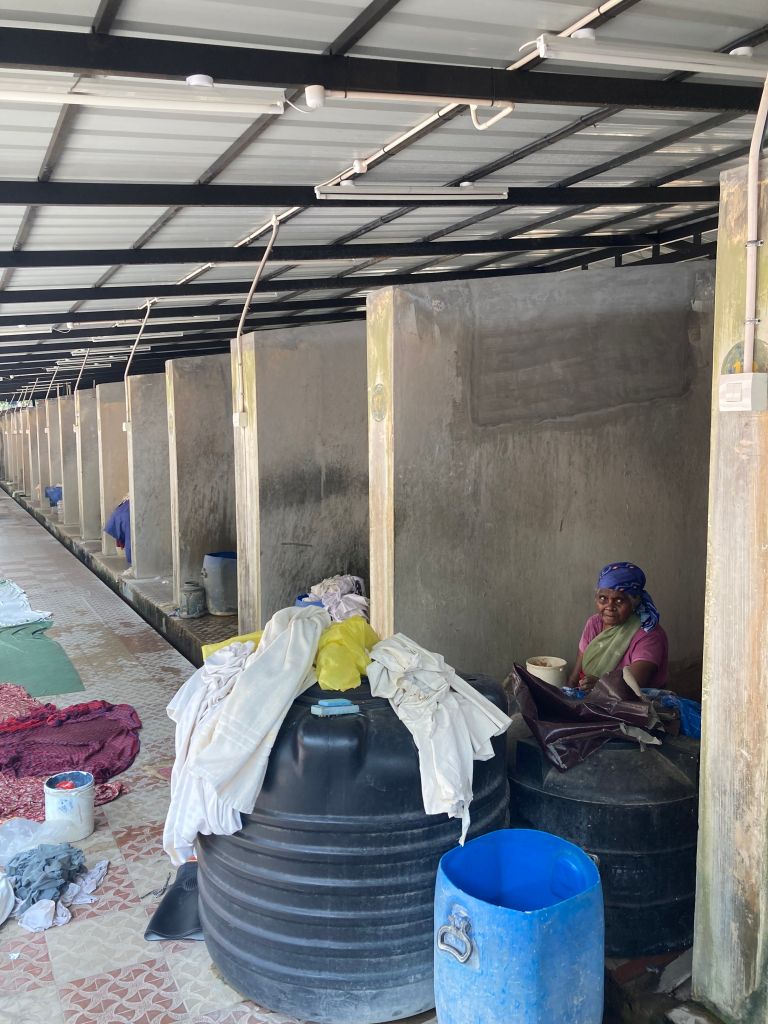

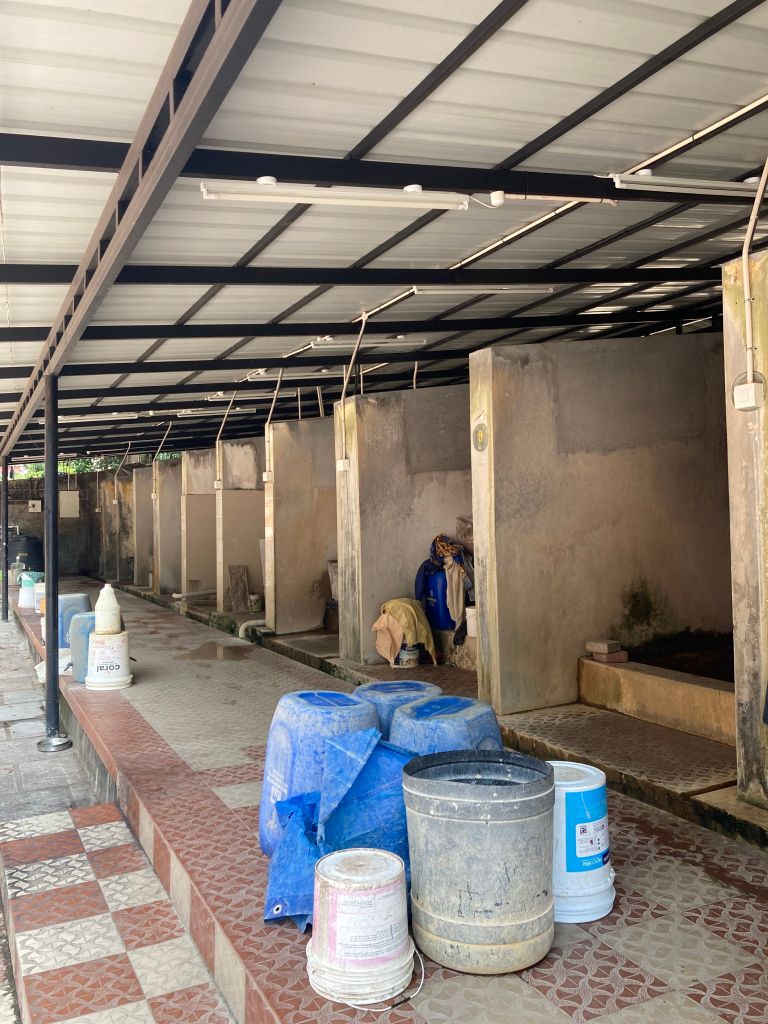

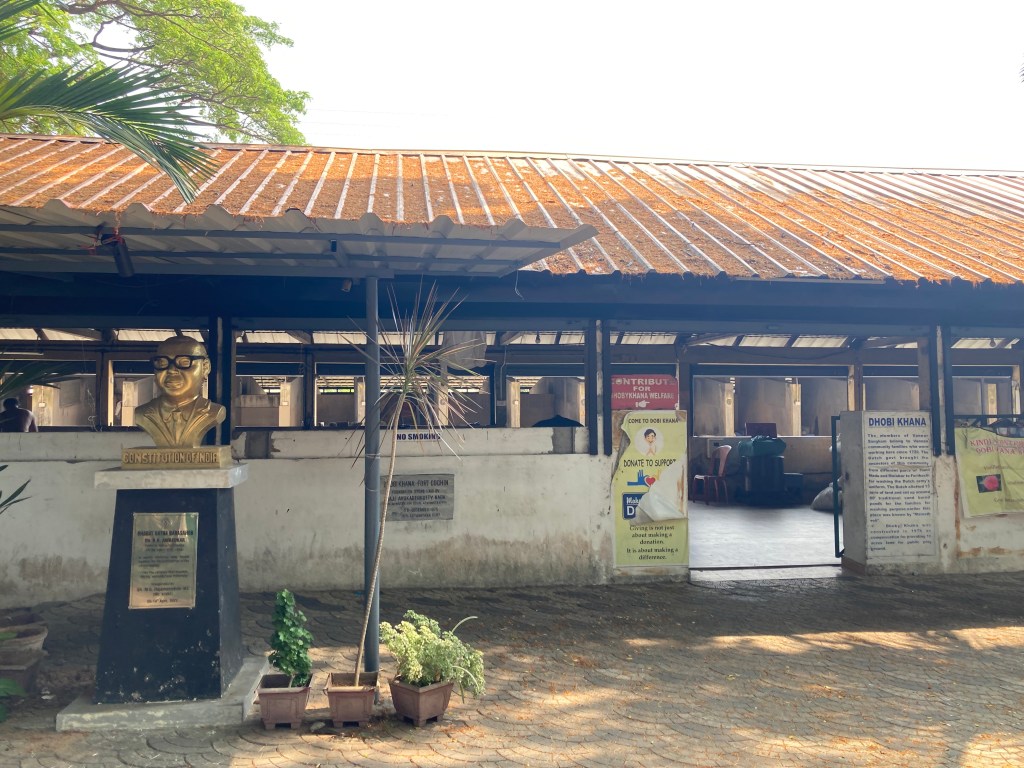
Upon entering the Dhobi Khana, the first sight is a group of men and women ironing clothes. While some still use traditional charcoal irons, others have switched to electric irons. There are around 40 to 45 cubicles spread over two to three acres of land, each assigned to a different family with a pool of water provided for each cubicle. Grey-haired men can be seen washing clothes in each cubicle, using the traditional method of soaking the clothes in bleach and detergent water before washing them by beating on a laundry stone. Starching the clothes is also done by dipping them in starch obtained from boiled rice.
Mattancherry Palace
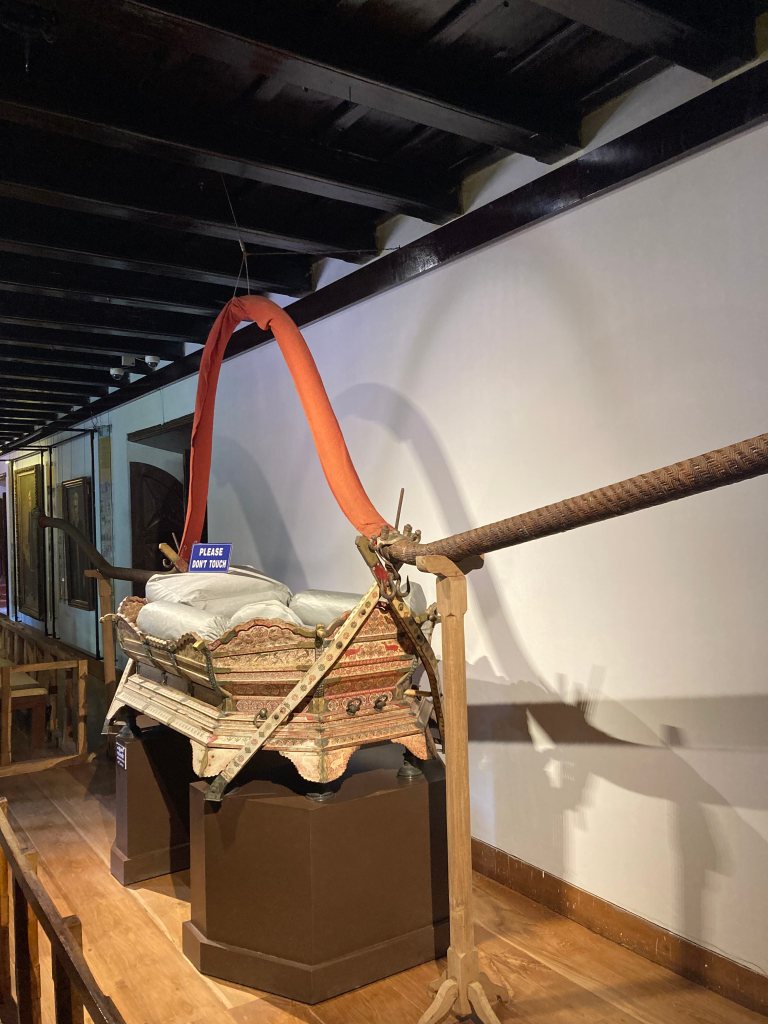
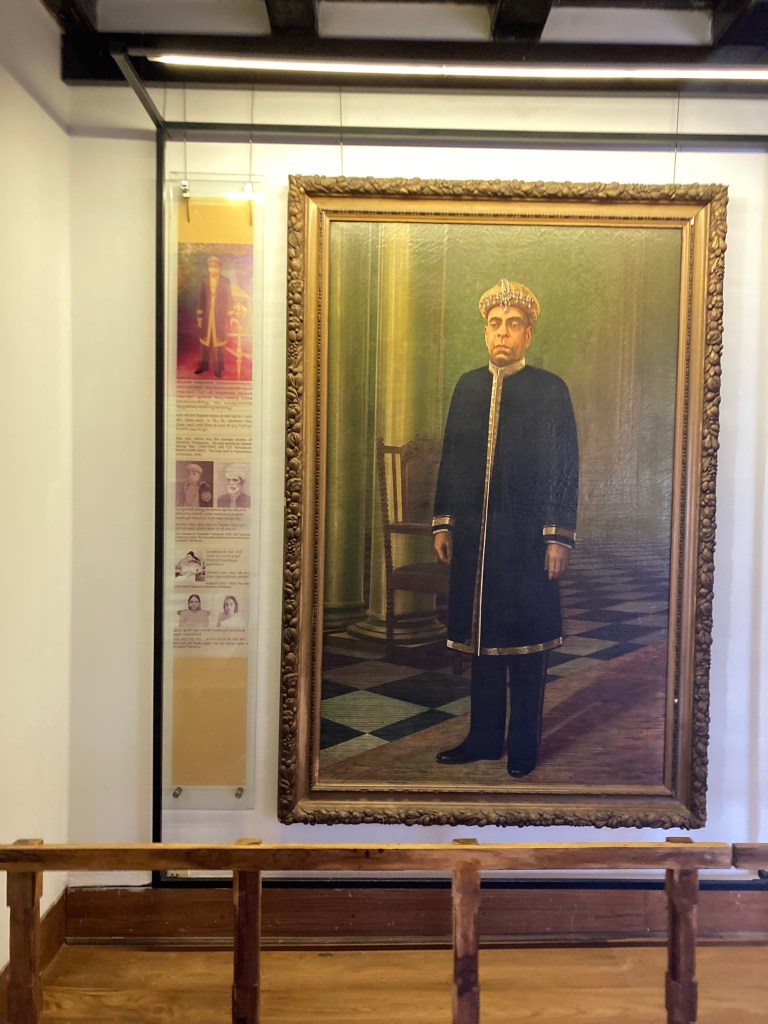
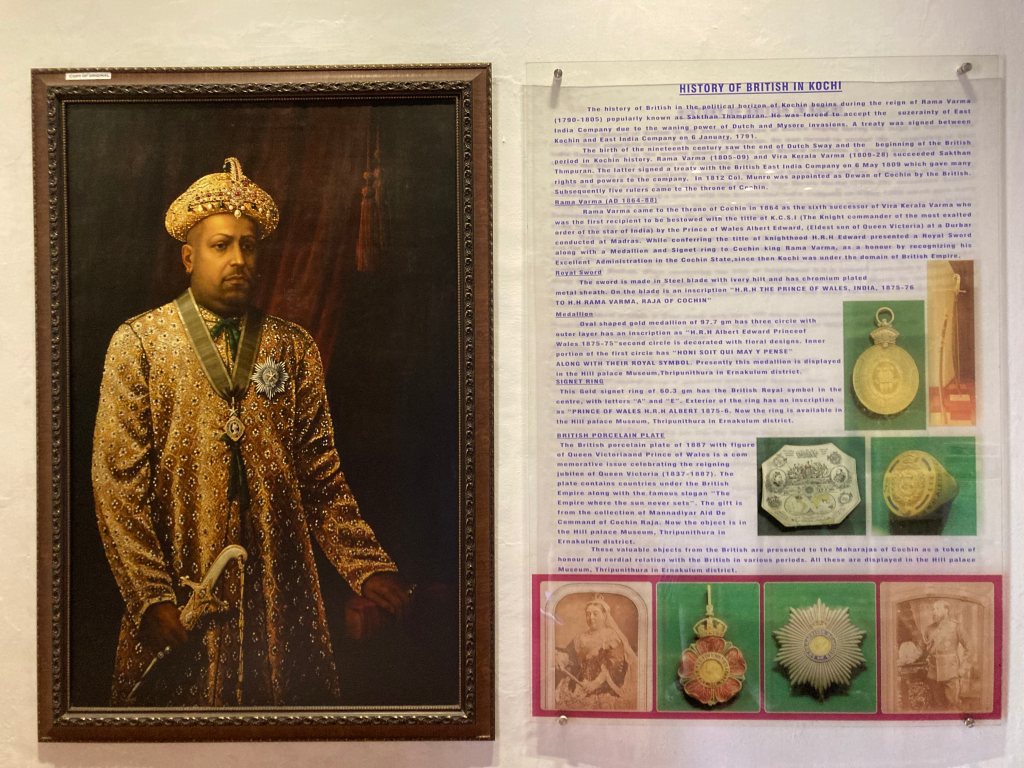
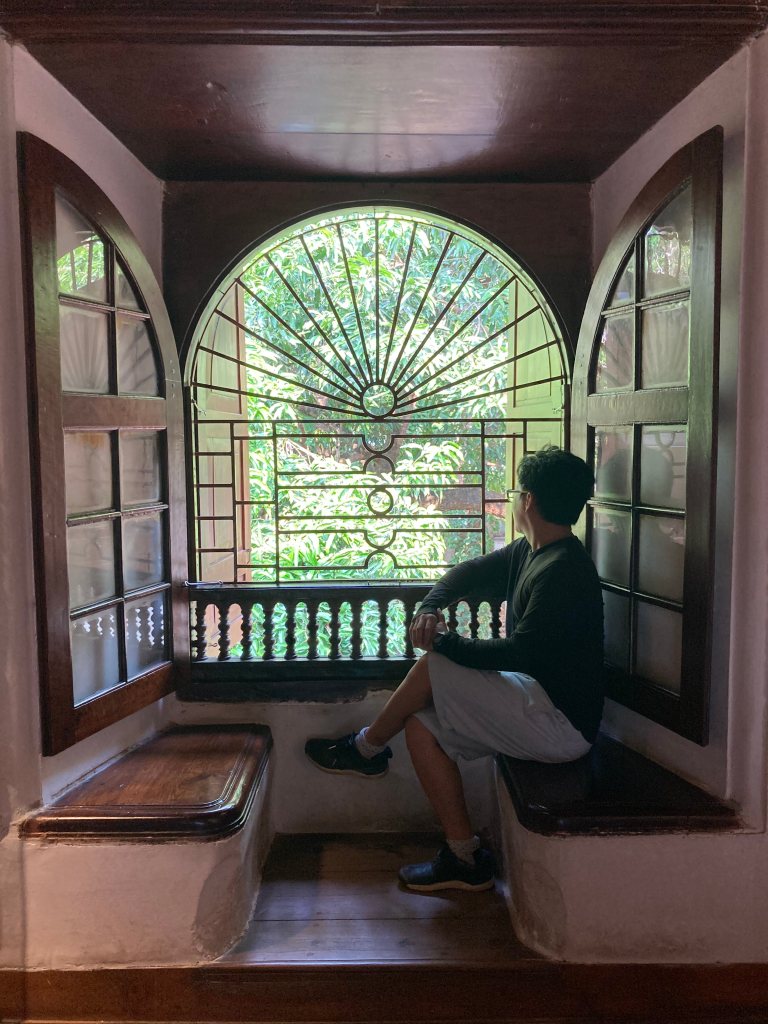
The Mattancherry Palace, commonly referred to as the Dutch Palace, is located in Mattancherry, Kochi, in the Indian state of Kerala. It showcases Kerala murals depicting portraits and exhibits of the Rajas of Kochi. Although it is named the Dutch Palace, it was actually constructed by the Portuguese Empire as a gift to the Kingdom of Cochin.
The palace was constructed and presented by the Portuguese as a gift to the king of Cochin around 1545. It was built in an attempt to appease the king after the Portuguese plundered a nearby temple. The arrival of Vasco da Gama, the Portuguese explorer, at Kappad in 1498 was warmly received by the Kochi rulers. Subsequently, the Portuguese were granted exclusive rights to establish factories, and they successfully defended against repeated attacks from the Zamorians, leading to the Cochin Rajas effectively becoming vassals of the Portuguese. The Dutch later supplanted the influence of the Portuguese and took over Mattancherry in 1663. Later on, the area was annexed by Hyder Ali and eventually by the British East India Company.
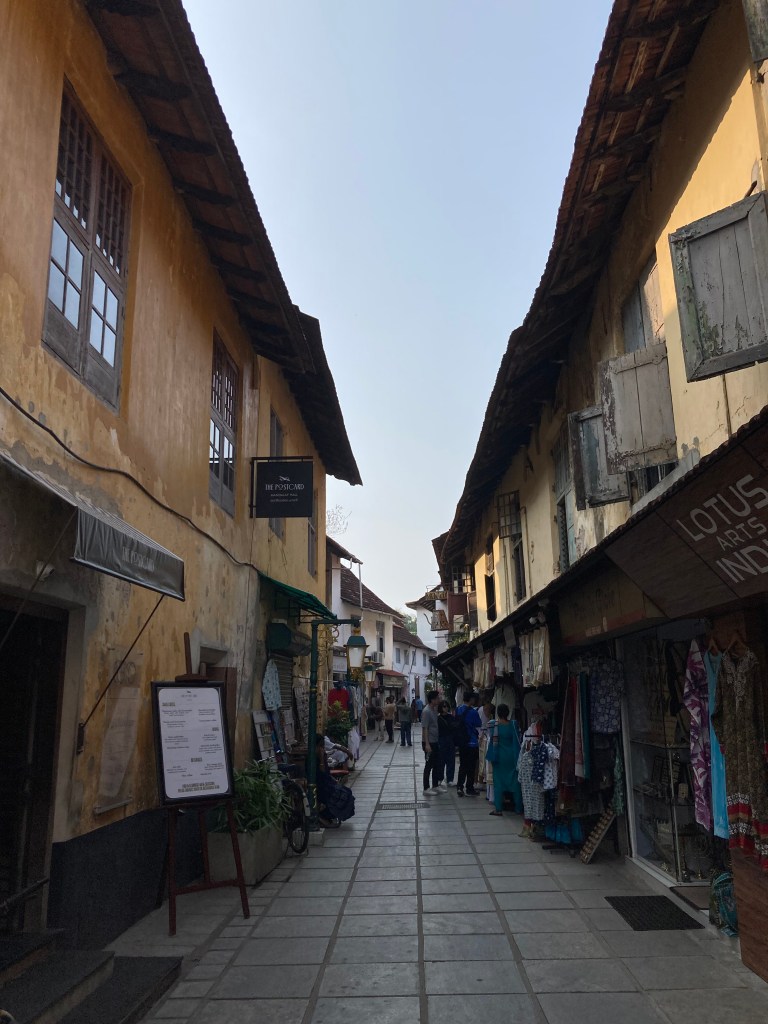
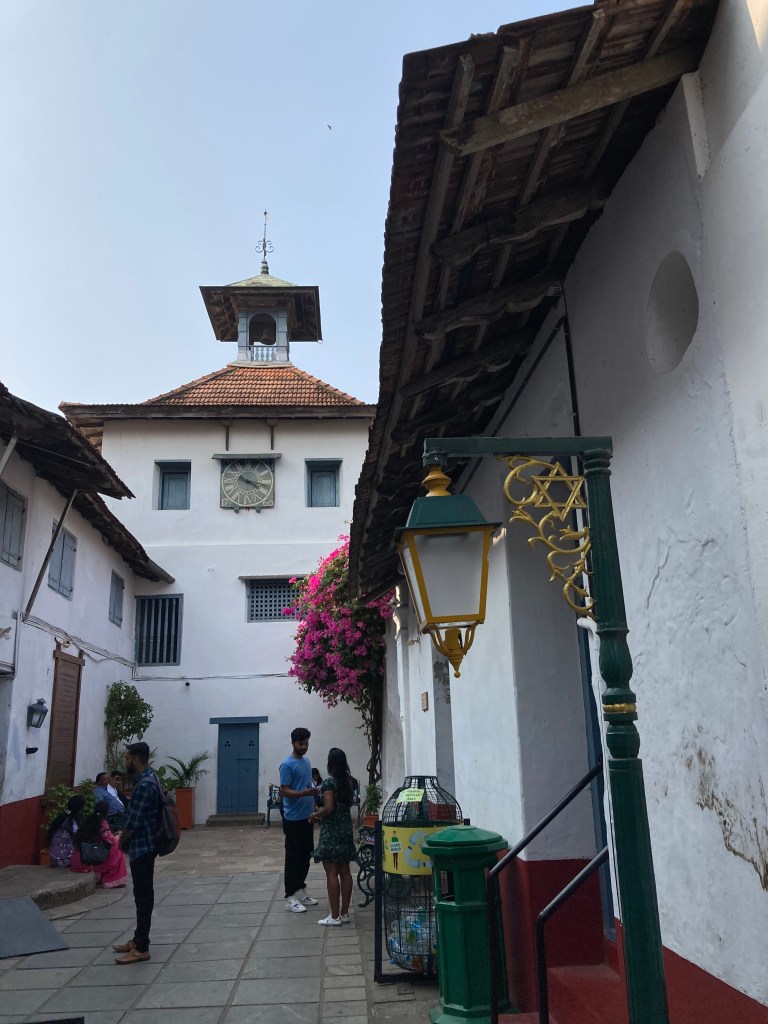
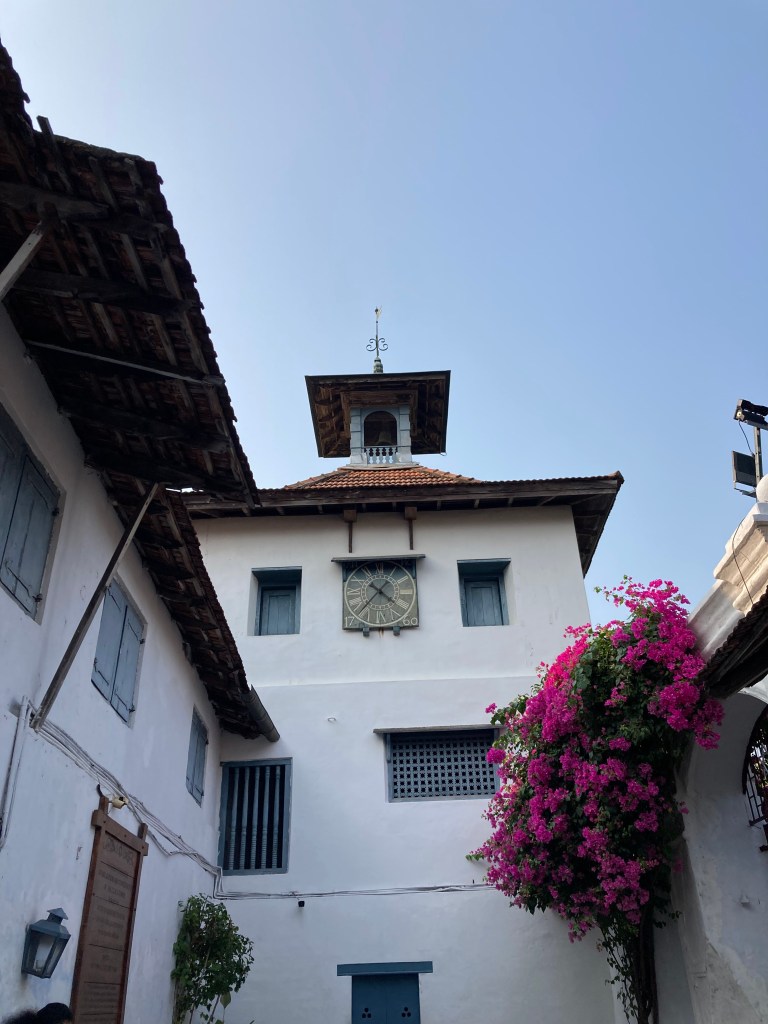
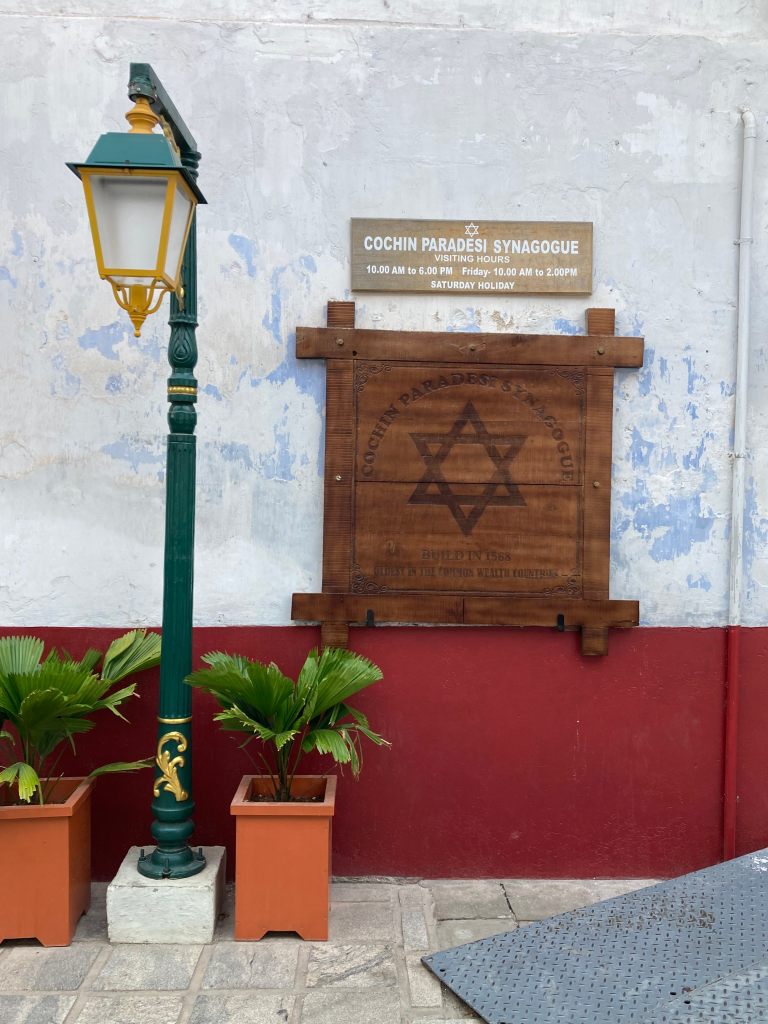
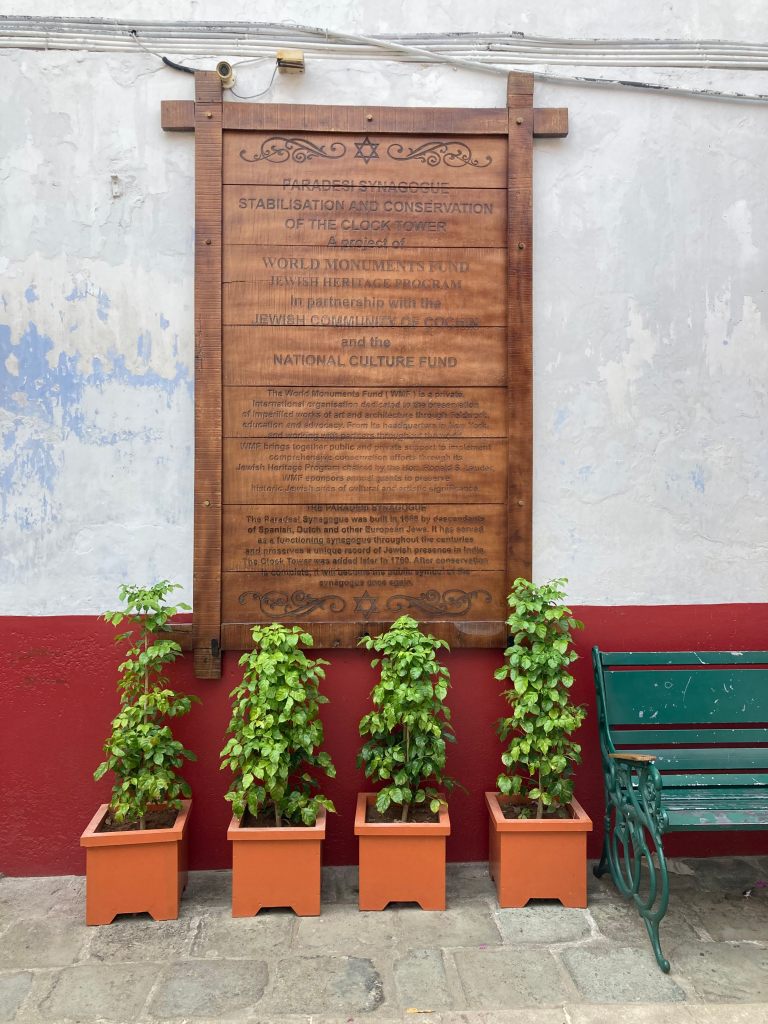
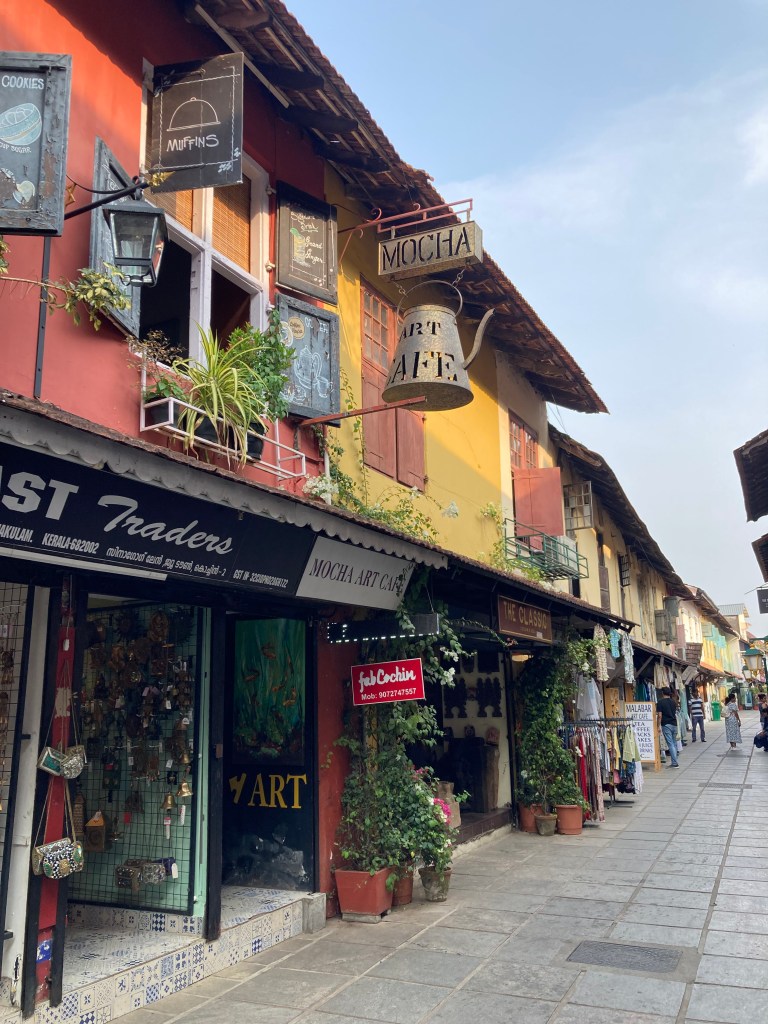
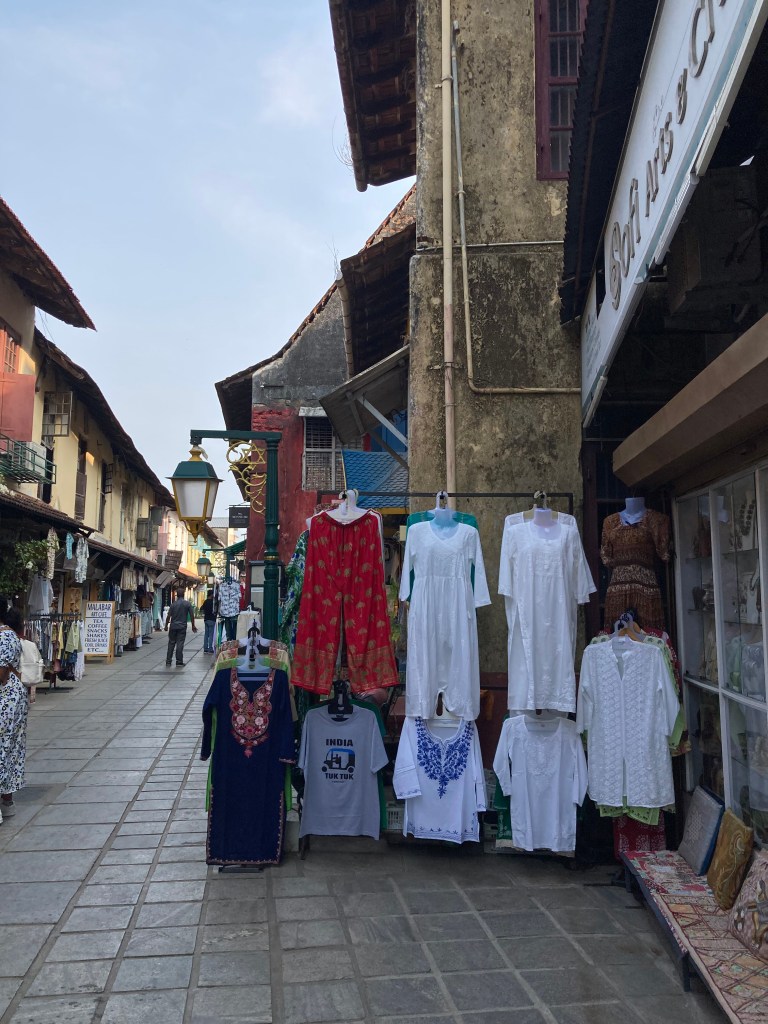
Jew Town, Fort Kochi
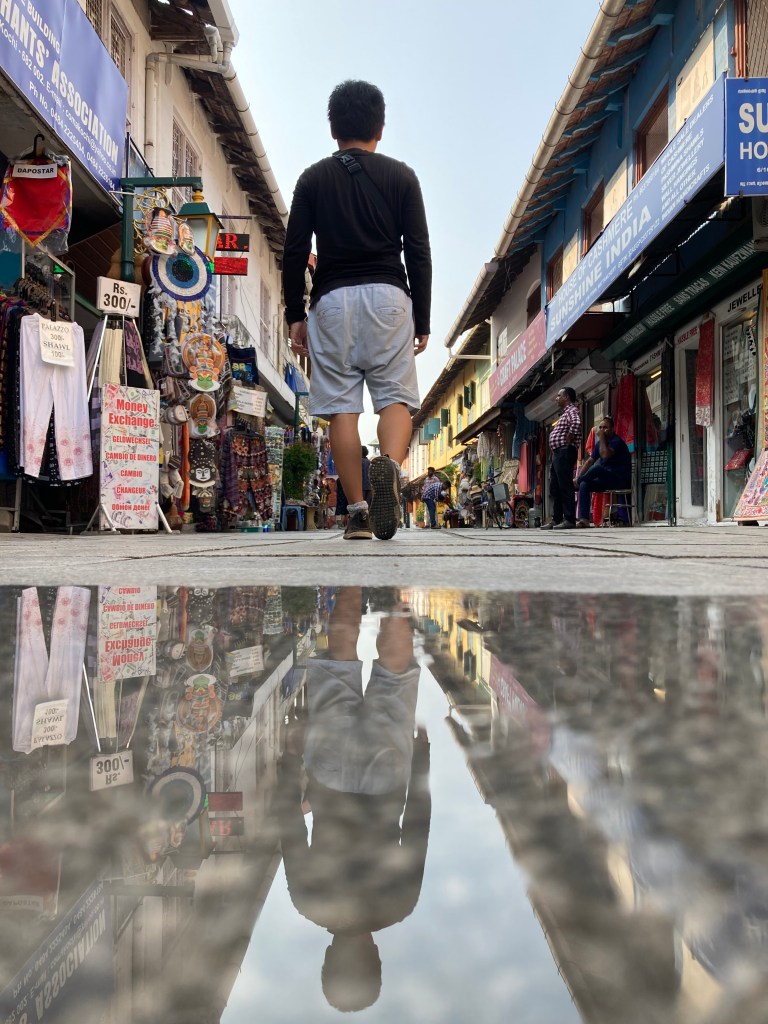
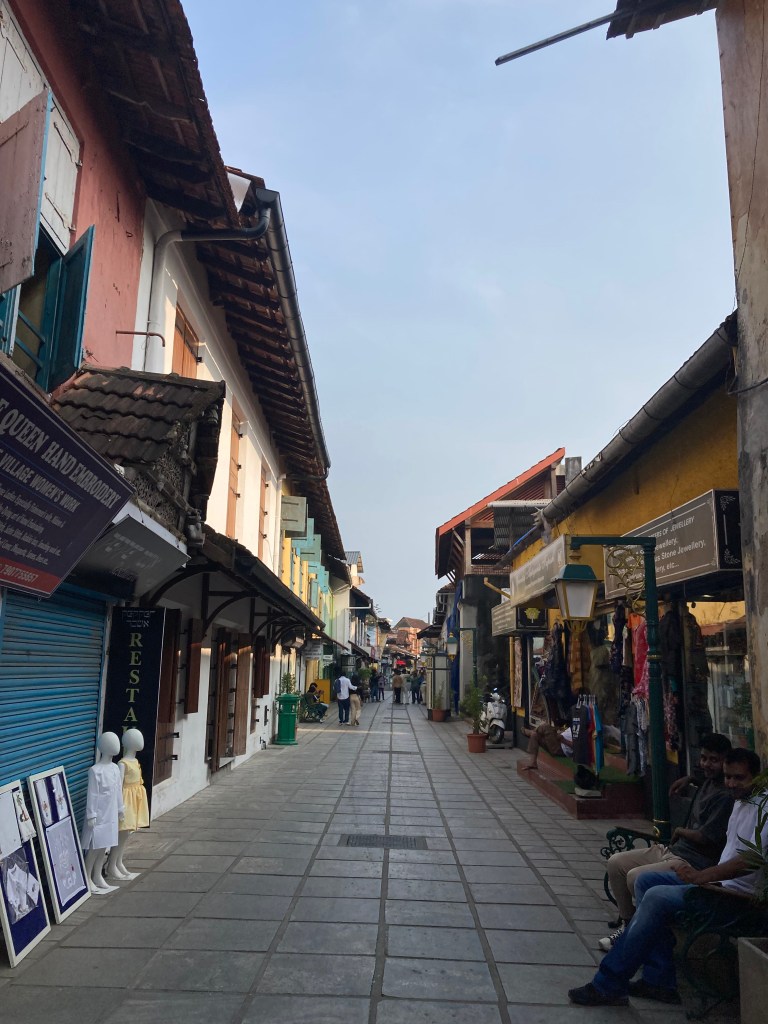
Jew Town, a narrow street located between Mattancherry Palace and the Synagogue, is a beloved spot for antique enthusiasts. Many visitors have discovered incredibly pristine and historically significant artifacts here. While a large bronze vessel may catch your attention first, each shop in this area holds beautiful items with unique and fascinating stories. They are like pieces of history, waiting for the perfect person to come and claim them at last.
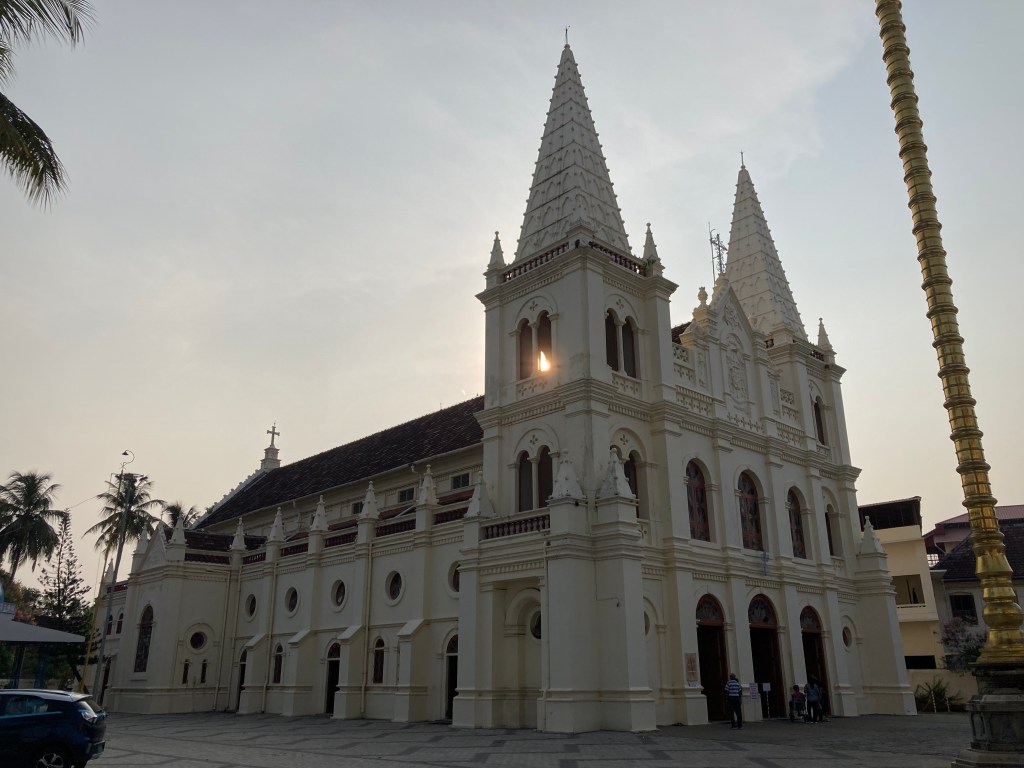
Santa Cruz Cathedral Basilica
The Santa Cruz Cathedral Basilica, also known as Kotta Palli, located in Fort Kochi, Kochi, is one of the nine basilicas in India. The architecture follows the Gothic style.
This basilica serves as the cathedral church of the Diocese of Cochin.
Originally constructed by the Portuguese, it was established as a cathedral in 1558. However, the structure was demolished by the British. In 1887, João Gomes Ferreira commissioned the construction of a new building, which was consecrated in 1905. It was later designated as a basilica in 1984.

Travancore Court – A Four Star Business Hotel
Travancore Court is a luxurious hotel located in the heart of Kochi, known as the “Queen of the Arabian Sea”. The hotel effortlessly combines modern comforts with a rich historical legacy, providing guests with an unforgettable experience amidst the city’s vibrant atmosphere, natural beauty, and cultural heritage.
As guests step into the hotel, they are welcomed by an atmosphere of elegance and refinement. The lobby, adorned with tasteful decor and luxurious flooring, emanates a sense of grandeur. Travancore Court is more than just a hotel; it represents a harmonious blend of opulence and tradition.

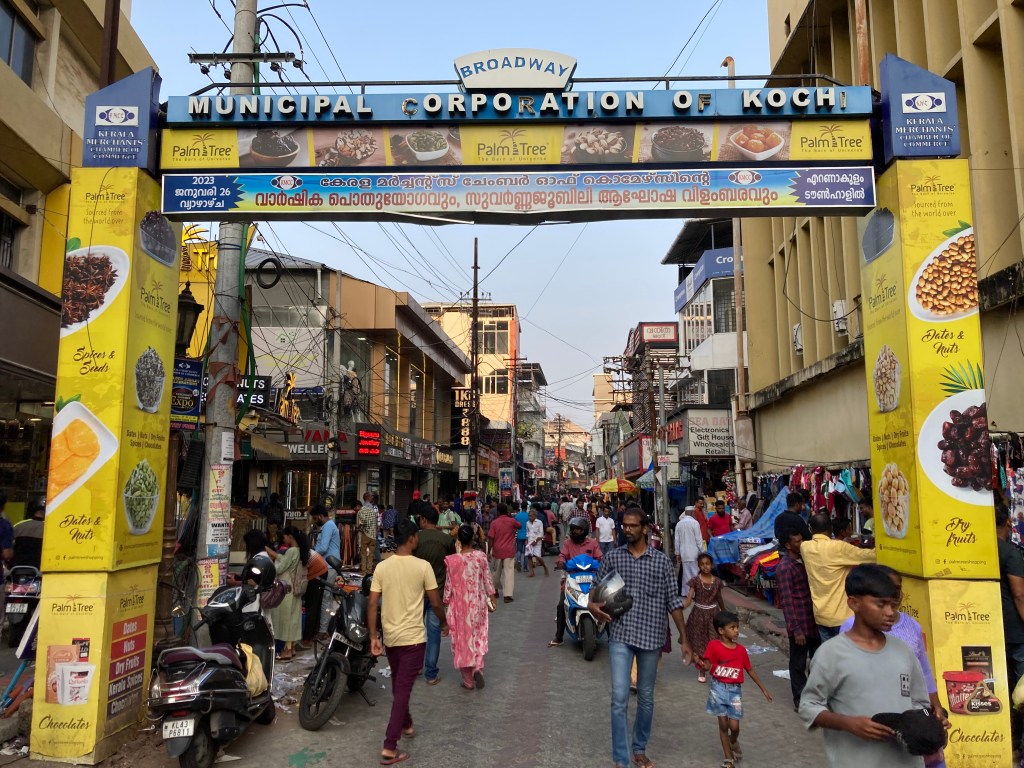
Today I went out for a casual stroll and ended up at Marine Drive. It’s a large market area with very affordable prices for various items.
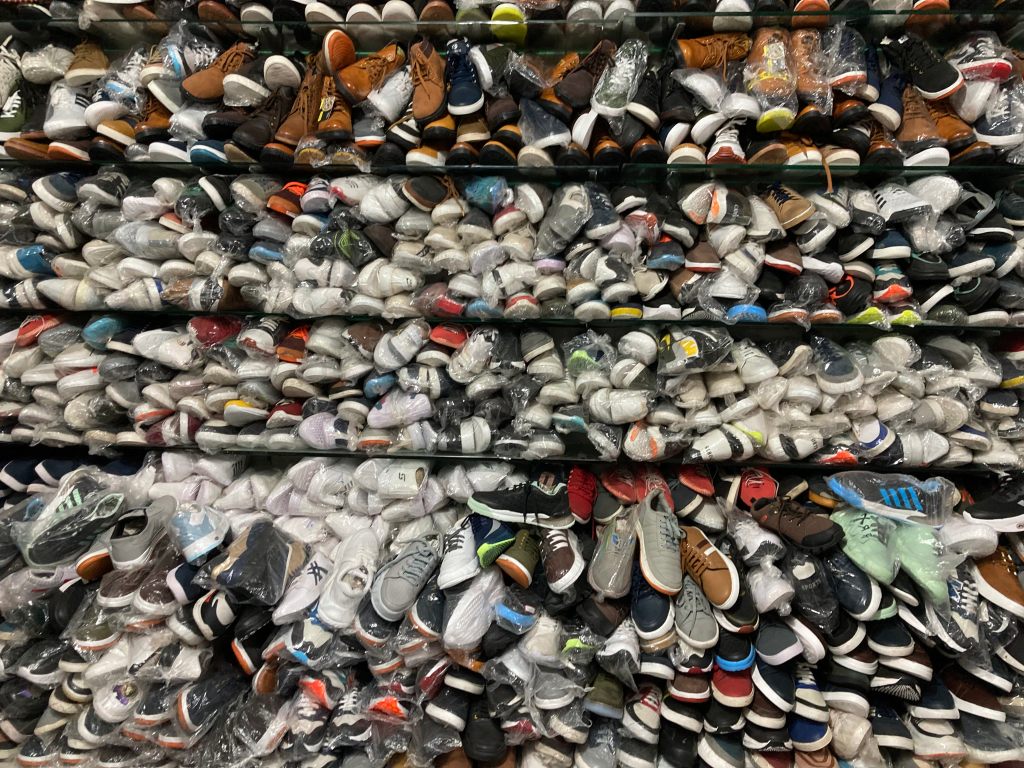
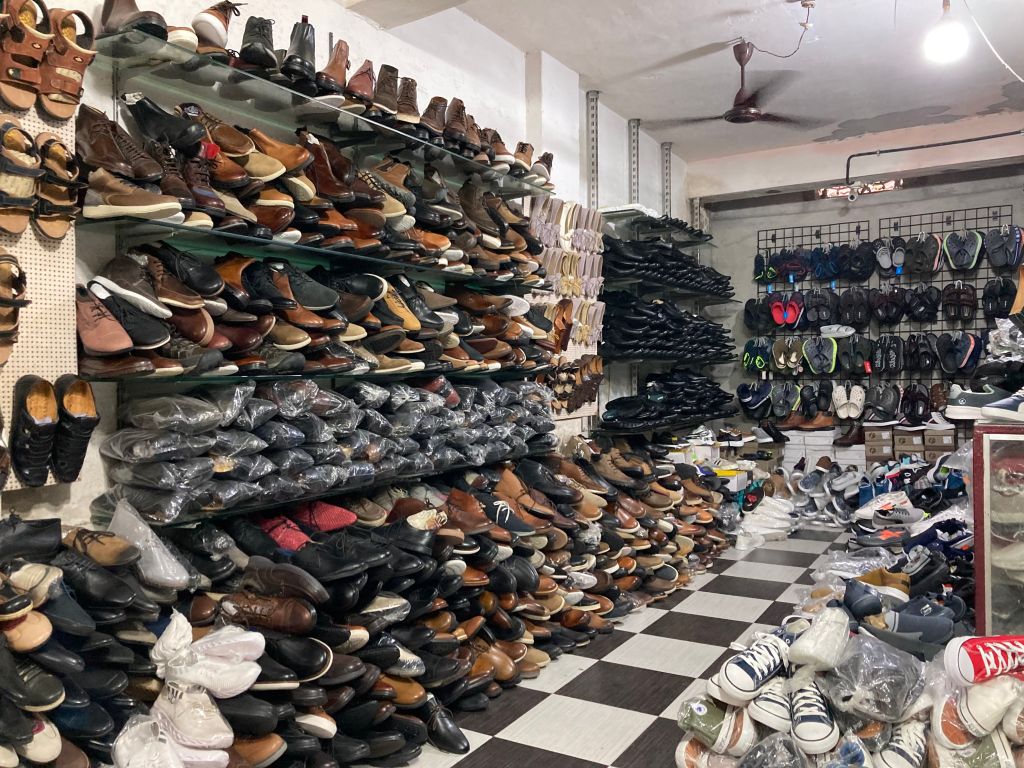
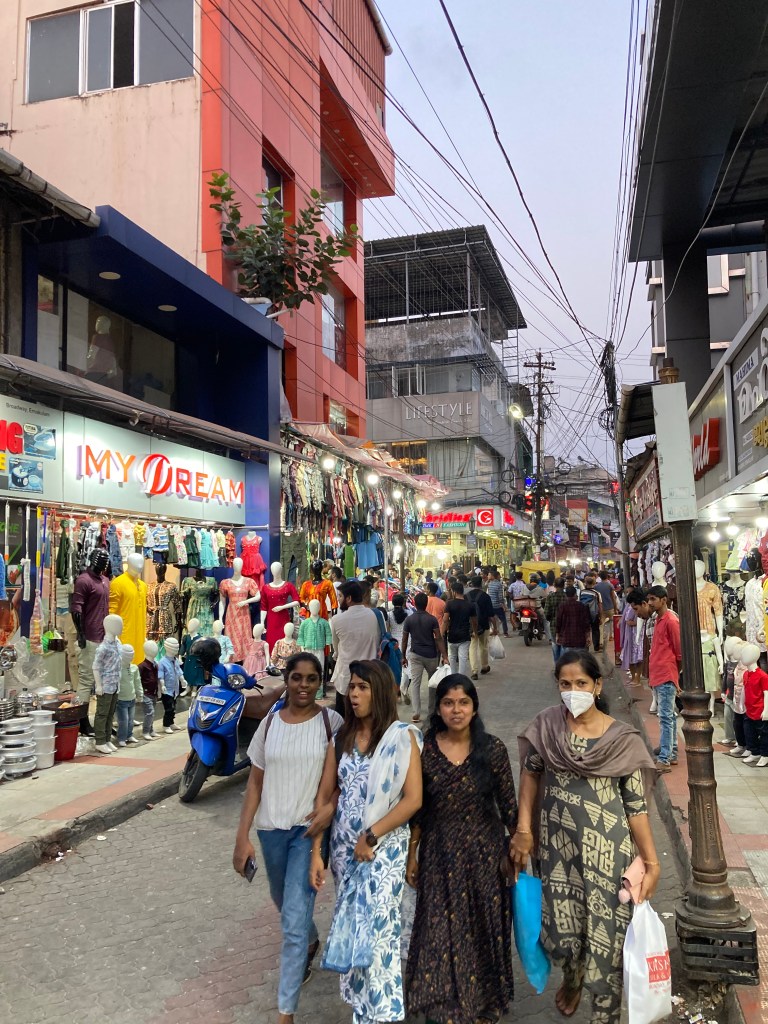
In the evening, while shopping at the mall, I suddenly encountered a group of very friendly local Indians. They invited me to dinner and then invited me to take a one-hour boat ride, where we sang and danced on the boat.
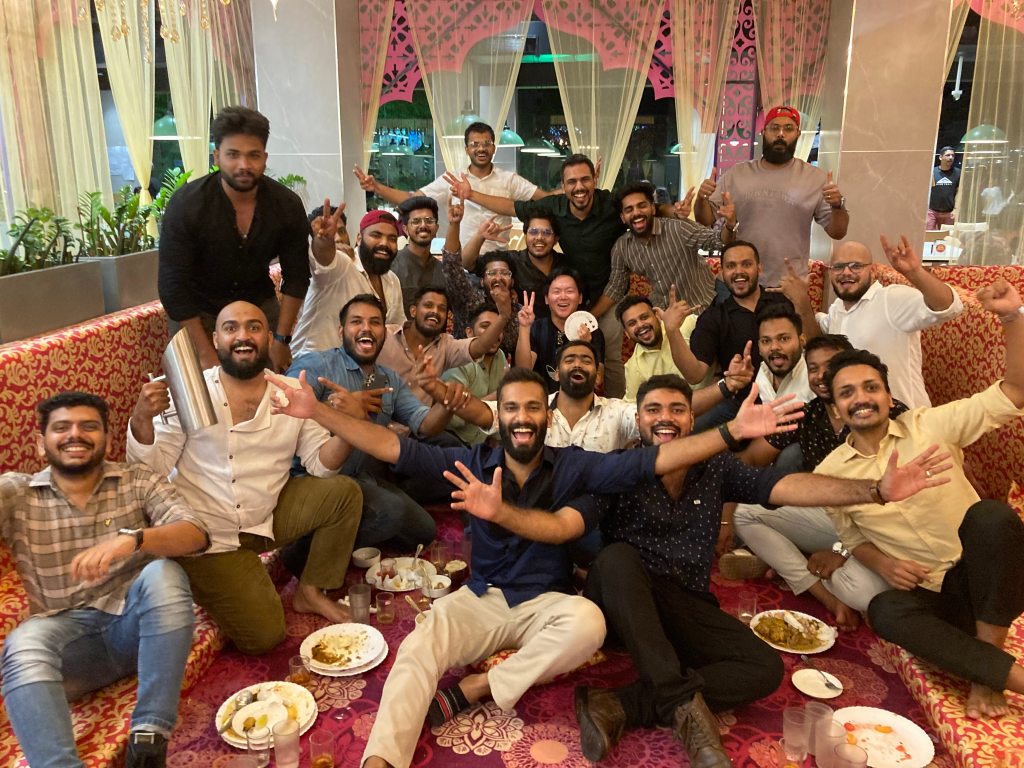

At the end of my 17-day trip to India, if you enjoyed this article, please give it a like and share. Thank you!

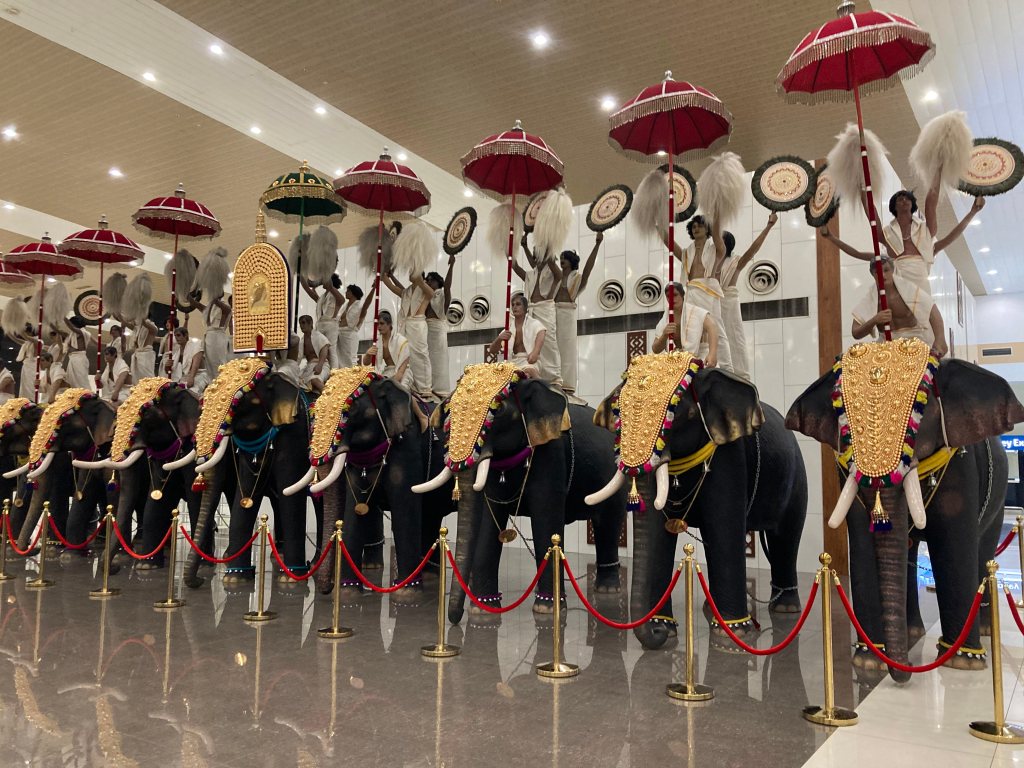

 Real Traveler, Real Experiences, Real Results.
Leave a comment