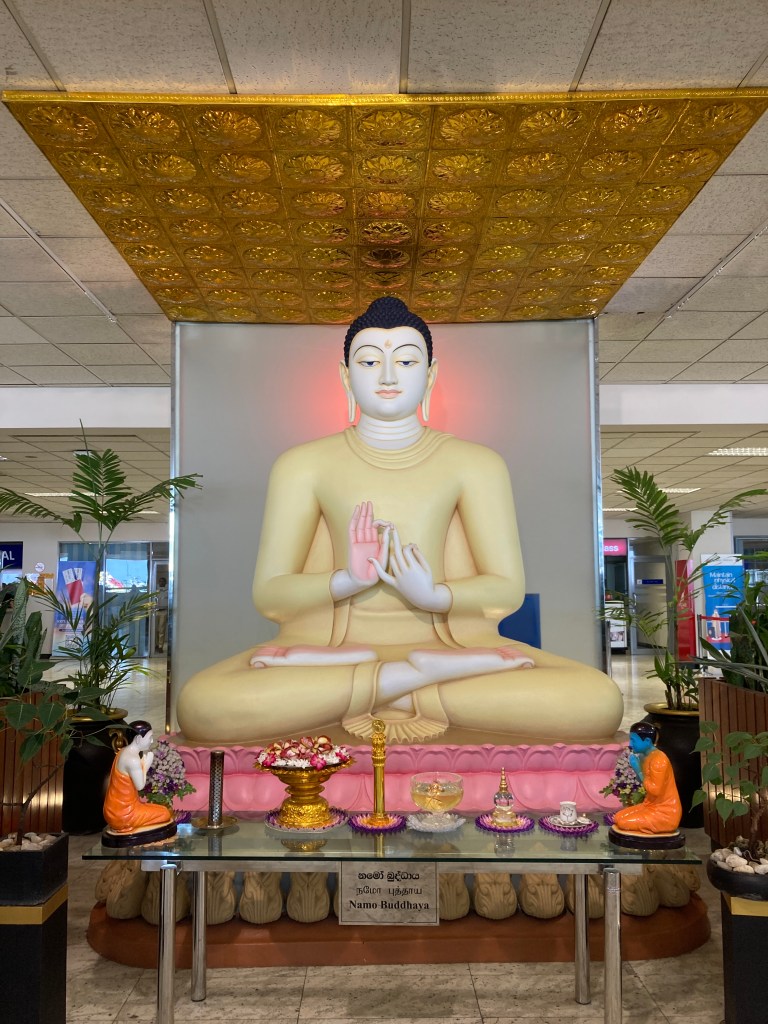
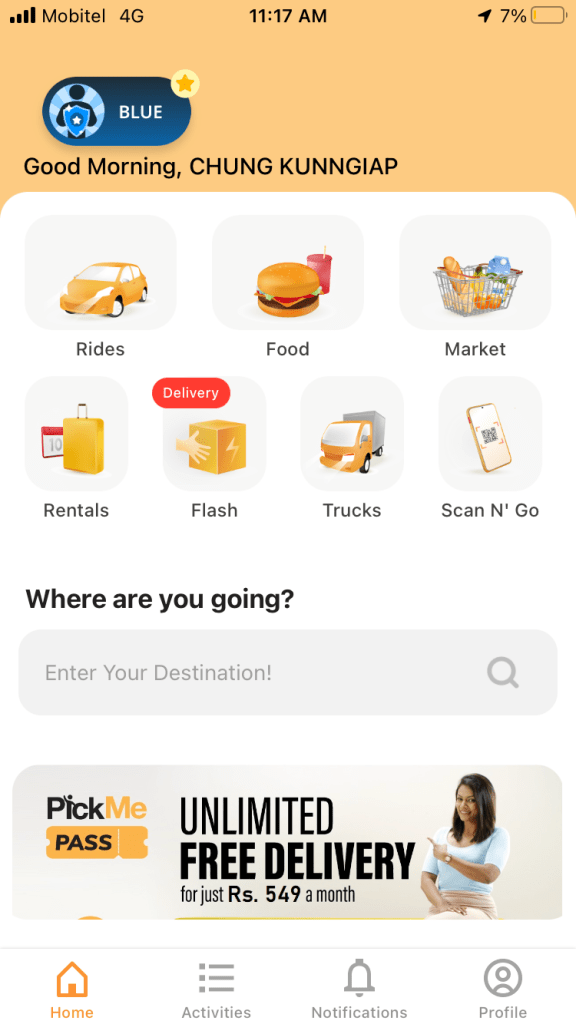
Upon arrival at Sri Lanka International Airport, the first thing to do is to purchase a mobile data SIM card and then download a local ride-hailing app called “Pick Me.” This will make the entire journey much more convenient. There is a Buddha statue at the airport because Sri Lanka is a Buddhist country. It is important to note that when taking a photo with the Buddha statue, it is not allowed to have one’s back facing the statue. Instead, if one wishes to take a photo, they must face the Buddha statue.

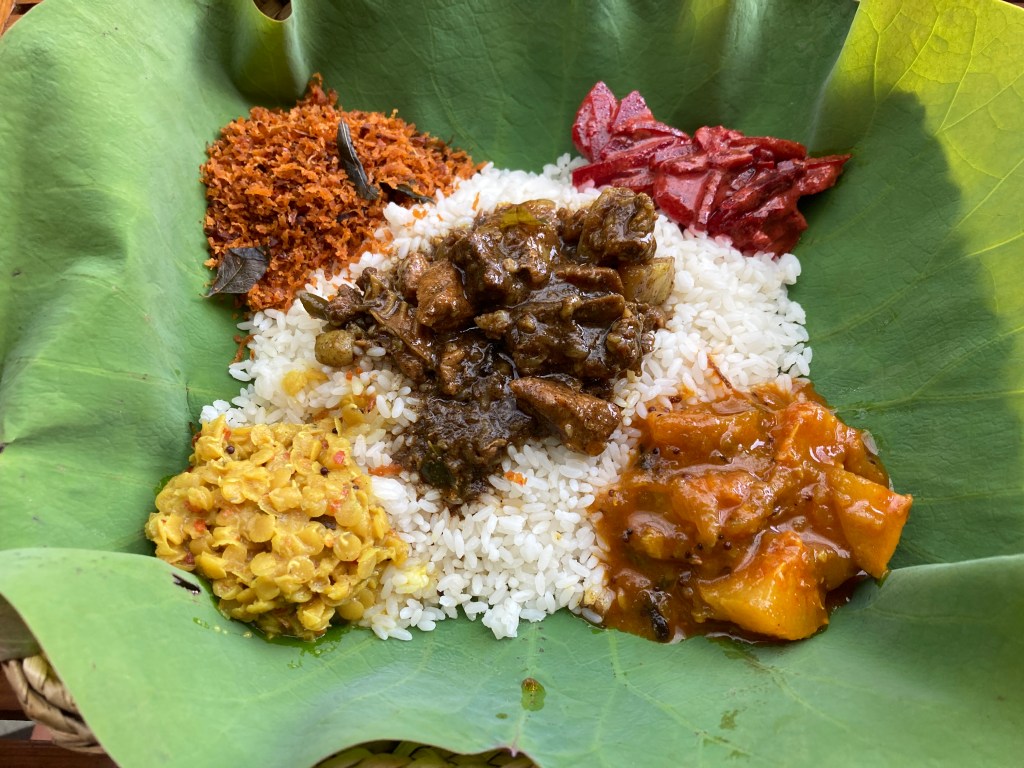
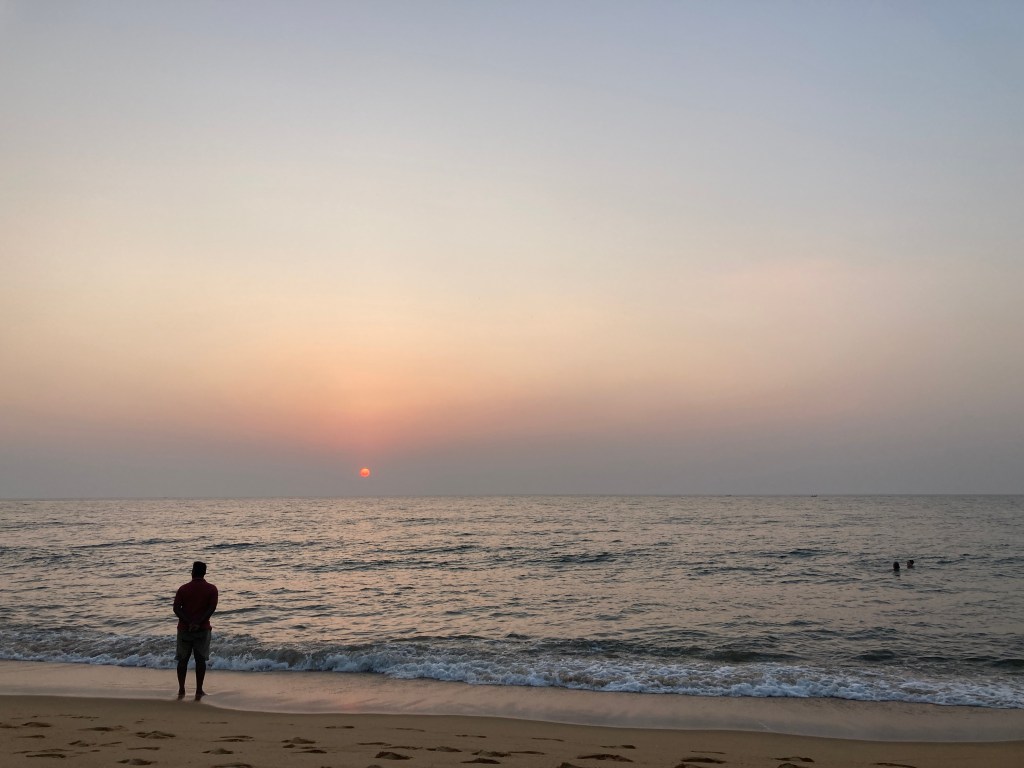
On the first day here, we wandered around the surroundings, tried the local curry rice, and visited the beach in Negombo. There were many tuk-tuks by the roadside continuously asking if we needed taxi or rental services. After discussing with a driver, we arranged for a half-day car rental service for the next day. Tomorrow, we’ll be waiting for the driver to take us on a half-day tour of Negombo.


I feel like the car rental service is a bit expensive, but since I’ve already made an arrangement with the driver, there’s no way around it. If we were to use ride-hailing apps for our travels, it would be more cost-effective.
Sri Singama Kali Amman Kovil
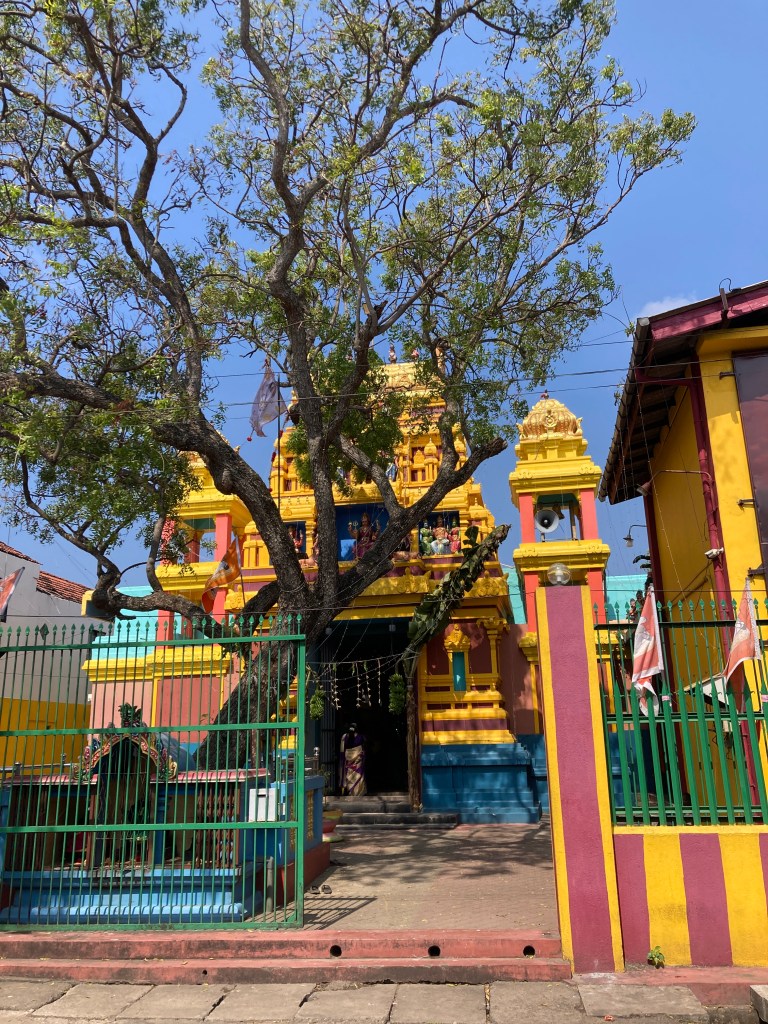
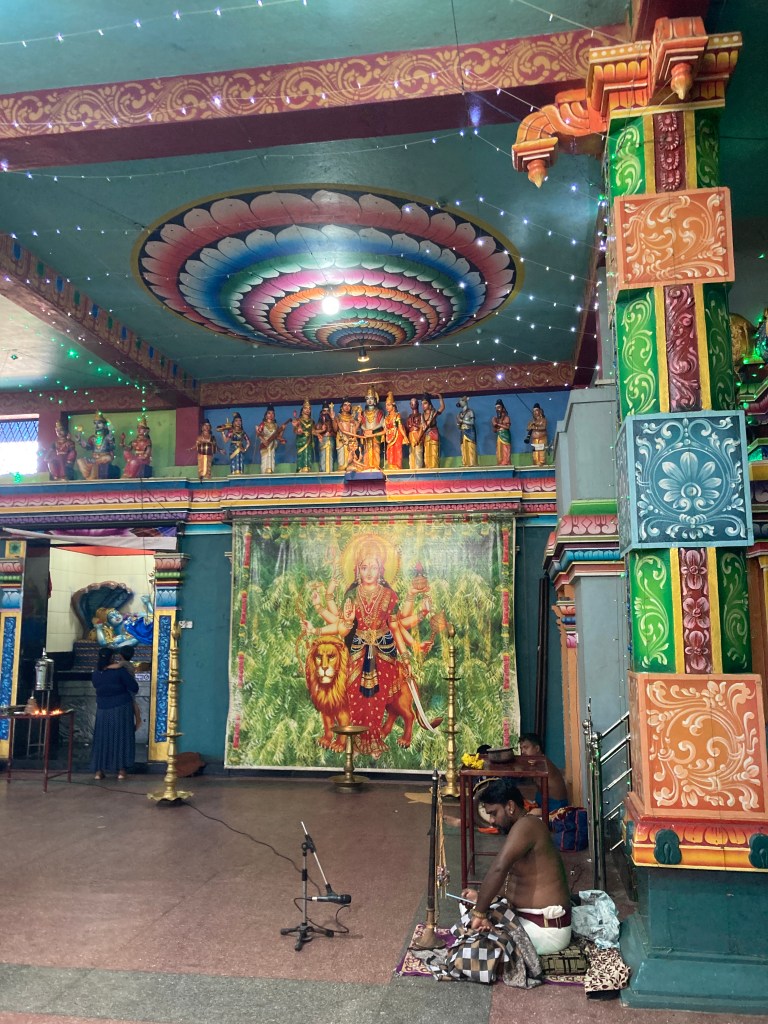
Sri Singama Kali Amman Kovil in Negombo is a Hindu religious site dedicated to Lord Ganesh, the elephant-headed Hindu deity associated with beginnings and auspiciousness. Traditionally, Ganesh is revered before embarking on any significant endeavor and is regarded as the patron deity of intellectuals, bankers, scribes, and authors.
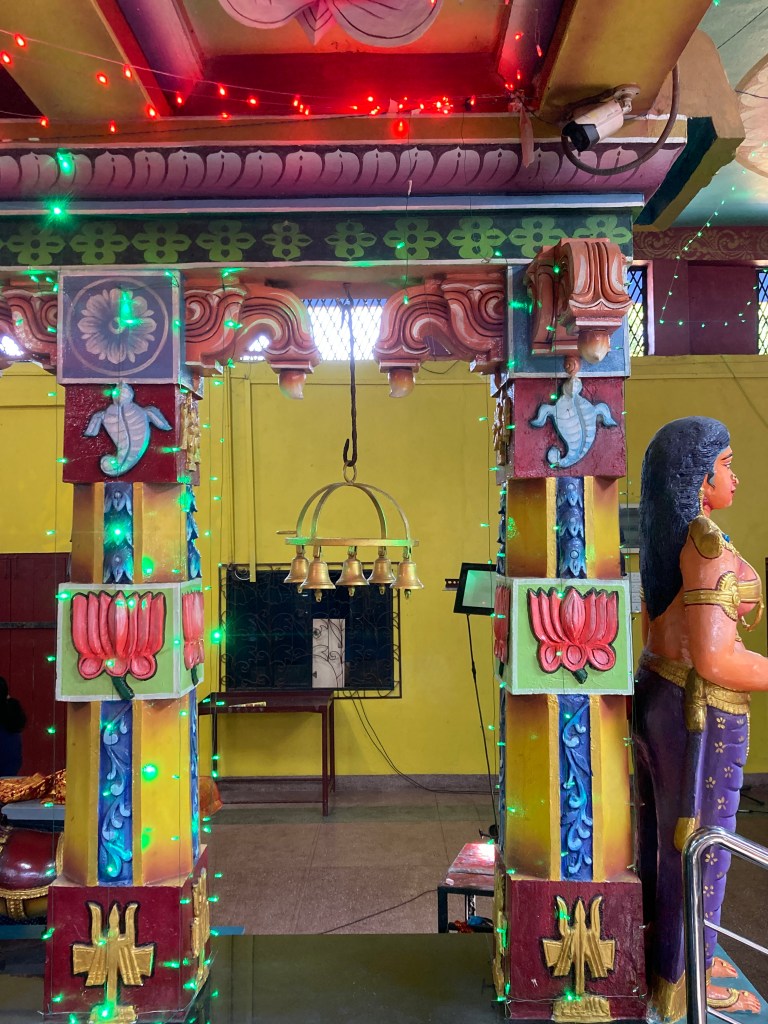
The central structure of this kovil is stunning, characterized by its brightness and spaciousness, crowned by a short tower adorned with statues and bas-reliefs. Within the inner sanctum lies a beautiful statue of Lord Ganesh.
Surrounding the temple’s perimeter are several standalone columns featuring statues of various deities. The temple’s remarkable murals and sculptures add to its allure, making it a site of great significance and worthy of exploration.

Negombo Central Fish Market
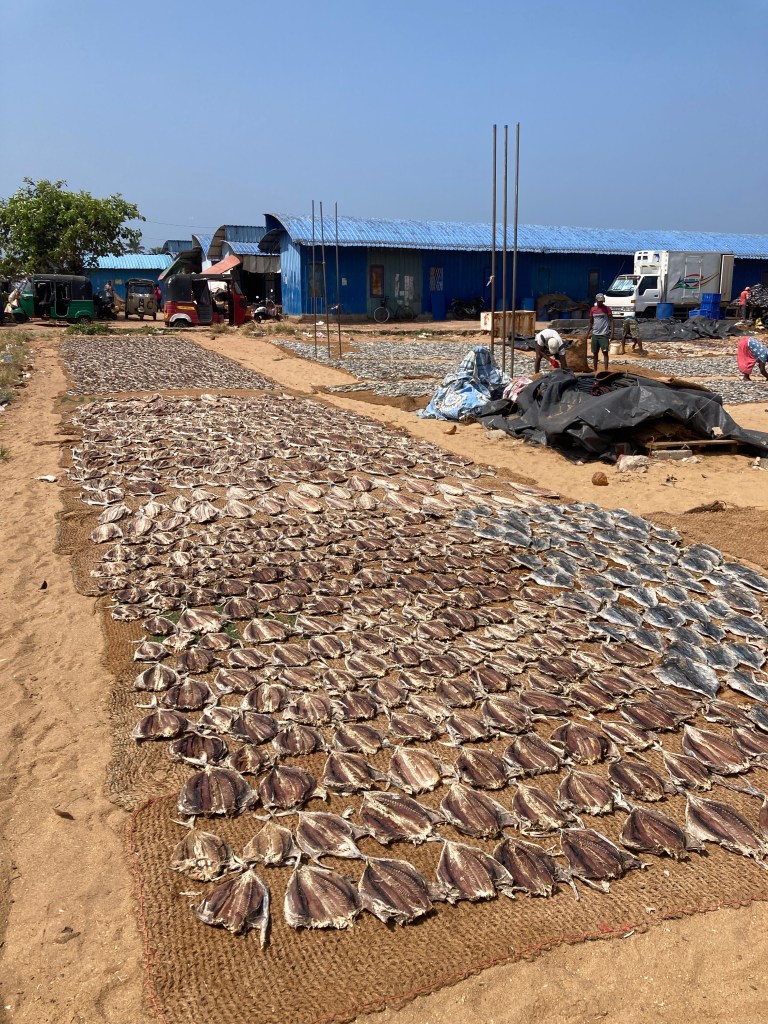
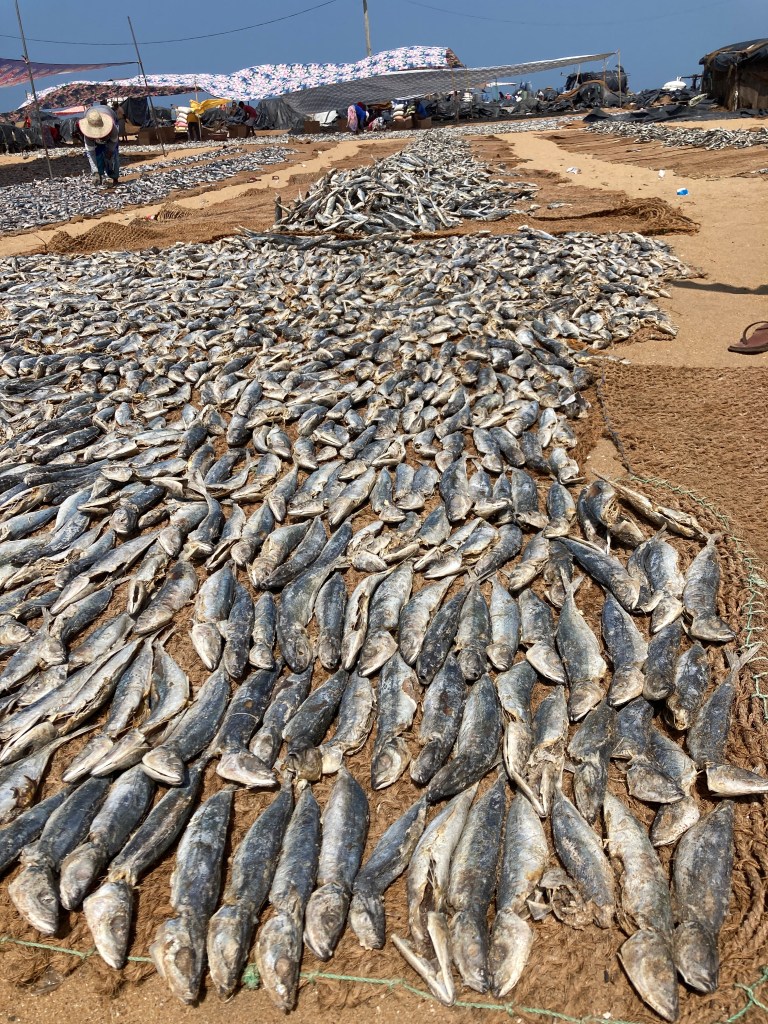
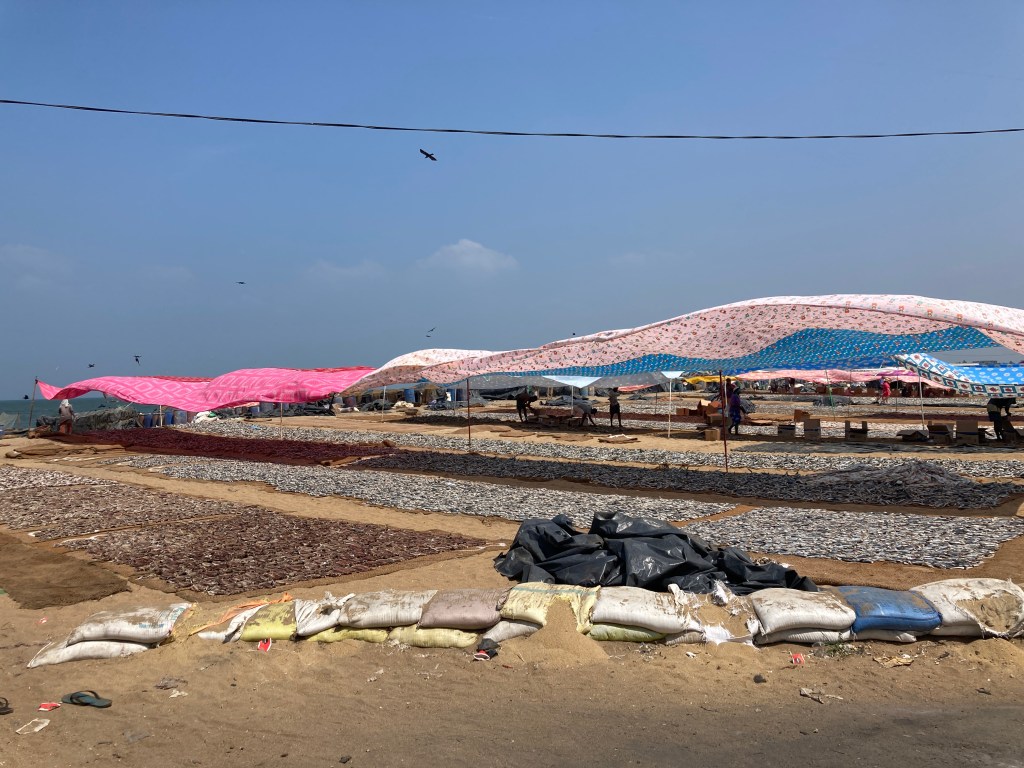
On the shores of Negombo beach, visitors can observe fishermen laying out the day’s catch on large mats made of coconut fiber. Using a traditional method of open-air drying, the fishermen harness the heat of the sun to remove moisture from the fish, thus extending their shelf life. After drying, the fish are salted before being distributed to various locations across the island and sold in stores. Dried fish is a staple in Sri Lankan cuisine.
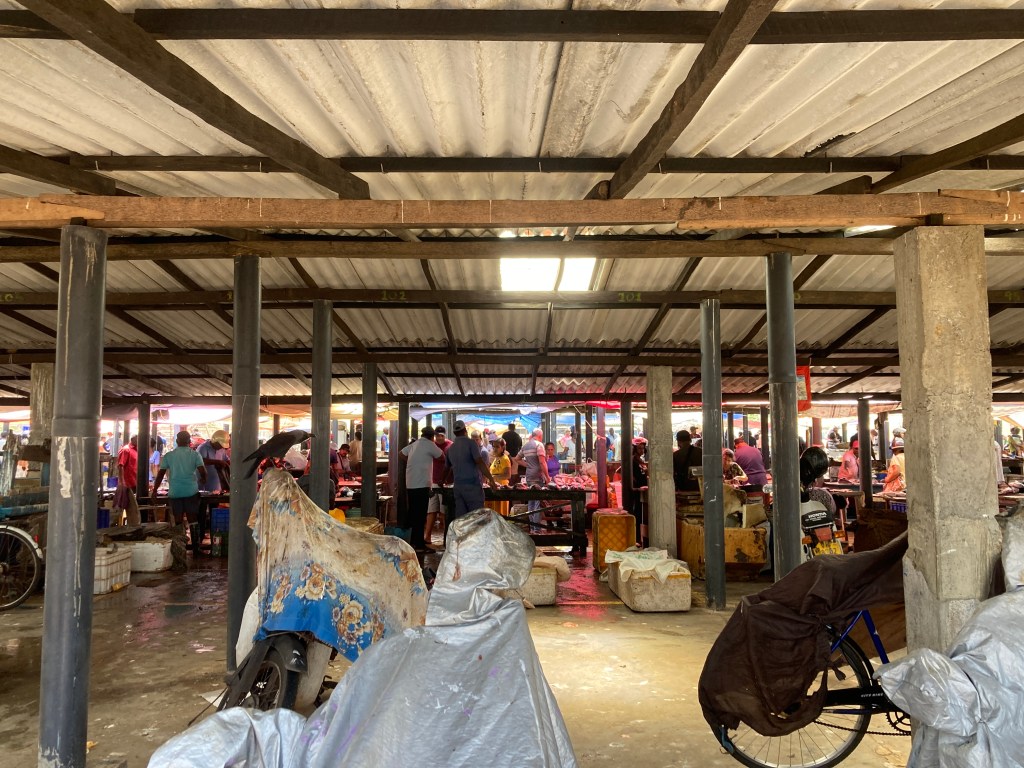
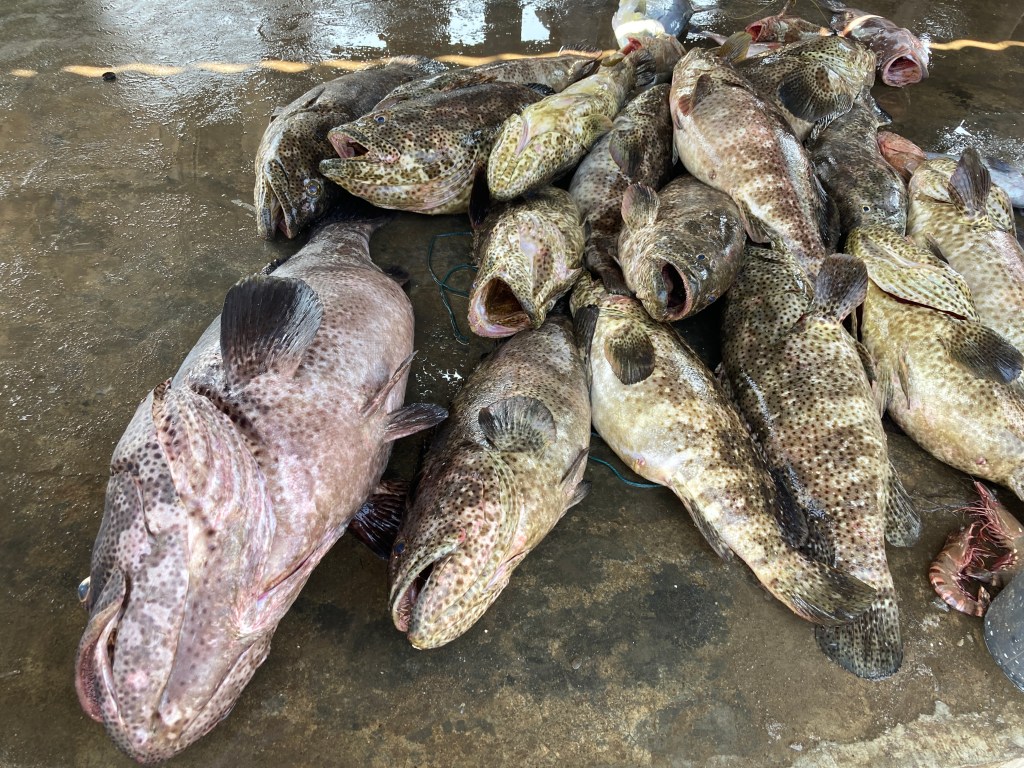
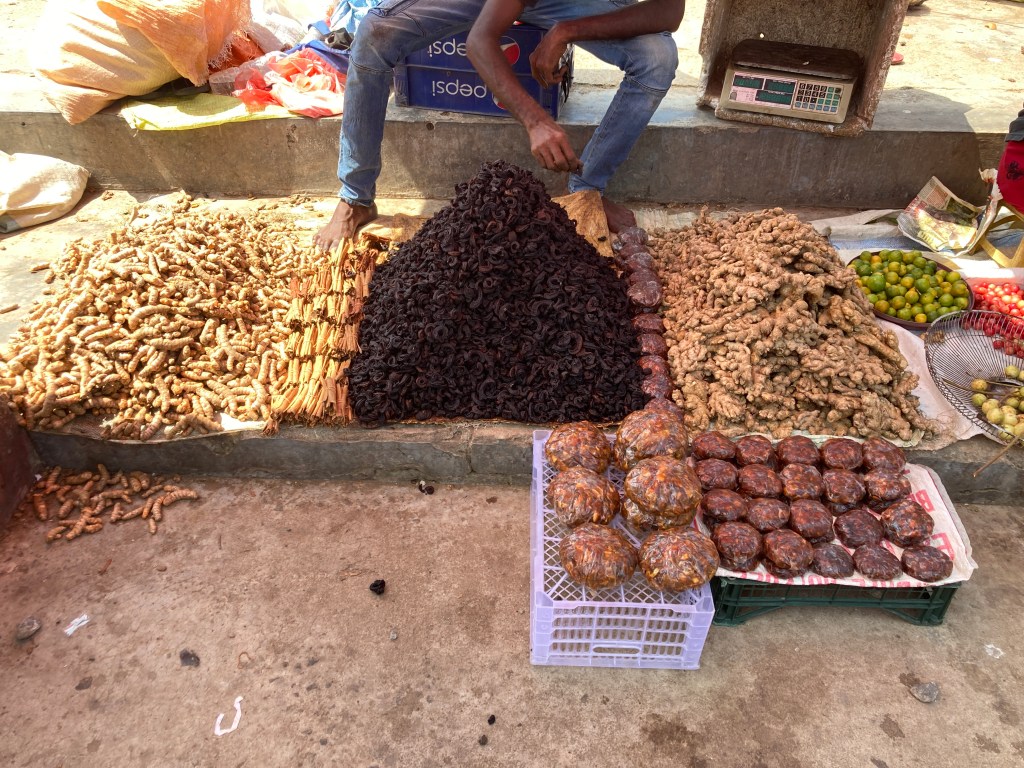
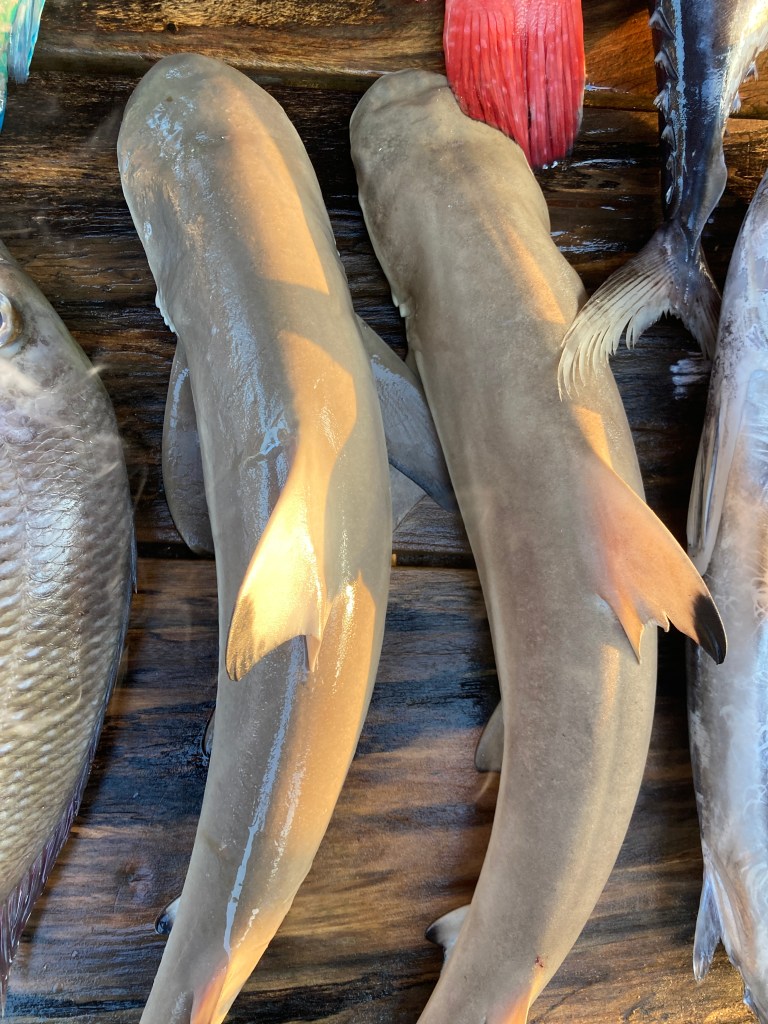
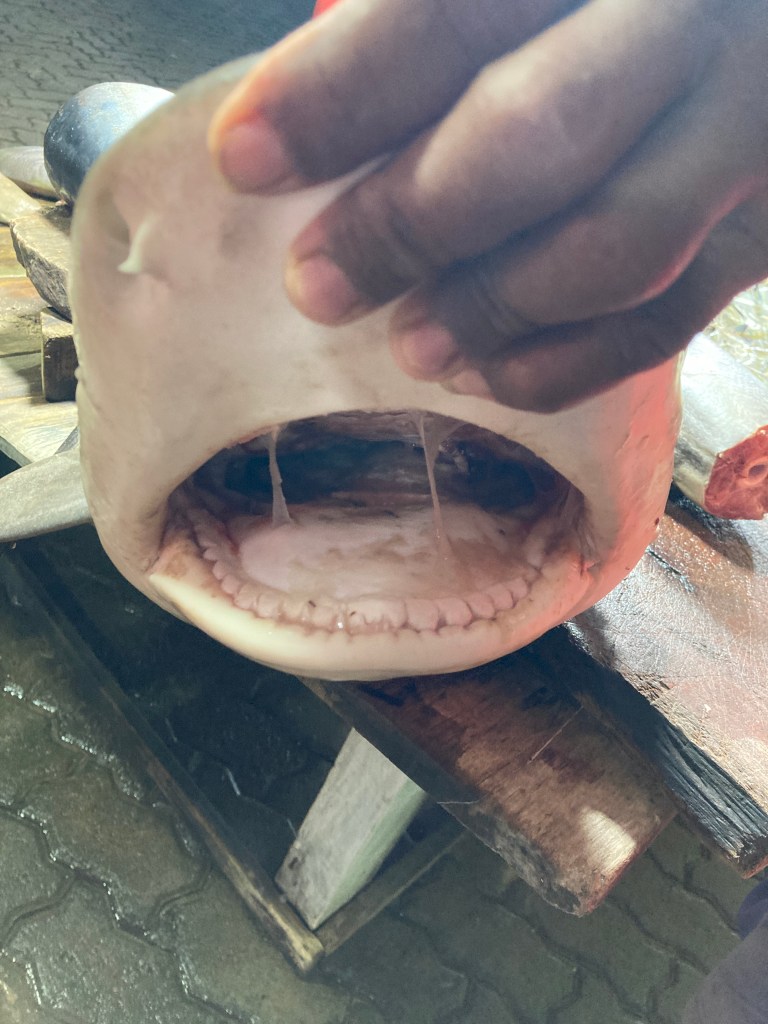
Next to the drying fish on the shore, there is a wet market where fresh seafood is available for purchase. The market offers a variety of seafood such as tuna, mackerel, squid, sardines, and shark. It is said that the market is closed on Sundays due to the predominantly Catholic population attending church. However, some Muslim fishermen continue to operate on Sundays (as their religious day is Friday), allowing visitors to still witness the fishing community in action.
While some fish are brought in fresh, others are sourced from larger wholesalers in the morning to be sold at the market. The highest-quality fish are typically sold to local hotels and restaurants, while the remaining stock is either sold at the marketplace or dried under the sun on the beach.
Morawala Beach
Morawala Beach, located in Negombo, is a renowned attraction in this quaint town. Just a 10-minute drive from Bandaranaike International Airport, Negombo serves as a convenient day-stop for travelers exploring Sri Lanka. Situated in the Pitipana village, Morawala Beach offers stunning sunset views and is an ideal destination to visit year-round.

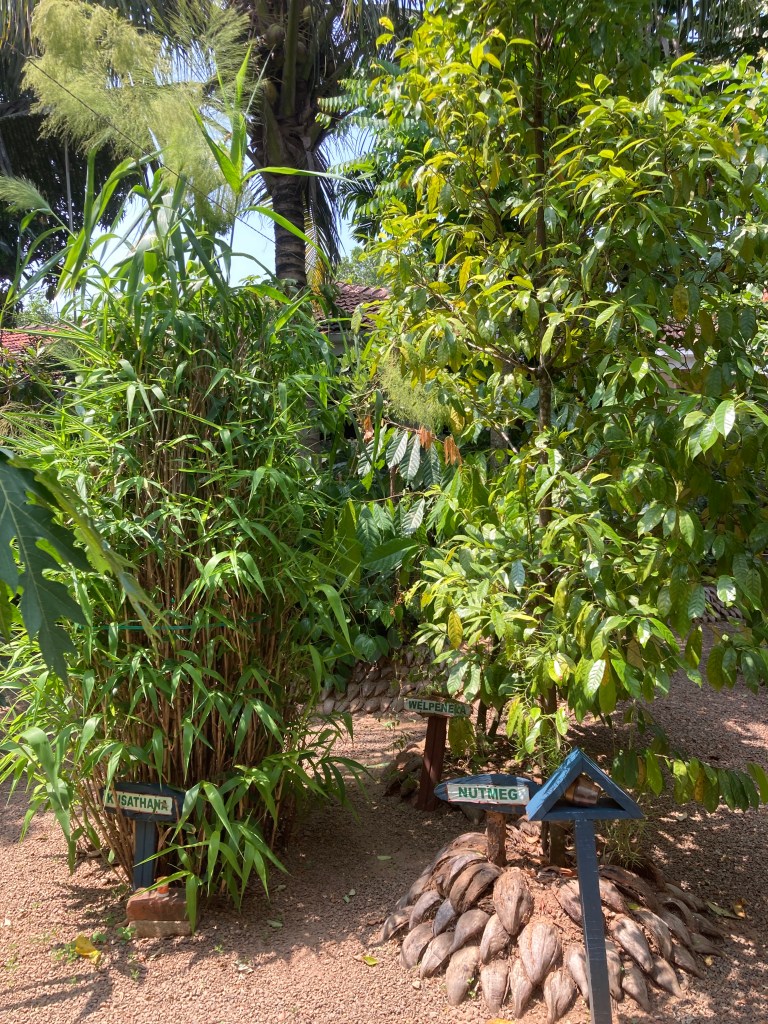
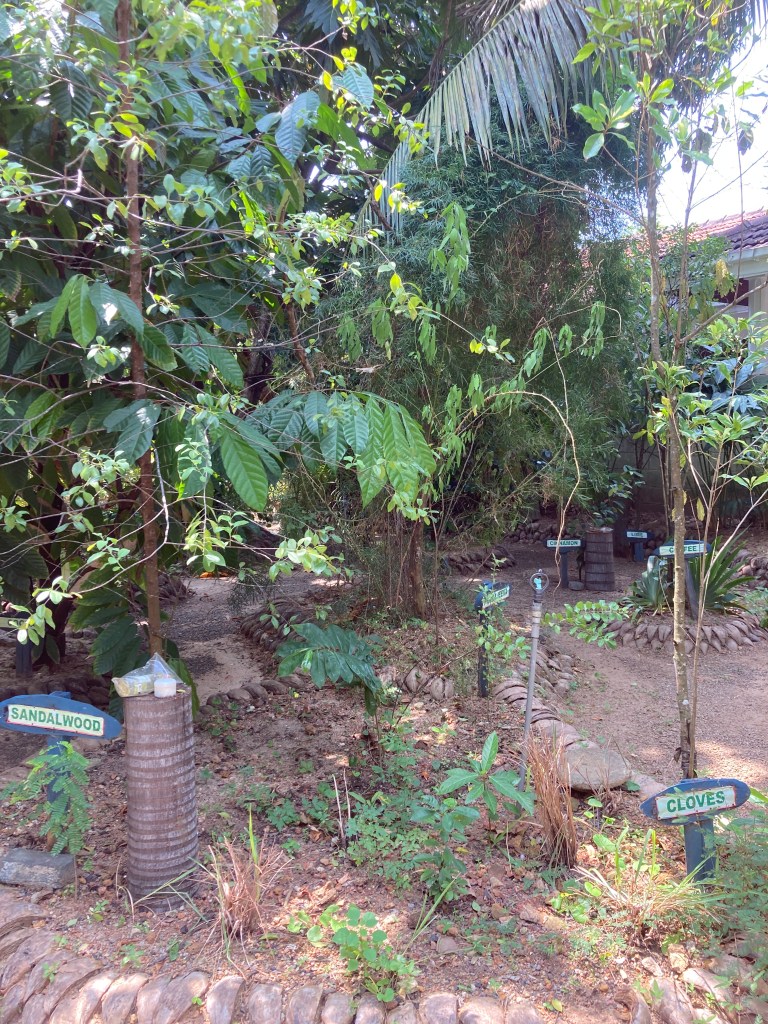
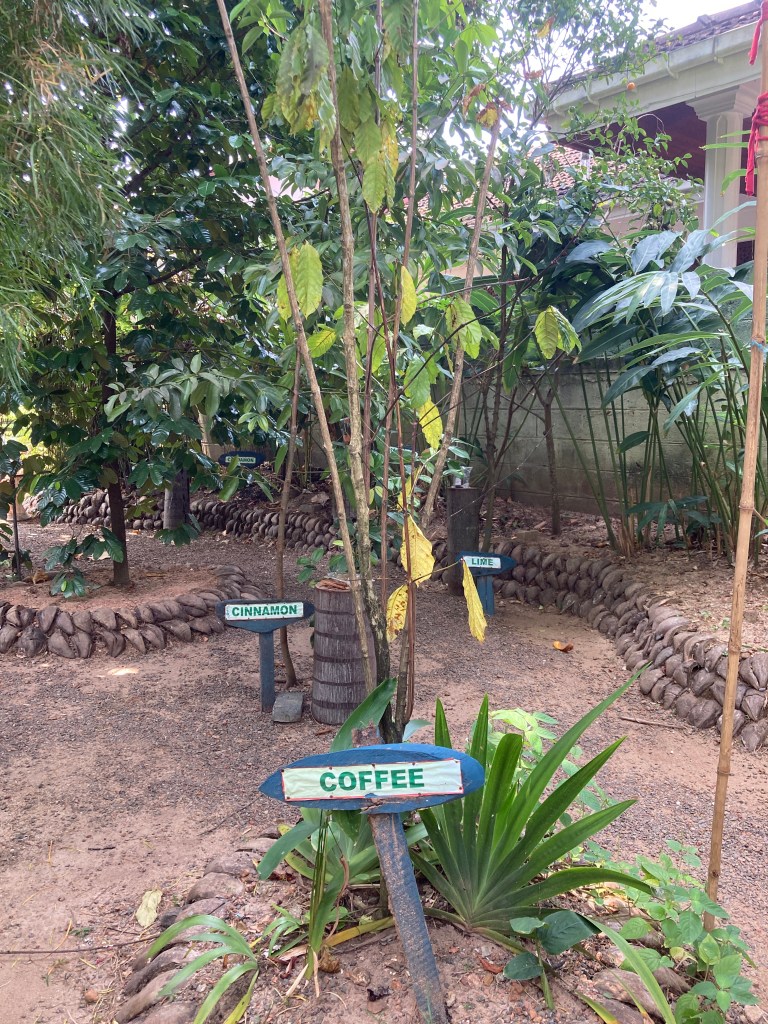
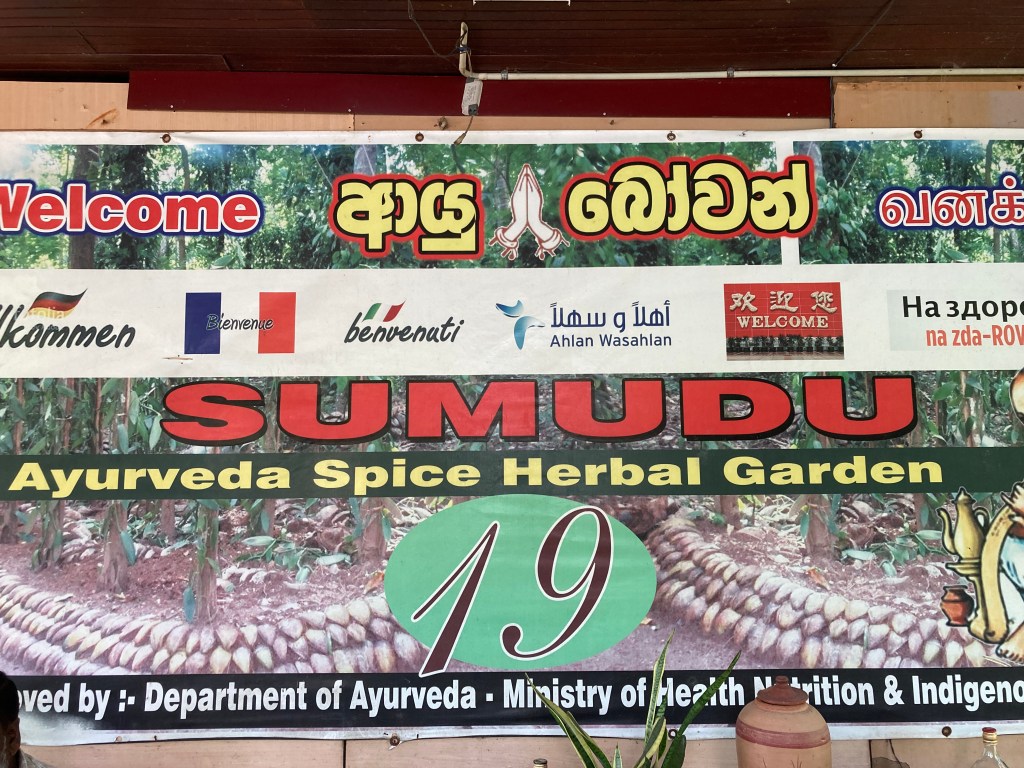
Sumudu Spice Hebal Garden
In Negombo, there are herb gardens everywhere, and every driver will take you to one because they receive a commission when you make a purchase. The herb gardens also offer basic massages, but be aware that they will expect a tip after the massage, so caution is advised in this regard. Here, they will introduce the uses of each herb. I found the prices here to be much higher than those in supermarkets, so I did not make any purchases.

Abayasekararamaya Temple
Because there was an entrance fee at this temple, we did not enter; instead, we just took photos outside.
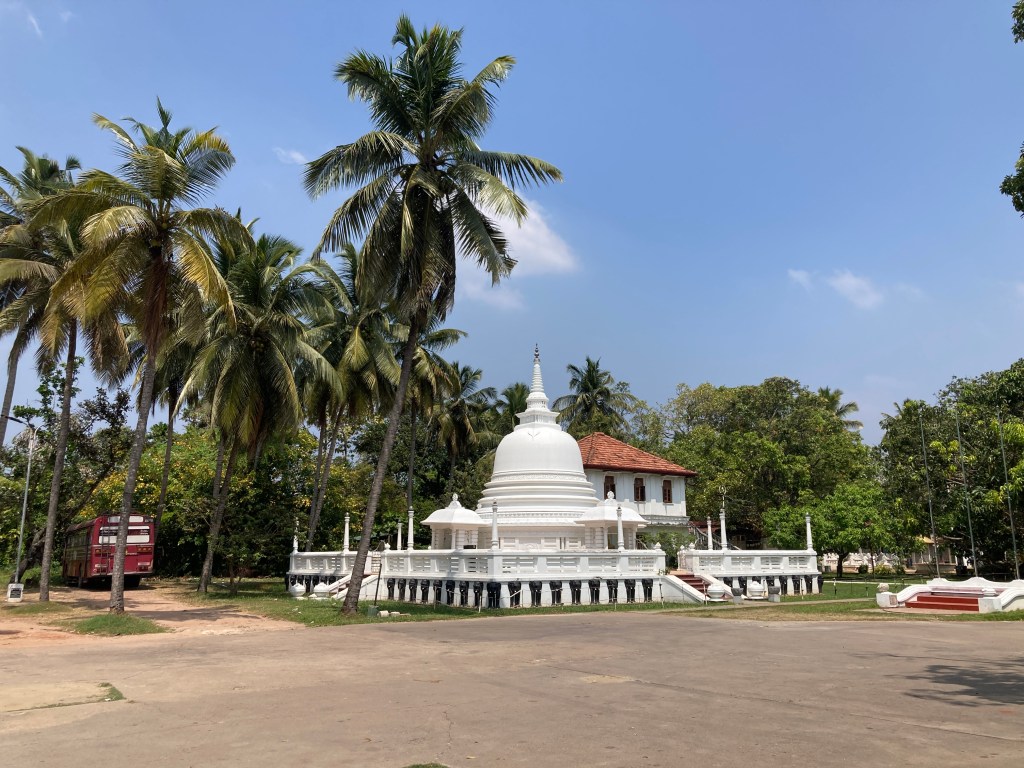
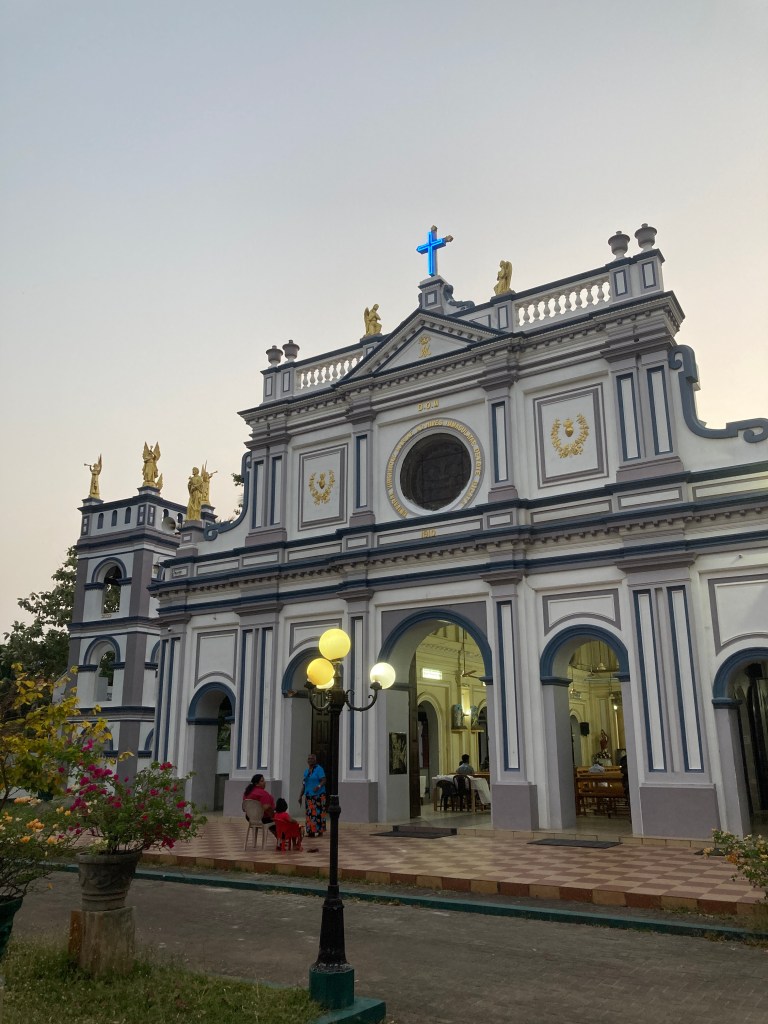
Our Lady of Snow Church
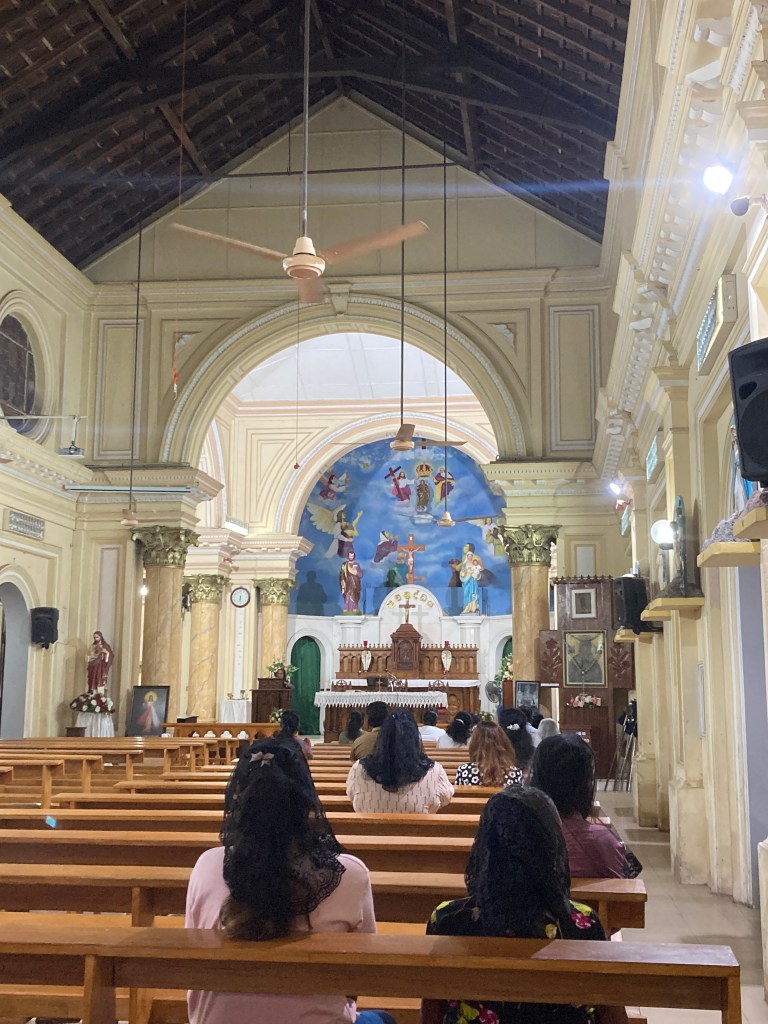
It happened to be Saturday evening, so the church was holding a mass.

The next destination is Anuradhapura, but to avoid rushing, I stayed one night at Coco Village Hotel in Chilaw
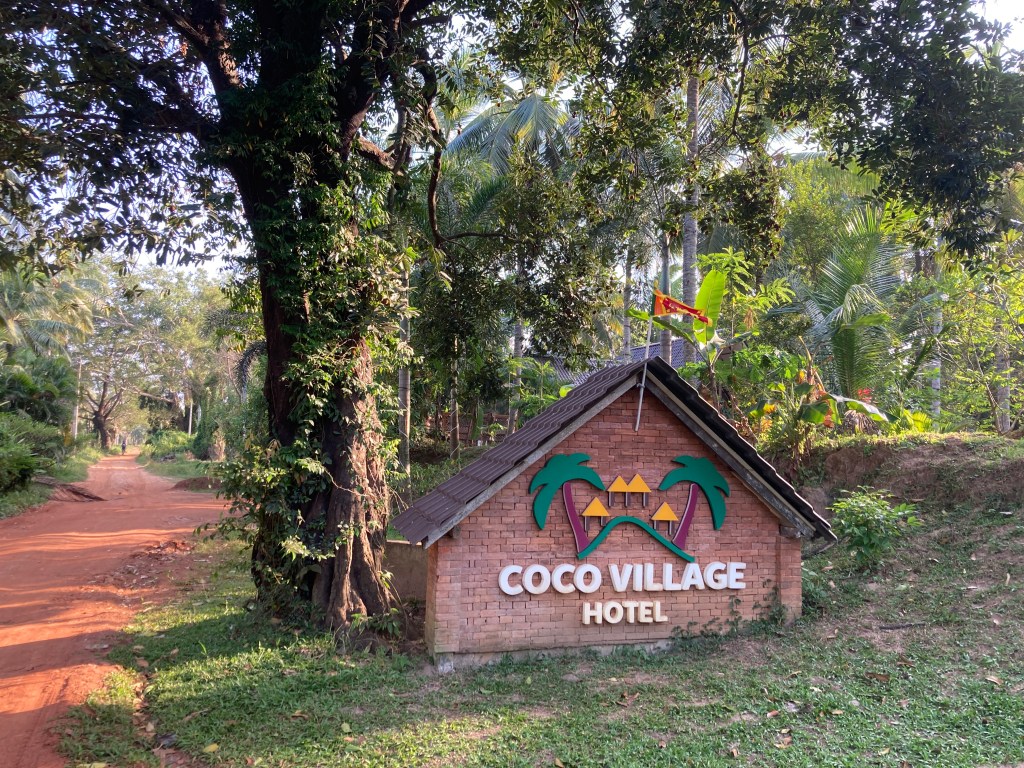
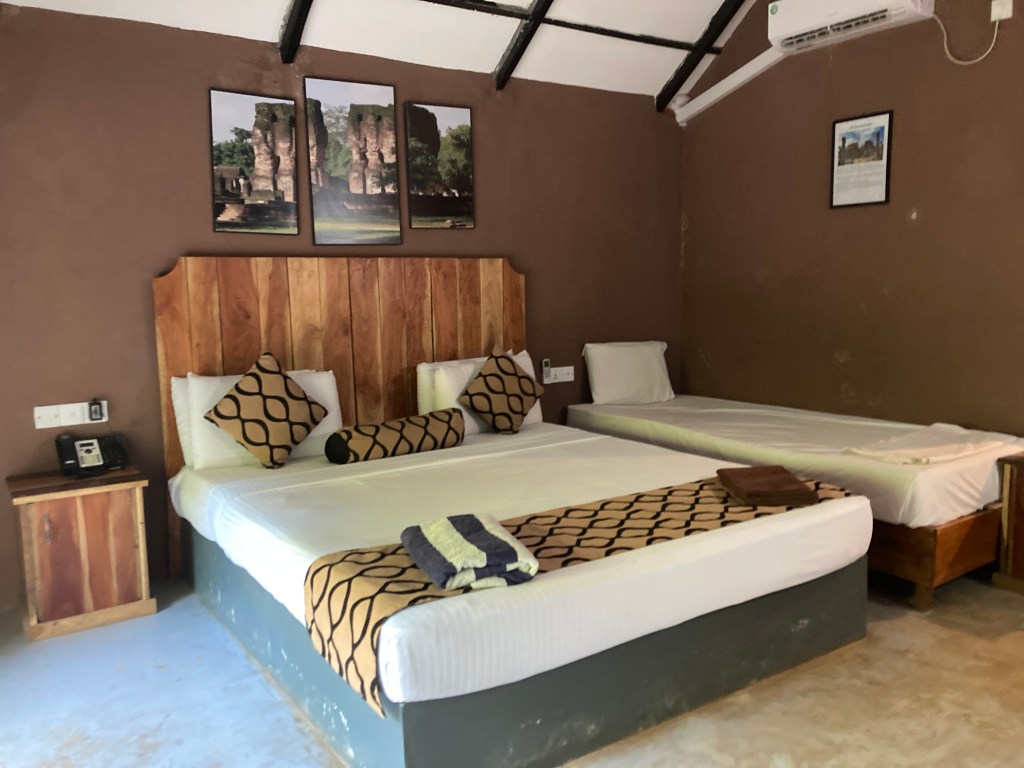
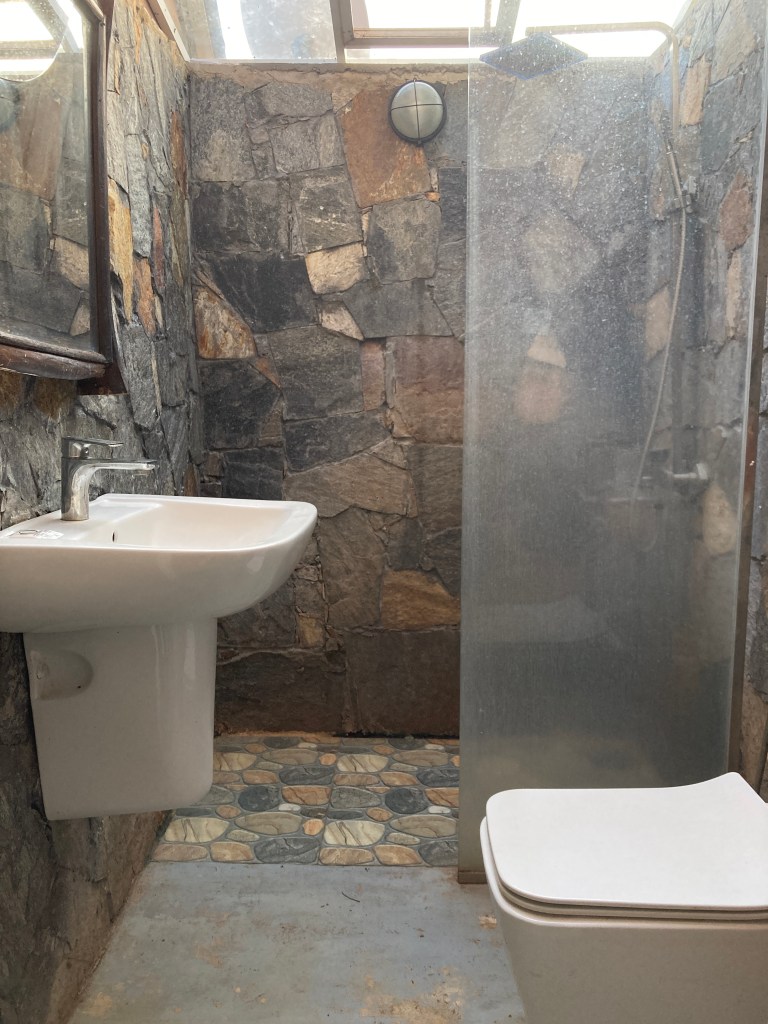
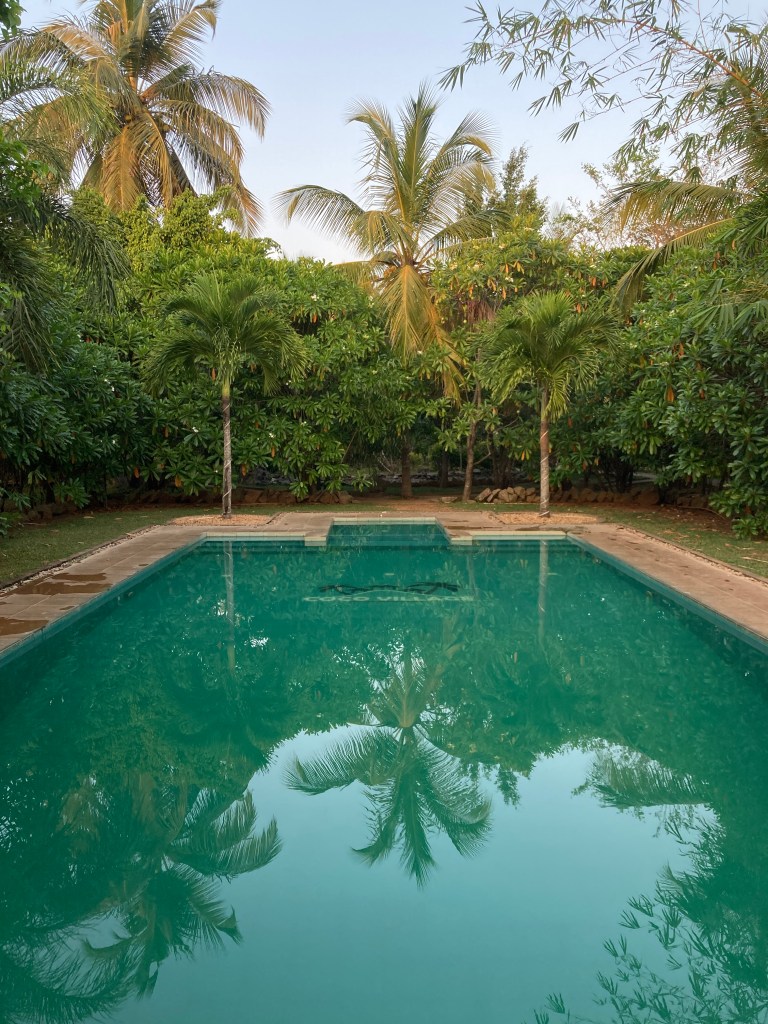
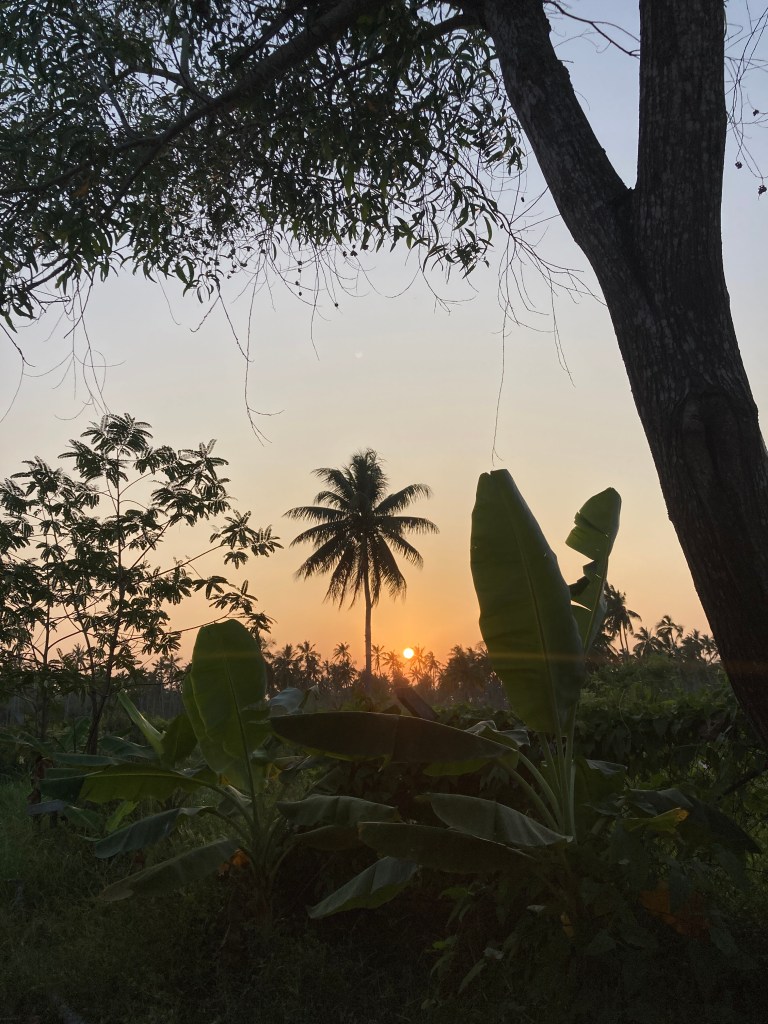
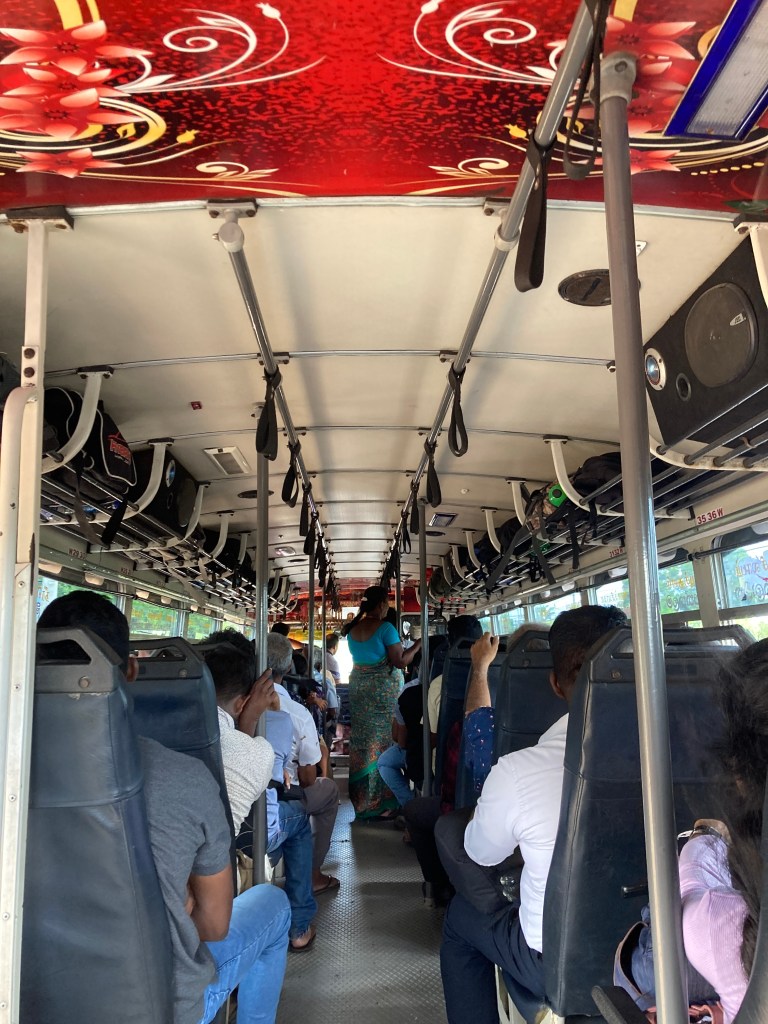
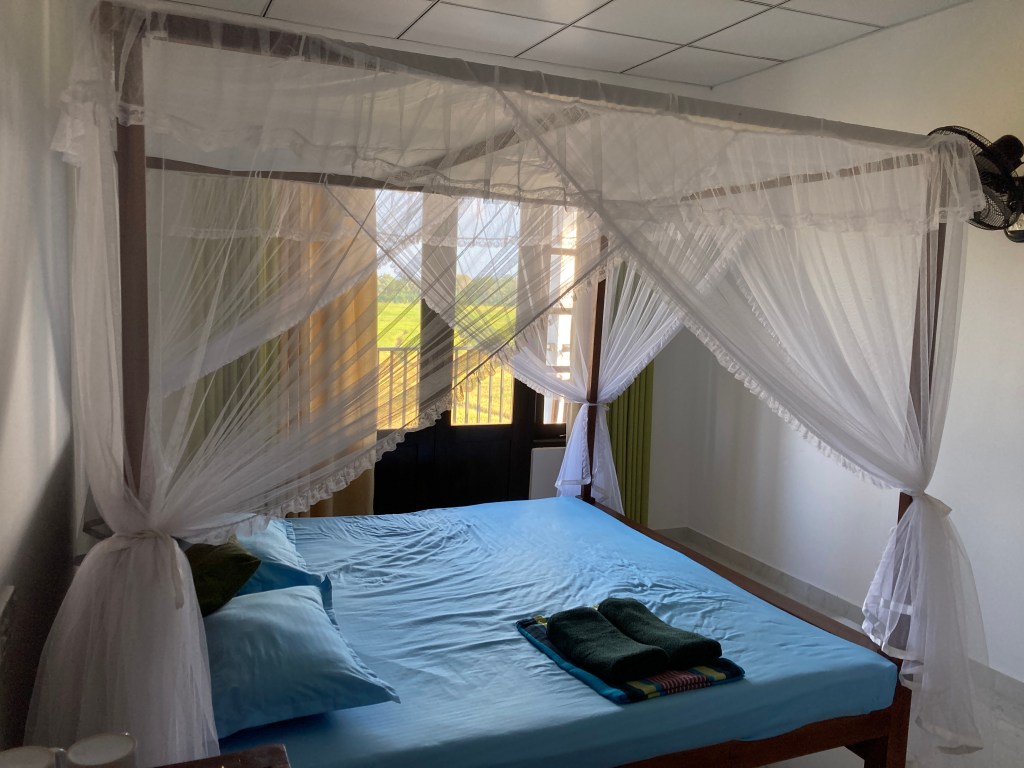
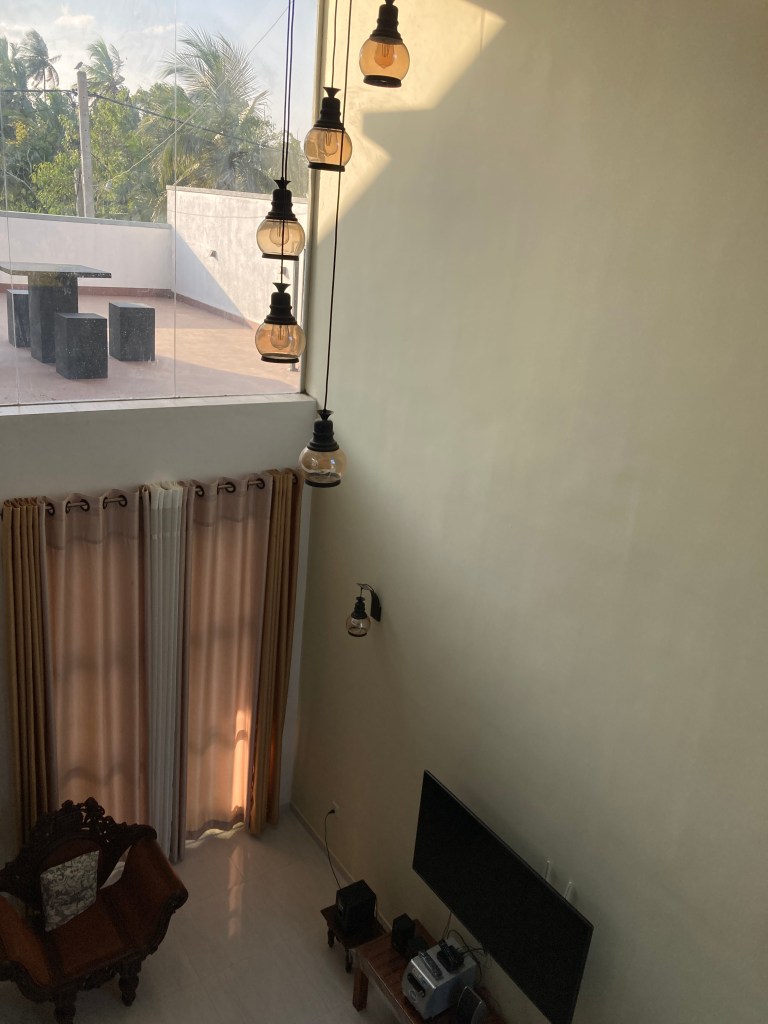
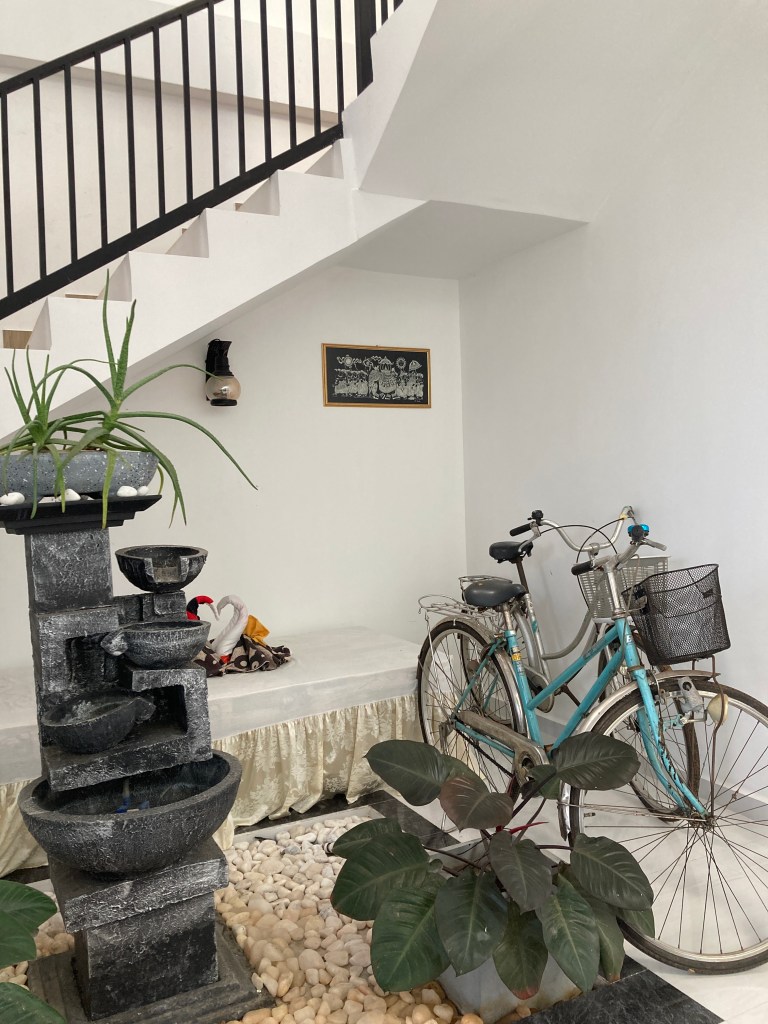
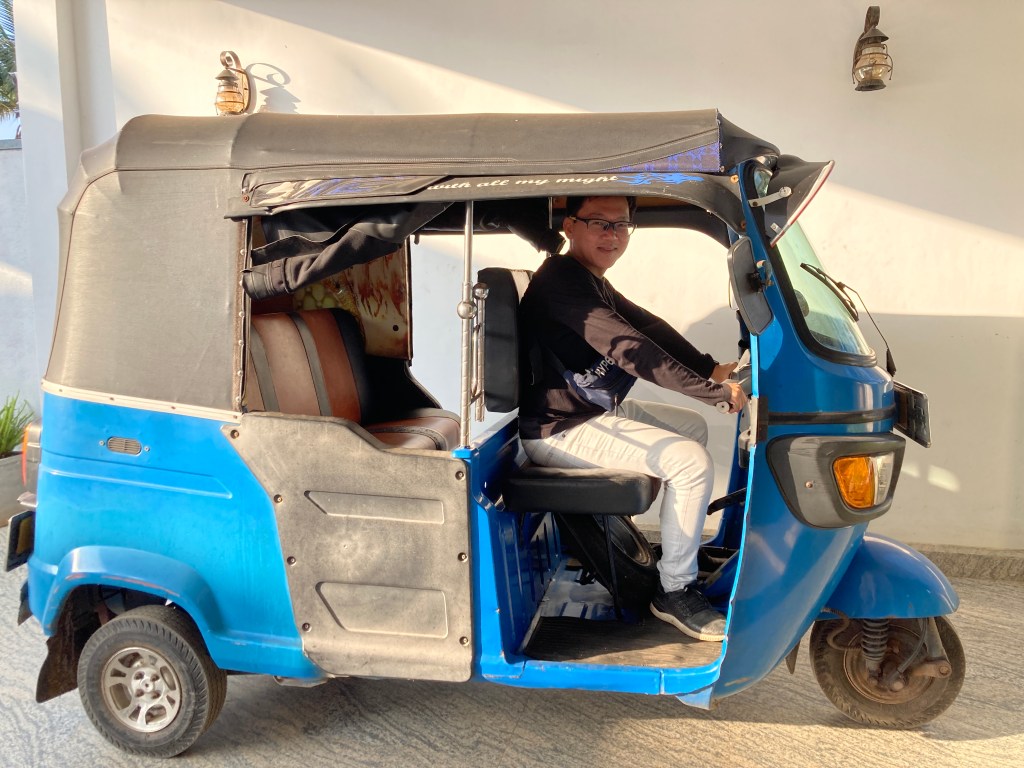
After spending a night at Coco Village Hotel in Chilaw, I took a bus to Anuradhapura in the morning. Upon arrival, I enjoyed a hearty lunch before checking into Ehala Family Rest, a homestay accommodation.




Jaya Sri Maha Bodhi
Jaya Sri Maha Bodhi, situated in the Mahawewna Gardens of Anuradhapura, is revered as the oldest planted tree globally. This sacred fig tree, with a history dating back to the 3rd century BC, is believed to have been planted in 288 BC. It holds the distinction of being the oldest known human-planted tree with documented planting dates, symbolizing a significant aspect of Anuradhapura’s ancient heritage.
Jaya Sri Maha Bodhi is the southern branch of the historic Sri Maha Bodhi tree in Buddha Gaya, India, where Lord Buddha attained Enlightenment. It holds immense significance as one of the most sacred religious sites for Buddhists in Sri Lanka.
Surrounding the sacred tree are fig trees that serve as protective guardians, shielding it from storms and animals like monkeys and bats.
Ruwanweli Maha Seya
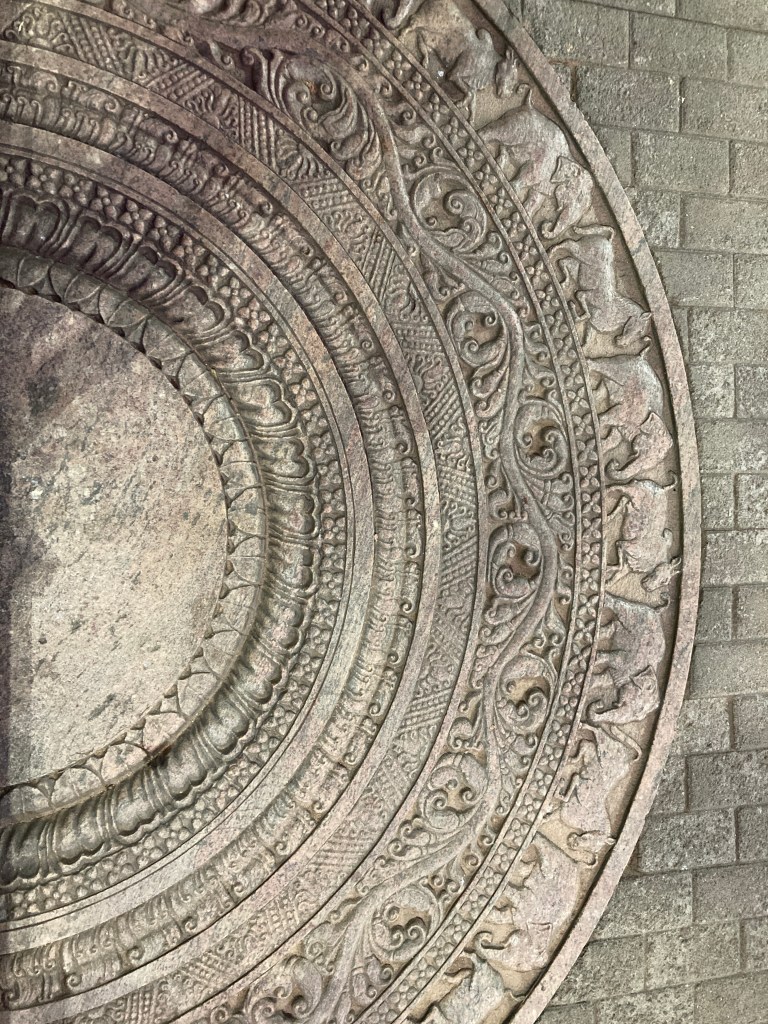
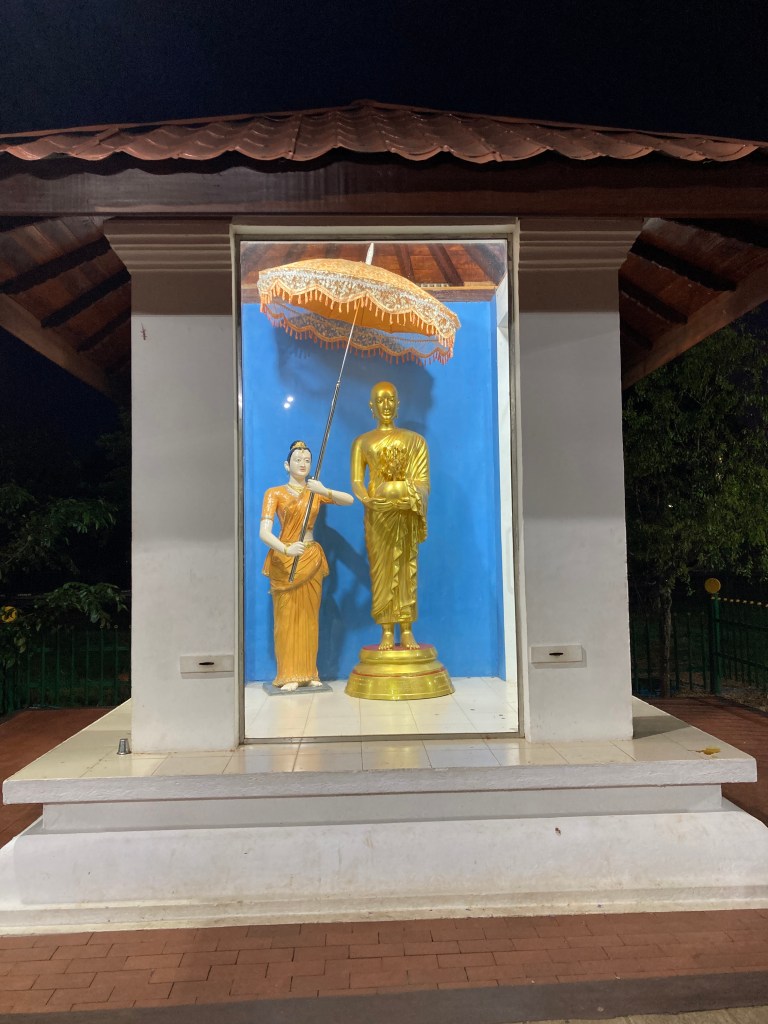
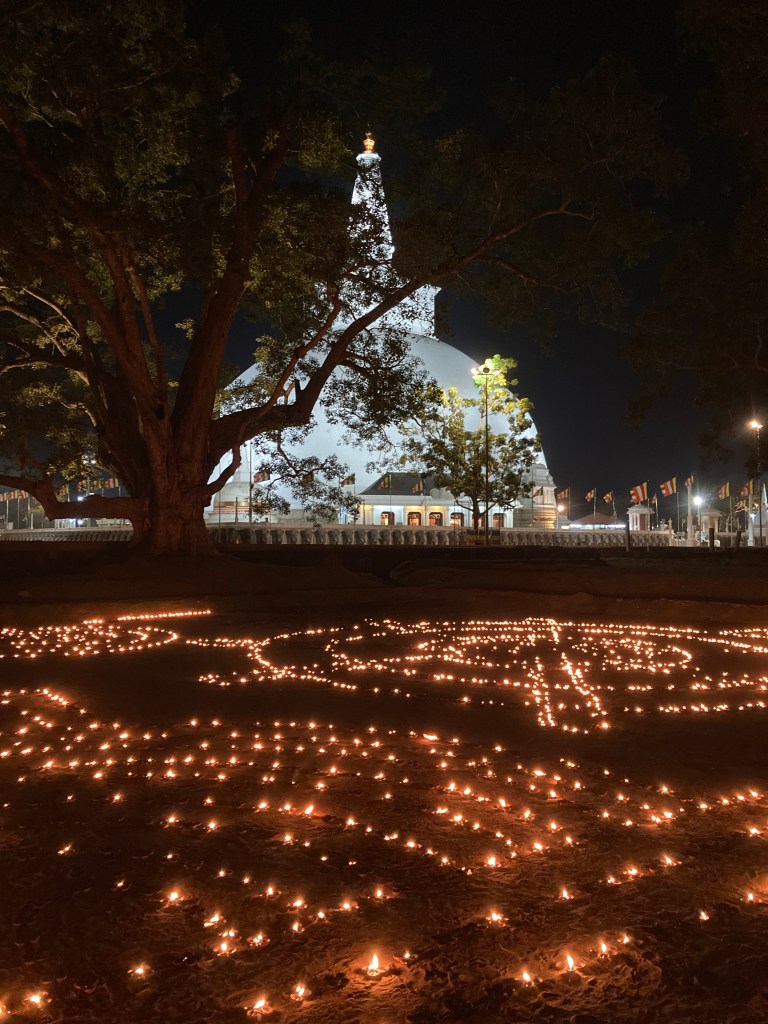
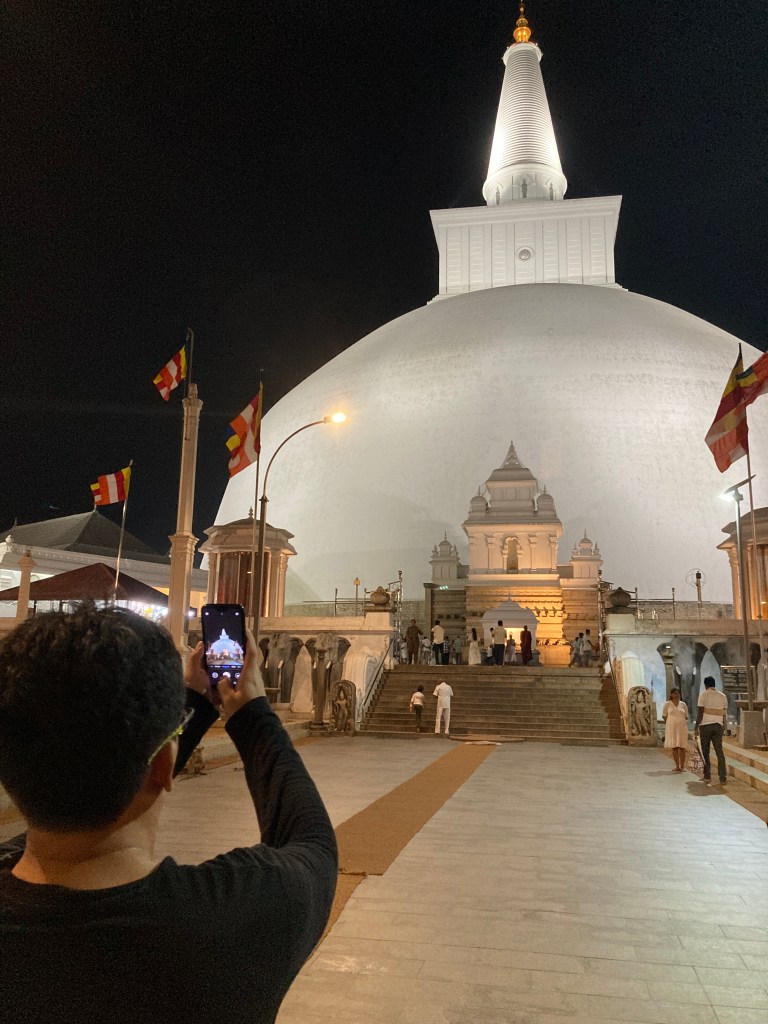
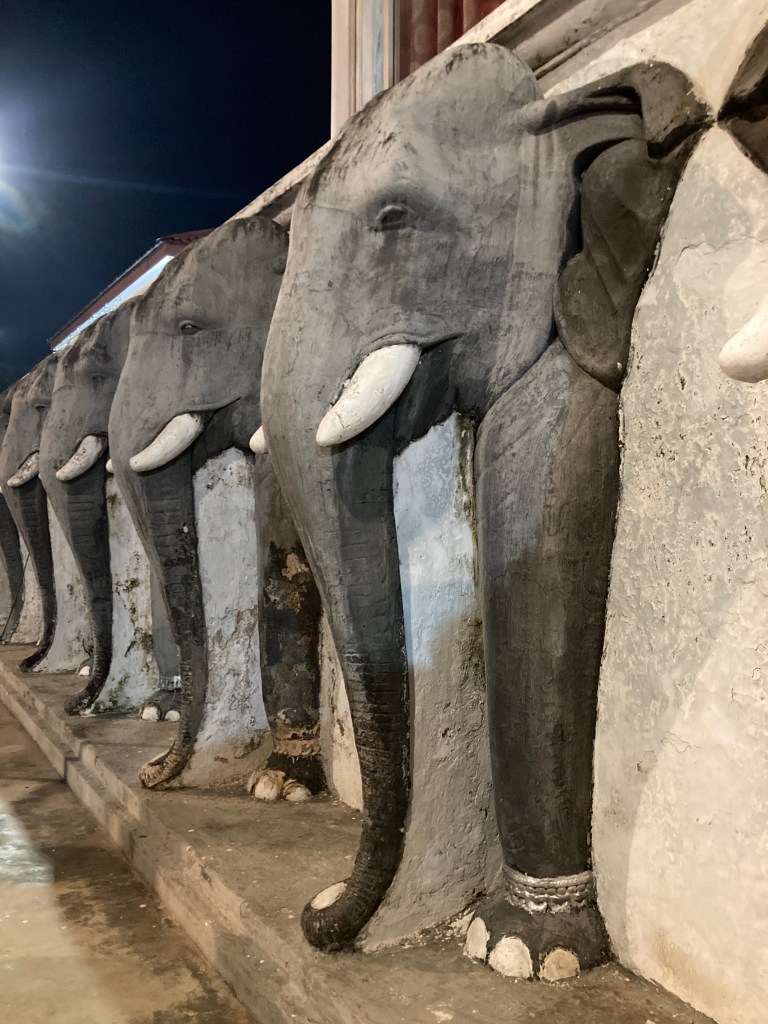
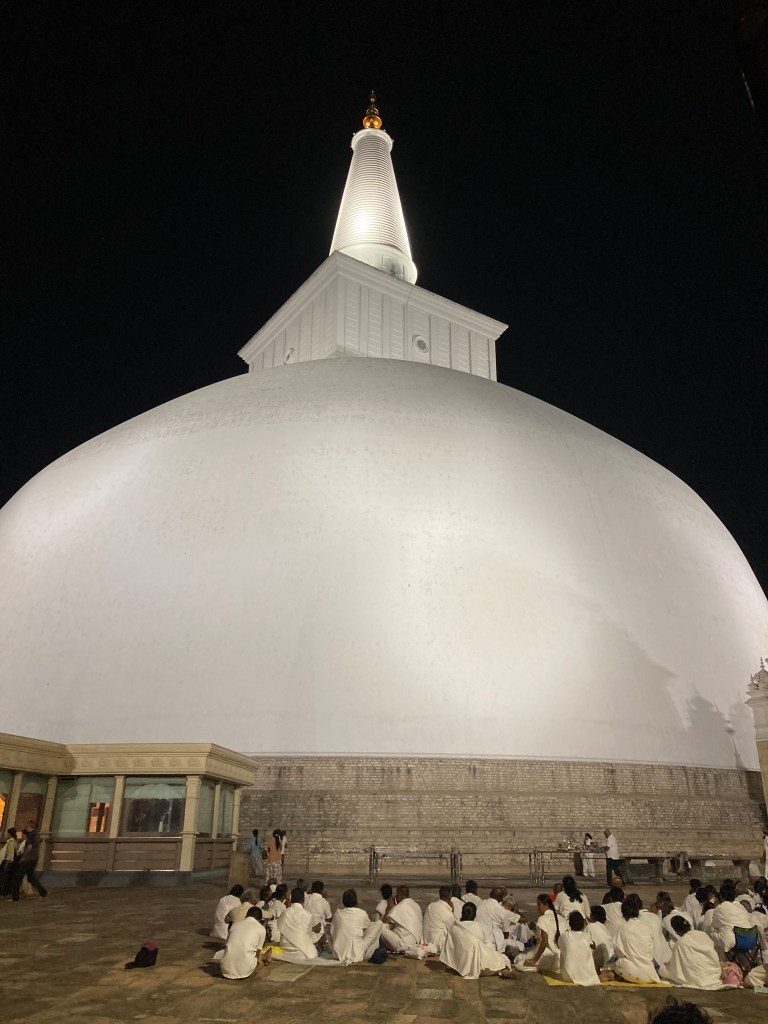
Ruwanweliseya, also known as Ruwanweli Maha Seya, stands as one of the most revered Buddhist sites in Sri Lanka. Constructed by the esteemed King Dutugamunu, who ruled from Anuradhapura between 137 BCE and 119 BCE, this stupa may not be the largest or the oldest in the city, but it holds unparalleled veneration among Buddhists, surpassing even the grandest of stupas. It boasts the most extensive collection of relics of Gautama Buddha ever enshrined in any dagoba on the island.

Mihintale
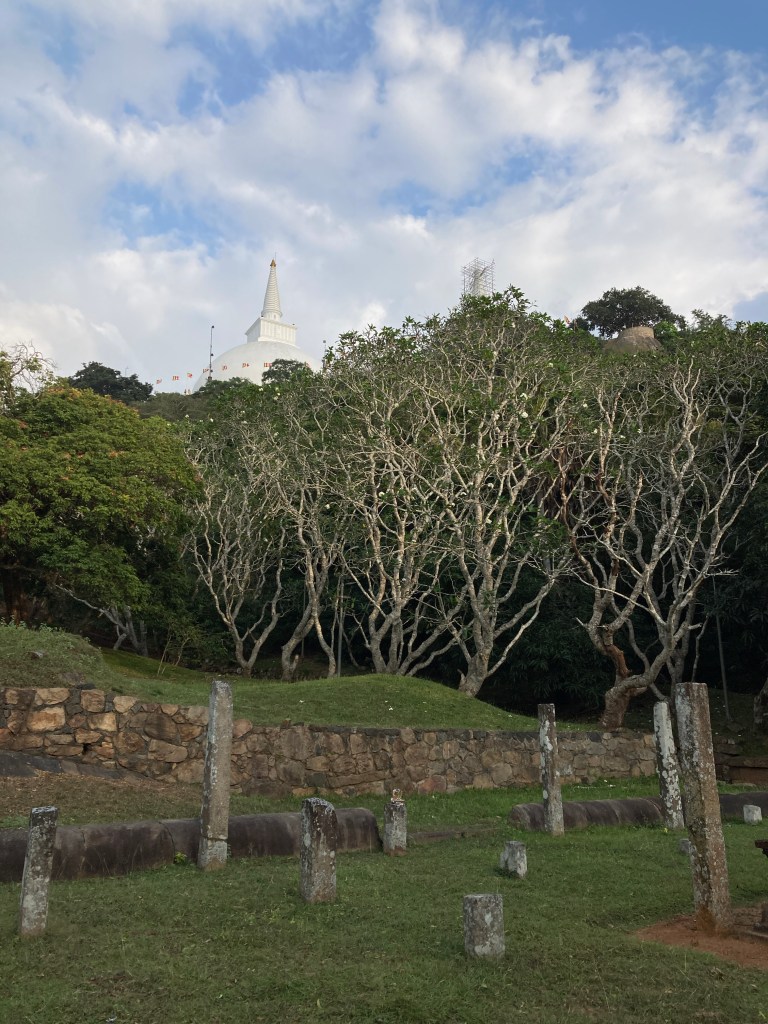
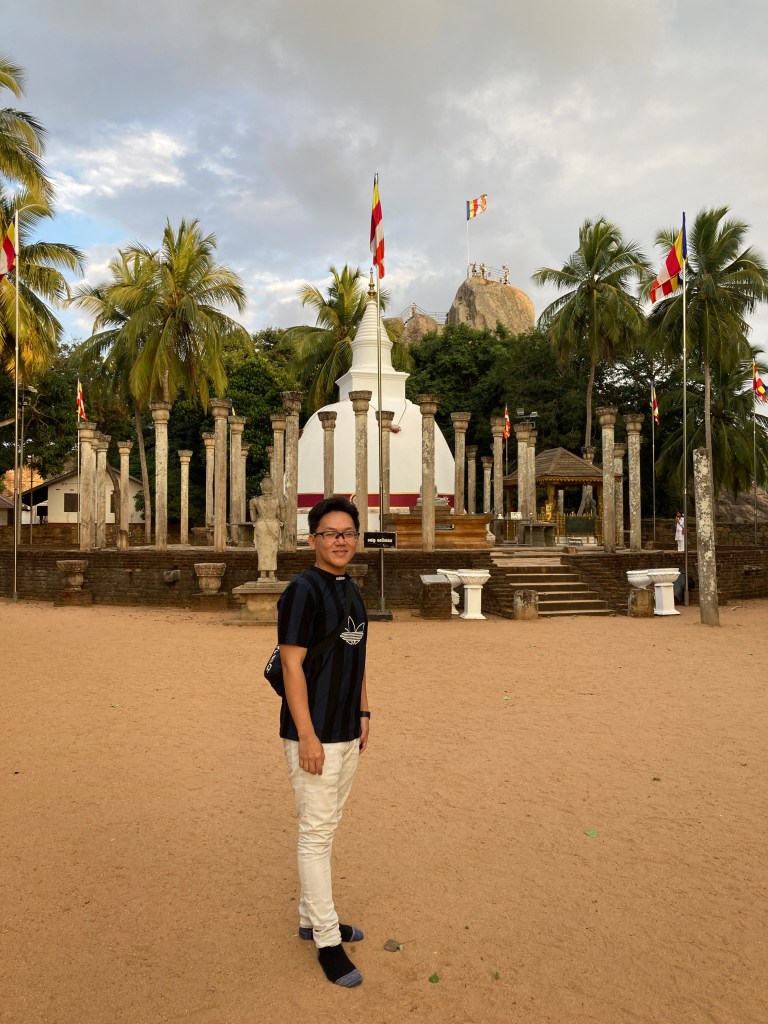
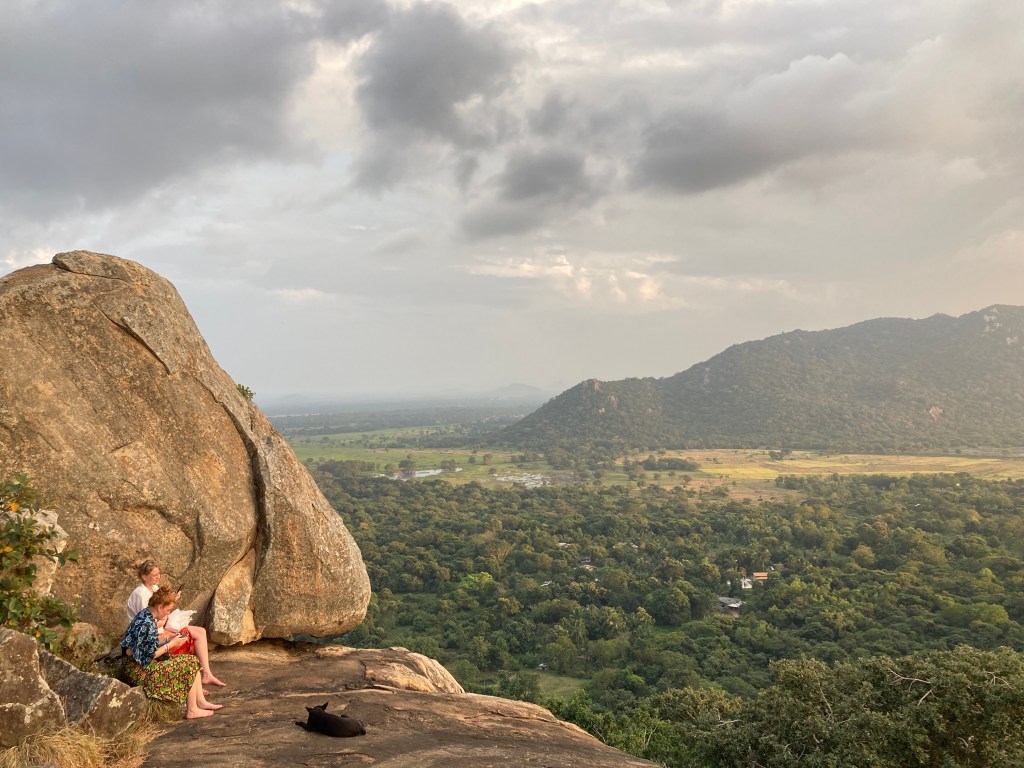
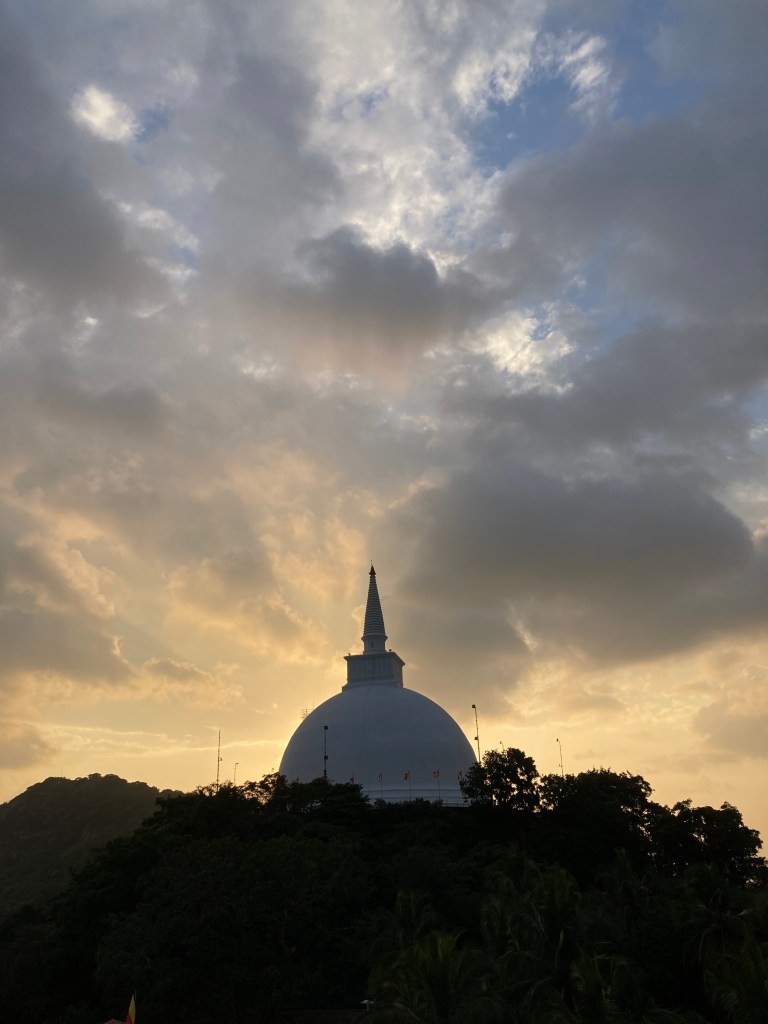
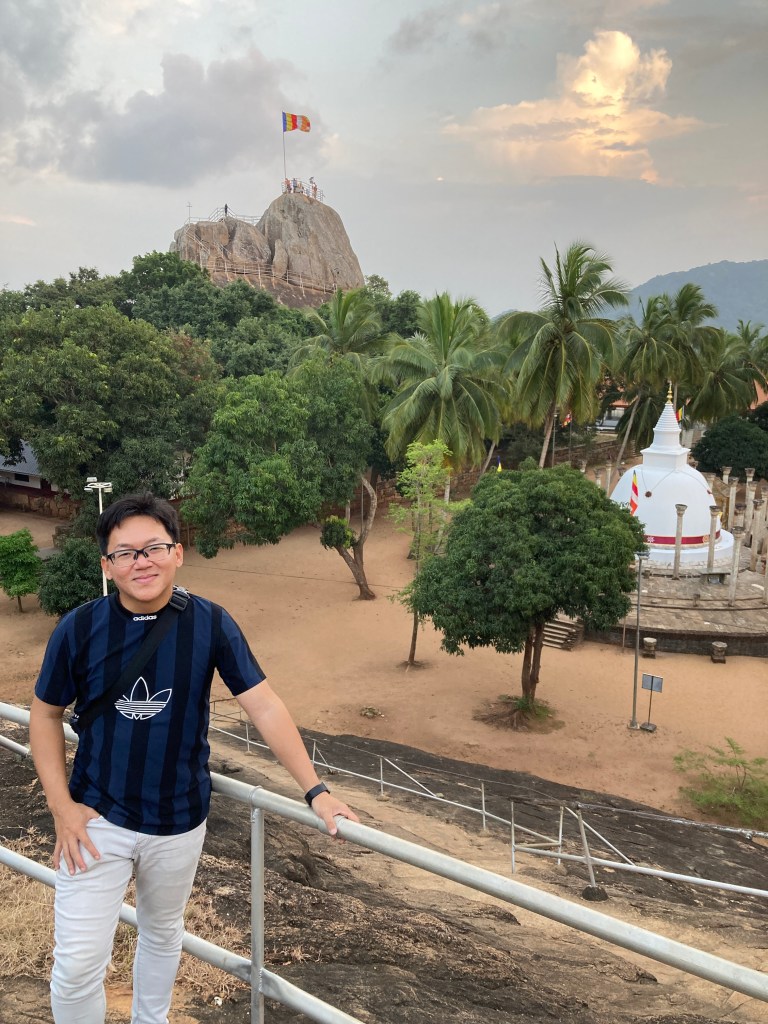
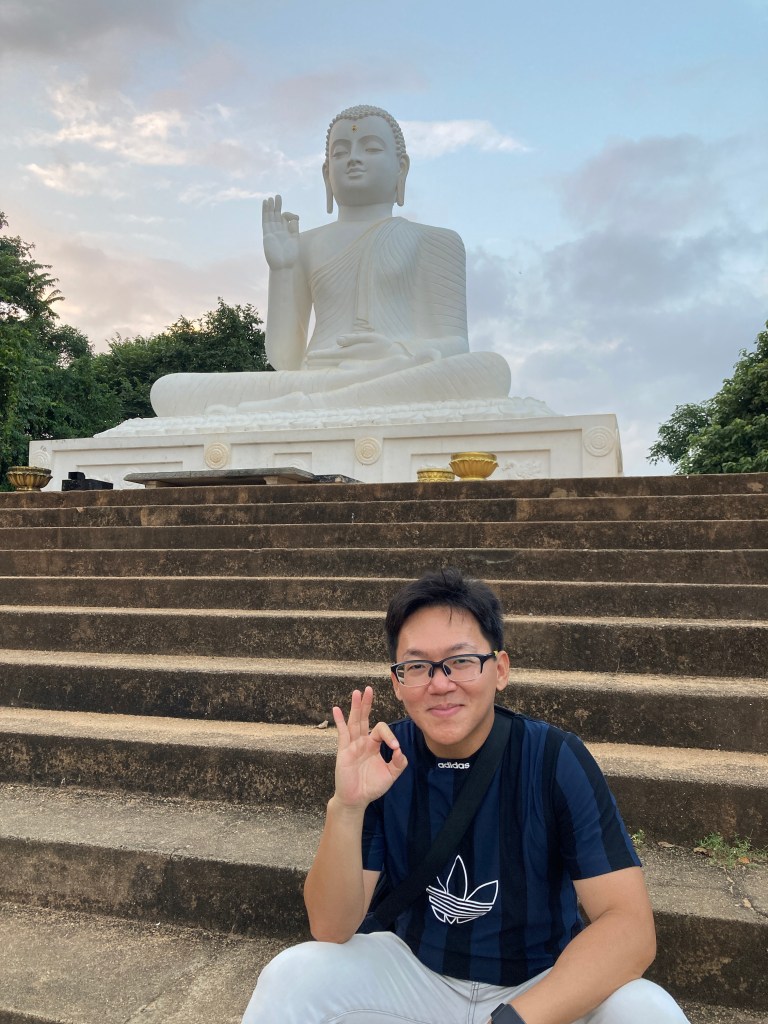
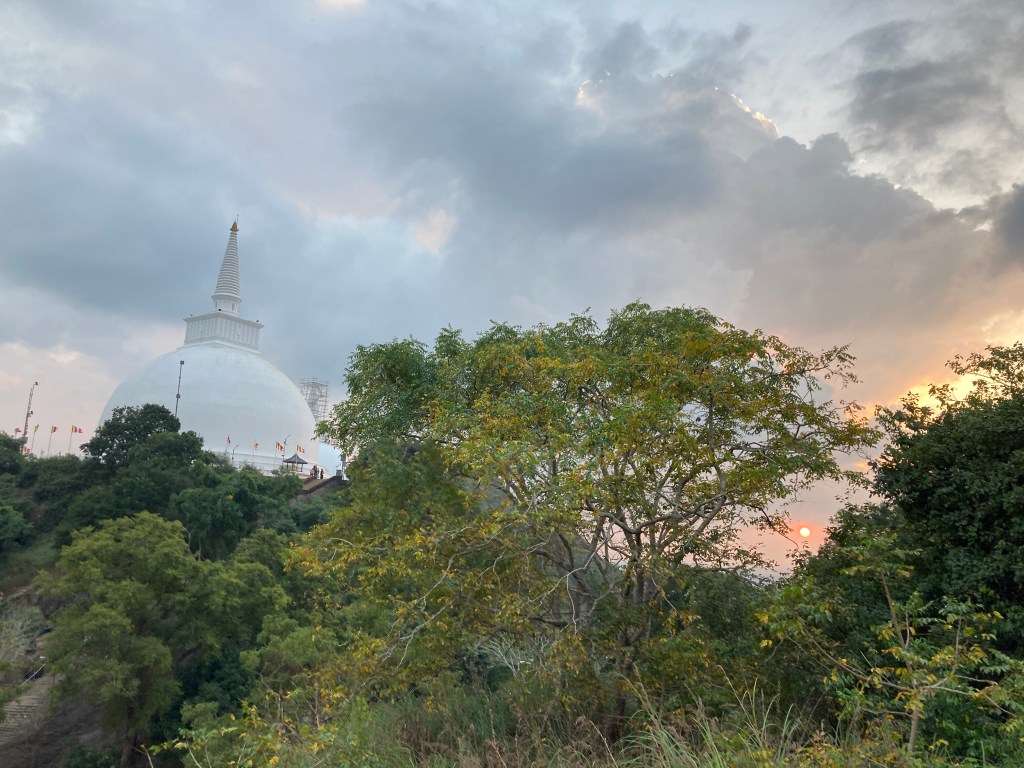
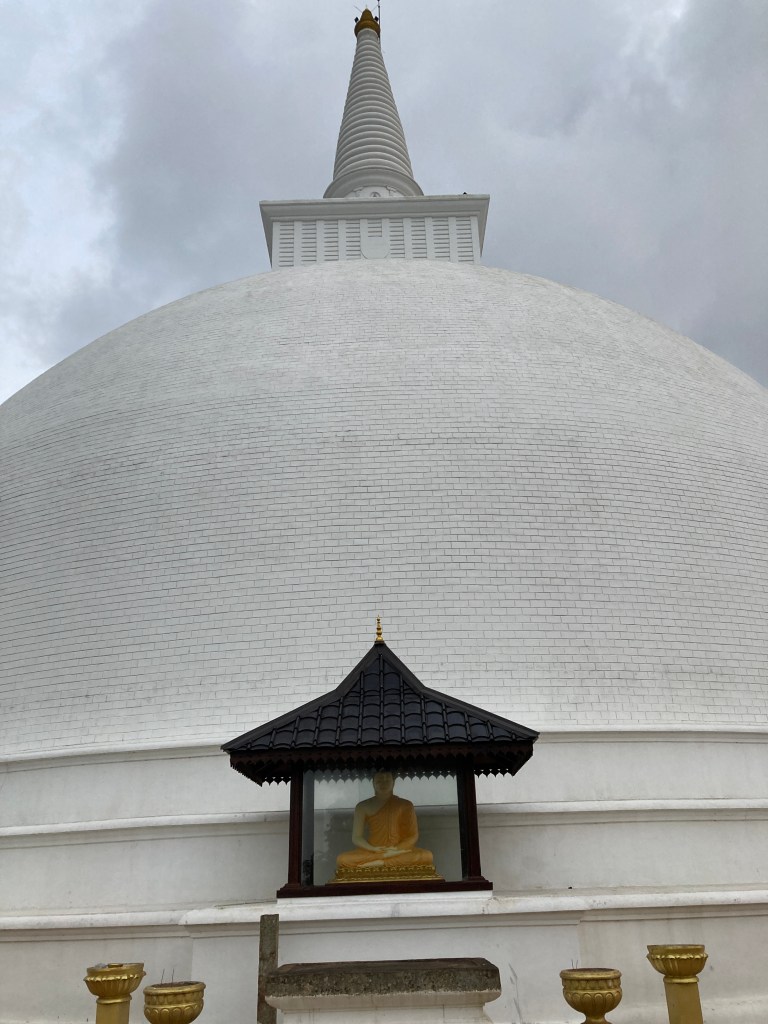
Legend has it that at Mihintale, also known as “Mahinda’s Hill,” the Indian missionary Mahinda encountered and converted King Devanampiyatissa in 247 BC, thereby establishing Buddhism as the state religion of the island. Mahinda, the son of the esteemed Mauryan emperor Asoka, was dispatched by his father to spread the teachings of the Buddha to Sri Lanka. The Sinhalese people embraced Buddhism fervently, leading to its firm establishment on the island. This was unlike its fate in India, its place of origin, where it eventually declined irreversibly.
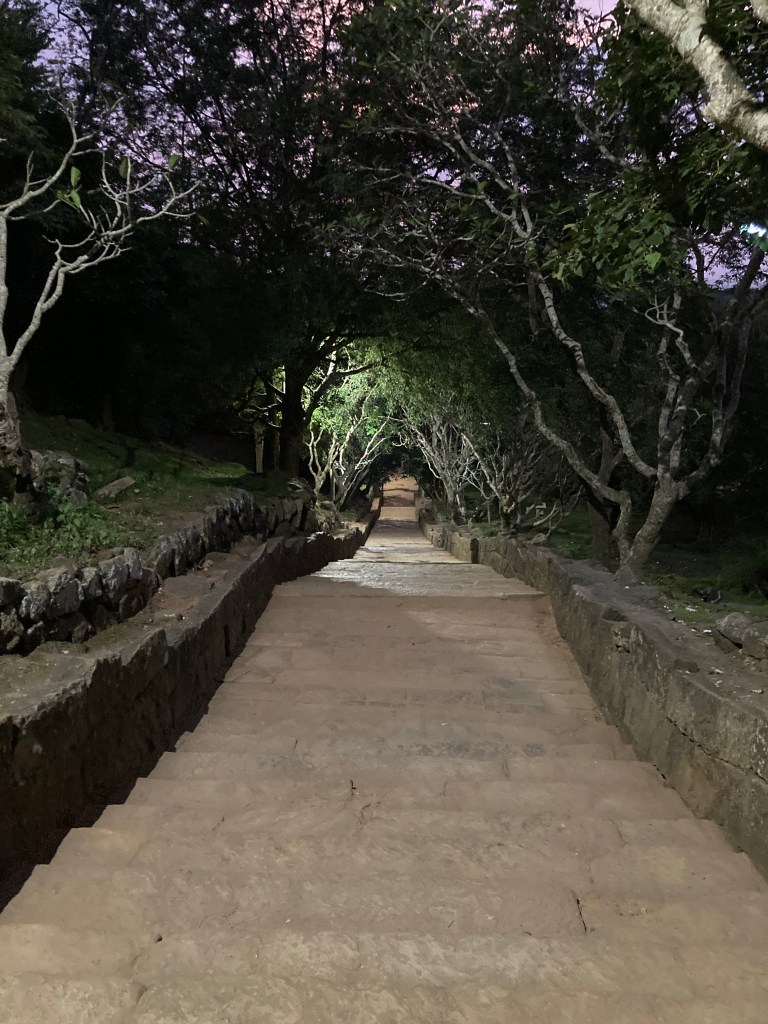
The next destination is the most significant site in all of Sri Lanka, Sigiriya.
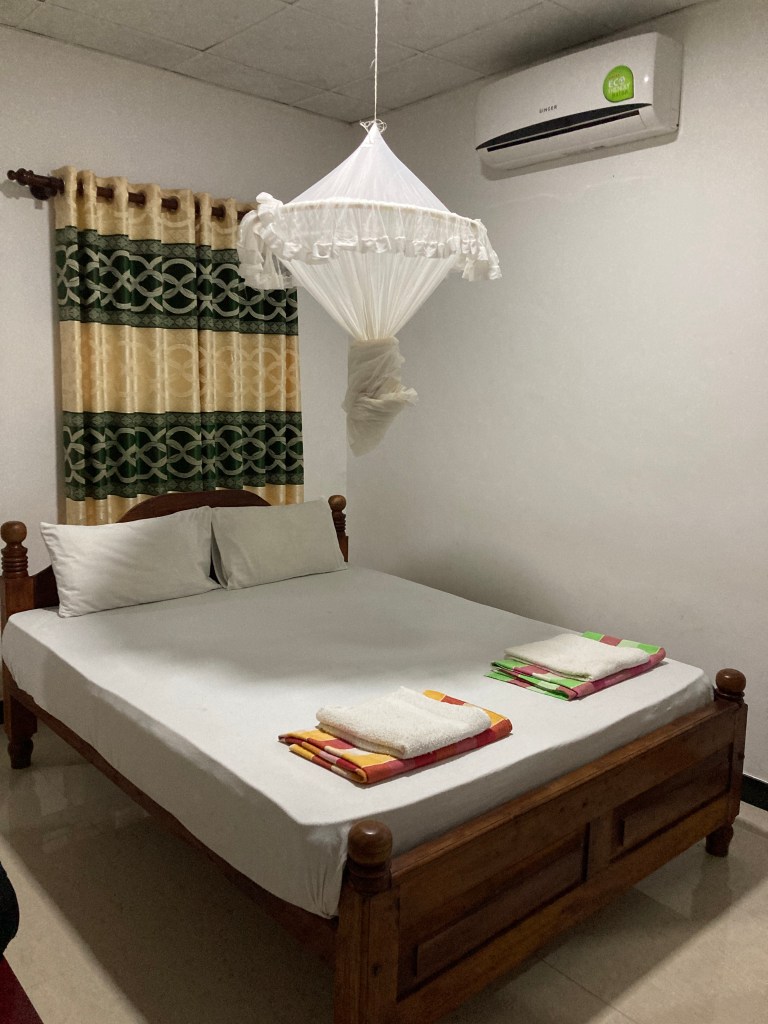
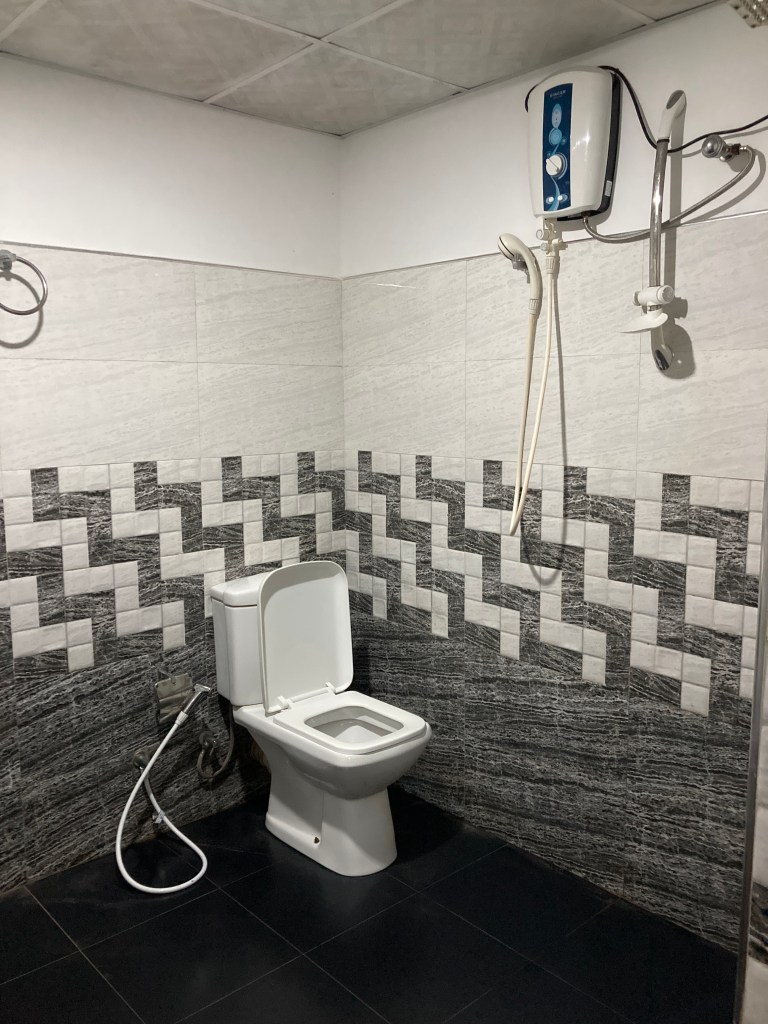
Upon arriving at Sigiriya by bus, I checked into Danara Homestay.
Pidurangala Rock
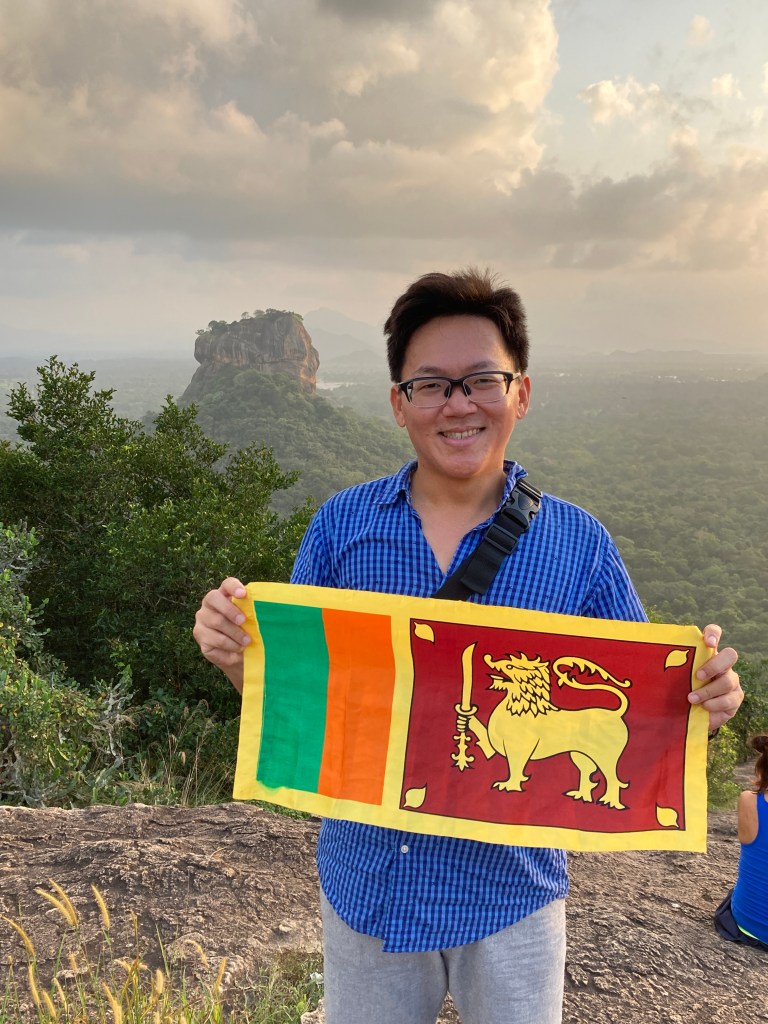
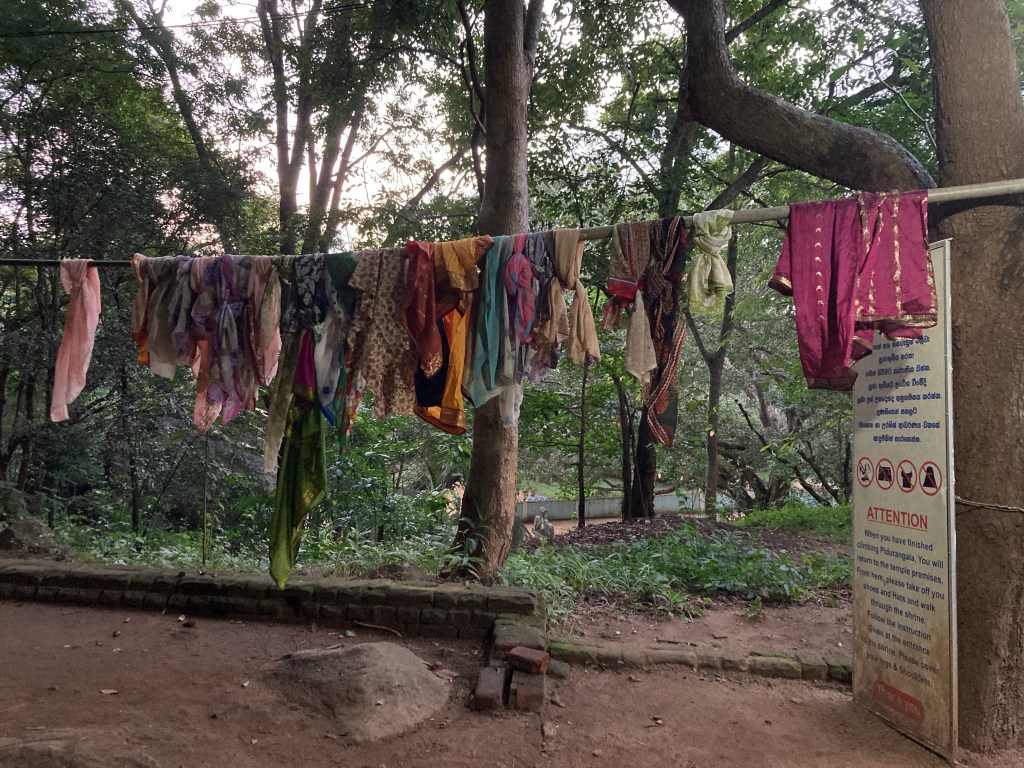
Pidurangala is a large rock formation situated a few kilometers north of Sigiriya in Sri Lanka. Its history intertwines closely with that of the Sigiriya Rock Fortress. Scaling Pidurangala Rock is more challenging than climbing Sigiriya, but for those who are physically fit and adventurous, it offers a worthwhile climb, taking approximately two hours.


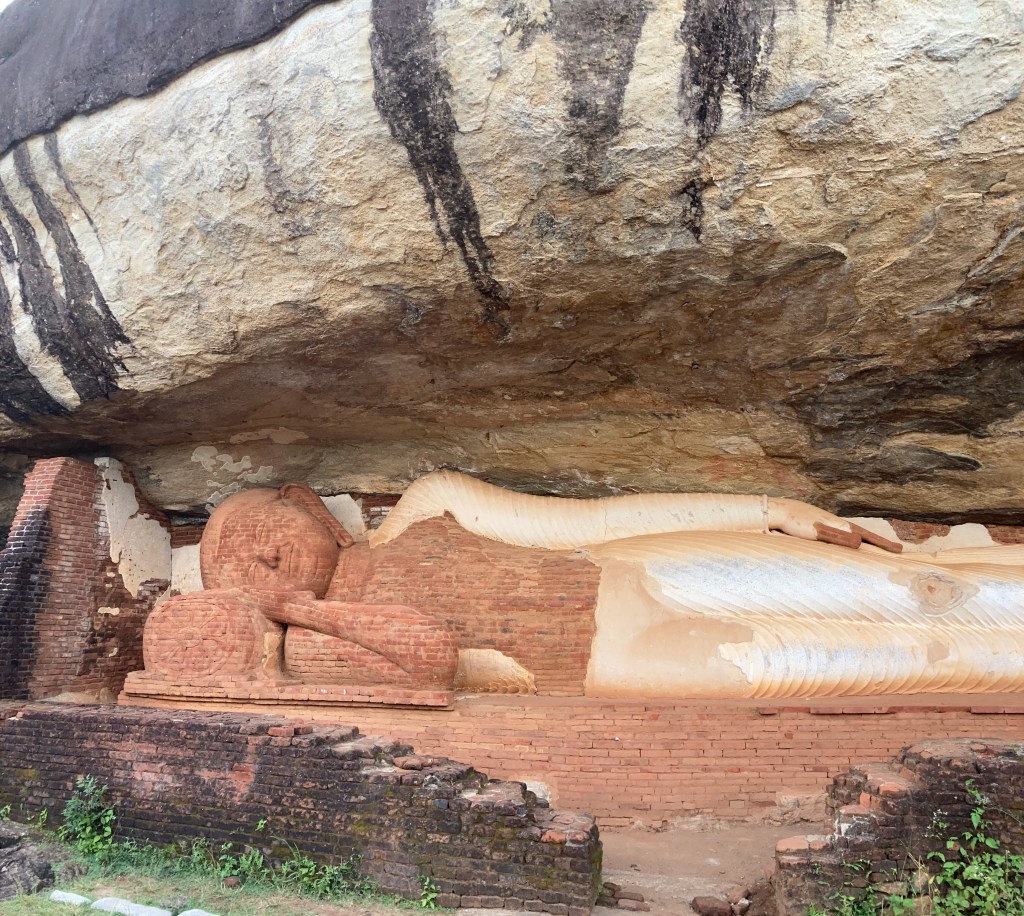
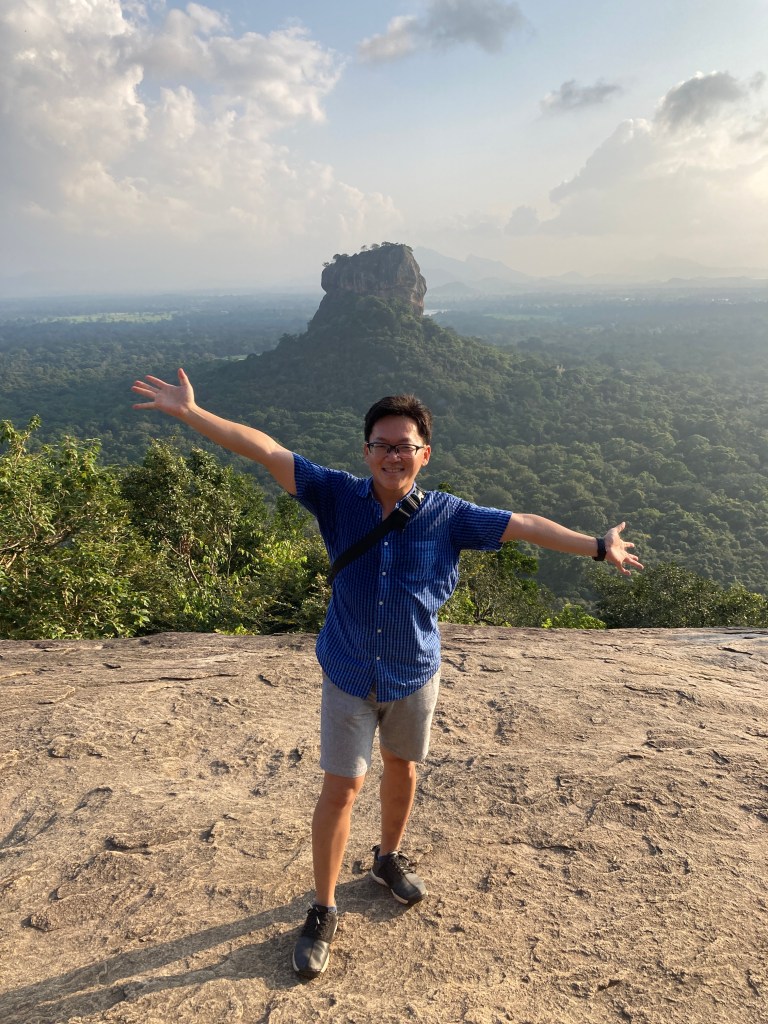
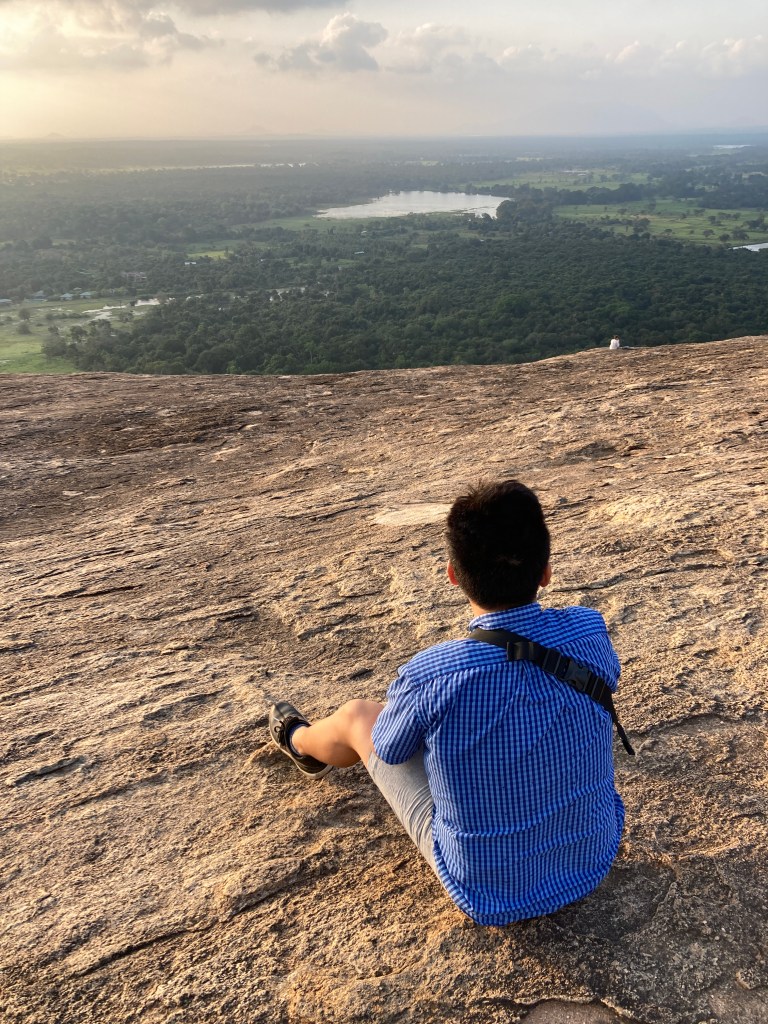
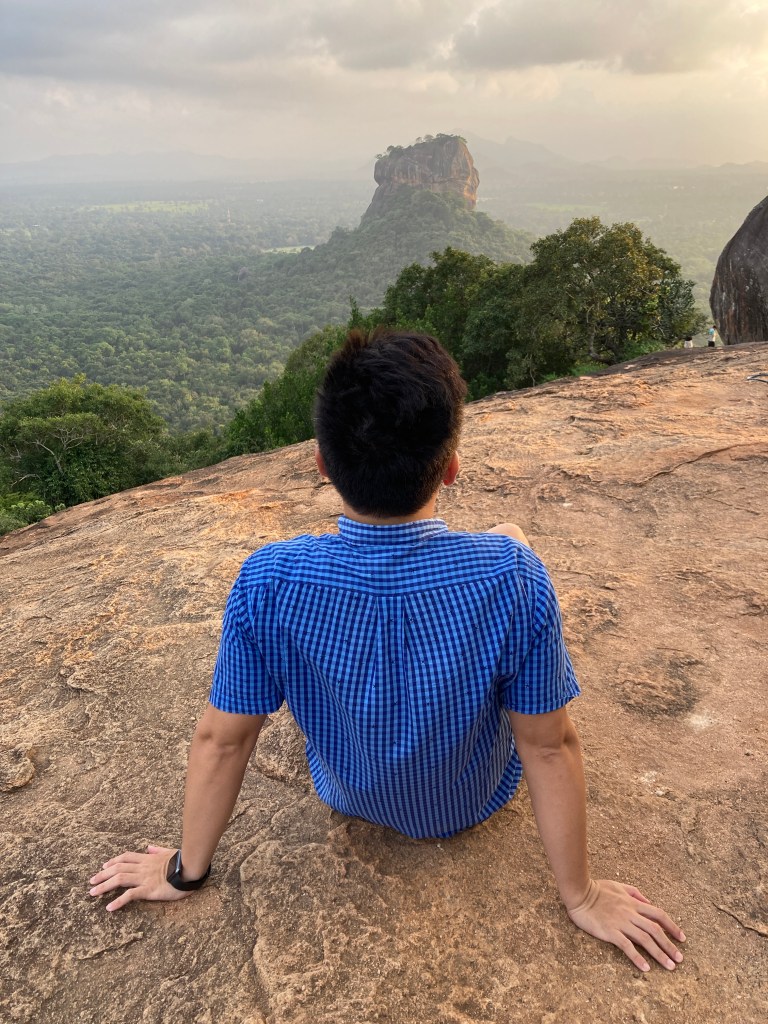
sigiriya
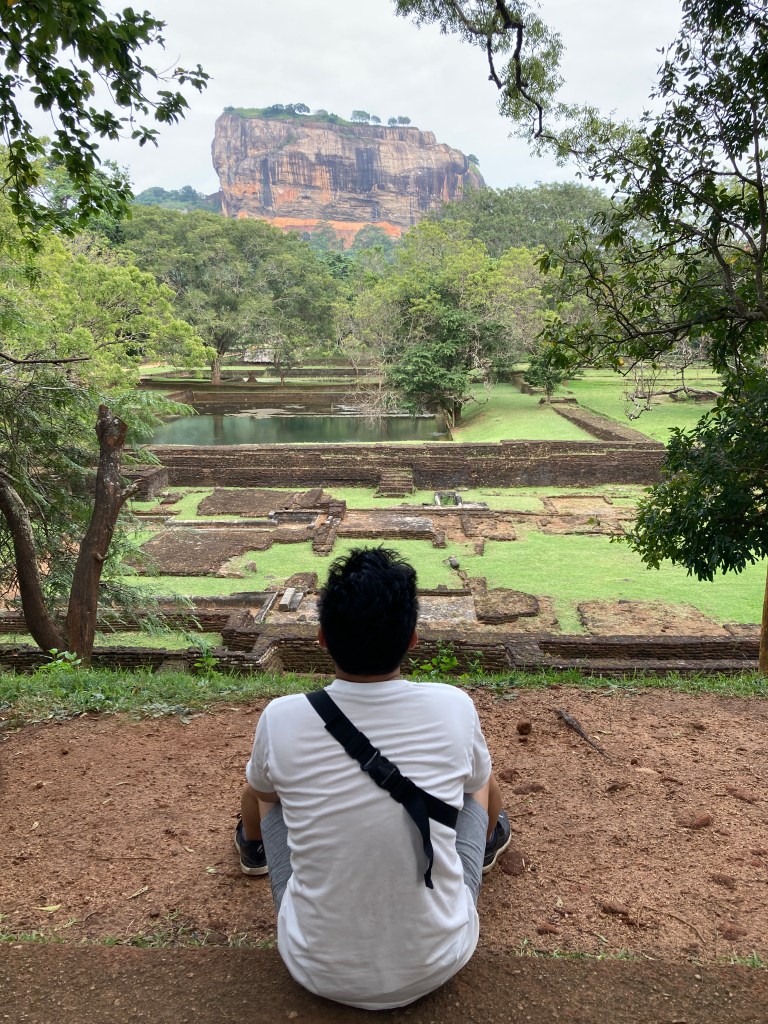
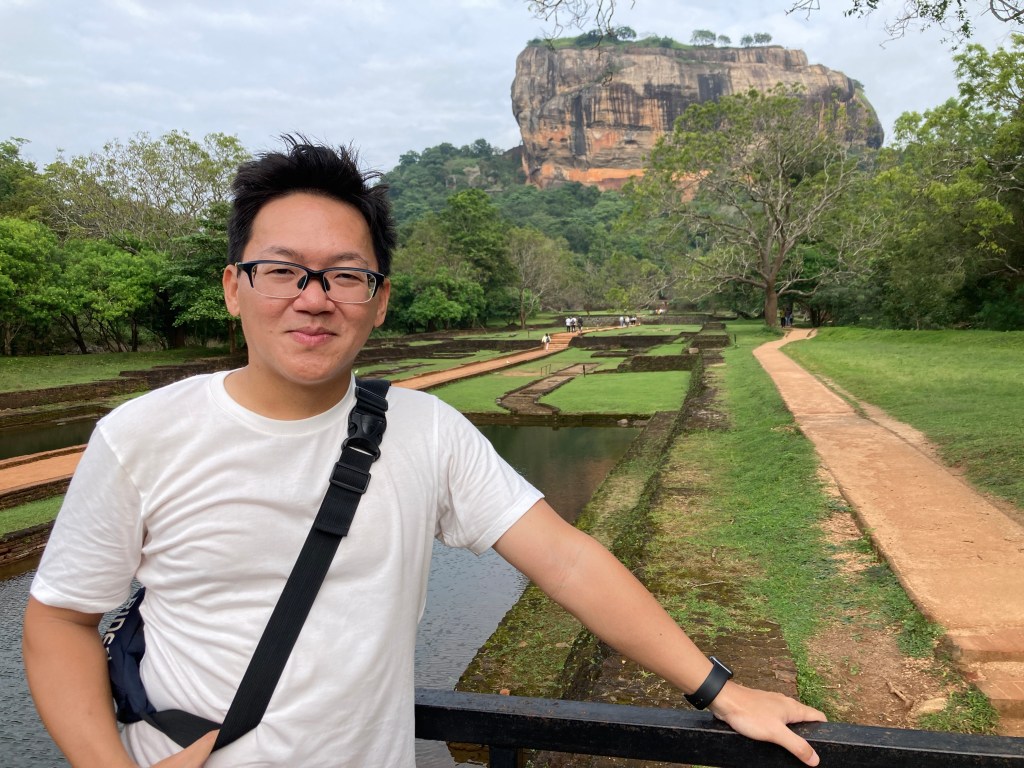
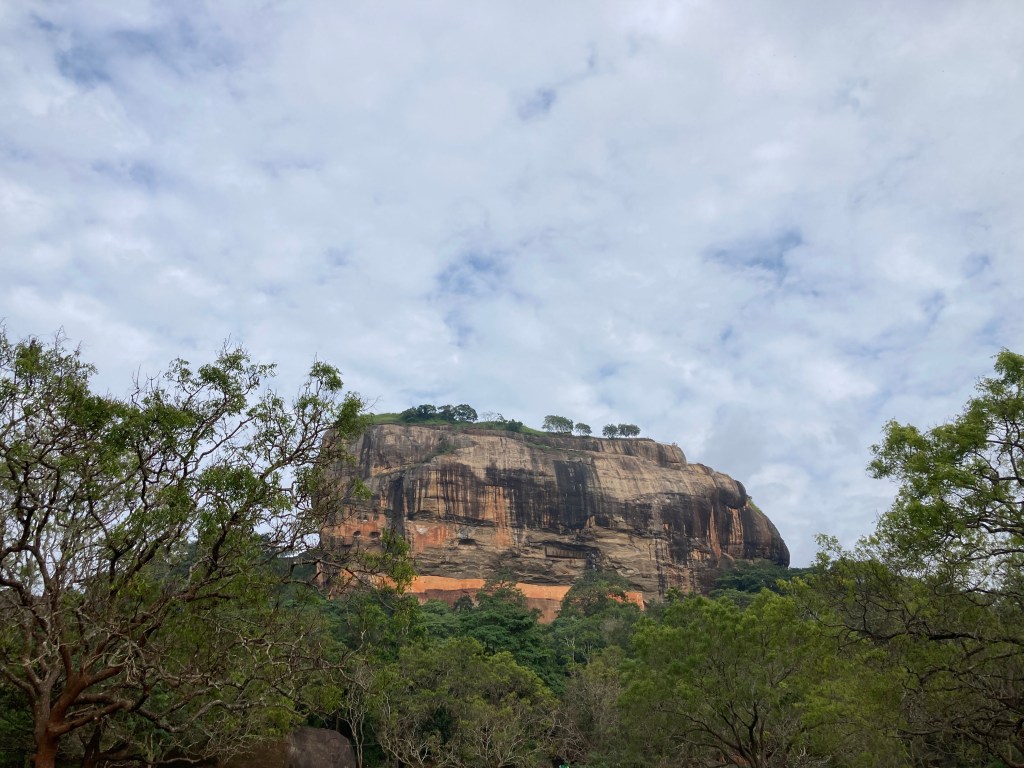
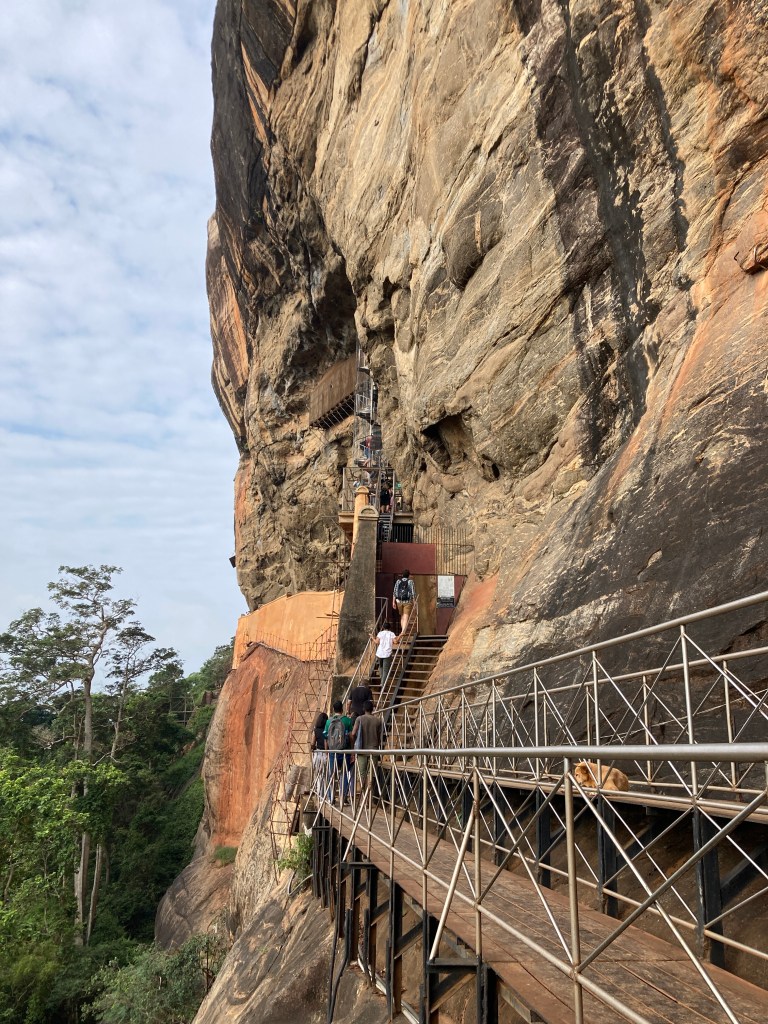
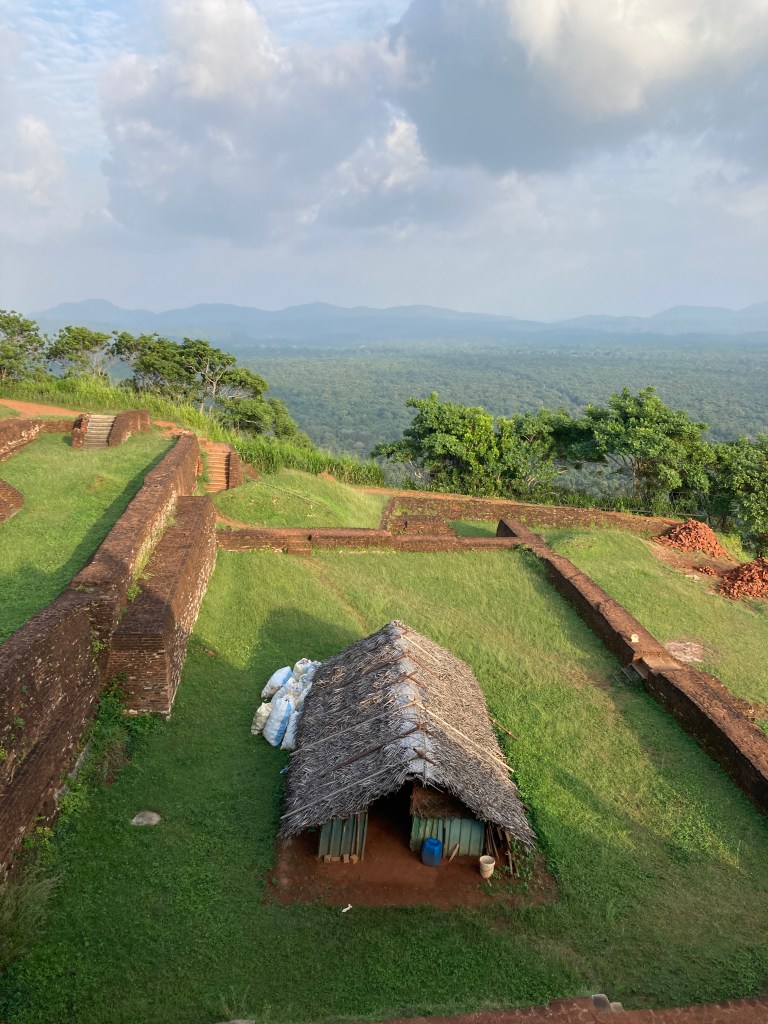
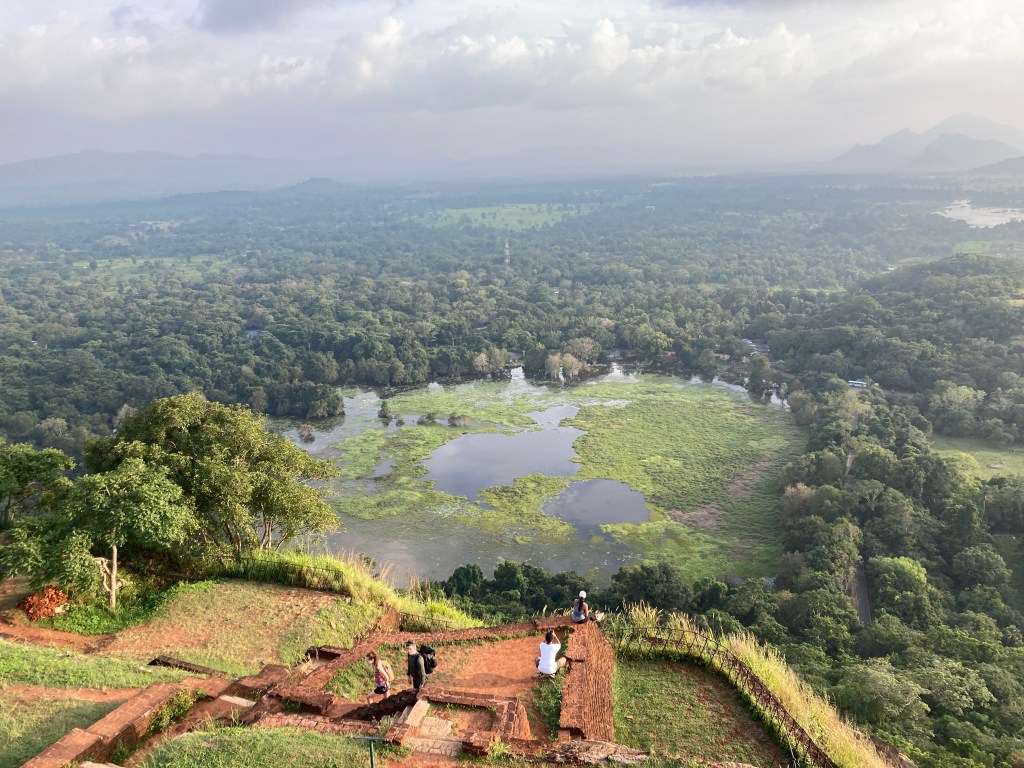
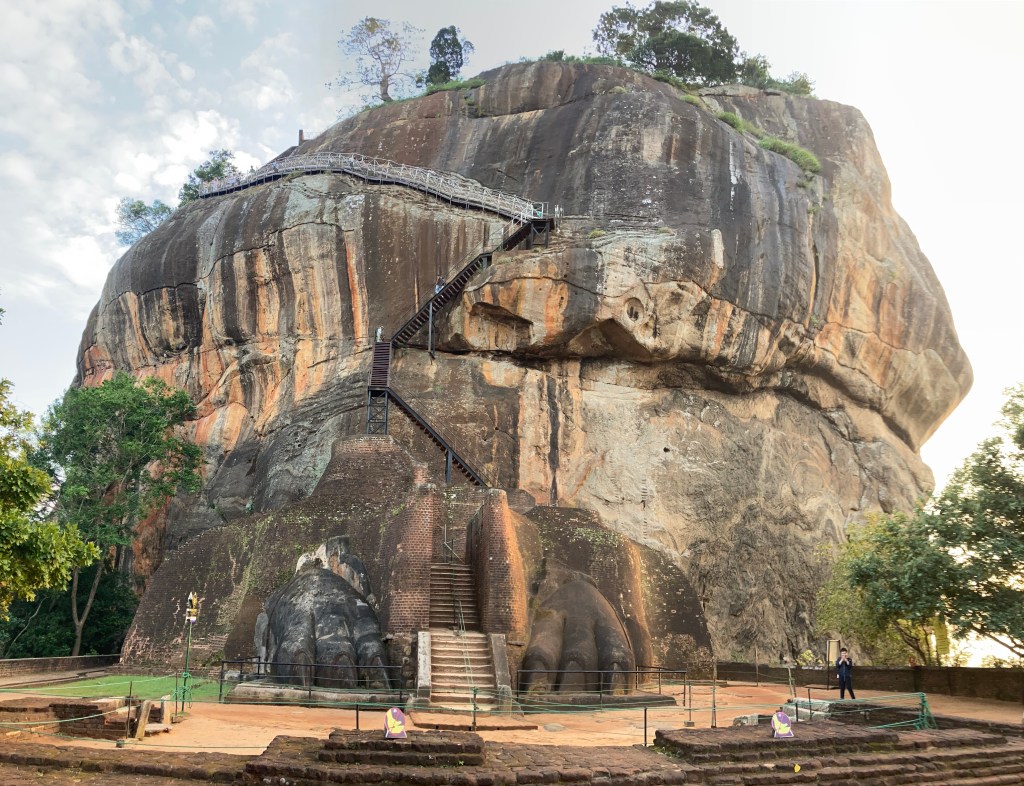
Sigiriya, also known as Sinhagiri, is an ancient rock fortress situated in the northern Matale District near the town of Dambulla in Sri Lanka’s Central Province. This site holds immense historical and archaeological importance, dominated by a towering granite column approximately 180 meters (590 feet) high.
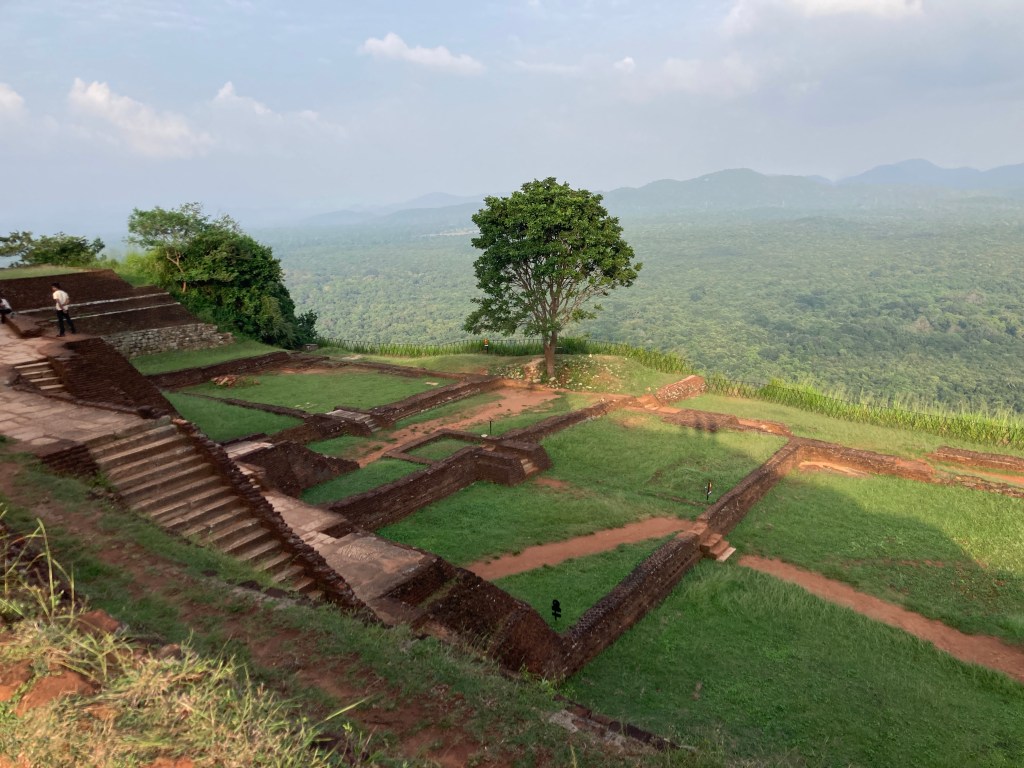
According to the ancient Sri Lankan chronicle, the Cūḷavaṃsa, this area was once a vast forest that transformed into a hill due to storms and landslides. King Kashyapa (AD 477–495) selected this hill for his new capital and constructed his palace atop the rock, adorning its sides with vibrant frescoes. A gateway in the shape of a colossal lion was built on a small plateau halfway up the rock, from which the place derives its name, Siṃhagiri, meaning the Lion Rock.
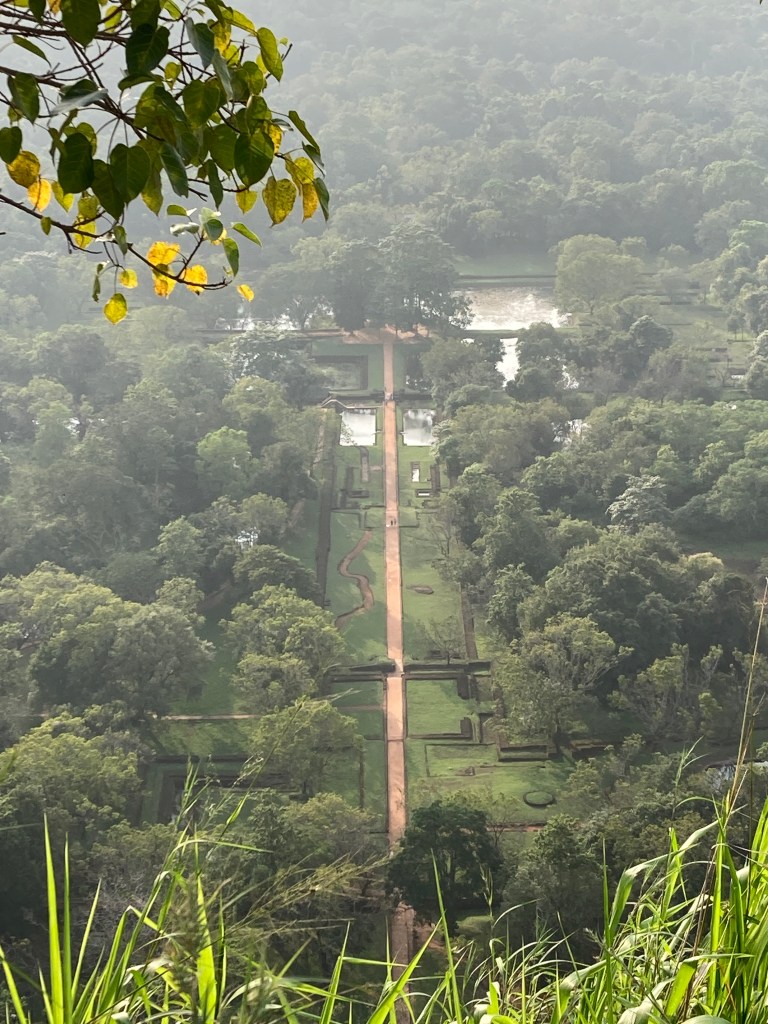
Following the king’s demise, the capital and palace were abandoned, eventually serving as a Buddhist monastery until the 14th century. Today, Sigiriya is a UNESCO-listed World Heritage Site, renowned for its exceptional preservation and exemplifying ancient urban planning at its finest.



Dambulla cave temple
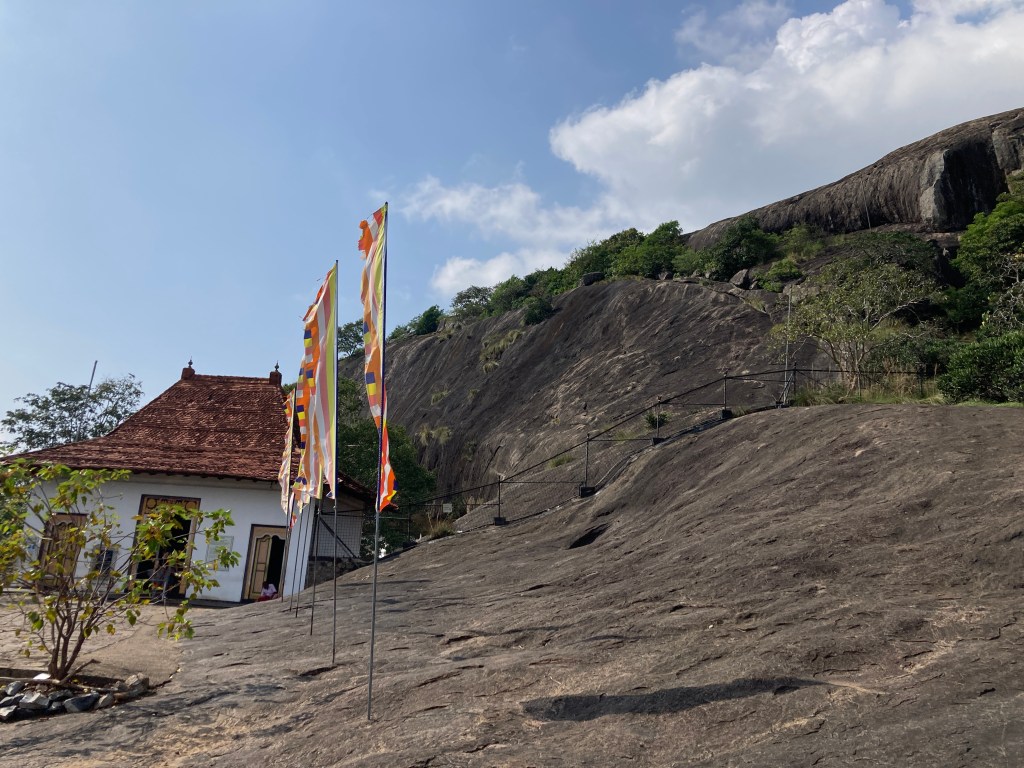
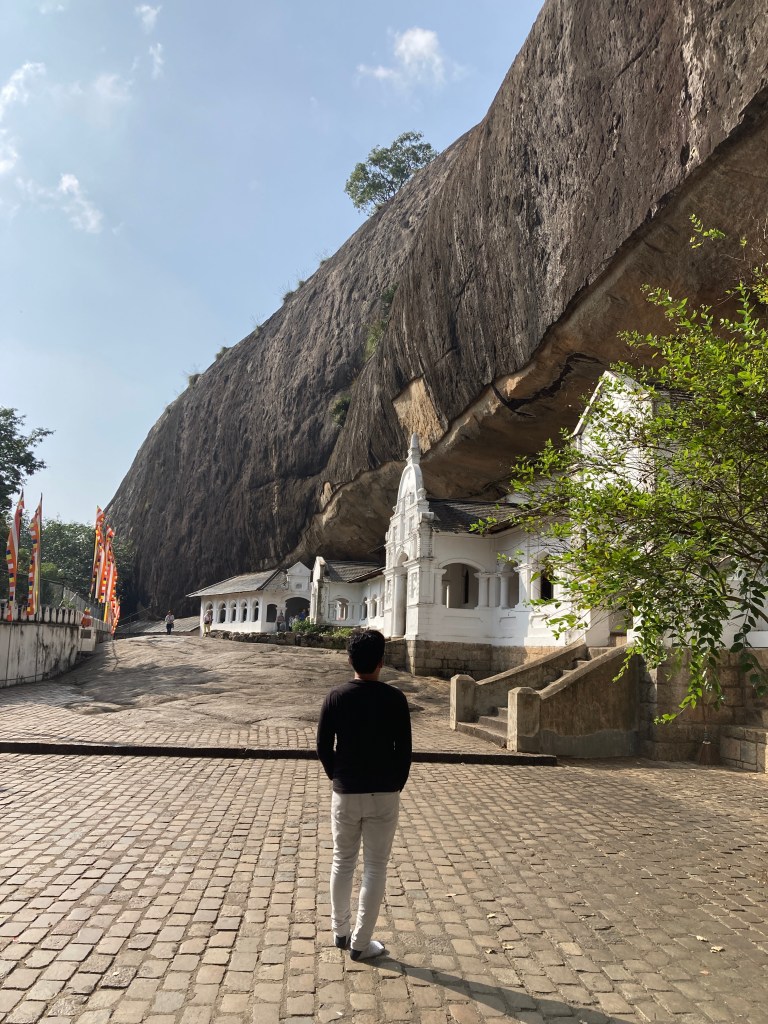
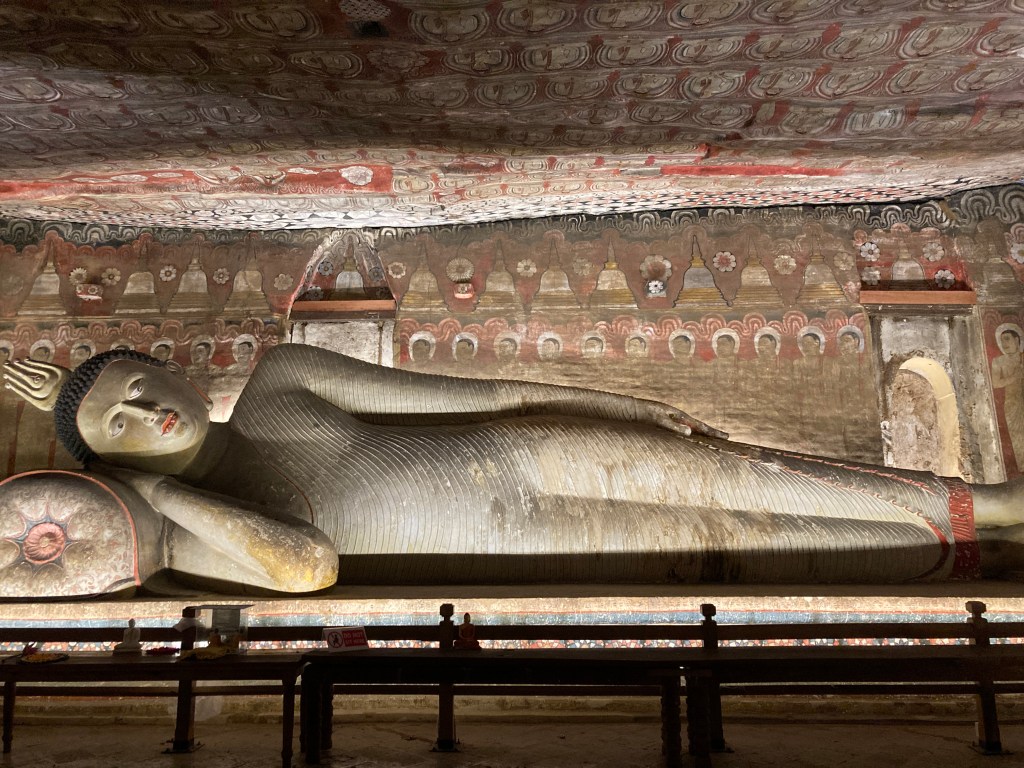
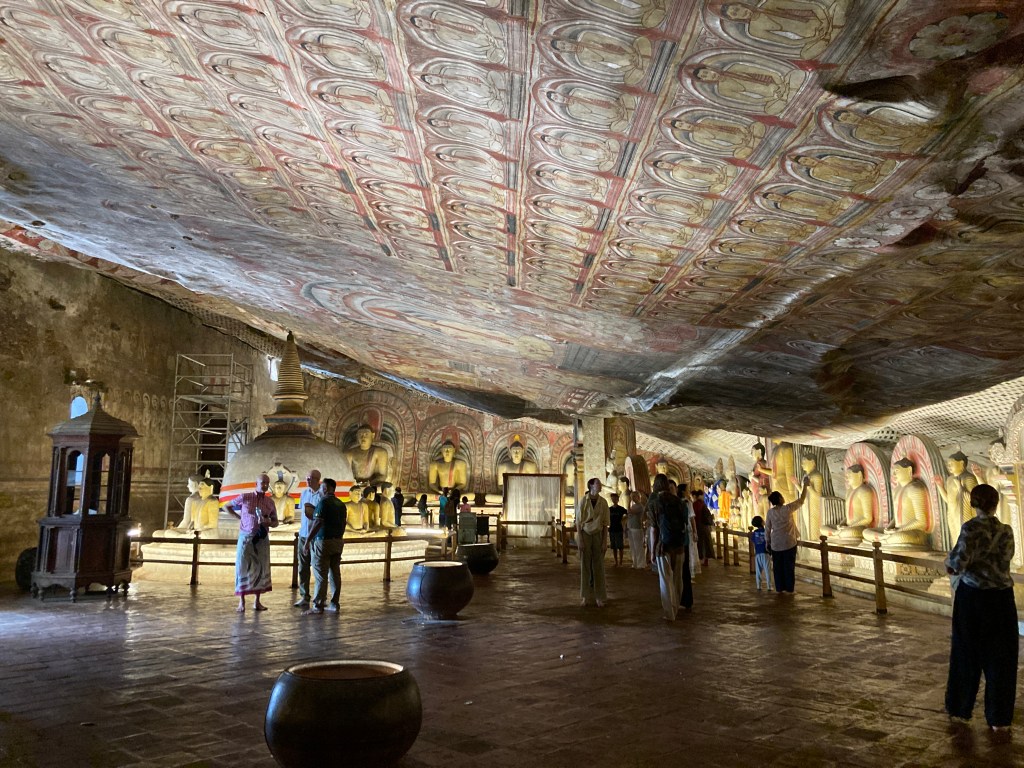
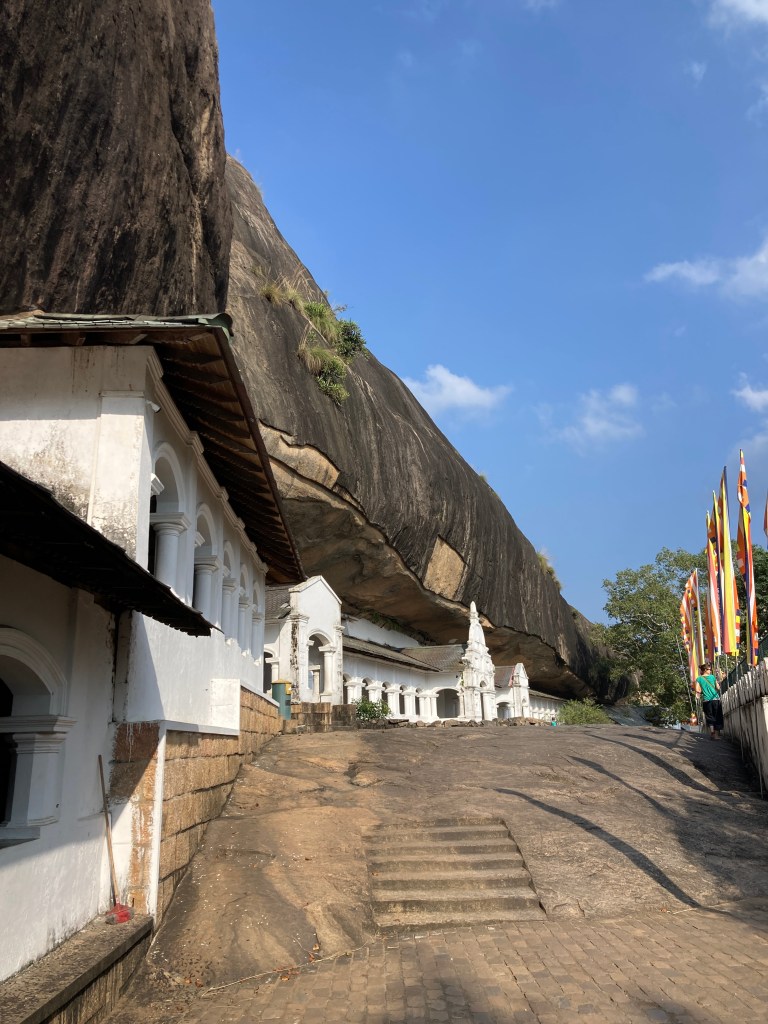
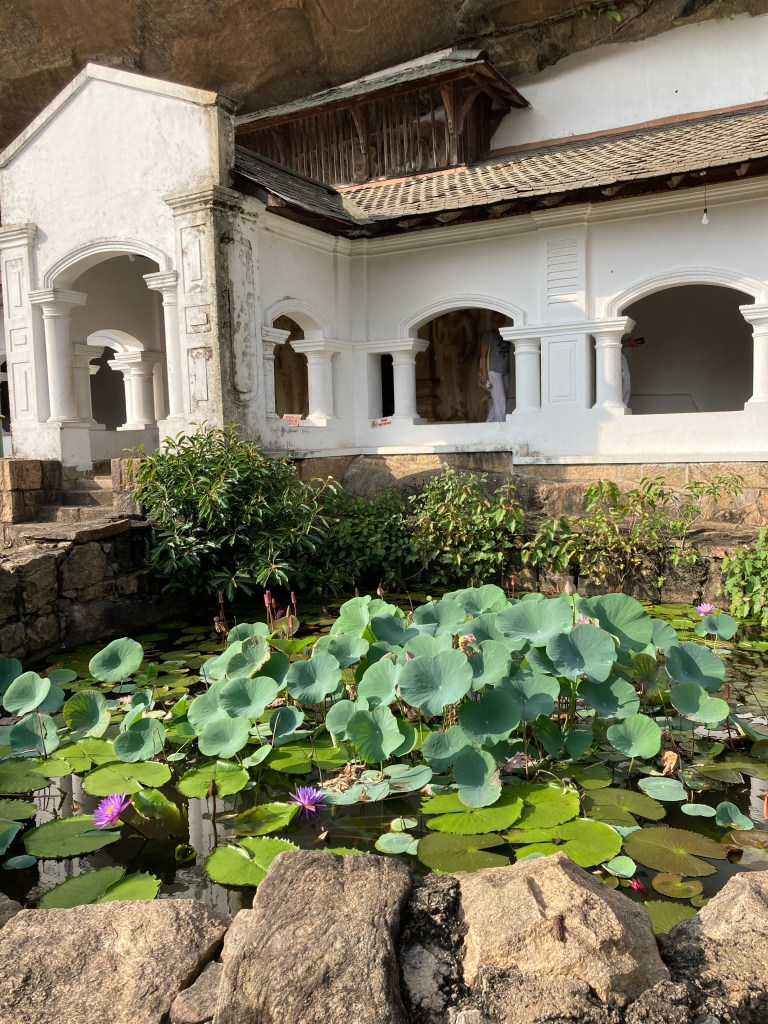
Dambulla Cave Temple, also known as the Golden Temple of Dambulla, holds the status of a World Heritage Site since 1991 in Sri Lanka, located in the central region of the country. Positioned 148 kilometers (92 miles) east of Colombo, 72 kilometers (45 miles) north of Kandy, and 43 kilometers (27 miles) north of Matale.
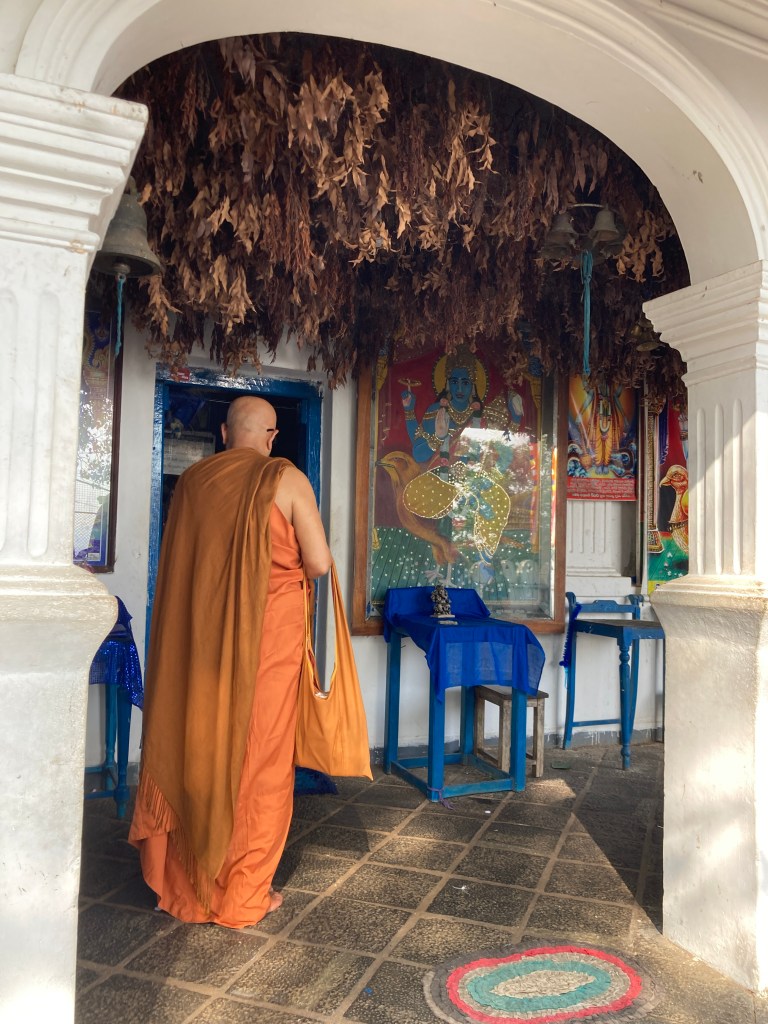
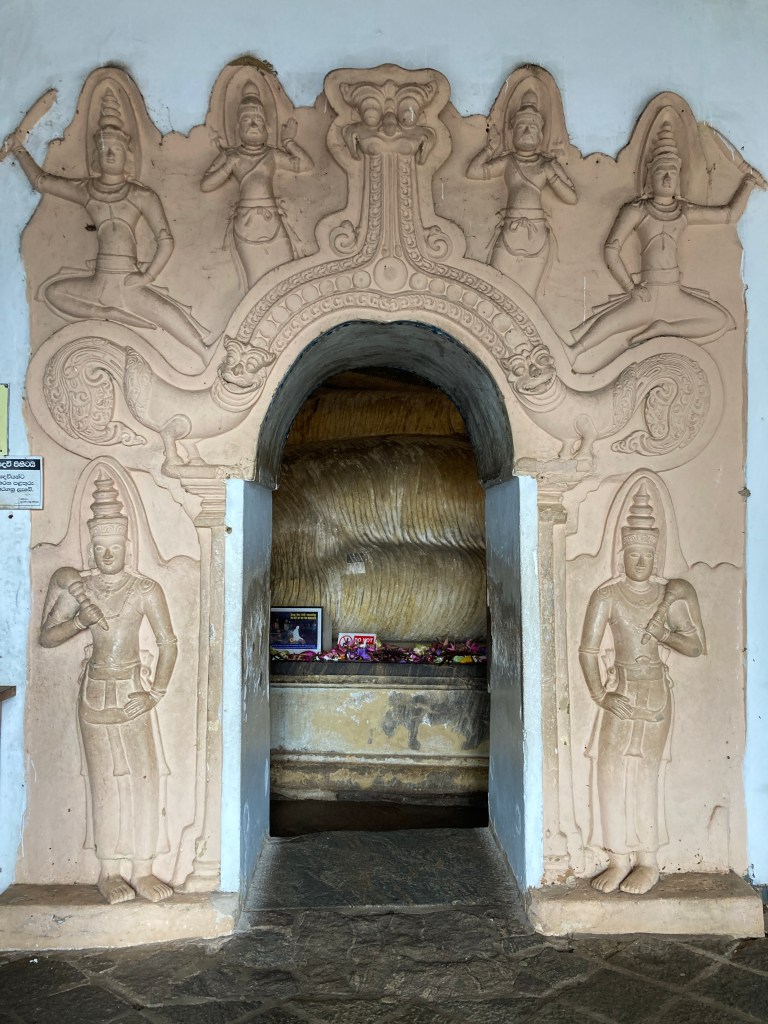
Dambulla stands as the largest and most well-preserved cave temple complex in Sri Lanka, with the rock towering 160 meters above the surrounding plains. The vicinity boasts over 80 documented caves, with the main attractions spread across five caves featuring statues and paintings depicting the life of Gautama Buddha. Among these are 153 Buddha statues, three Sri Lankan king statues, and four statues of deities including Vishnu and Ganesha. The extensive murals covering an area of 2,100 square meters portray significant events such as the temptation by the demon Mara and Buddha’s first sermon.
Before the introduction of Buddhism to Sri Lanka, prehistoric inhabitants likely occupied these cave complexes, evidenced by burial sites with human skeletons dating back approximately 2700 years, found in the area near the Dambulla cave complexes, particularly at Ibbankatuwa.

Safari National Park
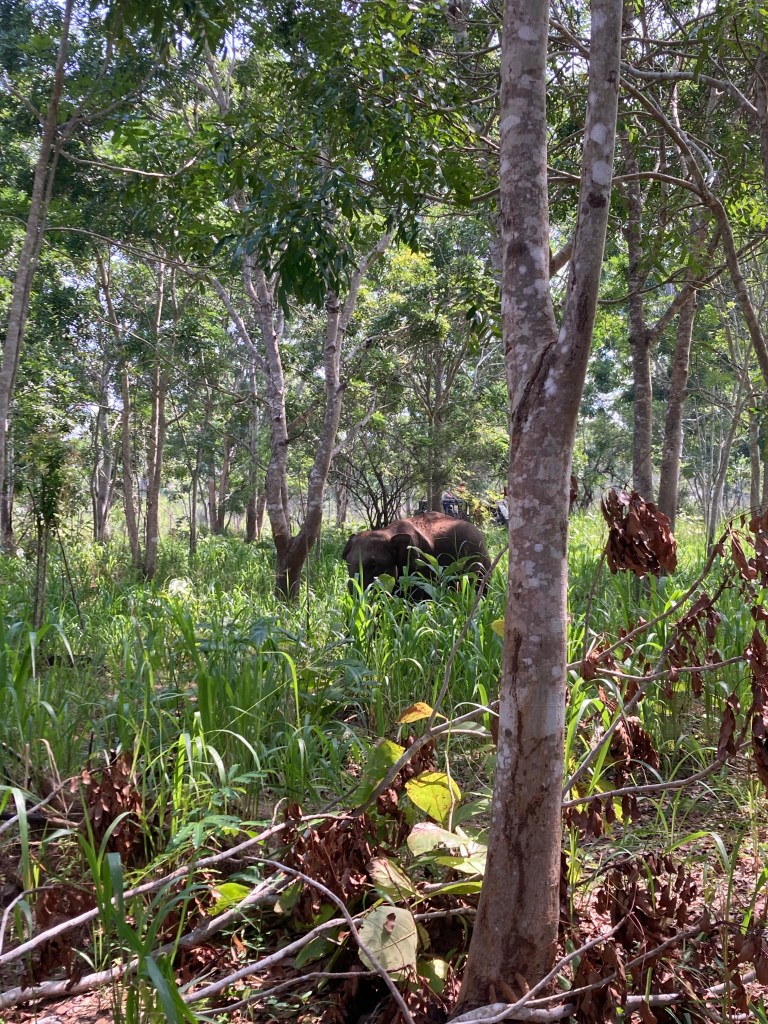
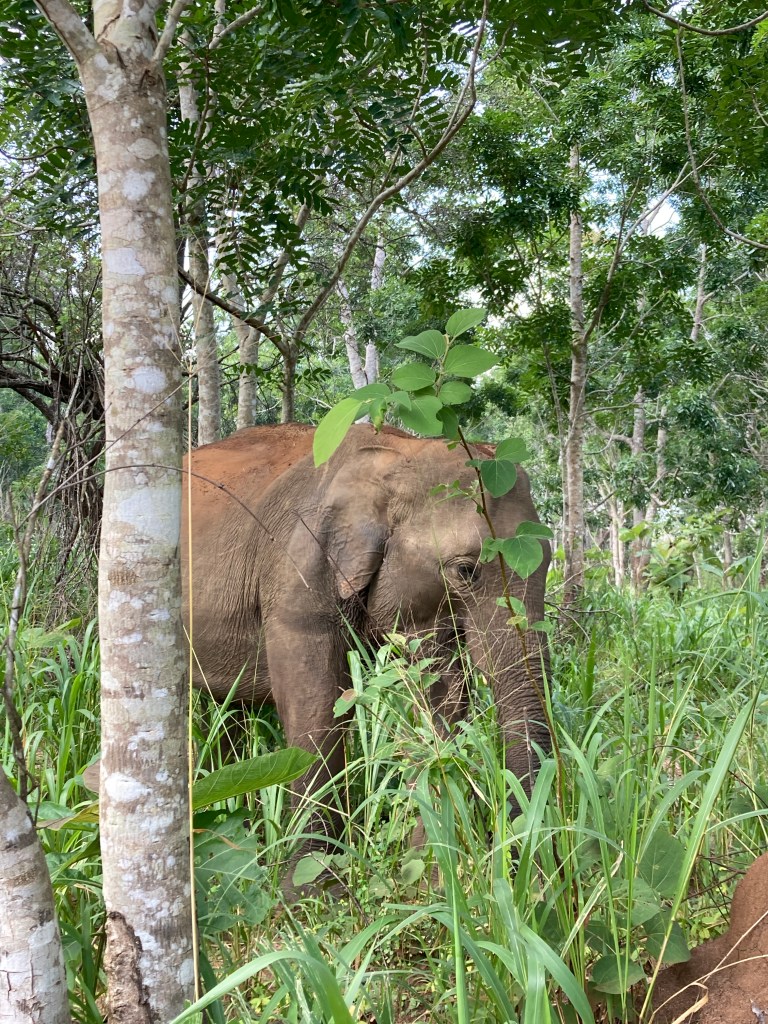
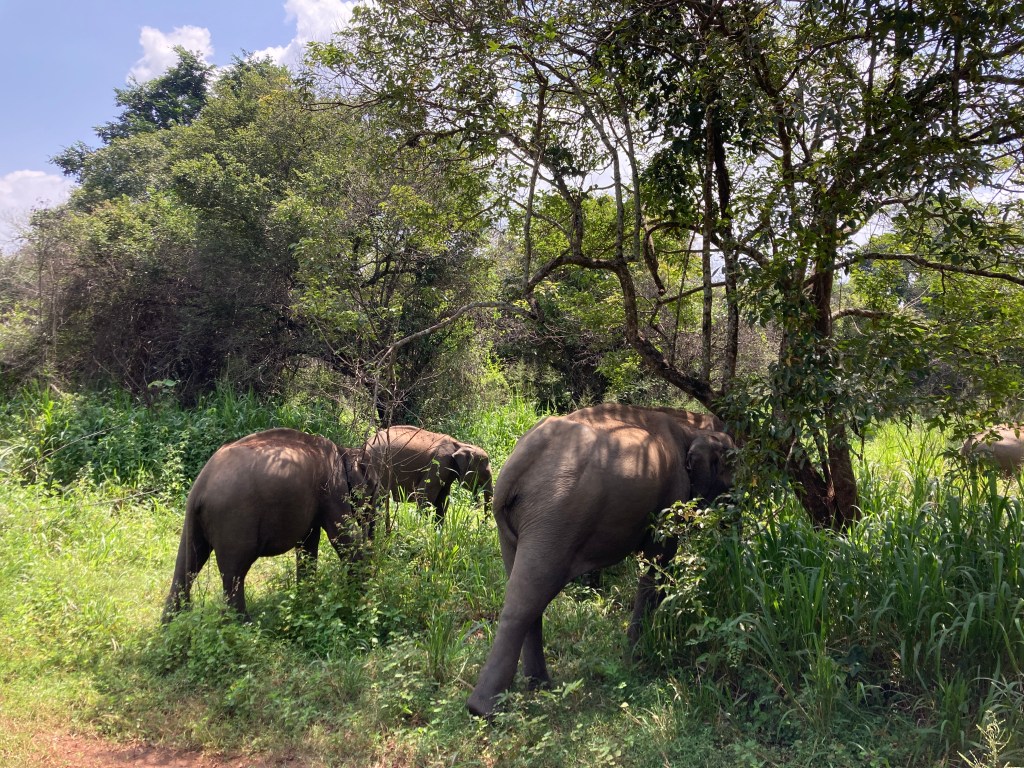
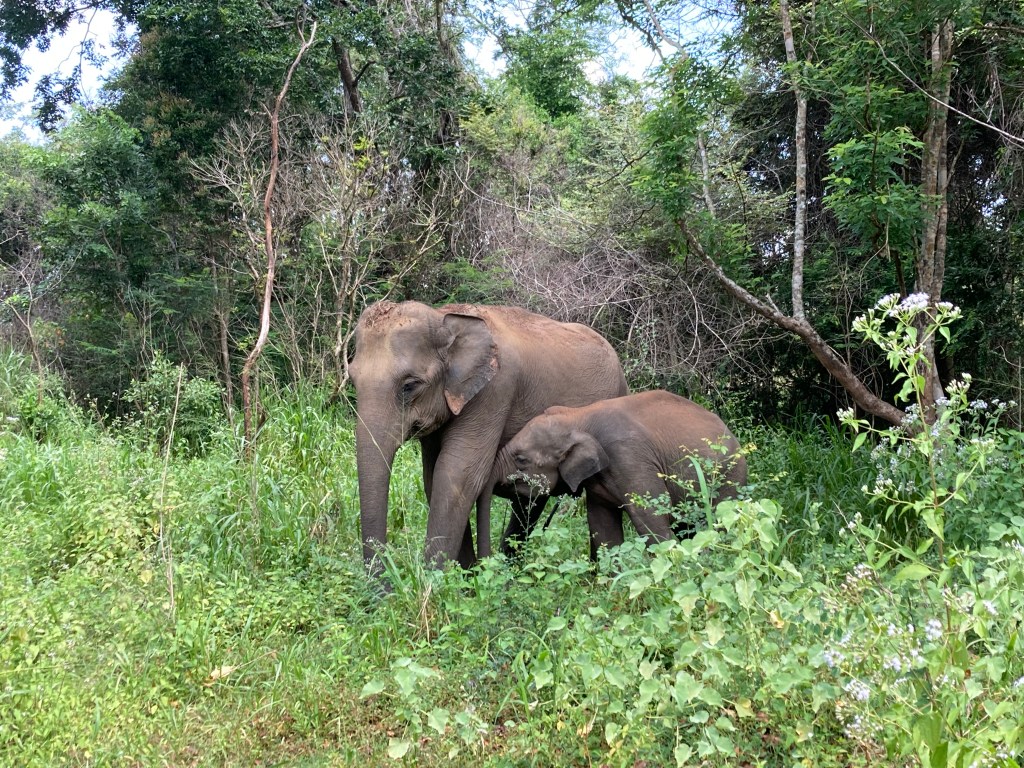
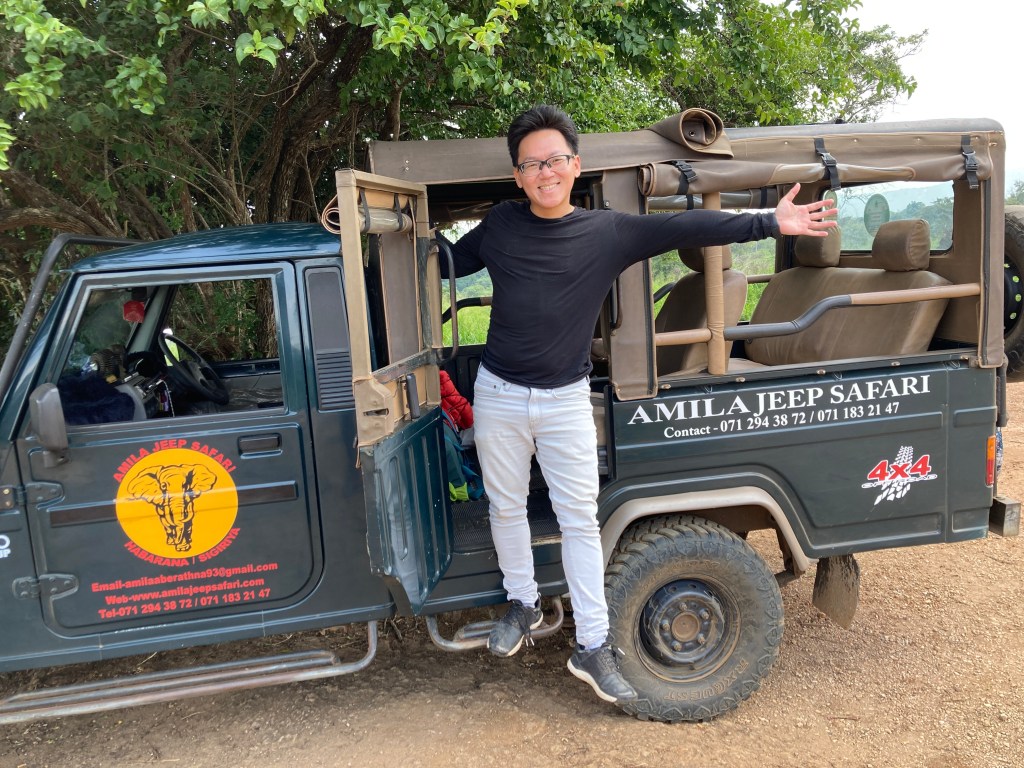
There are many national parks here where you can see elephant herds. The price varies for each travel agency, so you can negotiate if you want to participate.
Sri Dalada Maligawa
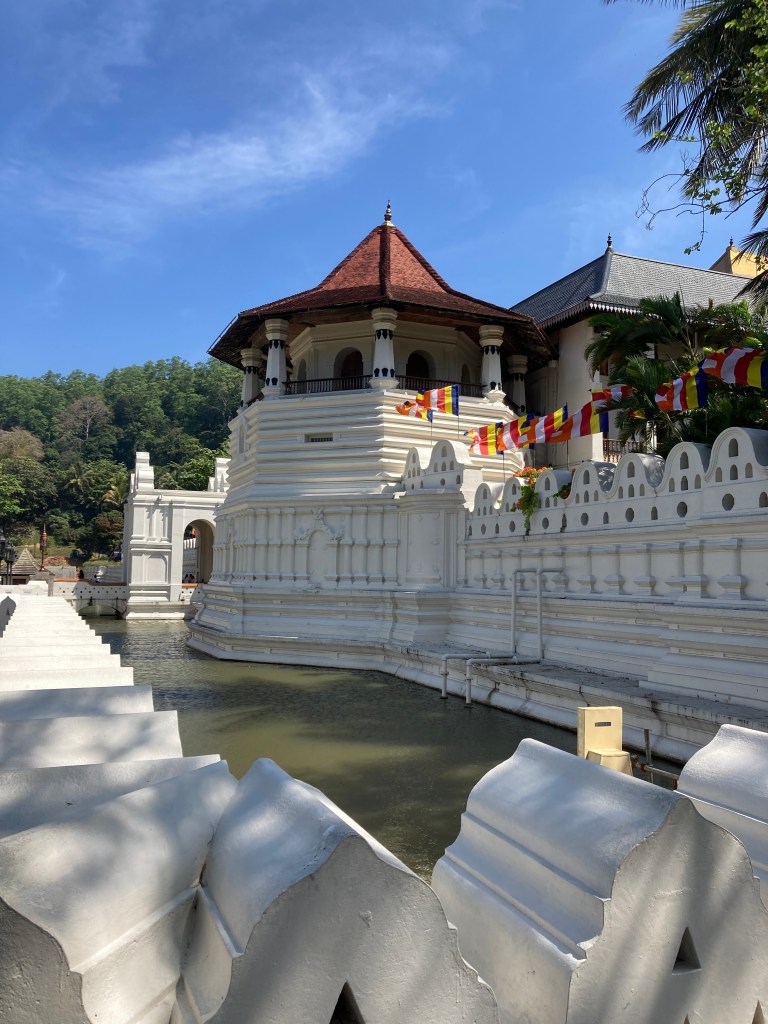
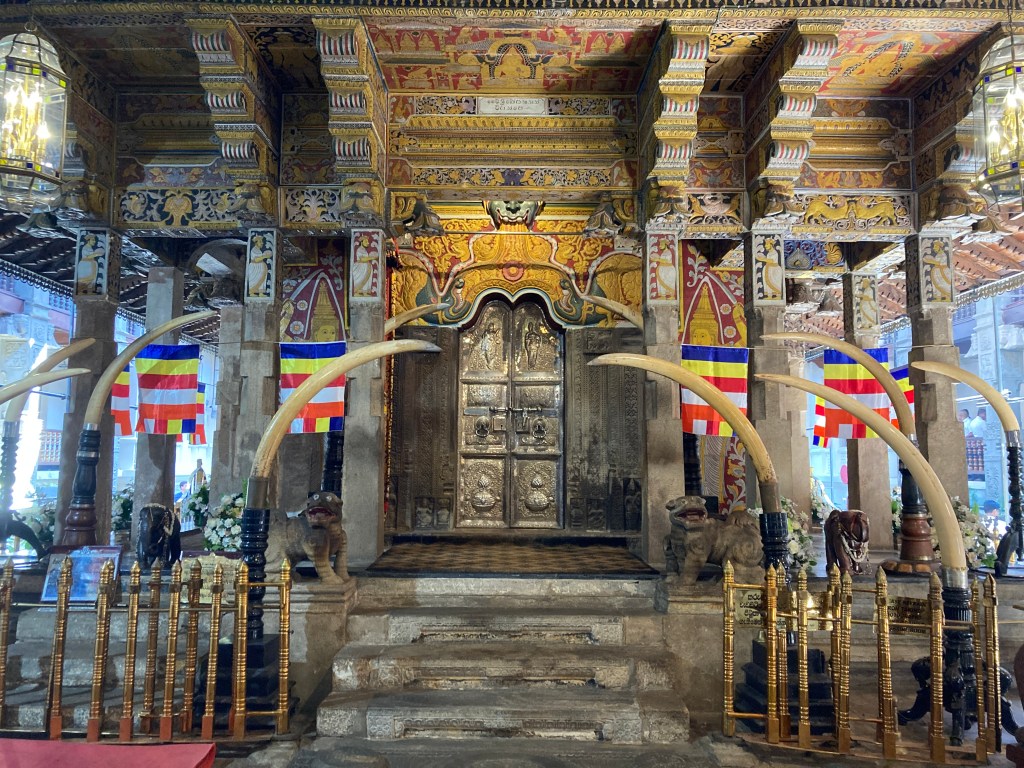
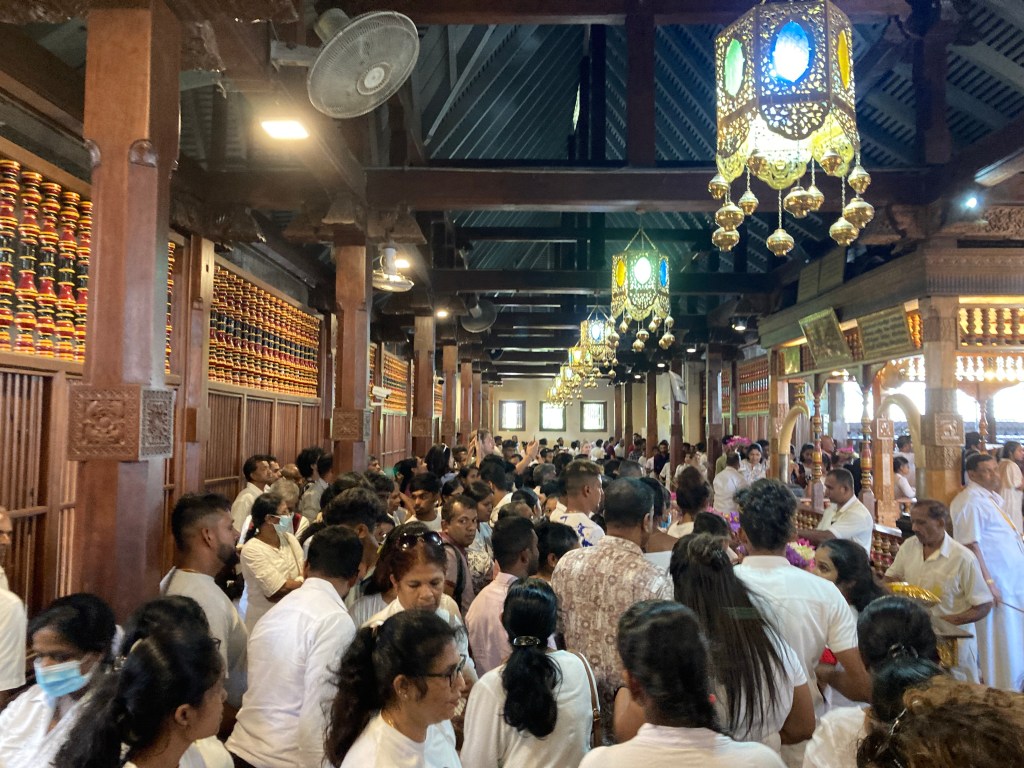
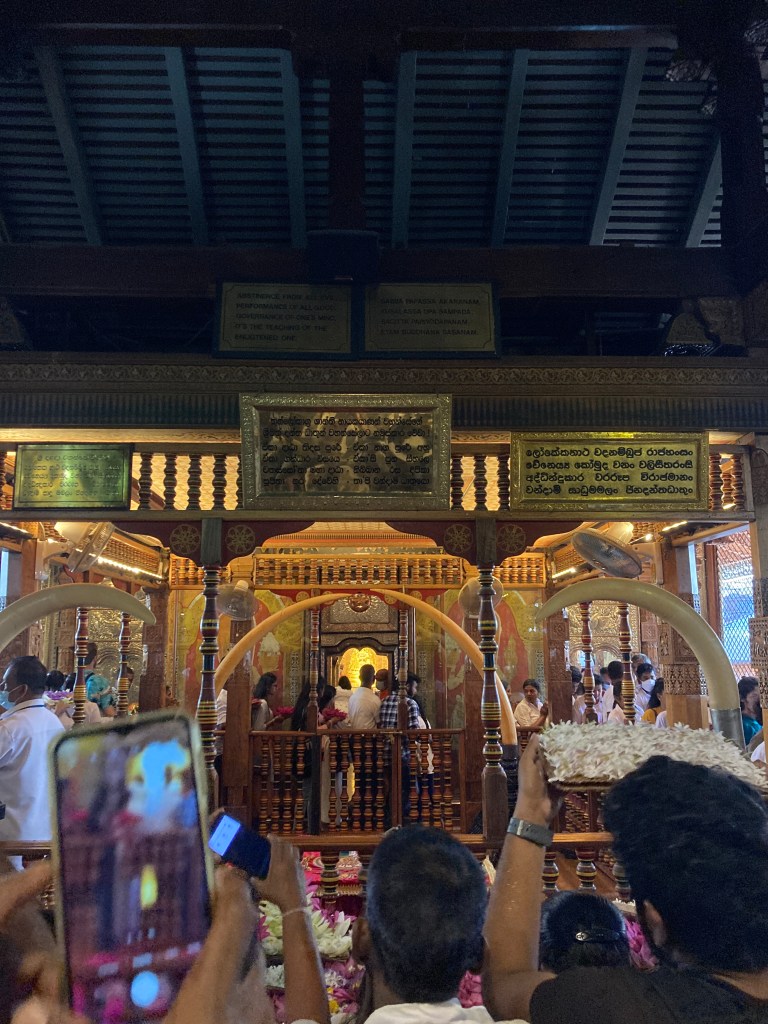
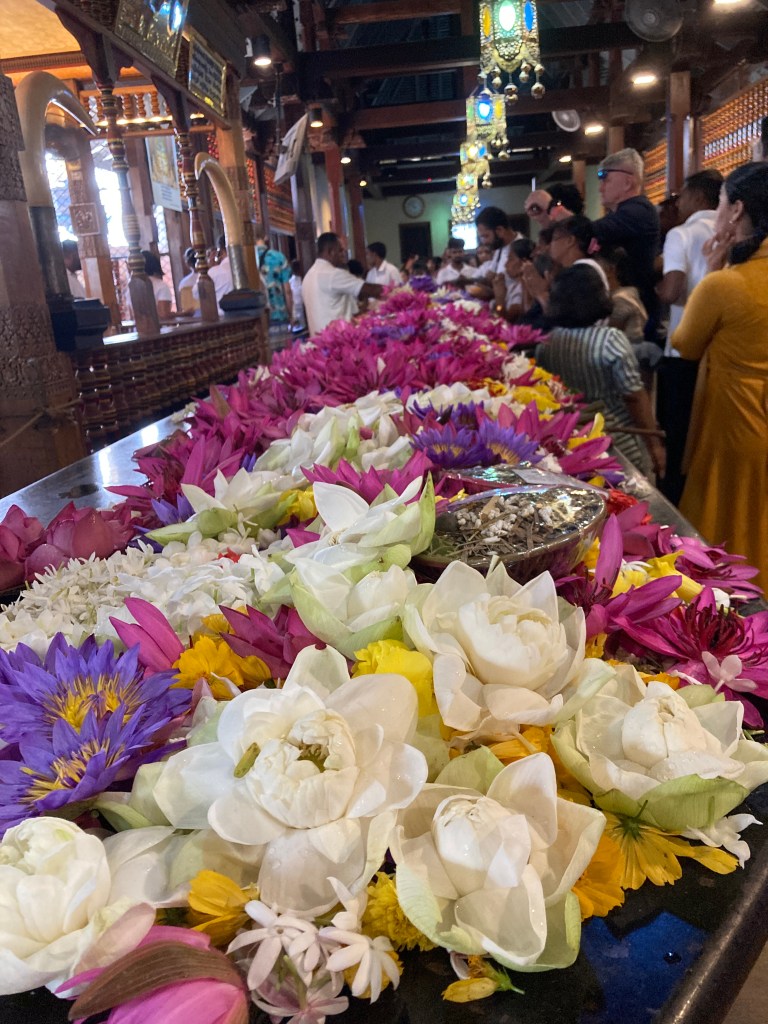
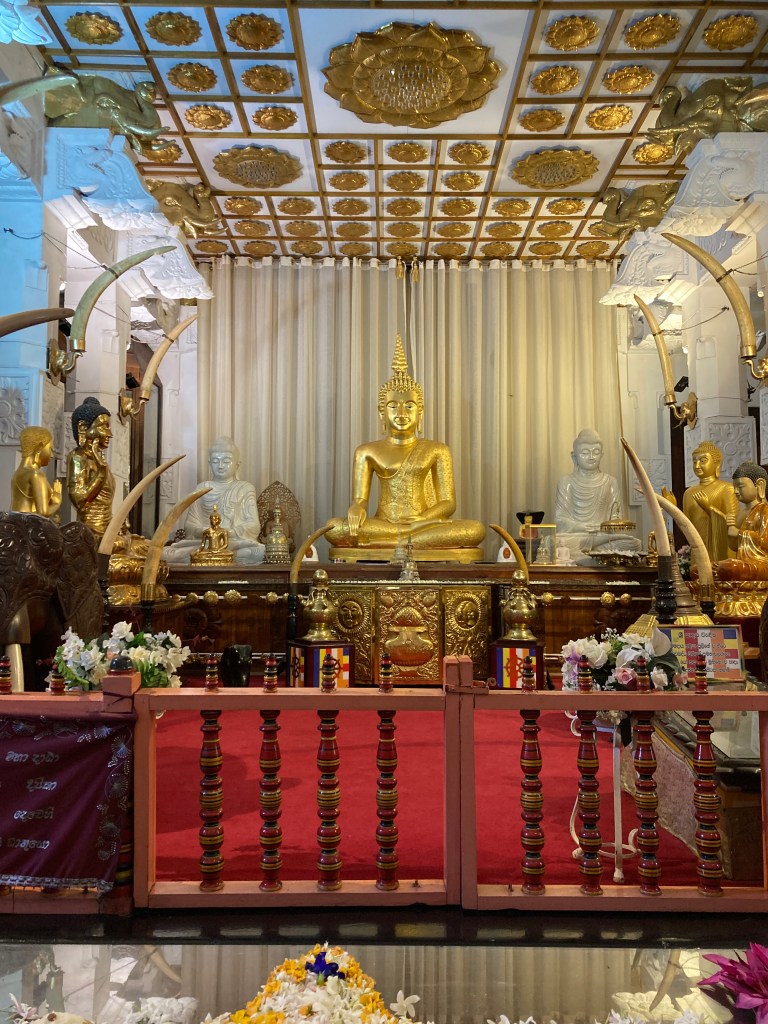
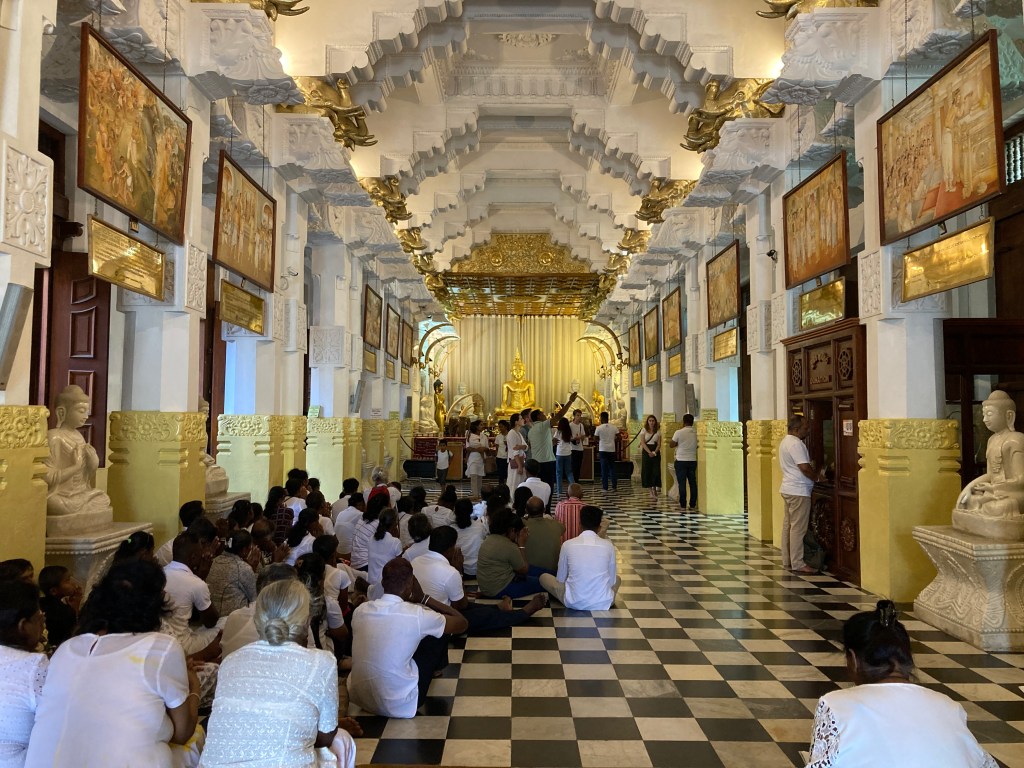
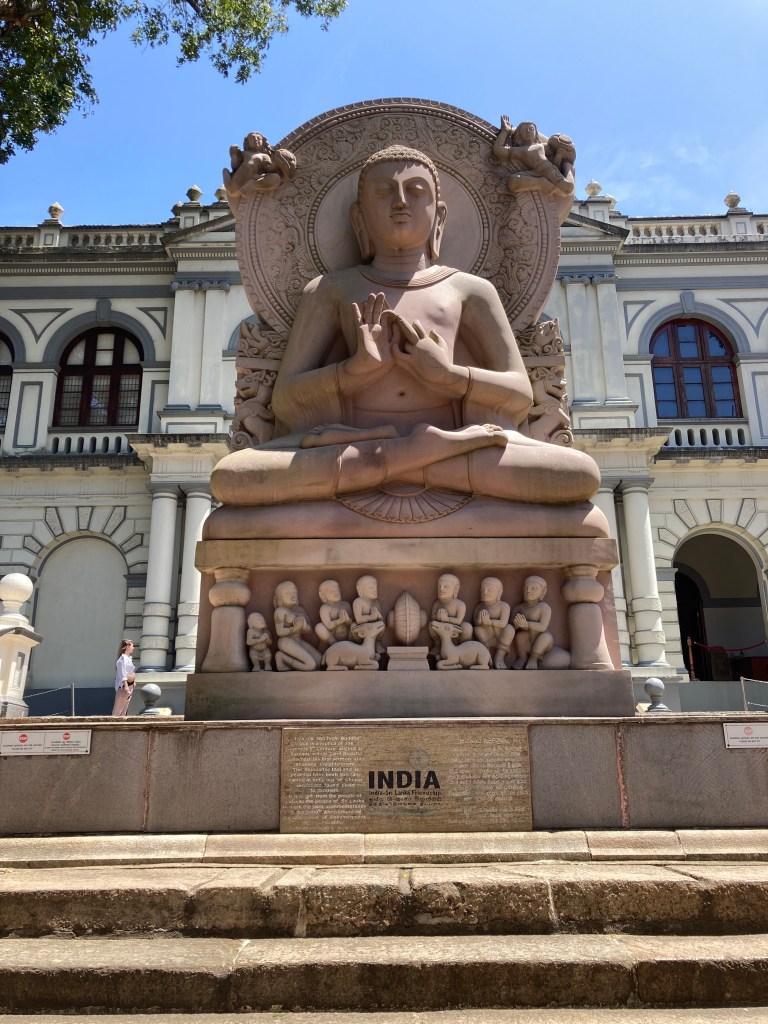
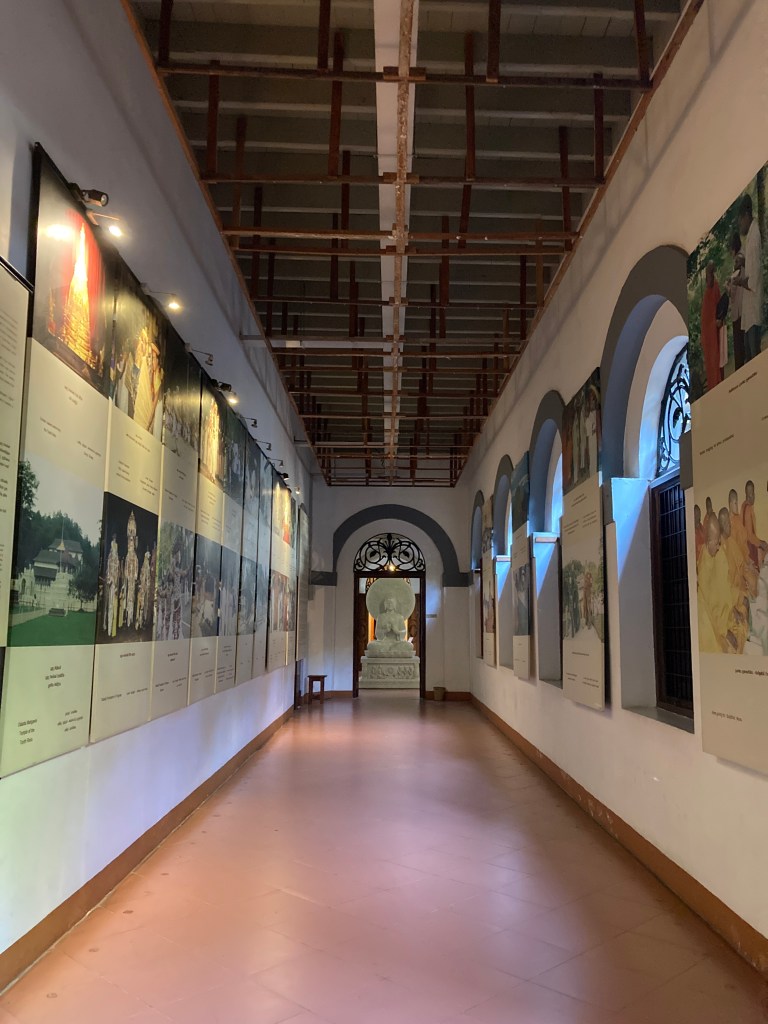
The Temple of the Sacred Tooth Relic is a globally renowned place of worship, housing the left tooth of Gautama Buddha. This temple, revered by thousands of local and foreign devotees and tourists daily, was designated as a UNESCO World Heritage Site in 1988.
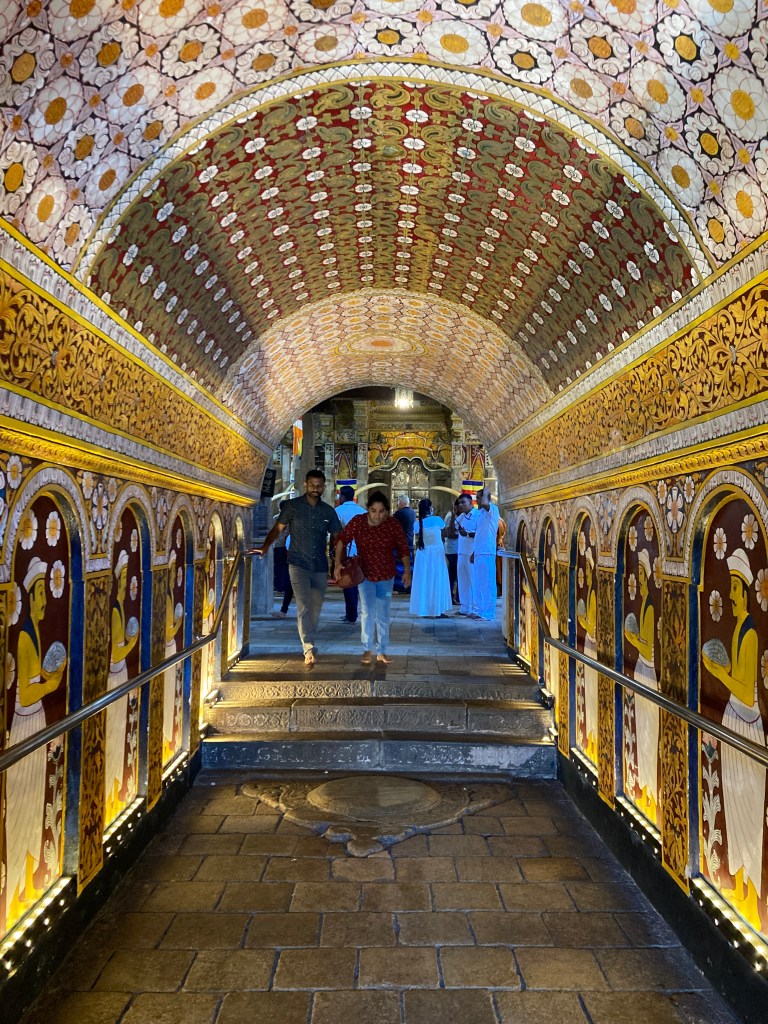
With immense cultural significance to Buddhists worldwide, the temple features unique Kandyan architectural style, incorporating elements from the “Dalada Mandira” shrines that previously housed the Sacred Tooth Relic in other kingdoms.
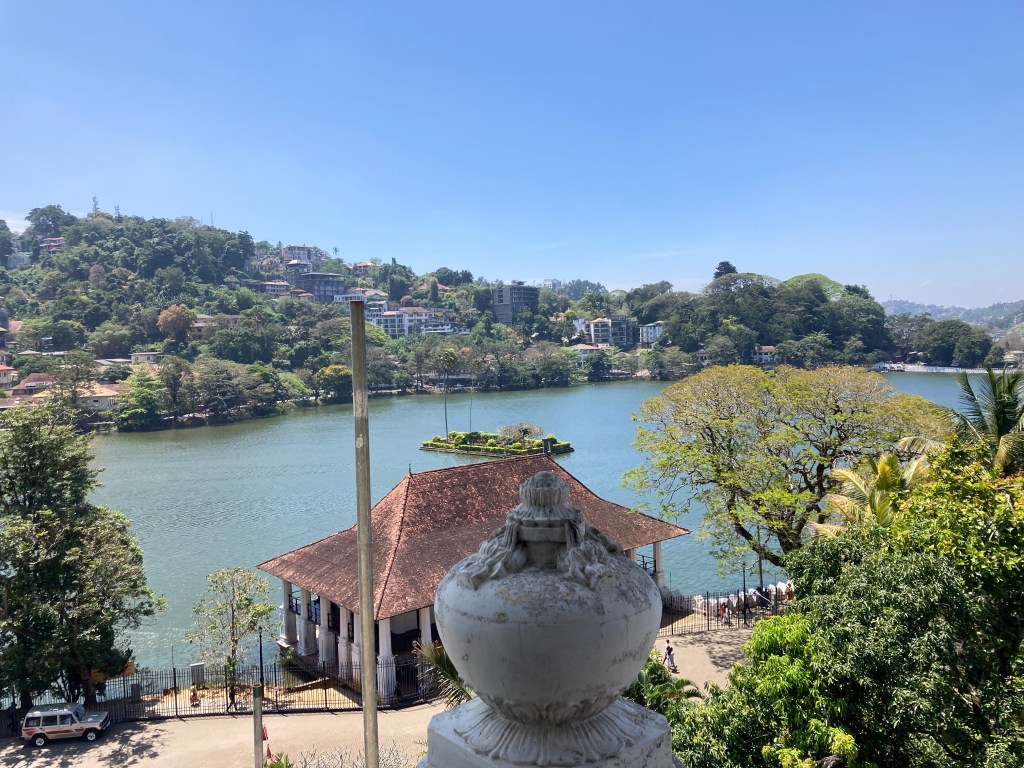
Located in the city of Kandy, the temple is surrounded by landmarks such as the ancient Royal Palace to the North, the Udawaththa Kelaya forest reserve to the East, the famous Kandy Lake (known as “Kiri Muhuda”) to the South, and the Natha & Paththini Devala to the West. Intricate carvings embellish the temple, crafted from gold, silver, bronze, and ivory.
Kandy serves as the final resting place of the Sacred Tooth Relic of Gautama Buddha. It was brought to Sri Lanka by Princess Hemamala and Prince Dantha from the city of Kalinga in ancient India during the reign of King Keerthi Sri Meghavarna (Kithsirimevan 301 – 328). Throughout history, the relic symbolized Sri Lankan kingship and was carefully safeguarded in specially constructed shrines within royal palace precincts, spanning ancient capitals such as Anuradapura, Polonnaruwa, Dambadeniya, Yapahuwa, Kurunegala, Kotte, and Gampola. Today, in Kandy, the Temple of the Sacred Tooth Relic remains the preeminent shrine, revered by the Buddhist world.





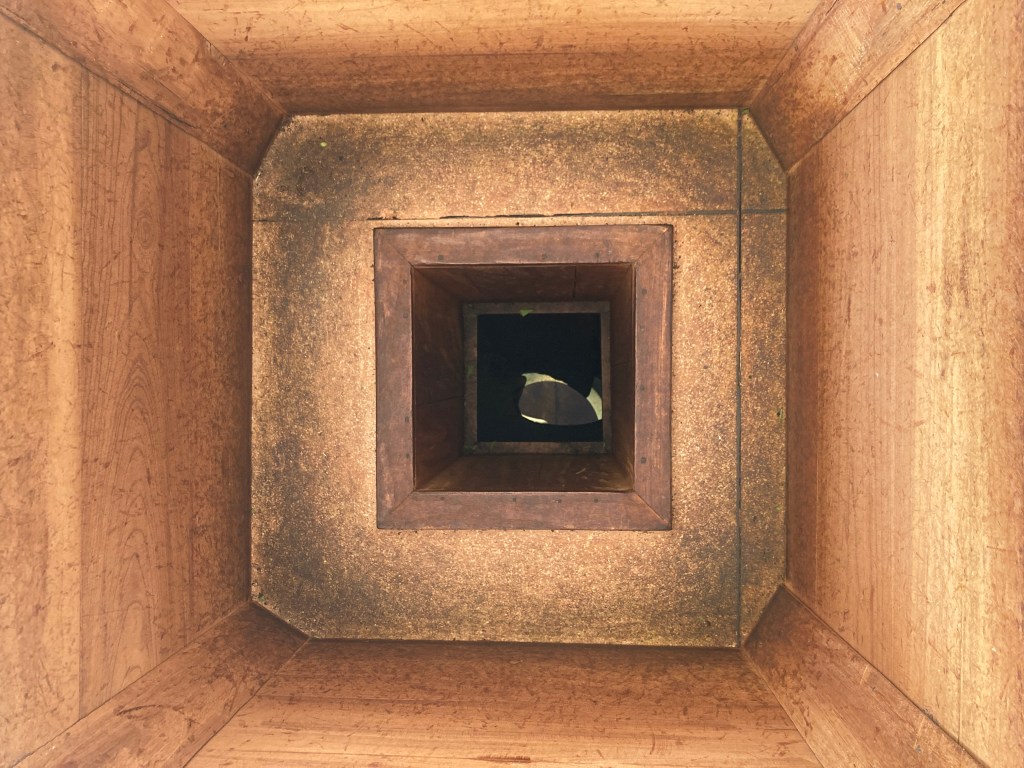
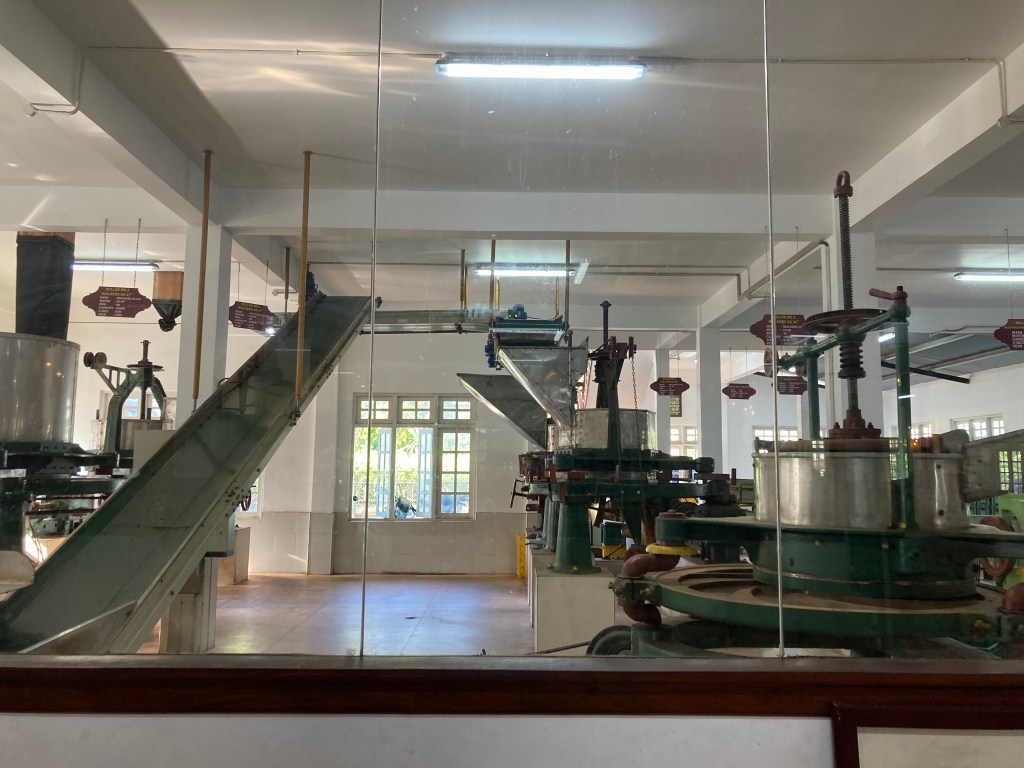
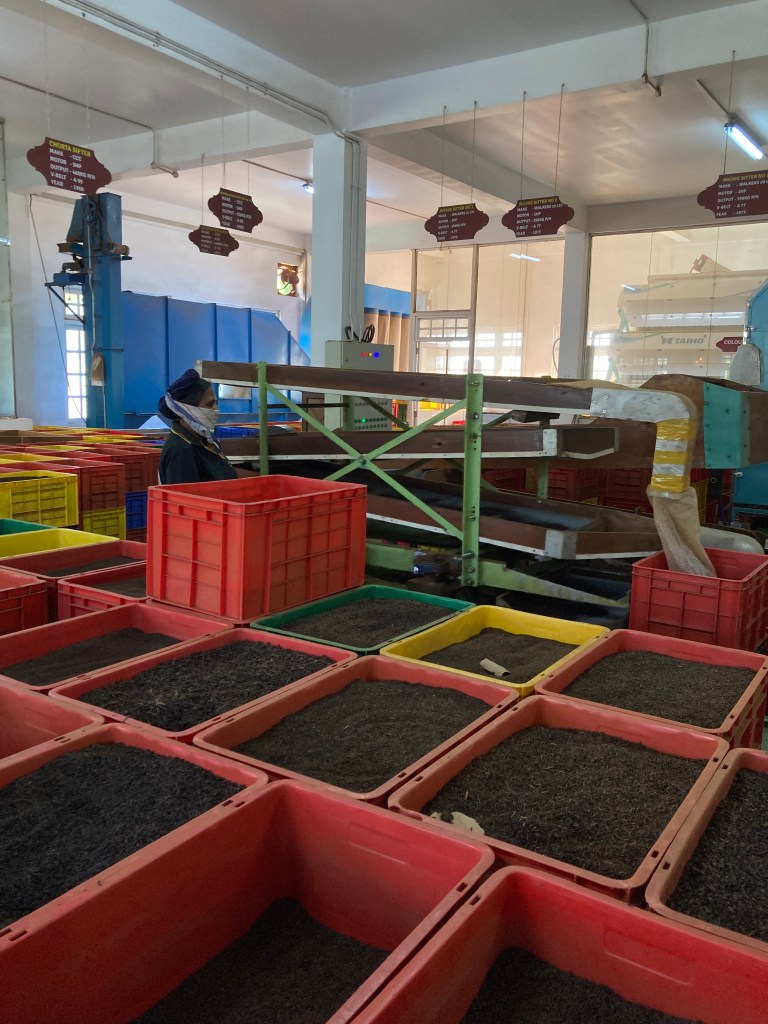
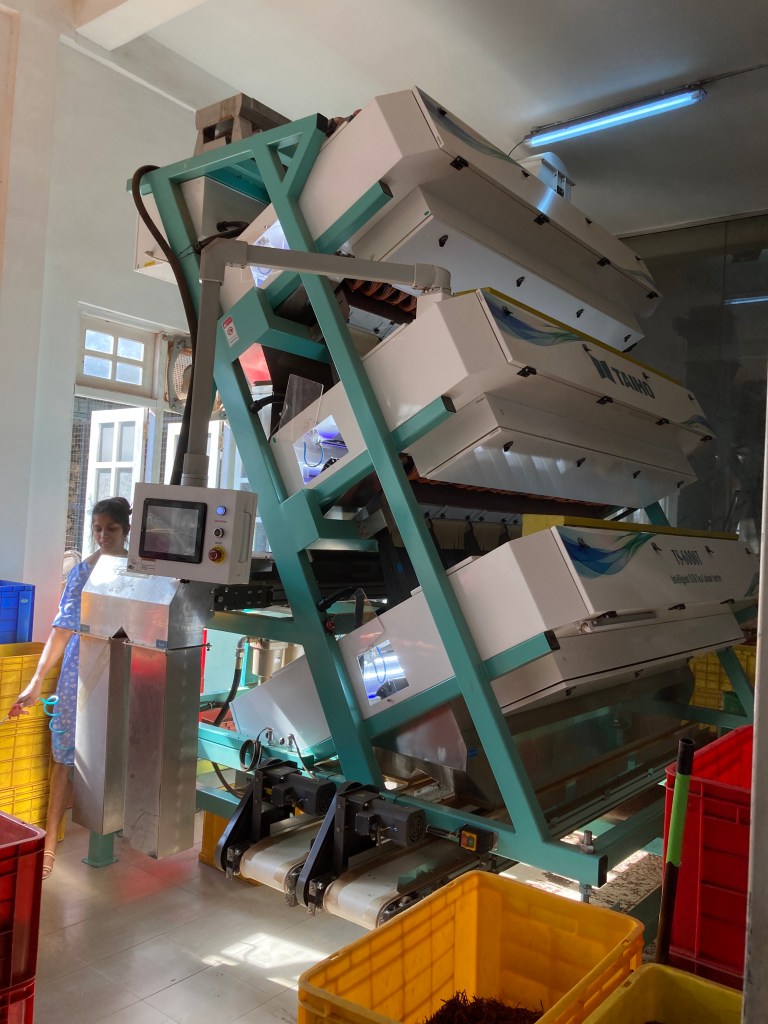
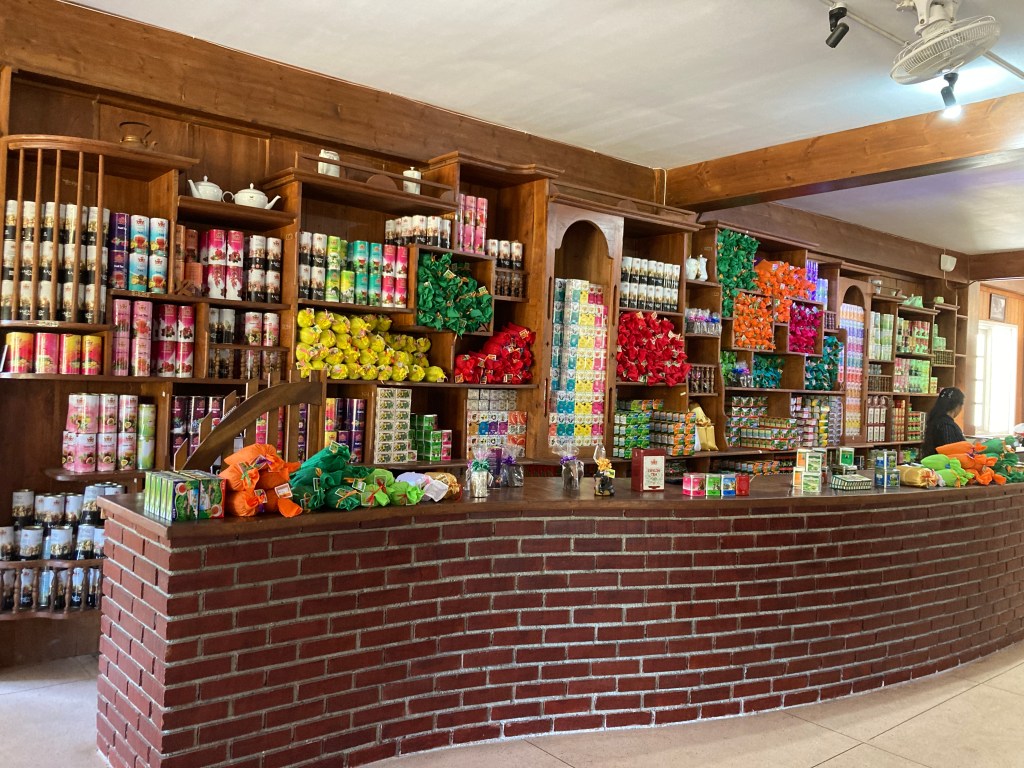
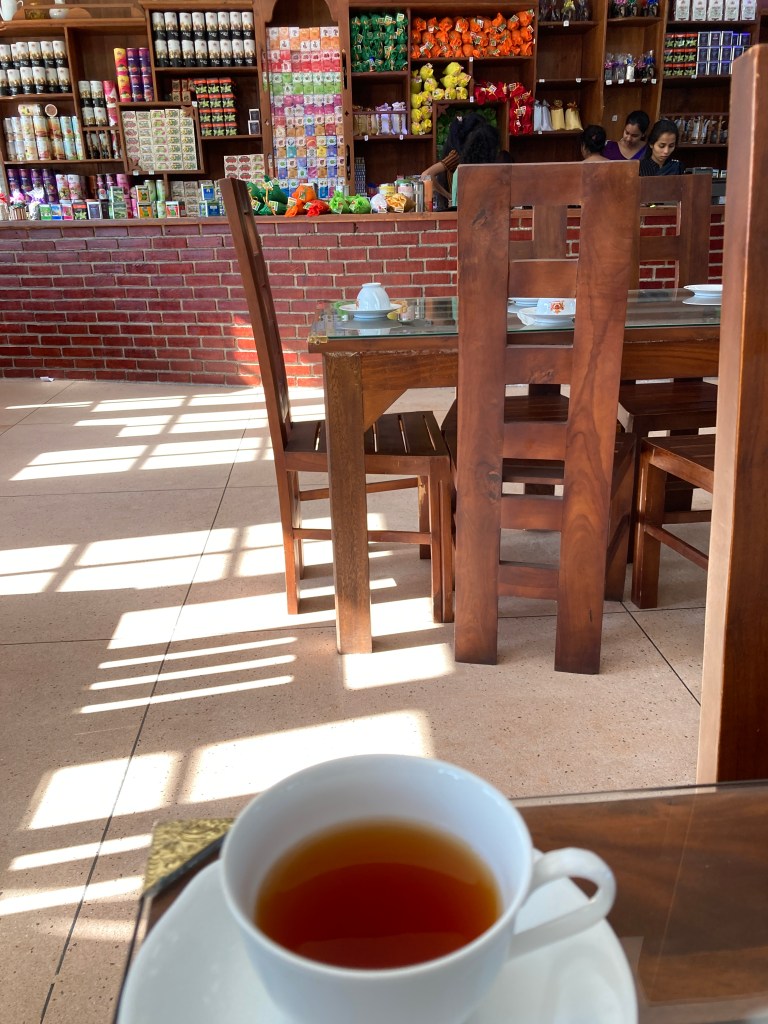
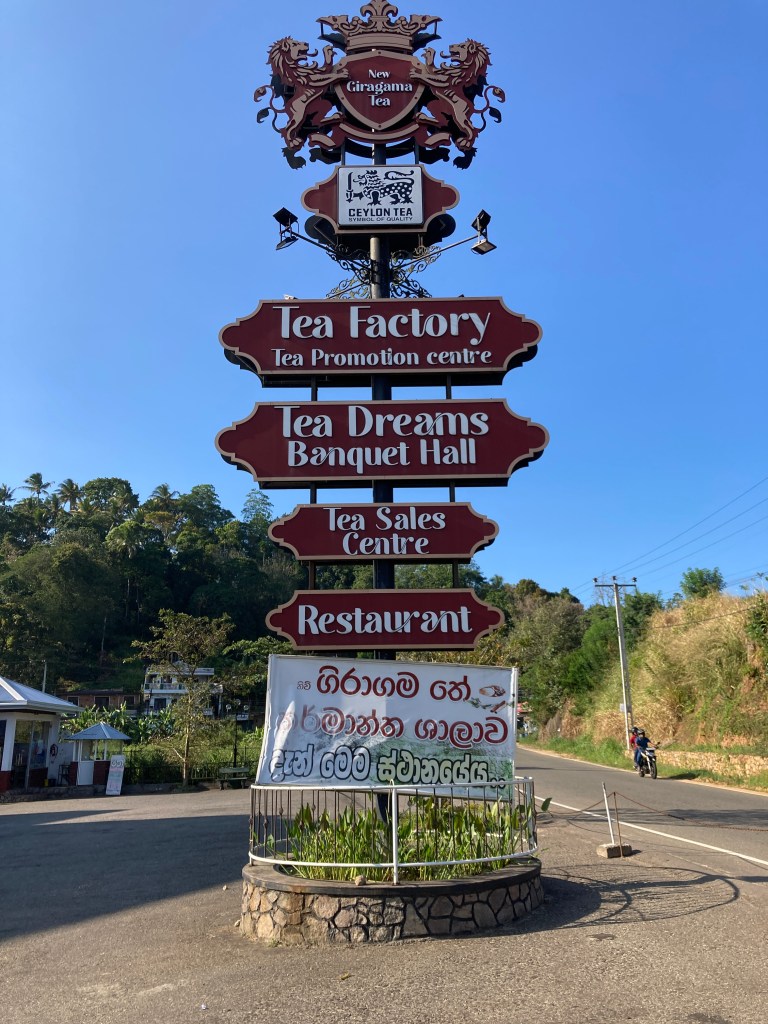
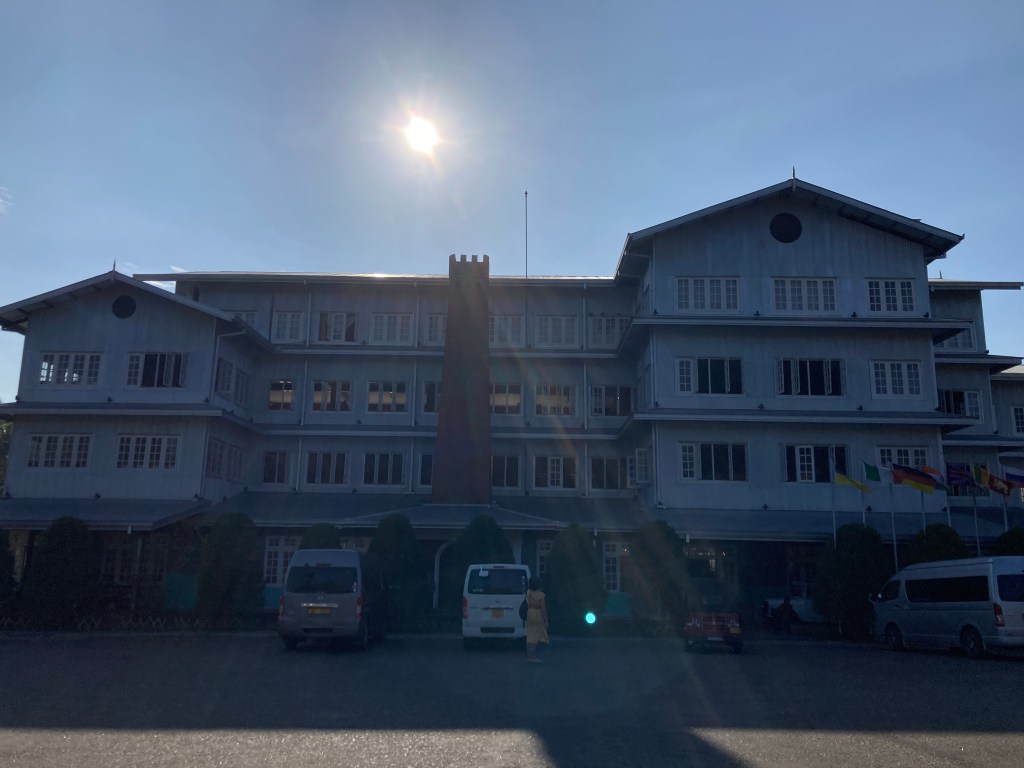
Geragama Tea Factory
Sri Lanka stands as one of the leading producers of tea globally, making a visit to a tea plantation an essential part of any travel itinerary in the country. The hill country near Nuwara Eliya and Ella, where most plantations are situated, offers the best experience. Among them, Giragama is renowned as a premium tea plantation.
Located in the central province of Sri Lanka, Giragama Tea Plantation is the closest one to Kandy. Spanning across vast hectares of land, it offers a comprehensive insight into all facets of tea production. A personalized, private tour provides a deep dive into the history of plantation, the lifestyles of early colonial settlers, the manufacturing process, and the art of creating flavors tailored to diverse preferences. This excursion, blending local expertise with flexibility, is a definite must-do for tea enthusiasts.

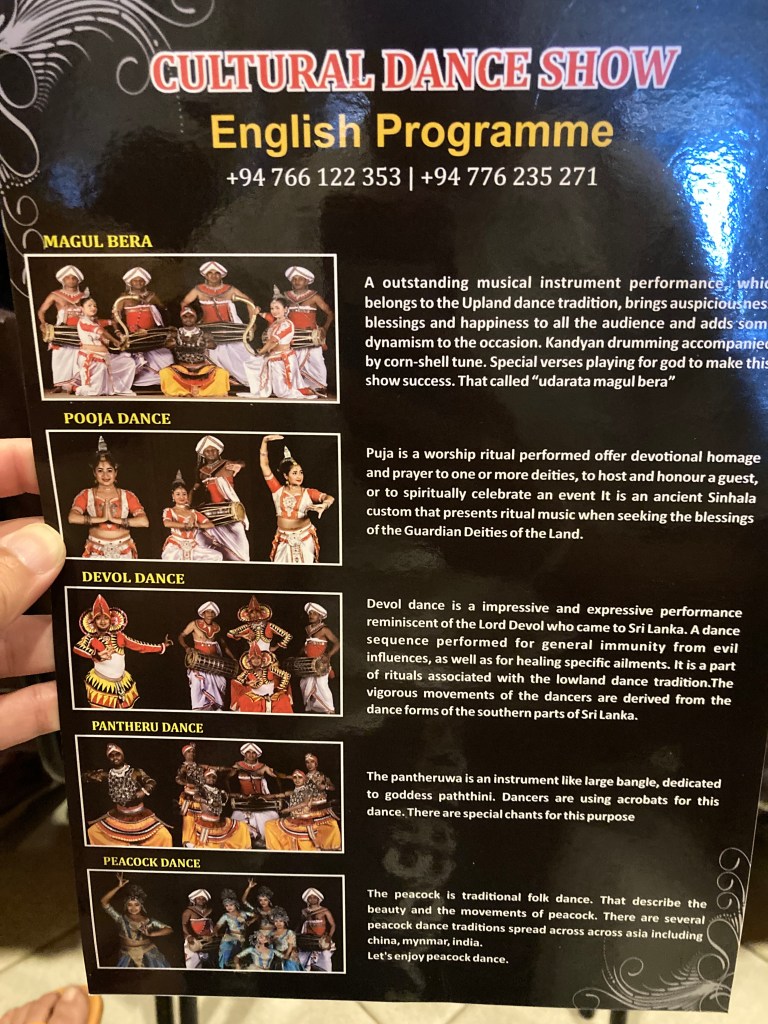
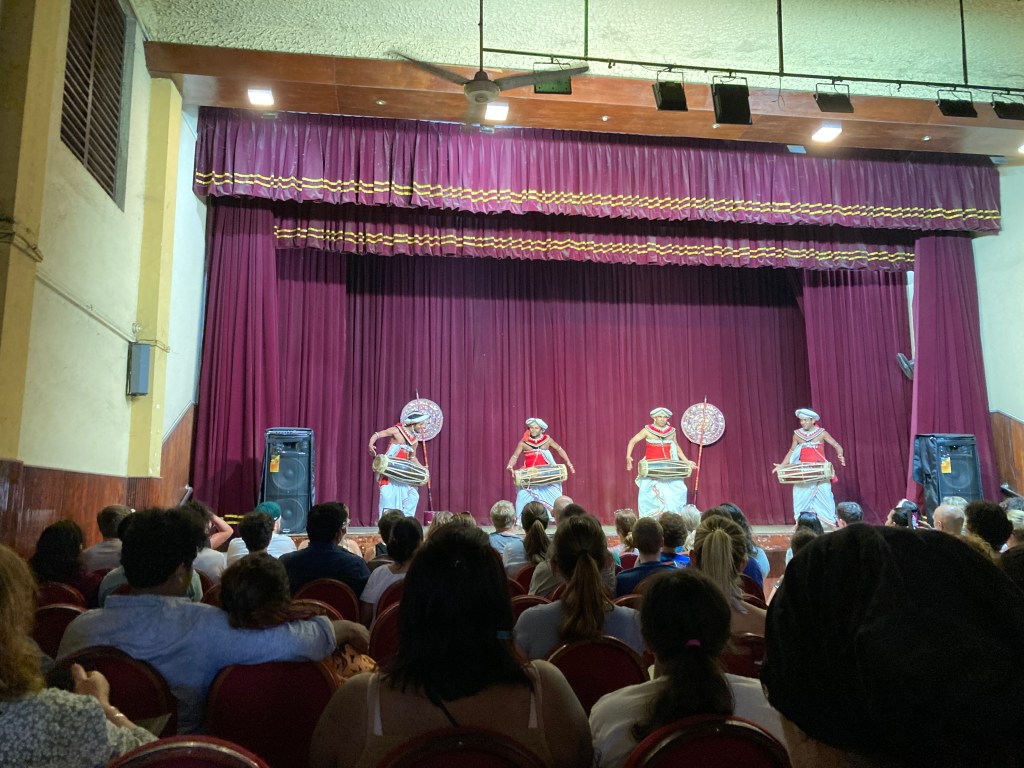
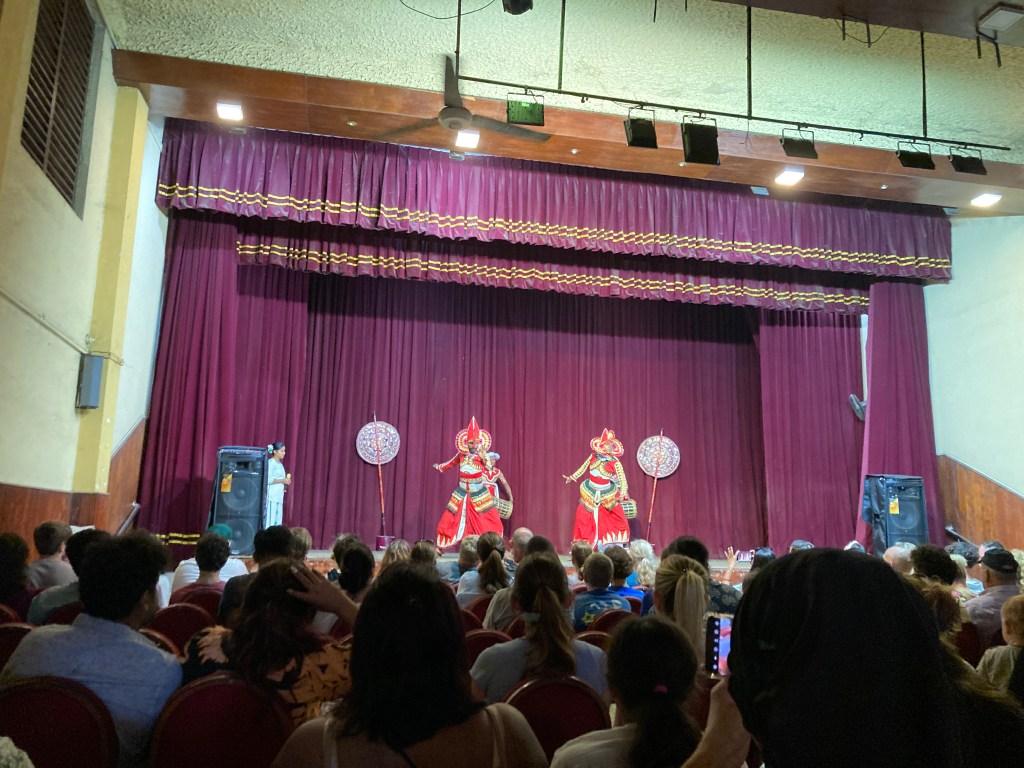
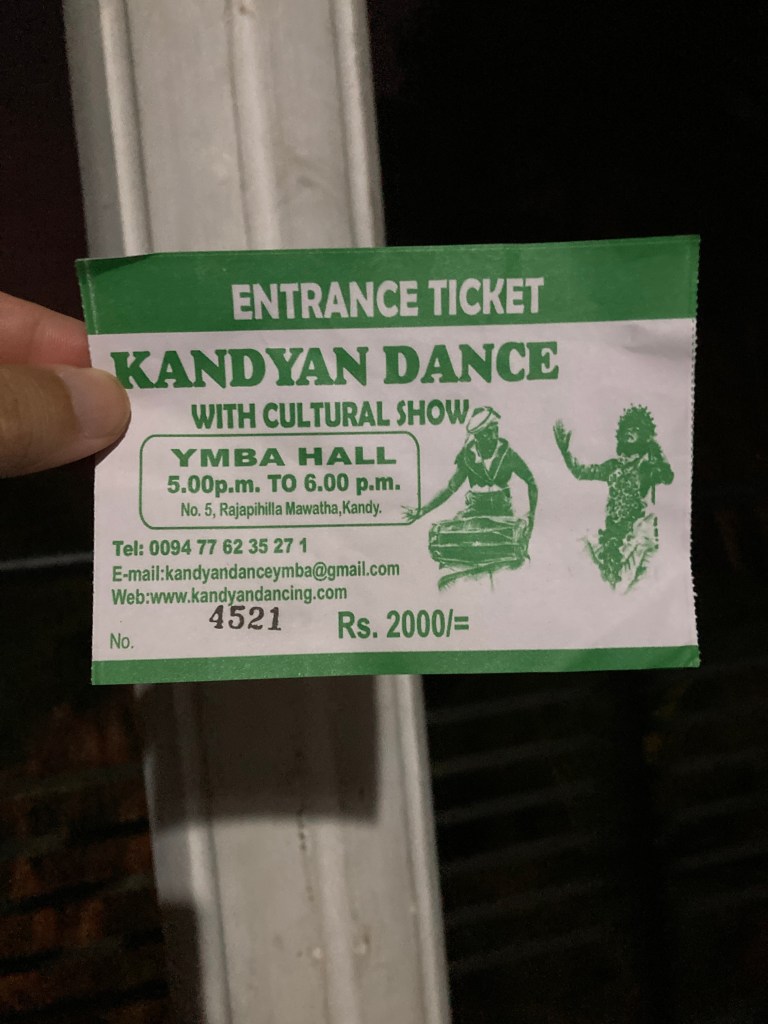
YMBA Hall (Kandy Traditional Dance)
Kandyan dance comprises diverse dance forms that originated in the region of Kandy, located in the Central Hills area known as Udarata in Sri Lanka. These traditional dances, which have now become popular across the country, are revered as a masterpiece of sacred artwork in Sri Lanka.


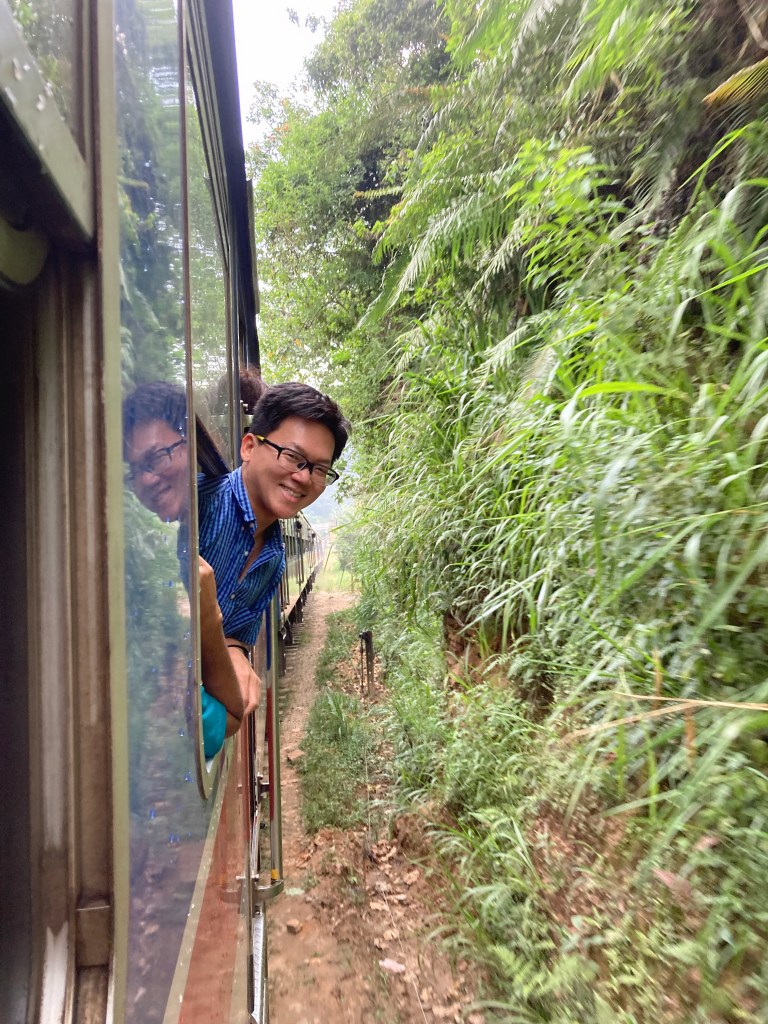
Our next destination is Ella, and this time we’re taking the train there because the scenery along the way is considered the most beautiful train journey in the world.
Nine Arch Bridge
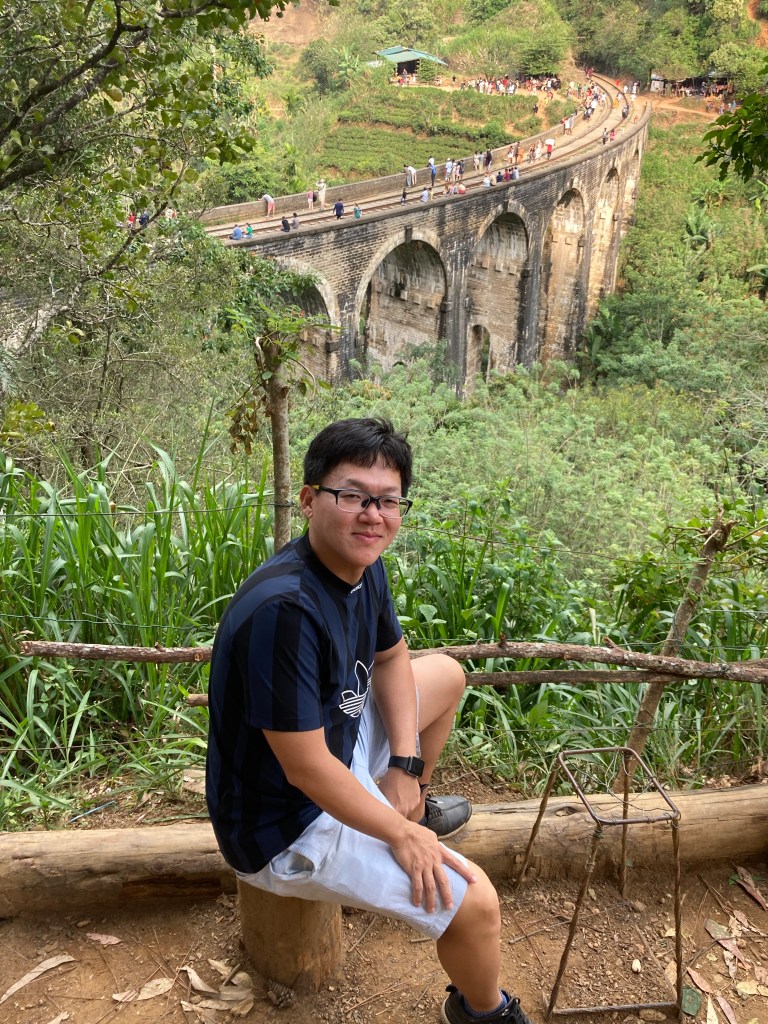
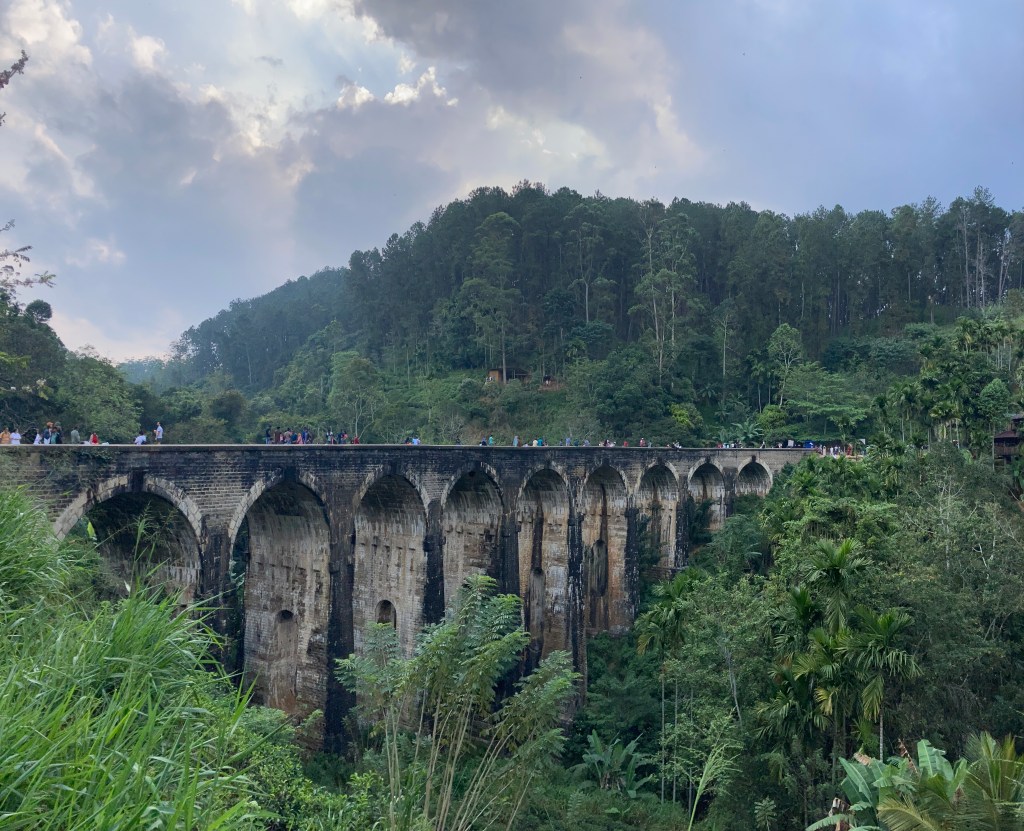
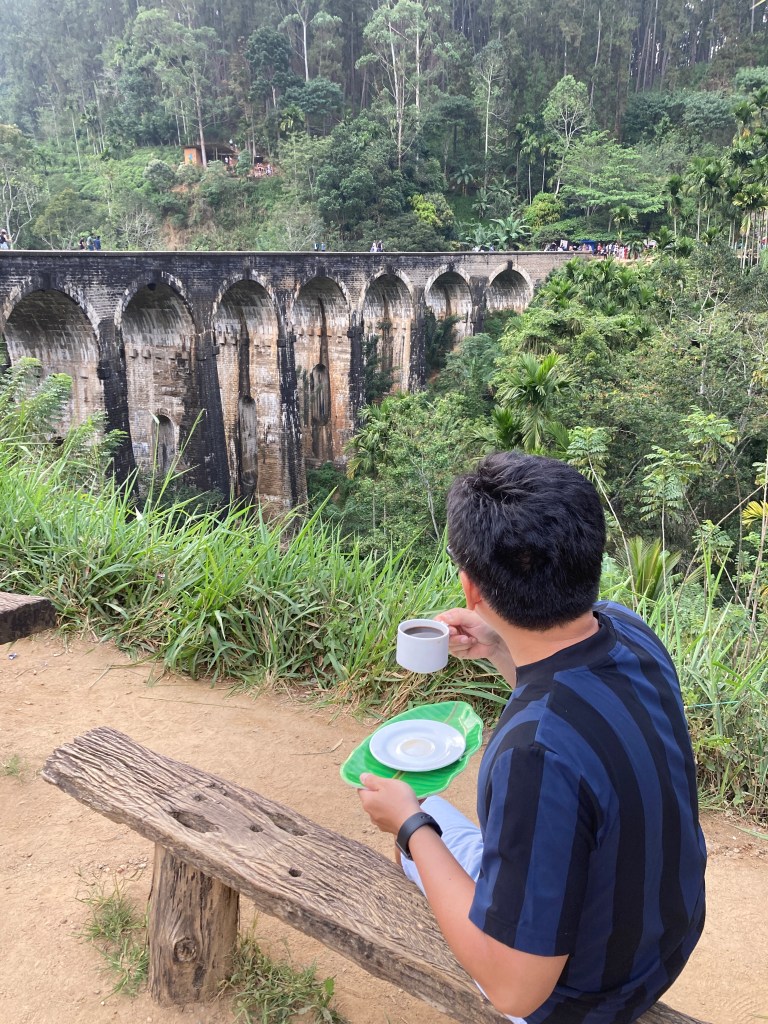
The Nine Arch Bridge, also known as the Bridge in the Sky, is a viaduct bridge located in Sri Lanka, showcasing one of the finest examples of colonial-era railway construction in the country.
The construction of the bridge is commonly credited to a local Ceylonese builder, P. K. Appuhami, who collaborated with British engineers for guidance. D. J. Wimalasurendra, a prominent Ceylonese engineer and inventor, served as the chief designer and project manager for the ‘Upcountry Railway Line of Ceylon’ project. The viaduct was designed by Harold Cuthbert Marwood of the Railway Construction Department of Ceylon Government Railway. The 1923 report titled “Construction of a Concrete Railway Viaduct in Ceylon,” published by the Engineering Association of Ceylon, provides detailed records, including plans and drawings.
According to popular rumors, construction on the bridge began just as the Great War erupted between European empires, leading to the reallocation of steel intended for the site to Britain’s war-related projects on the battlefront. Consequently, construction halted, prompting locals to build the bridge using stone bricks and cement, excluding steel except for the rails and securing pins.



Ravana Pool Club
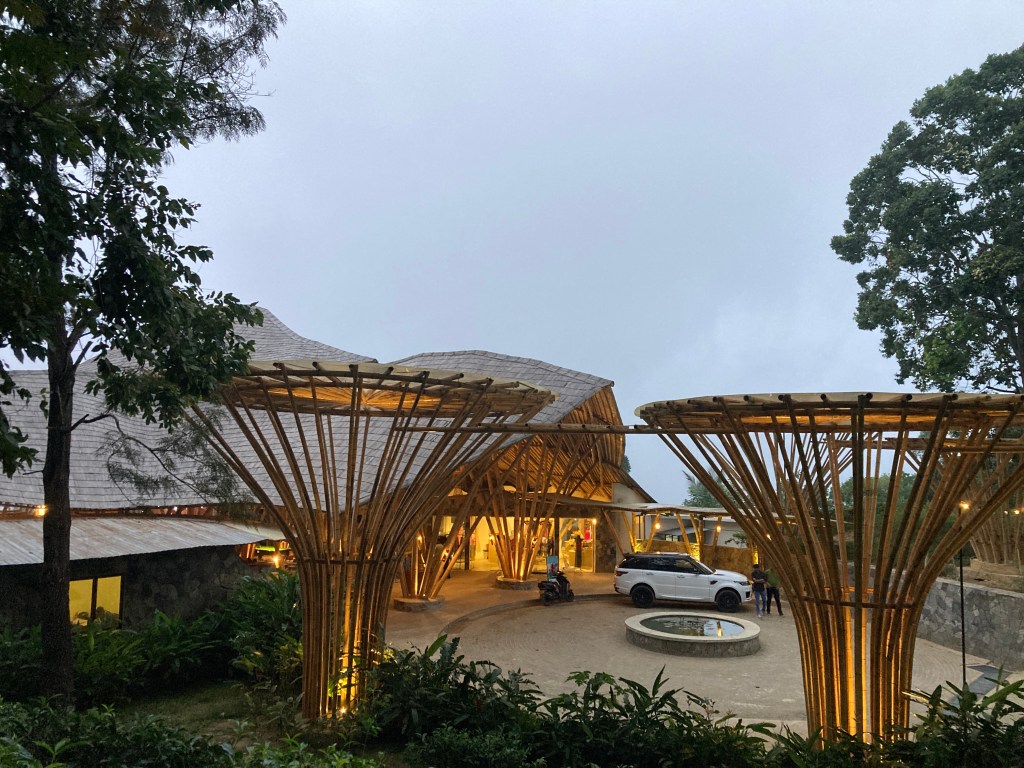
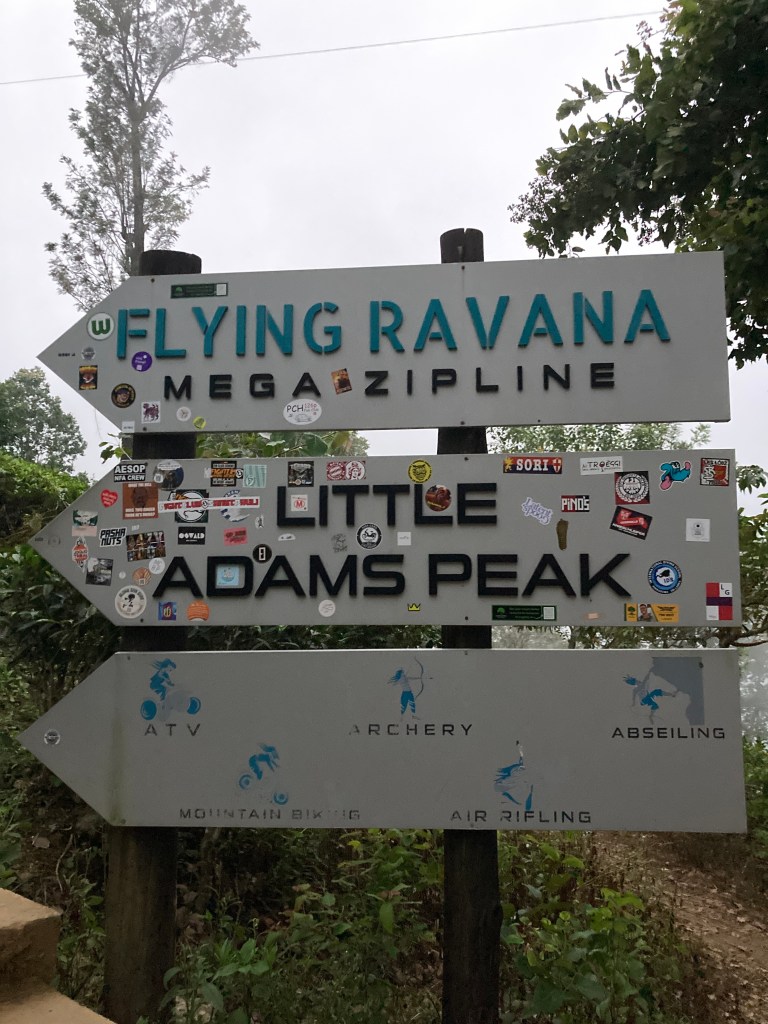
Nestled amidst the breathtaking landscape of Ella, with panoramic views of the iconic Little Adam’s Peak and Ella Rock, 98 Acres Resort & Spa offers guests an unforgettable retreat experience.
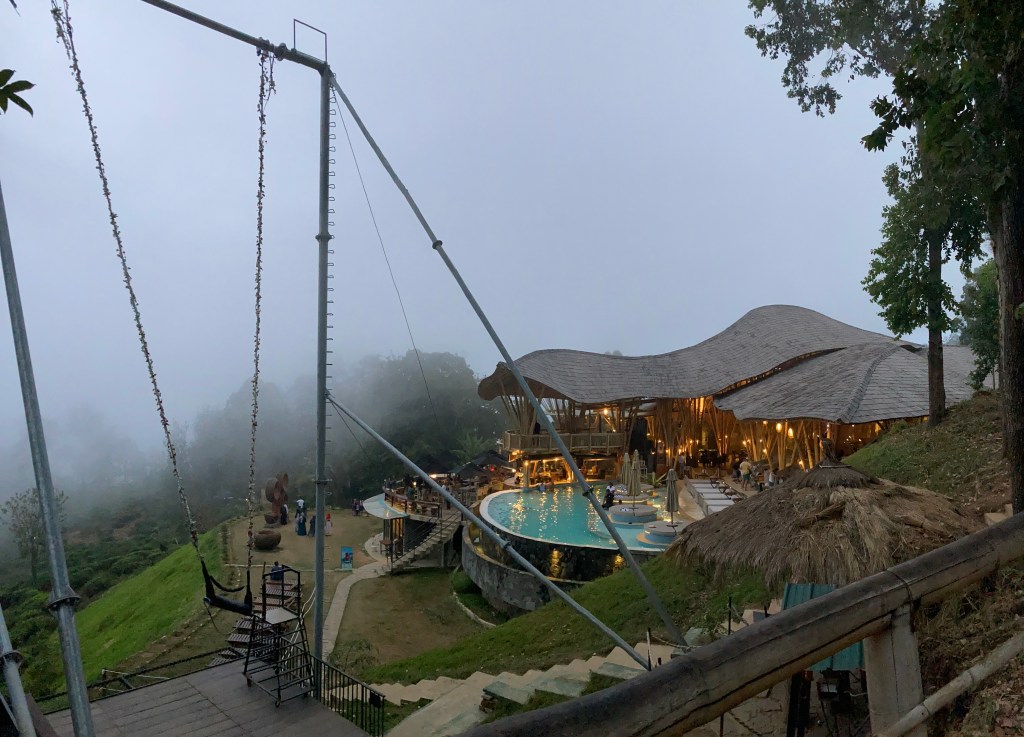
Drawing inspiration from Balinese architecture, the resort’s beautiful interiors create an ambiance of tranquility and luxury. Guests can relax by the poolside, enjoying the serene vistas of the lush mountains.
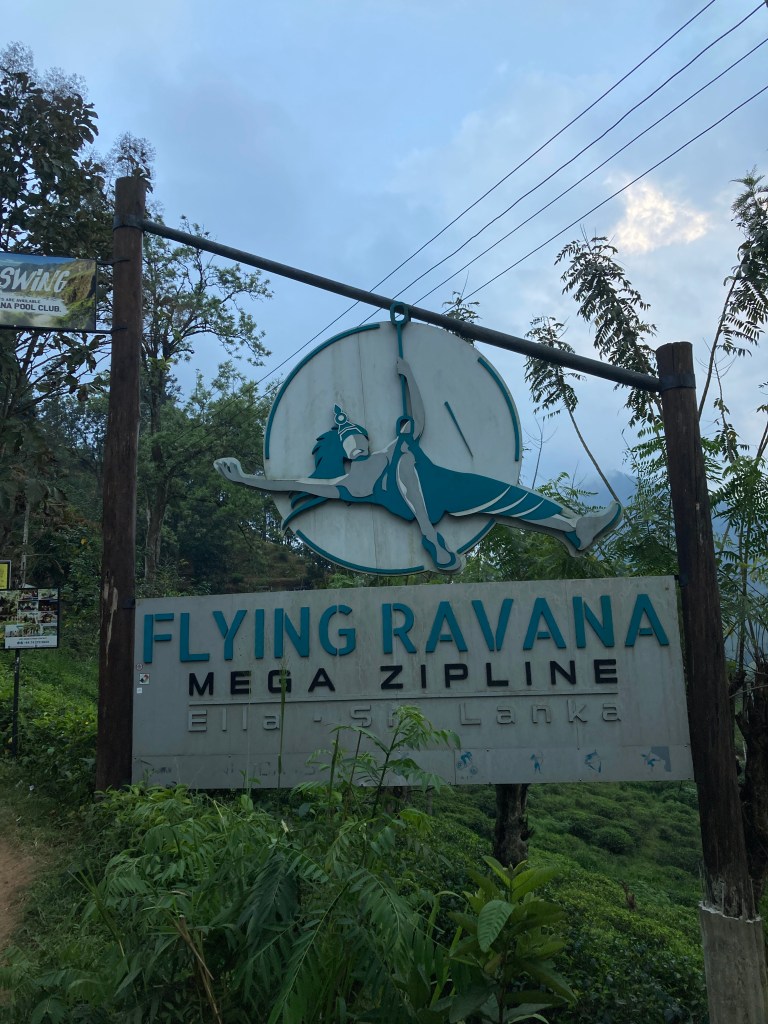
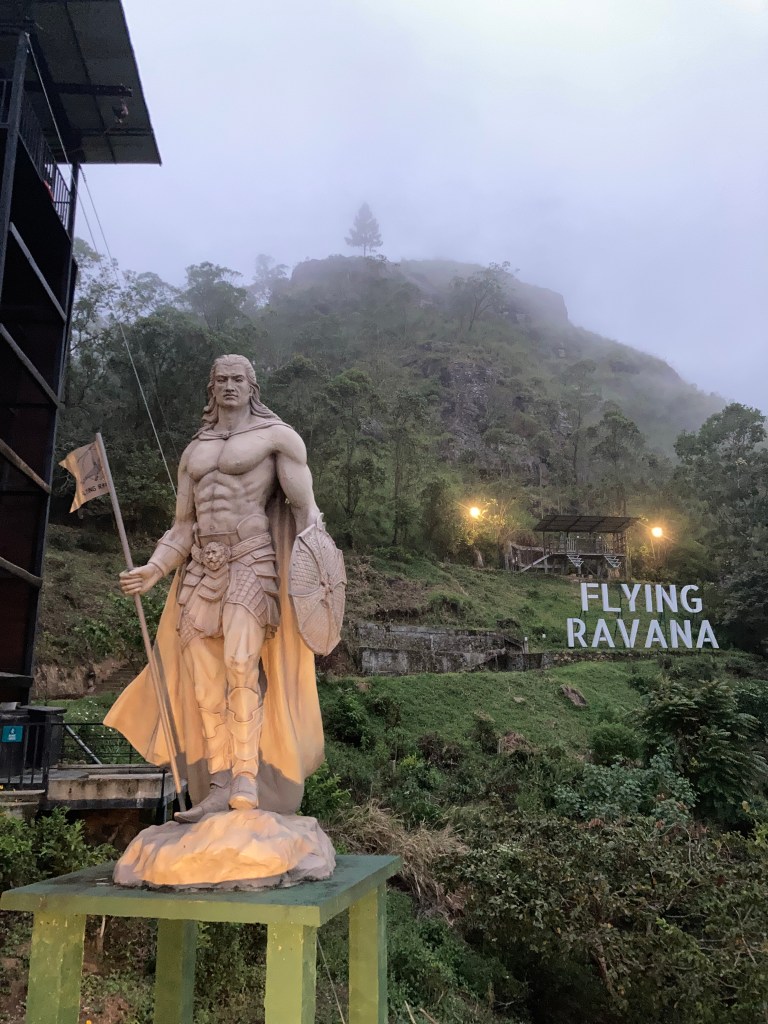
Experience vibrant evenings with live music and delicious cuisine at Ravana Pool Club, where weekends are filled with entertainment and refreshing beverages. The resort’s event venues provide the perfect setting for special occasions, meticulously curated for memorable experiences.

Matara Public Market
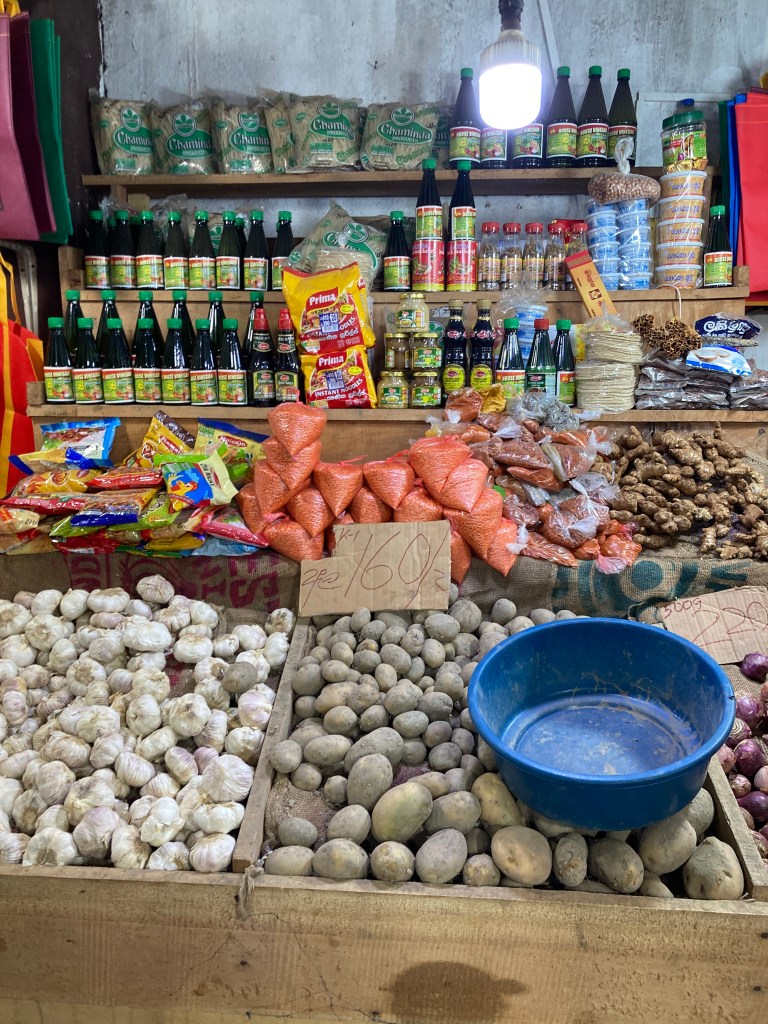
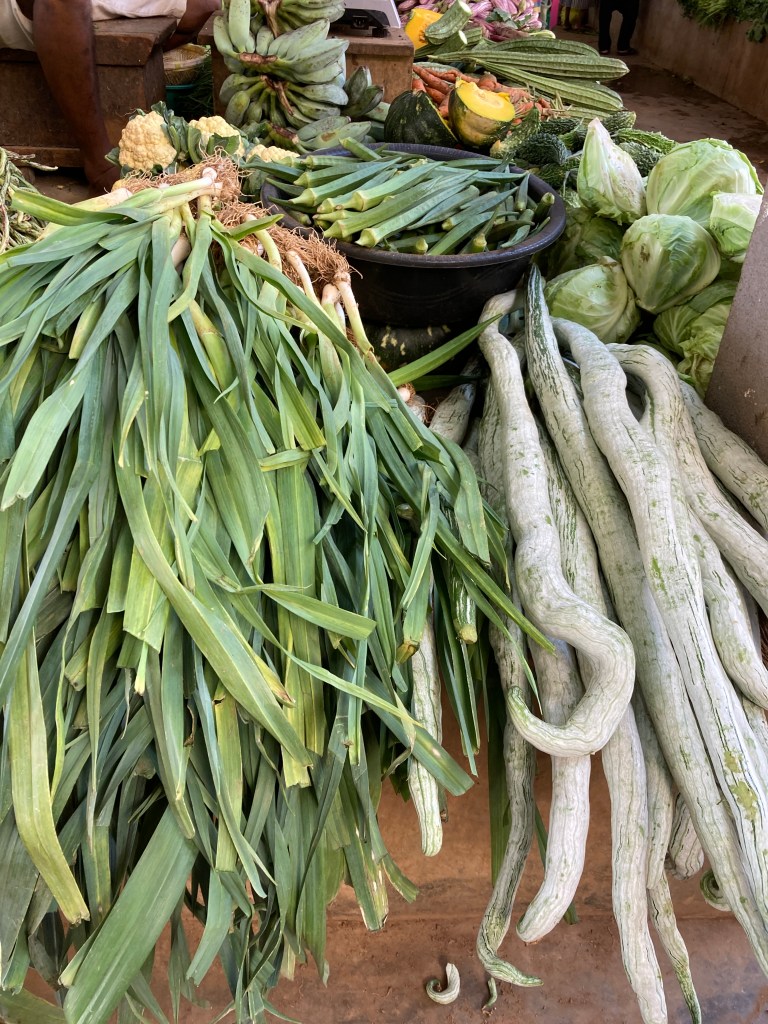
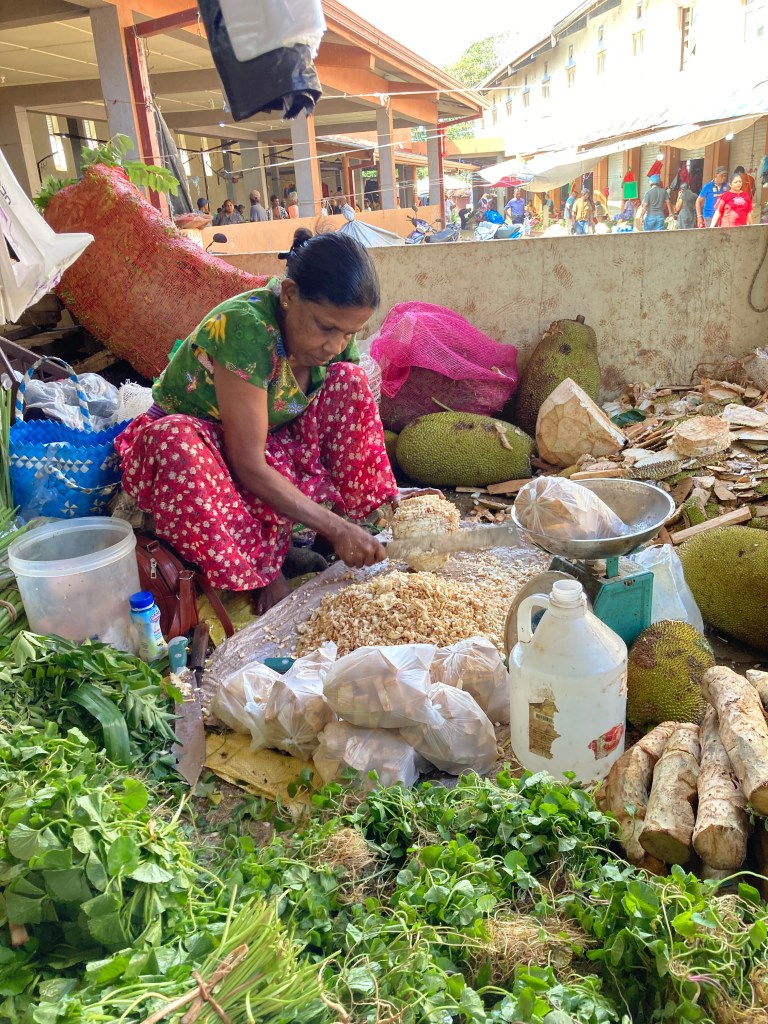
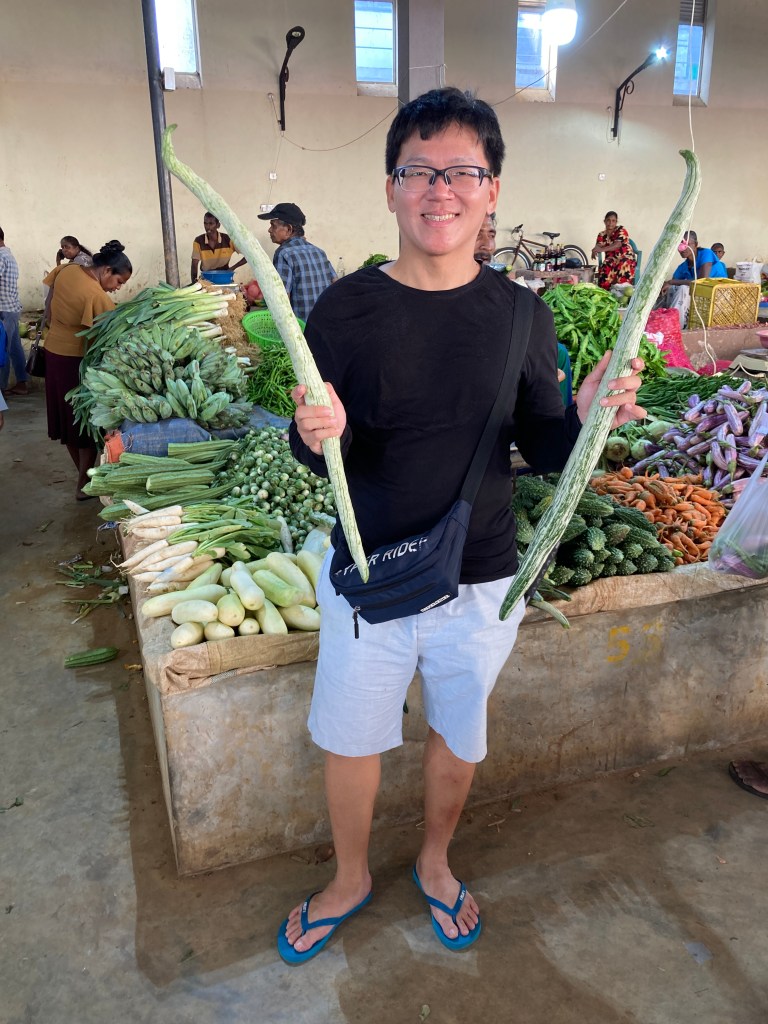
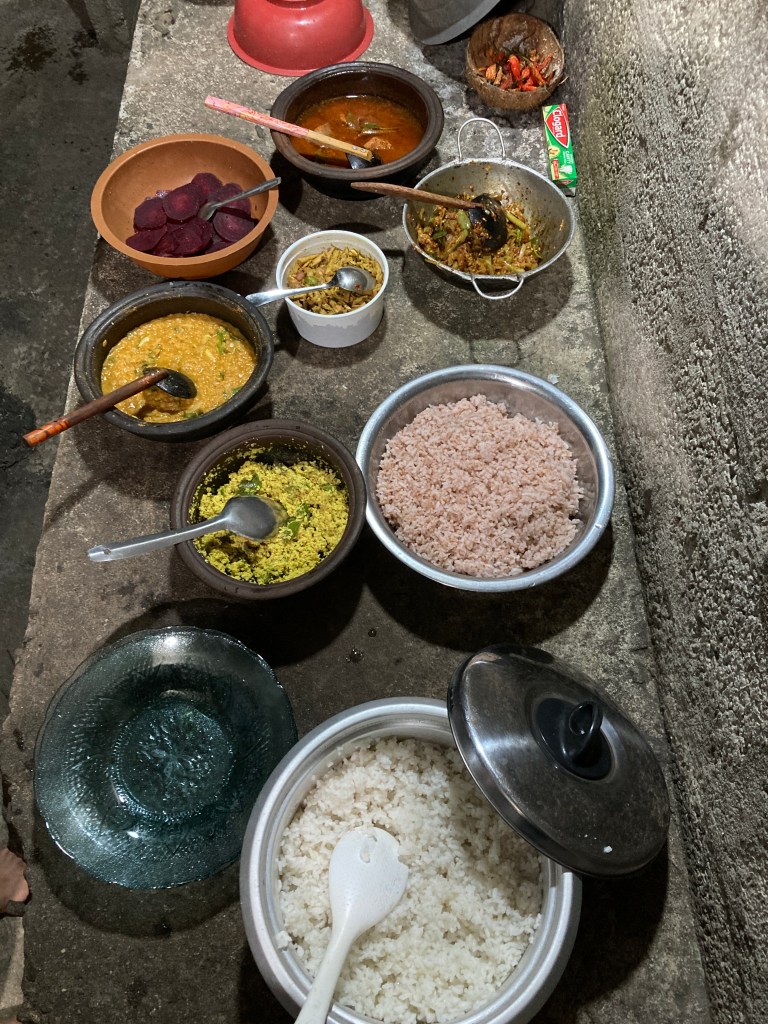
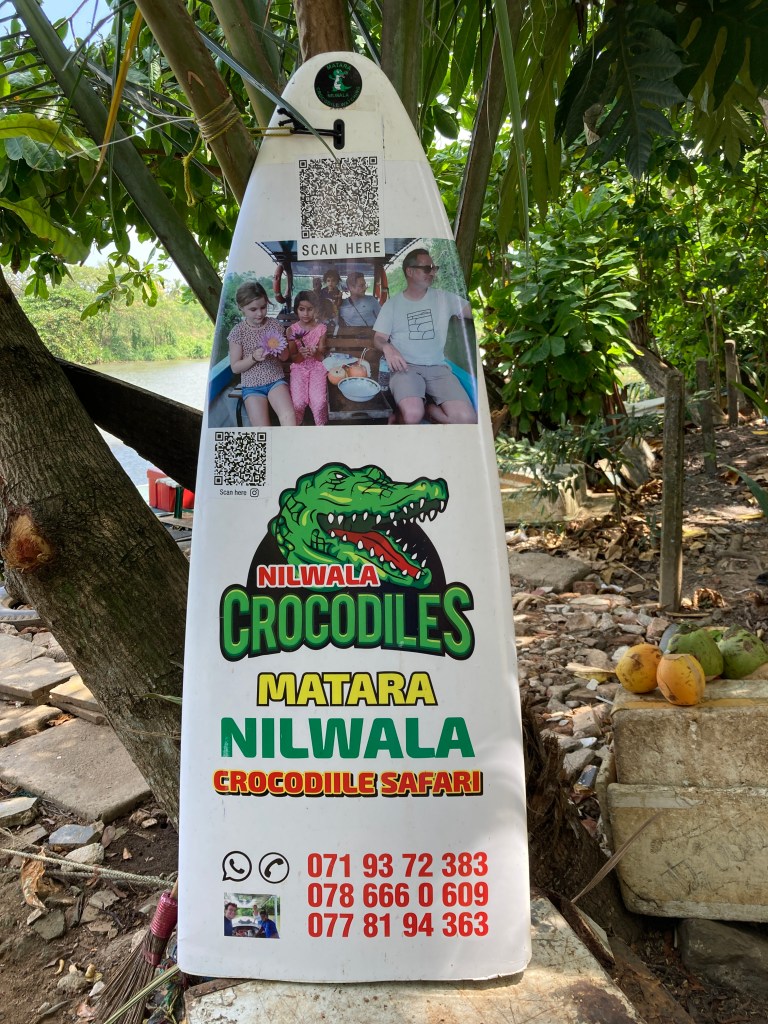
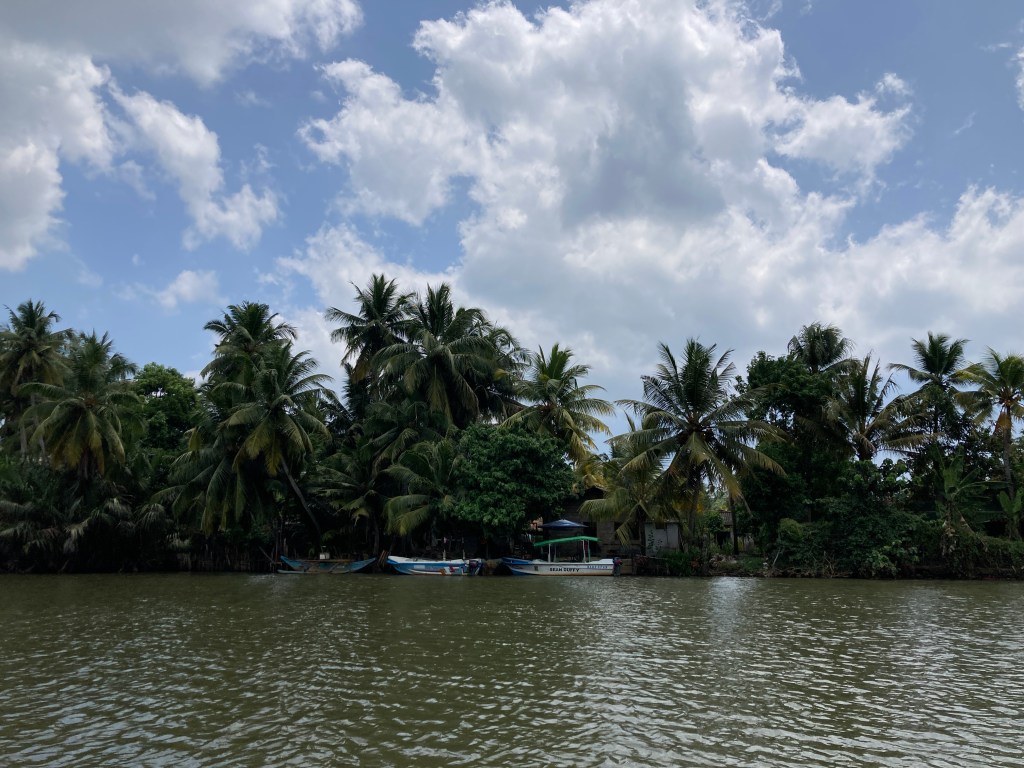
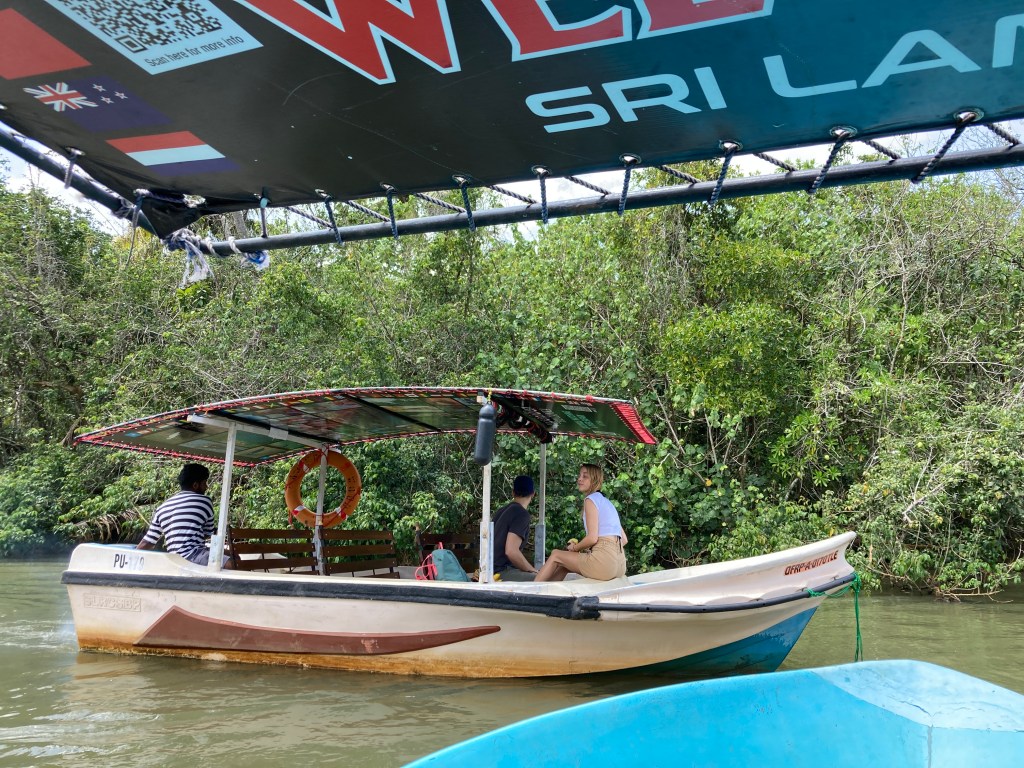
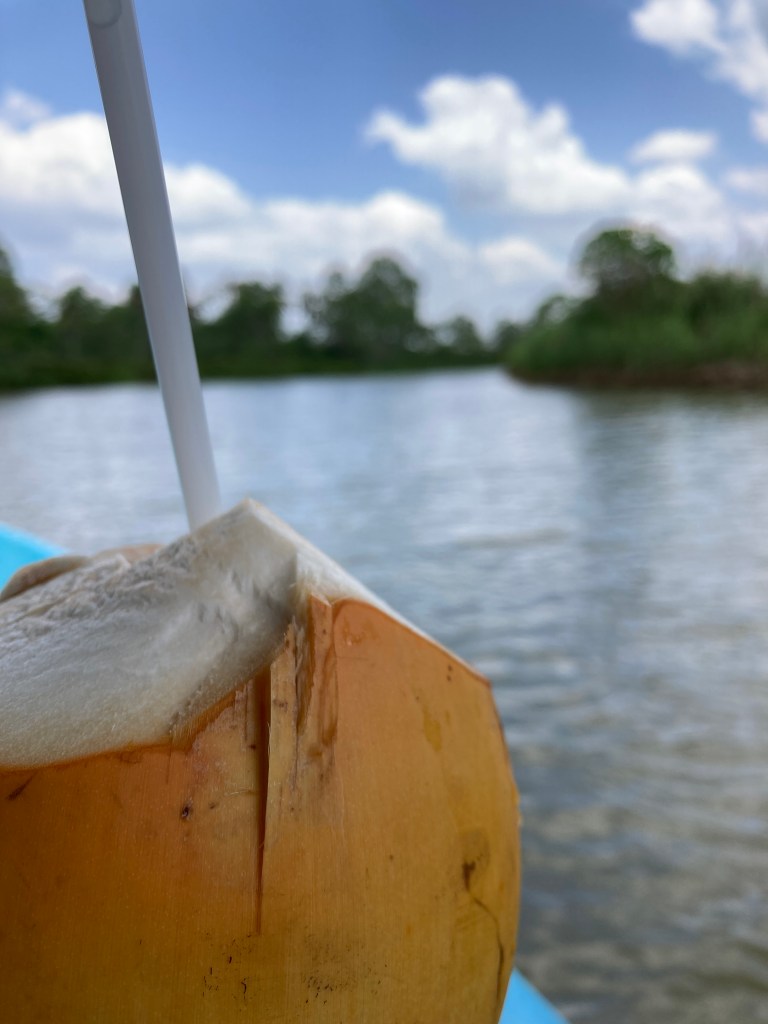
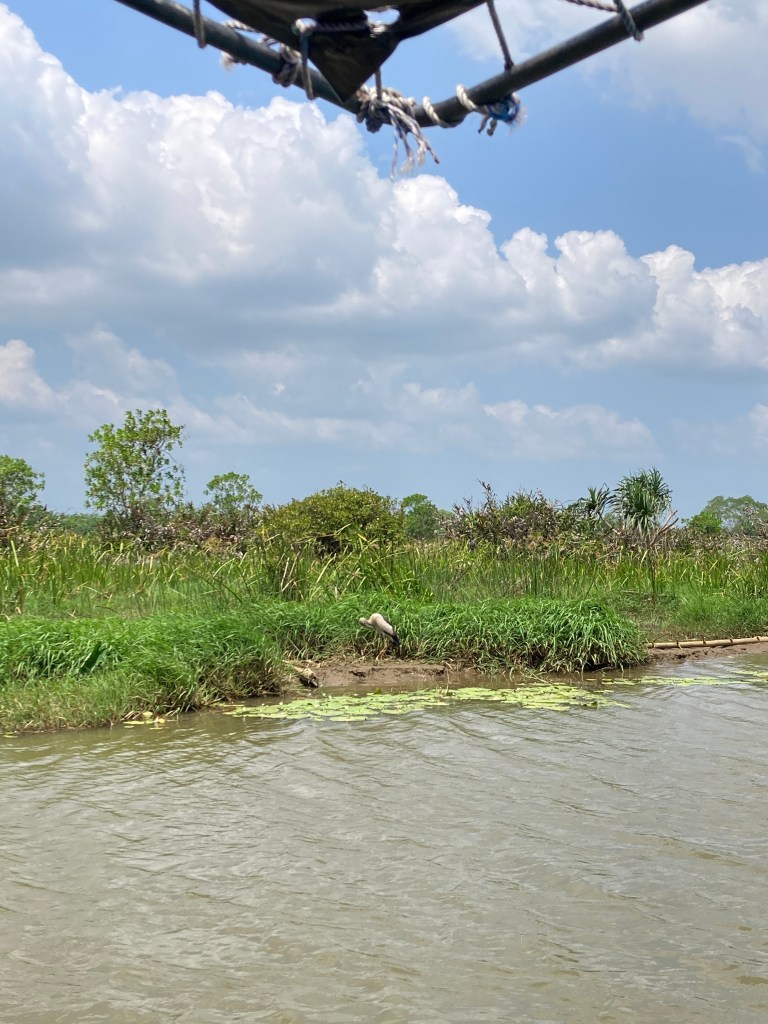
While strolling through the local market in the city, we unexpectedly met a local fish vendor who invited us to dinner at his home that evening. We enjoyed a meal with the locals. They were incredibly welcoming and even recommended a boat tour to see crocodiles the next day. In the afternoon, they took us to the seaside and in the evening, guided us to visit a temple. However, they requested a small fee for transportation in the evening, but overall, it was a nice experience.






Heriketiya Beach
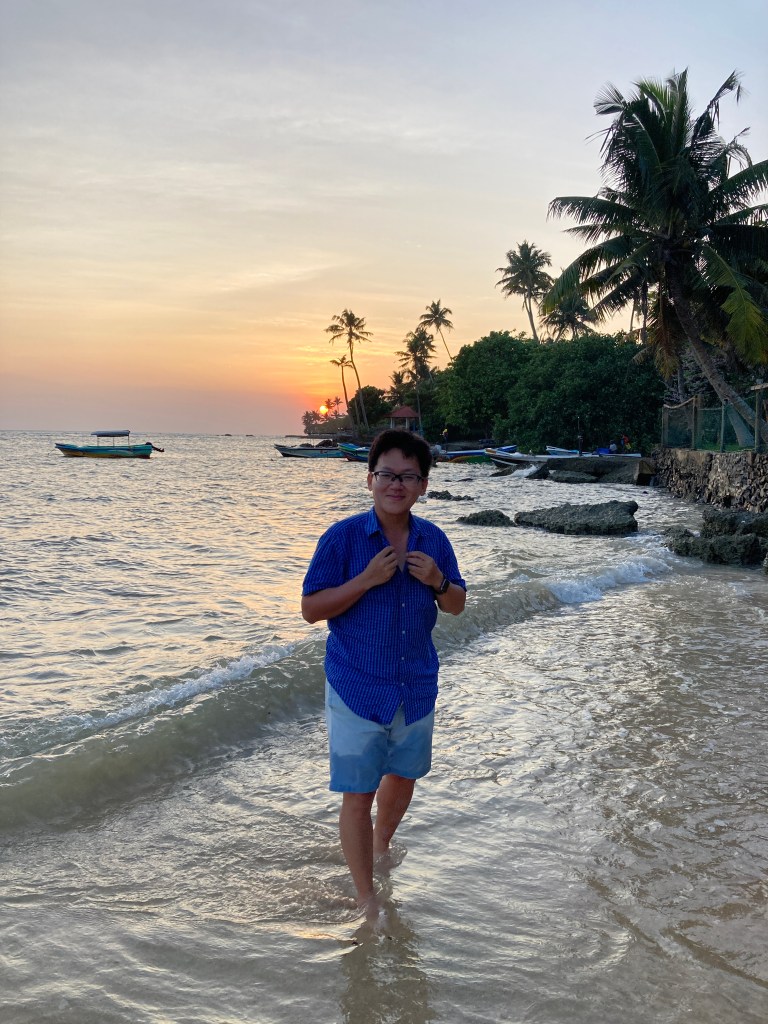
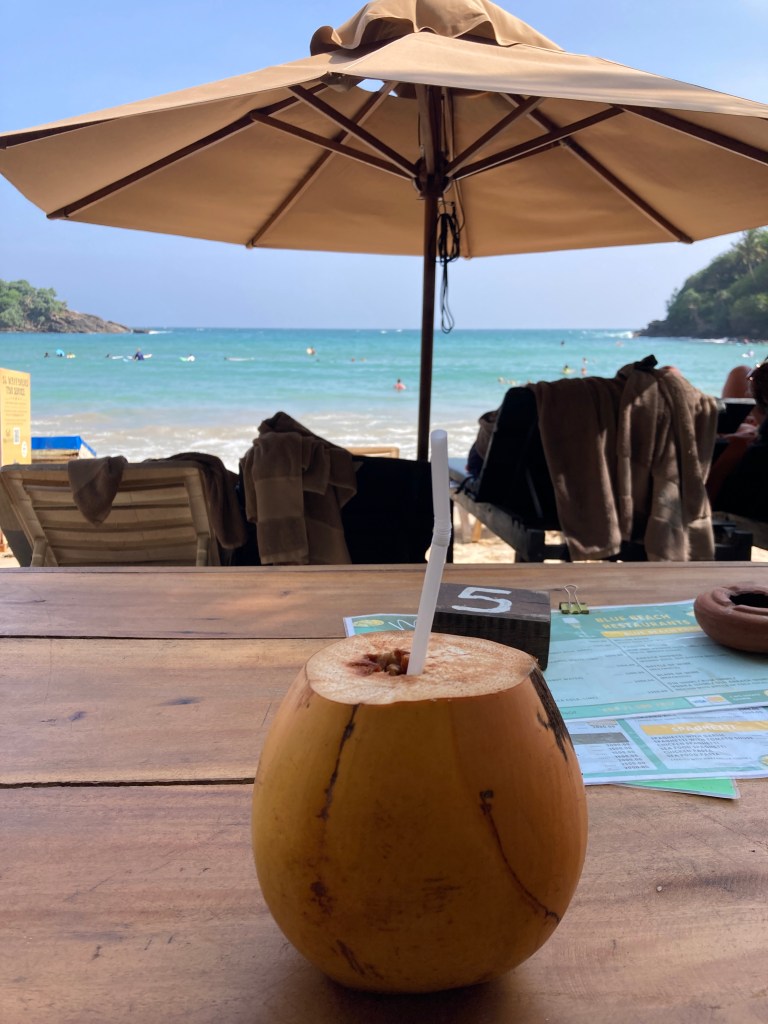
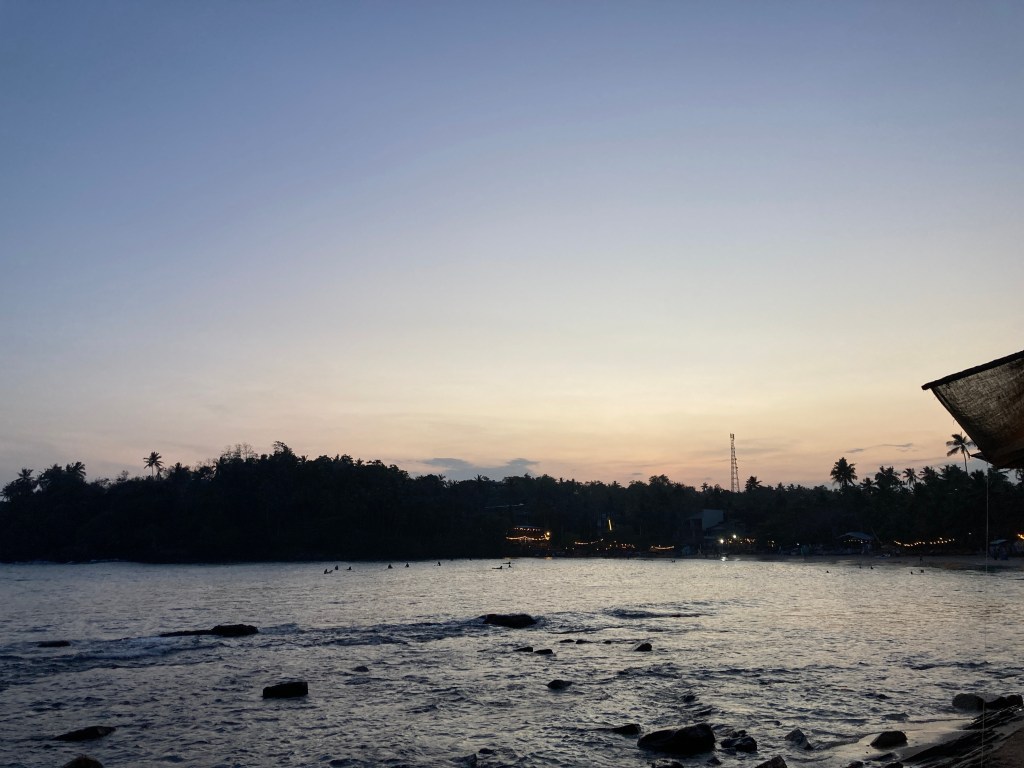
Hiriketiya Beach epitomizes the essence of paradise along Sri Lanka’s renowned south coast. Nestled within a small, rounded bay framed by swaying palm trees and lush tropical jungle, the beach boasts crashing waves, frequented by local surfers. Hidden cafes and guesthouses seamlessly blend into the natural surroundings, creating an idyllic retreat that visitors find hard to leave.
Affectionately known as “Hiri,” this quaint coastal community holds a special place in my heart, having spent six weeks residing in a co-living space just steps away from the beach. Mornings were spent catching waves followed by indulging in smoothie bowls at Duni’s. Afternoons were dedicated to work at a nearby co-working space, while evenings were savored with sunset views on the beach accompanied by friends. We capped off our days with delicious rice and curry prepared by a local family at Lemon Grass Cafe. Hiriketiya truly offers a unique and unforgettable experience unlike any other.


Dickwella Beach
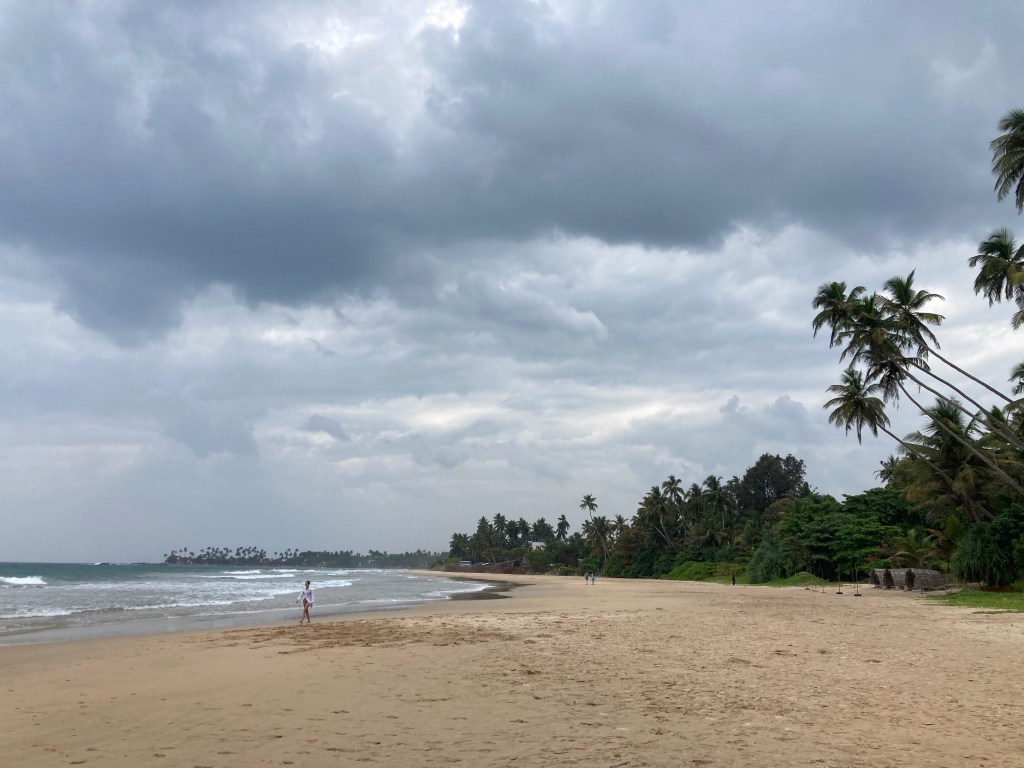
The coastal beauty of Dickwella attracts the majority of tourists, offering a tranquil and peaceful vacation experience due to the underdeveloped tourism infrastructure. It’s an ideal destination for honeymoons, swimming, diving, and exploration.
The calm waters are perfect for underwater exploration, appealing to families with children and tourists seeking a quiet escape from bustling crowds and shopping. Dickwella’s isolated beach, sheltered from strong winds and high waves by capes and reefs, ensures safety for swimming.
Visitors can enjoy activities such as building sandcastles, lounging on the sand, exploring nearby rocks and reefs, and discovering the local tropical flora and fauna.
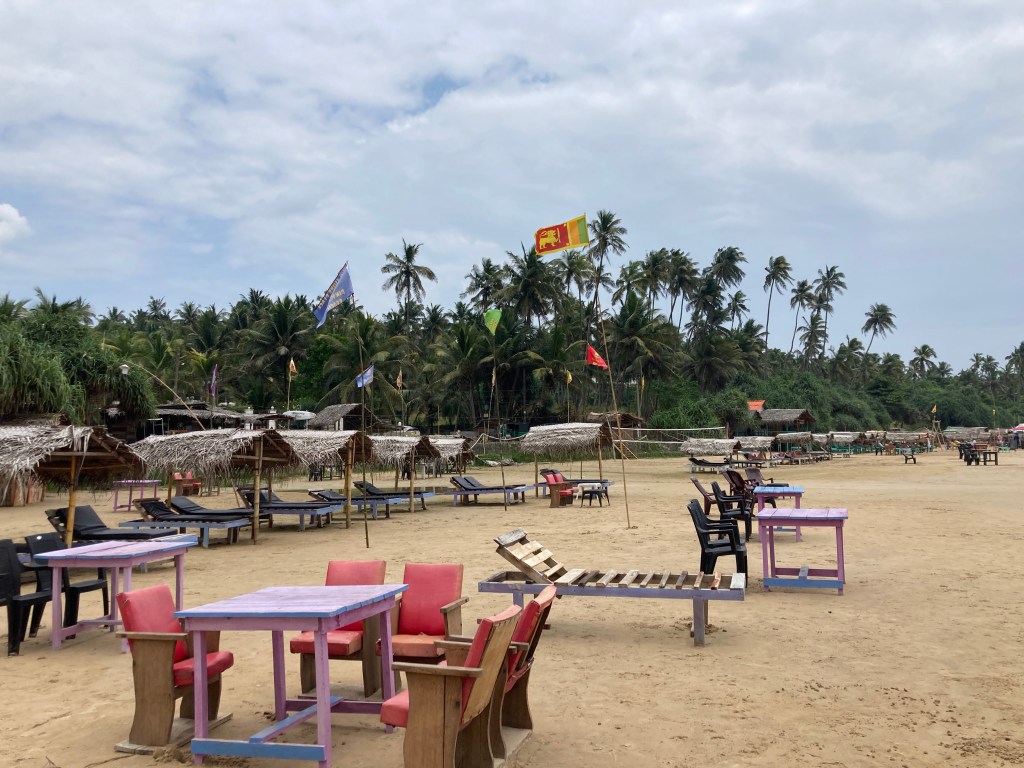
While the public beach area lacks amenities, visitors can find sunbeds and cocktails at rare cafes or hotels nearby.

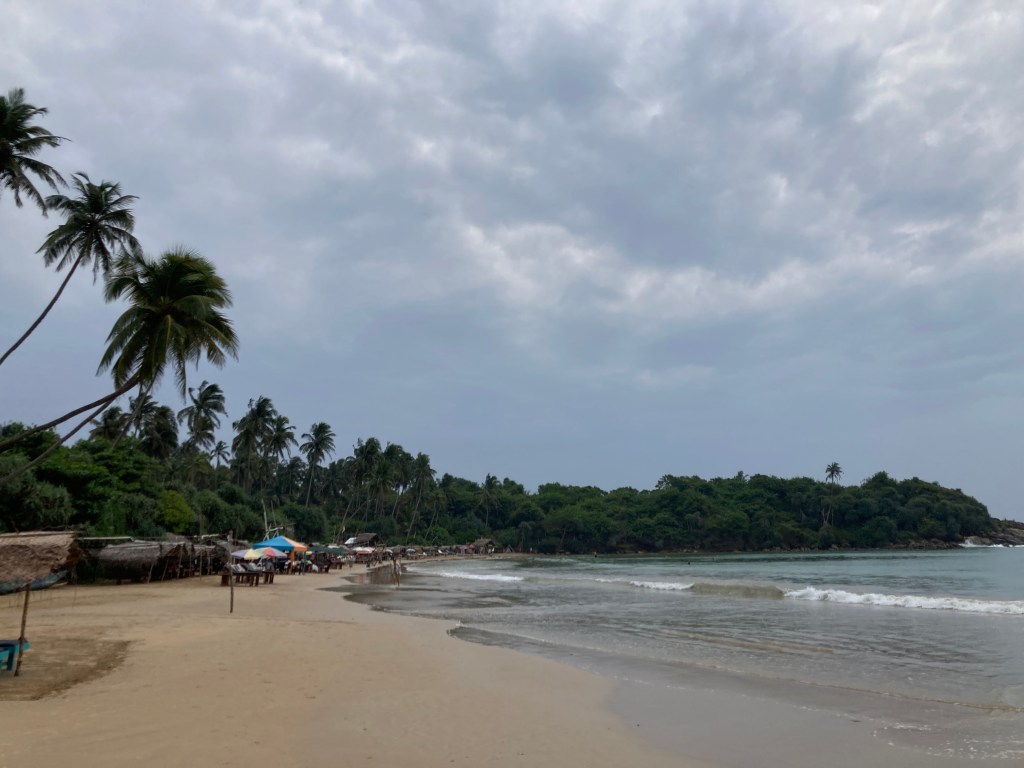
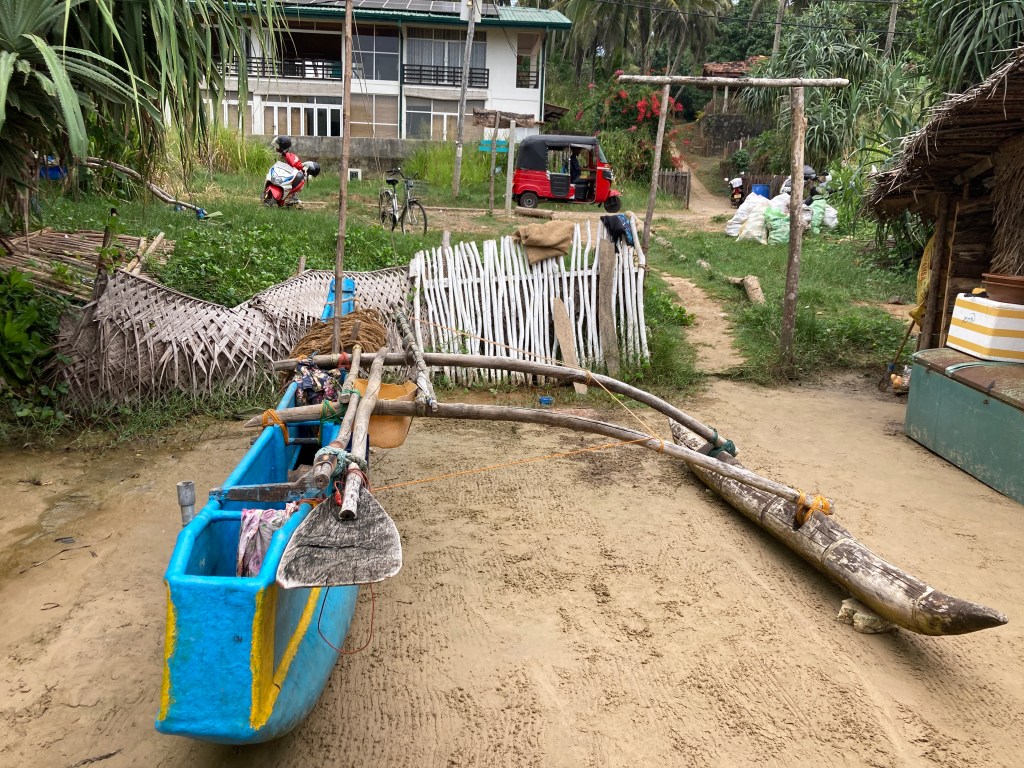
Blue Beach Island
Blue Beach Island is a beach camping destination located near Dikwella in Nilwella. Situated on a private island, it offers breathtaking sunset views in southern Sri Lanka. Visitors enjoy camping in comfortable tents arranged around a roaring campfire, providing a distinctive camping experience accompanied by the soothing sound of waves crashing against the shore.
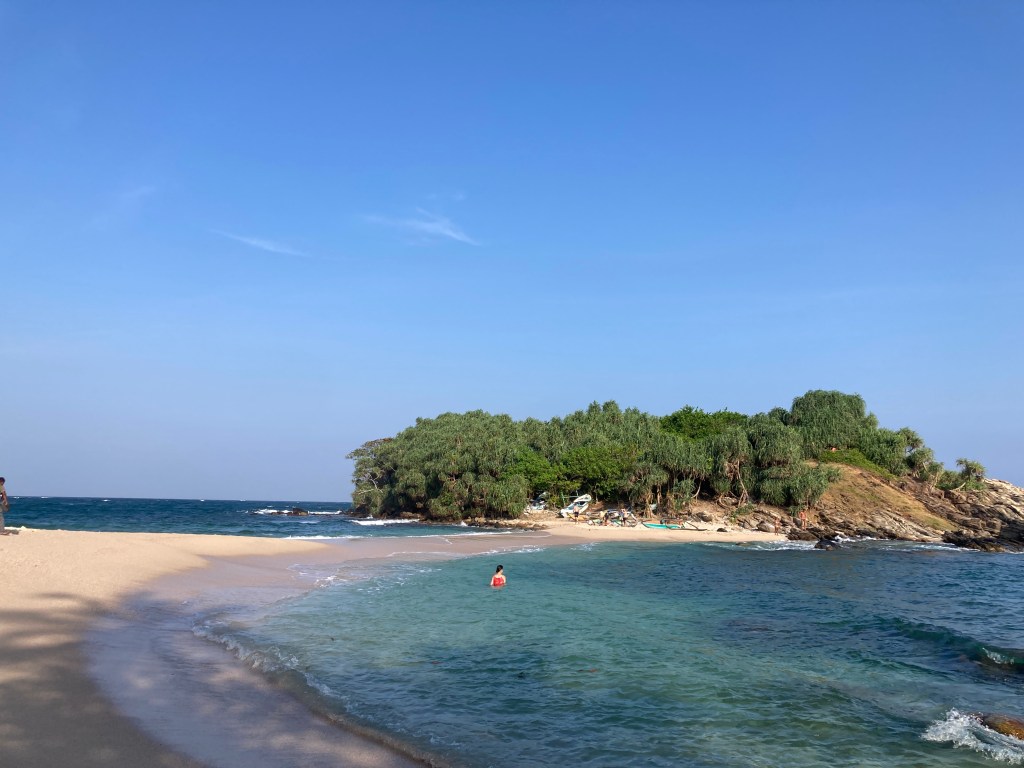
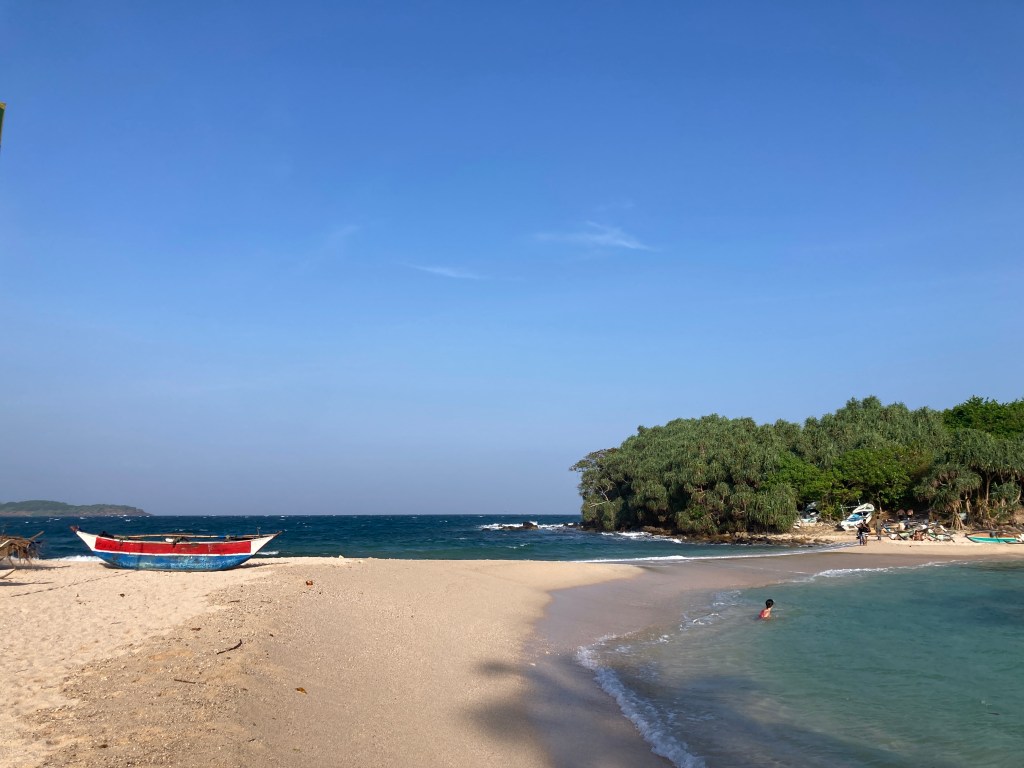


Secret Beach
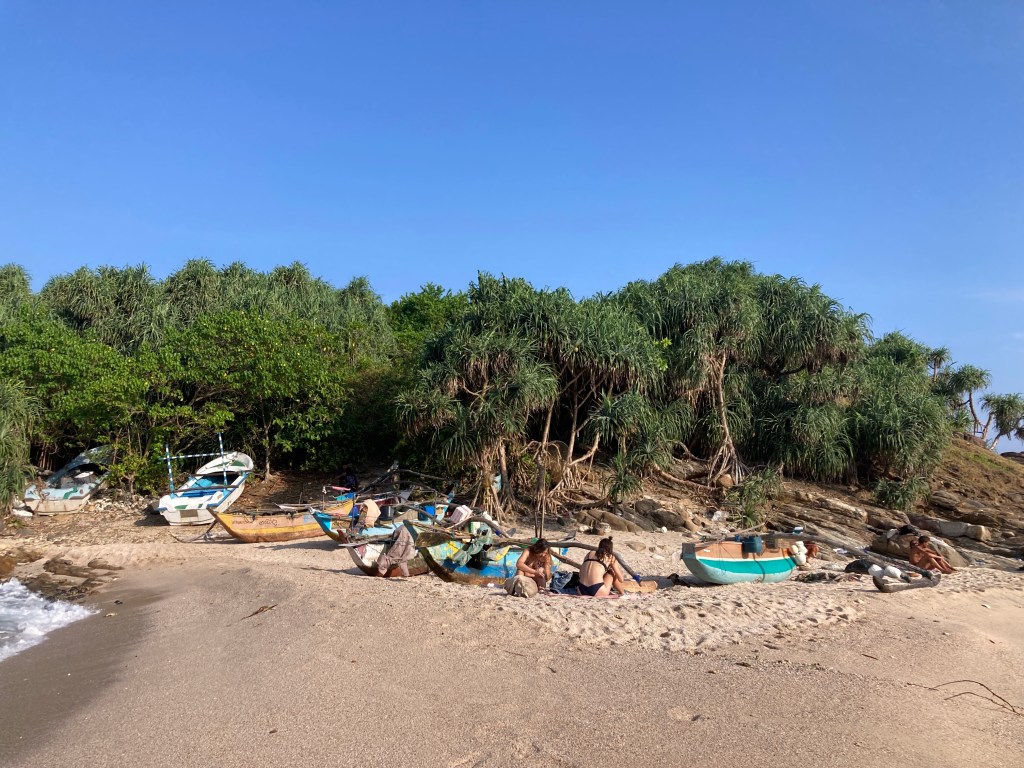
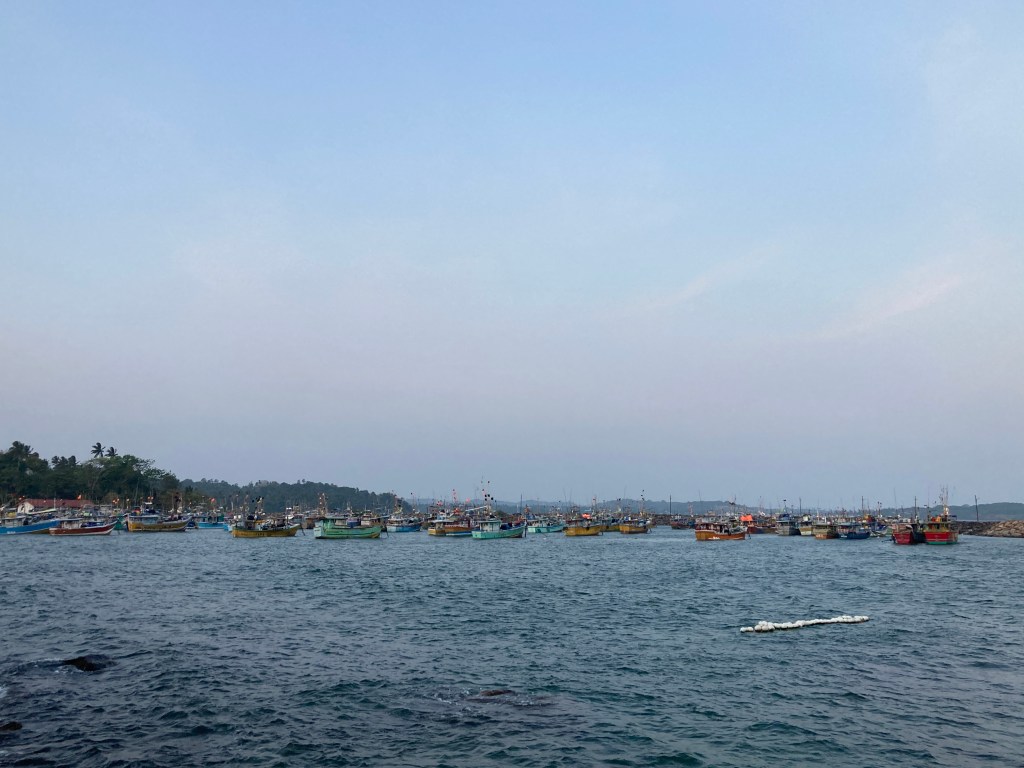
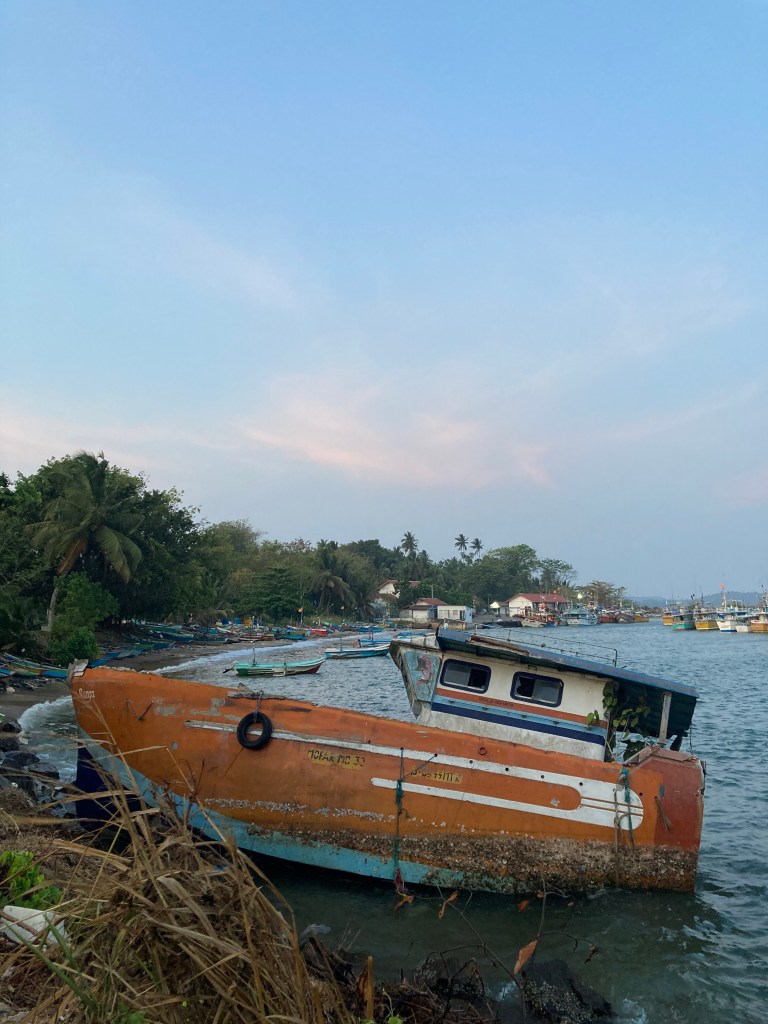
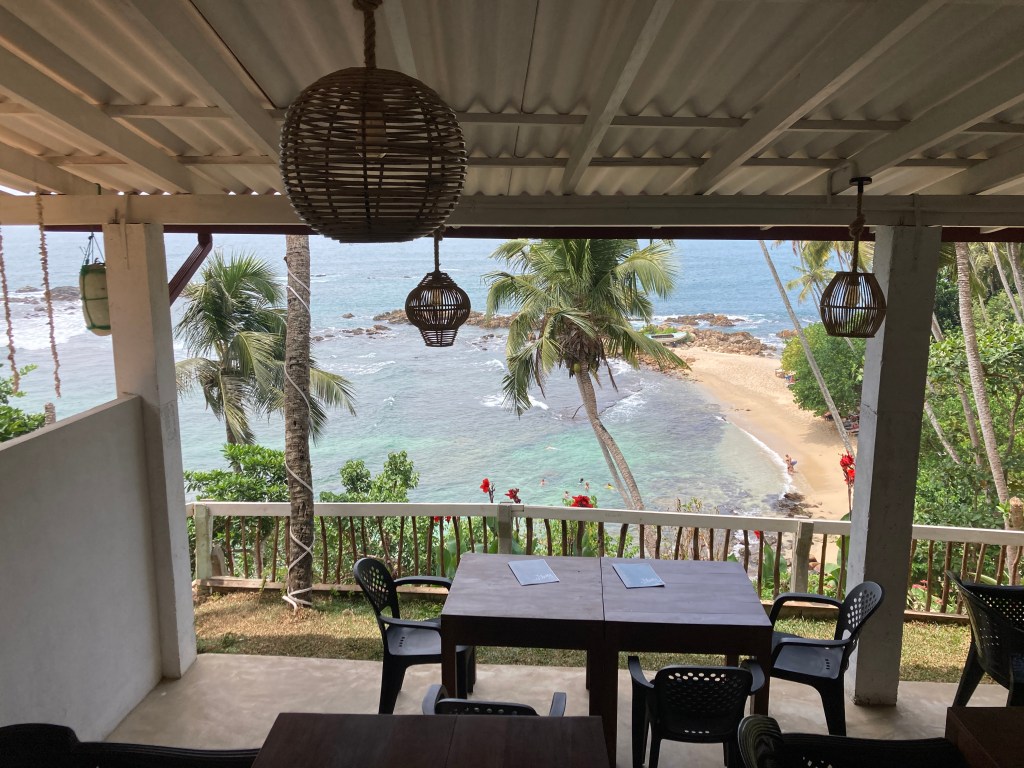
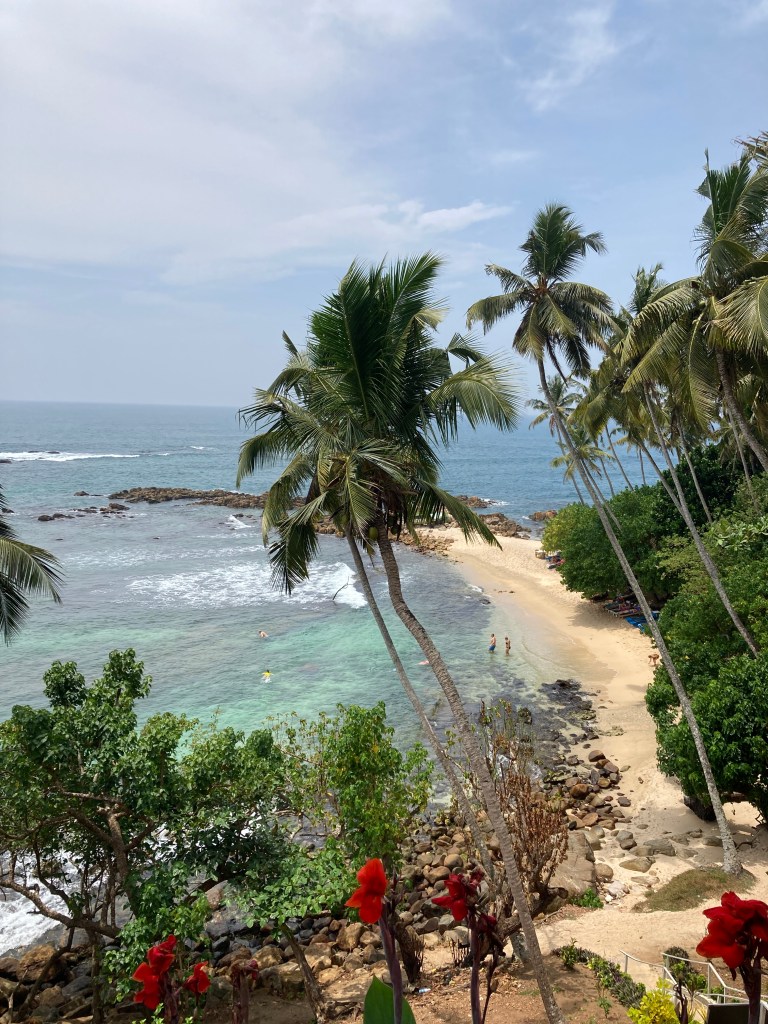
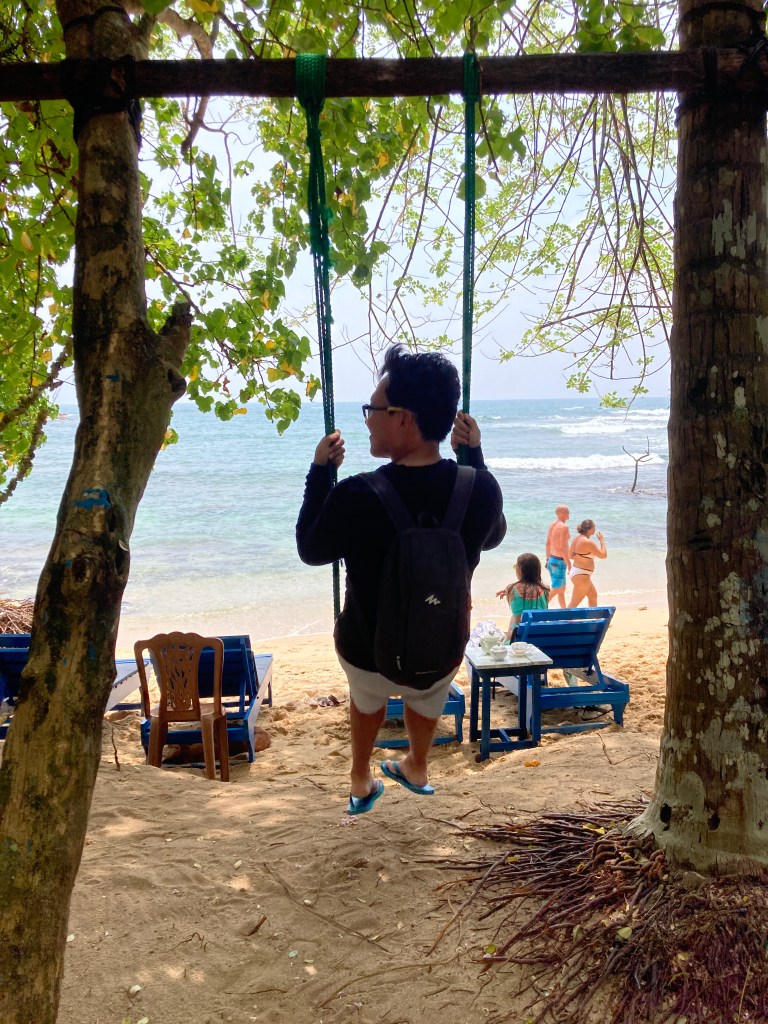
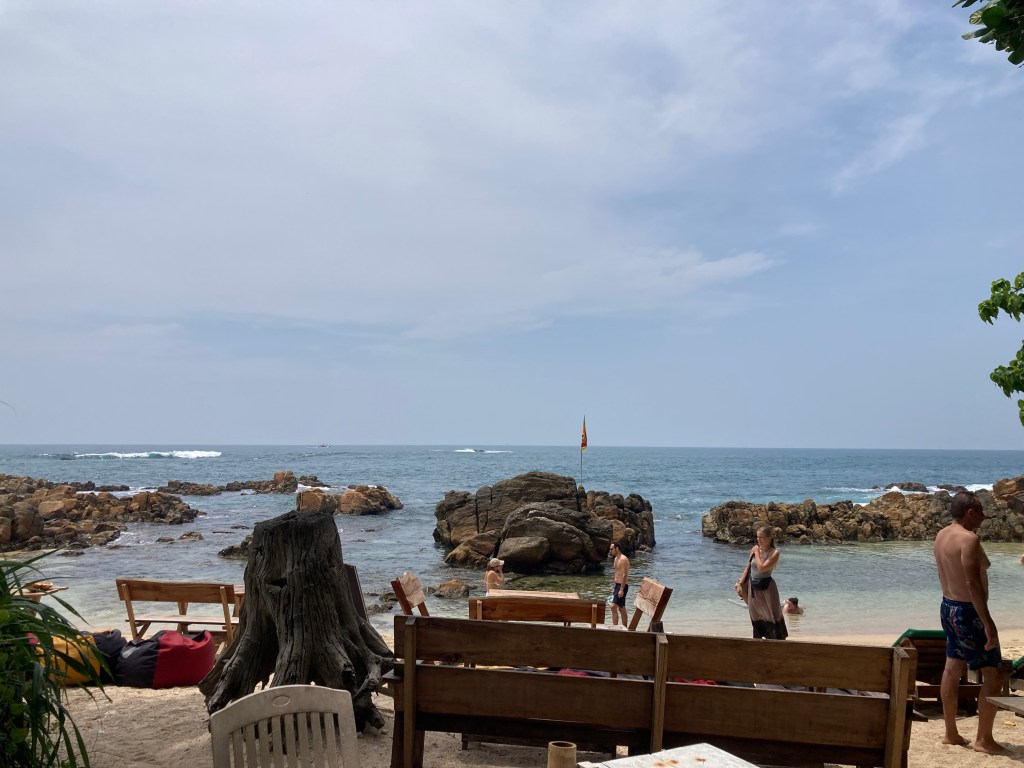
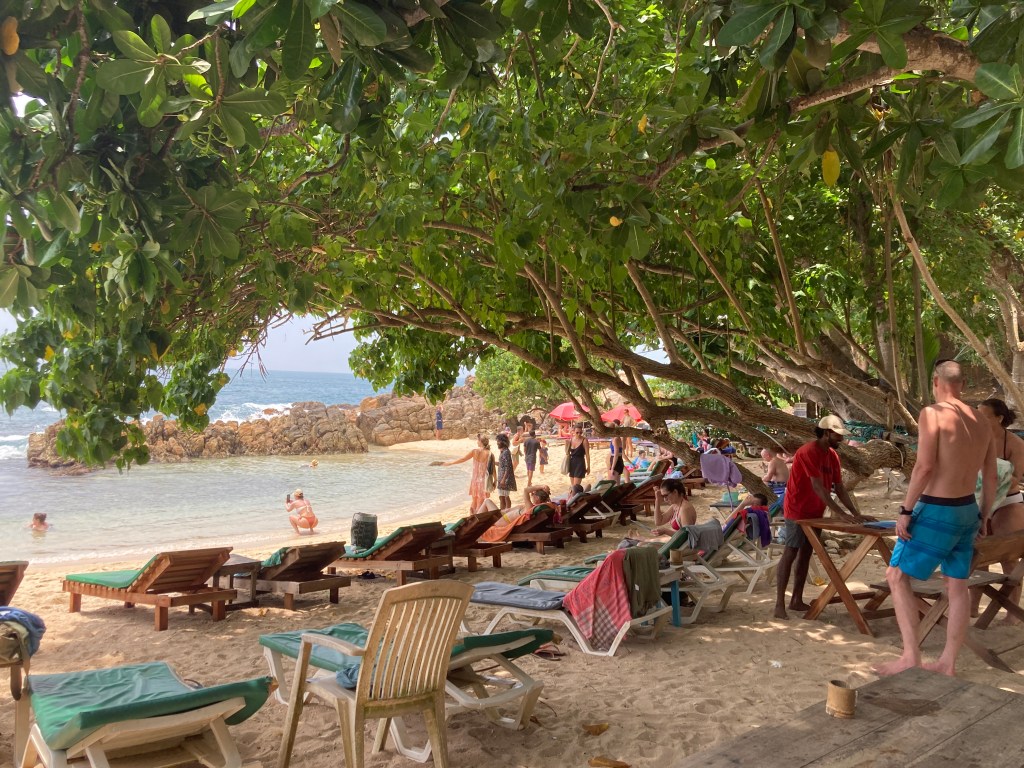
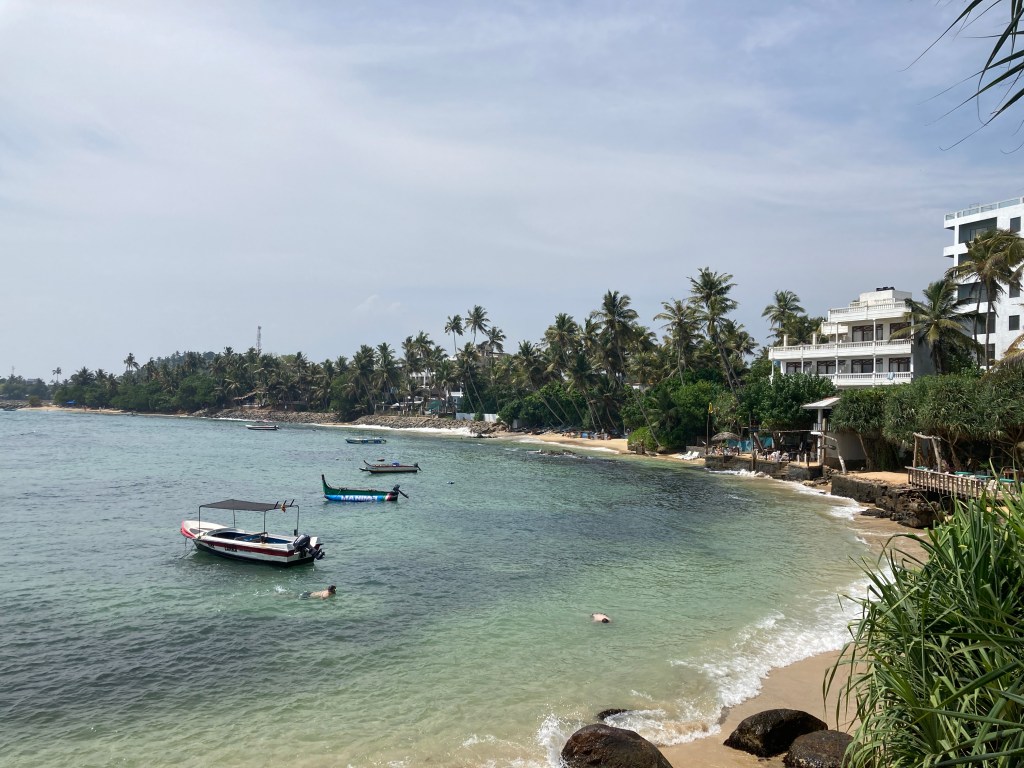
Located just a short distance from Mirissa Beach, Secret Beach Mirissa offers a serene escape from the crowds. While the main beach in town tends to be bustling with activity, Secret Beach remains peaceful with only a handful of visitors. Surrounded by palm trees and secluded from the hustle and bustle, it’s a tranquil haven that feels like a hidden gem. It’s hard to believe such a pristine beach can be so quiet and untouched.
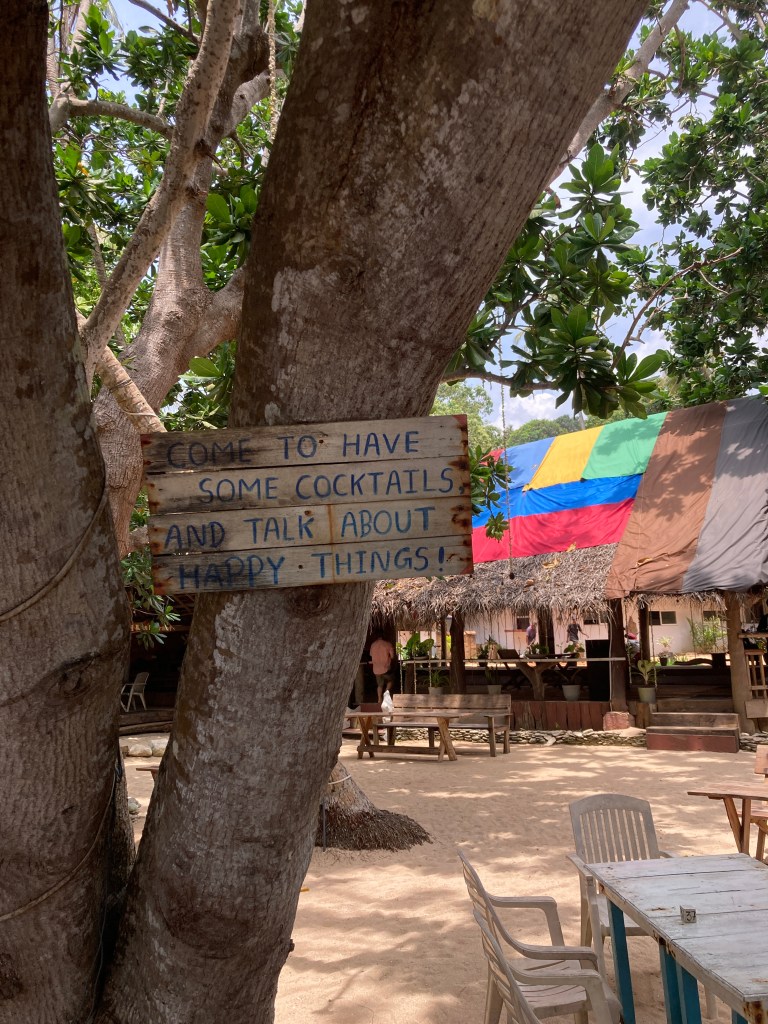
Coconut Tree Hill
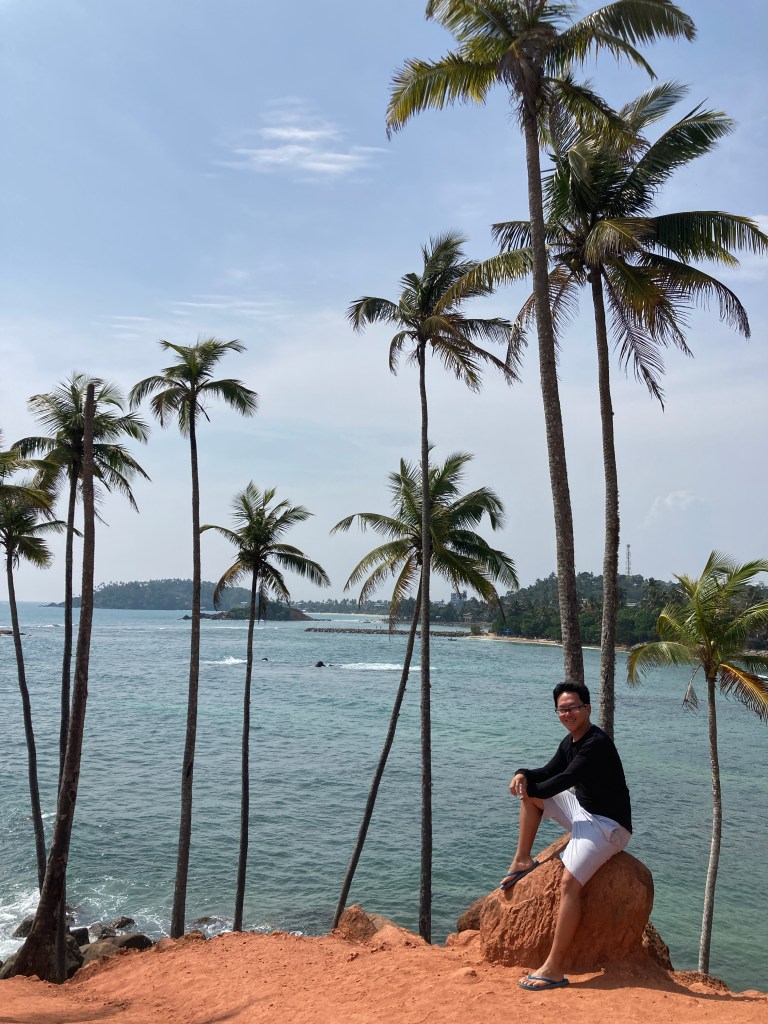
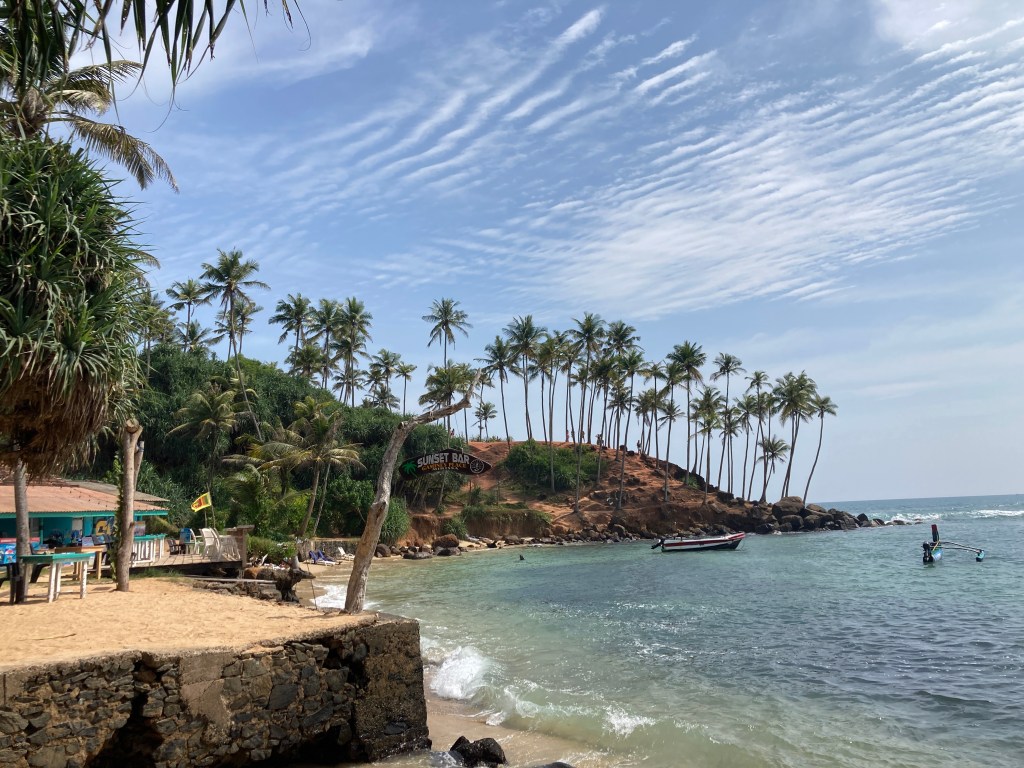
Coconut Tree Hill, situated on a lateritic headland in Mirissa, Sri Lanka, sits adjacent to the Indian Ocean. It’s a renowned tourist destination in the country, characterized by a coconut plantation. Despite being on private property, Coconut Tree Hill is one of Sri Lanka’s most photographed locations, particularly on Instagram.
In his 1881 book “A Visit to Ceylon,” Ernst Haeckel depicted Mirissa’s “red cliffs” at sunset, likening them to burning coal. The hill is also recommended as a prime spot for observing the sunrise by tourists. Located on Mirissa Beach, which stretches along Weligama Bay, the area is known for its breathtaking views.
Mirissa Beach has earned a reputation as one of the world’s “secret beaches,” adding to the allure of Coconut Tree Hill as a must-visit destination.
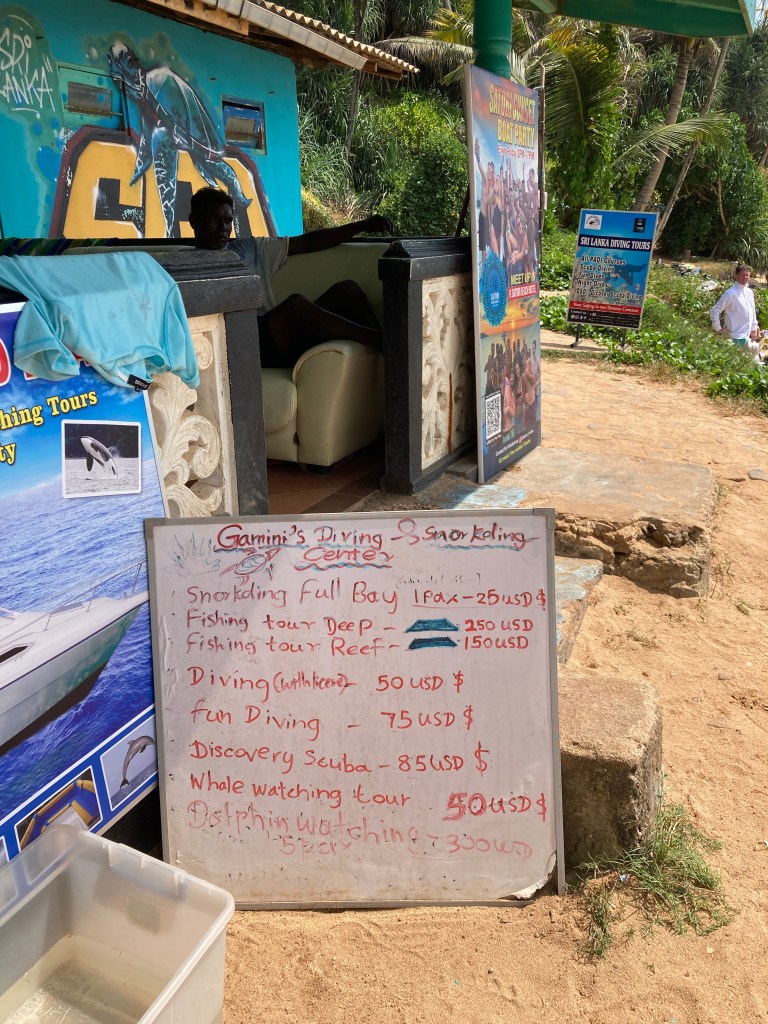

Parrot Rock
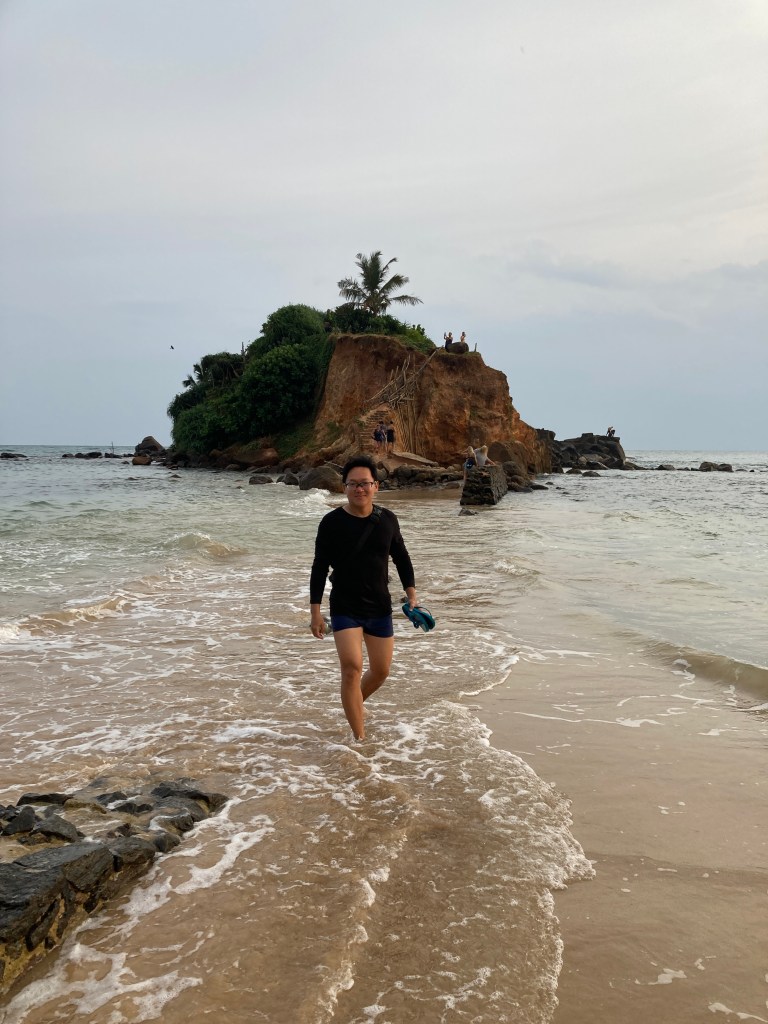
Crossing over to Parrot Rock requires agility and quick thinking, as you must navigate the waves swiftly to reach the other side. Once there, a narrow path leads to the summit, where you can marvel at the breathtaking views of the surrounding sea and the expansive golden beach stretching for miles, with Coconut Tree Hill visible in the distance.
While Parrot Rock can be visited at any time of day, sunset is the most enchanting time. As the sky transforms into hues of blue and pink, and the sun descends into the horizon, the beauty of the scene is unparalleled. Located just 10 minutes from the main town, Parrot Rock is a convenient and worthwhile stop on your way to Coconut Tree Hill.
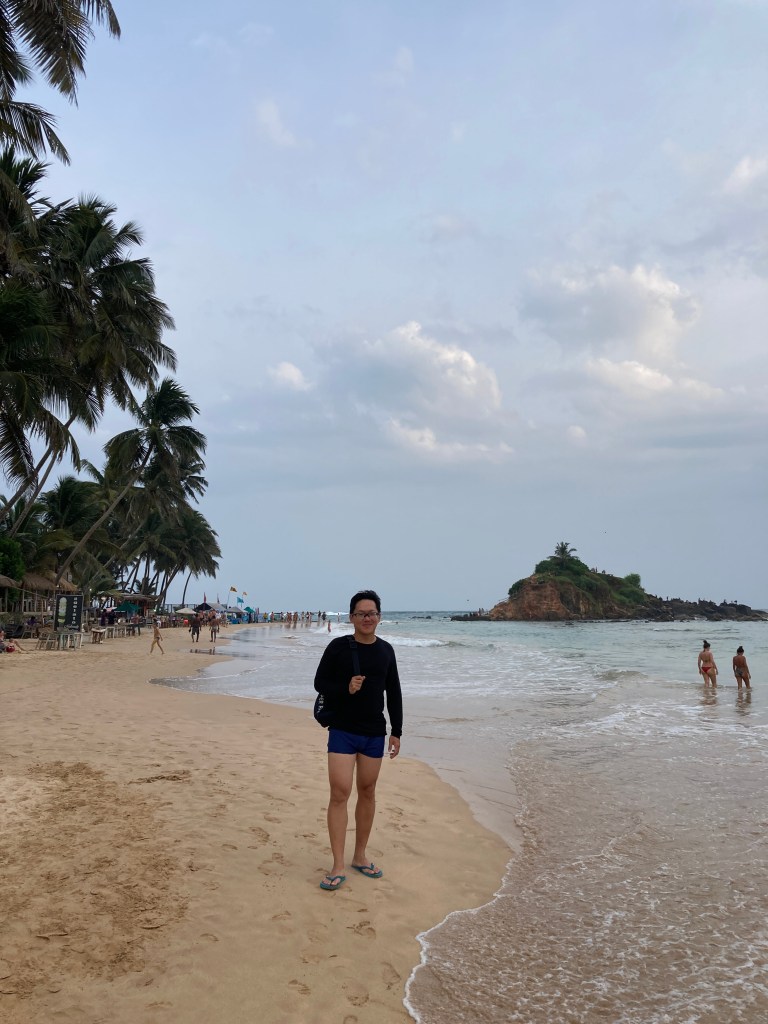

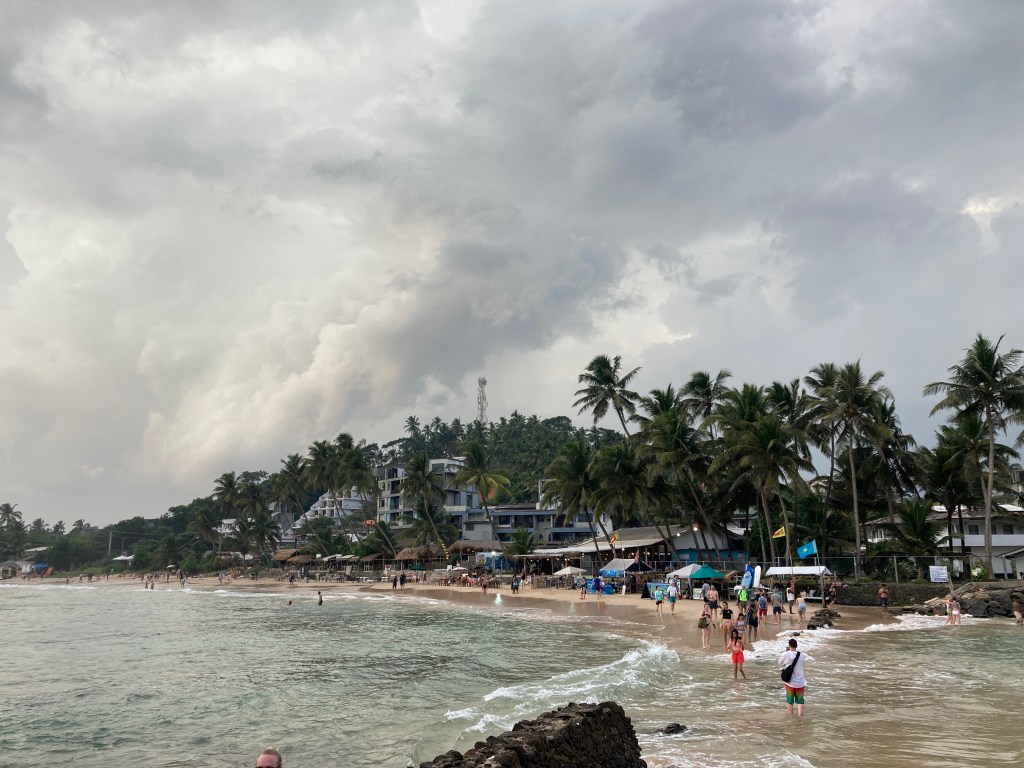
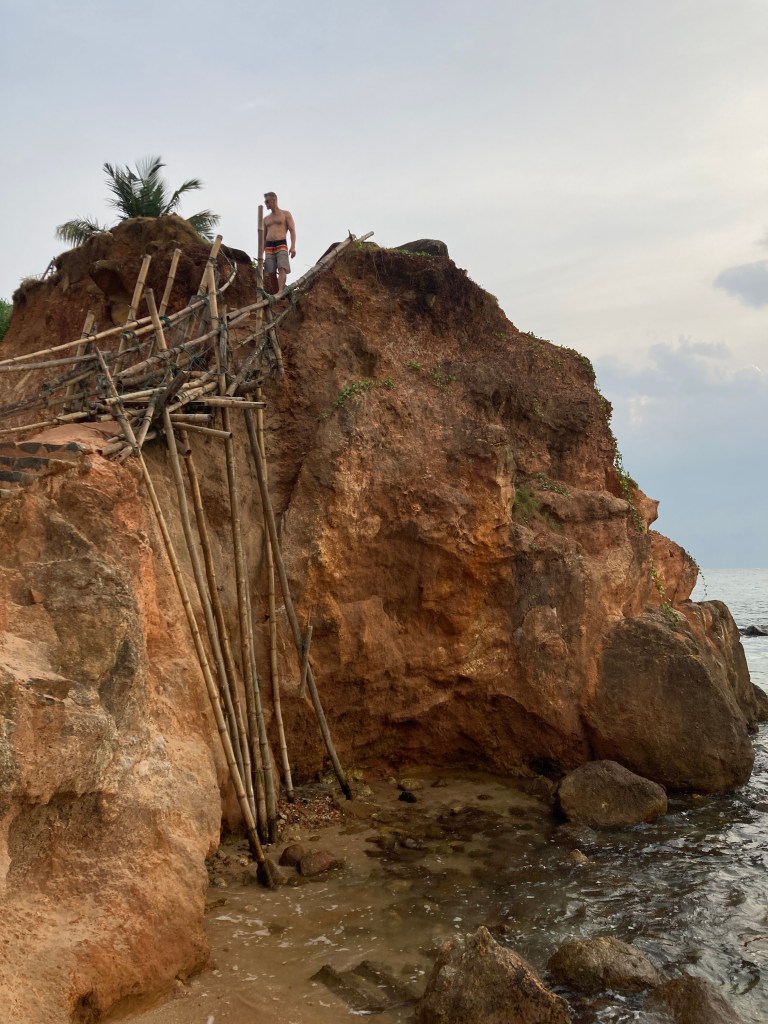
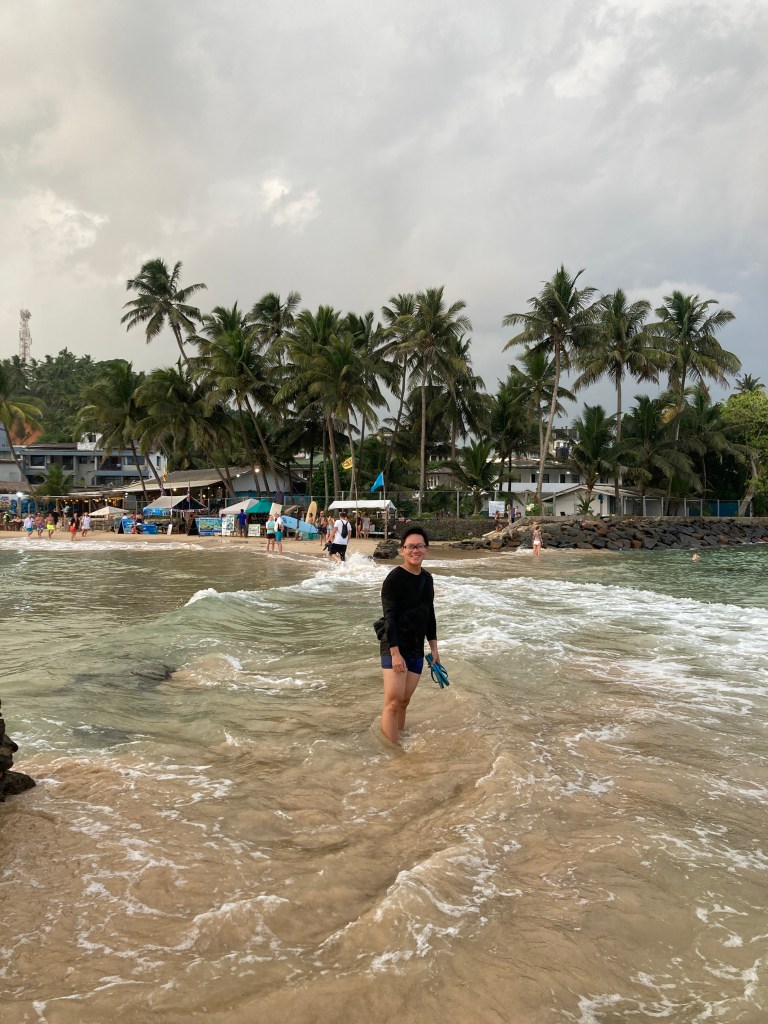
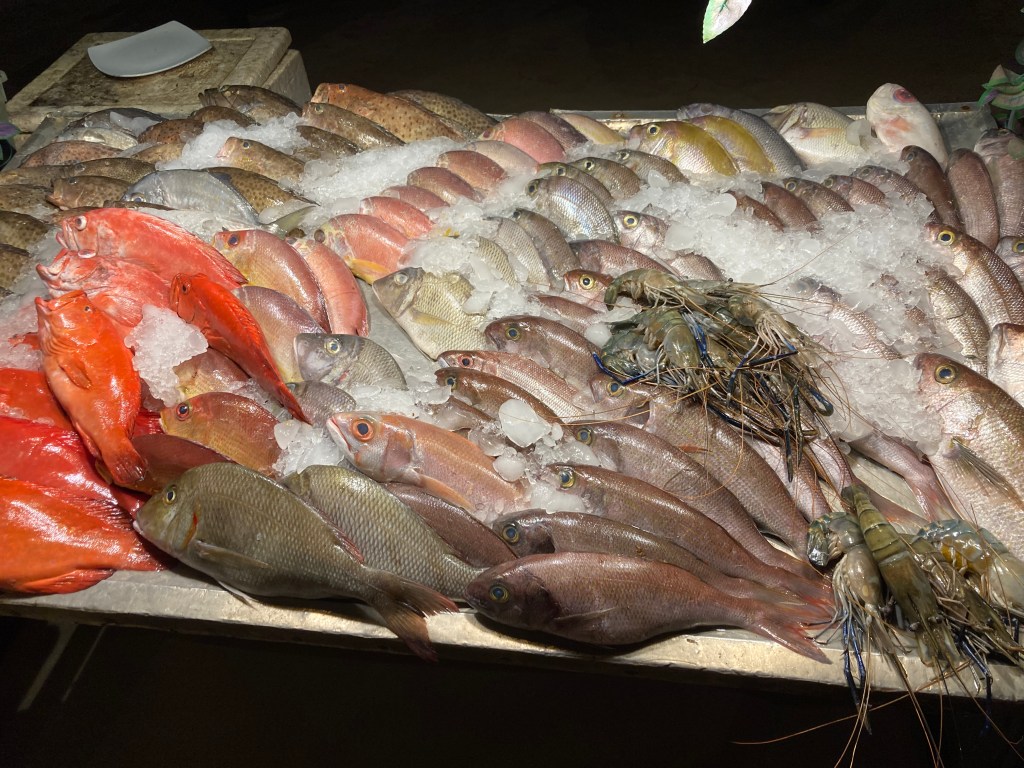
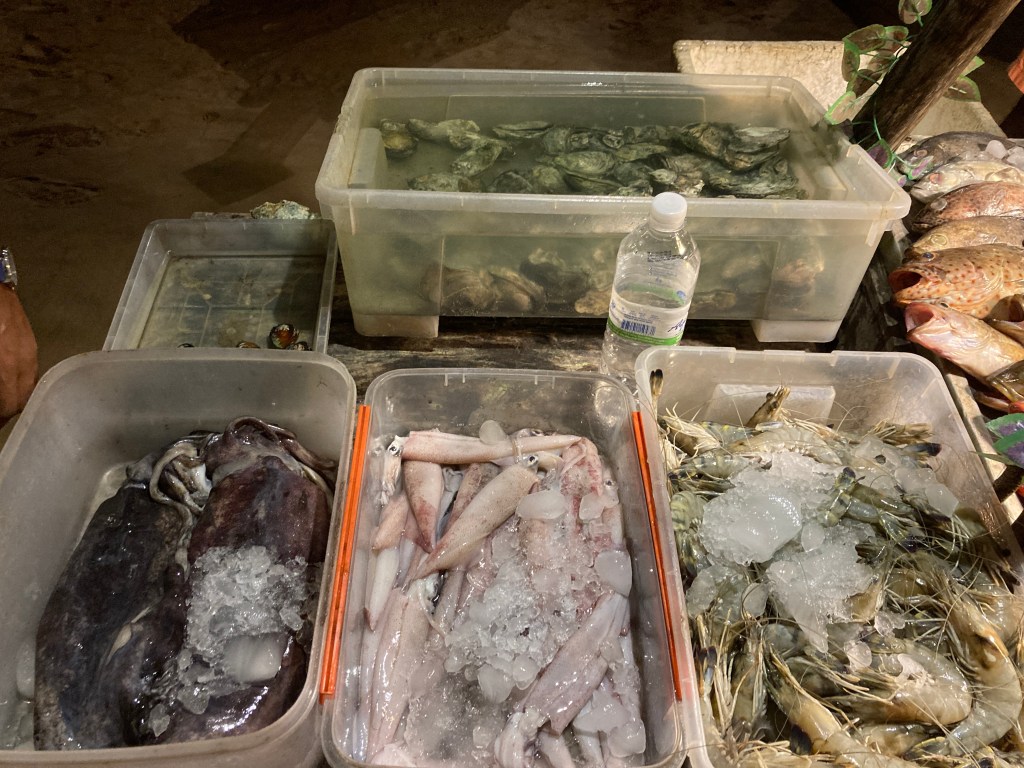
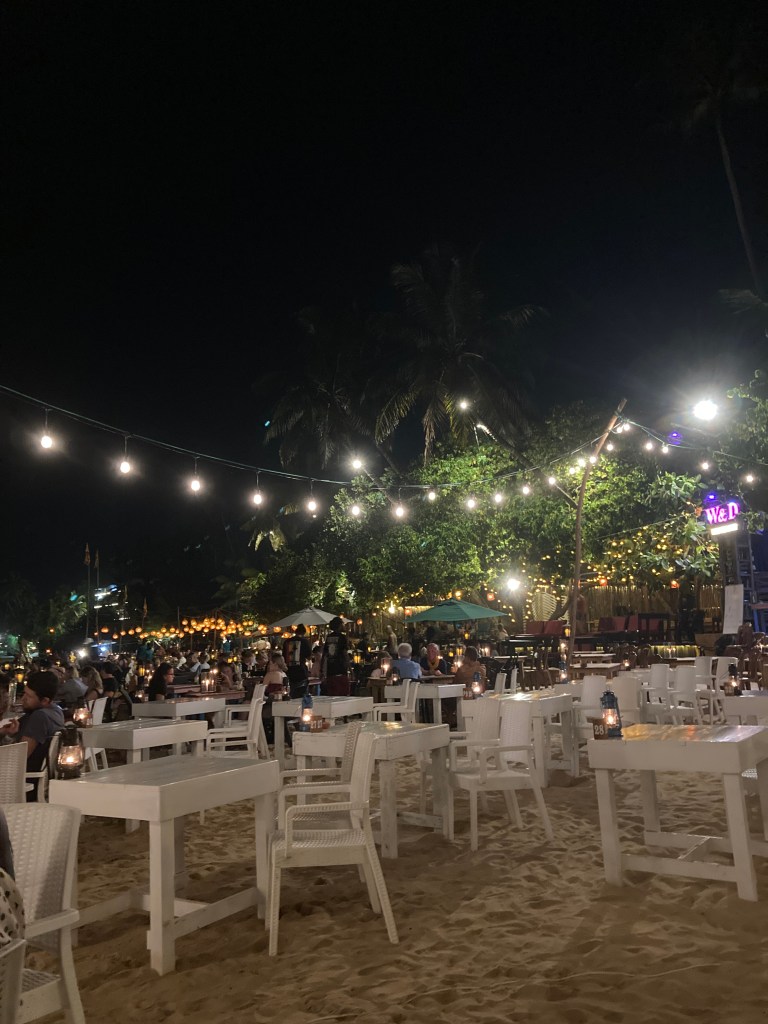
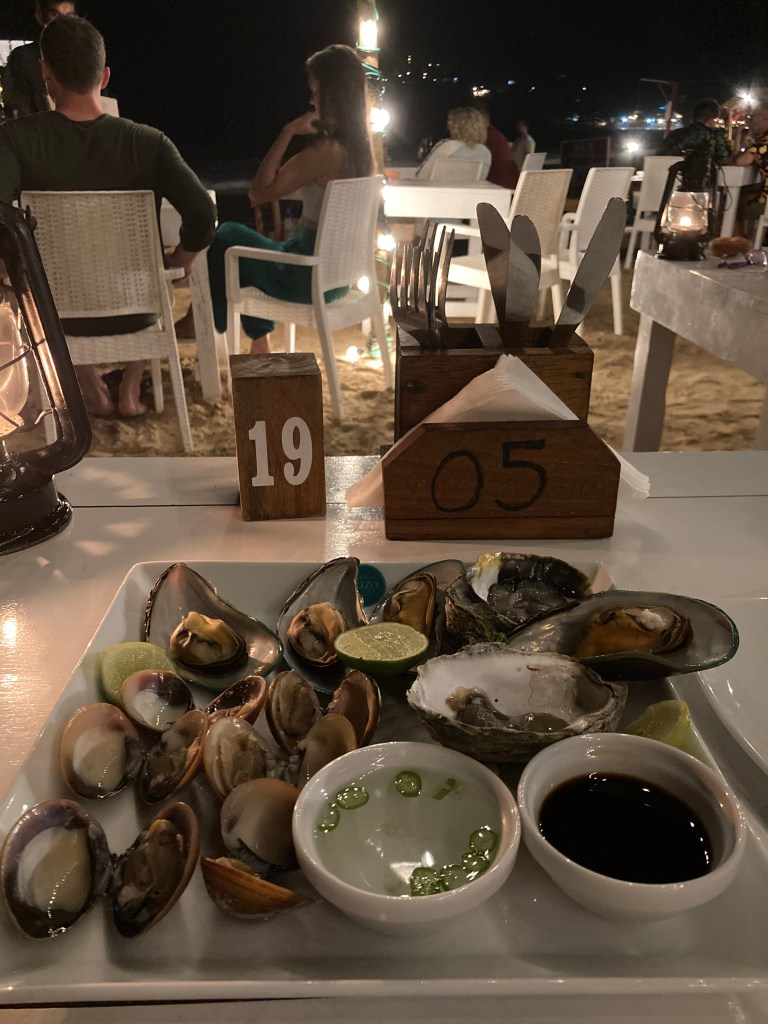
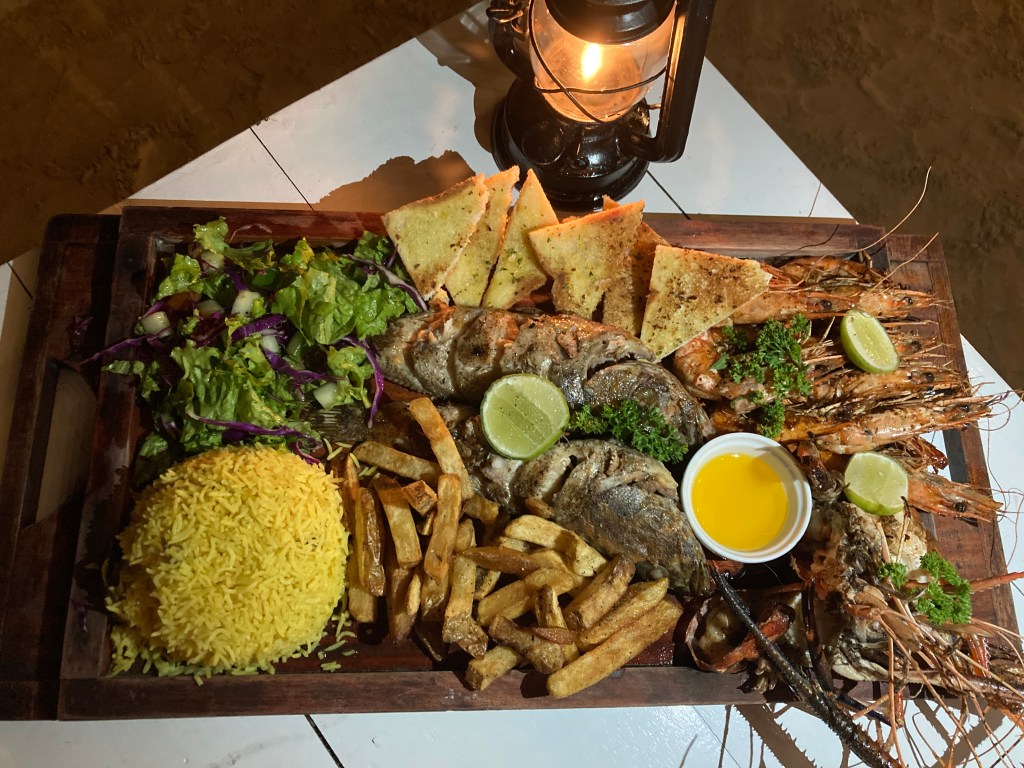
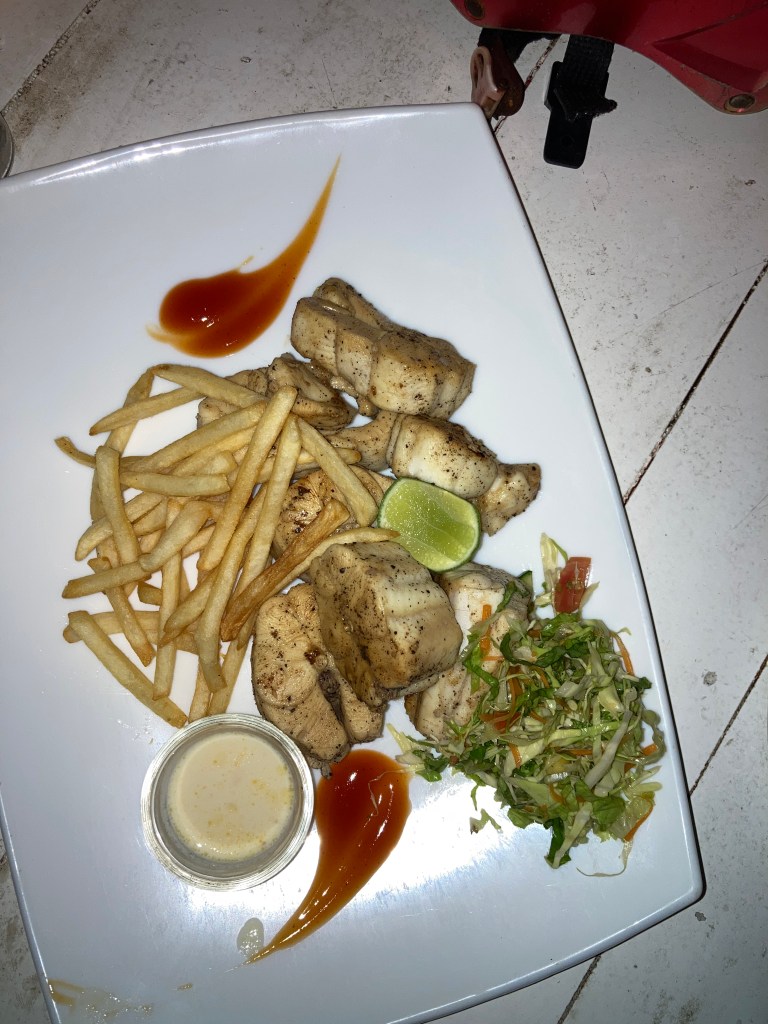
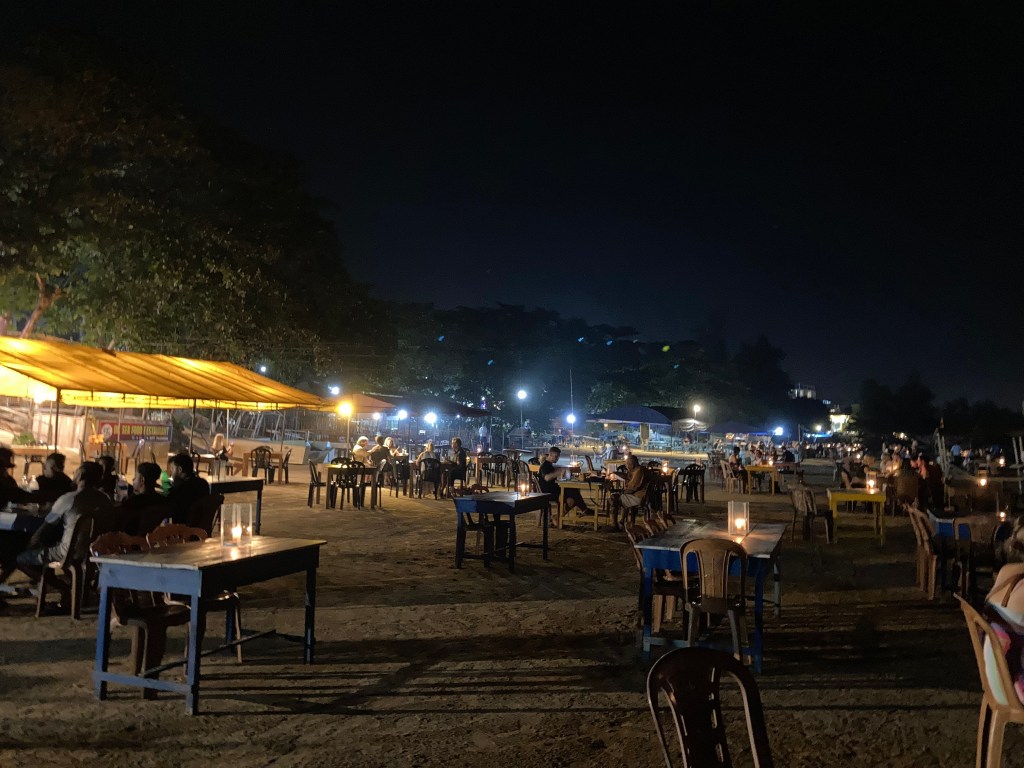
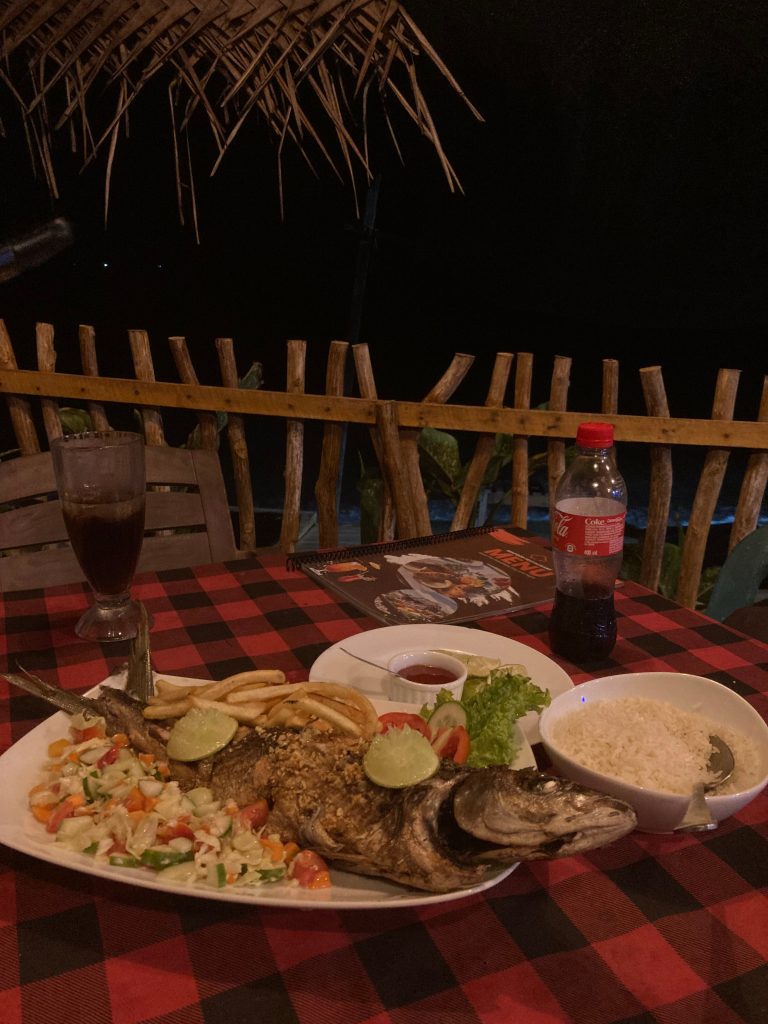
You can have dinner by the seaside in the evenings, with fresh seafood that’s both delicious and reasonably priced. I dined here for two consecutive nights.

Weligama Bay and Beach
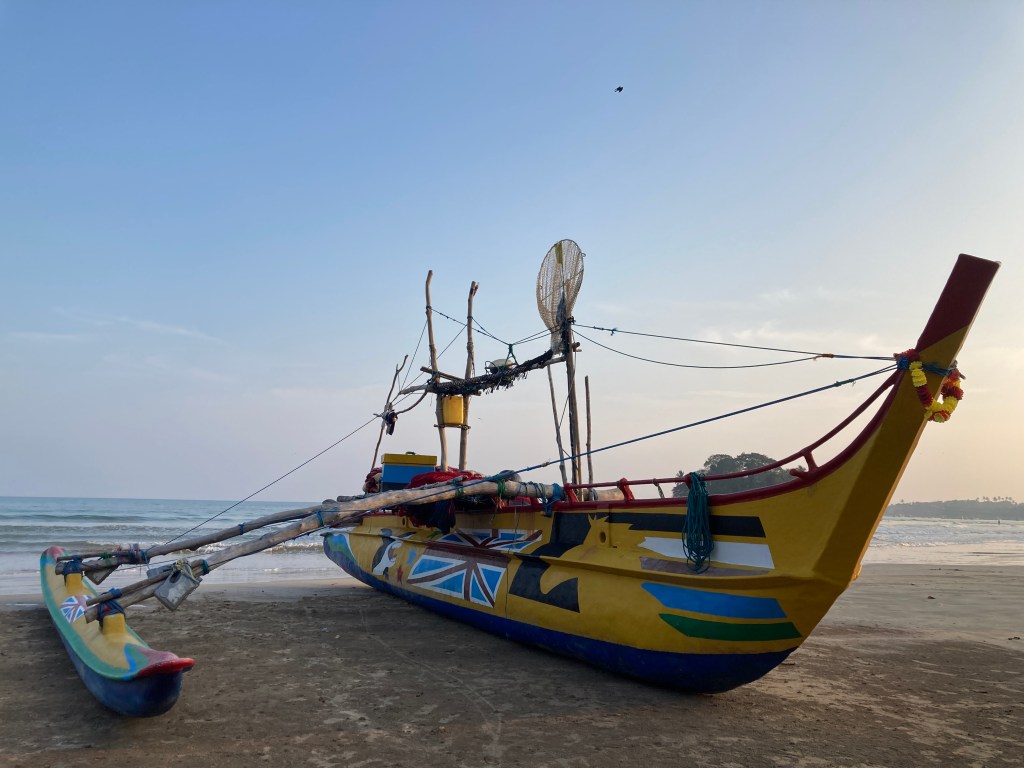
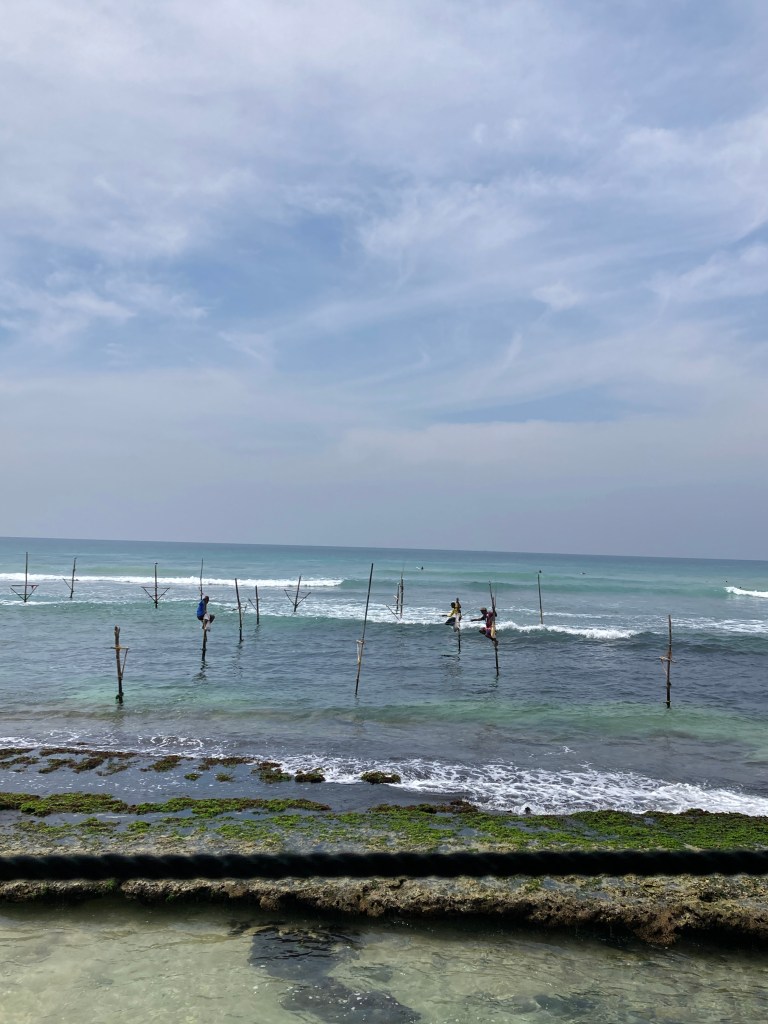
In Sinhala, the name Weligama means ‘Sandy Village’. When you visit the beach of Weligama you will realize the aptness of this name because of the sandy bay. This beach is quiet and peaceful because Weligama is a less travelled to beach resort. If you wish to be away from the overcrowded beach, the beach of Weligama is the perfect spot. You can loosen up, unwind and just enjoy the sun and sand. If you are an adrenaline junkie you can ride some waves at this beach and surf. The waves are perfect for novice surfers. When wading out further into the sea, there are bigger waves for the advanced surfers. Since this beach is guarded the shallow coral reef, it is perfect for snorkeling and diving as well. Some noted dive sites are the PHP, the Bridge Rock and the Yala rock. Many tourists visit this beach to catch a glimpse of the stilt fishermen hard at work, and to capture a postcard perfect picture with them in the background. This peaceful beach is one of the most beautiful and picturesque beaches in Sri Lanka. The picture postcard setting of the Weligama Bay attracts tourists from all over and the Taprobane Island is the bay’s special feature. Surfing and whale watching and visiting coconut plantations and snake farms are some activities tourists can engage in while in Weligama Bay. Explore other places to visit in Weligama to complete your journey such as a visit to the iconic Taprobane Island which is a few kilometres off the coast; watch the art of making Batik in a local home; the Dutch star fort located in Matara and the historic archaeological site of Kushta raja gala where monuments, artifacts and an ancient statue of a Leper king exists and revel in an excursion to a snake farm where you can see a collection of many types of snakes.

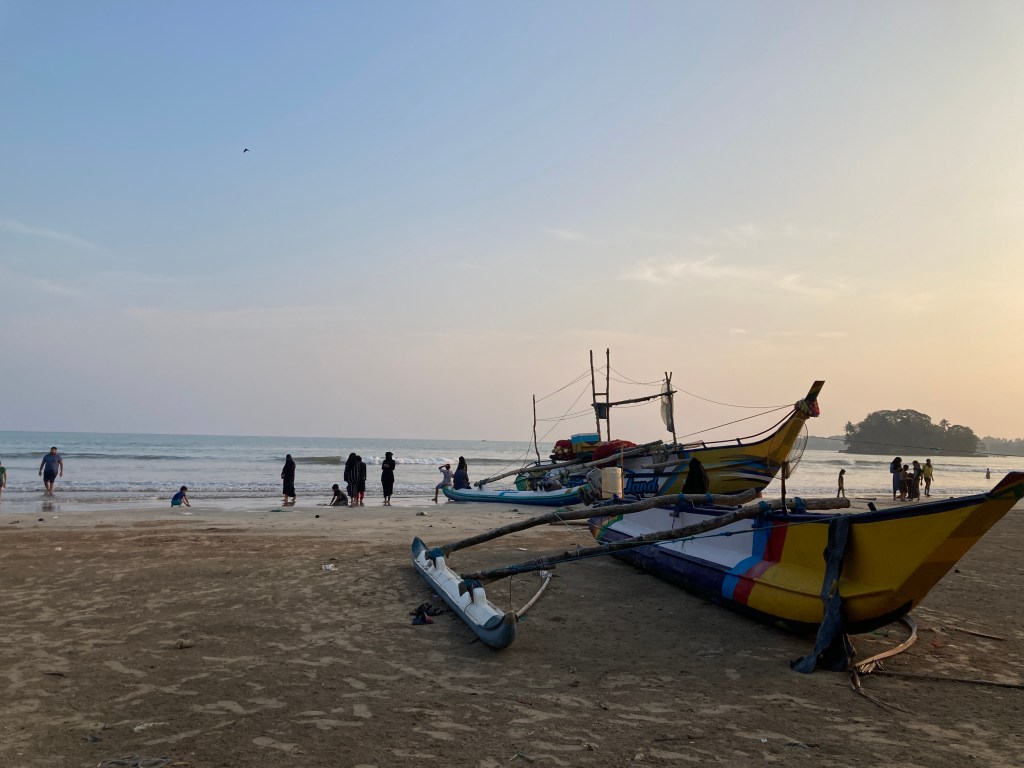
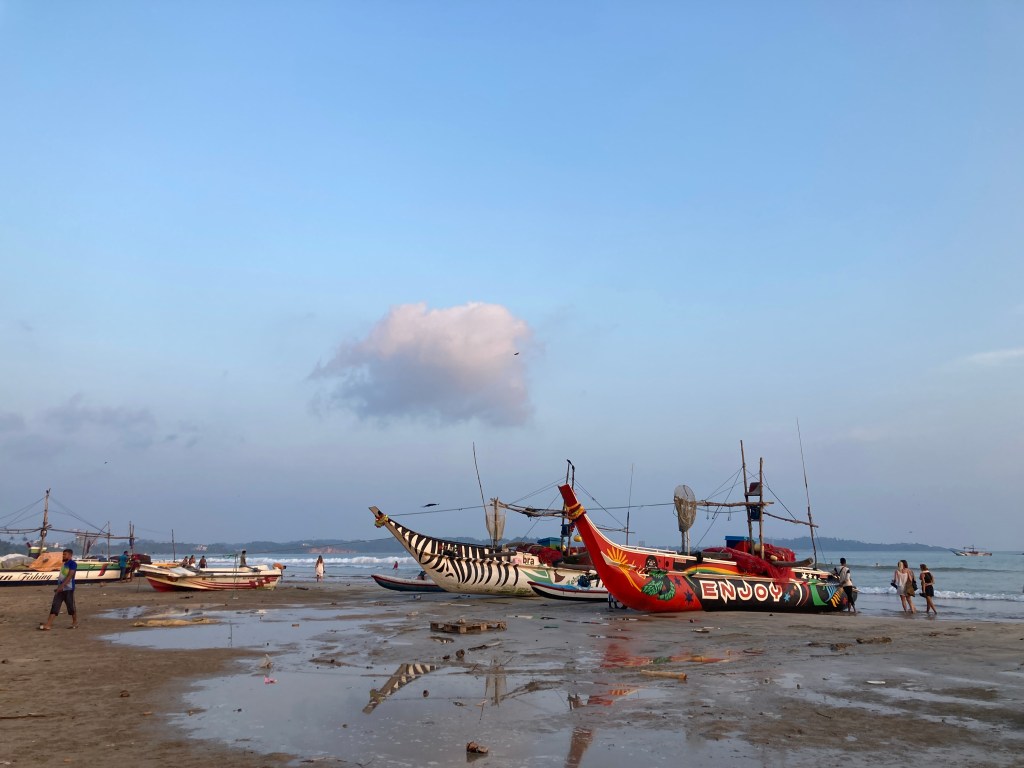
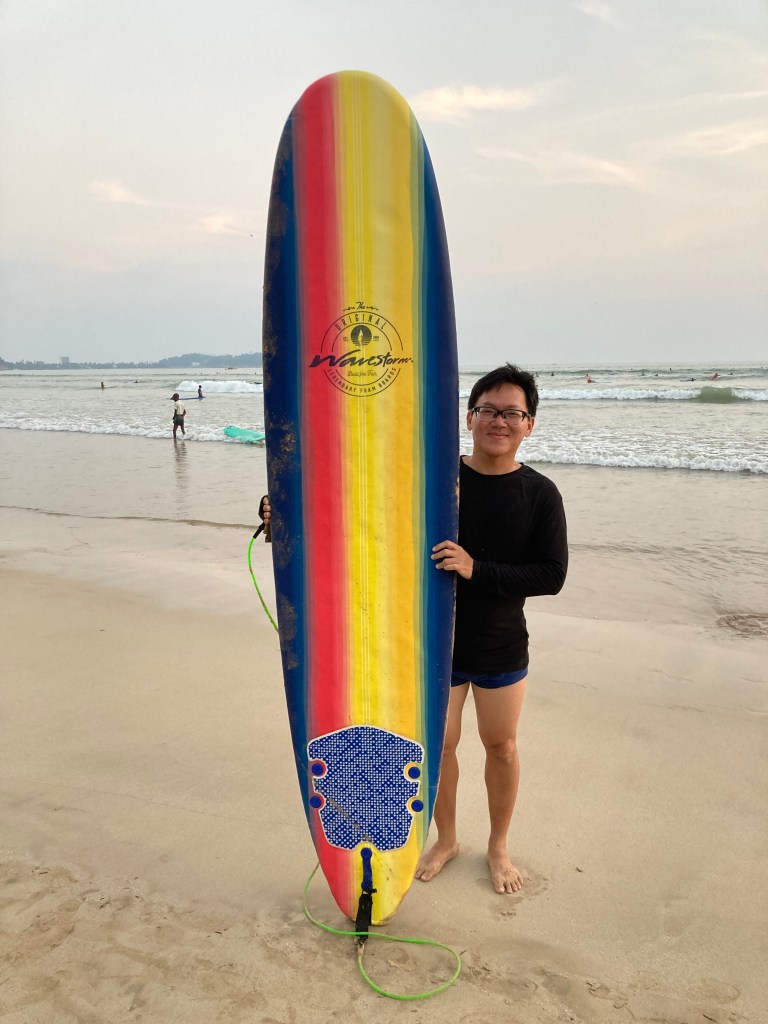
Fishman
As you make your way to Natural Pool Thalpe, you’ll notice fishermen sitting on sticks along the right side of the seaside, practicing the traditional Sri Lankan method of fishing.
Natural Pool Thalpe
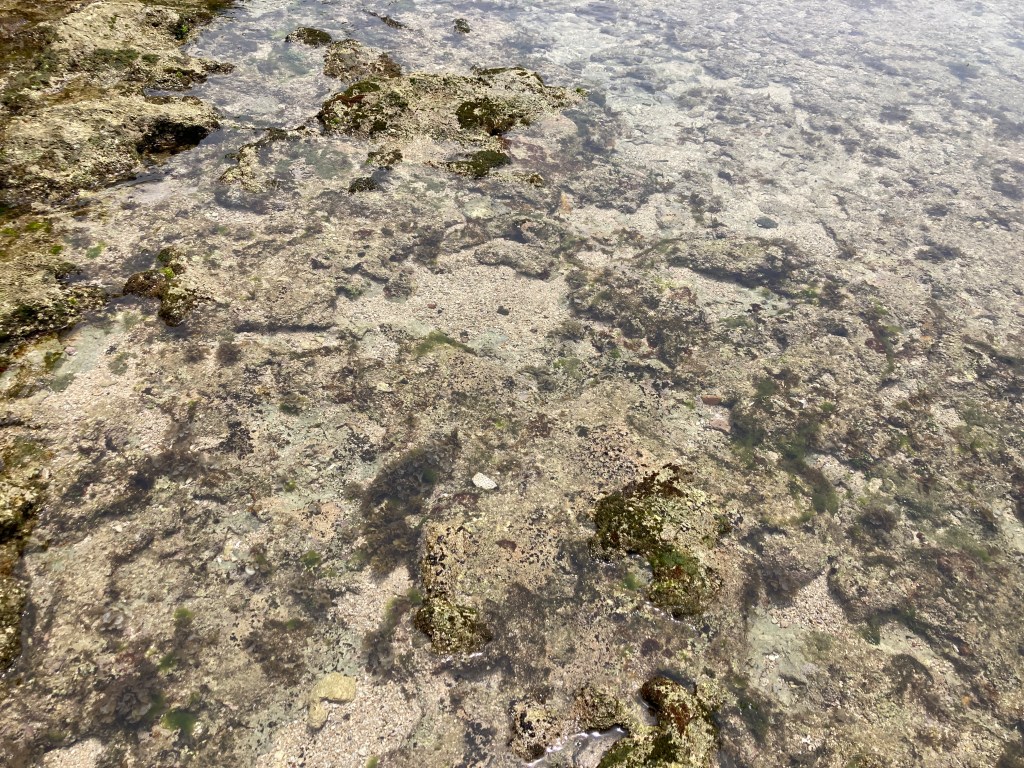
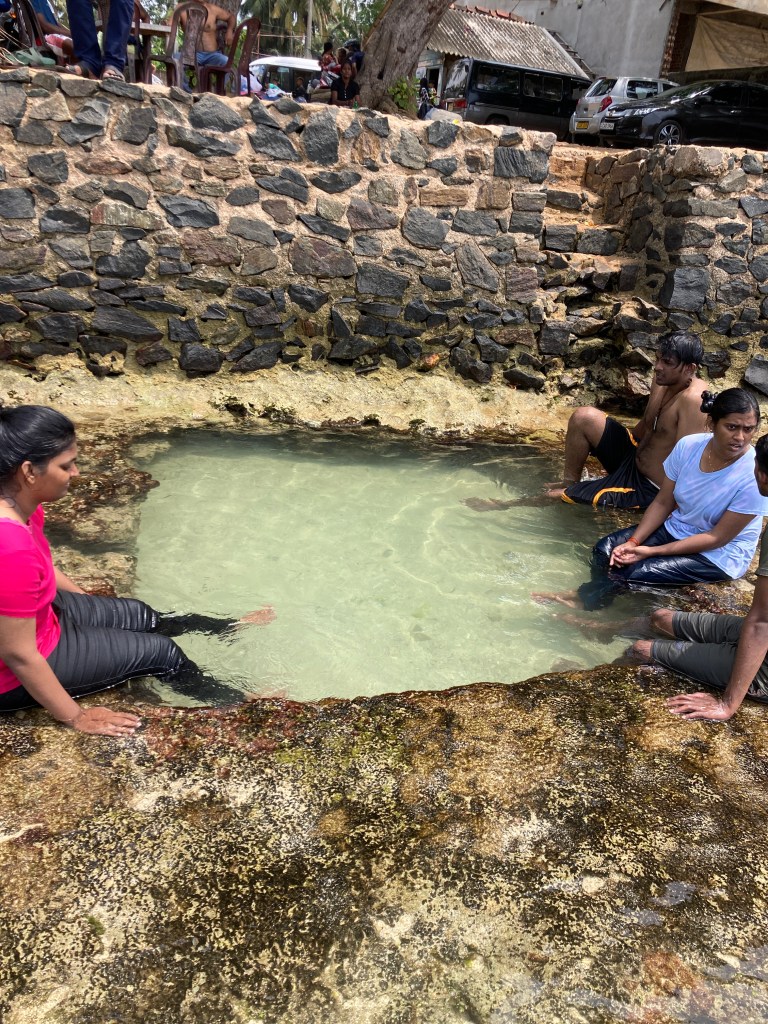
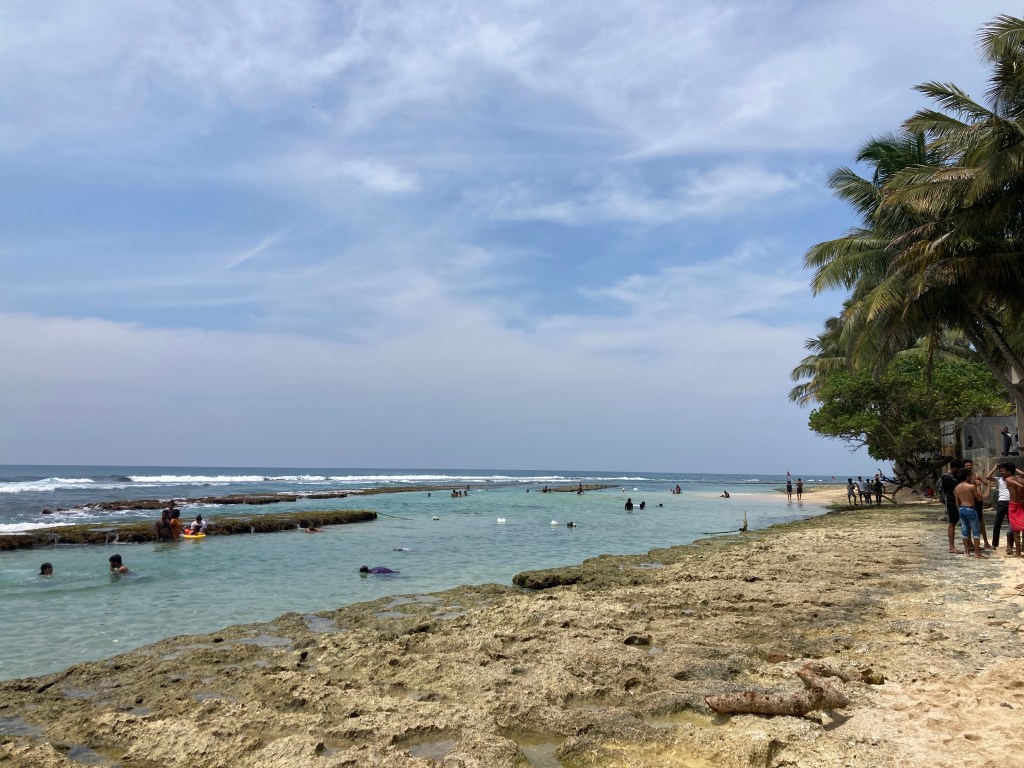
Situated approximately 10 km from Galle city, this beach is renowned as one of the most stunning on the south coast. In recent years, it has gained popularity among domestic tourists, likely owing to its exceptional uniqueness. What sets this place apart are the naturally formed stone pools scattered along the shoreline. Local residents recall that around 60 years ago, coconut husks were soaked in these pools to extract coconut oil.
Referred to as Rock Pool Beach, the optimal time to visit is in the mornings from March to April. During other times, the pools may be filled with sand.

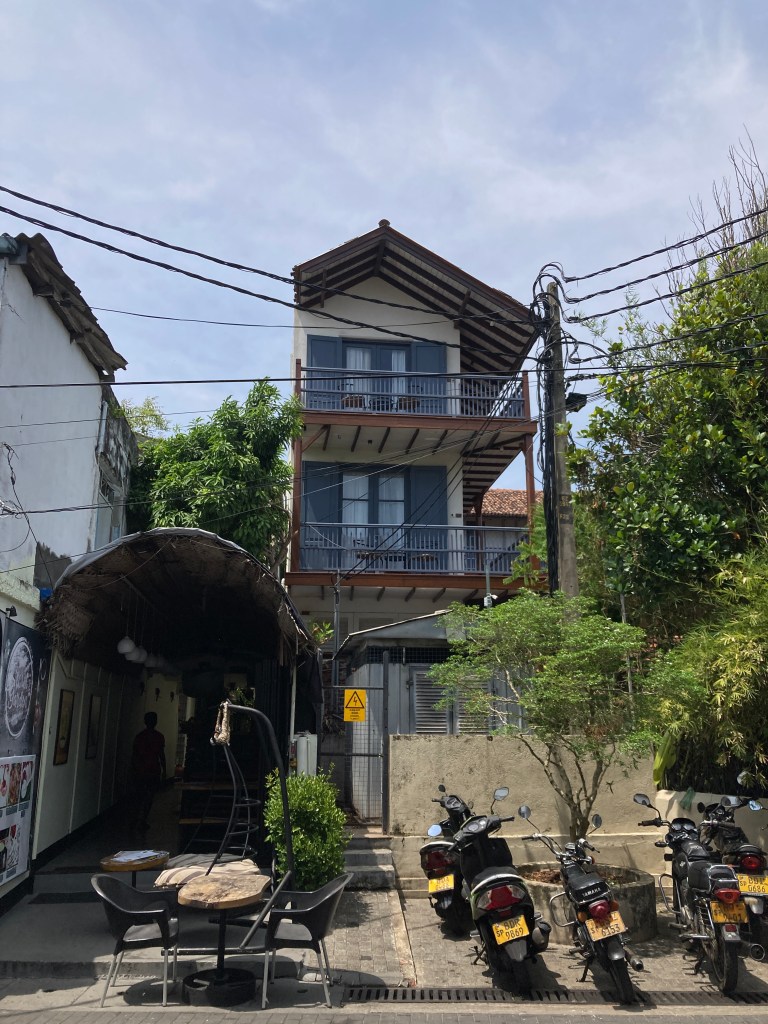
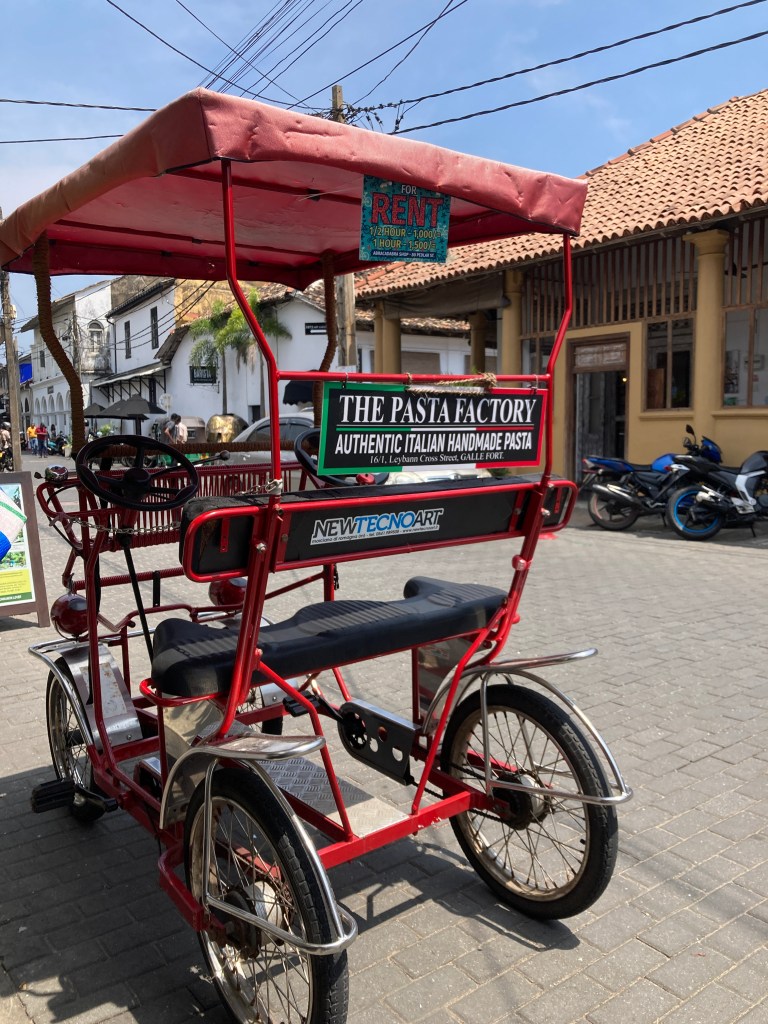
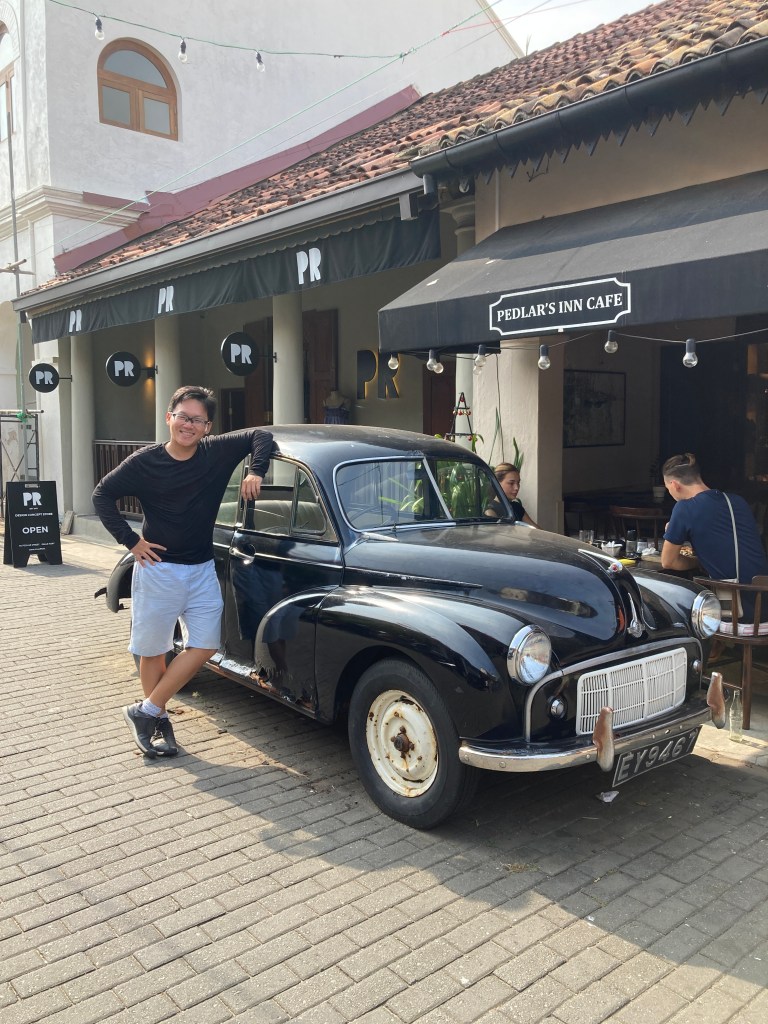
Galle
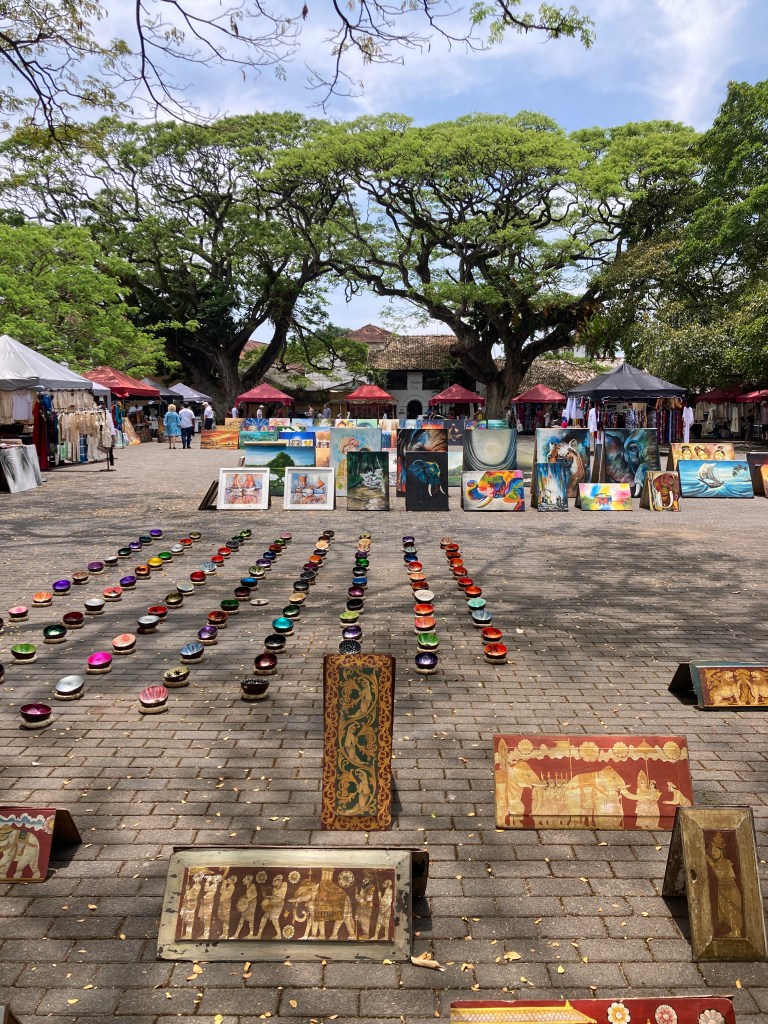
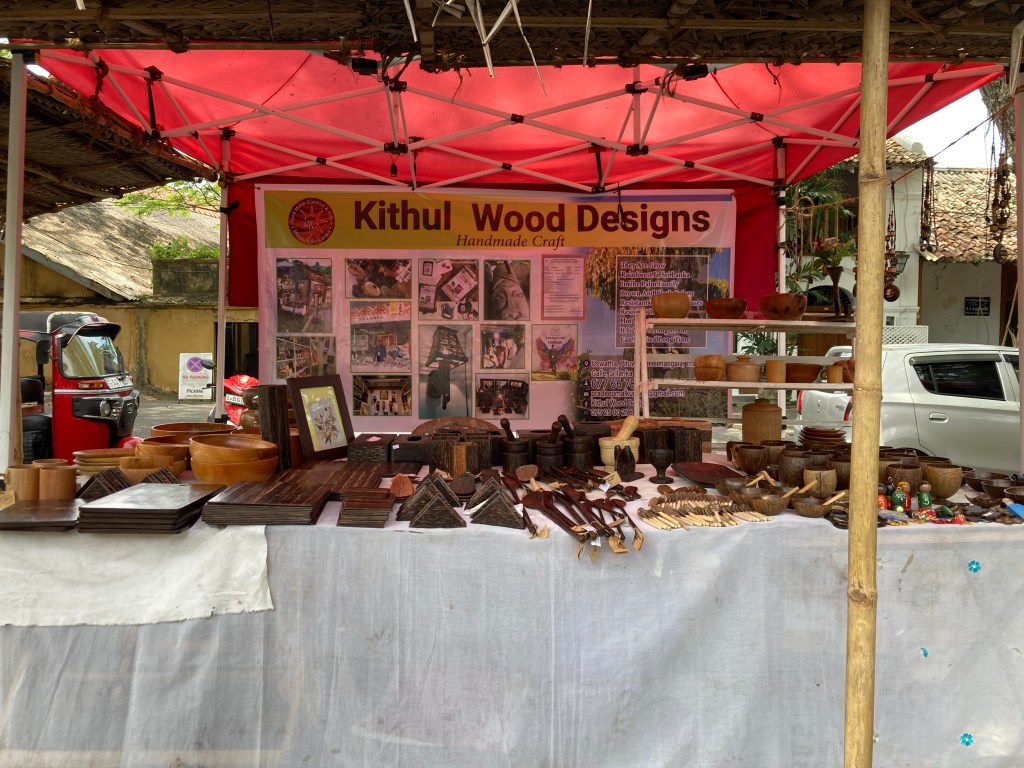
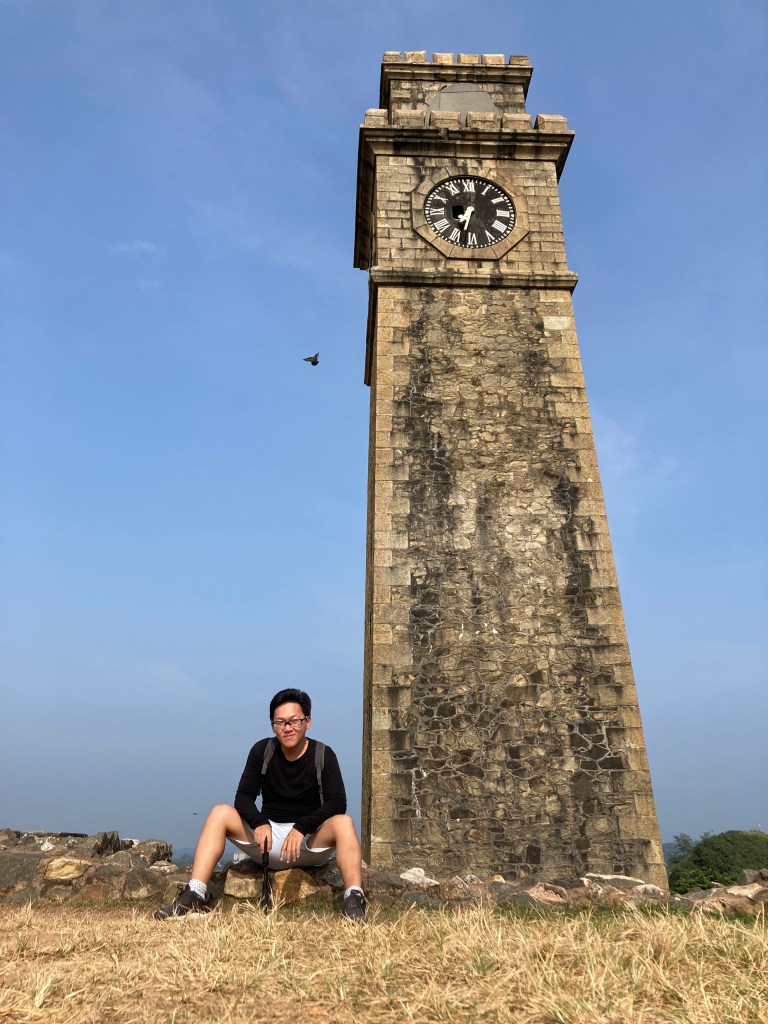
Galle, formerly known as Gimhathiththa, is a significant city located in Sri Lanka on the southwestern tip, approximately 119 km (74 mi) from Colombo. It serves as the provincial capital and largest city of the Southern Province, as well as the capital of Galle District.
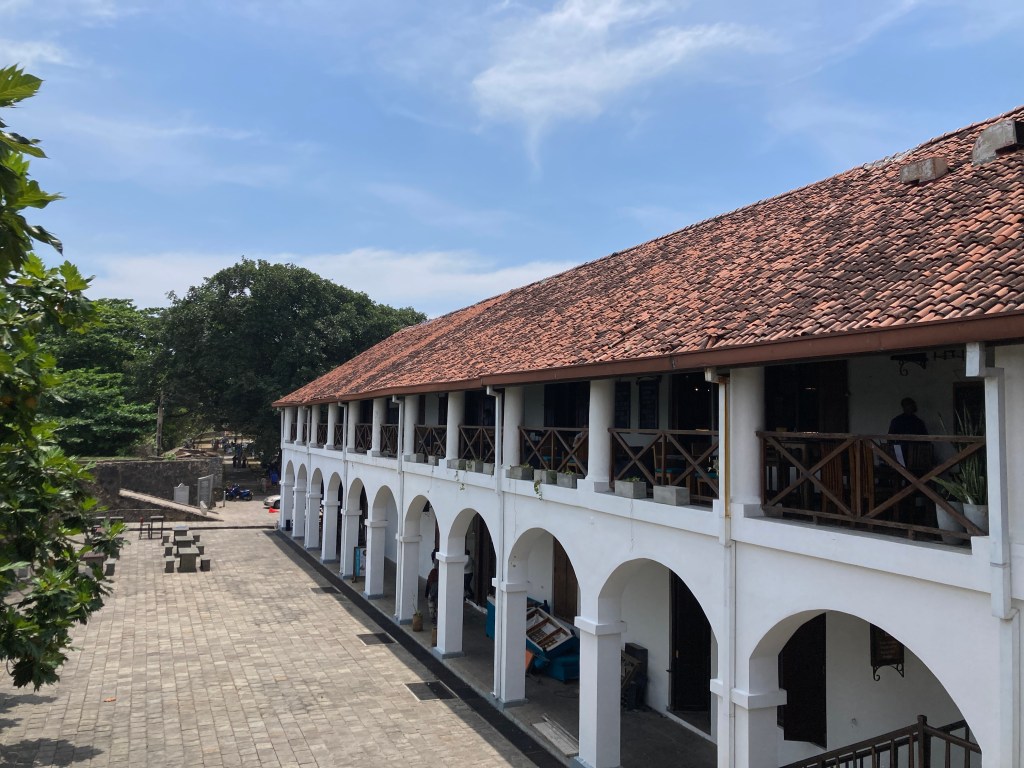
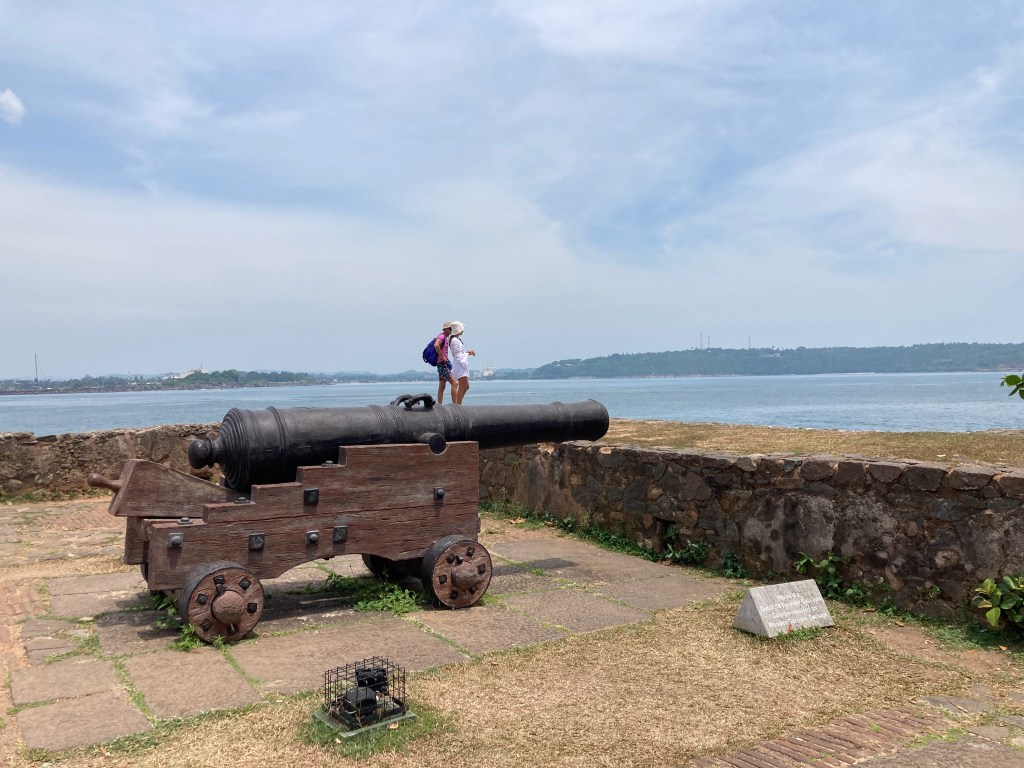
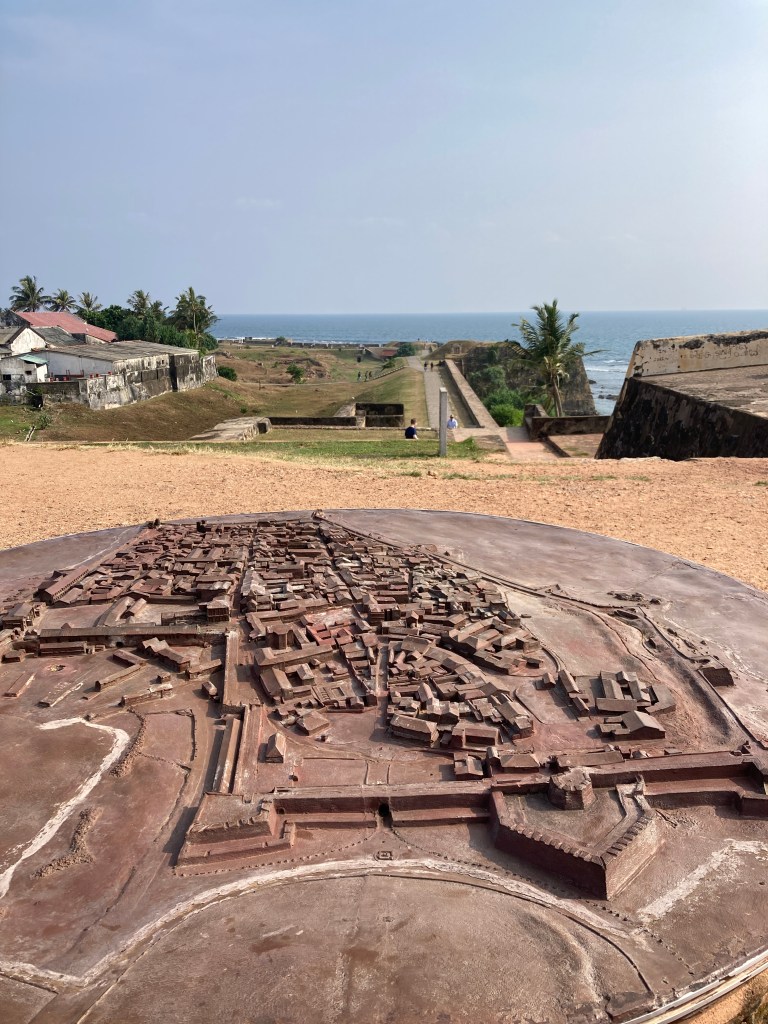
Before the arrival of the Portuguese in the 16th century, Galle was a prominent port on the island, known as Gimhathiththa. Ibn Batuta, a Moroccan Berber Muslim traveler in the 14th century, referred to it as Qali. Galle flourished during the Dutch colonial period in the 18th century and is a prime example of a fortified city constructed by the Portuguese in South and Southeast Asia, blending Portuguese architectural styles with local traditions. The city was extensively fortified by the Dutch starting from 1649.
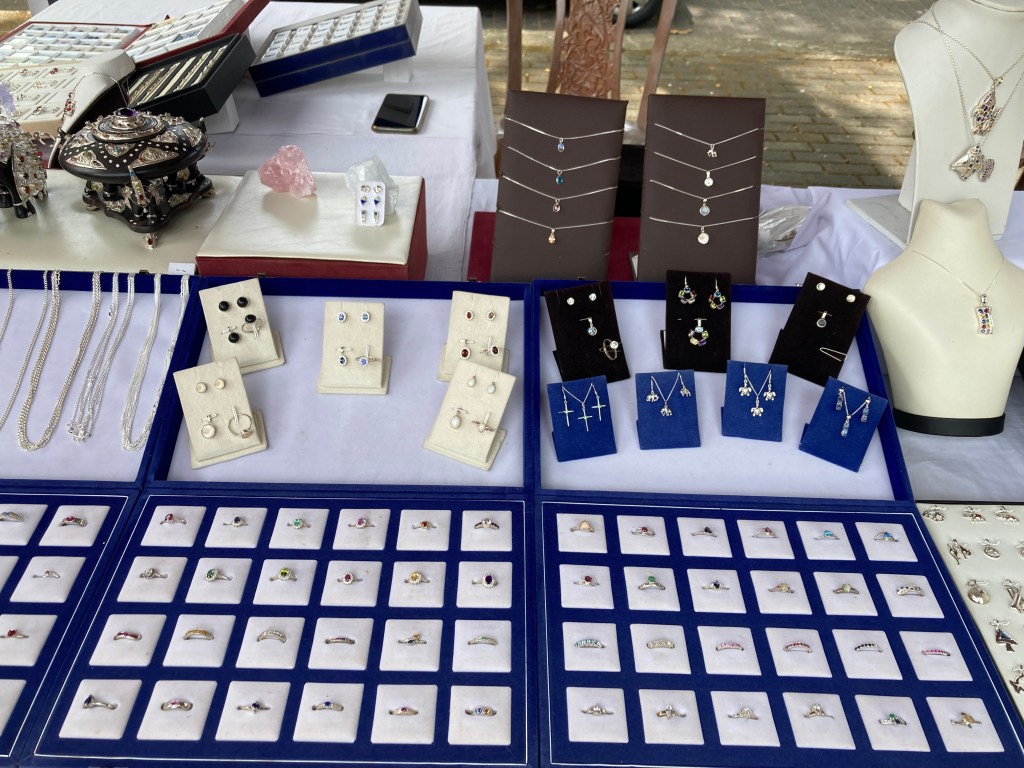
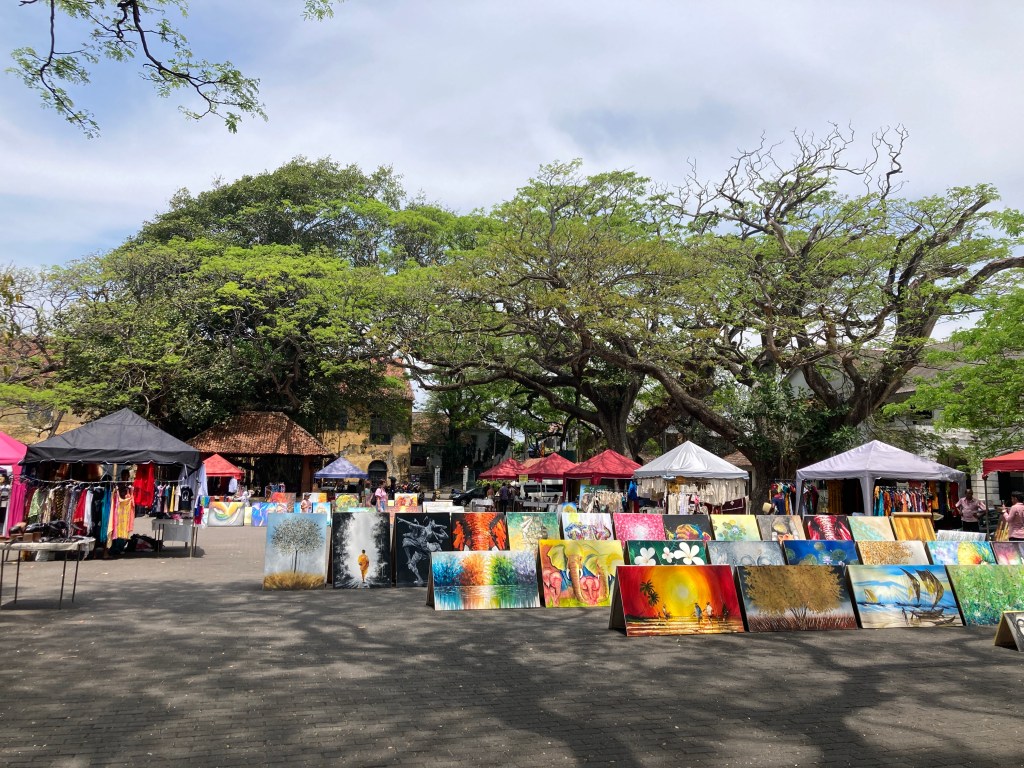
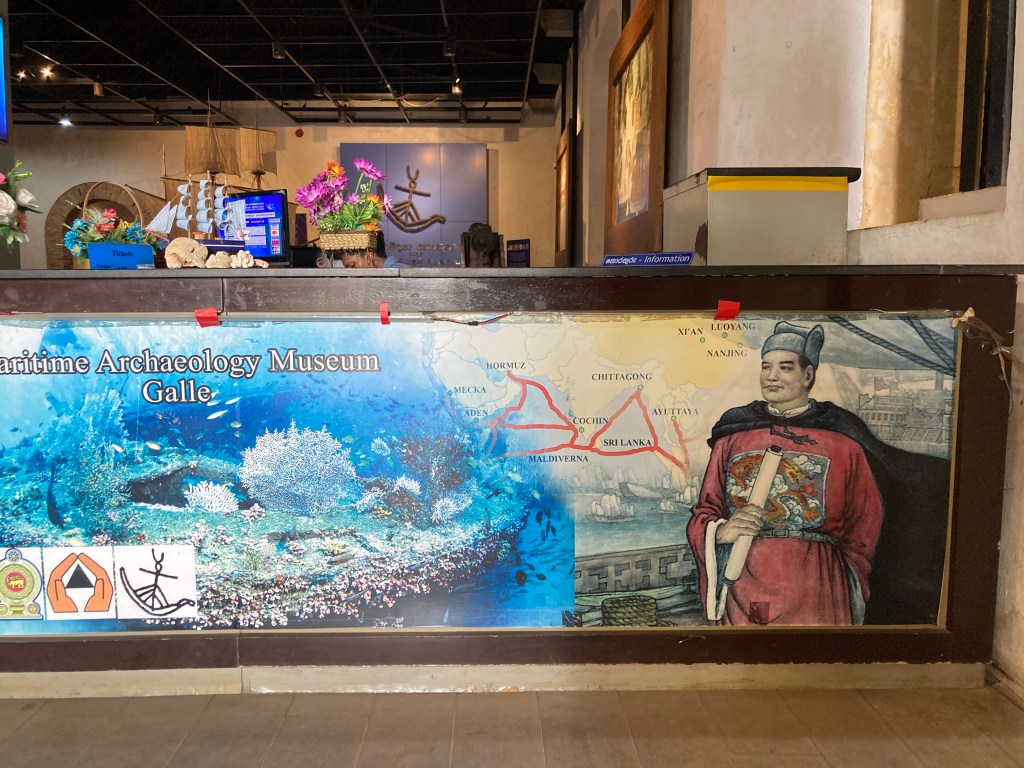
Galle Fort, a UNESCO World Heritage Site, stands as the largest remaining fortress in Asia built by European occupiers. Notable landmarks in Galle include its natural harbor, the National Maritime Museum, St. Mary’s Cathedral founded by Jesuit priests, a prominent Shiva temple, and the historic luxury hotel, Amangalla.
The city suffered significant devastation on 26 December 2004 due to the massive tsunami caused by the 2004 Indian Ocean earthquake. Galle International Stadium, known as one of the world’s most picturesque cricket grounds, also faced damage from the tsunami but was rebuilt and resumed hosting test matches on 18 December 2007.



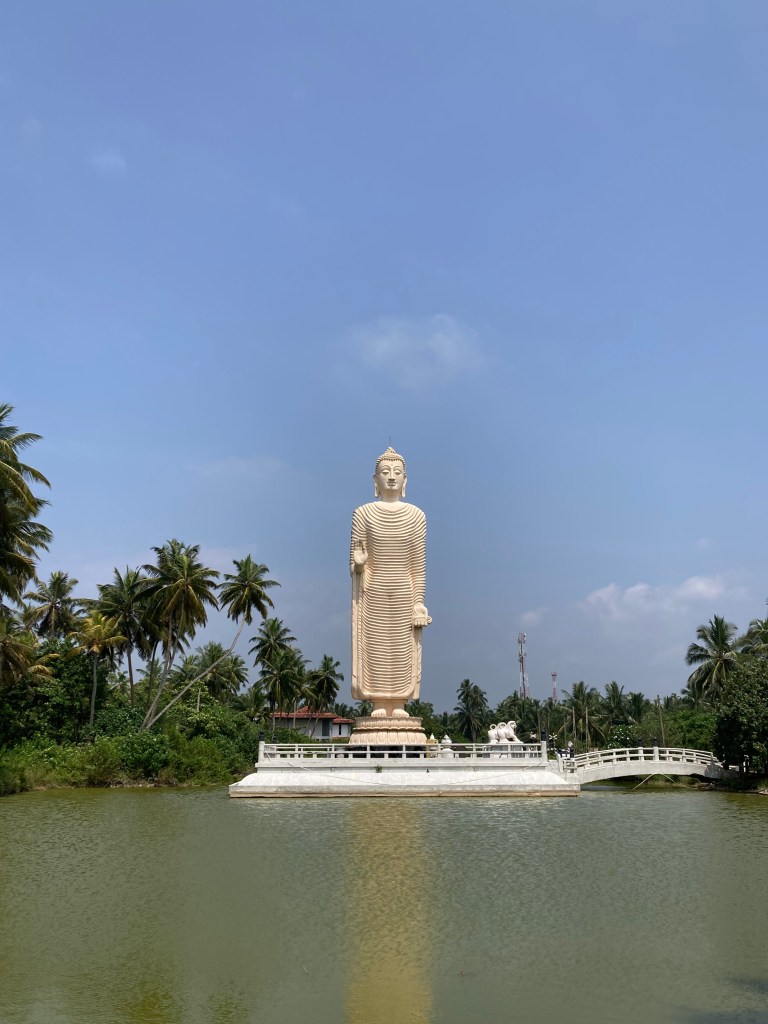
Tsunami Honganji Viharaya (big Buddha statue)
This Buddha statue was opened on the 26th of December 2006 at Paraliya as a memorial to the over 35,000 Sri Lankans killed by the Tsunami on the 26th of December 2004. This statue is an exact replica of the 5th Century 175-foot Bamiyan Buddha Statue destroyed by the Muslim Fundamentalists in Afghanistan. This replica was created using the earliest known sketches of the statue.


Hikkaduwa Beach
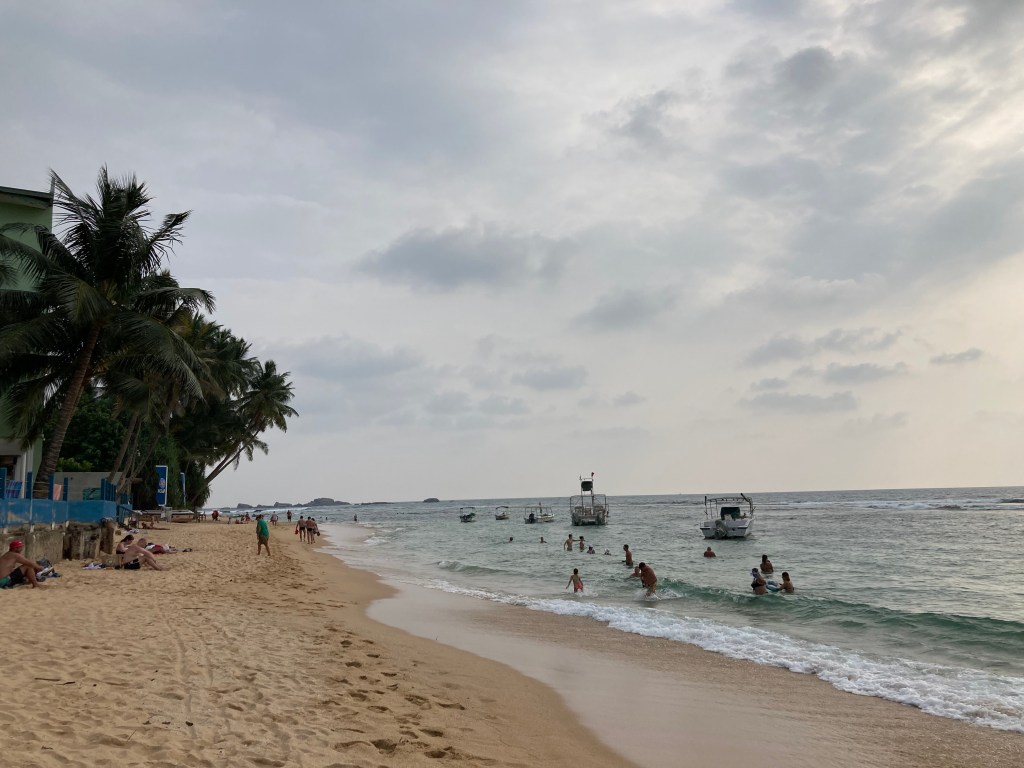
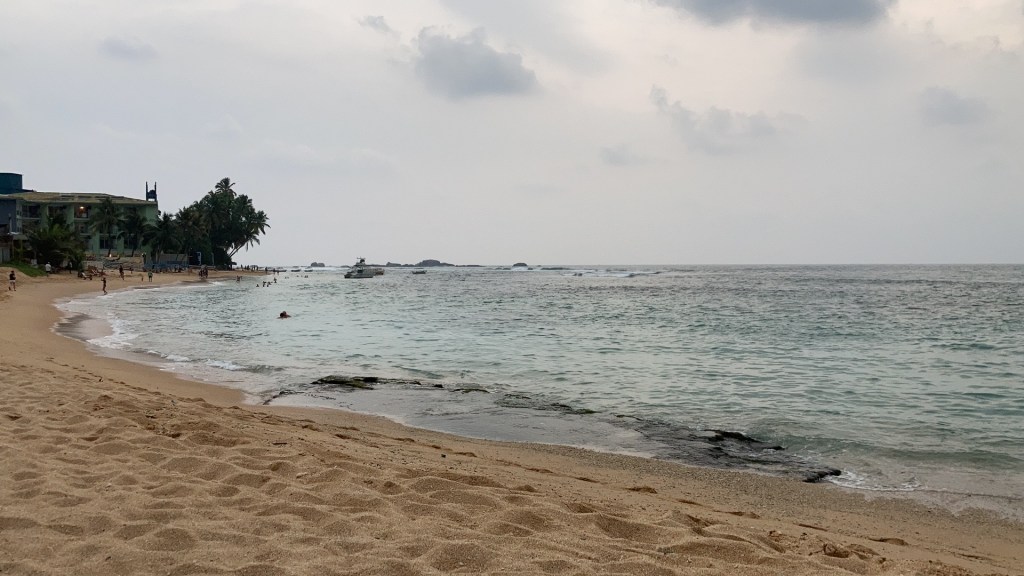
Hikkaduwa is renowned for its delectable seafood curries, soothing massages, Buddhist temples, and a variety of watersports including surfing, snorkeling, and diving. While its beaches may not rival those of Bali or Goa, Hikkaduwa still draws a considerable number of visitors on a regular basis.

Bally’s Casino
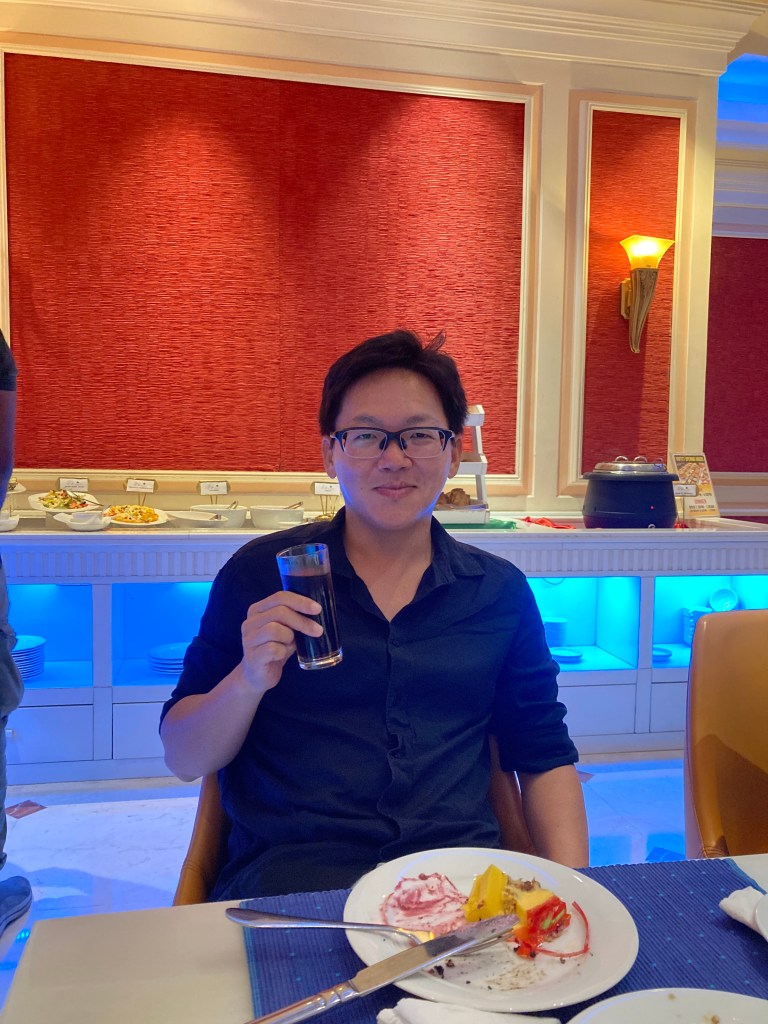
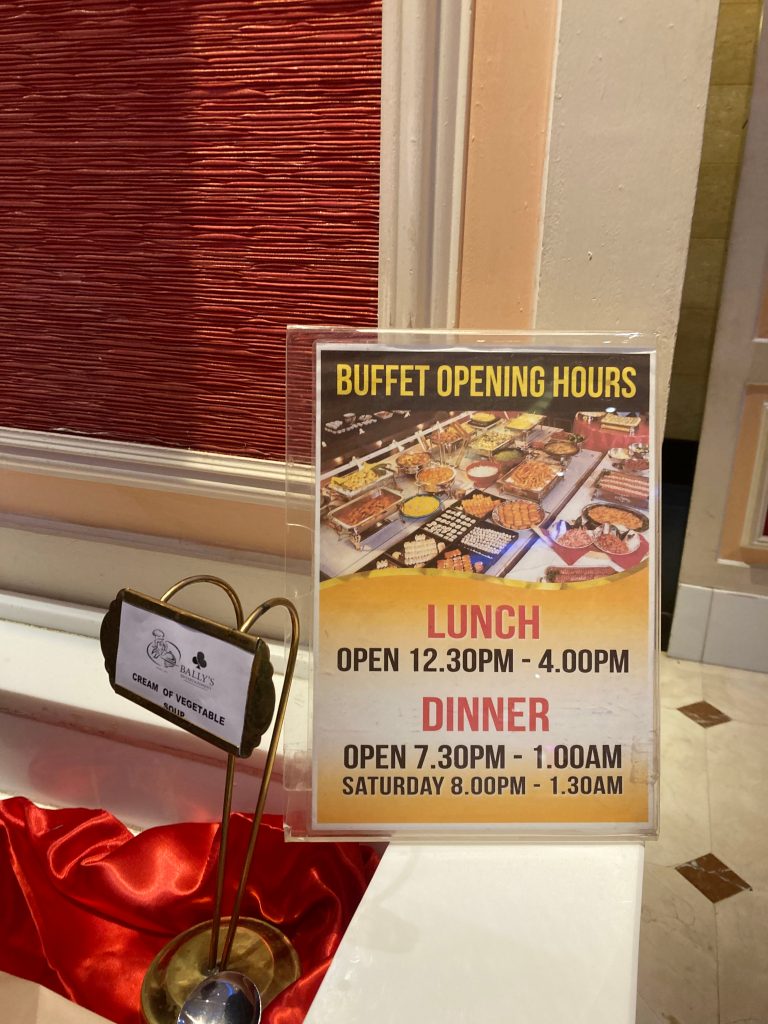
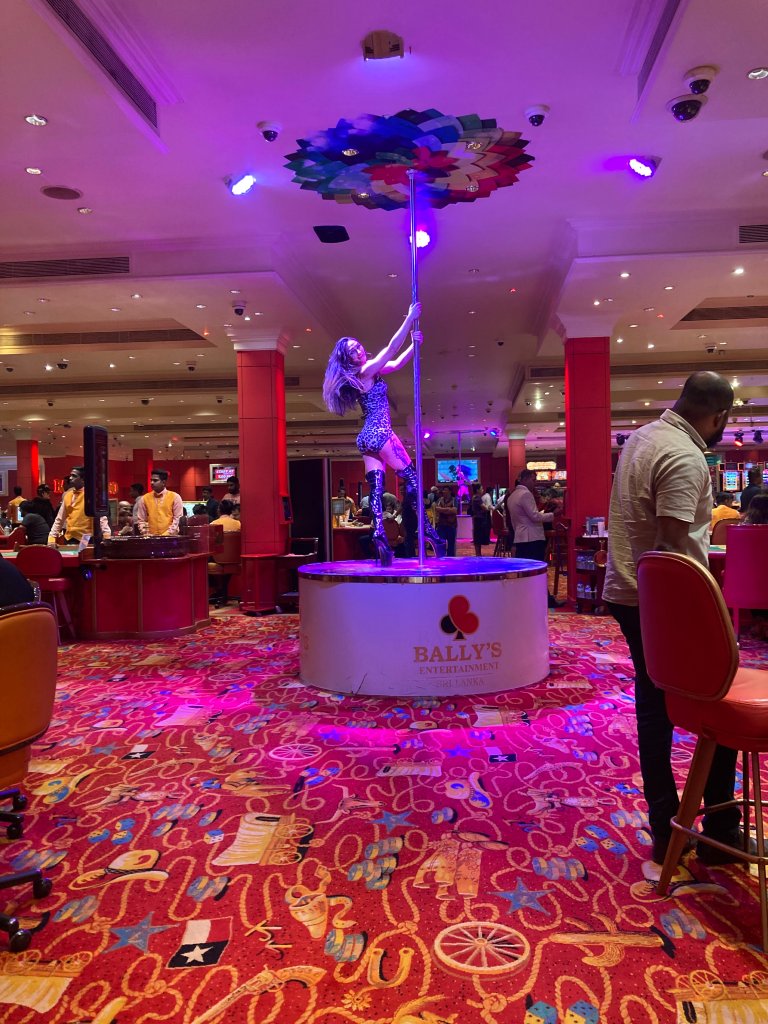
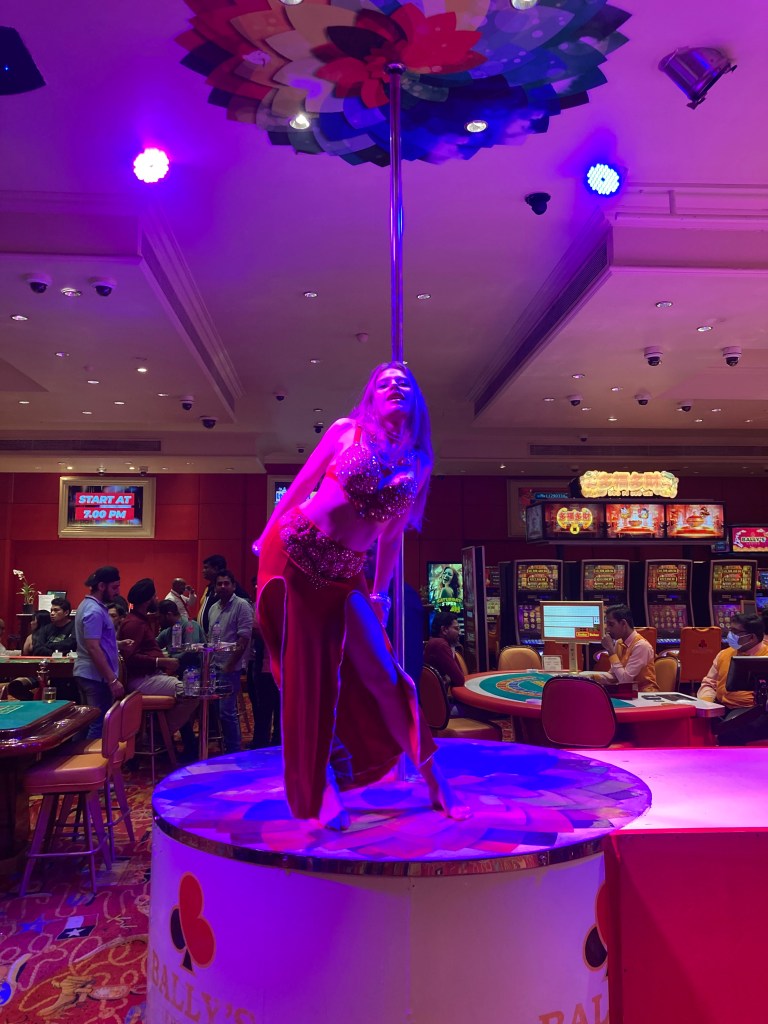
We embarked on a casino tour in Colombo, the capital of Sri Lanka, where there are three casinos. We first arrived at Bally’s Casino. Upon arrival, we could register as members at the front desk before entering. Inside, there was a complimentary buffet available for players. Non-players could also enjoy the buffet, but I felt that going more than three times might attract attention. We went for the complimentary buffet for two consecutive days. This casino also featured dance performances by Russian dancers, which were very impressive. The dancers were also very beautiful.



Marina Casino
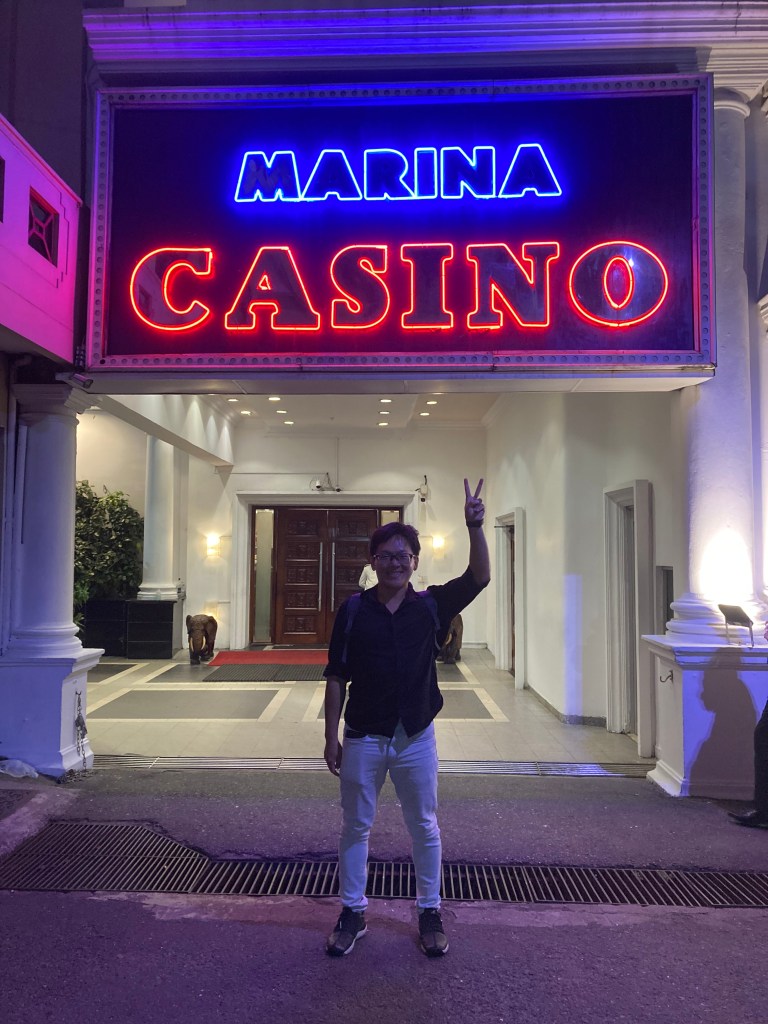
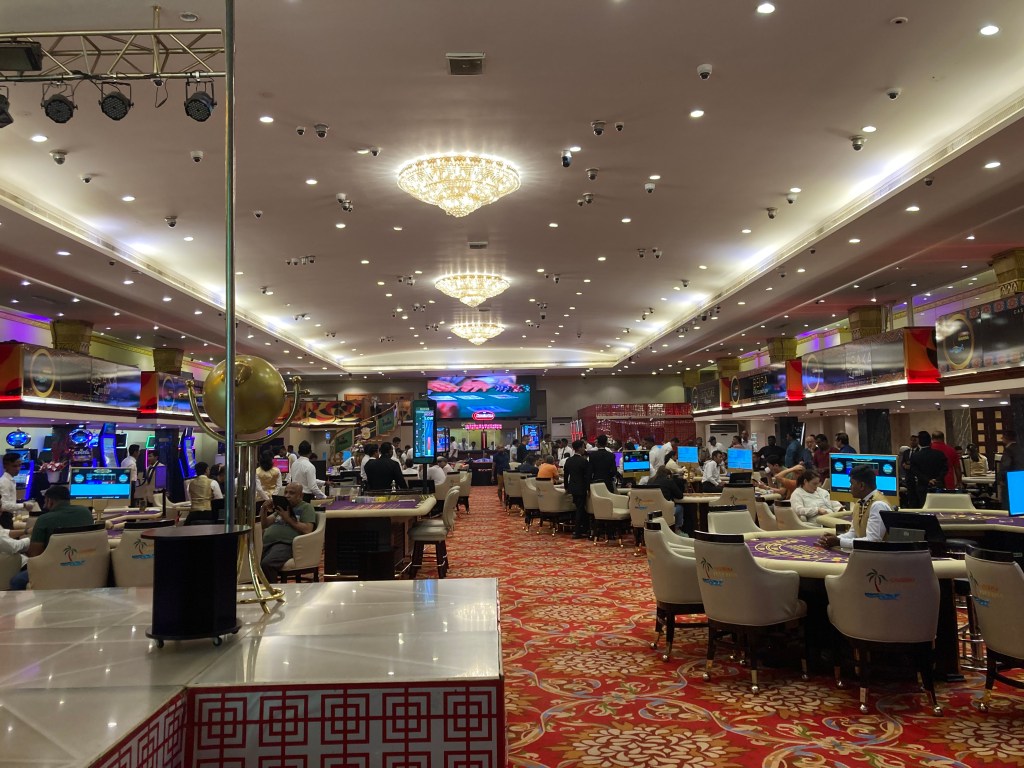
The second casino, Marina Casino, is divided into two sections. One section is for local Sri Lankan players, while the other is for foreign players like me. There are fewer players here, and no complimentary buffet is provided. However, the casino does offer free food and drinks to players. Like the previous casino, Marina Casino also features dance performances. Here, I played 3 card poker because the stakes were relatively cheap.
Bellagio Casino
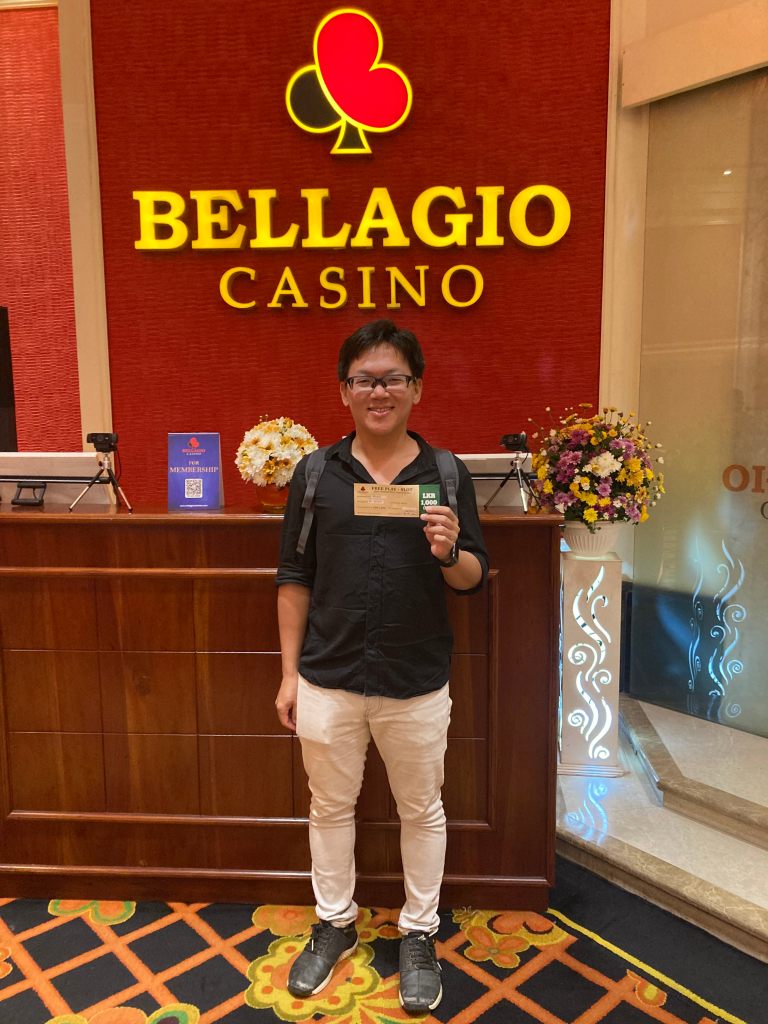
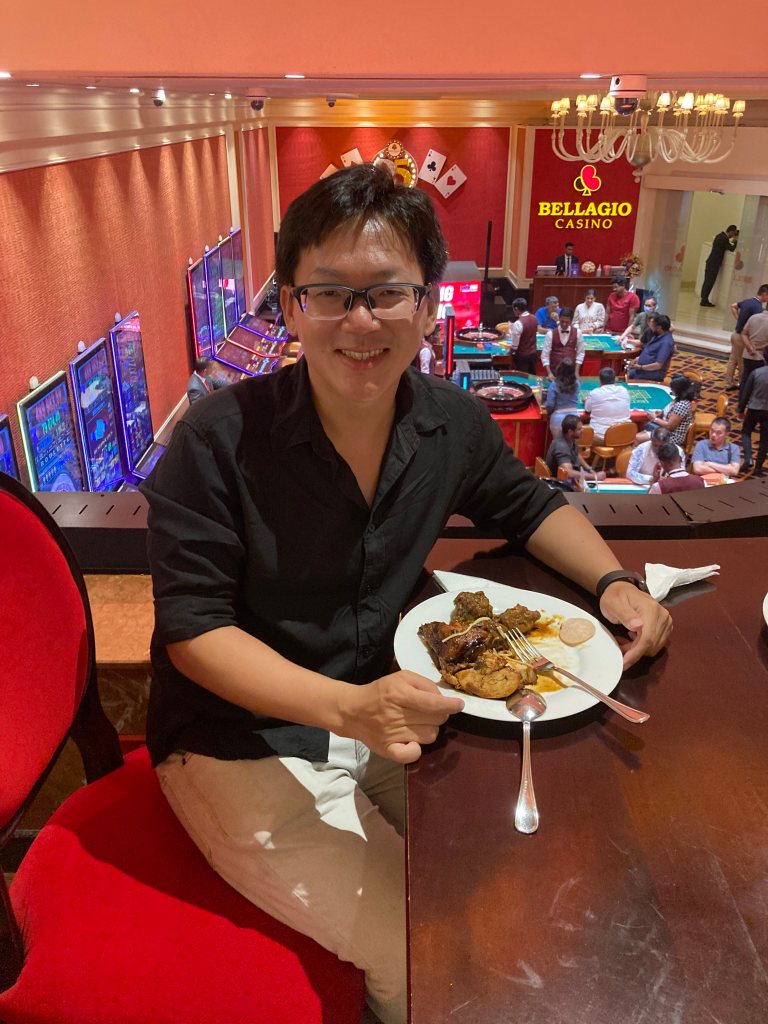
The third casino, Bellagio Casino, also offers a buffet and dance performances. This casino is relatively small but crowded. We enjoyed the buffet here for two consecutive days. However, since we weren’t players, we were warned on the second day that non-players are not allowed to enjoy the buffet.

Pettah Market
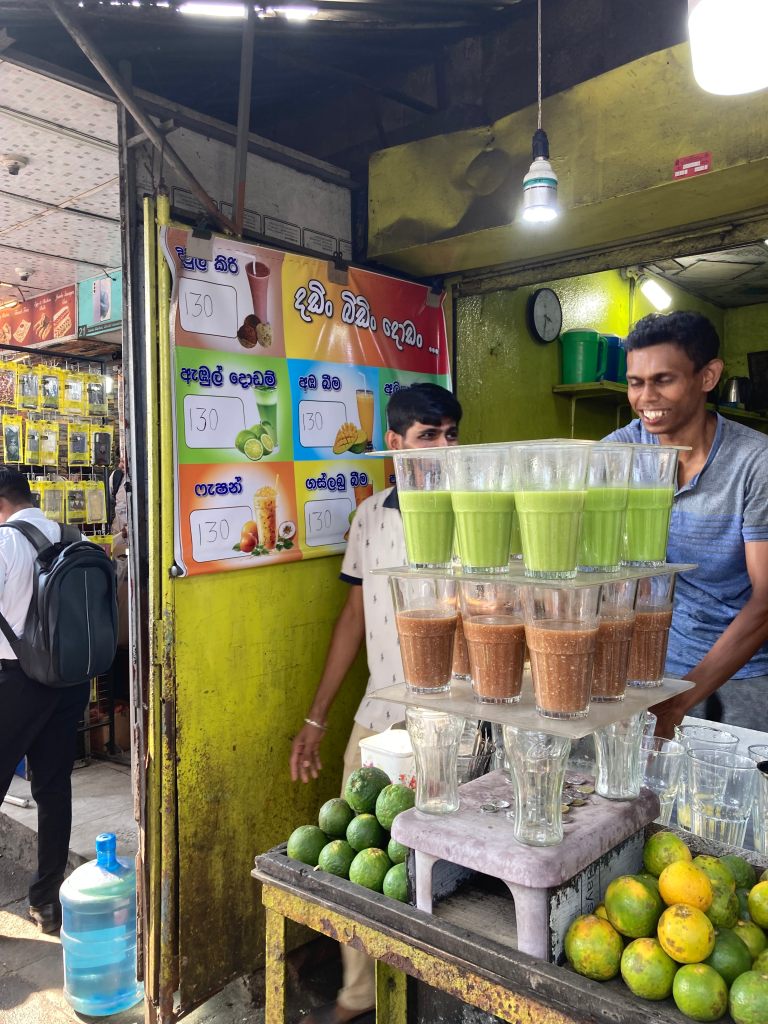
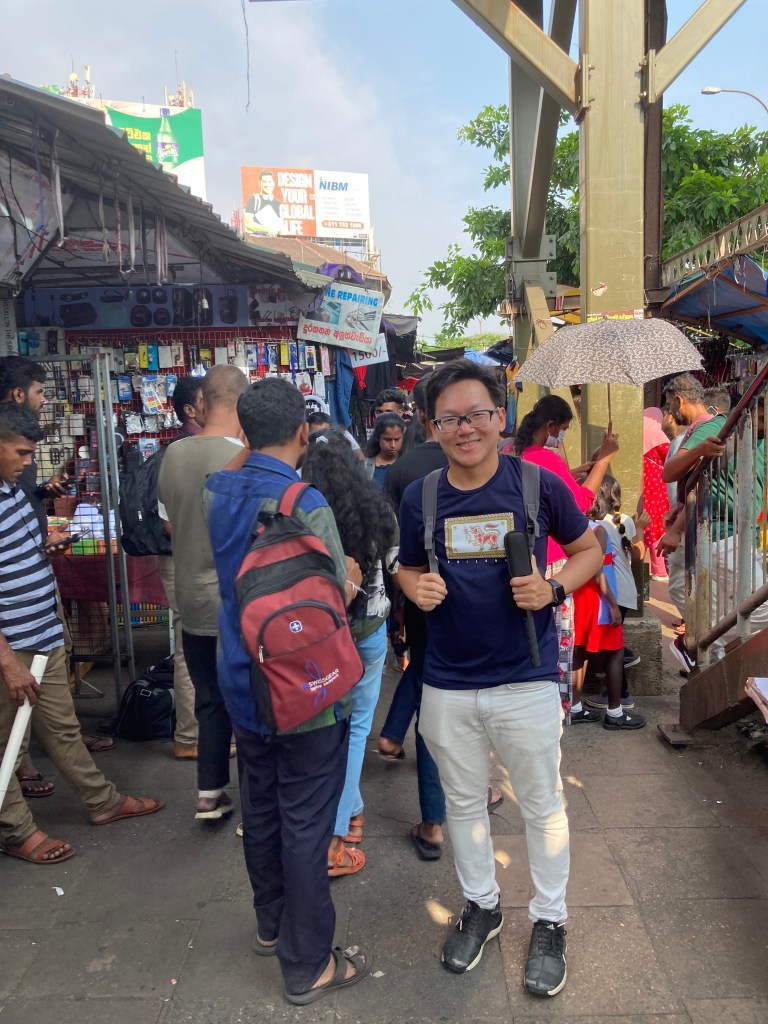
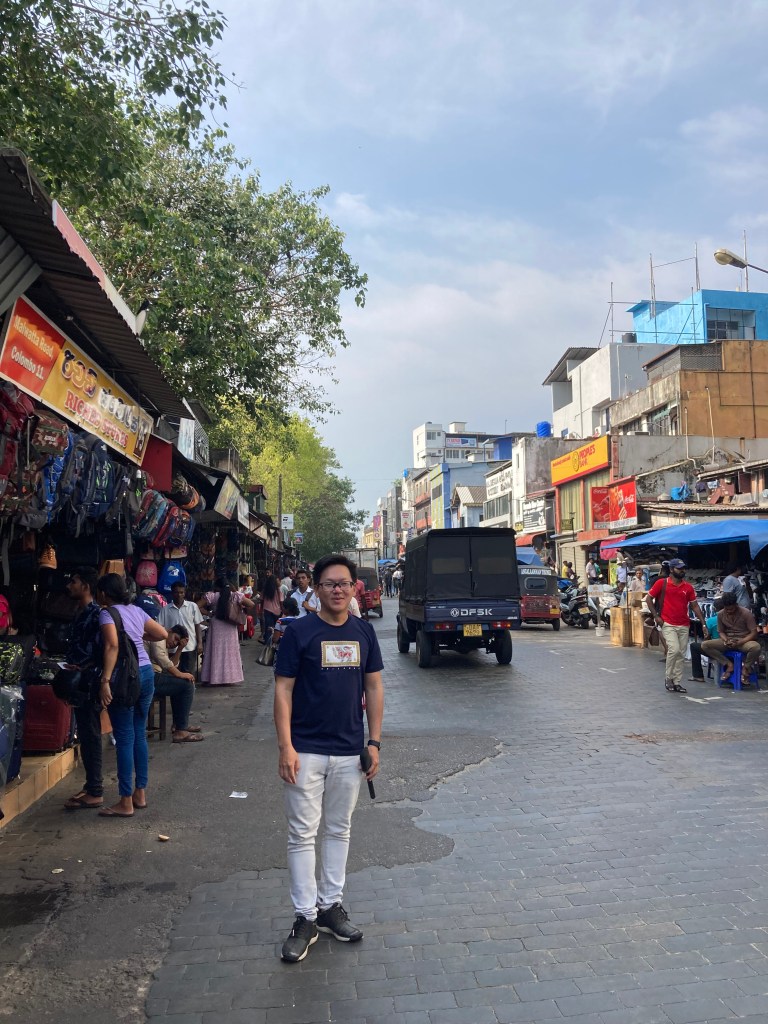
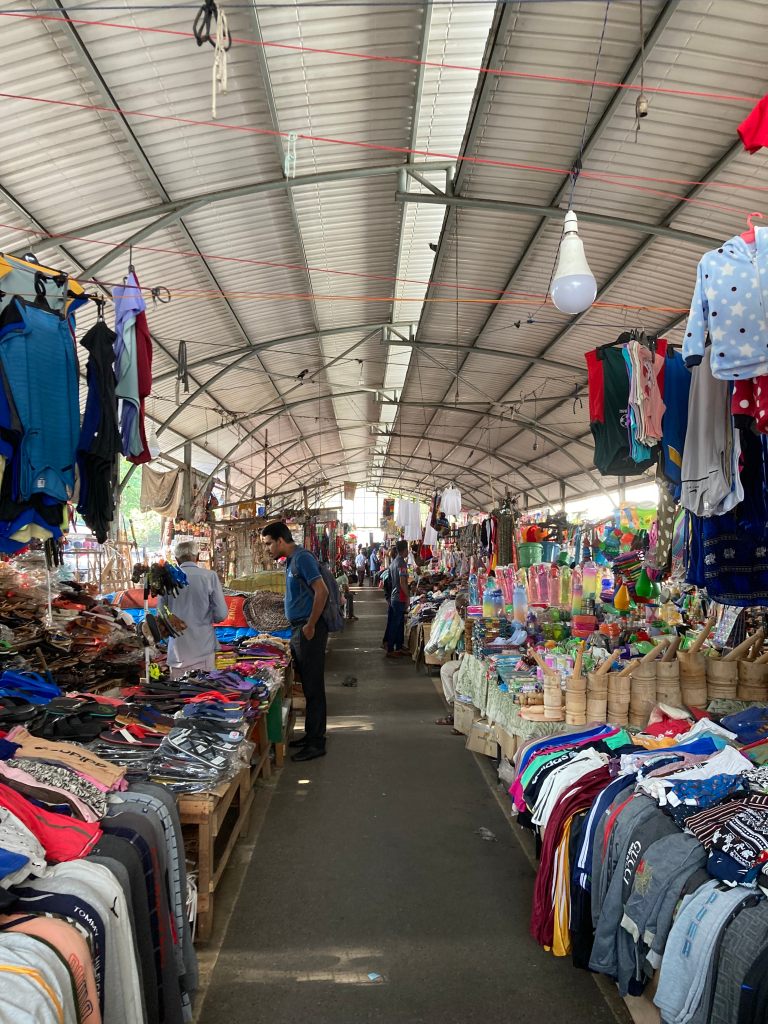
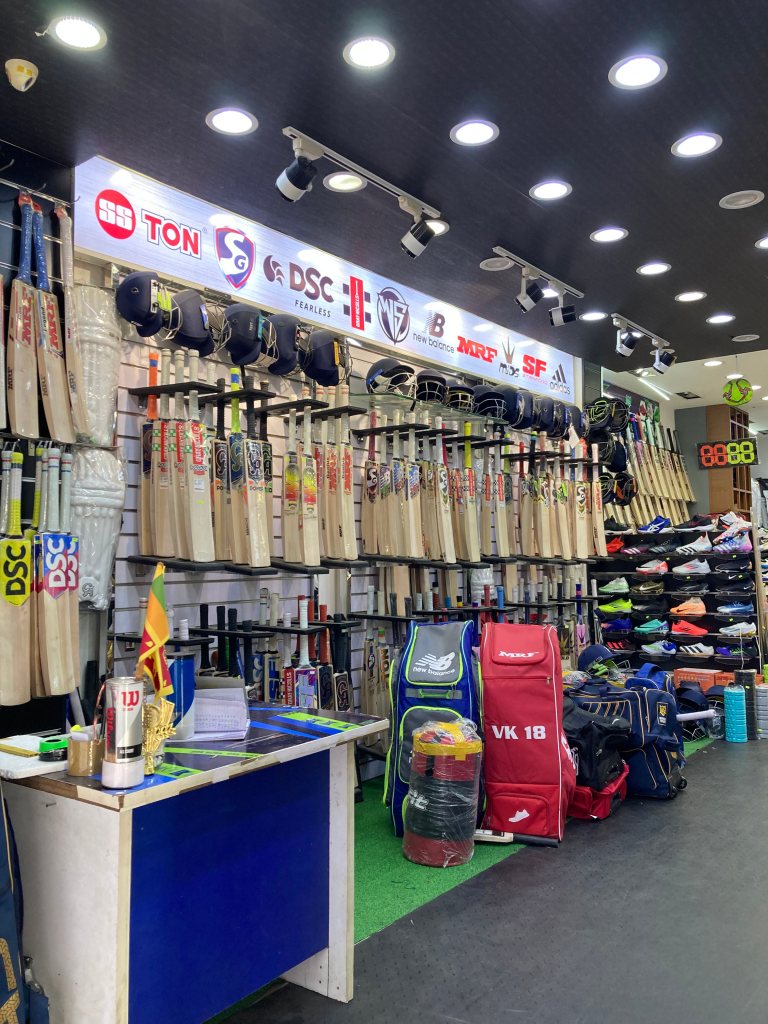
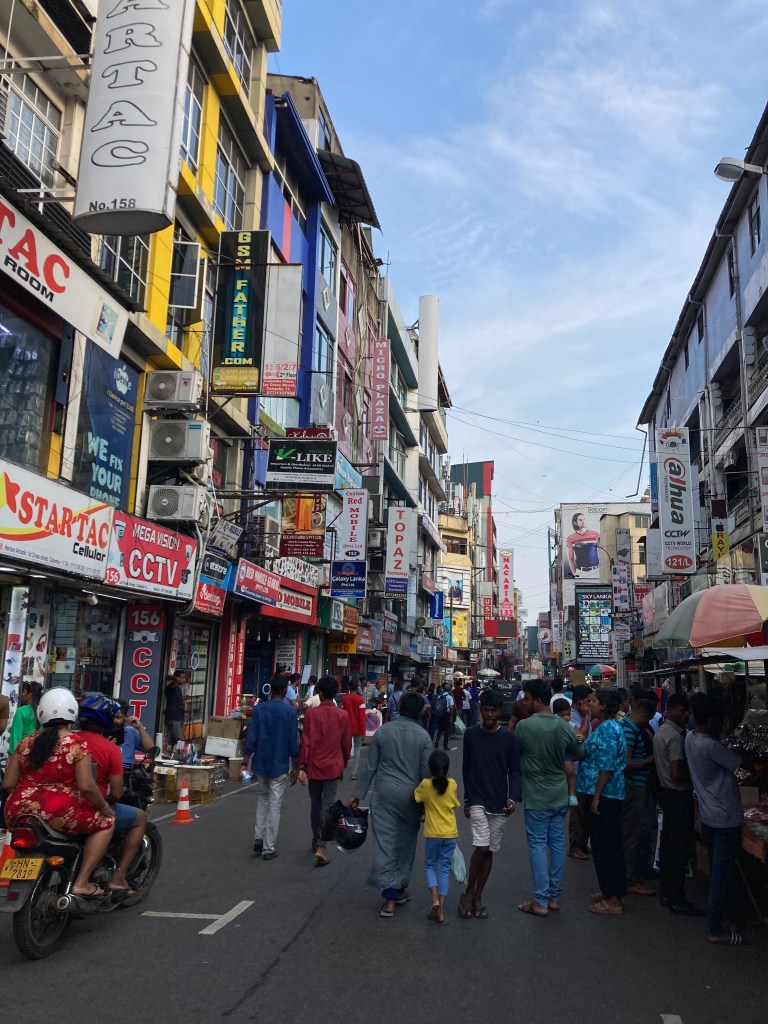
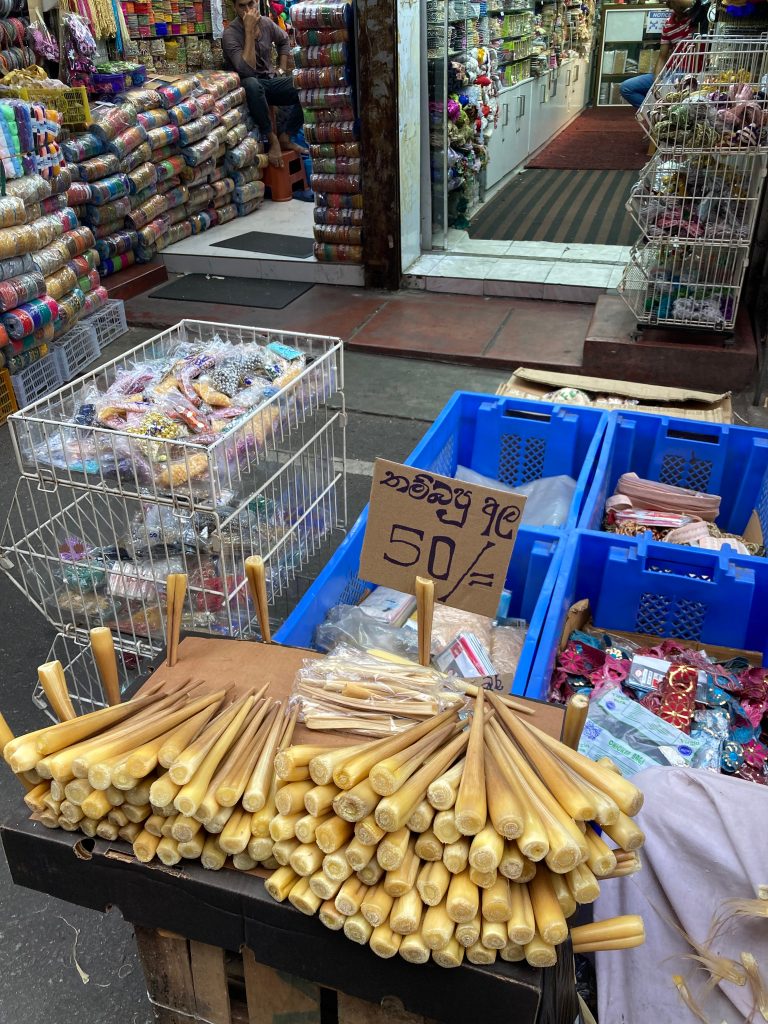
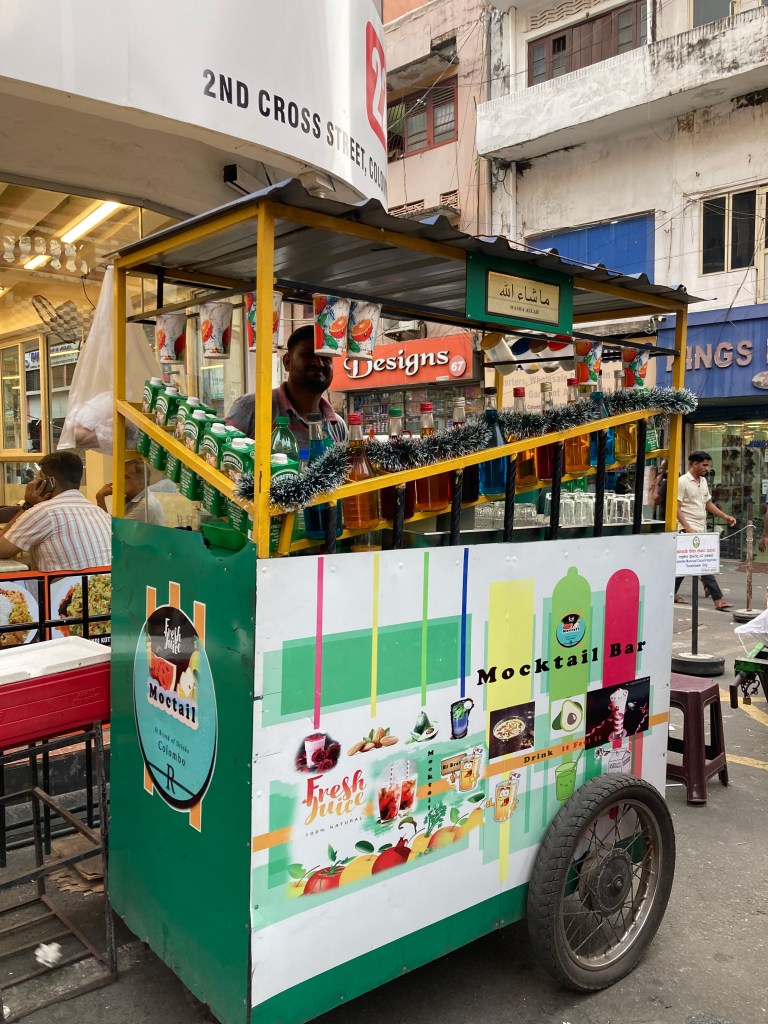
Located in the center of Colombo, Sri Lanka, lies the vibrant chaos of Pettah Market.
Arguably the prime spot in Colombo to immerse yourself in the local hustle and bustle, to absorb the sights and scents, and to experience the essence of life in Colombo.
Jami-Ul-Alfar Mosque
Construction of the Jami-Ul-Alfar Mosque began in 1908, and by 1909, the building was completed. The mosque was commissioned by the local Indian Muslim community residing in Pettah, to accommodate their daily prayers and Friday congregational prayers. Designed and constructed by Habibu Lebbe Saibu Lebbe, an architect without formal training, the mosque was inspired by Indo-Saracenic architecture depicted in images provided by South Indian traders.
The mosque showcases a unique blend of architectural styles, combining elements of native Indo-Islamic and Indian architecture with influences from Gothic revival and Neo-classical styles. Initially capable of accommodating 1,500 worshippers, only around 500 attended prayers at that time.
Notable for its red and white candy-striped exterior, the two-storey building features a distinctive clock tower and bears resemblance to the Jamek Mosque in Kuala Lumpur, Malaysia, constructed in 1910. Some claim that before the construction of other landmarks, sailors approaching the port identified the Jami Ul-Alfar Mosque as the landmark of Colombo.
In 1975, with the support of the Haji Omar Trust, the mosque purchased adjacent properties and embarked on an expansion project to increase its capacity to accommodate up to 10,000 worshippers.


Sammangodu Sri Katirvelauta Swamy Temple
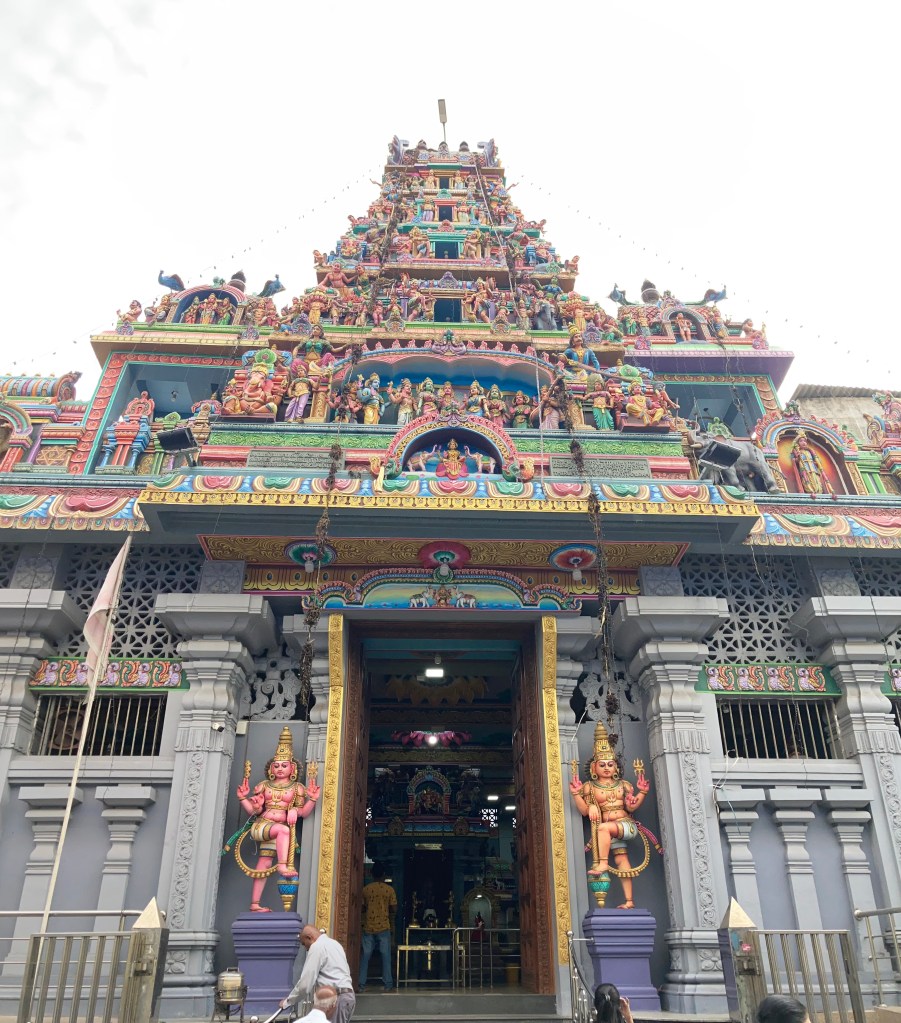
Built in the 19th century, the Sammangodu Sri Kathirvelayutha Swamy Kovil in Pettah is dedicated to the Hindu god Lord Murugan. It was established as a sanctuary for devout Hindu traders to observe their faith. The temple retains its original ‘gopuram’ (elaborate entrance) adorned with depictions of Hindu deities. Presently, the temple continues to organize various chariot (vel) festivals, reflecting the cultural diversity of Colombo city.
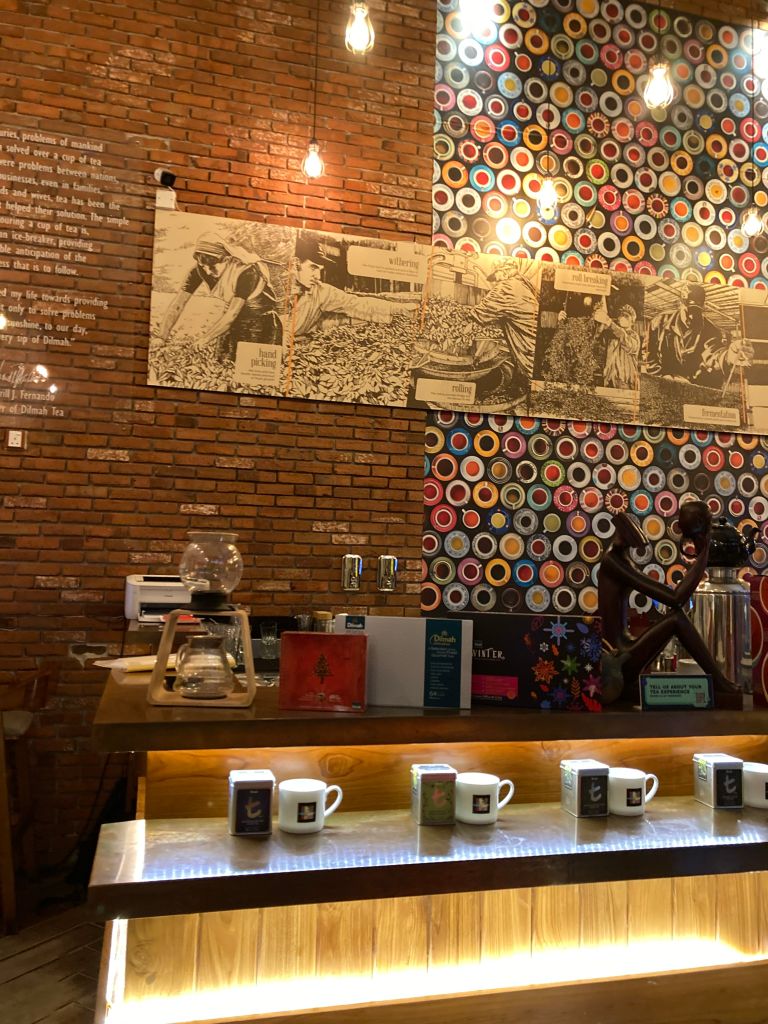
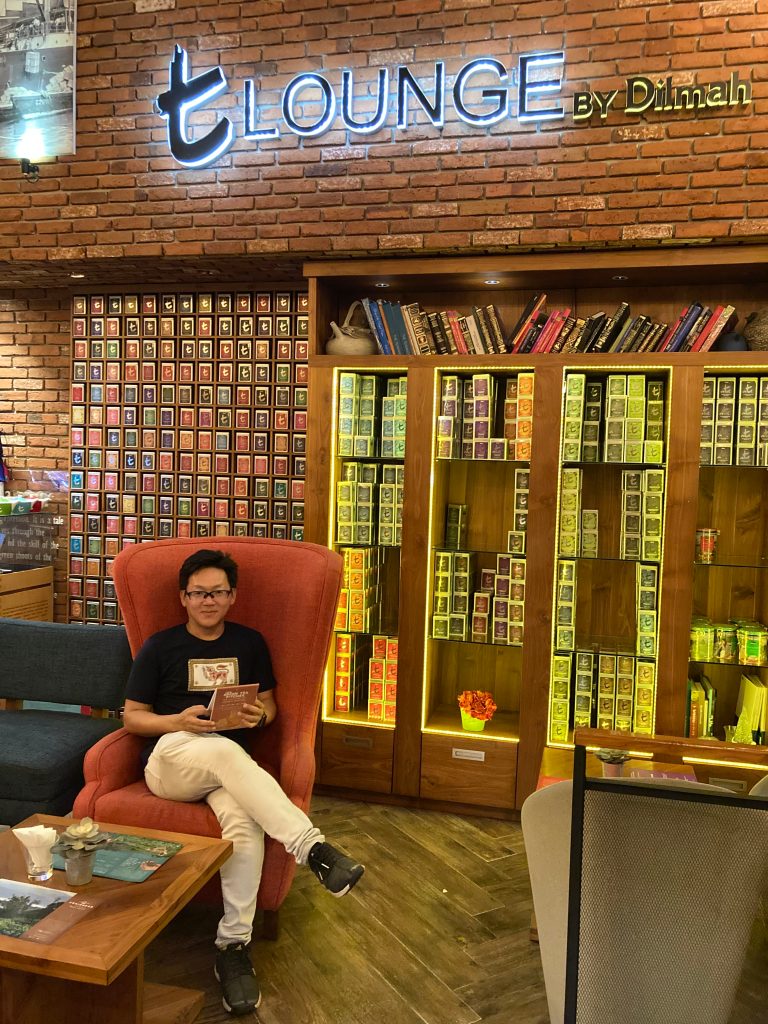
t-Lounge By Dilmah
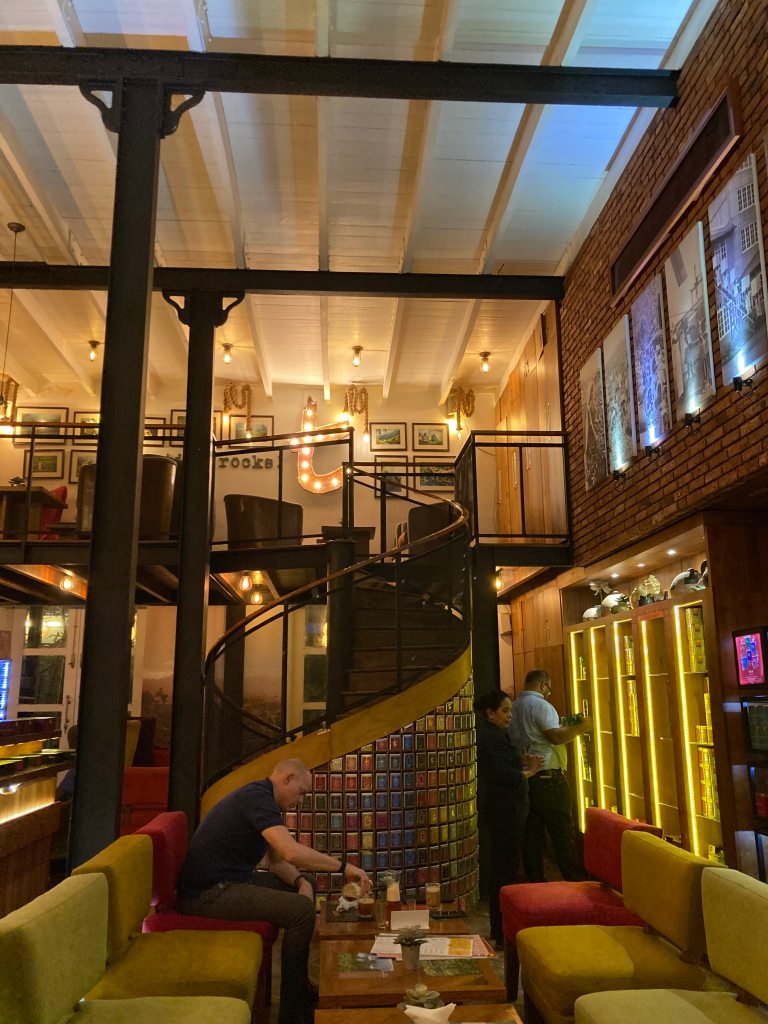
The t-Lounge by Dilmah is a sophisticated and refined establishment crafted to celebrate the pleasure and admiration of exquisite tea. It offers a selection of light snacks and delicacies inspired by tea, enhancing the overall experience.

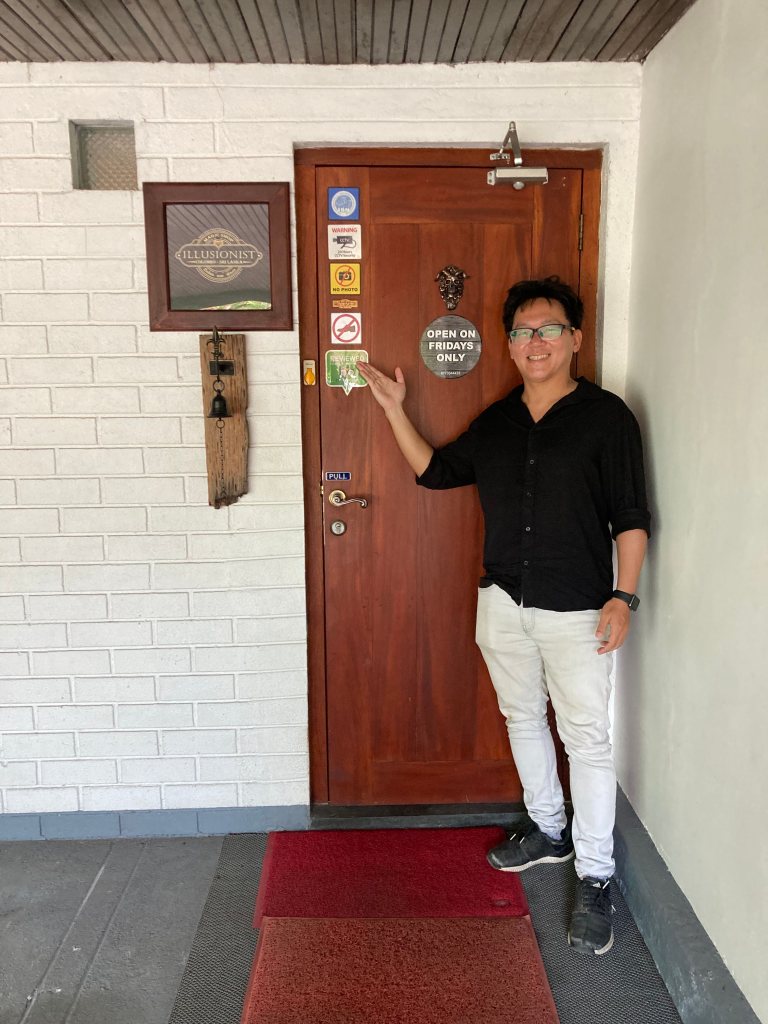
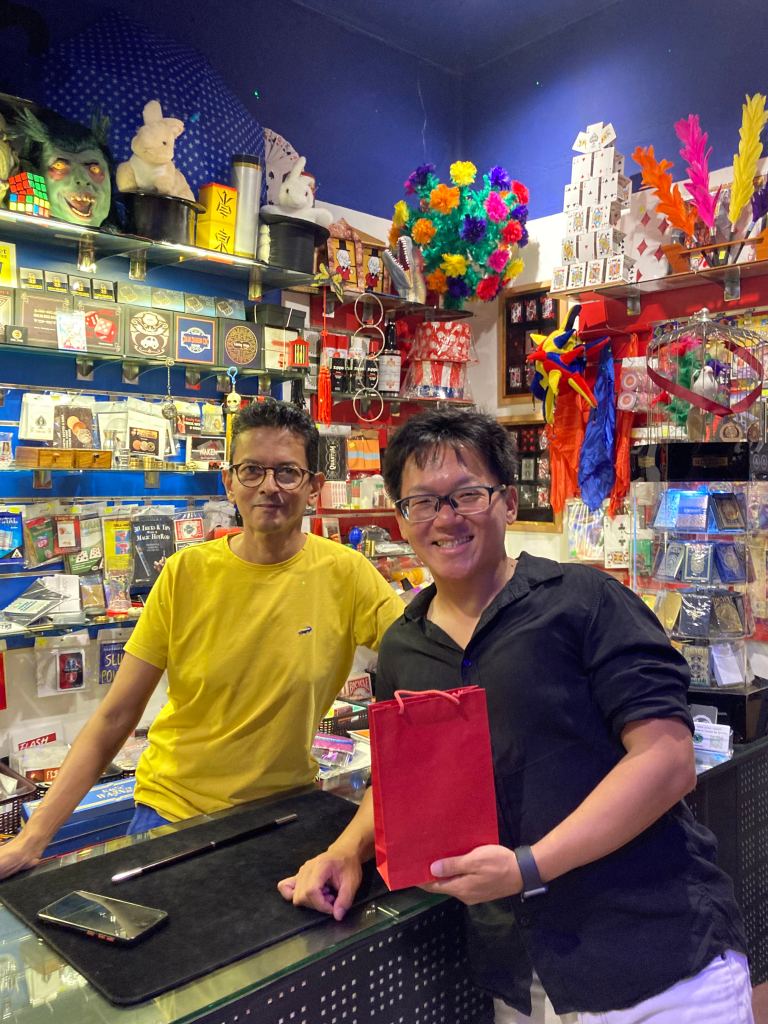
Illusionist, Colombo
I am a magician, so I visit magic shops wherever I go. In Colombo, the capital city of Sri Lanka, there is a magic props shop that offers a wide range of props. I bought some magic props there. You can also check out my YouTube channel. https://www.youtube.com/@MrKunngiap
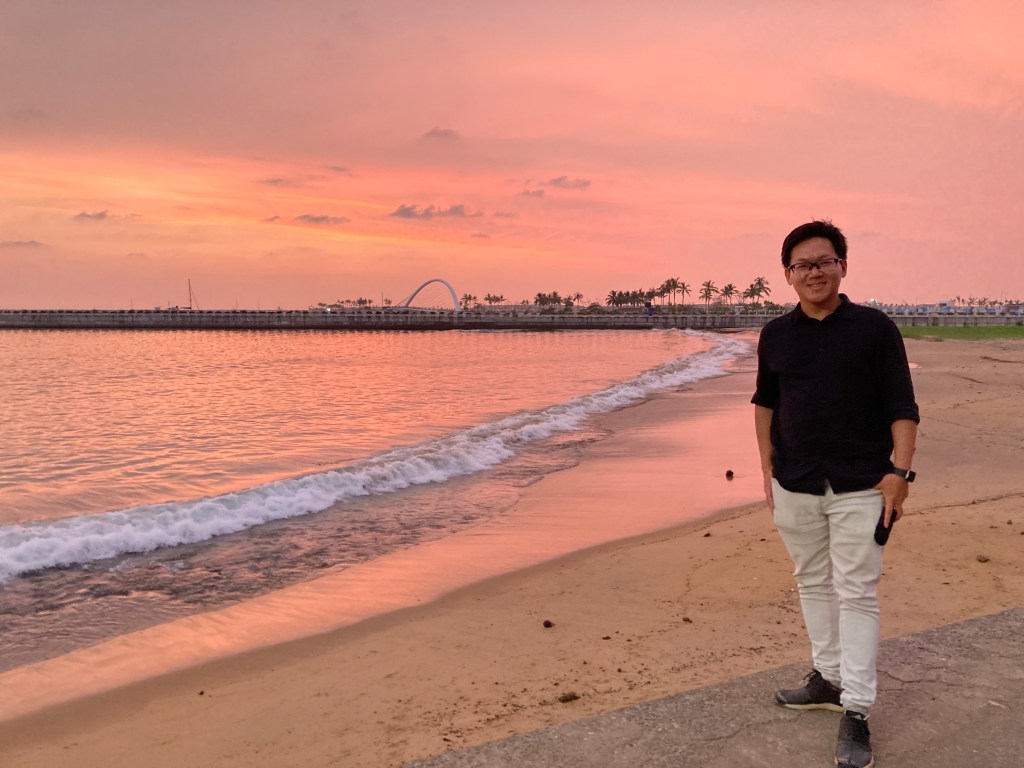
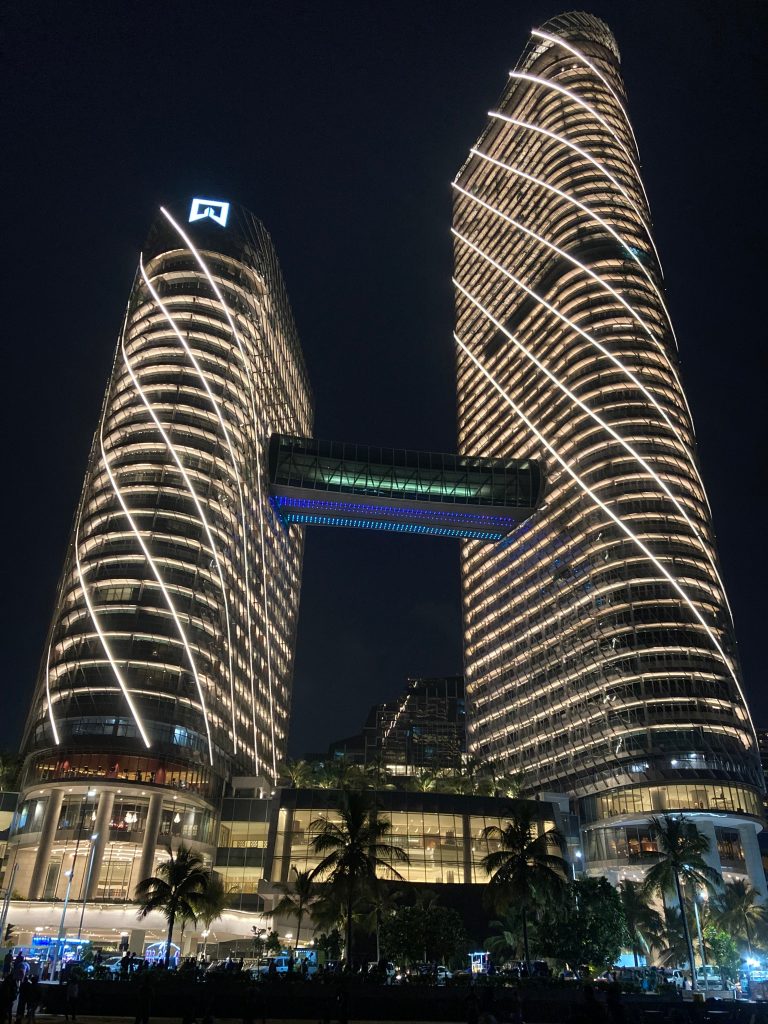
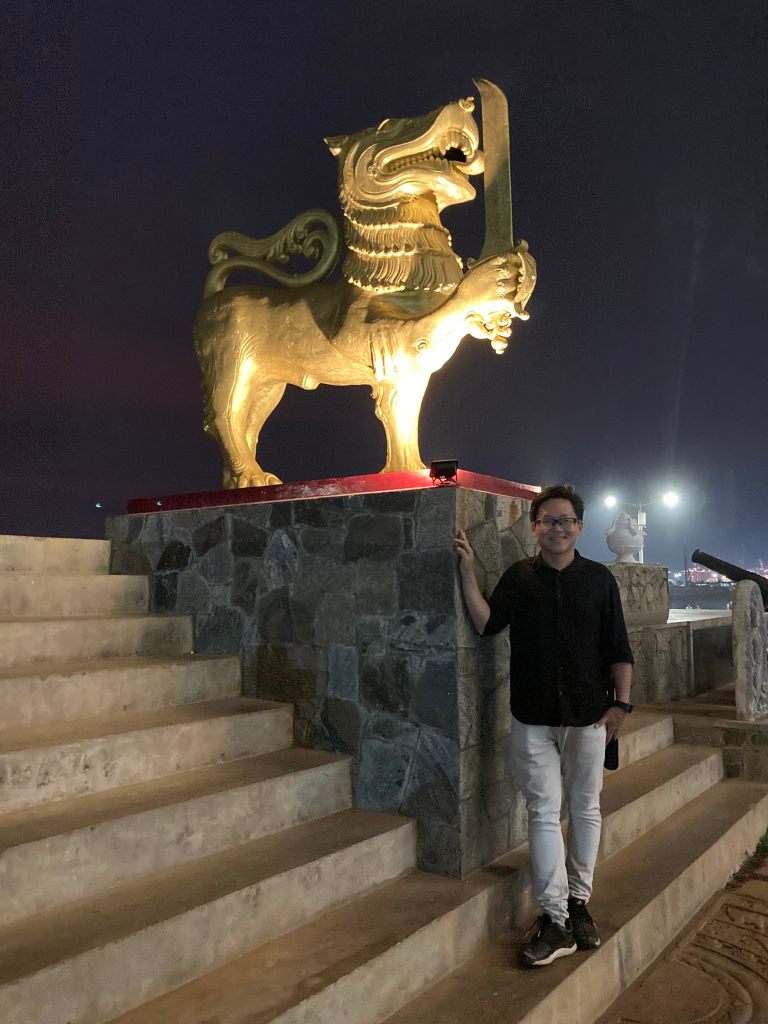
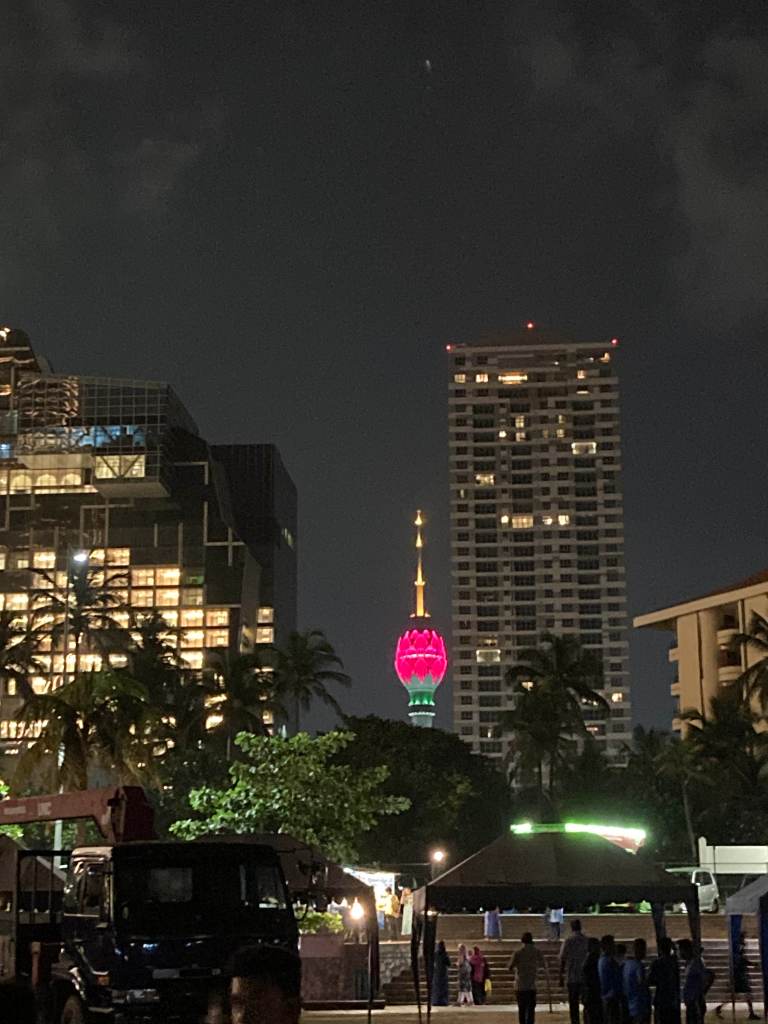
Galle Face Green
Galle Face is a 5-hectare (12-acre) urban park situated along the coastline, spanning 500 meters (1,600 feet), in the center of Colombo, Sri Lanka’s financial and business hub. It was originally planned in 1859 by Governor Sir Henry George Ward, although the original Galle Face Green covered a much larger area than it does today. Initially, Galle Face Green was utilized for horse racing and served as a golf course, but it also hosted various other sports such as cricket, polo, football, tennis, and rugby.
The thirty-day journey has finally come to an end. If you enjoyed this article, please give it a like and share. Thank you!

 Real Traveler, Real Experiences, Real Results.
Leave a comment