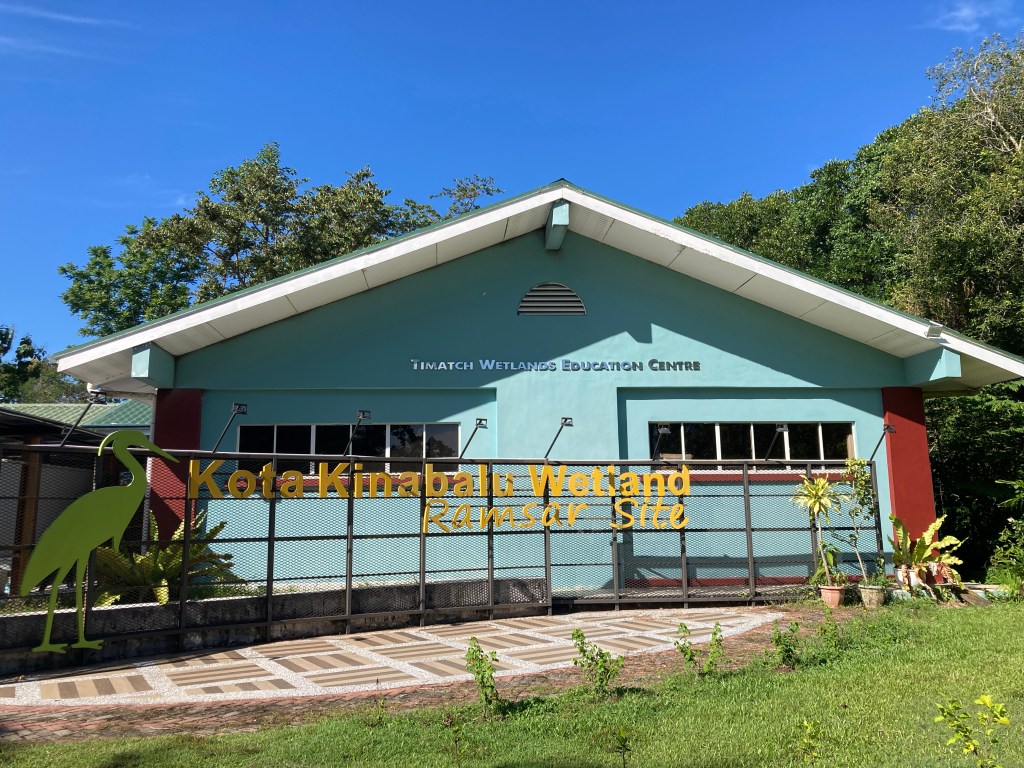
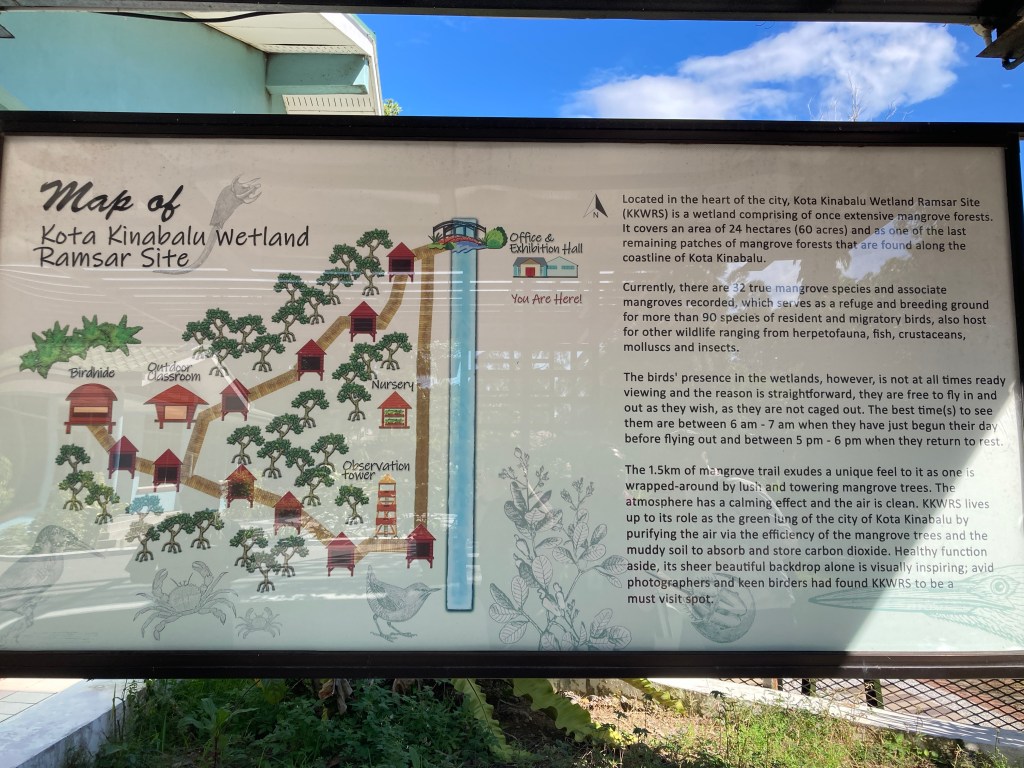
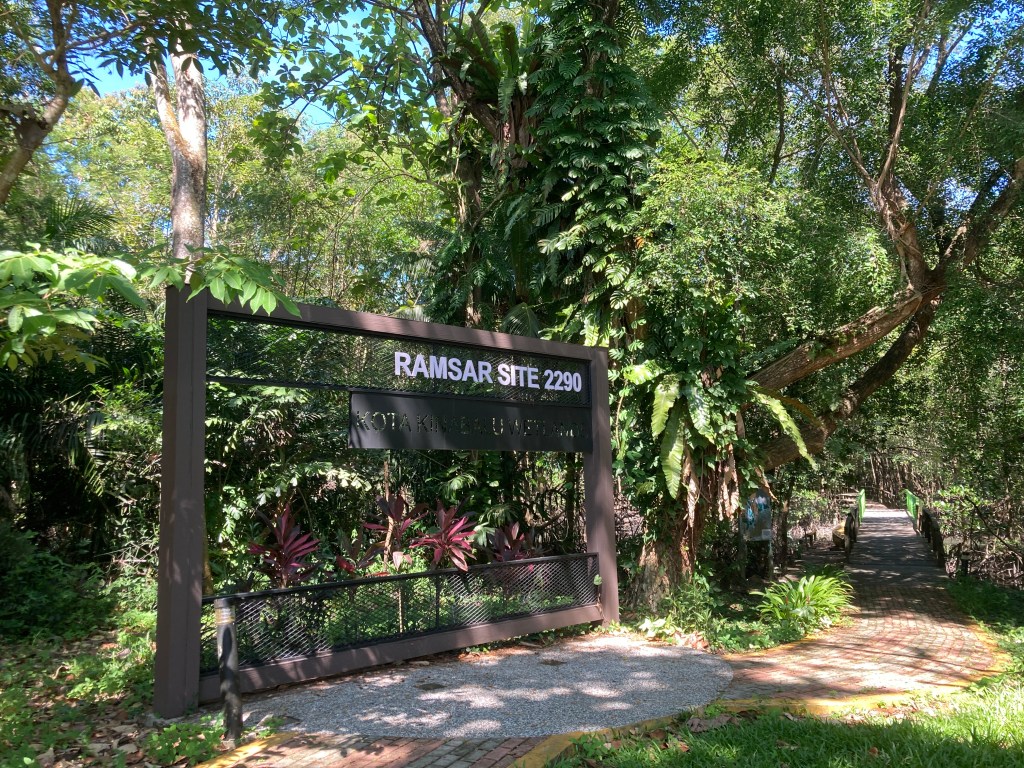
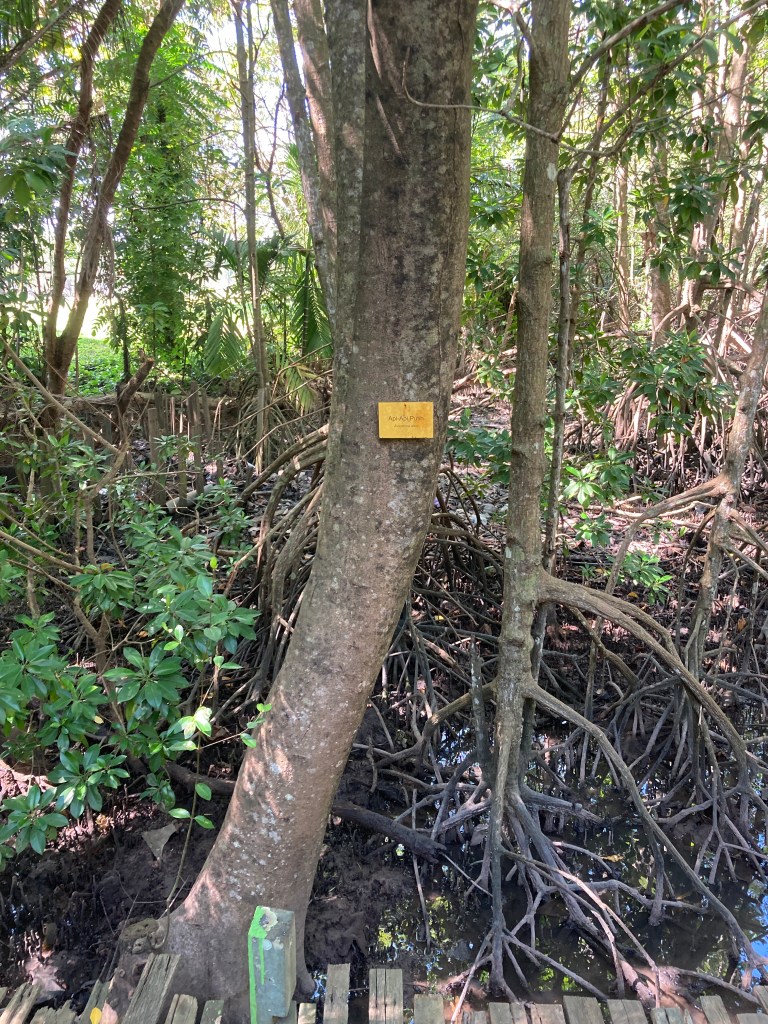
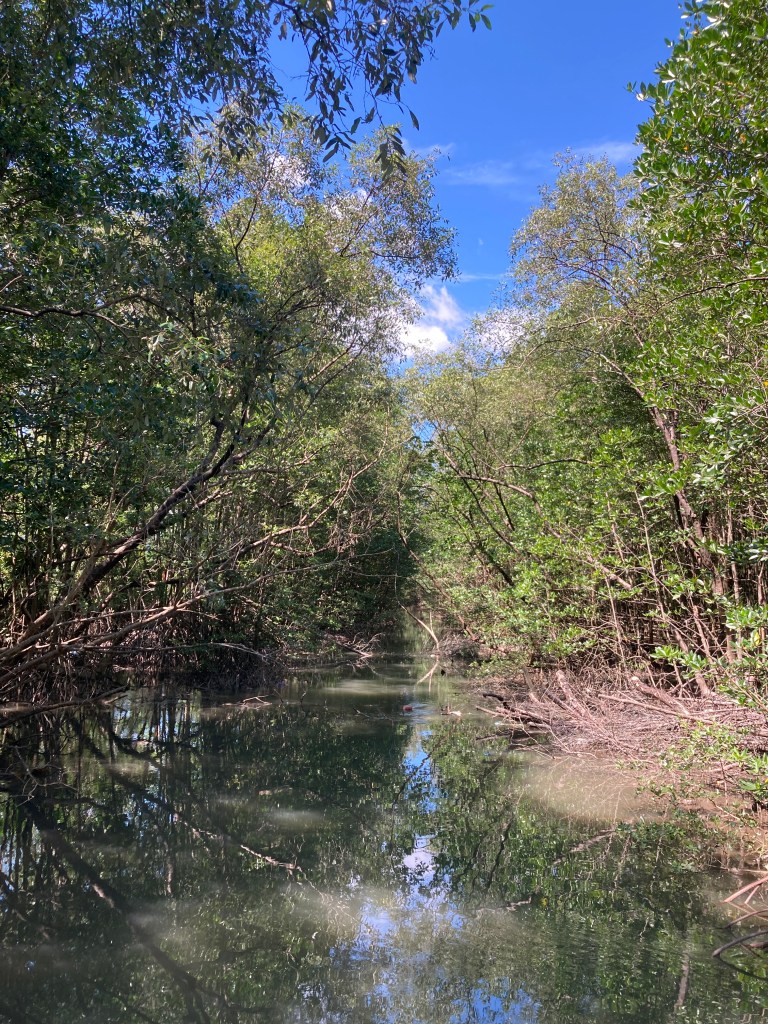
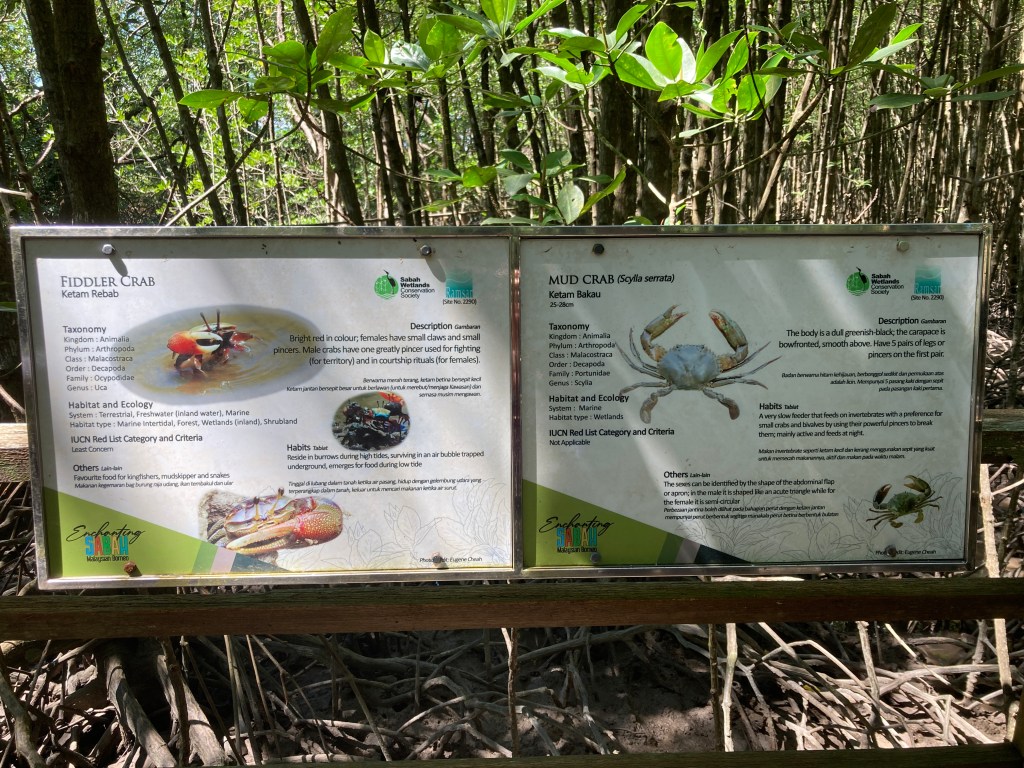
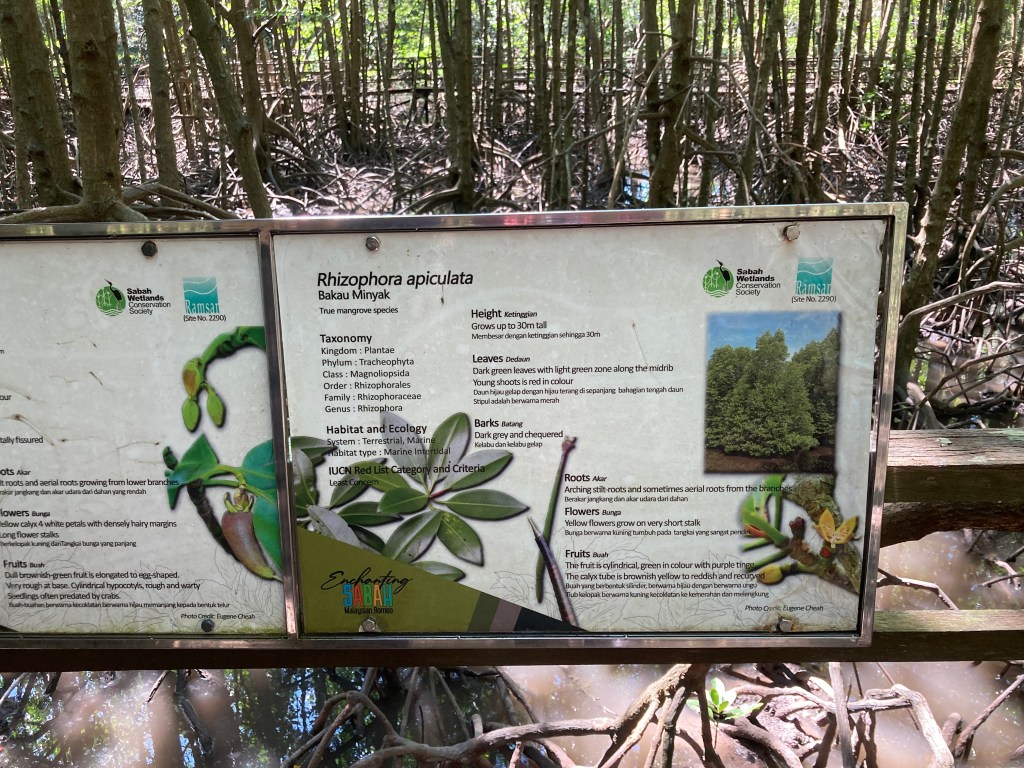
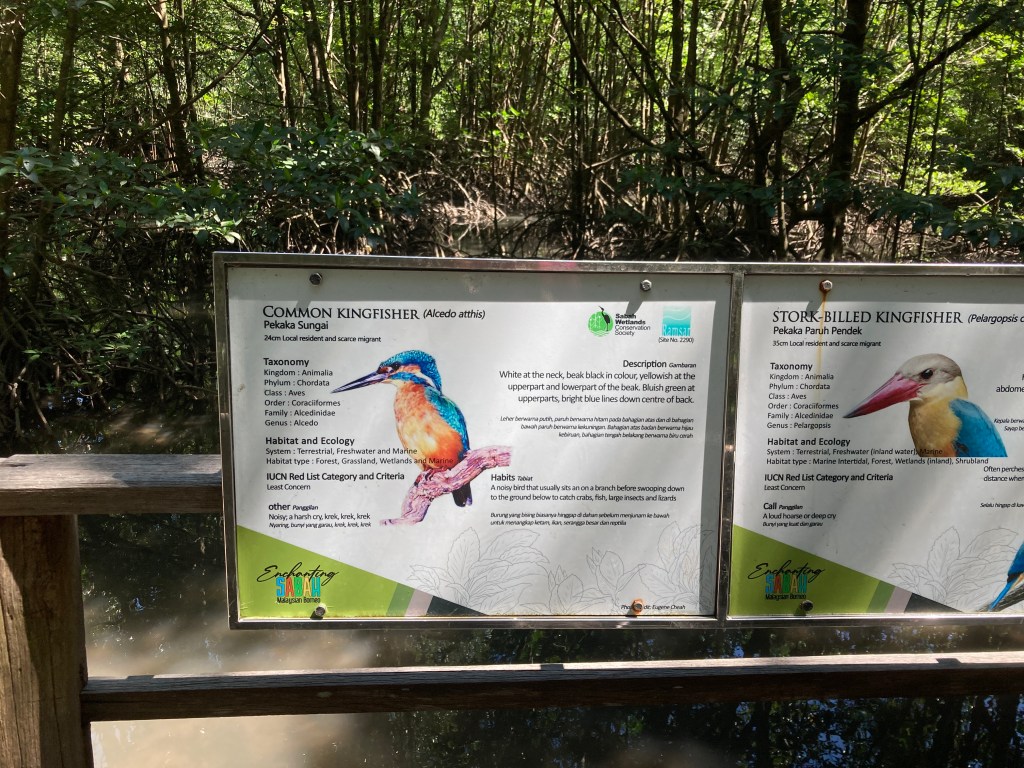
The site is situated in the heart of Kota Kinabalu City on the northern coast of Sabah State and is characterized by a mangrove swamp. This area boasts a diverse range of biodiversity, hosting 30 different mangrove species along with associated plants. Additionally, it is a habitat for 90 species of resident and migratory birds, as well as five species of reptiles. Notably, the site plays a crucial role in the conservation of three globally threatened species, including the critically endangered mangrove Bruguiera hainesii, and two vulnerable water birds—the Chinese egret (Egretta eulophotes) and the lesser adjutant (Leptoptilos javanicus).
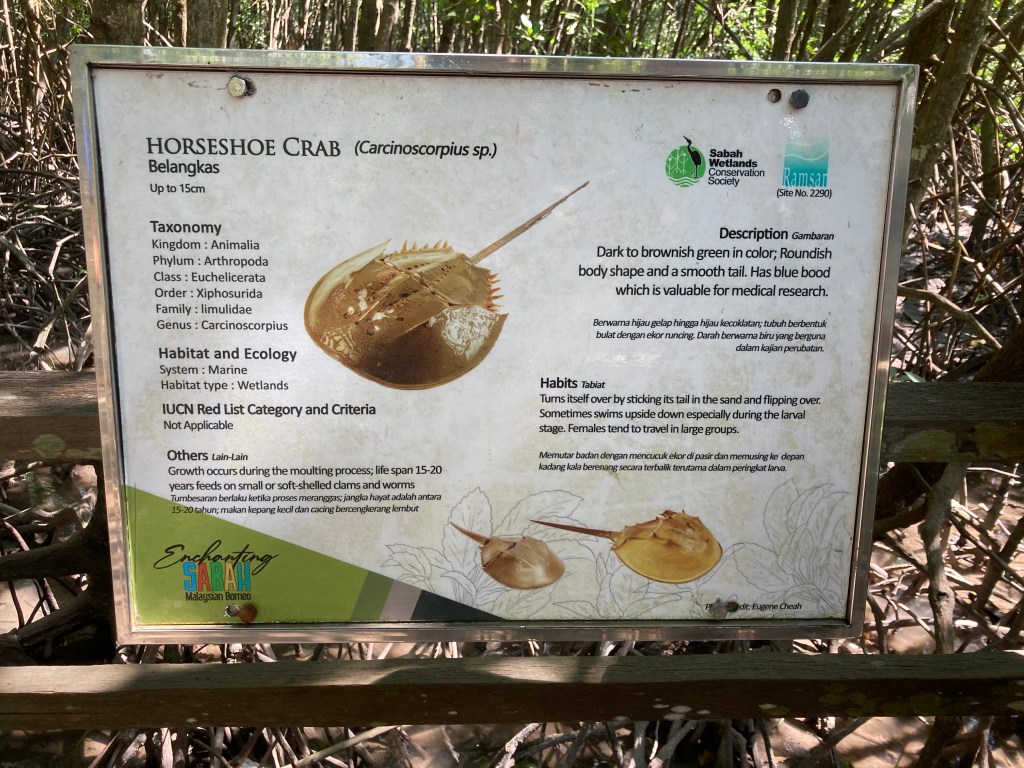
The significance of the site extends beyond terrestrial inhabitants, serving as a vital nursery ground for 21 species of fish and various aquatic species, such as crustaceans, mollusks, horseshoe crabs, and jellyfish. Moreover, the site functions as a green lung and buffer zone for the city, providing environmental benefits. Despite its urban location, the area holds substantial potential for tourism, educational programs, and recreational activities.
However, the mangrove swamp faces multiple threats, including pollution and the over-exploitation of resources through fishing and harvesting of aquatic resources. Urbanization has led to the reduction of mangrove forests along the coastline of Kota Kinabalu City, making this site the last remaining example of such an ecosystem. Consequently, it holds great cultural importance, representing a unique and endangered natural heritage in the midst of urban development.



If you like this article, please help me by giving it a thumbs up and sharing it. Thank you!

 Real Traveler, Real Experiences, Real Results.
Leave a comment