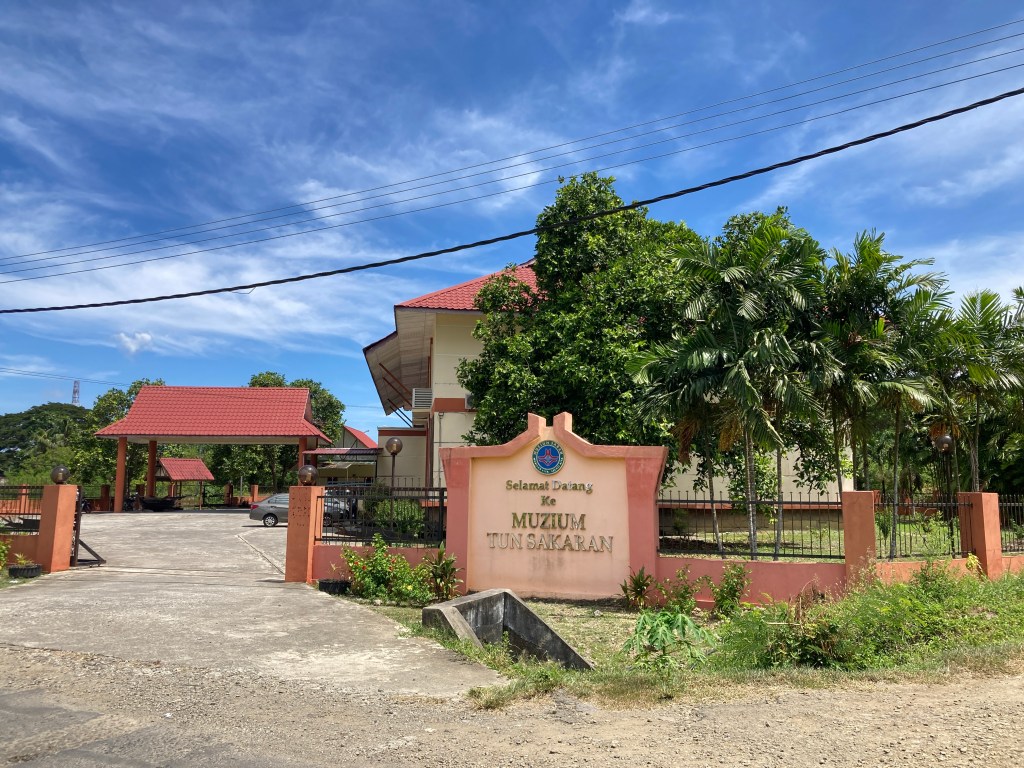
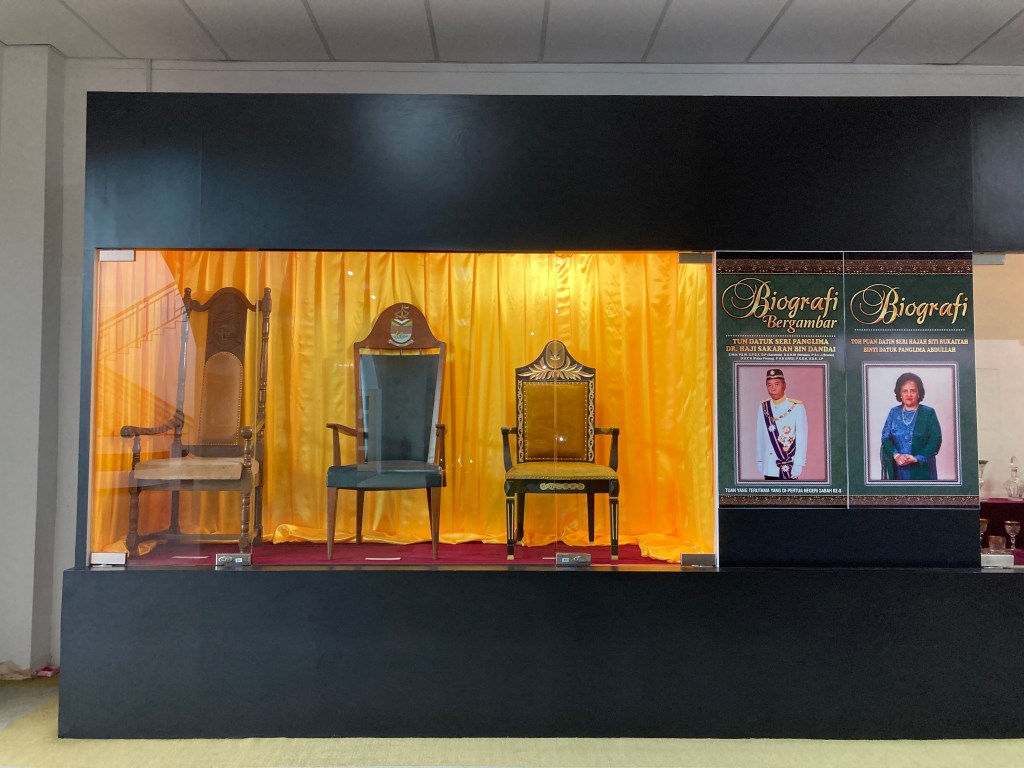
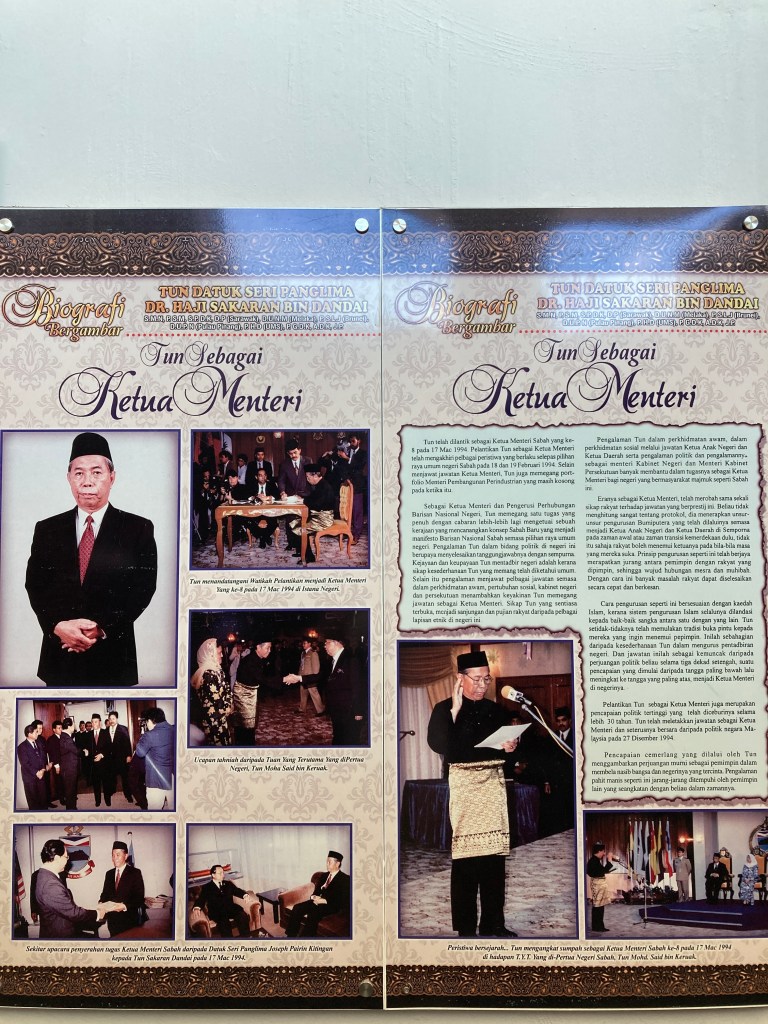
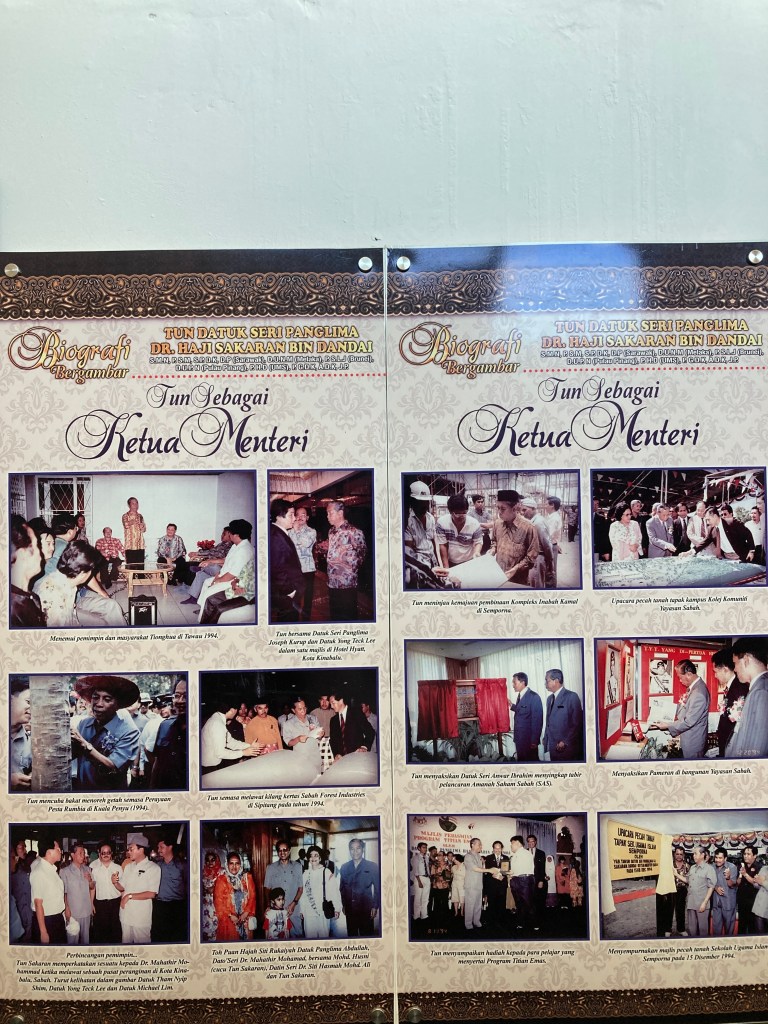
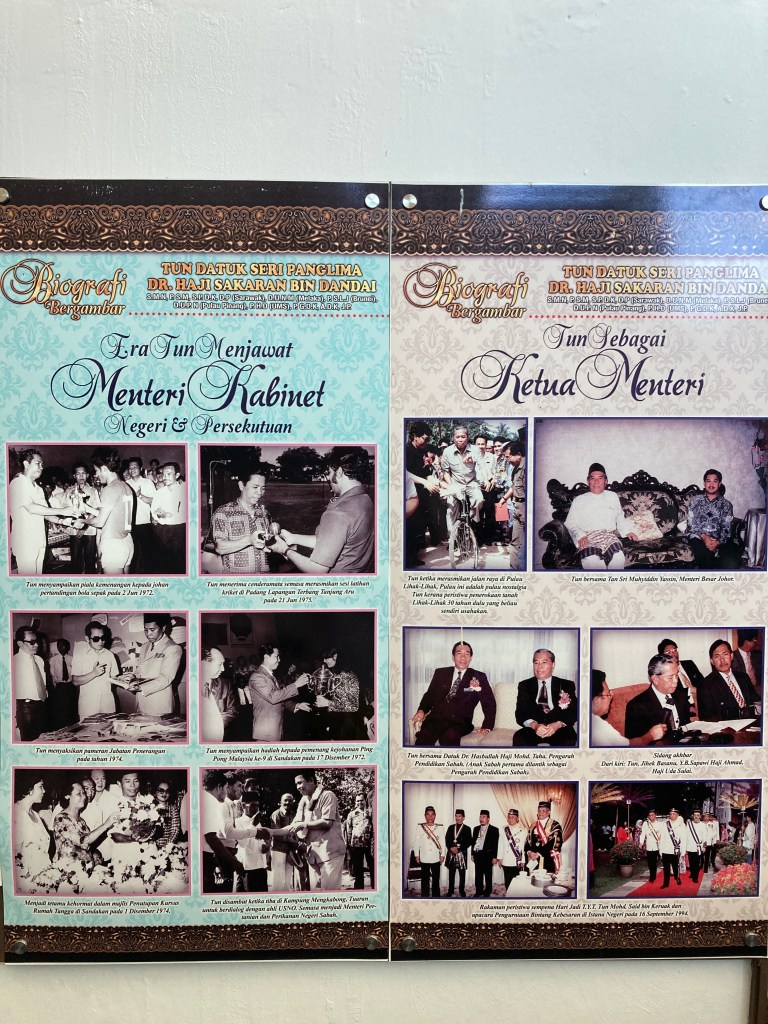
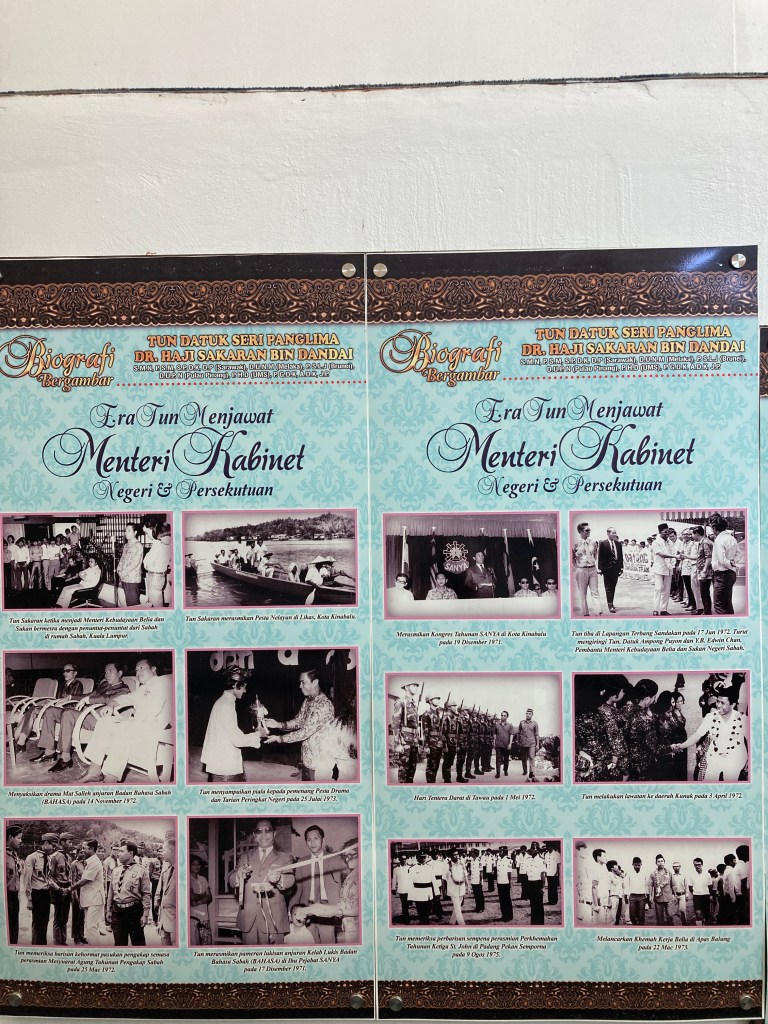
The Tun Sakaran Museum is a museum in Semporna, Sabah, Malaysia. This museum is named after the eighth Yang di-Pertua Negeri (Governor) of Sabah, Sakaran Dandai.
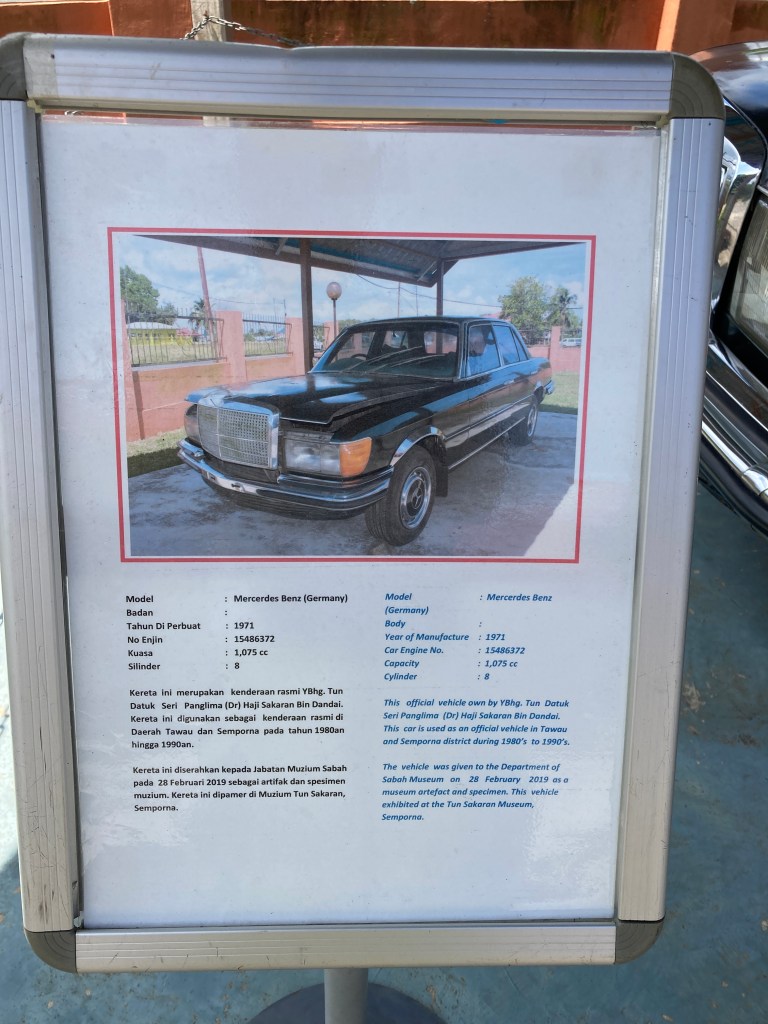
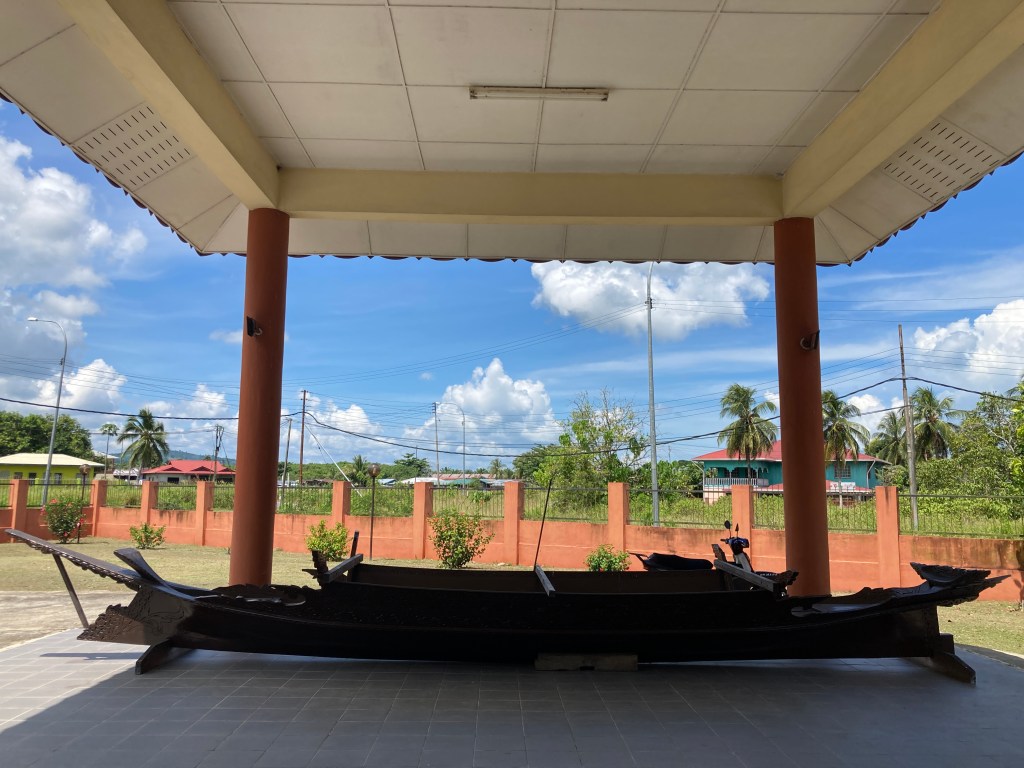
At the entrance, you can see the official car used by Tun Sakaran at that time, as well as a traditional boat used by the local Bajau community.

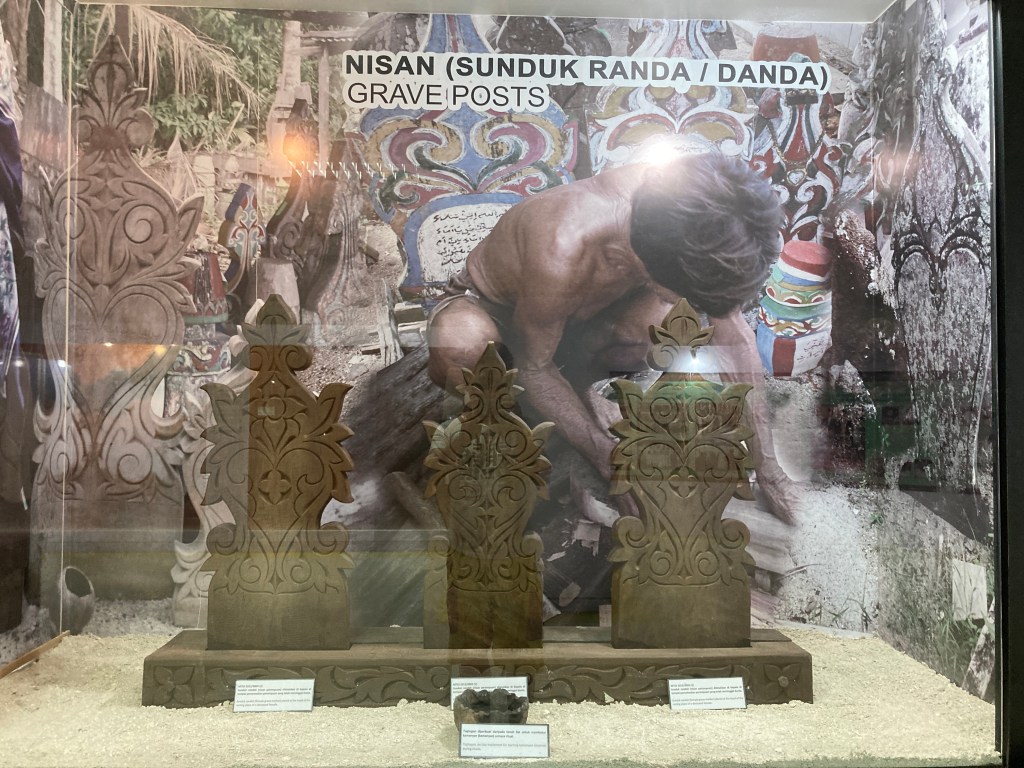
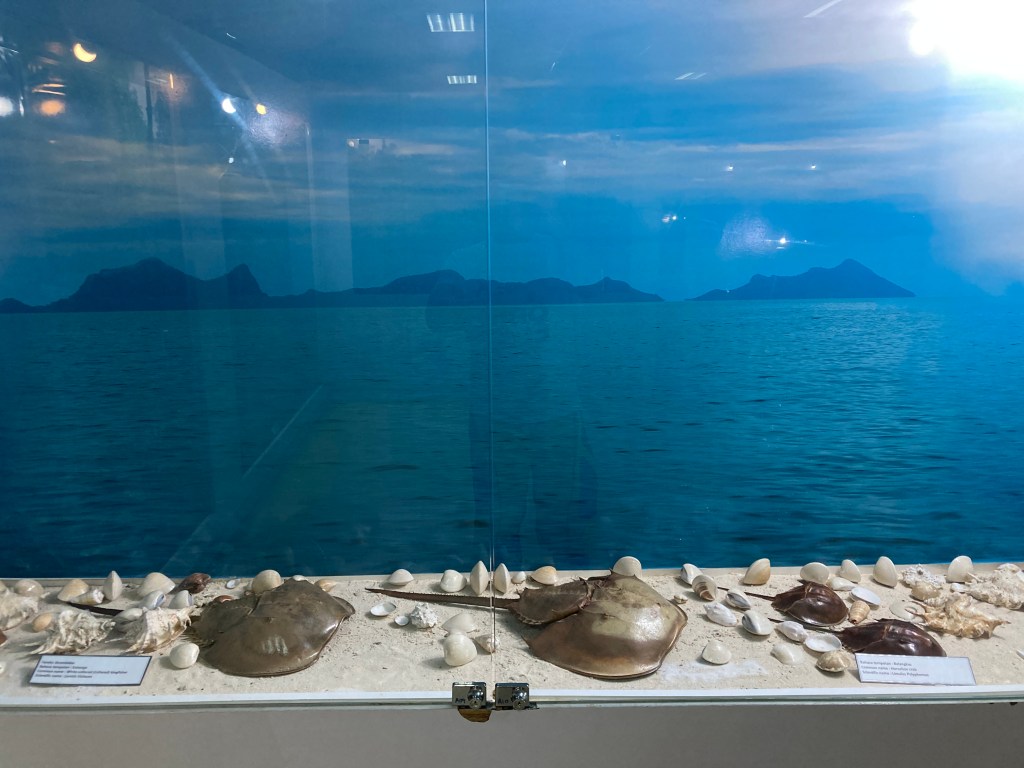
Despite being named after Sakaran Dandai, the museum predominantly showcases the history and culture of the town of Semporna, especially the Bajau community. The ground floor houses the main gallery, while the upper floor displays the culture and historical artifacts of the Semporna community with exhibitions that change from time to time.
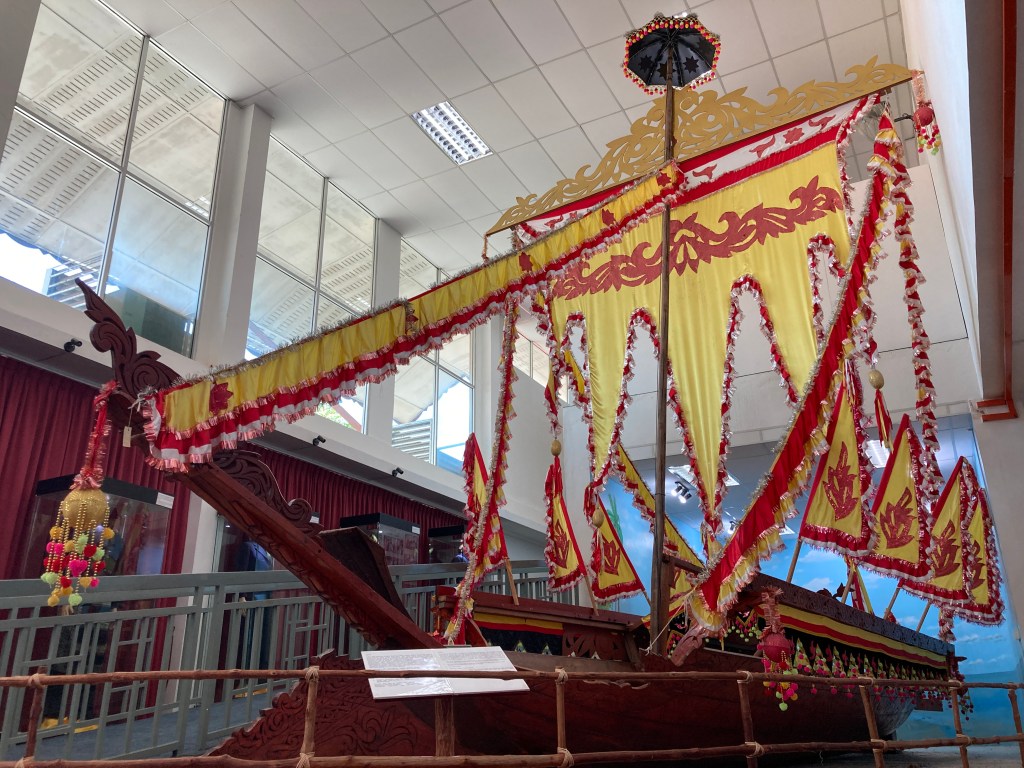
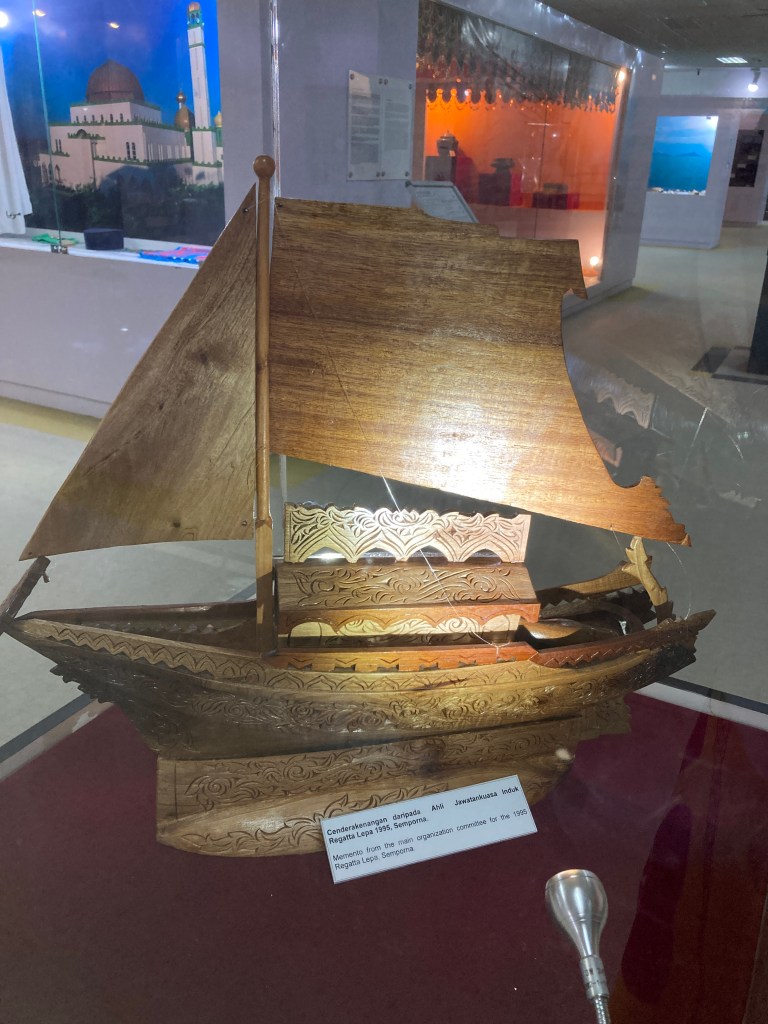
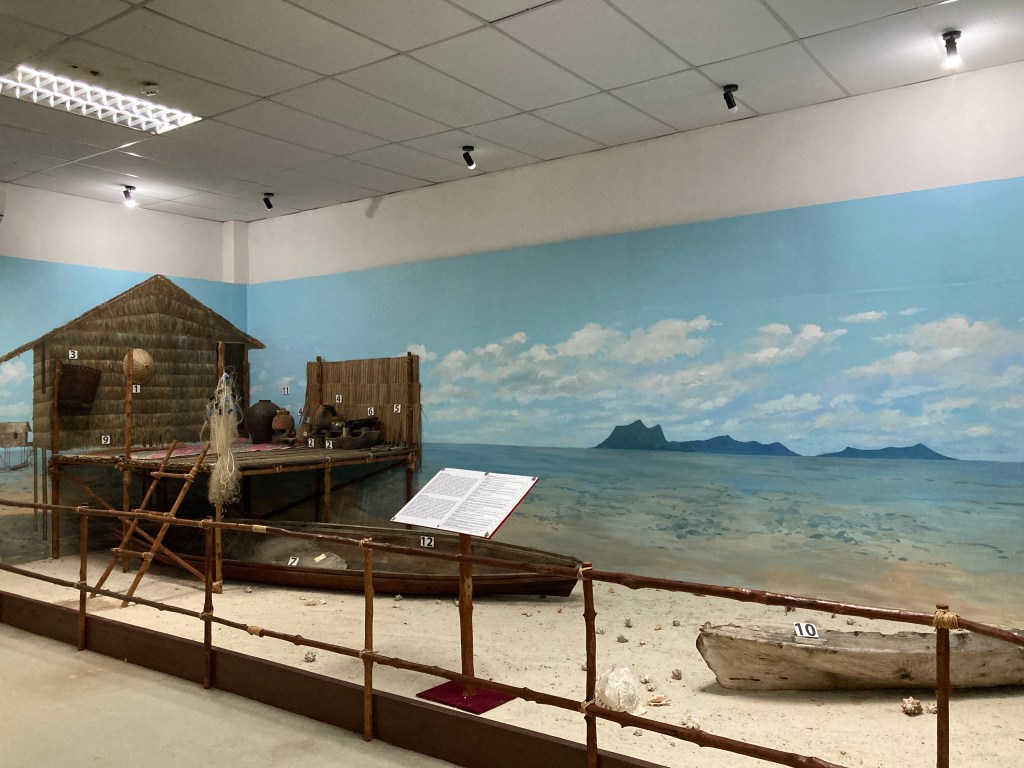
The Lepa, locally known as ‘Bayanan,’ is a shallow draft sailing boat designed for fishing in shallow reefs. In the past, sea-going Bajau people used it for long journeys in the archipelago. The boat’s design, construction, and carved decorations reflect the Bajau community’s artistic skills and practicality in creating a functional houseboat and fishing vessel.
These boats, which are typically around 8.5 meters long but can reach up to 12 meters, have varying widths from 1.5 to 1.9 meters to accommodate a family. Traditional Lepa boats have several unique features:
- The deck serves as living quarters, including a kitchen with utensils for food preparation, storage jars for items like dried fish and cassava, and containers for water.
- The boat is adorned with intricate carvings of flora and marine fauna designs on the sideboards, bow, aft, and mast.
- It uses a sail called ‘Lamak.’
- The roof is made from palm leaves.
- During special occasions, these boats are decorated with various-sized decorative flags, including triangular ‘Panji,’ ‘Salingguru,’ ‘Tipas-Tipas,’ and banners called ‘Sambulayang.’
The specific Lepa mentioned, originally owned by Haji Maman bin Indangan, won first place three times in the ‘Lepa Cantik’ competition at the annual Lepa Boat Festival Regatta in Semporna. The museum acquired it in 2011.

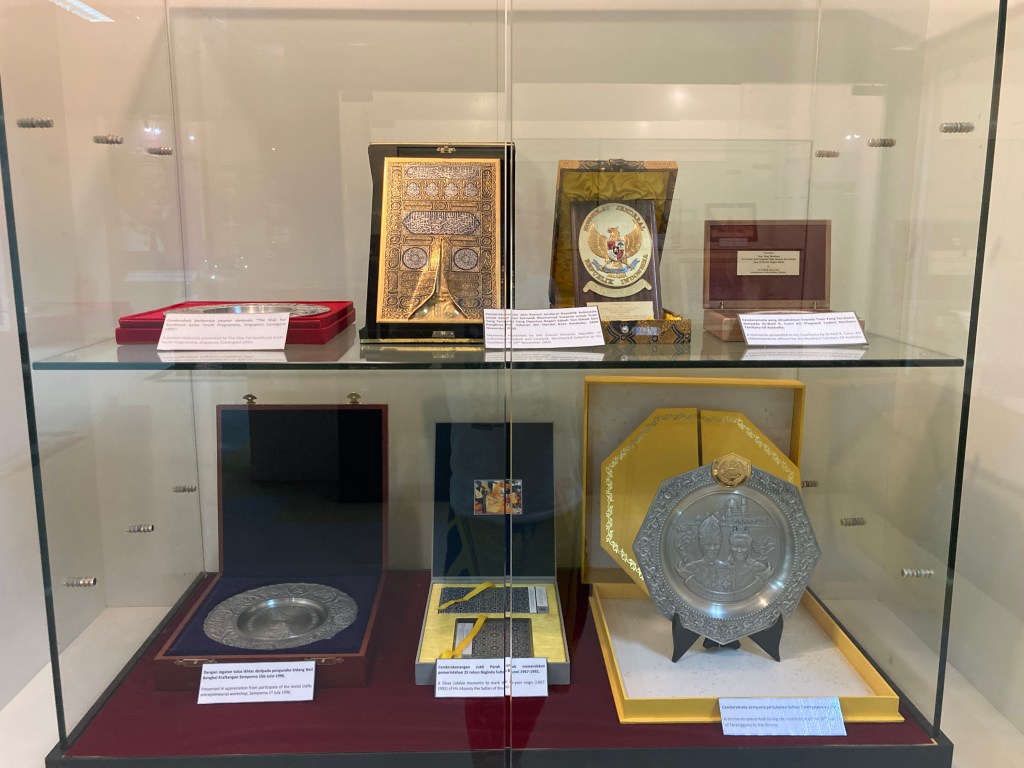
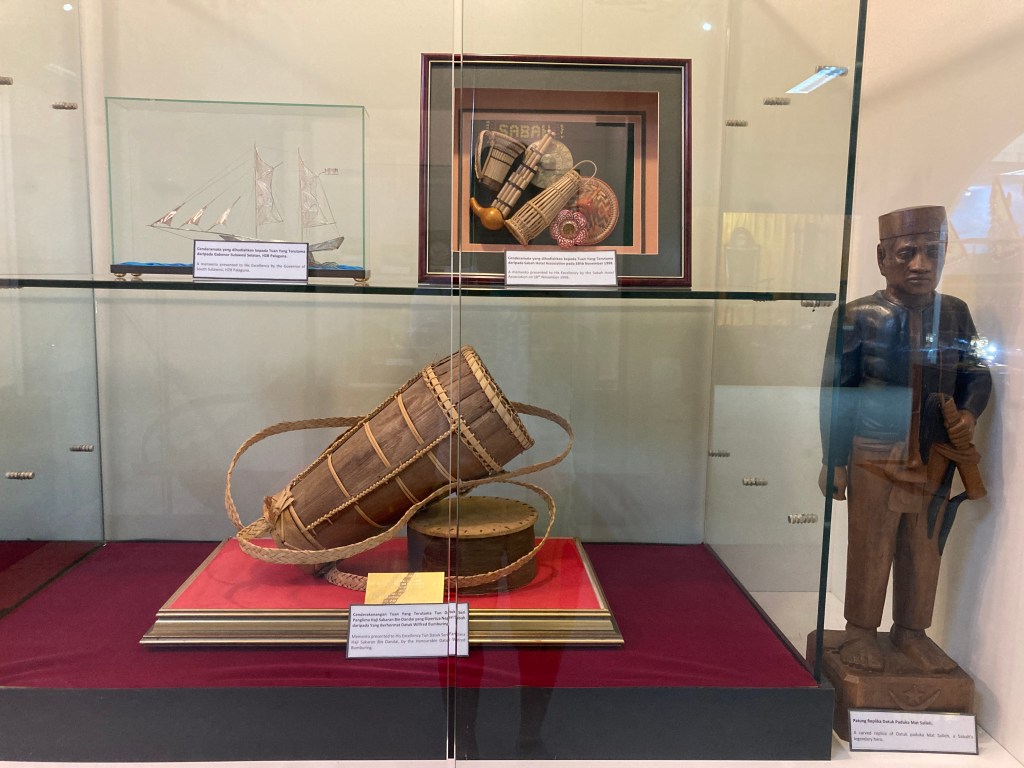
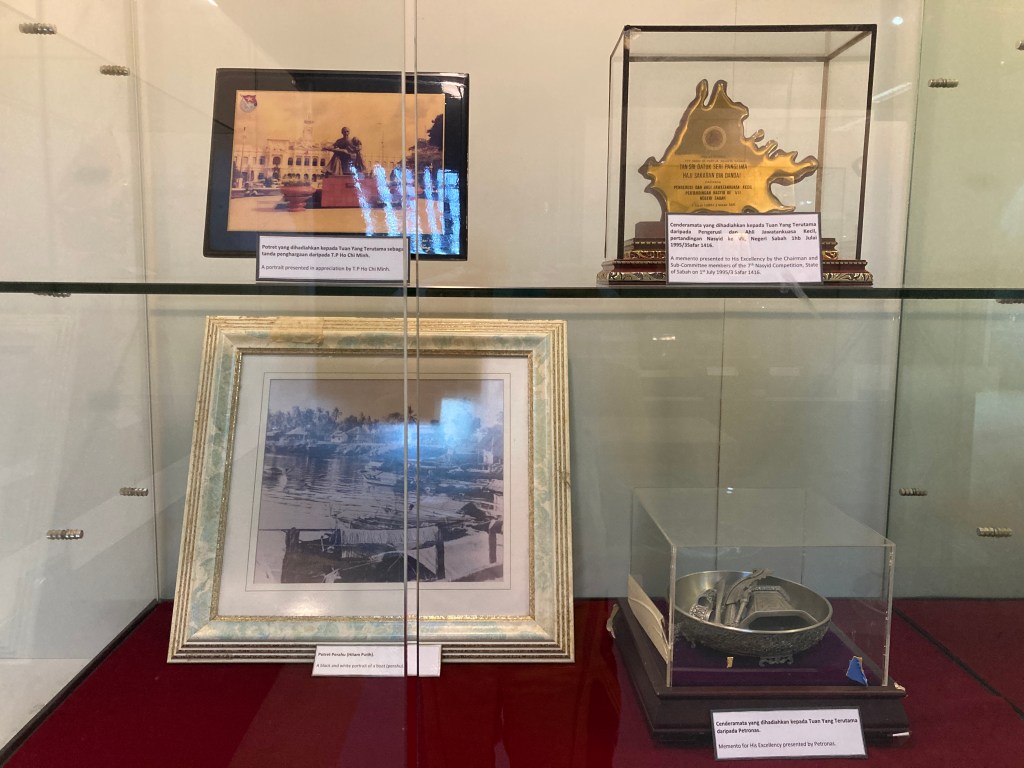
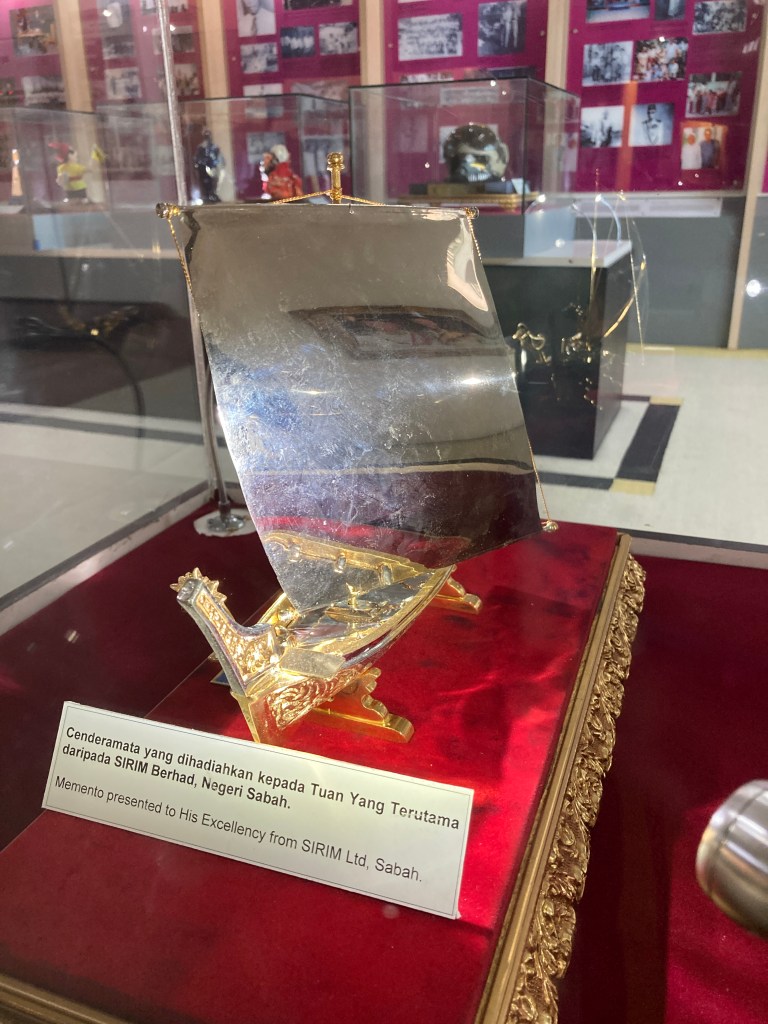
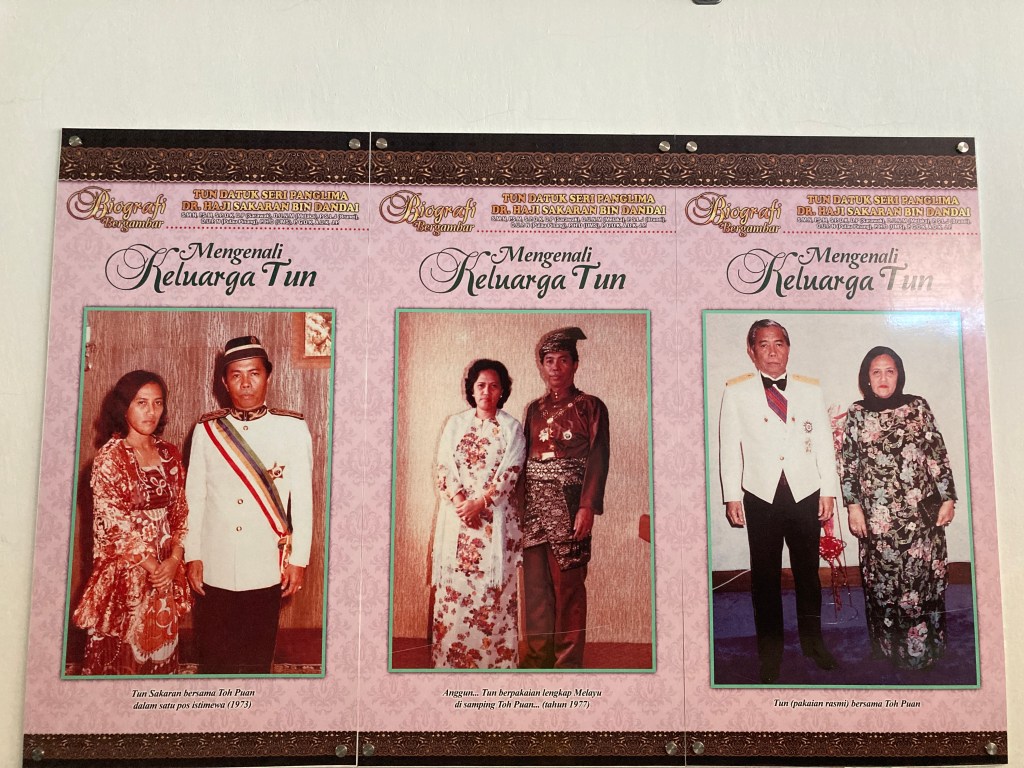
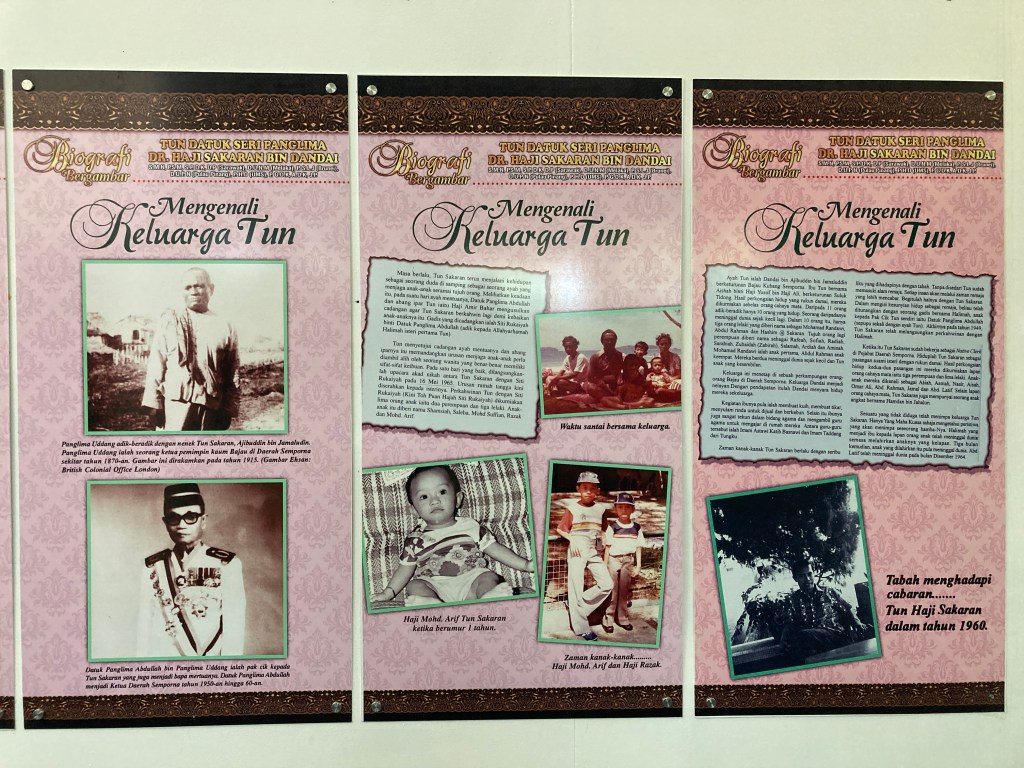
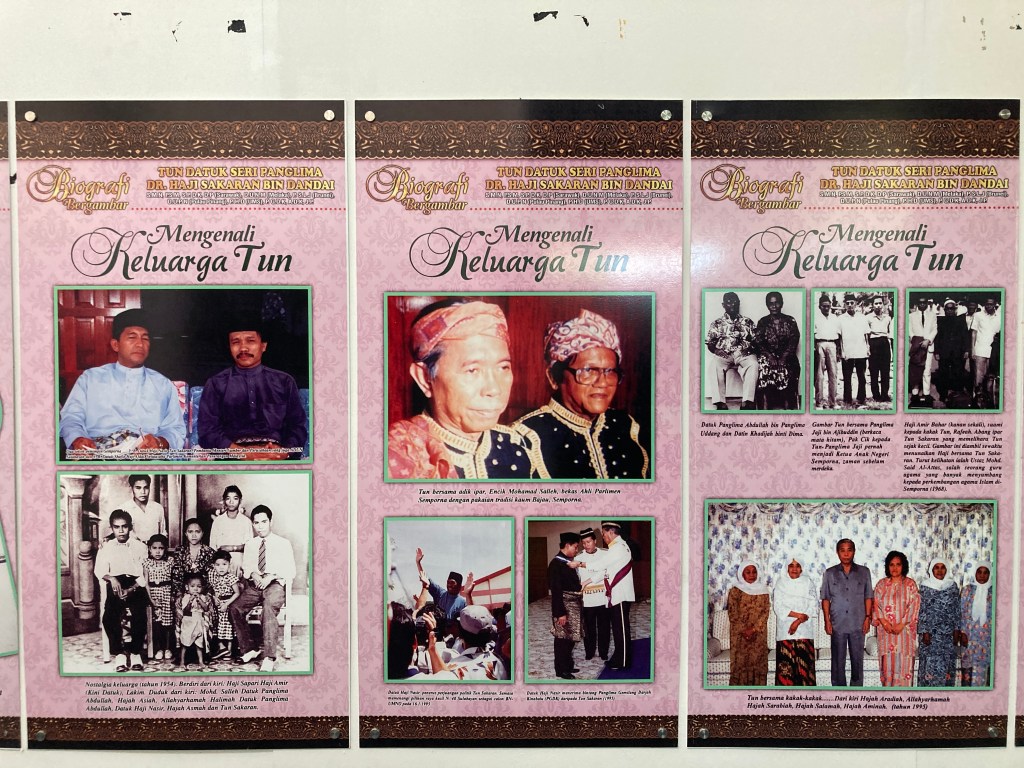
On the ground floor, there are numerous souvenirs sent by foreign ministries, showcasing Tun Sakaran’s contributions to society, and displaying his family and more.

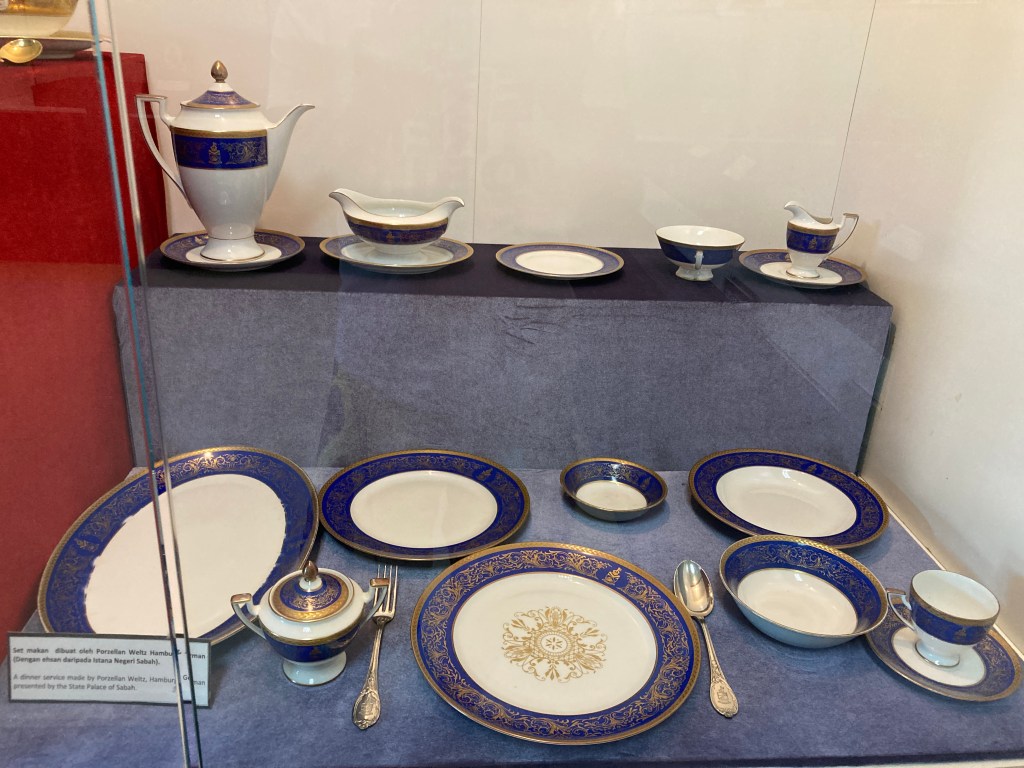
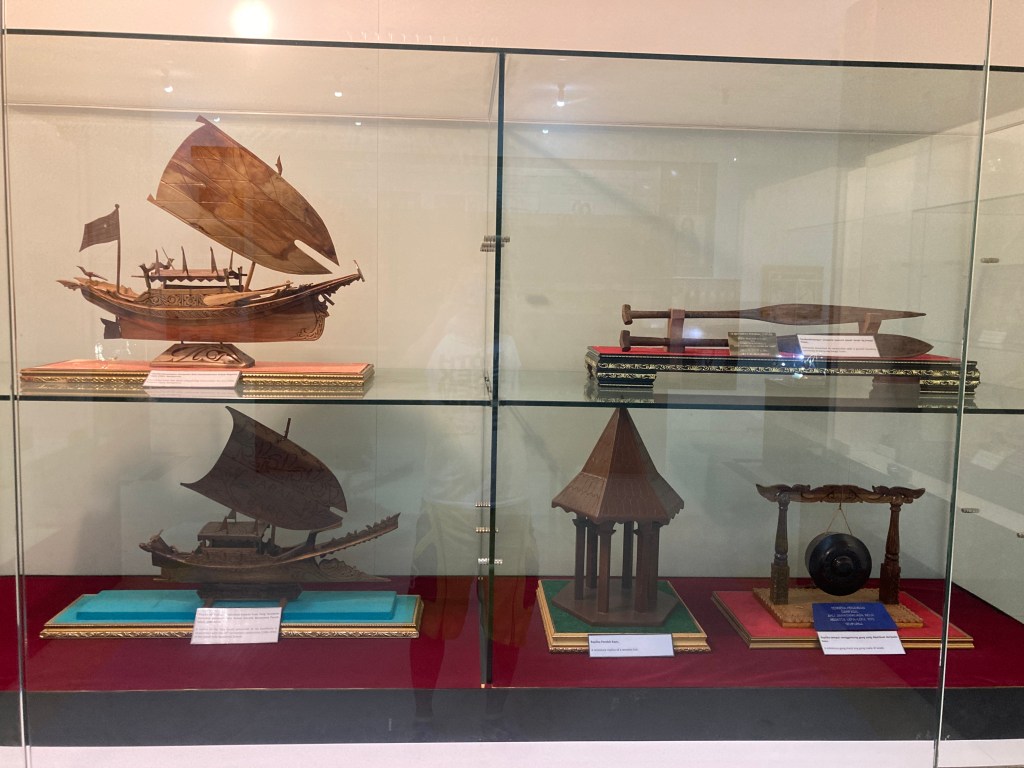
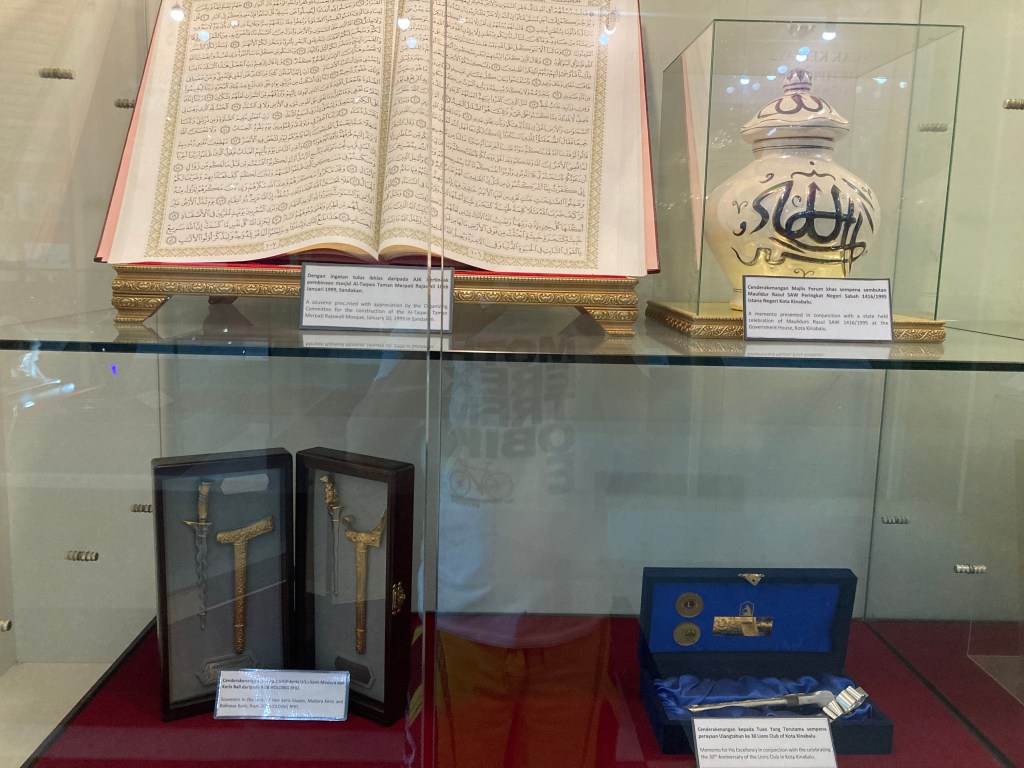


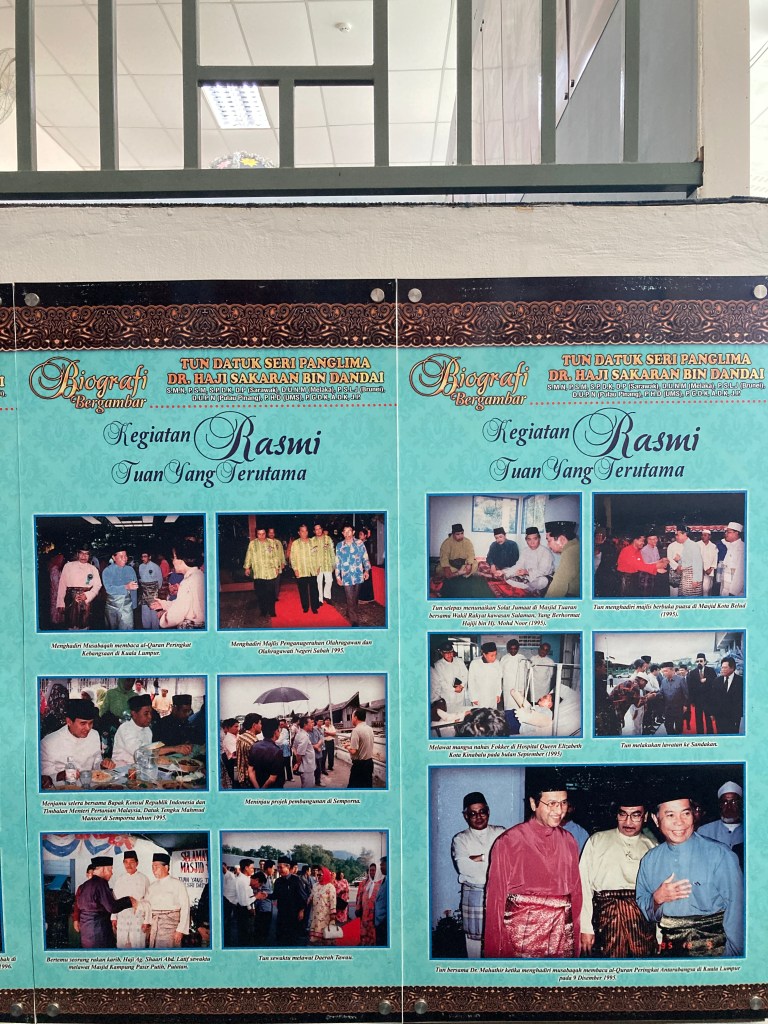
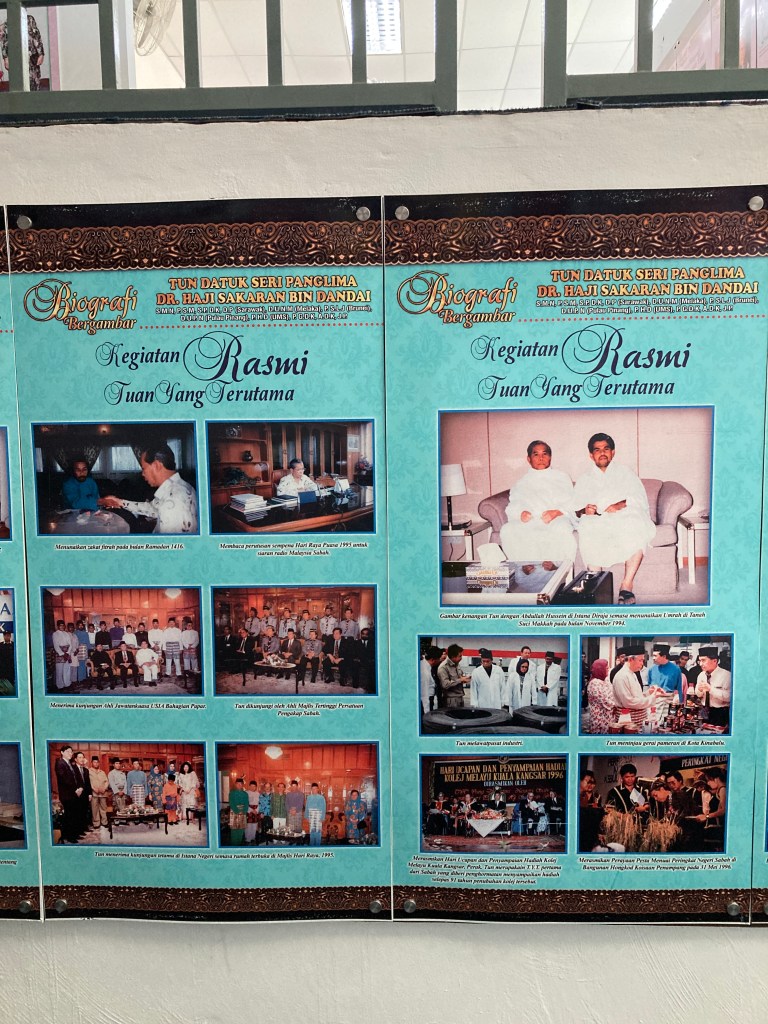
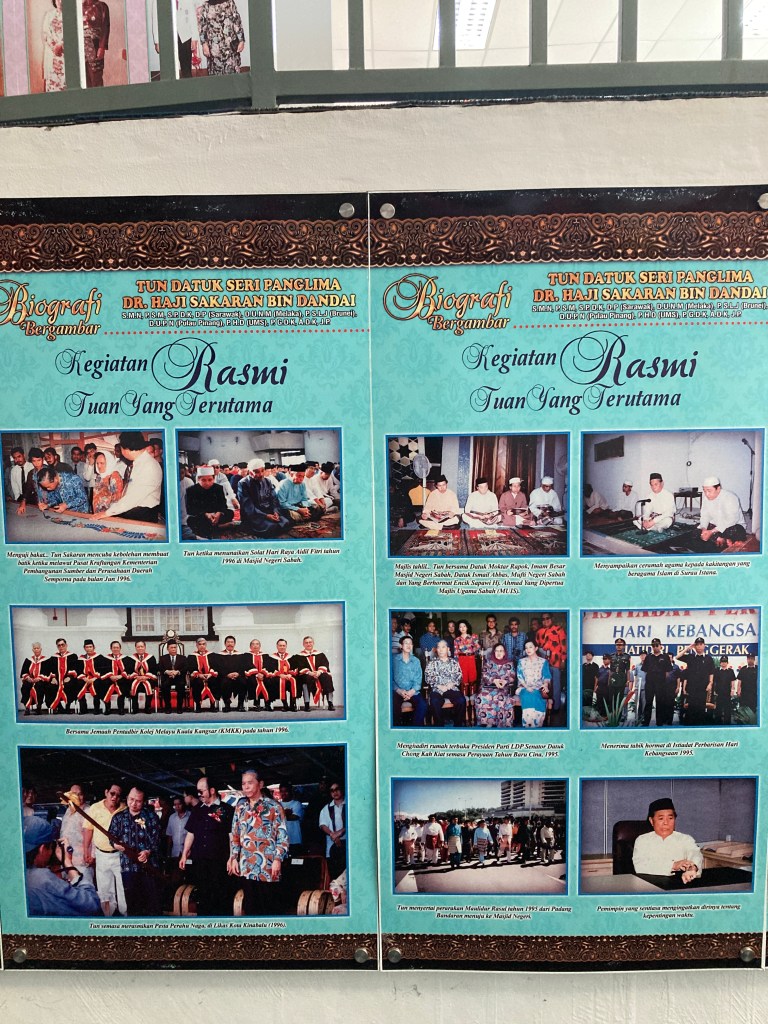
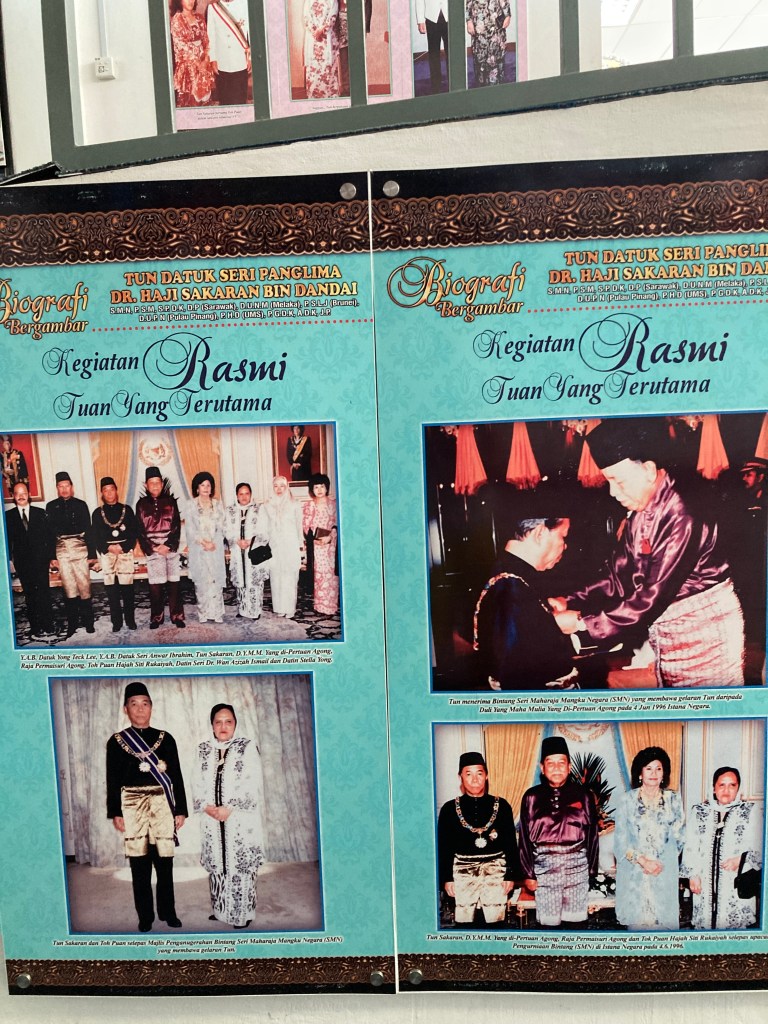
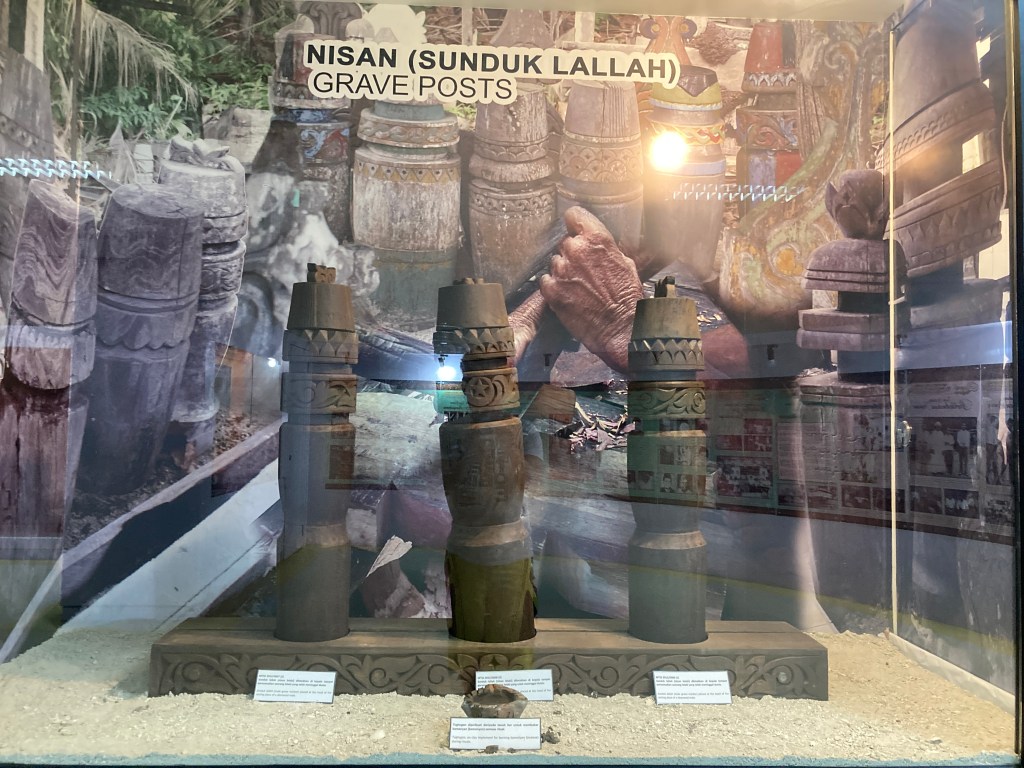
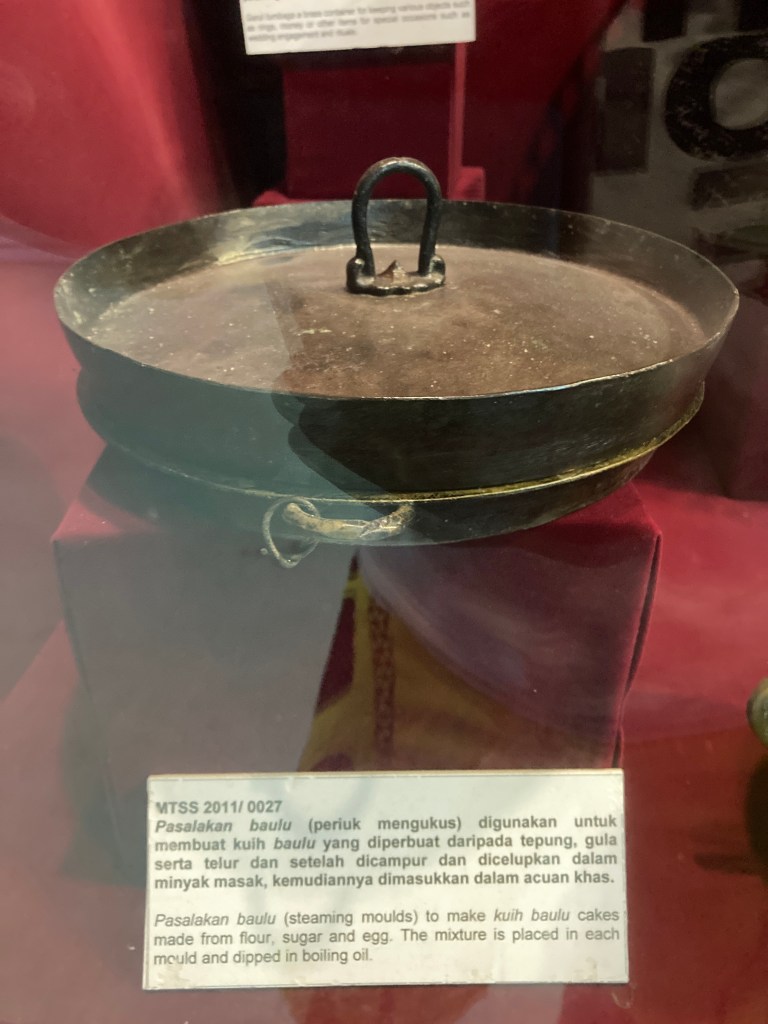
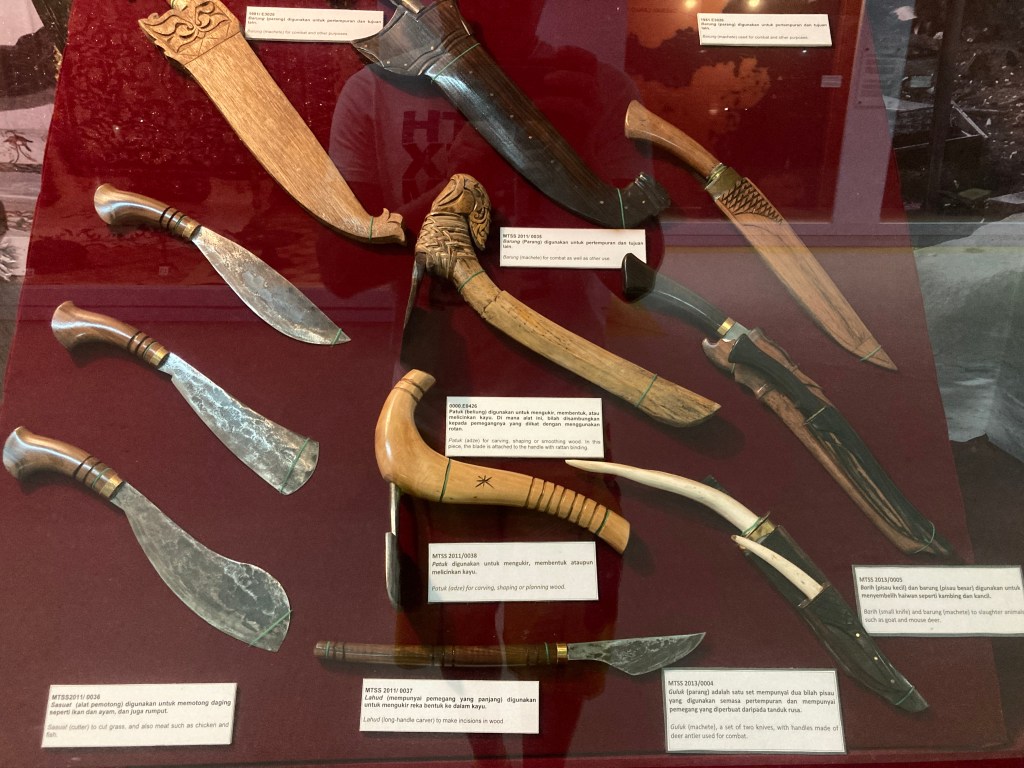
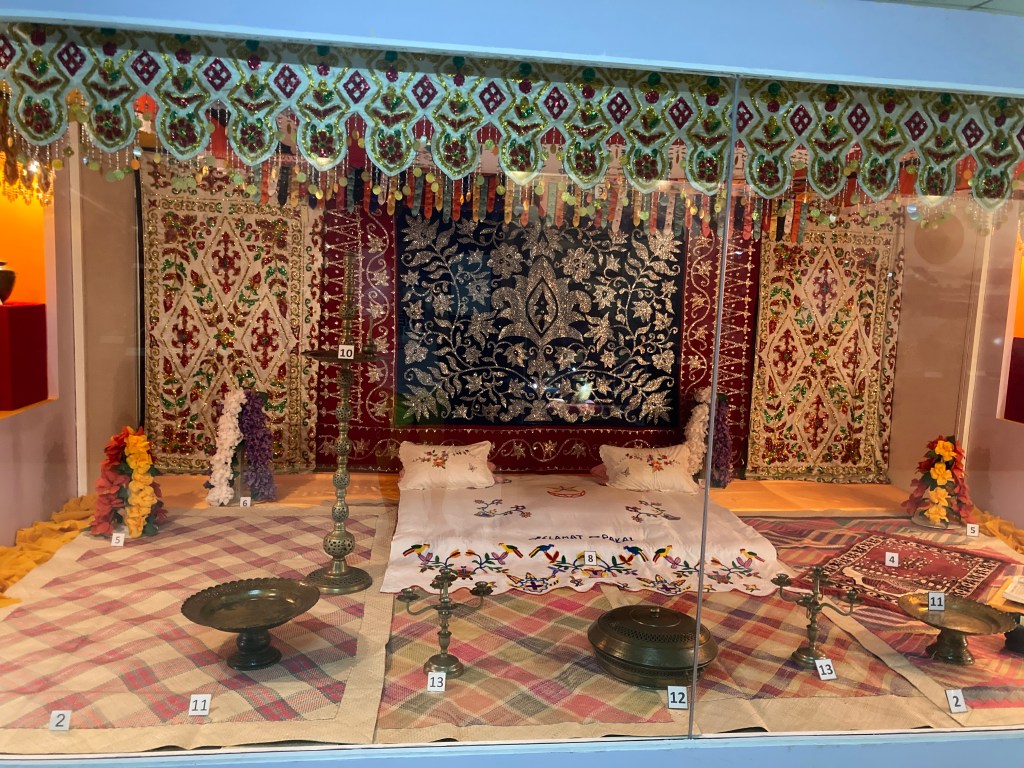
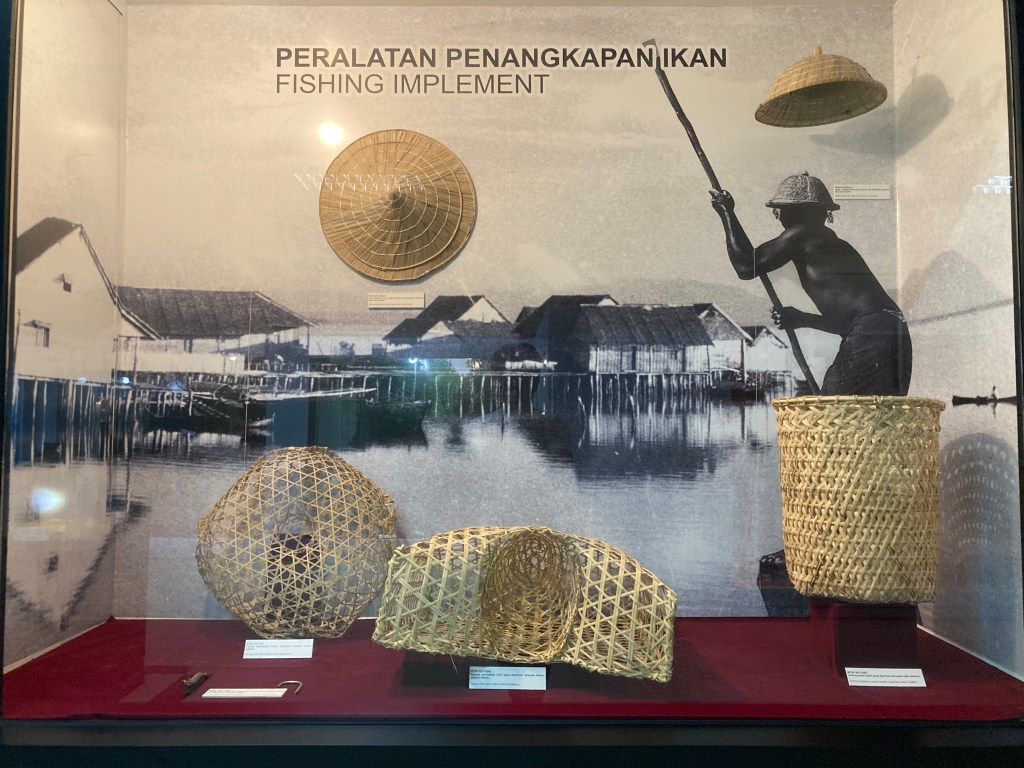
The upper floor showcases aspects of ethnic history, including Islamic traditions, cooking utensils, fishing livelihood, agricultural tools, wedding customs, and more.



If you like this article, you can help me by giving it a thumbs up and sharing. Thank you!

 Real Traveler, Real Experiences, Real Results.
Leave a comment